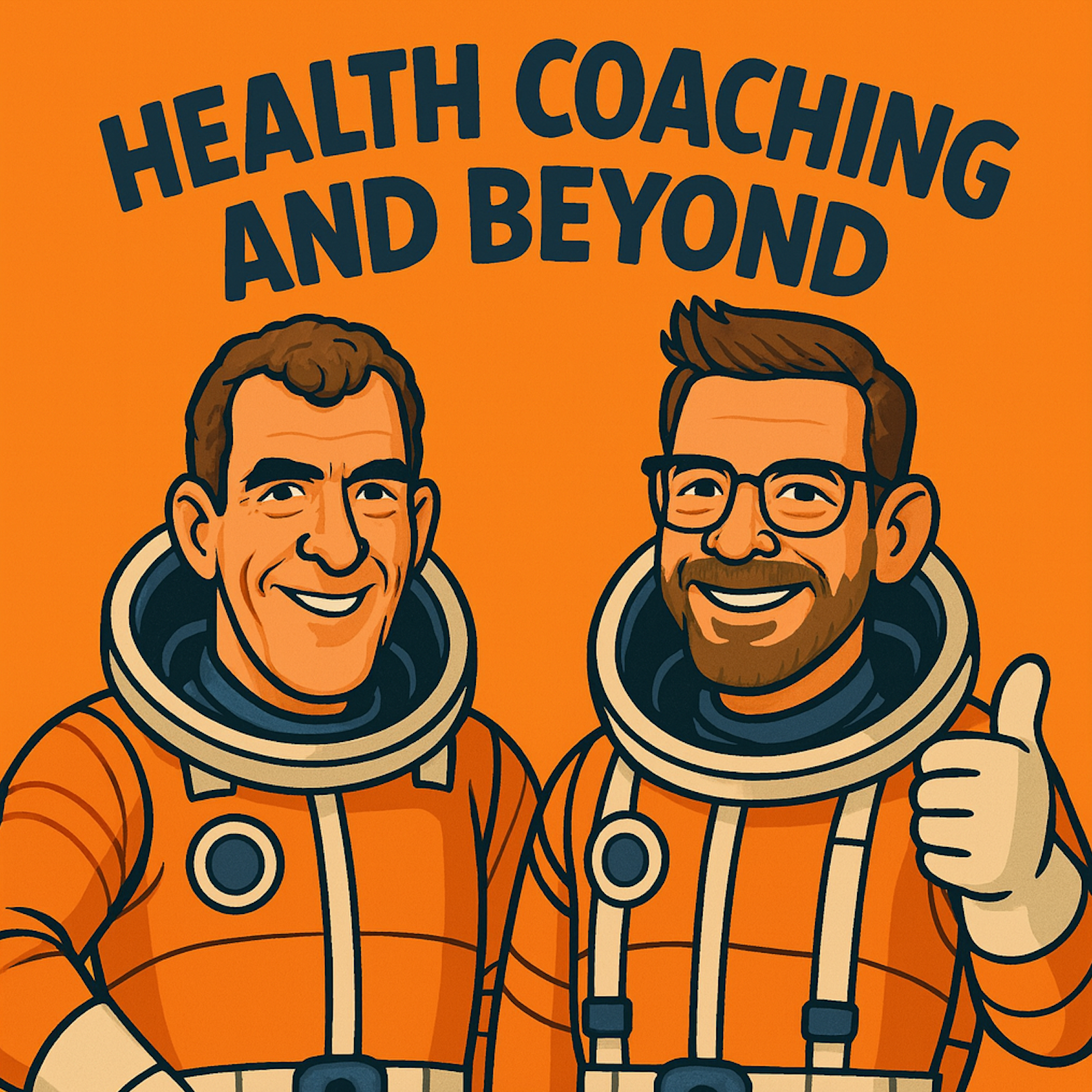
Health Coaching and Beyond
Episode 37 - Doing Less, Listening More: Lessons From a Counsellor and Health Coach
Summary
In this episode, Ollie is joined by Holly Crosby, one of Peak Health Coaching’s most experienced associate trainers, to explore a career spanning counselling, health coaching, workplace wellbeing and training.
Holly begins by sharing her own experience of healthcare following the diagnosis of a rare pituitary tumour in her early twenties. She reflects on how little control she initially felt over decisions about her treatment, and how her relationship with healthcare has changed over time as she has become more confident in asking questions, expressing what matters to her and taking a more active role in her care.
The conversation then turns to Holly’s professional journey, from more than a decade working as a counsellor in bereavement, addiction and mental health, to discovering health coaching and eventually bringing coaching into workplace settings.
Ollie and Holly also tackle a question that comes up regularly in health coaching: where does coaching end and counselling begin? Holly reflects on the considerable overlap between the two, while describing counselling as often creating space to understand and process the past, and coaching as having a greater focus on the present and what someone wants their future to look like.
Throughout the conversation, they return to the power of listening. For people used to helping others, stepping back can feel uncomfortable. But health coaching can sometimes mean doing less rather than more: talking less, telling less and creating the space for another person to recognise their own strengths, choices and capacity for change.
Takeaways
People are more likely to engage in their health when they feel involved in decisions rather than simply being told what will happen.
Continuity of care can help create trust and make it easier for people to speak openly about what matters to them.
Health cannot be separated from the wider realities of someone’s life, relationships and work.
Workplace wellbeing often involves issues that extend far beyond the workplace itself.
Counselling and health coaching share many skills, particularly listening, curiosity and creating a safe space for reflection.
Counselling may spend more time making sense of the past, while coaching often focuses more strongly on the present and future.
Supporting someone does not always mean giving them more information, advice or solutions.
Health coaching can challenge professionals to talk less, tell less and trust people more.
Small changes can have a significant impact and create the foundations for further change.
Health coaching skills can be valuable beyond patient consultations, including with colleagues, teams, friends and family.
Sometimes doing less and listening more can help someone else do more for themselves.


 The Sales Management. Simplified. Podcast with Mike Weinberg