
Skip to content
Artwork for Cool Worlds
ScienceEducationTechnology

Cool Worlds

Cool Worlds

Space, astronomy, exoplanets, astroengineering and the search for extraterrestrial life & intelligence.

The Cool Worlds Lab (http://coolworldslab.com), based at the Department of Astronomy, Columbia University, is a team of astronomers seeking to discover and understand alien worlds, particularly those where temperatures are cool enough for life, led by Professor David Kipping.

Links:
Subscribe!: https://www.youtube.com/channel/UCGHZpIpAWJQ-Jy_CeCdXhMA?sub_confirmation=1

Play
  • 165 episodes
  • daily
  • Avg 20 min
  • English
Counted on this page — what you have heard stays on this device, so it is not something the list can be paged by.
  • Monday · 1 hr 29 min

    Ask Me Anything Million Subs Special

    A huge thank-you to everyone who helped us reach this milestone! → Support our research: https://www.coolworldslab.com/support → Get merch: https://teespring.com/stores/cool-worlds-store → Check out our podcast: www.youtube.com/@CoolWorldsPodcast THANK-YOU to T. Widdowson, D. Smith, L. Sanborn, C. Bottaccini, D. Daughaday, S. Brownlee, E. West, T. Zajonc, A. De Vaal, M. Elliott, B. Daniluk, S. Vystoropskyi, S. Lee, Z. Danielson, C. Fitzgerald, C. Souter, M. Gillette, T. Jeffcoat, J. Rockett, D. Murphree, M. Sanford, T. Donkin, A. Schoen, K. Dabrowski, R. Ramezankhani, J. Armstrong, S. Marks, B. Smith, J. Kruger, S. Applegate, E. Zahnle, N. Gebben, J. Bergman, C. Macdonald, M. Hedlund, P. Kaup, W. Evans, N. Corwin, K. Howard, L. Deacon, G. Metts, R. Provost, G. Fullwood, N. De Haan, R. Williams, E. Garland, R. Lovely, A. Cornejo, D. Compos, F. Demopoulos, G. Bylinsky, J. Werner, S. Thayer, T. Edris, F. Blood, M. O'Brien, D. Lee, J. Sargent, M. Czirr, F. Krotzer, I. Williams, J. Sattler, B. Reese, O. Shabtay, X. Yao, S. Saverys, A. Nimmerjahn, C. Seay, D. Johnson, L. Cunningham, M. Morrow, M. Campbell, B. Devermont, Y. Muheim, A. Stark, C. Caminero, P. Borisoff, A. Donovan, H. Schiff, J. Cos, J. Oliver, B. Kite, C. Hansen, J. Shamp, R. Chaffee, A. Ortiz, B. McMillan, B. Cartmell, J. Bryant, J. Obioma, M. Zeiler, S. Murray, S. Patterson, C. Kennedy, G. Le Saint, W. Ruf, A. Kochkov, B. Langley, D. Ohman, P. Stevenson, T. Ford, T. Tarrants, A. Laroye, I. Venzor, R. Raszka, B. Gaalen, A. Taylor, D. Wedgewood, J. Alley, D. Aron, G. Thomsen, S. Shardool, B. Kingston, A. Phan Le, N. Voyton, N. Offor, A. Huch, J. Morrison & C. Fitzsimmons. CHAPTERS 0:00 AMA 0:18 Ultimate Telescope 4:32 YouTuber Academic 7:27 Unscientific Belief 9:58 If Not Astronomy... 12:46 Origins Story 18:05 What I Suck At 20:24 Crisis in Physics 25:16 Will We Confirm Life? 28:19 K167e Update 31:49 Coping with Setbacks 36:46 Wildest Hunch 40:03 Fermi Paradox Solution 43:26 Personal Inspirations 46:33 Mental Health Advise 50:20 Career Advise 54:29 Longer Healthspans 59:13 Breakfast? 59:51 BH Singularities 1:00:51 Life Evidence 1:03:48 Sci-Fi Books 1:05:29 Terrascope Update 1:09:12 Science Sensationalism 1:13:09 AI Good or Bad? 1:15:24 Creativity Advise 1:19:06 Thank-you 1:19:51 Outro and Credits #AMA #CoolWorlds Learn more about your ad choices. Visit megaphone.fm/adchoices

  • Monday · 7 min

    The Great American Eclipse 2017

    Get ready! On August 21st 2017, Americans will be treated to a rare total Solar eclipse. From coast to coast, everyone in the US should be able to see at least a partial eclipse and be within a day's drive of catching the total eclipse. Here's a quick rundown of what to expect, where to go and how to plan your trip. ::More about this Video:: ► The web app you can use to plan your trip (as shown in the video) is available at www.GreatAmericanEclipse.com ► NASA's page on the upcoming eclipse: http://eclipse.gsfc.nasa.gov/SEgoogle/SEgoogle2001/SE2017Aug21Tgoogle.html ► Where to buy your glasses from: https://www.greatamericaneclipse.com/store/ and http://www.eclipse2017.org/glasses_order.htm ► Outro music by Taylor Davis: https://www.youtube.com/watch?v=dl9kI1yQKZk ::Playlists For Channel:: Latest Cool Worlds Videos ► http://bit.ly/NewCoolWorlds Cool Worlds Research ► http://bit.ly/CoolWorldsResearch Guest Videos ► http://bit.ly/CoolWorldsGuests Q&A Videos ► http://bit.ly/CoolWorldsQA Science of TV/Film ► http://bit.ly/ScienceMovies ::Follow us:: SUBSCRIBE to the channel http://bit.ly/CoolWorldsSubscribe Cool Worlds Lab http://coolworlds.astro.columbia.edu Twitter https://twitter.com/david_kipping Instagram https://www.instagram.com/cool.worlds THANKS FOR WATCHING!! Learn more about your ad choices. Visit megaphone.fm/adchoices
  • Monday · 36 min

    A Tale of Scientific Integrity

    Click https://betterhelp.com/coolworlds for 10% off your first month of therapy with our sponsor BetterHelp. Join over 4 million people who’ve met with a therapist on BetterHelp and started living a healthier, happier life. We usually celebrate the big wins, the major discoveries, the eureka moments... but sometimes the most important moments in science aren't like this. Today we explore a pivotal moment that may have saved the field of exoplanets from a much darker path... Written & presented by Prof. David Kipping. Thanks to Matt Bailes for graciously coming on. → Support our research: https://www.coolworldslab.com/support → Get merch: https://teespring.com/stores/cool-worlds-store → Check out our podcast: www.youtube.com/@CoolWorldsPodcast THANK-YOU to D. Smith, M. Sloan, L. Sanborn, C. Bottaccini, D. Daughaday, A. Jones, S. Brownlee, N. Kildal, Z. Star, E. West, T. Zajonc, C. Wolfred, L. Skov, G. Benson, A. De Vaal, M. Elliott, B. Daniluk, S. Vystoropskyi, S. Lee, Z. Danielson, C. Fitzgerald, C. Souter, M. Gillette, T. Jeffcoat, J. Rockett, D. Murphree, T. Donkin, K. Myers, A. Schoen, K. Dabrowski, J. Black, R. Ramezankhani, J. Armstrong, K. Weber, S. Marks, L. Robinson, S. Roulier, B. Smith, J. Cassese, J. Kruger, S. Way, P. Finch, S. Applegate, L. Watson, E. Zahnle, N. Gebben, J. Bergman, E. Dessoi, C. Macdonald, M. Hedlund, P. Kaup, C. Hays, W. Evans, D. Bansal, J. Curtin, J. Sturm, RAND Corp., M. Donovan, N. Corwin, M. Mangione, K. Howard, L. Deacon, G. Metts, R. Provost, B. Sigurjonsson, G. Fullwood, B. Walford, J. Boyd, N. De Haan, J. Gillmer, R. Williams, E. Garland, A. Leishman, A. Phan Le, R. Lovely, M. Spoto, A. Steele, K. Yarbrough, A. Cornejo, D. Compos, F. Demopoulos, G. Bylinsky, J. Werner, B. Pearson, S. Thayer, T. Edris, B. Seeley, F. Blood, M. O'Brien, P. Muzyka, D. Lee, J. Sargent, M. Czirr, F. Krotzer, I. Williams, J. Sattler, J. Smallbon, B. Reese, J. Yoder, O. Shabtay, X. Yao, S. Saverys & M. Pittelli REFERENCES ► Bailes, M., Lyne, A. & Shemar, S. 1990, "A planet orbiting the neutron star PSR1829–10", Nature 352, 311: https://www.nature.com/articles/352311a0 MUSIC Licensed by SoundStripe.com (SS) [shorturl.at/ptBHI], Artlist.io, via CC Attribution License (https://creativecommons.org/licenses/by/4.0/) or with permission from the artist. 0:00: Arc - Hill 0:30: Falls - Ripley 2:07: Cylinder Seven - Chris Zabriskie 6:39: There is But One Good - Hill 24:32: Y - Joachim Heinrich CHAPTERS 0:00 Nightmare Scenario 2:24 Astronomical Errors 4:55 BetterHelp 6:39 PSR 1829 8:49 Matt Bailes Interview 24:51 Painful Truths 26:54 Outro & Credits #Integrity #Science #CoolWorlds Learn more about your ad choices. Visit megaphone.fm/adchoices
  • Monday · 32 min

    An Event So Deadly it Makes Parts of the Galaxy Inhospitable

    Space is a bleak, hostile environment. Asteroid strikes, supernovae and gamma ray bursts could wipe us out at any moment. But could certain parts of the galaxy be more dangerous than others? And could this explain why we live, when and where we live? Written and presented by Prof David Kipping, guest starring Jackson Kipping and edited by Jorge Casas. → Support our research program: https://www.coolworldslab.com/support → Get Stash here! https://teespring.com/stores/cool-worlds-store THANK-YOU to our supporters D. Smith, M. Sloan, C. Bottaccini, D. Daughaday, A. Jones, S. Brownlee, N. Kildal, Z. Star, E. West, T. Zajonc, C. Wolfred, L. Skov, G. Benson, A. De Vaal, M. Elliott, B. Daniluk, M. Forbes, S. Vystoropskyi, S. Lee, Z. Danielson, C. Fitzgerald, C. Souter, M. Gillette, T. Jeffcoat, J. Rockett, D. Murphree, S. Hannum, T. Donkin, K. Myers, A. Schoen, K. Dabrowski, J. Black, R. Ramezankhani, J. Armstrong, K. Weber, S. Marks, L. Robinson, S. Roulier, B. Smith, G. Canterbury, J. Cassese, J. Kruger, S. Way, P. Finch, S. Applegate, L. Watson, E. Zahnle, N. Gebben, J. Bergman, E. Dessoi, J. Alexander, C. Macdonald, M. Hedlund, P. Kaup, C. Hays, W. Evans, D. Bansal, J. Curtin, J. Sturm, RAND Corp., M. Donovan, N. Corwin, M. Mangione, K. Howard, L. Deacon, G. Metts, G. Genova, R. Provost, B. Sigurjonsson, G. Fullwood, B. Walford, J. Boyd, N. De Haan, J. Gillmer, R. Williams, E. Garland, A. Leishman, A. Phan Le, R. Lovely, M. Spoto, A. Steele, M. Varenka, K. Yarbrough, A. Cornejo, D. Compos, F. Demopoulos, G. Bylinsky, J. Werner, B. Pearson, S. Thayer & T. Edris. ::Music:: Music licensed by SoundStripe.com (SS) [shorturl.at/ptBHI], Artlist.io, via Creative Commons (CC) Attribution License (https://creativecommons.org/licenses/by/4.0/), or with permission from the artist ::References:: ► Spinelli & Ghirlanda, 2023, The Impact of GRBs on Exoplanetary Habitability, Universe, 9, 60: https://www.mdpi.com/2218-1997/9/2/60 ► Gehrels et al., 2003, Ozone Depletion from Nearby Supernovae, ApJ, 585, 1169: https://arxiv.org/abs/astro-ph/0211361 ► Thomas et al., 2006, Gamma-ray bursts and terrestrial planetary atmospheres, New. J. Phys., 8, 120: https://iopscience.iop.org/article/10.1088/1367-2630/8/7/120 ► Fisher & Valenti, 2005, The Planet-Metallicity Correlation, ApJ, 622, 1102: https://iopscience.iop.org/article/10.1086/428383 ► Buchhave & Latham, 2005, The Metallicities of Stars with and without Transiting Planets, ApJ, 808, 4: https://arxiv.org/abs/1507.03557 ► Wang & Fisher, 2005, Revealing A Universal Planet-Metallicity Correlation For Planets of Different Sizes Around Solar-Type Stars, AJ, 149, 7: https://arxiv.org/abs/1310.7830 ::Music:: ► Chris Zabriskie - Music from Neptune Flux 0:00 ► Falls - Ripley 6:06 ► Chris Zabriskie - Music from Neptune Flux 9:32 ► Brad Hill - A Slowly Lifting Fog 13:53 ► Joachim Heinrich - Y 16:58 ::Chapters:: 00:00 Introduction 02:28 Galactic Habitable Zone 05:09 Supernovae 10:26 GRBs 15:31 Multi-Threats 16:43 Planet formation 18:53 Planet retention 20:11 The Final Picture 22:56 Outro & Credits #GalacticHabitableZone #Supernovae #GammaRayBursts Learn more about your ad choices. Visit megaphone.fm/adchoices
  • Monday · 9 min

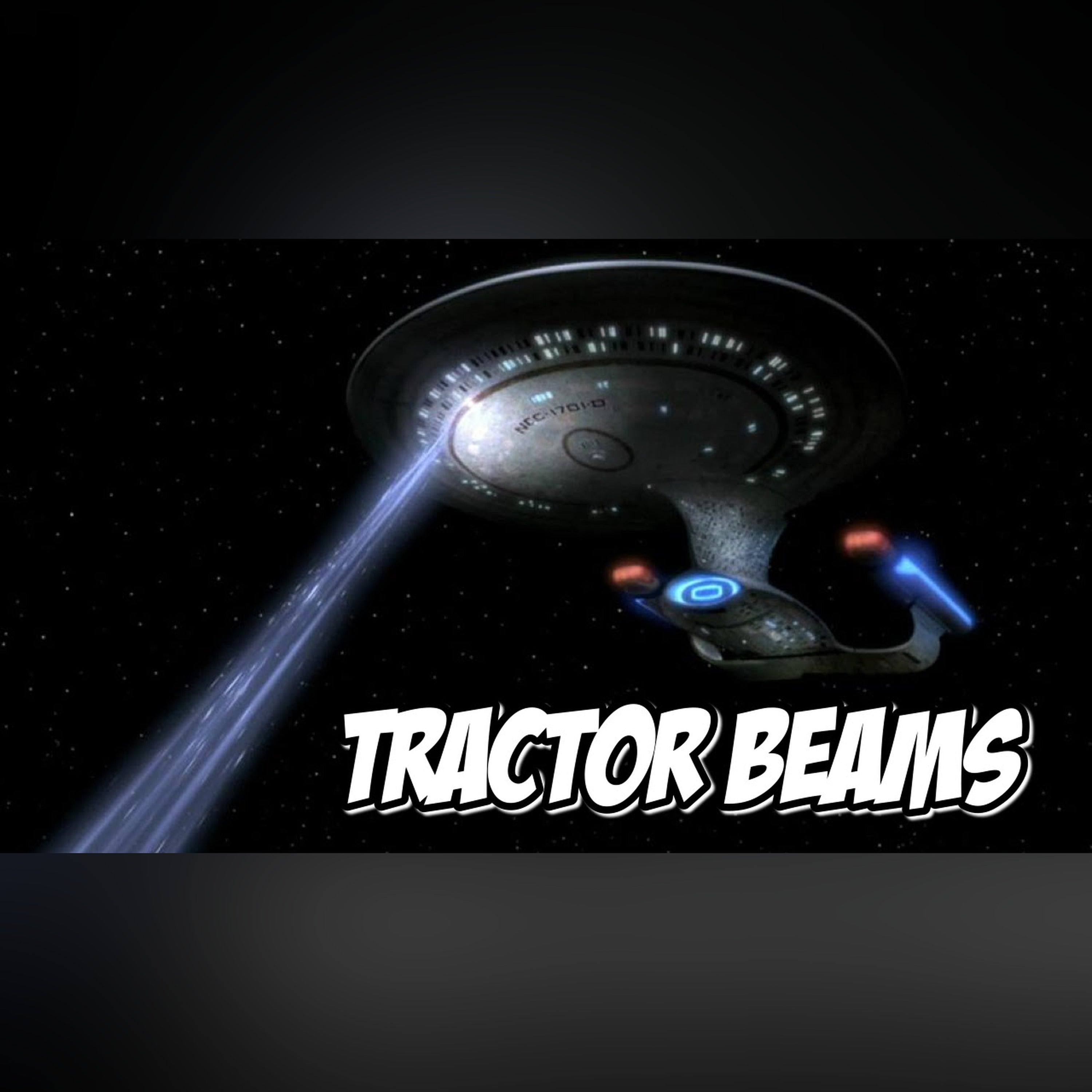
    A Real Tractor Beam

    NYU Professor of Physics, David Grier, dropped in to tell us about his team's amazing work building the world's first real life tractor beam. Just like Star Trek, he explains how their light beam pulls things toward it, how it works and how it could soon be used by NASA. ::More about this Video:: ► Prof David Grier's homepage: http://physics.nyu.edu/grierlab/ ► "Building Star Trek", Smithsonian Channel: http://www.smithsonianchannel.com/shows/building-star-trek/0/3436402 ► Outro music by Taylor Davis: https://www.youtube.com/watch?v=dl9kI1yQKZk ::Playlists For Channel:: Latest Cool Worlds Videos ► http://bit.ly/NewCoolWorlds Cool Worlds Research ► http://bit.ly/CoolWorldsResearch Guest Videos ► http://bit.ly/CoolWorldsGuests Q&A Videos ► http://bit.ly/CoolWorldsQA Science of TV/Film ► http://bit.ly/ScienceMovies ::Follow us:: SUBSCRIBE to the channel http://bit.ly/CoolWorldsSubscribe Cool Worlds Lab http://coolworlds.astro.columbia.edu Twitter https://twitter.com/david_kipping Instagram https://www.instagram.com/cool.worlds THANKS FOR WATCHING!! Learn more about your ad choices. Visit megaphone.fm/adchoices

  • Monday · 9 min

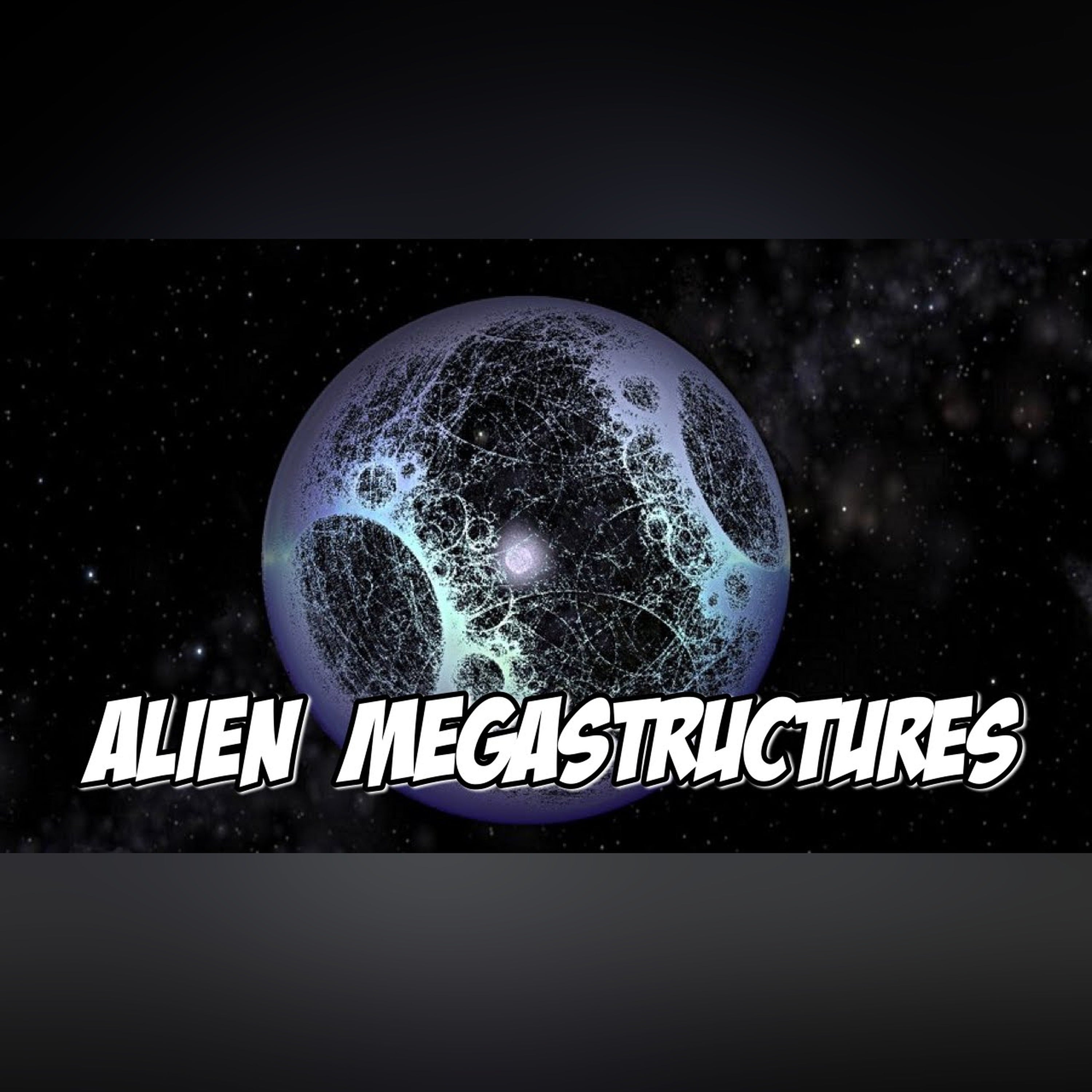
    What is an Alien Megastructure?

    Alien megastructures are back in the headlines after some new research published last week. It has been claimed that Tabby's Star is confirmed to be steadily dimming, which is completely unexpected behavior for a star. Prof Kipping explains what we know (and don't know) about this mysterious star and what astronomers really mean by "alien megastructures". ::More about this Video:: ► Montet & Simon (2016), "KIC 8462852 Faded Throughout the Kepler Mission": http://arxiv.org/abs/1608.01316 ► Schaefer (2016), "KIC 8462852 Faded at an Average Rate of 0.165+-0.013 Magnitudes Per Century From 1890 To 1989": http://arxiv.org/abs/1601.03256 ► Boyajian et al. (2016), "Planet Hunters X. KIC 8462852 - Where's the Flux?": https://arxiv.org/abs/1509.03622 ► Arnold (2005), "Transit Lightcurve Signatures of Artificial Objects": http://arxiv.org/abs/astro-ph/0503580 ► Kipping & Teachey (2016), "A Cloaking Device for Transiting Planets": http://arxiv.org/abs/1603.08928 ► Outro music by Taylor Davis: https://www.youtube.com/watch?v=dl9kI1yQKZk ::Playlists For Channel:: Latest Cool Worlds Videos ► http://bit.ly/NewCoolWorlds Cool Worlds Research ► http://bit.ly/CoolWorldsResearch Guest Videos ► http://bit.ly/CoolWorldsGuests Q&A Videos ► http://bit.ly/CoolWorldsQA Science of TV/Film ► http://bit.ly/ScienceMovies ::Follow us:: SUBSCRIBE to the channel http://bit.ly/CoolWorldsSubscribe Cool Worlds Lab http://coolworlds.astro.columbia.edu Twitter https://twitter.com/david_kipping Instagram https://www.instagram.com/cool.worlds THANKS FOR WATCHING!! Learn more about your ad choices. Visit megaphone.fm/adchoices
  • Monday · 8 min

    Why Finding Earth-Sized Planets is Hard

    The transit method of finding exoplanets is easier for big planets than small planets. But new work from the Cool Worlds Lab shows that transits disfavor the detection of small, Earth-sized planets even more than previously realized. Emily Sandford, a third-year graduate student with the Cool Worlds Lab at Columbia, explains our new paper which derives these biases, allowing astronomers to correct for these effects when figuring out how many Earths there really are. ::More about this Video:: ► Kipping & Sandford (2016), "Observational biases for transiting planets": http://arxiv.org/abs/1603.05662 ► Outro music by Taylor Davis: https://www.youtube.com/watch?v=dl9kI1yQKZk ::Playlists For Channel:: Latest Cool Worlds Videos ► http://bit.ly/NewCoolWorlds Cool Worlds Research ► http://bit.ly/CoolWorldsResearch Guest Videos ► http://bit.ly/CoolWorldsGuests Q&A Videos ► http://bit.ly/CoolWorldsQA Science of TV/Film ► http://bit.ly/ScienceMovies ::Follow us:: SUBSCRIBE to the channel http://bit.ly/CoolWorldsSubscribe Cool Worlds Lab http://coolworlds.astro.columbia.edu Twitter https://twitter.com/david_kipping Instagram https://www.instagram.com/cool.worlds THANKS FOR WATCHING!! Learn more about your ad choices. Visit megaphone.fm/adchoices
  • Monday · 18 min

    In Defense of Science

    ACTION CENTER: https://aas.org/advocacy/get-involved/action-alerts Learn more about your ad choices. Visit megaphone.fm/adchoices
  • Monday · 9 min

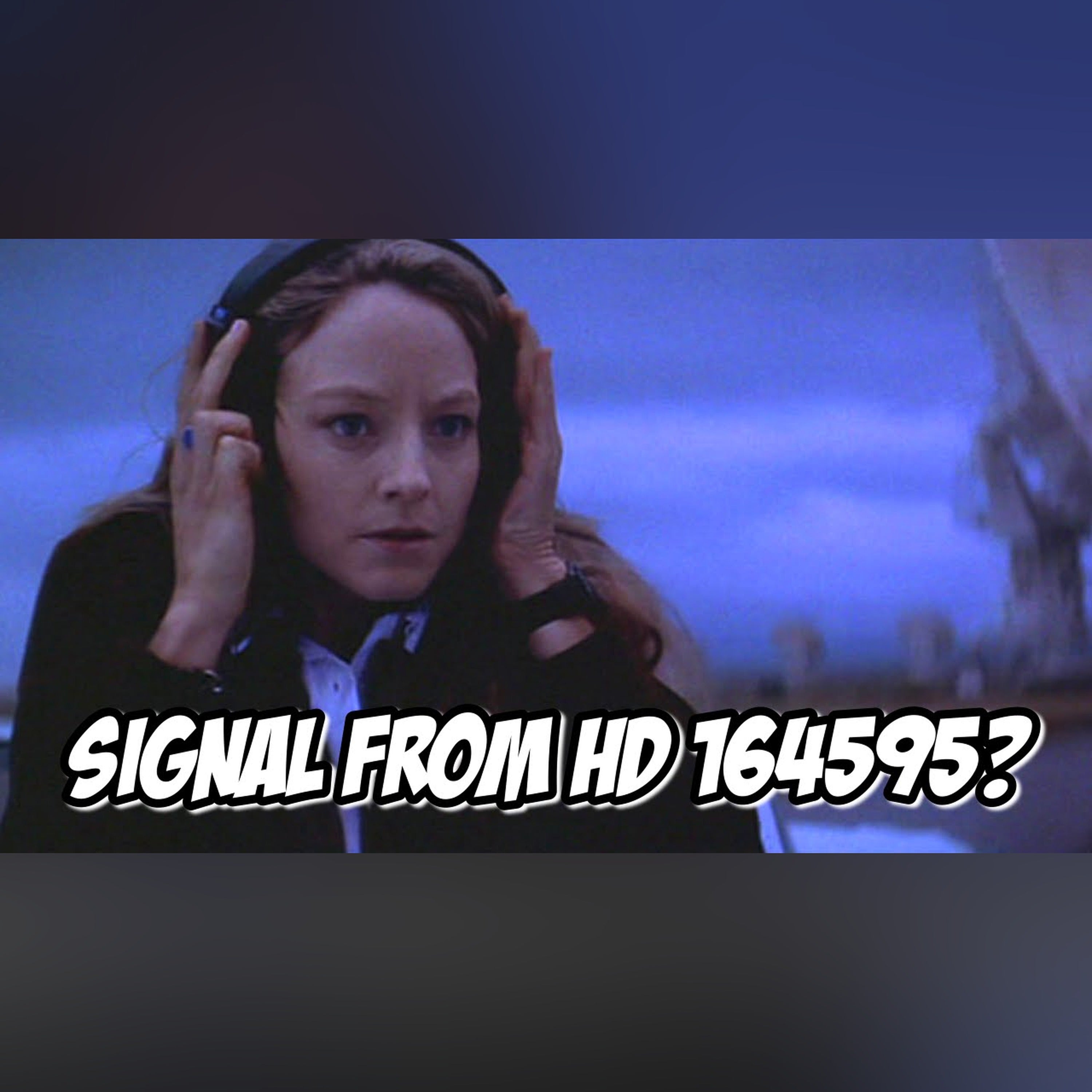
    How Many Planets in the Universe? | Part 1: Our Galaxy

    Have you ever wondered just how many planets there are in the Universe? So have we! We haven't surveyed the entire Universe (!) but based of the occurrence rate of planets in our local part of the cosmos, we can try to carefully extrapolate the total. In Part 1 of this mini-series, we focus on our galaxy, the Milky Way and explain why even here there is a great deal of uncertainty. ::More about this Video:: ► Cassan et al. (2012), "One or more bound planets per Milky Way star from microlensing observations": https://arxiv.org/abs/1202.0903 ► Sumi et al. (2011), "Unbound or Distant Planetary Mass Population Detected by Gravitational Microlensing": https://arxiv.org/abs/1105.3544 ► Dressing & Charbonneau (2016) "The Occurrence of Potentially Habitable Planets Orbiting M Dwarfs Estimated from the Full Kepler Dataset and an Empirical Measurement of the Detection Sensitivity": https://arxiv.org/abs/1501.01623 ► Outro music by Taylor Davis: https://www.youtube.com/watch?v=dl9kI1yQKZk ::Playlists For Channel:: Latest Cool Worlds Videos ► http://bit.ly/NewCoolWorlds Cool Worlds Research ► http://bit.ly/CoolWorldsResearch Guest Videos ► http://bit.ly/CoolWorldsGuests Q&A Videos ► http://bit.ly/CoolWorldsQA Science of TV/Film ► http://bit.ly/ScienceMovies ::Follow us:: SUBSCRIBE to the channel http://bit.ly/CoolWorldsSubscribe Cool Worlds Lab http://coolworlds.astro.columbia.edu Twitter https://twitter.com/david_kipping Instagram https://www.instagram.com/cool.worlds THANKS FOR WATCHING!! Learn more about your ad choices. Visit megaphone.fm/adchoices
  • Monday · 7 min

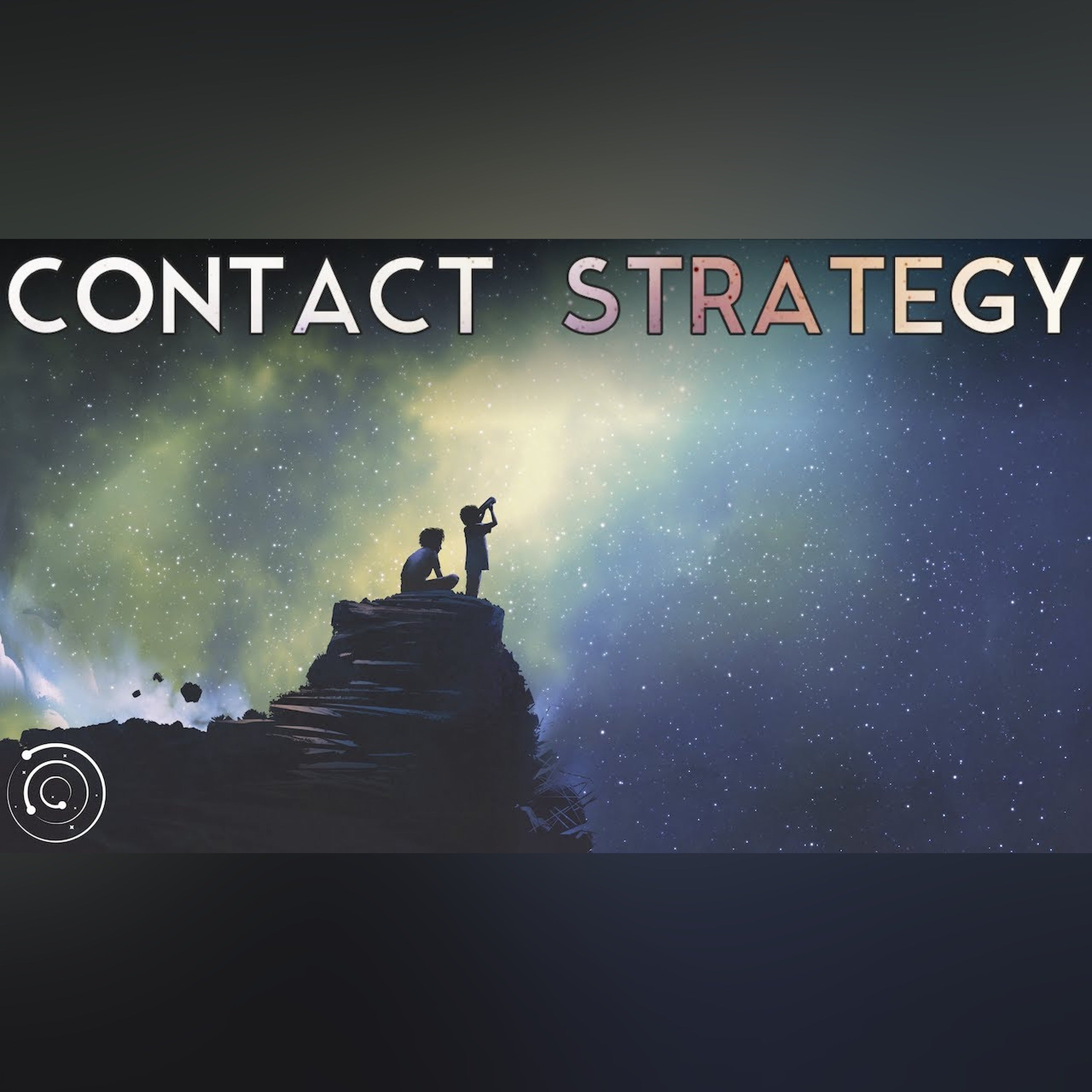
    Alien signal received from HD 164595?

    Dr Seth Shostak, Senior Astronomer of the SETI Institute, was at the New England Fall Astronomy Festival with me last week and I took the opportunity to ask him about the news reports of a SETI signal detected in Russia from the star HD 164595. Dr Shostak explains why he's not convinced that we've just heard from another civilization. Apologies for the noisy background and typo on the title: Shostak not Shostack! ::More about this Video:: ► CNN News report: http://www.cnn.com/2016/08/31/europe/seti-signal-hd-164595-not-alien-civilization/ ► Big Picture Science: http://radio.seti.org/about_the_show ► SETI Institute: http://www.seti.org/ ► Outro music by Taylor Davis: https://www.youtube.com/watch?v=dl9kI1yQKZk ::Playlists For Channel:: Latest Cool Worlds Videos ► http://bit.ly/NewCoolWorlds Cool Worlds Research ► http://bit.ly/CoolWorldsResearch Guest Videos ► http://bit.ly/CoolWorldsGuests Q&A Videos ► http://bit.ly/CoolWorldsQA Science of TV/Film ► http://bit.ly/ScienceMovies ::Follow us:: SUBSCRIBE to the channel http://bit.ly/CoolWorldsSubscribe Cool Worlds Lab http://coolworlds.astro.columbia.edu Twitter https://twitter.com/david_kipping Instagram https://www.instagram.com/cool.worlds THANKS FOR WATCHING!! Learn more about your ad choices. Visit megaphone.fm/adchoices
  • Monday · 24 min

    How Game Theory Can Help Us Find Aliens

    Could it be that aliens are trying to communicate with us right now, but we're just not listening in the right way? They might have chosen a specific frequency, time or method of communication that we just never thought to try. In game theory, two players can co-operate towards a common goal even without communication. The idea is called a Schelling point - today we'll explore what this is and how it affects our search for life in the Universe. Written & presented by Prof David Kipping. Thanks to Prof Jason Wright for discussions on this topic! → Support our research program: https://www.coolworldslab.com/support → Get merch here! https://teespring.com/stores/cool-worlds-store THANK-YOU to our supporters D. Smith, M. Sloan, C. Bottaccini, D. Daughaday, A. Jones, S. Brownlee, N. Kildal, Z. Star, E. West, T. Zajonc, C. Wolfred, L. Skov, G. Benson, A. De Vaal, M. Elliott, B. Daniluk, M. Forbes, S. Vystoropskyi, S. Lee, Z. Danielson, C. Fitzgerald, C. Souter, M. Gillette, T. Jeffcoat, H. Jensen, J. Rockett, N. Fredrickson, D. Holland, E. Hanway, D. Murphree, S. Hannum, T. Donkin, K. Myers, A. Schoen, K. Dabrowski, J. Black, R. Ramezankhani, J. Armstrong, K. Weber, S. Marks, L. Robinson, F. Van Exter, S. Roulier, B. Smith, P. Masterson, R. Sievers, G. Canterbury, J. Kill, J. Cassese, J. Kruger, S. Way, P. Finch, S. Applegate, L. Watson, T. Wheeler, E. Zahnle, N. Gebben, J. Bergman, E. Dessoi, J. Alexander, C. Macdonald, M. Hedlund, P. Kaup, C. Hays, S. Krasner, W. Evans, D. Bansal, J. Curtin, J. Sturm, RAND Corp., I. Attard, M. Donovan, N. Corwin & M. Mangione. ::References:: ► Alcubierre, M., 1994, "The warp drive: hyper-fast travel within general relativity", Classical and Quantum Gravity, 11 L73: https://arxiv.org/abs/gr-qc/0009013 ► Pfenning, M. & Ford, L., 1997, "The unphysical nature of Warp Drive", Classical and Quantum Gravity, 14, 1743: https://arxiv.org/abs/gr-qc/9702026 ► Finazzi, S., Liberati, S., Barceló, C., 2009, "Semiclassical instability of dynamical warp drives", Physical Review D., 79, 124017: https://arxiv.org/abs/0904.0141 ► McMonigal, B., Lewis, G., O'Byrne, P., 2012, "Alcubierre warp drive: On the matter of matter", Physical Review D., 85, 064024: https://arxiv.org/abs/1202.5708 ► Everett, A., 1996, "Warp drive and causality", Physical Review D, 53, 7365: https://journals.aps.org/prd/abstract/10.1103/PhysRevD.53.7365 ► For a more rigorous breakdown of the axis flipping in Minkowski spacetime, see Chapter 3 of "Special Relativity" by Valerio Faraoni (Chapter 3 is also available here https://williamsgj.people.cofc.edu/Minkowski%20Spacetime.pdf) ::Music:: Music licensed by SoundStripe.com (SS) [shorturl.at/ptBHI], or via Creative Commons (CC) Attribution License (https://creativecommons.org/licenses/by/4.0/), or with permission from the artist ► Hill - The Meek [https://open.spotify.com/album/0wv44MyPxj3pFQTQlyHa7j?si=zEaFsUKRTxqke2g47KDVQA&nd=1] ► Joachim Heinrich - Stjärna ► Chris Zabriskie - Neptune Flux 1 ► Hill - Evening Approaches [https://open.spotify.com/album/4pmiXcyRpPlFjWjb45pYLx?highlight=spotify:track:3mYMEDKgj4qwBkuwcXeb89] ► Chris Zabriskie - Neptune Flux 4 ► Joachim Heinrich - Y ► Indive - Trace Correction ::Film/TV clips used:: ► The Straight Story (1999) Buena Vista Pictures Distribution ► Ad Astra (2019) 20th Century Fox ► Clara (2018) D Films ► Contact (1997) Warnes Bros. ► X-Men (2000) 20th Century Fox ► Vanilla Sky (2001) Paramount Pictures ► Interstellar (2014) Paramount Pictures ► Star Trek: Enterprise (2001-2005) Paramount Television ► Sunshine (2007) Fox Searchlight Pictures ► Mankind: The Story of Us (History Channel) ► Annihilation (2018) Paramount Pictures ► Independence Day (1996) 20t Century Fox ► Somewhere in Time (1980) Universal Pictures ► The Curious Case of Benjamin Button (2008) Paramount Pictures ::Chapters:: 00:00 Prologue 01:13 Game Theory 04:16 Radio Water Hole 05:4 Learn more about your ad choices. Visit megaphone.fm/adchoices
  • Monday · 7 min

    Classifying Worlds

    Is there a way to naturally classify the different types of planets in the Universe? Two of the most fundamental properties of any object are its mass and size and generally one expects size to increase as we add more mass. The relationship between size and mass itself changes though at certain points, and this offers a clear way to classify worlds. Graduate student Jingjing Chen of the Cool Worlds Lab discusses one component of her new paper which does just this, classifying planets based off their mass and size and concluding that just four broad categories of planets explain the data. ::More about this Video:: ► Chen & Kipping (2016), "Probabilistic Forecasting of the Masses and Radii of Other Worlds": http://arxiv.org/abs/1603.08614 ► "Forecaster" open-source software package: https://github.com/chenjj2/forecaster ► Outro music by Taylor Davis: https://www.youtube.com/watch?v=dl9kI1yQKZk ::Playlists For Channel:: Latest Cool Worlds Videos ► http://bit.ly/NewCoolWorlds Cool Worlds Research ► http://bit.ly/CoolWorldsResearch Guest Videos ► http://bit.ly/CoolWorldsGuests Q&A Videos ► http://bit.ly/CoolWorldsQA Science of TV/Film ► http://bit.ly/ScienceMovies ::Follow us:: SUBSCRIBE to the channel http://bit.ly/CoolWorldsSubscribe Cool Worlds Lab http://coolworlds.astro.columbia.edu Twitter https://twitter.com/david_kipping Instagram https://www.instagram.com/cool.worlds THANKS FOR WATCHING!! Learn more about your ad choices. Visit megaphone.fm/adchoices
  • Monday · 23 min

    The Ambiguity Problem

    🌏 Get exclusive NordVPN deal here ➵ https://NordVPN.com/coolworlds It’s risk free with Nord’s 30 day money-back guarantee!✌ What kind of evidence would be needed to convince the world of alien life? Sagan said that "extraordinary claims require extraordinary evidence", but what exactly is "extraordinary"? Today we explore the difficult problem of dealing with potentially ambiguous evidence and how it might affect our search for life. Written & presented by Prof. David Kipping. Edited by Jorge Casas. → Support our research: https://www.coolworldslab.com/support → Get merch: https://teespring.com/stores/cool-worlds-store → Check out our podcast: www.youtube.com/@CoolWorldsPodcast THANK-YOU to D. Smith, M. Sloan, L. Sanborn, C. Bottaccini, D. Daughaday, A. Jones, S. Brownlee, N. Kildal, Z. Star, E. West, T. Zajonc, C. Wolfred, L. Skov, G. Benson, A. De Vaal, M. Elliott, B. Daniluk, M. Forbes, S. Vystoropskyi, S. Lee, Z. Danielson, C. Fitzgerald, C. Souter, M. Gillette, T. Jeffcoat, J. Rockett, D. Murphree, T. Donkin, K. Myers, A. Schoen, K. Dabrowski, J. Black, R. Ramezankhani, J. Armstrong, K. Weber, S. Marks, L. Robinson, S. Roulier, B. Smith, J. Cassese, J. Kruger, S. Way, P. Finch, S. Applegate, L. Watson, E. Zahnle, N. Gebben, J. Bergman, E. Dessoi, C. Macdonald, M. Hedlund, P. Kaup, C. Hays, W. Evans, D. Bansal, J. Curtin, J. Sturm, RAND Corp., M. Donovan, N. Corwin, M. Mangione, K. Howard, L. Deacon, G. Metts, G. Genova, R. Provost, B. Sigurjonsson, G. Fullwood, B. Walford, J. Boyd, N. De Haan, J. Gillmer, R. Williams, E. Garland, A. Leishman, A. Phan Le, R. Lovely, M. Spoto, A. Steele, M. Varenka, K. Yarbrough, A. Cornejo, D. Compos, F. Demopoulos, G. Bylinsky, J. Werner, B. Pearson, S. Thayer, T. Edris, A. Harrison, B. Seeley, F. Blood, M. O'Brien, P. Muzyka, E. Loomans, D. Lee, J. Sargent, M. Czirr, F. Krotzer, I. Williams, J. Sattler, & J. Smallbon. REFERENCES ► Brzycki, B. et al. 2023, "On Detecting Interstellar Scintillation in Narrowband Radio SETI", ApJ, 952, 46: https://arxiv.org/abs/2307.08793 ► Davenport, J. et al. 2023, "Searching the SETI Ellipsoid with Gaia", AJ, 164, 117: https://arxiv.org/abs/2206.04092 MUSIC Licensed by SoundStripe.com (SS) [shorturl.at/ptBHI], Artlist.io, via CC Attribution License (https://creativecommons.org/licenses/by/4.0/) or with permission from the artist. CHAPTERS 0:00 Diversified Alien Hunting 2:33 NordVPN 3:43 Priors 9:45 Disambiguation 13:04 New Tricks 16:07 Outro & Credits Learn more about your ad choices. Visit megaphone.fm/adchoices

  • Monday · 27 min

    The Question That Keeps Me Awake At Night

    The most fundamental question we can ever ask: Why is something rather than nothing? Not nothing as in no particles or no energy, but nothing as in no space, no time, no laws of physics at all. This is a question that has haunted me for years and today this deepest of questions. Written and presented by Prof David Kipping, edited by Jorge Casas. → Support our research program: https://www.coolworldslab.com/support → Get Stash here! https://teespring.com/stores/cool-worlds-store [themed T-shirt for the video is here: https://cool-worlds-store.creator-spring.com/listing/why-is-there-anything] THANK-YOU to our supporters D. Smith, M. Sloan, C. Bottaccini, D. Daughaday, A. Jones, S. Brownlee, N. Kildal, Z. Star, E. West, T. Zajonc, C. Wolfred, L. Skov, G. Benson, A. De Vaal, M. Elliott, B. Daniluk, M. Forbes, S. Vystoropskyi, S. Lee, Z. Danielson, C. Fitzgerald, C. Souter, M. Gillette, T. Jeffcoat, J. Rockett, D. Murphree, S. Hannum, T. Donkin, K. Myers, A. Schoen, K. Dabrowski, J. Black, R. Ramezankhani, J. Armstrong, K. Weber, S. Marks, L. Robinson, S. Roulier, B. Smith, G. Canterbury, J. Cassese, J. Kruger, S. Way, P. Finch, S. Applegate, L. Watson, E. Zahnle, N. Gebben, J. Bergman, E. Dessoi, J. Alexander, C. Macdonald, M. Hedlund, P. Kaup, C. Hays, W. Evans, D. Bansal, J. Curtin, J. Sturm, RAND Corp., M. Donovan, N. Corwin, M. Mangione, K. Howard, L. Deacon, G. Metts, G. Genova, R. Provost, B. Sigurjonsson, G. Fullwood, B. Walford, J. Boyd, N. De Haan, J. Gillmer, R. Williams, E. Garland, A. Leishman, A. Phan Le, R. Lovely, M. Spoto, A. Steele, M. Varenka, K. Yarbrough, A. Cornejo, D. Compos, F. Demopoulos, G. Bylinsky & J. Werner. ::Music:: Music licensed by SoundStripe.com (SS) [shorturl.at/ptBHI], Artlist.io, via Creative Commons (CC) Attribution License (https://creativecommons.org/licenses/by/4.0/), or with permission from the artist ► 00:00 Hill - The Great Alchemist [https://open.spotify.com/track/3PAx36jIsKiQMT9CQsRk4G?si=035fc819505445a1] ► 04:28 Falls - Ripley ► 08:11 Joachim Heinrich - Stjärna ► 09:49 Hill - Evening Approaches [https://open.spotify.com/track/3mYMEDKgj4qwBkuwcXeb89] ► 11:18 Hill - Fragmented [https://open.spotify.com/track/1z9xpNXpQmbXYd9M8dcJhE] ► 13:49 Hill - A Slowly Lifting Fog [https://open.spotify.com/track/0GgkyL3y22kFslT6wUsKlt] ► 16:57 Joachim Heinrich - Y ::Chapters:: 00:00 Restless Nights 02:35 Candle in the Dark 09:25 Ontological Crises 10:35 Why Not Nothing? 13:19 A Brutal Possibility 16:59 A Personal Reflection #WhyIsThereAnything #WhyNotNothing #CoolWorlds Learn more about your ad choices. Visit megaphone.fm/adchoices
  • Monday · 12 min

    Red and White Dwarfs QandA

    Answers to your questions by Prof David Kipping from our "Proxima Planet Hunt" and "Polluted Dead Stars" videos (links below)! Thanks to all of you who posted questions, keep 'em coming, we love interacting with you all! ::More about this Video:: ► "Proxima Planet Hunt" video: https://youtu.be/z5LVcfzRDI8 ► "Polluted Dead Stars" video: https://youtu.be/MAeqIQd6BMM ► Dressing & Charbonneau (2015), "The Occurrence of Potentially Habitable Planets Orbiting M Dwarfs Estimated from the Full Kepler Dataset and an Empirical Measurement of the Detection Sensitivity": http://arxiv.org/abs/1501.01623 ► Veras (2015), "Post-main-sequence planetary system evolution": http://arxiv.org/abs/1601.05419 ► Outro music by Taylor Davis: https://www.youtube.com/watch?v=dl9kI1yQKZk ::Playlists For Channel:: Latest Cool Worlds Videos ► http://bit.ly/NewCoolWorlds Cool Worlds Research ► http://bit.ly/CoolWorldsResearch Guest Videos ► http://bit.ly/CoolWorldsGuests Q&A Videos ► http://bit.ly/CoolWorldsQA Science of TV/Film ► http://bit.ly/ScienceMovies ::Follow us:: SUBSCRIBE to the channel http://bit.ly/CoolWorldsSubscribe Cool Worlds Lab http://coolworlds.astro.columbia.edu Twitter https://twitter.com/david_kipping Instagram https://www.instagram.com/cool.worlds THANKS FOR WATCHING!! Learn more about your ad choices. Visit megaphone.fm/adchoices
  • Monday · 9 min

    The Signatures of Alien Life… or Not | Tiffany Jansen

    Astronomers are finding habitable exoplanets everywhere! We are now starting to think about the next step, how can we use our telescopes to look for signs of life on distant worlds? Cool Worlds Lab astronomer Tiffany Jansen talks about possible atmospheric signals that could indicate the presence of a biosphere, but also the abiotic sources that could fool us all. ::More about this Video:: ► Reinhard et al. (2017), "False negatives for remote life detection on ocean-bearing planets: Lessons from the early Earth": https://arxiv.org/abs/1702.01137 ► Hein et al. (2013), "Some inconvenient truths about biosignatures involving two chemical species on Earth-like exoplanets": https://arxiv.org/abs/1404.6531 ► Wordsworth & Pierrehumbert (2014), "Abiotic oxygen-dominated atmospheres on terrestrial habitable zone planets": https://arxiv.org/abs/1403.2713 ► Outro music by Taylor Davis: https://www.youtube.com/watch?v=dl9kI1yQKZk ::Playlists For Channel:: Latest Cool Worlds Videos ► http://bit.ly/NewCoolWorlds Cool Worlds Research ► http://bit.ly/CoolWorldsResearch Guest Videos ► http://bit.ly/CoolWorldsGuests Q&A Videos ► http://bit.ly/CoolWorldsQA Science of TV/Film ► http://bit.ly/ScienceMovies ::Follow us:: SUBSCRIBE to the channel http://bit.ly/CoolWorldsSubscribe Cool Worlds Lab http://coolworlds.astro.columbia.edu Twitter https://twitter.com/david_kipping Instagram https://www.instagram.com/cool.worlds THANKS FOR WATCHING!! Learn more about your ad choices. Visit megaphone.fm/adchoices
  • Monday · 10 min

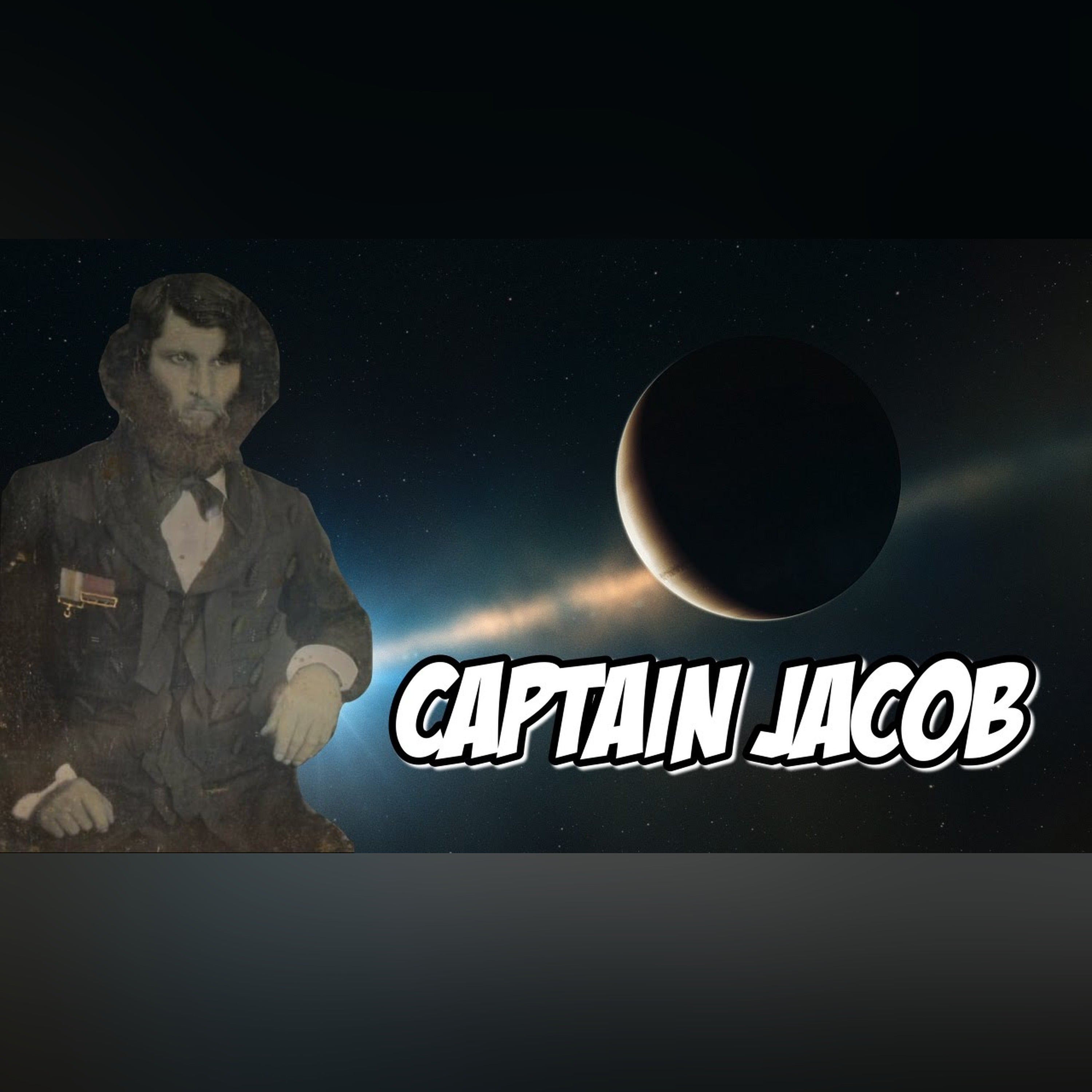
    The First Exoplanet Claim: Captain William S Jacob

    In 1855, Captain William Stephen Jacob authored a paper in the Monthly Notices of the Royal Astronomical Society claiming that a planet likely existed in the binary star system 70 Ophiuchi. Although his claim ended being wrong, it's pretty remarkable that someone was even thinking about doing this with scientific methods at the time! Here we get into Jacob's claim, what went wrong, and what legacy this has left us with. ::More about this Video:: ► Captain William S Jacob, "On Certain Anomalies Presented by the Binary Star 70 Ophiuchi": http://adsabs.harvard.edu/abs/1855MNRAS..15..228J ► Information compiled about Captain William Stephen Jacob and family by his living descendant, Kenneth Jacob: http://www.myjacobfamily.com/favershamjacobs/williamstephenjacob.htm ► Thomas See, "Researches on the orbit of 70 Ophiuchi, and on a periodic perturbation in the motion of the system arising from the action of an unseen body": http://adsabs.harvard.edu/abs/1896AJ.....16...17S ► Forest Ray Moulton, "The limits of temporary stability of satellite motion, with an application to the question of the existence of an unseen body in the binary system 70 Ophiuchi": http://adsabs.harvard.edu/abs/1899AJ.....20...33M ► Outro music by Taylor Davis: https://www.youtube.com/watch?v=dl9kI1yQKZk ::Playlists For Channel:: Latest Cool Worlds Videos ► http://bit.ly/NewCoolWorlds Cool Worlds Research ► http://bit.ly/CoolWorldsResearch Guest Videos ► http://bit.ly/CoolWorldsGuests Q&A Videos ► http://bit.ly/CoolWorldsQA Science of TV/Film ► http://bit.ly/ScienceMovies ::Follow us:: SUBSCRIBE to the channel http://bit.ly/CoolWorldsSubscribe Cool Worlds Lab http://coolworlds.astro.columbia.edu Twitter https://twitter.com/david_kipping Instagram https://www.instagram.com/cool.worlds THANKS FOR WATCHING!! Learn more about your ad choices. Visit megaphone.fm/adchoices
  • Monday · 25 min

    Why Exomoons Are So Important

    Flexispot’s anniversary sale is here! Get up to 60% off with my code COOLWORLDS on orders over $500 at http://bit.ly/coolworlds10! Exoplanets was a transformative discovery for astronomy. Exomoons is the next. I’ve spent most of my career looking for exomoons and today I explain the five reasons why finding them isn’t just fascinating - it’s necessary. Written & presented by Prof. David Kipping. Edited by Jorge Casas. → Support our research: https://www.coolworldslab.com/support → Get merch: https://teespring.com/stores/cool-worlds-store → Check out our podcast: www.youtube.com/@CoolWorldsPodcast THANK-YOU to D. Smith, M. Sloan, L. Sanborn, C. Bottaccini, D. Daughaday, A. Jones, S. Brownlee, N. Kildal, Z. Star, E. West, T. Zajonc, C. Wolfred, L. Skov, G. Benson, A. De Vaal, M. Elliott, B. Daniluk, M. Forbes, S. Vystoropskyi, S. Lee, Z. Danielson, C. Fitzgerald, C. Souter, M. Gillette, T. Jeffcoat, J. Rockett, D. Murphree, T. Donkin, K. Myers, A. Schoen, K. Dabrowski, J. Black, R. Ramezankhani, J. Armstrong, K. Weber, S. Marks, L. Robinson, S. Roulier, B. Smith, J. Cassese, J. Kruger, S. Way, P. Finch, S. Applegate, L. Watson, E. Zahnle, N. Gebben, J. Bergman, E. Dessoi, C. Macdonald, M. Hedlund, P. Kaup, C. Hays, W. Evans, D. Bansal, J. Curtin, J. Sturm, RAND Corp., M. Donovan, N. Corwin, M. Mangione, K. Howard, L. Deacon, G. Metts, G. Genova, R. Provost, B. Sigurjonsson, G. Fullwood, B. Walford, J. Boyd, N. De Haan, J. Gillmer, R. Williams, E. Garland, A. Leishman, A. Phan Le, R. Lovely, M. Spoto, A. Steele, M. Varenka, K. Yarbrough, A. Cornejo, D. Compos, F. Demopoulos, G. Bylinsky, J. Werner, B. Pearson, S. Thayer, T. Edris, A. Harrison, B. Seeley, F. Blood, M. O'Brien, P. Muzyka, E. Loomans, D. Lee, J. Sargent, M. Czirr, F. Krotzer, I. Williams & J. Sattler. CHAPTERS 0:00 Reason 1 03:20 Reason 2 7:18 Sponsorship 8:50 Reason 3 10:48 Reason 4 12:33 Reason 5 16:26 The Future MUSIC Licensed by SoundStripe.com (SS) [shorturl.at/ptBHI], Artlist.io, via CC Attribution License (https://creativecommons.org/licenses/by/4.0/) or with permission from the artist. ► Hill - A Slowly Lifting Fog ► Falls - Life in Binary ► Chris Zabriskie - We Were Never Meant to Live Here ► Chris Zabriskie - Cylinder Two ► Hill - To The Quiet Drumming Inside My Head [https://open.spotify.com/track/1QAGagFWsbTZyGfAJxs06d] ► Hill - Chasing Out The Chaos [https://open.spotify.com/album/4pmiXcyRpPlFjWjb45pYLx] ► Joachim Heinrich - Y #astronomy #jwst #exoplanets Learn more about your ad choices. Visit megaphone.fm/adchoices
  • Monday · 7 min

    Jupiter: Friend or Foe? | Elisa Quintana

    Jupiter is the King of the Solar System but exoplanet surveys have revealed that it's an unusual type of world. Just ~10% of Sun-like stars have planets of the same mass and orbit as Jupiter. So could the existence of Jupiter be somehow beneficial to emergence of complex life, like us, on other planets in the system? On the hand, maybe Jupiter's strong gravity should scatter asteroids towards us, perhaps making things worse? Dr Elisa Quintana from NASA Goddard dropped in to the Cool Worlds Lab and explained her research trying to resolve the mystery of Jupiter's role: friend or foe? ::More about this Video:: ► Quintana et al. (2016), "The Frequency of Giant Impacts on Earth-like Worlds": https://arxiv.org/abs/1511.03663 ► Johnson et al. (2010), "Giant Planet Occurrence in the Stellar Mass-Metallicity Plane": https://arxiv.org/abs/1005.3084 ► Cool Worlds Lab website: http://coolworlds.astro.columbia.edu ► Columbia University Department of Astronomy: http://www.astro.columbia.edu ► Outro music by Daft Punk "Harder, Better, Stronger, Faster": http://www.daftpunk.com and http://smarturl.it/DaftPunkiTunes ::Playlists For Channel:: Latest Cool Worlds Videos ► http://bit.ly/NewCoolWorlds Cool Worlds Research ► http://bit.ly/CoolWorldsResearch Guest Videos ► http://bit.ly/CoolWorldsGuests Q&A Videos ► http://bit.ly/CoolWorldsQA Science of TV/Film ► http://bit.ly/ScienceMovies ::Follow us:: SUBSCRIBE to the channel http://bit.ly/CoolWorldsSubscribe Cool Worlds Lab http://coolworlds.astro.columbia.edu Twitter https://twitter.com/david_kipping Instagram https://www.instagram.com/cool.worlds THANKS FOR WATCHING!! ヅ Learn more about your ad choices. Visit megaphone.fm/adchoices

  • Monday · 33 min

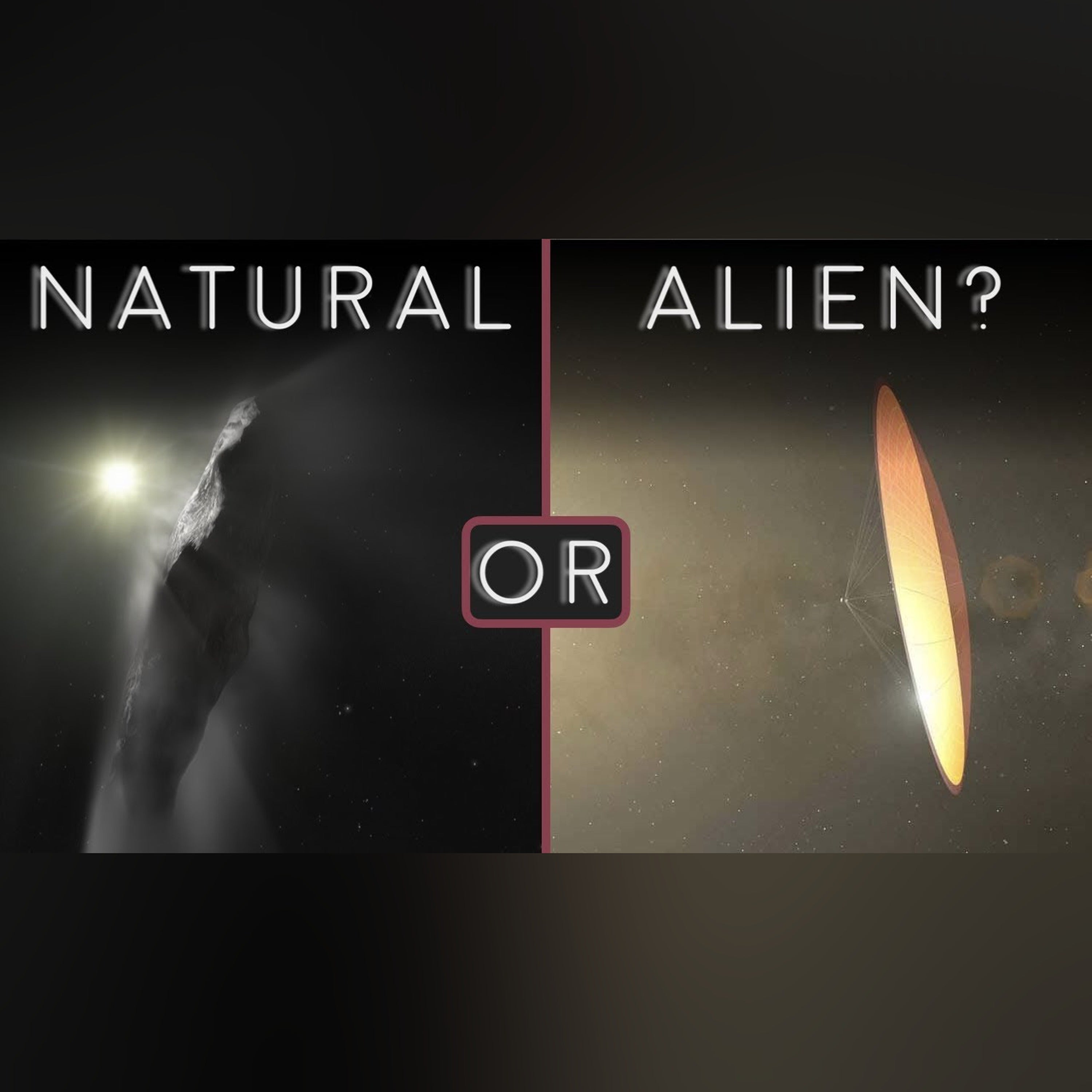
    Is 'Oumuamua Alien Technology?

    Three years ago, we detected the first interstellar object passing through the Solar System, `Oumuamua. Ever since, astronomers have been debating the origins of this strange body. Whilst many hypothesize an asteroid, the media is ablaze with the possibility that it could be alien technology. Join us today for a discussion of this theory and the counter-arguments proposed. Written & presented by Prof David Kipping. Thanks to Dr Sean Raymond for fact checking - check out his blog www.planetplanet.net and astro poetry book https://www.amazon.com/dp/B08LFZZWGZ You can now support our research program and the Cool Worlds Lab at Columbia University: https://www.coolworldslab.com/support Get Stash here! https://teespring.com/stores/cool-worlds-store Thank-you to our supporters K. Clark, T. Widdowson, D. Smith, S. Hackley, M. Sloan, L. Sanborn, K. Kantor, P. Herman, C. Bottaccini, D. Brunk, D. Daughaday, S. Fincher, J. Kindred, A. Jones, J. Allen, S. Baldwin, J. Black, S. Brownlee, D. Denholm, T. Dorais, G. Downton, E. Urrestarazu, G. Fulton, S. Griffiths, P. Halloran, J. Jurcevic, N. Kildal, J. Kobernick, W. Kobernick, V. Kremer, M. Lijoi, S. Loftin, B. Loizides, A. Maslyanchuk, B. Matson, O. Mcintyre, L. Mitchell, A. Pelletier, J. Rivillas, B. Robinson, Z. Star, L. Steely, E. Stefan-Matyus, M. Steven, E. West, B. York, T. Zanjonc, P. Gowd, S. Kelsey, P. Kommareddy, C. Wolfred, D. Vennel, E. Dessoi, F. Naeem, F. Rebolledo, H. Laging, J. Falls, P. Rutherford, T. Leger, L. Skov, D. Roberts, E. Wilson, I. Baskerville, J. Bassnett, J. Shackleford, I. Johnstone, G. Suter, I. Hopcraft, J. Valdes, P. Akrill-Misso, W. Robertson, E. Orman, G. Ingham, D. Van Hecke, J. Pilloff, T. Bernhard. D. Dianovszki, E. Cook, S. Mass, T. Richards, T. Lancaster, C. Stouffer, G. Benson, A. de Vaal, C. Diamantis, J. Wenzel, M. Elliot, M. Wallstab, S. Bialek, B. Thomson, B. Daniluk, B. Bowen, D. Jacobson, D. Lukens, G. Coogan, J. Bushong, M. Wacinski, M. O'Donnell, M. Forbes, S. Vystoropskyi, S. Carr, T. Laird, S. Lee, T. Tschopp W. van den Wollenberg, Z. Danielson, Z. Turner, E. Fernandes, E. Vinci, L. Holc, S. Grant, S. Seyer, J. Patrick-Saunders, P. Conroy, R. Clifton, C. Butler, M. Peraic, N. Cordova, P. Inkpen & K. Uyemura. ::References:: ► Loeb, A., 2018, "Six Strange Facts About`Oumuamua", Scientific American: https://arxiv.org/abs/1811.08832 ► The 'Oumuamua ISSI Team, 2019, "The Natural History of 'Oumuamua", Nature Astronomy, 3, 594: https://arxiv.org/abs/1907.01910 ► Bialy, S. & Loeb, A., 2018, "Could Solar Radiation Pressure Explain ‘Oumuamua’s Peculiar Acceleration?", ApJ, 868, 1: https://arxiv.org/abs/1810.11490 ► Siraj, A. & Loeb, A., 2019, "‘Oumuamua's Geometry Could Be More Extreme than Previously Inferred", RNAAS, 3, 15: https://iopscience.iop.org/article/10.3847/2515-5172/aafe7c ► Zhang, Y. & Lin, D., 2020, "Tidal fragmentation as the origin of 1I/2017 U1 (‘Oumuamua)", Nature Astronomy, 4, 852: https://www.nature.com/articles/s41550-020-1065-8 ► Engelhardt, T. et al., 2017, "An Observational Upper Limit on the Interstellar Number Density of Asteroids and Comets", AJ, 153, 133: https://arxiv.org/abs/1702.02237 ► Meech, K., et al., 2017, "A brief visit from a red and extremely elongated interstellar asteroid", Nature, 552, 378 ::Clips used:: See shorturl.at/glFLR ::Music:: Music used is licensed by SoundStripe.com (SS) [shorturl.at/ptBHI], or via Creative Commons (CC) Attribution License (https://creativecommons.org/licenses/by/4.0/), or with permission from the artist. ► "My Unbelief" by Hill licensed via SS ► "Cylinder Two" and "Cylinder Four" by Chris Zabriskie licensed under a CC Attribution license: http://chriszabriskie.com/cylinders/ ► "Painted Deserts" by Shimmer licensed via SS ► "Cylinder Five" by Chris Zabriskie licensed under a CC Attribution license: http://chriszabriskie.com/cylinders/ ► "Stories About The World That Once Wa Learn more about your ad choices. Visit megaphone.fm/adchoices

Showing 121–140 of 165 episodes