Skip to content

Design

Every show filed under design, ranked by what listeners actually play.

544
shows
0
subcategories
6
new this week

Most subscribed

in design · refreshed hourly

Newest episodes

last seven days
  • Inner Interiors

    #37 Der Archetyp der Märktefrau: Alex über Schätze, Handel und Veränderung

    Alex ist meine Märktefrau. Wenn ich auf einen Flohmarkt gehe, alte Möbel durchstöbere oder wissen will, ob irgendwo zwischen all dem Zeug ein echter Schatz versteckt ist, dann möchte ich sie an meiner Seite haben. Und genau deshalb wollte ich sie unbedingt bei Inner Interiors dabei haben, denn Alex lebt so vieles von dem, was ich mit der Human Design Umgebung Märkte verbinde, ganz selbstverständlich. Ihr Zuhause ist ständig in Bewegung, Möbel wechseln ihren Platz, neue Fundstücke ziehen ein, andere dürfen weiterziehen und irgendwo gibt es eigentlich immer etwas, das sie noch verändern könnte. Veränderung begleitet sie dabei schon viel länger, als sie selbst bisher gedacht hat. Wir sprechen über ihre Liebe zu Flohmärkten und Secondhand, über ihr Gespür für besondere Stücke und darüber, warum Alex in einem alten Möbelstück oft Möglichkeiten erkennt, die für andere noch gar nicht sichtbar sind. Es geht um ein Zuhause voller Farben, Bilder, Pflanzen, Erinnerungen und Dinge, die etwas erzählen dürfen, und um die besondere Fähigkeit, all das so zusammenzubringen, dass es am Ende trotzdem stimmig wird. Und dann ist da noch ihr IC im Skorpion, der sich erstaunlich deutlich durch ihr Zuhause und ihr Leben zieht. Alex braucht Rückzug und Privatsphäre, gleichzeitig sind ihre Familie und ihre Herzensmenschen unglaublich wichtig für sie. Und wenn Alex einmal loyal ist, dann richtig. Wer sich mit ihren Herzensmenschen anlegt, darf durchaus Bekanntschaft mit dem Skorpion-Stachel machen. Dass Alex dieses Gespür inzwischen längst über ihre eigenen vier Wände hinausträgt, überrascht mich überhaupt nicht. Wohin sie ihre Liebe zu Räumen, Veränderung und verborgenen Schätzen inzwischen geführt hat, möchte ich an dieser Stelle allerdings noch nicht verraten 😉 Eine sehr persönliche Folge über die Human Design Umgebung Märkte, über Flohmärkte, Secondhand und Interior Design, über den IC im Skorpion und über meine Märktefrau Alex, bei der Stillstand vermutlich einfach keine besonders guten Karten hat. 👉 zu Residenz im Wandel: https://residenzimwandel.at/ 👉 Alex‘ Instagram Account: @residenzimwandel ☕ Café Frau Tinz in Neunkirchen, Österreich: https://www.frautinz.at 💌 Wenn dir die Folge gefallen hat, freue ich mich riesig über eine Bewertung, ein Teilen der Folge oder wenn du den Podcast weiterempfiehlst. Das hilft Inner Interiors beim Wachsen unglaublich. 💛 Den dazugehörigen Post sowie weitere Inspiration zu Energy Hotspots, Interior Design, Human Design, Astrologie & Astrogeografie findest du auf meinem Instagram Profil: @uljanabuchwaldleidl 💛 Mehr Infos zu mir auf meiner Website: www.bloomsofhumandesign.com **Themen dieser Folge** Interior Design · maximalistisches Zuhause · Secondhand · Potenzial erkennen · Einrichtungstipps · kreative Wohnideen · nachhaltiges Wohnen · Flohmarkt · Raumgestaltung · Möbelrestaurierung · Nachhaltigkeit · Senioren · Umzug · Vintage · Kooperationen · Kunst · Dekoration 🎧 Inner Interiors verbindet Human Design, Astrologie, Astrogeografie, Wohnpsychologie und Interior Design zu Räumen, die deine Energie unterstützen. Jede Folge lädt dazu ein, dich selbst, dein Zuhause und deine Umgebung aus einer neuen Perspektive zu betrachten.

    Today · 1 hr 4 min
  • The Lovin Doha Show

    Qatar Winter Camping, Airport Falcons, Mawared HR Upgrade & Her Highness Sheikha Jawaher at DJWE

    <p>In today's episode, Farheen breaks down everything you need to know about Qatar's upcoming winter camping season, a uniquely local sight at Hamad International Airport, a massive digital upgrade simplifying sick leave for public sector employees, and H

    Yesterday · 3 min
  • Designing Forward ↗️

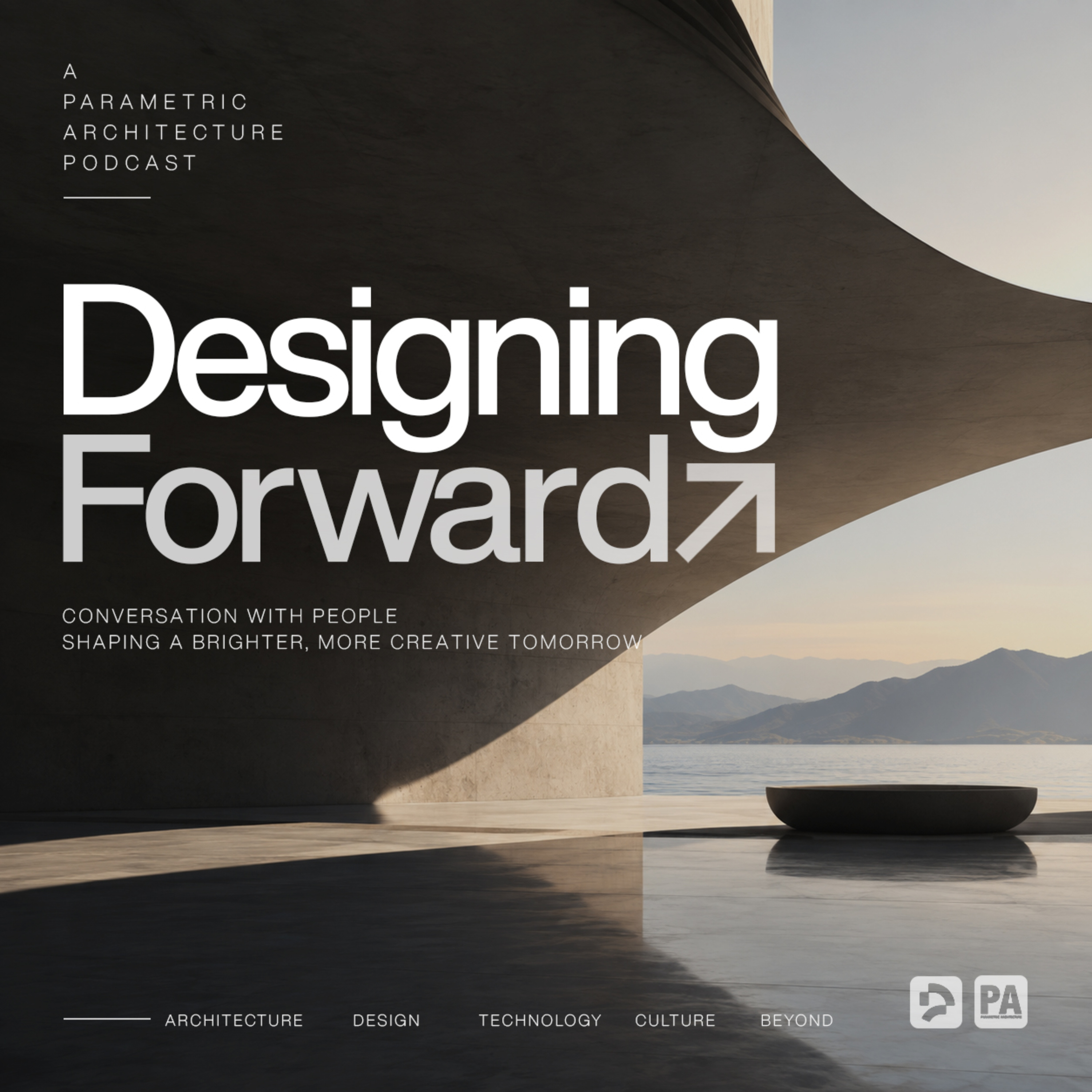
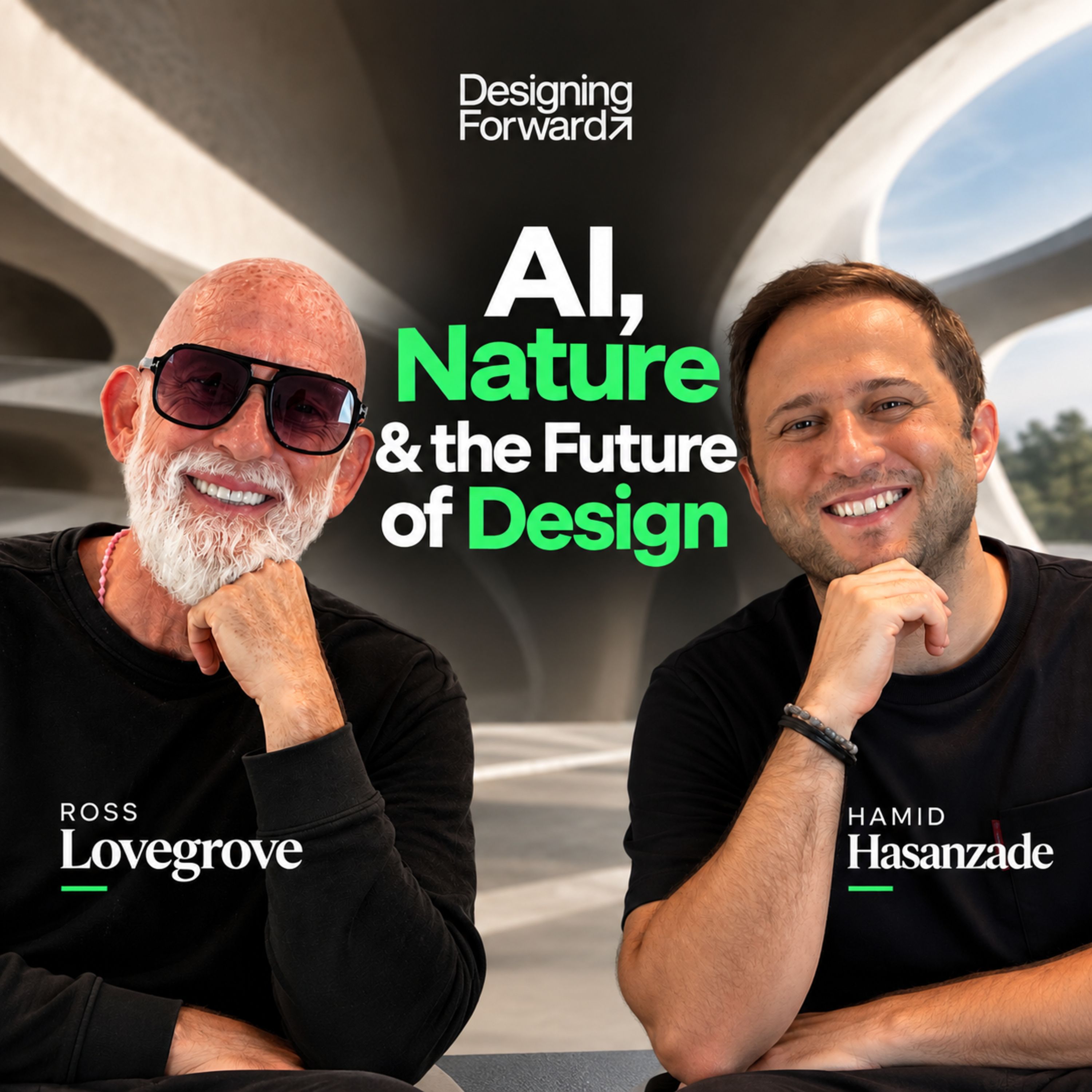
    #75 Ross Lovegrove: AI Is About to Change Design Forever | Designing Forward

    What happens when one of the world’s most visionary designers combines nearly 50 years of creative thinking with artificial intelligence? In Episode 75 of Designing Forward, Hamid Hasanzade sits down with Ross Lovegrove for a wide-ranging conversation about AI, organic design, nature, computational design, advanced manufacturing, entrepreneurship, and where design is heading next. Transcription.txtBest Architecture Courses at PAACADEMY: Learn AI, computational design, parametric design, digital fabrication, 3D printing, and emerging technologies: → ⁠https://paacademy.com/courses/allJoin the global AI design competition to win from $120,000+ prizes pool: → More: https://paacademy.com/competitions/cartesianforms-architecture-reimaginedRoss Lovegrove has spent his career working across industrial design, technology, materials, transportation, furniture, architecture, and experimental fabrication. In this conversation, he explains why he has never felt entirely comfortable with the conventional title of “designer,” instead describing himself as a “sculptor of technology.” Transcription.txtRoss and Hamid explore the difference between simply copying the appearance of nature and understanding how natural systems actually work. They discuss organic design, material efficiency, the relationship between design and the biosphere, and why emerging technologies could allow us to create objects and architecture that behave more intelligently. Transcription.txtA major part of the conversation focuses on artificial intelligence and the future of creativity. Ross shares the story behind his collaboration with Google DeepMind and Gemini, where his drawings and design philosophy were used to generate hundreds of variations for an experimental chair. The process produced more than 600 iterations before one direction was selected and physically 3D printed, revealing both the extraordinary possibilities and current limitations of AI-generated design. Transcription.txtThe discussion also moves into computational design, additive manufacturing, collaboration with designers such as Arturo Tedeschi, the future of design education, and why younger designers need to develop their own creative language rather than simply relying on increasingly powerful tools. Ross argues that access to AI alone isn’t enough; designers still need curiosity, knowledge, experimentation, and an “inquiring mind.”Later in the episode, Ross and Hamid discuss why architects and designers should think more like entrepreneurs, how small teams can use technology to tackle increasingly complex problems, and why the future may belong to independent creative minds capable of combining design, computation, engineering, manufacturing, and business. Transcription.txtIn this episode: Ross Lovegrove’s design philosophy • AI and Google DeepMind • Organic design and nature • Computational and parametric design • 3D printing and advanced manufacturing • The future of materials • Design education • Creativity and authorship in the age of AI • Working with Arturo Tedeschi • Entrepreneurship for designers and architects • The future of architecture and industrial designDesigning Forward is a podcast by Parametric Architecture exploring the future of architecture, design, technology, AI, and creative practice through conversations with the people shaping what comes next. Transcription.txtSubscribe for more conversations with architects, designers, technologists, and creative minds shaping the future.#RossLovegrove #ArtificialIntelligence #Design #IndustrialDesign #Architecture #AI #ComputationalDesign #ParametricDesign #DesigningForward #ParametricArchitecture

    Yesterday · 1 hr 17 min
  • CDFAM Computational Design Symposium

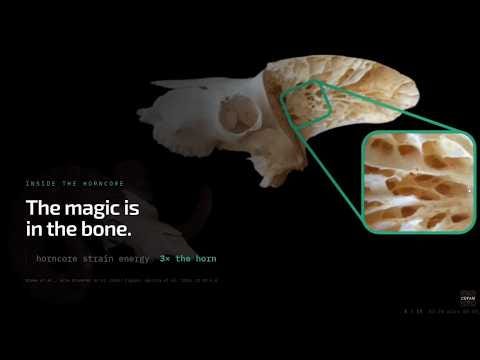
    From Horns to Armor: Biomimicry, Computational Design, and the Future of Impact Protection

    CDFAM Computational Design Symposium — DC 2026 Matthew Shomper · Not a Robot Engineering Nature has been solving the problem of impact protection for millennia, in order to arrive at solutions far more elegant than anything on the market today. The microstructure of a bighorn sheep’s horn is one of the most striking examples : a geometry that is brutally efficient at scattering and absorbing energy, such that the animal can sustain repeated high-speed collisions without lasting damage. The challenge has always been translating that geometry into something we can actually manufacture. Additive manufacturing allows us to build internal geometries that were previously impossible to fabricate : graded densities, interlocking fiber patterns, and layered structures that mirror what nature spent millions of years optimizing. By digitally modeling the ram’s horn at the microstructural level and translating those patterns directly into printable designs, we can produce armor components that outperform conventional materials in energy absorption while perfectly conforming to the body. This work represents a broader shift in protective equipment design: away from material selection alone, and toward architecture as the primary engineering tool. Links Talk page with full transcript Watch the talk on YouTube Search this talk's transcript Cite this talk This is a public episode. If you would like to discuss this with other subscribers or get access to bonus episodes, visit www.designforam.com

    Yesterday · 19 min

All Design544