Skip to content
Artwork for The Transaction
BusinessTechnologyExplicit

The Transaction

Craig Rosenberg & Matt Amundson | B2B Sales & Marketing Experts - Hosts of The Transaction

Welcome to The Transaction. The #1 Go-To-Market podcast on the planet.*

Hosts Craig Rosenberg and Matt Amundson, two legendary go-to-market leaders in their own right, talk weekly with the best sales, marketing, operations, and product leaders in the B2B SaaS world to understand what's working in the new playbook of the post-ZIRP market.

But Craig, Matt, and their guests don't just talk theoretically, they share the stories and actionable tips, tactics, and strategies behind what's driving B2B revenue growth that you can take and implement in your own go-to-market roles.

Whether you're a Chief Revenue Officer leading a B2B SaaS sales and marketing organization, a marketing leader trying to drive bigger outcomes with your demand gen team, or a new sales rep, you'll learn and laugh every episode.

From ABM to PLG, from MEDDIC to MEDDPICC, the world of business is constantly evolving. We’ll cover the who, what, where, when, why, and most importantly, how you get… The Transaction.

Join our newsletter to get every episode + exclusive extras & insights right in your overcrowded inbox: https://thetransaction.substack.com/

About Your Hosts

Craig Rosenberg is the Chief Platform Officer at Scale Venture Partners. He is a seasoned expert in B2B revenue growth, helping SaaS companies transition from founder-led growth to becoming high-growth Go-To-Market machines. Previously, Craig was a Distinguished VP Analyst at Gartner and co-founder of TOPO Inc., a research and advisory firm acquired by Gartner in 2020. Craig thinks Die Hard is a Christmas movie.

Matt Amundson is the Chief Marketing Officer of DuploCloud. He is also an advisor for companies such as Sendoso and Salesloft. Prior to DuploCloud, Matt spent time as an Executive In Residence with Scale Venture Partners and led marketing departments at Census, Very Good Security, and Everstring, to name a few. Matt thinks Die Hard 2 is better than Die Hard.

The Transaction is produced by Sam Guertin.

*This claim is entirely unsubstantiated and is made wholly based on the subjective judgment of the inherently biased people who are part of this show.

Play
  • 20 episodes
  • Avg 53 min
  • English
  • S2 · E85
    September 9 · 51 min

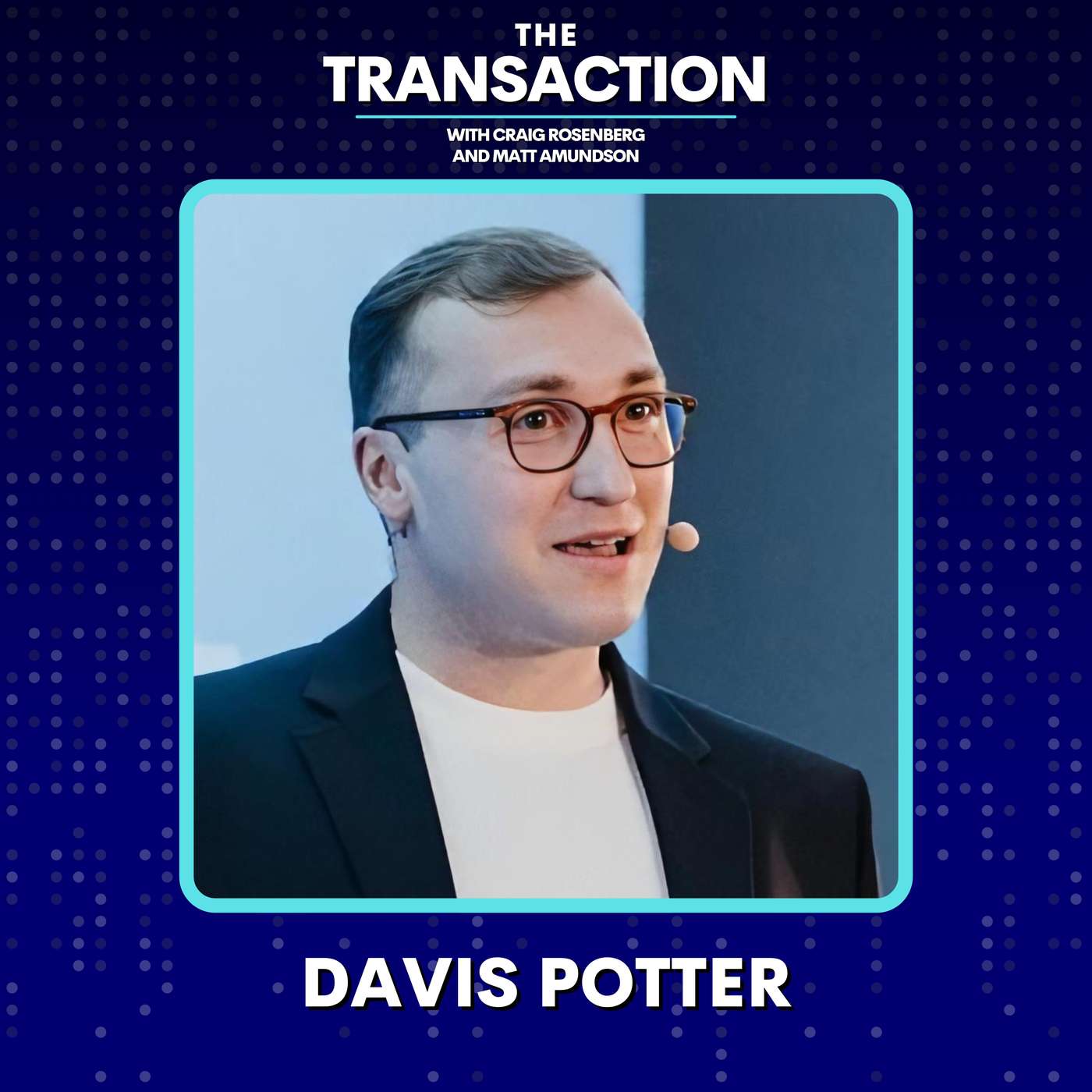
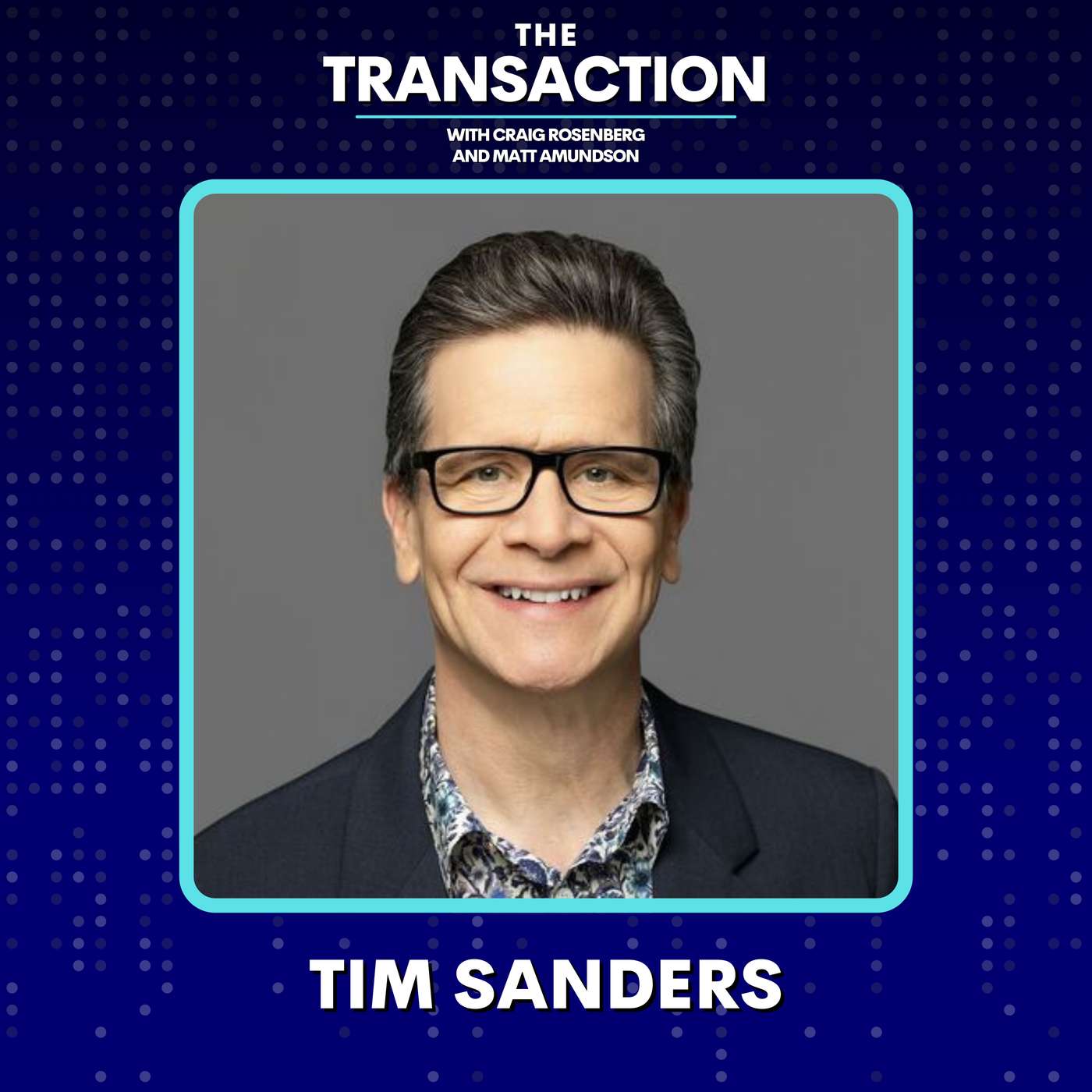
    Win the AI Answer, Not Just the Citations with Tim Sanders, Chief Innovation Officer at G2 - Ep 85

    Tim Sanders is the Chief Innovation Officer at G2 and a New York Times best-selling author of five books, including Love is the Killer App and Dealstorming. Tim joins Co-Host Craig Rosenberg to discuss why "being cited" by ChatGPT and other LLMs means almost nothing compared to "winning the answer", which self-inflicted AI visibility mistakes that B2B marketers are making, and how to overcome the “Prompt Problem” by better understanding your customers. Also, Craig discusses his children’s taste in music, Matt is strangely absent, and Producer Sam briefly steers things down an extremely tactical rabbit hole for his own edification. Critical Takeaways Audit every place you block AI crawlers, immediately. G2 blocked robot crawling for years before realizing the "big check" they thought they were protecting was worth less than the AI visibility they were sacrificing. Check every robots.txt block to see if the crawl-blocking upside actually outweighs the lost AI citation and recommendation value. Being cited by AI isn't the same as being recommended. In one example of asking an LLM for a product recommendation, Adobe was cited by the AI 13 times, but it did not make the final shortlist. Marketers should track whether their brand appears in the final "these are the three vendors" recommendation, not just whether they show up somewhere in the response. Unblock and re-platform gated content that models can't read. G2 learned models don't read PDFs or JavaScript-rendered pages during retrieval, only flat HTML. Audit your highest-value content (reports, comparison guides) and republish it in crawlable HTML instead of gated PDFs if AI visibility matters more than the lead-gen capture. Treat LLM relations as a new function, not a subset of SEO or PR. LLMs are now bigger influencers than traditional analysts. Because of this, G2, for example, explicitly unblocked Capterra, Software Advice, and GetApp after acquiring them from Gartner to capture this. GTM leaders should assign explicit ownership of "AI visibility" the way they already own analyst relations. Write answer-shaped content, not message-shaped content. Content structured as problem-solution-feature-benefit-CTA reads as "vendor speak" and lowers model confidence, while FAQ-style, conversational content that mirrors real Reddit-thread discussions earns more citations. Marketing teams should rewrite cornerstone content to directly resolve open questions in a natural, human tone rather than a sales pitch structure. Stop relying on web traffic as a north-star metric. With chat-driven buyers compressing research into a single prompt, overall website traffic will fall even as pipeline quality rises. Shift dashboards from sessions/pageviews to revenue attribution and closing ratio by traffic source. Chapters 00:00 - Episode Preview 03:11 - Introducing Tim Sanders, Chief Innovation Officer at G2 10:00 - Two Stories about Marketing Stunts and The World Series of Poker Finals 19:01 - Answer Engine Optimization & Content Strategy in the AI Age 26:32 - Optimizing Your YouTube Videos for AI LLMs to Index & Cite Your Content 28:51 - Seeding Branded Content into Reddit to Influence the Outputs of LLMs 36:59 - Does Your Company Website Still Matter in the AI Age? 43:58 - The Misaligned Prompt Problem Hurting Your Understanding of Customers & Prospects Join our Newsletter to never miss an episode & get bonus content: https://thetransaction.substack.com/ Epic Quotes “You have to get away from the addiction that traffic is a meaningful metric. It's not. Pipeline is the only metric that matters.” - Tim Sanders Connect with Tim LinkedIn: https://www.linkedin.com/in/sanderssays/ G2 Website: https://www.g2.com/ Love Is the Killer App by Tim Sanders: https://timsanders.com/love-is-the-killer-app/ Website: https://timsanders.com/ Shoutouts On The Edge by Nate Silver: https://www.penguinrandomhouse.com/books/529280/on-the-edge-by-nate-silver/ Josh Blyskal: https://www.linkedin.com/in/joshua-blyskal/ JH Scherck: https://www.linkedin.com/in/jhtscherck/ Love the show? Give us a shoutout on LinkedIn and tell us what you loved!

    • Transcript
    • Chapters
  • S2 · E84
    July 21 · 55 min

    How Founder POV Helps Sales Build Buyer Confidence with Jim Wilson, Partner at Costanoa Ventures - Ep 84

    Jim Wilson is an Operating Partner at Costanoa Ventures and cut his teeth leading global sales teams for decades at major companies including SumoLogic, Microsoft, Merced Systems, PTC, and NICE Systems. Jim joined Co-Hosts Craig Rosenberg and Matt Amundson to discuss the impact that strong Founder vision has on the sales team’s narrative, why paid POCs (Proof of Concepts) are making a comeback in B2B sales, and what truly sets B2B events apart for buyers. Plus, Jim examines why corporate gifting swag has gotten so bland while also providing some great examples from B2B brands that are doing it well. Also, Craig reads verbatim from the article of a past guest, Matt extolls the virtues of the loop-swoop-pull technique, and Producer Sam shouts out a fellow Sam. Critical Takeaways Develop and weaponize a strong founder point of view, and then cascade it to sales. The single biggest differentiator in a crowded market is a bold, opinionated narrative that challenges the status quo. Train sales reps to lead with a prescriptive point of view on how to evaluate your product. Rather than asking prospects "what do you want to do next?", top reps proactively outline a logical, step-by-step evaluation process. Top B2B sellers consistently become trusted advisors by doing this, which ultimately means they are invited to help prospects draft the RFP and frame competitors. B2B events are producing outsized pipeline, especially intimate dinners of 10–12 people. The key rule: no structured pitches, no selling at the event itself. Rather, use the event to learn where prospects went to school, what their kids are up to, and what makes them laugh; then follow up the next day with a warm, specific outreach. Implement paid, time-boxed POCs with both technical and business validation built in to validate not just technical fit but business ROI. Stop running open-ended "kick the tires" evaluations with no end date; set a timeline, assign a kickoff call, schedule the readout with decision-makers, and build a report that champions can use to get internal approvals. When it comes to effectively planning events and corporate gifting, GTM teams should ask: what does our buyer persona find genuinely interesting, and how do we build an experience around that? Chapters 00:00 - Episode Preview 02:25 - Introducing Jim Wilson, Partner at Costanoa Ventures 05:57 - Why Creativity is Key to Effective Corporate Swag 13:27 - A Disastrous First Encounter with a Bidet & Other Sleepy Sales Stories 22:42 - How a Strong Founder POV Helps Sales Teams Build a Narrative 33:36 - Events are Back as a Major GTM Channel 45:09 - Why Paid Proof of Concepts are Comin Back in B2B Sales Cycles Join our Newsletter to never miss an episode & get bonus content: https://thetransaction.substack.com/ Epic Quotes “ I love sales teams that have a strong point of view on how you should evaluate our product.” - Jim Wilson Connect with Jim LinkedIn: https://www.linkedin.com/in/jimwilsonbayarea/ Costanoa Ventures Website: https://www.costanoa.vc/ Shoutouts Carilu Dietrich: https://open.substack.com/pub/thetransaction/p/advisor-avengers-assembling-your Business Bricks: https://businessbricks.com/ Maria Boulden: https://open.substack.com/pub/thetransaction/p/steak-dinners-dont-close-deals-with Sam McKenna: https://open.substack.com/pub/thetransaction/p/social-selling-secrets-to-supercharge Brian Halligan: https://www.linkedin.com/in/brianhalligan/ Chris Orlob: https://open.substack.com/pub/thetransaction/p/solving-the-go-to-market-skills-crisis Scott Albro: https://open.substack.com/pub/thetransaction/p/founder-led-gtm-growth-bets-and-why David DMo Morse: https://www.linkedin.com/in/yodavidmorse/ Topline: https://substack.com/@toplinemedia Craig’s Article for Topline about Driving Demand: https://open.substack.com/pub/toplinemedia/p/343-open-rates-the-founder-led-fix Omar Akhtar: https://open.substack.com/pub/thetransaction/p/how-the-most-successful-b2b-marketing David Politis: https://open.substack.com/pub/thetransaction/p/narrow-down-your-damn-icp-with-david Joe Sullivan: https://www.linkedin.com/in/joesu11ivan/  Robert Koehler: https://www.linkedin.com/in/rkoehler/ Bugcrowd: https://www.bugcrowd.com/ Feldera: https://www.feldera.com/ Love the show? Give us a shoutout on LinkedIn and tell us what you loved!

    • Transcript
    • Chapters
  • S2 · E83
    June 24 · 41 min

    Building Brand Momentum in Market with Carilu Dietrich & Maya Spivak - Live Session - Ep 83

    Carilu Dietrich & Maya Spivak joined Craig, Matt, and our amazing audience of GTM leaders at our GTM Tailwinds event this spring for a live recording where they shared insights on building founder and executive organic social media as a primary demand channel, why startups need to develop speed as a marketing skill, and why going viral on social doesn’t amount to what it seem for B2B companies. Carilu is the author of the Hypergrowth Leadership SubStack and is an all-star advisor and startup marketing leader. Maya is the Founder & Chief Marketer of Marketing.fan, a brand and creative marketing agency, and former VP of Marketing at Gretel.ai and Mux. Critical Takeaways Invest in taste, or find someone who has it, before spending on out-of-home ad campaigns. Out-of-home advertising in major markets is constrained supply with non-trivial costs, and a mediocre creative execution wastes every dollar and actively damages brand perception at scale. Before committing budget to OOH, have someone with genuine creative discernment review the work, and if that person doesn't exist in-house, find them in your network before the media buy clears. Consistency beats virality for pipeline generation. Marketing teams should resist chasing one-off viral brand moments and instead build sustainable content cadences. Allocate budget and headcount to rhythm, not lottery tickets. Real differentiation for brands is about timing and originality, not just quality. The frameworks your competitors are copying right now are already losing their edge, and the window to do something genuinely surprising is always narrower than it seems. The pace of AI innovation and product development means that GTM leaders need to operationalize speed as a marketing capability. GTM teams need pre-built rapid-response playbooks for product launches, because the window to capitalize on a launch is now measured in hours, not weeks. For example, Carilu's product marketing team had 32 hours notice from OpenAI before a major LLM launch and shipped a full campaign within that window. Teams that don't have templates, approval chains, and asset libraries ready in advance will consistently miss the moment when momentum is highest. Edutainment is the new table stakes for B2B events, content, and advertising. Marketing teams should interrogate every content format and event experience against the question: is this entertaining enough to earn attention before it earns trust? Chapters 00:00 Episode Preview 00:50 Introducing Carilu Dietrich & Maya Spivak 03:04 Are Viral Moments Worth Chasing for B2B Brands 12:02 Real Market Momentum Starts with Product 13:48 Edutainment Marketing Wins 14:12 Building Out Bold Billboards Campaigns for B2B Brands 16:29 Copycats and What Not to Do 17:52 Examples of Marketing Creativity Beyond Billboards 20:12 Startup Founder Social Media Playbook for B2B 23:19 LinkedIn Organic Content Marketing Drives Enterprise Revenue 27:29 Amplifying Customer Stories That Work 31:26 Zig When Others Zag 33:50 When B2B Brands Should Involve Influencers & The Need for Fast Launches 37:49 Out Of Home Advertising Taste is Critical Join our Newsletter to never miss an episode & get bonus content: https://thetransaction.substack.com/ Epic Quotes “The real problem that earlier stage companies have is they don't need advice. They need be able to do the work.” - Carilu Dietrich “If you're gonna spend the money, do it right. Make sure you have some taste.” - Maya Spivak Connect with Carilu LinkedIn: https://www.linkedin.com/in/cariludietrich/ Carilu’s SubStack: https://www.carilu.com/ Carilu’s Past Episode: https://open.substack.com/pub/thetransaction/p/advisor-avengers-assembling-your Connect with Maya LinkedIn: https://www.linkedin.com/in/mayagrinbergspivak/ Marketing.fan Website: https://www.marketing.fan/ Shoutouts GTMshift: https://gtmshift.com/ Love the show? Give us a shoutout on LinkedIn and tell us what you loved!

    • Transcript
    • Chapters
  • S2 · E82
    June 23 · 55 min

    An Honest Reappraisal of Marketing Attribution with Dan Kimball, GTM Advisor - Ep 82

    Dan Kimball is a GTM Advisor, AI Architect, and independent consultant at The Operating Partnership LLC. Dan’s a marketing expert with a bevy of amazing experiences to draw on, from serving as CMO of Spectrum Equity and ThisMoment, to VP of Marketing at Yelp, and SVP of Global Marketing at Eventbrite. Dan joins co-hosts Craig Rosenberg and Matt Amundson to dive into what sets great B2B brands apart and why marketers need to look at some of their metrics with a lot more scrutiny. Plus, Dan shares what happened when he unknowingly offended half of Cape Cod with a radio ad. Also, Craig pitches his idea for a nautically themed vape shop, Matt compares to Dan to M. Night Shyamalan, and Producer Sam slightly misquotes an iconic Steve Buscemi line. Critical Takeaways ICP clarity is the single highest-leverage activity a GTM team can do this year. The amount of focus a company has on its Ideal Customer Profile is "highly correlated with success at driving bookings goals." GTM leaders should run a formal ICP project at the start of every year, not treat it as a one-time setup task. The tools and AI capabilities now exist to make this faster and more rigorous than ever. Look at marginal ROAS (the return on the last incremental dollar spent in the Google auction) rather than blended ROAS. Mixed media modeling (MMM) is now accessible to mid-market companies, and B2B marketers should deploy it before their next budget cycle. Mid-size B2B companies can access credible MMM vendors and get marketing attribution sophistication that far exceeds what Google Analytics or any last-touch model can provide. Marketing leaders should bring a vendor comparison to their next QBR and frame it as risk mitigation: the current attribution model is actively misleading budget allocation decisions. As ChatGPT eats into Google organic traffic, brands increase paid search spend to compensate, which inflates CPCs for everyone, which degrades LTV-to-CAC ratios across the board. B2B marketing leaders should model what their blended CAC looks like if CPCs increase 20-30% and build the case for upper-funnel diversification (EG: YouTube, CTV, LinkedIn, organic community) before the CFO forces the conversation. Chapters 00:00 - Episode Preview 02:41 - Introducing Dan Kimball, GTM Advisor and Consultant at The Operating Partnership LLC 08:38 - The Unintended Consequences of Naming a Company Or, Dan Gives Us The Skinny on a Boneheaded Brand Name 17:44 - What's in a Name (Of a Company, Brand, or Product)? 25:59 - Why Your Degree of ICP Focus is Directly Correlated to Business Success 41:39 - B2B Marketers Need to Scrutinize Their Marketing Attribution More Thoroughly 48:05 - Diversify Paid Channel Spending Beyond Just Google or Facebook Owned Channels Join our Newsletter to never miss an episode & get bonus content: https://thetransaction.substack.com/ Epic Quotes “People aren't putting as much scrutiny on marketing attribution as they should. And this is nothing new, but people are giving way too much credit to Google” - Dan Kimball “ Look, I listen to it. I'm down.” - Craig Rosenberg, 2026 “You're not down. You're not down if you said you're down.” - Dan Kimball “You might be up.” - Matt Amundson Connect with Dan LinkedIn: https://www.linkedin.com/in/danielkimball/ Shoutouts Kara Swisher Love the show? Give us a shoutout on LinkedIn and tell us what you loved!

    • Transcript
    • Chapters
  • S2 · E81
    June 11 · 58 min

    Organizing Unforgettable Events for B2B with Jen Igartua, CEO of Go Nimbly - Ep 81

    Back for her second episode is the one and only Jen Igartua, the CEO of Go Nimbly and RevOps OG. Jen joins Co-Hosts Craig Rosenberg and Matt Amundson to break down what made Go Nimbly’s Rev Fest such an incredible event for everyone, from the GTM leaders attending to the speakers, and even the sponsor brands. Jen outlines why she picked a truly iconic venue for a business event, how she prepared the speakers to deliver insights entertainingly, and what B2B event sponsors should be doing instead of popping up another tired booth. Plus, Jen shares how business leaders should approach orchestrating workflows with new AI tools. Also, Craig plans his next tattoo, Matt earns a B-minus, and Producer Sam complains about ugly wood paneling. Critical Takeaways The secret to hosting an amazing B2B event is to stop copying tired event formats and instead build from your genuine passions. GTM leaders should audit their planned events and ask: "What would I genuinely love to attend?" If the honest answer doesn't match the event they're building, they should redesign it. Authenticity is the differentiator, and audiences can tell immediately when passion is faked. Treat your event like you’re putting on a show, not just another business conference. For example, Jen hired Doug Landis as a presentation coach, opened the venue a day early for speaker training, and had MCs introduce speakers so presenters could lead with their content immediately rather than wasting audience attention on bio slides. This "show vs. conference" framing forces event organizers to make logistical decisions to serve the audience experience rather than operational convenience. Rev Fest did not rely on “great speakers” and hope for the best. The 20-minute cap, speaker coaching, rehearsal time, MC intros, and topic curation all turned content into something attendees could actually stay locked into instead of politely enduring. To move your team from "random acts of AI" to orchestrated workflows, start by mapping out your current processes and identifying which steps are truly automatable versus which require judgment. Jen's framework is to define the end-to-end job-to-be-done first and then deploy AI as one component inside that designed workflow. When documenting your processes, clearly address who does what, where human judgment is needed, where full automation is possible. The companies that deployed technology last but got their strategy and process right first are consistently the most tech-forward (and successful) in practice. GTM leaders being pressured to "become AI-first" should resist the impulse to start with tools and instead start with their most important business outcomes, work backwards to the workflow changes required, and then identify where AI fits. Rather than vendor booths, Jen designed facilitated "table talks" where sponsors ran small-group discussions on topics the audience had already said they cared about. Critically, she required sponsors to bring senior operators (not AEs), trained them on facilitation techniques, and sent post-event notes with everyone's LinkedIn to all attendees. Chapters 00:00 Episode Preview 02:50 Introducing Jen Igartua, CEO of Go Nimbly 06:50 What Made Go Nimbly’s RevFest One of the Best Go-To-Market Events 11:53 A Dog-Leg about Ham Legs and Spanish Film Studies 203 15:27 Thinking Bigger than a Business Conference To Create a Show 19:54 Picking a Truly Unique Venue & Setting the Right Vibes for Your Event 23:48 Actually Interesting Event Sponsor Table Talks System 28:46 Forward Thinking Companies are Done with Random Acts Of AI 32:07 Defining AI Orchestration & What Marketing Tasks to Automate First 46:29 Business Processes First, AI Tool Implementation Second 49:33 Rev Ops Workflows And Enrichment Join our Newsletter to never miss an episode & get bonus content: https://thetransaction.substack.com/ Epic Quotes “The really great stuff doesn't scale. Stop trying to scale it.” - Jen Igartua “You’ve got to make the stuff you love. Like, why are you creating something that you are not into?” - Jen Igartua Connect with Jen LinkedIn: https://www.linkedin.com/in/jen-igartua/ Go Nimbly Website: https://www.gonimbly.com/ Shoutouts Jamón Jamón (Dir. Bigas Luna, 1992) Javier Fesser: https://www.imdb.com/name/nm0275250/?ref_=nv_sr_srsg_0_tt_0_nm_8_in_0_q_fesser Campeones (Dir. Javier Fesser, 2018) Champions (Dir. Bobby Farrelly, 2023) House of Yes: https://www.houseofyes.org/ Ruslan Tovbulatov: https://www.linkedin.com/in/ruslan-tovbulatov/ Doug Landis: https://www.linkedin.com/in/douglandis/ Love the show? Give us a shoutout on LinkedIn and tell us what you loved!

    • Transcript
    • Chapters
  • S2 · E80
    June 8 · 36 min

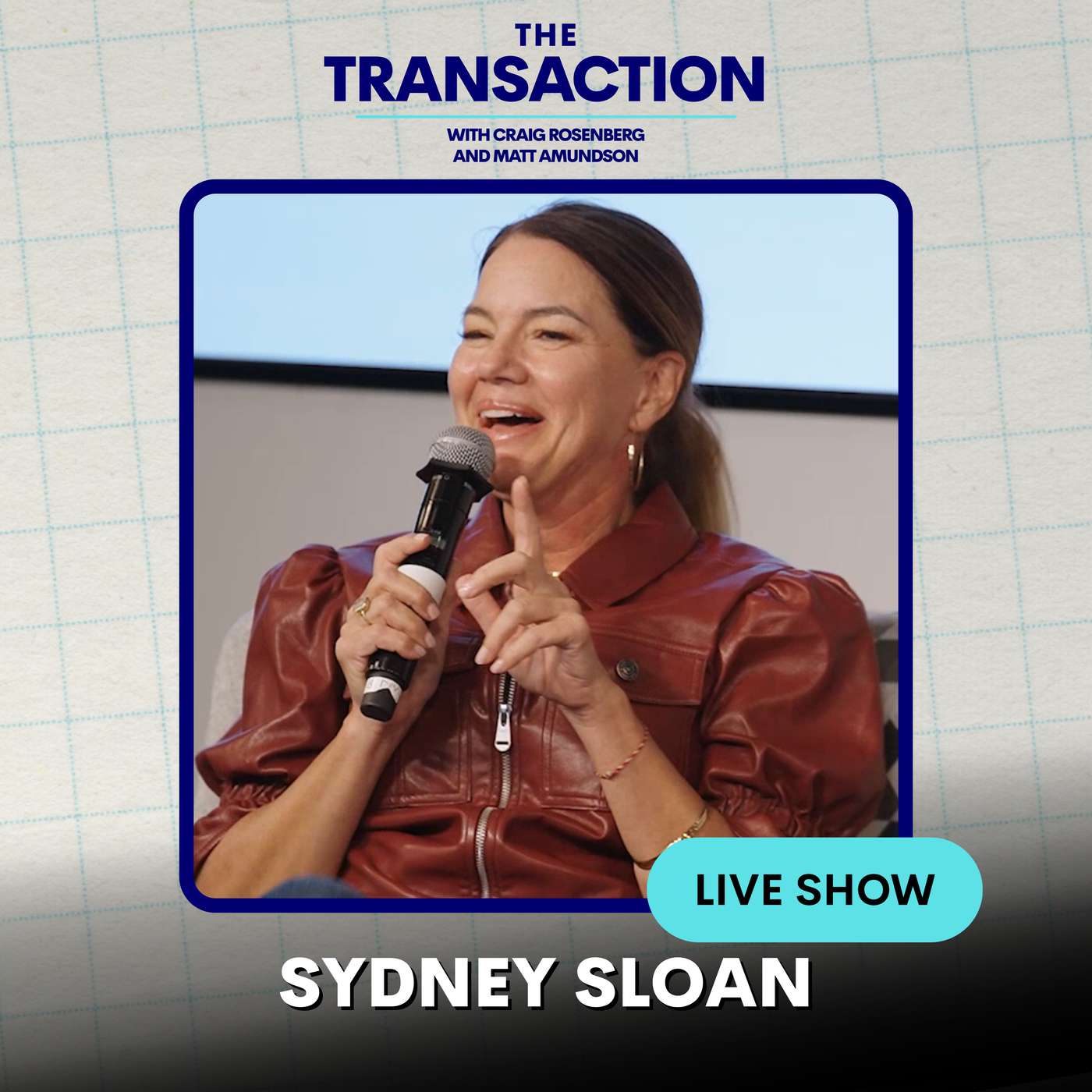
    The AEO Playbook: Own the AI Shortlist - Live with Sydney Sloan at GTM Tailwinds - Ep 80

    Sydney Sloan, the CMO of G2, joined Craig, Matt, and our amazing audience of GTM leaders at our GTM Tailwinds event this spring for a live recording where she outlined the major shift in B2B buyer behavior, how to measure and track Answer Engine Optimization, and why the partnership and distribution layer is as important as content creation. Critical Takeaways Over half of B2B buyers (51%, up from 24% just one year ago) now start their research in an LLM rather than Google. GTM leaders must treat AI answer engines as the new top-of-funnel, not a novelty. Waiting another year means your competitors get a 12-month head start on owning these answers. Stop writing for search crawlers, instead write for the person you're trying to influence. The old HubSpot model of casting a wide content net (writing for non-marketers to drive traffic) is losing effectiveness. Instead, teams should map out the specific jobs-to-be-done for each buyer persona, the product leader, the CFO, the practitioner, and write questions and answers directly for that person. This persona-centric content approach is what gets surfaced and cited in LLM responses. LLMs favor content that mirrors the structure of a question, such as FAQs, pro/con lists, pricing comparisons, and definitional formats. G2 proactively added pricing data and pro/con lists to every product profile after seeing those formats show up in prompt patterns six months earlier. GTM teams should audit their top-performing SEO pages and rewrite AEO versions with this structure immediately. Publications like Forbes and VentureBeat are now formal citation sources for LLMs. G2 counter-pitched a negative MIT AI study and earned significant coverage, which then got indexed and cited. Teams should re-engage PR agencies (if they have newsworthy content) and consider low-cost options like Forbes Council ($1,600/year) to establish founder brand as authenticated content on authoritative domains. Chapters 00:00 Episode Preview 00:42 Introducing Sydney Sloan, the CMO of G2 01:25 Focus Wins at SalesLoft 03:01 AEO vs GEO Explained 04:00 New Buyer Research Behavior 05:18 Build Brand in LLMs 06:44 AI Citations of Reddit and G2 09:30 Zero to One AEO Setup 10:10 Content Engineering Playbook 11:58 G2 Adapts to Prompt Trends 13:50 Measuring AEO Impact 17:29 Consensus Signals and Sentiment 19:37 Bots vs Humans Traffic 20:14 Own Citation Sources 21:07 Reddit and Influencers 22:32 Freshness vs Old Content 23:51 Pruning Content for LLMs 25:01 PR Is Cool Again in B2B Marketing 27:02 Should Founders Hire PR 28:57 Partnerships and Frenemies 33:07 AEO and SEO Together 34:40 LinkedIn Virality Tips 35:43 Wrap Up and Outro Join our Newsletter to never miss an episode & get bonus content: https://thetransaction.substack.com/ Epic Quotes “AI's changed everything. Including where your buyers go to do their research, discovery, and shortlisting.” - Sydney Sloan Connect with Sydney Sloan LinkedIn: https://www.linkedin.com/in/sydsloan/ G2 Website: https://www.g2.com/ Shoutouts GTMshift: https://gtmshift.com/ Love the show? Give us a shoutout on LinkedIn and tell us what you loved!

    • Transcript
    • Chapters
  • S2 · E79
    June 1 · 36 min

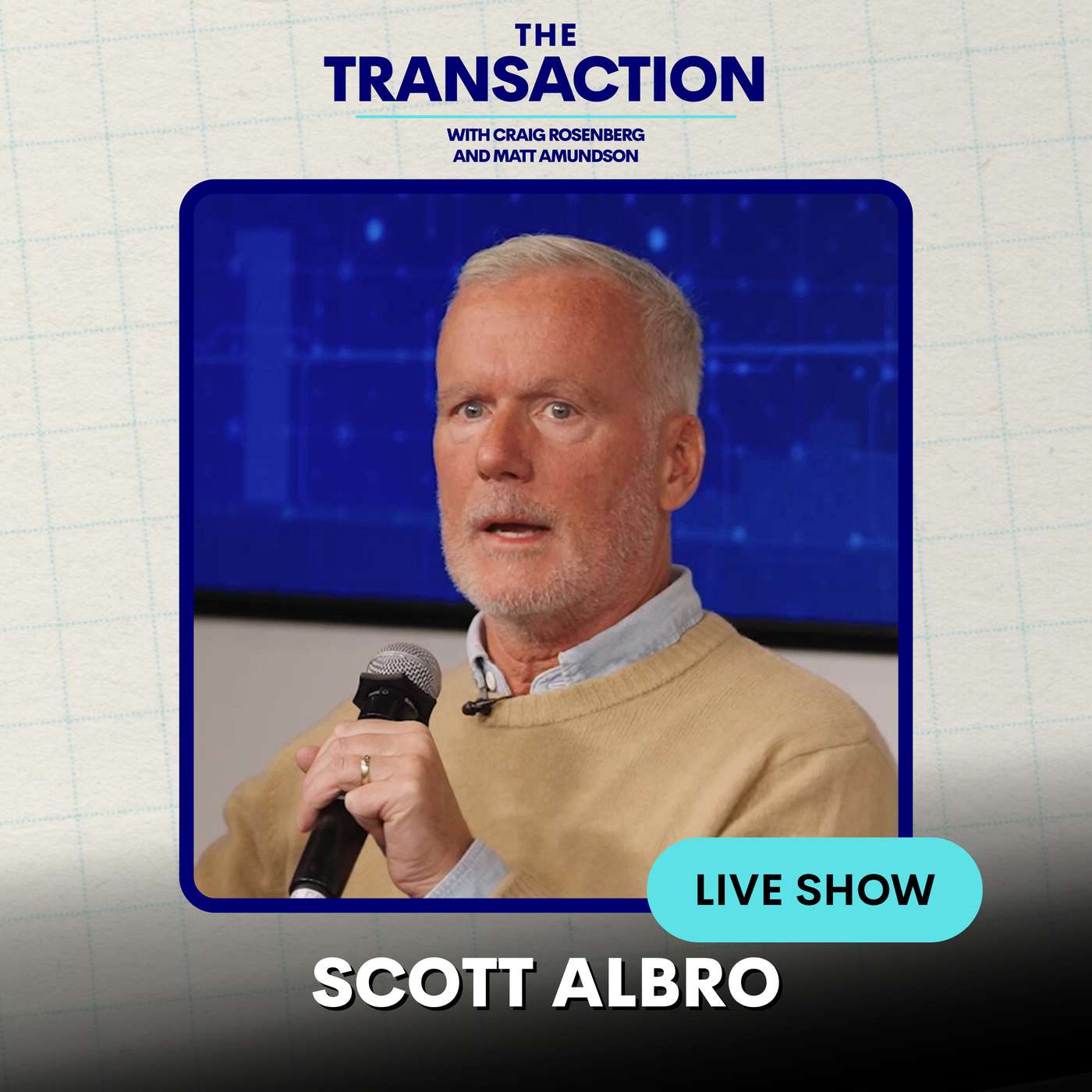
    Attention is the New Moat - LIVE with Scott Albro at GTM Tailwinds - Ep 79

    The one and only Scott Albro once again returns to The Transaction, but this time, Scott joined Craig, Matt, James Kaikis, and our amazing audience of GTM leaders at our GTM Tailwinds event this spring for a live recording. Scott shares his insights on how to overcome the real GTM problem of the ‘attention bottleneck’ and lays out a precise framework for flipping from push to pull using network thinking, transformation narratives, and high-leverage distribution tactics. Using real examples from Clay, Granola, and ServiceTitan, he shows exactly how to identify 10x hubs in your market, build a narrative that makes your customer the hero, and develop a founder brand strategy that creates category synonymy rather than LinkedIn vanity metrics. Critical Takeaways Just because you start a company, doesn’t mean anyone cares about it. GTM strategy has to start with the question, “How will this company earn attention in a market where AI has made product-building and content creation cheaper than ever?” GTM leaders should map their market as a network to identify the "10x hubs" in their market, which are nodes that have outsized influence over target buyers, and deliberately influence those hubs with their narrative. This unlocks massive downstream reach that a standard approach to a target account list would not have surfaced. Every startup needs three story types: the customer story (pain + day-in-life), the personal journey story (founder authenticity), and most importantly, the transformation story. The transformation narrative has three parts: the broken status quo, a believable-but-magical future vision, and a prescriptive guide for how customers get there. A narrative must be big, differentiated, and believable simultaneously. Scott's three non-negotiable attributes for a winning narrative are that it must compete for attention in your specific market, it must say something nobody else is saying, and it must be proven in the product demo. Marketers should test every narrative draft against all three filters before taking it to market. Chapters 00:00 - Session Preview Clip 00:40 - Introducing Scott Albro & How Scott’s First Board Meeting with Craig Went 04:58 - Why the Attention Bottleneck is a Crisis for Startups in an Ever-Crowded Market 11:22 - How B2B Marketers Craft Winning Narratives That Spread Like Wildfire 16:16 - Focusing Closer on Your Target Market Will Reveal The Compelling Narrative That Works For Your Buyer 20:41 - Why & How Founders & CEOs Should Incorporate Their Own Authenticity into Their Narrative 26:49 - Treating Your Market as a Network of Target Accounts, Not Just a Target Account List 32:11 - Creating Systems for Founders and CEOs to Build Attention Around Your Brand Narrative Join our Newsletter to never miss an episode & get bonus content: https://thetransaction.substack.com/ Epic Quotes “ In today's market, everything is downstream of attention.” - Scott Albro “The default setting for a startup is obscurity.” - Scott Albro Connect with Scott LinkedIn: https://www.linkedin.com/in/scottalbro/ Shoutouts GTMshift: https://gtmshift.com/ Nick Mehta: https://www.linkedin.com/in/nickmehta/ Gainsight: https://www.gainsight.com/ Love the show? Give us a shoutout on LinkedIn and tell us what you loved!

    • Transcript
    • Chapters
  • S2 · E78
    May 27 · 44 min

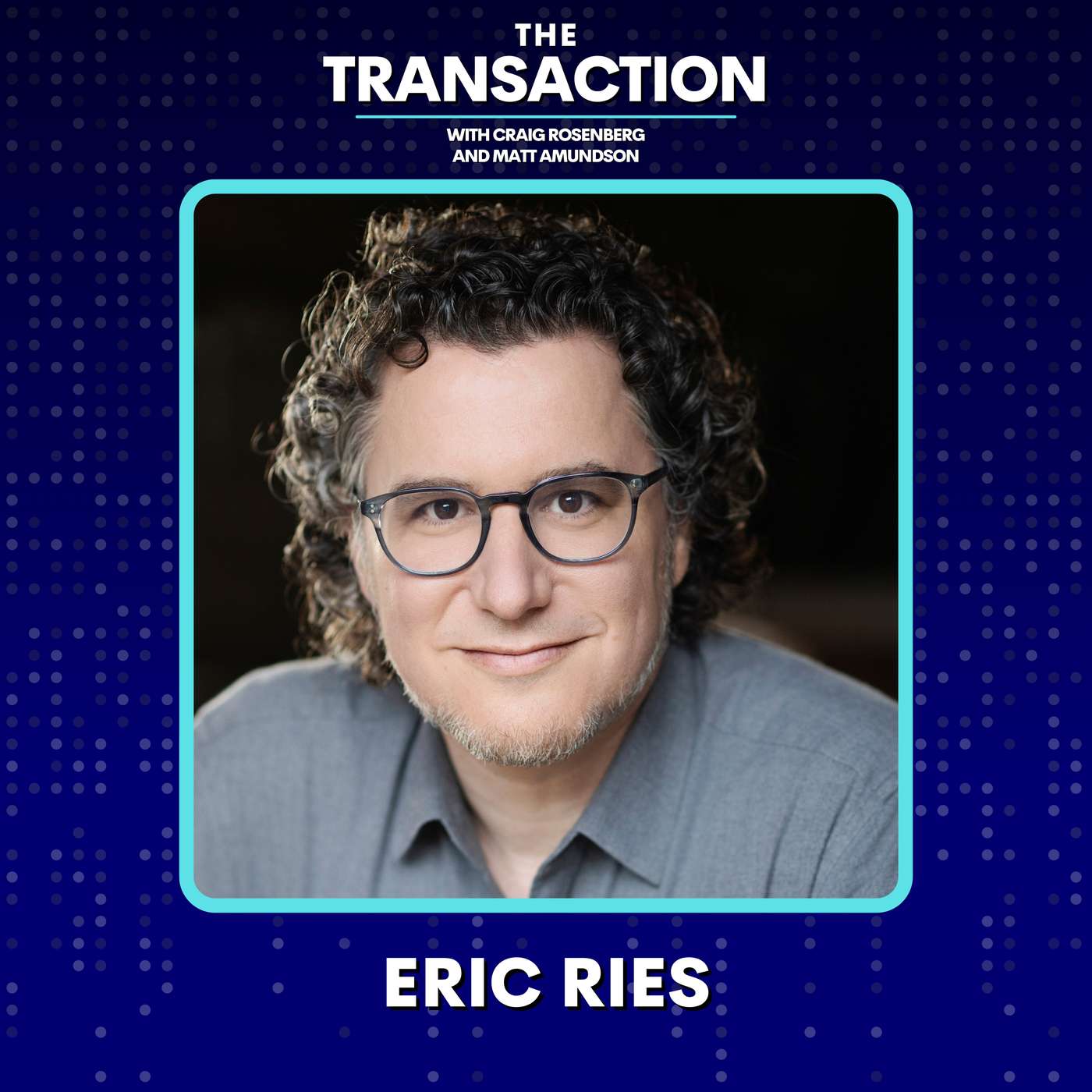
    Building an Incorruptible Company that Lasts with Eric Ries, Author of Incorruptible & The Lean Startup - Ep 78

    It’s not every day that you get to have one of the most important thinkers in the startup world on your podcast, but for The Transaction, that day is today. Eric Ries is a Founder and the renowned business author of The Lean Startup and his brand new book, Incorruptible: Why Good Companies Go Bad…and How Great Companies Stay Great. Eric joins Craig Rosenberg and returning guest host Scott Albro to discuss the forces that make companies vulnerable to destruction from within and without. Then he offers solutions that safeguard against them for the long-term. Incorruptible is the blueprint for companies that will prosper and endure without losing their soul. Plus, Eric shares how go-to-market teams, in their unique market-facing position, can make a profound impact on customer trust, both positively or negatively. Also, Craig describes his current deodorant situation, Scott mentioned the looming ARR creative accounting crisis, and Producer Sam mentions the link to Eric’s book in the show notes below. Critical Takeaways Trust is the force that lowers friction, reduces costs, increases velocity, and makes customers stick around even when a company makes mistakes. By keeping their promises to customers, sales and marketing teams create long-term enterprise value by adding to the company’s trust account. A strong customer promise is not enough unless a company’s incentives, reporting, governance, and business model are built to defend it and deliver value to the customer. Corruption often looks like optimization in the moment. Eric defines corruption as “the making of money without the creation of value,” which many ‘best practices’ often encourage. Overpromising product capabilities, manipulating ARR, squeezing customer trust for quota, or turning a beloved product into an ad-clogged mess may improve a metric temporarily, but it destroys the value engine underneath. Go-to-market sits at the edge of the company’s moral logic. The GTM team is the “pointiest point at the edge of the spear” because it’s how the market experiences the company’s promises first. For example, revenue leaders are not just responsible for pipeline; they are responsible for making sure the promises used to create pipeline are believable, durable, and backed by the product and business model. Corporate governance is not about extra busywork or bureaucracy; it’s how companies, yes, even startups, protect what makes them worth building. Chapters 00:00 - Episode Preview 02:25 - Introducing Eric Ries, Author of The Lean Startup & Incorruptible 06:09 - The Legacy of The Lean Startup in the AI Age 08:59 - The Business Lessons Learned from Sol Price’s Journey of Founding FedMart & Price Club 18:39 - How Founding The Long-Term Stock Exchange Showed The Limits of Best Practices & Conventional Thinking 24:03 - How Businesses Cash in Trust & How They Build Trust with Customers 27:54 - Why Re-examining OKRs & GTM Metrics Can Improve the Long-Term Health of a Company 35:06 - The Looming Crisis in How Startups are Accounting their Annual Recurring Revenue (ARR) 40:10 - Why & When Early Stage Startups Need To Seriously Think About Governance Join our Newsletter to never miss an episode & get bonus content: https://thetransaction.substack.com/ Epic Quotes “ Trust is the asset that compounds.” - Eric Ries “ A lot of these so-called best practices are actually value destroying.” - Eric Ries Connect with Eric LinkedIn: https://www.linkedin.com/in/eries/ Incorruptible on Amazon: https://www.amazon.com/Incorruptible-Shape-Companies-That-Stand/dp/B0FWZZBPZB Website: http://incorruptible.co Shoutouts Lenny’s Podcast: https://www.lennysnewsletter.com/podcast Matt Dixon: https://www.linkedin.com/in/matthewxdixon/ Brent Adamson: https://www.linkedin.com/in/brentadamson/ Love the show? Give us a shoutout on LinkedIn and tell us what you loved!

    • Transcript
    • Chapters
  • S2 · E77
    April 16 · 58 min

    Using AI to Empower SDRs & Eliminate Admin Work with David Wilkins, Founder of SDR Leaders of EMEA & B2B Sales Expert - Ep 77

    Excessive admin work and poor-performing sales plays are killing SDR effectiveness and, in turn, company growth. We just so happen to know just the B2B sales expert to help SDR leaders kick things up a notch, wherever they may reside around the globe. Besides having a wonderful British accent, which Craig loved, David Wilkins is the Founder of SDR Leaders of EMEA and the Co-Founder of SDR Leaders of USA and APAC. David joins Co-Hosts Craig Rosenberg and Matt Amundson to dig into how sales leaders are overcoming the major issues facing SDRs (Sales Development Reps) in B2B sales today. David shares how successful sales leaders are implementing AI tools to cut down on excess admin work for their SDRs, why sales channels like cold-calling & video messages are outperforming email outreach, and how dialing up the difficulty of the sales training for your reps can keep them cool as can be on even their most cantankerous sales calls. Plus, David outlines the totally standard, run-of-the-mill journey of how he went from studying at the second-worst university in the UK to working for the number-one mayonnaise manufacturer in the Netherlands and ended up getting into B2B sales. Also, Craig references a late-80s rap duo, Matt alludes to the promise of a brisket, and Producer Sam somehow manages to ask a decent salestech question after breaking the 4th wall earlier in the episode. Critical Takeaways Excessive admin work is still eating the SDR role alive. In a surprising number of B2B companies, SDRs are still burning three-plus hours a day on manual admin tasks. That is not harmless busywork in B2B sales; it is precious selling time being quietly set on fire. Rather than replacing a human SDR with an AI avatar, target this admin & sales prep work for elimination with AI. Email-first outbound has run out of runway. Email still has a place, but it should be just one piece of a larger outbound strategy that focuses more heavily on better-performing tactics like cold calls and social media touchpoints. The practical implication for sales and marketing leaders is simple: email can support the motion, but it cannot be the whole motion anymore. Sending videos and voice notes through LinkedIn messages works because they do something most outreach still does not: they make it obvious a real, honest-to-goodness human being is on the other end. That is especially useful in B2B SaaS, where copy-paste messages have saturated email, text, and even DM inboxes, and being able to interrupt that pattern buys sellers the few seconds of attention they need to make inroads. The sales training you provide for your SDRs and AEs should be significantly harder than anything they might deal with on a standard sales call. That way, if they find themselves in a delicate situation, they have the skills to stay calm and continue moving the conversation forward. A great way to give your sales reps more, well, reps is to use a training tool with AI-avatars of different customer profiles in sales scenarios. Chapters 00:00 - Episode Preview 00:51 - Trans-Atlantic Holiday Customs and Re-Ranking of Meats 04:11 - Introducing David Wilkins, Founder of SDR Leaders of EMEA & B2B Sales Expert 06:55 - David's Journey From a Terrible School to Amazing Mayo & Eventually a B2B Sales Job 15:10 - Why SDR Leaders Don't See Headcount as The Solution for Success with Sales Development in B2B SaaS 30:18 - Why Cold-calling Beats Email for Engaging with Prospects 34:59 - Video Messages & Voice Notes Break the Pattern of B2B Sales Outreach 46:09 - Improving Sales Training with AI Avatars To Help SDRs Perform Better on Sales Calls 49: 57 - Predicting the Future Evolution of the SDR Role in B2B Sales & GTM 55:04 - Random Rap & Wrestling References Before Wrapping Up Join our Newsletter to never miss an episode & get bonus content: https://thetransaction.substack.com/ Epic Quotes “ Make the training harder than the game.” - David Wilkins “ Making this function what it is, which is a critical part of the revenue generating organization.” - David Wilkins “ I'm gonna be calling myself Ron now, if ever I get in trouble” - Ron Davidson Connect with David LinkedIn: https://www.linkedin.com/in/daveewilkins/ SDR Leaders of EMEA Website: https://sdr-leader.com/ Shoutouts Lars Nilsson: https://www.linkedin.com/in/lanilsson/ Lars’ Episode: https://open.substack.com/pub/thetransaction/p/setting-up-successful-b2b-saas-sales?utm_campaign=post-expanded-share&utm_medium=web Travis Henry: https://www.linkedin.com/in/travisjhenry/ Russell Hearl: https://www.linkedin.com/in/russhearl/ PG.ai TitanX Nooks Hiya Morgan Ingram: https://www.linkedin.com/in/morganjingramamp/ Quibbly Synthesia Tavus Hyperbound Scott Albro Rodney-O & Joe Cooley: https://youtu.be/BynWb6swQ74?si=_7ykfGXyz0GDACRl Love the show? Give us a shoutout on LinkedIn and tell us what you loved!

    • Transcript
    • Chapters
  • S2 · E76
    March 31 · 58 min

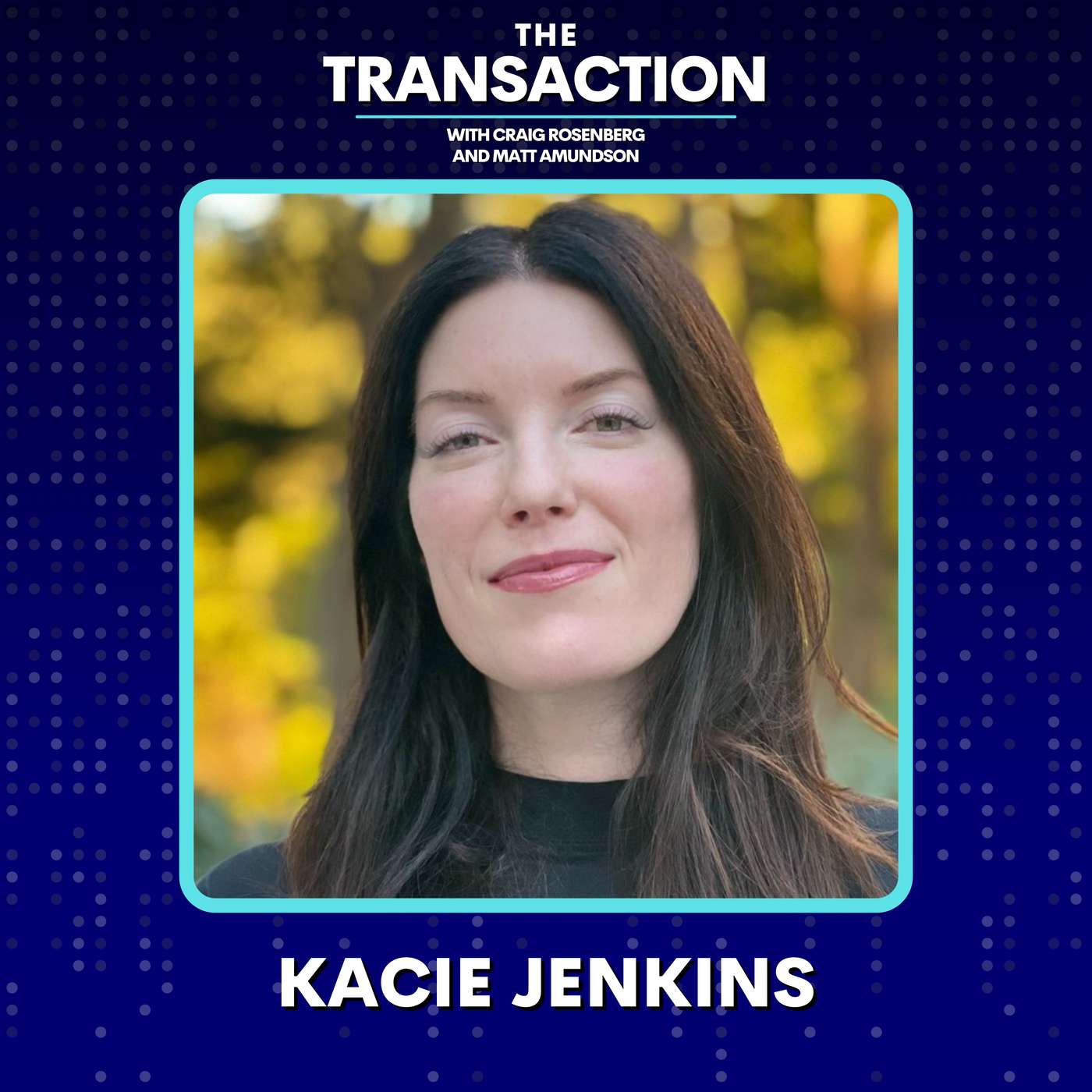
    Building a Movement Through B2B Marketing with Kacie Jenkins, Head of Marketing for Claude Code at Anthropic - Ep 76

    Kacie Jenkins is the Head of Marketing for Claude Code at Anthropic. Prior to joining Anthropic, Kacie led marketing at Sendoso as SVP of Marketing, Sourcegraph as VP of Marketing, and Fastly as VP of Marketing, to name a few. Kacie joins co-hosts Craig Rosenberg and Matt Amundson to unpack what B2B brands need to learn from B2C companies in order to build bold, unforgettable brands that increase revenue and redefine markets. Plus, Kacie outlines why B2B startups need to see building a founder brand as a pipeline engine, how to move beyond broken marketing attribution systems, and why brand marketing is making a massive comeback. Also, Kacie shares the outcome of all her speakers getting food poisoning before an event, Craig explains why he’s bringing his son to Vegas, and Matt states his stance on the existence of ghosts. Critical Takeaways Founder-led brand and content works because buyers want conviction from the people shaping the company, not just polished messaging from the brand account. The key to building a strong founder brand is finding the intersection of three things: 1. What is the founder an expert at? 2. What makes the founder utterly unique? 3. What does the target audience want and need? A bold brand doesn't mean punching competitors; it means being so weird, human, and mission-driven that people can't stop thinking about you. At Fastly, this meant leaning into engineer culture with quirky campaigns (literal messenger pigeons), bright red branding mirroring the founder's personality, and taking public stands on internet ethics. Find what makes your company authentically different and lean all the way into it. Your founder is the person with the most conviction on your team, and that conviction is what cuts through noise in crowded categories. Marketing should treat building and amplifying the founder's narrative as a top priority, not a side project. Invest time sitting with the founder to uncover what they stand for, what they hate, and what future they're building — then help them show up consistently. Sales leaders should map executive posts, thought leadership clips, and campaign creative to relevant strategic accounts, then use that content to multi-thread and re-engage deals. When a founder or visible executive has market credibility, reps get warmer entry points and stronger follow-up moments. Values only count when customers can feel them. If the brand story stops at messaging, buyers will eventually spot the gap. For example, Fastly’s brand worked because their stance showed up in customer selection, customer success, and even how they defined who they wanted to win with in the market. Chapters 00:00 - Episode Preview 00:51 - Spooky Baseball 02:20 - Introducing Kacie Jenkins, Head of Marketing for Claude Code at Anthropic 05:46 -  Accidentally Hosting a Spooky Customer Advisory Board Retreat 12:53 - What Happens When All Your event Speakers get Food Poisoning 19:03 -  How Founders Can Seize the Story of Their Category and Own The Narrative 35:48 - How to Build Bold Brands for B2B SaaS 41:22 - Why brand fails without founder buy-in 47:23 - Marketing Attribution is Broken. Now what? Join our Newsletter to never miss an episode & get bonus content: https://thetransaction.substack.com/ Epic Quotes “The key to winning is real, true, authentic differentiation.” - Kacie Jenkins Connect with Kacie LinkedIn: https://www.linkedin.com/in/kaciejenkins/ Anthropic Website: https://www.anthropic.com/ Claude Code Website: https://claude.com/product/claude-code Shoutouts Ruby James: https://www.linkedin.com/in/rubyjameslinkedin/ Scott Albro: https://www.linkedin.com/in/scottalbro/ Artur Bergman: https://www.linkedin.com/in/crucially/  Katie Penner: https://www.linkedin.com/in/kathrynpenner/ Kris Rudeegraap: https://www.linkedin.com/in/rudeegraap/ Love the show? Give us a shoutout on LinkedIn and tell us what you loved!

    • Transcript
    • Chapters
  • S2 · E75
    March 17 · 58 min

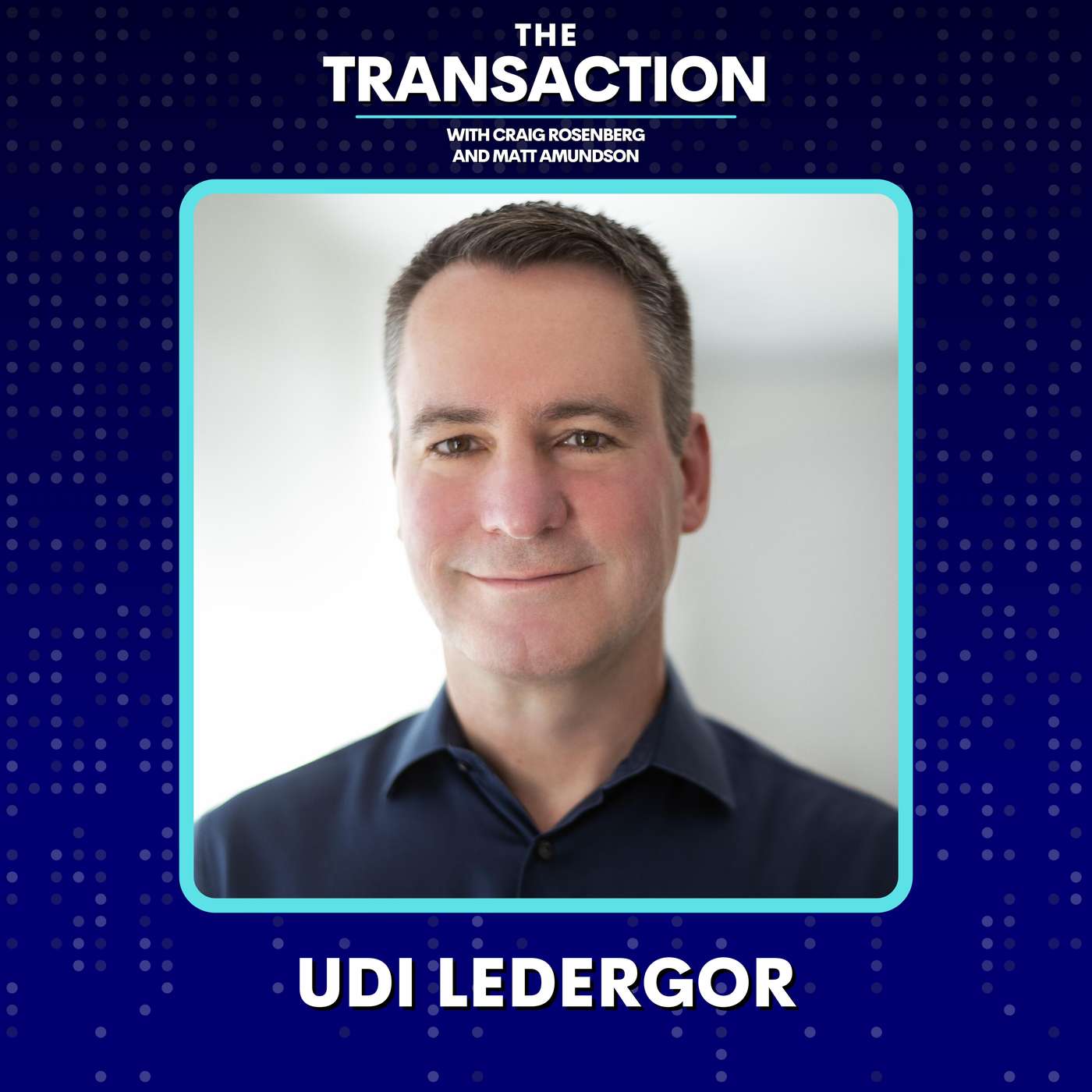
    How Courageous Marketing Leadership Builds Bold Brands with Udi Ledergor, Chief Evangelist at Gong - Ep 75

    Udi Ledergor is the Chief Evangelist at Gong and is firmly amongst the upper echelon of the, as yet to be founded, B2B marketing leader hall of fame, having led outstanding teams as both a Vice President of Marketing and Chief Marketing Officer at five B2B SaaS companies for over two decades. Alongside steadfast co-hosts Craig Rosenberg and Matt Amundson, Udi shares how he has crafted one of the top SaaS brands without losing its exceedingly human touch, how Gong thinks about the content they create as part of their marketing strategy, and to use AI to raise your bar for creative thinking by filtering out the obvious crap. Plus, Udi unpacks the three critical marketing leadership lessons he learned the hard way when a mistake in an email marketing campaign almost spiraled into a massive issue for one of the premier B2B SaaS brands in Silicon Valley today. Also, Craig admits to claims he confused someone on a call, Matt waxes poetic about a B2B SaaS company he doesn’t work for, and Producer Sam revels in an ever-elusive mention of the show notes. Critical Takeaways When a marketing mistake goes public, marketing leaders need to act decisively within hours, not days, and own it personally. A swift action paired with a personal response can de-escalate most complicated situations and help to quell even irate customers. By quickly taking personal accountability for the issue, you can turn a brand crisis into a trust-building moment. Teams should treat complaints as a signal, not the sample size. If a dozen people took the time to complain, many more probably felt the same way and stayed quiet. That is a strong operating principle for brand, product, and customer comms teams: they should respond to the unseen audience, not just the visible inbox. A key to building Gong’s human-feeling brand was deliberately connecting "trusted thought leader" with "relaxed, friendly person who wants to help you out" during an early brand workshop. Most B2B brands default to authoritative-plus-stuffy; product marketers and brand teams should explicitly codify an approachable, human counterweight in their brand guidelines. Use AI suggestions to find and filter out the obvious crap that everyone else would do in their marketing strategy. LLMs are a synthesis of (pretty much) everything on the internet, which means they’re great at telling you about what’s already out there. The next time you’re coming up with ideas for a marketing campaign, ask your LLM of choice for its recommendations and use those as a guide for what not to do. Rather than going fully with either gated or ungated content, using them in tandem can increase visibility and conversions. When sharing ungated content publicly, link to relevant gated assets and resources from within the ungated piece of content. This way, you get the visibility benefits of ungated content while getting your gated assets in front of a larger target audience. Chapters 00:00 - Episode Preview 00:56 - Craig Flounders While Filibustering to Find an Excuse For His Profile Photo Fiasco 03:16 - Introducing Udi Ledergor, Chief Evangelist at Gong 05:46 - 3 Critical Marketing Lessons Learned from an Email Campaign that Almost Ruined a Massive B2B SaaS Brand 17:02 - How Gong Intentionally Built an Authentic, Sincere, & Human Brand for A B2B SaaS Startup 22:06 - Reimagining B2B Marketing Events To Optimize for Guest Experience 28:48 - Using AI as a Quality Filter for Marketing Ideas 33:36 - The Two Ways to Use AI in Your Work 35:19 - Where Gong Lands in the Gated-versus-Ungated Content Debate 45:26 - The Basics of Email Marketing That Still Work in B2B 47:45 - The Bait & Switch Twitter Play for Boosting Web Traffic For Startups 51:31 - How Gong Develops its Content Marketing and Distribution Strategy Together Join our Newsletter to never miss an episode & get bonus content: https://thetransaction.substack.com/ Epic Quotes “We're sometimes over-reliant on all this automation crap. We like that it saves our team work, but we don't realize what we're giving up in return.” - Udi Ledergor “The worst thing that can happen to you is not that some people hate what you're doing. The worst thing that can happen to you is indifference.” - Udi Ledergor Connect with Udi LinkedIn: https://www.linkedin.com/in/udiledergor/ Gong’s Website: https://www.gong.io/ Udi’s Book: https://a.co/d/0Cix9Ll Udi’s Website: https://www.udiledergor.com/ Shoutouts Ruby James: https://www.linkedin.com/in/rubyjameslinkedin/ Chris Orlob: https://www.linkedin.com/in/chrisorlob/ Chris’ Episode: https://open.substack.com/pub/thetransaction/p/solving-the-go-to-market-skills-crisis Maria Pergolino: https://www.linkedin.com/in/mariapergolino/ Jon Miller: https://www.linkedin.com/in/jonmiller2/ Jon’s Episode: https://open.substack.com/pub/thetransaction/p/building-trust-and-reputation-in Brent Adamson: https://www.linkedin.com/in/brentadamson/ Brent’s Episode: https://open.substack.com/pub/thetransaction/p/rebuilding-b2b-customers-confidence Kyle Lacy: https://www.linkedin.com/in/kylelacy/ Top Swear Words - Gong: https://www.gong.io/blog/how-cursing-impacts-sales Alec Paul: https://www.linkedin.com/in/alecjpaul/ Alec’s Episode: https://open.substack.com/pub/thetransaction/p/becoming-a-linkedin-master-with-alec Danny Hutto: https://www.linkedin.com/in/dannyhutto/ Love the show? Give us a shoutout on LinkedIn and tell us what you loved!

    • Transcript
    • Chapters
  • S2 · E74
    February 26 · 54 min

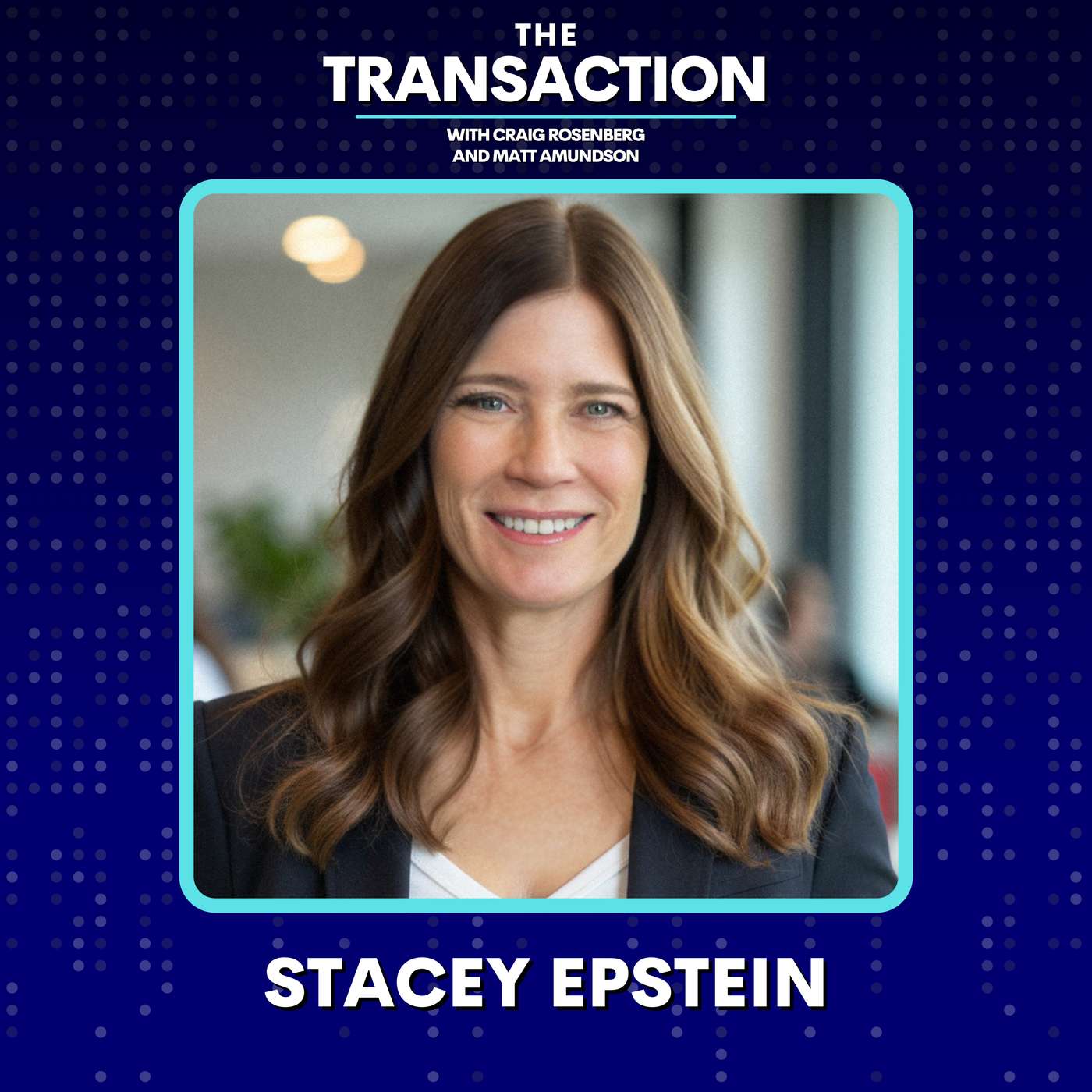
    Positioning Needs to Underpin Every Part of Your Brand Strategy with Stacey Epstein, CEO of Structured - Ep 74

    We’ve got the perfect guest to help you understand how your brand can stand out and provide a uniquely incredible experience for customers in the AI era. Stacey Epstein is the CEO of Structured, the only AI-native channel marketing platform purpose-built for complex partner ecosystems. She is also the Host of AI’ve Got Questions, a casual, candid podcast for marketers trying to make sense of the fast-moving world of AI. Stacey joins co-hosts Matt Amundson and Craig Rosenberg to discuss why your positioning framework needs to be at the core of every marketing campaign, how hiring for taste drives differentiation, and how to inject the voice of your customers into your brand. Plus, Stacey shares how to maximize the impact of your CEO or Founder throughout your marketing. Also, Craig talks about the miracle of birth, Matt mixes up the abbreviations of an African country, and Producer Sam expounds on the etymology of the word “czar”. Critical Takeaways Before you start executing any marketing tactics, you need to develop a strong positioning framework that clearly articulates what your company does, why it matters, who the buyer is, and what makes you different. Way too many B2B companies are still doing "random acts of marketing" where every campaign differs from the website messaging, creating inconsistent brand experiences that confuse buyers and dilute impact. As AI handles more aspects of content creation, campaign distribution, and administrative tasks, marketing teams should prioritize hiring "tastemakers" who demonstrate exceptional judgment in evaluating strategic creative decisions. The ability to curate, refine, and elevate work, whether human-made or AI-generated, matters more than the ability to execute tactical tasks manually. Treat your S-1 as the foundation for all Go-To-Market activities. It should be the basis of your positioning, informing everything from why you exist, what your product does, points of competitive differentiation, and your future vision Organizations need a centralized AI leader, whether in marketing ops, revenue ops, or IT, to coordinate AI initiatives across functions and prevent teams from burying themselves in disjointed AI projects. This role ensures strategic alignment, prevents redundant tool purchases, and helps teams focus AI adoption on high-impact use cases rather than experimenting randomly. Chapters 00:00 - Episode Preview 00:42 - Craig’s Story of Endings and New Beginnings 02:46 - Introducing Stacey Epstein, CEO of Structured 07:16 - Accidentally Sending an Embarrassing Email to Every Co-worker in an Entire Region 15:34 - Why Positioning is Foundational to Your Brand and Storytelling 21:29 - How to Get Better Input on Marketing from Founders & CEOs 31:58 - What Stacey's Learned about AI From Hosting her Podcast 34:54 - Why You Need to Hire “Taste Makers” in an AI-first world 41:50 - A Brief Aside on the Etymology of Czar/Tsar 43:35 - Why Companies are Hiring GTM Engineers & The Impact They're Having 45:58 - How to Lead AI Implementation in Your Company Join our Newsletter to never miss an episode & get bonus content: https://thetransaction.substack.com/ Epic Quotes “ Who owns AI in the company?” - Stacey Epstein “ I love coming back to use cases, because use cases come back to the benefit for the company. So instead of telling me what the product does, tell me how that would be used.” - Stacey Epstein Connect with Stacey LinkedIn: https://www.linkedin.com/in/staceyepstein/ Magnetic GTM Website: https://www.magneticgtm.com/ Podcast: https://aivegotquestions.buzzsprout.com/ Structured Website: https://structured.ai/ Shoutouts David Boskovic: https://www.linkedin.com/in/dboskovic/ David’s Episode: https://open.substack.com/pub/thetransaction/p/building-an-ai-first-go-to-market Lisa Cole: https://www.linkedin.com/in/lisacole01/

    • Transcript
    • Chapters
  • S2 · E73
    February 9 · 1 hr 2 min

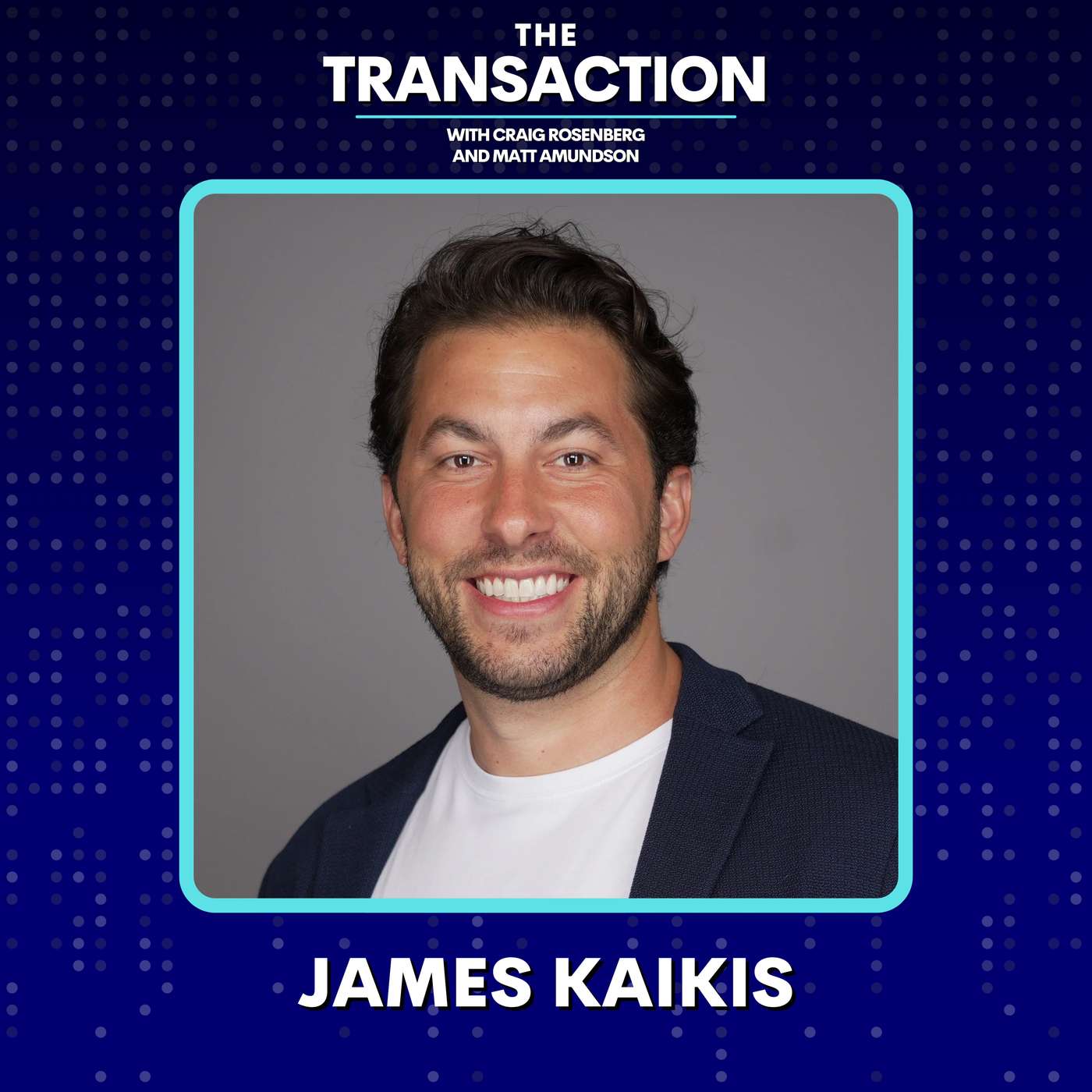
    The AI-Enabled Future of Sales with James Kaikis, Founder of GTMshift - Ep 73

    The landscape of go-to-market in the B2B SaaS world is shifting rapidly, but thankfully we’ve got just the person to help you get ahead and innovate. James Kaikis is the Founder of GTMshift, Co-Founder of SolutionExec, Co-Founder of AI Sales Studio, and Host of The GTMshift Interview Series. James joins Matt Amundson and Craig Rosenberg to unpack the evolving role of sales reps, how to use the GTM Innovator’s Framework to stay up on AI advances, and why B2B SaaS companies must refocus their GTM motions on their customers. Plus, James shares his top spots to eat in Chicago. Also, Craig calls Matt a technical buyer, Matt rates Craig’s follicular health, and Producer Sam forgets how math works. Critical Takeaways Technical buyers have done extensive research before ever talking to you and know their problems better than you do. Stop running rigid qualification frameworks like BANT or MEDDIC that waste their time asking questions they've already answered internally. Instead, get straight to demonstrating how your solution solves their specific problem with their actual data, positioning yourself as a consultant helping them buy rather than a salesperson trying to extract information. Sales reps must be able to demonstrate the product themselves for lower-complexity solutions, especially when selling to other sales or marketing professionals. If you're selling sales technology but can't give a demo because "that's what SEs do," you've already lost credibility with your buyer. Invest time learning your product deeply enough to have hands-on conversations, or accept that AI-proficient competitors will replace you. Shift your focus from new logos to customer expansion. B2B SaaS companies are now generating more net new revenue from existing customers than new logo acquisition for the first time. Every customer you close should have a clear expansion roadmap within the first 90 days, with multiple upsell opportunities identified before implementation completes. Vertical SaaS represents one of the few remaining competitive moats as horizontal solutions get commoditized overnight by AI. Sales reps must develop deep expertise in specific industries—understanding regulatory requirements, workflow nuances, and sector-specific language that generic reps cannot replicate. For example, if you're selling into pharmaceutical, financial services, or manufacturing, you need to speak their language authentically or technical buyers will immediately dismiss you as lacking credibility. The traditional AE role that handled prospecting, discovery, demoing, forecasting, product knowledge, and closing is fundamentally broken because it asks too much of one person. Your role must narrow to being a customer-centric problem solver who builds trust and delivers value, while AI handles pipeline generation and SEs handle technical depth. Sales professionals who cannot adapt to this narrower, more specialized role will be replaced by solutions engineers who understand the product deeply and can build trust through hands-on demonstrations rather than sales techniques. Chapters 00:00 - Episode Preview 00:50 - Checking in on Craig’s Follicular Growth, Grooming & Glasses 03:12 - Introducing James Kaikis, Founder of GTMshift 09:06 - The Life-changing Impact AI Innovation Had on James 23:17 - B2B SaaS has Forgotten about the Customer & Their Experience 31:18 -  The Changing Role of Sales Reps & Why Your Next Account Exec Should be a Solutions Engineer 41:02 - How the Next Generation of Sales Reps will be Trained & Interact with AI 50:11 - The Opportunity for Experiential Selling that AI Makes Feasible 59:04 - Quick Review of the Chicago Cuisine Scene Join our Newsletter to never miss an episode & get bonus content: https://thetransaction.substack.com/ Epic Quotes “We have lost sight in B2B SaaS of who matters.” - James Kaikis “Trust and value are the ultimate currency and this next wave of B2B SaaS.” - James Kaikis Connect with James LinkedIn: https://www.linkedin.com/in/jameskaikis/ GTMShift Website: https://gtmshift.com/ AI Sales Studio Website: SolutionExec Website: https://solutionexec.com/ The GTM Shift Interview Series: https://gtmshift.com/the-gtmshift Linktree: https://linktr.ee/jkaikis Shoutouts Doug Landis: https://www.linkedin.com/in/douglandis/ Doug’s Episode: https://open.substack.com/pub/thetransaction/p/overcoming-outbound-challenges-with Antonio Garcia: https://www.linkedin.com/in/antonio-garcia-18b912220/ Mark Gustaferro: https://www.linkedin.com/in/mark-gustaferro-3894aa1a5/ David Boskovic: https://www.linkedin.com/in/dboskovic/ David’s Episode: https://thetransaction.substack.com/p/building-an-ai-first-go-to-market MIT Study on AI Adoption: https://mitsloan.mit.edu/ideas-made-to-matter/productivity-paradox-ai-adoption-manufacturing-firms Craig’s Episode on GTM Shift: https://gtmshift.com/the-gtmshift/everything-s-back-on-the-table-why-ai-is-revolutionizing-gtm-with-craig-rosenberg Jeff Margolese’s Episode on GTM Shift: https://gtmshift.com/the-gtmshift/the-solution-exec-guide-to-navigating-the-great-ai-shift-with-jeff-margolese Dave Brock: https://www.linkedin.com/in/davebrock/ Dave’s Episode: https://open.substack.com/pub/thetransaction/p/really-knowing-your-customer-with?utm_campaign=post-expanded-share&utm_medium=web Trivoli Tavern: https://www.trivolitavern.com/trivoli Love the show? Give us a shoutout on LinkedIn and tell us what you loved!

    • Transcript
    • Chapters
  • S2 · E72
    January 20 · 55 min

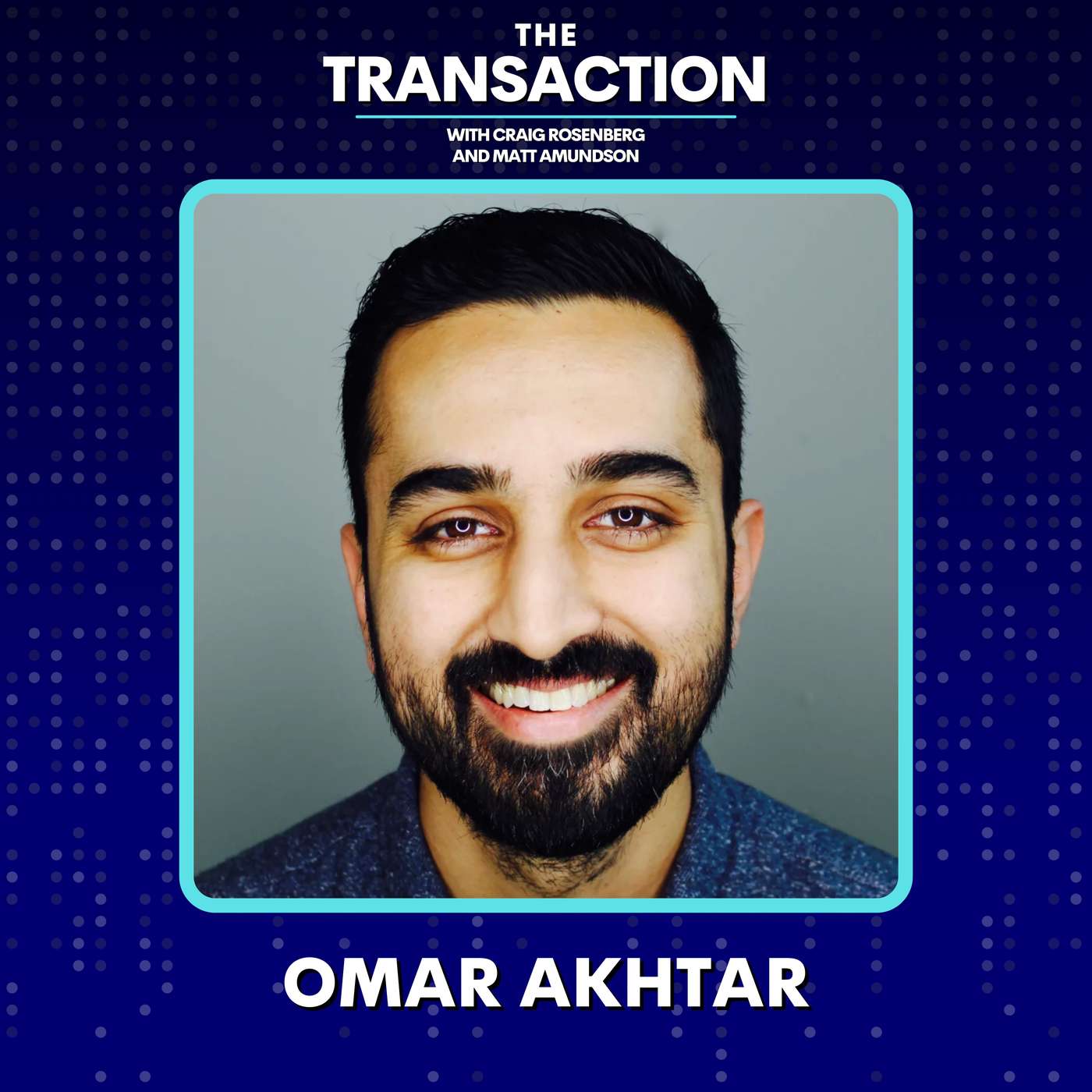
    How the Most Successful B2B Marketing Teams are Winning with Omar Akhtar, Founder of Benchmarker - Ep 72

    Surprise: Doing ‘more with less’, doesn’t actually work in B2B marketing, and today’s guest has the data to show it. Omar Akhtar is the Founder and Principal Analyst of Benchmarker and the Director of Content at UserTesting. Omar joins co-hosts Matt Amundson & Craig Rosenberg to dive into the B2B marketing data from Benchmarker’s latest survey, why the most successful companies are spending more on brand than demand, and how events have emerged as one of the top growth channels in go-to-market. Plus, Omar digs into when to prioritize paid versus organic channels in your marketing mix. Also, Craig outlines the plans for his kid’s booze-fueled birthday party, Matt laughs at an inopportune moment, and Producer Sam says ‘raccoon’. Critical Takeaways Doing more with less is dead. You can’t cut your way to growth. Marketing leaders need to choose between efficient growth or exponential growth and spend accordingly. The companies that are actually hitting or exceeding their targets are spending at least the same, if not more, on brand as they are on demand. The companies that are performing the worst are overspending on demand over brand marketing. When new account growth is the priority, marketing teams should lean into paid search and paid social even though they’re expensive, because these paid channels can deliver faster growth and can outperform organic channels for reach. Dinners and small events can be great, but you can easily ruin them by being overly pushy and sales-y. If someone is talking product before anyone’s had a drink, you need to nip that in the bud. Also, some consultants can be pitchy, so invite them selectively. SaaS marketers are great at deploying amazing new tactics; however, on the whole, they lack a strong foundation in the marketing basics. Before you learn about the next bleeding-edge tool, take a minute to brush up on the building blocks, like positioning, targeting, and messaging. Chapters 00:00 - Episode Preview 01:23 - Introducing Omar Akhtar, The Founder of Benchmarker 03:54 - A Perilously Precipitous Sales Call 06:01 - How Omar Moved From Rockstar to B2B Marketing Analyst 12:26 - Craig’s Dog Crashes the Party in Multiple Ways 13:32 - What Benchmarker’s Data has Revealed about Successful B2B Marketing Teams 21:26 - Why the Best Marketing Teams are Spending More on Brand Marketing 23:56 - Where Content Marketing Fits in the Modern B2B Marketing Mix 30:34 - Events & Small Dinners are Converting Like Crazy, but Please Don’t Overdo Them 37:24 - No Amount of Great Marketing Can Overcome a Crap Product, Have a Good Product & Execute the Basics of Marketing Well 44:11 - What Makes Clay’s Marketing So Special 50:21 - How Gong Survived the Latest SalesTech Revolution & is Now Thriving Join our Newsletter to never miss an episode & get bonus content: https://thetransaction.substack.com/ Epic Quotes “ This idea that we used to have for a long time, where you have to do more with less doesn't hold true anymore, because you can't cut your way to growth anymore.” - Omar Akhtar “We’re really in a B2B SaaS recession.” - Omar Akhtar Connect with Omar LinkedIn: https://www.linkedin.com/in/omarbilalakhtar/ Benchmarker Website: https://www.benchmarkerdata.com/ UserTesting Website: https://www.usertesting.com/ Shoutouts Amy Holtzman: https://www.linkedin.com/in/aholtzman/ Amy’s Episode: https://open.substack.com/pub/thetransaction/p/crafting-an-exceptional-event-marketing?r=3iae7z&utm_campaign=post&utm_medium=web Udi Ledergor: https://www.linkedin.com/in/udiledergor/ Chris Orlob: https://www.linkedin.com/in/chrisorlob/ Chris’s Episode: https://open.substack.com/pub/thetransaction/p/solving-the-go-to-market-skills-crisis?utm_campaign=post-expanded-share&utm_medium=web Jon Miller: https://www.linkedin.com/in/jonmiller2/ Jon’s Episode: https://open.substack.com/pub/thetransaction/p/building-trust-and-reputation-in?utm_campaign=post-expanded-share&utm_medium=web Love the show? Give us a shoutout on LinkedIn and tell us what you loved!

    • Transcript
    • Chapters
  • S2 · E71
    January 8 · 1 hr 4 min

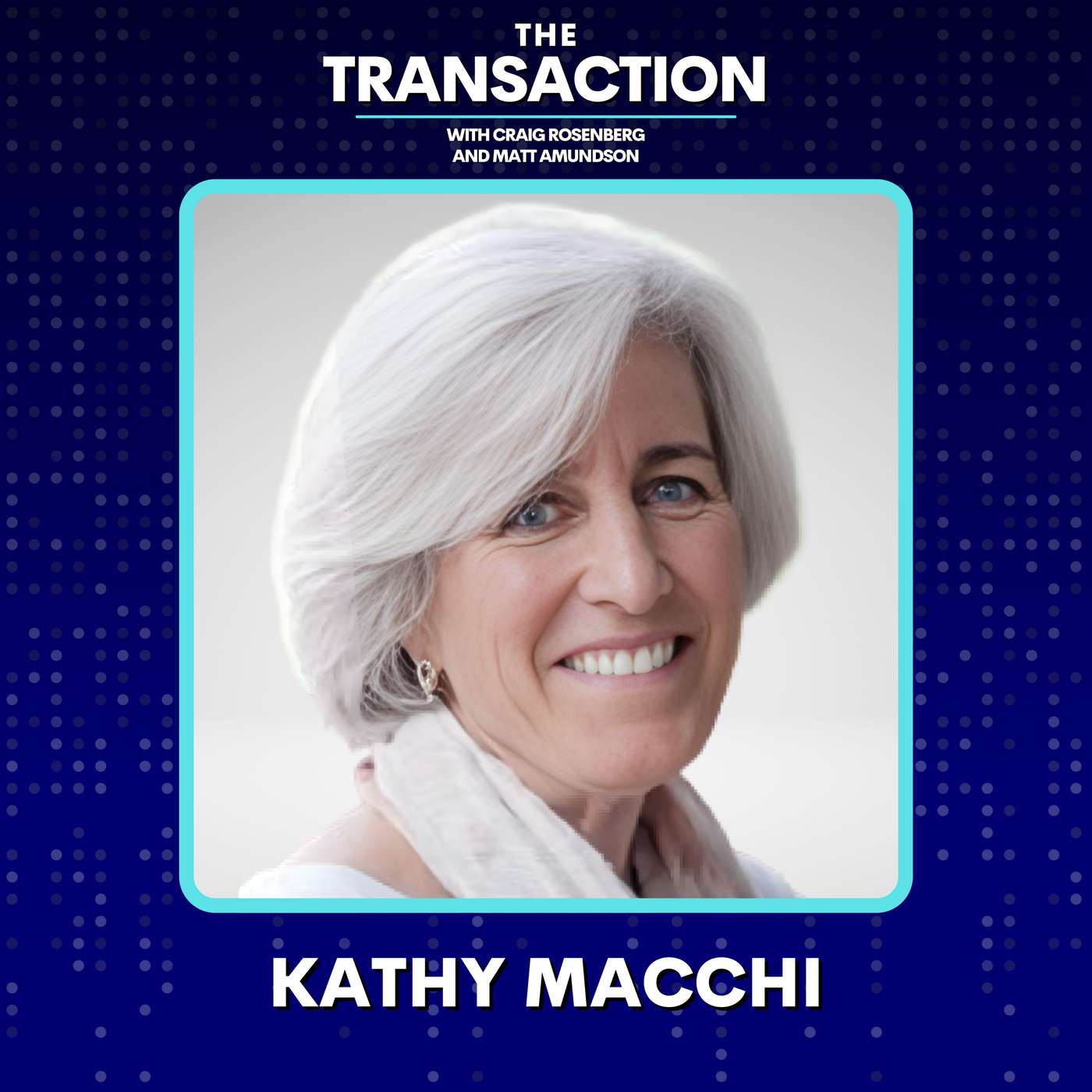
    “The Who is Everything” with Kathy Macchi, Co-Founder of Inverta - Ep 71

    For our first episode of the new year, we’re thrilled to welcome special guest Kathy Macchi, the Executive Vice President, Innovation & Co-Founder at Inverta. Kathy joins co-hosts Craig Rosenberg & Matt Amundson to discuss where so many go-to-market leaders go wrong with their segmentation, why your message matters more than the channel you deliver it through, and how to design a successful mid-market marketing org amidst massive pressure for budget cuts. Also, Craig bemoans eating vegetables, Matt gives an update on Craig’s health, and some may have been kidnapped at Producer Sam’s house. Critical Takeaways Before chasing hyper-specifc and fancy AI tools, codify ICP, targeting, messaging, and what “good” outreach looks like. Then use AI to scale research and execution (with humans judging output), instead of hoping automation will invent strategy from scratch. If the account list is wrong, everything downstream gets harder (sales cycle, conversion, retention, even CSM load). Institutionalize segmentation by use case and continuously prune/refresh the target universe instead of debating tactics in the abstract. Stop obsessing over which channels you’re using and start focusing more on whether you have something worth saying to a specific buyer group. Then should ship that personalized, relevant message across every relevant channel as an integrated system, not as disconnected one-off campaigns. Chapters 00:00 Harrowing Health Foods, Rave Recaps, & Tennis Talk 08:30 Introducing Kathy Macchi, Co-founder at Inverta 12:40 The Business Concerns Coming up In CMO Councils, Primarily AI & Budget Cuts 18:43 Why Cultivating Good Taste Transcends AI Advancements & Solving The Problem Before Adding AI Tools 30:27 AI's Impact on B2B Marketing Jobs and Economy 32:37 Rethinking Marketing and Business Processes with AI 34:06 The Role of Effective Targeting for Account-Based Marketing in the AI-era 37:02 Effective Use of AI in Marketing 42:13 Messaging + B2B Marketing Channel Strategies and Multi-Channel Marketing 53:04 B2B Sales and Territory Planning Join our Newsletter to never miss an episode & get bonus content: https://thetransaction.substack.com/ Epic Quotes “The who is everything” - Kathy Macchi “ We forgot that early pipeline, until you figure it out, costs money. It costs money and you're going to fail.” - Craig Rosenberg Connect with Kathy LinkedIn: https://www.linkedin.com/in/kathy-macchi-aa148b/ Inverta Website: https://www.inverta.com/ Shoutouts Geoffrey Moore: https://www.linkedin.com/in/geoffreyamoore/ Jason Lemkin: https://www.linkedin.com/in/jasonmlemkin/ Carlos Alcaraz David Boskovic: https://www.linkedin.com/in/dboskovic/ Our Episode with David: https://open.substack.com/pub/thetransaction/p/building-an-ai-first-go-to-market Omar Akhtar: https://www.linkedin.com/in/omarbilalakhtar/ Love the show? Give us a shoutout on LinkedIn and tell us what you loved!

    • Transcript
    • Chapters
  • S2 · E70
    Dec 8, 2025 · 55 min

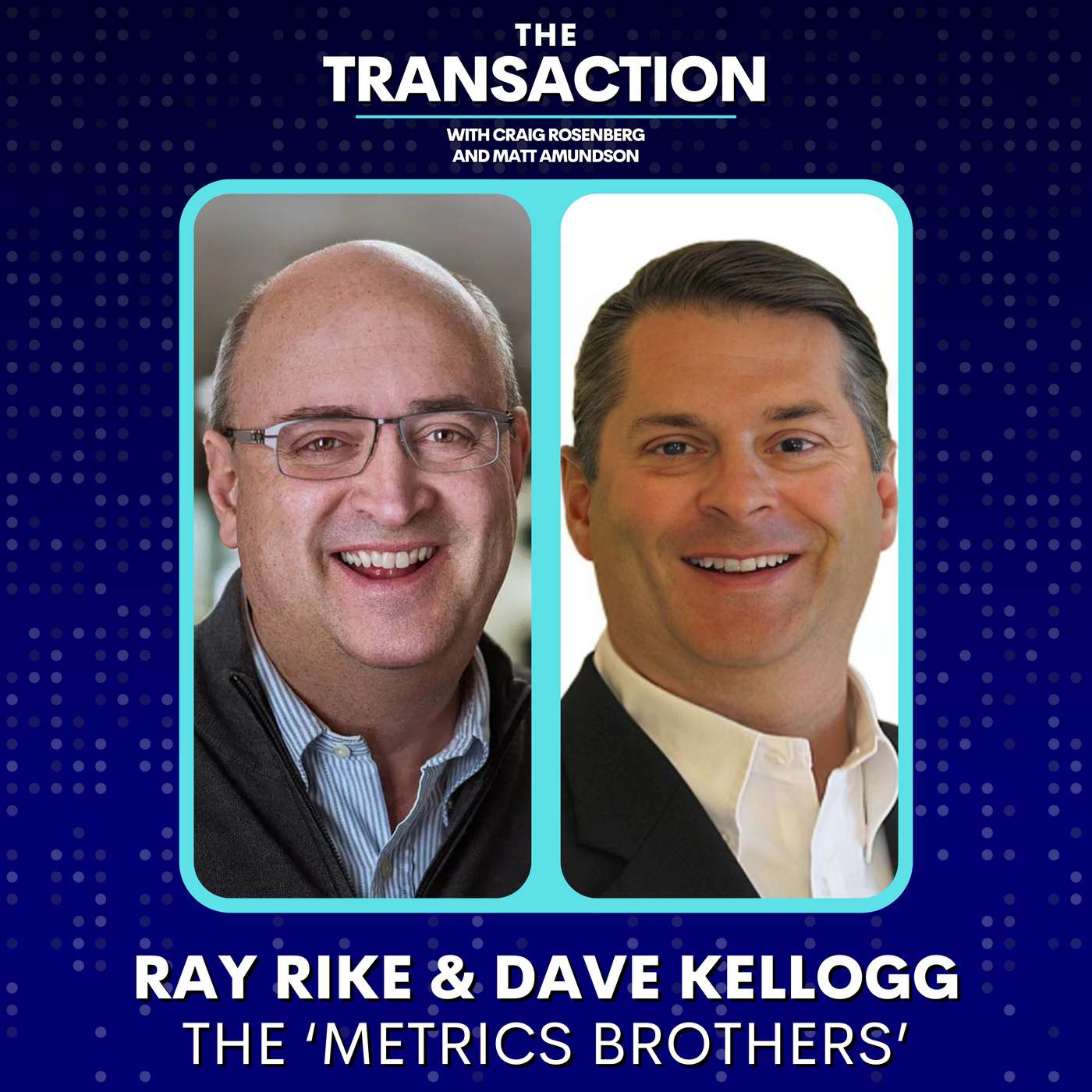
    Escaping B2B SaaS Dashboard Hell with Ray Rike & Dave Kellogg - Ep 70

    If you feel like your pipeline is broken, your CAC is bloated, and your dashboards are lying to you… you’re FAR from the only one. Joining the show are the Metrics Brothers, Ray Rike and Dave Kellogg! Ray is the Founder & Chief Evangelism Officer of Benchmarkit, Host of Metrics That Measure Up, a Founding Member of the SaaS Metrics Standards Board, and is an LP at Stage 2 Capital. Dave co-hosts The Metrics Brothers Podcast, writes the incomparable ‘Kellblog’, and is an EIR at Balderton Capital. Dave and Ray join co-hosts Matt Amundson and Craig Rosenberg to discuss the importance of brand investment in the AI age, overcoming the pipeline generation crisis in B2B SaaS, and how GTM leaders can drain the “metrics swamp.” Plus, Dave divulges which SaaS metrics he finds loathsome and Ray shares his unique method for calculating Marketing CAC. Also, Craig airs an ambrosia-related grievance, Matt unveils an old school tactic he’s still using, and Producer Sam falsely announces an exclusive scoop on The Transaction. Critical Takeaways Treat answer engine optimization (AEO) as a real channel, not a buzzword. As answer engines and generative AI search tools aggregate from dozens of sources but surface only a few. Meaning that you either show up in the top 2-3 responses or you effectively disappear. Teams should build use-case-level content, distribute it widely, and make it novel enough that answer engines want to quote it, while also building their own audience (newsletter, podcast, communities) so they’re not fully dependent on Google’s (or ChatGPT’s) algorithm. Inbound hand-raisers are a much better primary brand KPI than ‘share of voice’ measurements. Watch what percent of qualified pipeline and new ARR comes from inbound hand-raisers. GTM leaders should explicitly target a higher share of pipeline from inbound, track its close rates and ACVs versus outbound, and use that to justify continued brand and content investment. Focus more on the number of opportunities and cost per opportunity, not just total pipe. Revenue teams should watch both volume and dollars by source, so they can see, for example, whether brand-driven inbound is generating fewer but much better-quality opportunities and adjust their mix and SLAs accordingly. If you want overall efficiency, use Marketing CAC (sales + marketing over new ARR); if you want to compare programs, use pipeline generated divided by demand-gen program spend only. GTM leaders should keep CAC reserved for the full go-to-market machine, then use pipe-to-spend for campaign and channel decisions, excluding fixed headcount so they understand the ROI of the next incremental dollar. Sales and marketing leaders must acknowledge the current “pipeline crisis” in B2B SaaS, characterized by insufficient pipeline coverage and declining efficiency. Teams should track both the volume and cost of pipeline generated, and forecast pipeline coverage across all sources (marketing, SDRs, alliances, PLG, etc.) early and often. Aligning on metrics is a long-term, iterative process that requires persistence and cross-functional buy-in. Chapters 00:00 Episode Preview 01:48 Introducing Ray Rike and Dave Kellogg, The Metrics Brothers 05:40 How GTM Leaders can Escape from their ‘Dashboard Hell’ 11:08 Which Metrics Matter to Your Board 18:37 Overcoming The B2B SaaS Pipeline Crisis 24:38 The Difference Between Search Engine Optimization & Answer Engine Optimization 29:52 Why Brand Still Matters in the age of AI & How to Measure Brand 45:21 Why B2B Marketers Need to Measure both Opportunity Count & Cost Per Opportunity 47:38 Why Pipeline Coverage Ratio is so Critical for B2B SaaS Startups 51:21 Examining Tantalus & The Cultural Impact of Ambrosia in All of Its Forms Join our Newsletter to get bonus content & never miss an episode: https://thetransaction.substack.com/ Epic Quotes “The faster growing companies actually are spending more on brand than on demand.” - Ray Rike “ My least favorite SaaS metric? Rolling four-quarter pipeline.” - Dave Kellogg “ Branding is marketing without a call to action.” - Dave Kellogg Connect with Ray & Dave Ray’s LinkedIn: https://www.linkedin.com/in/rayrike/ Dave’s LinkedIn: https://www.linkedin.com/in/kelloggdave/ The Metrics Brother Podcast: https://podcasts.apple.com/us/podcast/the-metrics-brothers-fka-saas-talk/id1687214133 Metrics that Measure Up Podcast: https://podcasts.apple.com/us/podcast/metrics-that-measure-up/id1525571613 Benchmarkit Website: https://www.benchmarkit.ai/ Dave’s Blog: https://kellblog.com/ Balderton Capital: https://www.balderton.com/ Shoutouts Ray’s first Episode on The Transaction: https://open.substack.com/pub/thetransaction/p/harnessing-the-magic-of-metrics-with Avinash Kaushik: https://www.linkedin.com/in/akaushik/ Avinash’s Newsletter: https://www.kaushik.net/avinash/marketing-analytics-intersect-newsletter/ Avinash’s SEO vs AEO article: https://www.kaushik.net/avinash/ai-age-marketing-bye-seo-hello-aeo/ Omar Akhtar: https://www.linkedin.com/in/omarbilalakhtar/ Benchmarker: https://www.benchmarkerdata.com/ Exit Five: https://www.exitfive.com/ Our Episode with Dave Gerhardt: https://open.substack.com/pub/thetransaction/p/ai-idea-starters-influencers-and Carilu Dietrich: https://www.linkedin.com/in/cariludietrich/ Our Episode with Carilu: https://open.substack.com/pub/thetransaction/p/advisor-avengers-assembling-your Jon Miller: https://www.linkedin.com/in/jonmiller2/ Our Episode with Jon: https://open.substack.com/pub/thetransaction/p/building-trust-and-reputation-in Udi Ledergor: https://www.linkedin.com/in/udiledergor/ Bill Macaitis:

    • Transcript
    • Chapters
  • S2 · E69
    Nov 18, 2025 · 59 min

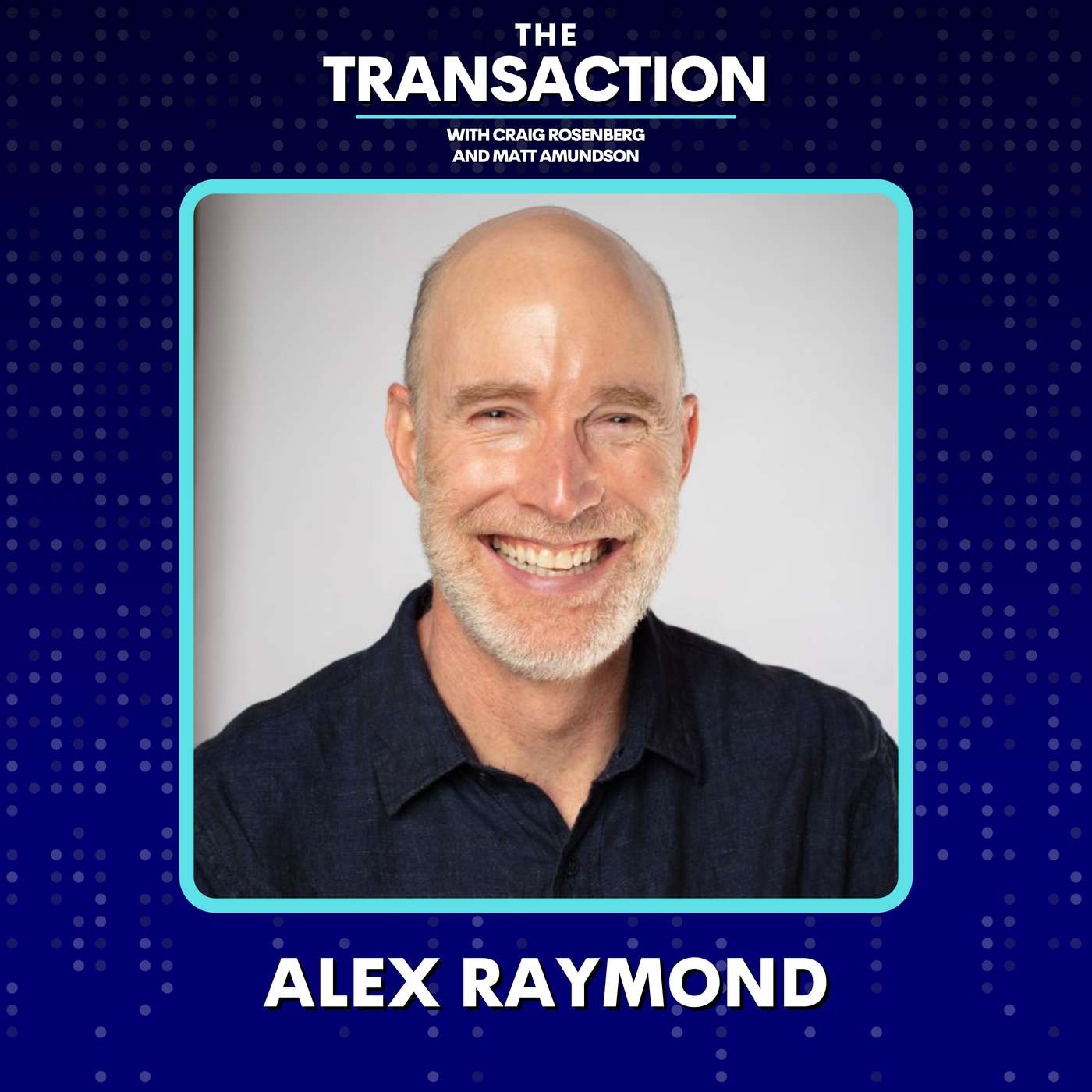
    Account Management is Your Startup’s Growth Department with Alex Raymond, Founder of AMplify - Ep 69

    With so much attention within the go-to-market world paid to marketing and sales, account management, which is arguably just as important, rarely gets its due. Alex Raymond is the Founder of AMplify and Host of the Account Management Secrets podcast. Alex joins co-hosts Matt Amundson and Craig Rosenberg for the first major discussion on the podcast of account management and its crucial role in growing revenue and overall company value for SaaS vendors. Plus, Alex breaks down how CROs should organize their team, what types of people make for the best account managers, and why in-depth stakeholder mapping of customer accounts is so critical to growing revenue. Also, Craig mixes up country singers, Matt discovers a great path, and Producer Sam compares someone’s comment to military ordinance. Critical Takeaways Account management should be positioned as the "growth department" of your company, responsible for driving profitable revenue from existing customers. Shift the mindset from reactive support to proactive growth, ensuring account managers are empowered and resourced to expand accounts, not just retain them. Start building account management capabilities early, even before you hit $10M in revenue, so you can learn from customers, reduce churn, and set the foundation for compounding growth. Don’t wait until churn or customer growth becomes a problem you’re hearing about in your board meetings. Ambiguity about who owns customer growth leads to missed opportunities. Great account managers are creative problem solvers with strong business sense, often with consulting backgrounds. They should be able to see the big picture, ask insightful questions, and build long-term relationships, rather than just focusing on renewals or incremental expansions. PS: former consultants make for great AMs. Build Robust Stakeholder Maps and Engage at Multiple Levels. Vendors need to actually do QBRs (Quarterly Business Reviews). Go talk to your darn customers. Chapters 00:00 - Episode Preview 01:00 - Trouble with Tickets 03:44 - Introducing Alex Raymond, Founder of AMplify 05:59 - The Role of Account Management in The Growth of B2B Startups 12:27 - The Power of Exponential Thinking for Entrepreneurs 16:01 - A Quick Sidebar about Business Events and Dining in Boulder 19:31 - Why Account Management is a Revenue Function & When Your Startup Needs Account Managers 29:15 - Where Account Management Should Fit in Your Revenue Team’s Organizational Design 36:26 - What To Look for When Hiring Great Account Managers 42:03 - When Account Managers Should Be Brought into New Deals 49:13 - Developing Complex Stakeholder Maps for Customer Accounts Join our Newsletter to never miss an episode & get bonus content: https://thetransaction.substack.com/ Epic Quotes “ The CRO should be managing the entirety of their revenue cycle, not just some slice of it.” - Alex Raymond “ Land and expand has never been more important than it is right now.” - Alex Raymond “ I just never, ever want to be a CEO.” - Matt Amundson Connect with Alex LinkedIn: https://www.linkedin.com/in/afraymond/ Website: https://www.amplifyam.com/ Podcast: https://www.amplifyam.com/podcast Shoutouts Craig’s Episode on Alex’s Podcast: https://www.amplifyam.com/account-management-secrets/why-post-sale-is-still-broken-and-what-to-do-about-it-craig-rosenberg Mike Rapp: https://www.linkedin.com/in/michaelrapp-intelepeer/ Alex’s Episode with Mike Rapp: https://www.amplifyam.com/account-management-secrets/serve-retain-sell-how-account-management-builds-revenue-leaders-mike-rapp Dr. Benjamin Hardy: https://www.linkedin.com/in/drbenjaminhardy/ Conscious Entrepreneur Summit: https://consciousentrepreneur.us/ The Science of Scaling by Dr. Benjamin Hardy & Blake Erickson: https://a.co/d/eTUlHeV 10x is Easier Than 2x by Dan Sullivan & Dr. Benjamin Hardy: https://a.co/d/1kf8tSe Love the show? Give us a shoutout on LinkedIn and tell us what you loved!

    • Transcript
    • Chapters
  • S2 · E68
    Oct 31, 2025 · 56 min

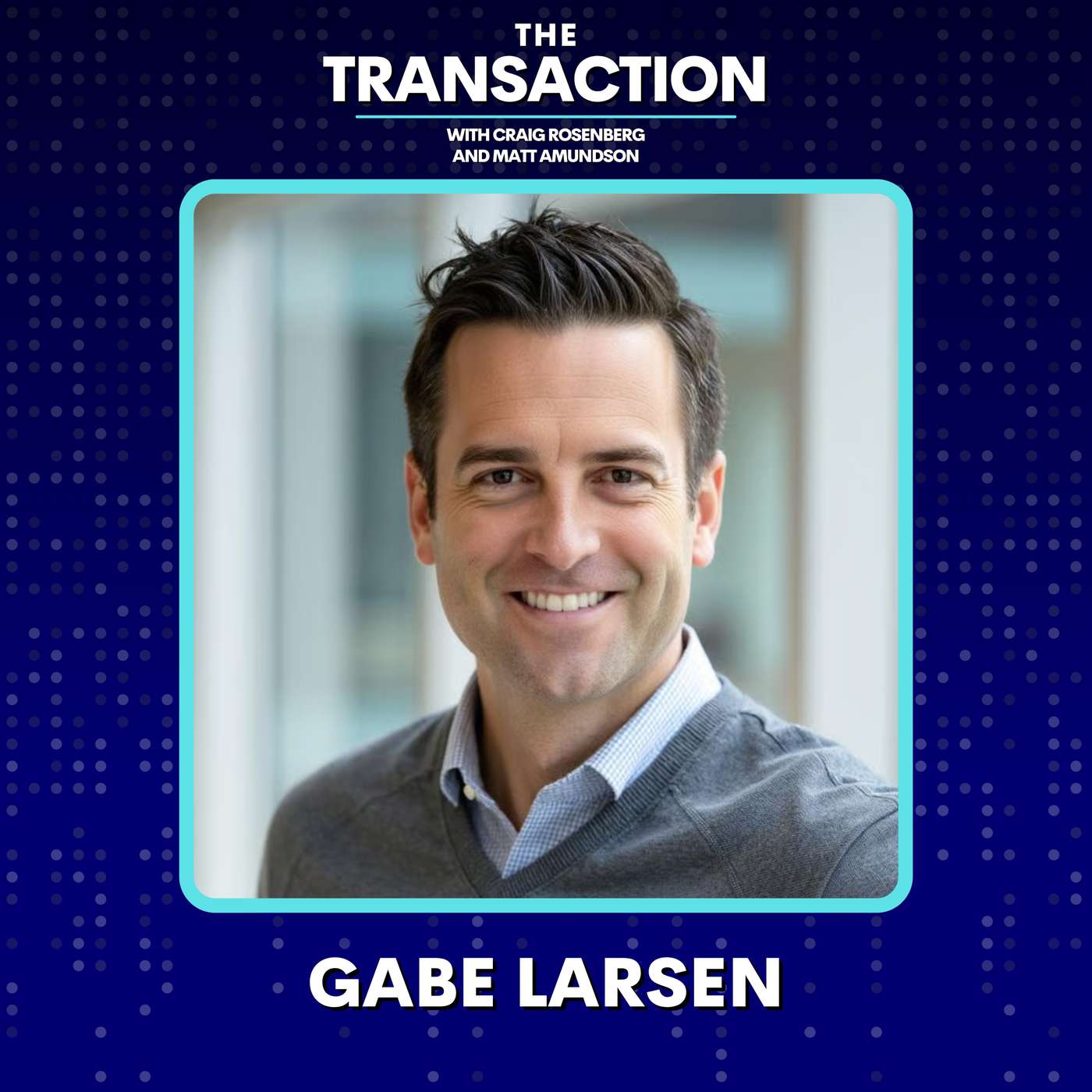
    Agentic AI VS ABM & AI Pricing Explained with Gabe Larsen, Chief Revenue Officer of Signals - Ep 68

    The immense hype around AI agents is positively palpable, but is there value in adopting an army of AI minions today or is the promise of agentic AI still fictitious pulp? Here to help illuminate and elucidate the role of AI agents is Gabe Larsen, the Chief Revenue Officer at Signals and the former Chief Marketing Officer of Kustomer. Gabe joins co-hosts Matt Amundson and Craig Rosenberg for a deep dive into how agentic AI coupled with signal-based marketing succeeds in go to market where Account-Based Marketing failed in its execution. We get into whether startups should build or buy the tools they need, which new metrics your board might be looking for, and what customers really want to hear about from vendors. Plus, Gabe bids goodbye to the age of software tools while welcoming in the AI-powered teammate economy. Also, Craig vehemently denies accusations of scowling, Matt shares his preferences on the intricacies of the English language, and Producer Sam asks a dumb question. Critical Takeaways Agentic AI tools need to provide omni-channel execution in order to offer real value and impact to sales and marketing teams. The combination of Signals + Agents outperforms Account-Based Marketing in the way it has been traditionally deployed. However, the core ideas of ABM, such as Ideal Customer Profiles, Target Accounts, Personalization, etc., still hold true. In fact, the advances in AI-powered martech have now made the original promise and vision of ABM possible. In the build vs buy debate, much of what has been built and is being built in-house is far too brittle to accommodate the regular use of a revenue team. You don’t want your whole custom-built workflow to break every time someone makes a minor change to something as small as an email subject line. However, the solutions that are going to succeed and ultimately be bought must be capable of handling the custom needs and workflows of the users. If the available tools are too rigid for customers, then they will look to build their own workarounds, solutions, and eventually, replacement tools. As the “customization economy” takes hold, go-to-market teams should seek vendors that offer flexible, customizable solutions rather than rigid, templatized products. From the vendor side, take note that buyers are gravitating toward platforms that allow them to tailor workflows to their unique needs, and if you fail to provide this flexibility, you will be left behind. Customers crave real guidance from vendors, not just hype about the new features you added. The most successful vendors will be those who offer clear, prescriptive playbooks and best practices (Think HubSpot or Marketo). Chapters 00:00 - Episode Preview 02:16 - Introducing Gabe Larsen, the Chief Revenue Officer of Signals 04:53 - Learning The Costly Difference between Michael and Michelle 09:23 - Catastrophic Sales Kickoff Stories 14:26 - The Dim Sum Disaster 17:29 - Why Signals-based Marketing + AI Agents are outperforming Traditional Account-Based Marketing 26:15 - Builders versus Buyers & Why Tools are Out and Teammates are In 31:56 - The Role of AI in Modern B2B Marketing 45:01 - The Future of AI-Powered Workforces 48:14 - An AI Vendor's Perspective on Pricing for AI Tools & AI Agents Sign up for our Newsletter: https://thetransaction.substack.com/ Epic Quotes “The market’s separating into builders and buyers and I think we’re establishing more buyers.” - Gabe Larsen “ Tools are gone, teammates are in.” - Gabe Larsen “This is the customization economy” - Craig Rosenberg Connect with Gabe LinkedIn: https://www.linkedin.com/in/gabelarsen/ Signals Website: https://getsignals.ai/ Shoutouts David Boskovic: https://www.linkedin.com/in/dboskovic/ David’s Boskovic’s episode: https://open.substack.com/pub/thetransaction/p/building-an-ai-first-go-to-market Love the show? Give us a shoutout on LinkedIn and tell us what you loved!

    • Transcript
    • Chapters
  • S2 · E67
    Oct 17, 2025 · 55 min

    Re-Examining Account-Based Marketing in the AI-Powered Era with Davis Potter, CEO of ForgeX - Ep 67

    The vast majority of companies that think they are running ABM (Account-Based Marketing) are not actually running ABM. Not only that, they wouldn’t recognize a real ABM strategy if one came up and slapped them in the face with a stack of direct mailers. Davis Potter is the CEO & Co-Founder of ForgeX, a research and advisory firm that helps B2B companies modernize their Account-Based Go To Market and AI strategies. Davis joins co-hosts Matt Amundson and Craig Rosenberg for an exploration of the current state of ABM (Account-Based Marketing), what it takes to drive impact of using AI in GTM Execution, and how to right-size the B2B marketing tactics to each account. Also, Craig uses a ‘Matt-ism’, Matt distinguishes cuddling from canoodling, and Producer Sam fixes a problem with his face. Critical Takeaways There are three core account-based marketing models: Enterprise ABM (1:1 and 1:few), Growth ABM (1:many at scale), and Deal Acceleration (targeted support for individual opps). Shift from short, one-off marketing campaigns to holistic, always-on programs that run continuously throughout the year. Build a playbook of ABM tactics (e.g., webinars, executive dinners, personalized landing pages, LinkedIn ads) and deploy them based on account tier and industry segment. This enables ongoing engagement and better adapts to complex B2B buying cycles. Select and tier accounts based on informed revenue potential, not just logo desirability or gut feel. Analyze first, second, and third-party signals, as well as customer LTV and microsegments, to prioritize accounts for deeper personalization and resource allocation. For example, reserve direct mail and executive engagement for tier one, while using scalable digital tactics for lower tiers. Unify your target account lists across sales, marketing, and customer success to drive alignment and efficiency. Instead of each function working from separate lists, create a single Go-To-Market account portfolio informed by revenue potential and engagement signals. AI can dramatically accelerate research, content personalization, and account list building, but only if you have a clear strategy first. Many companies are underutilizing AI or using it without a defined goal, leading to mediocre results. Chapters 00:00 - Introducing Davis Potter, Founder of ForgeX 08:00 - Quick Coldplay Concert Conundrum Recap 10:00 - Davis’ first ABM Webinar horror story 16:00 - Redefining Account-Based Marketing: Beyond the traditional pyramid 18:00 - A new ABM segmentation model 24:00 - The case for a unified Go-To-Market account portfolio 27:00 - Growth ABM tactics that actually scale 31:00 - Where AI fits into an ABM strategy (and where it doesn’t) 39:00 - How shadow AI is reshaping GTM 45:00 - Reporting, the board deck problem, and the MQL hangover 49:00 - What your Revenue Team needs to measure in modern ABM 53:00 - Replacing the Market Qualified Lead industrial complex Join our Newsletter to never miss an episode & get bonus content: https://thetransaction.substack.com/ Epic Quotes “One practitioner can't cover 50 accounts and actually leverage one-to-one.” - Davis Potter Connect with Davis LinkedIn: https://www.linkedin.com/in/davispotter62/ ForgeX Website: https://www.forgex.ai/ Revenue Xchange: https://open.spotify.com/show/7v2449do8UGuLAbilezi29?si=1a56c9a9a18d4550 Shoutouts Demandbase Sangram Vajre: https://www.linkedin.com/in/sangramvajre/ Sam McKenna: https://www.linkedin.com/in/samsalesli/ Sam McKenna’s Episode: https://open.substack.com/pub/thetransaction/p/social-selling-secrets-to-supercharge Dan Gottlieb: https://www.linkedin.com/in/danielpgottlieb/ Dan Gottlieb’s Episode: https://open.substack.com/pub/thetransaction/p/triple-t-pov-with-dan-gottlieb?r=3iae7z&utm_campaign=post&utm_medium=web&showWelcomeOnShare=false Kerry Cunningham: https://www.linkedin.com/in/kerrycunningham/ Jon Miller: https://www.linkedin.com/in/jonmiller2/ Jon Miller’s Episode: https://open.substack.com/pub/thetransaction/p/building-trust-and-reputation-in

    • Transcript
    • Chapters
  • S2 · E66
    Sep 30, 2025 · 1 hr

    The Full Analyst Relations Playbook for SaaS Startups with Rachel Dines - Ep 66

    Rachel Dines is a B2B Marketing expert and advisor to multiple SaaS platforms, where she provides her specialty in deep tech companies with sales-led go-to-market motions. Rachel also writes a SubStack newsletter called Tech Dropout. Previously, Rachel was VP of Product and Technical Marketing at Chronosphere and a Forrester industry analyst turned product marketing leader. Rachel joins co-hosts Craig Rosenberg and Matt Amundson for a raucous romp through the world of building analyst relationships as a new SaaS vendor, the problem with startups having too many use cases, and why your B2B startup’s first marketing hire should really be a product marketer. Plus, Rachel reveals what happened when she gave a friend some less-than-amazing career advice. Also, Craig reveals his fondness for a certain slightly disparaging epithet, Matt releases his pent-up rage, and Producer Sam vows to make certain edits to the episode. Critical Takeaways Building relationships with industry analysts at research firms, such as Gartner or Forrester, is only getting more important for B2B startups and scale ups. By the way, ‘building a relationship’ in this context is not code for just paying to play; we mean actually fostering real human connections with individual analysts, even before you think about paying a dime for a subscription for their firm. If you want your SaaS startup to show up in things like industry analyst reports and ‘magic quadrants’, start by finding and reviewing the evaluation criteria for those reports, which are publicly available. Bonus tip: try to get involved early when criteria are being set. For the ‘self scout’ of your product against the analyst’s criteria, bring in a few PMs (Product Managers) and SEs (Sales Engineers) to help you do a brutally honest self‑assessment, find weak spots, and see what shifts can be made. SEs are great resources to bring in because they are hyper aware of the critical issues with their own product and can provide clear-eyed insights. Pick one use case, one ICP (Ideal Customer Profile), and one persona to focus your go-to-market strategy on. Trying to be all things to all customers from day one is a recipe for dilution of your brand and burnout. Choosing one target (even if it feels narrow or imperfect) lets you focus your go-to-market resources, refine messaging, and build momentum for your company. Your first marketing hire should be a Product Marketer, not a demand gen specialist. Startups need someone who can define and refine messaging, narrative, positioning, not just pushing leads to sales. Without a clean story, demand gen spends often under‑deliver. With analysts, frequent light engagements, such as updates about new clients, features, saas founders turning over data, build familiarity and trust. Much of what shows up later in evaluations or quotes starts with these small, consistent touchpoints. Chapters 00:00 - Episode Preview 00:50 - Endearing Terms for The Wonderful People from Massachusetts 03:27 - Introducing Rachel Dines, Author & Go-To-Market Advisor (Plus, Former Forrester Analyst) 07:24 - A Quick Convo about Data Centers & The Mission Impossible Film Franchise 10:24 - Giving Your First Solo Presentation as an Analyst with a Heads Up 16:18 - Why Startups Need To Engage The Industry Analysts Early On 20:22 - How Startups Should Approach Their Initial Analyst Relations Strategy 29:35 - Matt Admits What Grinds His Gears 31:23 - What Early Stage Startups Can do to Become Number One in the Magic Quadrant 34:08 - Startups Should Start with One Segment, User, and Use Case 46:51 - Why Your First Marketing Hire Should be a Product Marketer 52:21 - Some not so great B2B Marketing career advice Join our Newsletter to never miss an episode & get bonus content: https://thetransaction.substack.com/ Epic Quotes “Focus, in the Go-To-Market side especially, is always the greatest Achilles heel of so many startups” - Rachel Dines “Pick a lane and win” - Matt Amundson “I can be bought for tiramisu” - Rachel Dines Connect with Rachel LinkedIn: https://www.linkedin.com/in/rdines/ Substack: https://racheldines.substack.com/ Website: https://www.racheldines.com/ How I Hacked the Moon: https://a.co/d/eSYYRWG Shoutouts Scott Mersy: https://www.linkedin.com/in/smersy/ Sam McKenna: https://www.linkedin.com/in/samsalesli/ Sam McKenna’s Episode: https://open.substack.com/pub/thetransaction/p/social-selling-secrets-to-supercharge Mission: Impossible - Rogue Nation (Christopher McQuarrie, 2015) The Studio (Apple TV+) Last Week in AWS (Newsletter): https://www.lastweekinaws.com/ Corey Quinn: https://www.linkedin.com/in/coquinn/ Cursor Windsurf Lovable Chris Degnan: https://www.linkedin.com/in/chris-degnan-524470/ Snowflake Denise Persson: https://www.linkedin.com/in/denisepersson/ Love the show? Give us a shoutout on LinkedIn and tell us what you loved!

    • Transcript
    • Chapters
Showing 1–20 of 20 episodes