Skip to content
Artwork for The Deep Dive
ScienceHealth & FitnessMedicine

The Deep Dive

FlyingFree

Delving into topics in science and medicine, covering the controversies and discussing where the latest research is going.

Nulla Virtus Sine Veritate

(No Virtue Without Truth)

New episodes Wednesdays 4pm EST

Play
  • 20 episodes
  • weekly
  • Avg 36 min
  • English

Support the show

Goes straight to the publisher. podnod takes nothing.

  • #52
    Wednesday · 21 min

    The Younger Dryas Impact Hypothesis

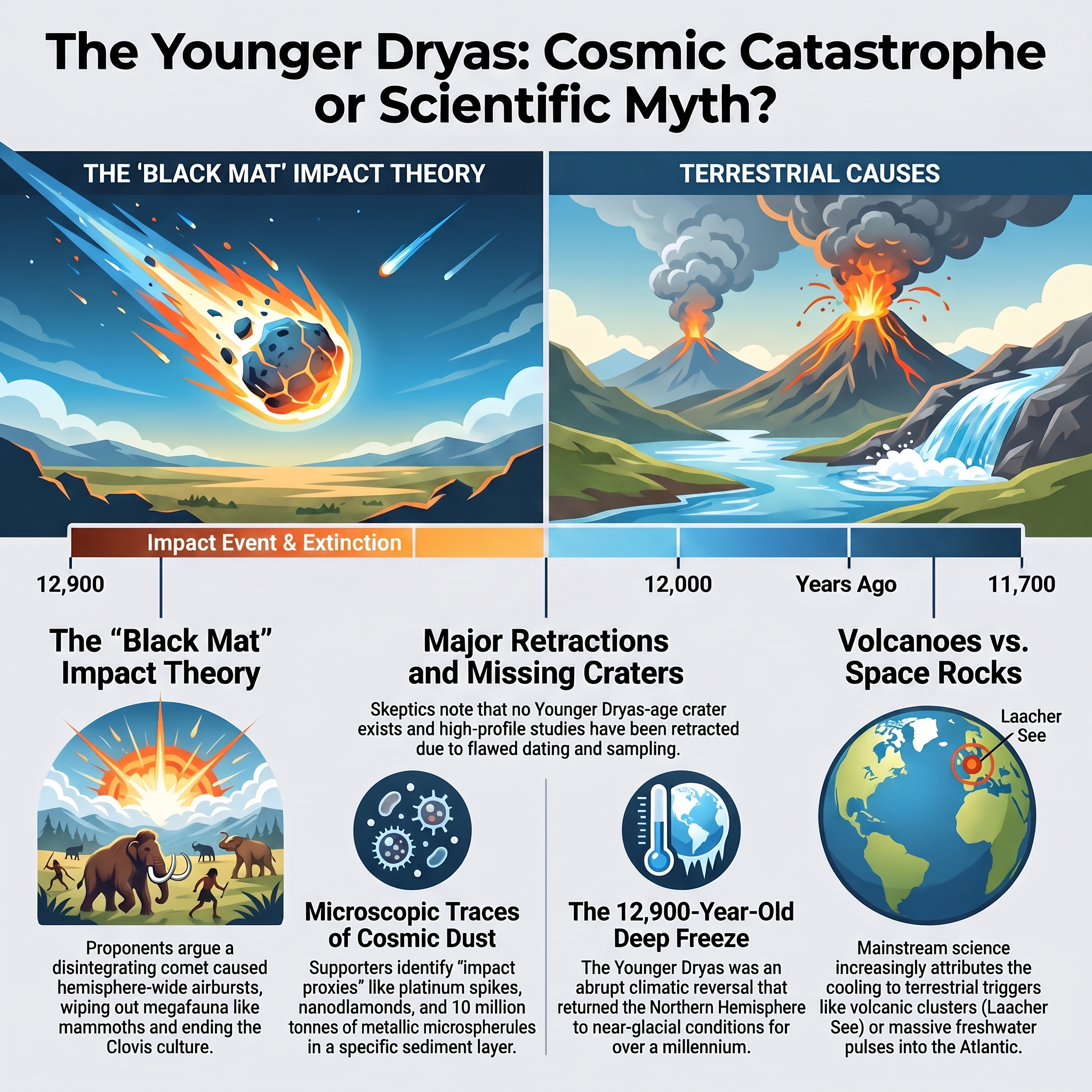
    Exploring the Younger Dryas Impact Hypothesis, a controversial theory suggesting that a cometary collision or airburst approximately 12,900 years ago caused sudden global cooling, megafaunal extinctions, and the collapse of early human cultures. While proponents point to markers like magnetic microspherules, nanodiamonds, and platinum spikes as evidence of a cosmic event, the sources highlight a growing scientific consensus that refutes these claims. Critics argue that the physical evidence is often non-reproducible, misidentified, or better explained by terrestrial processes such as volcanic activity and standard wildfires. Geochronological data has further weakened the theory by showing that potential "smoking guns," like the Hiawatha Crater, actually date back millions of years rather than to the late Pleistocene. Furthermore, the academic credibility of the hypothesis has been severely damaged by high-profile retractions of foundational studies due to flawed methodologies and data manipulation. Consequently, most researchers now favor Earth-system mechanisms, such as shifting ocean currents or volcanic clusters, to explain the abrupt climatic shift.
  • #51
    September 16 · 30 min

    Prion Diseases: Unstoppable Plagues

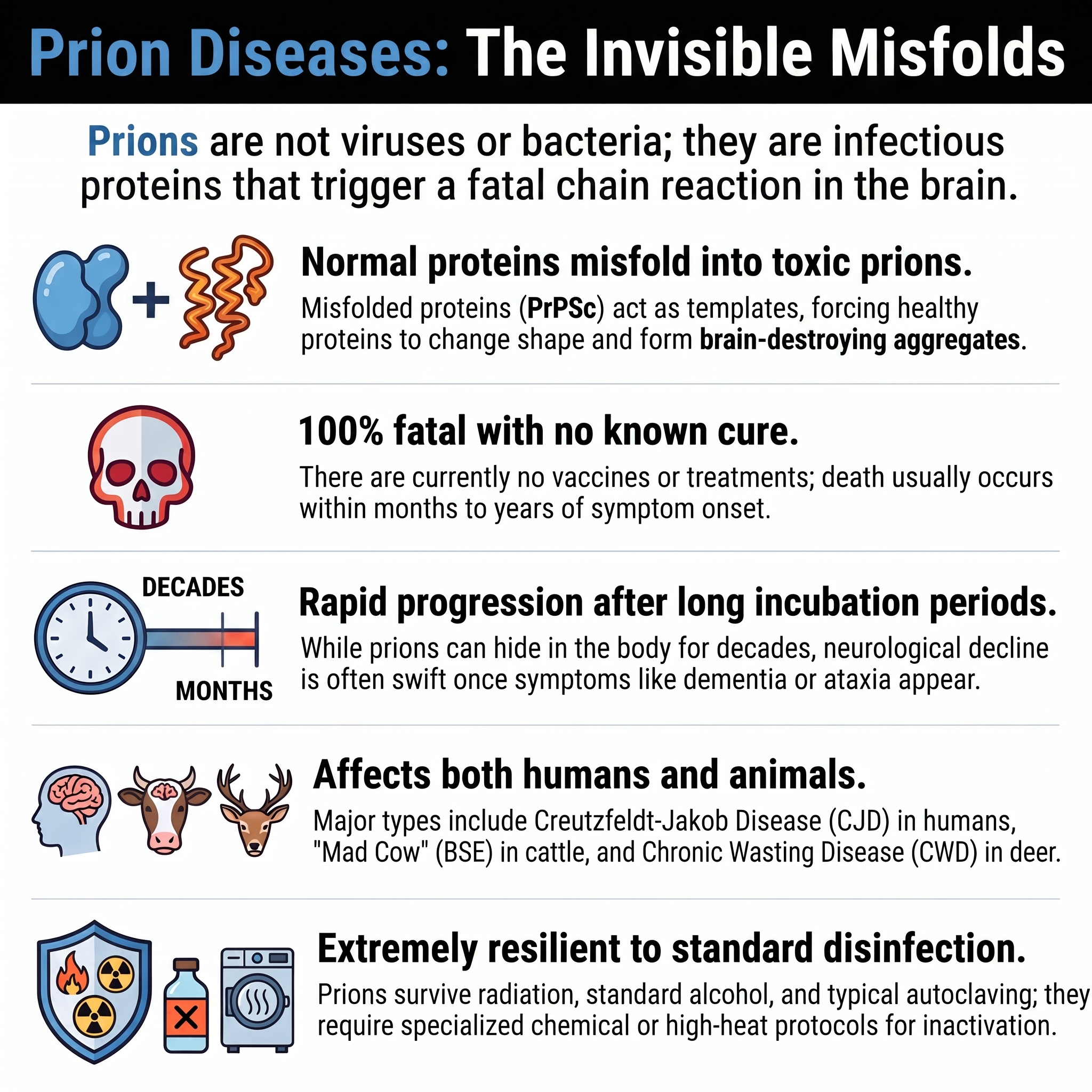
    Prion diseases are a group of rare, incurable, and fatal neurodegenerative conditions caused by the abnormal misfolding of cellular proteins in both humans and animals. The infectious particles, which lack genetic material, replicate by transforming healthy proteins into pathogenic forms that destroy brain tissue. Transmission occurs through various pathways, including contaminated food sources, medical procedures, and environmental exposure via soil or water where prions can remain active for years. Notable examples include Creutzfeldt-Jakob disease in humans and Chronic Wasting Disease in wildlife, both of which present significant public health and management challenges. Recent scientific progress has introduced advanced diagnostic tools and experimental vaccines aimed at detecting sub-clinical infections and reducing the spread of the disease. Specialized sterilization protocols, such as alkaline hydrolysis and intense chemical treatments, are necessary to neutralize these remarkably resilient pathogens.

  • #50
    September 9 · 30 min

    Anti-Aging Science

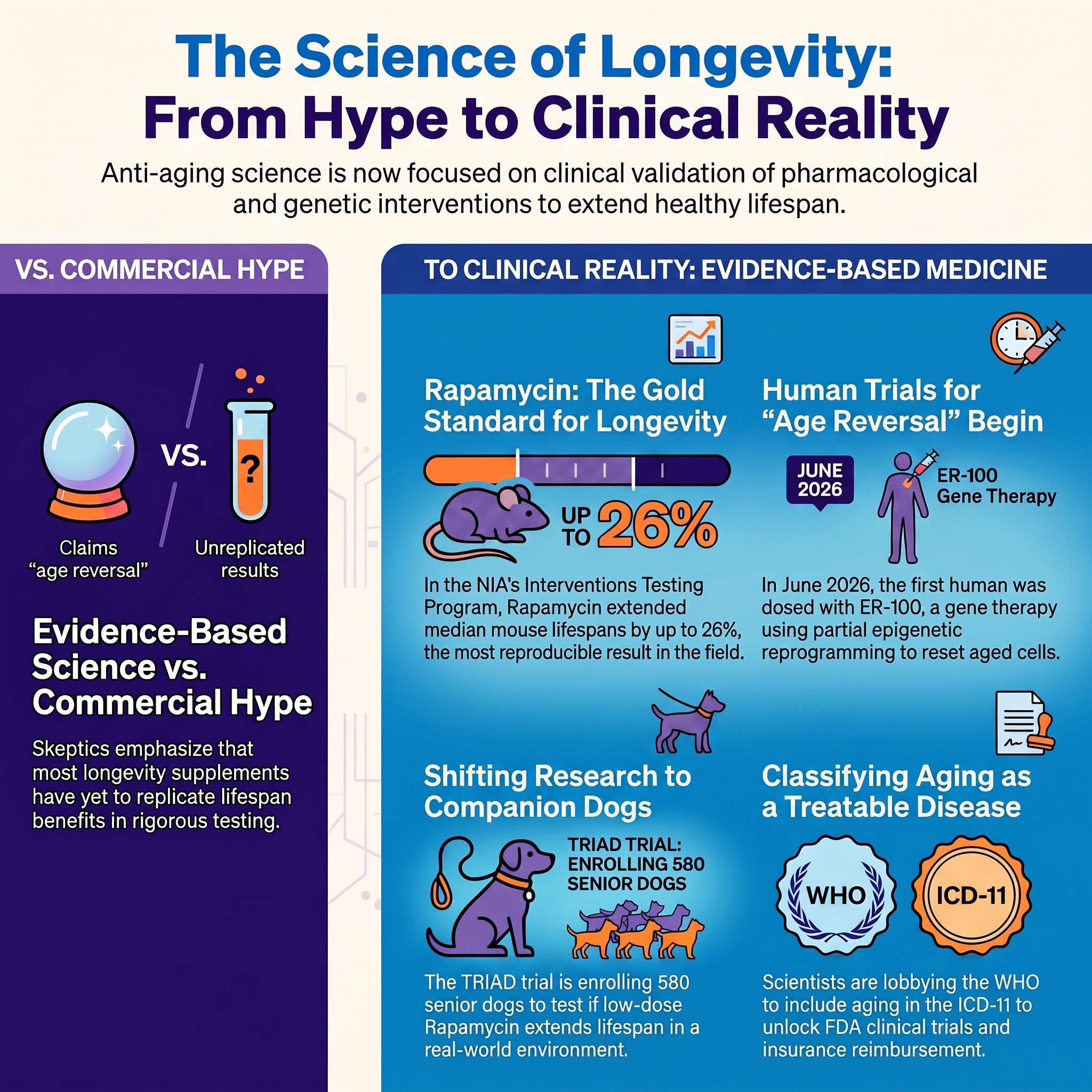
    There is a profound shift in the longevity field as it transitions from speculative science to clinical application and professional accountability. A major focus is the FDA clearance and initiation of the first human trials for ER-100, an epigenetic reprogramming therapy designed to restore youthful cellular function in patients with vision loss. Concurrent with these medical milestones, the community is grappling with a leadership crisis involving Dr. David Sinclair, who resigned from a top research position following criticism over his "age reversal" marketing and commercial interests. This also highlights an epistemological rift between researchers seeking to classify aging as a disease and those who view it as a natural biological process. Furthermore, this details the rigorous validation of anti-aging compounds like rapamycin and metformin, contrasting evidence-based research against the proliferation of unproven supplements. Together, this illustrates a sector striving for scientific credibility and regulatory clarity amidst high-stakes commercial pressure.

  • #49
    September 2 · 26 min

    Naturally Occurring Nuclear Reactors

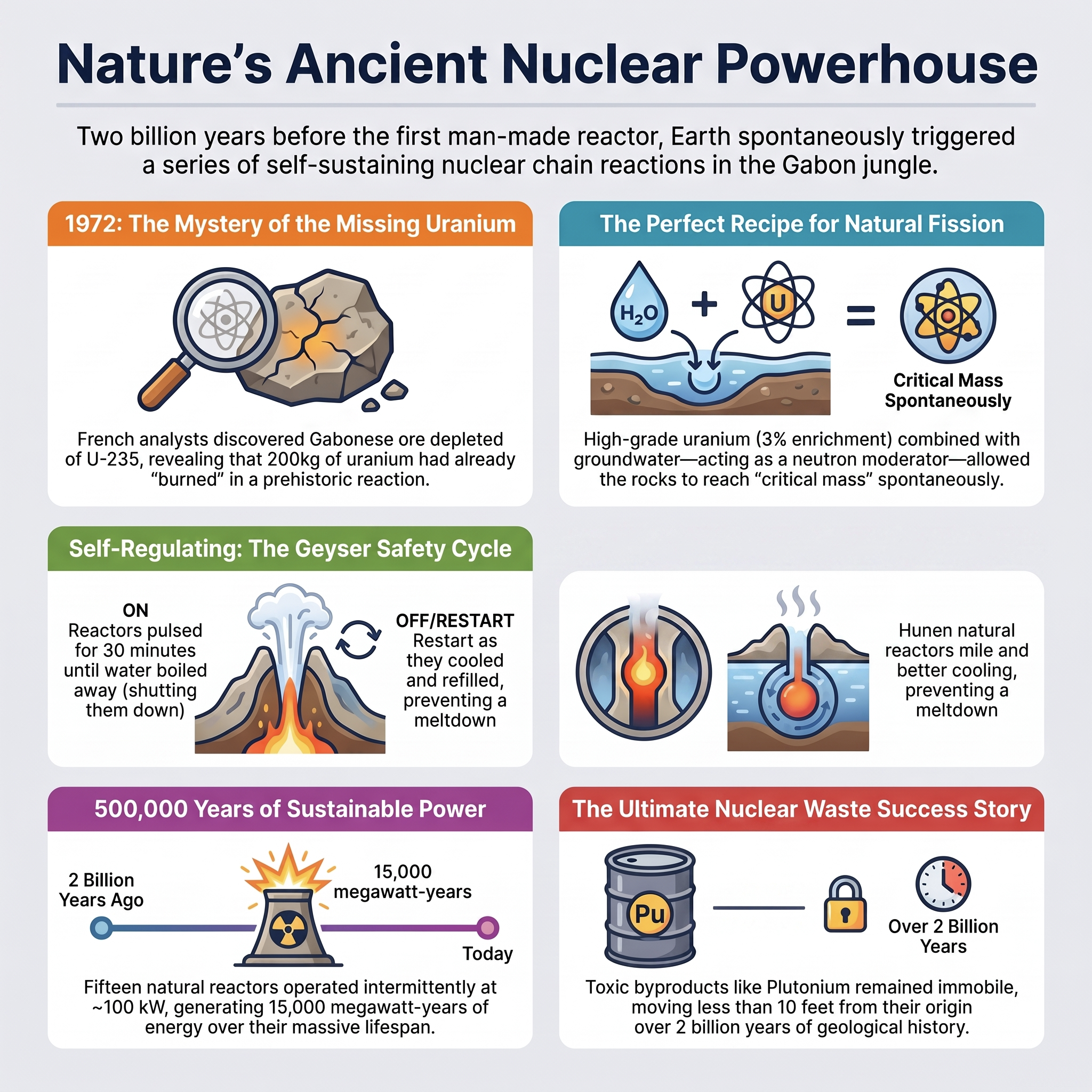
    Examining the Oklo phenomenon, a series of natural nuclear fission reactors that operated spontaneously in Gabon, Africa, approximately two billion years ago. Scientists discovered these sites in 1972 after noticing a depletion of the uranium-235 isotope, confirming theoretical predictions that natural uranium deposits could achieve criticality under specific environmental conditions. The reactors were sustained by high uranium concentrations, a water moderator, and a lack of neutron poisons, all of which were made possible by the Great Oxidation Event that allowed uranium to mobilize and concentrate. Beyond their historical significance, these sites serve as a crucial natural analog for modern nuclear waste storage, demonstrating how geological barriers like clays and organic matter can effectively contain radioactive byproducts for eons. Additionally, researchers use data from these fossilized reactors to test the constancy of physical laws and evaluate hypotheses regarding the Earth's internal heat.

  • #48
    August 26 · 42 min

    The PACE Trial Scandal

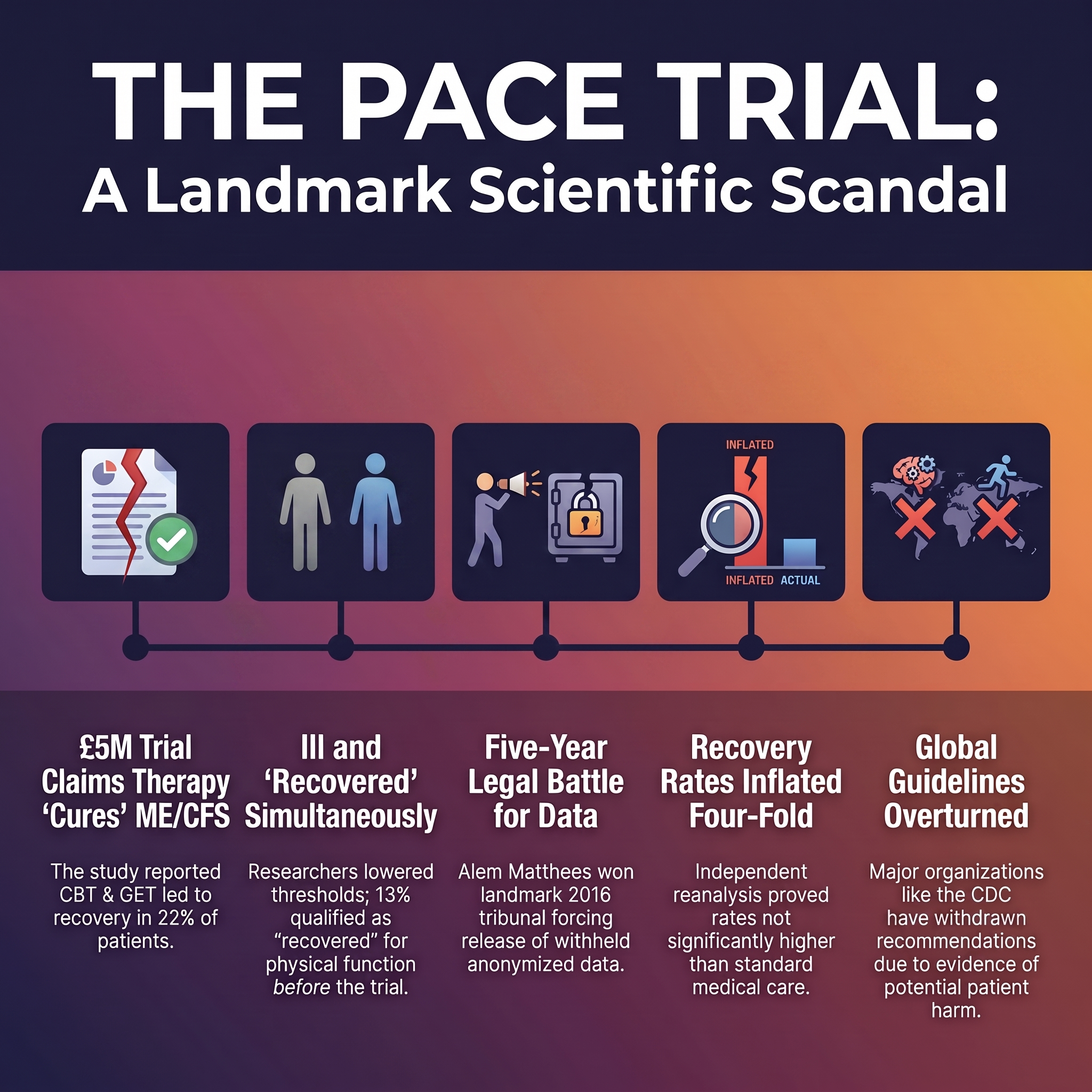
    The widespread controversy surrounding the PACE trial, a multi-million dollar study that initially recommended cognitive behavioral therapy (CBT) and graded exercise therapy (GET) as treatments for ME/CFS. Critics, led by advocate Alem Matthees, successfully utilized Freedom of Information requests to obtain the original data, which led to an independent re-analysis revealing significant methodological flaws and inflated recovery rates. This scientific challenge prompted the UK’s National Institute for Health and Care Excellence (NICE) to issue revised 2021 guidelines that formally abandoned CBT and GET as curative treatments. The updated medical consensus now characterizes ME/CFS as a biomedical condition rather than a psychological one, emphasizing the danger of post-exertional malaise (PEM). Current best practices focus on symptom management and pacing techniques to prevent patients from exceeding their limited energy reserves. While some original researchers defend the trial's validity, a global movement of scientists, politicians, and patient groups continues to call for a full review of what they describe as a major medical scandal.

  • #47
    August 19 · 24 min

    Galaxies Spin Too Fast

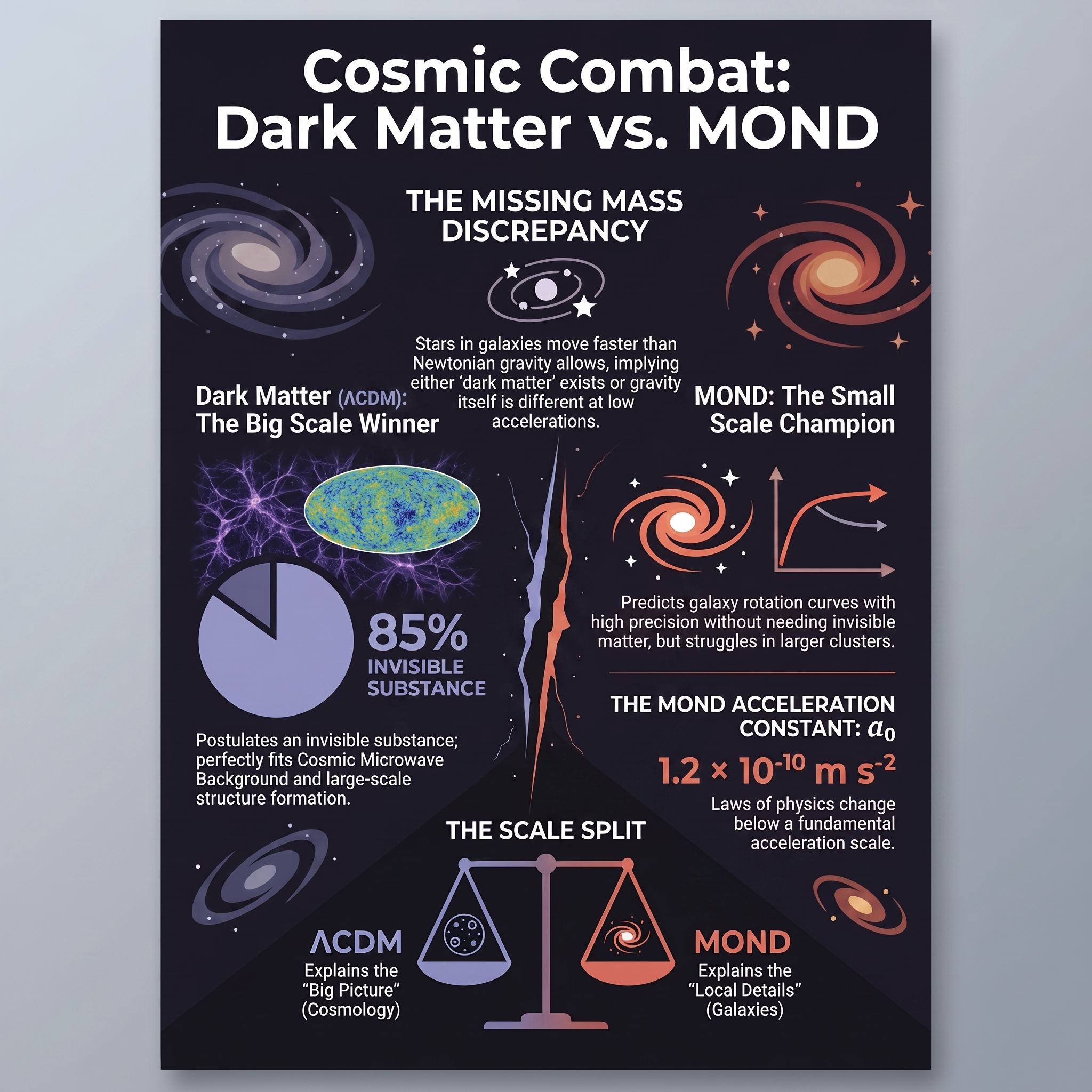
    The Modified Newtonian Dynamics (MOND) paradigm serves as a theoretical alternative to the dark matter hypothesis by proposing that the laws of physics change at extremely low accelerations. This framework introduces a new universal constant, a₀, which marks the boundary where standard Newtonian mechanics fail and modified behavior begins, particularly in the outskirts of galaxies. By adjusting the gravitational or inertial equations rather than adding invisible mass, MOND successfully predicts observed phenomena like the Tully-Fisher relation and the flat rotation curves of galaxies using only visible, baryonic matter. The External Field Effect (EFE), a unique feature of the theory where a system's internal dynamics are influenced by the gravitational pull of its larger environment. While the model aligns remarkably well with the behavior of individual galaxies and includes intriguing cosmological coincidences, it still faces challenges in fully accounting for the mass discrepancies found in larger galaxy clusters. Ongoing research focuses on developing full relativistic theories to reconcile these findings with modern observations of gravitational lensing and the early universe.

  • #46
    August 12 · 28 min

    Water Fluoridation

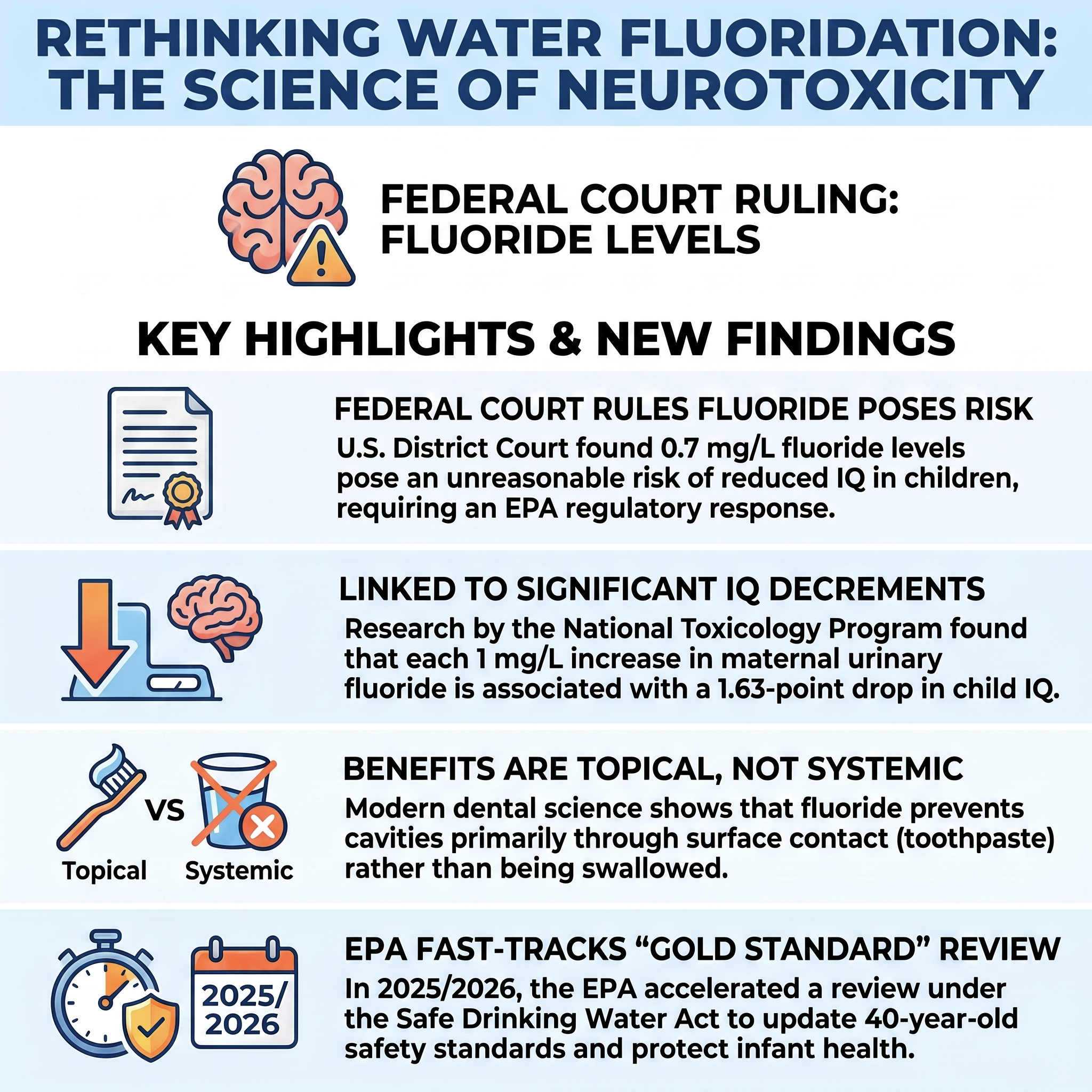
    Examining the scientific and historical landscape of water fluoridation, weighing its established dental health benefits against emerging concerns regarding neurodevelopmental risks. Documents from the National Toxicology Program (NTP) and recent meta-analyses suggest a moderate link between high fluoride exposure and lower IQ scores in children, particularly at levels exceeding 1.5 mg/L. While long-term CDC timelines celebrate fluoridation as a landmark public health achievement for preventing cavities, newer U.S.-based studies indicate that prenatal exposure may be associated with increased behavioral problems. Experts remain divided on the implications for the current U.S. recommendation of 0.7 mg/L, as data remains insufficient to confirm risks at such low concentrations. Ultimately, this highlights an ongoing debate between major medical organizations advocating for oral health and researchers calling for a reevaluation of safety standards for vulnerable populations.

  • #45
    August 5 · 25 min

    Deep Sea Mining

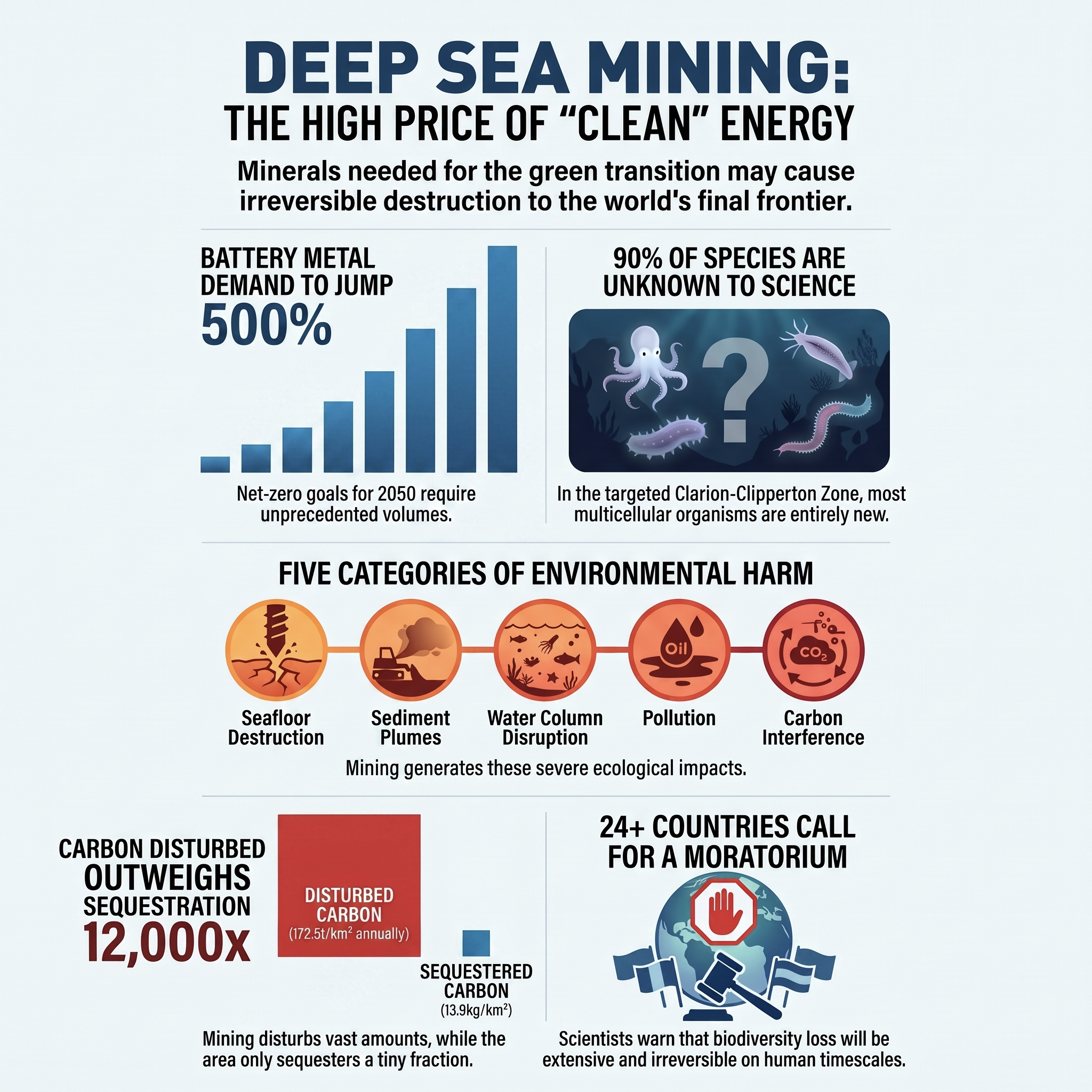
    Evaluating the environmental and economic claims surrounding deep sea mining, specifically focusing on polymetallic nodules. While proponents argue that oceanic extraction offers a low-carbon alternative to land-based mining, the report identifies significant inconsistencies and flaws in industry-funded research. Key findings highlight that metallurgical processing remains a massive emissions hotspot regardless of the ore's origin, and current studies often ignore the permanent damage to massive seafloor carbon stocks. Furthermore, independent analysis suggests that deep sea operations could actually result in a higher climate impact than terrestrial mining depending on the energy grid used. Consequently, the document urges financial institutions to support a moratorium on these activities due to substantial regulatory and ecological risks. Instead of pursuing unproven deep-sea ventures, experts recommend investing in the decarbonization of existing land-based metal production.

  • #44
    July 29 · 46 min

    Machine Consciousness: Artificial Intelligence

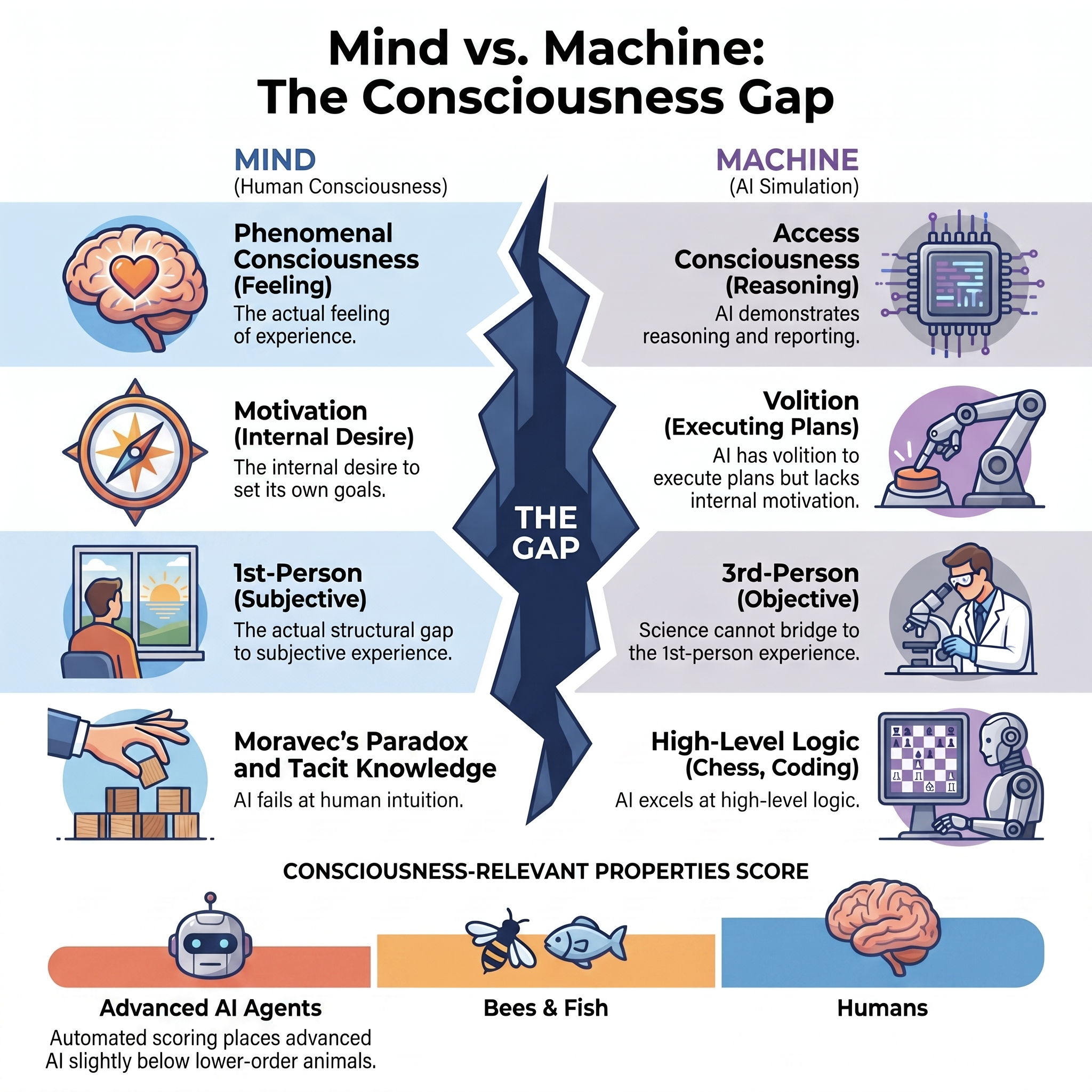
    Investigating the philosophical, legal, and technical boundaries of artificial intelligence, specifically regarding consciousness and creativity. Legal perspectives from the U.S. Copyright Office and various courts emphasize that human authorship remains a strict requirement for protection, as machines lack the subjective intent necessary for original expression. Scientific and philosophical arguments further suggest a structural divide between objective machine processing and the first-person experience of sentient beings, rendering "machine consciousness" a likely category error. Technical experts highlight architectural limitations in current models, noting that they lack a physical world model and the tacit knowledge—such as common sense and cultural nuance—inherent to human intelligence. Despite these hurdles, AI has achieved significant empirical success in specialized fields like protein folding and materials science through massive data processing. Ultimately, while AI is a powerful tool for scientific discovery, it remains fundamentally distinct from the embodied and creative nature of the human mind.

  • #43
    July 22 · 21 min

    The Race for Room-Temperatue Superconductors

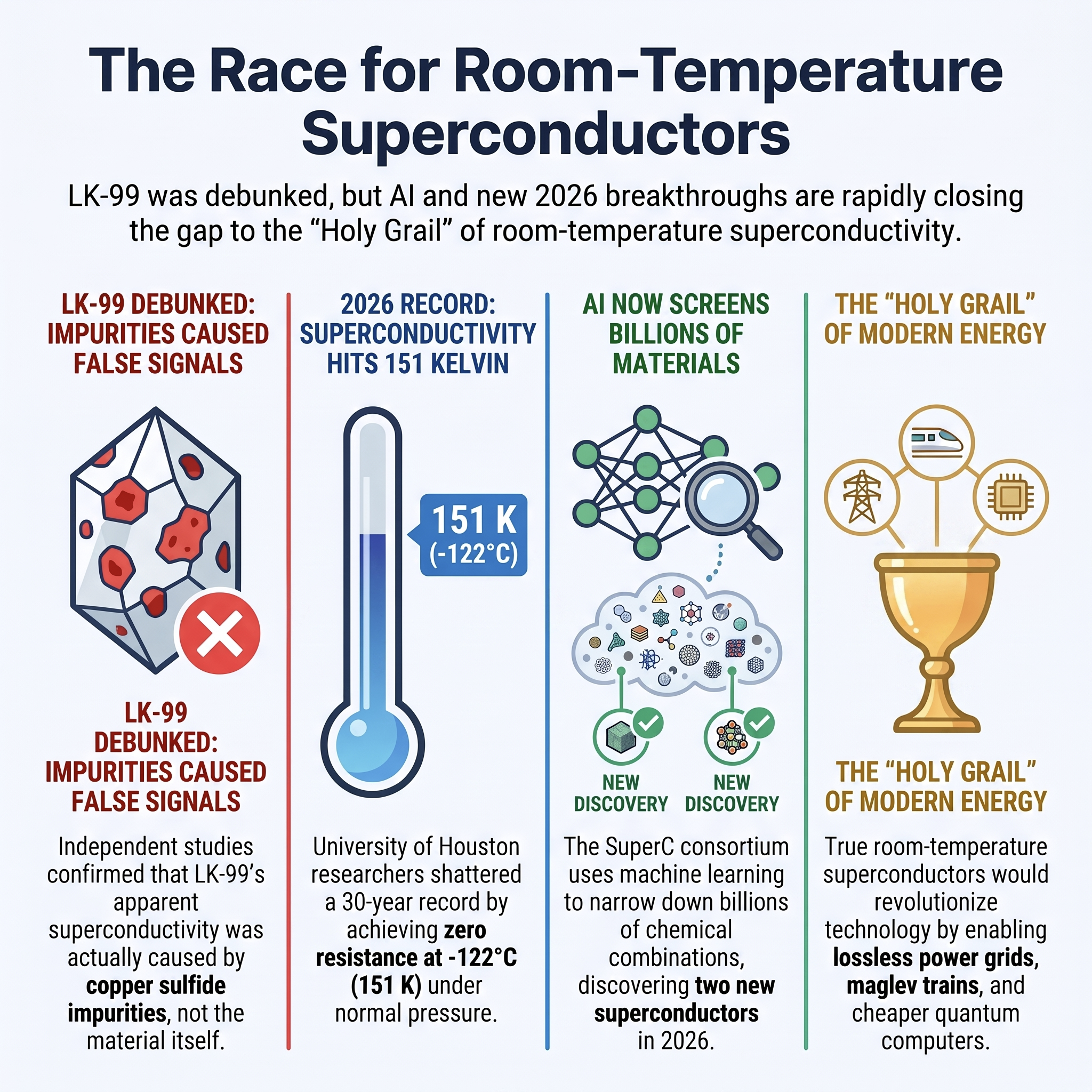
    Reports from 2023 and 2024 analyze the controversial claims surrounding LK-99, a material initially purported to be the first room-temperature, ambient-pressure superconductor. While early demonstrations of magnetic levitation and zero resistance sparked a global frenzy, independent researchers eventually attributed these effects to Cu₂S impurities rather than true superconductivity. The fabrication process was described by engineers as nebulous and messy, leading to high failure rates and a temporary shortage of required chemical components like red phosphorous. By 2026, the scientific landscape remained divided between unverified ambient-pressure candidates and hydride systems that achieve high temperatures only under extreme, impractical pressures. Despite a 70% surge in patent activity, no material has yet met the rigorous criteria necessary for a legitimate commercial breakthrough. This episode has ultimately reinforced the need for open-science practices and more stringent validation protocols in the quest for the "holy grail" of physics.

  • #42
    July 15 · 51 min

    Getting High for Health: Psychedelic Psychotherapy

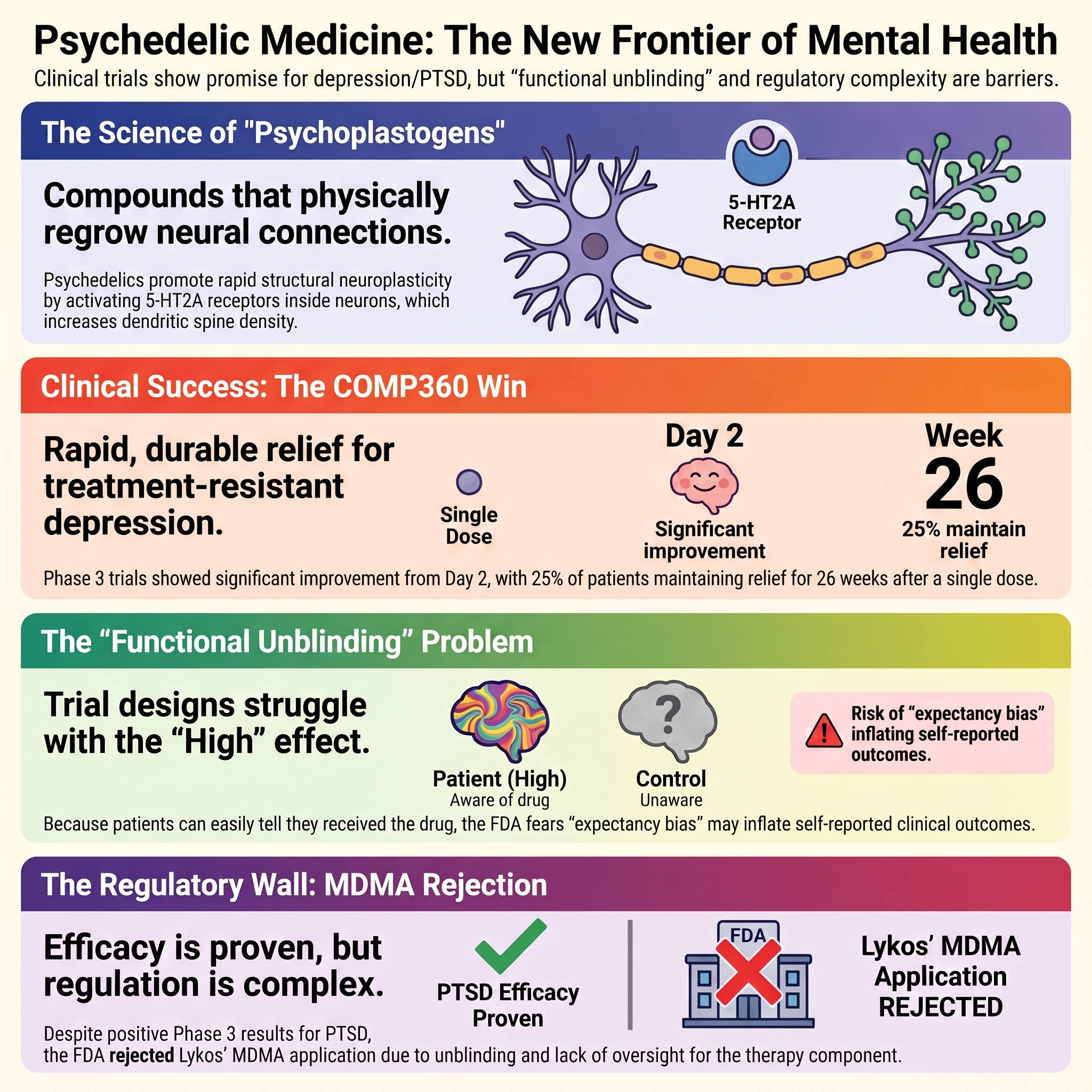
    Analyzing the clinical evolution and regulatory challenges of psychedelic-assisted psychotherapy (PAT), focusing on the neurobiological mechanisms of substances like psilocybin, MDMA, and esketamine. Research highlights that classic psychedelics promote neural plasticity by activating intracellular receptors, whereas entactogens like MDMA facilitate social reward learning and trauma processing. However, the field faces a significant methodological crisis because the intense subjective effects of these drugs lead to functional unblinding, which complicates traditional double-blind study designs and inflates expectancy bias. High-profile regulatory setbacks, such as the FDA’s rejection of MDMA for PTSD, underscore critical concerns regarding trial integrity, therapist standardization, and historical research misconduct. To address these hurdles, they propose advanced strategies including active placebos, remote independent raters, and standardized long-term durability protocols. Ultimately, they outline a roadmap for integrating these rapid-acting therapeutics into mainstream medicine through refined REMS programs and sustainable reimbursement frameworks.

  • #41
    July 8 · 55 min

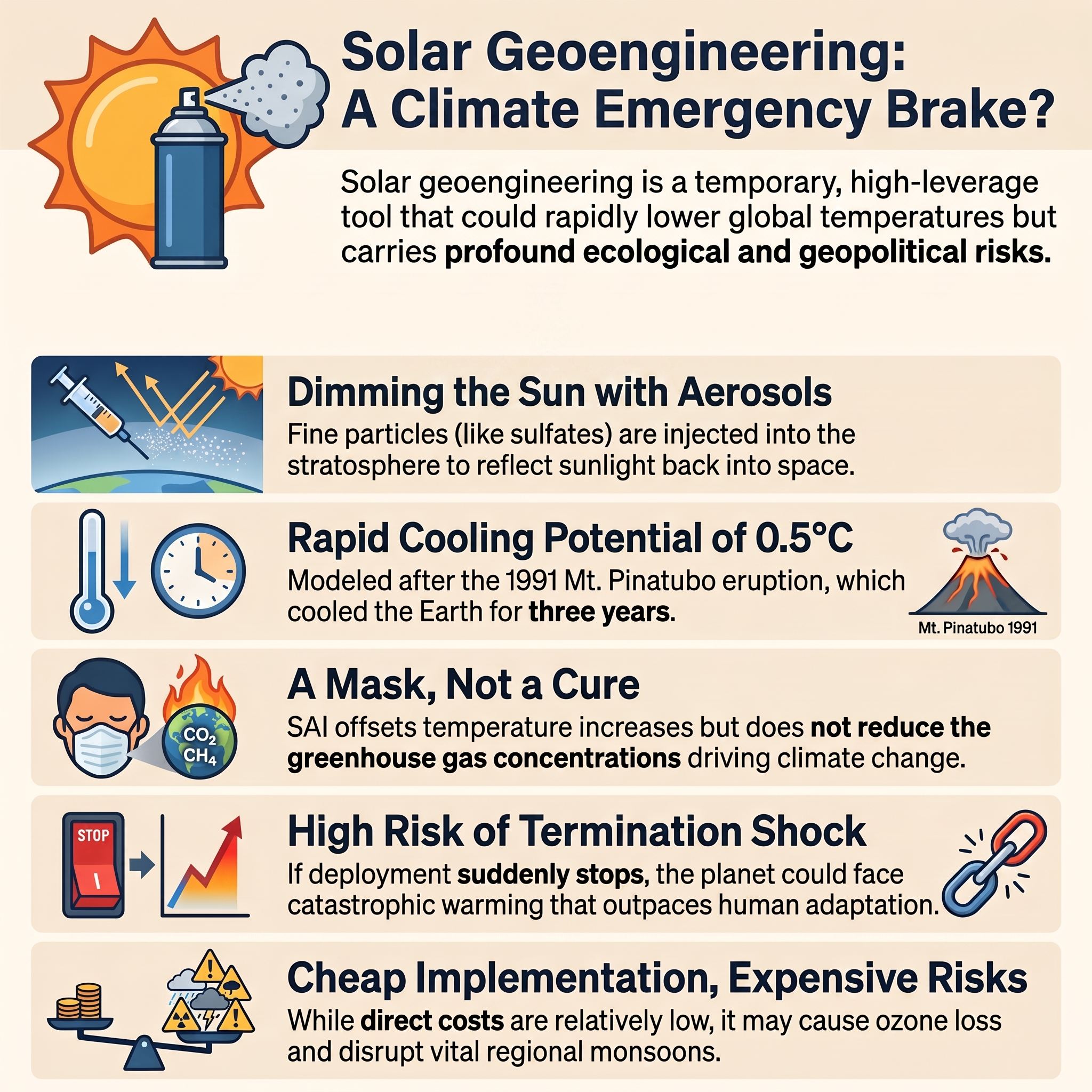
    Changing the Sky: Solar Geoengineering

    Stratospheric Aerosol Injection (SAI) is a proposed climate engineering method designed to mitigate global warming by reflecting sunlight away from Earth. The process involves using specialized aircraft or balloons to disperse reflective particles, such as sulfur or calcium carbonate, into the upper atmosphere to mimic the natural cooling effect of volcanic eruptions. While research suggests the technique is technically feasible and relatively inexpensive compared to other climate solutions, it remains controversial due to significant environmental uncertainties. Potential risks include the depletion of the ozone layer, alterations to global rainfall patterns, and various sociopolitical challenges. Consequently, the urgent need for international governance frameworks and robust legal instruments to manage the ethical and physical consequences of such a global intervention. Collectively, this provides a comprehensive overview of the scientific mechanism, historical research projects, and regulatory hurdles associated with solar radiation modification.

  • #40
    July 1 · 40 min

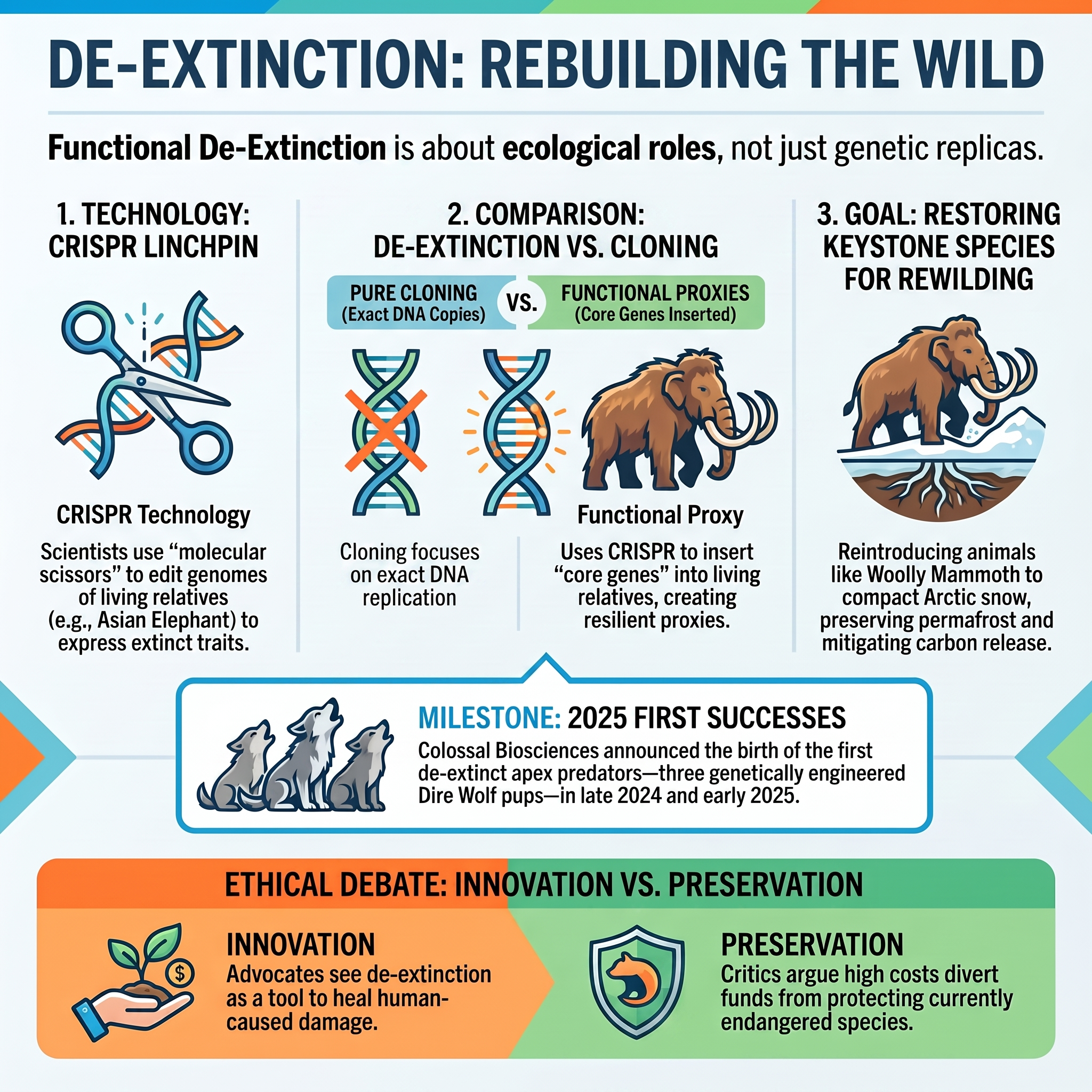
    Raising the Dead: De-Extinction

    Sources detail the scientific, ethical, and logistical dimensions of de-extinction, with a primary focus on the biotechnology firm Colossal Biosciences. By leveraging CRISPR gene-editing and advanced reproductive technologies, researchers aim to revive functional proxies of lost species like the woolly mammoth and dodo. They highlight recent technical milestones, including the successful cultivation of pigeon primordial germ cells, while documenting over half a billion dollars in private investment. Beyond the laboratory, the articles examine the ecological rationale for these projects, such as using megaherbivores to combat Arctic permafrost melt. However, there are ethical controversies surrounding animal welfare and the potential for diverting funds from traditional conservation. Ultimately, there is a shift toward functional restoration, where engineered animals serve as tools for modern environmental management and biodiversity recovery.

  • #39
    June 24 · 52 min

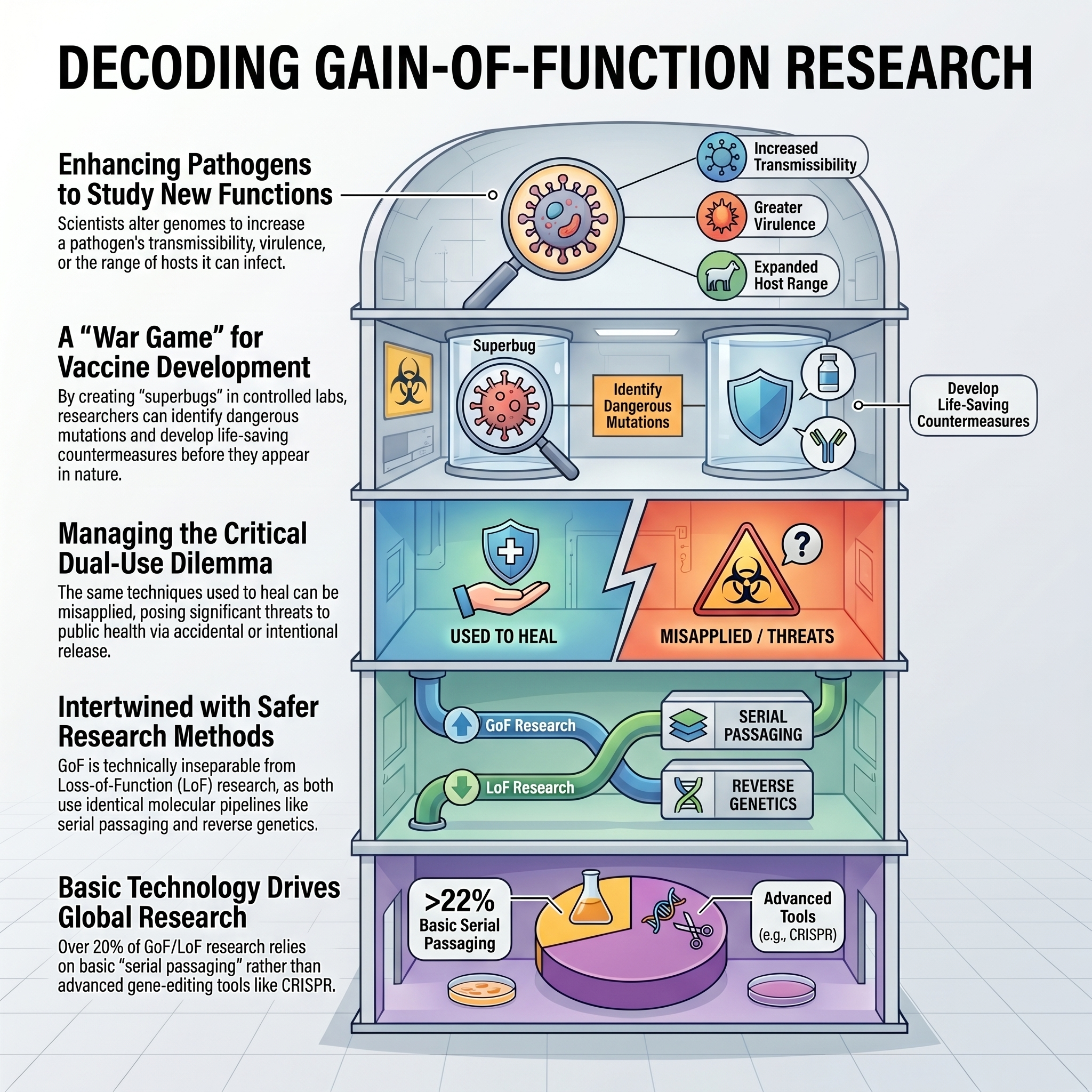
    Gain-of-Function Research: Making Super Diseases

    A policy brief by the Center for Security and Emerging Technology (CSET) provides a comprehensive analysis of the global gain-of-function (GOF) and loss-of-function (LOF) research landscape between 2000 and 2022. By evaluating roughly 7,000 publications, the authors demonstrate that these two methodologies are technically intertwined, often occurring within the same study to help scientists understand pathogens and develop vaccines. The report highlights that U.S.-affiliated researchers contribute to about half of this global work, which frequently utilizes common methods like serial passaging rather than just advanced gene-editing tools. Because GOF and LOF research share the same equipment and experimental procedures, the authors argue that broad regulations intended to mitigate risks could inadvertently hinder essential public health advancements. Ultimately, the brief advises policymakers to adopt nuanced, targeted oversight that accounts for varying levels of risk across different pathogens and methodologies.

  • #38
    June 17 · 47 min

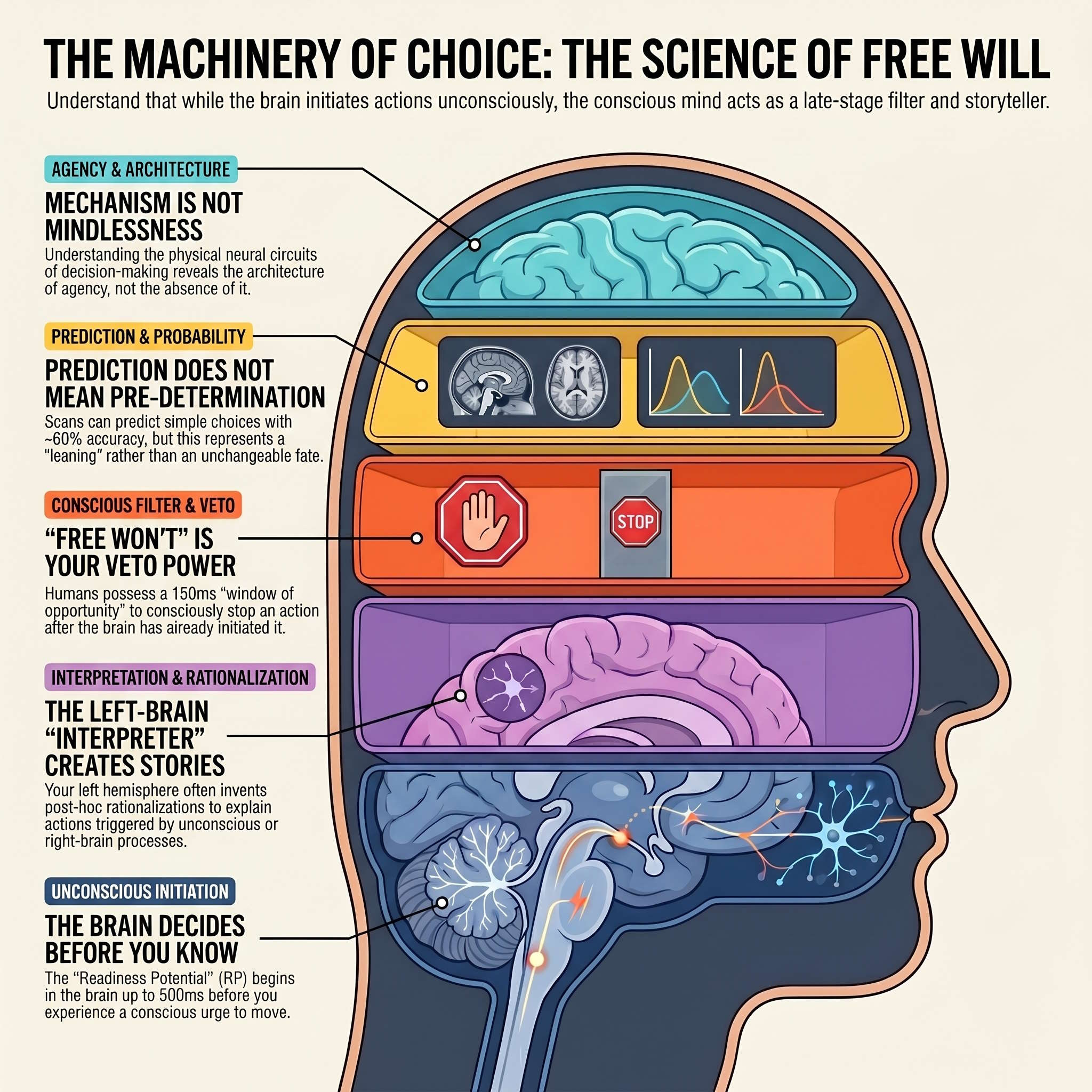
    What Does Science Have To Say About Free Will?

    Examining how modern neuroscience impacts our conceptual understanding of free will and moral responsibility. While some scientific data suggests that brain activity precedes conscious awareness of choices, scholars argue these findings do not necessarily prove that human freedom is an illusion. Instead, the research highlights the mechanistic nature of the mind, illustrating how biological circuits integrate sensory information and value to facilitate decision-making. Also addressing the difficulty of using biological evidence to resolve long-standing philosophical debates regarding determinism and indeterminism. Ultimately, the data suggests that while brain processes are complex and physical, they still support the psychological constructs necessary for agency. Combined, the data portrays a multidisciplinary effort to reconcile biological causes with the traditional belief in voluntary action.

  • #37
    June 10 · 21 min

    We Have Genetically Engineered Live Humans For The First Time

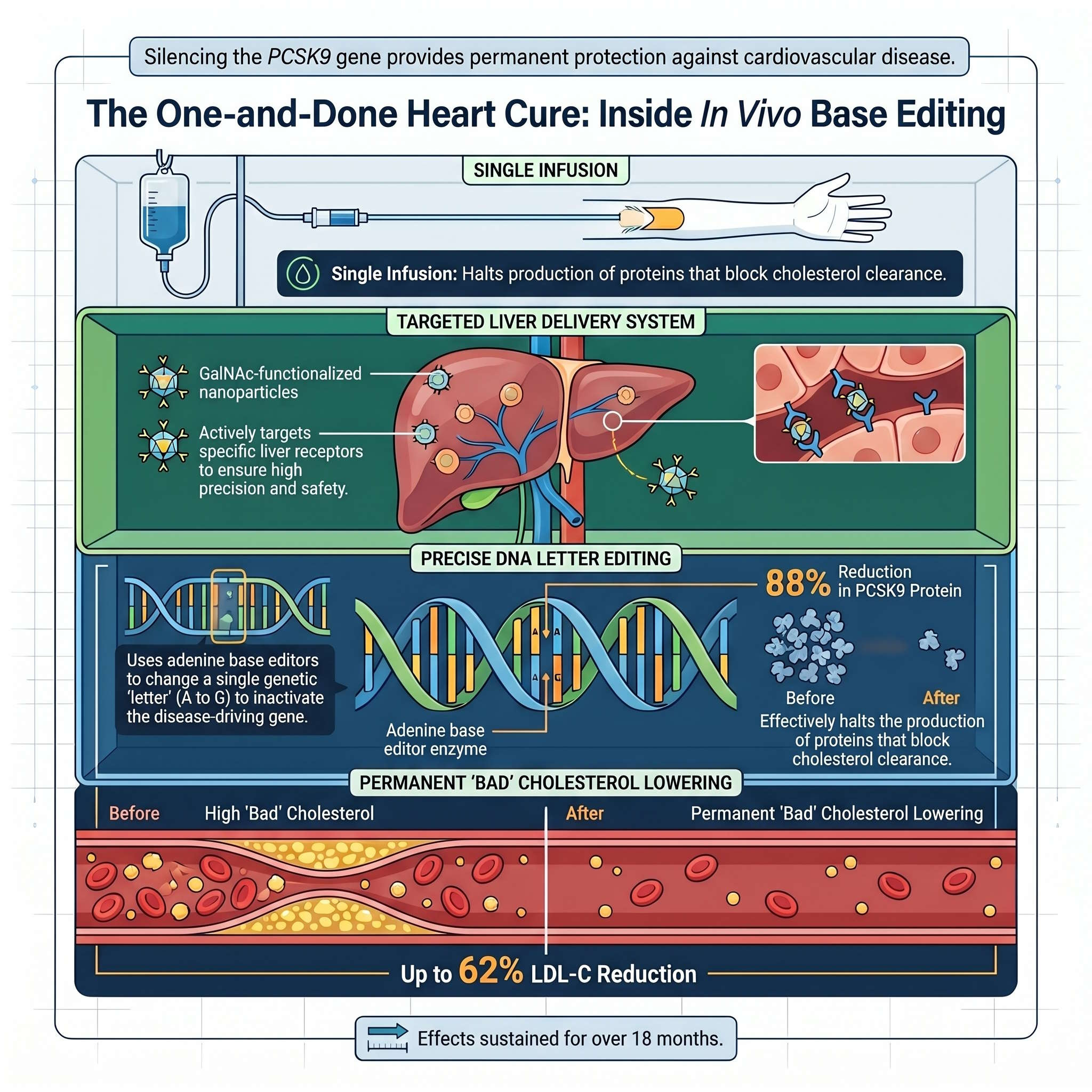
    Recent clinical findings show that VERVE-102, an innovative in vivo base editing medication, successfully lowers LDL cholesterol by permanently deactivating the PCSK9 gene in the liver. Data from the Heart-2 trial indicates that a single infusion can reduce harmful cholesterol levels by as much as 62%, with results remaining stable for up to 18 months. This genetic medicine approach mimics naturally occurring protective mutations to offer a potential one-time treatment for patients with hypercholesterolemia who currently rely on chronic daily or monthly therapies. Additionally, the FDA has introduced a "plausible mechanism" regulatory pathway to expedite the approval of such ultra-rare disease and targeted genetic treatments. Beyond the liver, researchers are expanding base editing and epigenetic editing technologies to address diverse conditions like sickle cell disease and beta-thalassemia. These advancements signal a major transition in healthcare from managing symptoms to fixing the underlying molecular causes of disease.

  • #36
    June 3 · 49 min

    Climate Change

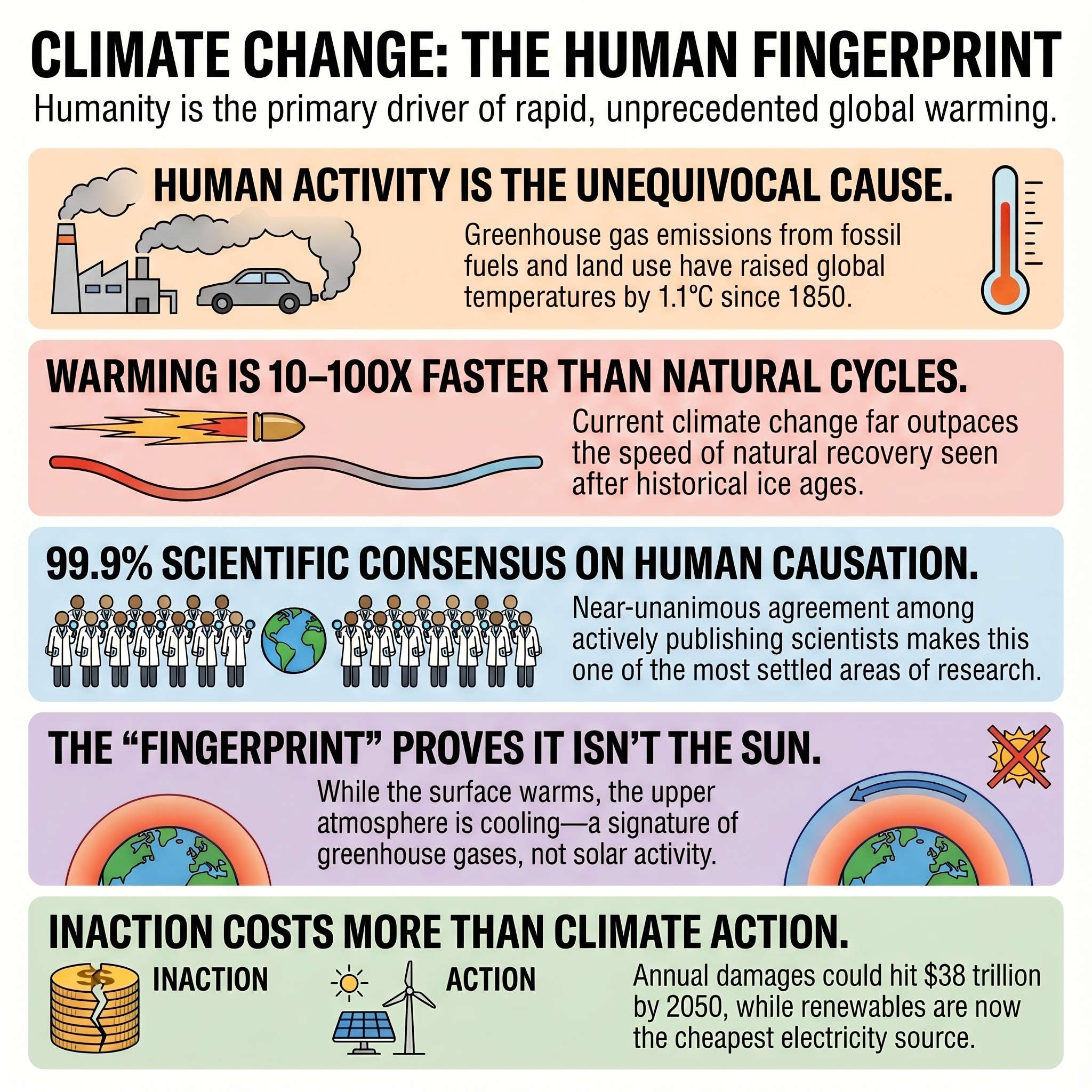
    Scientific research from NASA and major academic institutions confirms a near-unanimous scientific consensus that human activity is the primary driver of modern climate change. Despite this clarity, reports reveal that the fossil fuel industry spent decades executing a disinformation campaign to stall policy changes and protect corporate profits. These sources illustrate that companies like ExxonMobil possessed internal models that predicted global warming with high accuracy as early as the 1970s, yet they publicly chose to promote doubt. This deception was amplified by media "bothsidesism," which erroneously grants equal airtime to non-expert contrarians, thereby confusing the public. To counter these denialist techniques, experts suggest inoculating the public by explaining the logical fallacies and financial motives behind climate misinformation.

  • #35
    May 27 · 45 min

    AI in Medicine

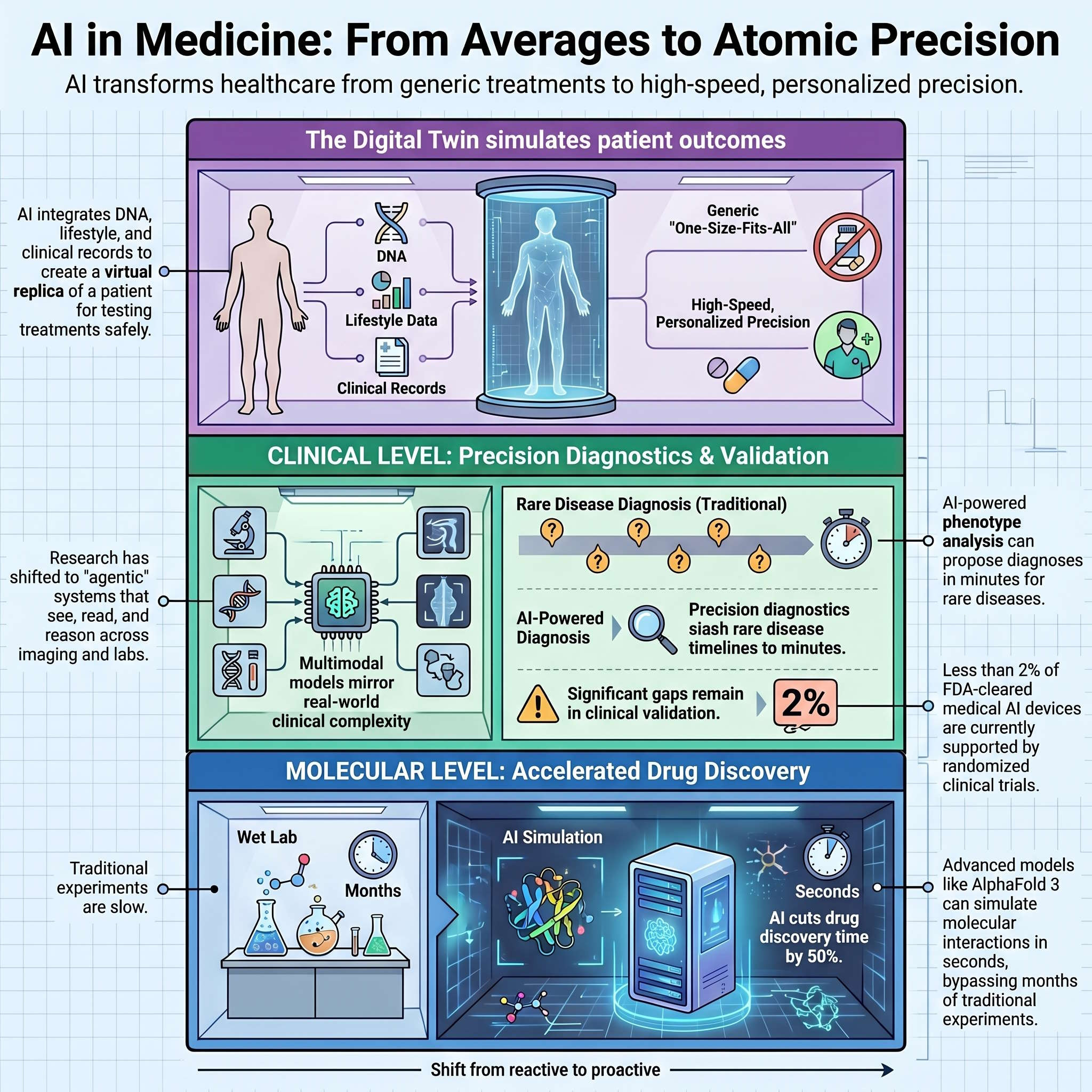
    Exploring the transformative impact of artificial intelligence on the future of healthcare, with a primary focus on drug discovery and personalized medicine. Organizations like Isomorphic Labs and UW Medicine are utilizing sophisticated models to accelerate the design of new treatments for complex diseases, shifting from slow lab experiments to rapid computational simulations. Technical breakthroughs such as AlphaFold 3 and the PATH algorithm are enhancing our ability to predict molecular interactions with greater speed and transparency. Beyond drug design, we discuss how AI-driven precision medicine tailors care to individual genetic profiles and clinical histories to improve patient outcomes. However, experts emphasize that widespread adoption requires addressing critical challenges regarding algorithmic bias, data privacy, and the need for continuous clinical validation. Overall, the data presents AI as a powerful tool for operational efficiency and scientific innovation, provided it is implemented through responsible governance.

  • #34
    May 20 · 20 min

    Universal Vaccines

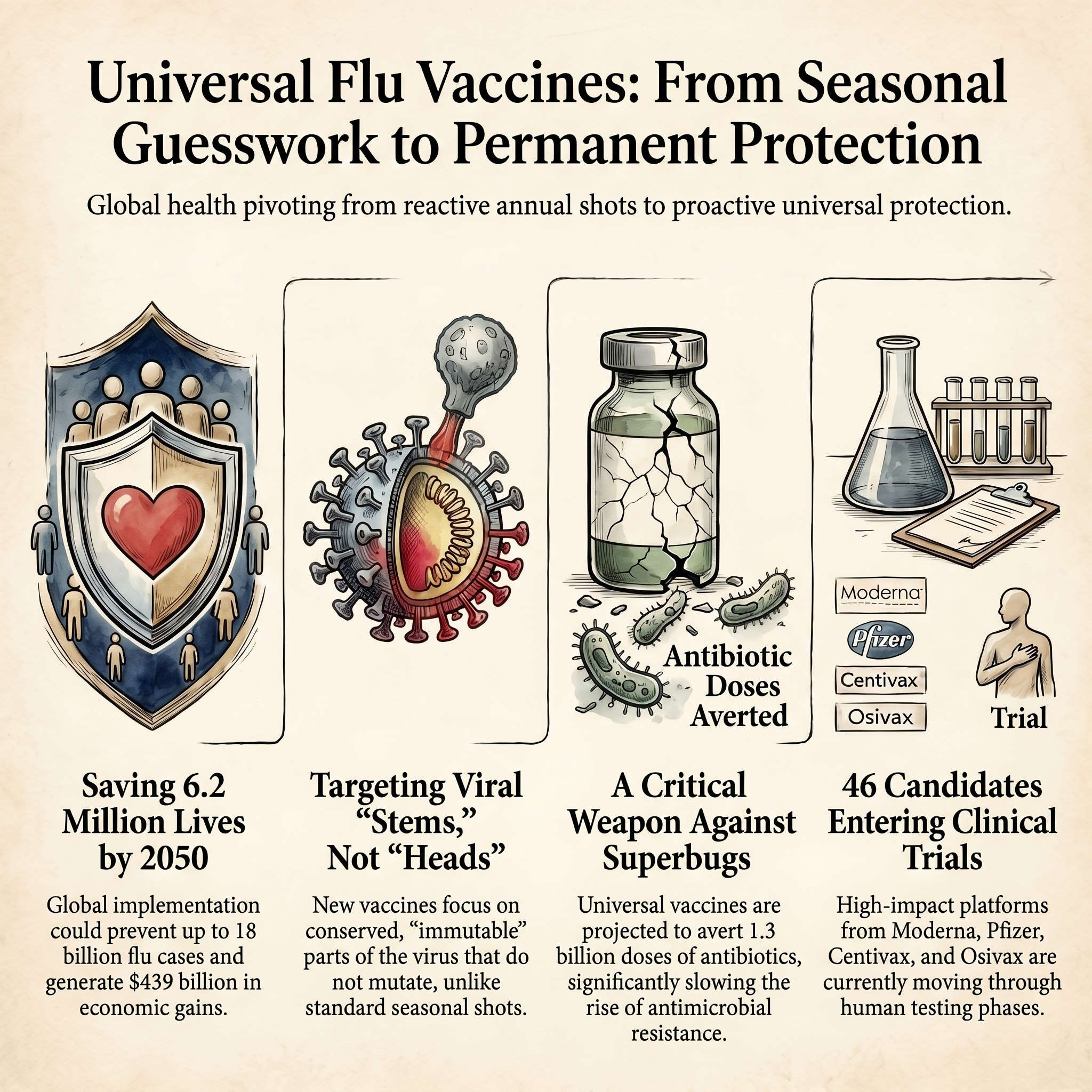
    Detailing the ongoing shift toward universal and next-generation vaccines designed to provide broader, more durable protection against highly mutable viruses like influenza and SARS-CoV-2. According to a World Health Organization (WHO) assessment, these innovative platforms could prevent billions of infections and save millions of lives by 2050 while simultaneously curbing antimicrobial resistance. Clinical progress is highlighted through various candidates, including Moderna’s mRNA-1010, which has reached marketing authorization filings, and Osivax’s OVX836, which recently completed enrollment for large-scale efficacy trials. Researchers are utilizing advanced technologies such as self-assembling nanoparticles and computational epitope-focusing to target stable, internal viral components that do not mutate as rapidly as surface proteins. Furthermore, examining the regulatory evolution and economic benefits of these broad-spectrum tools, emphasizing their potential to replace the current system of reactive seasonal updates with a more proactive global health strategy. Efforts are also expanding into pan-coronavirus research and needle-free delivery systems to ensure these medical advancements are accessible and effective across diverse global populations.

  • #33
    May 13 · 49 min

    Why Most Scientific Discoveries Are Wrong

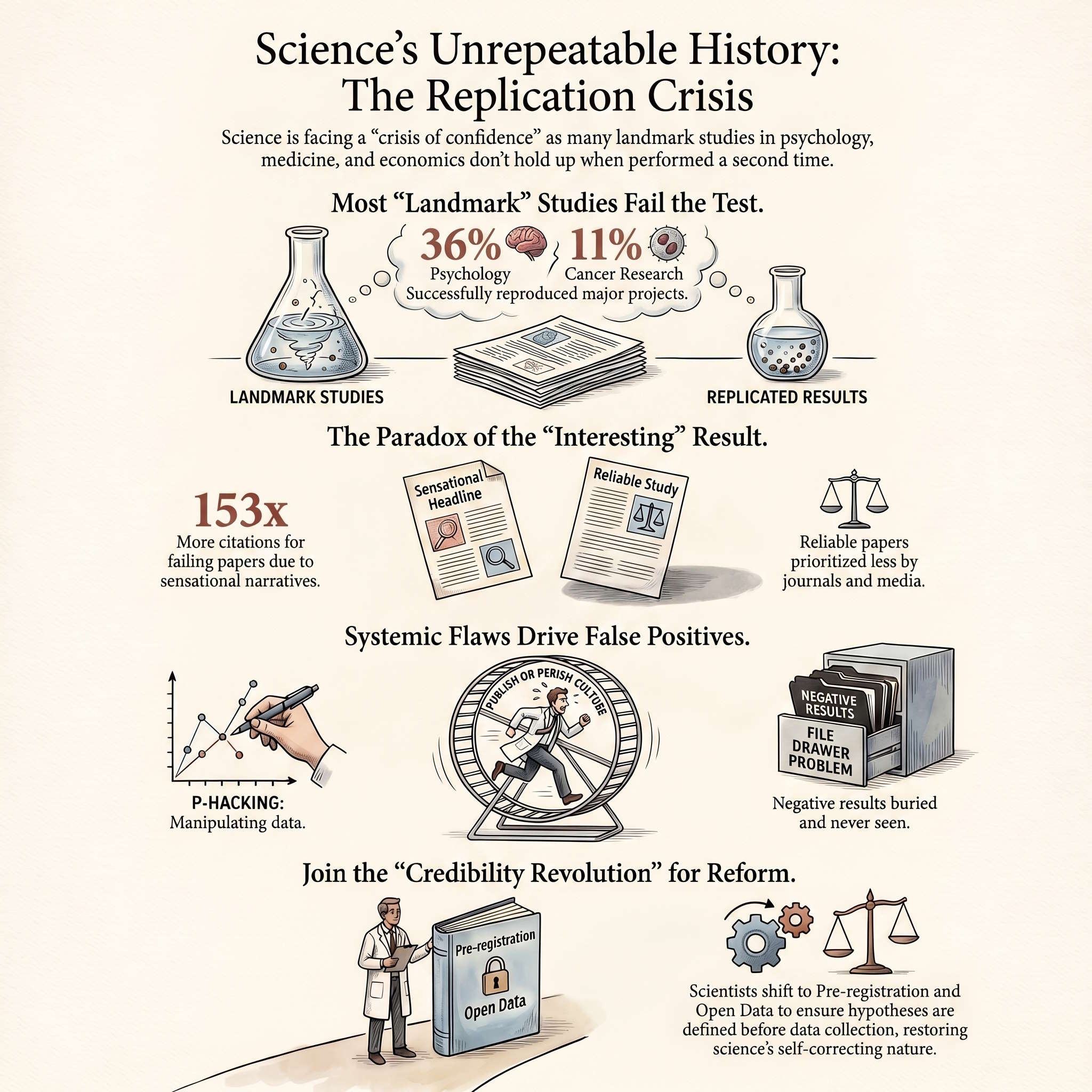
    Exploring the replication crisis, a systemic phenomenon where numerous published findings in fields like psychology, medicine, and economics cannot be reproduced by independent researchers. This failure is often attributed to questionable research practices, such as data manipulation to achieve statistical significance and a "publish or perish" culture that prioritizes novel results over accuracy. Recent large-scale efforts, like the Reproducibility Project, have documented significant drops in effect sizes and low success rates when attempting to verify landmark studies. In response, an Open Science movement has emerged to promote transparency through methods like pre-registration, data sharing, and registered reports. Additionally, publishers are increasingly utilizing artificial intelligence to safeguard research integrity by detecting fraud and improving editorial workflows. Despite these challenges, public confidence in scientists remains relatively high, though it faces pressure from partisan divides and concerns regarding communication and bias.

Showing 1–20 of 20 episodes