Skip to content
Artwork for Quantum Imaging Lab

Quantum Imaging Lab

Sanjay Arya, M.S.R.T. (R)(MR), MRSO

Quantum Imaging Lab, presented by Professor Sanjay Arya, M.S., R.T.(R)(MR), provides structured, exam-aligned audio learning for radiologic technology students preparing for the ARRT exam and educators supporting instruction.

Episodes cover core ARRT Content Specification areas including Image Production, Radiation Protection, Safety, and Procedures through focused microlearning.

Content reflects topics commonly taught in radiologic technology programs and supports ARRT certification and Continuing Qualifications Requirements (CQR).

© 2026 Quantum Imaging Lab.

Play
  • 31 episodes
  • a few times a week
  • Avg 45 min
  • English
Counted on this page — what you have heard stays on this device, so it is not something the list can be paged by.
  • S1 · E11
    Saturday · 45 min

    Episode 11: Section 3 — Ergonomics and Patient Safety | Microlearning 3.2 — Patient Safety and Comfort

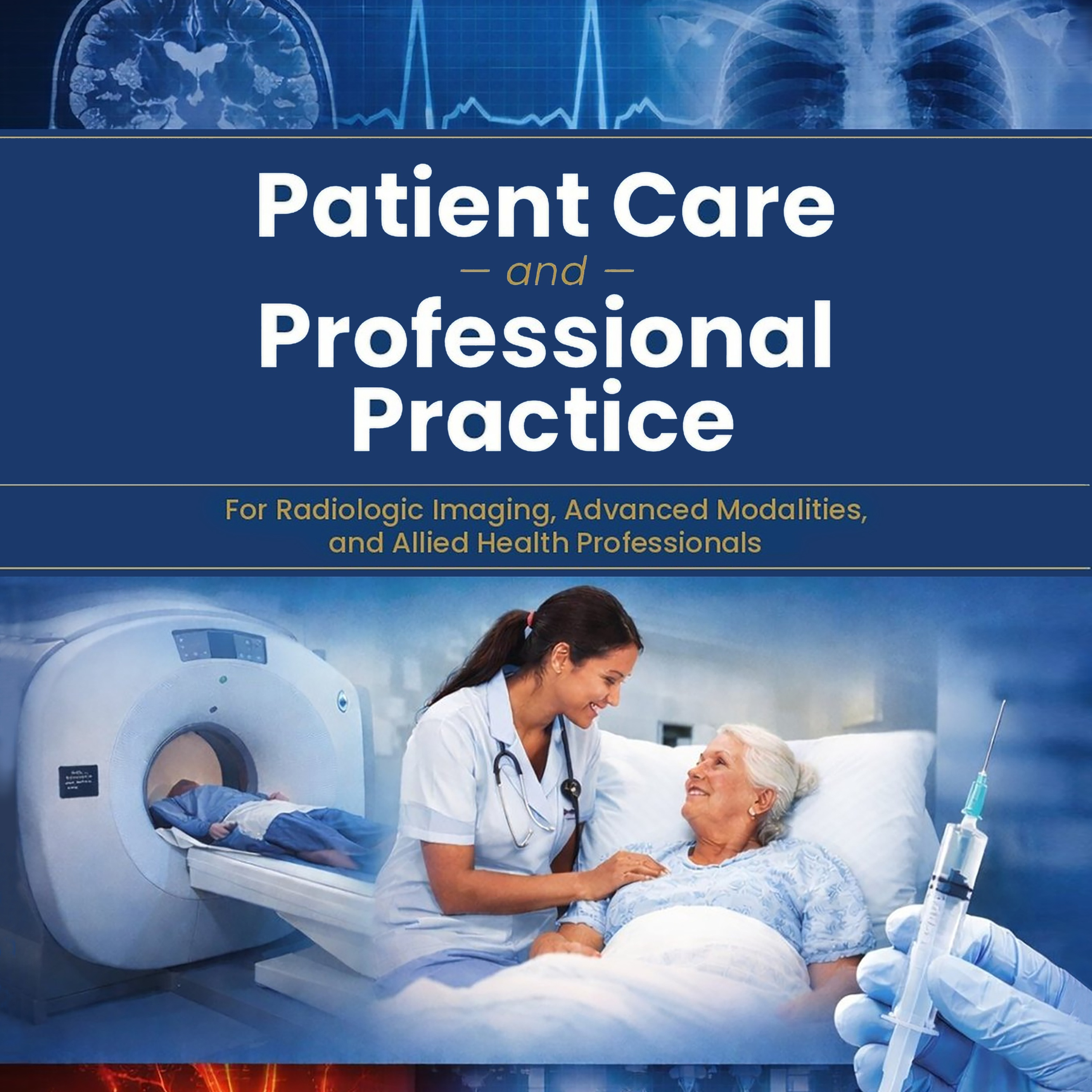
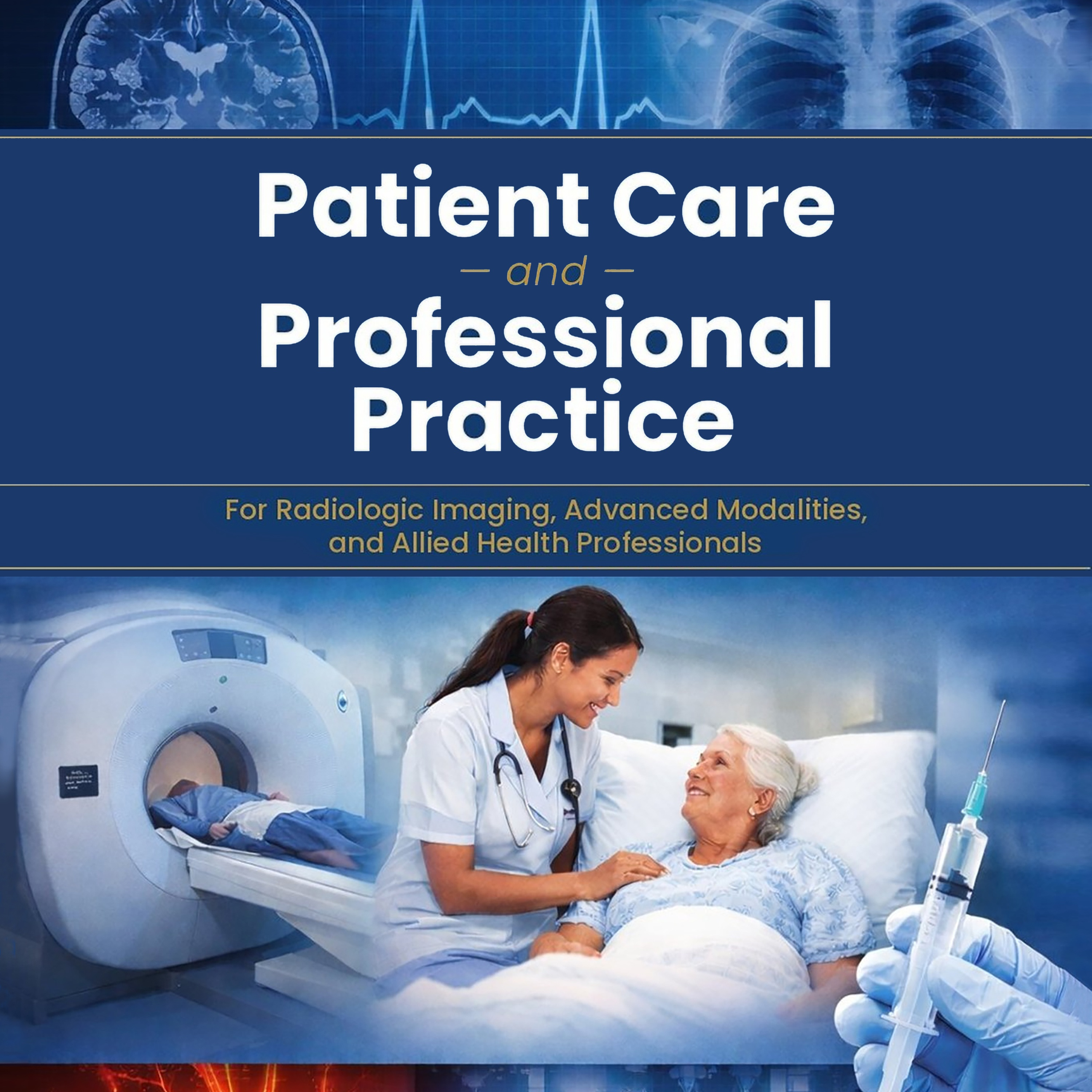
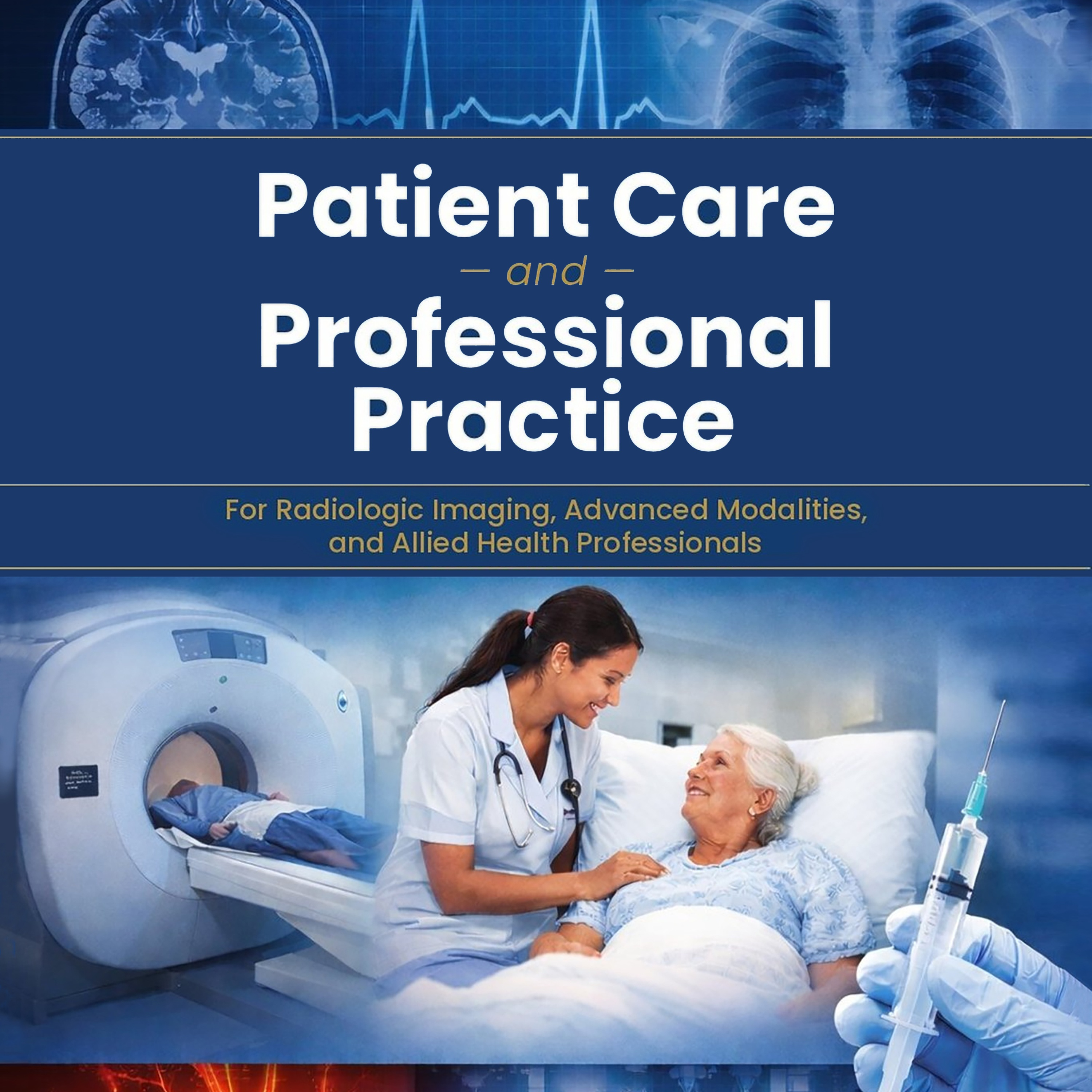
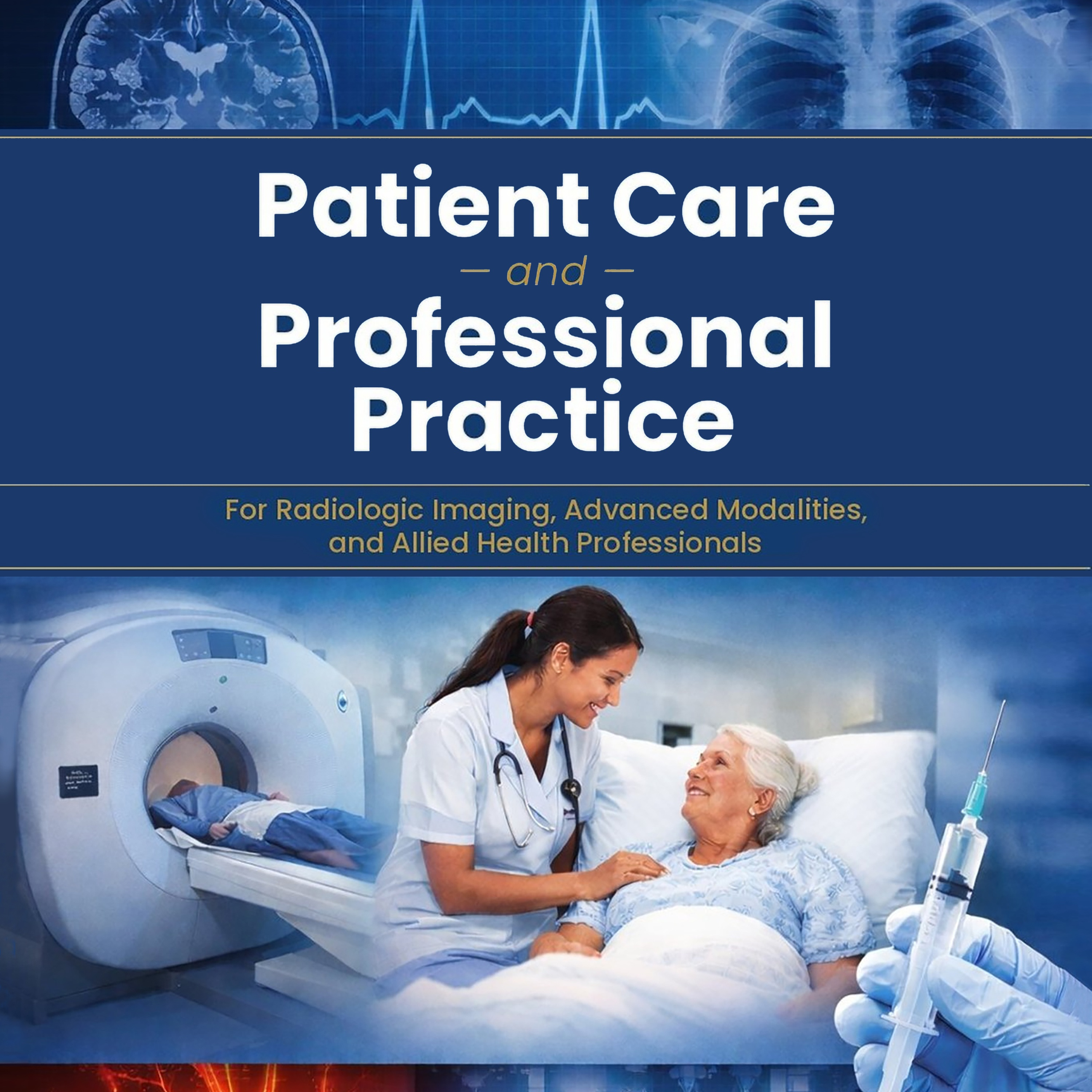
    A confused, elderly patient on the exam table suddenly starts to sit up unassisted. You're not in the room — yet. This is exactly the moment patient safety protocols are built around. This episode covers the everyday safety and comfort responsibilities that protect vulnerable patients — securingbelongings, using positioning aids, and recognizing who needs continuous supervision. We also cover the added vigilance required for patients with IV lines, oxygen tubing, or tracheostomy tubes, and why patients should never be left unattended. Designed for radiologic technology students across all modalities — and just as useful for nursing students and anyone in a patient-facing healthcare role. Board-exam-relevant content, explained conversationally. 📘 Explore the full Patient Care and Professional Practice textbook, workbook, and section eBooks by Prof. Sanjay Arya — pick the format that fits your learning style: https://www.amazon.com/stores/Sanjay-Arya/author/B0H1147NP2
  • S1 · E10
    Thursday · 51 min

    Episode 10: Section 3 — Ergonomics and Patient Safety | Microlearning 3.1 — Safe Patient Transfer and Body Mechanics

    A wheelchair isn't locked, and a patient starts to stand. One missed step in a transfer routine is all it takes for things to go wrong — for the patient or for you. This episode covers proper body mechanics and safe transfer techniques for patients across the full range of mobility — ambulatory, wheelchair, and stretcher. We discuss how posture, coordination, and equipment management come together to prevent technologist injury while preserving patient comfort and dignity during every transfer. Designed for radiologic technology students across all modalities — and just as useful for nursing students and anyone in a patient-facing healthcare role. Board-exam-relevant content, explained conversationally. 📘 Explore the full Patient Care and Professional Practice textbook, workbook, and section eBooks by Prof. Sanjay Arya — pick the format that fits your learning style: https://www.amazon.com/stores/Sanjay-Arya/author/B0H1147NP2
  • S1 · E9
    Tuesday · 47 min

    Episode 9: Section 2 — Communication | Microlearning 2.4 — Patient Assessment and Vital Signs

    A patient's lips and nail beds take on a bluish tint during positioning. It's a subtle change — and recognizing it in the moment is the difference between routine and urgent. This episode covers how to assess a patient's physical condition and vital signs before and during imaging— temperature, pulse, respiration, and blood pressure — and how to distinguish normal findings from early warning signs like cyanosis or a weak, irregular pulse. You'll learn what actions to take when something doesn't look right, before it becomes an emergency. Designed for radiologic technology students across all modalities — and just as useful for nursing students and anyone in a patient-facing healthcare role. Board-exam-relevant content, explained conversationally. 📘 Explore the full Patient Care and Professional Practice textbook, workbook, and section eBooks by Prof. Sanjay Arya — pick the format that fits your learning style: https://www.amazon.com/stores/Sanjay-Arya/author/B0H1147NP2
  • S1 · E8
    September 12 · 37 min

    Episode 8: Section 2 — Communication | Microlearning 2.3 — Patient Education and Aftercare Instructions

    A patient nods along to verbal aftercare instructions, then calls in a panic the next day because they don't remember any of it. Verbal explanations alone aren't always enough. This episode covers the two phases of patient education: preparing patients before a procedure with clear expectations, and delivering accurate aftercare instructions afterward, including why written handouts matter alongside verbal explanations. We also cover a simple technique — asking a patient to repeat instructions back in their own words — that catches misunderstandings before they become a problem. Designed for radiologic technology students across all modalities — and just as useful for nursing students and anyone in a patient-facing healthcare role. Board-exam-relevant content, explained conversationally. 📘 Explore the full Patient Care and Professional Practice textbook, workbook, and section eBooks by Prof. Sanjay Arya — pick the format that fits your learning style: https://www.amazon.com/stores/Sanjay-Arya/author/B0H1147NP2
  • S1 · E7
    September 10 · 43 min

    Episode 7: Section 2 — Communication | Microlearning 2.2 — Verbal and Nonverbal Communication

    Two patients come in for the identical procedure. One technologist rushes through it with a flat tone; the other explains calmly and checks in along the way. Same exam, two completely different patient experiences. This episode breaks down how verbal choices — word choice, tone, pacing — work together with nonverbal signals like posture, facial expression, and eye contact to shape a patient's experience. We also cover a mistake that's easy to make without realizing it: discussing a patient casually once you think they're out of earshot. Designed for radiologic technology students across all modalities — and just as useful for nursing students and anyone in a patient-facing healthcare role. Board-exam-relevant content, explained conversationally. 📘 Explore the full Patient Care and Professional Practice textbook, workbook, and section eBooks by Prof. Sanjay Arya — pick the format that fits your learning style: https://www.amazon.com/stores/Sanjay-Arya/author/B0H1147NP2
  • S1 · E6
    September 8 · 36 min

    Episode 6: Section 2 — Communication | Microlearning 2.1 — Effective Patient Communication

    A technologist calls out a patient's name in a crowded waiting room — and the wrong person starts to stand up. In patient care, a mix-up like this is exactly what identity verificationexists to prevent. This episode covers the fundamentals of effective patient communication — accurate identity verification using two independent identifiers, reviewing requisitions and medical history to catch mismatches before they become errors, and reading verbal and nonverbal cues that shape trust from the very first interaction. We also cover what to do when a requisition and the patient's own story don't quite line up. Designed for radiologic technology students across all modalities — and just as useful for nursing students and anyone in a patient-facing healthcare role. Board-exam-relevant content, explained conversationally. 📘 Explore the full Patient Care and Professional Practice textbook, workbook, and section eBooks by Prof. Sanjay Arya — pick the format that fits your learning style: https://www.amazon.com/stores/Sanjay-Arya/author/B0H1147NP2
  • S1 · E5
    September 5 · 47 min

    Episode 5: Section 1 — Ethics and Law | Microlearning 1.5 — Legal Issues and Professional Responsibilities

    A patient asks to leave the room mid-exam. Do you let them go, or keep them there until you're done? Get this wrong, and it's not just a bad review — it could be false imprisonment. This episode covers the legal frameworks that shape daily practice — sources of law, public versus private law, and the intentional and negligent torts technologists can be exposed to, from assault and battery to simple negligence. We also cover the legal doctrines that determine liability when something goes wrong, and the documentation habits that protect both patients and technologists. Designed for radiologic technology students across all modalities — and just as useful for nursing students and anyone in a patient-facing healthcare role. Board-exam-relevant content, explained conversationally. 📘 Explore the full Patient Care and Professional Practice textbook, workbook, and section eBooks by Prof. Sanjay Arya — pick the format that fits your learning style: https://www.amazon.com/stores/Sanjay-Arya/author/B0H1147NP2
  • S1 · E4
    September 3 · 35 min

    Episode 4: Section 1 — Ethics and Law | Microlearning 1.4 — Patient Rights and Care Partnership

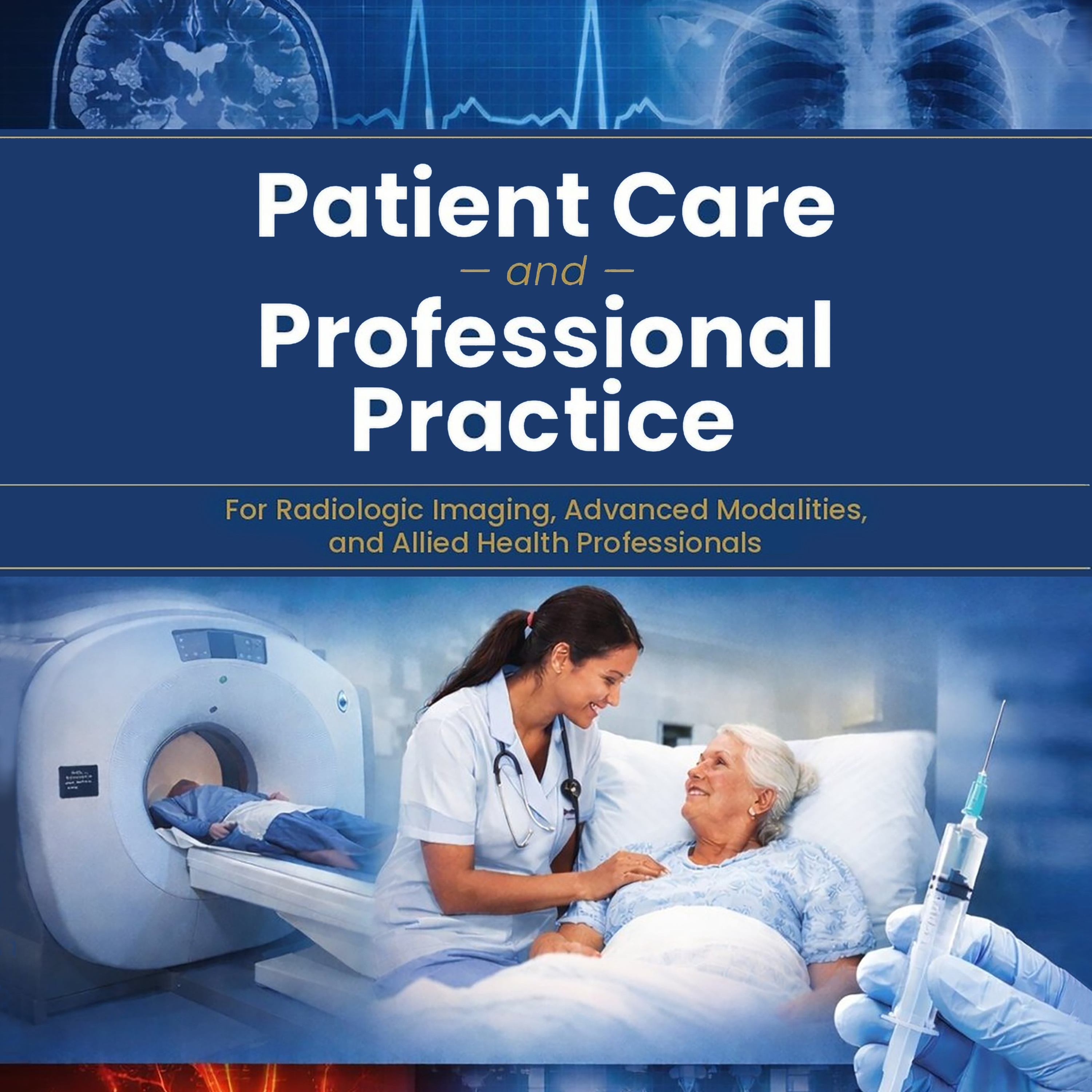
    A patient's advance directive says Do Not Resuscitate. Minutes before their scheduled procedure, they becomeunresponsive. What happens next isn't a judgment call — it's already been decided, if you know where to look. This episode traces the evolution from the original Patient's Bill of Rights to today's Patient Care Partnership, and shows how advance directives and surrogate decision-makingprotect patients who can't speak for themselves. We connect these frameworks directly to the ASRT Code of Ethics and ARRT Standards, showing how patient rights translate into real decisions during real procedures. Designed for radiologic technology students across all modalities — and just as useful for nursing students and anyone in a patient-facing healthcare role.Board-exam-relevant content, explained conversationally. 📘 Explore the full Patient Care and Professional Practice textbook, workbook, and section eBooks by Prof. Sanjay Arya — pick the format that fits your learning style: https://www.amazon.com/stores/Sanjay-Arya/author/B0H1147NP2
  • S1 · E3
    September 1 · 41 min

    Episode 3: Section 1 — Ethics and Law | Microlearning 1.3 — Patient Privacy and Confidentiality

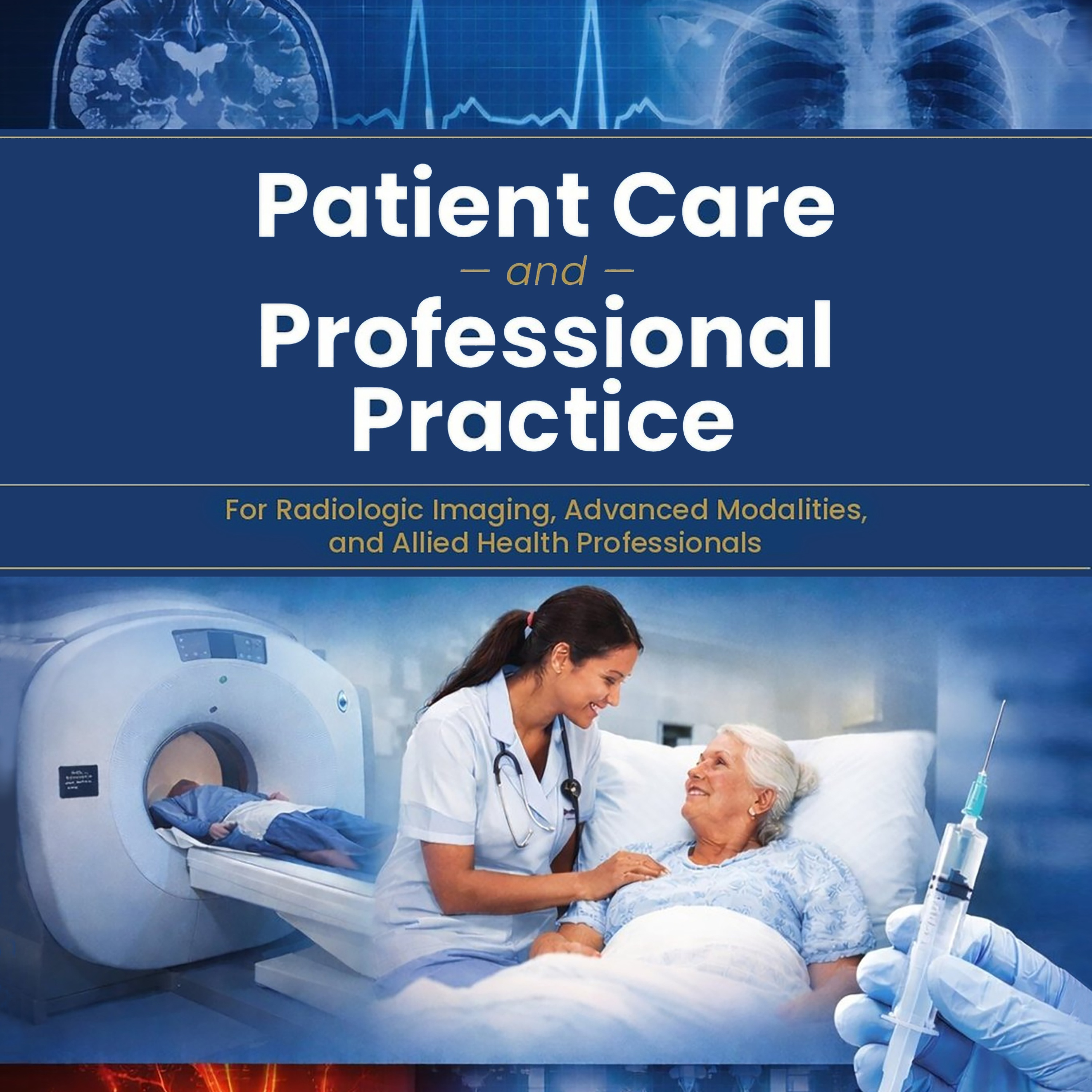
    A workstation is left open at an empty desk, patient scans visible to anyone walking by. It takes one unlocked screen to turn a routine moment into a privacy violation. This episode covers what HIPAA actually requires in daily practice, the everyday moments — an unattended monitor, a hallway conversation, a discussion overheard during an urgent case — where privacy is easiest to compromise, and the cultural sensitivity that goes beyond the legal minimum, including how technologists handle requests like a same-gender provider. As the book puts it: curiosity or convenience never justifies breaching confidentiality. Designed for radiologic technology students across all modalities — and just as useful for nursing students and anyone in a patient-facing healthcare role. Board-exam-relevant content, explained conversationally. 📘 Explore the full Patient Care and Professional Practice textbook, workbook, and section eBooks by Prof. Sanjay Arya — pick the format that fits your learning style: https://www.amazon.com/stores/Sanjay-Arya/author/B0H1147NP2
  • S1 · E2
    August 31 · 37 min

    Episode 2: Section 1 — Ethics and Law | Microlearning 1.2 — Patient Consent and Legal Considerations

    An unresponsive trauma patient needs urgent imaging right now — but they can't say yes. Is proceeding without a signature the right call, or a legal risk? This episode breaks down thethree forms of consent — verbal, written, and implied — and exactly when eachone applies, from a routine exam to a higher-risk procedure. You'll learn whatmakes consent truly informed, why performing a procedure without valid consentcan carry serious legal consequences, and what a technologist is required to dothe moment a patient withdraws consent mid-procedure. Designedfor radiologic technology students across all modalities — and just as usefulfor nursing students and anyone in a patient-facing healthcare role.Board-exam-relevant content, explained conversationally. 📘 Explore the fullPatient Care and Professional Practice textbook, workbook, and section eBooksby Prof. Sanjay Arya — pick the format that fits your learning style: https://www.amazon.com/stores/Sanjay-Arya/author/B0H1147NP2
  • S1 · E1
    August 21 · 59 min

    Episode 1: Section 1 — Ethics and Law | Microlearning 1.1 — Ethics and Professional Conduct

    A patient refuses to remove a hearing aid before a scan. Do you push forward, or stop the exam? That single decision — and how the technologist actually handles it — sits at the center of everything this episode covers. This episode grounds you in thefour bioethical principles — autonomy, beneficence, nonmaleficence, and justice— that underlie every ethical standard in healthcare, then breaks down how ARRTtranslates that philosophy into practice through the aspirational Code ofEthics and the enforceable Rules of Ethics. You'll learn to tell ethical fromunethical conduct, understand what happens when the ARRT Ethics Committeereviews a violation, and walk away with the core competencies that defineprofessional practice. Designedfor radiologic technology students across all modalities — and just as usefulfor nursing students and anyone in a patient-facing healthcare role.Board-exam-relevant content, explained conversationally. 📘 Explore the fullPatient Care and Professional Practice textbook, workbook, and section eBooksby Prof. Sanjay Arya — pick the format that fits your learning style: https://www.amazon.com/stores/Sanjay-Arya/author/B0H1147NP2
  • S1 · E15
    July 6 · 49 min

    [Radiologic Physics] Ep 15 – X-ray Interactions with matter

    This episode examines what happens when x-ray photons enter the body — beginning with the foundational terms of primary radiation, transmission, exit radiation, and attenuation, and establishing how the four tissue factors of energy, thickness, atomic number, and mass density each govern how much of the beam is absorbed versus transmitted. Prof. Arya explains why differential absorption is the physical basis of radiographic contrast, and connects these principles directly to how radiographers select exposure factors to balance image quality against patient dose. The second half covers all five types of x-ray interactions with matter in sequence: coherent scattering, Compton scattering, photoelectric absorption, pair production, and photodisintegration — with emphasis on the two interactions that dominate diagnostic imaging. Compton scattering is traced from outer-shell ejection through recoil electron behavior and scatter angle, with attention to its role in radiographic fog and occupational exposure. Photoelectric absorption is analyzed through the photoelectron, the cascade effect, and the Z³ and 1/E³ probability relationships that make it essential for image contrast and the basis of contrast agent use. This episode aligns with the Radiation Physics and Radiobiology content category — specifically x-ray interactions with matter — of the ARRT Radiography Examination Content Specifications. Audio content is adapted from original instructional material developed by Professor Sanjay Arya, M.S., R.T.(R)(MR) for radiologic technology education. Part of the Radiologic Physics series — Quantum Imaging Lab. © 2026 Quantum Imaging Lab. All rights reserved.

  • S1 · E14
    June 29 · 55 min

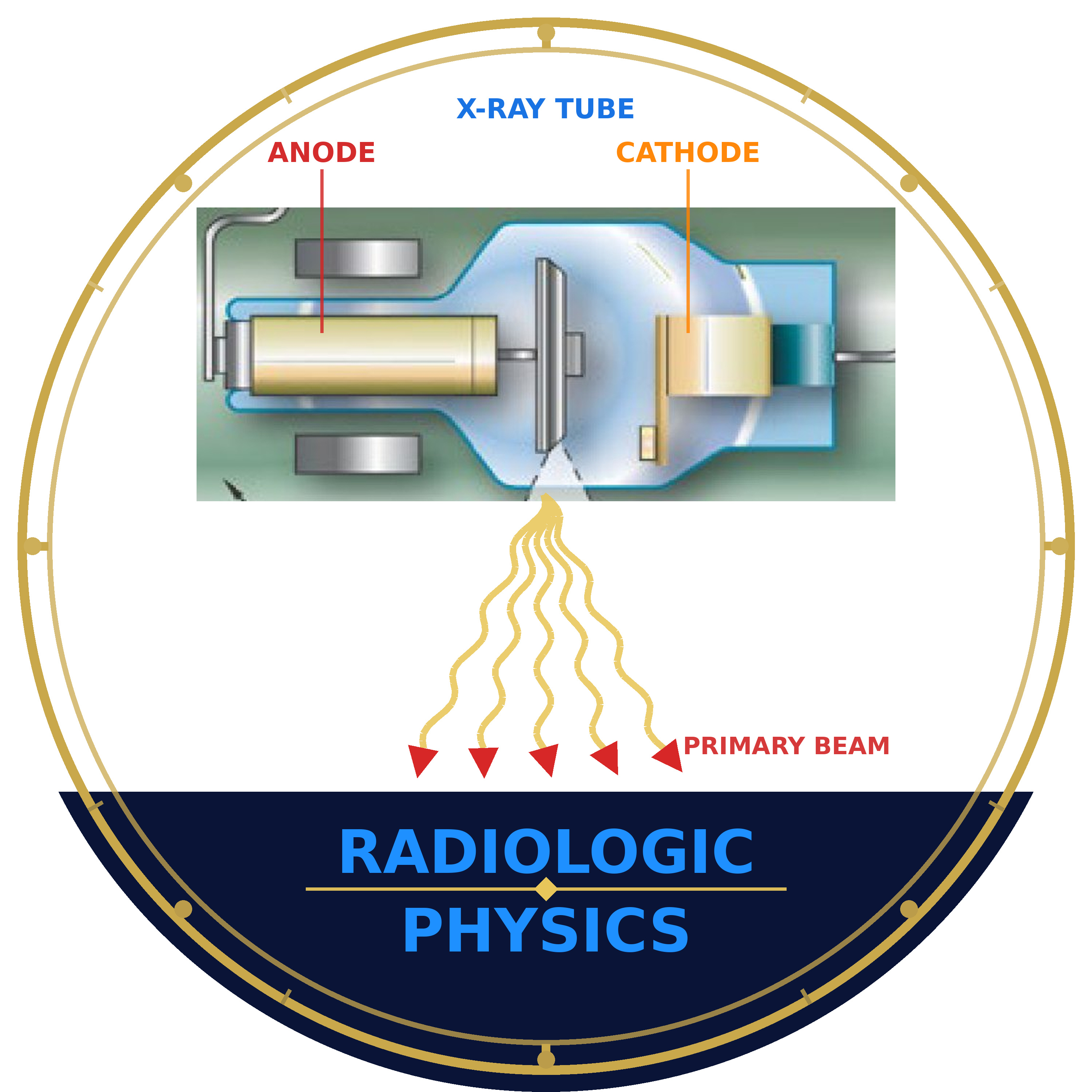
    [Radiologic Physics] Ep 14 – X-ray Production and Emission

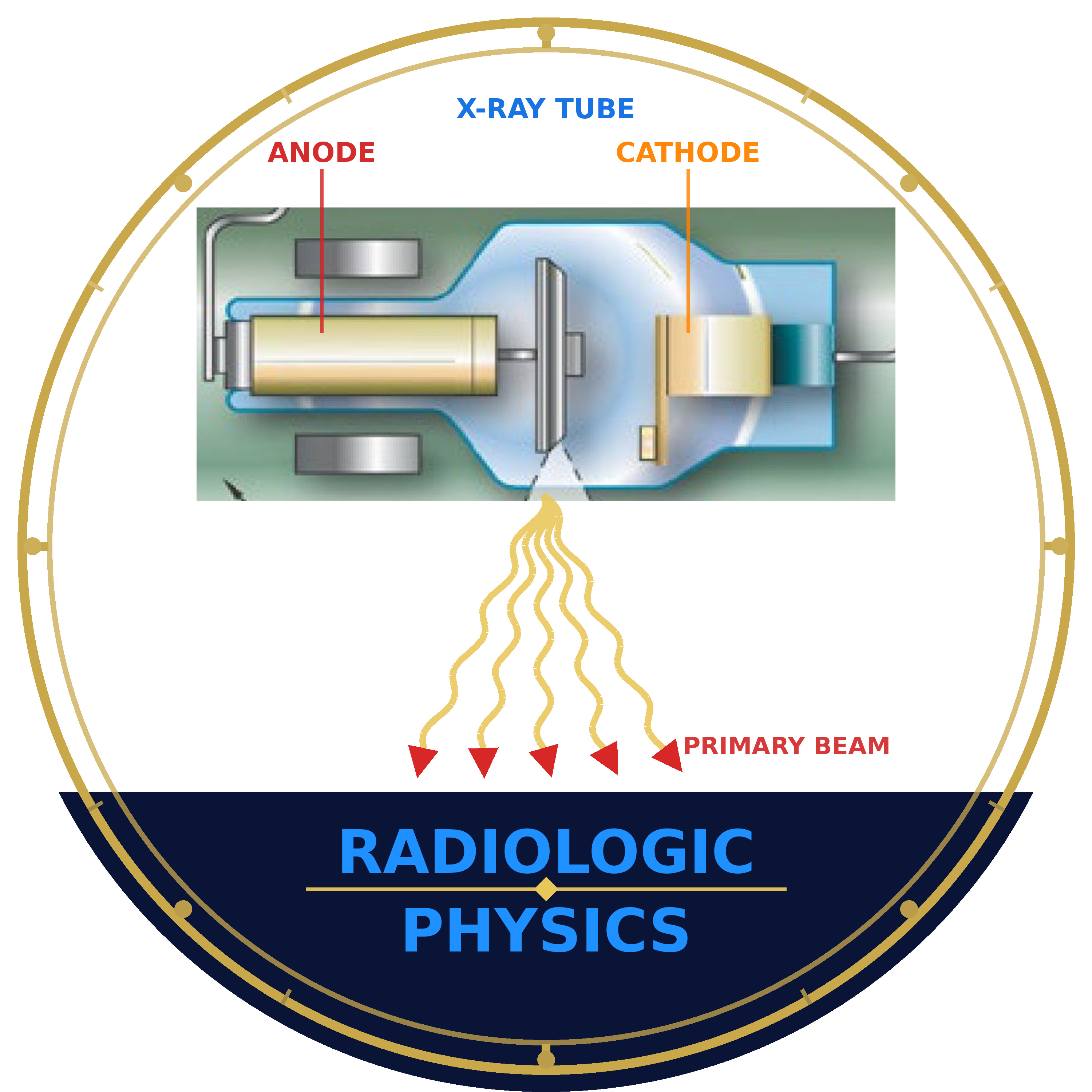
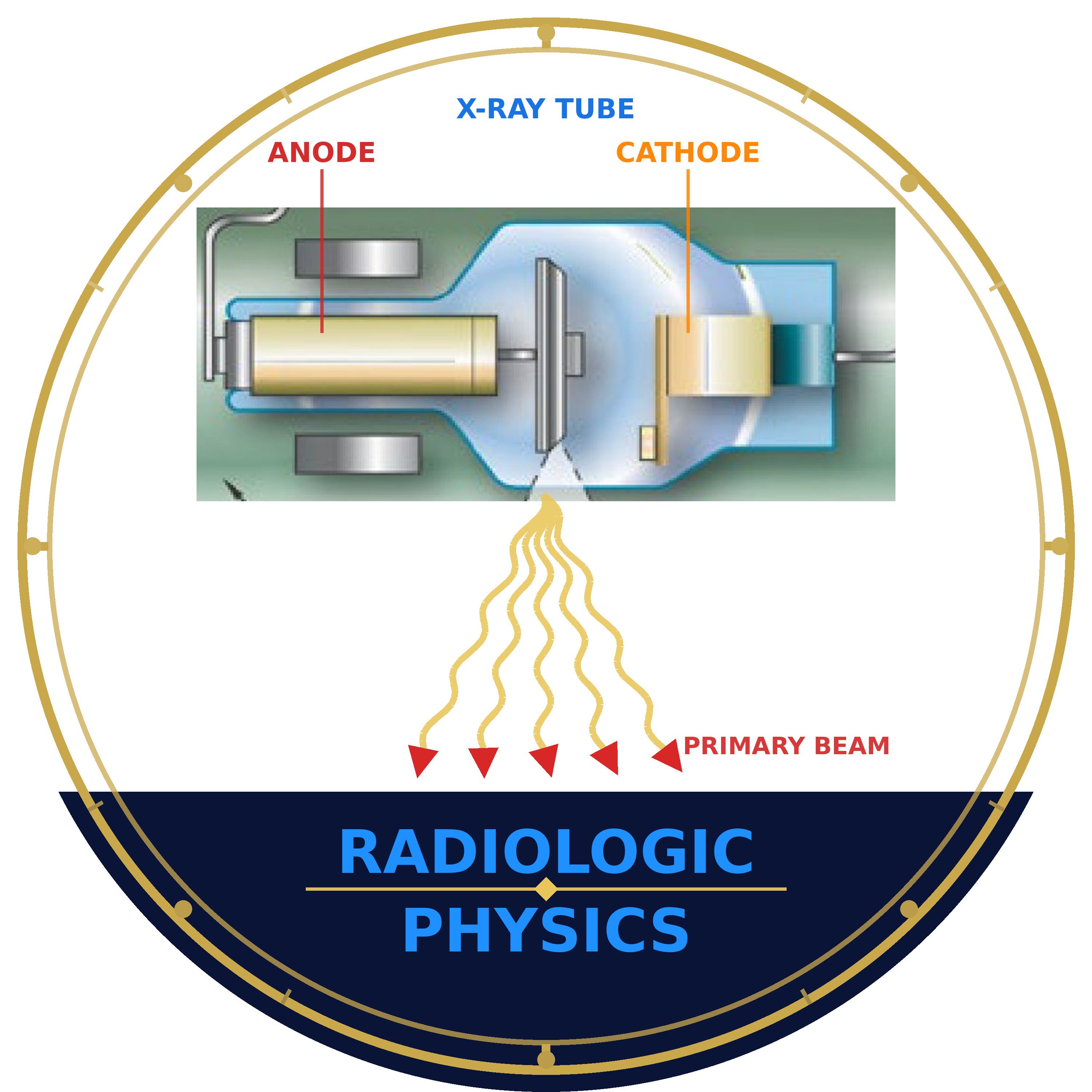
    This episode covers x-ray production — the process of converting electron kinetic energy into electromagnetic radiation at the anode of the x-ray tube. Prof. Arya explains why unrectified electron flow without sufficient energy would fail to produce diagnostic photons, tracing the three essential conditions required: a source of electrons via thermionic emission, acceleration through applied kVp, and a suitable high-Z target. The episode examines the inefficiency of x-ray production at diagnostic energies, introduces the efficiency formula (K × Z × kVp), and compares how tungsten, molybdenum, and gold targets differ in photon output and characteristic peak positions. The second half distinguishes Bremsstrahlung radiation — a continuous spectrum produced by nuclear field interactions — from characteristic radiation, which releases discrete photons through K-shell vacancy cascades unique to the target material. Each factor affecting the x-ray emission spectrum is analyzed in turn: mAs, kVp, added filtration, generator waveform, and target atomic number — with attention to whether each shifts beam quantity, beam quality, or both. The episode closes with half-value layer as the clinical measure of beam penetrability and its relationship to kVp. This episode aligns with the Equipment Operation and Quality Assurance content category — Radiographic Equipment subcategory — of the ARRT Radiography Examination Content Specifications. Audio content is adapted from original instructional material developed by Professor Sanjay Arya, M.S., R.T.(R)(MR) for radiologic technology education. Part of the Radiologic Physics series — Quantum Imaging Lab. © 2026 Quantum Imaging Lab. All rights reserved.

  • S1 · E13
    June 22 · 51 min

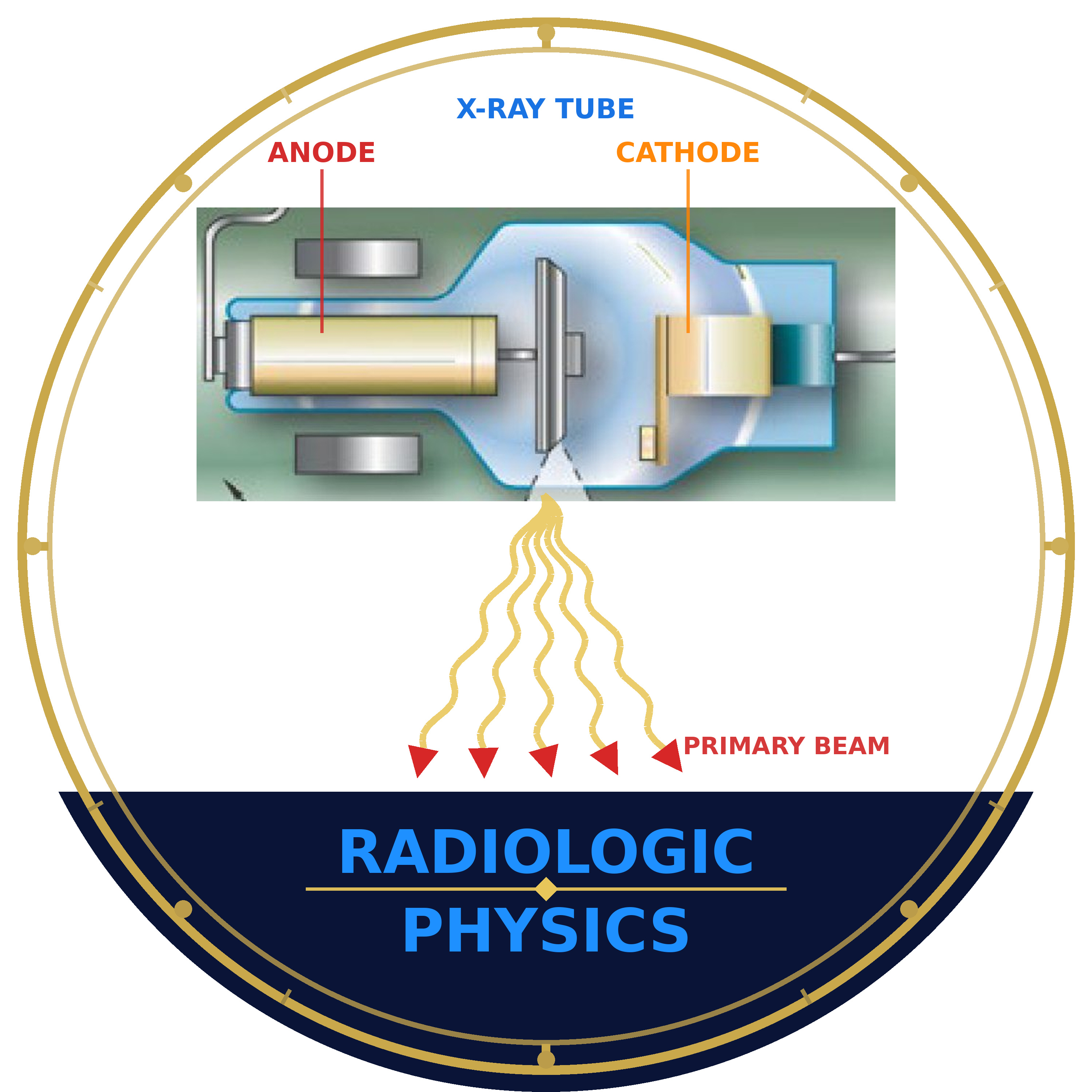
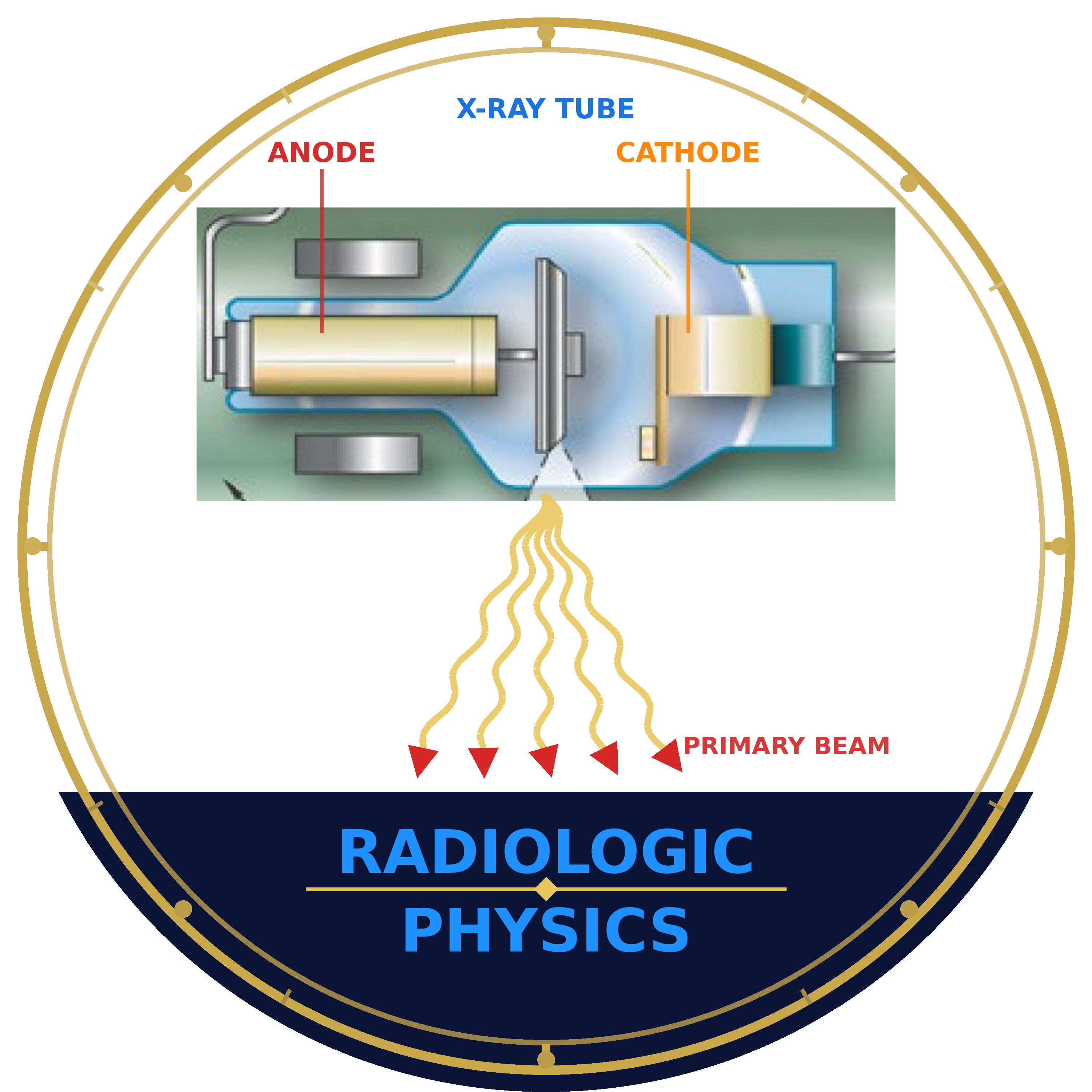
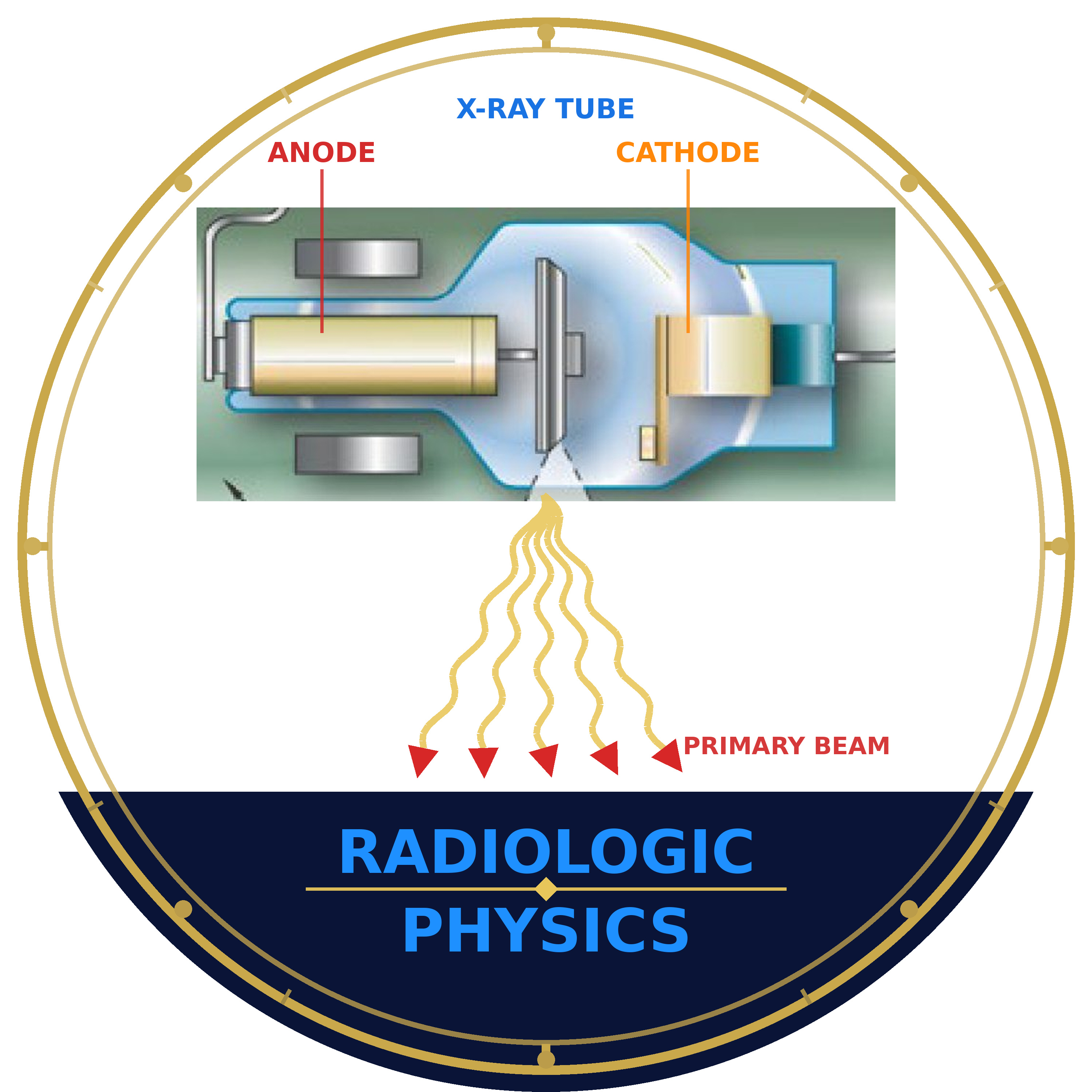
    [Radiologic Physics] Ep 13 – X-ray Tube Structure

    This episode covers the x-ray tube — the heart of every imaging system — tracing its evolution from the Crookes tube to the modern Coolidge tube and examining every component of its external and internal structure. Prof. Arya details the protective housing, glass or metal envelope, and tube window, then moves inside to the cathode assembly: tungsten filament composition and thermionic emission, the space charge effect, the focusing cup's role in directing electrons, and the clinical implications of dual-filament, dual-focal-spot design. The anode is examined in equal depth — stationary versus rotating types, target materials, the induction motor's rotor-stator mechanism, the line focus principle, and the anode heel effect with its practical positioning applications. The second half addresses x-ray tube life and thermal management. Prof. Arya explains why x-ray production is thermally inefficient, how heat is dissipated through radiation, conduction, and convection, and what causes filament failure and anode damage. The episode walks through heat unit calculations across generator types and teaches students to interpret all three rating charts — radiographic, anode cooling, and housing cooling — through worked examples that directly apply to clinical practice. This episode aligns with the Equipment Operation and Quality Assurance content category — Radiographic Equipment subcategory — of the ARRT Radiography Examination Content Specifications. Audio content is adapted from original instructional material developed by Professor Sanjay Arya, M.S., R.T.(R)(MR) for radiologic technology education. Part of the Radiologic Physics series — Quantum Imaging Lab. © 2026 Quantum Imaging Lab. All rights reserved.

  • S1 · E7
    June 22 · 1 hr 3 min

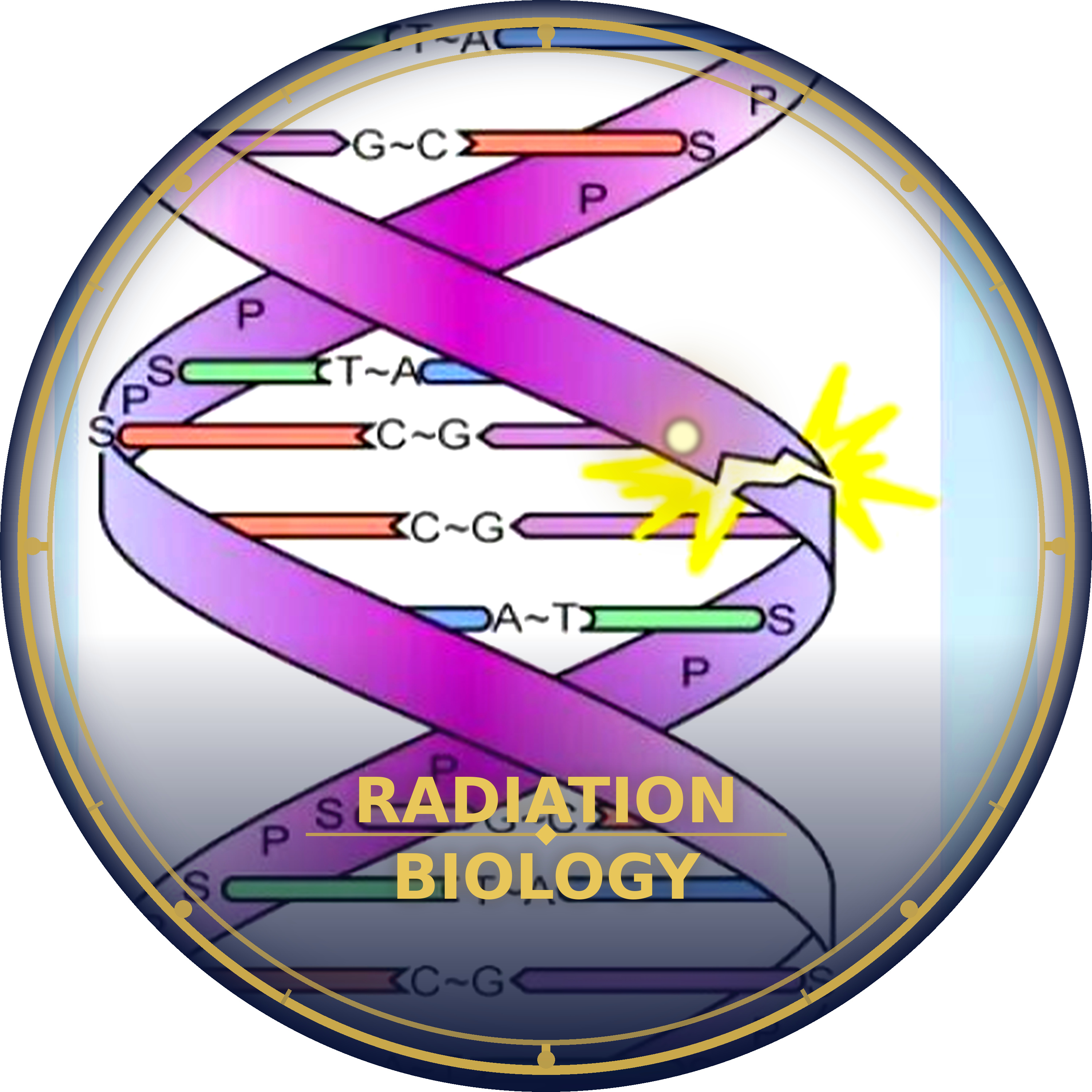
    [Radiation Biology] Ep 7 – Late (Stochastic) Effects of Radiation

    This episode examines the late and stochastic effects of ionizing radiation, beginning with a review of the distinction between deterministic and probabilistic dose-response relationships. The role of epidemiology in studying radiation-exposed populations is introduced, along with the three primary risk estimation models — relative risk, absolute risk, and excess risk — used to quantify and predict radiation-induced disease. Late deterministic tissue reactions are also addressed, including chronic radiodermatitis, cataractogenesis, and the historical observation of life-span shortening in early radiation workers. Radiation-induced malignancy is examined in depth, covering carcinogenesis, leukemia, and specific cancers of the thyroid, bone, lung, and liver, supported by historical evidence from populations such as atomic bomb survivors, radium dial painters, and uranium miners. Risk prediction models — including the Linear No-Threshold (LNT) and Linear-Quadratic No-Threshold (LQNT) frameworks from BEIR — are explained alongside their applications to radiation protection. The episode concludes with radiation effects on pregnancy across all three developmental stages, and genetic effects including spontaneous and induced mutations, the doubling dose concept, and heritable DNA damage in germ cells. Content is structured to support radiologic technology programs preparing for imaging coursework and ARRT certification review. This episode aligns with the Safety content category — Radiation Physics and Radiobiology subcategory — of the ARRT Radiography Examination Content Specifications. Audio content is adapted from original instructional material developed by Professor Sanjay Arya, M.S., R.T.(R)(MR) for radiologic technology education. Part of the Radiation Biology series — Quantum Imaging Lab. © 2026 Quantum Imaging Lab. All rights reserved.

  • S1 · E12
    June 15 · 48 min

    [Radiologic Physics] Ep 12 – Rectification

    This episode covers rectification — the process of converting alternating current (AC) to direct current (DC) in the x-ray circuit. Prof. Arya explains why unrectified AC would allow reverse electron flow from anode to cathode during the negative half-cycle, risking tube damage and wasted exposure. The episode examines both early vacuum valve tube rectifiers and modern solid-state diodes, tracing the p-n junction mechanism that permits current to flow in only one direction, and compares half-wave and full-wave rectification in terms of pulse output, rectifier count, and clinical efficiency. The second half explores single-phase, three-phase, and high-frequency power supplies — comparing 6-pulse and 12-pulse configurations, voltage ripple percentages, and their effect on x-ray output and image quality. The high-frequency generator's inverter circuit is detailed step by step, highlighting its advantages in size, efficiency, and near-constant potential voltage. The episode closes with practical methods for detecting rectification failure — the spinning top test, synchronous spinning top, and oscilloscope. This episode aligns with the Equipment Operation and Quality Assurance content category — Radiographic Equipment subcategory — of the ARRT Radiography Examination Content Specifications. Audio content is adapted from original instructional material developed by Professor Sanjay Arya, M.S., R.T.(R)(MR) for radiologic technology education. Part of the Radiologic Physics series — Quantum Imaging Lab. © 2026 Quantum Imaging Lab. All rights reserved.

  • S1 · E11
    June 8 · 43 min

    [Radiologic Physics] Ep 11 – Timers

    This episode covers exposure timers — the circuit components that determine how long the x-ray tube emits radiation and directly govern dose, image quality, and patient safety. Prof. Arya traces the evolution from spring-wound mechanical timers and synchronous motor timers through electronic and mAs timers, comparing their accuracy, circuit location, and clinical applications, including the mAs timer's role in falling-load generators and pediatric imaging. The second half focuses on Automatic Exposure Control — how ionization chamber and photodiode detectors terminate exposure based on radiation reaching the image receptor, and the factors that influence AEC performance: detector cell selection, patient positioning, collimation, body thickness, tissue composition, pathology, and IR type. The backup timer is examined as a regulatory safety requirement, and the episode closes with a practical summary of how each technical factor affects AEC exposure time. This episode aligns with the Safety content category — Radiation Physics and Radiobiology subcategory — of the ARRT Radiography Examination Content Specifications. Audio content is adapted from original instructional material developed by Professor Sanjay Arya, M.S., R.T.(R)(MR) for radiologic technology education. Part of the Radiologic Physics series — Quantum Imaging Lab. © 2026 Quantum Imaging Lab. All rights reserved.

  • S1 · E6
    June 8 · 47 min

    [Radiation Biology] Ep 6 – Early (Deterministic) Effects of Radiation

    This episode examines the biological damage caused by ionizing radiation, including the key factors that influence the severity of radiation effects — such as radiation type, total dose, dose rate, tissue radiosensitivity, cell age, and the oxygen effect. The distinction between somatic and genetic effects is explored, along with the classification of radiation effects as either deterministic (non-stochastic) or probabilistic (stochastic), each following a distinct dose-response relationship. The episode provides a detailed analysis of Acute Radiation Syndrome (ARS), covering its four response stages — prodromal, latent, manifest illness, and recovery or death — and the three dose-dependent sub-syndromes: hematopoietic, gastrointestinal, and cerebrovascular. Local tissue damage is also addressed, including skin effects (erythema, dry and moist desquamation, radiodermatitis), epilation, gonadal effects, hematologic changes across blood cell types, and cytogenetic effects on chromosomal structure. Content is structured to support radiologic technology programs preparing for imaging coursework and ARRT certification review. This episode aligns with the Safety content category — Radiation Physics and Radiobiology subcategory — of the ARRT Radiography Examination Content Specifications. Audio content is adapted from original instructional material developed by Professor Sanjay Arya, M.S., R.T.(R)(MR) for radiologic technology education. Part of the Radiation Biology series — Quantum Imaging Lab. © 2026 Quantum Imaging Lab. All rights reserved.

  • S1 · E10
    June 1 · 34 min

    [Radiologic Physics] Ep 10 – X-ray Imaging Circuit

    This episode maps the complete electrical circuit of the diagnostic x-ray imaging system, tracing the path from wall power to x-ray production. Prof. Arya walks through the three interconnected circuits — primary, secondary, and filament — identifying each component's location, function, and operating principle, from the main power switch and line compensator through the autotransformer, kVp selectors, mA selector, and exposure timer. The second half follows the circuit into the high-voltage section, where the step-up transformer boosts voltage to the kilovolt range, rectifiers convert AC to DC for one-directional electron flow, and the filament step-down transformer supplies the high current needed for thermionic emission. The episode closes with generator power rating — its formula, industry standard definition at 100 kVp and 100 ms, and a worked calculation. This episode aligns with the Safety content category — Radiation Physics and Radiobiology subcategory — of the ARRT Radiography Examination Content Specifications. Audio content is adapted from original instructional material developed by Professor Sanjay Arya, M.S., R.T.(R)(MR) for radiologic technology education. Part of the Radiologic Physics series — Quantum Imaging Lab. © 2026 Quantum Imaging Lab. All rights reserved.

  • S1 · E9
    May 25 · 48 min

    [Radiologic Physics] Ep 9 – Transformers

    This episode examines transformers — electromagnetic devices that modify voltage and current in AC circuits without converting electrical energy to another form. Prof. Arya covers the principle of mutual induction, the three structural types — closed core, autotransformer, and shell type — and how each design affects efficiency and application in clinical equipment. The turns ratio is developed through worked calculations using the transformer voltage and current laws, showing how step-up transformers drive kilovoltage x-ray production while step-down transformers supply the low voltage needed to heat the filament circuit. The episode closes with transformer efficiency — examining copper loss, eddy currents, and hysteresis, and the engineering solutions that minimize each. This episode aligns with the Safety content category — Radiation Physics and Radiobiology subcategory — of the ARRT Radiography Examination Content Specifications. Audio content is adapted from original instructional material developed by Professor Sanjay Arya, M.S., R.T.(R)(MR) for radiologic technology education. Part of the Radiologic Physics series — Quantum Imaging Lab. © 2026 Quantum Imaging Lab. All rights reserved.

Showing 1–20 of 31 episodes