
Skip to content
Artwork for The Geopolitical Blueprint
Society & CultureHistoryEducation

The Geopolitical Blueprint

The Geopolitical Blueprint

Welcome to The Geopolitical Blueprint, your ultimate guide to understanding the hidden forces shaping our world. By analyzing macro history, cyclical patterns, and current global events, this podcast deconstructs complex geopolitical shifts into clear, actionable insights.


In each episode, we look past the daily headlines to examine the deep historical and structural trends driving international relations, economics, and global power dynamics. Whether you are interested in future predictions, regional conflicts, or macro-historical cycles, this show provides the blueprints you need to make sense of tomorrow's world.


Hosted on Acast. See acast.com/privacy for more information.

Play
  • 197 episodes
  • daily
  • Avg 27 min
  • English
Counted on this page — what you have heard stays on this device, so it is not something the list can be paged by.
  • November 15 · 20 min

    The AI Bubble: Who Really Wins If It Bursts?

    Is the artificial intelligence investment boom approaching a dangerous turning point? This episode examines the possibility of an AI financial bubble, the enormous costs of technology infrastructure, and who could benefit from a major market correction. The discussion explores government bailouts, short selling, financial journalism, and controversial theories about how economic crises unfold. It also questions the role of speculation and mass entertainment in shaping public attention. If the AI bubble bursts, who loses—and who could emerge even more powerful? AI Bubble Crash: Who Could Make Billions? The Next AI Crash: What Happens to Big Tech? Hosted on Acast. See acast.com/privacy for more information.
  • November 14 · 21 min

    Argentina's Untapped Wealth: Who Wants Control?

    Why could Argentina become one of the world's most attractive geopolitical investment opportunities? This episode explores Argentina's natural resources, strategic location, political system, and the growing interest of international investors. From Javier Milei's rise to power to the economic ambitions of India and the changing influence of the United States, the conversation examines competing theories about Argentina's future. Could a country once associated with economic instability become a major destination for global capital? Why Argentina Could Become the Next Global Money Hub The Argentina Gamble: Who Stands to Gain? Hosted on Acast. See acast.com/privacy for more information.
  • November 14 · 20 min

    World Cup Fallout: Could the Falklands Be Next?

    Could the World Cup have consequences far beyond football? Following a dramatic Spain–Argentina final, this episode explores controversial theories about sporting influence, national pride, and geopolitical power. The discussion moves from Messi and Argentina's political future to the Falkland Islands, relations with Britain, and the possibility of renewed territorial tensions. Could the next chapter of Argentina's history be shaped by forces far beyond the football pitch? Messi for President? The Wild World Cup Theory Spain's World Cup Win: What Comes Next for Argentina? Hosted on Acast. See acast.com/privacy for more information.
  • November 14 · 20 min

    The Next Power Struggle: AI, Energy and Empire

    What will determine the balance of power in a world shaped by artificial intelligence, energy demands, and geopolitical instability? In the final discussion, competing theories emerge about economic influence, strategic alliances, the limitations of powerful institutions, and the consequences of rapid technological change. The conversation also examines AI-generated misinformation, education, independent thinking, and a fascinating historical comparison between artificial intelligence and the invention of writing. Could AI transform human consciousness and communication as profoundly as writing once did? Is the New World Order Slipping Out of Control? Will AI Change Humanity More Than We Imagine? Hosted on Acast. See acast.com/privacy for more information.
  • November 14 · 20 min

    If Globalization Collapses, Which Cities Survive?

    What happens to modern cities when the global systems supporting them begin to fail? This episode explores the fragility of highly connected economies, the dependence of major cities on international trade, and why practical skills and strong communities could matter during a crisis. The discussion also examines the limits of Bitcoin during major disruptions, the importance of human relationships, and competing visions of what real wealth means. Could the future belong to people who know how to build, grow, repair, and cooperate rather than simply accumulate money? The Survival Skills Money Can't Buy Bitcoin, Big Cities and the Price of Collapse Hosted on Acast. See acast.com/privacy for more information.
  • November 14 · 20 min

    America's Money Trap: What Happens When It Breaks?

    What happens to a society when money becomes its only source of motivation? This episode explores the psychological cost of financial ambition, America's future after imperial decline, and the possibility of rebuilding communities around something other than material success. The discussion examines economic incentives, human motivation, Texas as a possible future center of American influence, and the differences between domestic capitalism and global finance. Could America's greatest weakness be the very system that made it wealthy? Could America Rebuild After Its Financial Empire? The Hidden Cost of a Society Built on Money Hosted on Acast. See acast.com/privacy for more information.
  • November 13 · 22 min

    Who Really Controls the Money Behind Empires?

    How did international finance become one of the most powerful forces in world history? Travel through the Protestant Reformation, the Dutch Republic, the creation of the Bank of England, and the rise of modern financial institutions. This episode examines how wealth moves across borders, why financial interests can influence governments, and the controversial theory that private networks shape global power. The discussion also explores the relationship between intuition, historical narratives, and the stories societies tell about their future. How Global Capital Quietly Reshapes World Power The Secret Networks Theory Behind Global Finance Hosted on Acast. See acast.com/privacy for more information.

  • November 13 · 22 min

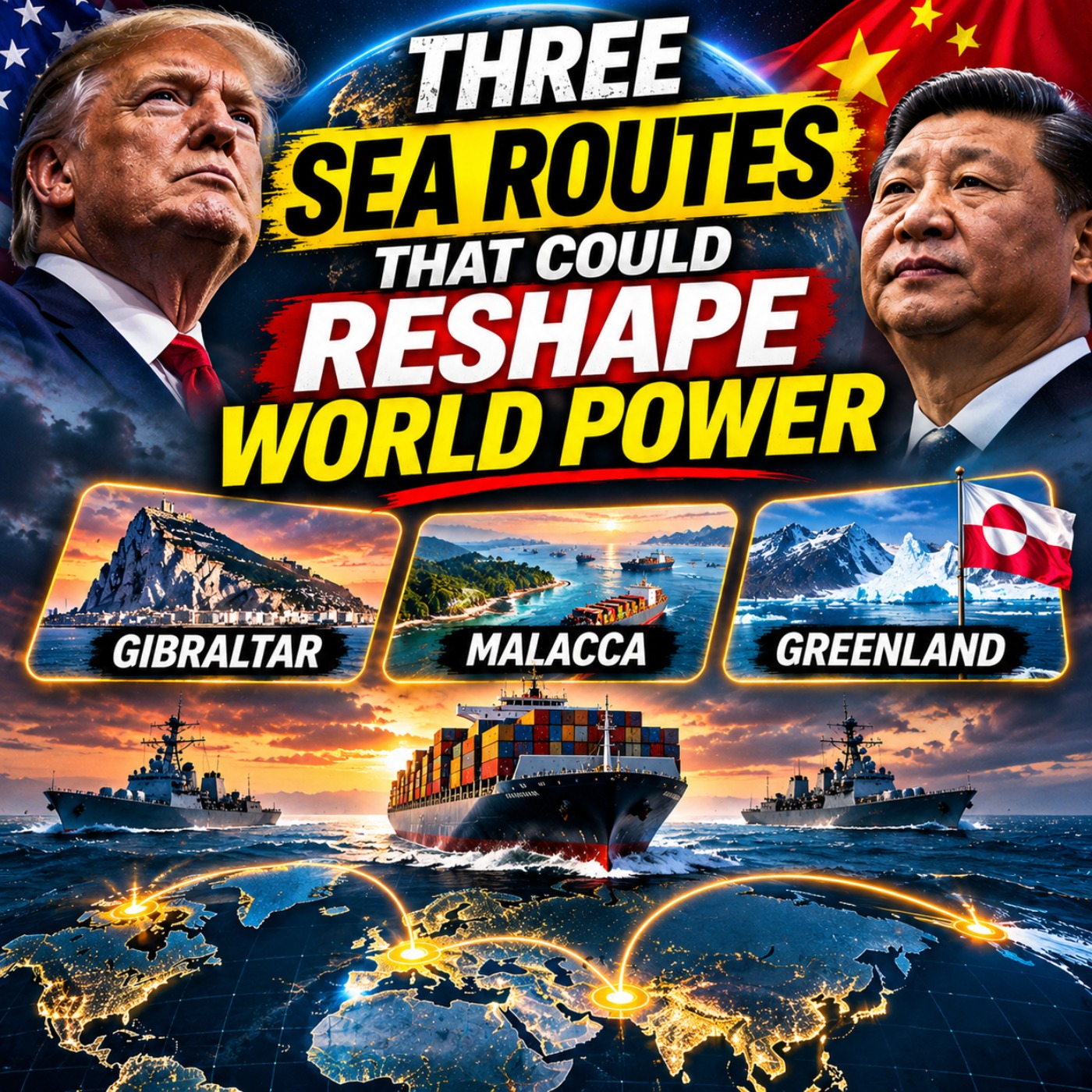
    Three Sea Routes That Could Reshape World Power

    What if the future of global power depends on just a few strategic sea routes? This episode examines the importance of Gibraltar, the Strait of Malacca, and Arctic shipping routes in the competition between major powers. From America's military partnerships to China's trade vulnerabilities and Greenland's geopolitical importance, the discussion explores how maritime access influences economic security. Could the next global power struggle be decided not by armies on land, but by control of the world's most important trade corridors? Gibraltar, Malacca and Greenland: The Next Flashpoints? Could the World's Trade Routes Decide China's Future? Hosted on Acast. See acast.com/privacy for more information.
  • November 13 · 21 min

    The Strait of Gibraltar: Who Could Control It?

    Why is the Strait of Gibraltar one of the most strategically important waterways on Earth? This episode explores the geopolitical significance of Ceuta, Morocco's territorial ambitions, Spain's sovereignty, and the maritime routes connecting the Atlantic Ocean to the Mediterranean. It also examines historical tensions, political lobbying, and competing theories about regional influence. Could control over strategic territory reshape the balance of power around one of the world's busiest shipping corridors? Why Ceuta Matters Far Beyond Spain Morocco, Spain and the World's Strategic Sea Gate geopolitical instability global power dynamics geopolitical tensions geopolitical events analysis red sea geopolitics Hosted on Acast. See acast.com/privacy for more information.

  • November 13 · 22 min

    Could Migration Tear the European Union Apart?

    Could migration pressure expose a deeper crisis within the European Union? This episode examines Europe's political divisions, the legacy of the 2015 refugee crisis, and the challenges of maintaining open borders during periods of instability. The discussion explores Spain's response, competing political narratives, demographic pressures, and controversial claims about migration being used as geopolitical leverage. Could Europe's greatest vulnerability be the very system designed to unite it? Europe's Border Dilemma: Can Schengen Survive? Why Spain's Border Crisis Could Spread Across Europe Hosted on Acast. See acast.com/privacy for more information.
  • November 13 · 20 min

    Ceuta on the Brink: Is Europe Facing a New Crisis?

    Spain's Border Shock: What Could Happen Next? The Ceuta Flashpoint: Why Europe Is on Edge Could a border crisis in Ceuta become a turning point for Europe? A controversial geopolitical analysis examines reports of migration pressure at the Spanish enclave, Morocco's strategic position, and the possibility that border movements could become tools of political pressure. From Spain's response to the wider implications for the European Union, this episode explores competing explanations for an increasingly sensitive geopolitical flashpoint. Is Ceuta merely a local border dispute—or part of a much bigger struggle for influence? Hosted on Acast. See acast.com/privacy for more information.
  • November 12 · 20 min

    If Civilization Collapses, What Really Matters?

    If the systems we depend on begin to fail, what will truly matter? In the final part of this New York discussion, explores the importance of self-sufficiency, personal relationships, imagination, and finding a meaningful purpose in life. Audience questions examine the environmental costs of AI data centers, growing food, coping with personal suffering, and the challenges of helping others question their worldview. He also reflects on his unconventional career, his refusal to compromise his principles, and his hopes for humanity beyond the current global order. A philosophical conclusion about resilience, freedom, and the future of civilization. The Wealth Money Can't Buy in a Collapsing World What Survives the End of the World as We Know It? geopolitical instability global power dynamics geopolitical tensions geopolitical events analysis red sea geopolitics Hosted on Acast. See acast.com/privacy for more information.
  • November 12 · 20 min

    Could Civilization Collapse Like the Bronze Age?

    The Wealth Money Can't Buy in a Collapsing World What Survives the End of the World as We Know It? If the systems we depend on begin to fail, what will truly matter? In the final part of this New York discussion, explores the importance of self-sufficiency, personal relationships, imagination, and finding a meaningful purpose in life. Audience questions examine the environmental costs of AI data centers, growing food, coping with personal suffering, and the challenges of helping others question their worldview. He also reflects on his unconventional career, his refusal to compromise his principles, and his hopes for humanity beyond the current global order. A philosophical conclusion about resilience, freedom, and the future of civilization. Hosted on Acast. See acast.com/privacy for more information.
  • November 12 · 20 min

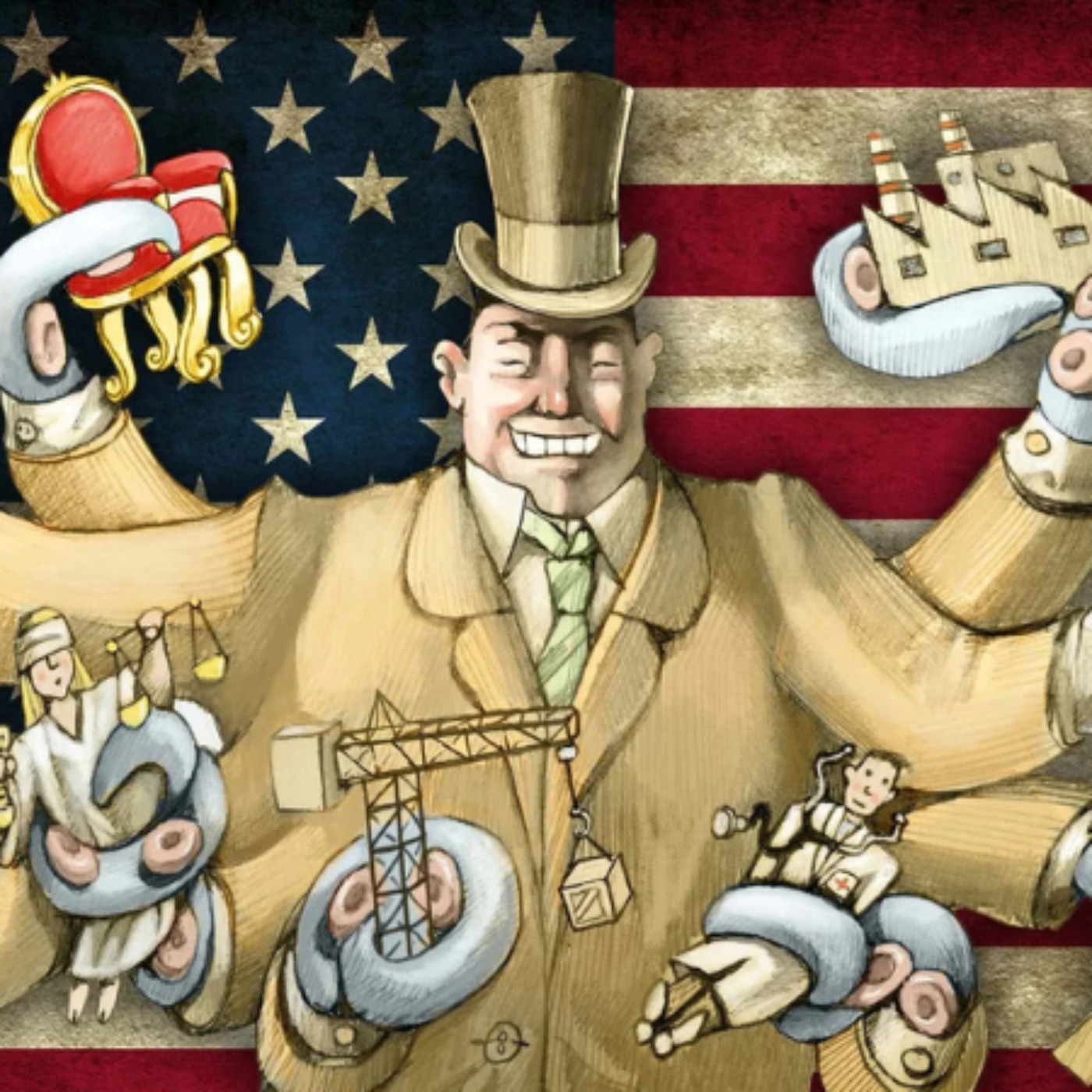
    The Zuckerberg Theory: Who Really Shapes Big Tech?

    The Mystery of Zuckerberg's Rise to Power Is Tech Power Built on More Than Just Money? How did Mark Zuckerberg become one of the most influential figures in the technology industry? He presents his controversial interpretation of the rise of Facebook and explores the intersection of Silicon Valley, religious communities, financial influence, and political power. The discussion also examines Israel's political future, spirituality, the changing position of China, and why Jang believes personal purpose matters more than conventional success. How much of modern technological power can be explained by innovation, business decisions, social networks, and historical circumstances? The episode presents speculative interpretations, not evidence of hidden coordination or wrongdoing. Hosted on Acast. See acast.com/privacy for more information.
  • November 12 · 20 min

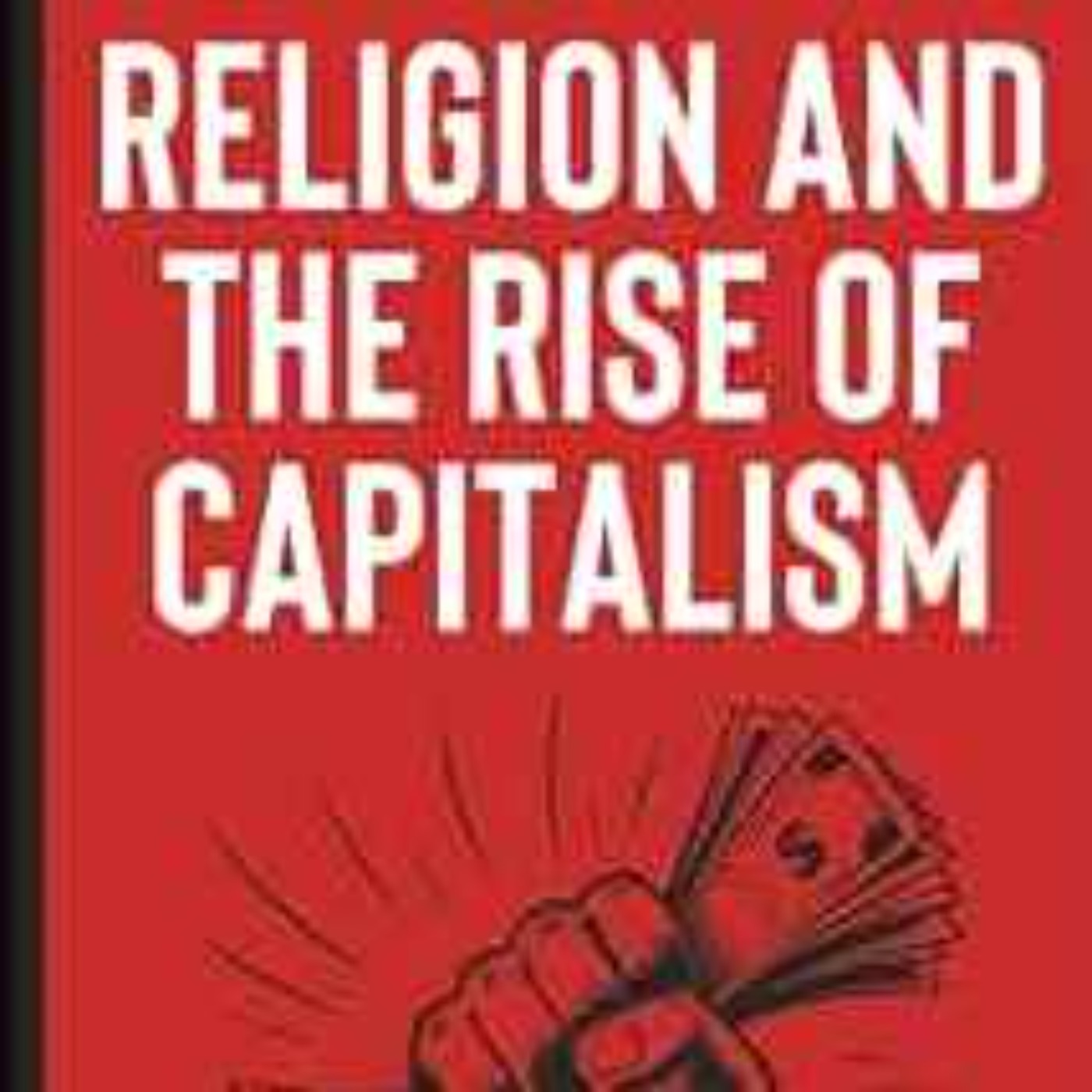
    The AI Bubble: Who Could Profit From a Crash?

    Will Big Tech Benefit if the AI Bubble Bursts? The AI Crash Scenario Nobody Wants to Discuss What happens if the artificial intelligence investment boom suddenly collapses? He examines the possibility of an AI financial bubble, the enormous costs of data centers, and whether major technology companies could benefit from government intervention during a crisis. The discussion explores financial speculation, economic instability, and the relationship between Silicon Valley and Washington. Could an AI market crash reshape the balance of power between governments, investors, and technology giants? The episode also explores competing geopolitical visions, the future of the US dollar system, and the importance of human relationships in an uncertain world. These are speculative scenarios, not confirmed predictions. geopolitical instability global power dynamics geopolitical tensions geopolitical events analysis red sea geopolitics Hosted on Acast. See acast.com/privacy for more information.
  • November 11 · 20 min

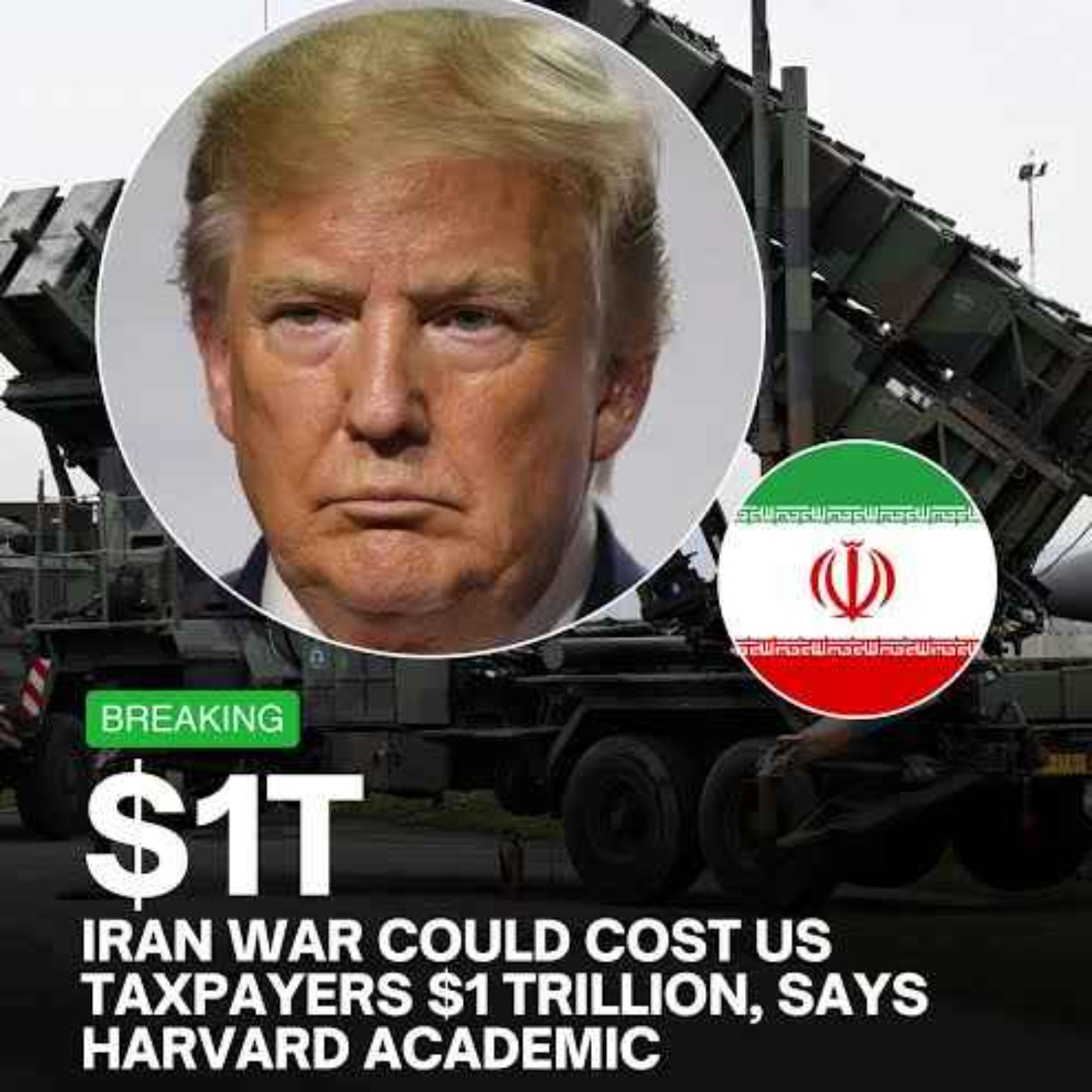
    Why Destruction Could Be Capitalism's Best Investment

    Is War the Most Profitable Business in the World? Why the Iran War Could Reshape Global Wealth He explores his controversial theory that capitalism operates through recurring cycles of expansion, destruction, and reconstruction. The conversation examines the relationship between warfare, wealth, political power, and the movement of capital across the world. He also discusses China's economic vulnerabilities, the possibility of greater financial isolation, and the growing role of artificial intelligence in society. Can economic destruction create opportunities for powerful investors while ordinary people bear the costs? A challenging discussion of global capitalism and its possible future. Hosted on Acast. See acast.com/privacy for more information.
  • November 11 · 21 min

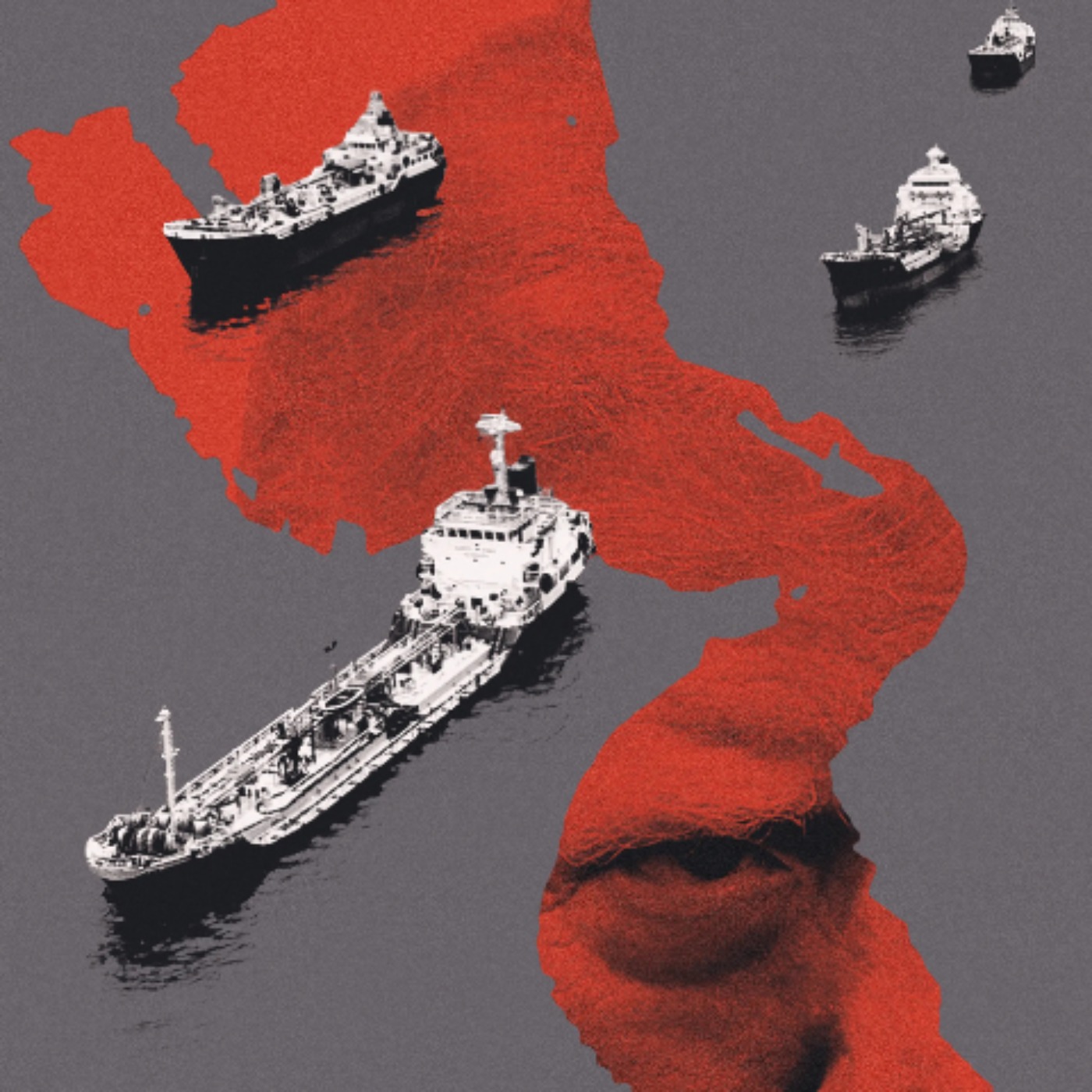
    Does Capitalism Have a Hidden Religion?

    The Secret Society Theory Behind Global Capitalism Freemasonry, Capitalism and the End Times Does the modern economic system have a deeper philosophical or religious foundation? He explores the history of Freemasonry, transnational capitalism, the Enlightenment, and the relationship between reason, wealth, and political influence. He then examines Kabbalistic traditions and controversial interpretations of biblical prophecy, including the Third Temple and the war of Gog and Magog. Could apocalyptic beliefs influence how some political movements understand modern conflicts? This episode examines speculative interpretations of history and religion, distinguishing his theories from established evidence. Hosted on Acast. See acast.com/privacy for more information.
  • November 11 · 22 min

    Could a $2 Trillion Deal End the Iran War?

    Iran, the End Times and the Origins of Capitalism What the Iran War Reveals About Global Capitalism What if ending the Iran war required a completely different economic strategy? He presents a provocative proposal involving a $2 trillion financial arrangement, before exploring why he believes the conflict is connected to religious expectations about the end times. The discussion then travels through centuries of economic history, from Calvinism and the Dutch Republic to the Glorious Revolution and the Bank of England. How did modern capitalism emerge, and what does its history reveal about today's global conflicts? A provocative exploration of money, religion, historical power, and geopolitical strategy. Hosted on Acast. See acast.com/privacy for more information.
  • November 11 · 20 min

    The Iran War's Hidden Threat to the US Economy

    Could Iran Trigger the Next Global Financial Crisis? How the Iran War Could Shake the Dollar System Could the Iran war trigger a global financial crisis? In this explosive geopolitical lecture,He examines how the global economy depends on Middle Eastern energy, Asian manufacturing, and the US dollar. He explores the risks of disrupted shipping routes, Japan's financial system, the yen carry trade, Wall Street, and America's dependence on international capital. Could a regional conflict set off a chain reaction that threatens the entire global financial system? An examination of economic interdependence, imperial decline, and Jang's controversial predictions about America's future. Hosted on Acast. See acast.com/privacy for more information.

  • November 10 · 21 min

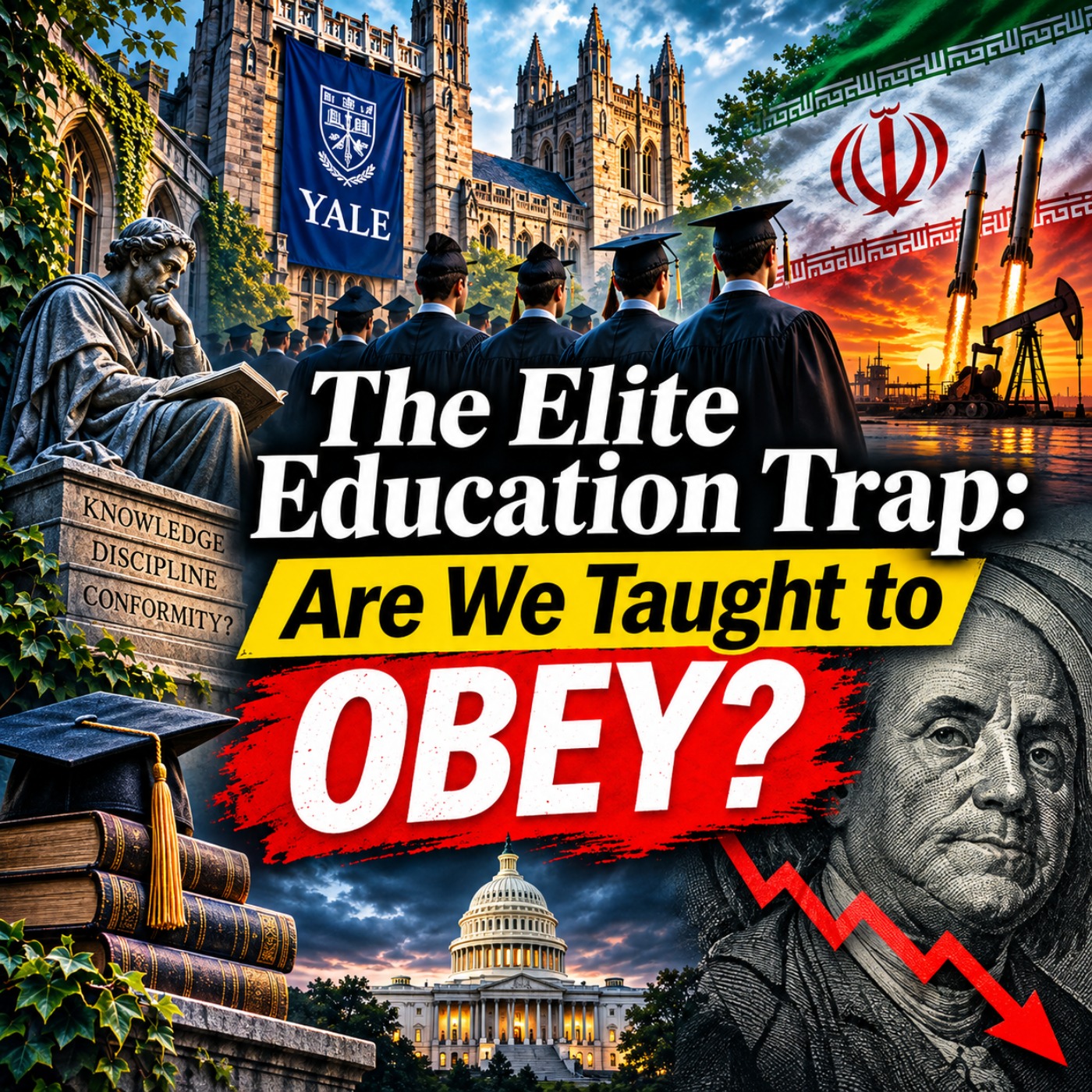
    The Elite Education Trap: Are We Taught to Obey?

    What if the institutions designed to create society's most successful people are also teaching them to stop questioning authority? In the final part of this discussion, Professor Jang reflects on his experience at Yale, the psychological pressure of elite education, and the conflict between personal ambition and individual freedom. He challenges conventional ideas about achievement, career success, and institutional prestige, while sharing his personal journey through periods of uncertainty and self-discovery. The conversation also examines his predictions about US elections, the Iran conflict, and the direction of American foreign policy. Finally, Jang questions the future of traditional schooling, the declining purchasing power of money, and why younger generations may be losing faith in the economic system. Topics: Ivy League, Yale University, education system, critical thinking, elite institutions, Iran war, US politics, economic collapse, generational inequality. This episode presents personal experiences, controversial opinions, and predictions that should not be mistaken for verified facts. Hosted on Acast. See acast.com/privacy for more information.

Showing 61–80 of 197 episodes