Skip to content
Artwork for The Geopolitical Blueprint
Society & CultureHistoryEducation

The Geopolitical Blueprint

The Geopolitical Blueprint

Welcome to The Geopolitical Blueprint, your ultimate guide to understanding the hidden forces shaping our world. By analyzing macro history, cyclical patterns, and current global events, this podcast deconstructs complex geopolitical shifts into clear, actionable insights.


In each episode, we look past the daily headlines to examine the deep historical and structural trends driving international relations, economics, and global power dynamics. Whether you are interested in future predictions, regional conflicts, or macro-historical cycles, this show provides the blueprints you need to make sense of tomorrow's world.


Hosted on Acast. See acast.com/privacy for more information.

Play
  • 123 episodes
  • daily
  • Avg 31 min
  • English
Counted on this page — what you have heard stays on this device, so it is not something the list can be paged by.
  • Today · 20 min

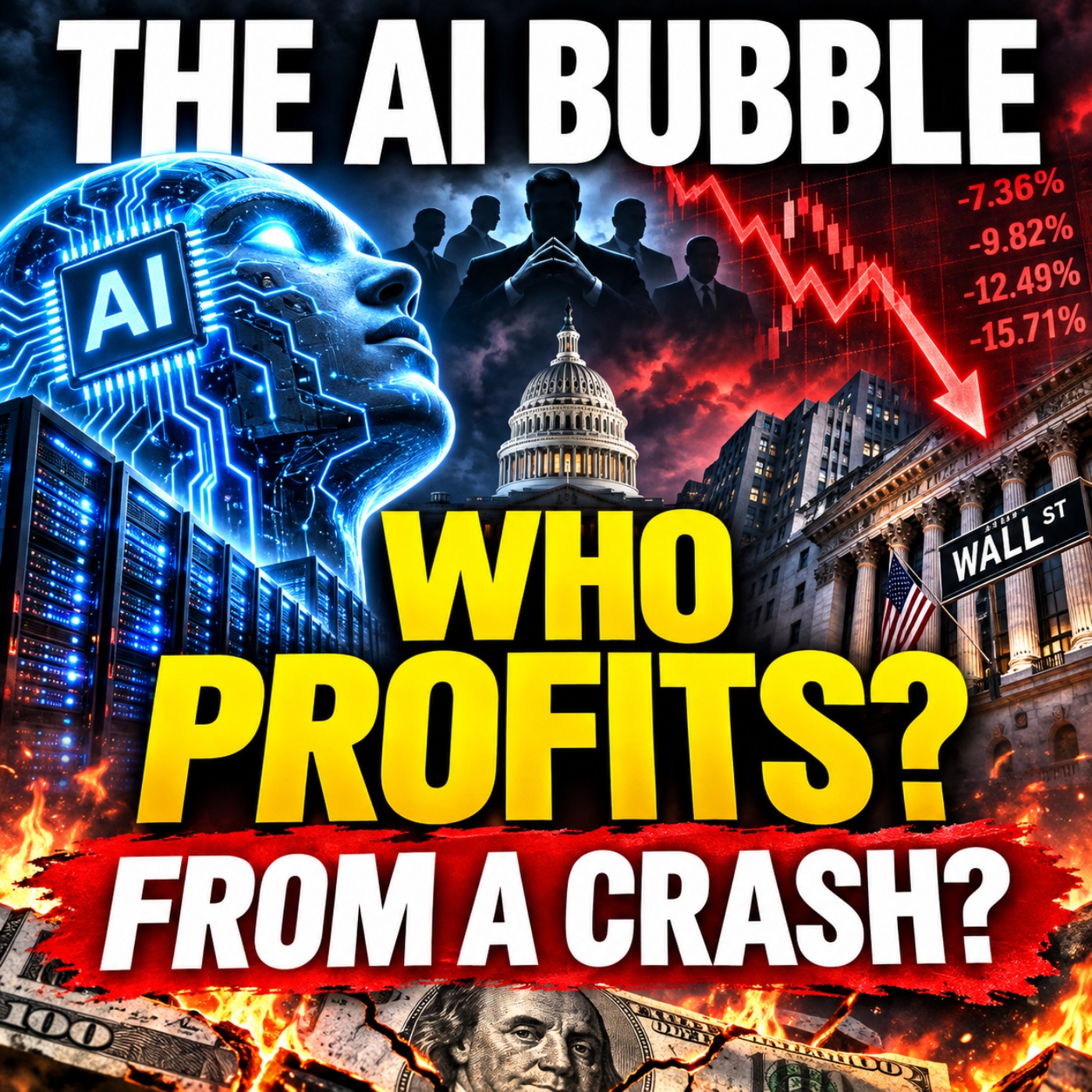
    The AI Bubble: Who Could Profit From a Crash?

    Will Big Tech Benefit if the AI Bubble Bursts? The AI Crash Scenario Nobody Wants to Discuss What happens if the artificial intelligence investment boom suddenly collapses? He examines the possibility of an AI financial bubble, the enormous costs of data centers, and whether major technology companies could benefit from government intervention during a crisis. The discussion explores financial speculation, economic instability, and the relationship between Silicon Valley and Washington. Could an AI market crash reshape the balance of power between governments, investors, and technology giants? The episode also explores competing geopolitical visions, the future of the US dollar system, and the importance of human relationships in an uncertain world. These are speculative scenarios, not confirmed predictions. geopolitical instability global power dynamics geopolitical tensions geopolitical events analysis red sea geopolitics Hosted on Acast. See acast.com/privacy for more information.
  • Yesterday · 20 min

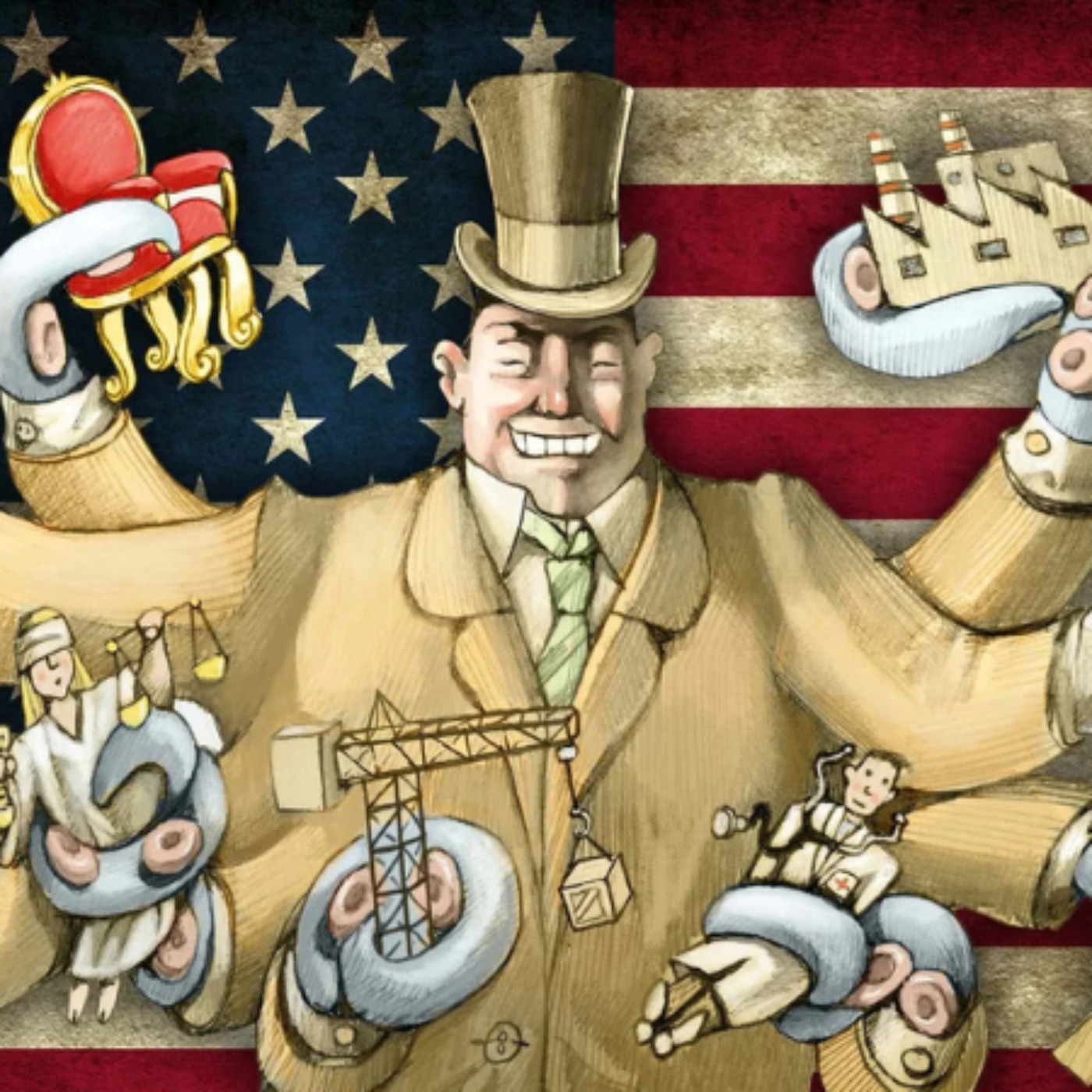
    Why Destruction Could Be Capitalism's Best Investment

    Is War the Most Profitable Business in the World? Why the Iran War Could Reshape Global Wealth He explores his controversial theory that capitalism operates through recurring cycles of expansion, destruction, and reconstruction. The conversation examines the relationship between warfare, wealth, political power, and the movement of capital across the world. He also discusses China's economic vulnerabilities, the possibility of greater financial isolation, and the growing role of artificial intelligence in society. Can economic destruction create opportunities for powerful investors while ordinary people bear the costs? A challenging discussion of global capitalism and its possible future. Hosted on Acast. See acast.com/privacy for more information.
  • Yesterday · 21 min

    Does Capitalism Have a Hidden Religion?

    The Secret Society Theory Behind Global Capitalism Freemasonry, Capitalism and the End Times Does the modern economic system have a deeper philosophical or religious foundation? He explores the history of Freemasonry, transnational capitalism, the Enlightenment, and the relationship between reason, wealth, and political influence. He then examines Kabbalistic traditions and controversial interpretations of biblical prophecy, including the Third Temple and the war of Gog and Magog. Could apocalyptic beliefs influence how some political movements understand modern conflicts? This episode examines speculative interpretations of history and religion, distinguishing his theories from established evidence. Hosted on Acast. See acast.com/privacy for more information.
  • Yesterday · 22 min

    Could a $2 Trillion Deal End the Iran War?

    Iran, the End Times and the Origins of Capitalism What the Iran War Reveals About Global Capitalism What if ending the Iran war required a completely different economic strategy? He presents a provocative proposal involving a $2 trillion financial arrangement, before exploring why he believes the conflict is connected to religious expectations about the end times. The discussion then travels through centuries of economic history, from Calvinism and the Dutch Republic to the Glorious Revolution and the Bank of England. How did modern capitalism emerge, and what does its history reveal about today's global conflicts? A provocative exploration of money, religion, historical power, and geopolitical strategy. Hosted on Acast. See acast.com/privacy for more information.
  • Yesterday · 20 min

    The Iran War's Hidden Threat to the US Economy

    Could Iran Trigger the Next Global Financial Crisis? How the Iran War Could Shake the Dollar System Could the Iran war trigger a global financial crisis? In this explosive geopolitical lecture,He examines how the global economy depends on Middle Eastern energy, Asian manufacturing, and the US dollar. He explores the risks of disrupted shipping routes, Japan's financial system, the yen carry trade, Wall Street, and America's dependence on international capital. Could a regional conflict set off a chain reaction that threatens the entire global financial system? An examination of economic interdependence, imperial decline, and Jang's controversial predictions about America's future. Hosted on Acast. See acast.com/privacy for more information.
  • Tuesday · 21 min

    The Elite Education Trap: Are We Taught to Obey?

    What if the institutions designed to create society's most successful people are also teaching them to stop questioning authority? In the final part of this discussion, Professor Jang reflects on his experience at Yale, the psychological pressure of elite education, and the conflict between personal ambition and individual freedom. He challenges conventional ideas about achievement, career success, and institutional prestige, while sharing his personal journey through periods of uncertainty and self-discovery. The conversation also examines his predictions about US elections, the Iran conflict, and the direction of American foreign policy. Finally, Jang questions the future of traditional schooling, the declining purchasing power of money, and why younger generations may be losing faith in the economic system. Topics: Ivy League, Yale University, education system, critical thinking, elite institutions, Iran war, US politics, economic collapse, generational inequality. This episode presents personal experiences, controversial opinions, and predictions that should not be mistaken for verified facts. Hosted on Acast. See acast.com/privacy for more information.
  • Tuesday · 20 min

    Zuckerberg, Netanyahu and the Messiah Theory

    What happens when political power, religious belief, and the technology industry intersect? He explores a controversial theory involving influential political figures, technology leaders, religious movements, and the role of messianic expectations in public life. The discussion references Benjamin Netanyahu, Mark Zuckerberg, Jared Kushner, religious leadership, political donors, and historical connections that Jang interprets through a spiritual and geopolitical framework. The conversation then turns toward a deeper philosophical question: Is organized religion the future of civilization, or will individual spirituality become more important? He also discusses his evolving understanding of God, the concept of the Monad, and his approach to organizing historical information through narrative and memory techniques. Topics: Netanyahu, Zuckerberg, religion and politics, messianism, spiritual philosophy, Silicon Valley, political influence, consciousness, memory palace. The connections and interpretations discussed are speculative. Personal or religious associations alone do not establish coordinated political activity or wrongdoing. Hosted on Acast. See acast.com/privacy for more information.
  • Tuesday · 22 min

    Who Benefits When America's Empire Unravels?

    When powerful institutions make disastrous decisions, who ultimately pays the price—and who benefits? In this segment, he argues that the underlying weaknesses exposed by the 2008 financial crisis were never fully resolved. He questions the influence of elite universities, Wall Street, and political networks on America's economic and foreign policy decisions. The discussion then shifts to the Middle East, examining the strategic relationships between the United States, Saudi Arabia, Turkey, Pakistan, Israel, Iraq, and Iran. He also analyzes the controversial 1996 Clean Break policy paper and its possible relevance to the Iraq War and subsequent regional conflicts. Were decades of geopolitical decisions driven by American strategic interests, competing regional agendas, or something more complex? Topics: Wall Street, 2008 financial crisis, American empire, Iraq War, Clean Break, Iran, Israel, Middle East geopolitics, elite power, foreign policy. The episode distinguishes historical events from the speaker's interpretations and allegations, which should not be treated as independently verified conclusions. Hosted on Acast. See acast.com/privacy for more information.
  • Tuesday · 21 min

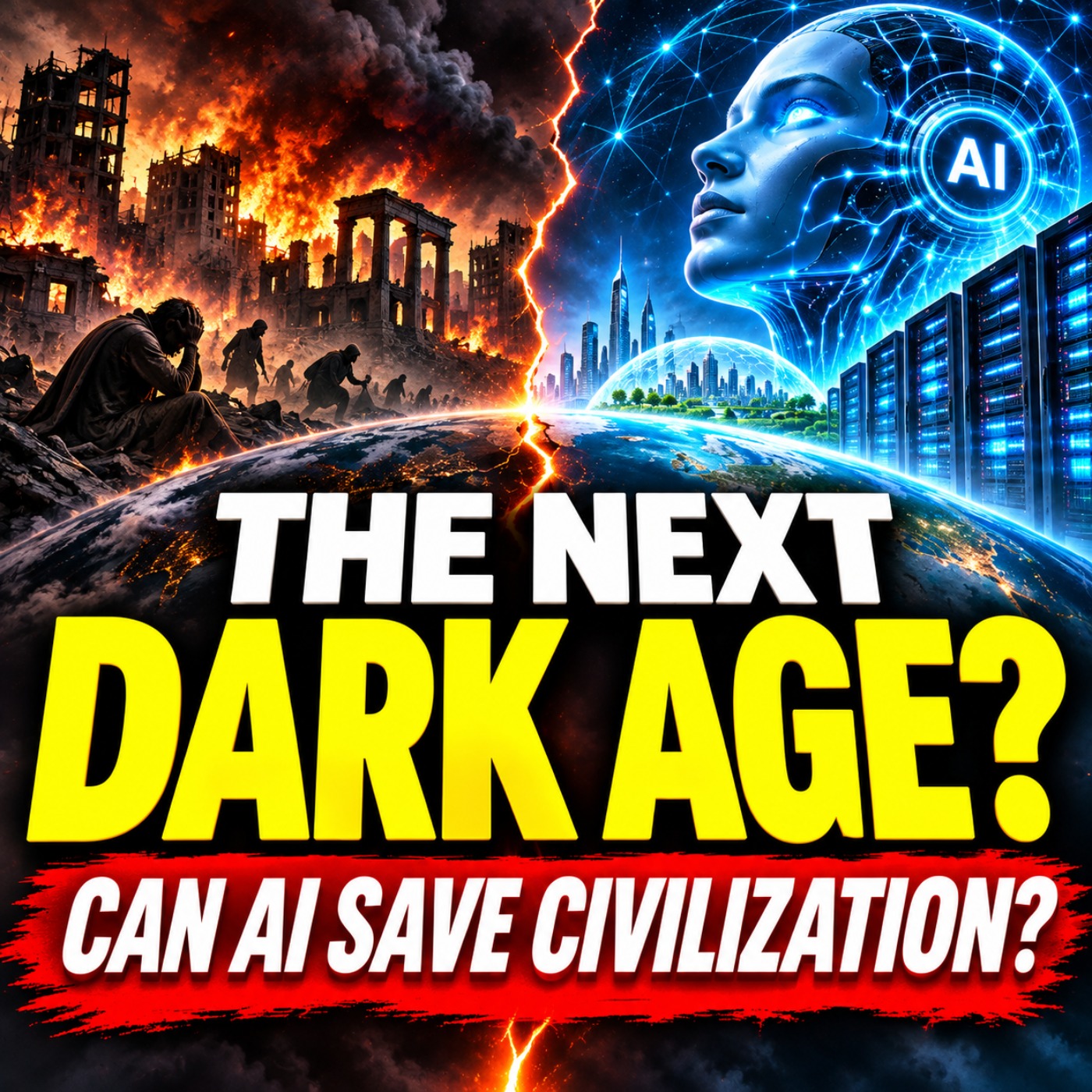
    The Next Dark Age: Can AI Save Civilization?

    What if the collapse of a civilization is not the end of history, but the beginning of something entirely new? Explores why empires rise and fall, whether powerful interests can accelerate historical change, and why some technology leaders are fascinated by Isaac Asimov's Foundation series. Could artificial intelligence help humanity escape the next dark age—or create a different kind of future? The conversation also examines the growing divide between materialism and spirituality, the meaning of human consciousness, the importance of family, and why traditional religion may experience a resurgence during periods of instability. Is humanity heading toward a new era of technological control, spiritual awakening, or both? Topics: AI, civilization collapse, dark ages, Elon Musk, Peter Thiel, technological change, religion, philosophy, consciousness, future of humanity. Historical interpretations, spiritual beliefs, and speculative predictions are discussed as the speaker's perspectives. Hosted on Acast. See acast.com/privacy for more information.
  • Monday · 21 min

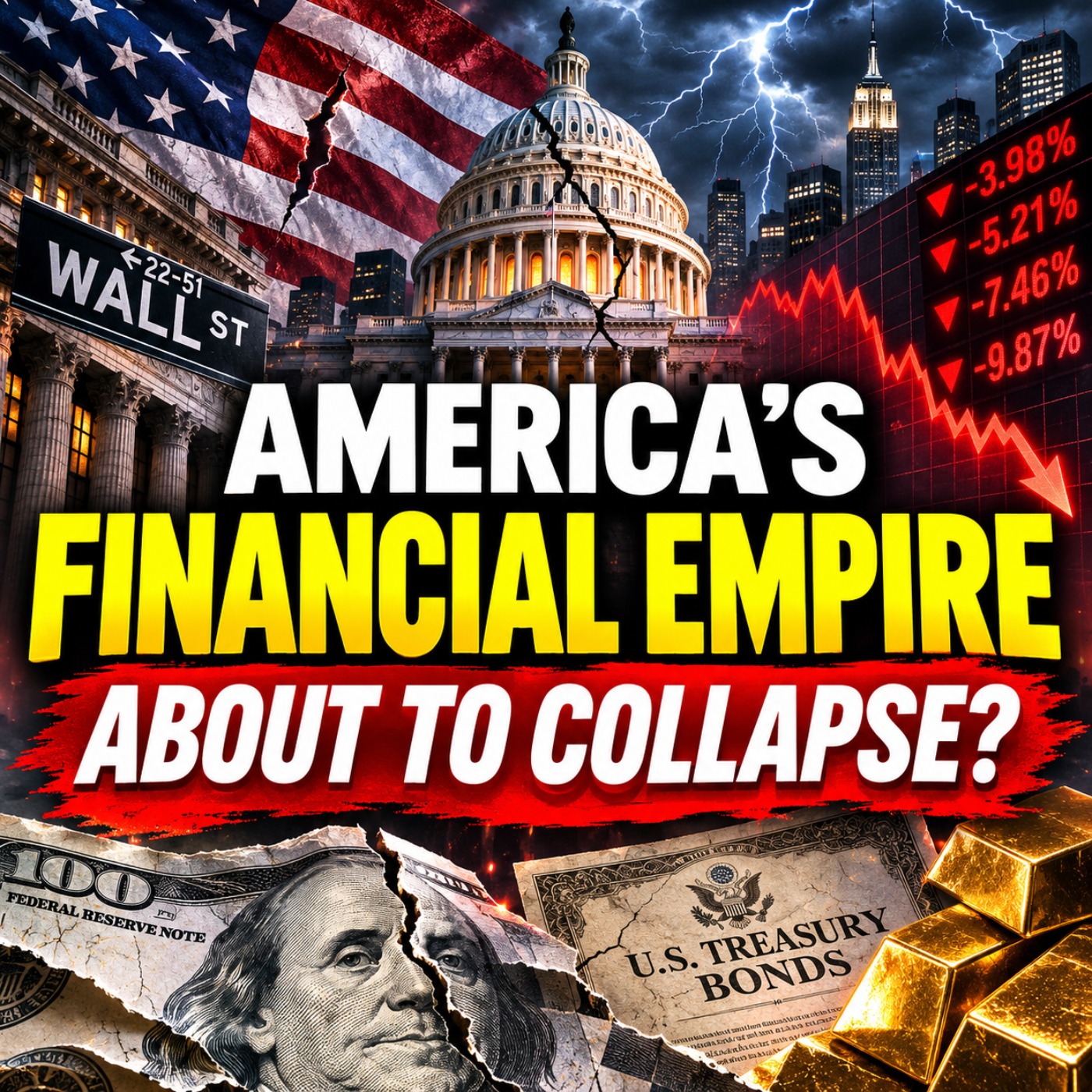
    Is America's Financial Empire About to Collapse?

    Is America's global financial empire approaching its breaking point? In this thought-provoking lecture, he examines the rise of American economic dominance, the Bretton Woods system, the end of the gold standard, and the transformation of the United States from an industrial powerhouse into a financial superpower. From Wall Street and the 2008 financial crisis to Russia, Iran, Japan's currency crisis, and the AI investment boom, he explores the pressures threatening the global economic order. He also identifies three forces he believes are driving imperial decline: financialization, expanding bureaucracy, and competition between powerful elites. Could the financial system that shaped the modern world be entering its final chapter? Topics: American decline, US dollar, economic collapse, geopolitics, Bretton Woods, financial crisis, AI bubble, Wall Street, global economy. This episode explores the speaker's analysis and predictions, not established forecasts. Hosted on Acast. See acast.com/privacy for more information.
  • Monday · 20 min

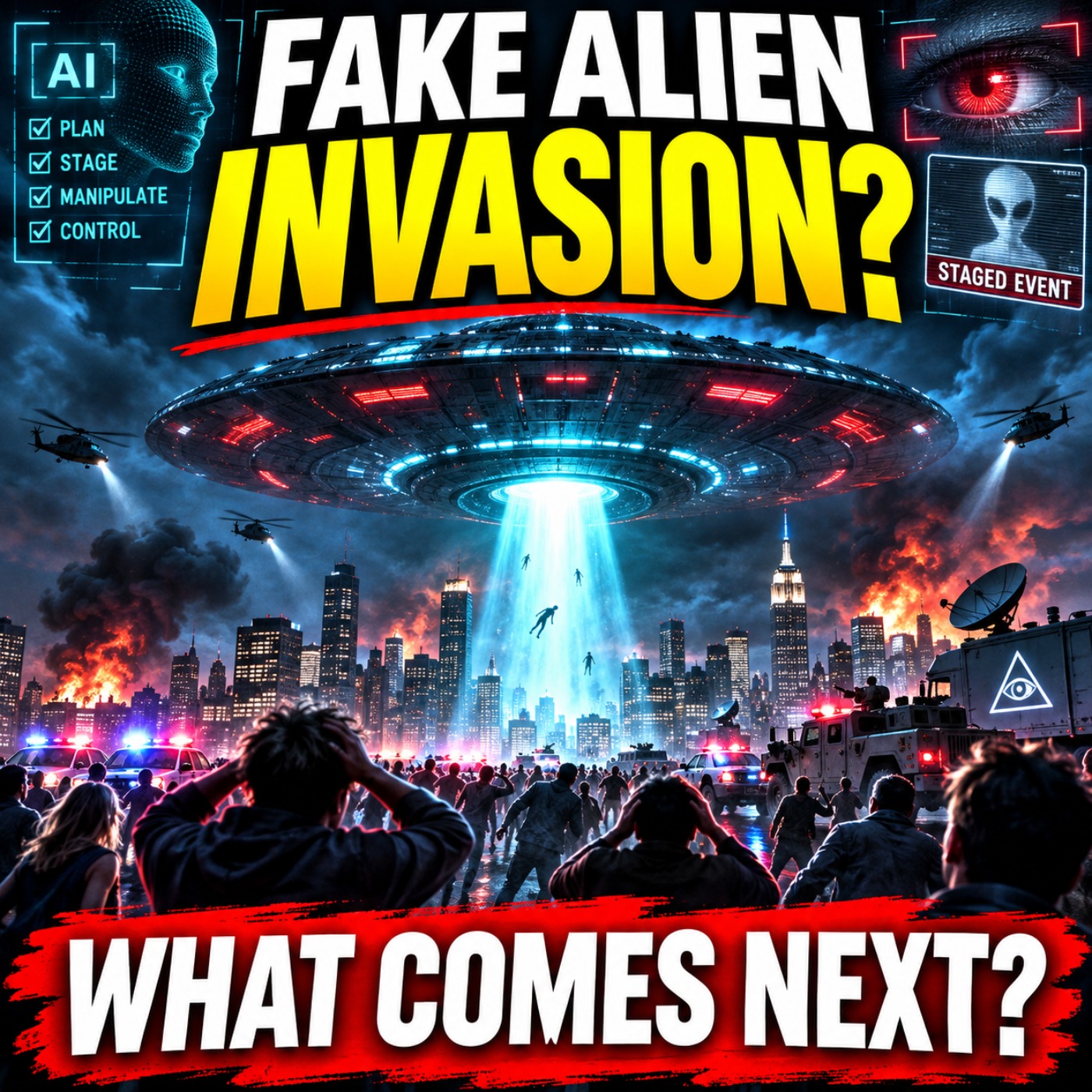
    The Fake Alien Invasion: What Comes Next?

    Iran's Energy Shock: Could It Trigger Global Collapse? Iran, Energy Crisis & Global Collapse Could AI Surveillance Follow a Fake Alien Invasion? Is the End of Civilization Part of a Divine Plan? A War for the End Times? The Iran Prophecy The Coming Energy Crisis: Why He Fears Famine Hosted on Acast. See acast.com/privacy for more information.

  • Monday · 21 min

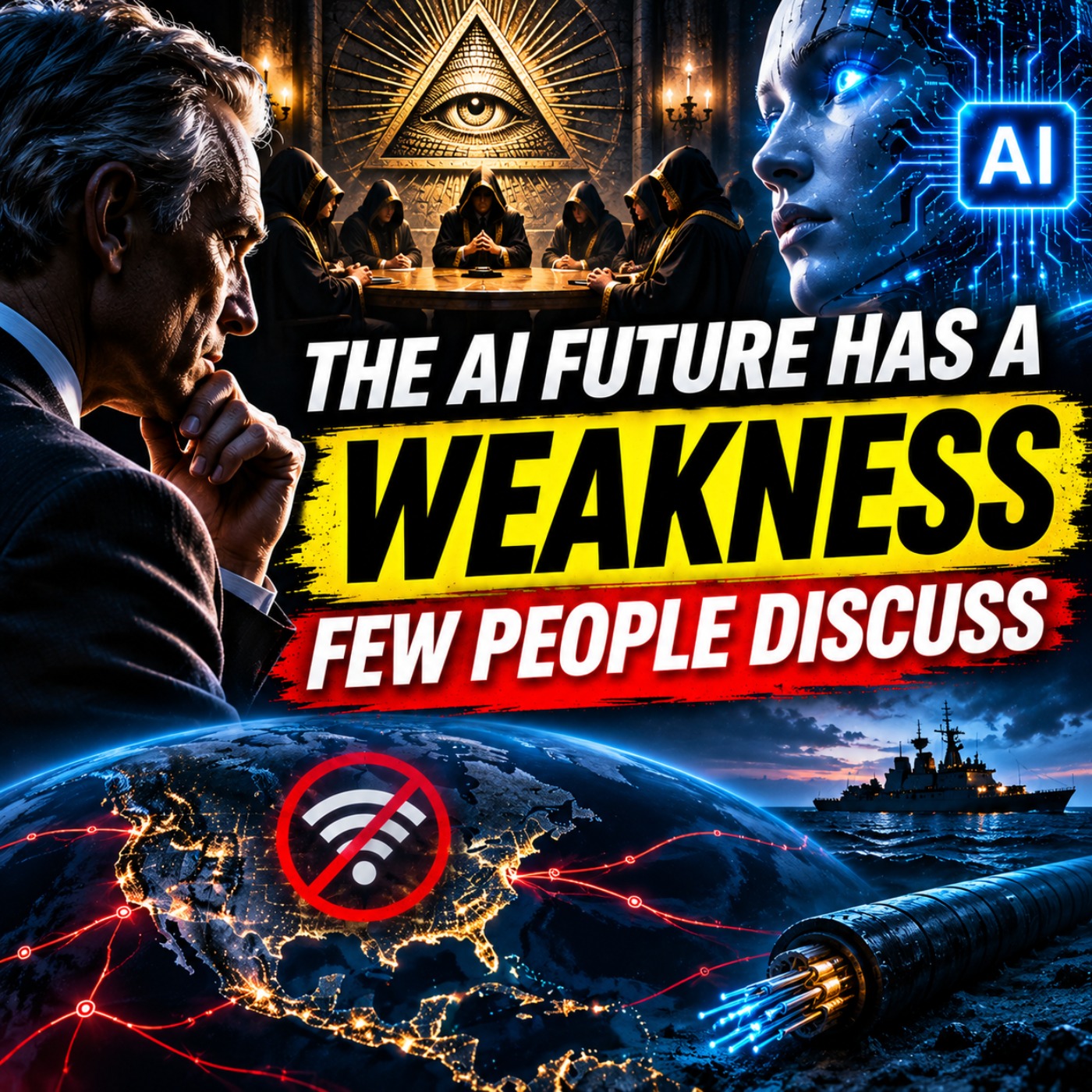
    The AI Future Has a Weakness Few People Discuss

    he Meritocracy Trap: Who Really Gets Ahead? What Happens When AI Replaces Money as Motivation? Why Your Attention Is Worth More Than Money What If War Severed Critical Internet Cables? Who Controls Your Mind? The Occult Power Theory Hosted on Acast. See acast.com/privacy for more information.
  • Monday · 20 min

    Are Schools Teaching Children to Stop Thinking?

    Why Schools Are Failing Our Children Freedom, Children and the Price of Fitting In Explores his criticism of academia and journalism, why he chose teaching, his vision of education based on nature and community, and his controversial arguments about immigration and transnational capitalism. Why Your Attention Is Worth More Than Money The Meritocracy Trap: Who Really Gets Ahead? What Happens When AI Replaces Money as Motivation? Hosted on Acast. See acast.com/privacy for more information.
  • Sunday · 21 min

    Why He Thinks the Elites Won't Try to Silence Him

    From Yale to Prophecy: The Story Behind His Mission Can Anyone Stop the Collapse? His Surprising Answer Covers his theories about elites, his personal struggles, Yale, possible intelligence-service influence, and why he believes his predictions cannot change history. Hosted on Acast. See acast.com/privacy for more information.
  • Sunday · 22 min

    Is Trump Building an AI Empire? The Technate Theory

    Could AI Turn the U.S. President Into a King? An AI Hub Beneath Trump's Ballroom? The Theory Question about eschatology and the future of America abd speculative interpretation of Freemasonry, AI, the technate, a possible imperial presidency, Trump's supposed messianic self-image, and religious motivations behind geopolitics. Hosted on Acast. See acast.com/privacy for more information.
  • Sunday · 20 min

    America's Next Civil War? The AI Collapse Scenario

    Moves into political violence, economic collapse, mass unemployment, AI surveillance, America's possible fragmentation, and why Texas might become the country's new center of power. Hosted on Acast. See acast.com/privacy for more information.

  • Sunday · 21 min

    Trump's Third Term? The Prediction That Changes Everything

    Predictions for America's next 50 years. Explores Trump's possible third term, American imperial strategy, Augustus Caesar, control of the Western Hemisphere, and a predicted religious transformation. American Prophecy. Hosted on Acast. See acast.com/privacy for more information.

  • Saturday · 20 min

    Why Does Everyone Think a One-World Government Is Coming?

    Inside the Global Obsession With a One-World Government The Psychology of the One-World Government Why Does Everyone Think a One-World Government Is Coming? Geopolitik Hosted on Acast. See acast.com/privacy for more information.
Showing 1–20 of 123 episodes