Skip to content
Artwork for The Geopolitical Blueprint
Society & CultureHistoryEducation

The Geopolitical Blueprint

The Geopolitical Blueprint

Welcome to The Geopolitical Blueprint, your ultimate guide to understanding the hidden forces shaping our world. By analyzing macro history, cyclical patterns, and current global events, this podcast deconstructs complex geopolitical shifts into clear, actionable insights.


In each episode, we look past the daily headlines to examine the deep historical and structural trends driving international relations, economics, and global power dynamics. Whether you are interested in future predictions, regional conflicts, or macro-historical cycles, this show provides the blueprints you need to make sense of tomorrow's world.


Hosted on Acast. See acast.com/privacy for more information.

Play
  • 183 episodes
  • daily
  • Avg 28 min
  • English
Counted on this page — what you have heard stays on this device, so it is not something the list can be paged by.
  • Saturday · 20 min

    AI Bailout: Who Pays When the Bubble Bursts?

    Could the next major financial crisis begin with artificial intelligence? As technology companies invest enormous sums in AI infrastructure, growing questions surround profitability, government intervention, and who might ultimately bear the financial risks. This episode examines controversial predictions about AI bailouts, the expanding role of government in technology, and fears of a future surveillance economy. The discussion also explores unverified claims about Iran's nuclear capabilities, the risk of further military escalation, digital currencies, and the possibility of a broader economic downturn. Could artificial intelligence become essential public infrastructure—and what would that mean for ordinary citizens? An examination of financial risk, geopolitical uncertainty, and the future of technological power. The AI Bubble's Endgame: A Taxpayer Rescue? AI, Iran and the Next Financial Crisis: What's Next? Hosted on Acast. See acast.com/privacy for more information.

  • Friday · 21 min

    The Information War: Can You Trust Your News Feed?

    How much of what you see online can you actually trust? In a world flooded with breaking news, political narratives, AI-generated content, and competing geopolitical claims, separating reality from misinformation has become increasingly difficult. This episode takes a closer look at how news stories are selected, questioned, and interpreted. From tensions involving China and Japan to allegations surrounding intelligence agencies, influential media figures, and America's changing military strategy, the discussion explores the dangers of drawing conclusions from incomplete information. Are we becoming better informed—or simply easier to influence? An exploration of critical thinking, information warfare, and the search for truth. How to Spot Fake News Before It Shapes Your Mind Who Controls the Narrative? Media, Power and AI Hosted on Acast. See acast.com/privacy for more information.
  • Friday · 20 min

    Candace Owens in Russia: What Is She Trying to Do? Copy title

    Why did Candace Owens visit Russia—and what could her growing influence mean? This episode explores the relationship between religion, independent media, political influence, and the changing role of powerful public personalities. The discussion examines competing interpretations of Owens' visit, relations between Catholic and Orthodox Christianity, and broader questions about how influential figures shape public opinion. It also turns to Peter Thiel, Argentina, AI investment, government bailouts, and the power of international financial networks. Are influential media personalities simply reflecting cultural change—or helping shape what comes next? Candace Owens, Russia and the Battle for Belief Who Shapes Global Influence? Russia, AI and Money Hosted on Acast. See acast.com/privacy for more information.
  • Friday · 20 min

    Pentagon vs. Israel? The Section 224 Controversy

    Why are tensions emerging over military cooperation between the United States and Israel? This episode investigates the controversy surrounding Section 224, reported Pentagon concerns about Israeli intelligence activities, and the debate over expanding US–Israel defense technology cooperation. The discussion also examines protests against a Trump family-linked luxury resort in Albania, the possibility of greater government involvement in artificial intelligence, and Candace Owens' visit to Russia. Could these seemingly unrelated developments reveal deeper changes in the relationships between political power, technology, and international influence? A provocative geopolitical analysis separating reported events from competing interpretations and predictions. The Pentagon's Israel Spy Concerns: Why Now? Israel, AI and the Hidden Struggle for US Power Hosted on Acast. See acast.com/privacy for more information.
  • Friday · 20 min

    Who Controls the Future? AI, Freedom and the Human Mind

    Who will shape humanity's future in a world increasingly influenced by artificial intelligence and digital surveillance? The final discussion explores controversial theories about ancient civilizations, human consciousness, and whether modern education is limiting our natural curiosity. The conversation then examines the risks of AI-powered surveillance, private network states, technological control, and the changing relationship between individuals and institutions. But it also raises a more personal question: How can ordinary people reclaim their independence, discover their purpose, and help build a better future? An exploration of freedom, technology, education, and the possibilities of human consciousness. Can We Escape the AI Surveillance State? The Future of Humanity: Control or Freedom? Hosted on Acast. See acast.com/privacy for more information.
  • Friday · 20 min

    The Lost Art of Thinking: Dante, History and Truth

    Have we forgotten how to think deeply in an age of endless information? From Dante's Divine Comedy to classical history, this episode explores why language, translation, literature, and philosophical study can transform the way we understand ourselves and the world. The conversation examines independent learning, intellectual curiosity, the limitations of conventional education, and competing visions of civilization's future. Could rediscovering the great books help us question modern assumptions and develop a more independent understanding of history, power, and human nature? What Ancient Books Reveal About the Modern World Why Reading the Great Books Changes Everything Hosted on Acast. See acast.com/privacy for more information.
  • Thursday · 23 min

    Can We Predict the Future? Science, History and Fear

    Can history help us recognize the warning signs of major world events before they happen? A wide-ranging discussion brings together scientific thinking, medical research, historical patterns, and the challenge of making accurate predictions about an uncertain future. The conversation also examines controversial theories about Hollywood, fictional disasters, and whether popular culture shapes the fears and expectations of entire societies. Where should we draw the line between meaningful patterns, coincidence, and speculation? An exploration of critical thinking, prediction, and the human desire to understand what comes next. The Signs of Collapse: Can History Warn Us in Time? Hollywood, History and the Fear of What's Next Hosted on Acast. See acast.com/privacy for more information.
  • Thursday · 20 min

    What Matters When Empires Fall? War, Wealth and Family

    What happens when a civilization becomes obsessed with money, power, and short-term survival? This episode explores the economic interests surrounding modern warfare, the dependence of industrial societies on cheap energy, and the tension between financial ambition and human purpose. The discussion also examines family, love, religious visions of the future, and why some people believe that creating a better civilization requires an entirely different approach to education. Could the greatest struggle of our time be not for wealth or territory—but for the meaning of human life itself? The Hidden Cost of War: What Really Matters? Why Money and Power May Not Save Civilization Hosted on Acast. See acast.com/privacy for more information.
  • Thursday · 20 min

    Trump's Third Term? Politics, Power and Belief

    Could Donald Trump find a constitutional path to another term in office? This episode examines the debate surrounding America's presidential term limits, the Twelfth and Twenty-Second Amendments, and competing interpretations of political power. The conversation also ventures into occult traditions, ritual symbolism, political polarization, social media algorithms, and the decline of trust in institutions. Why are modern societies becoming increasingly divided—and how do political, cultural, and spiritual beliefs influence the way people understand power? Could Trump Run Again? The Constitutional Question Why Politics Is Becoming a Battle of Beliefs Hosted on Acast. See acast.com/privacy for more information.
  • Thursday · 20 min

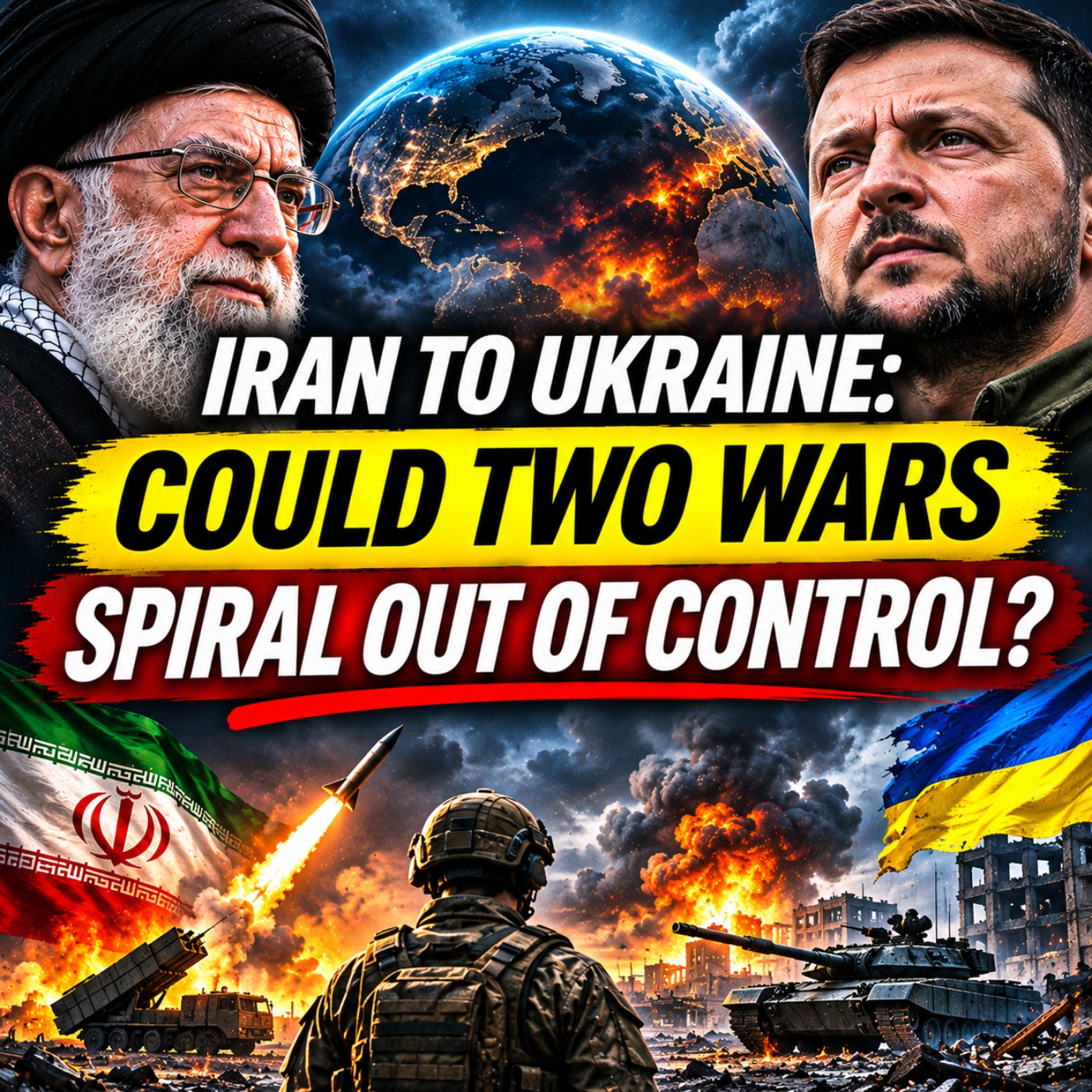
    Iran to Ukraine: Could Two Wars Spiral Out of Control?

    Could the wars in Iran and Ukraine become part of a much larger geopolitical crisis? After a discussion of spirituality and family, the conversation turns to Iran's regional allies, Hezbollah, Syria, Iraq, and the military pressures reshaping the Middle East. The focus then shifts to Europe's involvement in Ukraine, military spending, the risk of conscription, and the possibility of an increasingly prolonged confrontation with Russia. Could the decisions being made today create a dangerous cycle of escalation that becomes harder and harder to stop? Europe's Next War? The Iran–Ukraine Connection Could NATO and Iran Trigger a Wider Global Crisis? Hosted on Acast. See acast.com/privacy for more information.
  • November 18 · 21 min

    How to Think for Yourself in an Age of Propaganda

    Can Critical Thinking Survive the Information War? America's New Power Struggle: Who Controls the Story? How do you separate truth from propaganda in a world flooded with conflicting information? From America's changing relationship with Latin America to the challenge of identifying reliable news, this episode explores political power, historical patterns, and the importance of independent thinking. The conversation turns to education, the influence of technology on children, and the pressure to prioritize academic success over curiosity and imagination. Are we teaching the next generation how to think—or simply what to believe? Hosted on Acast. See acast.com/privacy for more information.
  • November 18 · 21 min

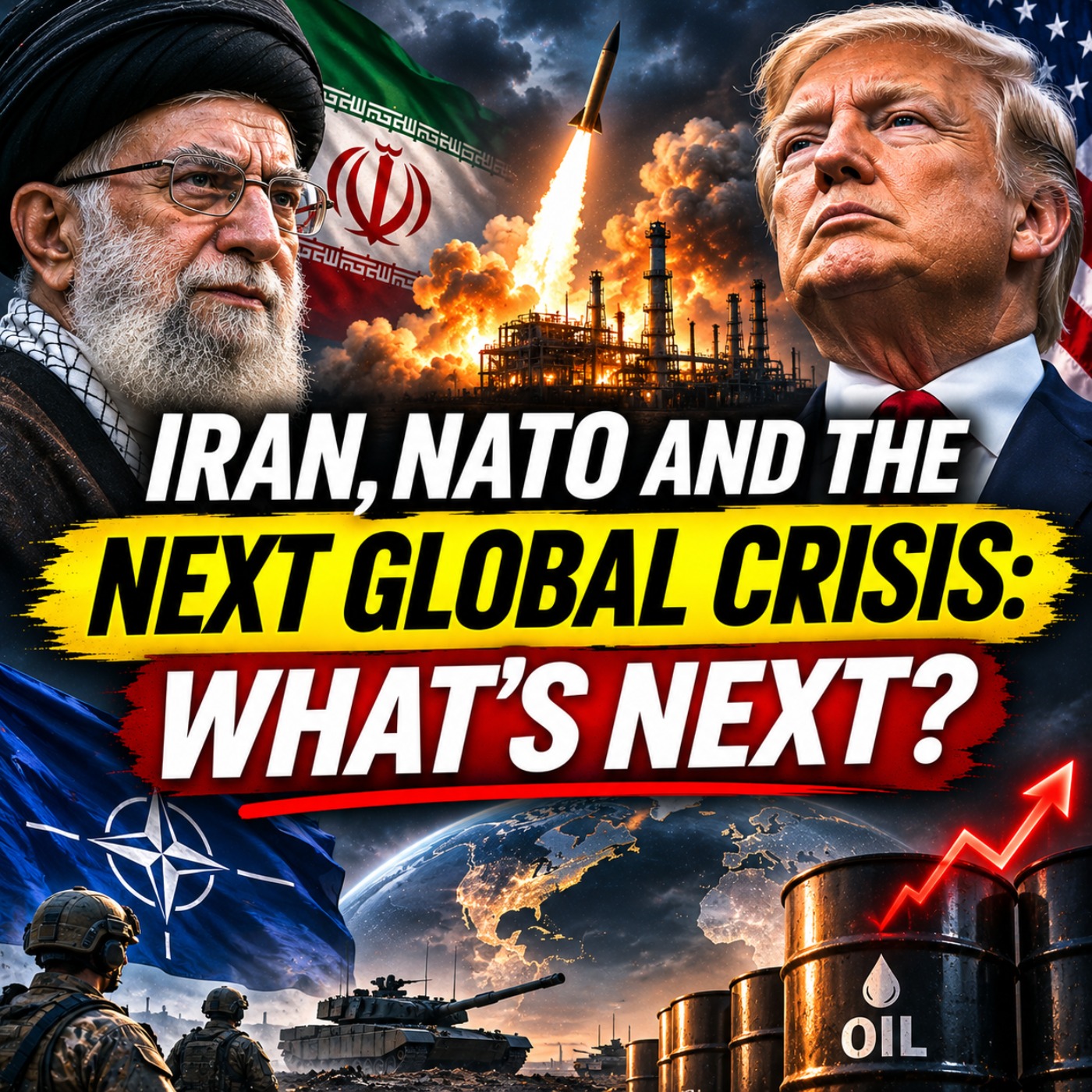
    Iran, NATO and the Next Global Crisis: What's Next?

    Could the Iran War Trigger a Global Chain Reaction? The Iran War's Hidden Threat to the World Economy Could the Iran war trigger a global crisis far beyond the Middle East? This wide-ranging discussion examines the fragile ceasefire, the possibility of American ground troops entering Iran, and the threat that disrupted oil supplies could pose to the world economy. The conversation also explores political polarization, the rise of influential online personalities, and a controversial comparison between today's interconnected global order and the Bronze Age collapse. Could escalating conflicts involving Iran, Russia, and NATO expose just how fragile modern civilization has become? Hosted on Acast. See acast.com/privacy for more information.
  • November 18 · 20 min

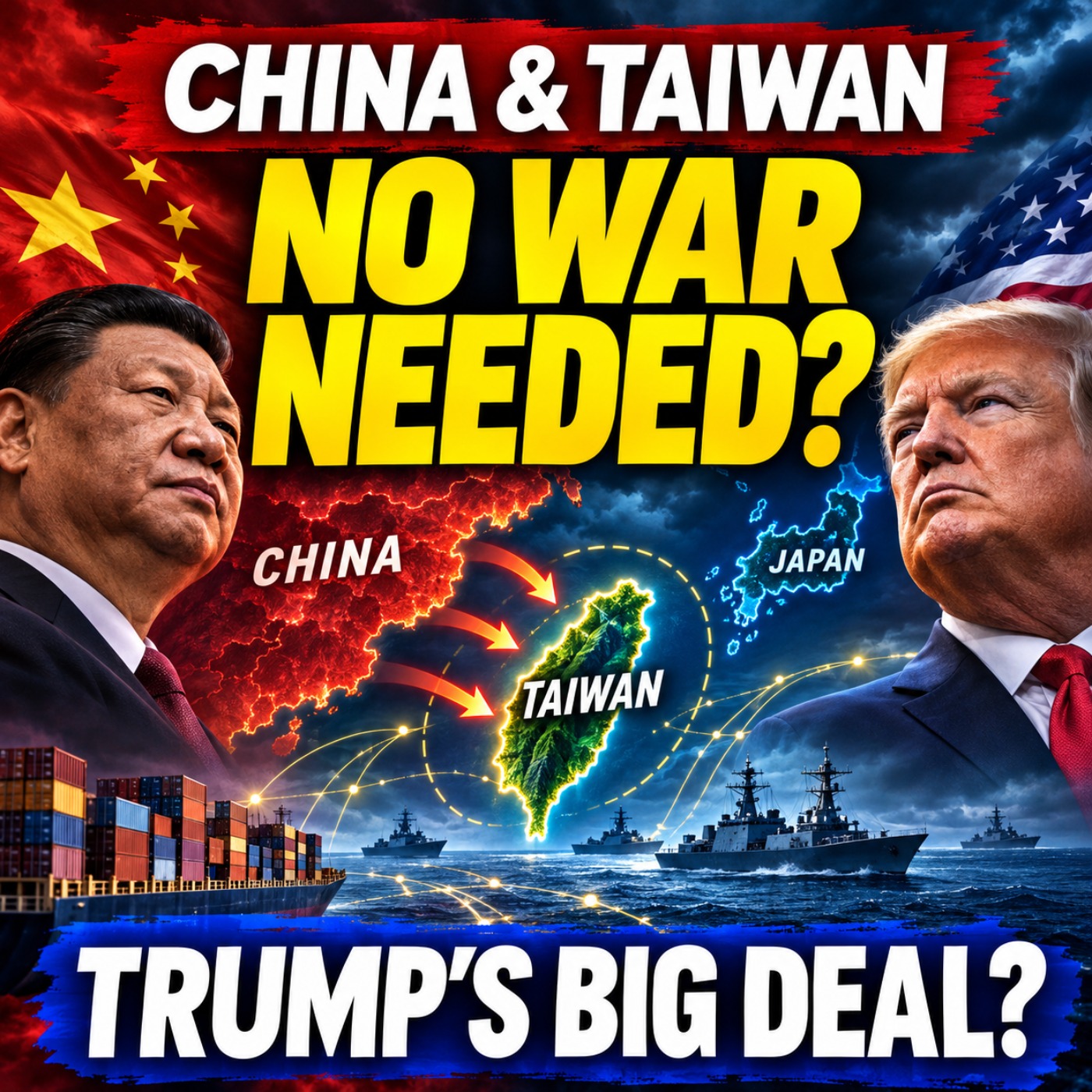
    Could China Take Taiwan Without Firing a Shot?

    Taiwan's Future: Is Trump Playing Both Sides? Japan vs. China: The Taiwan Crisis Nobody Wants Could China achieve its ambitions in Taiwan without launching a military invasion? The future of East Asia may depend on a strategic struggle involving China, Japan, Taiwan, and the United States. This episode explores China's long-term approach to Taiwan, Japan's dependence on global trade routes, and the possibility that economic pressure and diplomacy could become more important than military force. We also examine the geopolitical implications of America's changing role in the Pacific, competing national interests, and a controversial theory about Donald Trump's transactional approach to Taiwan. Could Taiwan become the ultimate bargaining chip between Washington and Beijing? An examination of economic leverage, political strategy, and the uncertain future of East Asian security. Hosted on Acast. See acast.com/privacy for more information.
  • November 18 · 20 min

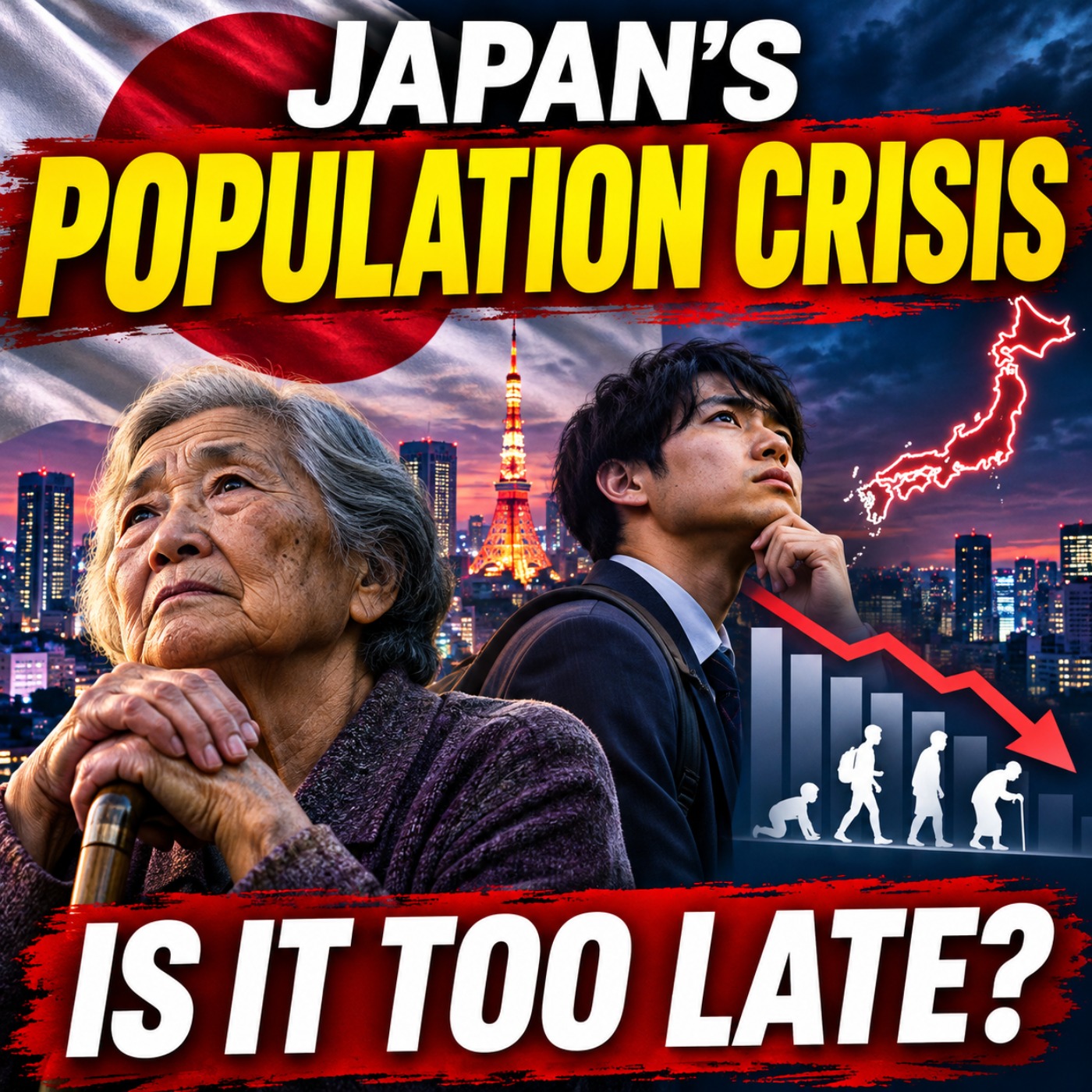
    Japan's Aging Crisis: Is It Running Out of Time?

    Is Japan facing a demographic crisis that could transform its future forever? Japan is one of the world's most advanced societies, known for its discipline, social harmony, and technological innovation. But beneath its remarkable achievements lies a growing challenge: an aging population and a shrinking younger generation. This episode explores Japan's demographic crisis, generational inequality, economic vulnerabilities, and the controversial choices that could shape the country's future. From the famous behavioral experiments on population density to historical examples of social unrest, we examine what happens when societies struggle to renew themselves. Could Japan's unique cultural strengths help it overcome a crisis that other developed nations may soon face? A provocative exploration of demographics, social stability, and the future of modern civilization. Japan's Demographic Crisis: An Unthinkable Choice? Could Japan's Population Crisis Change Everything? Hosted on Acast. See acast.com/privacy for more information.
  • November 17 · 31 min

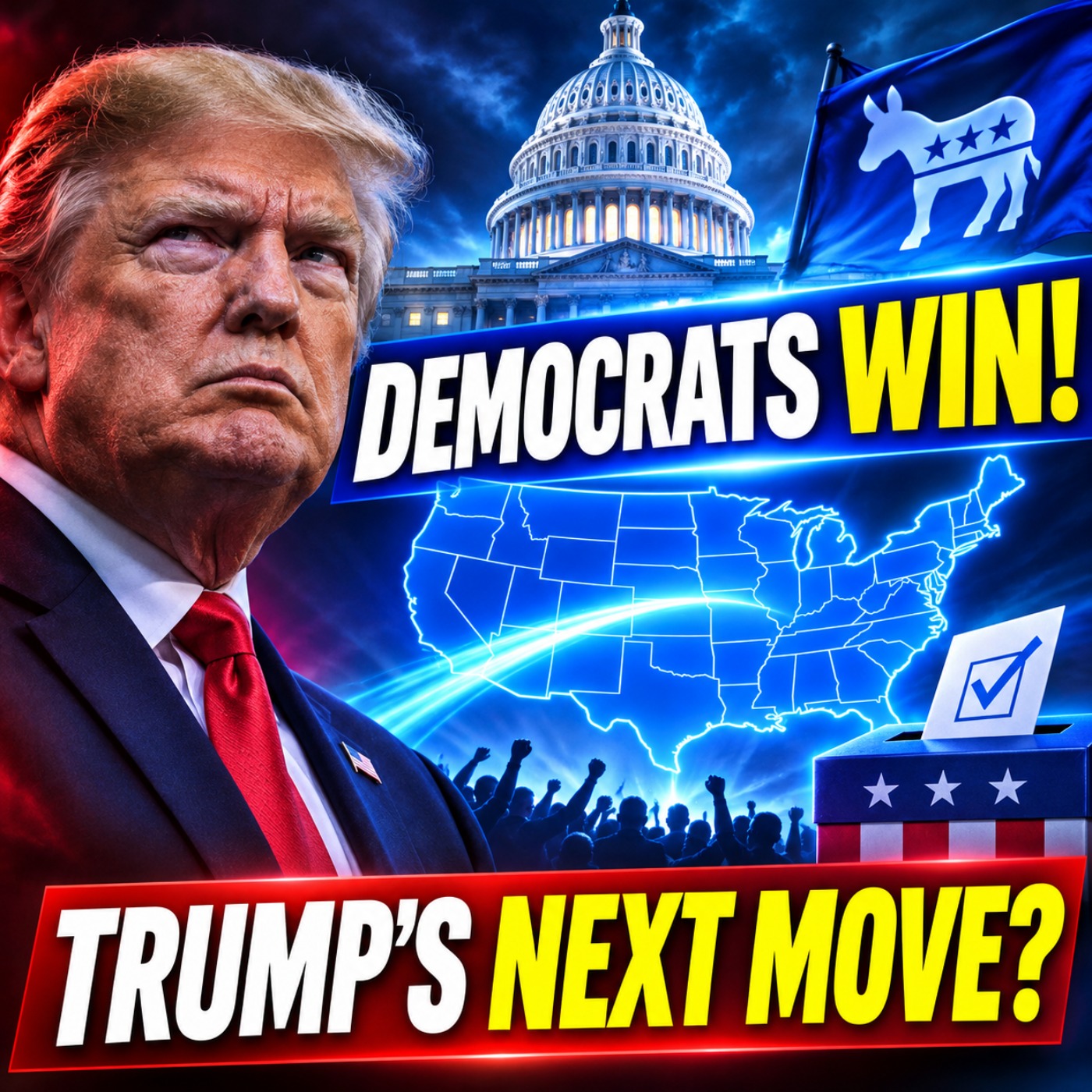
    Democrats Sweep Congress: What Happens to Trump Now?

    The Democrats have swept Congress. But what happens to Donald Trump now? After a dramatic 2026 midterm election, Democrats have won both the House and Senate, with major political surprises extending all the way to Texas. This episode begins with a candid admission of failed political predictions—and a deeper examination of what the election results reveal about America's changing political landscape. But the biggest question is what happens next. Will Democrats challenge Trump, or could the two sides find unexpected common ground? The discussion explores the possibility of an AI market collapse, government bailouts for major technology companies, the future of the US dollar, stablecoin legislation, the Epstein files, and the growing geopolitical risks surrounding the Iran war. It also examines a potentially consequential meeting between the leaders of the United States, Russia, and China. Did the Democrats' victory fundamentally change America's direction—or is the next chapter already taking shape? A thought-provoking geopolitical analysis of the 2026 midterms, Donald Trump, artificial intelligence, economic instability, and the uncertain future of American power. Includes political interpretations and predictions that remain speculative. I Was Wrong: Democrats Sweep Congress—Now What? Democrats Take Congress—Will They Work With Trump? Hosted on Acast. See acast.com/privacy for more information.

  • November 17 · 29 min

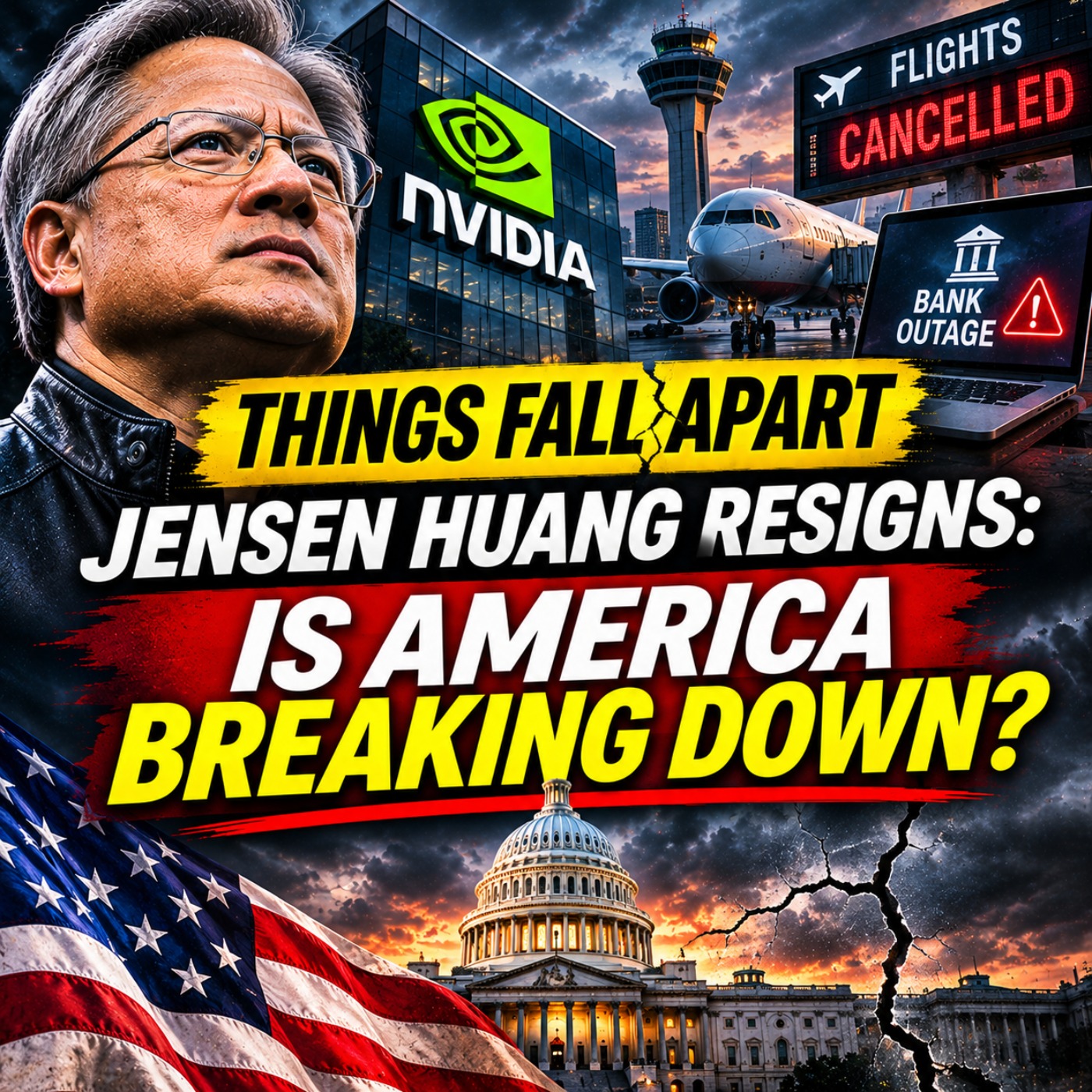
    Things Fall Apart: Jensen Huang Resigns & US Outages (Full Episode)

    Is America slowly breaking down—and are we witnessing the first warning signs of a much larger crisis? From FAA shutdowns and banking outages to major technology disruptions and Jensen Huang's departure from Nvidia, this episode explores a disturbing question: What happens when the complex systems holding modern civilization together begin to fail? Discover why modern infrastructure depends on three critical foundations—redundancy, resilience, and professionalism—and how financialization, bureaucratic inefficiency, aging leadership, and the growing reliance on artificial intelligence could be undermining them. We also examine the future of Nvidia, the fragile AI investment boom, and a controversial theory: Are talented innovators being pushed aside while incompetence and short-term profits take control? Are these isolated failures—or the early warning signs of systemic collapse? Hosted on Acast. See acast.com/privacy for more information.
  • November 17 · 15 min

    Jensen Huang Is Out: Will the AI Bubble Burst? (Part 2)

    Could Jensen Huang's departure from Nvidia trigger a crisis across the artificial intelligence industry? This episode examines Nvidia's critical role in the global AI economy, the complex semiconductor supply chain, and the financial relationships connecting the world's biggest technology companies. From OpenAI and Anthropic to AI infrastructure spending and the possibility of government intervention, the discussion explores why one leadership change could have consequences far beyond Silicon Valley. Could the AI investment boom survive without one of its most influential architects? An investigation into financial risk, technological dependence, and the uncertain future of artificial intelligence. Nvidia Without Jensen Huang: What Happens to AI? The AI Bubble's Biggest Threat Just Got Real Hosted on Acast. See acast.com/privacy for more information.
  • November 17 · 14 min

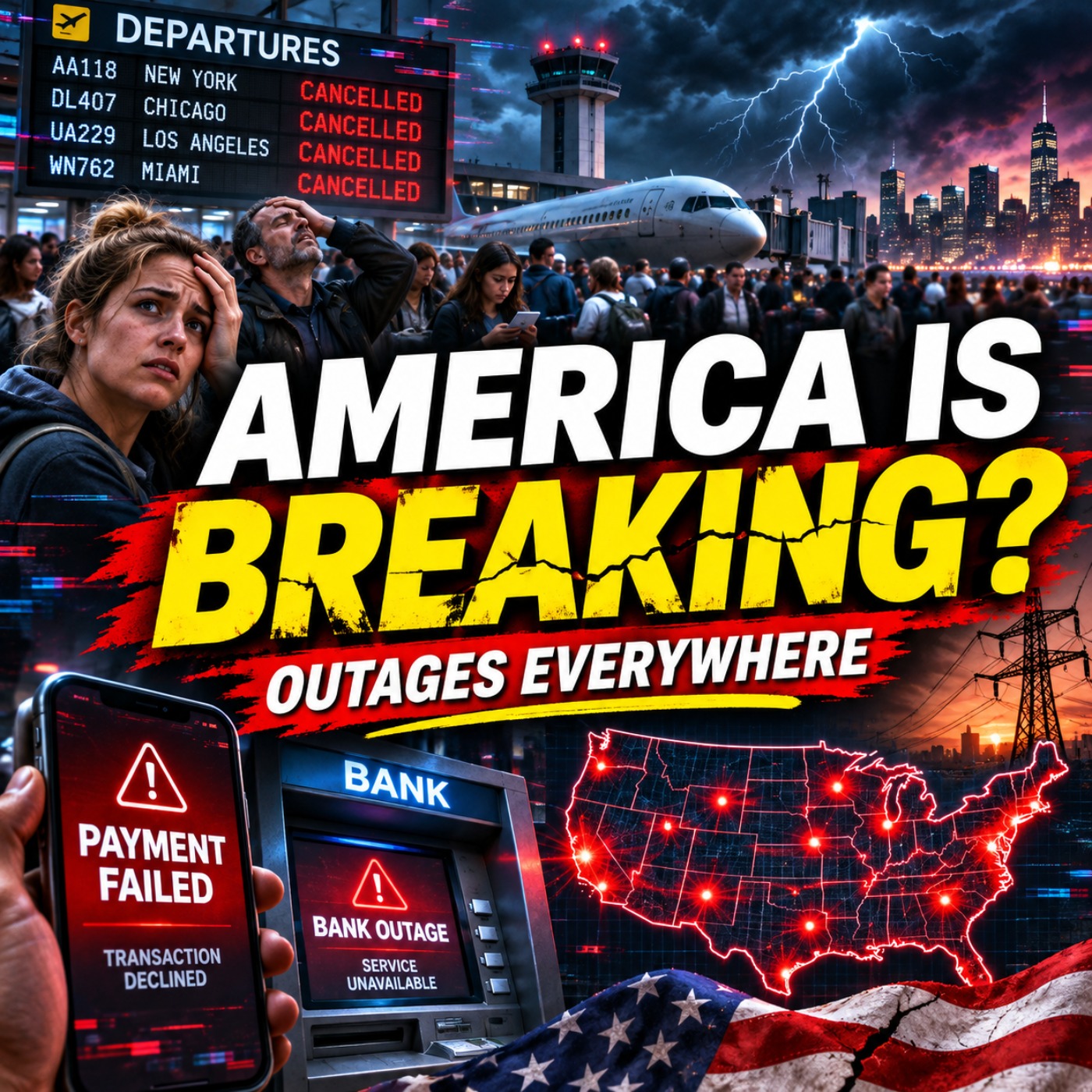
    America's Outages: Is the System Breaking Down? (Part 1)

    Why are America's critical systems suddenly experiencing major disruptions? From nationwide air traffic shutdowns to banking interruptions and technology outages, this episode explores whether these incidents reveal a deeper weakness in modern infrastructure. Discover how cost-cutting, aging technology, bureaucratic failures, and the growing reliance on AI could make complex systems more vulnerable. Are these isolated technical failures—or warning signs of a much larger systemic crisis? A thought-provoking investigation into the hidden fragility of modern civilization. America's Hidden Fragility: The Next Big Crisis? The Real Danger Behind America's System Failures Things Fall Apart (Jensen Huang Resigns, FAA Shutdown, Bank Outages) Hosted on Acast. See acast.com/privacy for more information.
  • November 16 · 20 min

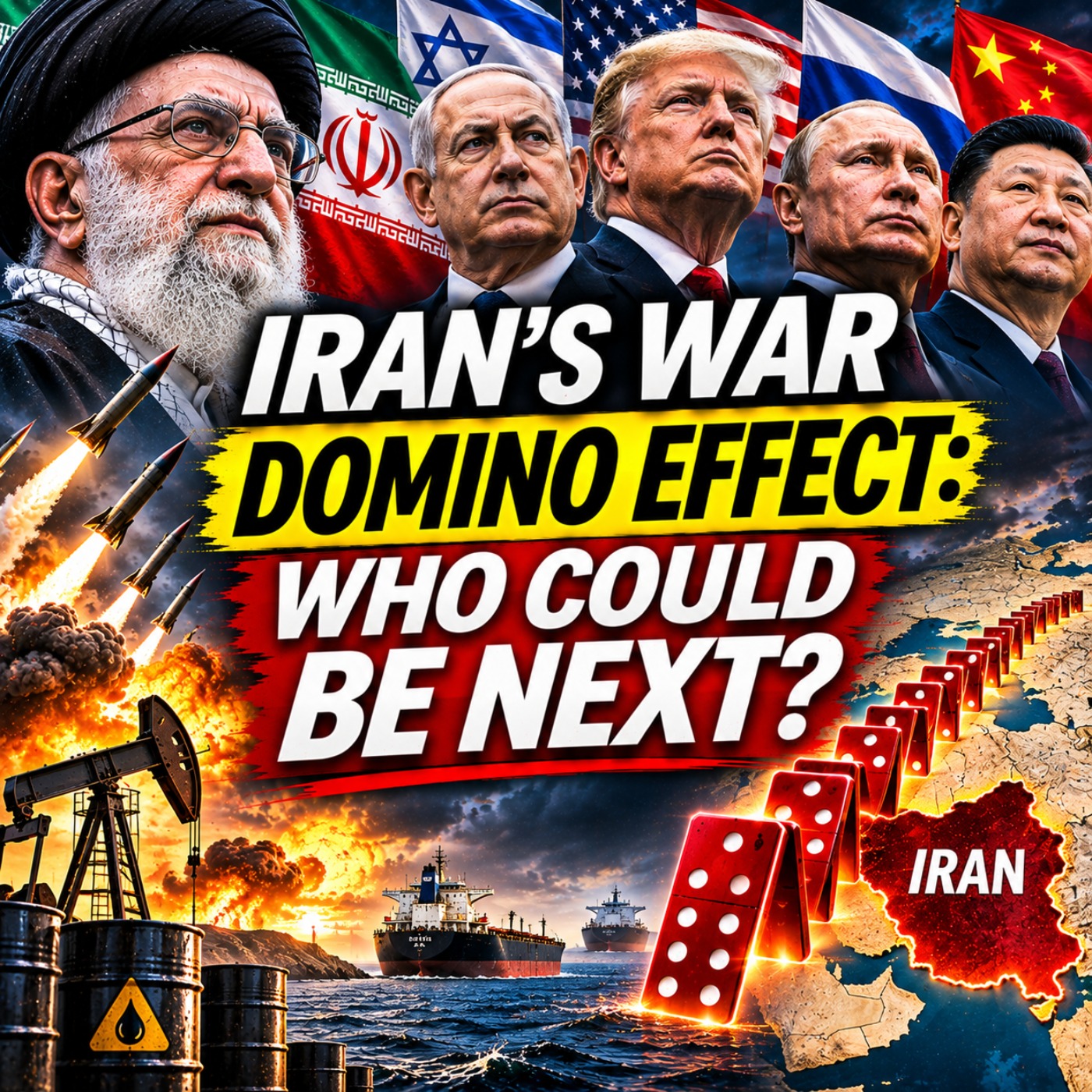
    Iran's War Domino Effect: Who Could Be Next?

    Could the Iran war trigger a chain reaction across the Middle East and beyond? This episode examines the growing risks of regional escalation involving the Houthis, Saudi Arabia, Iraq, Syria, and Hezbollah. The discussion explores the Strait of Hormuz, global oil supplies, Russia and China's strategic interests, and the possibility of new flashpoints in Central Asia and the Caucasus. Could a regional conflict eventually reshape the global balance of power? An examination of geopolitical risks, military scenarios, and uncertain predictions about the future. Iran, Russia and China: Could the War Spread? Hormuz, Houthis and the Risk of a Wider War Hosted on Acast. See acast.com/privacy for more information.

  • November 16 · 20 min

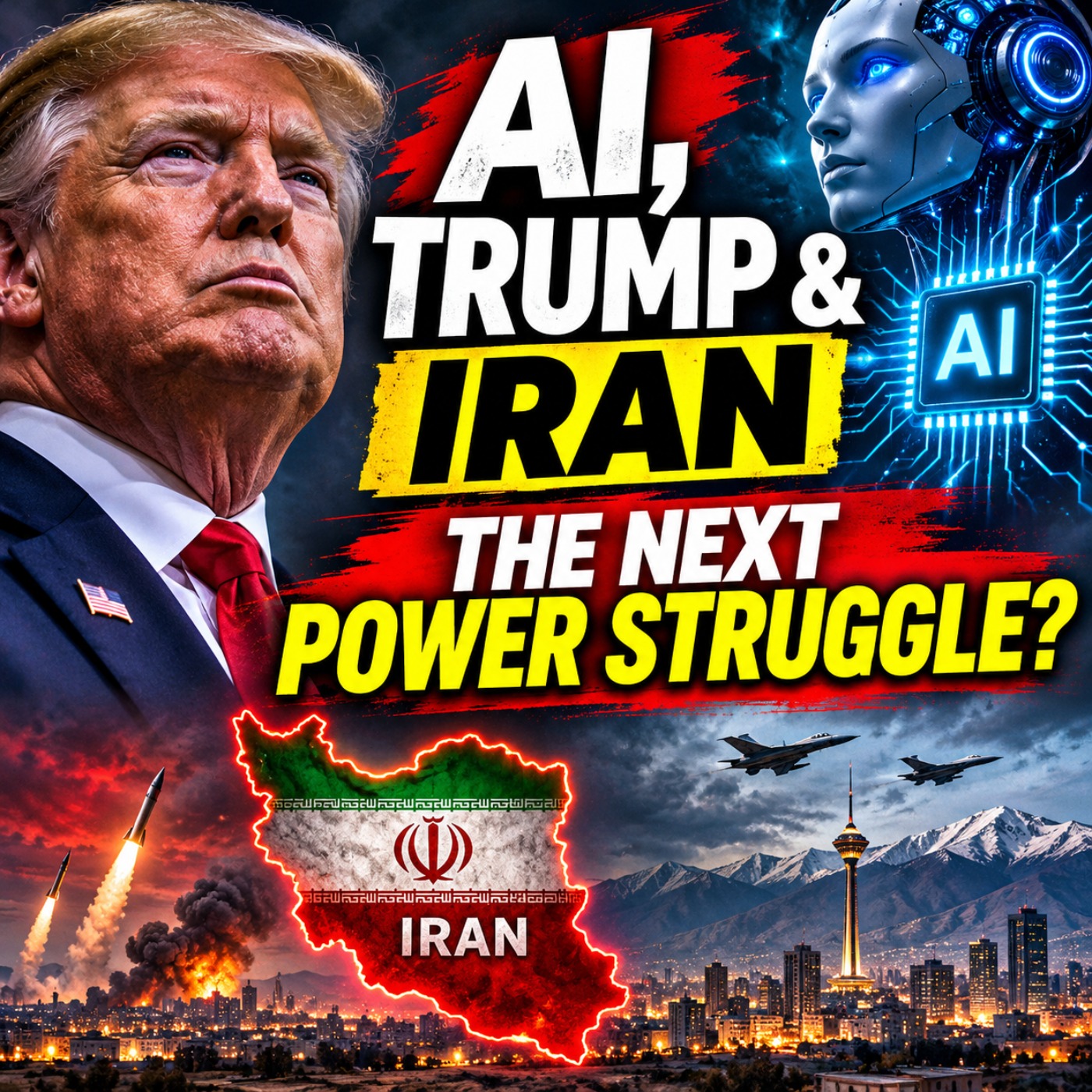
    AI, Trump and Iran: The Next Power Struggle?

    Are artificial intelligence, political power, and military conflict becoming increasingly connected? This episode explores the growing competition between the United States and China, concerns about AI-driven surveillance, and the future of American political influence. The discussion then turns to Iran, examining the risks of military escalation, attacks on critical infrastructure, and the possibility of a prolonged ground war. Could the struggle for technological and military dominance reshape the global order? Could AI Help Build a US Surveillance State? Trump's Iran Strategy: What Could Go Wrong? Hosted on Acast. See acast.com/privacy for more information.

Showing 21–40 of 183 episodes