Skip to content
Artwork for I by IMD
BusinessEducationCourses

I by IMD

IMD

The IMD Podcast Network brings you fresh insights and thought leadership on the evolving world of management and business. Each episode features conversations with global experts, industry leaders, and IMD faculty who share their perspectives on leadership, innovation, strategy, and the challenges shaping organizations today. Whether you’re an executive, entrepreneur, or lifelong learner, our goal is to provide practical knowledge and inspiration that you can apply directly to your professional journey

Play
  • 20 episodes
  • Avg 34 min
  • English
  • #88
    September 8 · 36 min

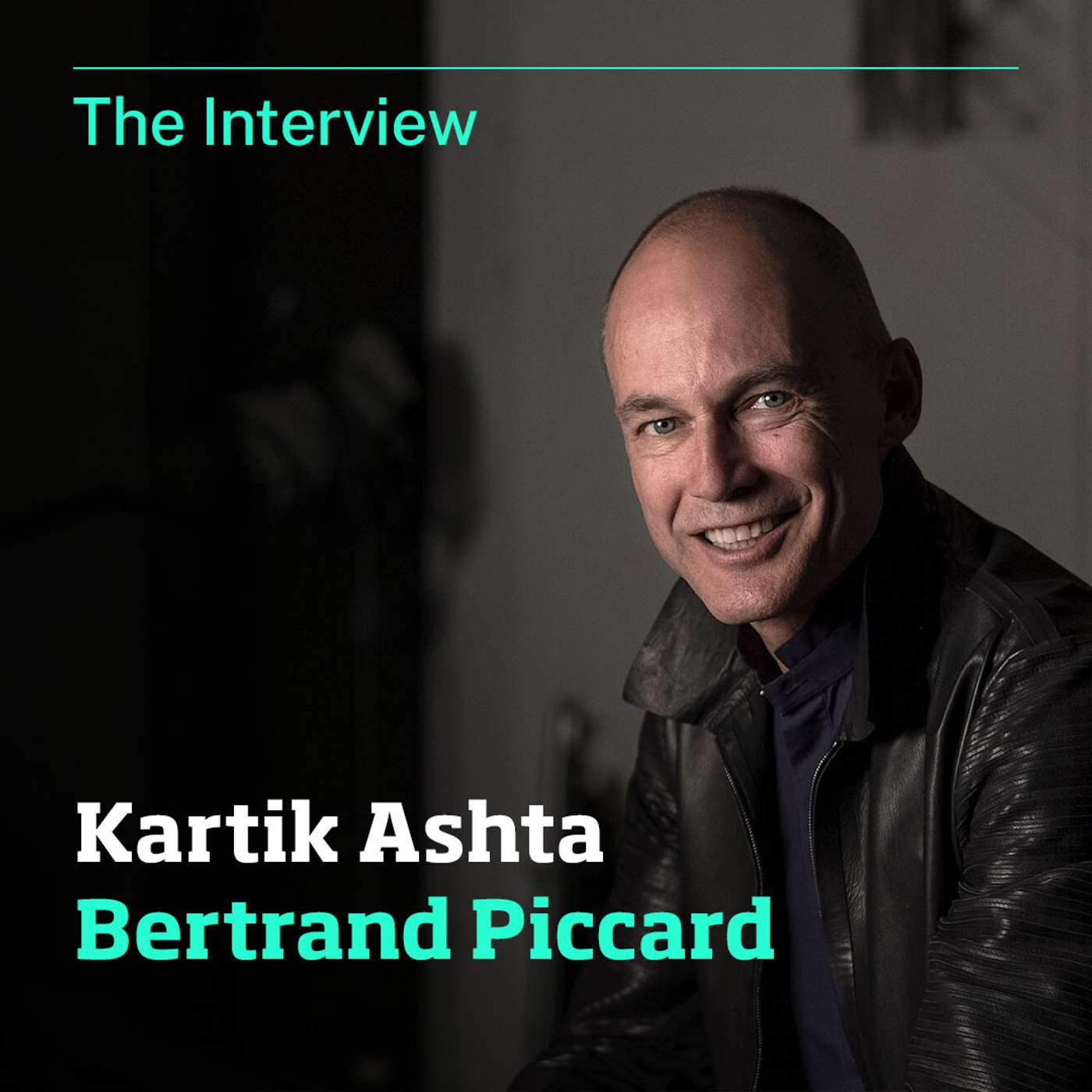
    Bertrand Piccard: Why leaders should stop trying to convince people

    In this episode, Swiss explorer and psychiatrist Bertrand Piccard joins IMD MBA candidate Kartik Ashta to discuss why resistance is often a signal to change approach rather than push harder. Drawing on his record-breaking adventures and pioneering clean-technology projects, Piccard explains why great leaders motivate instead of convince, how crises become opportunities when we accept them, and what leaders must be willing to "throw overboard" to adapt to a changing world. Our guest: Bertrand Piccard is a Swiss explorer, psychiatrist, and founder of the Solar Impulse Foundation. He made history with the first non-stop balloon flight around the world and later co-piloted Solar Impulse, the first solar-powered aircraft to circumnavigate the globe. He is also leading Climate Impulse, an initiative aiming to achieve the first non-stop round-the-world flight powered by green hydrogen, demonstrating the potential of clean technologies to accelerate the transition to a more sustainable future. Interviewer: Kartik Ashta is a current MBA candidate at IMD where he focuses on bridging the gap between businesses and policy in areas related to sustainability, resilience, and geopolitics. Before coming to IMD, he spent five years across think tanks, consulting, and the UN, advising companies and governments on how to solve complex social and commercial issues.
  • #87
    July 28 · 24 min

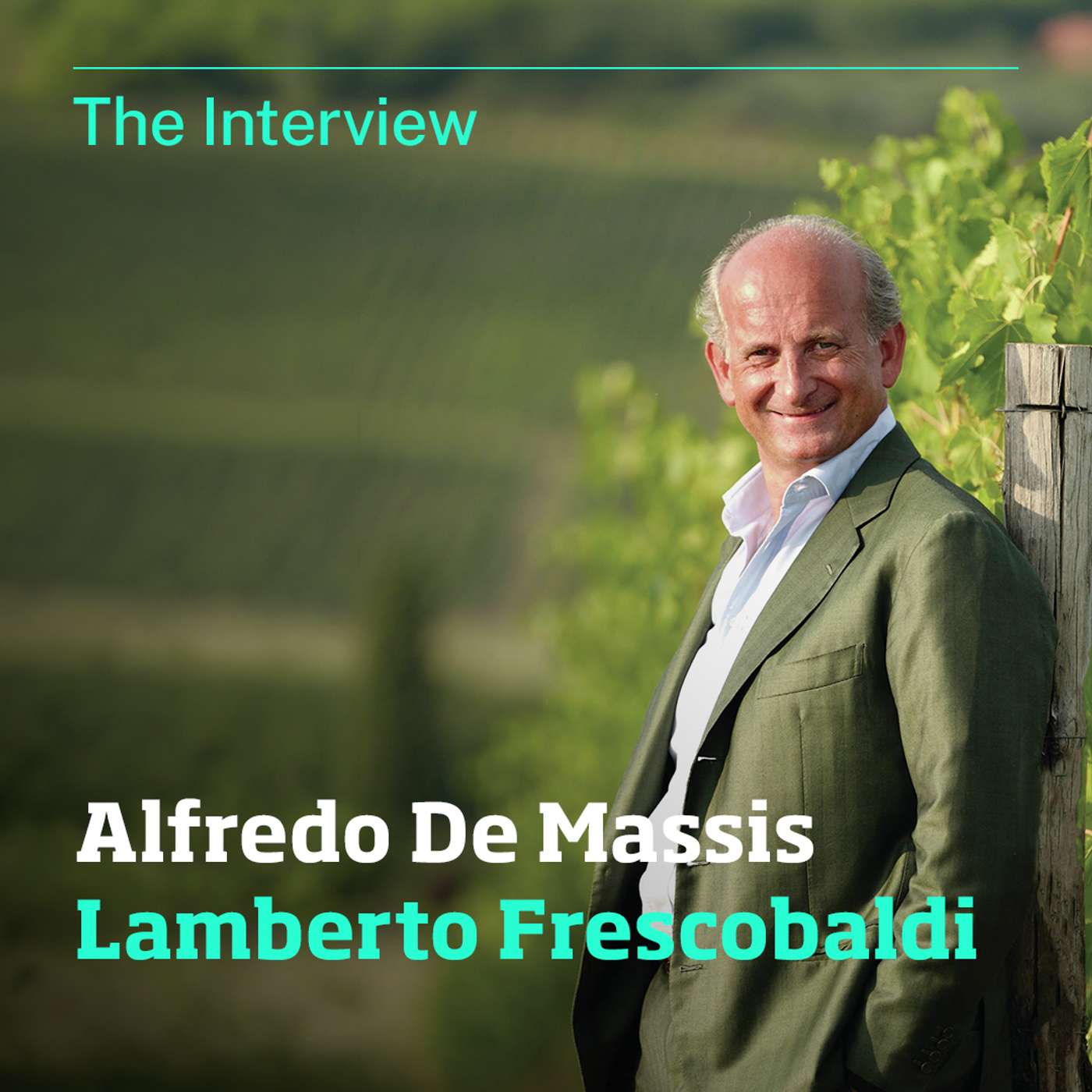
    How does Lamberto Frescobaldi future-proof a 700-year-old business?

    How do you lead a company when you are not its ultimate owner, but the custodian of a centuries-old legacy? Lamberto Frescobaldi represents the 30th generation of one of Italy’s most enduring wine families. His answer is uncompromising: inherited assets should have “value zero”; leaders must focus on what they create during their own lifetime. In conversation with Alfredo De Massis, Professor of Entrepreneurship and Family Business at IMD, Frescobaldi explains why “tradition […] can trick you,” why beauty can distract leaders from the daily realities of business, and how his company is responding to falling wine consumption and global oversupply. From succession and family governance to diversification and sustainability, this episode offers a candid lesson in stewardship, strategic focus, and the ability to keep changing without losing your identity. Our Guest: Lamberto Frescobaldi President, Marchesi Frescobaldi President, Unione Italiana Vini Lamberto Frescobaldi represents the 30th generation of the Frescobaldi family, whose documented winemaking history in Tuscany began in the early 1300s. Trained in agriculture in Italy and California, he joined the family enterprise before becoming President of Marchesi Frescobaldi. He also serves as President of Unione Italiana Vini, the association representing Italy’s wine industry. Website: https://www.frescobaldi.com/en/ LinkedIn: https://www.linkedin.com/company/marchesifrescobaldi Instagram: https://www.instagram.com/marchesifrescobaldi/

  • #86
    July 7 · 48 min

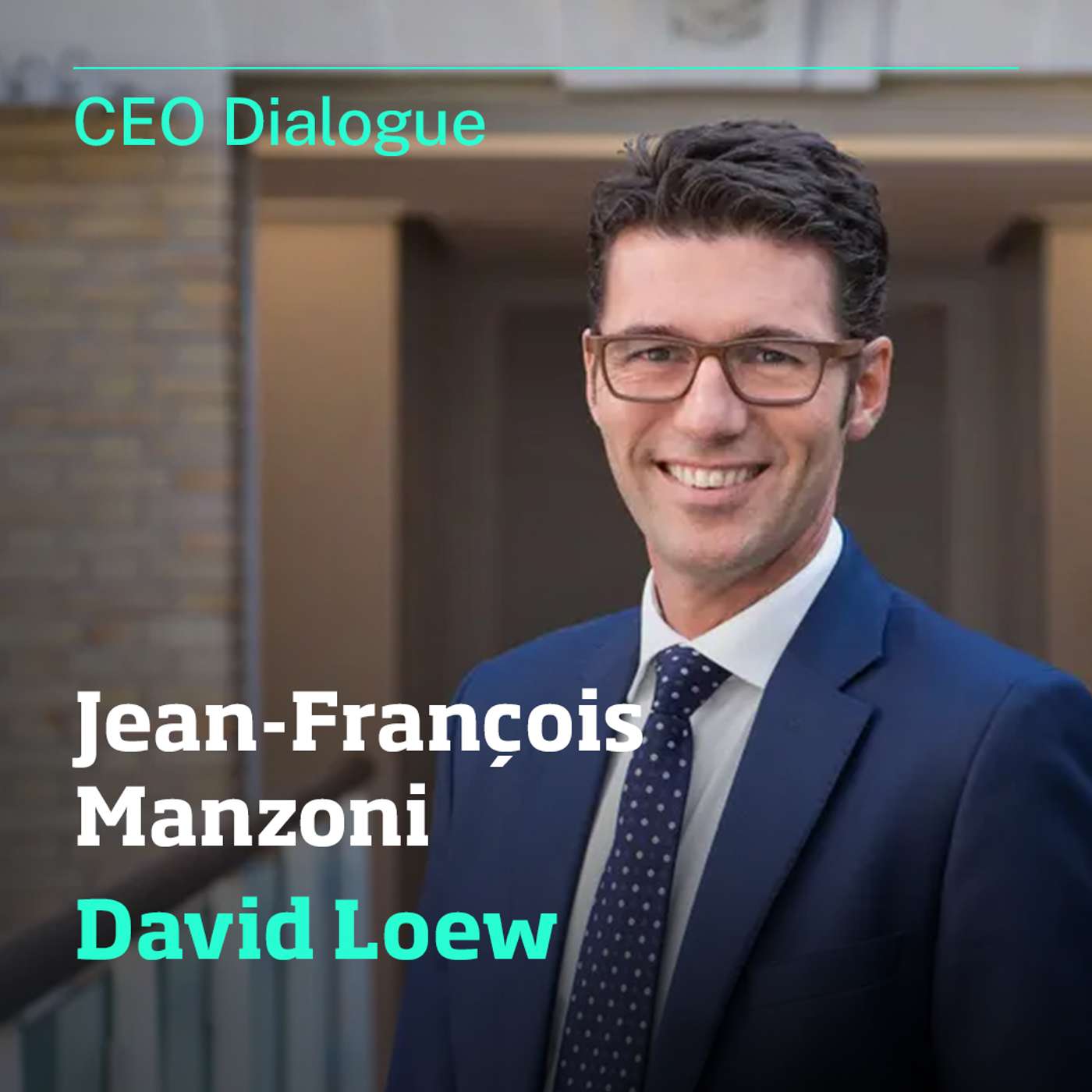
    Can David Loew turn Ipsen into pharma’s next giant?

    Ipsen CEO David Loew unpacks six years of radical transformation that enabled a mid-sized, family-controlled biopharma company to take on the biggest competitors in the industry. Our Guest: David Loew, CEO, Ipsen David Loew has served as CEO of Ipsen, a publicly listed, family-controlled specialty biopharma group (~6,000 employees, ~€4 billion revenue, operations in 40 countries, products in 100 countries), since July 2020. He joined Ipsen from Sanofi, where he led Sanofi Pasteur, the company's vaccines division, for four years, and previously spent more than 20 years at Roche across various roles and geographies.

  • #85
    June 18 · 38 min

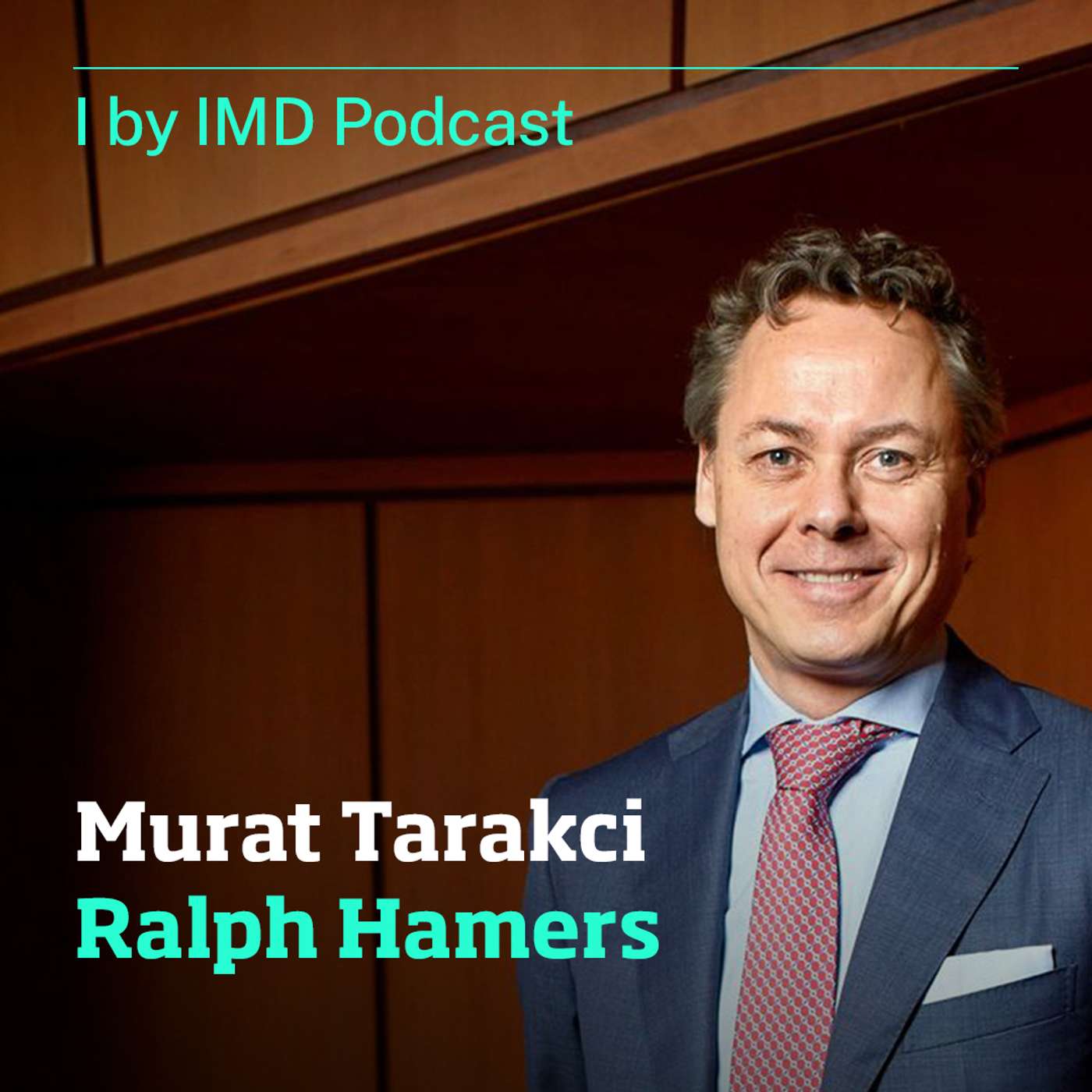
    Ralph Hamers, are ‘tech companies with a banking license’ the future of finance?

    Former ING and UBS CEO Ralph Hamers joins IMD’s Murat Tarakci to unpack how he led “banking’s biggest digital transformation” – and why AI may redefine financial advice. Drawing on his experience at two of the biggest banks in the world, Hamers argues that CEOs “cannot delegate what your strategy is, what your brand stands for, how your people behave,” and must personally connect the dots between purpose, strategy, culture and execution”. He lays out his three-way innovation engine, his vision of banks as “tech companies with a banking license,” and a bold claim that “advice to clients can be better generated through AI than through an advisor.” He explains why “restructuring is generally a reaction to a burning platform” and how he reframed ING’s future by asking, “what is left from our DNA?” and turning that into a purpose-led transformation story. To dive deeper, check out: Ralph Hamers’s new book, Do Your Thing: Lessons from banking's biggest digital transformation I by IMD’s new report, The future of banking Our Guest: Ralph Hamers is a Dutch banker and business leader best known as the former CEO of ING Group and UBS Group. He spent 29 years at ING, became CEO in 2013, and led the bank through a major digital transformation focused on mobile banking, agile working, customer experience, and platform thinking; ING said he helped turn the group into “a leading digital bank.” In 2020, he left ING to become Group CEO of UBS, a role he held until 2023, when Sergio Ermotti returned to lead the Credit Suisse integration. In 2026, Banking Circle Group announced Hamers as its chairman, citing his experience scaling global financial institutions and advising fintech companies including Arta and Grab. His book Do Your Thing: Lessons from Banking’s Biggest Digital Transformation draws on the ING transformation to offer a leadership framework for connecting purpose, strategy, culture, and execution. LinkedIn: https://www.linkedin.com/in/ralphhamers/

  • #84
    May 12 · 44 min

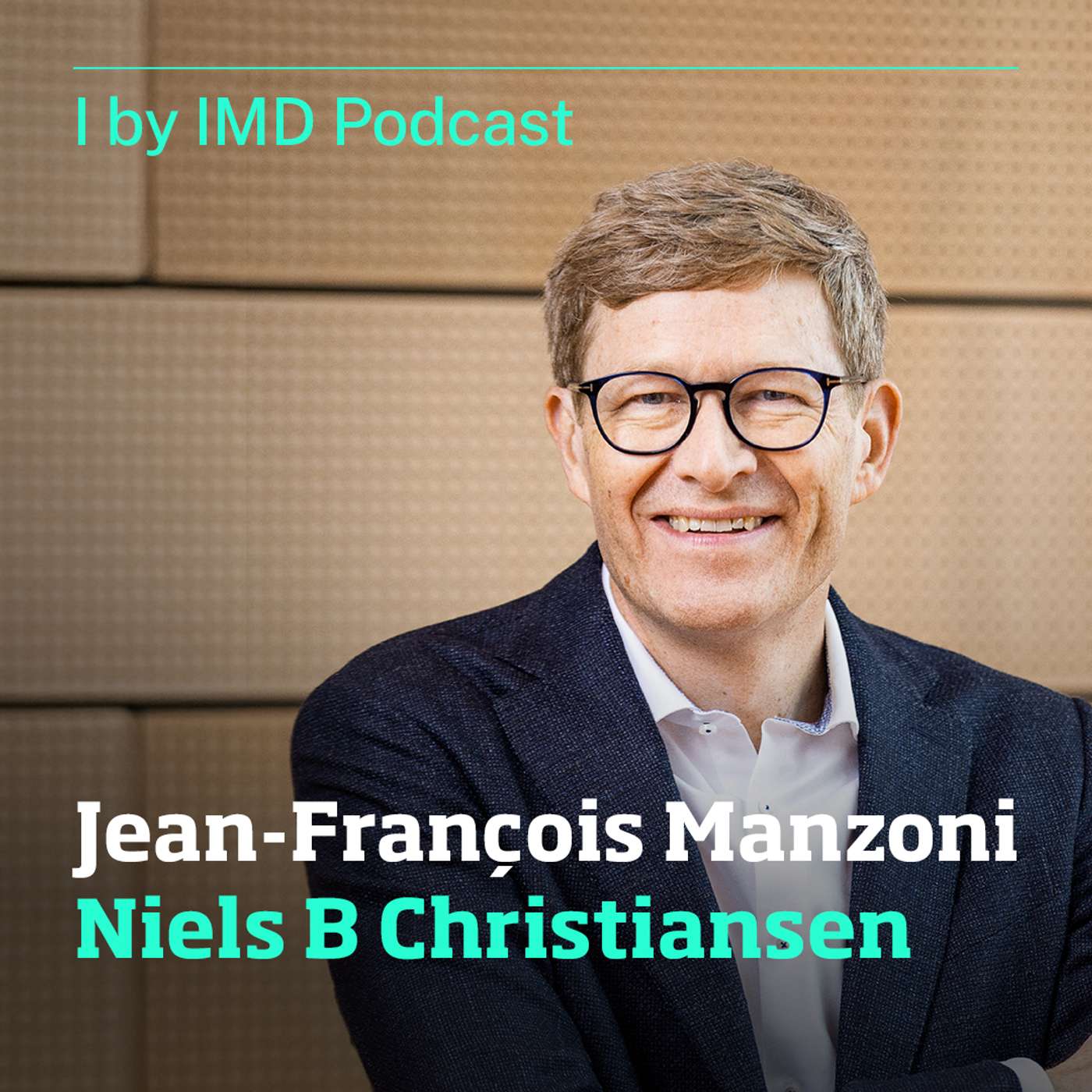
    Niels Christiansen, how did LEGO regain momentum?

    What does it take to lead one of the world’s most loved brands — and still admit it had become too slow, too complex, and too hard to move? In this CEO Dialogue, LEGO CEO Niels Christiansen discusses with IMD’s Jean-François Manzoni how he simplified the organization, empowered local teams and expanded beyond children to adult fans. He explains why LEGO opened stores when others were closing them, why “the basis is physical” even in a digital world, and why sustainability remains a long-term investment even when “consumers are (…) not willing to pay for it.” When Christiansen took over as CEO in 2017, he stepped into a company that had “stalled”. Today, LEGO Group has grown into the world’s largest toy company, with revenues exceeding €11bn ($12.8bn) and around 34,000 employees worldwide. It is one of the most remarkable brand stories in modern business. Listen in to understand how LEGO rebuilt momentum — not through grand slogans, but through disciplined execution. Our Guest: Niels B Christiansen President & Chief Executive Officer, the LEGO Group; CEO, LEGO Holding. Niels Christiansen joined the LEGO Group as CEO in 2017 after leading Danfoss. Under his leadership, LEGO has expanded its retail footprint, invested in sustainable materials, strengthened digital play experiences, and continued to rank among the world’s most loved brands.

  • #83
    April 21 · 21 min

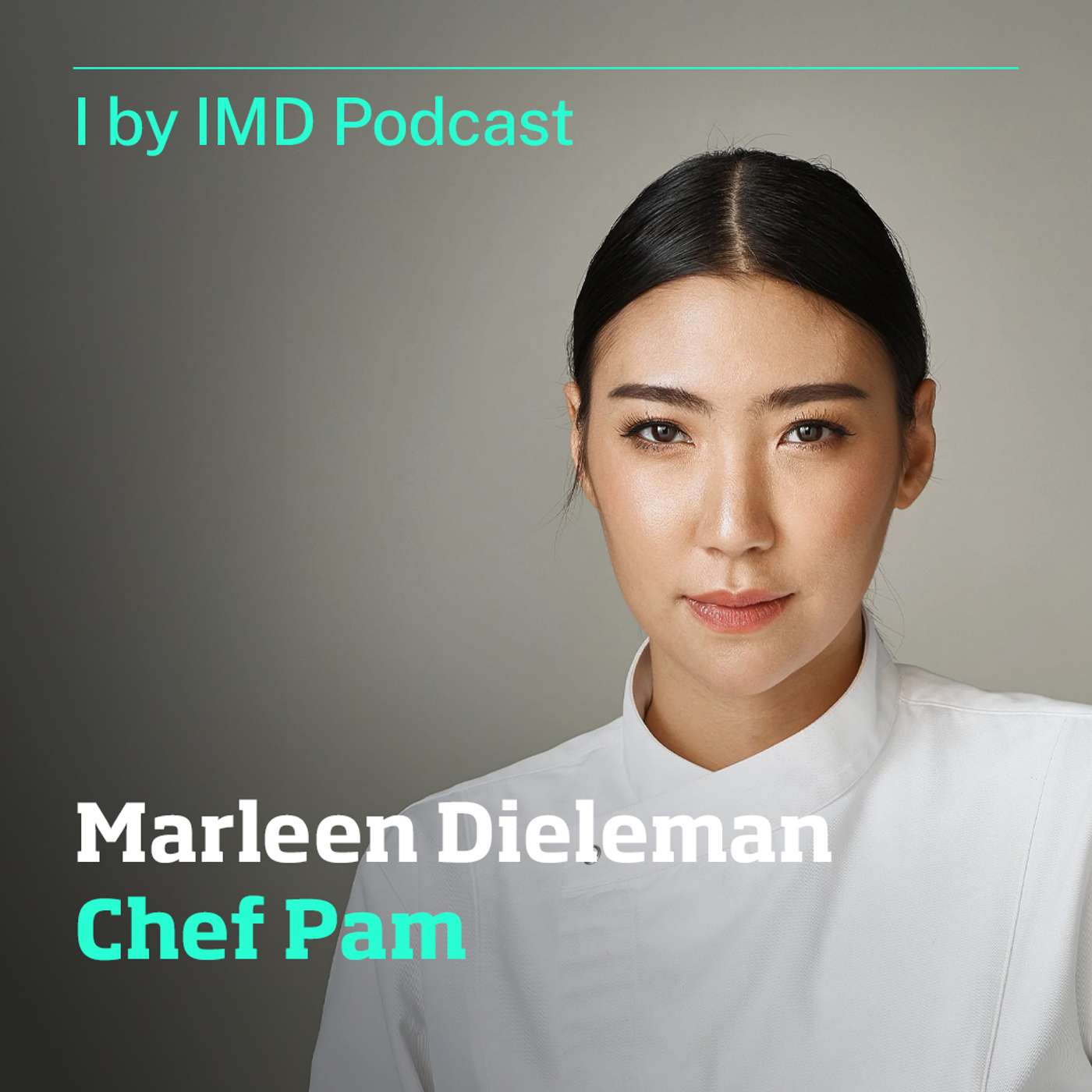
    How do you reinvent what family legacy means, Chef Pam?

    What does it take to inherit a family legacy without becoming trapped by it? In this episode of I by IMD, Marleen Dieleman speaks with Chef Pam, the visionary behind Potong, a 120-year-old family pharmacy in Bangkok’s Chinatown which she transformed into a world-renowned restaurant and cultural landmark, earning her the title of the World’s Best Female Chef. Her story is not just about creating the best Thai food, or serving cocktails in her family’s former dispensary, or receiving the desired Michelin Star. It is about migration, risk, reinvention, and what it means to build something deeply personal inside a multigenerational legacy. She is strikingly clear about the choices that shaped the journey, recalling that during the pandemic-era rebuild, “I sold all my gold” to invest in the project, working all the way to today, where “it’s not about money anymore,” to continue the family business. Chef Pam’s business partner is her husband, and together with their daughter, who has to cope with her parents working long hours in the kitchen, they are already planning their next steps and expanding their footprint in the neighborhood. Her advice to next-generation leaders is blunt: “I don't think there's a shortcut.” This episode conversation offers unique insights and a powerful lesson: legacy does not have to be a constraint. It can be the building material of innovation. Our guest: Pichaya “Pam” Soontornyanakij (Chef Pam) is a Thai chef and entrepreneur who reimagined her family’s 120-year-old Chinese medicine building into Potong, a Michelin-starred restaurant known for progressive Thai-Chinese cuisine. She was awarded “World’s Best Female Chef” in 2025, the first Thai and first Asian woman to receive that title.

  • #82
    March 12 · 36 min

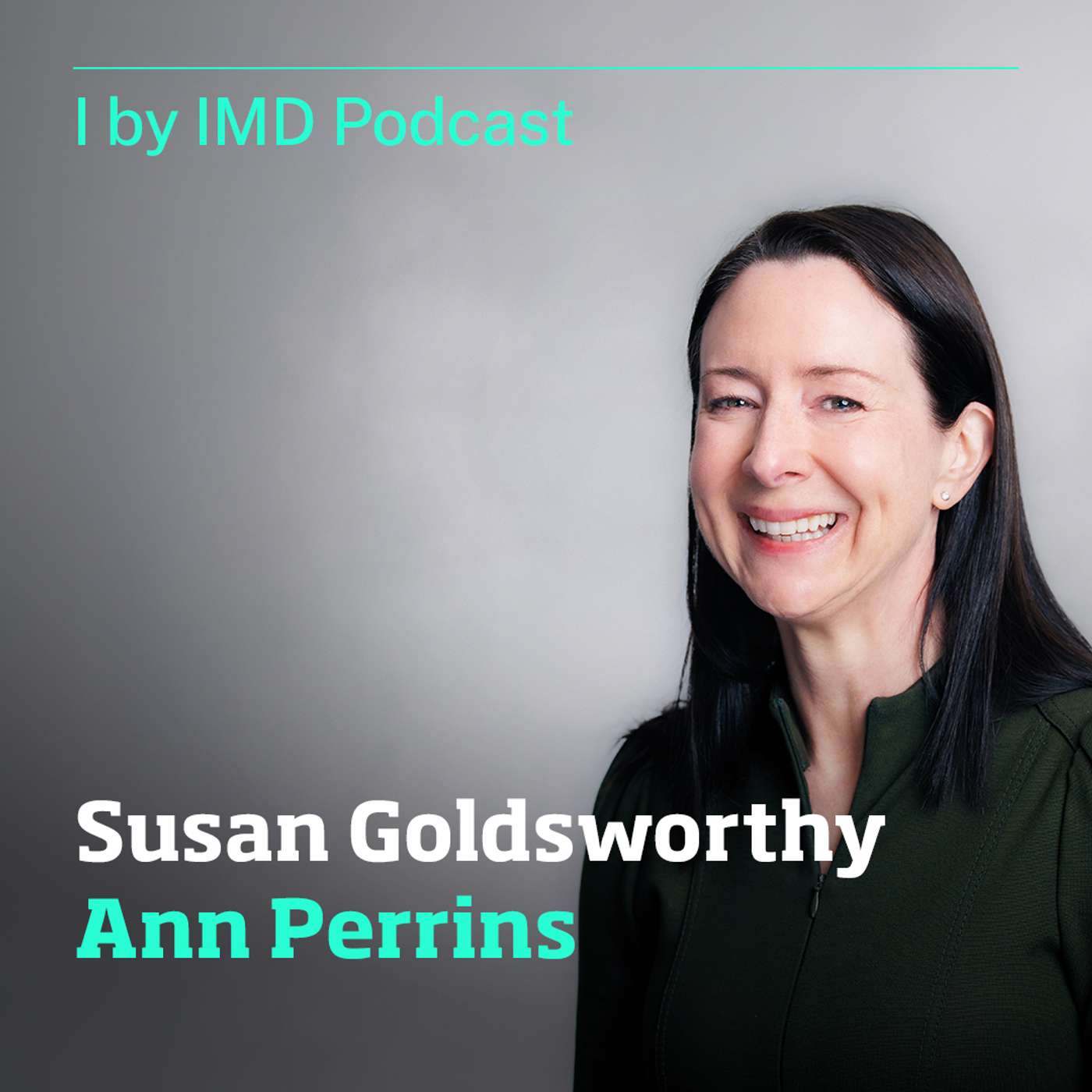
    Ann Perrins, what can executives learn from a Formula One team?

    Ann Perrins on rebuilding Atlassian Williams F1 through talent, culture, psychological safety – and the long road back to winning. What does it really take to rebuild a Formula One team from the inside out? In this episode of I by IMD podcast, Susan Goldsworthy hosts Ann Perrins, Chief HR Officer at Atlassian Williams Racing, to discuss the human side of elite performance: how to attract world-class talent, build a culture people want to stay in, and transform an iconic team without losing its identity. Perrins makes it clear that this doesn’t mean a soft agenda: the team “can't return to winning unless we get that right.” She also reframes a term many leaders misuse: “psychological safety is not about everything feeling nice and comfortable.” And she is blunt about the reality behind the glamour: “we’re very explicit and we don’t sugarcoat it.” Our guest: Ann Perrins is the Chief Human Resource Officer at Atlassian Williams Racing. Before joining Williams in 2023, she built her career across banking, consulting, and global engineering and operations environments, including 17 years at BP and senior roles at GKN Automotive. At Williams, she is helping lead the people, culture, and talent transformation needed to support the team’s return to winning.

  • #81
    March 9 · 56 min

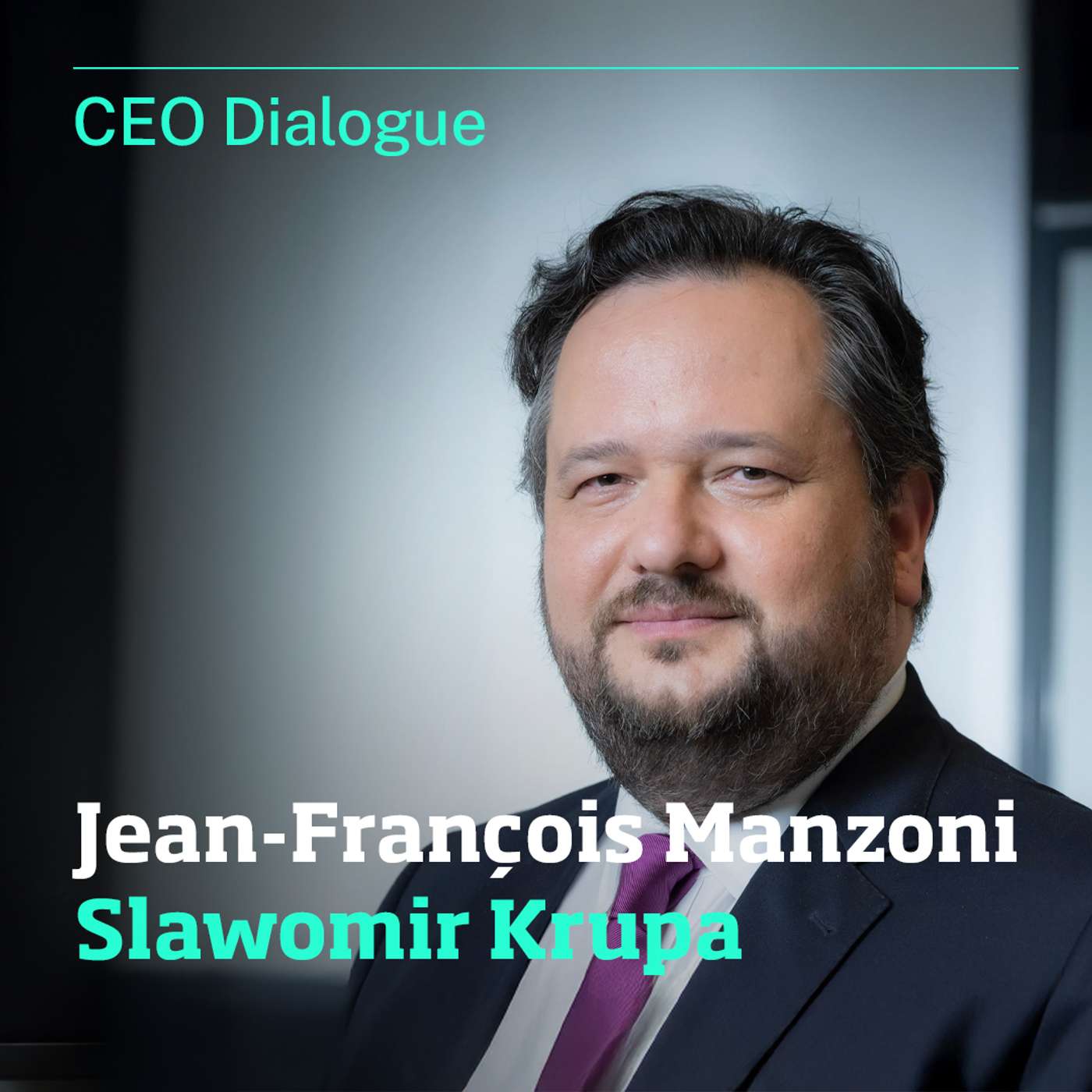
    Slawomir Krupa, how can a 160-year-old bank reinvent itself?

    What does it take to restore confidence in a 160-year-old bank that investors had stopped believing in? In this episode, IMD’s Jean-François Manzoni speaks with Societe Generale CEO Slawomir Krupa about rebuilding a major institution from the inside out: stronger capital, more cost discipline, harder strategic choices – and a leadership culture of clarity and accountability. Krupa does not frame transformation as storytelling. He frames it as work. He says the bank inherited “weak foundations,” warns that dismissing challengers such as fintechs is “a recipe for disaster down the road,” and explains why some painful decisions were made because “it was the right thing to do.” Our Guest: Slawomir Krupa Chief Executive Officer, Societe Generale Slawomir Krupa became CEO of Societe Generale in May 2023 after spending nearly his entire career at the bank. Before becoming CEO, he held senior leadership roles across Corporate and Investment Banking, served as CEO of Societe Generale Americas, and led Global Banking and Investor Solutions. Under his leadership, the bank has focused on restoring capital strength, simplifying the portfolio, and repositioning for sustainable growth. LinkedIn: https://www.linkedin.com/in/slawomir-krupa/

  • #80
    March 4 · 21 min

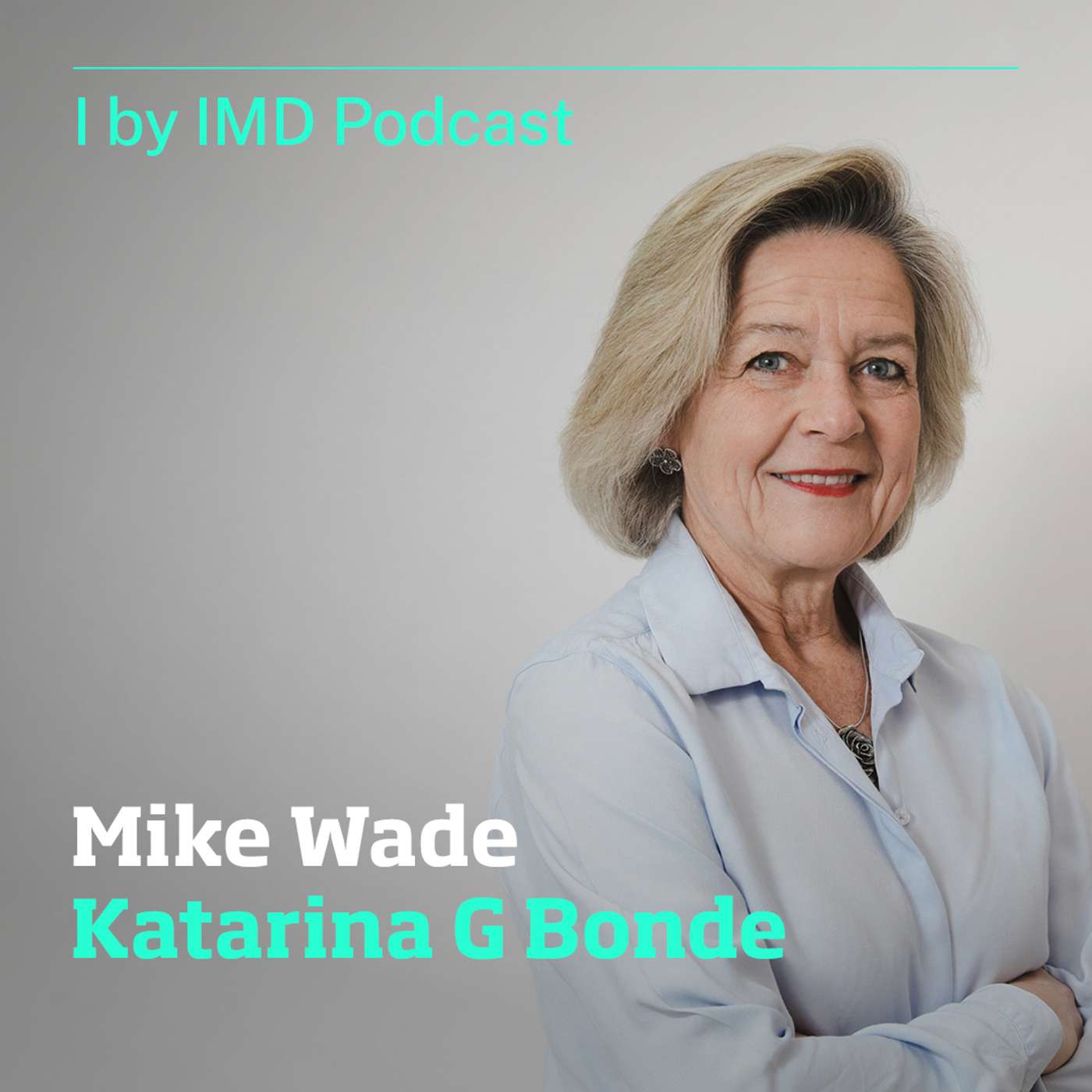
    Katarina Bonde: Are you scaling, or just burning cash?

    Scaling a company is not about chasing headlines. It’s about proving customers care. In this episode of I by IMD, Katarina Bonde shares hard-earned lessons from decades in venture-backed tech, board leadership, and global scale-ups. She challenges founders to validate demand before celebrating growth: “If no one is… spending money to buy it, you actually don't have a product.” Katarina, who served as board chair and CEO in various venture-backed tech firms across the US and Europe, also reframes the AI discussion. The opportunity isn’t in the current bubble, but in the smart use of data – “the real gold here.” For rapid-growth startups, so-called scale-ups, who are tempted to prioritize land grabs over margins, Katarina offers a grounded reminder: “You have to show that you have a business model that can pay for itself.” Our Guest: Katarina Bonde served as Chair of companies including Mentimeter, Stillfront Group, and others in Sweden’s digital ecosystem. She also served as an executive in various venture-backed tech firms in Europe and the US and is an active angel investor. LinkedIn: https://www.linkedin.com/in/katarinabonde/

  • #79
    February 16 · 17 min

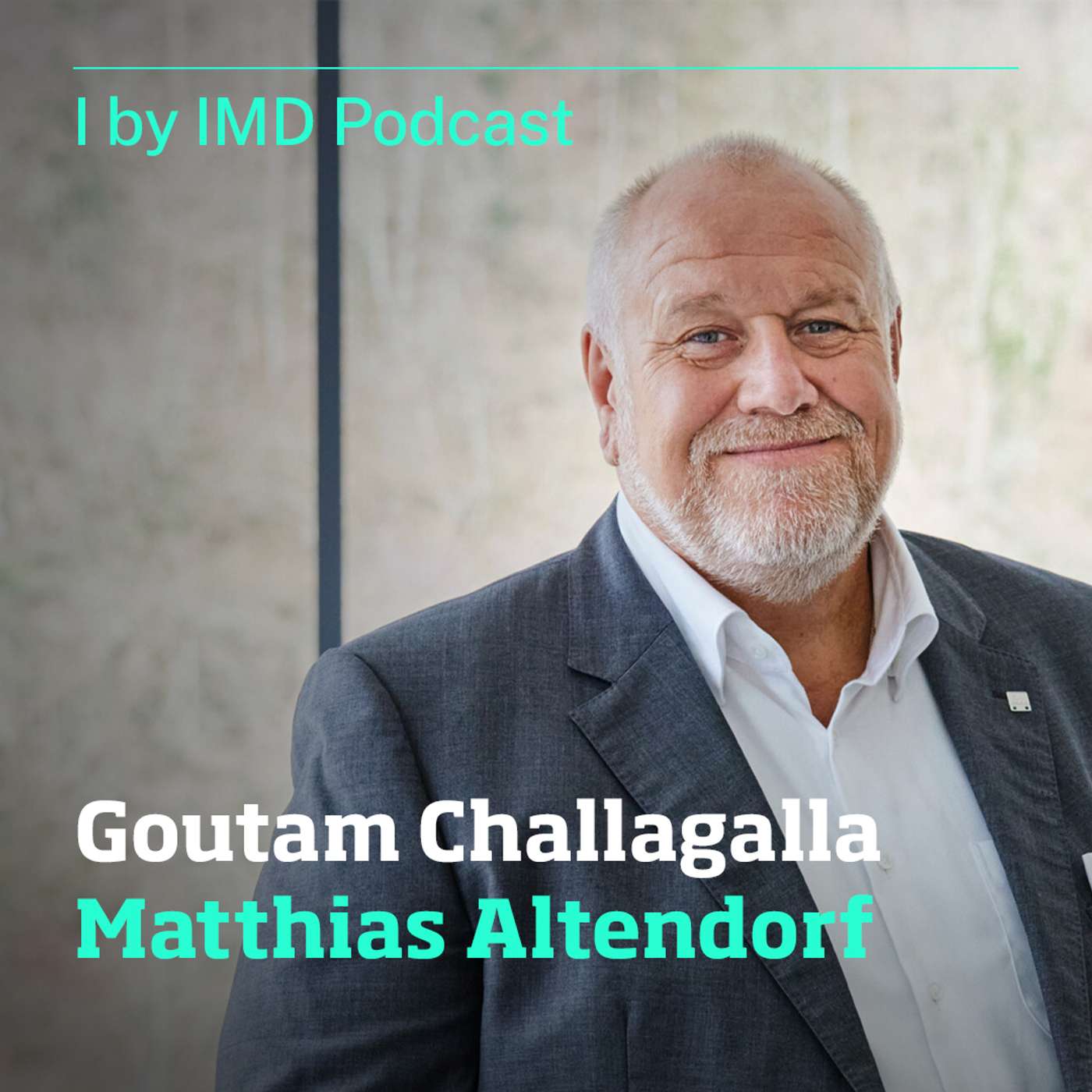
    Endress+Hauser: How to future-proof a 70-year-old market leader

    What does it take to build a company that lasts generations — not just quarters? In this episode, Endress+Hauser’s Supervisory Board President Matthias Altendorf discusses with IMD professor Goutam Challagala how to integrate sustainability into strategy, innovation, and board governance of a global market leader. Altendorf challenges common thinking: “If you start to separate one from the other, you will never get the synergies.” He embraces disciplined vigilance: “Only the paranoid survives.” And he reframes diversity as protection: “The more diverse your DNA is, the better you can deal with the future.” A conversation for everyone interested in building organizations that can navigate uncertainty without losing their identity. Our Guest: Matthias Altendorf led Endress+Hauser as its first non-family CEO and now serves as Supervisory Board President. Under his leadership, the company strengthened its global market position, expanded into high-growth sectors, and deepened its sustainability integration while maintaining family ownership principles.

  • #78
    January 27 · 17 min

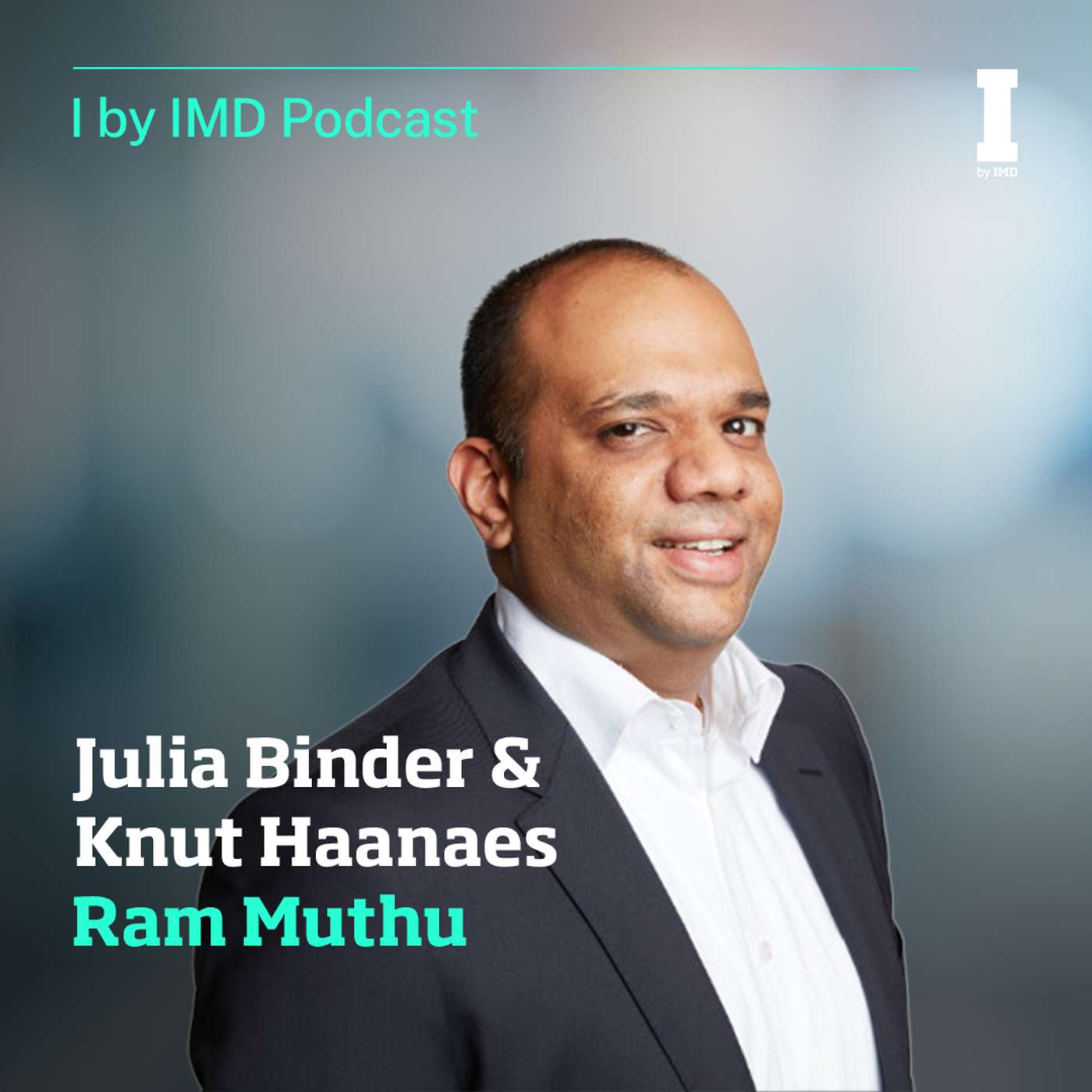
    Holcim’s Ram Muthu: Can circular construction scale?

    Construction is one of the biggest carbon emitters – and cement sits at the center of it. In this episode of Inside the Transition, IMD's Julia Binder and Knut Haanaes speak with Holcim’s Head of Operational Excellence Ram Muthu about what decarbonization looks like when you’re responsible for heavy equipment, waste streams, and execution across real plants. Muthu doesn’t romanticize the challenge. He argues the sector can move fast – but only if policy and infrastructure keep up, and if leaders stop treating transformation like a checklist. As he puts it: “Cement and building materials are probably one of the hardest to abate sectors,” “our industry still depends a lot on carbon capture and storage,” and “focus on execution is critical.” Inside the Transition delivers practical, executive-grade conversations on the energy transition. More info: https://www.imd.org/ibyimd/podcasts/inside-the-transition/ Our Guest: Ram Muthu is the Head of Operational Excellence at Holcim and a member of Holcim’s Executive Committee, focused on operational performance and the delivery of transformation at scale across a global building materials leader. LinkedIn: https://ch.linkedin.com/in/ram-muthu-112b46b

  • #77
    January 13 · 46 min

    Inside the transition with Pictet’s Marie-Laure Schaufelberger

    In this episode of Inside the Transition, IMD’s Julia Binder and Knut Haanaes welcome Marie-Laure Schaufelberger, Chief Sustainability Officer of Pictet Group, to explore the role of finance in driving the energy transition. Schaufelberger oversees Pictet’s responsible investment strategy, ESG governance, and stewardship, and brings a capital-markets perspective shaped by her work across thematic investing and system-level initiatives such as Building Bridges. The conversation examines where transition capital is flowing, how investors assess corporate credibility, and how expectations are evolving. For executives, the episode offers practical insight into what it now takes to attract and sustain transition finance.

  • #76
    January 5 · 24 min

    What comes next for international development

    In a moment of upheaval for international development, Katherine Milligan of the Graduate Institute and Carlos Álvarez Pereira, Secretary General of the Club of Rome, argue that hope – not fear – must guide what comes next. In 2025, the international development sector reached a tipping point. Deep cuts to U.S. aid and a rapidly shifting geopolitical landscape made clear that the international development system as we knew it was gone. What comes next depends on how we choose to respond. According to Katherine Milligan, Senior Lecturer at the Graduate Institute of International and Development Studies and elea Fellow at IMD, and Carlos Alvarez Pereira, Secretary General of the Club of Rome, the path forward begins not with fear or denial, but with psychological safety. They argue that creating space for honest reflection is essential to bridging the growing dissonance between official narratives and how humanitarian and development professionals are actually feeling. In this conversation, they explore the leadership skills, competencies, and sensemaking practices needed to unlock collective intelligence, so the sector can navigate transformation and maximize the chances for renewal and success.

  • #75
    Dec 15, 2025 · 25 min

    Caspar Herzberg on how ‘radical collaboration’ can unlock trapped value

    Could an ecosystem-led approach to disparate industrial information technology systems build more resilient and efficient global supply chains? Caspar Herzberg, CEO of industrial software company AVEVA, argues that breaking down data silos across companies and sectors could benefit all stakeholders through what he calls “radical collaboration.” Herzberg details the increasing complexity of the industrial world, where thousands of systems across supply chains have locked-in value because they don’t communicate. He argues that to decomplexify and unlock this value, industries need radical collaboration—overcoming the fear of sharing data to realize a significantly bigger collective prize. Ultimately, Herzberg says that he is a pragmatist regarding AI’s societal impact, noting that the augmentation of the worker will be hugely productivity-enhancing. But he cautions that we must collectively establish boundaries on its use, as AI serves humankind.

  • #73
    Dec 8, 2025 · 33 min

    Zhike Lei & Marcus Schindler on exploration and purpose at Novo Nordisk

    In this episode, IMD Professor Zhike Lei speaks with Marcus Schindler, the former head of Novo Nordisk’s R&D operation, about driving innovation through transformation. Schindler reveals his journey is defined by “exploration” and details how he balances the need for immediate delivery with long-term discovery, stressing that success requires doing both. Novo Nordisk’s strong, patient-focused purpose attracts global talent, and Schindler explains the strategy behind establishing R&D hubs in places like Boston to leverage external innovation and entrepreneurial spirit. R&D teams, he says, need to prepare for the age of AI by becoming “bi-lingual” in both science and digital skills, and concludes that trust and a compelling value story are the currency for leading a transformative organization.

  • #72
    Dec 8, 2025 · 33 min

    Zhike Lei & Marcus Schindler on exploration and purpose at Novo Nordisk

    In this episode, IMD Professor Zhike Lei speaks with Marcus Schindler, the former head of Novo Nordisk's R&D operation, about driving innovation through transformation. Marcus reveals his journey is defined by "exploration" and details how he balances the need for immediate delivery with long-term discovery, stressing that success requires doing both. Novo Nordisk’s strong, patient-focused purpose attracts global talent, and Marcus explains the strategy behind establishing R&D hubs in places like Boston to leverage external innovation and entrepreneurial spirit. R&D teams, he says, need to prepare for the age of AI by becoming "bi-lingual" in both science and digital skills, and concludes that trust and a compelling value story are the currency for leading a transformative organization.

  • #71
    Dec 1, 2025 · 43 min

    Inside the transition: Bottlenecks and strategic choices

    In the second episode of IMD’s sustainability series, Julia Binder and Knut Haanaes welcome Kunal Chandra, the Chief Strategy & Sustainability Officer at RWE. Chandra, an IMD alumnus, oversees one of Europe's largest clean energy investment programs and offers a unique perspective from his career across Shell, Siemens, and now RWE, on the accelerating energy transition. Chandra’s career began with a desire to travel, and evolved into a deep understanding of energy's fundamental role in human civilization. The discussion centers on the speed of the transition, the bottlenecks it creates, and the strategic choices executives must make in an increasingly electrified and contested energy world.

  • #70
    Nov 17, 2025 · 41 min

    The real story of AI’s rise from winters to workplaces

    AI has leapt from obscurity to ubiquity, reshaping work and society. But its flaws run deep, forcing leaders to balance its promise with its dangerous limitations. From the frosty skepticism of AI’s early winters to the blazing hype of today’s workplace revolution, artificial intelligence has undergone a dramatic transformation. In this episode, IMD’s Didier Bonnet and Oxford University’s Michael Wooldridge take us behind the scenes of AI’s evolution, revealing how neural networks rose from the dead, why conversational AI dazzles but deceives, and what leaders must understand about the paradox at its core: a powerful tool that’s useful, but not always correct. As AI reshapes industries, boosts productivity, and quietly erodes certain roles, Wooldridge urges us to rethink how we work, learn, and lead. Whether you’re a CEO, educator, or everyday user, this conversation will challenge your assumptions and offer a grounded view of what AI can and can’t do. Tune in to explore the real story behind the headlines and discover how to navigate the new normal with clarity and caution.

  • #69
    Nov 10, 2025 · 48 min

    Europe’s irreplaceable innovator: ASML’s CEO on powering the digital future

    Christophe Fouquet, CEO of ASML, tells Jean-François Manzoni how the world’s only EUV lithography machine maker became Europe’s most indispensable company – and what comes next. Few companies can claim to sit at the center of modern technological progress. ASML is one of them. The Dutch multinational is the only company in the world capable of producing extreme ultraviolet (EUV) lithography machines – the technology behind the smallest, fastest, and most powerful semiconductor chips. Without ASML, the world’s most advanced computing systems, from AI data centers to smartphones, simply would not exist. Tune in to find out more.

  • #68
    Nov 4, 2025 · 26 min

    Olympian insights: Leadership meets elite sports

    Oliver Zeidler is an Olympian who has successfully reinvented himself. After missing out on the Rio 2016 games as a swimmer, he switched sports to become a World Champion rower just three years later. In conversation with IMD’s Susan Goldsworthy, Zeidler discusses growing up in a family legacy of Olympic success, which "normalized peak performance," and the critical role of his grandfather as a "secure base" who inspired him to pursue both a competitive sports career and a business career, at Deloitte. Zeidler explains how combining an intellectual, office-based role with the physical demands of rowing has provided balance in his life. He talks about the key to his sustainable success and details a unique perspective on managing setbacks and embracing the "beginner's mindset". This powerful characteristic has allowed him to continuously explore and master new challenges, from switching sports at 20 to entering a demanding MBA program at the International Institute for Management Development (IMD) in Lausanne.

Showing 1–20 of 20 episodes