Skip to content
Artwork for Cool Climate Wine Summit
ArtsFood

Cool Climate Wine Summit

11142713286

Here on the channel, we publish this year interviews with all of our 160 exhibitors. So, enjoy getting to know them already before the trade fair.

See you in Copenhagen, Jan/9 - Jan/11, 2026 for the next edition of the Cool Climate Wine Summit, Scandinavia's leading wine trade fair with 160 winemakers from cool climate wine growing countries such as Denmark, Poland, Germany, Switzerland, Luxembourg, the UK, and many more.

Play
  • 31 episodes
  • a few times a week
  • Avg 30 min
  • English
Counted on this page — what you have heard stays on this device, so it is not something the list can be paged by.
  • Monday · 19 min

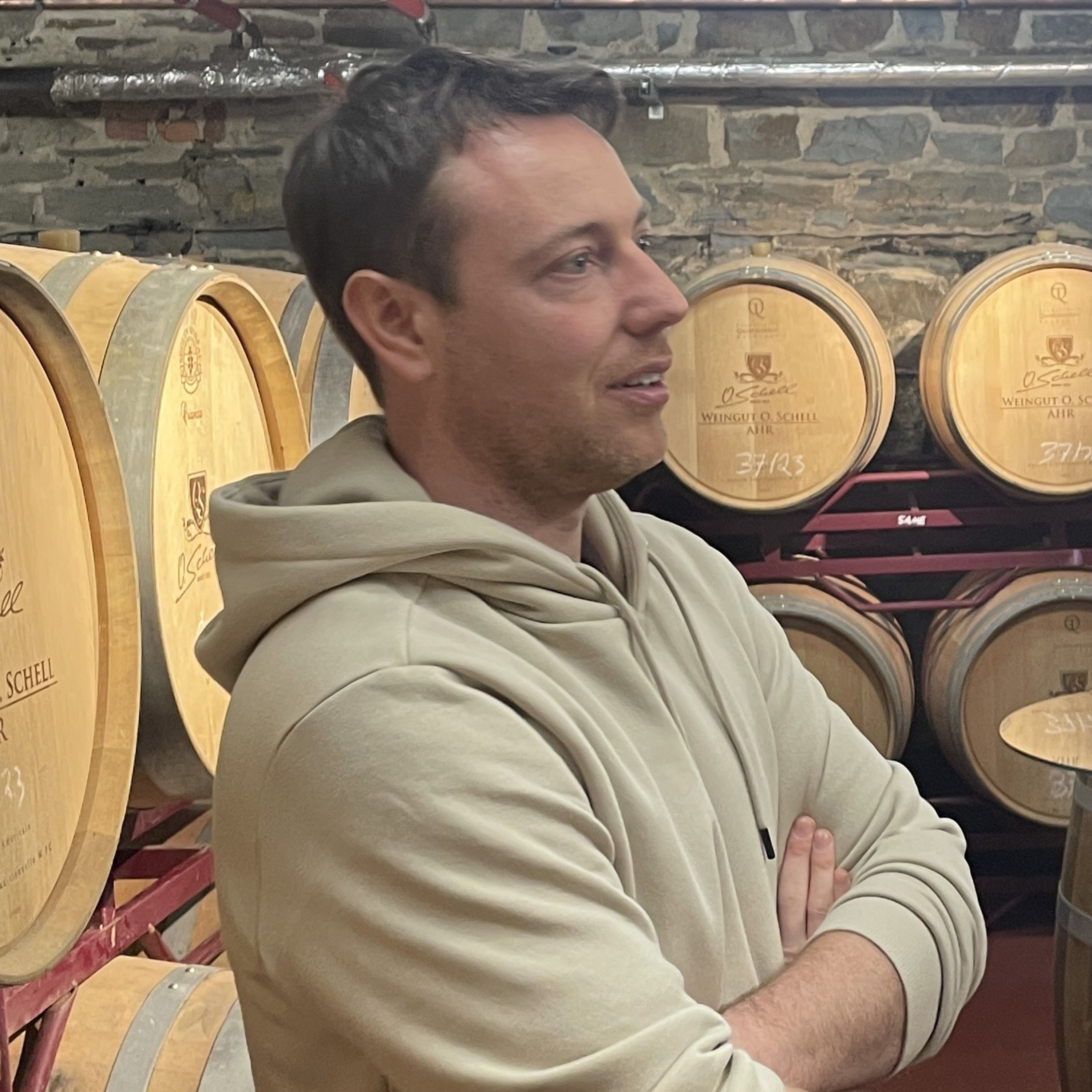
    Weber Brüder: Riesling Sekt and Spätlese from the Saar, Germany | Cool Climate Wine Summit

    We meet Michi Weber of Weber Brüder in the Saar valley, in the middle of a rainy harvest. Together with his brother Stefan he started in 2013 with a quarter hectare of their grandfather's old vines; today they farm four hectares alongside their day jobs. We talk about bursting grapes after weeks of rain, spontaneous fermentation and low-intervention Riesling, why climate change is bringing the Saar's famous acidity into balance, how two brothers with five children manage a winery on the side, and their first wine, Phoenix. Interview in English. 📍 Saar, Mosel, Germany In the glass 1. Riesling Sekt Brut 2021: their first sparkling wine, two years on the lees in tank and 15 months of bottle fermentation, 9 g/l of sugar 2. Ober-Emmeler Altenberg Riesling Spätlese 2020: 60 g/l residual sugar, five years of age, notes of dried fruit Chapters 00:00 Back on the Saar, in the middle of harvest 00:30 Rain, bursting grapes and a rushed harvest 01:08 If not a winemaker: the social sector 02:15 Geisenheim, Portugal, Australia, Montpellier and the US 03:45 His personality as a bottle of wine 04:18 Nature and terroir on the Mosel 05:48 Weber Brüder: from a quarter hectare in 2013 to four hectares 07:08 Tasting: Riesling Sekt Brut 2021 09:07 Saar acidity and climate change 10:07 Covid, frost, rain, drought: the work in the vineyard 11:32 Two brothers, five kids, two day jobs 12:50 Phoenix: the first wine 13:48 Momentum and the low-intervention scene 16:04 Tasting: Ober-Emmeler Altenberg Spätlese 2020 17:39 Sweet or dry: the market and young drinkers 18:28 See you in Copenhagen 📺 Watch the video: https://youtu.be/qiKij-0BOhE 🎟 Sign up for the next Cool Climate Wine Summit: https://coolclimatesummit.com/copenhagen/registration.php?utm_source=spotify&utm_medium=podcast&utm_campaign=weber-brueder&utm_content=en 🌍 coolclimatesummit.com
  • November 2 · 28 min

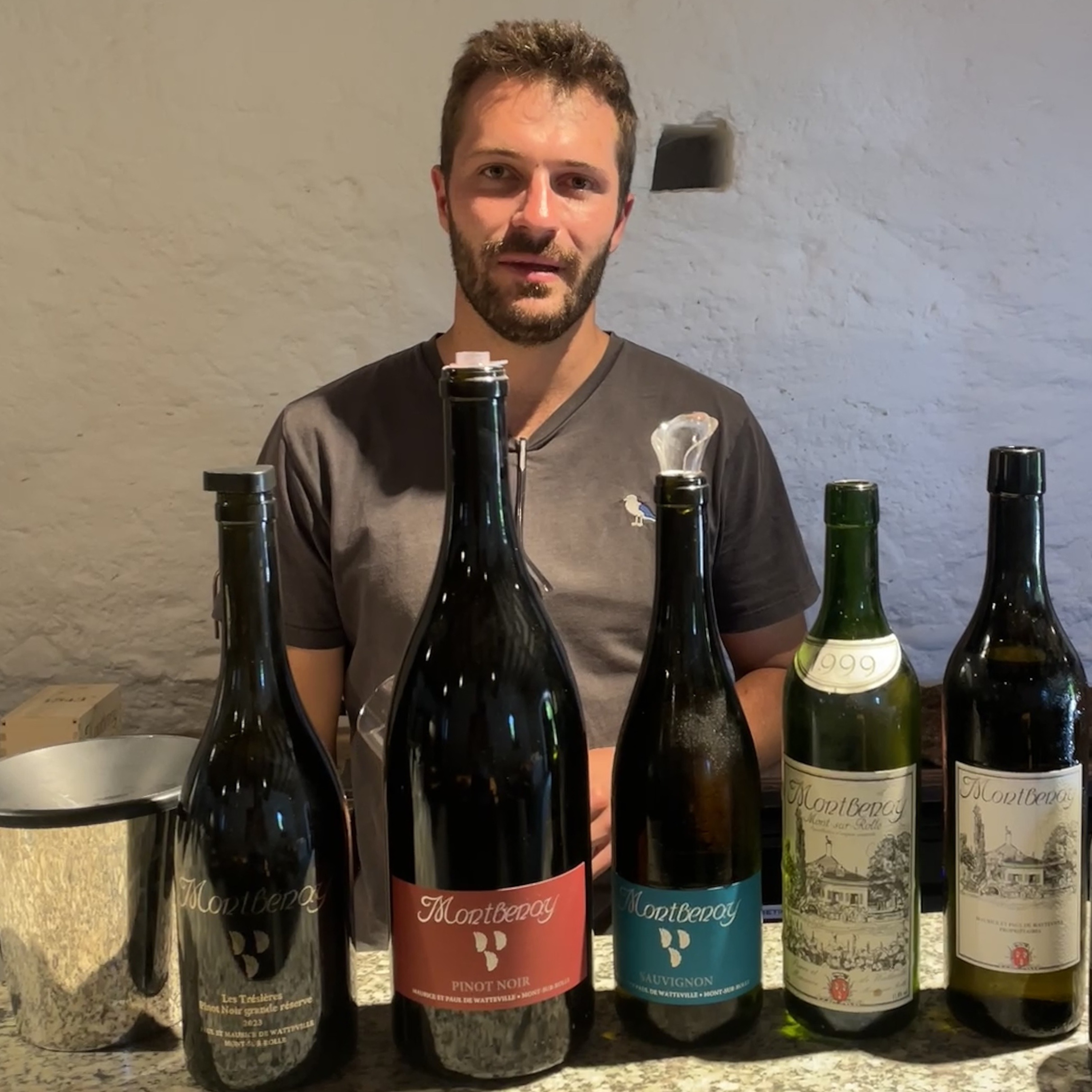
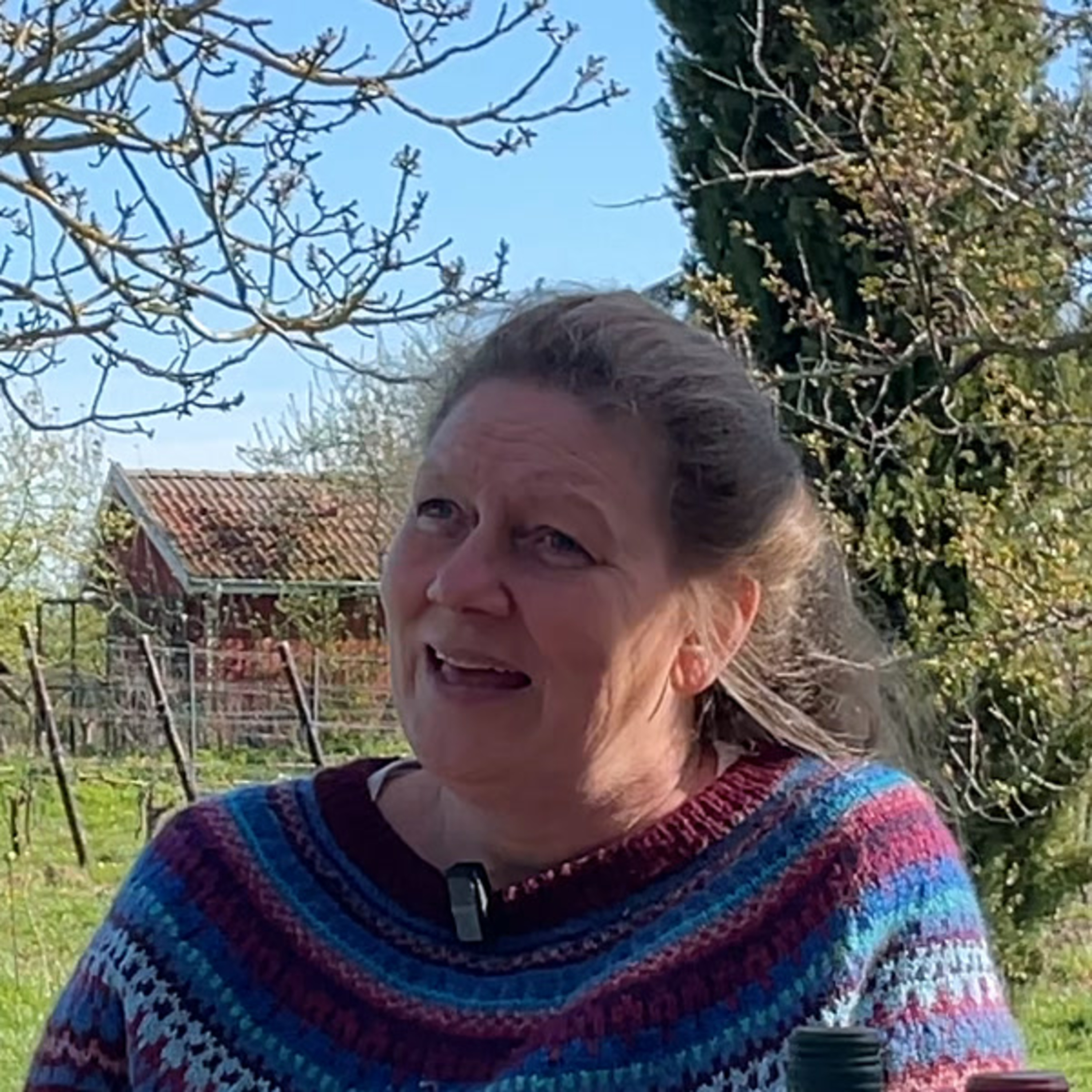
    Domaine de Montbenay: Chasselas and Pinot Noir from Lake Geneva | Cool Climate Wine Summit

    We visit Paul de Watteville of Domaine de Montbenay in Mont-sur-Rolle, in the vineyards above Lake Geneva. The estate has been in his family since 1543; Paul runs its eight hectares with his father Maurice. We talk about why Chasselas, born at Lake Geneva, is "the sponge of the terroir", a 25-year-old Chasselas, a fortified Chasselas inspired by port, his sélection massale Pinot Noir with 500 types of Pinot, an export project to China, and how hail and drought change the work in the vineyard. Interview in English. 📍 Mont-sur-Rolle, Vaud, Switzerland In the glass 1. Chasselas 1999: from the year Paul was born; honey, dried hay, ginger and a precise acidity 2. Pinot Noir Les Trésières 2023: sélection massale with 500 types of Pinot Noir, ten days whole bunch, 12 months in French oak Chapters 00:00 Welcome to Mont-sur-Rolle, above Lake Geneva 00:43 If not a winemaker: a cheese farm in the mountains 01:36 In the family since 1543 02:18 Inspiration: Raymond Paccot, Domaine La Colombe 03:41 His personality as a bottle of wine: Pinot Noir 04:48 Nature and organic viticulture 05:52 Domaine de Montbenay: eight hectares, nine varieties, 85% Chasselas 08:12 Tasting: Chasselas 1999 09:21 Chasselas was born at Lake Geneva: "the sponge of the terroir" 12:43 Gruyère with old Chasselas 13:02 Between Geneva and Lausanne: a scene of young winemakers 14:38 Swiss wine abroad: Chasselas in China 16:03 Chasselas muté: a "port" made from Chasselas 17:30 Pinot Noir: Neuchâtel, Burgundy and ageing potential 19:37 Tasting: Pinot Noir Les Trésières 2023, sélection massale 22:40 Climate change: sélection massale, hail and drought 26:22 Rootstocks for deeper roots 26:57 Outlook: the next five years 27:42 See you in Copenhagen 📺 Watch the video: https://youtu.be/cLmjjDqhrD0 🎟 Sign up for the next Cool Climate Wine Summit: https://coolclimatesummit.com/copenhagen/registration.php?utm_source=spotify&utm_medium=podcast&utm_campaign=montbenay&utm_content=en 🌍 coolclimatesummit.com
  • October 28 · 32 min

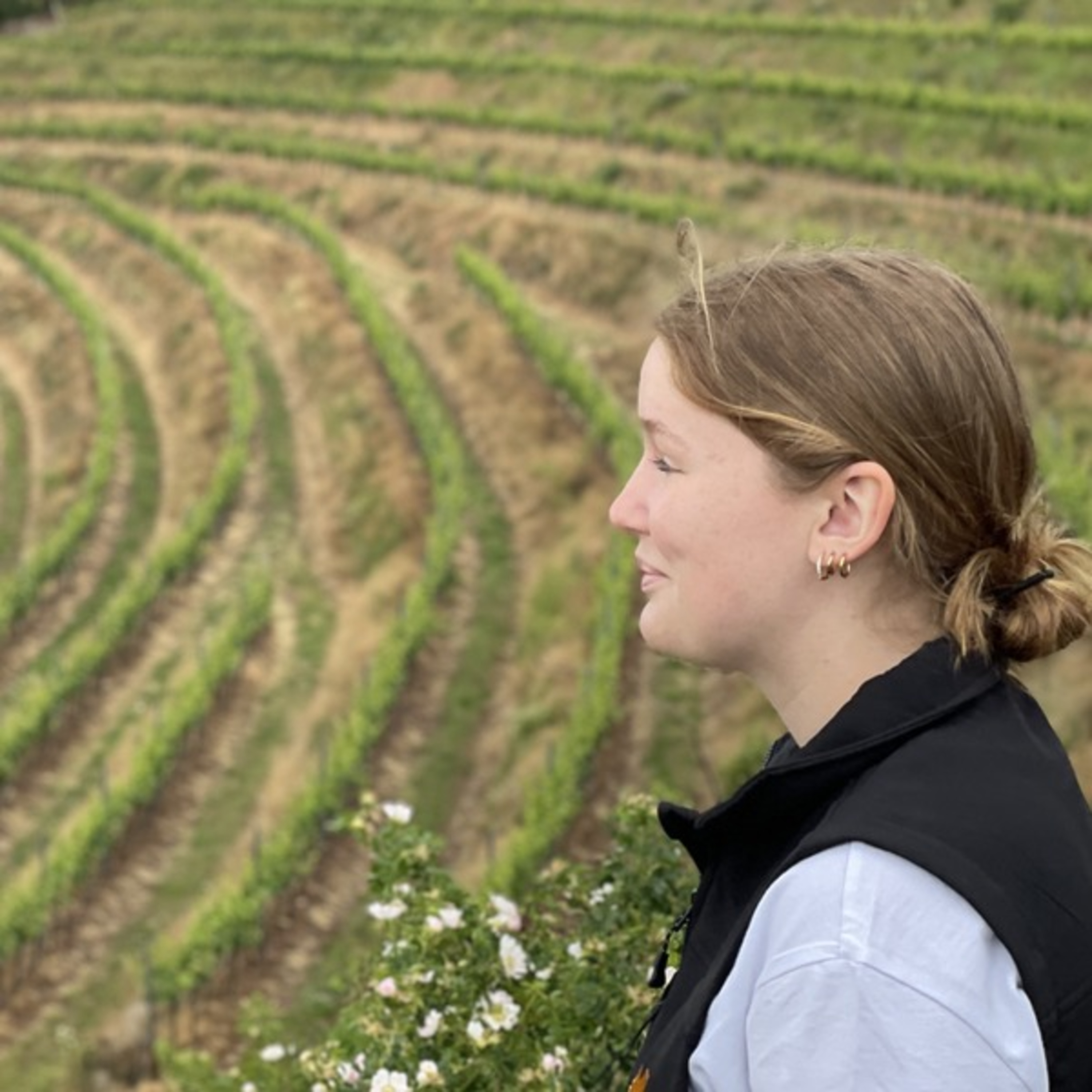
    Weingut O. Schell: Pinot Noir and PIWI from the Ahr, Germany | Cool Climate Wine Summit

    We visit Oliver Schell of Weingut O. Schell in Rech on the Ahr, the fourth generation of an estate founded in 1921, with 70 % of its eight hectares on steep terraces. He explains why this narrow valley makes great red wine and how the flood changed his winemaking. We taste his first PIWI, a Sauvignon Gris called "I can't believe it's a PIWI", and his Spätburgunder from the Recher Herrenberg, and talk about north-facing sites and the new problem of too little acidity. Interview in English. 📍 Rech, Ahr, Germany In the glass 1. „I can't believe it's a PIWI“ 2023: Sauvignon Gris from the Dernauer Burggarten (steep slate); Auslese ripeness, fermented dry, 15 % alcohol, five hours on the skins, second-use barrel; 497 bottles; label by his wife, an homage to Roy Lichtenstein 2. Spätburgunder Recher Herrenberg 2022: 18 months in barrique, 50 % new oak after the flood, 13.5 %; light colour, cherry, raspberry, wild strawberry, red flowers and spice Chapters 0:00 Welcome to the Ahr and Weingut O. Schell 0:52 If not a winemaker: a chef 1:21 His influence: his grandfather 2:28 His personality as a wine: a bolder Pinot Noir 3:43 Nature: the one thing we can't control 4:32 Weingut O. Schell: since 1921, 70 % steep 5:47 Why the narrow Ahr valley makes red wine 6:44 "Come and see it yourself" 7:34 Tasting: „I can't believe it's a PIWI“ 2023 8:58 15 % alcohol you don't taste 9:23 Flint, quince and an autumn touch 11:10 The label: pop art and Roy Lichtenstein 12:56 Planting Sauvignon Gris: "a very good mistake" 13:46 After the flood: new ways to sell wine 14:46 Easy wines are like learning a language 16:10 A warmer Ahr: shaded sites and new grapes 18:24 What the flood taught him: let things roll 19:46 Tasting: Spätburgunder Recher Herrenberg 2022 21:37 50 % new oak after the flood 22:24 Cherry, wild strawberry and spice 23:20 The new problem: too little acidity 24:24 Harvest under pressure on steep slopes 25:02 Burgundy, Chablis and the Ahr style 26:20 Five years from now 27:15 See you in Copenhagen 📺 Watch the video: https://youtu.be/pZmaiHTK0Z4 🎟 Sign up for the next Cool Climate Wine Summit: https://coolclimatesummit.com/copenhagen/registration.php?utm_source=spotify&utm_medium=podcast&utm_campaign=schell&utm_content=en 🌍 coolclimatesummit.com
  • October 26 · 1 hr 10 min

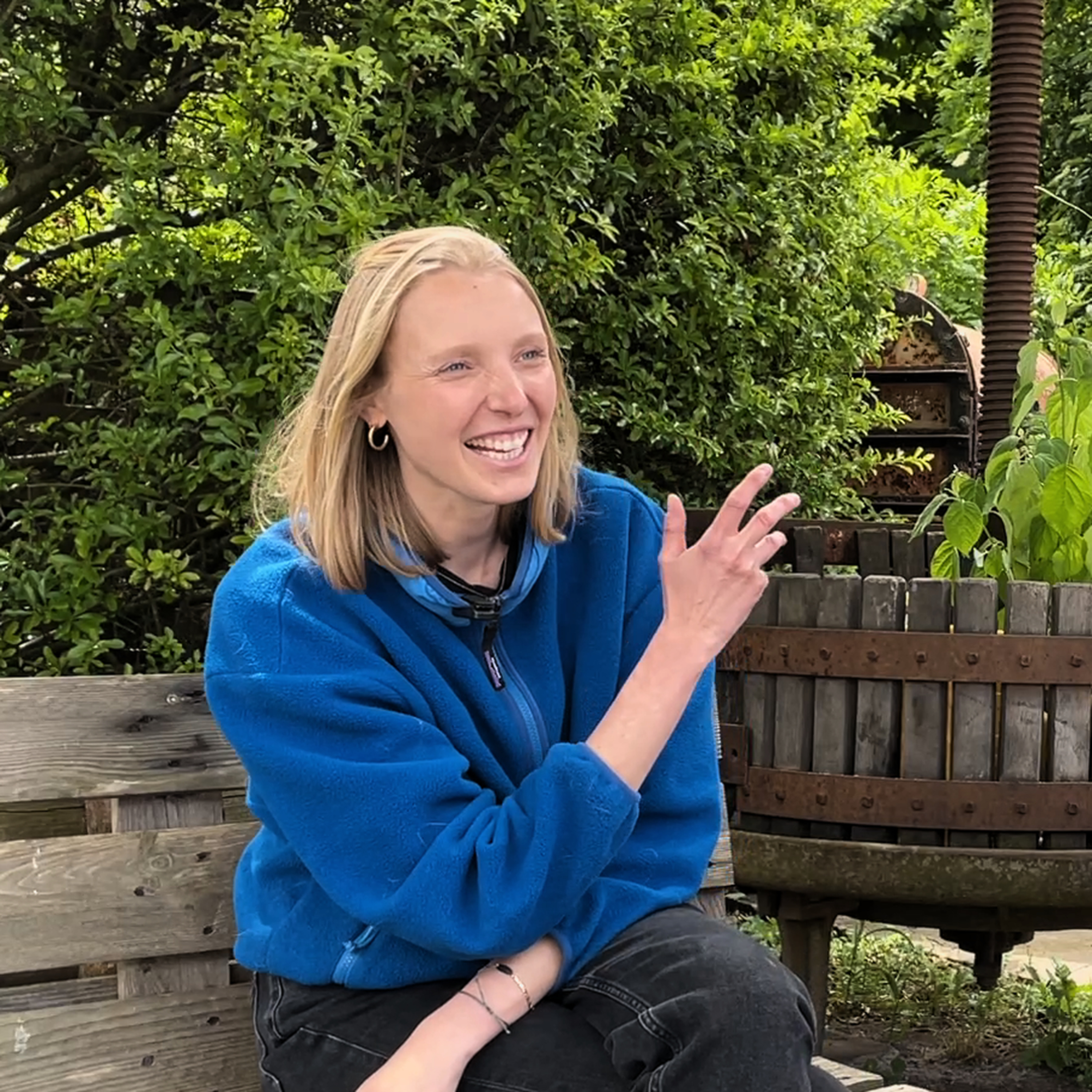
    Hideaway Vingaard: Figs, Geese and Nordic Wine on Fejø, Denmark | Cool Climate Wine Summit

    We visit Karin Hvidtfeldt and winemaker Lou Langdon of Hideaway Vingaard on Fejø, a small island off Lolland in southern Denmark. They explain how the sea gives Fejø about 200 more hours of sunshine than the Danish average, how the estate began with Karin's late husband Michael Gundersen in 2006, and what they learned from Jens Heinemeyer. We talk about free-range geese, organic rules that were not written for wine, spring droughts and 200 millimetres of rain in one day, and why Danish wine belongs on every restaurant wine list. Interview in English. 📍 Fejø, Lolland, Denmark In the glass 1. Vingesus 2023: Souvignier Gris and Solaris, fermented spontaneously and aged in oak 2. Gåsefod 2024: 100 % Solaris in a Riesling style, with 17 g/l of residual sugar 3. Sommergås 2024: Rondo, Bolero, Cabernet Cortis and Rehberger, made by carbonic maceration Chapters 0:00 Welcome to Fejø: by ferry and over the deer fence 1:06 Lou: from England to Fejø, a hidden gem 3:10 Why "Hideaway"? A Beatles song 4:00 1.3 hectares, holiday cabins and 70 fig varieties 5:18 Biodiversity garden and exotic trees 6:33 The Fejø microclimate: the sea all around 9:55 An extra month of sunshine 10:07 Where we are: Lolland, Copenhagen and Hamburg 10:42 2006: Michael Gundersen and the beginnings 14:34 A new start with Lou and Jens Heinemeyer 16:43 Wine with Soil Connection 17:29 Tasting: Vingesus 2023, Souvignier Gris and Solaris 22:04 New grapes and oak: two shifts in Danish winemaking 27:00 The freedom to experiment, and its downside 28:19 "Can you grow wine in Denmark?" 29:27 A Danish bottle in Zielona Góra, and Jens Heinemeyer 30:47 Only take advice from someone whose wine you love 34:26 Is the Pfalz still cool climate? 36:02 Tasting: Gåsefod 2024, the geese and Molly the vineyard dog 38:09 A Riesling style from Solaris 41:04 17 grams of sugar, 7 of acidity 43:22 "Kissed by the oak": why so few Danish wines with residual sugar? 46:02 Climate change on Fejø: the frost is back 49:26 Spring droughts, cloudbursts and groundwater 52:38 Mildew on a warm, dry island 53:53 Organic rules not written for wine: the copper ban 58:18 Bureaucracy, and on to the red wine 59:10 Tasting: Sommergås 2024, a Nordic red 1:01:09 "Verdammt, du hast wieder recht": how the red was born 1:02:28 94 points from Jamie Goode 1:04:30 Rondo, PIWI reds and old vintages 1:06:20 Warsaw and export 1:07:25 Five years ahead: Danish wine on every wine list 1:09:25 Pride, Janteloven and bragging 1:10:39 See you at the Cool Climate Wine Summit 📺 Watch the video: https://youtu.be/HGpMEPKXe5k 🎟 Sign up for the next Cool Climate Wine Summit: https://coolclimatesummit.com/copenhagen/registration.php?utm_source=spotify&utm_medium=podcast&utm_campaign=hideaway&utm_content=en 🌍 coolclimatesummit.com
  • October 22 · 27 min

    Weingut Mindnich: Green Slate Riesling from the Nahe, Germany | Cool Climate Wine Summit

    We visit Lara Mindnich of Weingut Mindnich, a family estate of about eight hectares on the Nahe. Standing in a young vineyard full of poppies and bees, she talks about learning winemaking from her father, her role models Juliane Eller and Pauline Baumberger, and why a region with more than 180 soil types has no single Riesling style. She explains green slate, how her father simply said "just do it", sustainability on the label, PIWIs and Vitiforst, and what her generation can do against climate change. Interview in English. 📍 Nahe, Germany In the glass 1. Riesling vom Grünen Schiefer: Gutswein from green slate: fruity, juicy, soft and elegant, with a lively acidity 2. Johannisberg Riesling 2024: Single vineyard on steep terraces, harvested by hand; more structure and concentration Chapters 0:00 Welcome to the Nahe and Weingut Mindnich 0:26 If not a winemaker: something creative and social 0:55 Role models: her father, Juliane Eller and Pauline Baumberger 2:04 Her personality as a wine: Riesling from green slate 3:16 A young vineyard full of flowers and bees 4:19 Happy about the rain 4:51 Weingut Mindnich: 8 hectares, three generations 5:40 The Nahe: small, unknown and creative 7:07 Tasting: Riesling vom Grünen Schiefer 8:55 What is green slate? 9:41 180 soil types: is there a Nahe signature? 11:10 Between Rheinhessen and the Rheingau 11:51 Studying wine business in Geisenheim 12:29 "Just do it": the generation change 13:50 Structural change: scared or hopeful? 15:45 Telling sustainability on the label 17:00 Niepoort and the idea of eight points 17:55 Tasting: Johannisberg Riesling 2024 19:32 Holding vintages back 20:39 Fresh and green: the Nahe style 21:41 Climate change and new grape varieties 23:59 PIWIs and Vitiforst 25:23 Staying positive 25:54 Five years from now: even more for nature 📺 Watch the video: https://www.youtube.com/@coolclimatesummit 🎟 Sign up for the next Cool Climate Wine Summit: https://coolclimatesummit.com/copenhagen/registration.php?utm_source=spotify&utm_medium=podcast&utm_campaign=mindnich&utm_content=en 🌍 coolclimatesummit.com
  • October 19 · 28 min

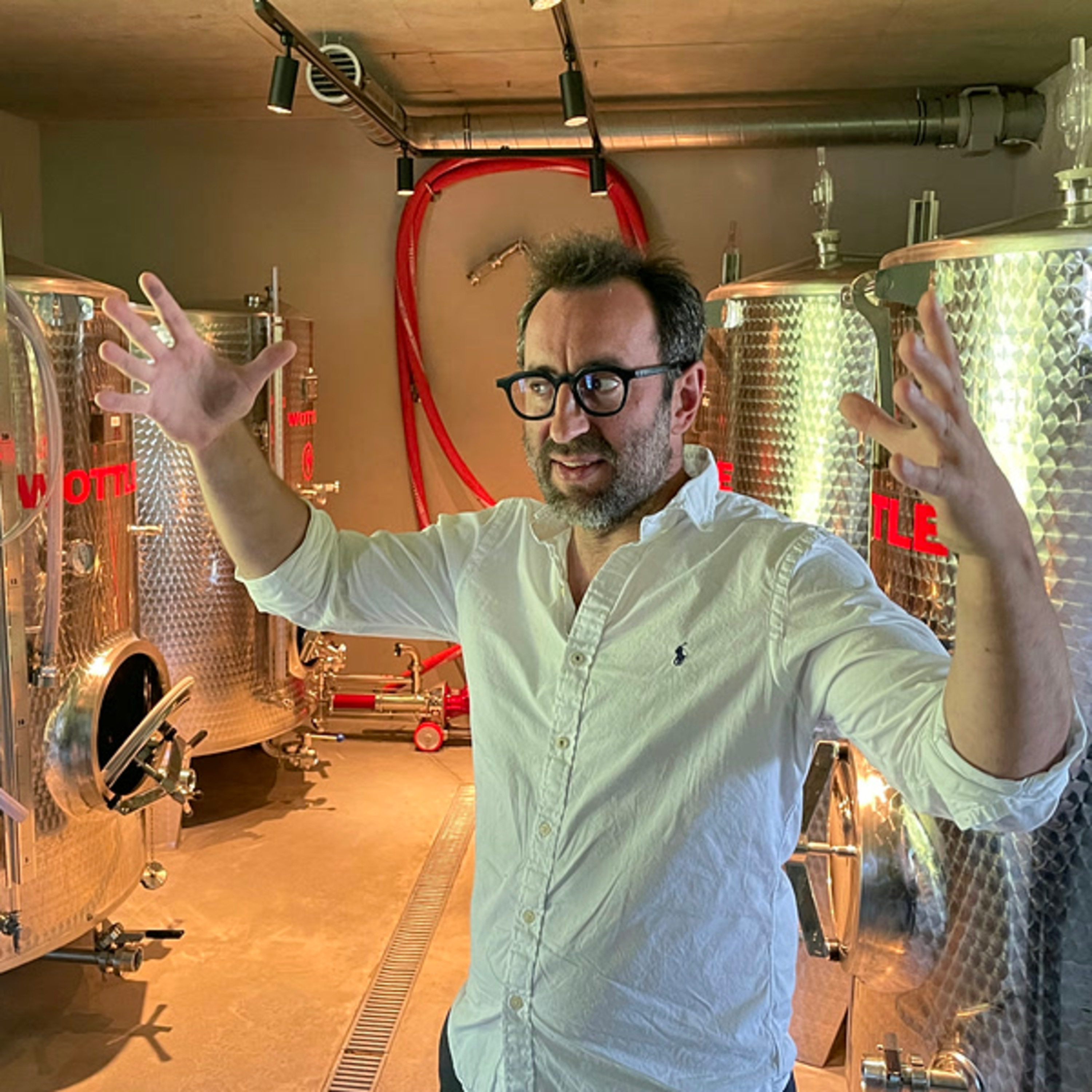
    Domaine Sunnen-Hoffmann: Crémant und Auxerrois aus Luxemburg | Cool Climate Wine Summit

    Zu Besuch in Remerschen, in der Gemeinde Schengen, am Dreiländereck von Luxemburg, Deutschland und Frankreich: Marie Kox führt die Domaine Sunnen-Hoffmann in sechster Generation, zusammen mit ihrer Mutter. Es geht darum, warum in Luxemburg „Crémant immer geht“, um einen Brut Nature ohne Dosage und ohne Schwefel, um den unterschätzten Auxerrois aus der ersten Bio-Lage des Weinguts, um eine Crémant-Lese, die schon im August beginnt, und um PIWI-Sorten wie den Pinotin. Interview auf Deutsch. Aufgenommen am 22. Mai 2025. 📍 Remerschen, Schengen, Luxemburg Im Glas 1. Crémant de Luxembourg Brut Nature 2022: 50 % Chardonnay und 50 % Pinot Blanc, ohne Dosage und Schwefel, zweieinhalb Jahre auf der Hefe 2. Auxerrois 2022 aus der Lage Schengen-Fels: 50 Jahre alte Reben, die erste Lage, die das Weingut auf Bio umgestellt hat Kapitel 0:00 Begrüßung: Domaine oder Cave? 0:49 Wenn nicht Winzerin: Ernährungsberaterin 2:30 Prägende Erfahrung: Praktikum in Châteauneuf-du-Pape 3:19 Die Persönlichkeit als Flasche Wein: Pinot Noir 4:21 Zurück nach Luxemburg und unterschätzte Weinregionen 5:33 Natur und ökologischer Weinbau 6:21 Die Domaine Sunnen-Hoffmann: sechste Generation seit 1872 6:51 Schengen und das Dreiländereck 7:44 Crémant de Luxembourg: „Crémant geht immer“ 9:10 Verkostung: Crémant Brut Nature 2022 12:26 Frühe Lese und unberechenbare Jahrgänge 14:28 Luxemburg als Weinbauregion: Mosel, Römer, Elbling 16:30 Rotwein im Kommen und die Geschichte des Crémant 17:32 Zweiter Wein: Auxerrois aus der Lage Schengen-Fels 19:39 Klimawandel: Lesezeitpunkt und Säure 21:32 Verkostung: Auxerrois 2022 und Food Pairing 23:23 Export: Luxemburg nach außen zeigen 24:39 PIWIs: Cabernet Blanc und Pinotin 27:03 Ausblick: die nächsten fünf Jahre 27:45 Einladung nach Luxemburg und Kopenhagen 📺 Zum Video: {{VIDEO_LINK}} 🎟 Jetzt für den nächsten Cool Climate Wine Summit anmelden: https://coolclimatesummit.com/copenhagen/registration.php?utm_source=spotify&utm_medium=podcast&utm_campaign=sunnen-hoffmann&utm_content=de 🌍 coolclimatesummit.com

  • October 15 · 40 min

    Winnica Rosenfeld: Riesling and Sparkling Wine from Mazovia, Poland | Cool Climate Wine Summit

    We visit winemaker Michał Poddany of Winnica Rosenfeld in Podbiel, Mazovia, south-east of Warsaw. Of the 600 vines he planted in 2009, 12 survived two winters. He replanted, made seven vintages only to learn, and sold his first wine in 2023. He talks about his mentor at Marchesi Alfieri in Piedmont, the −18 °C limit for vinifera, the 2024 spring frost, why Pinot Noir is the easy grape in Poland, and why he wants to stay small. Interview in English. 📍 Podbiel, Mazovia, Poland In the glass 1. Brut Premiere: 65 % Riesling and 35 % Pinot Noir, partly aged in oak and acacia barrels from Seguin Moreau, 22 months on the lees 2. Riesling 2023: from the Una parcel, the first one planted; 1,700 bottles Chapters 0:00 Sunshine in Poland after a month of rain 1:00 If not a winemaker: underwater welder 1:51 Inspiration: Marchesi Alfieri in Piedmont 3:14 His personality as a wine: Nerello Mascalese from Etna 4:43 Nature: a bandage on the wound 6:13 Winnica Rosenfeld: 600 vines planted, 12 survived 8:05 Mazovia: harsh winters, wind and −18 °C 9:03 Seven vintages only for himself 11:09 Emerging wine countries and teething troubles 12:45 Tasting: Brut Premiere 14:01 Still wine tells the truth about the vineyard 15:04 Champagne yeast, no turbo yeasts 17:03 Why Pinot Noir is the easy grape in Poland 17:48 Red Pinot Noir from Poland? 19:19 Three labels for a lifetime 21:07 22 months on the lees and tiny bubbles 24:25 20 vintages to understand your vineyard 26:17 Tasting: Riesling, the hardest grape in Poland 26:37 Winter frost, spring frost and 2024 28:38 Every seventh vintage without a harvest 29:55 No bad vintages, only small ones 31:03 2.5 hectares and very low yields 32:10 Riesling 2023 from the Una parcel 33:41 Low pH, high acidity and a lot of patience 34:55 A basket press and a pump gentler than gravity 37:39 Lessons for Polish winemaking 38:04 Five years from now: staying small 📺 Watch the video: https://www.youtube.com/@coolclimatesummit 🎟 Sign up for the next Cool Climate Wine Summit: https://coolclimatesummit.com/copenhagen/registration.php?utm_source=spotify&utm_medium=podcast&utm_campaign=rosenfeld&utm_content=en 🌍 coolclimatesummit.com
  • October 12 · 25 min

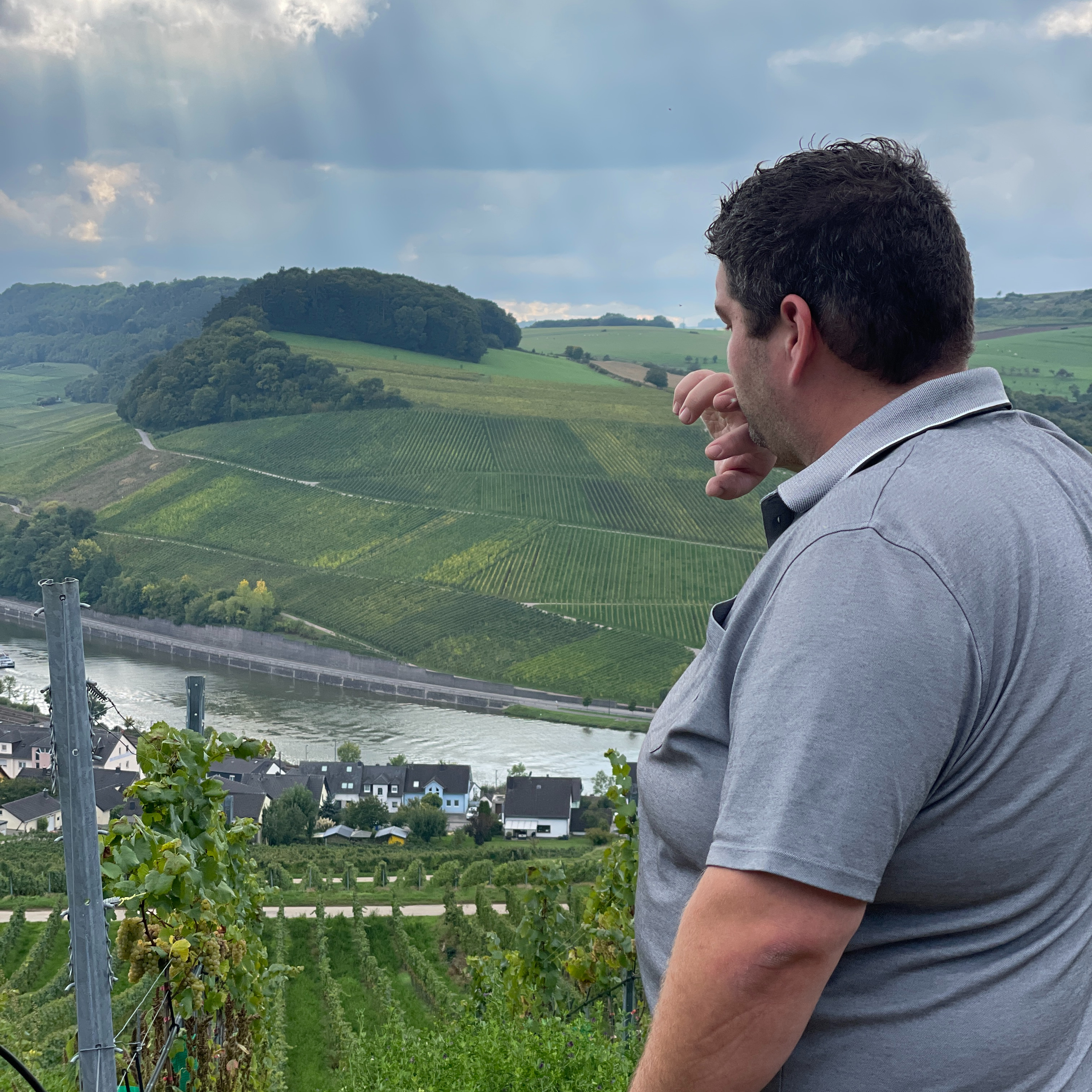
    Weingut Frieden-Berg: Elbling zurück auf die Landkarte der Obermosel | Cool Climate Wine Summit

    Im Weinberg in Nittel an der Obermosel mit Max Frieden vom Weingut Frieden-Berg, mitten in der Lese 2026 und nach drei Tagen Starkregen, Luxemburg direkt am anderen Moselufer. Max erzählt vom Elbling, der alten heimischen Rebsorte, die noch 40 % der 14 Hektar ausmacht, von Crémant in traditioneller Flaschengärung, von seiner Liebe zu Chardonnay und Auxerrois, von der Zertifizierung durch Fair'n Green und davon, warum die Obermosel mehr mit Luxemburg und Frankreich gemeinsam hat als mit den Schieferhängen der Mosel. Interview auf Deutsch. 📍 Nittel, Obermosel, Deutschland Im Glas 1. Elbling Crémant 2022: 100 % Elbling, traditionelle Flaschengärung, 12 Monate Hefelager, 12 % Alkohol 2. Chardonnay Ortswein 2023: Muschelkalk mit leichten Tonanteilen, ein kühler Jahrgang, 13 % Alkohol Kapitel 00:00 Begrüßung im Weinberg nach drei Tagen Regen 01:11 Wenn nicht Winzer: Rettungshubschrauber-Pilot 03:04 Prägende Menschen: Georg Rumpf vom Weingut Kruger-Rumpf, Nahe 04:24 Seine Persönlichkeit als Flasche Wein: Chardonnay 05:34 Natur: Gleichgewicht, Begrünung und Regen 07:43 Frieden-Berg: 14 Hektar und 40 % Elbling 10:01 Verkostung: Elbling Crémant 2022 11:51 Gehört die Obermosel wirklich zur Mosel? 13:15 Familienweingut mit Weinbar 14:37 Vertrieb und Export: von Finnland bis Indonesien 16:37 Nachhaltigkeit: Fair'n Green 18:53 Verkostung: Chardonnay Ortswein 2023 22:16 In fünf Jahren: kleiner und besser 📺 Zum Video: https://youtu.be/moqWVVsDvKE 🎟 Jetzt für den nächsten Cool Climate Wine Summit anmelden: https://coolclimatesummit.com/copenhagen/registration.php?utm_source=spotify&utm_medium=podcast&utm_campaign=frieden-berg&utm_content=de 🌍 coolclimatesummit.com

  • October 8 · 12 min

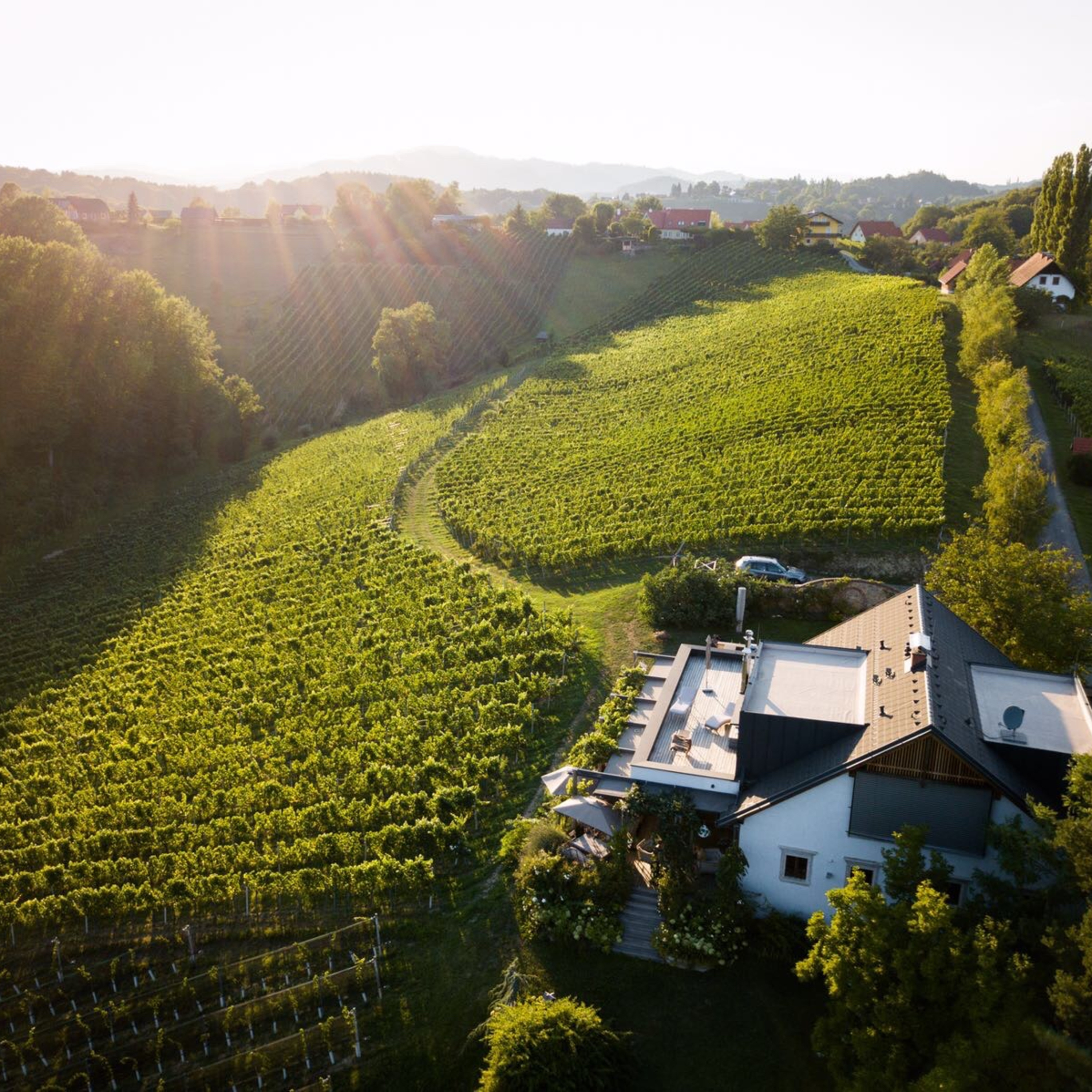
    Weingut Kodolitsch: Sauvignon Blanc Excellence from Styria, Austria | Cool Climate Wine Summit

    Live from VieVinum 2026 in Vienna with Raphael of Weingut Kodolitsch in southern Styria, an exhibitor at CCWS Copenhagen 2026. Styria is Austria's southernmost wine region and, because it lies close to the Alps, also its coolest. We talk about single-vineyard Sauvignon Blanc, why a quarter of the estate is Riesling, Welschriesling as "the Styrian answer to Aligoté", 20 hectares of steep slopes farmed by hand, and why winemakers are farmers first. Interview in English. 📍 Tillmitsch near Leibnitz, Südsteiermark, Austria In the glass: Sauvignon Blanc Ried Rosengarten - 100% clay soil, one night on the skins - 24 months on the full lees in 500-litre barrels, with malolactic fermentation - 13.5% alcohol Chapters 00:00 Welcome at VieVinum 00:13 Looking back at Copenhagen 2026 00:54 Styria: the coolest region in the south 01:54 Riesling and Welschriesling in Styria 03:01 Tasting the Sauvignon Blanc Ried Rosengarten 04:46 If not a winemaker: volunteer firefighter 05:40 Influences: Johann Donabaum 07:05 His personality as a bottle of wine 08:09 20 hectares of steep slopes and sustainability 09:09 Certification, economics and farming 11:04 Rain, water and climate 11:22 Export: the North, Kazakhstan and India 📺 Watch the video: https://youtu.be/AyaGYJvoH5k 🎟 Sign up for the next Cool Climate Wine Summit: https://coolclimatesummit.com/copenhagen/registration.php?utm_source=spotify&utm_medium=podcast&utm_campaign=kodolitsch&utm_content=en 🌍 coolclimatesummit.com
  • September 28 · 10 min

    Weingut Leo Aumann: Pinot Noir aus der Thermenregion, Österreich | Cool Climate Wine Summit

    Live von der VieVinum in Wien: Leo Aumann vom Weingut Leo Aumann aus der österreichischen Thermenregion. Das Interview entstand spontan nach einem Treffen auf der Magnum-Party. Es geht um den Satz „Pinot ist Pinot, kein Rotwein“, um ein Weingut in fünfter Generation, um Weingärten, in denen der Weinbau seit der Ankunft der Zisterzienser aus dem Burgund im Jahr 1141 nachgewiesen ist, um Handarbeit in steilen Lagen, die Lese in der Nacht und darum, warum heute nicht mehr die Reife, sondern der Zucker die Herausforderung ist. Interview auf Deutsch. Im Glas: Leo Aumann Pinot Noir - Elegant und fruchtig - Ausgebaut im 500-Liter-Holzfass - 13,5 % Alkohol Über das Weingut - Familienbetrieb zwischen Gumpoldskirchen und Baden, rund 50 Hektar - Pinot Noir und St. Laurent; Rotgipfler, Zierfandler und Chardonnay - Steile Lagen und Terrassen, Handlese als Standard Kapitel 0:00 Einleitung 0:25 Pinot Noir in Österreich: „Pinot ist Pinot, kein Rotwein“ 1:21 Das Weingut: fünf Generationen Leo Aumann 1:40 Thermenregion und die Zisterzienser seit 1141 2:28 Verkostung Pinot Noir 2:59 Wenn nicht Winzer: Landwirtschaft und die Praxis bei Markowitsch 4:49 Prägende Einflüsse und das Profil der Thermenregion 5:32 Die Persönlichkeit als Flasche Wein 6:43 Rebsorten und Vielfalt auf rund 50 Hektar 7:16 Arbeitsweise: steile Lagen, Handarbeit, Lese in der Nacht 8:03 Reife statt Anreicherung: die neue Herausforderung Zucker 8:36 Extremwetter und die geringen Erträge der Thermenregion 9:22 Export und Eindrücke aus Kopenhagen 10:11 Ausblick: CCWS Warschau und Kopenhagen im Januar 2027 📺 Zum Video: https://youtu.be/QeP9FJgEIlc 🎟 Jetzt für den nächsten Cool Climate Wine Summit anmelden: https://coolclimatesummit.com/copenhagen/registration.php?utm_source=spotify&utm_medium=podcast&utm_campaign=leo-aumann&utm_content=de 🌍 coolclimatesummit.com

  • September 23 · 12 min

    Weingut Michaela Riedmüller: Blaufränkisch from Carnuntum, Austria | Cool Climate Wine Summit

    Live from VieVinum 2026 in Vienna: Michaela Riedmüller of Weingut Michaela Riedmüller in Carnuntum, an exhibitor at CCWS Copenhagen 2026. She took over the family estate at 19. We talk about wind and the Danube, Spitzerberg vs. Braunsberg Blaufränkisch, the flower labels, oak and minimal intervention, and the estate's final year of organic conversion. Interview in English. In the glass: Braunsberg Blaufränkisch 2022 - 100% Blaufränkisch from the Braunsberg near Hainburg an der Donau - Spontaneous open fermentation, no sulphur before or during fermentation - 24 months in 500-litre barrels, mostly Austrian oak; unfiltered About the estate - Hainburg an der Donau, Austria's easternmost town, between Vienna and Bratislava - Farmed organically for five years, in its final year of organic certification - The labels show flowers that grow in each vineyard Chapters 0:00 Introduction 0:24 Carnuntum: location, wind and Danube influence 1:29 Looking back at CCWS Copenhagen 2026 2:06 Blaufränkisch: Spitzerberg vs. Braunsberg 3:03 The flower labels 4:04 Tasting the Braunsberg Blaufränkisch 2022 5:15 If not a winemaker, then what? 6:05 Wine school at 14, taking over the estate at 19, studies and South Africa 7:37 Inspirations: her mother and Dorli Muhr 8:35 Her personality as a bottle of wine 9:17 Oak and minimal intervention in the cellar 9:49 Vineyard work, organic certification and the weather station 11:39 Closing: visiting Carnuntum, 30 minutes from Vienna 📺 Watch the video: https://youtu.be/lpNwRMDXn9E 🎟 Sign up for the next Cool Climate Wine Summit: https://coolclimatesummit.com/copenhagen/registration.php?utm_source=spotify&utm_medium=podcast&utm_campaign=riedmueller&utm_content=en 🌍 coolclimatesummit.com
  • July 24 · 50 min

    Jan Eggers: Low Intervention Winemaking Master Class | Cool Climate Wine Summit Warsaw

    A master class by Jan Eggers, founder of the Cool Climate Wine Summit, at the first CCWS in Warsaw. It runs from healthy soils to healthy grapes to healthy wine. Seven wines from organic and biodynamic producers show what low-intervention winemaking means, how it differs from natural wine, and why it doesn't have to taste funky. It also covers Germany's organic associations Demeter, Ecovin and Bioland, PIWI varieties, and why low-intervention Riesling needs time. Master class in English. The wines 1. Weingut Beurer, Württemberg (VDP, Demeter): Riesling Kieselsandstein 2023 2. Weingut Hemer, Rheinhessen (Ecovin): Riesling from a 500-litre barrel 3. Weingut Fluhr-Eller, Rheinhessen (Demeter): Riesling from stainless steel 4. Benjamin Lanz, Lake Constance: Sauvignon Gris and Johanniter (PIWI) 5. Julien Renard, Mosel: Riesling 2024 6. Maximilian Knebel, Winningen, Mosel: Winninger Uhlen Riesling 2022 7. Tim Röttgerding, Mosel: Riesling 2024 Chapters 00:00 Welcome 02:44 Introduction 06:21 Healthy Soils 09:13 Wine #1 - VDP. Weingut Beurer 13:33 Wine #2 - ECOVIN Weingut Hemer 19:20 Wine #3 - Demeter Weingut Fluhr-Eller 25:16 Healthy Grapes 29:09 Wine #4 Benjamin Lanz 34:08 Wine #5 Julien Renard 39:20 Healthy Wines 41:27 Wine #6 Maximilian Knebel 46:29 Wine #7 Tim Röttgerding 📺 Watch the video: https://youtu.be/akoXegyVM8E 🎟 Sign up for the next Cool Climate Wine Summit: https://coolclimatesummit.com/copenhagen/registration.php?utm_source=spotify&utm_medium=podcast&utm_campaign=masterclass-low-intervention&utm_content=en 🌍 coolclimatesummit.com
  • July 17 · 31 min

    Weingut Peter Siener: Kastanienbusch, Riesling und Norwegen | Cool Climate Wine Summit

    Kurz vor der Lese 2025 zu Besuch bei Peter Siener vom Weingut Siener in Birkweiler in der Südpfalz. Im Schatten geht es um den Kastanienbusch, um Weine, die Zeit bekommen, um einen Lesebeginn, der heute bis zu sieben Wochen früher liegt, um soziale Nachhaltigkeit im Betrieb und um die Frage, warum Peter am liebsten nach Norwegen auswandern würde. Bevor er 2000 ins Familienweingut einstieg, lernte er Kfz-Mechaniker und restaurierte Oldtimer. Interview auf Deutsch. Im Glas 1. Riesling Kastanienbusch: würzig, mineralisch und salzig, 12 % Alkohol 2. Spätburgunder Leinsweiler Sonnenberg 2022: der erste Spätburgunder des Weinguts aus der Amphore, ohne Holzausbau Über das Weingut - Familienweingut in vierter Generation, knapp über 16 Hektar, rund 100.000 Flaschen im Jahr - Fast 50 % Riesling, dazu Weißburgunder, Spätburgunder und Chardonnay - Fair'n Green zertifiziert, keine Herbizide, Handlese Kapitel 0:00 Vorschau 1:09 Begrüßung im Weingut Siener 1:35 Lese 2025: früher als gedacht 2:29 Südpfalz und Mittelhaardt: Kühle vom Haardtgebirge 3:32 Wenig Ertrag, fast 50 % Riesling 4:14 Wenn nicht Winzer: Segeln und Oldtimer 5:56 Weinen Zeit lassen, und was das kostet 7:01 Der ausverkaufte Kastanienbusch-Riesling 7:48 Prägende Menschen: Vater, Winzerfreunde, Werner Jülg und Thomas Siegrist 11:11 Die Persönlichkeit als Flasche Wein: Kastanienbusch Riesling 12:15 Würze statt Obstkorb 14:28 Natur, gesunde Böden und Fair'n Green 15:57 Klimawandel: Lese sieben Wochen früher 17:32 Das Weingut Siener in Kürze 18:37 Weißburgunder, Spätburgunder und Chardonnay 19:19 Arbeiten in der Hitze 20:55 Das Leben als Winzer 22:09 Soziale Nachhaltigkeit und flexible Arbeit 24:36 Verkostung: Spätburgunder Leinsweiler Sonnenberg aus der Amphore 26:14 Abbeeren, Stielgerüst und schonende Verarbeitung 27:31 Randnotiz: polnische Weine und Kopenhagen 28:43 In fünf Jahren: Töchter, Weinmarkt und der Norden 31:46 Ausblick: Kopenhagen im Januar 📺 Zum Video: https://youtu.be/fq3GRY_1wUI 🎧 Erwähnt: Interview mit Kamil Barczentewicz: https://youtu.be/zzLees4vQOo 🎟 Jetzt für den nächsten Cool Climate Wine Summit anmelden: https://coolclimatesummit.com/copenhagen/registration.php?utm_source=spotify&utm_medium=podcast&utm_campaign=siener&utm_content=de 🌍 coolclimatesummit.com

  • July 10 · 48 min

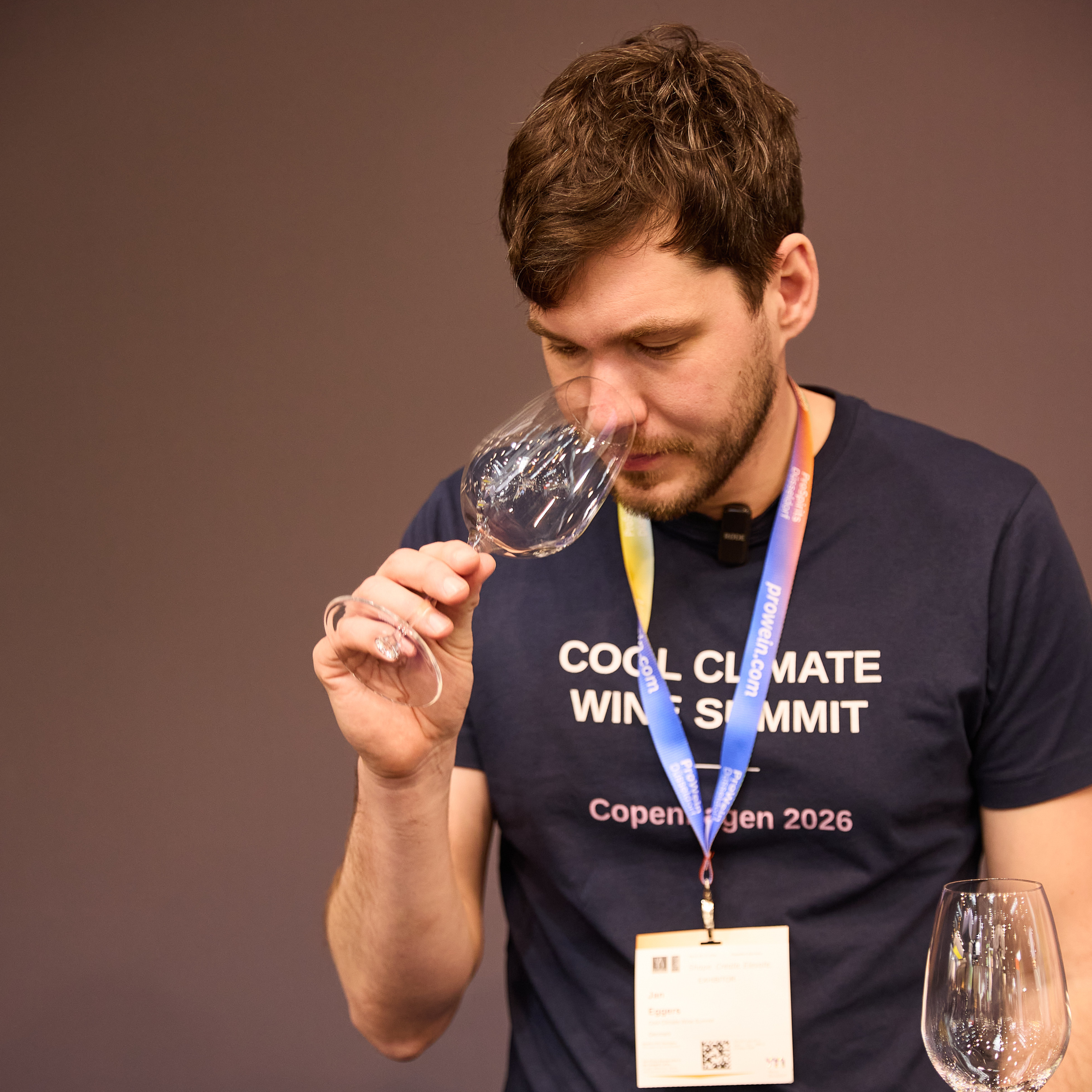
    Wojciech Bońkowski MW: Cool Climate Pinot Noir Master Class | Cool Climate Wine Summit Warsaw

    Master of Wine Wojciech Bońkowski leads a tasting of six cool-climate Pinot Noirs at the first Cool Climate Wine Summit in Warsaw, from a rare old-vine Pinot from Bohemia to Spätburgunder from the Hessische Bergstraße, the Nahe, Franken and the Ahr. Topics: limestone, granite, Keuper, slate and greywacke; French vs. German clones; why ripe grapes handle new oak better; the move towards lighter, unoaked Pinot; and what makes the Ahr a cool climate on warm soils. Master class in English. The wines 1. Czech Republic (Bohemia): Pinot Noir Staré keře, old vines from the former Schwarzenberg estate 2. Hessische Bergstraße: Spätburgunder village wine from granite, Burgundy clones 3. Weingut Sinss, Nahe: Rosenberg Spätburgunder R 4. Weingut Hans Wirsching, Iphofen, Franken: Spätburgunder Ortswein from Keuper, unoaked 5. Maibachfarm, Ahr: Spätburgunder Ahrweiler Rosenthal from blue slate 6. Weingut Burggarten, Ahr (VDP): Spätburgunder Grosses Gewächs from slate and greywacke Chapters 00:00 Preview 01:09 Welcome: six cool-climate Pinot Noirs 01:55 Wine #1 – Czech Republic: Staré keře 10:12 Wine #2 – Hessische Bergstraße 18:38 Wine #3 – Nahe: Sinss Rosenberg R 27:07 Wine #4 – Franken: Wirsching 36:12 The Ahr: Pinot Noir on slate 38:06 Wine #5 – Ahr: Maibachfarm 43:05 Wine #6 – Ahr: Burggarten 47:15 Conclusion 📺 Watch the video: https://youtu.be/3byPt80WDiI 🎟 Sign up for the next Cool Climate Wine Summit: https://coolclimatesummit.com/copenhagen/registration.php?utm_source=spotify&utm_medium=podcast&utm_campaign=masterclass-pinot-noir&utm_content=en 🌍 coolclimatesummit.com
  • July 7 · 14 min

    VDP. Weingut Bürklin-Wolf: Biodynamic Grand Cru Riesling, Pfalz, Germany | Cool Climate Wine Summit

    On the road to the Cool Climate Wine Summit in Warsaw, we met Fabian Fleckenstein, export manager of Weingut Dr. Bürklin-Wolf in Wachenheim, Pfalz, one of Germany's biodynamic pioneers for Riesling. Over a glass of Gaisböhl Grand Cru, we talk about his path from Franken and Geisenheim into wine sales, a formative season at the biodynamic estate Pranzegg in Alto Adige, the estate's own Burgundy-style Grand Cru classification from 1994, and its switch straight from conventional to biodynamic farming (Biodyvin-certified since 2008). Interview in English. 📍 Wachenheim an der Weinstraße, Pfalz, Germany In the glass Gaisböhl Riesling G.C. 2024: a flat monopole site, one year in large Doppelstück barrels Chapters 00:00 Teaser 00:28 Introduction at VieVinum 00:55 Gaisböhl Grand Cru 2024 and Stockinger barrels 02:00 From Geisenheim to export manager 03:45 Alternative career: psychology 04:48 Inspiration: a season at Pranzegg in Alto Adige 07:46 Personality as a wine: Gaisböhl 09:01 A Riesling estate: history and own Grand Cru classification 10:55 Biodynamics and Biodyvin 12:13 Warsaw masterclass and the Polish market 📺 Watch the video: https://youtu.be/-KQ895zX0No 🍷 Winery: https://www.buerklin-wolf.de 🎟 Sign up for the next Cool Climate Wine Summit: https://coolclimatesummit.com/copenhagen/registration.php?utm_source=spotify&utm_medium=podcast&utm_campaign=buerklin-wolf&utm_content=en 🌍 coolclimatesummit.com
  • July 3 · 34 min

    Weingut Rebholz: Pinot Noir and Chardonnay from the Bodensee | Cool Climate Wine Summit

    Weingut Rebholz lies on the western shore of Lake Constance, a few kilometres from the Swiss border. It was founded in 2002 with 0.3 hectares of Pinot Noir on the Galgenberg, an old volcanic vent near Bohlingen. Today it farms 8 hectares at close to 500 metres, among the highest vineyards in Germany. With twice the Kaiserstuhl's rainfall, harvest comes about three weeks later. We talk about why this corner of Baden is cooler than its reputation, Chardonnay from sélection massale, German vs. Burgundy clones, and why Scandinavia wants German Pinot Noir. Interview in English. 📍 Bohlingen (Singen), Lake Constance, Germany In the glass 1. Chardonnay 2023: the estate's first; foot-crushed, deliberately oxidised juice, spontaneous fermentation in barrique 2. Pinot Noir 2023, the flagship: German clones, 20–50% whole cluster, a lighter and juicier extraction Chapters 0:00 Preview 0:24 Introduction 0:48 Location: Lake Constance and the Swiss border 1:38 Cooler than Baden's reputation: rain, altitude and late harvest 2:53 If not a winemaker: Italy and pasta 3:53 Inspirations: Burgundy and Bernhard Huber's 2010 Hecklinger Schlossberg 6:12 Personality as a bottle of wine 7:19 Nature, vintage variation and forecasting 9:46 The estate: from 0.3 hectares in 2002 to 8 hectares today 12:06 The name Rebholz 13:12 Tasting the Chardonnay 2023 19:00 The Galgenberg: altitude, rainfall and wind 20:43 Baden's image and the region's pioneers 23:36 Lake Constance marketing, sales channels and export 25:53 Scandinavian demand for German Pinot Noir 27:06 Tasting the Pinot Noir 2023 28:45 German clones, Burgundy clones and finding a regional style 32:22 Ageing potential 33:09 The next five years and CCWS Copenhagen 📺 Watch the video: https://youtu.be/CBbJjCdZN4o 🎟 Sign up for the next Cool Climate Wine Summit: https://coolclimatesummit.com/copenhagen/registration.php?utm_source=spotify&utm_medium=podcast&utm_campaign=rebholz&utm_content=en 🌍 coolclimatesummit.com
  • June 26 · 39 min

    Danish Wine: Master Class by Lou Langdon of Hideaway Vingaard | Cool Climate Wine Summit Warsaw

    Recorded live at the Cool Climate Wine Summit in Warsaw. Denmark sits at the northern edge of European viticulture, between 55 and 58 degrees north, and nowhere in the country is more than 50 km from the sea. It has only about 180 hectares of vines, but the area is growing fast. The wines are high in acidity and precise in fruit, shaped by cool summers and days with up to 18 hours of light. Danish winemaker Lou Langdon of Hideaway Vingaard presents five wines: sparkling, orange, barrel-aged and off-dry, mostly made from the disease-resistant Solaris and Muscaris grapes. She explains why more than half of Danish vineyards are organic, how high production costs push growers towards top quality, and how Michelin restaurants are lifting the whole industry. Dons, Denmark's first protected designation of origin, also features. Master class in English. The wines 1. Skærsøgaard Dons Cuvée Brut 2020 2. Gilleleje Vin Kammesjukker 2024 3. By Stokebye Liva 2024 4. Hideaway Vingaard Gåsefod 2024 5. Guldbæk Muscaris 2025 Chapters 00:00 Introduction 10:36 Skærsøgaard Dons Cuvée Brut 2020 15:14 Gilleleje Vin Kammesjukker 2024 20:01 By Stokebye Liva 2024 25:10 Hideaway Vingaard Gåsefod 2024 31:17 Guldbæk Muscaris 2025 📺 Watch the video: https://youtu.be/xyukUsDW4vA 🎟 Sign up for the next Cool Climate Wine Summit: https://coolclimatesummit.com/copenhagen/registration.php?utm_source=spotify&utm_medium=podcast&utm_campaign=masterclass-danish-wine&utm_content=en 🌍 coolclimatesummit.com
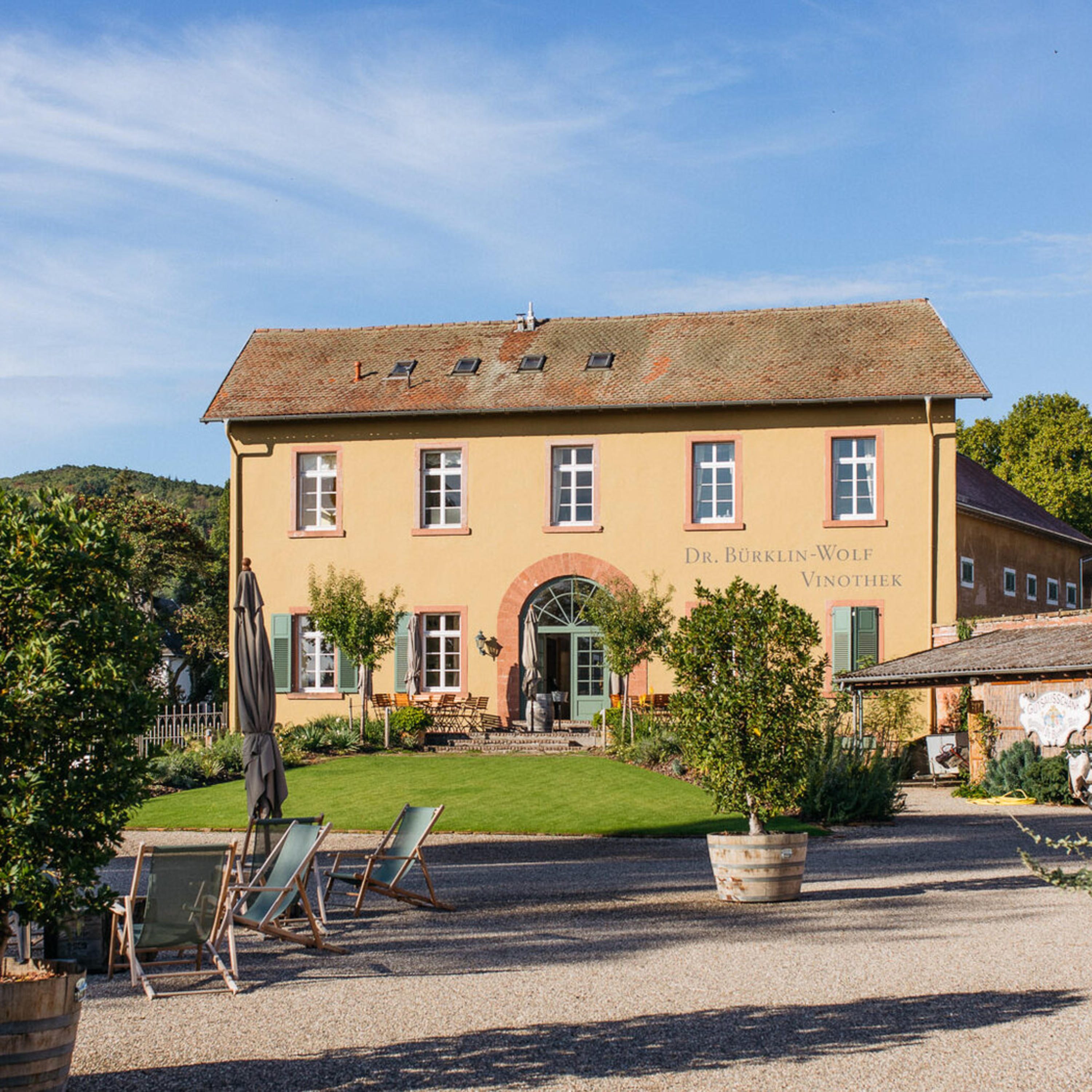
  • May 3 · 23 min

    Weingut Wolkenberg: Wine Above a Coal Mine from Brandenburg, Germany | Cool Climate Wine Summit

    An hour and a half south of Berlin, through a birch forest, there is a six-hectare vineyard on a plateau. On the horizon, five kilometres away, are the excavators of an active open-cast coal mine. Weingut Wolkenberg was planted in 2011 on land reclaimed from mining, following a research programme with Geisenheim University. It is named after a village that was cleared for the mine in 1987. Philipp Henke, the estate's sales and export manager, talks about making wine on soil that was engineered rather than inherited, and about working in Brandenburg, which is outside Germany's official wine appellation system. We also cover Roter Riesling and Kernling, the Wochenende blend, a qvevri project inspired by a trip to Georgia, and why Poland is the natural first export market. Interview in English. 📍 Welzow, Brandenburg, Germany Chapters 00:00 Introduction: where is Welzow? 01:08 A vineyard next to an active coal mine 04:15 From 99 vines to a new winery 05:14 Tasting Wochenende Weiß 09:29 Brandenburg outside the appellation system 10:53 A historic vineyard name and the qvevri project 12:53 Keeping the village of Wolkenberg alive 16:07 Roter Riesling from the barrel 19:19 Local first: tourism, Poland and export 22:55 Closing 📺 Watch the video: https://youtu.be/eGCcElE8LtY 🍷 Winery: https://wolkenberg-wein.de/ 📖 Read the article: https://coolclimatesummit.com/stories/weingut-wolkenberg 🎟 Sign up for the next Cool Climate Wine Summit: https://coolclimatesummit.com/copenhagen/registration.php?utm_source=spotify&utm_medium=podcast&utm_campaign=wolkenberg&utm_content=en 🌍 coolclimatesummit.com
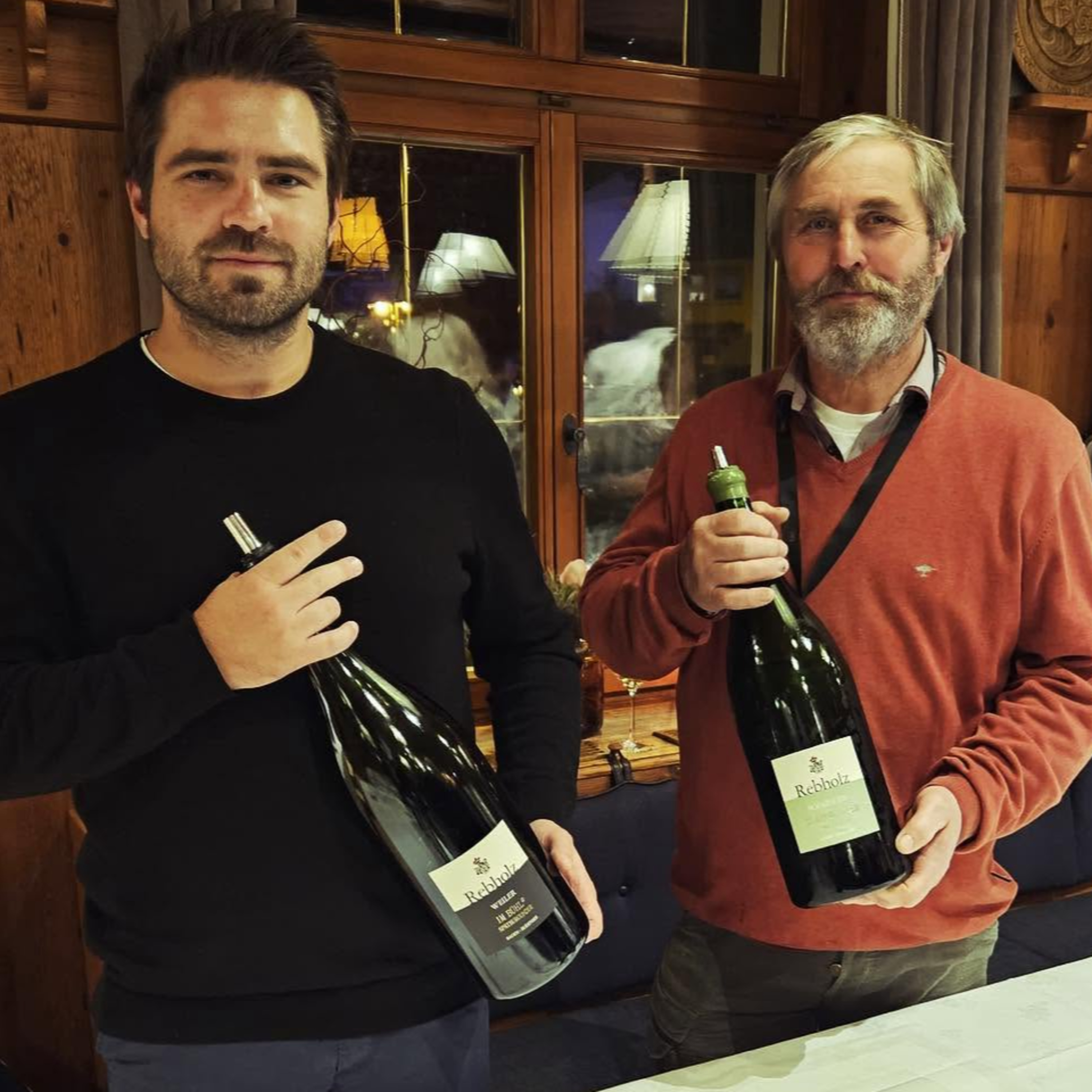
  • April 28 · 28 min

    Live @ ProWein 2026 - Nordic Sparkling Wine Impulse Tasting: Denmark, Sweden, Poland

    Recording from our Impulse tasting at ProWein 2026 - Nordic Sparkling Wines. Presenting: Dyrehæj Johanniter Brut (Denmark, Røsnæs) Lottenlund Perlé Souvignier Gris (Sweden, Skåne) Dom Janton Blanc de Blancs Seyval Blanc (Poland, Central Poland) Skærsøgaard DONS Rosé Cabernet Cortis, Rondo, Pinot Noir Précoce

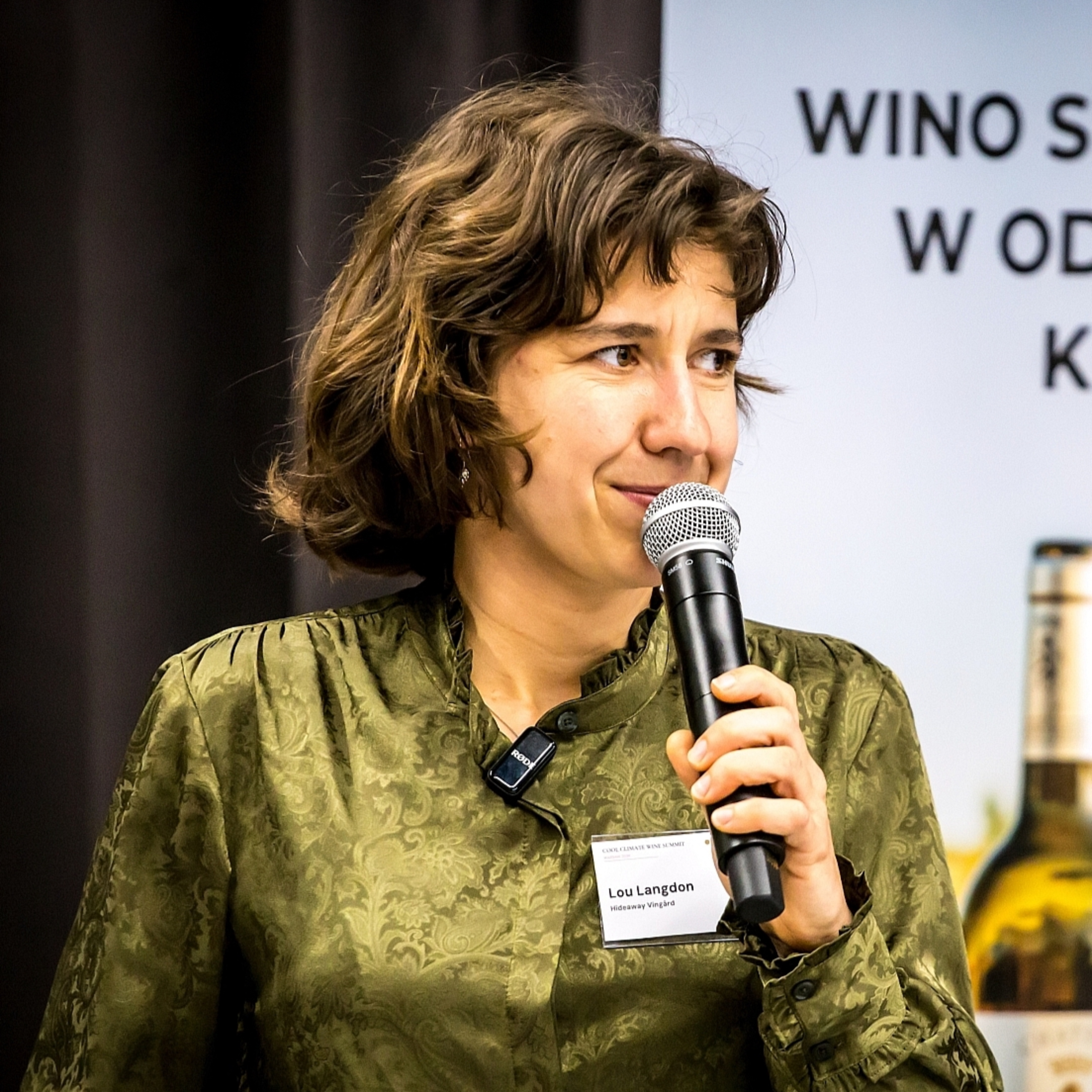
  • April 10 · 30 min

    Molling Wines: Honest Low-Intervention Wine from the Moselle, Luxembourg | Cool Climate Wine Summit

    We showed up mid-harvest, and Bob Molling said yes anyway. Above the Luxembourg Moselle, with three countries in view, Bob tells us how he got into wine: economics, his grandfather's tractor, a harvest in South Africa, and a call from his grandmother offering him half a hectare. Five years later, Molling Wines farms 4.2 hectares and makes around 25,000 bottles a year. "No beautification. Just pure." We talk about low intervention without dogma, the 2023 vintage (200 mm of rain and hail in September), why sustainability only works if the winery survives financially, the generation gap threatening Luxembourg's vineyards, and why Luxembourg wine deserves a bigger audience. Interview in English. 📍 Schengen, Luxembourg Moselle, Luxembourg Chapters 00:00 Introduction – end of harvest above the Moselle 03:08 From economics to winemaking 06:31 Influences: colleagues and South Africa 09:02 Riesling or Chardonnay – which wine is Bob? 11:04 Nature and Molling Wines 13:46 The smiley bottle: Müller-Thurgau with Gewürztraminer 16:25 Low intervention without dogma 18:53 Economic sustainability and the harvest rain 24:06 Generational change and the market 26:55 Export and five years from now 📺 Watch the video: https://youtu.be/JxZu8klfIU0 📖 Read the full interview: https://coolclimatesummit.com/stories/bob-molling-luxembourg 🎟 Sign up for the next Cool Climate Wine Summit: https://coolclimatesummit.com/copenhagen/registration.php?utm_source=spotify&utm_medium=podcast&utm_campaign=molling&utm_content=en 🌍 coolclimatesummit.com
Showing 1–20 of 31 episodes