Skip to content
Artwork for The Question: Design System Collaborative Learning

The Question: Design System Collaborative Learning

Ben Callahan

The Question is a collaborative learning podcast about Design Systems. Smart people like you sign up, answer a few niche questions about design systems for each episode, and then we all get together to unpack the data we've gathered. Each week, I'll invite a new co-host to help facilitate the conversation. After the deep dive, the co-host and I record a recap of what we learned. That means, for each episode, you can listen to the recap and the full deep dive!

If you're a design system practitioner, subscribe today (https://bencallahan.com/the-question) to receive an invitation to each episode. This only works if the community joins in!

Stay in learning mode ❤️

Play
  • 22 episodes
  • Avg 41 min
  • English
Counted on this page — what you have heard stays on this device, so it is not something the list can be paged by.
  • March 16 · 53 min

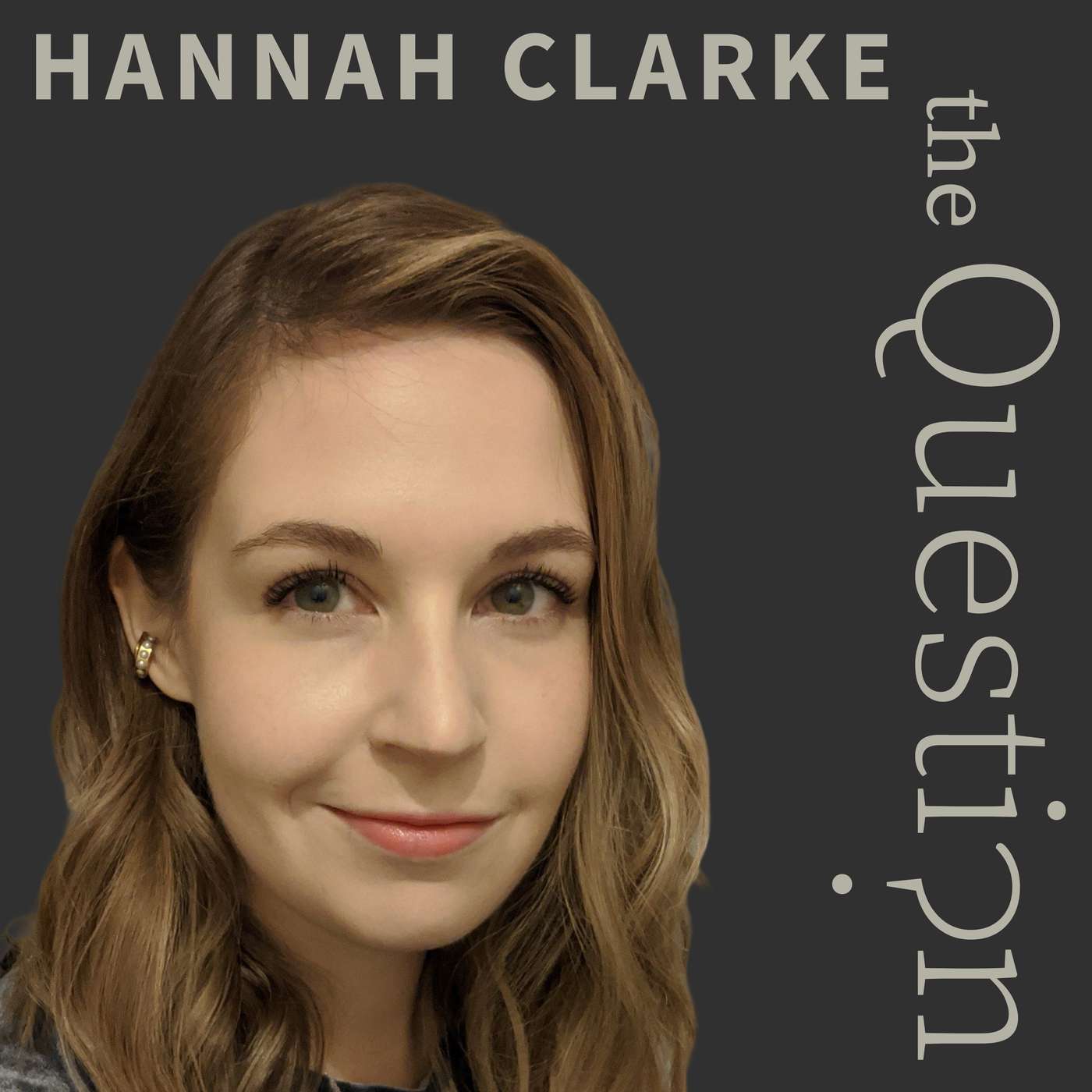
    Episode 070 Deep Dive: Lasting Design System Infrastructure with Ben Callahan & Hannah Clarke

    Introduction Host Ben Callahan is joined by co-host Hannah Clarke, UI Engineer at Intapp, for a live deep dive on building design system infrastructure that lasts. The survey went to 1,061 practitioners and received 45 responses across four questions: company leadership model, dedicated team roles, who owns coded component delivery, and what actions create a system that endures. The conversation spans surprising results, web component delivery strategies, the framework agnostic debate, the unicorn-hire problem, API flexibility, and the human community that makes any system worth building. This episode is made possible by Mintlify. If your design system documentation lives in five places and satisfies no one, Mintlify can provide one beautiful, AI-powered home for everything your team builds (and the why behind those decisions). Try it free → https://bit.ly/try-mintlify (use code MINT-THEQ for 50% off Pro for 6 months) Show Notes 00:02 — Welcome, Hannah's intro, and sponsor message (Mintlify) 01:07 — Hannah's background: UI Engineer at Intapp, full-stack roots, how she found the design systems space 03:25 — Survey overview: Four questions, 1,061 sent, 45 responses 04:39 — Q1: "Led by product" came in at ~40%, surprising Ben; Hannah less shocked given her experience 06:31 — Q2: Front-end dev outranked UI design in dedicated roles; reference to Sean Bent's post on design system hiring trends 08:22 — Community as infrastructure: Awareness and human connection matter as much as tooling; user showcase idea from Hannah's team retro 11:14 — Joshua: In-person labs where consuming teams experiment with the design system to make it feel engaging 12:13 — Hannah's delivery approach: Stencil + web components, outputting to multiple NPM packages (tokens, styles, web components, React 18, React 19 + SSR) 14:33 — Q4 theme: Framework agnosticism as a longevity strategy; design-side agnosticism and Penpot as a Figma alternative 16:50 — Josh: Journey from web components wrapped in React to going all-in on React and why 17:48 — Real challenges wrapping web components for React: Shadow DOM, team culture resistance, the "pure React" demand 19:09 — Post-processing scripts on top of Stencil: Default values, required props, types files, and developer quality-of-life improvements 22:50 — Guy: AI workflow from Figma to production code; using Figma Console MCP to convert prototypes into design-system-compliant files; circumventing design tools altogether 27:11 — Kelly: Laid off with her entire product design org; job postings pitting design vs. engineering; the value of tight cross-discipline collaboration 30:54 — Hannah: The full-stack cycle — companies oscillate between specialists and generalists at their own peril 32:23 — Greg: Flipping the unicorn question — even if unicorns existed, would they want to do everything expected of them? 36:05 — Amy: Designers vibe coding directly in repos; how design systems can support that workflow and reduce chaos 37:31 — Joanna: Built two full implementations (React + Angular) after teams refused a framework-agnostic approach; the real costs 39:30 — Sean: Extending across iOS + Android; shared tokens, consistent naming, cross-platform rituals; treating Figma as a fourth platform 41:22 — Managing cross-platform parity: Manual processes, shared style layers, prioritization by demand 44:09 — Hannah: Why she moved away from "just React" thinking; the unsolved mobile challenge for a three-person team 46:36 — API flexibility vs. rigidity: Joanna's case for flexible APIs; Hannah and Mike on finding the balance without losing consistency 51:01 — Closing remarks and community announcements Where to Find the Hosts Ben Callahan, Founder of Sparkbox and Redwoods Design System Community: https://bencallahan.com Hannah Clarke, UI Engineer at Intapp: https://bit.ly/47kl2ln Get the Raw Data: https://bit.ly/3OOuU0B Review the FigJam Notes: https://bit.ly/4rxa9E8 Join the Conversation: https://bit.ly/answerTheQuestion

    • Transcript
  • March 16 · 32 min

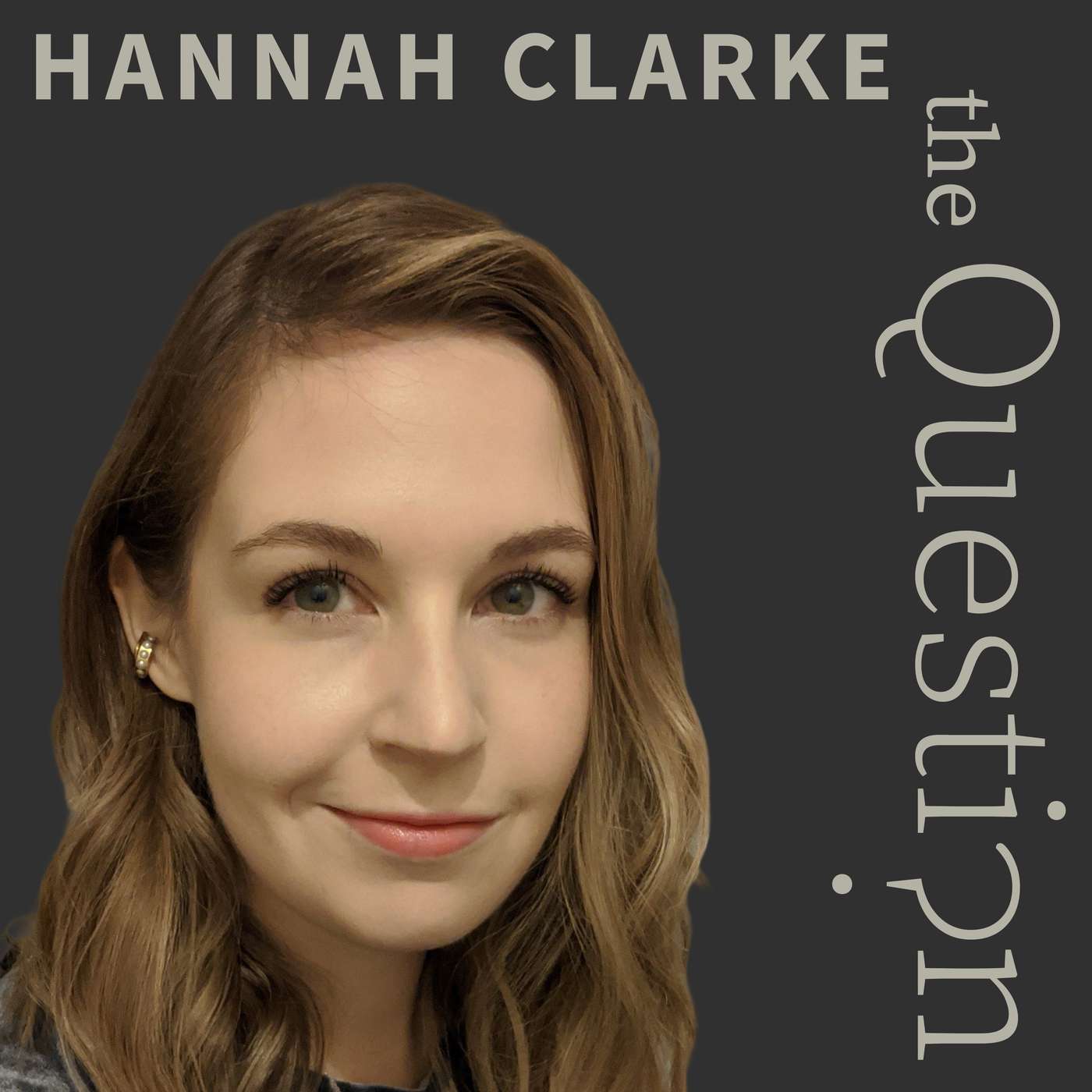
    Episode 070 Recap: Lasting Design System Infrastructure with Ben Callahan & Hannah Clarke

    Episode 070 Recap: Lasting Design System Infrastructure with Ben Callahan & Hannah Clarke This episode is made possible by Mintlify. If your design system documentation lives in five places and satisfies no one, Mintlify can provide one beautiful, AI-powered home for everything your team builds (and the why behind those decisions). Try it free → https://bit.ly/try-mintlify (use code MINT-THEQ for 50% off Pro for 6 months) Introduction In Episode 070 of The Question, host Ben Callahan sits down with co-host Hannah Clarke, UI Engineer at Intapp, to recap a conversation about building design system infrastructure that lasts. The episode drew from a survey sent to 1,061 design system practitioners, yielding 45 responses across four questions: which leadership model best describes your company (engineering, product, design, or balanced); which roles have at least one dedicated person on your design system team (DevOps, design ops, UI design, front-end dev); who owns responsibility for delivering coded components; and what actions create a system that endures. The conversation ranges from surprising survey results and the unicorn-hire debate to web component delivery strategies, framework agnosticism, and the human infrastructure that keeps systems alive. Show Notes 00:00 — Welcome & sponsor mention (Mintlify) 00:45 — Survey methodology recap: 1,061 sent, 45 responses, four questions reviewed 01:20 — Q1 results: Company leadership — "led by product" dominated; why that surprised Ben but not Hannah 02:35 — Low "led by design" responses: what does that say about design's seat at the table? 04:47 — Q2 results: Dedicated roles — front-end dev outranked UI design, which shocked both hosts 05:35 — Job posting trends: Why available design system roles skew toward design over engineering 06:49 — The unicorn problem: Companies asking for one person to do it all 07:20 — Greg's insight from the deep dive: "I want to use my code knowledge to do my design job better" 08:01 — Hannah's perspective: Understanding design makes you a better front-end developer, but specialisms matter 09:10 — Q4 highlight: "Connecting people that ask about the system — tools will keep changing, but people will keep interest alive" 10:02 — Human infrastructure: Why community-building is as foundational as technical tooling 11:36 — Data note: Over 60% of Q4 responses mentioned humans, people, community, champions, or trust 12:22 — The cultural hurdle: Solving a technical problem doesn't mean people will adopt it 13:13 — Framework agnostic vs. framework-specific: Three respondents advocated for agnosticism; Joanna's team built two separate libraries 14:08 — Hannah's approach at Intapp: Why they chose Stencil + web components and the longevity thinking behind it 15:43 — How they actually deliver components: NPM packages for tokens, styles, web components, React 18, and React 19/SSR 18:49 — Post-processing scripts on top of Stencil: Default values, required props, types files, and developer quality-of-life improvements 20:26 — Lowering the barrier to adoption: Making it painless for consuming teams to say yes 21:38 — Working with teams already using Material UI: Not replacing everything, but filling the gaps 24:07 — What does DevOps actually mean on a design system team day-to-day? 26:14 — Hannah's surprising reality: Nearly 100% of her time is infrastructure, not component-building 28:04 — Design-side agnosticism: Is Figma-lock sustainable? What Guy's team is doing differently 29:30 — Treating Figma as a platform (alongside iOS, Android, web) — a mindset for longevity 30:16 — Documentation-driven implementation: Defining the component as data first, then expressing it in any tool 31:23 — Closing thought: Systems that last are defined above the tools, not inside them Where to Find the Hosts Ben Callahan is Founder of Sparkbox and Redwoods Design System Community. Read his writings, have him present at your event, or engage with him as a coach or consultant at https://bencallahan.com Hannah Clarke is a UI Engineer at Intapp. Connect with her on LinkedIn: https://bit.ly/47kl2ln Get the Raw Data Access the complete survey data from Episode 070 to conduct your own analysis: https://bit.ly/3OOuU0B Review the FigJam Notes Dig into the collaborative notes we took as a community during the deep dive: https://bit.ly/4rxa9E8 Join the Conversation The Question explores design systems topics through community research and deep-dive discussions. Participate in future episodes and contribute to the next survey: https://bit.ly/answerTheQuestion

    • Transcript
Showing 21–22 of 22 episodes