Skip to content
Artwork for The Question: Design System Collaborative Learning

The Question: Design System Collaborative Learning

Ben Callahan

The Question is a collaborative learning podcast about Design Systems. Smart people like you sign up, answer a few niche questions about design systems for each episode, and then we all get together to unpack the data we've gathered. Each week, I'll invite a new co-host to help facilitate the conversation. After the deep dive, the co-host and I record a recap of what we learned. That means, for each episode, you can listen to the recap and the full deep dive!

If you're a design system practitioner, subscribe today (https://bencallahan.com/the-question) to receive an invitation to each episode. This only works if the community joins in!

Stay in learning mode ❤️

Play
  • 20 episodes
  • Avg 41 min
  • English
  • August 10 · 28 min

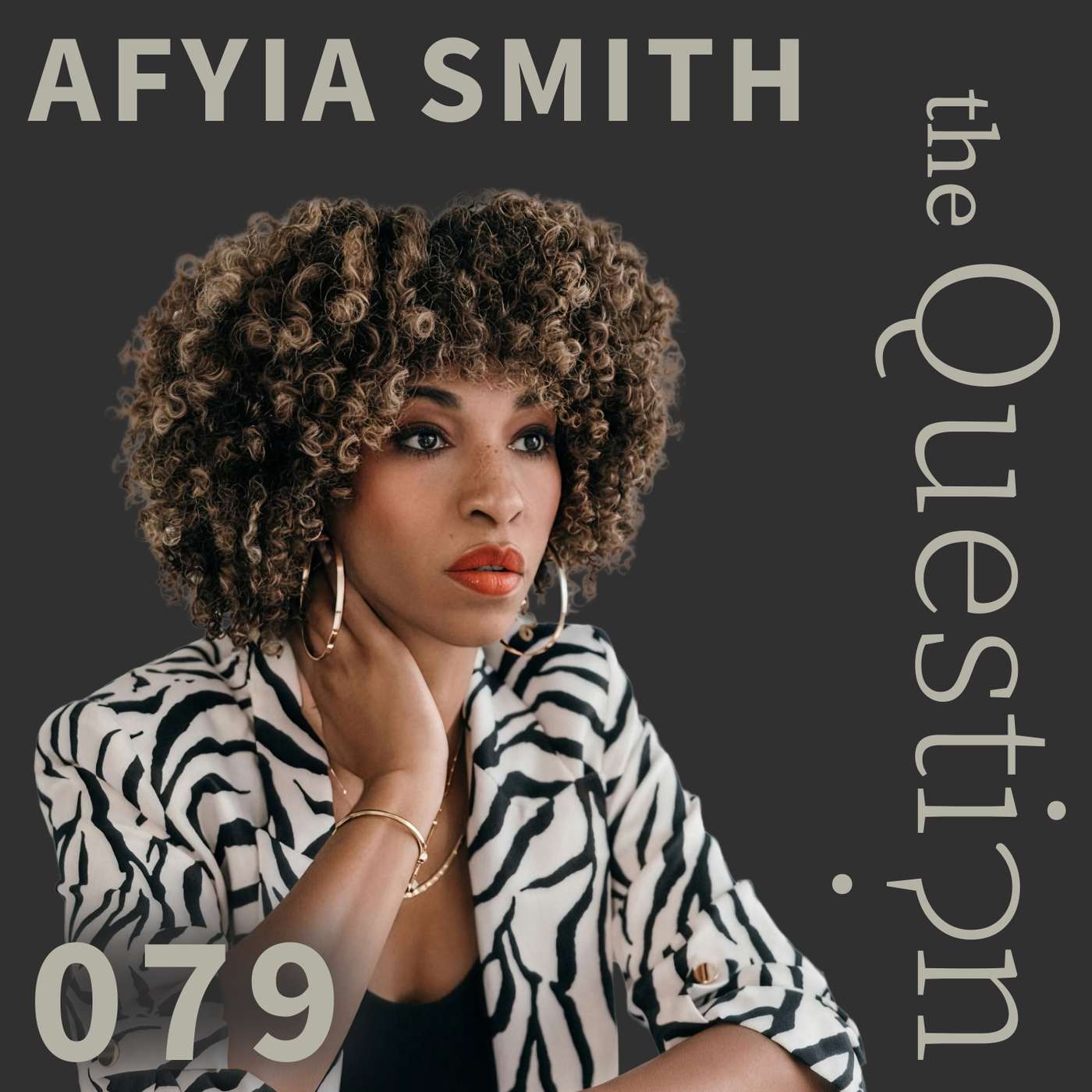
    Episode 079 Recap: The Evolution of Design System Documentation with Ben Callahan and Afyia Smith

    Episode 079 Recap: The Evolution of Design System Documentation with Ben Callahan and Afyia Smith Ben Callahan and Afyia Smith, a content designer and technical writer specializing in design systems, recap what the community said about who owns documentation and where docs are headed now that machines are reading them too. The survey went to more than 1,100 design system practitioners and drew 61 responses across five questions. The conversation covers the shift from prose to structured content, the case for a dedicated documentation owner, the design system knowledge architect role, the DSDS spec work with PJ Onori, and the fourteen respondents who said machines will be the only future readers of their docs. Show Notes 00:00 — Welcome and introductions 00:14 — Black-and-white prints and a giraffe collection 01:00 — Almost 80 episodes, and the first one on docs 01:24 — Survey setup: 1,100 practitioners, 61 responses 02:34 — Afyia answers the open-ended question herself 02:41 — Documentation as a knowledge layer, not just content 03:20 — Focused ownership and just-in-time documentation 04:08 — What docs looked like in the early design system days 04:30 — Bare, scattered, outdated, ungoverned 06:17 — The case for a point person 07:53 — The design system knowledge architect role 08:20 — Coming back a year later to the same mess 11:03 — Question one results: who owns documentation 11:57 — By design or by default? 12:24 — Digging into the 30% who answered "other" 13:36 — Question two: everyone figuring agentic workflows out alone 14:24 — The correlation that wasn't in the data 15:00 — Question three: reporting on agentic workflow success 16:07 — Ownership reveals visibility more than success 17:00 — Machine readable versus machine parsable 17:20 — Surface-level changes versus foundational ones 17:49 — Bad docs surfaced everywhere are still bad docs 18:49 — Working upstream of AI 19:38 — The component schema work with PJ Onori 20:45 — DSDS, doc origin, and metadata as a trust layer 23:32 — Question five: writing for humans, machines, or both 24:48 — What we would lose without human-readable reference sites 26:48 — Why documentation has always been the passion Where to Find the Hosts Ben Callahan is Founder of Sparkbox (https://sparkbox.com) and Redwoods Design System Community (https://bencallahan.com/redwoods). Read his writings, have him present at your event, or engage with him as a coach or consultant at https://bencallahan.com Afyia Smith is a content designer and technical writer focused on design system documentation, governance, and knowledge architecture. Connect with her: https://bit.ly/4vVUhNP Get the Raw Data Access the complete survey data from Episode 079 to conduct your own analysis: https://bit.ly/4yV4JrD Review the FigJam Notes Dig into the collaborative notes we took as a community during the deep dive: https://bit.ly/4gismBZ Join the Conversation The Question explores design systems topics through community research and deep-dive discussions. Participate in future episodes and contribute to the next survey: https://bit.ly/answerTheQuestion Music licensed through Soundstripe. Code: C1COHEMFO6L4XE0H
  • August 10 · 54 min

    Episode 079 Deep Dive: The Evolution of Design System Documentation with Ben Callahan and Afyia Smith

    Episode 079 Deep Dive: The Evolution of Design System Documentation with Ben Callahan and Afyia Smith Ben Callahan is joined by Afyia Smith, a content designer and technical writer who spent five years as a documentation specialist on the design system team at Epic Games, built AI readiness frameworks and governance models there, and now collaborates with PJ Onori on the DSDS documentation spec. Together with the community, they dig into who owns design system documentation and what changes when agents start reading it. The survey went to more than 1,100 design system practitioners and drew 61 responses across five questions. The conversation covers machine readable versus machine parsable formats, recipes and gotchas files, decision trees for agents, the split between reference and guidance documentation, just-in-time docs, and whether AI should be writing documentation at all. Show Notes 00:07 — Welcome to the Episode 079 deep dive 00:40 — Afyia's path into design system documentation 02:25 — Five years as a documentation specialist at Epic Games 03:50 — Emailing PJ Onori to contribute to DSDS 06:21 — This week's five questions, 1,100 sent, 61 responses 09:18 — Breaking down the responses that chose "other" 10:15 — Everyone figuring agentic workflows out on their own 11:04 — Looking for a correlation that isn't there 12:56 — Robin Di Capua on encoding compositional do's and don'ts 14:24 — Patterns, templates, and recipes in the DSDS spec 18:08 — Doug Neiner on recipes and gotchas files 19:16 — Kelby Gassman on docs turning into decision trees 23:52 — Kevin Coyle on machine readable versus machine parsable 26:09 — Surface-level delivery versus foundational content 27:04 — Stephen Greco on moving from Markdown to JSON and YAML 29:27 — Robin Di Capua on keeping prose alongside structured data 30:56 — Stephen Greco on reference documentation versus guidance 34:05 — Question five: humans, machines, or somewhere between 35:54 — Doug Neiner's Kindle and recipe book analogy 37:14 — Shaun Bent on two clients at opposite extremes 38:41 — Afyia on not picking a side 42:30 — Hattie Tadsen on meeting people where they are 44:02 — Just-in-time documentation as the goal 45:28 — Doug Neiner on AI-generated docs and false productivity 46:22 — Afyia: don't use AI to write the docs 47:19 — Hattie Tadsen on AI-assisted first drafts Where to Find the Hosts Ben Callahan is Founder of Sparkbox (https://sparkbox.com) and Redwoods Design System Community (https://bencallahan.com/redwoods). Read his writings, have him present at your event, or engage with him as a coach or consultant at https://bencallahan.com Afyia Smith is a content designer and technical writer focused on design system documentation, governance, and knowledge architecture. Connect with her: https://bit.ly/4vVUhNP Get the Raw Data Access the complete survey data from Episode 079 to conduct your own analysis: https://bit.ly/4yV4JrD Review the FigJam Notes Dig into the collaborative notes we took as a community during the deep dive: https://bit.ly/4gismBZ Join the Conversation The Question explores design systems topics through community research and deep-dive discussions. Participate in future episodes and contribute to the next survey: https://bit.ly/answerTheQuestion Music licensed through Soundstripe. Code: C1COHEMFO6L4XE0H
    • Transcript
  • August 3 · 22 min

    Episode 078 Recap: The Psychology of Design Systems with Ben Callahan and Kacey Wood

    Ben Callahan and Kacey Wood, Product Designer for Design Systems at Tabs, explore the psychology behind design system buy-in, the question Kacey brought after wondering what a design systems college curriculum would actually need to cover beyond tokens and components. The survey went out to over 1,100 design system practitioners and drew 50 responses across four questions. The conversation covers reactance theory, the endowment effect, curse of knowledge, social proof, the IKEA effect, foot-in-the-door, Aristotle's modes of persuasion, and where influence ends and manipulation begins. Show Notes 00:00 — Welcome and introductions 00:12 — Where the question came from: a design systems degree 00:43 — The people layer matters as much as IC fundamentals 01:32 — The four questions we asked this week 02:44 — Craft, care, and reasoning as what actually convinces 03:49 — The escape route as a pressure relief valve 04:25 — Reactance theory, explained through a picky eater 05:31 — Telling designers they don't have to use the system 05:55 — Endowment effect and resistance to change 06:48 — Does reactance skew young and endowment skew experienced? 07:32 — Curse of knowledge: explaining tokens on day one 08:10 — Writing for the people just behind you 09:07 — Social proof and design system advocate groups 09:39 — How social proof showed up in the open text answers 10:40 — The IKEA effect, and a listener assembling IKEA furniture 11:35 — Finding the small systems already scattered across an org 12:35 — Flow, difficulty, and whether adoption can be too easy 13:24 — Make it so easy they can't not use it 14:07 — Foot in the door: a small yes leads to a bigger yes 14:48 — Broadening what counts as adoption 15:20 — Aristotle's ethos, pathos, and logos 16:29 — Setting up the influence versus manipulation question 17:20 — Is influence versus manipulation even the right question? 18:34 — Hierarchy, company values, and team goals 19:04 — Power dynamics and psychological safety 19:44 — Skills you don't realize you're building 20:40 — Building the curriculum for the people side of the work Where to Find the Hosts Ben Callahan is Founder of Sparkbox (https://sparkbox.com) and Redwoods Design System Community (https://bencallahan.com/redwoods). Read his writings, have him present at your event, or engage with him as a coach or consultant at https://bencallahan.com Kacey Wood is a Product Designer for Design Systems at Tabs, previously building systems at BetMGM and EY. Connect with her here: https://bit.ly/4aOYcV0 Get the Raw Data Access the complete survey data from Episode 078 to conduct your own analysis: https://bit.ly/4w3P47v Review the FigJam Notes Dig into the collaborative notes we took as a community during the deep dive: https://bit.ly/4fhdlkz Join the Conversation The Question explores design systems topics through community research and deep-dive discussions. Participate in future episodes and contribute to the next survey: https://bit.ly/answerTheQuestion Music licensed through Soundstripe. Code: XXANWFJBSMJEM81F

  • August 3 · 48 min

    Episode 078 Deep Dive: The Psychology of Design Systems with Ben Callahan and Kacey Wood

    On Episode 078, Ben Callahan is joined by Kacey Wood, Product Designer for Design Systems at Tabs and member of Redwoods design system community. She and Ben open the floor to the community on the psychological side of systems work. The survey went out to over 1,100 design system practitioners and drew 50 responses across four questions. The community digs into reactance theory, where influence becomes manipulation, power dynamics and reporting structure, the behavioral concepts behind buy-in, and what any of this means when the consumer is an AI agent. Show Notes 00:04 — Welcome and episode framing 00:36 — Kacey Wood's path from data analytics to design systems 01:21 — Building 0 to 1 at BetMGM, then starting over at Tabs 03:45 — The four questions we asked this week 04:41 — 50 responses from over 1,100 practitioners 09:12 — Janesa Chan on how org placement shapes perception 10:43 — Nobody relies on just one buy-in tactic 11:38 — Data isn't enough, the story is what convinces 12:31 — Peter Allen on collaboration versus mandate 13:27 — Guy Segal challenges the influence/manipulation framing 15:08 — Kacey on whether you're willing to lose 16:11 — Steven Deeds on manipulation as disingenuous influence 18:37 — Reactance theory, explained through a picky eater 20:03 — Daniel Florez on skin in the game 21:01 — Janesa Chan on giving designers the choice 22:53 — Amy Ogg on power dynamics and reporting lines 25:19 — Guy Segal on why educating people doesn't work 28:40 — Endowment effect, curse of knowledge, social proof 29:36 — The IKEA effect and giving people a win 31:00 — Aristotle's modes of persuasion 33:58 — Rebecca Ostrich on not condescending to people 38:19 — ToniAnn Drenckhahn: design systems makes me a better person 39:17 — Kyle Hyams on soft skills over craft 41:22 — AI has no reactance, so what changes? 43:56 — Peter Allen's personal note to his AI agents Where to Find the Hosts Ben Callahan is Founder of Sparkbox (https://sparkbox.com) and Redwoods Design System Community (https://bencallahan.com/redwoods). Read his writings, have him present at your event, or engage with him as a coach or consultant at https://bencallahan.com Kacey Wood is a Product Designer for Design Systems at Tabs, previously building systems at BetMGM and EY. Connect with her here: https://bit.ly/4aOYcV0 Get the Raw Data Access the complete survey data from Episode 078 to conduct your own analysis: https://bit.ly/4w3P47v Review the FigJam Notes Dig into the collaborative notes we took as a community during the deep dive: https://bit.ly/4fhdlkz Join the Conversation The Question explores design systems topics through community research and deep-dive discussions. Participate in future episodes and contribute to the next survey: https://bit.ly/answerTheQuestion Music licensed through Soundstripe. Code: XXANWFJBSMJEM81F

  • July 13 · 29 min

    Episode 077 Recap: Culture vs Compliance in Design Systems with Ben Callahan and Lauren LoPrete

    Ben Callahan welcomes Lauren LoPrete, Head of Design Foundations at Mercury, back to the show to talk through design system culture versus compliance—the tension between earning adoption and enforcing it. Fresh off Lauren's Config talk on design systems anarchy, the two dig into what it means to relinquish control, and why letting go tends to improve adoption rather than threaten it. The survey went to 1,105 design system practitioners and drew 61 responses across four questions. The recap covers the belief-versus-reality gap in the data, a layered model of embedding, enabling, and enforcement, the venue-and-band metaphor for systems work, how AI is reshaping who builds and who reviews, and the scope of a design foundations role that owns both the system and the tooling. Show Notes 00:00 — Welcoming Lauren LoPrete back to the show 00:45 — Lauren recaps her Config talk on design systems anarchy 01:19 — The community's shift away from control 01:55 — The episode's mood: hard-won equanimity 02:29 — Becoming the ocean: a Leonard Cohen reminder 03:20 — "Be the water" and the responsive web parallel 04:28 — Tying back to the systems-brain mindset 05:17 — Leading a team through constant industry thrash 06:35 — Owning both design systems and tooling 07:40 — Framing the topic: culture versus compliance 08:10 — The four questions, 1,105 sent, 61 responses 09:27 — Is culture bottom-up and compliance top-down? 10:27 — Culture as the overlap of shared beliefs 11:45 — Walking through the layers-of-governance diagram 13:55 — Enforcement, enabling, embedding as seasons 15:53 — Letting agents carry the enforcement layer 17:26 — Documentation as the objective standard 18:48 — The venue-and-band metaphor for systems 19:18 — Detaching components as part of designing 20:37 — Judgment, safety, and the public-channel callout 21:14 — When AI empowers PMs to prototype everything 22:51 — Titles dissolving into subject-matter expertise 24:37 — Connecting the system to prototyping tools 25:47 — Design foundations as context for agentic work 26:44 — Holding two speeds at once 27:34 — The relief of not being alone Where to Find the Hosts Ben Callahan is Founder of Sparkbox (https://sparkbox.com) and Redwoods Design System Community (https://bencallahan.com/redwoods). Read his writings, have him present at your event, or engage with him as a coach or consultant at https://bencallahan.com Lauren LoPrete is Head of Design Foundations at Mercury and has built and led design systems at Expedia, Dropbox, and Block. Connect with her on LinkedIn: https://bit.ly/LaurenLoPreteLinkedIn Get the Raw Data Access the complete survey data from Episode 077 to conduct your own analysis: https://bit.ly/4v3uKSc Review the FigJam Notes Dig into the collaborative notes we took as a community during the deep dive: https://bit.ly/44UhlkK Join the Conversation The Question explores design systems topics through community research and deep-dive discussions. Participate in future episodes and contribute to the next survey: https://bit.ly/answerTheQuestion Music licensed through Soundstripe. Codes: RWX0YUSGWXLGICPW, SBJUDQ7C3ULIOBOM

  • July 13 · 51 min

    Episode 077 Deep Dive: Culture vs Compliance in Design Systems with Ben Callahan and Lauren LoPrete

    Ben Callahan hosts the Episode 077, full community deep dive with Lauren LoPrete, Head of Design Foundations at Mercury, who has built and led design systems at Expedia, Dropbox, and Block. Lauren opens with her own arc, years spent grasping for control and pressuring leadership to mandate adoption, and how things improved once she let go. From there the room takes over, working through where culture ends and compliance begins. The survey reached over 1,100 design system practitioners and drew 61 responses across four questions. The conversation moves from the belief-versus-reality gap in the data through the timing of mandates, the accessibility "Trojan horse," internal versus external culture, a layered model of embedding, enabling, and enforcement, and a long thread on AI, prototyping, and whether teams will keep caring about output. Community voices include Erin Potter, Peter Allen, Greg Johnson, Michael Warren, Guy Segal, Rebecca Ostrich, Jeff Pelletier, Kele Webner, Alicia Payette, and more. Show Notes 00:00 — Cold open: a system needs an opinion 00:45 — Lauren on leading her fifth design system 02:30 — Giving up the fight for a leadership mandate 03:30 — "Design systems are culture work in disguise" 05:00 — The four questions, restated 06:30 — The mood: hard-won equanimity 08:10 — 1,100+ surveyed, 61 responses 09:40 — The belief-versus-reality gap in the data 11:30 — Erin Potter on timing and system maturity 14:00 — Peter Allen on Venmo's culture-plus-mandate moment 15:40 — Greg Johnson on the accessibility backdoor 16:30 — Lauren on the business-value Trojan horse 19:00 — Michael Warren on internal versus external culture 22:00 — Ben's embedding, enabling, enforcement layers 23:30 — Lauren on seasons of enforcement and flexibility 25:00 — Guy Segal on layers of company culture 27:00 — Designing conditions where good choices emerge 30:00 — Building prototyping tools for designers first 32:00 — Rebecca Ostrich on intrinsic motivation 34:00 — Question four themes: letting go paid off 36:00 — Jeff Pelletier on the vibe-coding-to-agentic spectrum 38:00 — Michael Warren on AI being oversold 41:00 — Kele Webner on prototypes with no basis in reality 43:00 — Lauren on choosing influence and authority 44:30 — Alicia Payette on enterprise-trained AI and risk 47:00 — Peter Allen on building context for your system 49:30 — Lauren's last word: same old struggles, new user Where to Find the Hosts Ben Callahan is Founder of Sparkbox (https://sparkbox.com) and Redwoods Design System Community (https://bencallahan.com/redwoods). Read his writings, have him present at your event, or engage with him as a coach or consultant at https://bencallahan.com Lauren LoPrete is Head of Design Foundations at Mercury and has built and led design systems at Expedia, Dropbox, and Block. Connect with her on LinkedIn: https://bit.ly/LaurenLoPreteLinkedIn Get the Raw Data Access the complete survey data from Episode 077 to conduct your own analysis: https://bit.ly/4v3uKSc Review the FigJam Notes Dig into the collaborative notes we took as a community during the deep dive: https://bit.ly/44UhlkK Join the Conversation The Question explores design systems topics through community research and deep-dive discussions. Participate in future episodes and contribute to the next survey: https://bit.ly/answerTheQuestion Music licensed through Soundstripe. Codes: RWX0YUSGWXLGICPW, SBJUDQ7C3ULIOBOM

  • June 29 · 37 min

    Episode 076 Recap: Enabling Craft Through a Design System with Ben Callahan and ToniAnn Drenckhahn

    Episode 076 Recap: Enabling Craft Through a Design System with Ben Callahan and ToniAnn Drenckhahn Ben Callahan and ToniAnn Drenckhahn recorded this recap the morning after their community deep dive, reflecting on what stood out from the data and the conversation. The survey went out to 1,105 design system practitioners; 64 responded. Topics include the distinction between craft and quality, two frameworks for thinking about how systems enable craft, the role of leadership in setting a craft culture, and how AI is complicating the idea of what it means to make something well. Show Notes 0:02 — Ben introduces ToniAnn and the episode topic 0:30 — Overview of the four survey questions 3:20 — Survey methodology: 1,105 practitioners, 64 responses 3:48 — ToniAnn on her expectations for the results 4:05 — Tension around whether teaching craft is the DS team's job 5:26 — Org size and career stage as factors in that tension 6:57 — Teaching craft requires becoming educators, not just practitioners 7:38 — Natural leaders and the weight of carrying craft alone 8:11 — Distinguishing craft from quality: craft as input, quality as output 10:55 — ToniAnn: craft is care embedded throughout the process, not just polish 12:01 — Donnie's framing: craft is subjective, quality is objective 12:17 — Sean's point: craft means something different for each role 13:59 — AI enters: can AI produce quality without craft? 15:32 — ToniAnn: craft requires care — and AI doesn't care 17:08 — ToniAnn on why she resists calling AI output "crafted" 19:11 — Googling the definition: "made with high skill, care, or ingenuity" 19:45 — Craft requires sentience; quality may not 20:39 — The order of operations framework: define quality first, then offer 21:33 — When teams skip the definition and offer assets first 23:08 — Leadership's role in setting and calibrating the craft bar 24:06 — The build-vs-buy question and what it reveals about craft 25:18 — The floor-ceiling framework: DS raises the floor, product teams set the ceiling 26:38 — ToniAnn: the system as quality floor, not limiting factor 27:35 — AI as a tool to test the ceiling and inform what gets encoded 28:33 — ToniAnn: "Full freedom. Please do it." 29:39 — Competing values framework: system teams shifting from internal to external orientation 30:51 — ToniAnn on the "hold the line" era and how posture has evolved 33:29 — The vision for the system has to be bigger than components 34:40 — ToniAnn's takeaway: lean into the floor-ceiling narrative next week 35:49 — Closing reflections from Ben and ToniAnn Where to Find the Hosts Ben Callahan is Founder of Sparkbox (https://sparkbox.com) and Redwoods Design System Community (https://bencallahan.com/redwoods). Read his writings, have him present at your event, or engage with him as a coach or consultant at https://bencallahan.com ToniAnn Drenckhahn is a design systems leader currently at Etsy, previously at BetMGM. Connect with ToniAnn: https://bit.ly/ToniAnnLinkedin Get the Raw Data Access the complete survey data from Episode 076 to conduct your own analysis: https://bit.ly/4vb9Cuh Review the FigJam Notes Dig into the collaborative notes we took as a community during the deep dive: https://bit.ly/4a5V6LP Join the Conversation The Question explores design systems topics through community research and deep-dive discussions. Participate in future episodes and contribute to the next survey: https://bit.ly/answerTheQuestion

  • June 29 · 52 min

    Episode 076 Deep Dive: Enabling Craft Through a Design System with Ben Callahan and ToniAnn Drenckhahn

    Episode 076 Deep Dive: Enabling Craft Through a Design System with Ben Callahan and ToniAnn Drenckhahn Ben Callahan is joined by ToniAnn Drenckhahn, a design systems leader currently at Etsy and formerly at BetMGM, where her work on primitive components and foundational design quality prompted this episode's question. The survey drew 64 responses from 1,105 practitioners and surfaced a striking finding: not a single respondent said their organization has no craft gap. Topics include a floor-ceiling framework for how systems teams and product teams share responsibility for craft, the difference between craft and quality, community perspectives on teaching versus encoding, the role of leadership and culture, and what AI means for the future of craft as a human skill. Show Notes 0:09 — Ben introduces Episode 076 and co-host ToniAnn Drenckhahn 0:46 — ToniAnn on what led her to this topic: BetMGM, Etsy, and AI pressure 1:49 — The arc from policing to enabling — and the pendulum swinging back 2:25 — Survey overview: four questions, 1,105 practitioners, 64 responses 4:46 — Ben's read of the data: "accumulated realism" 5:15 — Zero respondents said their org has no craft gap 5:44 — Time and authority: the two blockers named most 6:42 — 72% said teach and encode both; 67% rely on opinionated components 8:11 — 70% cited no shared definition or speed pressure as the root cause 8:39 — ToniAnn introduces the floor-ceiling framework 9:36 — Ben: the floor is what we build in; the ceiling is how it gets used 10:32 — Mike Riley on the wide quality gap between adopters using the same components 12:21 — Janesa Chan on guiding consumers through the contribution process 13:48 — Janesa Chan on educational techniques that ebb and flow 14:48 — Ilya Grey on views, floor plans, and embracing the front-end stack 16:24 — ToniAnn on co-designing screens and templates with consuming teams 17:21 — Vision has to go beyond components 17:49 — Shaun Bent on culture and department leadership overriding education 18:48 — Lauren on hiring visual designers with a systems mindset 19:45 — Lauren: before that, the feedback loop was too big 20:39 — Lauren on closing the loop when teams deviate (data viz token example) 22:09 — Jesse James: encoding is tactical and measurable; culture takes time 22:38 — Jesse James: craft is like authenticity — it takes time to become the team's voice 23:36 — Greg Johnson on system maturity, adoption, and finding patterns in the wild 25:54 — The order of operations diagram: offer first vs. define first 26:21 — Flipping the order: define quality, then offer 27:18 — What happens when systems teams only offer the basics 28:16 — Workshop approaches for building a shared definition of quality 28:49 — ToniAnn on the BetMGM vision work and staying out of the way 30:12 — Ilya Grey on customer expectations as a layer above the quality ceiling 30:41 — Robin Di Capua on defining quality across departments 32:07 — Caroline Horn: what customers actually said quality means to them 34:17 — Donnie D'Amato: craft is subjective, quality is objective 35:15 — Donnie on the button example: readable labels vs. border radius 36:40 — Robin on how even "objective" quality resists consensus 38:06 — Donnie on design attractors and the best button 42:18 — Peter Allen: DS solves 80% of problems, but craft still matters in the 20% 42:58 — Ben: does AI lower the need to learn design at all? 44:21 — Automating craft vs. automating the basics 45:20 — Derek Onay: does encoding lower the skill, or free up time for it? 46:44 — Ilya Grey: high-taste environments improve taste over time 47:34 — ToniAnn's closing thought: using AI to democratize education, not just speed 48:49 — Ashley and Casey's series on education in design systems 49:18 — Ben wraps up; Donnie previews the Undefined event in NYC Where to Find the Hosts Ben Callahan is Founder of Sparkbox (https://sparkbox.com) and Redwoods Design System Community (https://bencallahan.com/redwoods). Read his writings, have him present at your event, or engage with him as a coach or consultant at https://bencallahan.com ToniAnn Drenckhahn is a design systems leader currently at Etsy, previously at BetMGM. Connect with ToniAnn: https://bit.ly/ToniAnnLinkedin Get the Raw Data Access the complete survey data from Episode 076 to conduct your own analysis: https://bit.ly/4vb9Cuh Review the FigJam Notes Dig into the collaborative notes we took as a community during the deep dive: https://bit.ly/4a5V6LP Join the Conversation The Question explores design systems topics through community research and deep-dive discussions. Participate in future episodes and contribute to the next survey: https://bit.ly/answerTheQuestion

  • June 15 · 30 min

    Episode 075 Recap: The Design System Identity Crisis with Ben Callahan and Cassie Groos

    Episode 075 Recap: The Design System Identity Crisis with Ben Callahan and Cassie Groos In this recap of Episode 075, Ben Callahan and Cassie Groos unpack what they learned from the community on the subject of the design system identity crisis. Cassie is preparing a talk on this theme for Hatch Conference in Berlin and used The Question as her research engine. The survey was sent to 1,083 design system practitioners and received 60 responses across five questions: team posture toward AI, belief in the "design systems as AI's necessary foundation" narrative, how roles have changed in the past 12 months, how respondents would redefine a design system today, and the bets they're making that might be wrong by next year. Ben and Cassie dig into what's actually driving AI adoption when only 25% believe it protects their roles, how DS practitioners can use their outsized organizational influence to own the AI quality bar, how the definition of "design system" is quietly expanding to include AI as an audience, and whether writing context files for AI means double work or just different work. Show Notes 00:03 — Welcome and intro 00:18 — Recap of all five survey questions and methodology: 1,083 sent, 60 responses 02:25 — Acknowledging ongoing layoffs and supporting the community 03:34 — A standout open response: "from clear vision to navigating the moment" 04:08 — Cassie's reframe: an opportunity to decide where we end up 04:48 — DS practitioners as an unseen but outsized influence in organizations 06:33 — What's actually happening in Cassie's world right now: architecting under shifting ground 07:40 — The tweet that kicked this all off: "we don't need component libraries anymore" 08:11 — Cassie's talk at Hatch Conference, Berlin, September 18 09:05 — Q1 and Q2 combined: 3 in 4 actively adopting AI; only 1 in 4 believes it protects their role 10:27 — Owning AI workflows as the stronger protection narrative 11:12 — Who's most protected: those managing the AIs and staying in the loop 11:48 — Cassie on going straight in on AI from day one — and why 12:01 — Ben's kids as gen-Z AI skeptics; the ethics of how models are trained 15:04 — Question 4: what even is a design system? Neither of them can answer it cleanly 15:29 — How respondents split: ~half said unchanged, ~40% said definition is expanding, ~12% not ready to define it yet 16:32 — Cassie: at the top level, it's still just a system for designing stuff 17:17 — Skills and agents casually showing up in answers as design system resources 17:23 — Ben on culture as the real substance of a design system program 18:42 — The new work layer: context files, components as data, AI-readable rules 19:58 — Living in the seams: juggling human-serving and AI-serving outputs simultaneously 21:18 — Why visual components won't disappear: people still like to look at things with their eyes 22:46 — Token efficiency and the rising cost of AI: CRDs, compounding context, and who actually pays 23:26 — Cassie: maybe we don't care — and maybe that's fine 24:29 — Cassie's takeaway: want to see more demos and hear what others are actually building 25:24 — Don't let pressure to adopt AI make us abandon our principles on quality and accessibility 27:34 — Does Claude show up in Cassie's morning routine? Yes — Figma work via Claude Code, Copilot at work 29:28 — Closing thanks Where to Find the Hosts Ben Callahan is Founder of Sparkbox (https://sparkbox.com) and Redwoods Design System Community (https://bencallahan.com/redwoods). Read his writings, have him present at your event, or engage with him as a coach or consultant at https://bencallahan.com Cassie Groos is a freelance design systems specialist and senior product designer currently at Unily. Connect with her on LinkedIn: https://bit.ly/4tsihGU Get the Raw Data Access the complete survey data from Episode 075 to conduct your own analysis: https://bit.ly/4tz9kLX Review the FigJam Notes Dig into the collaborative notes we took as a community during the deep dive: https://bit.ly/42LJtWk Join the Conversation The Question explores design systems topics through community research and deep-dive discussions. Participate in future episodes and contribute to the next survey: https://bit.ly/answerTheQuestion

  • June 15 · 48 min

    Episode 075 Deep Dive: The Design System Identity Crisis with Ben Callahan and Cassie Groos

    Episode 075 Deep Dive: The Design System Identity Crisis with Ben Callahan and Cassie Groos In this deep dive, Ben Callahan is joined by Cassie Groos — a freelance design systems specialist whose work spans consultancy, multi-brand systems, and the Hermes-to-Every rebrand — to explore what she calls the design system identity crisis. Cassie comes prepared: she's building out this topic as the focus of an upcoming talk at Hatch conference, and the community survey served as her research engine. The survey was sent to 1,083 design system practitioners and received 60 responses across five questions: team posture toward AI, belief in the "design systems as AI's necessary foundation" narrative, how roles have changed in the past 12 months, how respondents would redefine a design system today, and the bets they're making that might be wrong by next year. The conversation covers layoffs and job market anxiety in the DS community, whether the "moat narrative" holds up under scrutiny, the rising cost of AI tooling and what it means for democratized access to design, and the double work of living in the seam between old and new ways of working. Show Notes 00:06 — Welcome and episode intro 00:41 — Cassie's background: from NectarCard and Sketch symbols to multi-brand CMS-driven systems 03:10 — Connecting with the community and how The Question was designed to serve talks and articles 04:06 — Walking through all five survey questions 05:33 — Survey methodology: 1,083 sent, 60 responses 06:01 — Acknowledging ongoing layoffs and the design systems job market 07:20 — A standout open response: "from clear vision to navigating the moment" 07:46 — Cassie's reframe: this is our opportunity to decide where we end up 08:15 — Q1 results: ~70% leaning in or experimenting carefully 09:08 — Q2 results: 75% say the "DS as AI foundation" narrative won't hold for long 09:37 — Cassie's reaction: DS practitioners are used to being ahead of the curve 11:03 — Protection without job protection: AI still needs systems, but not as many people 17:27 — Stephen Greco on going pedal-to-metal on AI because adopters already are 18:31 — Owning the AI workflow as a competitive advantage: "we're in 30 products already" 19:28 — Pedro Martins on system thinking as a demonstration of AI value 20:26 — The cost of AI and what it means for design system teams 21:22 — Kele on AI shifting from democratization to pay-to-play 23:44 — Ismail Hamila on methodology versus superficial prompting 26:07 — Cassie: DS practitioners can define and own the quality bar for AI component work 27:03 — Peter Allen on cutting token consumption 87% through multi-agent MCP architecture 28:18 — Michael Whitaker on leaning into AI personally after a recent layoff 34:00 — The double-work problem: living in the seam between old and new workflows 34:46 — Cassie: use AI to generate what AI needs; humans still must check the output 35:40 — Hattie Tadsen on AI burnout and the cost of learning-while-reviewing 37:04 — Mike Riley on context-specific prompt files for adopting dev teams 37:33 — Joanna Kirtley on team burnout from constant AI tool churn 38:02 — Kevin on leadership excitement creating downstream pressure on DS readiness 39:14 — Cassie on AI burnout hitting high achievers hardest 41:32 — Stephen Greco on betting that humans won't read docs directly within a year 42:32 — "What do we actually do with all of this?" — new FigJam section for action items 43:59 — Closing thanks and Redwoods demos as a next step 44:27 — Announcements: Muir Woods hike, Sparkbox, Southleft, AI and Design Systems course Where to Find the Hosts Ben Callahan is Founder of Sparkbox (https://sparkbox.com) and Redwoods Design System Community (https://bencallahan.com/redwoods). Read his writings, have him present at your event, or engage with him as a coach or consultant at https://bencallahan.com Cassie Groos is a freelance design systems specialist and senior product designer currently at Unily. Connect with her on LinkedIn: https://bit.ly/4tsihGU Get the Raw Data Access the complete survey data from Episode 075 to conduct your own analysis: https://bit.ly/4tz9kLX Review the FigJam Notes Dig into the collaborative notes we took as a community during the deep dive: https://bit.ly/42LJtWk Join the Conversation The Question explores design systems topics through community research and deep-dive discussions. Participate in future episodes and contribute to the next survey: https://bit.ly/answerTheQuestion

  • May 13 · 38 min

    Episode 074 Recap: AI and Design System Visibility with Ben Callahan and Kaelig Deloumeau-Pregent

    In this recap of Episode 074, Ben Callahan is joined by Kaelig Deloumeau-Pregent to share what we learned on the subject of AI and design system visibility. The conversation traces a question Kaelig first answered nearly a decade ago at a Salesforce symposium: How do we actually know how our design system is being used? We wondered how that question lands today as AI accelerates content, design, and code production. The survey was sent to over 1,000 design system practitioners and received 78 responses across four questions: (1) current level of visibility into how design system assets are used across disciplines, including by AI; (2) biggest design system concerns as agents and automation produce more content at scale; (3) how the right balance between enforcement and enablement has shifted as AI enters the picture; and (4) the one thing they'd implement today to improve visibility without becoming the design police. Ben and Kaelig dig into a striking correlation between visibility maturity and enforcement-versus-enablement preferences, the "fog of war" metaphor for systems work, why accessibility may not belong inside design systems, and what shifting roles mean for designers in an agent-driven future. Show Notes 00:00 — Welcome and reintroducing Kaelig 00:28 — The 2016 Salesforce symposium and a decade-old magic wand question 03:03 — A business opportunity: cross-discipline visibility tooling 03:39 — Walking through the four survey questions and methodology (1,000+ sent, 78 responses) 05:53 — Kaelig's in-progress article and crowdsourcing community thinking 08:26 — Question 1: Self-reported visibility levels and what surprised us 09:14 — Why design systems are for people, and the limits of robotized outreach 10:38 — Visibility as stacked layers, not a single maturity rung 11:00 — Question 2: When every concern is a top concern 12:24 — Why feedback loops may be the most critical concern 13:04 — Question 3: The balanced split on enforcement vs. enablement 14:35 — Pace layers, time, and when to enforce vs. let people roam 16:35 — Does accessibility actually belong inside the design system? 18:53 — Design system teams becoming the org's AI product-builder definers 19:30 — Educating the designers of tomorrow (including agents) 20:30 — The legal-approval bottleneck slowing AI enablement 20:55 — A standout open response: lightweight embedded signal collection at the point of consumption 21:46 — Just-in-time guidance and bringing developer experience to designers 22:31 — Pegah Amadi's Magnolia and weaving signals into workflow 23:00 — The "Fog of War" metaphor: attention as a system team's scarcest resource 24:48 — Sending scouts: proactive visibility across Slack, Drive, and roadmaps 27:03 — De-risking and saying no when the landscape shifts 28:30 — Cheap scouting with sentiment analysis and lightweight tooling 29:26 — Mapping Question 1 against Question 4: a clear visibility-to-enablement gradient 31:22 — Taming chaos vs. the plateau of sameness (Polaris, CalPete, Yesenia) 33:20 — Curiosity over policing: the posture of successful system teams 34:23 — What this means for designers facing a big role pivot 35:10 — Redwoods Community Hike at Muir Woods in June 37:11 — Closing thanks Where to Find the Hosts Ben Callahan is Founder of Sparkbox (https://sparkbox.com) and Redwoods Design System Community (https://bencallahan.com/redwoods). Read his writings, have him present at your event, or engage with him as a coach or consultant at https://bencallahan.com Kaelig Deloumeau-Pregent is a design systems leader with experience at Salesforce, Shopify, and beyond. Connect with him on LinkedIn: https://www.linkedin.com/in/kaelig/ Get the Raw Data Access the complete survey data from Episode 074 to conduct your own analysis: https://bit.ly/4t4rYv6 Review the FigJam Notes Dig into the collaborative notes we took as a community during the deep dive: https://bit.ly/3OWYGk3 Join the Conversation The Question explores design systems topics through community research and deep-dive discussions. Participate in future episodes and contribute to the next survey: https://bit.ly/answerTheQuestion

    • Transcript
  • May 13 · 52 min

    Episode 074 Deep Dive: AI and Design System Visibility with Ben Callahan and Kaelig Deloumeau-Pregent

    Episode 074 Deep Dive: AI and Design System Visibility with Ben Callahan and Kaelig Deloumeau-Pregent In this deep dive, Ben Callahan is joined by Kaelig Deloumeau-Pregent—a veteran design system practitioner whose career has spanned the BBC, The Guardian, Financial Times, Salesforce, Shopify, Netlify, and most recently Intuit—to explore the intersection of AI and design system visibility. Kaelig shares how a question raised back in a 2016 design systems symposium ("If you had a magic wand, what would you change?") still resonates today: practitioners want more visibility into how their systems are actually being used. The survey was sent to 1,081 design system practitioners and received 78 responses across four questions: current level of visibility into design system asset usage, biggest concerns as AI agents produce content at scale, how the enforcement vs. enablement balance has shifted with AI, and what one thing they'd implement to improve visibility without becoming the "design police." The conversation explores the "fog of war" metaphor for incomplete knowledge in systems work, the tension between surveillance and creative freedom, librarians vs. police as governance models, and how AI changes who (or what) is deviating from the system. Show Notes 00:39 — Kaelig's background: from a French web agency to BBC, Guardian, FT, Salesforce, Shopify, Netlify, and Intuit 06:56 — Becoming a systems thinker before "design systems" was a career 07:38 — The 2016 magic-wand question and why visibility is still the wish 08:34 — Walking through the four survey questions 09:22 — Survey methodology: 1,081 practitioners, 78 responses 10:04 — Reviewing Q1: most teams have manual or partial visibility, very few have robust automated tracking 12:01 — Visibility isn't just internal; the end customer dimension and zombie code 12:27 — Q2 results: AI concerns are "all of the above," and Brandon's optimistic reframe 13:26 — Q3 results: enforcement vs. enablement is balanced, with 14% choosing "other" 14:35 — The "fog of war" metaphor and the risk of a design system surveillance state 17:02 — Peter on cultural contracting and counterbalancing forces in an org 18:58 — The "helpful Clippy" view: visibility as a signal for better docs and training 21:24 — Doug's question: is resistance to tracking a designer-specific concern? 22:13 — Greg on discipline, rigidity, and adapting design practices for AI workflows 24:22 — Lightweight, embedded signal collection at the point of consumption 25:31 — Magnolia and ESLint-style "disable with a reason" patterns for design 27:10 — Jeff on measuring adoption and building relationships to capture wins for leadership 29:48 — Alexander on percentile-matching to surface emerging patterns and snowflakes 32:02 — Pedro on treating deviations as a "confession room," not policing 33:53 — The correlation between visibility (Q1) and enablement (Q4) responses 35:20 — The "plateau of sameness" and how the design system kicks back at scale 36:16 — ToniAnn: less visibility breeds more assumptions; talk to people 37:44 — Stephen on AI flipping enforcement toward enablement, and tracking why agents deviate 39:41 — Robin on enforcement and enablement as intertwined, not opposing 42:00 — Greg on building decision points into AI skills and rules 44:57 — Danita: what level of accountability belongs to the human using AI? 45:27 — Trust cultures, talent pools, and where the cursor sits on enforcement 47:38 — Non-negotiables: accessibility and regulated environments 49:01 — Closing announcements: Redwoods Compass alpha, Config hike, Sparkbox, Southleft Where to Find the Hosts Ben Callahan is Founder of Sparkbox (https://sparkbox.com) and Redwoods Design System Community (https://bit.ly/44lzHL5). Read his writings, have him present at your event, or engage with him as a coach or consultant at https://bencallahan.com Kaelig Deloumeau-Pregent writes about design systems and AI at https://www.kaelig.fr Get the Raw Data Access the complete survey data from Episode 074 to conduct your own analysis: https://bit.ly/4t4rYv6 Review the FigJam Notes Dig into the collaborative notes we took as a community during the deep dive: https://bit.ly/3OWYGk3 Join the Conversation The Question explores design systems topics through community research and deep-dive discussions. Participate in future episodes and contribute to the next survey: https://bit.ly/answerTheQuestion

    • Transcript
  • April 27 · 26 min

    Episode 073 Recap: Design System AI Automation with Ben Callahan and Davy Fung

    Episode 073 Recap: Design System AI Automation with Ben Callahan and Davy Fung Host Ben Callahan and co-host Davy Fung, a product designer on the Atlassian Design System and host of the Design System Office Hours podcast, sit down immediately following the Episode 073 deep dive to reflect on what they heard from the community. The survey was sent to 1,077 design system practitioners and received 101 responses across four questions: what percentage of your workflow could be automated with AI today; what percentage should be automated; in what areas should we avoid AI automation and why; and what does craft mean to you in a 2026 design systems context. The conversation covers the gap between "could" and "should," the fear of loss embedded in resistance to automation, how process maturity should gate automation decisions, Bill's insight that automating broken processes masks their flaws, and the community's rich catalog of ways AI is already being put to practical, targeted use in design system workflows. Show Notes 00:00 - Introduction and episode overview 00:14 - Topic recap: AI as automation in design systems, four questions asked 01:51 - Davy's starting point: Zero Height report showing 63% not using design system automation 02:48 - Top-down AI mandates vs. practical decisions about what to automate 03:18 - What's missing from the conversation: automation's impact on human connection rituals 03:40 - The "could vs. should" gap: respondents who decreased their answer between Q1 and Q2 04:00 - What the decreasers said: loss of organizational context, institutional memory, and learning 05:01 - Davy's pushback: documented knowledge scales better than single points of contact 05:58 - The language of "loss" as sensitivity to losing control, not losing value 06:16 - Ben's process maturity model: automate after you've learned the lessons manually 07:11 - The risk of skipping straight to AI before understanding the work 07:45 - Davy: scalability vs. the trap of being the sole expert in your org 08:10 - Bill's insight from the deep dive: automating a process exposes its flaws — AI won't 17:24 - Ben recaps Bill's argument: AI is powerful enough to automate things you shouldn't 18:40 - Davy on CI pipeline linting: signals over blockers, data over gatekeeping 19:55 - Ben: injecting human review earlier in the process keeps the PR doing its job 20:35 - FigJam roundup: how community members are already using AI for automation 21:00 - Use cases shared: single-use plugins, token automation, GitHub workflows, dashboards, prototyping 21:37 - Davy: Atlassian's push toward higher-fidelity prototyping with AI tools 22:35 - Davy's underrated use case: Slack MCP to capture keywords and surface support patterns 23:11 - Ben: thin slices of AI help throughout the process vs. wide-scope automation 24:15 - Closing reflections on craft: Samantha's quote — "AI is the average; craft is rising above it" 25:21 - Thanks and outro Where to Find the Hosts Ben Callahan is Founder of Sparkbox (https://sparkbox.com) and Redwoods Design System Community (https://bencallahan.com/redwoods). Read his writings, have him present at your event, or engage with him as a coach or consultant at https://bencallahan.com Davy Fung is a Product Designer on the Atlassian Design System and host of the Design System Office Hours podcast (https://bit.ly/3AQYjjI). Connect with him on LinkedIn (https://bit.ly/3XrcF2W). Get the Raw Data Access the complete survey data from Episode 073 to conduct your own analysis: https://bit.ly/4cIjAv8 Review the FigJam Notes Dig into the collaborative notes we took as a community during the deep dive: https://bit.ly/4tW5ZHA Join the Conversation The Question explores design systems topics through community research and deep-dive discussions. Participate in future episodes and contribute to the next survey: https://bit.ly/answerTheQuestion

    • Transcript
  • April 27 · 50 min

    Episode 073 Deep Dive: Design System AI Automation with Ben Callahan and Davy Fung

    Episode 073 Deep Dive: Design System AI Automation with Ben Callahan and Davy Fung Host Ben Callahan is joined by co-host Davy Fung, a product designer on the Atlassian Design System (previously Meta) and host of the Design System Office Hours podcast, to explore AI as automation in design systems—what could be automated, what should be automated, where practitioners draw the line, and what "craft" still means in 2026. The survey was sent to 1,077 design system practitioners and received 101 responses across four questions: what percentage of your workflow could be automated with AI today; what percentage should be automated; in what areas should we avoid AI automation and why; and what does craft mean to you in a 2026 design systems context. The conversation covers the surprising gap between "could" and "should," the risk of using AI to automate broken processes without questioning them first, the tension between deterministic tasks and those requiring human judgment, and how community remains the best antidote to feeling overwhelmed by an ever-accelerating tooling landscape. Show Notes 00:00 - Introduction and welcome 00:29 - Guest background: Davy Fung on design systems at Atlassian and Meta 01:27 - Design System Office Hours podcast approaching episode 100 01:56 - Topic framing: AI as automation in design systems 02:22 - Survey overview: the four questions asked 03:14 - Survey stats: 1,077 sent, 101 responses 03:44 - Framing quote from Greg: craft-driven practitioners as guardrail-keepers 04:37 - Q1 & Q2 findings: could vs. should be automated 04:59 - Davy's reaction: Zero Height report showed 60% not using token automation 05:28 - Ben's take: design systems are ripe for automation by definition 09:46 - Low-level manual work as craft: some practitioners prefer curation over automation 10:17 - Community opens up: automation as habit vs. automation as know-how 13:00 - The "could vs. should" gap: more caution than capability suggests 17:00 - Davy's workflow: starting ~60–70% of work with AI or automation support 23:34 - Bill's 0%/0% answer: automation exposes flawed processes AI won't question 25:27 - Key insight: automating a hard process can mask that the process itself is wrong 26:33 - Stephen's framework: black-and-white tasks vs. tasks needing intelligent reasoning 28:01 - Practical example: using AI to write consumer-friendly token changelog messages 29:57 - Connection to Episode 072: extreme support and openness to direct conversation 30:12 - Lauren: AI used to train teams on new tools, preserving human knowledge transfer 33:00 - Q3: areas to avoid AI automation — relationships, decision-making, creative direction 36:15 - The "CEO said something" problem: top-down AI mandates without practical grounding 36:43 - Skills vs. MCP: a lively side thread from the community 38:00 - Craft in 2026: intentionality, systems thinking, and human judgment 43:00 - The V0/AI coding tool support burden falling unexpectedly on design system teams 45:02 - Community as the antidote to feeling overwhelmed by tooling change 45:31 - Doug's question: how to expose design documentation to AI via MCP 46:29 - Davy's answer: Atlassian's JSON-structured content powering their ADS MCP 47:28 - Closing reflections; encouragement to dig into Q4 raw answers on craft 47:55 - Community updates: Redwoods writing accountability group, Guy's "Cost of Yes" article 48:51 - Upcoming events: Zeroheight Converge in Newcastle (October), UX London (June, code: JOIN_BC for 20% off) 49:25 - Outro Where to Find the Hosts Ben Callahan is Founder of Sparkbox (https://sparkbox.com) and Redwoods Design System Community (https://bencallahan.com/redwoods). Read his writings, have him present at your event, or engage with him as a coach or consultant at https://bencallahan.com Davy Fung is a Product Designer on the Atlassian Design System and host of the Design System Office Hours podcast (https://bit.ly/3AQYjjI). Connect with him on LinkedIn (https://bit.ly/3XrcF2W). Get the Raw Data Access the complete survey data from Episode 073 to conduct your own analysis: https://bit.ly/4cIjAv8 Review the FigJam Notes Dig into the collaborative notes we took as a community during the deep dive: https://bit.ly/4tW5ZHA Join the Conversation The Question explores design systems topics through community research and deep-dive discussions. Participate in future episodes and contribute to the next survey: https://bit.ly/answerTheQuestion

    • Transcript
  • April 13 · 32 min

    Episode 072 Recap: Extreme Design System Support with Ben Callahan and Doug Neiner

    Episode 072 Recap: Extreme Design System Support with Ben Callahan and Doug Neiner Host Ben Callahan and co-host Doug Neiner, a design system practitioner at Planview, sit down immediately following the Episode 072 deep dive to reflect on what they heard from the community. The survey was sent to 1,081 design system practitioners and received 49 responses across four questions: what support do you currently offer; how would you change it without constraints; what prevents better support; and share a story of going above and beyond. The conversation covers the standout data points: the written vs. video documentation gap, the surprisingly high rate of dev environment access, embedding, private vs. public support channels, the balance between high-touch support and burnout, and the importance of being perceived as a helper rather than a blocker. Show Notes 00:00 - Introduction and episode overview 01:46 - Q1 data highlights: written vs. video documentation gap 02:13 - Dev environment access: higher than expected at nearly 50% 02:48 - Lowering the bar for video production with modern tooling 03:15 - The perfectionist/design system practitioner Venn diagram 04:00 - Q3 data: unclear ownership is low; headcount and competing priorities dominate 04:30 - What "competing priorities" really means for system teams 05:46 - Doug's support approach at Planview: docs, Slack channels, onboarding, and local debugging 07:53 - Going beyond "access": running consumer products locally for deeper support 08:28 - The most extreme example: getting an org-issued PC to support a heavy product 09:42 - DMs vs. open channels: why private requests matter for trust 10:34 - Not everyone is comfortable asking publicly—meeting people where they are 11:20 - The problem with ticketing systems and over-streamlining support 11:49 - How private support builds trust that eventually leads to public participation 13:25 - Prioritizing relationship over efficiency: creating tickets on behalf of consumers 14:10 - Scale vs. effort framework for thinking about support types 15:42 - Embedding: initially looks high-effort/low-scale, but the impact compounds 16:21 - Doug on embedding: modeling behavior, referencing docs together, building self-sufficiency 17:50 - The other side: high-touch support and the risk of design system team burnout 18:47 - How to gauge when a support request warrants deep mentorship vs. a quick fix 21:56 - Recap of embedding discussion: Sean's reverse embedding process from Spotify 23:28 - Doug's one experience with reverse embedding and its lasting impact 24:06 - Alexander's story: misaligned incentives can undermine embedding programs 25:08 - Rebecca's insight: being a helper vs. a blocker, and how hard trust is to rebuild 26:06 - What embedding teaches you about your own system's pain points 26:31 - Staying connected to product work keeps system teams grounded in consumer reality 27:31 - Mapping stakeholders: identifying high-influence non-advocates and converting them 28:35 - Doug: influence can come from the product, not just the person 29:57 - AI in design system support: useful for self-service, but reduce touch points with caution 31:01 - Closing reflections and thanks 31:39 - Outro Where to Find the Hosts Ben Callahan is Founder of Sparkbox and Redwoods Design System Community. Read his writings, have him present at your event, or engage with him as a coach or consultant at https://bencallahan.com Doug Neiner is a Principal Software Engineer at Planview. Connect with him on LinkedIn. Get the Raw Data Access the complete survey data from Episode 072 to conduct your own analysis: **https://bit.ly/41H6Tf7** Review the FigJam Notes Dig into the collaborative notes we took as a community during the deep dive: **https://bit.ly/4mm3uLZ** Join the Conversation The Question explores design systems topics through community research and deep-dive discussions. Participate in future episodes and contribute to the next survey: **https://bit.ly/answerTheQuestion**

    • Transcript
  • April 13 · 50 min

    Episode 072 Deep Dive: Extreme Design System Support with Ben Callahan and Doug Neiner

    Episode 072 Deep Dive: Extreme Design System Support with Ben Callahan and Doug Neiner Host Ben Callahan is joined by co-host Doug Niner, a design system practitioner at Planview, to explore extreme design system support—what it looks like, what gets in the way, and what truly moves the needle with consuming teams. The survey was sent to 1,081 design system practitioners and received 49 responses across four questions: what support do you currently offer; how would you change your program if unconstrained; what prevents better support; and share a story of going above and beyond. The conversation covers the surprising prevalence of dev environment access, the rarity and outsized impact of embedding, the tension between high-touch support and burnout, and why building trust may matter more than any specific tactic. Show Notes 00:00 - Introduction and welcome 00:37 - Guest background: Doug Niner on getting into design systems at Planview 01:38 - Topic framing: what is "extreme design system support"? 02:07 - Survey overview: the four questions asked 03:34 - Survey stats: 1,081 sent, 49 responses 03:59 - Q1 findings: what support are teams currently offering? 04:30 - Reactions: video vs. written docs, dev environment access 05:27 - Video documentation: perfectionism vs. "good enough" screen recordings 06:25 - Q3 findings: headcount, bandwidth, and competing priorities dominate 07:17 - Key insight: teams know what good looks like but lack people and time 09:10 - Embedding: high effort, but potentially exponential impact through advocacy 10:10 - Community discussion: what does "embedding" actually mean? 11:07 - Sean shares his team's embedding process: runbooks and buddy systems 15:36 - Alexander: forward embedding failures vs. reverse embedding wins 17:53 - Reverse embedding: consuming team members join the design system team 19:50 - Disruption and ROI: is onboarding a stream of embeds worth it? 21:16 - Turning embedded team members into lasting design system advocates 23:09 - Rapid bug turnaround as a trust-building extreme support tactic 24:57 - Embedded collaborators as a source of honest, continuous feedback 25:53 - "Runners": rotating on-call support roles and AI-assisted quick fixes 26:45 - Rebecca on trust: being a helper vs. a blocker 27:14 - Supporting private requests alongside public channels 28:35 - Over-systematizing support and why removing friction builds trust 29:31 - Q4 stories: going above and beyond for consuming teams 29:43 - Taylor's story: building buy-in for a generational system change at Fidelity 33:12 - Doug's story: burning trust with a team and winning them back over 18 months 34:37 - Mapping stakeholders from saboteur to advocate 35:30 - Jane's perspective: extreme support drives adoption but risks burnout 36:53 - Hand-holding vs. empowerment: when is high-touch support too much? 37:19 - Transitioning from high-touch support to self-service empowerment 43:51 - Live prototyping as a low-effort, high-value support approach 45:15 - Figma detachable components and slots discussion 45:50 - Christine's bi-weekly demo program at office hours 47:56 - Closing reflections; encouragement to read Q4 survey answers 48:25 - Community updates: Redwoods, Design System Triage, Converge in Newcastle 50:09 - Outro Where to Find the Hosts Ben Callahan is Founder of Sparkbox and Redwoods Design System Community. Read his writings, have him present at your event, or engage with him as a coach or consultant at https://bencallahan.com Doug Neiner is a Principal Software Engineer at Planview. Connect with him on LinkedIn. Get the Raw Data Access the complete survey data from Episode 072 to conduct your own analysis: https://bit.ly/41H6Tf7 Review the FigJam Notes Dig into the collaborative notes we took as a community during the deep dive: https://bit.ly/4mm3uLZ Join the Conversation The Question explores design systems topics through community research and deep-dive discussions. Participate in future episodes and contribute to the next survey: https://bit.ly/answerTheQuestion

    • Transcript
  • March 29 · 52 min

    Episode 071 Deep Dive: The Criticality of Design Systems with Ben Callahan & Vitaly Friedman

    Episode 071 Deep Dive: The Criticality of Design Systems with Ben Callahan & Vitaly Friedman In Episode 071, host Ben Callahan is joined by co-host Vitaly Friedman—UX Lead, author, and founder of Smashing Conference—for a deep dive into the criticality of design systems. Vitaly brings experience from complex enterprise environments, including a multi-year engagement consolidating 199 European Parliament websites into one across 25 languages. The survey was sent to over 1,000 design system practitioners, yielding 61 responses. Participants were asked four questions through the lens of their single most critical product: (1) what level of impact would a product failure have on end users—loss of comfort, discretionary money, essential money, or life; (2) the size of their engineering team; (3) how they ensure their design system supports that criticality; and (4) whether anyone in their org is doing workflow analysis with users. Show Notes 00:04 Introduction and episode overview 01:48 Vitaly's background: complex systems, B2B, insurance, European Parliament 03:01 The pressure of high-stakes work and measuring before/after impact 05:19 Ben's upcoming book, published by Smashing Magazine 05:44 Survey overview: methodology and FigJam data access 06:11 Q1 Results: 57% selected "loss of essential money"; write-in responses 07:08 Q2 Results: even distribution across team sizes; Cockburn's scale model 08:03 Vitaly on loss of trust and reputation as missing modern categories 09:29 Expanding the criticality framework for today's digital landscape 10:52 Defining workflow analysis vs. task analysis 14:33 Financial app example: importing a portfolio (task) vs. market analysis (workflow) 15:56 Key finding: workflow analysis correlates with team size, not criticality 17:23 Peter: using AI agents as a team of one to conduct workflow analysis 19:41 Community discussion: respondents who selected "loss of life" 20:09 David (Mayo Clinic): design system tokens and cascading patient-room risk 21:32 Taylor: higher criticality means more questions and stakeholders, not a different process 23:52 Vitaly: poor data visualization choices can cascade into financial loss 24:20 Reference: The Fifth Discipline by Peter Senge (1990) 25:08 Hattie (John Deere): autonomous vehicle safety warnings and multi-team sign-off 26:41 Jesse (NAVA): public benefits delivery—if this fails, someone doesn't eat 28:10 Vitaly: legacy systems as an underappreciated source of fragility and criticality 30:06 Taylor: legacy is an iceberg—you don't know what you've got until you knock 31:58 Kele: integrating a design system and AI tooling into existing enterprise SaaS 33:17 Level-setting AI expectations with leadership 35:42 Greg: AI tooling as a potential accelerator for legacy accessibility migration 39:38 Vitaly: migrating away from legacy means designing the change, not just the UI 40:06 Ben: FOMO-driven AI adoption decisions 41:32 Taylor: legacy systems are often politically protected 44:15 Ben: systems thinkers evaluated on product KPIs—structural misalignment 46:35 Kele: reframing "healthy tension" as creative friction with different mandates 49:22 Closing and thank-yous 49:48 Redwoods membership, UX London, previous episode with Hannah Where to find the hosts Ben Callahan is Founder of Sparkbox and Redwoods Design System Community. Read his writings, have him present at your event, or engage with him as a coach or consultant at https://bencallahan.com Vitaly Friedman is a UX Lead and founder of Smashing Conference. Connect with him on LinkedIn: https://bit.ly/43Iig8B Get the Raw Data Access the complete survey data from Episode 071: https://bit.ly/4rYcRTk Review the FigJam notes Dig into the collaborative notes from the deep dive: https://bit.ly/4bKWSlt Join the conversation Participate in future episodes and contribute to the next survey: https://bit.ly/answerTheQuestion

    • Transcript
  • March 29 · 38 min

    Episode 071 Recap: The Criticality of Design Systems with Ben Callahan & Vitaly Friedman

    Episode 071 Recap: The Criticality of Design Systems with Ben Callahan & Vitaly Friedman Introduction Host Ben Callahan and co-host Vitaly Friedman reflect on the insights from the Episode 071 deep dive on the criticality of design systems. Vitaly is a UX lead, founder of Smashing Conference, and practitioner working in complex enterprise environments—most recently with the European Parliament. The survey was sent to 1,069 design system practitioners and received 61 responses. Respondents were asked four questions through the lens of their single most critical product: how failure would impact end users (loss of comfort, discretionary money, essential money, or life); the size of the engineering team; how their design system supports that criticality and scale; and whether anyone in their org is doing workflow analysis with product users. Show Notes 00:00 - Welcome and introductions; Vitaly reflects on surprises from the deep dive 00:27 - How The Question works: survey Monday, deep dive Thursday, recap to follow 01:41 - The Coburn Scale and how it shaped the survey questions 03:45 - Survey results: why "loss of essential money" topped the criticality scale 04:23 - Vitaly's take: loss of reputation and trust as proxies for financial loss 05:30 - Write-in responses: loss of transparency, essential data, and future compatibility 07:28 - Hyper-personalization and ephemeral UI: validating experiences we can't fully see 08:50 - Decisions as infrastructure: encoding decisions into markdown and design systems 11:57 - Automation and AI across design, code, and UI—and what that means for human oversight 13:52 - "Flying blind": the risks of building layers atop systems we don't fully understand 16:30 - Defining workflow analysis vs. task analysis and why it matters 19:37 - The hypothesis: does higher criticality correlate with more workflow analysis? The data didn't confirm it. 22:01 - What the data did show: team size as a stronger predictor than criticality 25:32 - Design systems sandwiched between product teams and top-down quality guidelines 29:35 - Legacy software: an underappreciated risk factor and political minefield 32:39 - Migrating legacy means migrating flows, habits, and ways of working—not just UI 34:46 - What Vitaly is working on: events, video courses, design patterns, and upcoming books 36:14 - How to stay connected; Redwoods community open for membership --- Where to Find the Hosts Ben Callahan is Founder of Sparkbox and Redwoods Design System Community. Read his writings, have him present at your event, or engage with him as a coach or consultant at https://bencallahan.com Vitaly Friedman is a UX Lead and founder of Smashing Conference. Connect with him on LinkedIn https://bit.ly/43Iig8B Get the Raw Data Access the complete survey data from Episode 071 to conduct your own analysis: https://bit.ly/4rYcRTk Review the FigJam Notes Dig into the collaborative notes we took as a community during the deep dive: https://bit.ly/4bKWSlt Join the Conversation The Question explores design systems topics through community research and deep-dive discussions. Participate in future episodes and contribute to the next survey: https://bit.ly/answerTheQuestion

    • Transcript
  • March 16 · 53 min

    Episode 070 Deep Dive: Lasting Design System Infrastructure with Ben Callahan & Hannah Clarke

    Introduction Host Ben Callahan is joined by co-host Hannah Clarke, UI Engineer at Intapp, for a live deep dive on building design system infrastructure that lasts. The survey went to 1,061 practitioners and received 45 responses across four questions: company leadership model, dedicated team roles, who owns coded component delivery, and what actions create a system that endures. The conversation spans surprising results, web component delivery strategies, the framework agnostic debate, the unicorn-hire problem, API flexibility, and the human community that makes any system worth building. This episode is made possible by Mintlify. If your design system documentation lives in five places and satisfies no one, Mintlify can provide one beautiful, AI-powered home for everything your team builds (and the why behind those decisions). Try it free → https://bit.ly/try-mintlify (use code MINT-THEQ for 50% off Pro for 6 months) Show Notes 00:02 — Welcome, Hannah's intro, and sponsor message (Mintlify) 01:07 — Hannah's background: UI Engineer at Intapp, full-stack roots, how she found the design systems space 03:25 — Survey overview: Four questions, 1,061 sent, 45 responses 04:39 — Q1: "Led by product" came in at ~40%, surprising Ben; Hannah less shocked given her experience 06:31 — Q2: Front-end dev outranked UI design in dedicated roles; reference to Sean Bent's post on design system hiring trends 08:22 — Community as infrastructure: Awareness and human connection matter as much as tooling; user showcase idea from Hannah's team retro 11:14 — Joshua: In-person labs where consuming teams experiment with the design system to make it feel engaging 12:13 — Hannah's delivery approach: Stencil + web components, outputting to multiple NPM packages (tokens, styles, web components, React 18, React 19 + SSR) 14:33 — Q4 theme: Framework agnosticism as a longevity strategy; design-side agnosticism and Penpot as a Figma alternative 16:50 — Josh: Journey from web components wrapped in React to going all-in on React and why 17:48 — Real challenges wrapping web components for React: Shadow DOM, team culture resistance, the "pure React" demand 19:09 — Post-processing scripts on top of Stencil: Default values, required props, types files, and developer quality-of-life improvements 22:50 — Guy: AI workflow from Figma to production code; using Figma Console MCP to convert prototypes into design-system-compliant files; circumventing design tools altogether 27:11 — Kelly: Laid off with her entire product design org; job postings pitting design vs. engineering; the value of tight cross-discipline collaboration 30:54 — Hannah: The full-stack cycle — companies oscillate between specialists and generalists at their own peril 32:23 — Greg: Flipping the unicorn question — even if unicorns existed, would they want to do everything expected of them? 36:05 — Amy: Designers vibe coding directly in repos; how design systems can support that workflow and reduce chaos 37:31 — Joanna: Built two full implementations (React + Angular) after teams refused a framework-agnostic approach; the real costs 39:30 — Sean: Extending across iOS + Android; shared tokens, consistent naming, cross-platform rituals; treating Figma as a fourth platform 41:22 — Managing cross-platform parity: Manual processes, shared style layers, prioritization by demand 44:09 — Hannah: Why she moved away from "just React" thinking; the unsolved mobile challenge for a three-person team 46:36 — API flexibility vs. rigidity: Joanna's case for flexible APIs; Hannah and Mike on finding the balance without losing consistency 51:01 — Closing remarks and community announcements Where to Find the Hosts Ben Callahan, Founder of Sparkbox and Redwoods Design System Community: https://bencallahan.com Hannah Clarke, UI Engineer at Intapp: https://bit.ly/47kl2ln Get the Raw Data: https://bit.ly/3OOuU0B Review the FigJam Notes: https://bit.ly/4rxa9E8 Join the Conversation: https://bit.ly/answerTheQuestion

    • Transcript
  • March 16 · 32 min

    Episode 070 Recap: Lasting Design System Infrastructure with Ben Callahan & Hannah Clarke

    Episode 070 Recap: Lasting Design System Infrastructure with Ben Callahan & Hannah Clarke This episode is made possible by Mintlify. If your design system documentation lives in five places and satisfies no one, Mintlify can provide one beautiful, AI-powered home for everything your team builds (and the why behind those decisions). Try it free → https://bit.ly/try-mintlify (use code MINT-THEQ for 50% off Pro for 6 months) Introduction In Episode 070 of The Question, host Ben Callahan sits down with co-host Hannah Clarke, UI Engineer at Intapp, to recap a conversation about building design system infrastructure that lasts. The episode drew from a survey sent to 1,061 design system practitioners, yielding 45 responses across four questions: which leadership model best describes your company (engineering, product, design, or balanced); which roles have at least one dedicated person on your design system team (DevOps, design ops, UI design, front-end dev); who owns responsibility for delivering coded components; and what actions create a system that endures. The conversation ranges from surprising survey results and the unicorn-hire debate to web component delivery strategies, framework agnosticism, and the human infrastructure that keeps systems alive. Show Notes 00:00 — Welcome & sponsor mention (Mintlify) 00:45 — Survey methodology recap: 1,061 sent, 45 responses, four questions reviewed 01:20 — Q1 results: Company leadership — "led by product" dominated; why that surprised Ben but not Hannah 02:35 — Low "led by design" responses: what does that say about design's seat at the table? 04:47 — Q2 results: Dedicated roles — front-end dev outranked UI design, which shocked both hosts 05:35 — Job posting trends: Why available design system roles skew toward design over engineering 06:49 — The unicorn problem: Companies asking for one person to do it all 07:20 — Greg's insight from the deep dive: "I want to use my code knowledge to do my design job better" 08:01 — Hannah's perspective: Understanding design makes you a better front-end developer, but specialisms matter 09:10 — Q4 highlight: "Connecting people that ask about the system — tools will keep changing, but people will keep interest alive" 10:02 — Human infrastructure: Why community-building is as foundational as technical tooling 11:36 — Data note: Over 60% of Q4 responses mentioned humans, people, community, champions, or trust 12:22 — The cultural hurdle: Solving a technical problem doesn't mean people will adopt it 13:13 — Framework agnostic vs. framework-specific: Three respondents advocated for agnosticism; Joanna's team built two separate libraries 14:08 — Hannah's approach at Intapp: Why they chose Stencil + web components and the longevity thinking behind it 15:43 — How they actually deliver components: NPM packages for tokens, styles, web components, React 18, and React 19/SSR 18:49 — Post-processing scripts on top of Stencil: Default values, required props, types files, and developer quality-of-life improvements 20:26 — Lowering the barrier to adoption: Making it painless for consuming teams to say yes 21:38 — Working with teams already using Material UI: Not replacing everything, but filling the gaps 24:07 — What does DevOps actually mean on a design system team day-to-day? 26:14 — Hannah's surprising reality: Nearly 100% of her time is infrastructure, not component-building 28:04 — Design-side agnosticism: Is Figma-lock sustainable? What Guy's team is doing differently 29:30 — Treating Figma as a platform (alongside iOS, Android, web) — a mindset for longevity 30:16 — Documentation-driven implementation: Defining the component as data first, then expressing it in any tool 31:23 — Closing thought: Systems that last are defined above the tools, not inside them Where to Find the Hosts Ben Callahan is Founder of Sparkbox and Redwoods Design System Community. Read his writings, have him present at your event, or engage with him as a coach or consultant at https://bencallahan.com Hannah Clarke is a UI Engineer at Intapp. Connect with her on LinkedIn: https://bit.ly/47kl2ln Get the Raw Data Access the complete survey data from Episode 070 to conduct your own analysis: https://bit.ly/3OOuU0B Review the FigJam Notes Dig into the collaborative notes we took as a community during the deep dive: https://bit.ly/4rxa9E8 Join the Conversation The Question explores design systems topics through community research and deep-dive discussions. Participate in future episodes and contribute to the next survey: https://bit.ly/answerTheQuestion

    • Transcript
Showing 1–20 of 20 episodes