Secrets of the Kola Superdeep Borehole
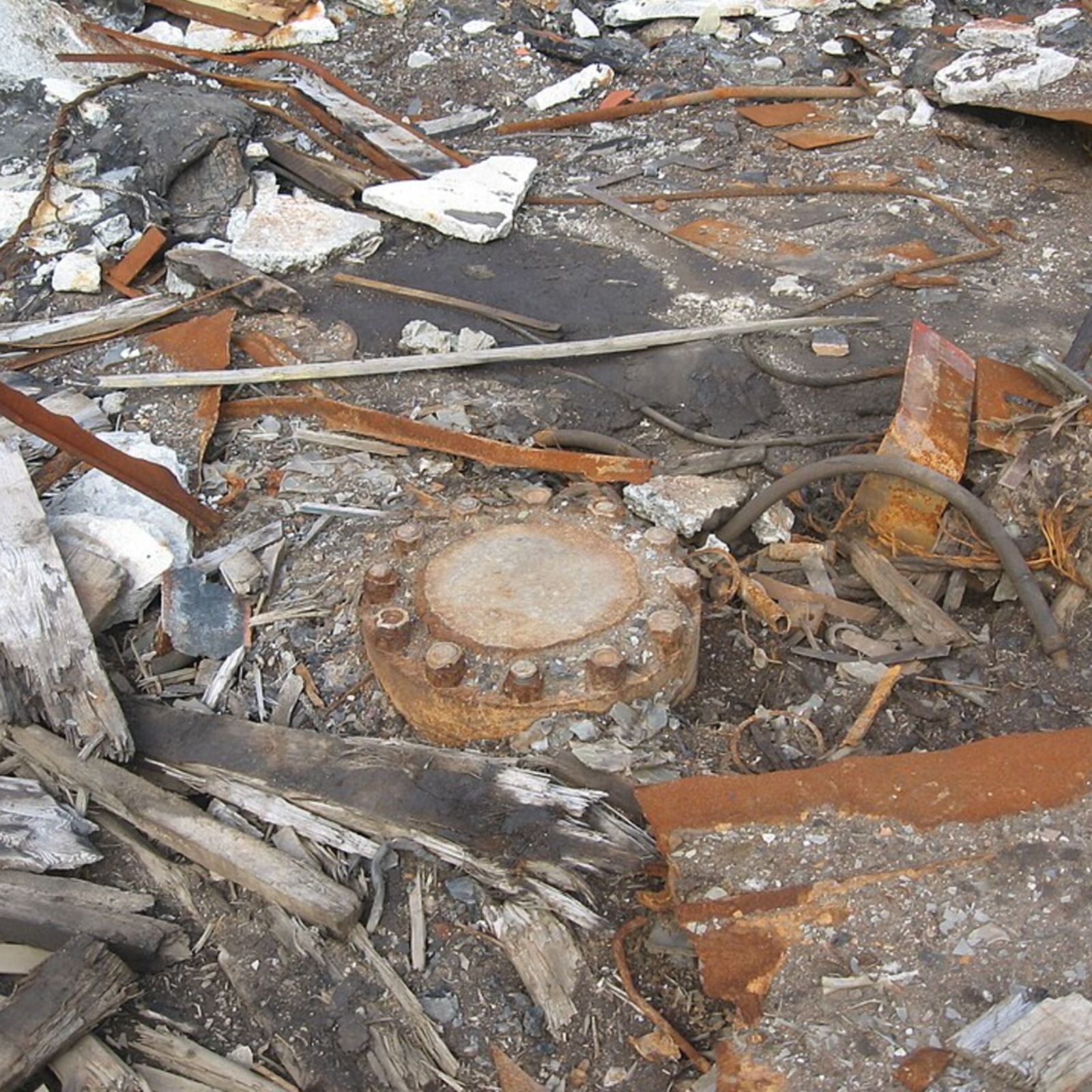
Today we talk about the Kola Superdeep Borehole, a 7.6-mile vertical shaft plunged into the Earth's crust that remains the deepest artificial point on our planet. Drilling began in 1970 on Russia's icy Kola Peninsula as Soviet scientists set out to pierce through the Earth's continental crust toward the mantle. Over nearly two decades of grueling engineering, the main borehole reached an astonishing depth of 12,262 meters (40,230 feet)—deeper than the Mariana Trench. But as the drill bit ground deeper into the ancient granite, the subterranean world proved far stranger and hotter than anyone anticipated. In this episode, we’re digging into the groundbreaking scientific discoveries and extreme physical barriers that finally brought the drill to a halt. We explore how researchers uncovered 2-billion-year-old microscopic plankton fossils miles underground, found hot mineralized water trapped where solid rock was supposed to be, and encountered temperatures soaring to 356°F (180°C) - causing the deep stone to behave like soft plastic that squeezed back into the hole. Watch your footing and check your heat shielding - we’re descending seven miles straight down into the crust of the Earth.