Case for the Defence: What Europe Can (and Can’t) Learn from Ukraine’s Arms Industry
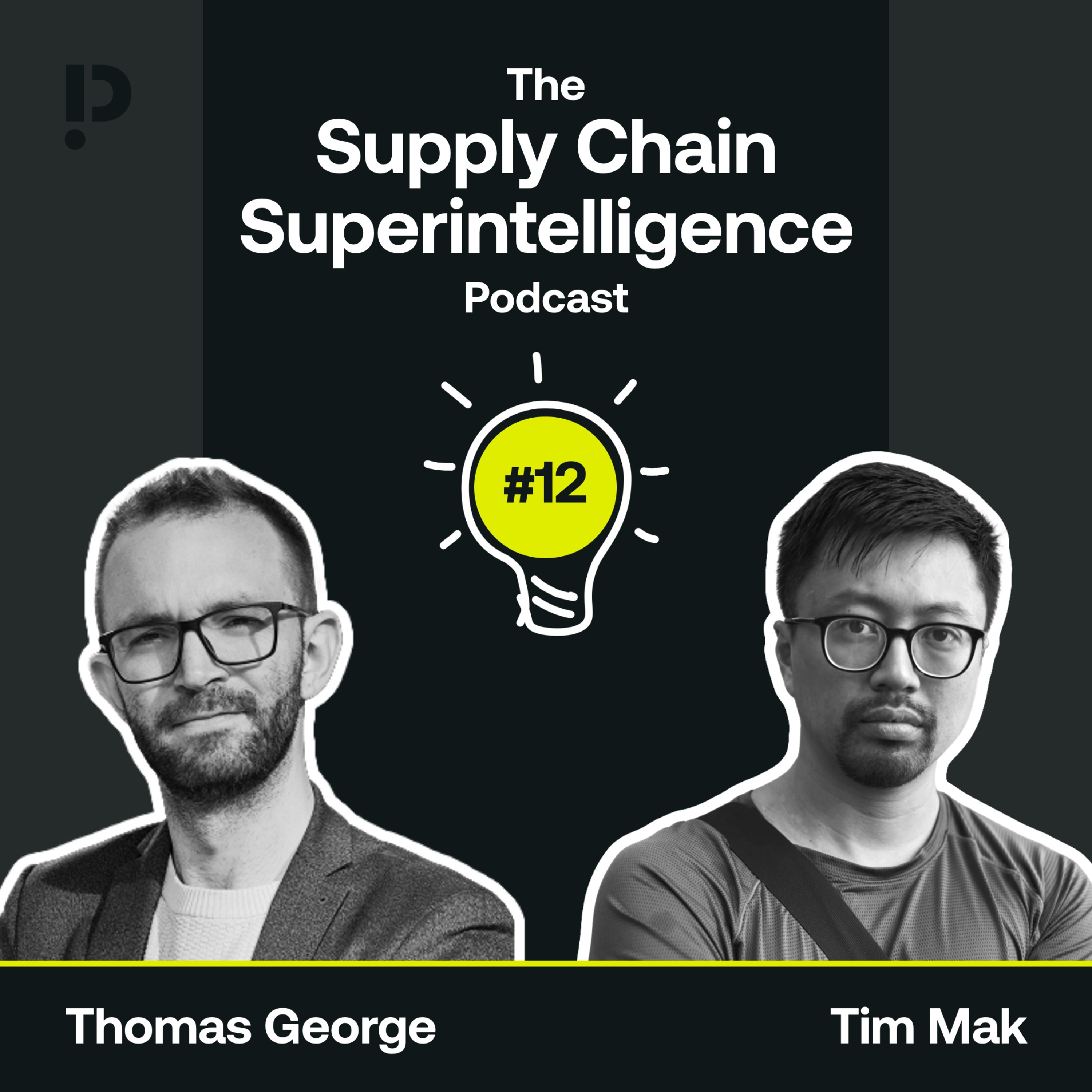
“Don’t get distracted by any particular shiny technology of the day. Learn more from the process.” Europe has the money, the time and the political will to rebuild its defence industrial base. Ukraine had none of those luxuries, and built one anyway. So what should Europe copy, and what must it leave behind? In this episode of Supply Chain Superintelligence, host Thomas George speaks with Tim Mak, founder of The Counteroffensive and its defence technology publication The Arsenal, about which parts of Ukraine’s wartime model can travel west, and which cannot. His advice to European primes and policymakers is clear: ignore the latest drone and study the system behind it. In Ukraine’s combat hubs, engineers build in the next room to commanders planning operations, turning innovation into part of daily military business rather than a decade-long procurement cycle. Not everything transfers. Ukraine’s decentralised procurement, which lets brigade and battalion commanders buy what works for them, drives remarkable speed but would be too chaotic for peacetime. It also makes common standards almost impossible: Ukrainian startups know where their Chinese components come from, but at wartime prices and timelines, few can afford alternatives. Europe can. Like the United States, it has the room to demand defence technology free of Chinese parts, though Tim argues that only regulation, not voluntary coordination, will make that happen. The hard limits apply to Europe too. Interceptors, seekers and inertial measurement units remain bottlenecks, and any defence programme moves only as fast as its slowest component. Western militaries face the same dependencies; they are simply further from the consequences, for now. Meanwhile, Ukraine’s drone makers use only around a quarter of their production capacity, held back by export controls that keep European militaries from buying. Key insights: Ukraine’s decentralised procurement cannot be copied wholesale in peacetime, but its mindset of constant adaptation can Unlike Ukraine, Europe has the time and resources to remove Chinese components from defence supply chains, but it will take regulation to do it Western militaries share Ukraine’s dependencies on complex components and critical materials, and need to plan for them before a crisis, not during one Ukraine has significant spare manufacturing capacity that European buyers cannot yet easily access About Tim Mak Tim Mak is the founder of The Counteroffensive, a Kyiv-based media company, and its B2B defence technology publication, The Arsenal, which covers Ukrainian and European defence tech, regulation and supply chains. A former US Army medic who served in conventional and special operations units, he previously covered defence, national security and political investigations in Washington, DC, most recently as a correspondent for NPR. About Thomas George Thomas George, host of the Supply Chain Superintelligence Podcast, is Prewave’s Lead Risk Editor and co-author of The Taiwan Complex, Magnetic West, Shovel Stoppers, and many more. His focus on the intersection of geopolitics, supply chains, and strategic risk brings niche supply chain topics to the public eye. Resources & Links Visit The Arsenal: https://www.arsenal.eu/Visit Prewave: https://www.prewave.com/ Don’t Miss Out Follow the Supply Chain Superintelligence Podcast for more expert conversations on geopolitics, resilience, and the forces shaping the future of global supply chains.