Skip to content
Artwork for Software Engineering Daily
NewsTech News

Software Engineering Daily

softwareengineeringdaily.com

Software Daily: The world through the lens of software.

Play
  • 2,221 episodes
  • Avg 53 min
  • English

Episodes 2,221

Counted on this page — what you have heard stays on this device, so it is not something the list can be paged by.
  • #534
    May 5, 2017 · 1 hr 2 min

    CRISPR with Geoff Ralston

    CRISPR is a technique for altering the human genome. It might be the most powerful tool for biological modification that we have ever discovered. In this episode, we explore CRISPR: how it works, why it exists in the natural world, and the implications for being able to modify DNA so easily. Geoff Ralston is a partner at Y-Combinator. He wrote an article entitled Hacking DNA: The Story of CRISPR, Ken Thompson, and the Gene Drive. Since Geoff is not a biologist, he is the perfect person to explain CRISPR to an audience of non-biologists. Since he is an investor, he is also great at explaining the pace at which CRISPR might make it to market, and how it might converge with some of the other futuristic trends we are seeing so regularly today. If you are interested in hosting a show for Software Engineering Daily, we are looking for engineers, journalists, and hackers who want to work with us on content. It is a paid opportunity. Go to softwareengineeringdaily.com/host to find out more. The Software Engineering Daily store is now open if you want to buy a Software Engineering Daily branded t-shirt, hoodie, or mug and support the show. Go to softwareengineeringdaily.com/store. Transcript provided by We Edit Podcasts. Software Engineering Daily listeners can go to weeditpodcasts.com/sed to get 20% off the first two months of audio editing and transcription services. Thanks to We Edit Podcasts for partnering with SE Daily. Please click here to view this show’s transcript.

  • #533
    May 4, 2017 · 55 min

    Washington Post Engineering with Jarrod Dicker

    The Washington Post was acquired by Amazon CEO Jeff Bezos in 2013. Since then, the newspaper has started thinking more like a software company, opting to build new software rather than buy off-the-shelf third party solutions. Arc Publishing is a CMS built by The Washington Post to produce and display content. When you visit washingtonpost.com, you are viewing a site built with Arc Publishing. The Washington Post has also brought its advertising technology in-house. Jarrod Dicker is the head of commercial product and technology at The Washington Post. He joins the show to discuss the transformation that has occurred since Bezos purchased the company. We also explore the problems in digital advertising that have been covered in recent episodes of Software Engineering Daily. Thanks to listener Mani Gandham for introducing me to Jarrod, and if you have a suggestion for a guest you want to hear, please send me an email. If you are interested in hosting a show for Software Engineering Daily, we are looking for engineers, journalists, and hackers who want to work with us on content. It is a paid opportunity. Go to softwareengineeringdaily.com/host to find out more. The Software Engineering Daily store is now open if you want to buy a Software Engineering Daily branded t-shirt, hoodie, or mug and support the show. Let’s get on with the show. Go to softwareengineeringdaily.com/store.

  • #532
    May 3, 2017 · 1 hr 15 min

    Zencastr with Josh Nielsen

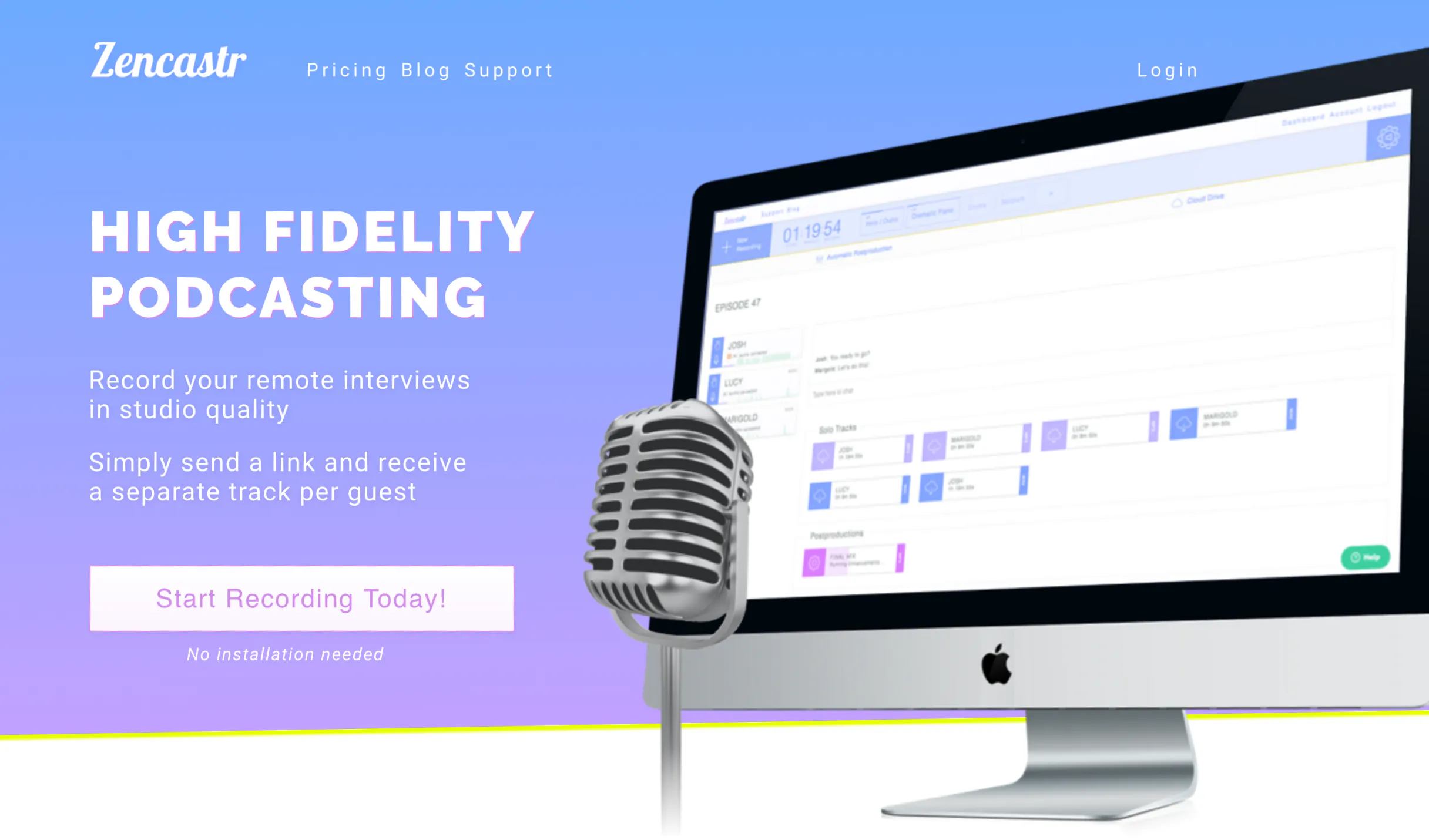
    There are certain experiences when a product solves a problem so thoroughly and elegantly that it lifts a weight off of your shoulders that you didn’t even know was there. Dropbox did this with file storage. Slack did this with group collaboration. Zencastr does this for recording podcasts. Before I used Zencastr to record my podcasts, like most podcasters, I used a Skype plugin. There were a number of inconveniences in the podcaster workflow from Skype. Zencastr solved all of these by creating a podcast recording tool in the browser and presenting a simple user interface. Josh Nielsen joins the show to talk about the challenges of building a podcasting tool in the browser, and the new technologies that make it easier, such as WebRTC. We would love to get your feedback on Software Engineering Daily. Please fill out the listener survey, available on softwareengineeringdaily.com/survey. Also–Software Engineering Daily is having our third Meetup, Wednesday May 3rd at Galvanize in San Francisco. The theme of this Meetup is Fraud and Risk in Software. We will have great food, engaging speakers, and a friendly, intellectual atmosphere. To find out more, go to softwareengineeringdaily.com/meetup. Transcript provided by We Edit Podcasts. Software Engineering Daily listeners can go to weeditpodcasts.com/sed to get 20% off the first two months of audio editing and transcription services. Thanks to We Edit Podcasts for partnering with SE Daily. Please click here to download the transcript for this episode.

  • #531
    May 3, 2017 · 14 min

    New Topic Feeds

    Listeners have had difficulty finding the Software Engineering Daily content they want to listen to. We are creating new podcast feeds to address this. The content on each podcast feed is mutually exclusive from the other feeds, except for the main feed and “Greatest Hits.” You can now find the following podcast feeds in iTunes and Google Play: Every new episode goes into 2 feeds: An episode can potentially be in 3 feeds if it is also in Greatest Hits. If you subscribe to all of the feeds including Software Engineering Daily (main feed), you will receive 2 notifications for every new episode. With the different feeds, we hope you can curate your own ideal SE Daily listening experience. Thanks for listening to Software Engineering Daily and please let us know what you think of the new feeds. A few recommendations: We hope the rollout of these new feeds goes smoothly. If you have issues, please email me, notify us in Slack, or tweet at us.

  • #529
    May 2, 2017 · 1 hr 7 min

    Data Intensive Applications with Martin Kleppmann

    A new programmer learns to build applications using data structures like a queue, a cache, or a database. Modern cloud applications are built using more sophisticated tools like Redis, Kafka, or Amazon S3. These tools do multiple things well, and often have overlapping functionality. Application architecture becomes less straightforward. The applications we are building today are data-intensive rather than compute-intensive. Netflix needs to know how to store and cache large video files, and stream them to users quickly. Twitter needs to update user news feeds with a fanout of the president’s latest tweet. These operations are simple with small amounts of data, but become complicated with a high volume of users. Martin Kleppmann is the author of Data Intensive Applications, an O’Reilly book about how to use modern data tools to solve modern data problems. His book includes high-level discussions about architectural strategy, and lower level discussions like how leader election algorithms can create problems for a data intensive application. If you are interested in hosting a show for Software Engineering Daily, we are looking for engineers, journalists, and hackers who want to work with us on content. It is a paid opportunity. Go to softwareengineeringdaily.com/host to find out more. The Software Engineering Daily store is now open if you want to buy a Software Engineering Daily branded t-shirt, hoodie, or mug and support the show. Transcript provided by We Edit Podcasts. Software Engineering Daily listeners can go to weeditpodcasts.com/sed to get 20% off the first two months of audio editing and transcription services. Thanks to We Edit Podcasts for partnering with SE Daily. Please click here to view this show’s transcript.

  • #528
    May 1, 2017 · 44 min

    Google Brain Music Generation with Doug Eck

    Most popular music today uses a computer as the central instrument. A single musician is often selecting the instruments, programming the drum loops, composing the melodies, and mixing the track to get the right overall atmosphere. With so much work to do on each song, popular musicians need to simplify–the result is that pop music today consists of simple melodies without much chord progression. Magenta is a project out of Google Brain to design algorithms that learn how to generate art and music. One goal of Magenta is to advance the state of the art in machine intelligence for music and art generation. Another goal is to build a community of artists, coders, and machine learning researchers who can collaborate. Engineers today are happy to outsource server management to a cloud service provider. Similarly, a musician can use Magenta for creation of a melody, so she can focus on other aspects of a song, such as instrumentation. Doug Eck is a research scientist at Google. In today’s episode, we explore the Magenta project and the future of music. Software Engineering Daily is having our third Meetup, Wednesday May 3rd at Galvanize in San Francisco. The theme of this Meetup is Fraud and Risk in Software. We will have great food, engaging speakers, and a friendly, intellectual atmosphere. To find out more, go to softwareengineeringdaily.com/meetup. We would love to get your feedback on Software Engineering Daily. Please fill out the listener survey, available on softwareengineeringdaily.com/survey. Transcript provided by We Edit Podcasts. Software Engineering Daily listeners can go to weeditpodcasts.com/sed to get 20% off the first two months of audio editing and transcription services. Thanks to We Edit Podcasts for partnering with SE Daily. Please click here to download this show’s transcript.
  • #527
    Apr 28, 2017 · 54 min

    Robot Assistant with Abhishek Singh

    We view our iPhones as inanimate objects. But when we see robots such as the Boston Dynamics machines that move with a motion that seems like an animal, the robot comes alive. We feel more sympathy and connection towards it. Today’s episode is about the distinction between inanimate machines and machines that seem alive. Peeqo is a robot assistant similar to Amazon Echo or Google Home. It was built by Abhishek Singh as part of his thesis. Abhishek wanted to explore the border between inanimate electronics and the electronics we personify. Peeqo is a cylindrical tube that bends slightly, like the human neck. At its head, it has a smartphone-sized screen that displays gifs to reflect its feedback visually. Abhishek also has a company called Svrround, which makes 360 degree video experiences. We explore the changes to engineering that allow someone to be involved in two cutting-edge projects at once despite having very few employees working with him. This was an energizing conversation, and I greatly enjoyed meeting Abhishek. I hope to have him on again in the future. We would love to get your feedback on Software Engineering Daily. Please fill out the listener survey, available on softwareengineeringdaily.com/survey. Also–Software Engineering Daily is having our third Meetup, Wednesday May 3rd at Galvanize in San Francisco. The theme of this Meetup is Fraud and Risk in Software. We will have great food, engaging speakers, and a friendly, intellectual atmosphere. To find out more, go to softwareengineeringdaily.com/meetup.

  • #526
    Apr 27, 2017 · 51 min

    Ransomware with Tim Gallo and Allan Liska

    Ransomware uses software to extort people. A piece of ransomware might arrive in your inbox looking like a PDF, or a link to a website with a redirect. Ransomware is often distributed using social engineering. The email address might resemble someone you know, or a transactional email from a company like Uber or Amazon. Tim Gallo and Allan Liska are authors of the O’Reilly book Ransomware: Defending Against Digital Distortion. They join me to describe the 5 stages of ransomware: deployment, installation, command and control, destruction, and extortion. Tim and Allan describe conditions under which it might make sense to pay the extortion, and some frightening recent cases of ransomware impacting the real world. We would love to get your feedback on Software Engineering Daily. Please fill out the listener survey, available on softwareengineeringdaily.com/survey. Also–Software Engineering Daily is having our third Meetup, Wednesday May 3rd at Galvanize in San Francisco. The theme of this Meetup is Fraud and Risk in Software. We will have great food, engaging speakers, and a friendly, intellectual atmosphere. To find out more, go to softwareengineeringdaily.com/meetup. Transcript provided by We Edit Podcasts. Software Engineering Daily listeners can go to weeditpodcasts.com/sed to get 20% off the first two months of audio editing and transcription services. Thanks to We Edit Podcasts for partnering with SE Daily. Please click here to download the Ransomware transcript.

  • #525
    Apr 26, 2017 · 38 min

    Spring Boot with Josh Long

    Spring Framework is an application framework for Java and JVM languages. Spring was originally built around dependency injection, but grew to become an entire ecosystem of tools and plugins for Java developers. Spring was originally released 15 years ago, and since then a lot has changed around application development. For example, many engineers deploy applications to the cloud in microservices architectures. The expectations around frameworks has also changed, with the rise of Django, Ruby on Rails, and NodeJS. Spring Boot takes an opinionated view of building production-ready Spring applications. By taking an opinionated view, Spring Boot gets engineers up and running faster than the traditional Spring framework. Josh Long is a Spring Developer Advocate at Pivotal and he joins the show to discuss Spring Boot and the history of the Spring Framework. Software Engineering Daily is having our third Meetup, Wednesday May 3rd at Galvanize in San Francisco. The theme of this Meetup is Fraud and Risk in Software. We will have great food, engaging speakers, and a friendly, intellectual atmosphere. To find out more, go to softwareengineeringdaily.com/meetup. We would love to get your feedback on Software Engineering Daily. Please fill out the listener survey, available on softwareengineeringdaily.com/survey. Transcript provided by We Edit Podcasts. Software Engineering Daily listeners can go to weeditpodcasts.com/sed to get 20% off the first two months of audio editing and transcription services. Thanks to We Edit Podcasts for partnering with SE Daily. Please click here to download the Spring Boot transcript.

  • #524
    Apr 25, 2017 · 1 hr

    Ad Fraud In Our Own Backyard with Shailin Dhar

    The online advertising industry is a giant casino. Giant technology companies are the casino owners, online publishers are the casino employees, the brand advertisers are the victims who keep returning to the casino to lose their money, and the small adtech companies are the sharks who make lots of money exploiting the inefficiencies of the system. One of these smaller adtech companies is called eZanga. eZanga sells “pre-filtered traffic.” Pre-filtered traffic means traffic that will pass through bot detection filters. A publisher can purchase traffic to their website so that the ads on that website get viewed. eZanga describes this technology as “marketing,” and has won a giant contract with United States government to handle advertising for the GSA. Advertising fraud does not just promote misinformation–it is now taking our tax dollars and spending it on paid traffic. If any of this is confusing to you, don’t worry. We explain it all in today’s episode with Shailin Dhar, the advertising fraud expert who wrote a detailed report about eZanga and its contract with the US Government. Shailin was previously on the show to give an overview of ad fraud, and what his work as an ad fraud investigator entails. Also, Shailin will be a speaker at our third Meetup, Wednesday May 3rd at Galvanize in San Francisco. The theme of this Meetup is Fraud and Risk in Software. We will have great food, engaging speakers, and a friendly, intellectual atmosphere. To find out more, go to softwareengineeringdaily.com/meetup. Ad Fraud in Our Own Backyard: The Dhar Method Transcript provided by We Edit Podcasts. Software Engineering Daily listeners can go to weeditpodcasts.com/sed to get 20% off the first two months of audio editing and transcription services. Thanks to We Edit Podcasts for partnering with SE Daily. Please click here to download the eZanga transcript.

  • #523
    Apr 24, 2017 · 57 min

    Topic Roundtable with Courtland Allen and Caleb Meredith

    Software Engineering Daily examines the world through the lens of software engineering. In most episodes, an expert in a particular topic joins the show as a guest, and we go into deep technical detail. Occasionally we like to do episodes where we survey a collection of topics. In today’s topic roundtable, Caleb Meredith and Courtland Allen join me for a discussion of several questions: would it make sense for Facebook to build an operating system? Does online advertising work? How can you work productively on an engineering company with your brother as a co-founder? Courtland is the founder of IndieHackers.com, which was recently acquired by Stripe. Caleb Meredith is the lead JavaScript correspondent of Software Engineering Daily. It was a blast talking to both of them, and we plan to do more round table episodes in the future. We would love to get your feedback on Software Engineering Daily. Please fill out the listener survey, available on softwareengineeringdaily.com/survey. Also–Software Engineering Daily is having our third Meetup, Wednesday May 3rd at Galvanize in San Francisco. The theme of this Meetup is Fraud and Risk in Software. We will have great food, engaging speakers, and a friendly, intellectual atmosphere. To find out more, go to softwareengineeringdaily.com/meetup. Transcript provided by We Edit Podcasts. Software Engineering Daily listeners can go to weeditpodcasts.com/sed to get 20% off the first two months of audio editing and transcription services. Thanks to We Edit Podcasts for partnering with SE Daily. Please click here to download the Topic Roundtable transcript.

  • #522
    Apr 21, 2017 · 1 hr 6 min

    21 with Balaji Srinivasan

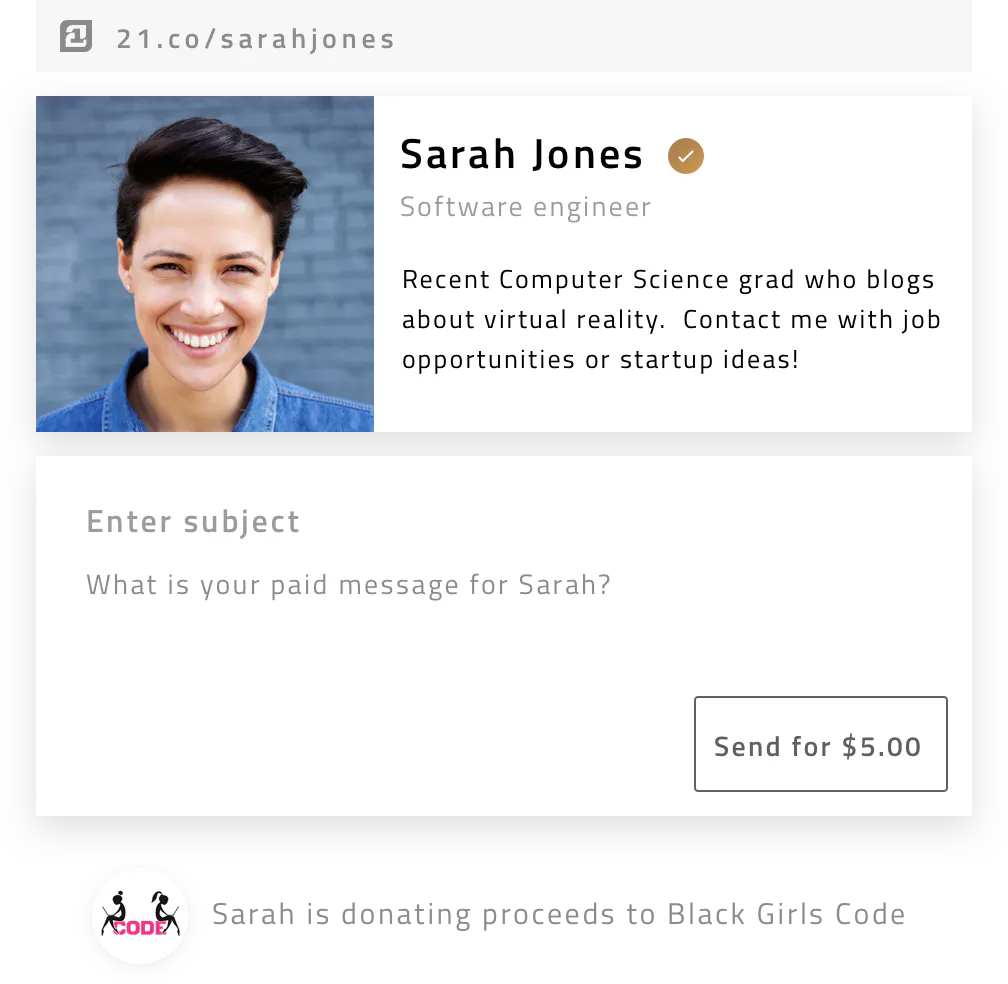
    Bitcoin is underappreciated even to this day. The public focus is usually on the speculative value, but Bitcoin has functional value as a technology platform. If I want to make 100 transactions with my bank for 1 cent, the bank won’t allow it. Our current financial infrastructure is not set up for micropayments. Bitcoin is built with micropayments in mind. As Bitcoin works through its governance issues and its scalability problems, we will see gradual improvement in financial liquidity between people and machines. 21 is a company that has raised $120M to make Bitcoin useful to developers. This is a long term project, and the first step of that project is to get Bitcoin in the hands of users. To fulfill that end, 21 is developing services that encourage people to make small digital transactions. The first service is the 21 messaging service, where users can pay to send messages to people who are unlikely to respond to an unsolicited email otherwise. For example, if I want to send an email to a venture capitalist pitching my company, I am more likely to get a response if I pay that venture capitalist $20 to read my message through 21, rather than if I sent a cold email from my email address. Balaji Srinivasan is the CEO of 21, and he joins me for a conversation about the potential of Bitcoin and the objectives of the company he is building. Software Engineering Daily is having our third Meetup, Wednesday May 3rd at Galvanize in San Francisco. The theme of this Meetup is Fraud and Risk in Software. We will have great food, engaging speakers, and a friendly, intellectual atmosphere. To find out more, go to softwareengineeringdaily.com/meetup.

  • #521
    Apr 20, 2017 · 55 min

    Microservices Practitioners with Austin Gunter and Richard Li

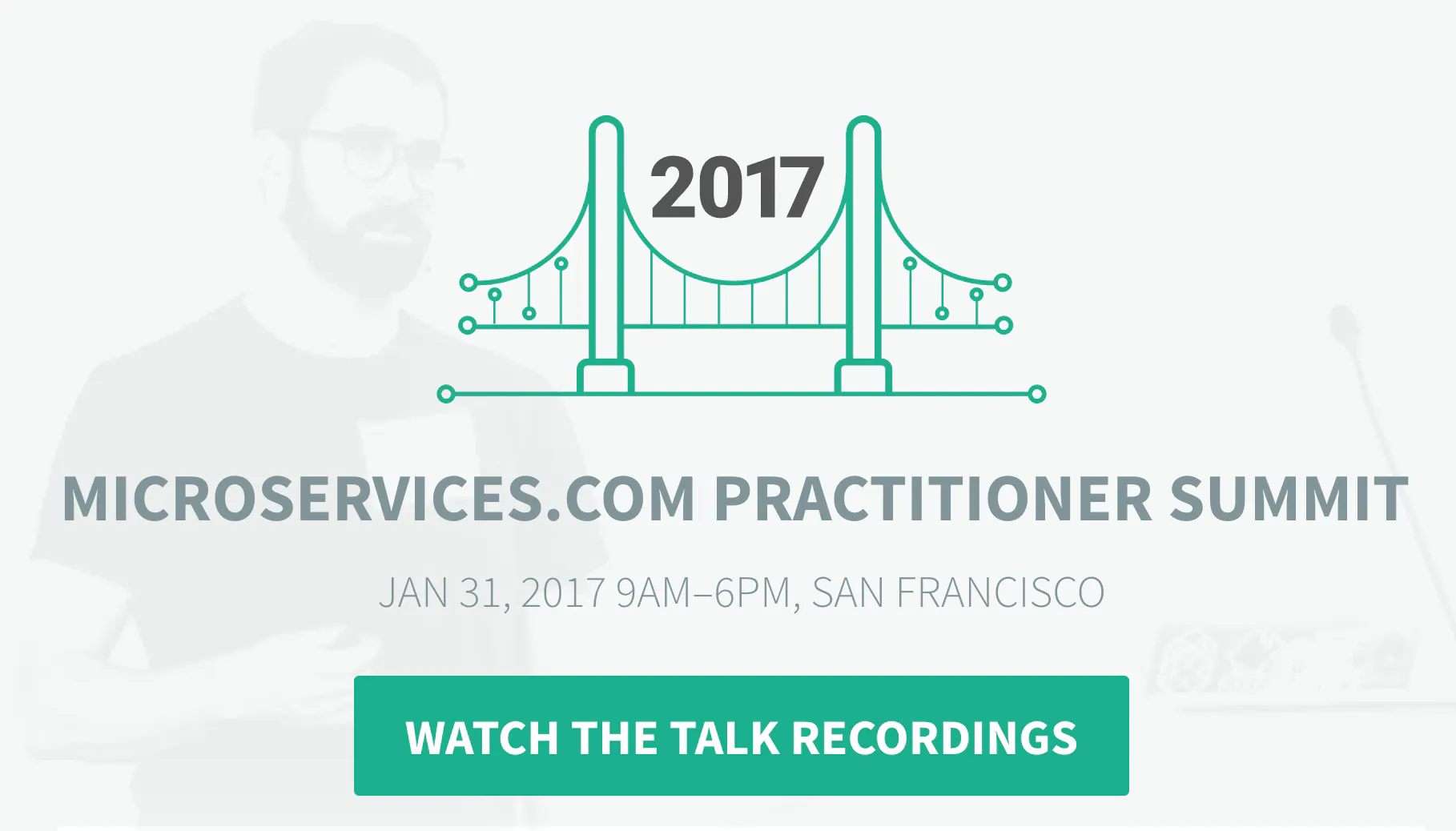
    The word “microservices” started getting used after a series of events–companies were moving to cloud virtual machines. Those VMs got broken up into containers, and the containers can fit to the size of the service. Services that are more narrowly defined take up smaller containers, and can be packed more densely into the virtual machines–hence the term “microservices.” As this change to software architecture has occurred, the DevOps movement has encouraged organizations to have better relationships between development and operations. Continuous deployment leads to fewer painful outages. Improved monitoring tools make it easier for developers to take on some of the pain that was previously centralized in operations. Several months ago, I attended the Microservices Practitioner Summit, which brings together engineers who are working with microservices at their companies. The conference was organized by Austin Gunter and Richard Li of Datawire. In this episode, they joined me for a conversation about microservices. Software Engineering Daily is having our third Meetup, Wednesday May 3rd at Galvanize in San Francisco. The theme of this Meetup is Fraud and Risk in Software. We will have great food, engaging speakers, and a friendly, intellectual atmosphere. To find out more, go to softwareengineeringdaily.com/meetup.

  • #520
    Apr 19, 2017 · 58 min

    Swift on the Server with Chris Bailey

    Swift is a language that is most commonly used to write apps for Apple client devices, such as iPhones. Since being released in 2014, Swift has become one of the most popular languages due to its high performance and developer ergonomics. In 2015, Swift was open sourced, creating the opportunity for Swift to be used outside of the Apple ecosystem. If you write an iPhone app today, your frontend is in Swift and your backend is probably in NodeJS, Java, or Ruby. Engineers are working to port Swift to the server so that the Swift developer experience is isomorphic: the same language on the backend and the frontend. Chris Bailey is an engineer at IBM working on Kitura, a Swift web framework. In this episode, we discuss the history of Swift, why it is so appealing to developers, and why Swift could become a server side language with as much popularity as Java. Software Engineering Daily is having our third Meetup, Wednesday May 3rd at Galvanize in San Francisco. The theme of this Meetup is Fraud and Risk in Software. We will have great food, engaging speakers, and a friendly, intellectual atmosphere. To find out more, go to softwareengineeringdaily.com/meetup.

  • #519
    Apr 18, 2017 · 58 min

    Kenya Mobile Payments with George Gachui

    Most people in Africa never had a desktop computer. The first computer they owned was a smart phone. This is why Africa is referred to as a “leap frog” place with regard to computers–Africa leapfrogged the desktop to the smart phone. The banking system in Africa also followed a trajectory that is different than the West. Westerners are used to banking on their desktop computers. African e-commerce has developed around the smartphone as the computer for banking. As a result, Africa is in a technological development phase with tremendous opportunities in the financial sector and beyond. Mymookh.com is a Kenyan end-to-end payment platform that allows small- to medium-sized businesses to easily set up online stores and sell to consumers directly from their social media pages. It is one of the many startups across Africa leveraging the accessibility of mobile payments to meet the particular needs of merchants and consumers there. Africa’s development and use of mobile payment systems is expected to grow as more countries on the continent create and adopt this technology. In this episode, George Gachui, co-founder of Mymookh, talks to Carl Mungazi about how Kenya became a leading player in the mobile payment space with its m-pesa system. He explains how it has revolutionized the way Kenyans approach commerce and payment technology and discusses the challenges of creating a unified platform system that transcends borders and currencies. Software Engineering Daily is having our third Meetup, Wednesday May 3rd at Galvanize in San Francisco. The theme of this Meetup is Fraud and Risk in Software. We will have great food, engaging speakers, and a friendly, intellectual atmosphere. To find out more, go to softwareengineeringdaily.com/meetup.

  • #518
    Apr 17, 2017 · 1 hr 5 min

    Political Bots with Samuel Woolley

    Bots on the internet can be malicious, helpful, and everything in between. A bot that responds to all of your tweets might call you a socialist–that is malicious. Google crawls the web to index Google search. That is helpful. Social media marketing bots schedule 200 Twitter posts to go out throughout the day. That is either a little annoying or a little helpful depending on who you are. Bots are being used to amplify political viewpoints. An amplified viewpoint can serve as a gravity well for like-minded individuals, and help a sparsely supported political cause find its footing. Sometimes that amplified viewpoint is completely fictional or unfalsifiable. Real people believe that Hillary Clinton is a lizard alien because they have seen that story shared by enough Twitter bots. So-called “fake news” is a topic that has been discussed on so many other podcasts. What is not reported is the connection between link bait and advertising fraud. When a botnet is able to make an article go viral, thousands of people organically click on the link to that article. That organic traffic is used to launder fake clicks. These bots that are spreading “fake news” might be controlled by conspiratorial Russians. But it doesn’t have to be that complicated. Anyone who wants to make money in online advertising fraud is incentivized to make salacious media–whether it is real or fake. Samuel Woolley is the director of research at Political Bots. He works with Jigsaw, a division of Alphabet that seeks to make the Internet safer. In today’s episode, we talk about political bots, advertising fraud, and the connection between the two. Software Engineering Daily is having our third Meetup, Wednesday May 3rd at Galvanize in San Francisco. The theme of this Meetup is Fraud and Risk in Software. We will have great food, engaging speakers, and a friendly, intellectual atmosphere. To find out more, go to softwareengineeringdaily.com/meetup.

  • #517
    Apr 14, 2017 · 1 hr 5 min

    Facebook Open Source with Tom Occhino

    Facebook’s open source projects include React, GraphQL, and Cassandra. These projects are key pieces of infrastructure used by thousands of developers–including engineers at Facebook itself. These projects are able to gain traction because Facebook takes time to decouple the projects from their internal infrastructure and clean up the code before releasing them into the wild. Facebook has high standards for what they are willing to release. Tom Occhino manages the React team at Facebook and works closely with engineers to determine what projects make sense to open source. In this episode, Preethi Kasireddy interviews Tom about how Facebook thinks about open source–what went right with React, why it makes sense for Facebook to continue to release new open source projects, and how full-time employees at Facebook interact with that open source codebase. We would love to get your feedback on Software Engineering Daily. Please fill out the listener survey, available on softwareengineeringdaily.com/survey. Also–Software Engineering Daily is having our third Meetup, Wednesday May 3rd at Galvanize in San Francisco. The theme of this Meetup is Fraud and Risk in Software. We will have great food, engaging speakers, and a friendly, intellectual atmosphere. To find out more, go to softwareengineeringdaily.com/meetup. Pete Hunt: React: Rethinking best practices — JSConf EU 2013

  • #516
    Apr 13, 2017 · 52 min

    Web Tracking with Bill Budington

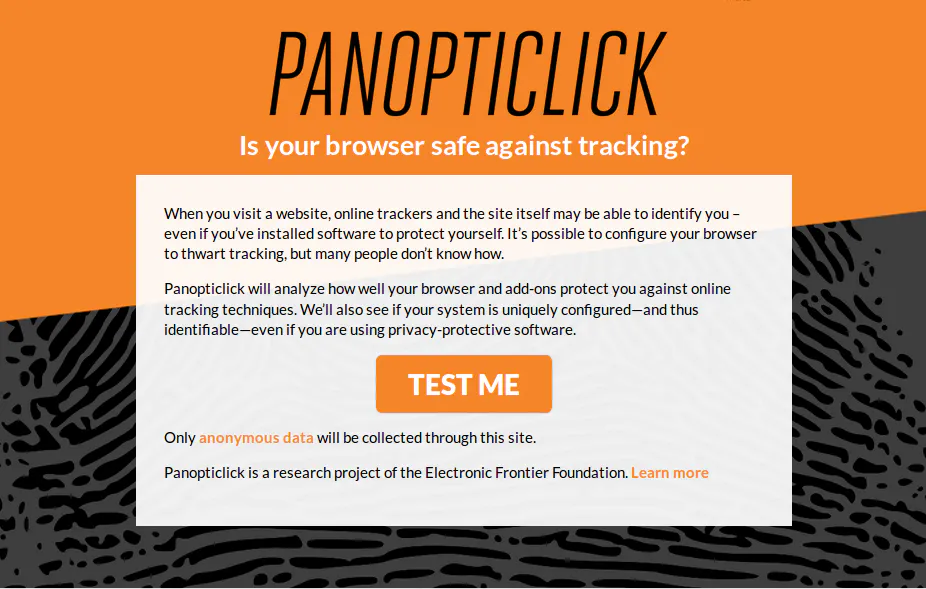
    The Internet is decreasing in privacy and increasing in utility. Under some conditions, this tradeoff makes sense. We publicize our profile photo so that people know what we look like. Under other conditions, this tradeoff does not make sense. We do not want a television that costs less to purchase because it is silently recording all of the conversations that take place in the room and selling them to the highest bidder. The example of the TV that records everything you say (which is a real thing) illustrates a tradeoff of the Internet. The advertising industry pushes us towards lower marginal costs for products and services in exchange for less privacy. Someday we will live in a world where it will be easy for consumers to control the dial on the tradeoff between privacy and the price of their services. Until then, we have almost zero control over what information the advertising surveillance industrial complex knows about us. Bill Budington is a security engineer with the Electronic Frontier Foundation. In today’s episode, Bill describes some of the current techniques used by the advertising industry to track your activity through the web. Bill works on encryption tools as well as Panopticlick, a project that allows users to see what trackers they are vulnerable to. Software Engineering Daily is having our third Meetup, Wednesday May 3rd at Galvanize in San Francisco. The theme of this Meetup is Fraud and Risk in Software. We will have great food, engaging speakers, and a friendly, intellectual atmosphere. To find out more, go to softwareengineeringdaily.com/meetup.

  • #515
    Apr 12, 2017 · 56 min

    Elasticsearch with Philipp Krenn

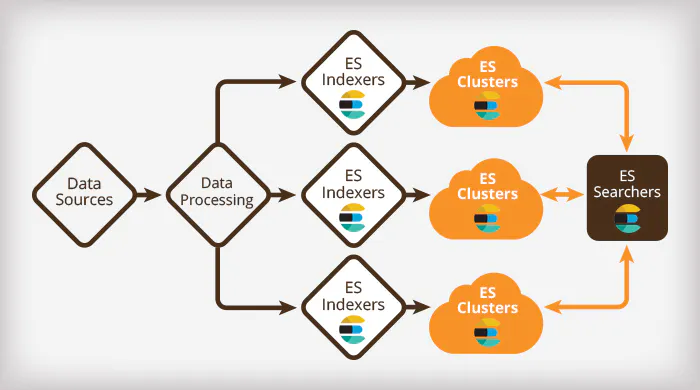
    Search is a common building block for applications. Whether we are searching Wikipedia or our log files, the behavior is similar: a query is entered and the most relevant documents are returned. The core data structure for search is an inverted index. Elasticsearch is a scalable, resilient search tool that shards and replicates a search index. Philipp Krenn from Elastic joins the show today to discuss how search works and how Elasticsearch scales. We use Wikipedia as a running example for how a query is processed and how documents are stored. If you’ve ever wondered how search works–or if your company uses Elasticsearch and you want to know more about it–this is a great episode for you.

  • #514
    Apr 11, 2017 · 55 min

    The Future of React Native with Brent Vatne and Adam Perry

    React Native has unlocked native mobile development to web engineers who may now apply their skills to build iOS and Android applications in JavaScript. For the first time, cross platform JavaScript-based applications feel as if they were written in the native language of choice for the platforms. Businesses who choose to adopt React Native for their native app development also see great benefits such as the ability to push new JavaScript code without going through the app store review process, and the ability to share code and business behaviors across the iOS and Android platforms. Expo is building a cross-platform native runtime for React Native. Expo brings the benefits of deployment and iterative development to native without sacrificing any user experience costs. Expo plans to do this with their native SDK, custom development environment, and tools built in collaboration with Facebook like create-react-native-app. React Native has the incredible potential to revolutionize all user interface development with its core set of cross-platform UI primitives, and React’s popular declarative rendering pattern. So in this episode Brent Vatne and Adam Perry join Caleb Meredith to first discuss Expo and the future of React Native to try and answer the question: can React Native become the one UI framework to rule them all?

Showing 1,741–1,760 of 2,221 episodes