Skip to content
Artwork for Society Tech Brief By HackerNoon
NewsTech NewsBusiness News

Society Tech Brief By HackerNoon

HackerNoon

Learn the latest society updates in the tech world.

Play
  • 33 episodes
  • Avg 10 min
  • English
Counted on this page — what you have heard stays on this device, so it is not something the list can be paged by.
  • Yesterday · 6 min

    What if reality is a simulated dream?

    This story was originally published on HackerNoon at: https://hackernoon.com/what-if-reality-is-a-simulated-dream. Can your brain distinguish reality from a dream? Explore the psychology of lucid dreaming, déjà vu, and the possibility of simulated reality. Check more stories related to society at: https://hackernoon.com/c/society. You can also check exclusive content about #simulation-theory, #dreams, #reality, #deja-vu, #dreams-vs-reality, #brain-and-dreams, #philosophy-of-reality, #nature-of-reality, and more. This story was written by: @jakewatermelon. Learn more about this writer by checking @jakewatermelon's about page, and for more stories, please visit hackernoon.com. Our brains struggle to distinguish between dreams and reality due to the lack of a clear reference point, making it difficult to question the normalcy of situations. This is similar to the concept of Deja Vu, where our brains attempt to perform a reality check, but may not be able to distinguish between what is real and what is not.

  • September 25 · 8 min

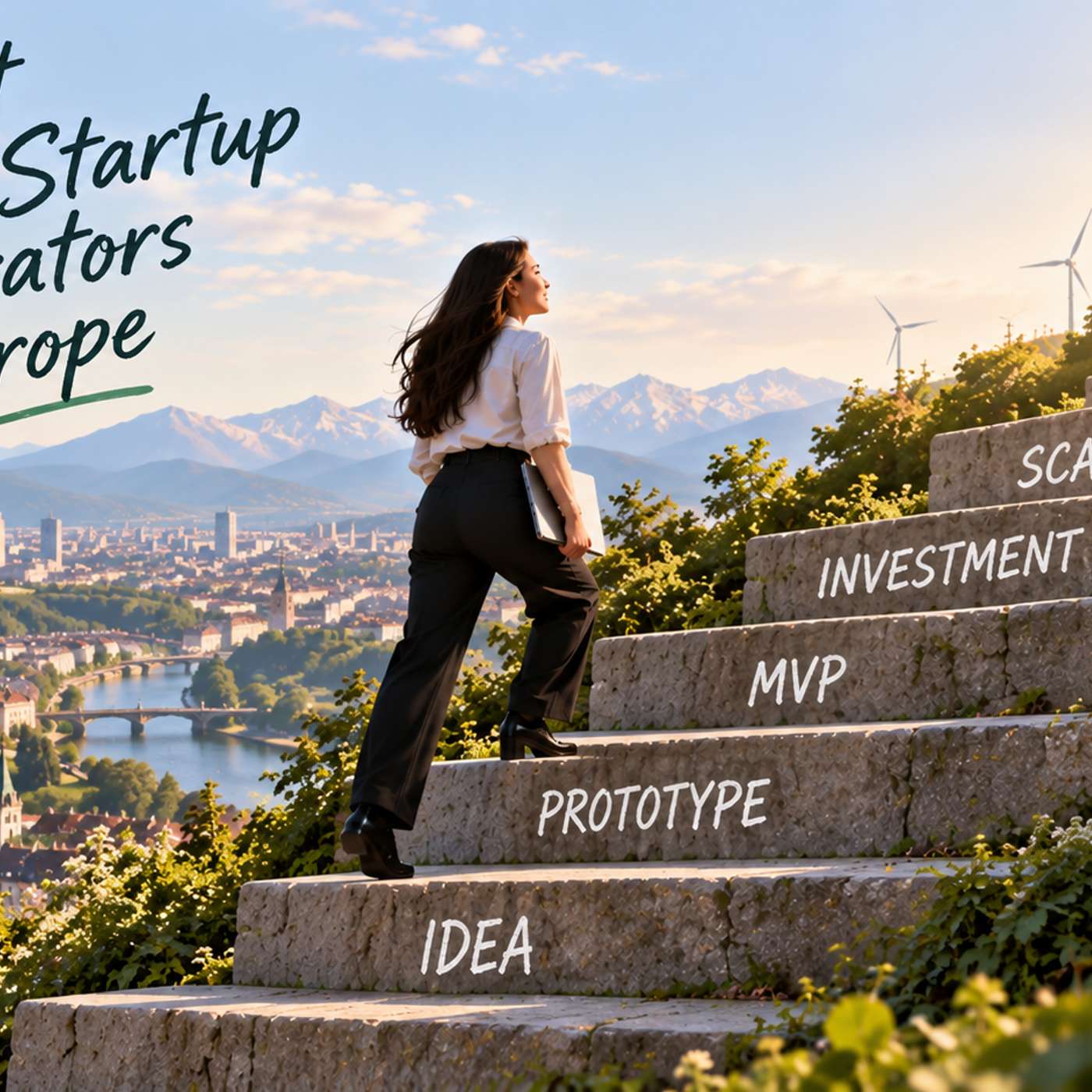
    The Best Female Startup Accelerators in Europe

    This story was originally published on HackerNoon at: https://hackernoon.com/the-best-female-startup-accelerators-in-europe. Discover the best female startup accelerators in Europe offering women founders funding, mentorship, investor access, and powerful networks. Check more stories related to society at: https://hackernoon.com/c/society. You can also check exclusive content about #female-founders, #startups, #startup-accelerators, #women-entrepreneurs, #startup-funding-europe, #founder-accelerators, #equity-free-funding, #female-startup-funding, and more. This story was written by: @alexandra-belskaya. Learn more about this writer by checking @alexandra-belskaya's about page, and for more stories, please visit hackernoon.com. Only 14.8% of startup founders in Europe are women, but a growing number of accelerators are trying to close the gap in access to mentorship, networks, and capital. This guide compares seven programs for women founders at different stages: Female Founders for investor readiness, Grace for long-term early-stage support, Founderland for women of color, Cartier Women’s Initiative for impact ventures, Women TechEU for deep tech, WE-RISE for GreenTech and ClimateTech, and IDEAS Women for founders in Switzerland and Poland. When choosing one, look beyond prestige: consider your startup stage, funding needs, equity requirements, sector, network, and program duration.

  • September 21 · 4 min

    The Alpha Engineer Builds Loud, and Builds Anywhere

    This story was originally published on HackerNoon at: https://hackernoon.com/the-alpha-engineer-builds-loud-and-builds-anywhere. The Alpha Engineer builds loud, and the Alpha Engineer builds anywhere. Check more stories related to society at: https://hackernoon.com/c/society. You can also check exclusive content about #society, #software-engineering, #blockchain, #crypto, #crypto-regulation, #life-hacks, #digital-transformation, #fintech, and more. This story was written by: @edwinliavaa. Learn more about this writer by checking @edwinliavaa's about page, and for more stories, please visit hackernoon.com. The Alpha Engineer builds loud and anywhere, rejecting quiet building and regulatory permission, instead putting ideas on record and seeking pathways. When home will not let the idea breathe, the Alpha Engineer takes it somewhere it can, protecting the mission and the freedom to build.

  • September 16 · 5 min

    Vietnam’s Desire for a Digital Economy Faces an Uphill Battle

    This story was originally published on HackerNoon at: https://hackernoon.com/vietnams-desire-for-a-digital-economy-faces-an-uphill-battle. Vietnam’s digital asset ambitions face regulatory barriers, macroeconomic risks and stiff competition from Hong Kong and Singapore. Check more stories related to society at: https://hackernoon.com/c/society. You can also check exclusive content about #vietnam, #digitalassets, #web3, #tokenization, #future-of-finance, #cbdc, #digital-economy, #digital-assets, and more. This story was written by: @hughharsono. Learn more about this writer by checking @hughharsono's about page, and for more stories, please visit hackernoon.com. Vietnam is promoting digital assets, RWA tokenization and carbon credits, but restrictive regulations and limited foreign participation could hinder growth. To compete with Hong Kong, Singapore and Tokyo, Vietnam needs greater regulatory consistency, foreign investment access and institutional trust.

  • September 12 · 10 min

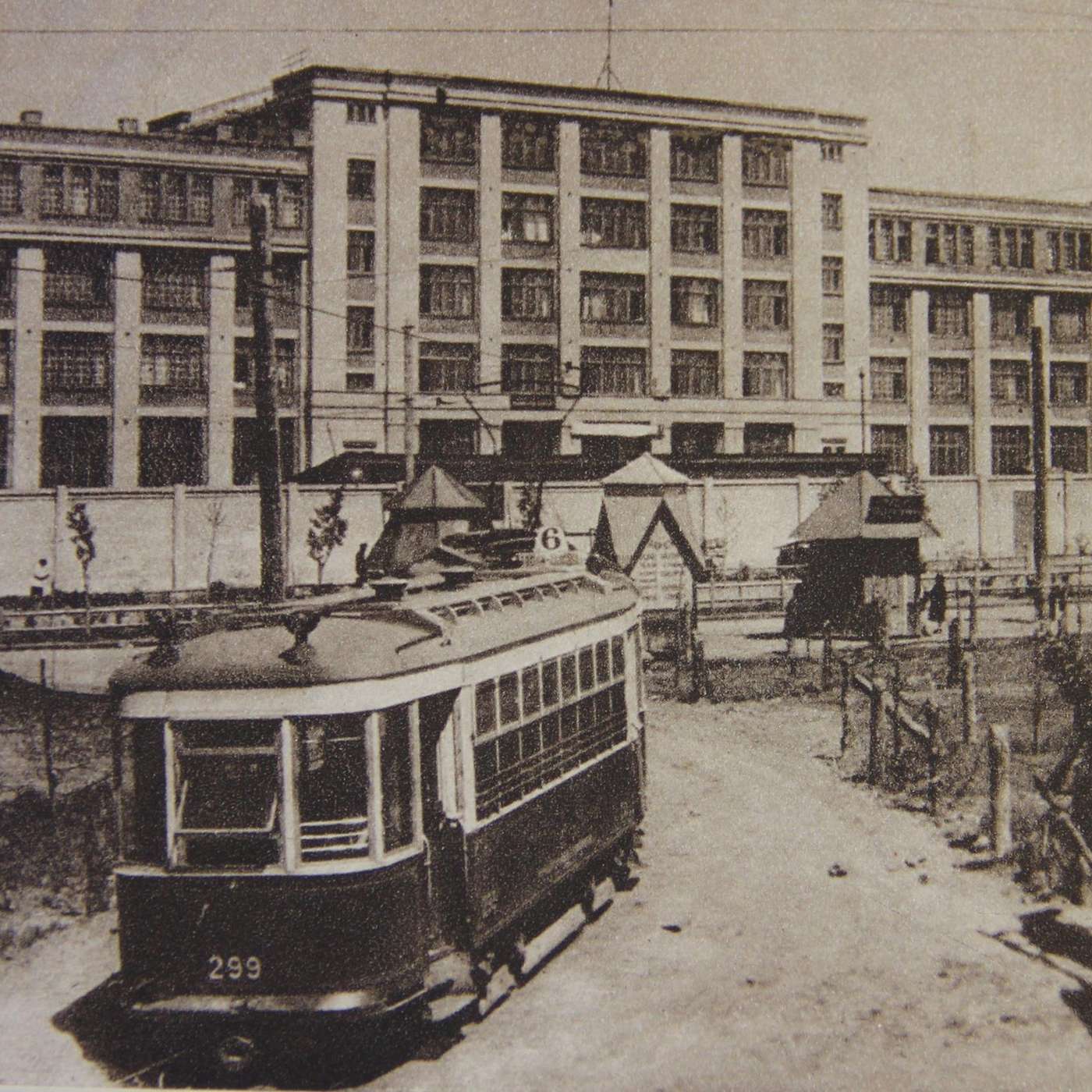
    Why Imperial Historians Want You to Forget Kharkiv’s Real Story [Breaking the Myths]

    This story was originally published on HackerNoon at: https://hackernoon.com/why-imperial-historians-want-you-to-forget-kharkivs-real-story-breaking-the-myths. Kharkiv was founded in the 1650s by Ukrainian Cossacks.They were Sloboda Cossacks—rebels, frontiersmen, and refugees fleeing Polish and Muscovite pressure. Check more stories related to society at: https://hackernoon.com/c/society. You can also check exclusive content about #ukraine, #kharkiv, #social-media-propaganda, #russia-ukraine-war, #tech-stands-with-ukraine, #history, #war-in-ukraine, #hackernoon-top-story, and more. This story was written by: @arthurtkachenko-rm2m8. Learn more about this writer by checking @arthurtkachenko-rm2m8's about page, and for more stories, please visit hackernoon.com. Kharkiv isn't a museum piece, a leftover Soviet factory site, or an imperial frontier waiting to be "reclaimed." It is a city forged by Cossacks who hated tyranny, preserved by intellectuals who refused to let their language die, painted by street artists who refuse to live in the gray, and coded by badass engineers who build the future while the past tries to drag them down.

  • September 9 · 6 min

    Why Can’t My AI Agent Renew My Driver's License?

    This story was originally published on HackerNoon at: https://hackernoon.com/why-cant-my-ai-agent-renew-my-drivers-license. AI agents can write compilers and negotiate SaaS deals, so why can't they renew your driver's license? Inside the legacy plumbing breaking civic AI. Check more stories related to society at: https://hackernoon.com/c/society. You can also check exclusive content about #government, #govtech, #ai, #civic-tech, #chatbots, #agentic-ai, #government-ai, #hackernoon-top-story, and more. This story was written by: @kishimoto2011. Learn more about this writer by checking @kishimoto2011's about page, and for more stories, please visit hackernoon.com. Autonomous AI agents are transforming software engineering, but they crash into a wall at city hall. Between 40-year-old COBOL mainframes, prompt injection risks, and zero-tolerance administrative law, here is why government paperwork is the ultimate test for agentic tech.

  • September 4 · 11 min

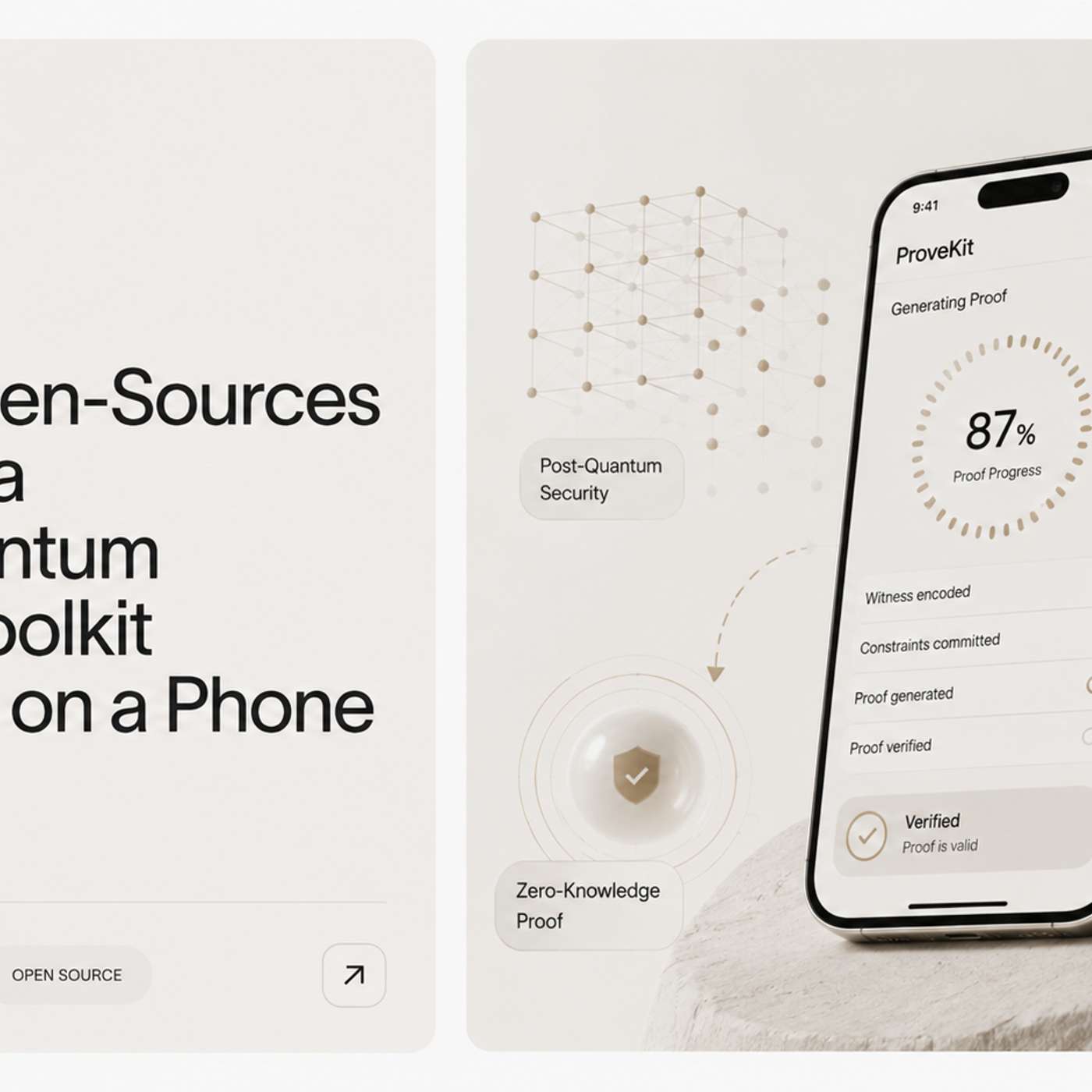
    World Open-Sources ProveKit, a Post-Quantum Proving Toolkit That Runs on a Phone

    This story was originally published on HackerNoon at: https://hackernoon.com/world-open-sources-provekit-a-post-quantum-proving-toolkit-that-runs-on-a-phone. World open-sources ProveKit, a post-quantum zero-knowledge toolkit that proves age or nationality on a phone in seconds without the document ever leaving it. Check more stories related to society at: https://hackernoon.com/c/society. You can also check exclusive content about #world, #web3, #good-company, #blockchain, #privacy, #ai-and-ml, #software-engineering, #world-id, and more. This story was written by: @ishanpandey. Learn more about this writer by checking @ishanpandey's about page, and for more stories, please visit hackernoon.com. World open-sourced ProveKit on 2 September 2026, a production-ready zero-knowledge proving toolkit that generates cryptographic proofs directly on a person's phone or browser rather than on a remote server. It lets someone prove claims such as age, nationality or ownership of a valid identity document while the verifier receives confirmation of that single claim and nothing else. ProveKit completes proofs in seconds on a typical phone and in under 30 seconds on a low-end test device, operates with limited memory and supports offline use. It targets 128-bit post-quantum security, requires no trusted setup, uses the WHIR hash-based commitment scheme and has been independently audited by Least Authority. The toolkit compiles circuits written in Noir into R1CS constraints and generates WHIR proofs through a Spartan-based protocol, with bindings for Swift, Kotlin, JavaScript and Rust. It has run inside World ID since April and ships under an MIT licence. World ID Credentials store data from NFC chip-enabled identity documents locally on the device, inaccessible to the World Foundation, Tools for Humanity or any third party. ProveKit v2 is in development, targeting smaller proofs, faster proving, lower memory use and more efficient on-chain verification.

  • September 4 · 4 min

    What Ancient Floods Can Teach Us About Modern Disaster Risk

    This story was originally published on HackerNoon at: https://hackernoon.com/what-ancient-floods-can-teach-us-about-modern-disaster-risk. Myths preserve flood memory, but flash-flood risk still needs archives, a hazard chain, and official checks. Check more stories related to society at: https://hackernoon.com/c/society. You can also check exclusive content about #climate-change, #history, #science, #historical-flood-records, #flash-flood-risk, #disaster-preparedness, #flood-risk-management, #real-time-flood-data, and more. This story was written by: @silentwolf27. Learn more about this writer by checking @silentwolf27's about page, and for more stories, please visit hackernoon.com. Flood myths keep warnings. Historical archives and real-time reports belong to different evidence systems. Compare them only after archival criticism, process reconstruction, and official verification.

  • September 3 · 6 min

    Why Corporate Layoffs Aren’t Just About AI

    This story was originally published on HackerNoon at: https://hackernoon.com/why-corporate-layoffs-arent-just-about-ai. Profitable companies are still laying off thousands. Here's what CEO memos, SEC filings, and acquisition reports reveal about the real reasons why. Check more stories related to society at: https://hackernoon.com/c/society. You can also check exclusive content about #layoffs, #business, #artificial-intelligence, #corporatestrategy, #technology, #workforce-reductions, #corporate-job-cuts, #business-restructuring, and more. This story was written by: @ayomide_1. Learn more about this writer by checking @ayomide_1's about page, and for more stories, please visit hackernoon.com. AI only paints a part of the picture. The rest? I dug into CEO memos, SEC filings and acquisition reports to find out.

  • August 24 · 11 min

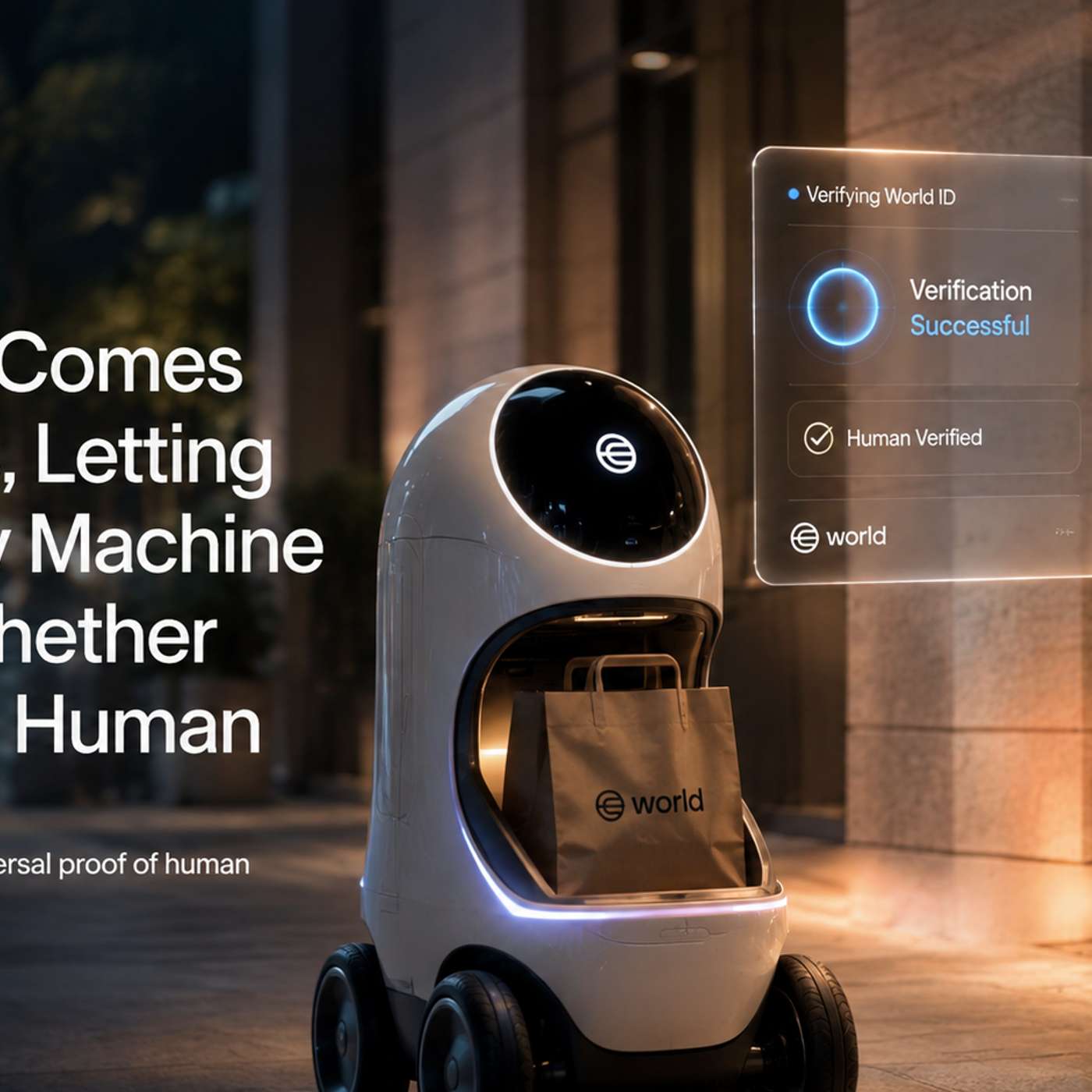
    World ID Comes to Robots, Letting a Delivery Machine Check Whether You Are a Human

    This story was originally published on HackerNoon at: https://hackernoon.com/world-id-comes-to-robots-letting-a-delivery-machine-check-whether-you-are-a-human. World ID comes to robots through peaqOS and robotic.sh, so a delivery machine can confirm you are a real, unique human without ever learning who you are. Check more stories related to society at: https://hackernoon.com/c/society. You can also check exclusive content about #world, #world-id, #proof-of-human, #web3, #good-company, #software-engineering, #ai-agents, #technology, and more. This story was written by: @ishanpandey. Learn more about this writer by checking @ishanpandey's about page, and for more stories, please visit hackernoon.com. World ID became available to robots and machines running peaqOS through robotic.sh. A machine can request and verify a World ID zero-knowledge proof, confirming that it is interacting with a real, unique human and, in applicable interactions, that the person completing an action is the same person who initiated it, without receiving a name, face or other identifying information. peaqOS supplies the coordination layer, using peaq decentralised identifiers for machine identity and the Machine Market for service discovery, and can produce an auditable record that a check occurred with the proof metadata redacted. Machines running peaqOS can perform the verification natively, without an API key or a per-verification charge.

  • August 20 · 6 min

    Governance Is Not Compliance - It Is a Trust Problem With a Structural Answer

    This story was originally published on HackerNoon at: https://hackernoon.com/governance-is-not-compliance-it-is-a-trust-problem-with-a-structural-answer. Most boards confuse attendance with oversight. The structural case for what a board is for, and three tests that separate real governance from paperwork. Check more stories related to society at: https://hackernoon.com/c/society. You can also check exclusive content about #governance, #corporate-governance, #credibility, #trust, #executive-leadership, #leadership, #management-and-leadership, #infrastructure-governance, and more. This story was written by: @sanforddiday. Learn more about this writer by checking @sanforddiday's about page, and for more stories, please visit hackernoon.com. A board's job is not to run the company. It is to verify what owners cannot check themselves, and to say so publicly when something does not hold up. Most governance failures are not talent problems — they are structural ones: boards that rubber-stamp management, or boards that try to co-manage and erase the separation that makes verification possible. Three tests determine whether a board actually works: Independence (can it withstand management pressure), Information (does it see the real picture), and Incentive (do directors have a reason to act on what they see). All three must hold at once. Compliance is the byproduct of good governance, not its definition — the real output is trust that others can rely on without checking it themselves.

  • August 20 · 12 min

    How I Reached #7 in a Hugging Face AI Competition for Under $80

    This story was originally published on HackerNoon at: https://hackernoon.com/how-i-reached-7-in-a-hugging-face-ai-competition-for-under-$80. How I reached #7 in a Hugging Face research competition using AI agents, OpenCode, DeepSeek, and less than $80 in total spending. Check more stories related to society at: https://hackernoon.com/c/society. You can also check exclusive content about #competition, #ai, #llm, #harness, #opencode, #gpt-5.6-sol, #deepseek-v4-flash, #open-source, and more. This story was written by: @navigatingnoise. Learn more about this writer by checking @navigatingnoise's about page, and for more stories, please visit hackernoon.com. How I reached #7 in a Hugging Face research competition using AI agents, OpenCode, DeepSeek, and less than $80 in total spending.

  • August 19 · 3 min

    The Signs of Our Times: Candace Owens vs Andrew Wilson

    This story was originally published on HackerNoon at: https://hackernoon.com/the-signs-of-our-times-candace-owens-vs-andrew-wilson. Candace Owens–Andrew Wilson debate as modern bread and circuses: online distraction amid political cash gaps and military strain on the eve of 2026 Midterms. Check more stories related to society at: https://hackernoon.com/c/society. You can also check exclusive content about #trump, #democrats, #republicans, #us-politics, #the-great-debaters, #debate, #future-of-america, #hackernoon-top-story, and more. This story was written by: @nebojsaneshatodorovic. Learn more about this writer by checking @nebojsaneshatodorovic's about page, and for more stories, please visit hackernoon.com. Candace Owens vs. Andrew Wilson debate as modern “bread and circuses”—online spectacle that wastes time and distracts from real issues.

  • August 17 · 9 min

    Taxation as a Protocol Layer: Why Elon Musk’s UBI Model Fails Without Automated Transaction Math

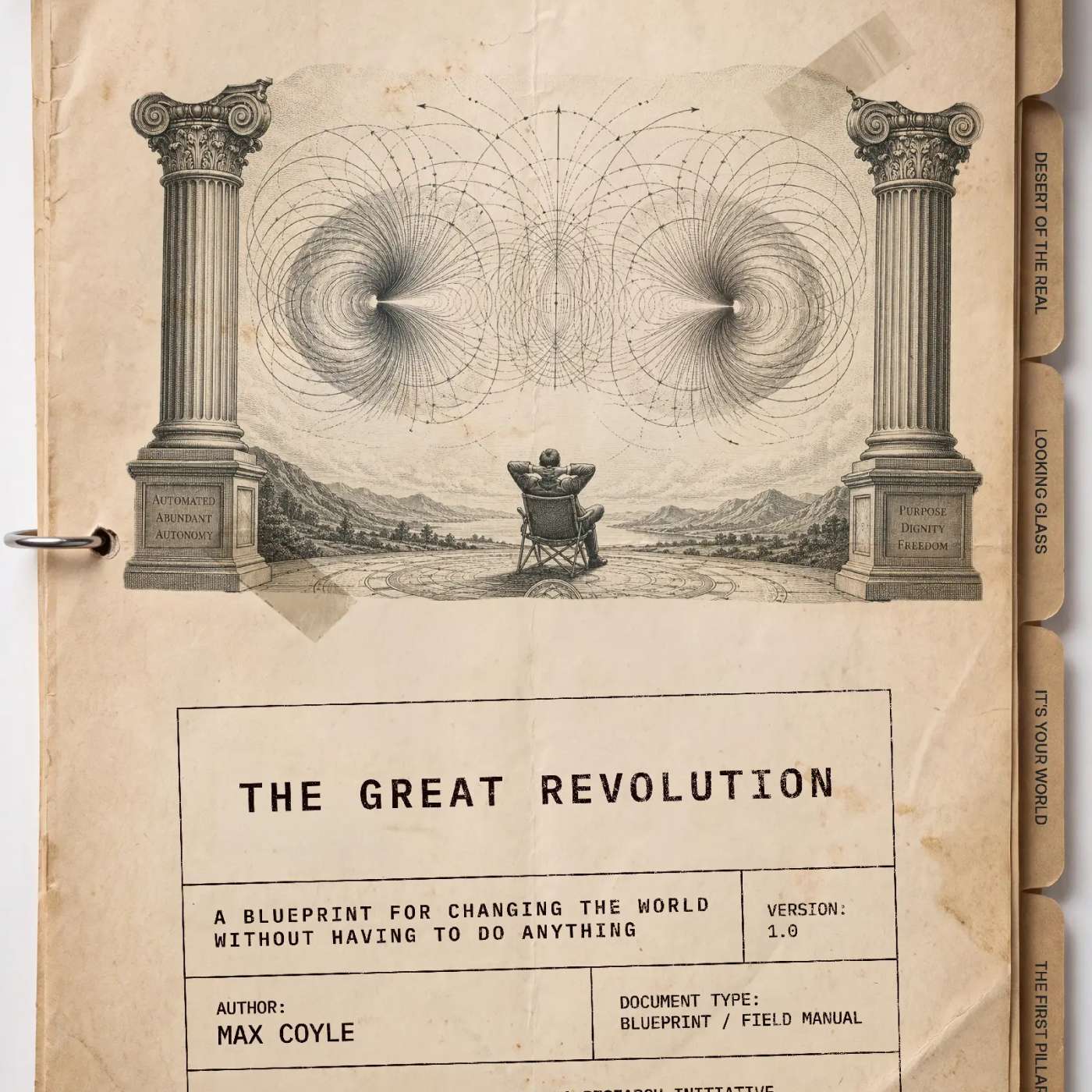
    This story was originally published on HackerNoon at: https://hackernoon.com/taxation-as-a-protocol-layer-why-elon-musks-ubi-model-fails-without-automated-transaction-math. A proposal to replace conventional taxes with a 5% transaction levy and use the proceeds to fund a $1,000-a-week UBI without printing new money. Check more stories related to society at: https://hackernoon.com/c/society. You can also check exclusive content about #universal-basic-income, #ubi-funding, #financial-transaction-tax, #rtgs, #tax-reform-strategy, #macroeconomic-modeling, #tax-architecture, #elon-musk-ubi-model-critique, and more. This story was written by: @maxcoyle. Learn more about this writer by checking @maxcoyle's about page, and for more stories, please visit hackernoon.com. The article proposes replacing New Zealand’s existing tax system with a 5% automated financial transaction tax, collected through payment infrastructure, and using part of the proceeds to fund a $1,000-per-week UBI.

  • August 10 · 6 min

    How to Build an Education Platform That Supports People Through Different Stages of Life

    This story was originally published on HackerNoon at: https://hackernoon.com/how-to-build-an-education-platform-that-supports-people-through-different-stages-of-life. From exam prep to lifelong learning: how Sotka's founder is betting edtech's future is continuous, not one-off. Check more stories related to society at: https://hackernoon.com/c/society. You can also check exclusive content about #edtech, #online-learning, #lifelong-learning, #education, #startups, #exam-preparation-platform, #education-technology-trends, #career-development, and more. This story was written by: @MelvinTalk. Learn more about this writer by checking @MelvinTalk's about page, and for more stories, please visit hackernoon.com. Timur Ibragimov, founder of Sotka, shares why education platforms should evolve beyond single-purpose courses into lifelong learning ecosystems that help people continuously build skills, adapt to change, and grow throughout their lives.

  • August 7 · 8 min

    Nobody Tells You When Software Dies. OpenEoX Wants to Help Change That

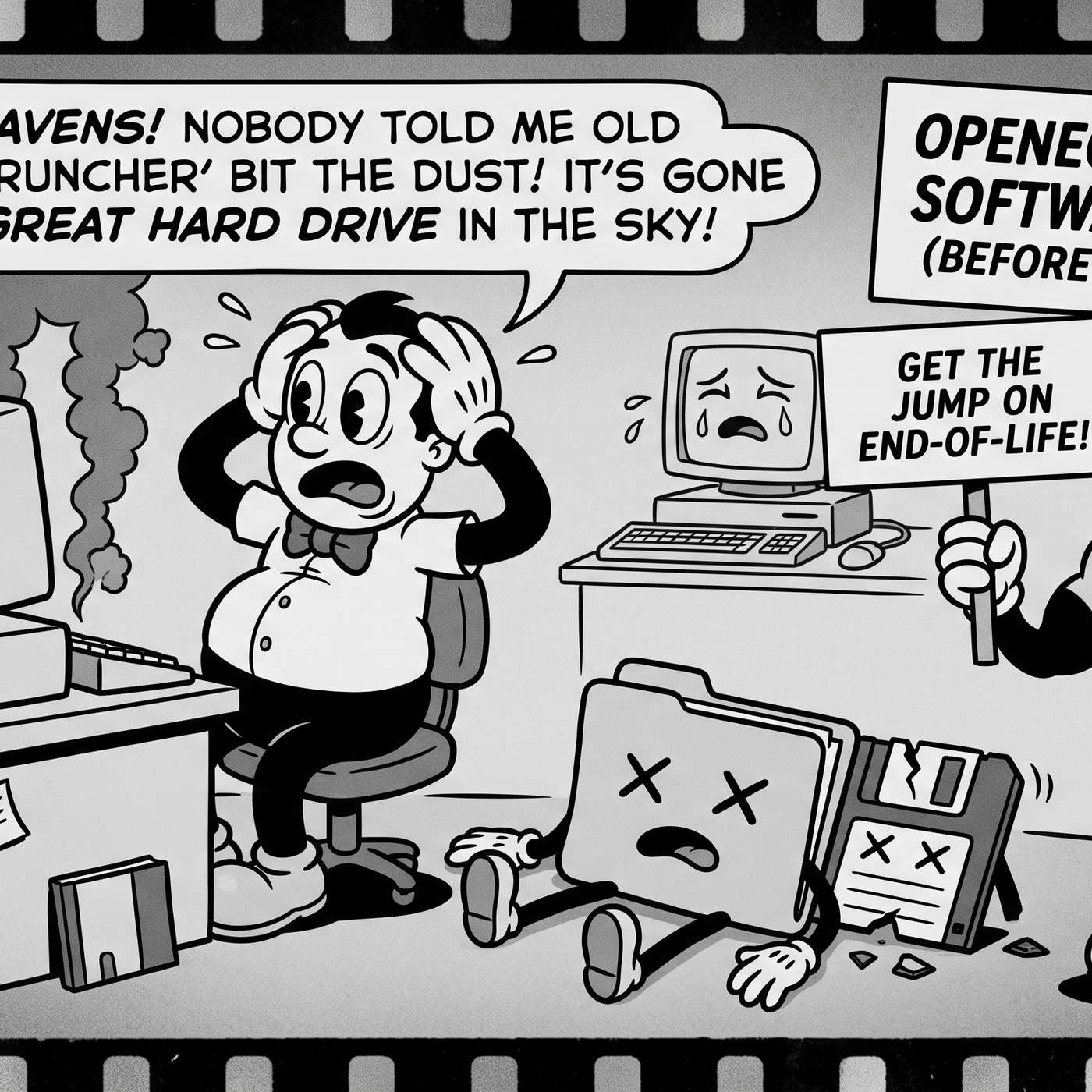
    This story was originally published on HackerNoon at: https://hackernoon.com/nobody-tells-you-when-software-dies-openeox-wants-to-help-change-that. Firmware updates are a hassle and a legal risk, so many devices never get one. A new OASIS standard wants that lifecycle status made visible. Check more stories related to society at: https://hackernoon.com/c/society. You can also check exclusive content about #end-of-life, #cybersecurity, #security, #open-source, #iot, #sbom, #software-development, #openeox, and more. This story was written by: @spoole167. Learn more about this writer by checking @spoole167's about page, and for more stories, please visit hackernoon.com. Firmware updates are a hassle and a legal risk, so many devices never get one. A new OASIS standard wants that lifecycle status made visible.

  • August 5 · 19 min

    K-EXAONE 2.0 Brings 262K Context to Frontier AI

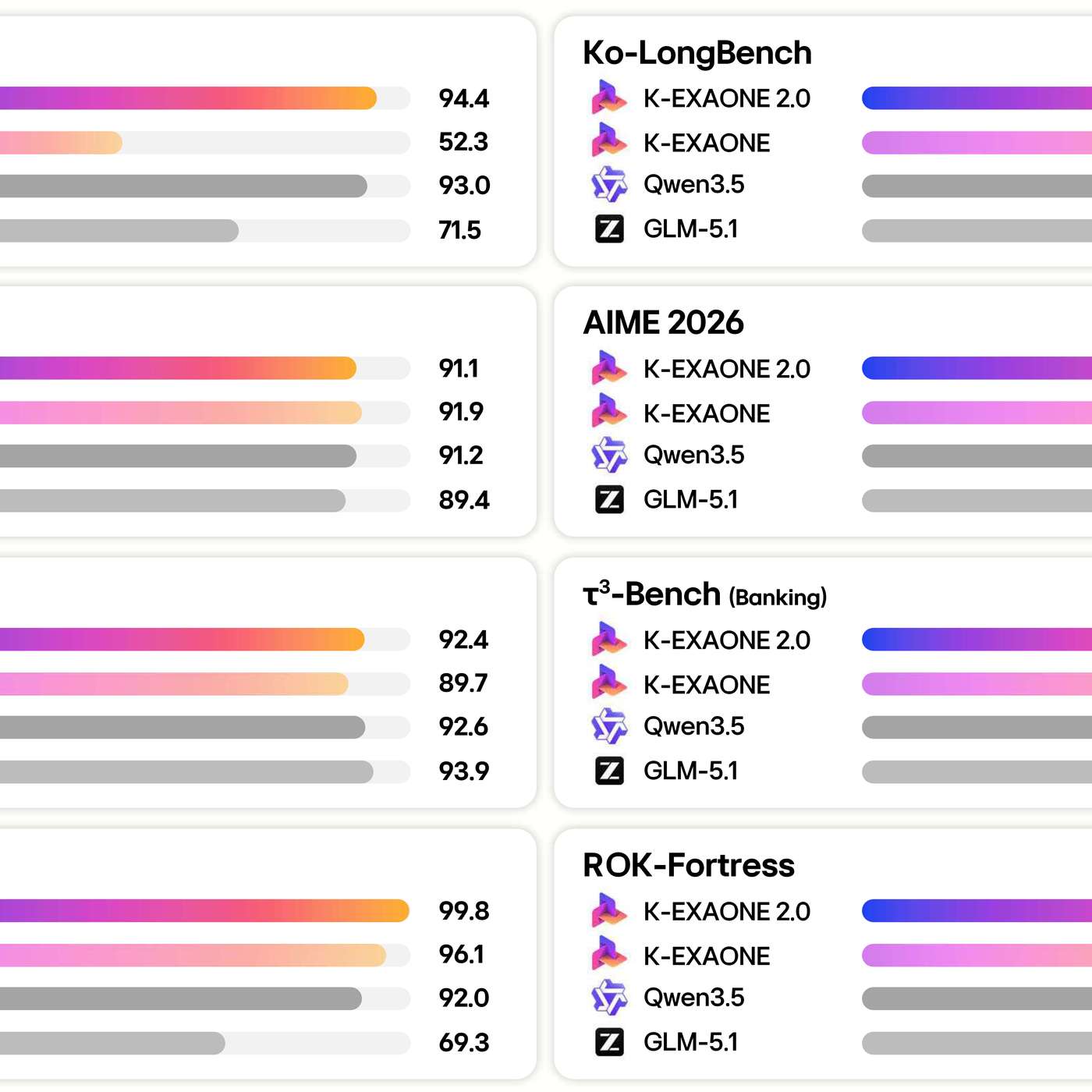
    This story was originally published on HackerNoon at: https://hackernoon.com/k-exaone-20-brings-262k-context-to-frontier-ai. Explore K-EXAONE 2.0, LG’s 750B-parameter multilingual AI model with 262K context, dual reasoning modes, agentic coding, and Apache 2.0 licensing. Check more stories related to society at: https://hackernoon.com/c/society. You can also check exclusive content about #legal, #machine-learning, #performance, #algorithms, #api, #artificial-intelligence, #k-exaone-2.0, #k-exaone-750b, and more. This story was written by: @aimodels44. Learn more about this writer by checking @aimodels44's about page, and for more stories, please visit hackernoon.com. Explore K-EXAONE 2.0, LG’s 750B-parameter multilingual AI model with 262K context, dual reasoning modes, agentic coding, and Apache 2.0 licensing.

  • August 5 · 12 min

    The Future of the Internet May Depend on Proving You Are Human, Without Revealing Who You Are

    This story was originally published on HackerNoon at: https://hackernoon.com/the-future-of-the-internet-may-depend-on-proving-you-are-human-without-revealing-who-you-are. Bots now generate 53% of web traffic and AI fraud is surging. Inside privacy-preserving proof of human: World, Self Protocol, Humanity Protocol and what's next. Check more stories related to society at: https://hackernoon.com/c/society. You can also check exclusive content about #world, #world-id, #proof-of-human, #deepfakes, #web3, #good-company, #privacy, #worldcoin, and more. This story was written by: @ishanpandey. Learn more about this writer by checking @ishanpandey's about page, and for more stories, please visit hackernoon.com. Automated traffic reached 53% of all web activity in 2025, per Imperva's 2026 Bad Bot Report. Humans are now a structural minority on their own internet, and the share is still falling. The FBI's Internet Crime Complaint Center logged $893 million in AI-referenced fraud losses in 2025, its first year tracking AI as a standalone category, while Deloitte projects generative AI fraud losses of $40 billion in the US by 2027. What is privacy-preserving proof of human? It is a class of verification systems that confirm a user is a real, unique human being without collecting or revealing personal information such as names, government ID numbers or contact details, typically using zero-knowledge proofs paired with a uniqueness anchor like an iris scan, passport chip or palm print. How is proof of human different from KYC? KYC establishes who you are and stores identifying data with the verifier. Proof of human establishes only that you are a real and unique person, and the verifier learns nothing else about you. Why does the internet need proof of human now? Automated traffic passed 53% of all web activity in 2025, AI-referenced fraud losses reported to the FBI reached roughly $893 million in the same year, and humans detect deepfake video less than a quarter of the time, so platforms can no longer rely on behavioral signals to separate people from machines. Which companies offer privacy-preserving proof of human? World issues World IDs anchored to iris verification with nearly 18 million verified humans. Self Protocol generates zero-knowledge proofs from biometric passports, national IDs and Aadhaar. Humanity Protocol issues palm-anchored verifiable credentials. Adjacent tools include Apple's Private Access Tokens, Cloudflare's Privacy Pass and Google Wallet's zero-knowledge age assurance. Is proof of human safe for user privacy? The leading designs keep biometric data on the user's device and share only cryptographic proofs, but regulators in several countries, including the Philippines and Thailand, have challenged biometric collection practices, so jurisdiction-level answers still differ. How does proof of human work with AI agents? Emerging tools bind a verified human to the agents acting on their behalf. World's AgentKit lets merchant sites confirm a real human authorized an AI shopping agent's purchase, and per-human rate limiting lets services cap agent traffic by the person behind it rather than by IP or device. Will proof of human replace passwords or logins? Not directly. It complements authentication by answering a different question: not "is this the account owner" but "is this account backed by exactly one real human." Expect it to appear alongside existing logins first, as badges, gated rewards and abuse-protected tiers. Deepfake supply exploded from an estimated 500,000 files in 2023 to 8 million by 2025, while humans detect fake video less than a quarter of the time. Detection is losing; verification is the fallback. The old tradeoff, verify identity and lose privacy or stay anonymous and drown in abuse, is dissolving. A third category, privacy-preserving proof of human, verifies uniqueness and humanness while disclosing nothing else. World has crossed nearly 18 million Orb-verified humans and shipped integrations with Tinder, Zoom, Docusign, Razer and Okta. Self Protocol anchors humanness to government documents via zero-knowledge proofs and has been adopted by Google Cloud and Aave. Humanity Protocol bets on palm biometrics and counts Mastercard as a partner. The next 18 months decide whether proof of human becomes internet infrastructure or stays a Web3 niche. The signals to watch: platform abuse disclosures, agent identity standards, regulatory rulings on biometric custody, and whether verification survives its own black market.

  • July 30 · 3 min

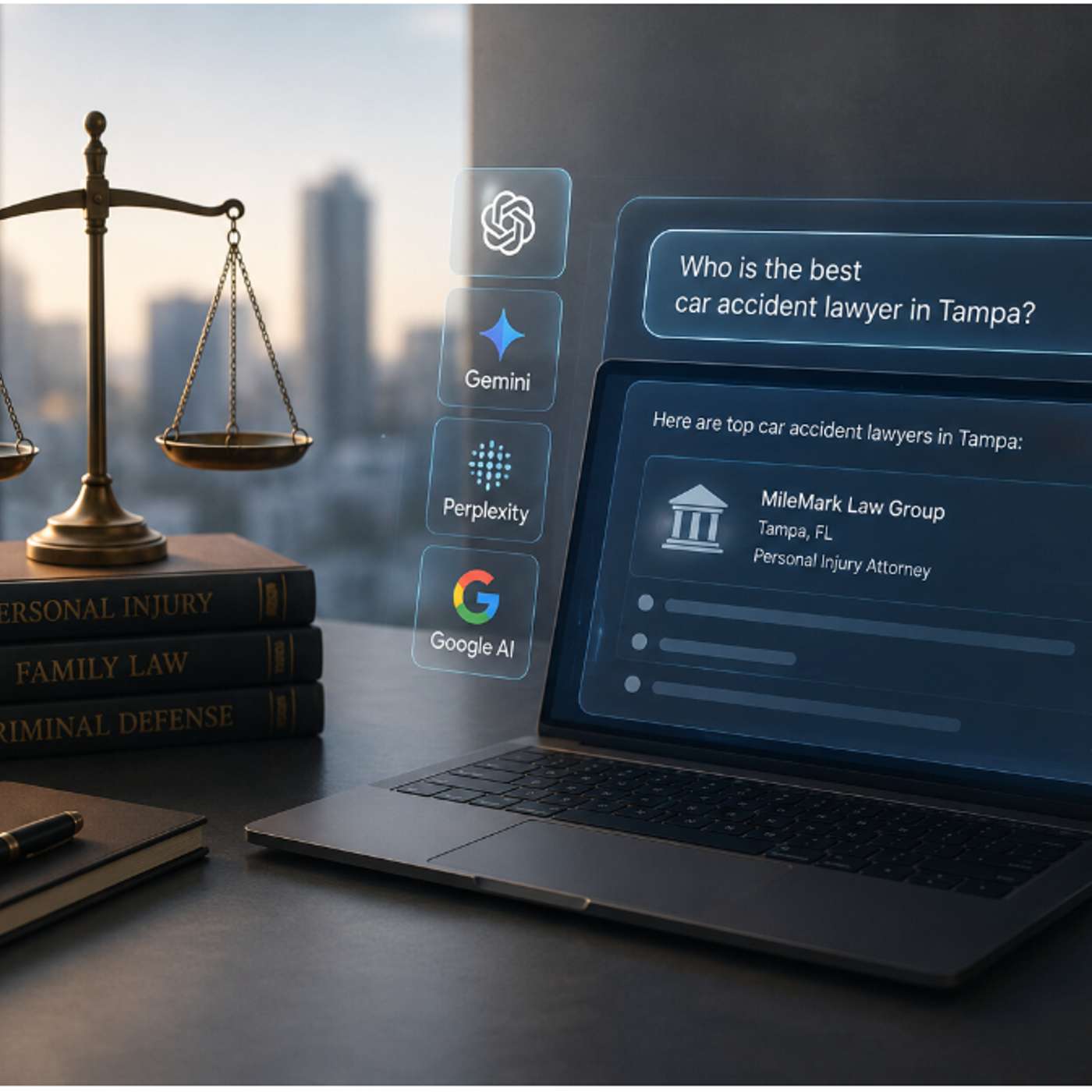
    Fewer Clicks, More Answers: MileMark Is Preparing Law Firms for the New Search Landscape

    This story was originally published on HackerNoon at: https://hackernoon.com/fewer-clicks-more-answers-milemark-is-preparing-law-firms-for-the-new-search-landscape. MileMark Legal Marketing, an agency that works exclusively with law firms, began preparing for this shift well before it became a standard talking point Check more stories related to society at: https://hackernoon.com/c/society. You can also check exclusive content about #legal, #milemark-legal-marketing, #aeo-for-lawyers, #rank-legal-service-in-chatgpt, #rank-legal-service-in-gemini, #rank-legal-service-in-google, #technologywire-press-release, #good-company, and more. This story was written by: @technology_wire. Learn more about this writer by checking @technology_wire's about page, and for more stories, please visit hackernoon.com. Language models favor sources that are clearly structured, factually consistent across the web, and demonstrably authoritative on a specific subject. In practice that means schema markup identifying attorneys, services, and service areas in machine readable form. It means content written to answer real questions directly rather than circling them for four paragraphs before arriving at the point. It means firm details that match across directories, bar listings, review platforms, and social profiles, since contradictions quietly undermine confidence in a source.

  • July 21 · 19 min

    #FreeYakutia: How a Viral Meme Turned Into a Conversation About Independence

    This story was originally published on HackerNoon at: https://hackernoon.com/freeyakutia-how-a-viral-meme-turned-into-a-conversation-about-independence. If Russia constantly talks about controlling other nations, what happens if people start discussing the independence of regions inside Russia itself? Check more stories related to society at: https://hackernoon.com/c/society. You can also check exclusive content about #ukraine, #russia-ukraine-war, #history, #independence, #china, #politics, #usa, #hackernoon-top-story, and more. This story was written by: @arthurtkachenko-rm2m8. Learn more about this writer by checking @arthurtkachenko-rm2m8's about page, and for more stories, please visit hackernoon.com. #FreeYakutia. It was partly satire, partly political trolling, and partly genuine curiosity about regions most people outside Russia knew almost nothing about.

Showing 1–20 of 33 episodes