Skip to content
Artwork for Science Weekly

Science Weekly

The Guardian

#17 in Science this week

Twice a week, the Guardian brings you the latest science and environment news

Play
  • 49 episodes
  • a few times a week
  • Avg 19 min
  • English
Counted on this page — what you have heard stays on this device, so it is not something the list can be paged by.
  • Tuesday · 18 min

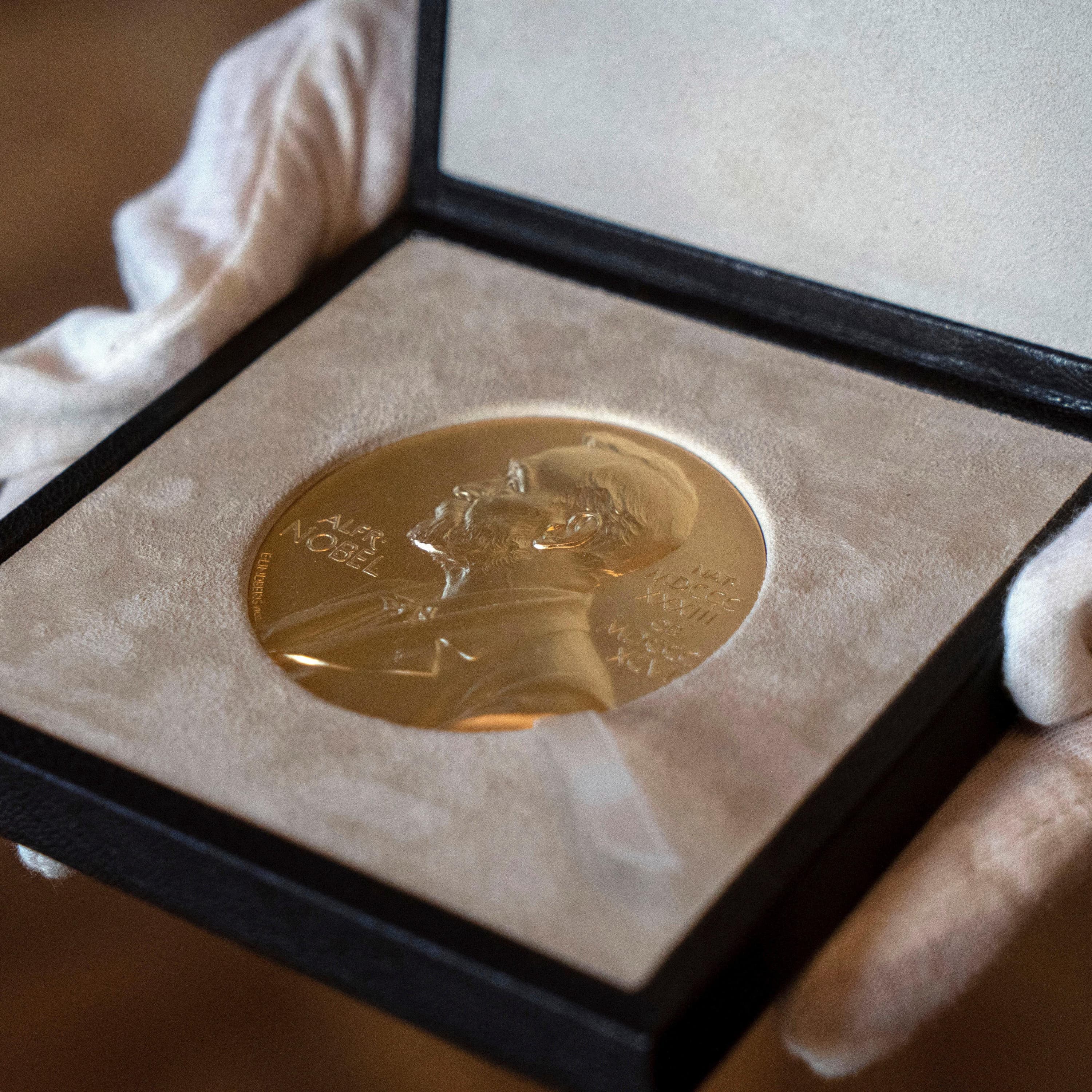
    How a scientist went from hero to traitor in a US water crisis

    Dr Siddhartha Roy, winner of the 2026 Maddox prize, which recognises individuals who stand up for science and evidence despite challenges or hostility, tells Ian Sample how his work on the Flint water crisis brought him accolades but lost him friends

  • October 29 · 18 min

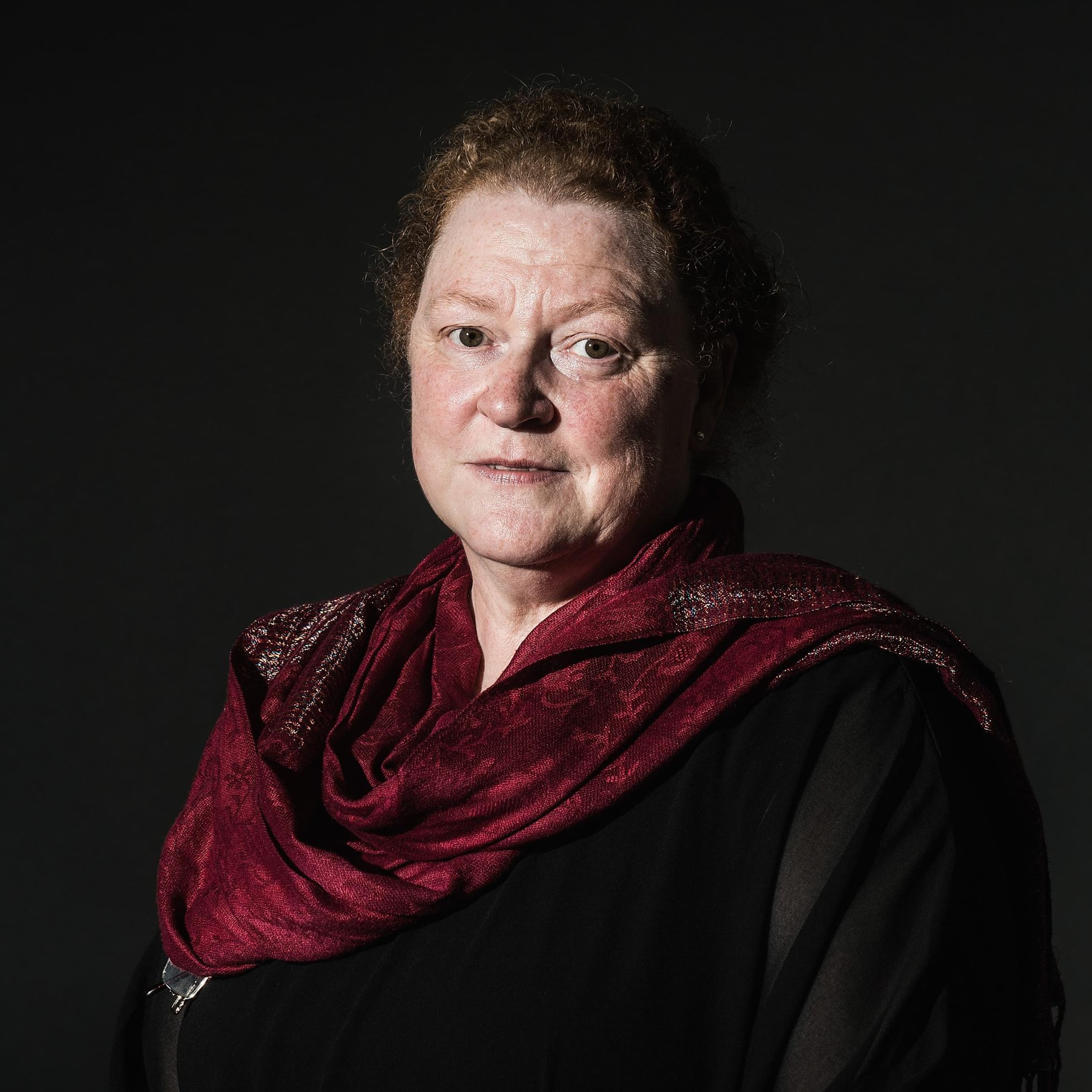
    ‘Assad had one of my books by his bed’: life as a forensic scientist

    Forensic anthropologist Dame Sue Black has been an expert witness in a myriad of high-profile criminal cases. She tells Ian Sample what it’s like to present scientific evidence to a jury, the challenges of being cross-examined and why she thinks AI might never make it into the courtroom

  • October 27 · 15 min

    Perimenopause is everywhere. How do you know if you’re in it?

    Perimenopause has become a hot topic, with celebrities sharing their experiences and doctors offering tips and advice online. But despite the benefits of growing awareness, a rising number of women are now encountering misinformation about treatments such as HRT

  • October 15 · 17 min

    Is your boss watching you? The rise of AI surveillance at work

    Workers have always been monitored by their bosses, first through output targets, and then via computer software labelled ‘bossware’. But AI is transforming the capabilities of these systems, processing huge volumes of data to provide minute-by-minute accounts of activity, and productivity. To find out more, Ian Sample hears from UK technology editor Robert Booth. He explains which sectors are adopting this approach, why they are doing it, and how it could end up being counterproductive.


  • October 13 · 17 min

    The surprising psychology of morbid curiosity

    US defence secretary Pete Hegseth’s plan to livestream the execution of Nidal Malik Hasan has incurred condemnation from human rights groups and politicians on all sides. But according to Coltan Scrivner, an author and psychologist at Arizona State University and expert on morbid curiosity, people are still likely to watch in large numbers. He explains why we are drawn to dark and disturbing content, and Madeleine Finlay tells Ian Sample how consuming this kind of material can harm observers’ me

  • October 6 · 13 min

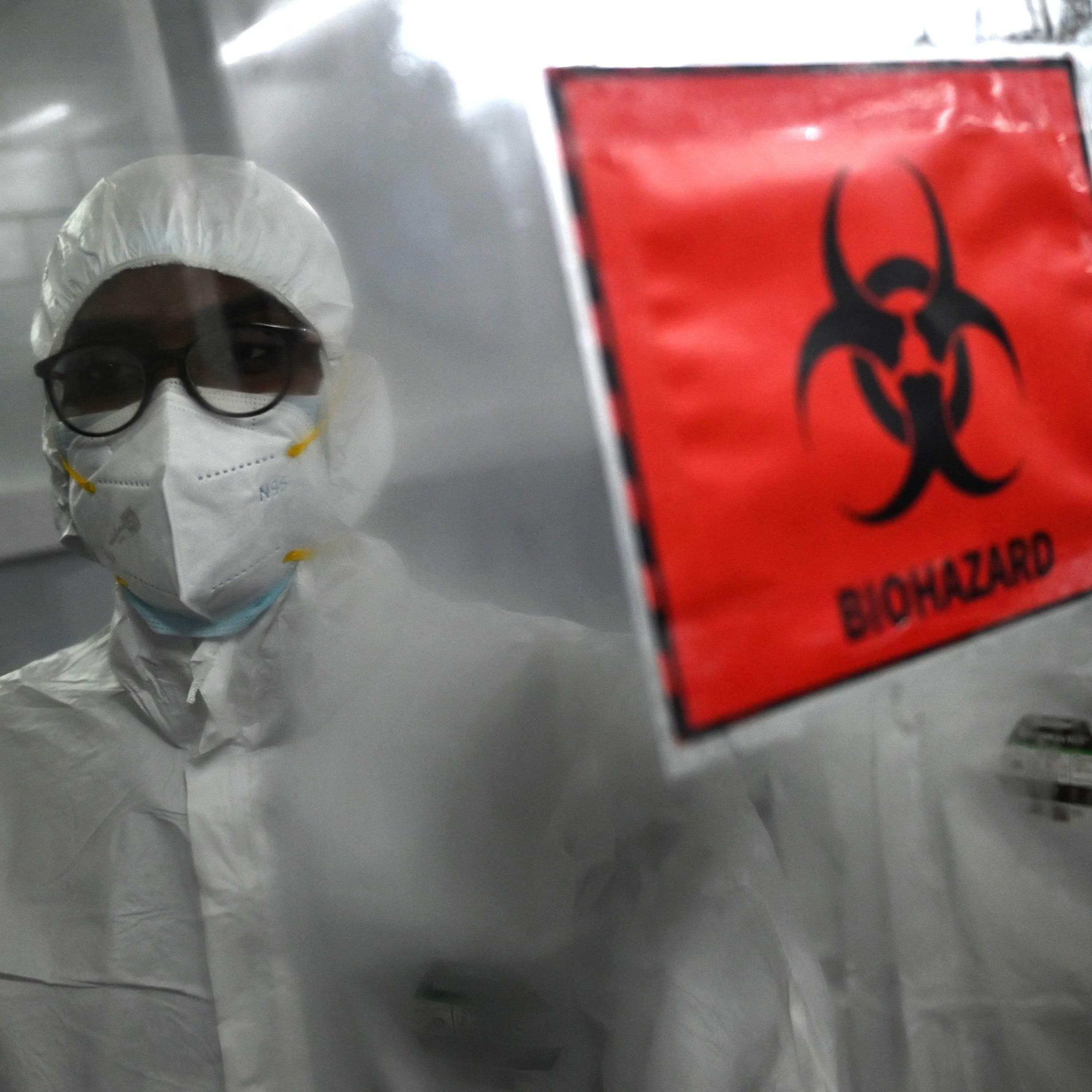
    Today in Focus: Should we be worried about a plague outbreak?

    Several hospitals in eastern Russia are under quarantine after a lab worker fell ill at a plague research centre following a reported accident and died. Science Weekly co-host Madeleine Finlay discusses how concerned we should be

  • October 1 · 20 min

    The incredible science of memory manipulation

    Madeleine Finlay hears from Steve Ramirez, an associate professor of psychological and brain sciences at Boston University, whose book How to Change a Memory was shortlisted for this year’s Royal Society’s Trivedi science book prize.

  • September 29 · 17 min

    Are household cleaning products damaging our health?

    Journalist Rebecca Seal recently wrote for the Guardian about the potential health impacts of the many chemicals we now use in our homes. She tells Madeleine Finlay why this is so hard to study, and what the current evidence is that cleaning products may be causing harm

  • September 24 · 22 min

    Are baby girls more sociable? Super El Niño, meningitis outbreak explained

    Madeleine Finlay and Ian Sample discuss a study that offers a clue in the age old debate about whether sex differences are present from birth or a product of socialisation. Also on the agenda is the super El Niño, which is predicted to 450,000 deaths in the next six months, and an answer to why the UK’s meningitis outbreak earlier this year was so big

  • September 17 · 15 min

    The week that changed maths for ever

    To find out how AI is likely to upend maths, and how mathematicians might respond, Ian Sample speaks to Colva Roney-Dougal, professor of pure mathematics at the University of St Andrews

  • September 15 · 18 min

    Is collagen all hype?

    Dr Xand van Tulleken tells Madeleine Finlay what collagen does in the body, how we can get it without splashing out on expensive supplements, and why getting to the truth behind wellness claims can be so hard

  • September 13 · 1 hr 22 min

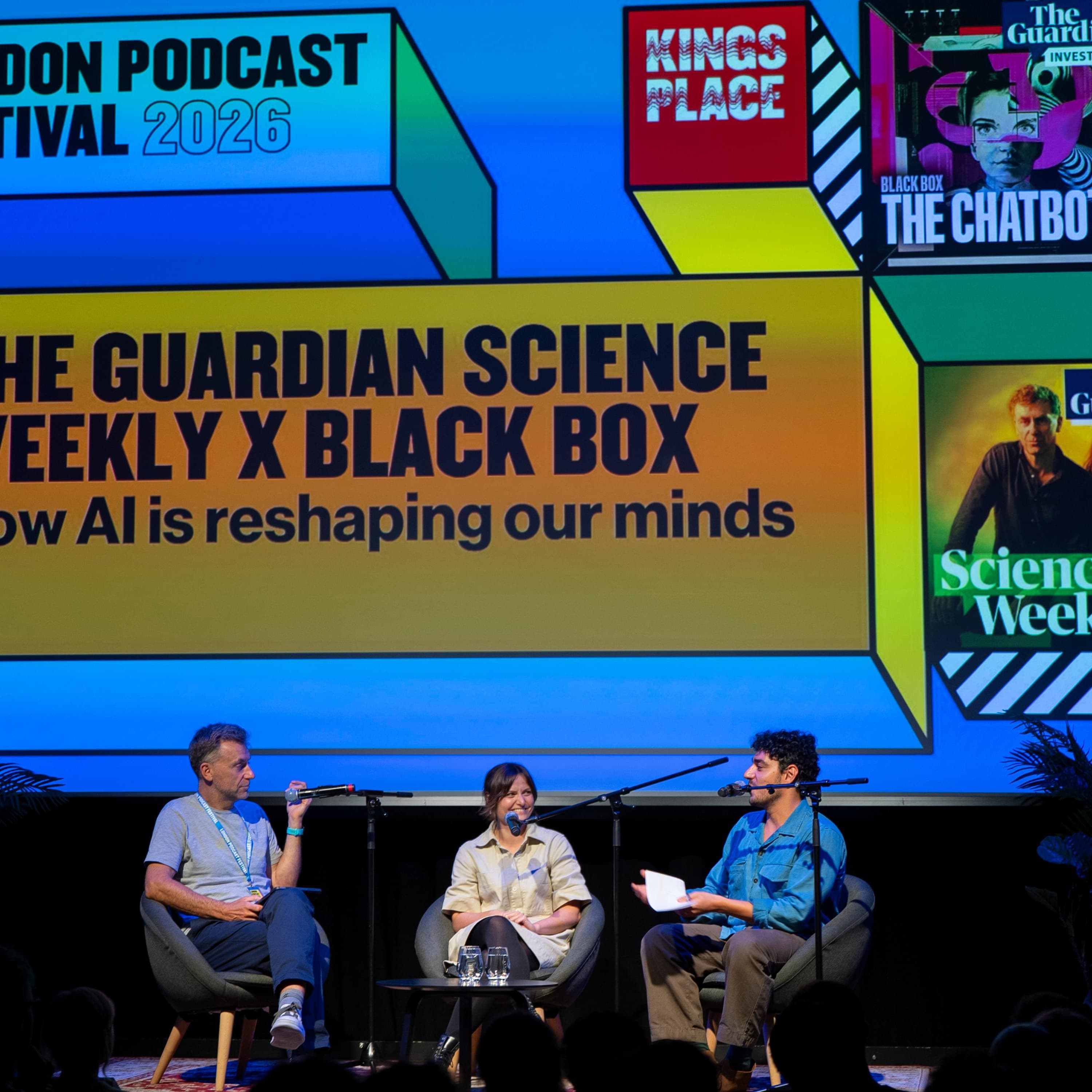
    Live episode: how AI is reshaping our minds

    In this episode of Science Weekly recorded in front of an audience at the London podcast festival, Ian Sample, Michael Safi and the Science Weekly co-host Madeleine Finlay explore the phenomenon labelled ‘AI psychosis’ and ask what it reveals about a technology now used by more than a billion people

  • September 6 · 39 min

    Introducing Black Box: The Chatbots

    Guardian journalist Michael Safi investigates a phenomenon labelled ‘AI psychosis’, travelling to the US to meet two people who have been on weird journeys with their chatbots

Showing 1–20 of 49 episodes