Skip to content
Artwork for ReSearching Diversity
ScienceEducation

ReSearching Diversity

Jana Vietze, Sabrina Alhanachi, Miriam Schwarzenthal, Sharleen Pevec, Tuğçe Aral, Zeynep Demir

Join a group of six women in social sciences in their aim to increase visibility of inspiring social scientists and of cutting-edge research on ethnic, cultural, and migration-related diversity. Each episode, two hosts invite one outstanding scientist to discuss their PAST (personal path into academia), the PRESENT (research article or book chapter that has recently inspired them), and the FUTURE (recent developments and paradigm shifts in academia and social sciences).

For more information on the episode, guest, and included references, please visit https://www.researchingdiversity.com.
You can also follow us on Twitter, Instagram, LinkedIn, and Facebook.

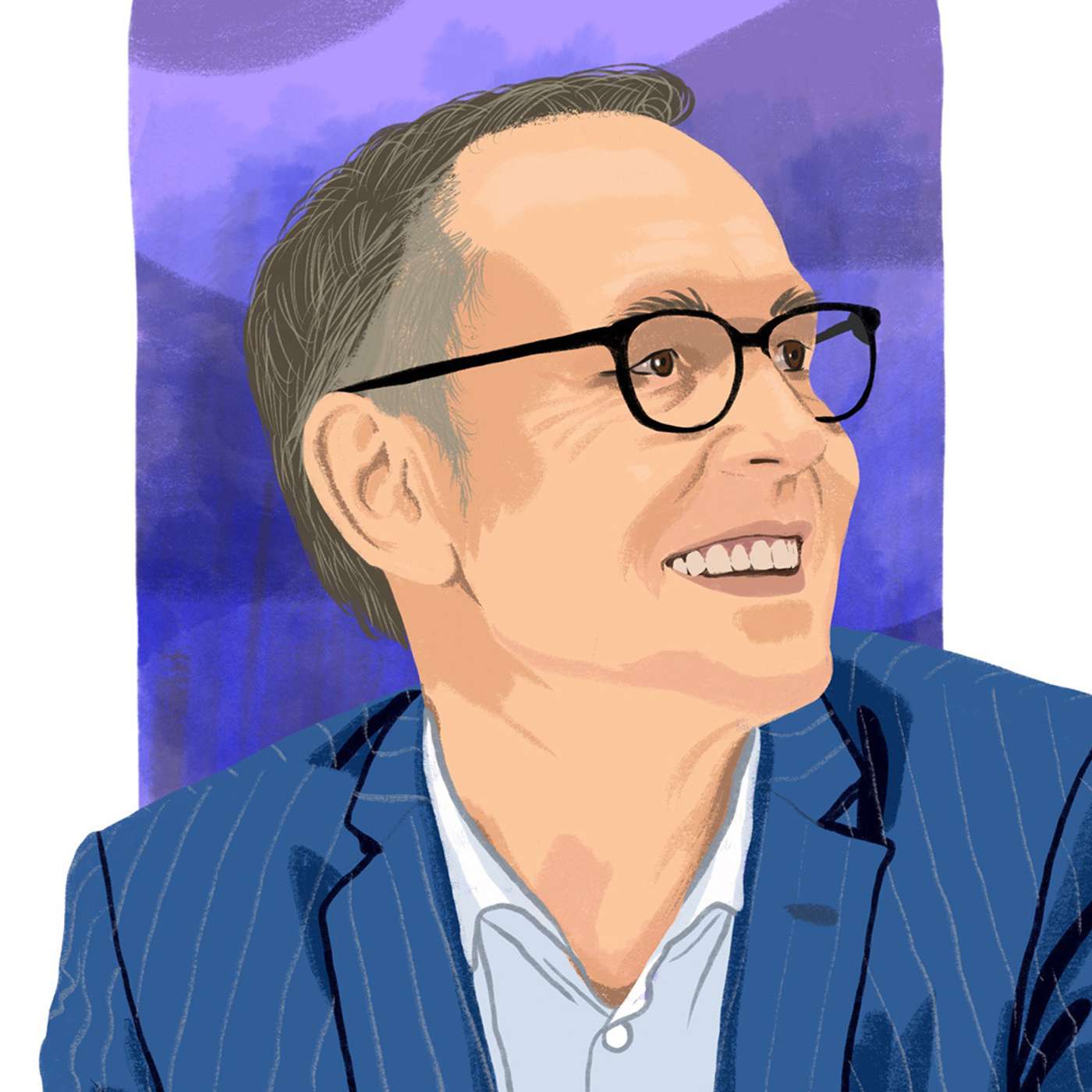
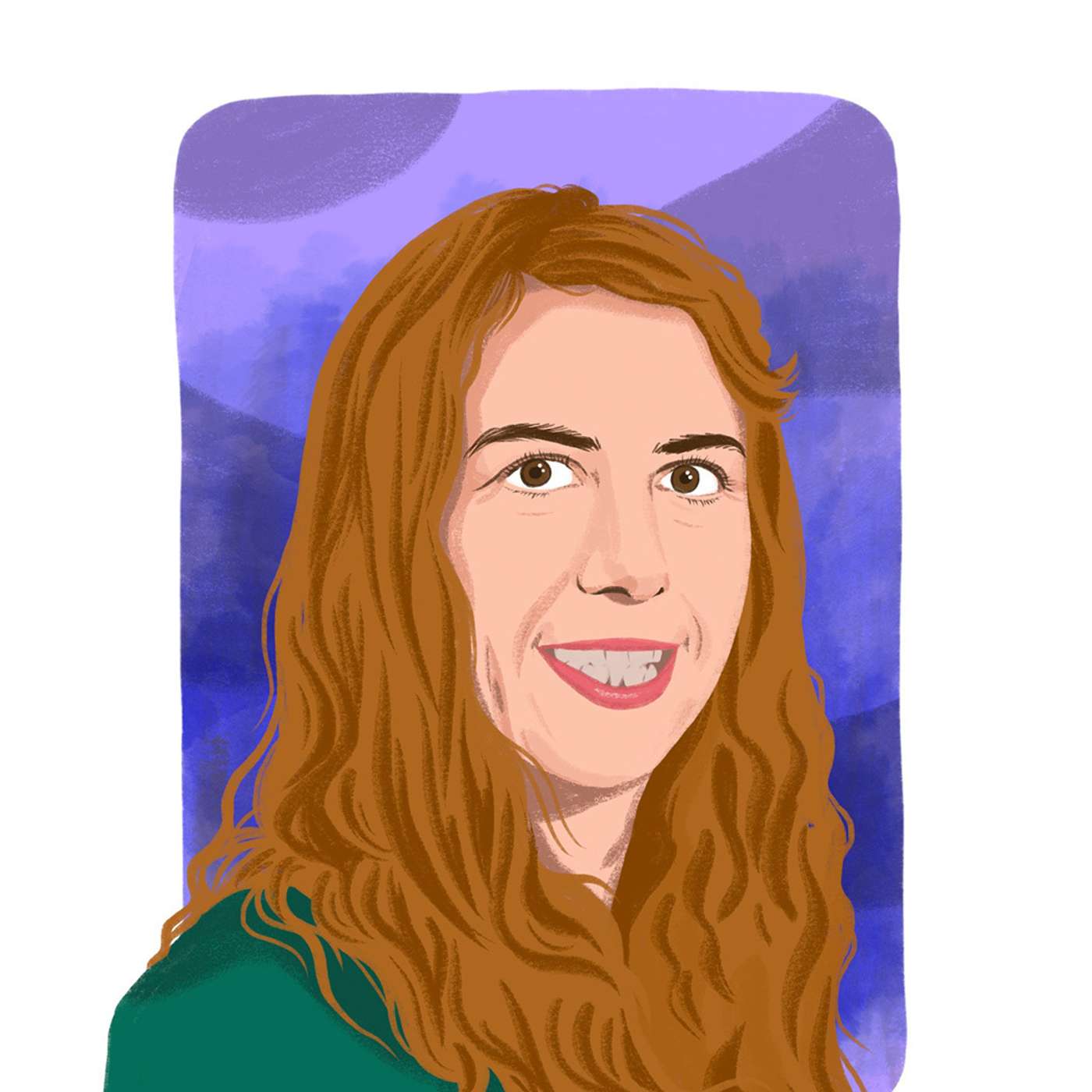
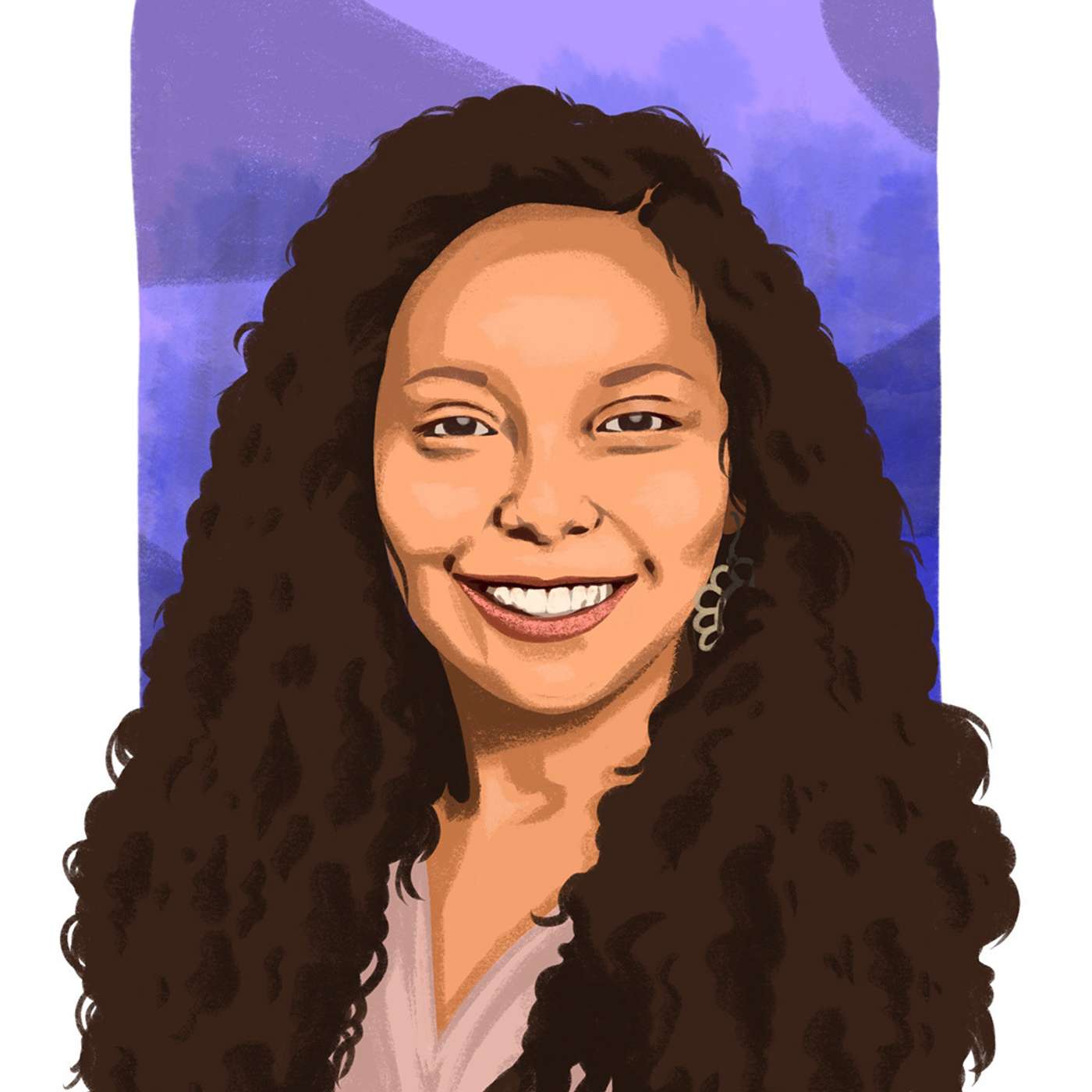
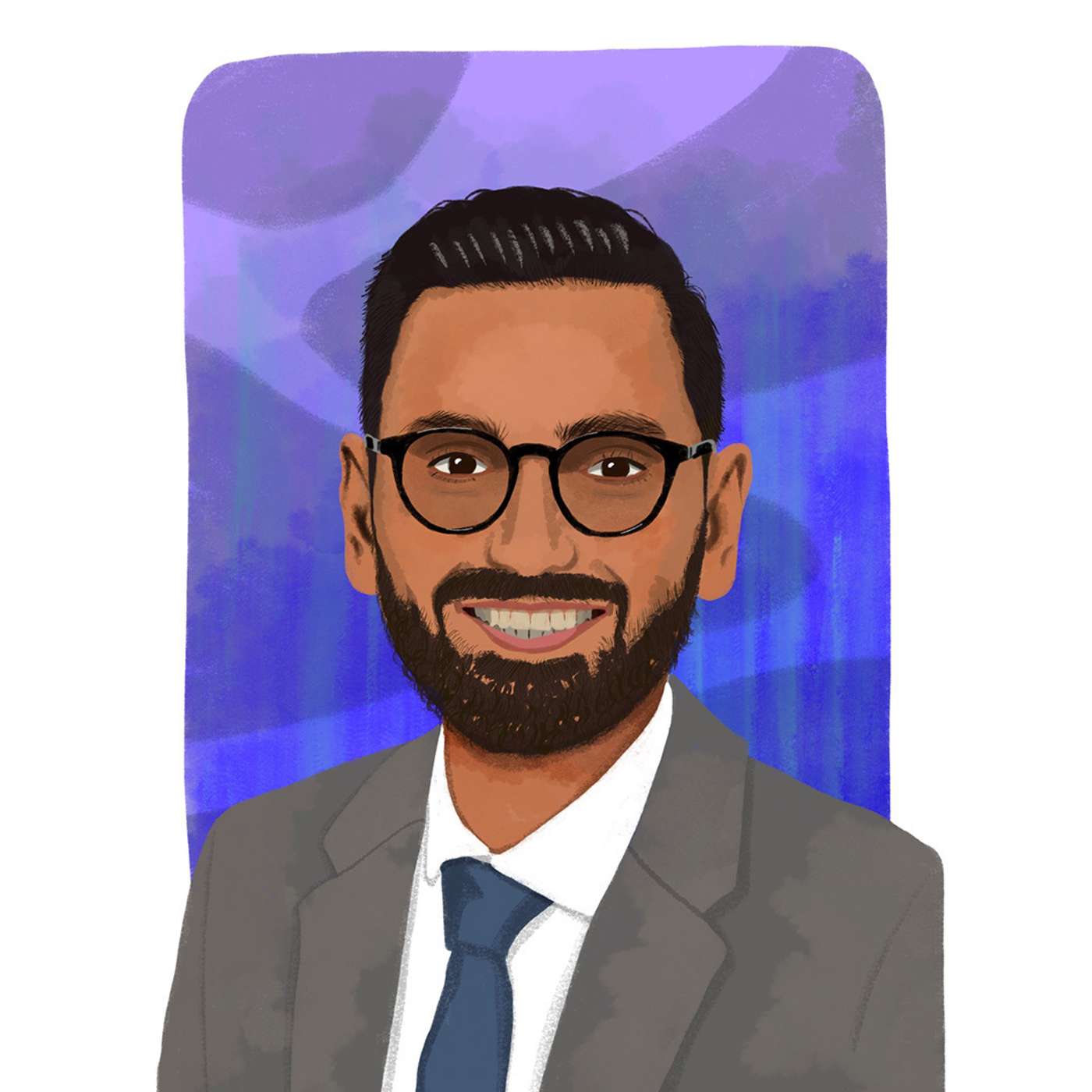
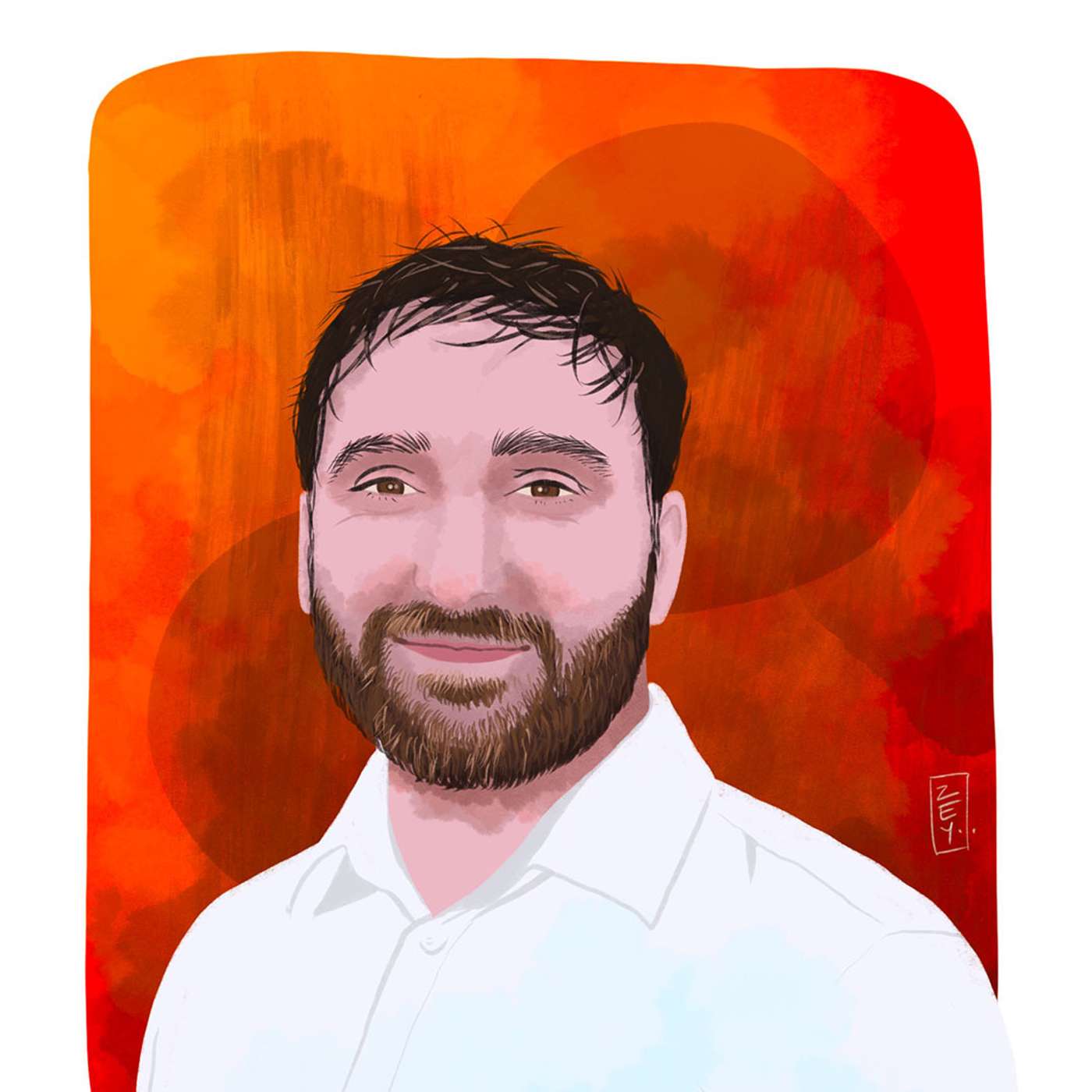
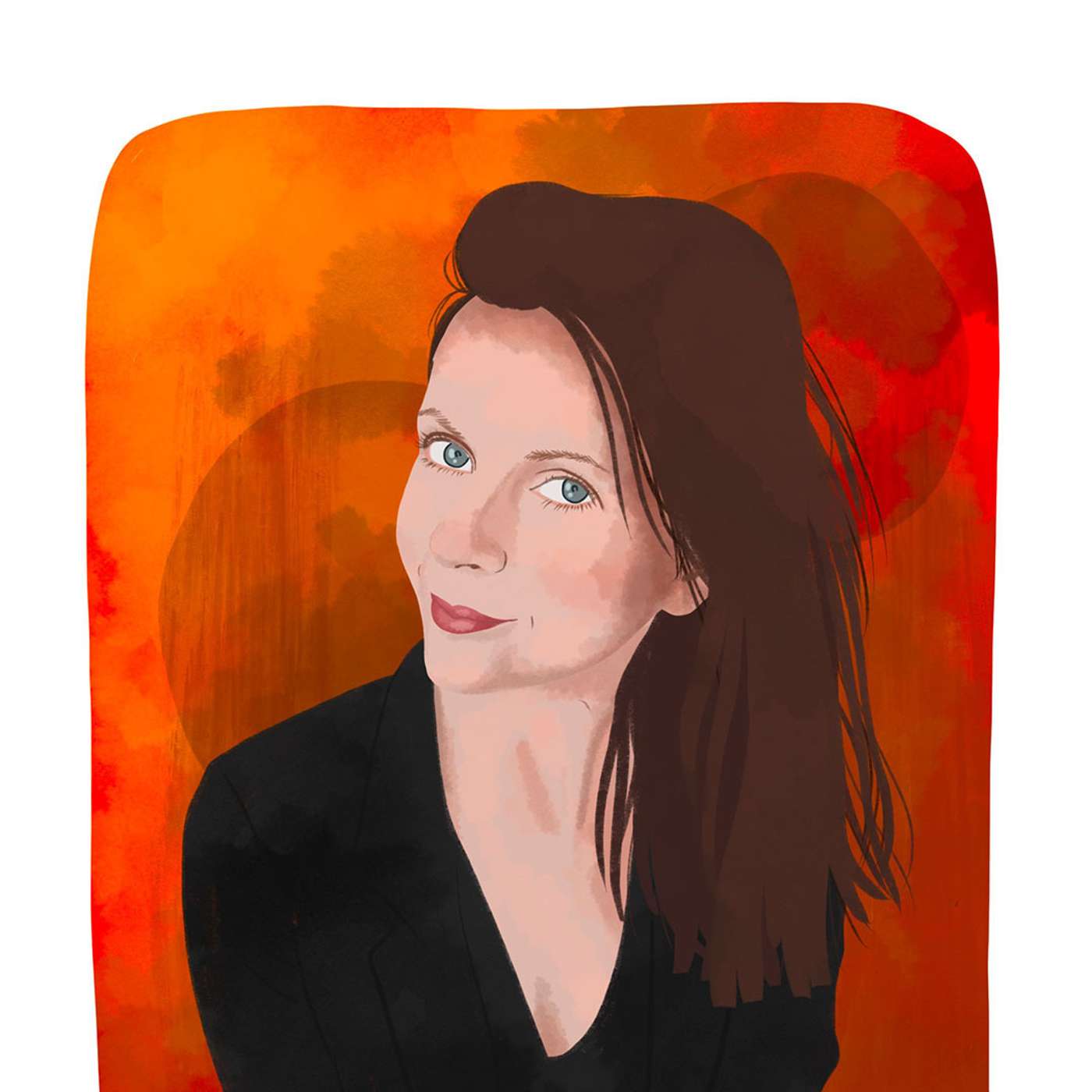
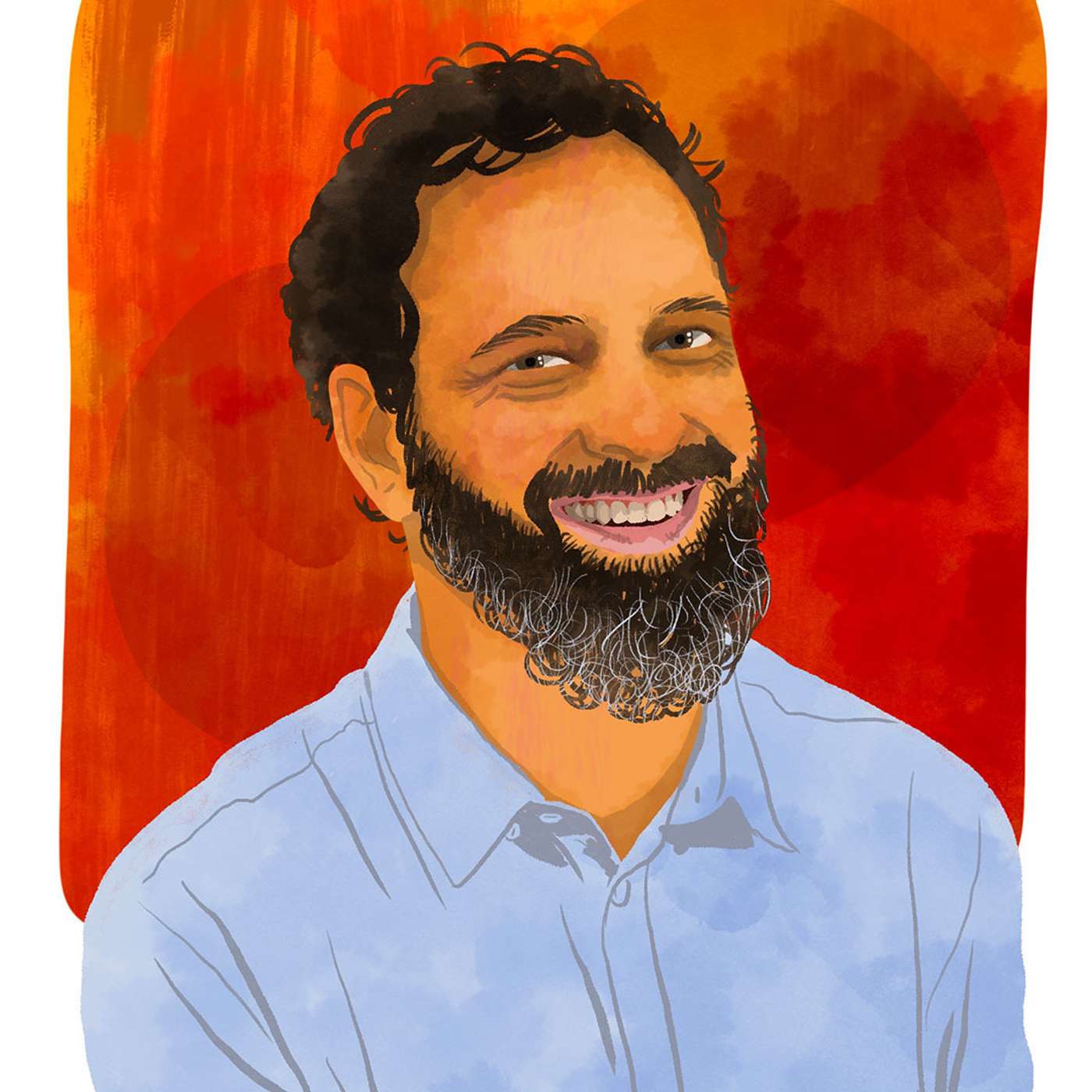
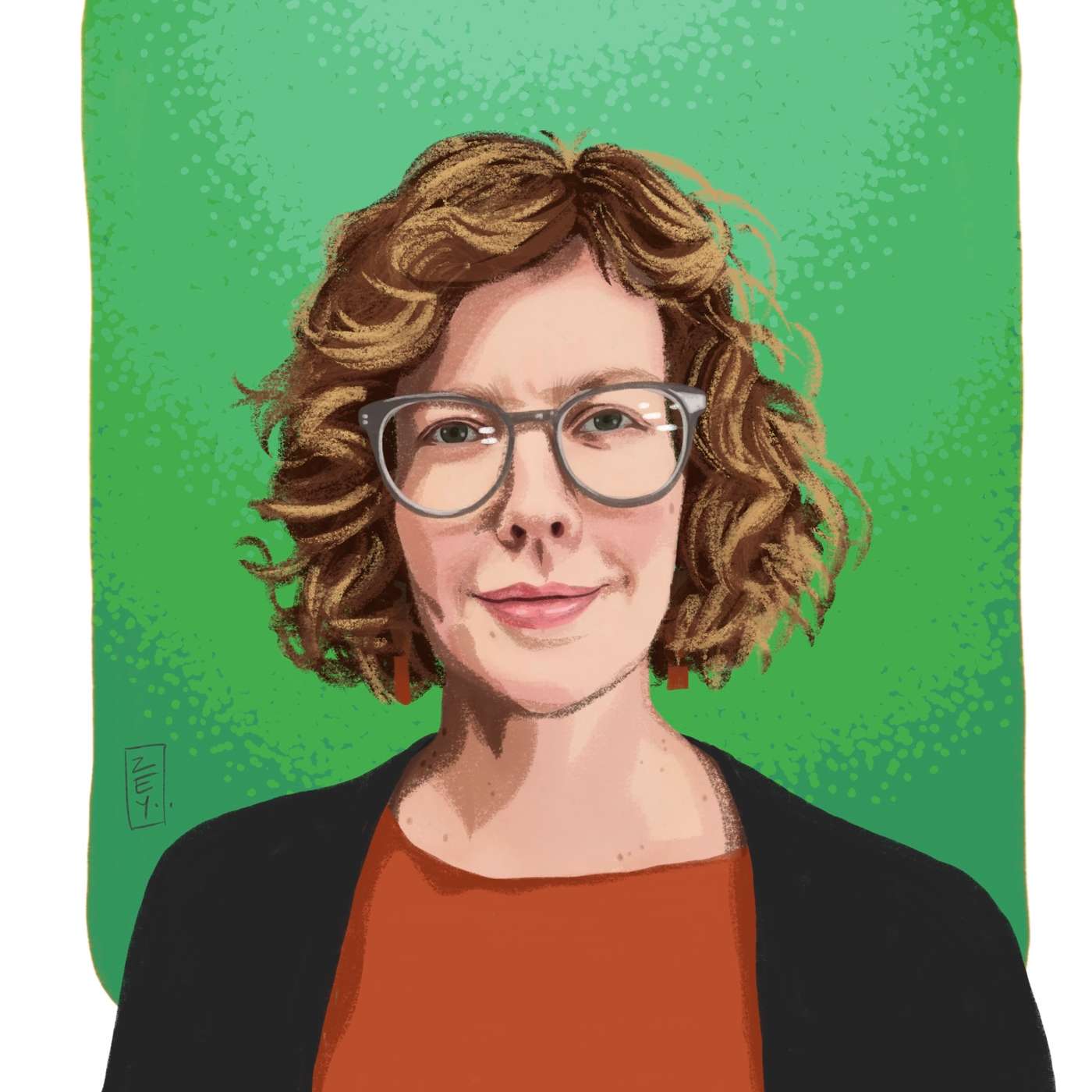
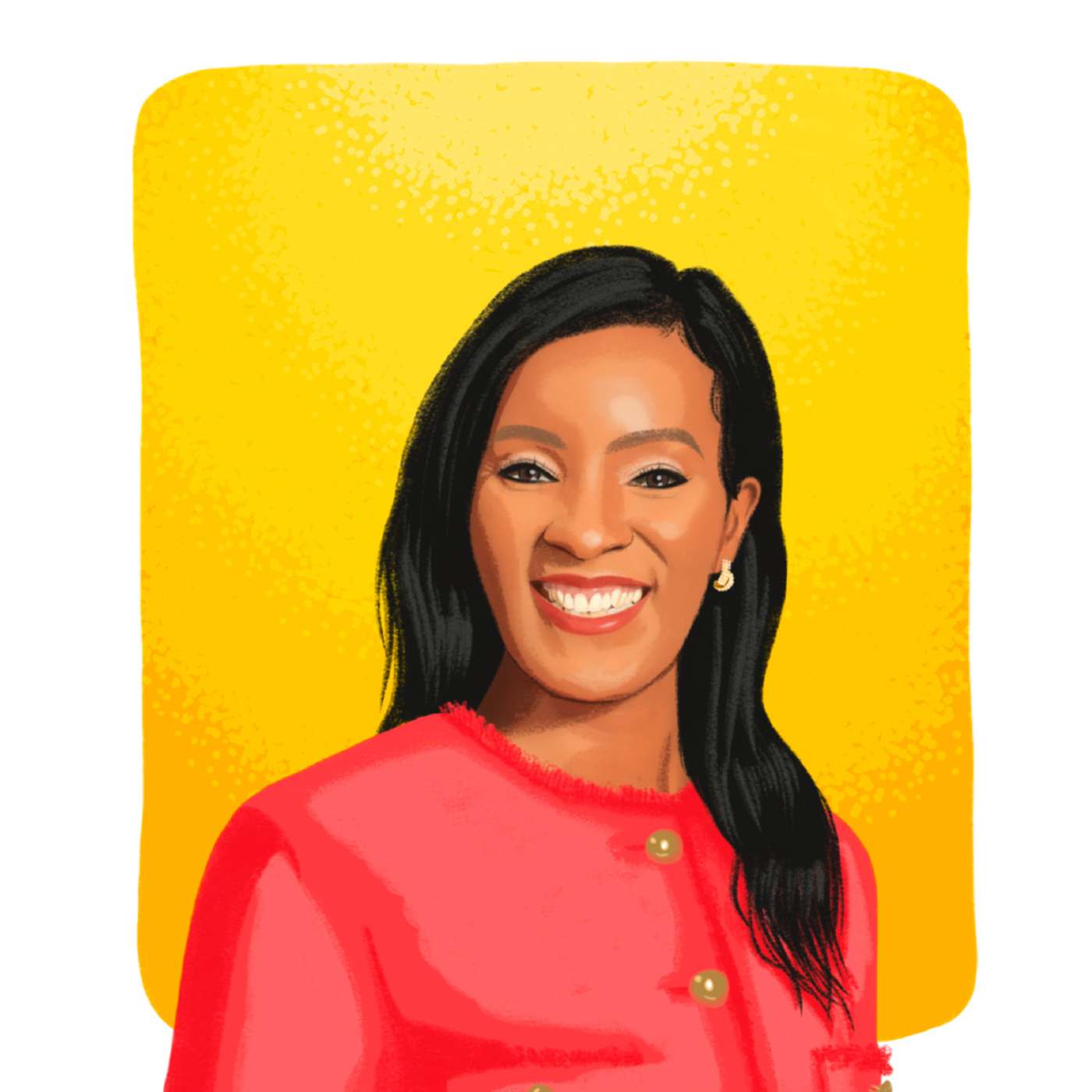
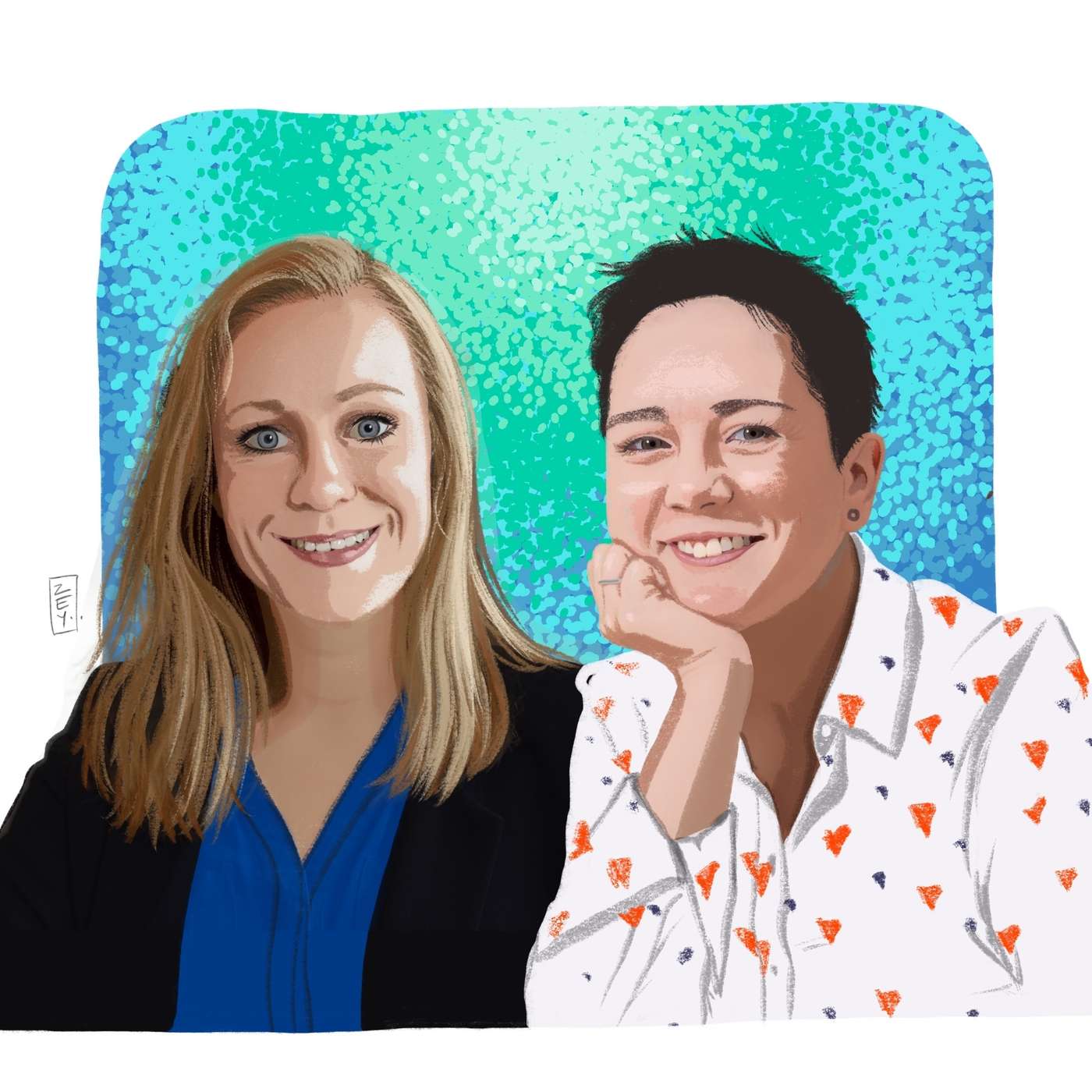
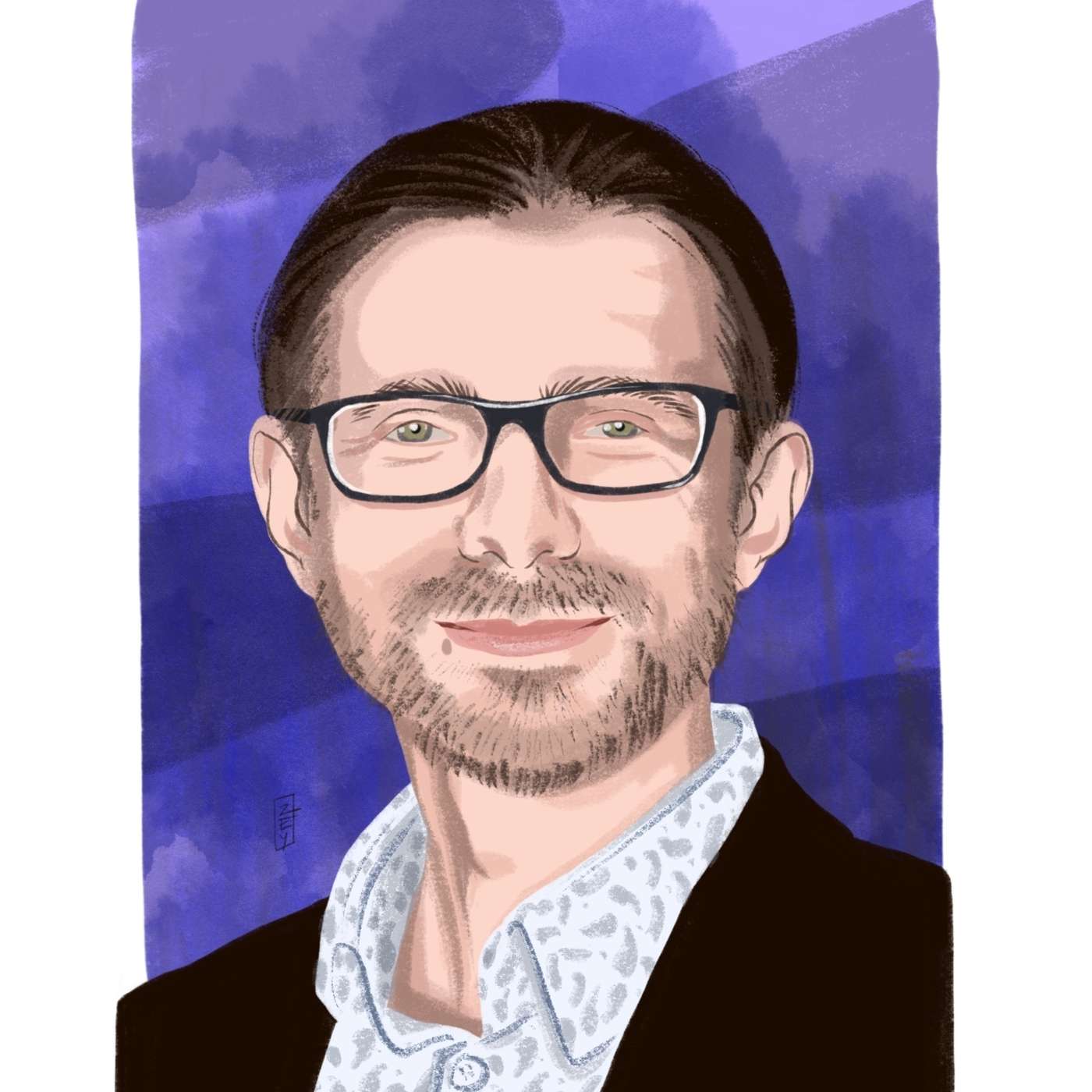
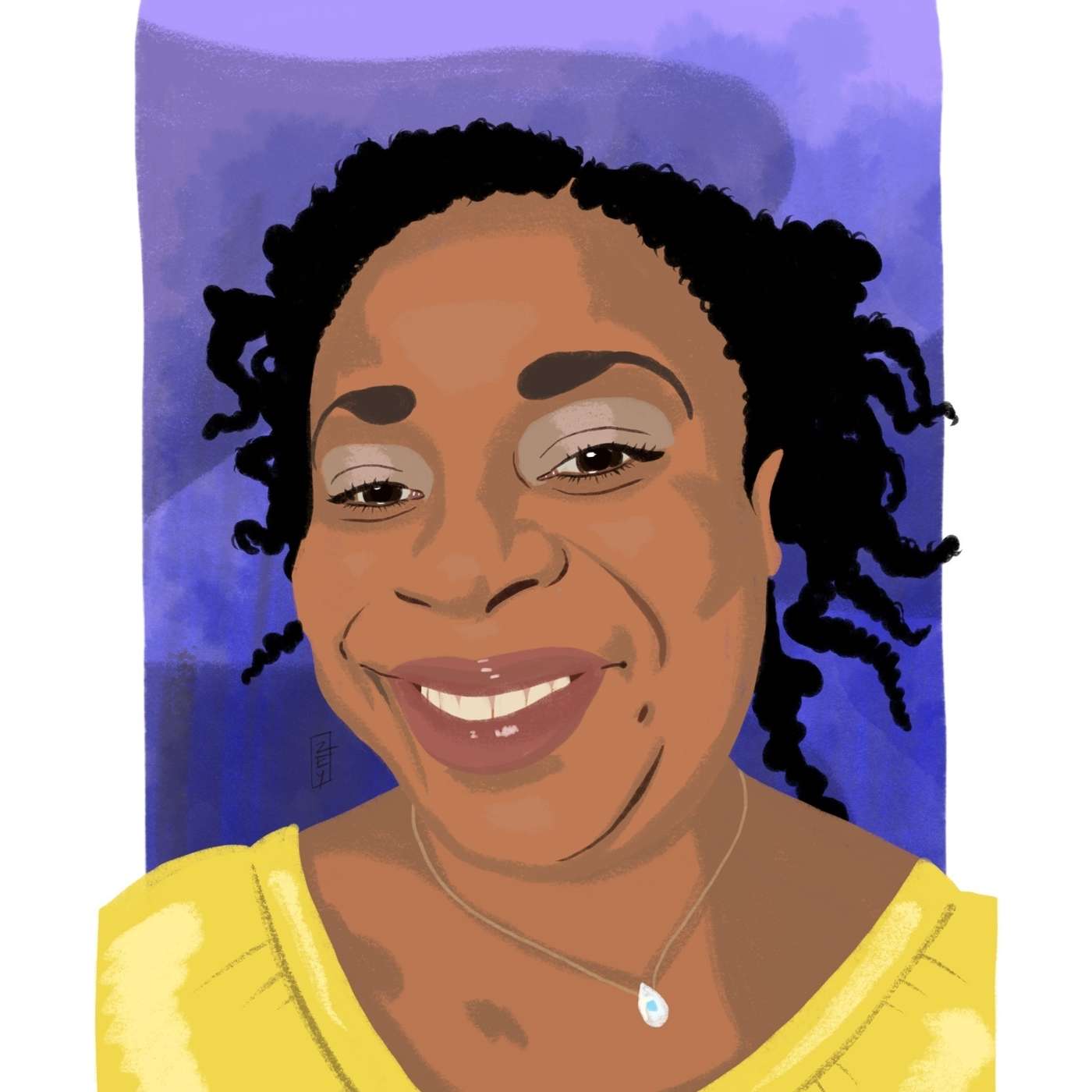
We want to thank Minor Revisions for the music, Lotte Gottschewski-Kooijman for the logo design, Max Kersten for post production, and zeythehuman for their artwork. Stay tuned and talk soon!
Play
  • 20 episodes
  • Avg 42 min
  • English
  • April 23 · 23 min

    Student episode || Dayna-Lee Stewart: Educational safe spaces

    In this first-ever student takeover episode, Emma Adden, Ikram Tahiri, Celine Sebregts, and Loïs Nederveen from the Erasmus University Rotterdam (Master’s in Educational Sciences) speak with Dayna-Lee Stewart, founder and director of the Black Austrian Youth Forum. She is an educational professional with a background in Educational Sciences from Vienna, Austria. We explored her career path, the challenges she faced, and her vision for greater equality in education. PAST (00:01:27): Dayna-Lee explains that her journey into education was not a straight line. She originally planned to study music but ultimately earned a Bachelor’s and Master’s degree in Educational Sciences. Alongside her studies, she gained experience in social care and educational roles. She reflects on the challenges she faced, such as navigating academia as a Black woman, dealing with systemic inequalities, and finding her professional identity in the complex field of education. She also gives honest advice to young professionals about standing their ground, exploring different paths, and ensuring their careers match their values. PRESENT (00:06:17): Dayna-Lee shares details about her current work with the Black Austrian Youth Forum. She creates educational safe spaces for Black youth in Austria. Her efforts include organizing summer schools, hosting conferences, training educators, and securing funding. Her main goal is to make education more accessible and fair. She shares a powerful story from a recent summer school expansion, showing how important it is to support not just students but also to create safe, reflective spaces for Black educators. Through her work, she stresses the need for educational systems that support both learners and staff. FUTURE (00:15:47): Looking ahead, Dayna-Lee critically examines diversity and inclusion in academia and educational settings. She calls for deeper changes beyond just symbolic diversity. She urges institutions to rethink how they manage, allocate resources, and offer support. Dayna-Lee encourages educators to question the systems they work within, to expand their perspectives through global scholarship, and to embrace discomfort as part of meaningful growth. She sees her own future increasingly in advisory and coaching roles, contributing to more reflective and inclusive educational environments. For more information on the episode, guest, and included references, please visit researchingdiversity.com. You can also follow us on Twitter, Instagram, LinkedIn, and Facebook. We want to thank Minor Revisions for the music, Lotte Gottschewski for the logo design, Max Kersten for post production, and zeythehuman for their artwork. Stay tuned and talk soon!
  • Mar 7, 2025 · 40 min

    Ursula Moffitt: Critical consciousness || Positionality in research

    In this episode, we talked to Ursula Moffitt who is an assistant professor at the University of New Mexico, in the USA. PAST (00:02:42): Ursula describes her path into academia and her continuous struggles with the boundaries of particular academic disciplines, including psychology. PRESENT (00:11:33): We talk about a study from Quiles and colleagues (2023) about how young adults during the Covid-19 pandemic perceived their own critical consciousness and how this differed depending on the societal position of participants. We further discuss how critical consciousness can be connected to being and identifying as “White”, which is closely linked to Ursula’s own academic work. FUTURE (00:24:55): Ursula highlights how important it is that all researchers are aware and reflective of their own societal position when they conduct research (positionality). Also, we talk about the need for going beyond the typical questionnaires and experiments for collecting data from youth, but to instead better train educators and psychologists in qualitative research methods. For more information on the episode, guest, and included references, please visit researchingdiversity.com. You can also follow us on Twitter, Instagram, LinkedIn, and Facebook. We want to thank Minor Revisions for the music, Lotte Gottschewski for the logo design, Max Kersten for post production, and zeythehuman for their artwork. Stay tuned and talk soon! FULL REFERENCES OF THIS EPISODE: *Quiles, T. B., Hoyt, L. T., Dotson, M. P., Castro, E. M., May, M., & Cohen, A. K. (2023). Who has to act? A qualitative exploration of emerging adults’ critical consciousness during the COVID‐19 pandemic. American Journal of Community Psychology, 71(1–2), 136–146. https://doi.org/10.1002/ajcp.12638 FURTHER INSPIRING AUTHORS MENTIONED IN THIS EPISODE: Adriana Aldana, Katie Richards-Schuster
  • May 8, 2024 · 40 min

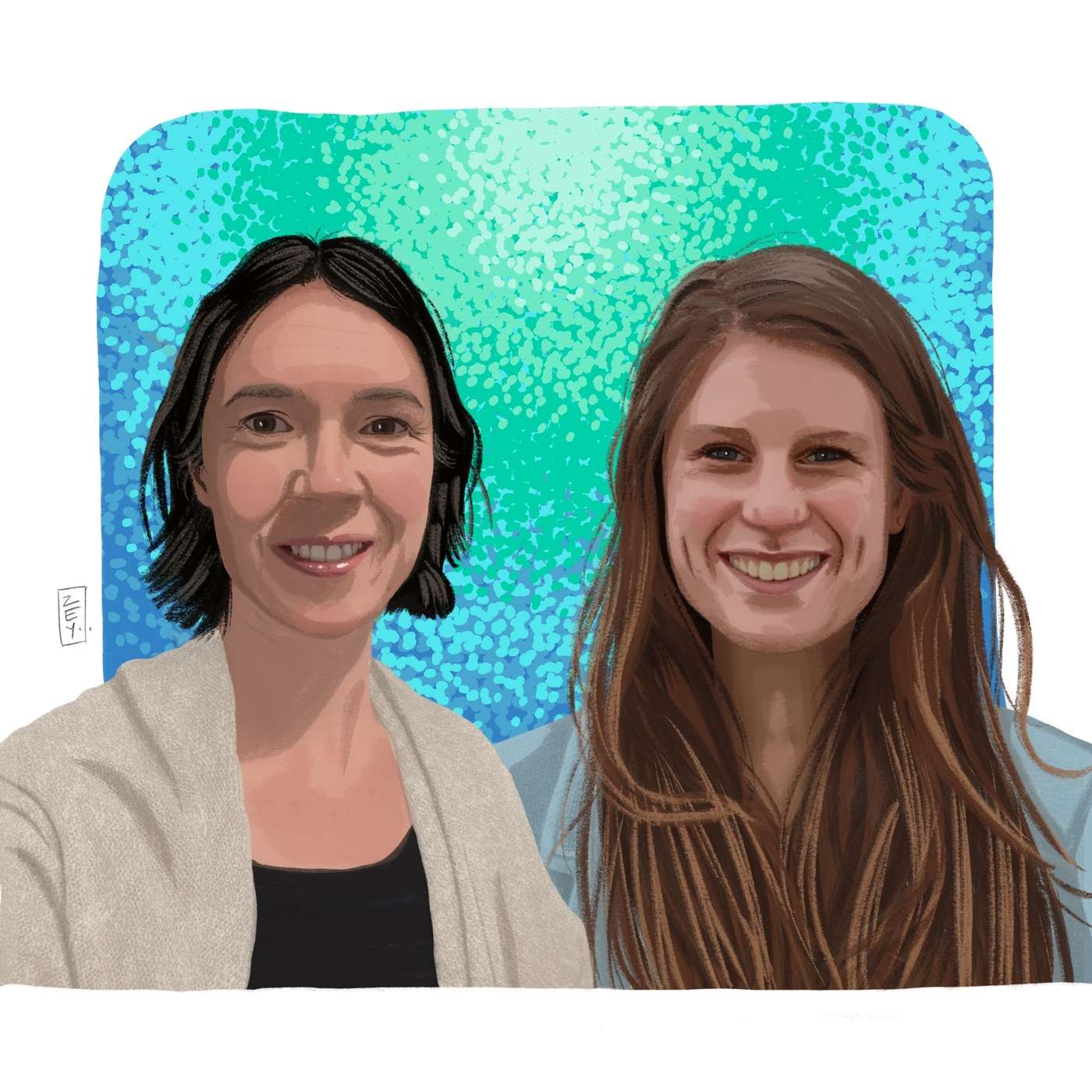
    Elisabeth Kaneza: Intersectionality in law || Empowering scholars of color

    In this episode, we talked to Elisabeth Kaneza who is a legal and political scholar and a community outreach officer at the German Center for Integration and Migration (DeZiM) in Berlin, Germany. PAST (00:02:20): Elisabeth emphasizes the importance of equal rights and chances for all, the impact of racial discrimination that require structural solutions. She also describes her journey into academia. PRESENT (00:09:35): We discuss an article by Kimberlé Crenshaw (1989) about equality in law, the intersections of race and sex. This article has been groundbreaking in many ways. Importantly, it has established that scientific theories insufficiently capture experiences of intersecting identities, such as being a woman of color, and related discrimination experiences. FUTURE (00:26:40): Elisabeth shares encouraging thoughts to empower emerging scholars of color. She highlights that their voices and work are highly needed. Therefore, she demands for structural support, research, and actions for racial equality. For more information on the episode, guest, and included references, please visit researchingdiversity.com. You can also follow us on Twitter, Instagram, LinkedIn, and Facebook. We want to thank Minor Revisions for the music, Lotte Gottschewski for the logo design, Max Kersten for post production, and zeythehuman for their artwork. Stay tuned and talk soon! FULL REFERENCES OF THIS EPISODE: *Crenshaw, K. (1989). Demarginalizing the Intersection of Race and Sex: A Black Feminist Critique of Anti‐Discrimination Doctrine, Feminist Theory and Anti‐Racist Politics. In The University of Chicago Legal Forum, 140(1), 139–167. Esposito, J., & Evans-Winters, V. (2021). Introduction to intersectional qualitative research. SAGE Publications Inc. Kaneza, E. (2024). Rassische Diskriminierung in Deutschland. Verwirklichung eines positive Rechts für die Gleichberechtigung von Schwarzen Menschen – Analyse und Empfehlungen. Nomos. https://www.nomos-shop.de/nomos/titel/rassische-diskriminierung-in-deutschland-id-118829/.
  • Feb 13, 2024 · 28 min

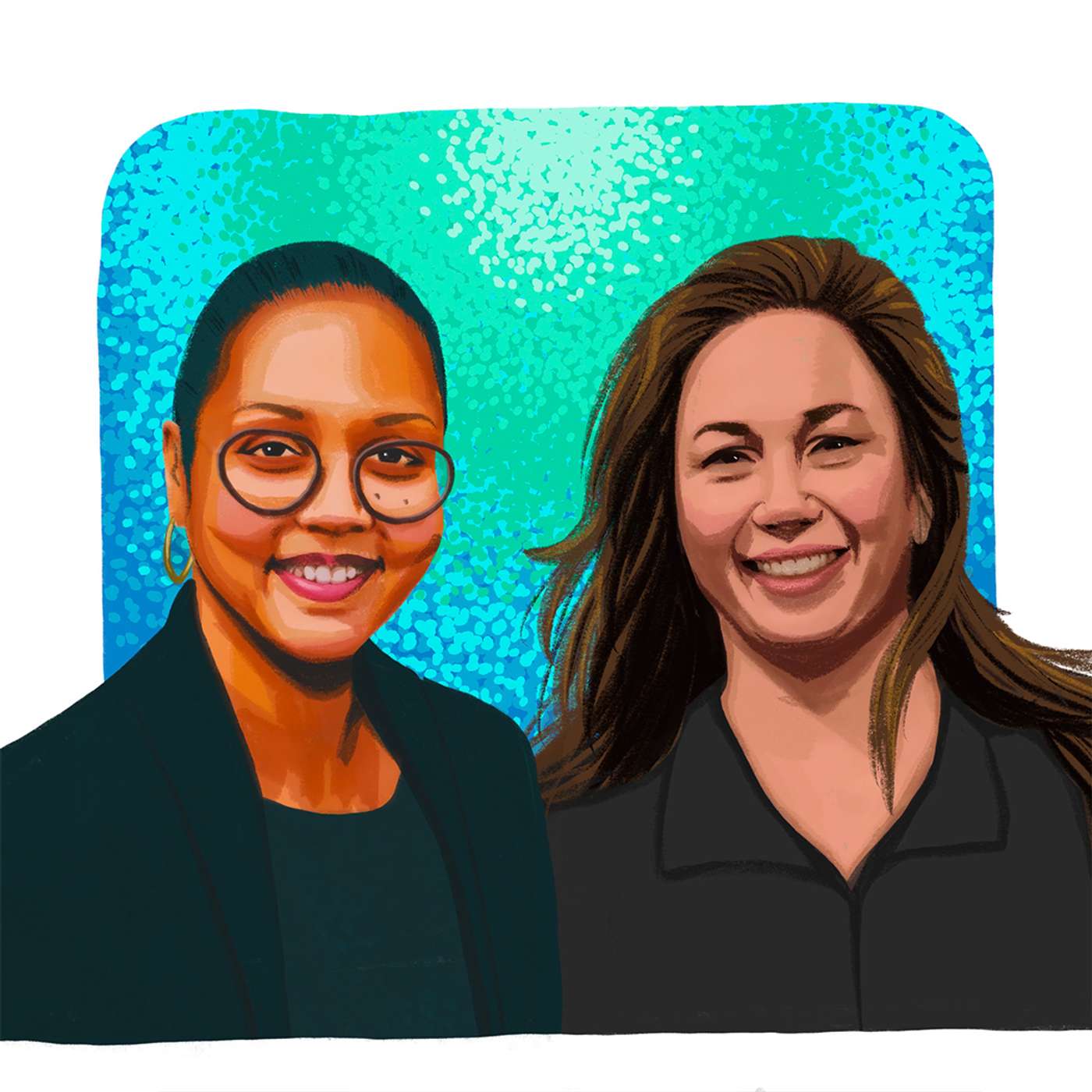
    ReSearching a Healthy Start || Lysanne te Brinke & Milene Gonçalves: Youth participation

    In this episode, we listen to a conversation between Lysanne te Brinke (assistant professor at Erasmus University Rotterdam) and Milene Gonçalves (associate professor at the Technical University Delft). Both are leading members of the ambition “Youth participation” in Healthy Start, a consortium that aims to better understand and support the healthy development of all youths in the Netherlands. PAST (00:01:43): We learn how different academic fields (developmental psychology versus design) have influenced how Lysanne and Milene define and use “youth participation” in their work. PRESENT (00:09:55): Lysanne and Milene give us insights into how participatory research can be used to amplify the voices of youth regarding societal issues, but also very practically to utilize youth’ creativity to co-create or co-design products. They both stress the importance of having youth participate at several phases in a given project and to recognize that involving youth requires a lot of flexibility and training from researchers and designers. FUTURE (00:20:52): We hear Lysanne and Milene reflect about the feasibility of youth participation, about how different disciplines can learn from one another, and, importantly, that youth participation should only be used if it is meaningful for the project and for youths themselves. This episode is part of the spin-off series “(Re)Searching a Healthy Start”, in which we uncover the pathways and struggles of inspiring scientists and practitioners working together in the Healthy Start consortium. Healthy Start is part of the convergence of the Technical University Delft, Erasmus University Rotterdam and Erasmus University Medical Center in the Netherlands. Want to know more? See https://convergence.nl/healthy-start/ For more information on the episode and guests, please visit researchingdiversity.com. You can also follow us on Twitter, Instagram, LinkedIn, and Facebook. We want to thank Minor Revisions for the music, Lotte Gottschewski-Kooijman for the logo design, Max Kersten for post production, and zeythehuman for their artwork. Stay tuned and talk soon!

  • Jan 31, 2024 · 29 min

    ReSearching a Healthy Start || Yara Toenders & Wanda Tempelaar: Youth Mental Health and Well-being

    In this bonus episode, we listen to Yara Toenders (fellow at Healthy Start / Erasmus University Rotterdam) and Wanda Tempelaar (clinical child and youth psychiatrist at the Erasmus University Medical Center, Rotterdam). Both are members of the ambition “Youth Mental Health and Well-being” in Healthy Start, a consortium that aims to better understand and support the healthy development of all youths in the Netherlands. PAST (00:02:10): Yara and Wanda both share the challenges and opportunities they have faced when relocating to another country during their studies and work life. They talk about the uncertainty and ambiguity, about coincidence and spontaneity, and about embracing their personal and professional journey. PRESENT (00:11:50): Yara and Wanda give us insights into their daily work with youth in the Netherlands. Yara explains that any initiative to increase youth well-being, such as banning phones in schools, always has positive implications for some, while having negative implications for other youth. She shared with us what intrigued her during data collection and how reality is often very different from what we would expect from scientific theory. Wanda shares a moving story of a young client who successfully combated severe mental illness, and how as clinical psychiatrist Wanda was able to support this client during this process. FUTURE (00:19:50): Yara and Wanda explain why it is crucial to work closely with youth themselves and how to use youths’ lived experiences to make research and treatment more meaningful. This episode is part of the spin-off series “(Re)Searching a Healthy Start”, in which we uncover the pathways and struggles of inspiring scientists and practitioners working together in the Healthy Start consortium. Healthy Start is part of the convergence of the Technical University Delft, Erasmus University Rotterdam and Erasmus University Medical Center in the Netherlands. Want to know more? See https://convergence.nl/healthy-start/ For more information on the episode and guests, please visit researchingdiversity.com. You can also follow us on Twitter, Instagram, LinkedIn, and Facebook. We want to thank Minor Revisions for the music, Lotte Gottschewski-Kooijman for the logo design, Max Kersten for post production, and zeythehuman for their artwork. Stay tuned and talk soon!
  • Jan 16, 2024 · 30 min

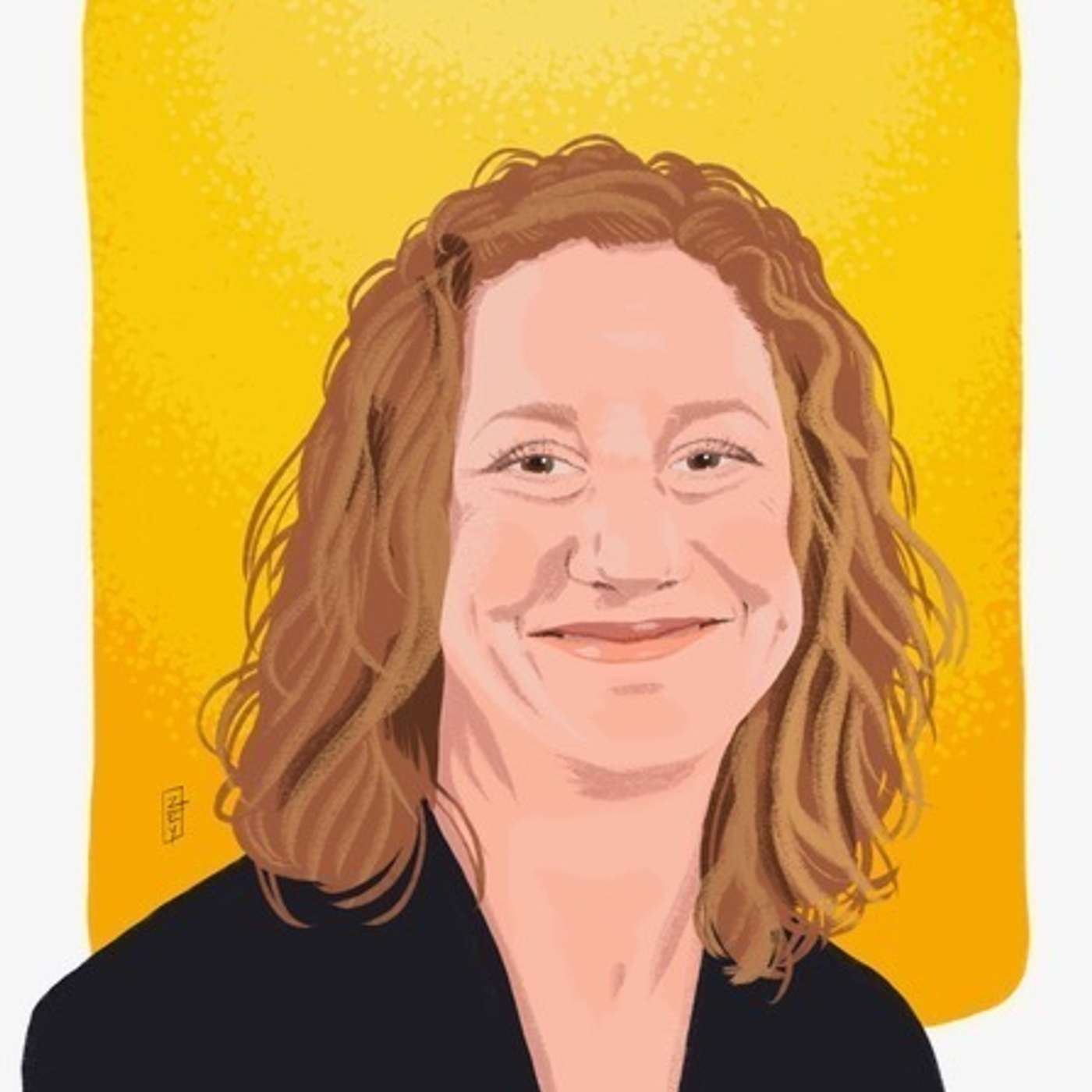
    ReSearching a Healthy Start || Reshmi Marhe & Laura van Duin: Youth Delinquency and Addiction

    In this bonus episode, we listen to a conversation between Reshmi Marhe (assistant professor at Erasmus University Rotterdam) and Laura van Duin (psychologist at De Nieuwe Kans, Rotterdam). Both are members of the ambition “Youth Delinquency and Addiction” in Healthy Start, a consortium that aims to better understand and support the healthy development of all youths in the Netherlands. PAST (00:01:40): We learn that Reshmi and Laura both obtained a PhD and worked in the same department. Their paths have since diverged: Reshmi continued focussing on research in forensic and legal psychology and Laura went into clinical practice, working with youth who struggle with delinquency and addiction. PRESENT (00:10:40): Reshmi and Laura give us insights into their daily work with youth in the Netherlands. Reshmi shares an incident where a research participant used substances during data collection, and how she dealt with that. Laura speaks about the legal implications and difficulties when working with youth who show delinquent behavior, and the emotional impact of her work on both the clients and herself. FUTURE (00:23:22): Reshmi and Laura speak about how the collaboration between research and practice can help us better understand and better support youth who struggle with the law and with addiction. This episode is part of the spin-off series “(Re)Searching a Healthy Start”, in which we uncover the pathways and struggles of inspiring scientists and practitioners working together in the Healthy Start consortium. Healthy Start is part of the convergence of the Technical University Delft, Erasmus University Rotterdam and Erasmus University Medical Center in the Netherlands. Want to know more? See https://convergence.nl/healthy-start/ For more information on the episode and guests, please visit researchingdiversity.com. You can also follow us on Twitter, Instagram, LinkedIn, and Facebook. We want to thank Minor Revisions for the music, Lotte Gottschewski-Kooijman for the logo design, Max Kersten for post production, and zeythehuman for their artwork. Stay tuned and talk soon!

  • Dec 19, 2023 · 32 min

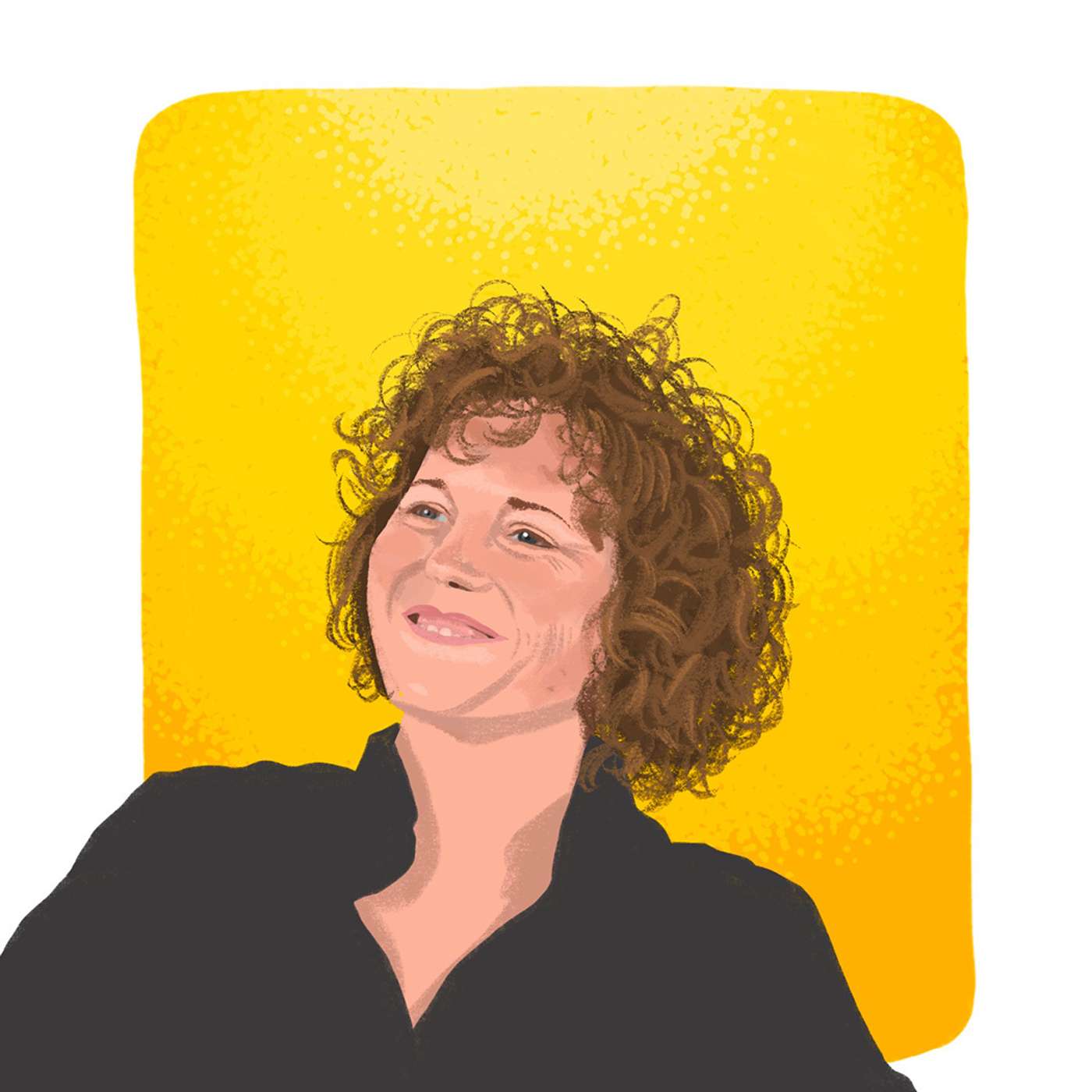
    Ceren Abacıoğlu: Majority-group acculturation || Complex Dynamic Systems Theory

    In this episode, we talked to Ceren Abacıoğlu who is a postdoctoral researcher at the University of Amsterdam, the Netherlands. PAST (00:02:11): Ceren talks about the struggles of studying and working in another country, about adapting to new cultures and new working environments. She explains how she became interested in the concept of acculturation, meaning the changes that happen if people from different cultures are in contact with one another over an extended period of time. PRESENT (00:09:08): We discuss the article by Kunst and colleagues (2021) about majority group acculturation. This article is groundbreaking because it focusses on the acculturation of people that belong to the cultural majority of a country. Therefore, it breaks with the tradition of focusing on cultural minority groups, such as immigrants and their descendants, who are typically researched regarding their acculturation. FUTURE (00:21:50): Ceren emphasizes the need for more complex theoretical frameworks that can take into account the many dimensions, predictors, and contexts of acculturation. She explains how Complex Dynamic Systems Theory and interdisciplinary research could help reach this goal. For more information on the episode, guest, and included references, please visit researchingdiversity.com. You can also follow us on Twitter, Instagram, LinkedIn, and Facebook. We want to thank Minor Revisions for the music, Lotte Gottschewski for the logo design, Max Kersten for post production, and zeythehuman for their artwork. Stay tuned and talk soon! FULL REFERENCES OF THIS EPISODE: Kunst, J. R., Lefringhausen, K., Sam, D. L., Berry, J. W., & Dovidio, J. F. (2021). The Missing Side of Acculturation: How Majority-Group Members Relate to Immigrant and Minority-Group Cultures. Current Directions in Psychological Science, 30(6), 485–494. https://doi.org/10.1177/09637214211040771
    • Chapters
  • Sep 18, 2023 · 1 hr 1 min

    Lisa Spanierman: White racial identity || White allyship

    In this episode, we talked to Lisa Spanierman who is a professor of counseling and counseling psychology and associate dean for academic personnel and faculty success in the College of Integrative Sciences and Arts at the Arizona State University, U.S. PAST (00:02:03): Lisa describes growing up in a so-called “White bubble” in New Jersey. She explains how living in a majority Black dorm during her studies in Florida, and subsequently meeting academic role models at teachers college in New York City sparked her interest in issues related to structural racism in society and White privilege. During her Ph.D., she was able to build a strong sense of academic self-efficacy, being supported by many inspiring mentors at the University of Missouri. PRESENT (00:18:43): We discuss the article by Janet Helms (1993) about how White researchers need to be aware of their own positionality and privilege in research and society, their own White racial identity development, and about how racism operates in a society where Whiteness is the norm. She also shares findings of her own research on different types of White racial justice allies. FUTURE (00:43:50): Lisa emphasizes the use of multiple and mixed methods to better address the topics and questions within counselling psychology. She further explains how funding opportunities for university students can enable these students to conduct excellent and necessary research on pressing societal issues, including micro-aggressions. Lisa further explains how understanding the pitfalls and possibilities of White allyship can make social justice work more effective and meaningful. For more information on the episode, guest, and included references, please visit researchingdiversity.com. You can also follow us on Twitter, Instagram, LinkedIn, and Facebook. We want to thank Minor Revisions for the music, Lotte Gottschewski for the logo design, Max Kersten for post production, and zeythehuman for their artwork. Stay tuned and talk soon! FULL REFERENCES OF THIS EPISODE AND USEFUL LINKS: *Helms, J. E. (1993). I also Said, “White Racial Identity Influences White Researchers.” The Counseling Psychologist, 21(2), 240–243. https://doi.org/10.1177/0011000093212007 Helms, J. E. (2019). A race is a nice thing to have: A guide to being a white person or understanding the white persons in your life (3rd ed.). Cognella. Bowser, B. P., & Hunt, R. G. (Eds.). (1996). Impacts of racism on White Americans (2nd ed.). Sage Publications, Inc. Spanierman, L. B., & Smith, L. (2017). Roles and Responsibilities of White Allies: Implications for Research, Teaching, and Practice. The Counseling Psychologist, 45(5), 606–617. https://doi.org/10.1177/0011000017717712 FURTHER INSPIRING SCHOLARS MENTIONED IN THIS EPISODE: Robert Carter, Mary Heppner, Helen Neville

  • Jul 6, 2023 · 47 min

    Paul Gorski: Culture and equity in teacher education || Activist burnout

    In this episode, we spoke with Paul Gorski who is the founder of the Equity Literacy Institute, U.S. PAST (00:01:47): Paul shares how during college years he developed an interest in social justice while being aware of his own privileged identities in academia. Later, when Paul was a professor, he also became interested in activist burnout, meaning the stress-related symptoms and illnesses that may occur among activists who tend to work in highly stressful and unpredictable environments. PRESENT (00:13:34): Paul discusses an award lecture by Gloria Ladson-Billings (2009) on teacher education and how novice teachers have been using the word “culture” as an explanation for student behavior they cannot explain. Furthermore, Paul explains the concept of equity literacy, encourages the listeners to rethink the role of “culture” in teacher education with the goal of making teacher education more transformative and powerful. FUTURE (00:37:00): In this final section, Paul dives deeper into burnout among social justice activists (activist burnout), the link between activism and depression, and the healing potential of talking openly about mental health struggles. FOR MORE INFORMATION: Visit our website researchingdiversity.com. You can also follow us on Twitter, Instagram, LinkedIn, and Facebook. You can find subtitled episodes on YouTube. We want to thank Minor Revisions for the music, Lotte Gottschewski-Kooijman for the logo design, Max Kersten for post production, and zeythehuman for their artwork. FULL REFERENCES OF THIS EPISODE AND USEFUL LINKS: Gorski, P. (2016). Rethinking the Role of “Culture” in Educational Equity: From Cultural Competence to Equity Literacy. Multicultural Perspectives, 18(4), 221–226. https://doi.org/10.1080/15210960.2016.1228344 Gorski, P. C. (2019). Fighting racism, battling burnout: Causes of activist burnout in US racial justice activists. Ethnic and Racial Studies, 42(5), 667–687. https://doi.org/10.1080/01419870.2018.1439981 *Ladson-Billings, G. (2006). It’s Not the Culture of Poverty, It’s the Poverty of Culture: The Problem with Teacher Education. Anthropology & Education Quarterly, 37(2), 104–109. https://doi.org/10.1525/aeq.2006.37.2.104 Ladson-Billings, G. (2014). Culturally Relevant Pedagogy 2.0: A.k.a. the Remix. Harvard Educational Review, 84(1), 74–84. https://doi.org/10.17763/haer.84.1.p2rj131485484751 FURTHER INSPIRING AUTHOR MENTIONED IN THIS EPISODE: Christine Sleeter . . . Stay tuned and talk soon!

  • Feb 18, 2023 · 52 min

    Tabea Hässler: Social change toward equality || LGBTQIA+ research

    In this episode, we spoke with Tabea Hässler who is a Senior Lecturer at the University of Zurich in Switzerland. PAST (00:01:32): Tabea shares how as a high school student and activist, she launched a campaign against racism and homophobia after noticing that these topics were ignored at school. She explains how decorating the school overnight and bringing in speakers and press to speak against racism and homophobia were her first steps to becoming an activistic scholar. PRESENT (00:11:33): Tabea discusses an article by Saguy and colleagues (2009) on positive intergroup contact and its relations to supporting social change toward equality. She points out that positive contact may reduce prejudice between groups, but at the same time, it may weaken the willingness of disadvantaged groups to fight for social equity. FUTURE (00:35:23): Tabea pointed out her future ambitions to diversify research samples which to this day are mainly from the U.S. and Western Europe. She also criticizes unhealthy working conditions in research, during and after the Ph.D., including unpaid overtime and job insecurity. Later, she shares how - very early in her career - she managed to set up a large-scale, international collaboration study involving participants from 69 countries. For more information on the episode, guest, and included references, please visit researchingdiversity.com. You can also follow us on Twitter, Instagram, LinkedIn, and Facebook. We want to thank Minor Revisions for the music, Lotte Gottschewski-Kooijman for the logo design, Max Kersten for post production, and zeythehuman for their artwork. Stay tuned and talk soon! FULL REFERENCES OF THIS EPISODE AND USEFUL LINKS: Boland, C. (2020). Hybrid identity and practices to negotiate belonging: Madrid’s Muslim youth of migrant origin. Comparative Migration Studies, 8, 26. https://doi.org/10.1186/s40878-020-00185-2 «Das Ausmass an Gewalt gegen queere Menschen schockiert mich» [in German] https://www.tagesanzeiger.ch/das-ausmass-an-gewalt-gegen-queere-menschen-schockiert-mich-308211703202 Hässler, T., Ullrich, J., Bernardino, M., Shnabel, N., Laar, C. V., Valdenegro, D., ... & Ugarte, L. M. (2020). A large-scale test of the link between intergroup contact and support for social change. Nature Human Behaviour, 4(4), 380-386. https://www.nature.com/articles/s41562-019-0815-z Pratto, F., Saguy, T., Stewart, A. L., Morselli, D., Foels, R., Aiello, A., ... & Sweetman, J. (2014). Attitudes toward Arab ascendance: Israeli and global perspectives. Psychological science, 25(1), 85-94. https://doi.org/10.1177/0956797613497021 *Saguy, T., Tausch, N., Dovidio, J. F., & Pratto, F. (2009). The irony of harmony: Intergroup contact can produce false expectations for equality. Psychological science, 20(1), 114-121. https://pubmed.ncbi.nlm.nih.gov/19152543/ Swiss LGBTQI+ panel: Academic Study, representing LGBTIQ+ people from all over Switzerland. Curated by Dr. Léïla Eisner and Dr. Tabea Hässler https://swiss-lgbtiq-panel.ch Thöni, C., Eisner, L., & Hässler, T. (2022). Not straight enough, nor queer enough: Identity denial, stigmatization, and negative affect among bisexual and pansexual people. Psychology of Sexual Orientation and Gender Diversity. https://doi.org/10.1037/sgd0000606 FURTHER INSPIRING AUTHORS MENTIONED IN THIS EPISODE: Roberto Gonzales, Nurit Shnabel, Kristina Olson
  • Feb 6, 2023 · 45 min

    Laura Taylor: Children’s peace building || Career-life balance in academia

    In this episode, we spoke with Laura Taylor who is an Assistant Professor at the University College Dublin in Ireland. PAST (00:02:00): Laura shares her incredible and winding path into academia, from being part of human rights and peace building work with NGO’s in Guatemala and Nepal, studying and teaching at university, and eventually pursuing a Ph.D. program in both peace studies and psychology. She explains how she ended up focusing on children, mental health, and on the constructive and agentic ways in which children can respond to conflict and violence. PRESENT (00:14:33): Laura discusses Dahlum’s (2019) article on how young and highly educated people have been structurally part of non-violent protests in the past. Importantly, the non-violent, creative tactics of these young and educated people were more likely to reach social and regime change compared to violent protests throughout history. Laura points out the role of universities and (higher) education in providing capacities, such as critical thinking, civic engagement, and citizenship, that young people can use for constructive social change. FUTURE (00:27:00): Laura explains how research culture is slowly shifting towards a better career-life-balance, which is especially important when working in post-conflict societies and with local communities. She elaborates on how cross-cultural and interdisciplinary research teams have helped her achieve this goal, as well as the role of strong leadership in setting boundaries and norms. Most importantly, Laura emphasizes that, at all times, we need to recognize the humanity in ourselves and in our students and colleagues. She finishes with giving hands-on advice on how small changes in routines can contribute to career-life-balance over time. For more information on the episode, guest, and included references, please visit researchingdiversity.com. You can also follow us on Twitter, Instagram, LinkedIn, and Facebook. We want to thank Minor Revisions for the music, Lotte Gottschewski for the logo design, Max Kersten for post production, and zeythehuman for their artwork. Stay tuned and talk soon! Full reference of this episode: *Dahlum, S. (2019). Students in the streets: Education and nonviolent protest. Comparative Political Studies, 52(2), 277-309. https://doi.org/10.1177/0010414018758761 Further recommended reading: Martín-Baró, I. (1994). Writings for a liberation psychology. Harvard University Press. McEvoy-Levy, S. (Ed.). (2006). Troublemakers or peacemakers?: Youth and post-accord peace building. University of Notre Dame Press.
  • Sep 24, 2022 · 49 min

    Andreas Zick: Social identity theory || Diversity in German academia

    In this episode, we talked to Prof. Dr. Andreas Zick who is the Scientific Director of the Institute for Interdisciplinary Research on Conflict and Violence (IKG) and Professor at the Faculty of Educational Science at Bielefeld University, Germany. Our ma

  • Dec 2, 2021 · 55 min

    Moin Syed: Gender identity narratives || Open Science

    In this episode, we talked to Moin Syed who is a professor of Psychology at the University of Minnesota (U.S.). Our main topic is gender identity narratives which describe the ways in which children reinforce or disrupt gender hierarchy through internaliz

Showing 1–20 of 20 episodes