GRB 220706A: The Longest-Lived Gamma-Ray Burst Engine Ever Seen
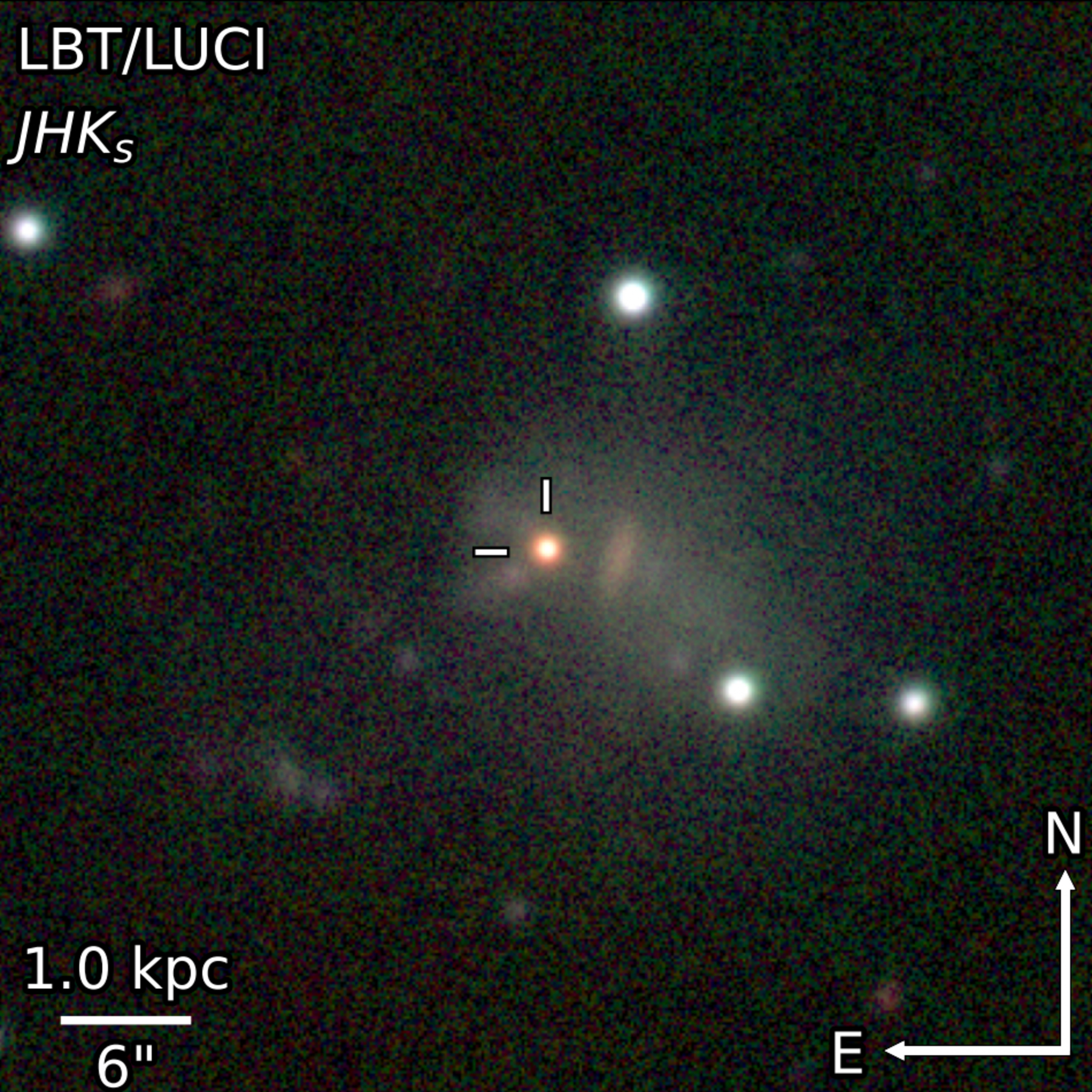
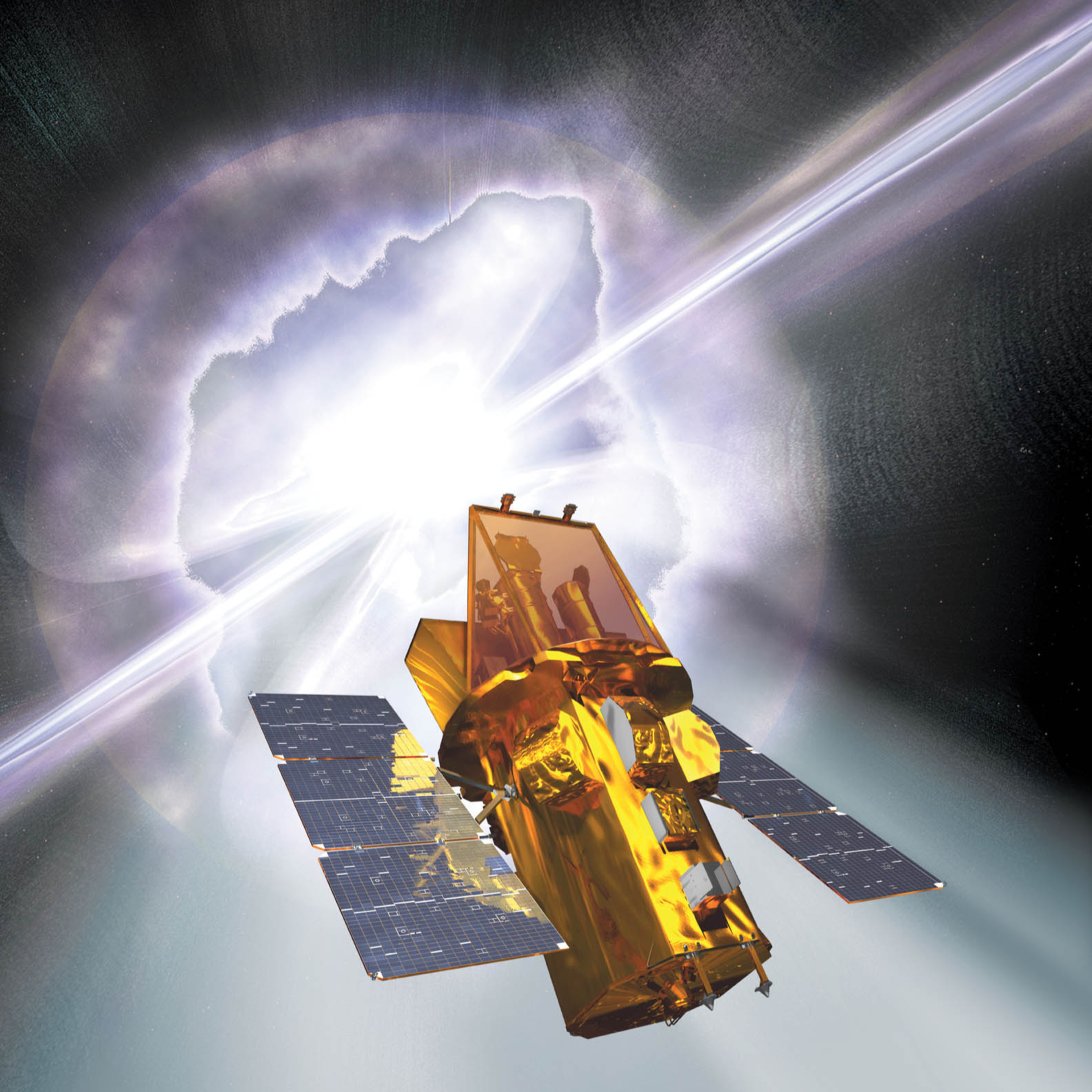
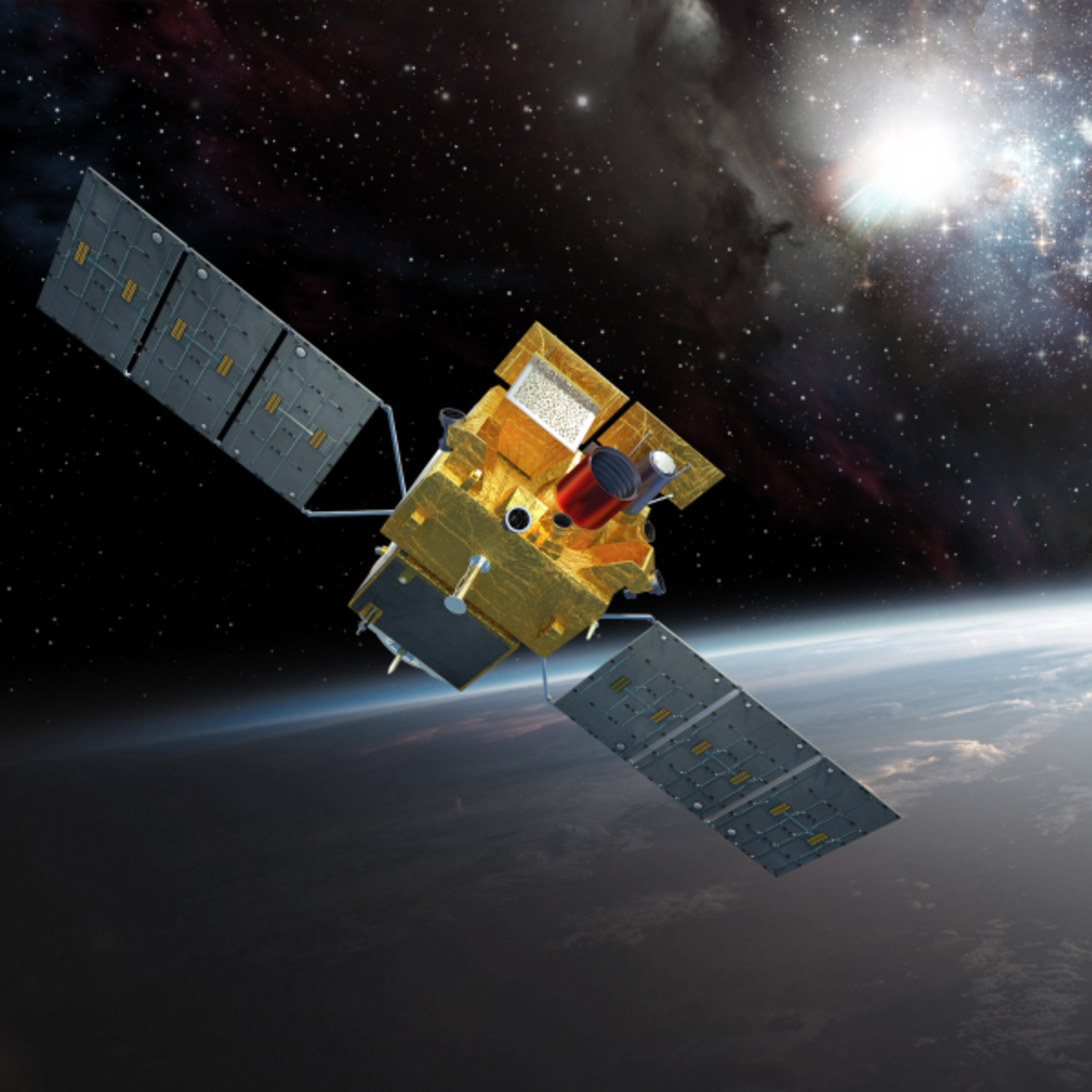
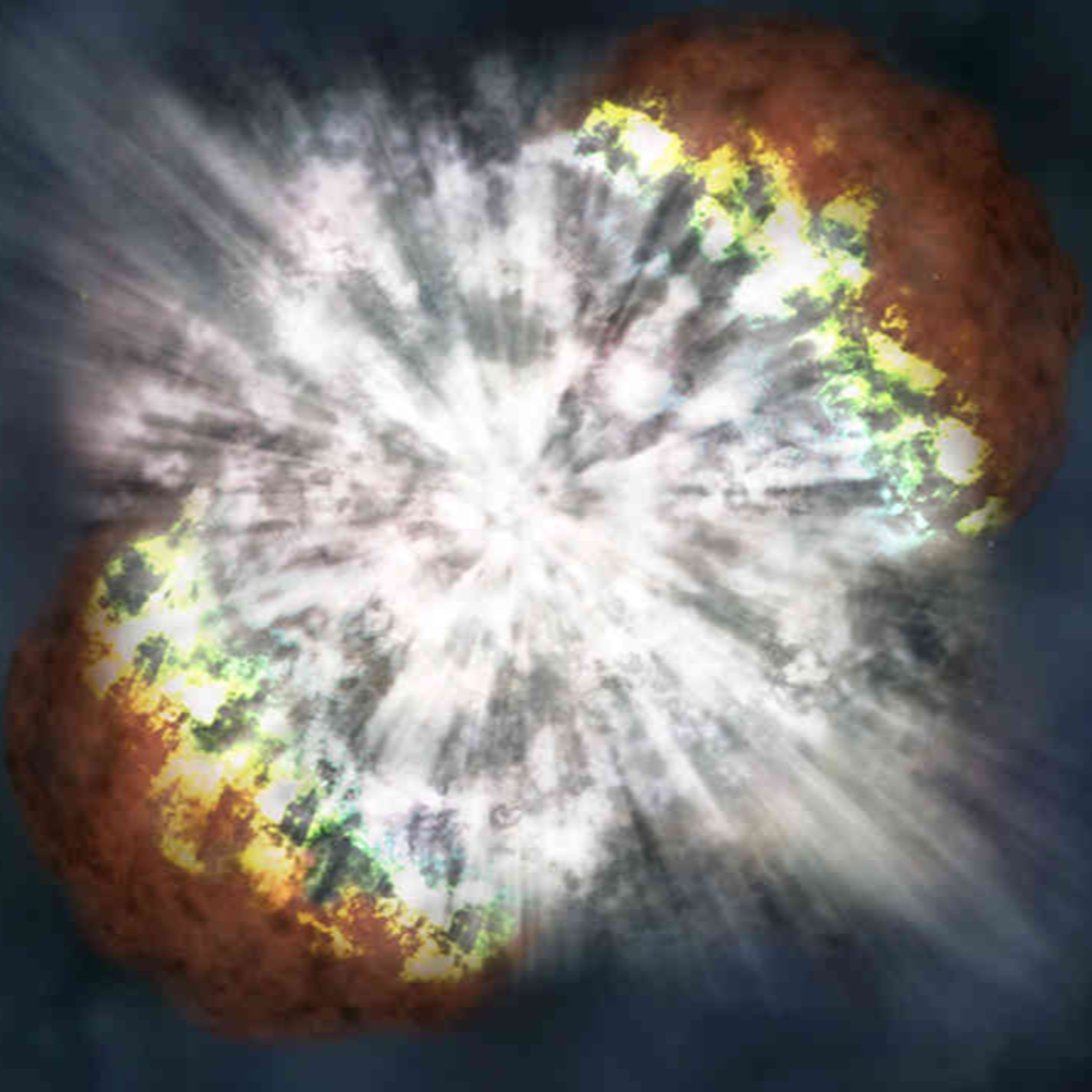
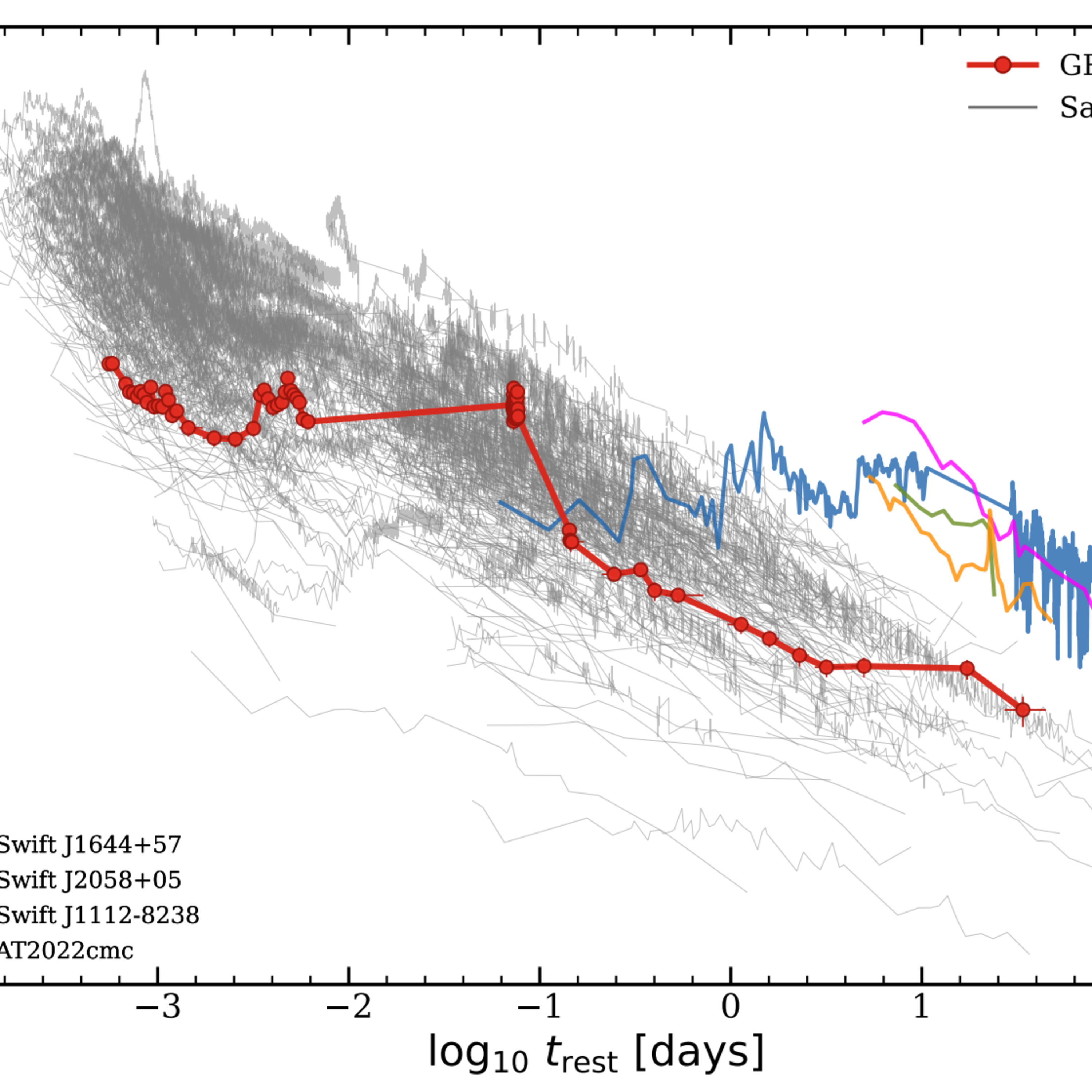
In this episode, we explore the extraordinary discovery of GRB 220706A, a record-shattering cosmic explosion at redshift z = 0.8577. While most gamma-ray burst engines die down within minutes, X-ray follow-up observations revealed active flaring continuing for 27 rest-frame days (~51 days in the observer frame). This sets the record for the latest central engine activity ever detected in a gamma-ray burst by a margin of roughly 21 rest-frame days. An Engine Duration for the Record Books: How combined high-energy data from Swift, NICER, and Chandra established an engine duration of t_burst = 10^4.75 s, placing GRB 220706A firmly among the rare class of "ultra-long" GRBs. Unveiling a Luminous Supernova: How optical imaging with the VLT and GTC identified an accompanying supernova reaching peak absolute magnitudes of M_r <= -20.25 once corrected for heavy host-galaxy dust extinction 0.9 < A_V < 3.6mag, approaching the regimes of superluminous supernovae. Decoding the Progenitor: Unpacking the theoretical debate over what powered this prolonged activity—ranging from collapsing supergiant stellar envelopes and newborn magnetars to jet-circumstellar shell collisions and tidal disruption events (TDEs). Title: GRB 220706A: a gamma-ray burst with a month-long engine and a luminous supernova Authors: Benjamin P. Gompertz, Nusrin Habeeb, Dheeraj R. Pasham, Antonio de Ugarte Postigo, Daniele B. Malesani, Phil A. Evans, Kim L. Page, Ben Rayson, et al. Preprint Identifier: arXiv:2609.22426v1 Acknowledements: Podcast prepared with Google/Gemini Notebook. Illustration credits: Gomperts et al.