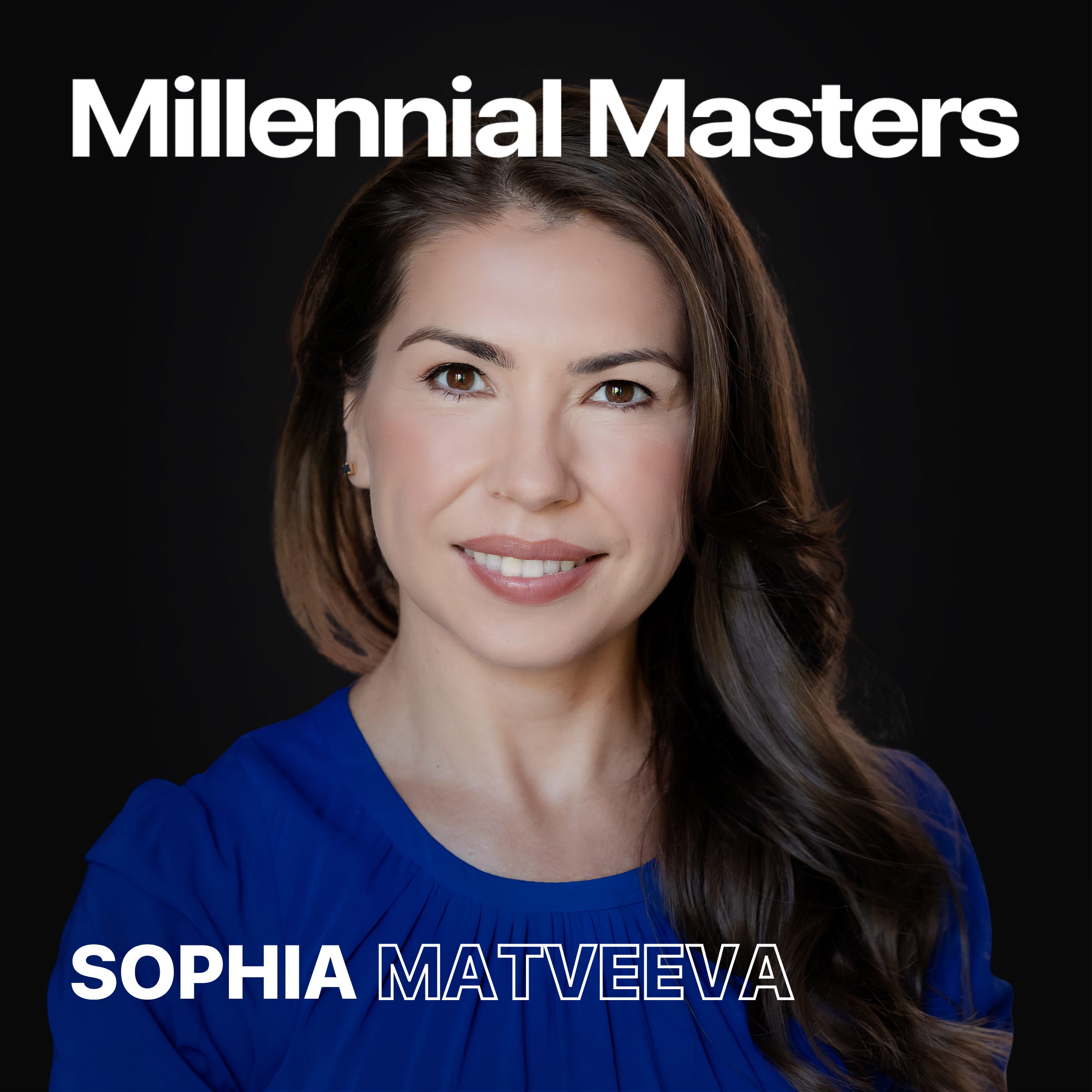
Build less before you know more 🧪 Sophia Matveeva
You can build a tech company without becoming a developer, as long as you understand enough to work properly with the people building it. Sophia Matveeva, founder of Tech for Non-Techies, learned that after raising money for her first startup and hiring a technical team. She was the CEO, but when a developer started talking about building the back end on Ruby on Rails, she realised she had no idea what he meant. Her first instinct was to learn to code. After taking computer science and Python courses, she realised she was spending hours learning skills that wouldn’t help her do her actual job. What she needed was enough technical understanding to make decisions, ask useful questions, and work effectively with the team. AI has lowered the barrier again. A non-technical founder can now make a convincing prototype in an afternoon, which makes it easier to start building before finding out whether people understand the product or would pay for it. In this episode, we get into what non-technical founders actually need to understand about tech, how to test an idea before spending heavily on it, and where vibe coding stops being enough. What we cover 1️⃣ Speaking enough tech to lead the work Sophia explains what founders need to understand so they can make better decisions and work properly with developers without trying to become one themselves. 2️⃣ Testing demand before writing production code A prototype can get the idea in front of potential customers much earlier and expose problems while they’re still cheap to fix. 3️⃣ Getting feedback people actually mean This part gets into user interviews, avoiding leading questions, and creating enough space for people to tell you when something doesn’t make sense. 4️⃣ Where vibe coding reaches its limit AI can take a non-technical founder surprisingly far, but a convincing prototype doesn’t mean the underlying product is ready for real customers. 5️⃣ The problem a better product still has to solve Customers already have habits, tools, and systems around existing products. Being better isn’t always enough to make them switch. Chapters 00:00 Introduction to Sophia Matveeva 02:08 Is vibe coding improving product testing? 05:34 Why founders need to speak tech 12:54 How to manage developers 15:31 Test your product before building it 18:47 How to get honest user feedback 22:47 Will people actually pay? 25:57 How to challenge your technical team 30:38 Choosing which features to build 32:57 Why Sophia shut down Enty 35:22 Funding versus bootstrapping 37:23 When to stop funding your own business 39:19 Why better products still lose 42:58 What AI changes for non-technical founders 45:47 Building is easier, finding customers isn’t Get more founder interviews and practical business lessons in the Millennial Masters newsletter at MillennialMasters.net Share this with someone whose prototype is starting to look suspiciously finished 👀 Get full access to Millennial Masters at millennialmasters.net/subscribe