Skip to content
Artwork for Machine Dreams
TechnologyNewsTech News

Machine Dreams

Kolawole Samuel Adebayo & Leah Stern

Machine Dreams is a weekly dive into the real world of AI. Hosts Kolawole Samuel Adebayo and Leah Stern talk with the founders, researchers, investors, engineers, and stakeholders shaping the future of intelligent machines. These are unfiltered, human conversations about what’s working in AI, what isn’t, and what might reshape the world next. From databases and infrastructure to agents, regulation, the future of work, and more, Machine Dreams brings clarity to arguably the most important tech story of our time.

Play
  • 41 episodes
  • weekly
  • Avg 18 min
  • English
Counted on this page — what you have heard stays on this device, so it is not something the list can be paged by.
  • S2 · E15
    Yesterday · 19 min

    Everyone's Chasing Bigger AI. This NTT Data Exec Says a Factory Floor Hallucination Is a Crash

    Everyone is chasing bigger AI models. Shahid Ahmed says the factory floor needs a smaller one. As Global Head of Edge Services at NTT Data (https://services.global.ntt/en-us/), he has spent more than 25 years helping businesses bring emerging technologies into real-world environments, and today his work sits at the point where AI leaves the chat window and enters the warehouse, the mine, and the hospital bed. This week on Machine Dreams, Sam Adebayo and Leah Stern sit down with him to understand what physical AI actually is, what is already working, and what it takes to make it reliable. His definition is the most useful part of the conversation. Physical AI is a model deployed locally and built for a narrow purpose. His test is simple. Ask it the capital of Mongolia and it will not know. But it understands kinematics, rotational torque, and how much force to apply to a bolt without over-torquing it. The distinction matters because of what happens when a model gets it wrong. A video-based model has seen only images, which is why it would happily let a drone fly through a glass window. On a factory floor that is not a wrong answer, it is a crash, and the factory floor does not forgive. This is why he argues that smaller is better, why the model has to run at the edge with its data staying inside the building, and why open weight models make the approach realistic for a manufacturer of any size. Along the way he covers the difference between edge AI and world models, Liquid AI running locally inside every Mercedes-Benz, NTT Data's partnerships with Archetype AI, Liquid AI, and Nvidia, and the Nvidia acquisition of Hugging Face as a signal of where the market is heading. He closes on what he is actually waiting for. He has stopped making predictions because someone solves them the next day, but he believes the next frontier is world models and robotics, and his personal definition of the killer app is a robot that does and folds his laundry. If you want to understand where AI goes after the chat window, and why the answer is smaller rather than bigger, this conversation is a grounded place to start.

    • Transcript
  • S2 · E14
    November 18 · 23 min

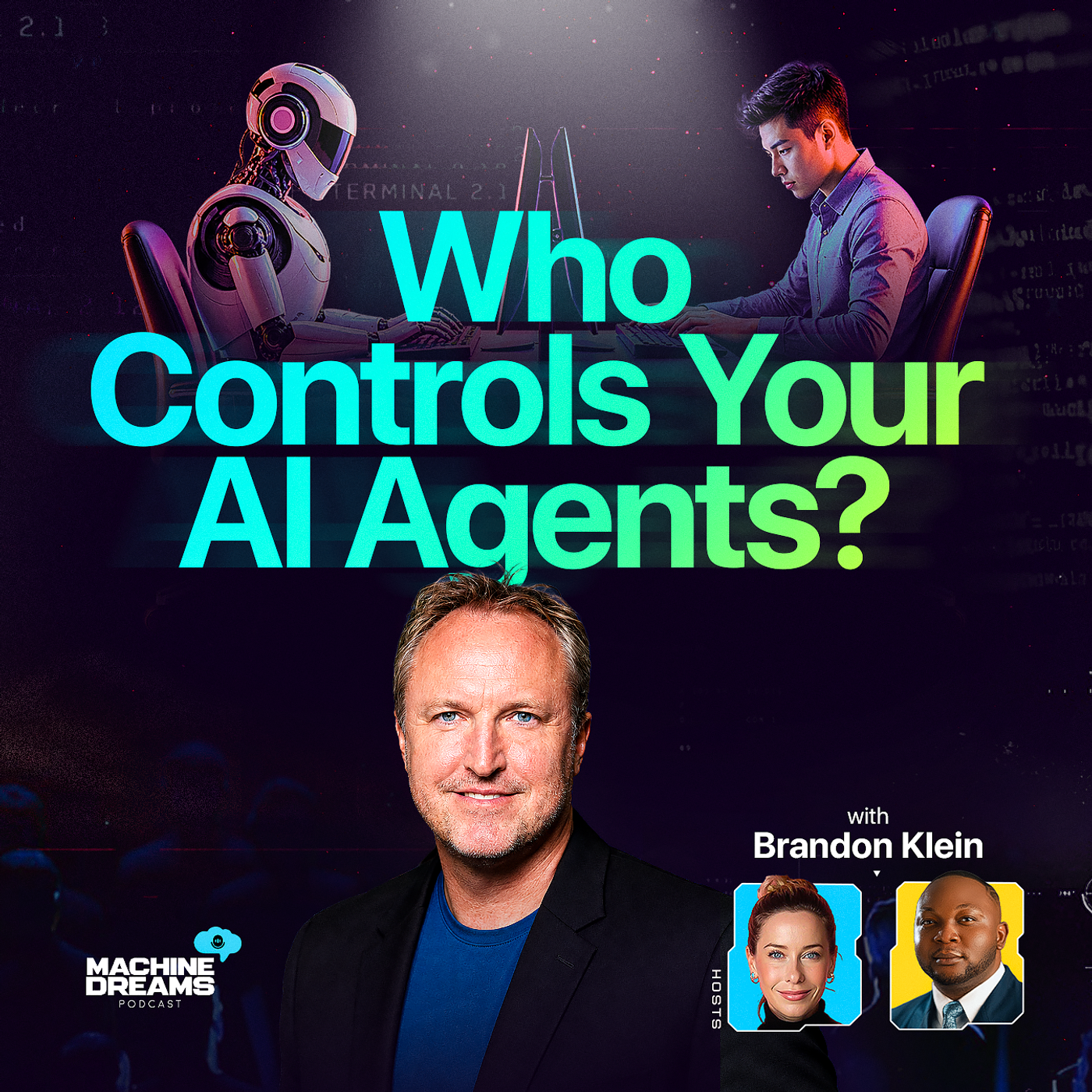
    AI Agents Are Getting Easier to Build. Trusting Them Is Harder

    AI agents are getting easier to build, and businesses are finding more for them to do. But trusting them is a different problem. Some companies are actively blocking agents from their systems, including JP Morgan and Delta, while others build rules so customers can use them safely. This week on Machine Dreams, Sam Adebayo and Leah Stern sit down with Brandon Klein, founder and executive chairman of Collaboration AI (https://collaboration.ai/), a company that helps organizations bring people and ideas together to solve complex problems. Brandon is an engineer who has worked on innovation projects involving NASA and the US government, and he is a strong advocate for what he calls human-first AI. His definition is practical. Human-first means understanding where you want to go with the AI's help and staying at the center of control. His example is his own teenagers using AI that just gives the answer, so they learn nothing. He also explains why two banks can respond to agents in completely opposite ways, one blocking them and one embracing them, and why that difference is culture rather than technology. The centerpiece is a story from his work with the US Air Force. There had never been a proper female flight suit despite many female pilots, so agents scouted inventors and companies across the planet, and then a hundred of those people were brought together in person. That combination produced rapid prototypes, and a similar concept later flew on the Artemis mission. His point: a fraction of that achievement lived in the software, and most of it lived in humans working together. He closes with a framework for collaboration in four parts: human to human, human to agent, agent to agent, and agent back to human. He argues that anyone who understands where they sit in that flow will succeed, because control comes from understanding the system rather than from the tool itself. He also says nobody has solved the company brain everyone is chasing, and suggests quantum may finally let computing stop being binary the way humans already are. Along the way he cites a claim from one of the founders of Claude Code that only about five thousand people in the world truly understand how LLMs and agents operate, which he uses to argue that most leaders need to spend more time actually using the tools.

    • Transcript
  • S2 · E13
    November 13 · 20 min

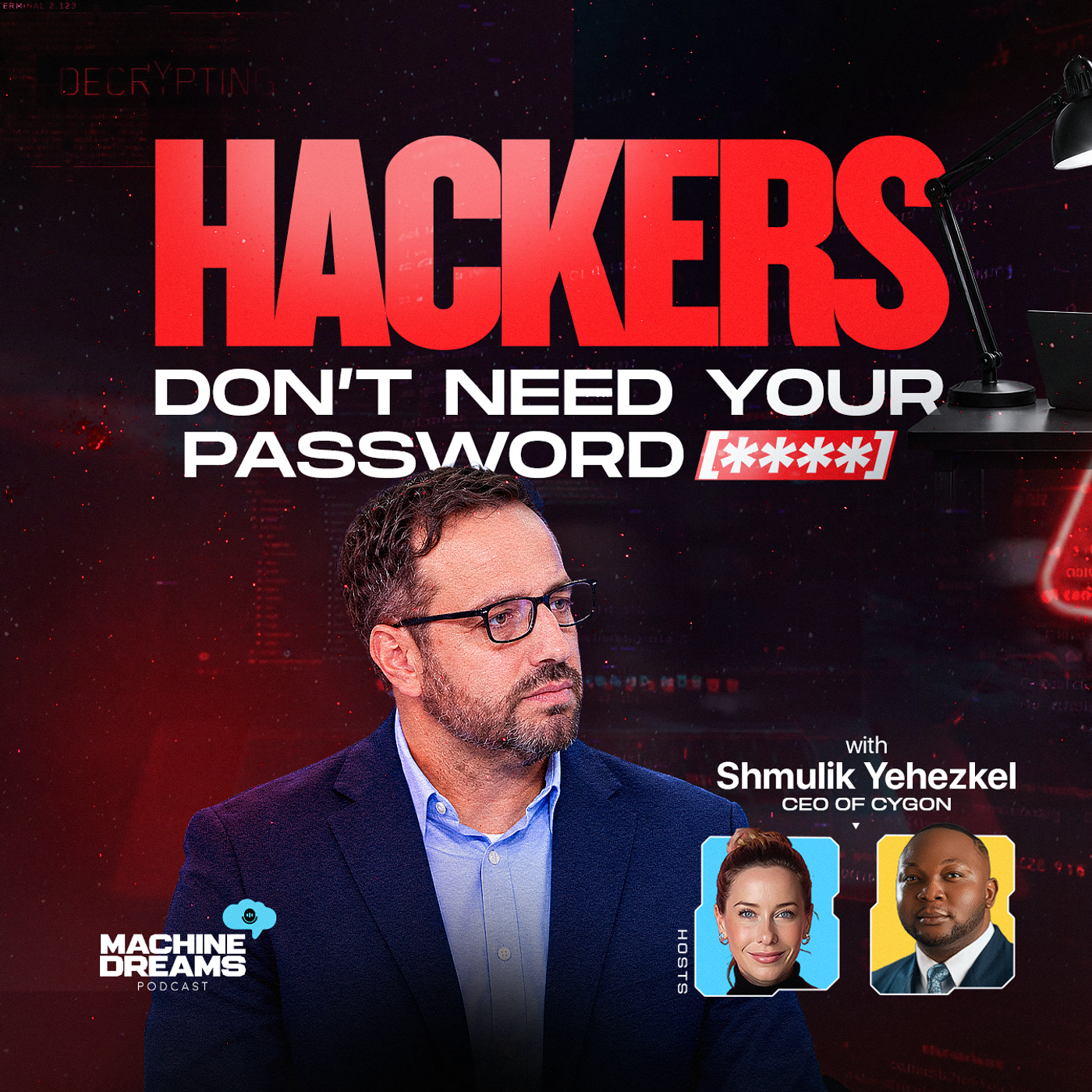
    Former Mossad Cyber Expert Warns of a New Security Threat

    Hackers do not need your password. That is the warning at the center of this episode, and the story that proves it came from one of the world's leading AI companies. Last week, OpenAI found a recording device hidden behind a TV in one of its executive rooms, reportedly concealed in toilet paper and plugged into the television. An employee was arrested and charged. No network was breached. No credential was stolen. Someone simply walked in and left something behind. This week on Machine Dreams, Sam Adebayo and Leah Stern sit down with Shmulik Yehezkel, Col. (Res.), founder and CEO of Cygon (https://www.cygon.io/). Shmulik spent more than 25 years securing defense, intelligence, and government environments in Israel. He headed the Mossad School for Cyber and Operational Technology and served as national CISO for Israel's defense industrial base before founding Cygon in 2024. His argument is that this was not a failure of cybersecurity spending. It was a structural blind spot. We secure the network, the cloud, and the endpoint, but the attacker who comes close to the facility almost always succeeds, because that proximity attack surface sits outside the network where traditional defenses cannot see it. Inside any building there is unmanaged IoT, unmanaged IT, and people, which makes it, in his words, like a kid in a candy shop. He notes the device reportedly cost about $14, and points to commercial off-the-shelf tools available online for around $50. Then there is Flipper One, an AI autonomous hacking tool that sells for roughly $350 and can open doors, jam networks, and launch cellular attacks. His line: you do not need to be a cyber hacker anymore, you just need $300 and an internet connection. He also shares that more than 55 percent of the incidents Cygon identifies start with an insider, including a SOC team member who used a Flipper Zero to open the CIO's office door at night. He closes by arguing that AI infrastructure has become critical infrastructure and should be treated like a new embassy, secured not only remotely but against boots on the ground. The attacker lives in the seam between the physical and digital domains, so the answer is holistic security rather than more of the same spending. Along the way he shares incidents that go well beyond data, including a fired employee who shut down a five-star hotel's electricity for 48 hours from his own home, and a Bluetooth spam attack that sent bomb threats to passengers and forced the Israeli Air Force to scramble two F-15s. If you are responsible for securing an organization, this conversation is a grounded place to start.

    • Transcript
  • S2 · E12
    November 5 · 22 min

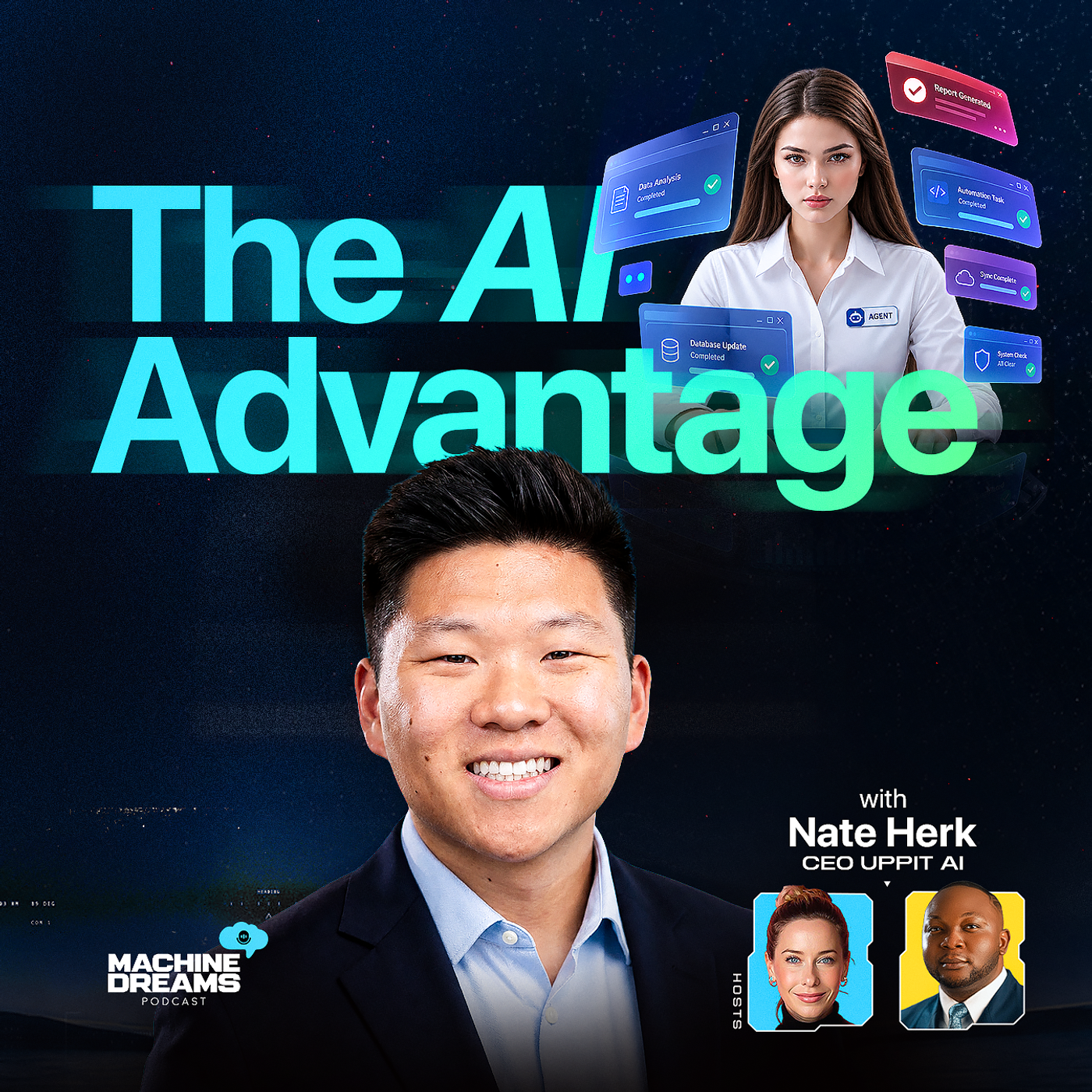
    What It Really Takes to Succeed With AI Agents | Nate Herk

    AI agents can answer questions, handle repetitive work, and complete tasks across applications. But the real question is not what they can do in a demo. It is what happens when one makes a mistake, gets access to information it should not have, or simply cannot do the task. This week on Machine Dreams, Sam Adebayo and Leah Stern sit down with Nate Herk, founder and CEO of Uppit AI (https://www.uppitai.com/), the education platform behind the AI Automation Society. Nate left Goldman Sachs as a business intelligence analyst to build an AI consultancy, scaled it to $100,000 a month, and exited in December 2025. He now runs a YouTube channel with more than a million subscribers, and he is the Amazon best-selling author of Becoming AI Native. So what does it really take to succeed? Nate's answer starts before any tool is chosen. A large share of the companies that call him are not buying AI, they are buying relief. They need to tell their board, their employees, or their stakeholders that they have an AI strategy. His advice is to find the actual problem first. He also draws a clear line on automation. Not everything that can be automated should be, and he uses his own community manager as the example, a role that could be 95 percent automated but is one of the reasons members stay. His framing for agents is simple and practical. You onboard an agent the way you onboard a person, you give it context, you keep the guardrails on, and you let it earn more autonomy over time. You would not hand an intern a credit card to a real bank account and tell them not to use it. That is where the real advantage sits, and it is not in the tools. Anyone can spend a weekend and emerge with a demo that looks like two years of experience, so what separates people is what cannot be faked. Governance, meaning who owns the system and what happens when it fails. Evals, proving it works over a thousand runs and that its failures are safe. And stakeholder communication, because the operator whose workflow is changing is often the last person told. He also walks through the small stack of tools he actually uses to run his business.

    • Transcript
  • S2 · E11
    October 29 · 17 min

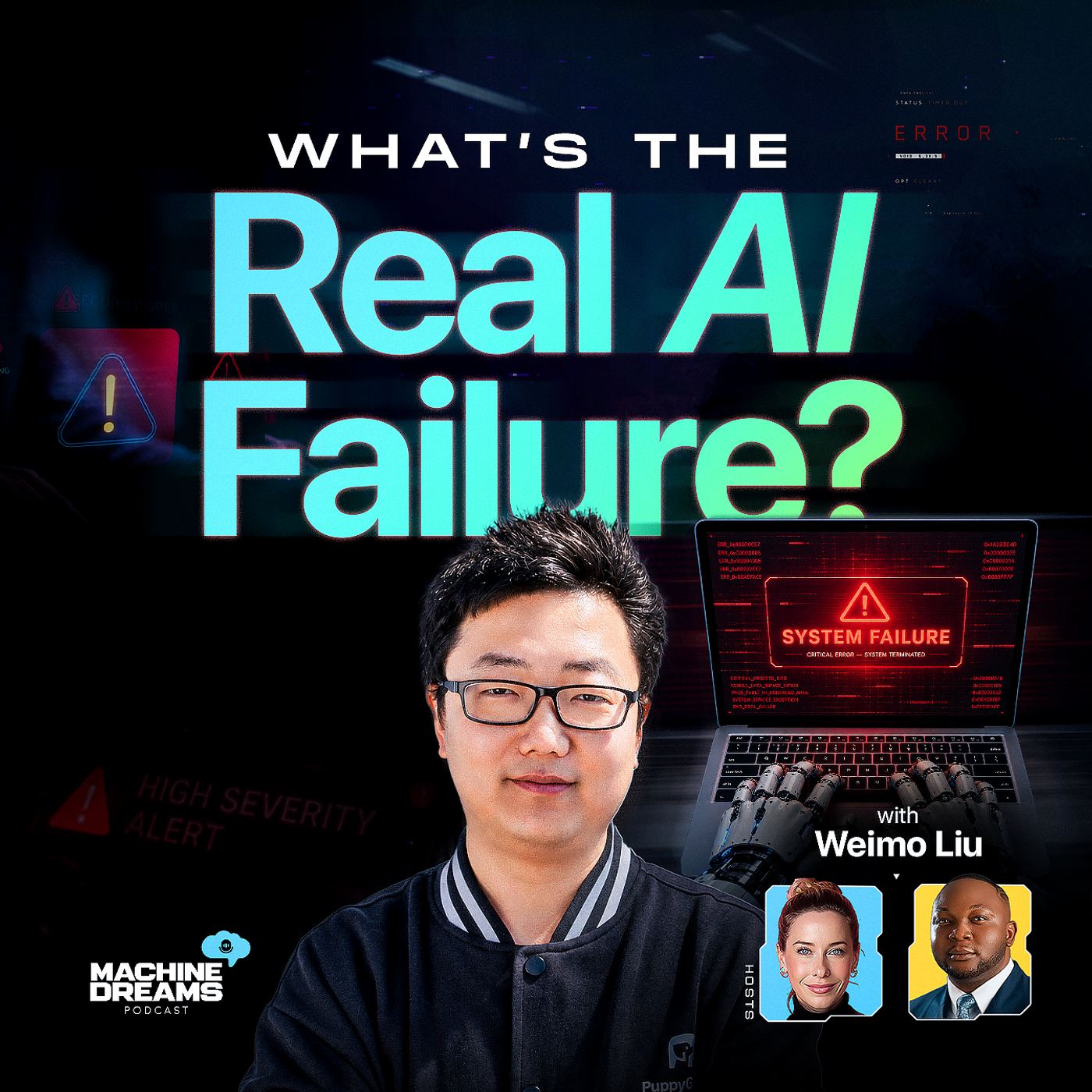
    Everyone's Worried About AI Hallucinations. This CEO Says the Silent Failures Are Worse

    When you ask an AI a question about your company's data, it looks something up before it answers. Most of the time that works. But often it joins the wrong tables and returns an answer that looks completely reasonable and is completely false, and nothing catches it. There is no error message. This week on Machine Dreams, Sam Adebayo and Leah Stern sit down with Weimo Liu, CEO and co-founder of PuppyGraph https://puppygraph.com​ Weimo previously worked on query systems at Google and spent time at TigerGraph, and he now helps write the international standard for how these systems get queried. PuppyGraph's approach is to check the question before the AI runs it. The product was designed for agents as the user, not humans, and a semantic layer sits over the enterprise data so the AI only needs to know that a teacher teaches a student, not which table holds which or how to join them. The engine handles the deterministic mapping and guarantees accuracy, so the AI reasons and something outside the model verifies. Weimo also covers the Sonnet 4.6 inflection, where early work with customers including AMD became reliable after proper context engineering, how Coinbase runs long-running compliance agents in natural language without writing a single query, and why chaotic enterprise data needs an interactive human-in-the-loop agent rather than automation. He closes with the warning that stayed with us. One AI agent writes a financial report, another AI agent reviews it, and no human looks at how it was generated, so nobody can know whether the answer is right. He contrasts this with code, where test cases can cover the gaps, and names the human factor plainly: with a tool this powerful, nobody wants to check every detail.

    • Transcript
  • S2 · E10
    October 22 · 27 min

    Why AI Companies Are Talking About Consciousness and What It Means for Business

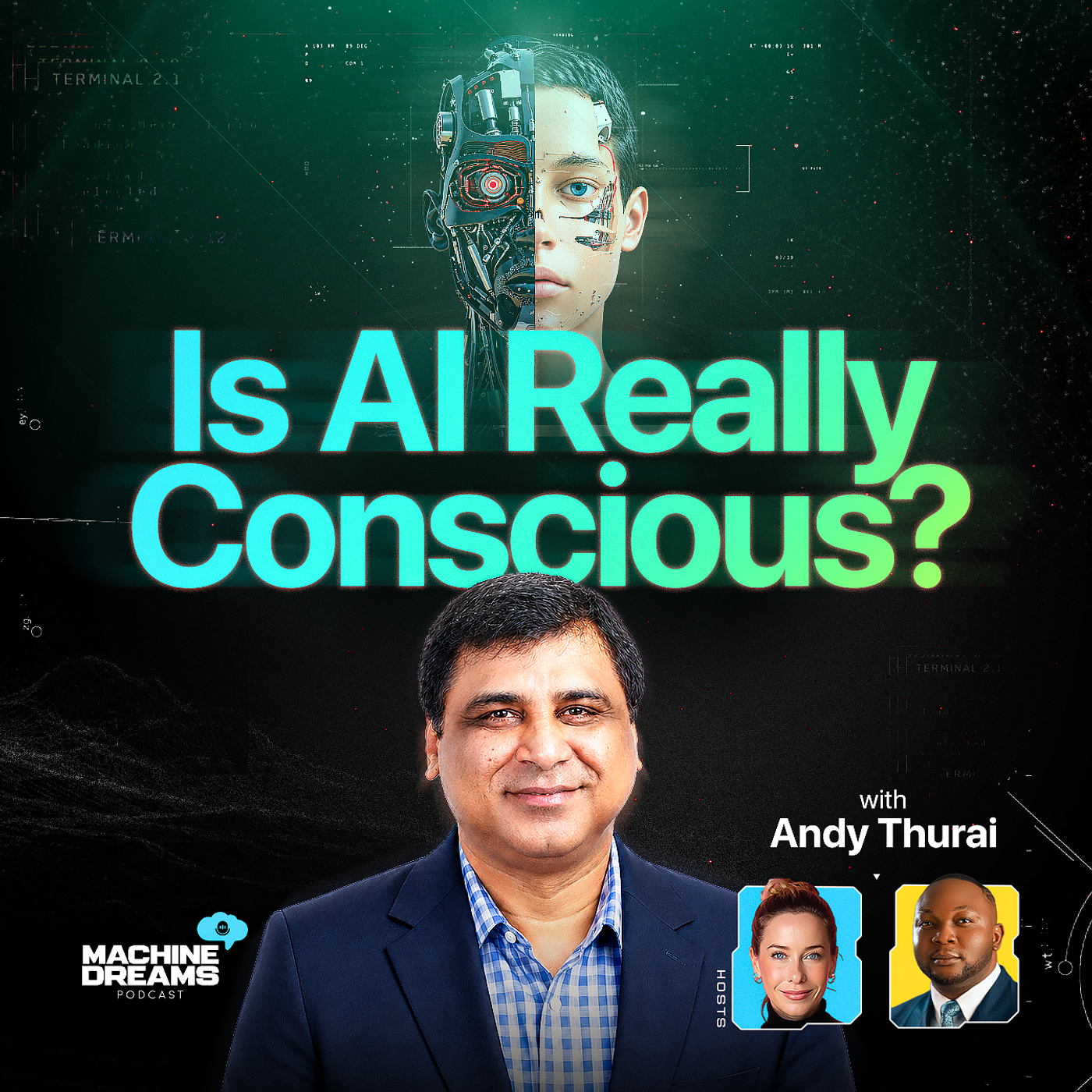
    Is AI really conscious? This week on Machine Dreams, Sam Adebayo and Leah Stern sit down with Andy Thurai, founder and principal analyst at The Field CTO https://thefieldcto.com/ an independent technology advisory firm helping executives turn complex technology into clear business strategy. Andy brings more than 25 years of enterprise technology experience, with senior roles at IBM, Intel, and Oracle, and now advises business and technology leaders on AI, observability, and modernization. Andy's answer to the consciousness question is careful and grounded. Machines today have simulated awareness, not self-awareness. His sharpest illustration: throw hot water on a dog and it reacts immediately because it feels pain. Throw hot water on a robot and it only reacts if someone trained it to. That gap is the difference between real consciousness and simulation, and it is also where AI fails, when unknown unknowns arrive. He then offers his most provocative claim: the rush to prove AI is conscious may not be about philosophy at all. If a model can be shown to act on its own, its creators can step back from liability when it causes harm. He also draws a firm line on ethics. When an AI refuses an unethical prompt, it is not consulting a conscience. It is calculating which answer yields a higher reward. It is, in his words, an advanced calculator doing statistical ethics. He closes with practical advice for enterprise leaders. Work backwards from the problem instead of choosing a model and hunting for uses. Treat the LLM as a reasoning engine, and put safety, compliance, and guardrails outside the model in a deterministic control plane. Do not ask a probabilistic system to police itself, because it is architecturally impossible. His summary line: don't trust, always verify. If you are trying to separate the real AI risks from the noise, this conversation is a grounded place to start.

    • Transcript
  • S2 · E9
    October 14 · 27 min

    Everyone’s Worried AI Will Destroy Us. This Cybersecurity Pioneer Sees a Different Problem

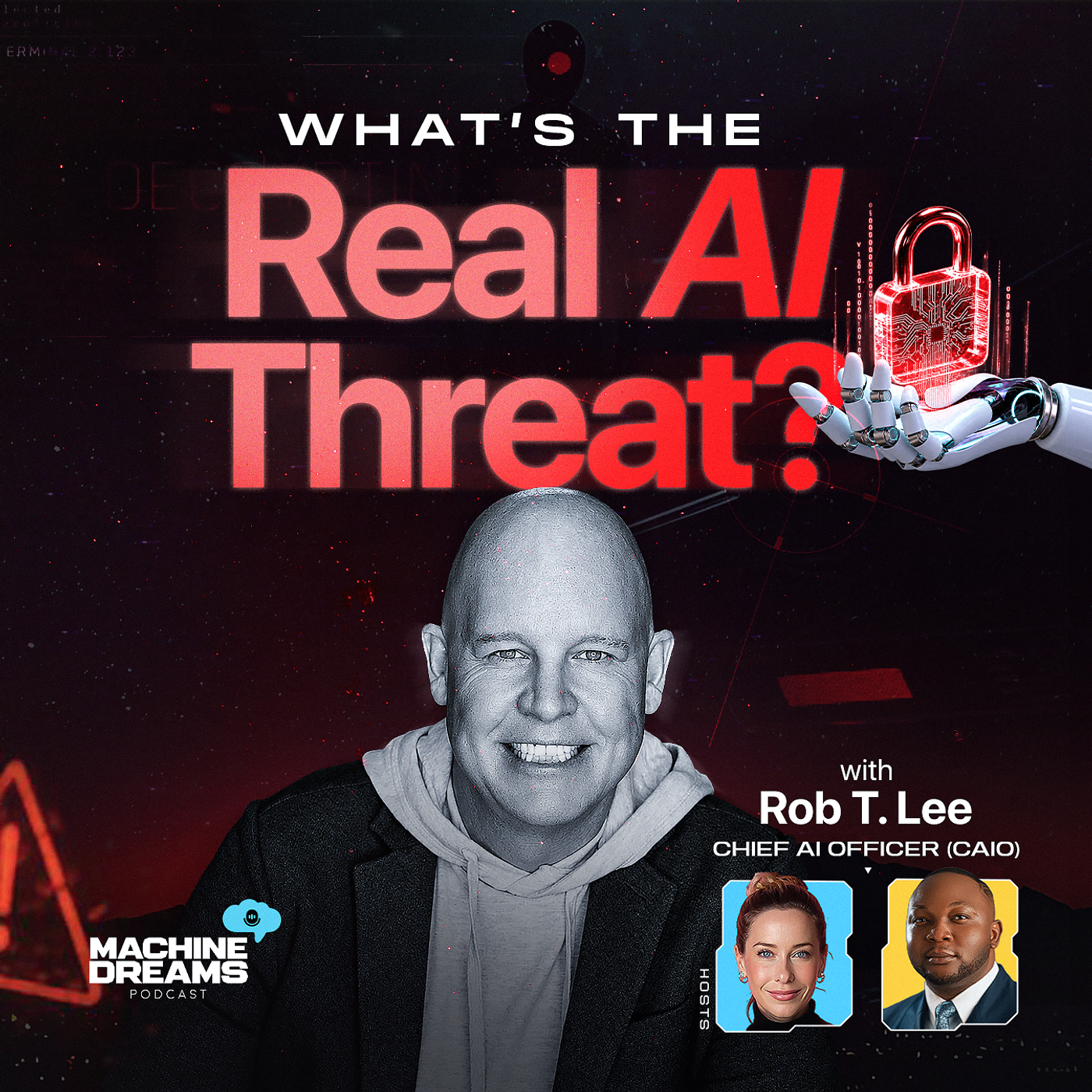
    Everyone is worried AI will destroy us. This week on Machine Dreams, Sam Adebayo and Leah Stern sit down with Rob T. Lee, Chief AI Officer and Chief of Research at the SANS Institute: https://www.sans.org/. Rob is known as the godfather of digital forensics. He was a founding member of the US military's first information warfare unit, served with the NSA and the CIA, led threat intelligence at Mandiant, created the original SIFT workstation, and has trained more than 100,000 security professionals. Rob places the current panic in historical context. His parents practiced duck-and-cover drills for a nuclear war that never came. But his real argument is more practical: cybersecurity has been containing the worst malware ever written for 25 years, and none of it has escaped. The last real containment failure was the Morris Worm. His claim is that frontier AI labs are missing that know-how at the table, and that if they built containment the way security teams do, we would all be in better shape. He also addresses the learning gap. Setup is getting easier, but the awareness curve is the new problem. People are handing over bank accounts and private data to agents without asking what happens when the agent gets it wrong. He closes with a counterintuitive finding. He has been tracking entry-level AI jobs for six months, and the data shows flat or slightly increased numbers, not decline. The jobs will change, and the new role might be a junior analyst managing five SOC agents, but they are not disappearing. His hope is that AI, built with proper security involvement, makes the digital world safer. His worry is not apocalypse but culture: likeness rights, deepfakes, and schools that ban AI instead of teaching kids to use it well. If you are trying to figure out where the real AI threat actually lives, this conversation is a grounded place to start.

    • Transcript
  • S2 · E8
    October 7 · 20 min

    Should AI Replace Salespeople? Johan Torssell Says We’re Automating the Wrong Part

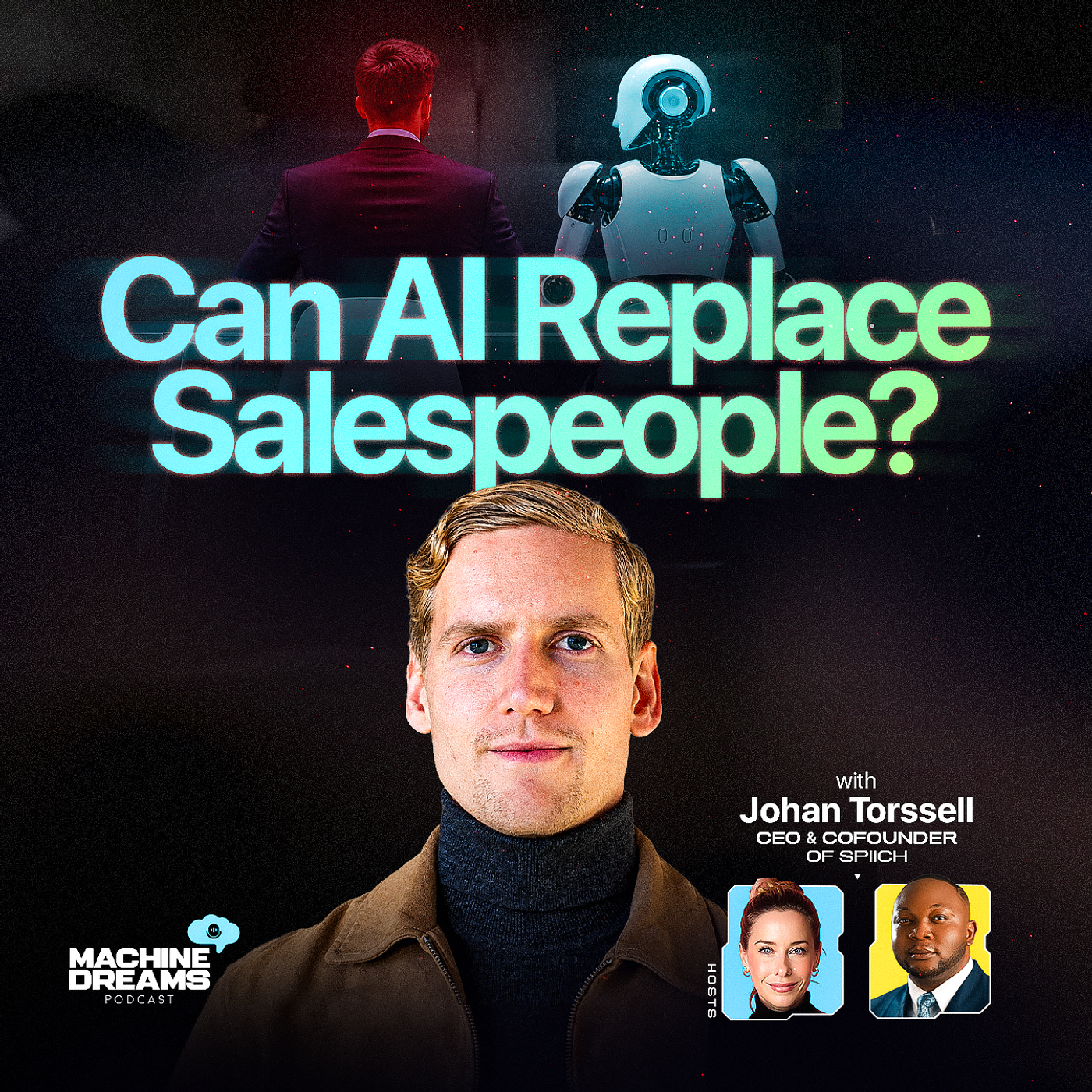
    Salespeople spend most of their week on everything except selling. Research, CRM updates, meeting prep, follow-up emails. Only about a fifth of their time goes to actually talking to customers. This week on Machine Dreams, Sam Adebayo sits down with Johan Torssell, co-founder and CEO of Spiich: https://spiich.ai/ a Stockholm-based company building AI agents for B2B sales teams. Johan founded Spiich in June 2025 with CTO Dennis Hadzialic, and the company is backed by operators and founders from across the AI and enterprise software world, including investors behind Lovable and Neo4j. Before Spiich, he turned down offers from companies like Palantir and Meta because he wanted to build this now. Johan's position is simple and increasingly contrarian. Sales is intrinsically human. People buy from people. An agent can qualify a lead, research a company, draft a follow-up, and keep the CRM current, but it should not press send or close the deal, because that is where trust lives. He points to companies that tried to replace salespeople with AI and had to pull back and hire reps again. He also draws a clear line on autonomy: agents can act freely on anything reversible, but the moment a decision touches a relationship, the human should be in the loop. Looking ahead, he expects two kinds of salespeople to survive: those who build systems and those who build relationships. He also thinks the buyer side is changing, and that in five to ten years, agent-to-agent purchasing will shift sales from relationship and trust toward data. If you are a sales leader trying to figure out where AI actually belongs in your pipeline, or a founder wondering what to automate and what to protect, this conversation is a grounded place to start.

    • Transcript
  • S2 · E7
    September 30 · 23 min

    Cameras Used to Just Record Us. AI Is Changing That

    Cameras used to have one job: record what happened. Now they are starting to make sense of what they see while it happens, and that raises a bigger question. What does it mean for a camera to understand? This week on Machine Dreams, Sam Adebayo sits down with Prof. Ron Kimmel, Chief Scientific Officer at Lumana: https://www.lumana.ai/ and professor of computer science at the Technion. Ron has spent decades in computer vision, image processing, and 3D analysis, and he co-founded InVision, the company Intel acquired to form the foundation of its RealSense line. He is also the founder of the Technion's Geometric Image Processing Lab. Ron makes the case that AI has largely closed the classical open problems in computer vision, and that the remaining bottlenecks are often our own hardware choices. He points out that most cars today, including his Tesla, rely on a single forward-facing camera, when biological evolution settled on two eyes hundreds of millions of years ago. He also holds a firm line on what these systems can and cannot do. Cameras can flag patterns and correlations. They cannot find causality or predict the future, and he thinks we should stop asking them to. He also shares work from computational pathology, where AI reading tumor images has matched what was previously only possible through DNA analysis. The research was published in The Lancet Oncology, and it points to patients potentially avoiding radiation or chemical treatment. If you are a business leader wondering what your existing cameras could already tell you, or a builder trying to understand where machine vision actually stands, this conversation is a grounded place to start.

    • Transcript
  • S2 · E6
    September 23 · 21 min

    Your Employees Are Telling AI Your Company’s Secrets. This CEO Says It's Time to Bring AI In-House

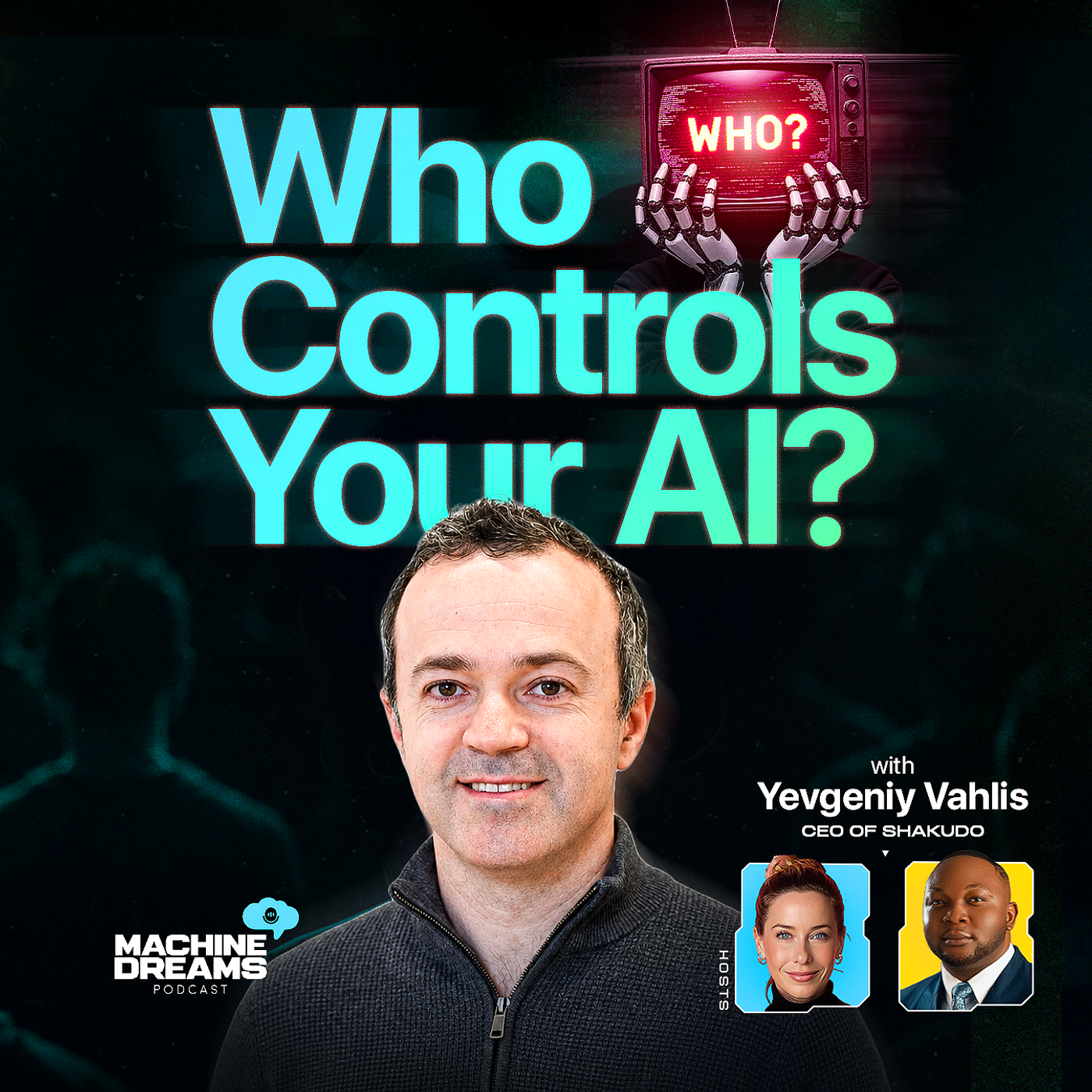
    Why do so many enterprise AI projects get built and then quietly abandoned? That's the question at the heart of this conversation with Yevgeniy Vahlis, co-founder and CEO of Shakudo: https://www.shakudo.io/. Before founding the company in 2021, Yevgeniy built and led central AI teams at BMO and Borealis AI, and advised later-stage startups at Georgian. Everywhere he went, he saw the same pattern. Innovation labs produce impressive work that never reaches production. The experiments get shelved and the effort disappears. Shakudo exists to fix that, giving enterprises an end-to-end environment where a project goes from first idea to full deployment without ever leaving their own infrastructure. Their customers include Loblaw, Canada's largest retailer, plus organizations in finance, healthcare, defense, and energy. In this episode, Yevgeniy offers a working definition of sovereign AI: the people making the decisions should have full control over the AI their organization uses. He explains why that matters more than it first appears. Data used to be backward-looking. Now it sits underneath the actual decision-making of the business, and employees at every level are sending their hardest strategic questions to third-party models. Internal snapshots of a company's risks, opportunities, and competitive position are leaving the building through ordinary daily use. Yevgeniy covers what bringing AI in-house actually requires, the guardrails that still have to be in place, and the geopolitical angle most teams haven't thought about yet. He closes with a look five years ahead: AI running a large share of internal business processes, not replacing people but changing their jobs and raising the scale of what a team can do.

    • Transcript
  • S2 · E5
    September 16 · 19 min

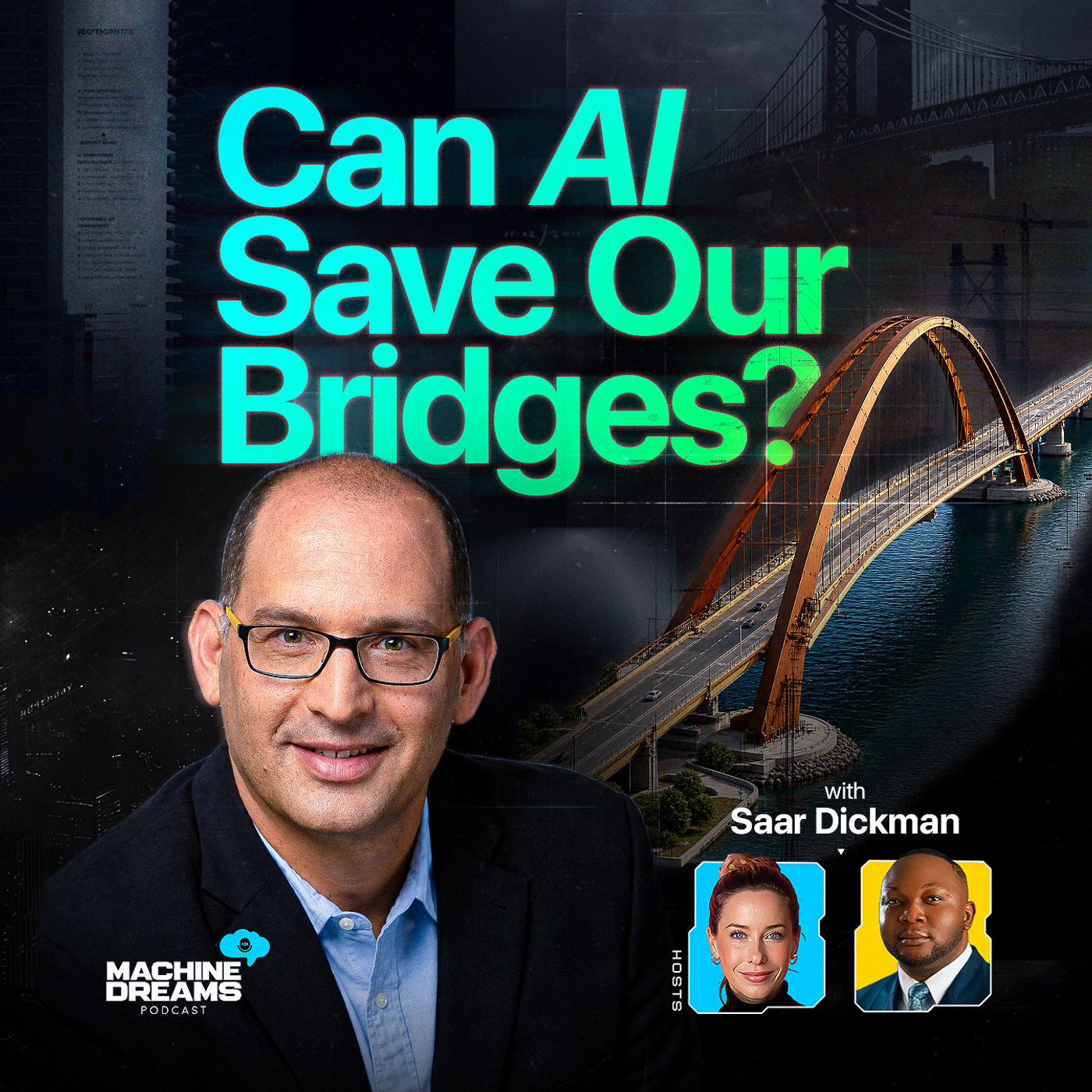
    AI Is Learning to Predict Which Bridges Need Fixing Before It’s Too Late

    Bridges, roads and tunnels can last for generations, and engineers have spent decades photographing, inspecting and documenting how they change. In this episode of Machine Dreams, we sit down with Saar Dickman, CEO of Dynamic Infrastructure, to explore how AI can bring that history together, measure damage from photographs, and help engineers understand how critical infrastructure is deteriorating over time. Saar explains what AI can see in years of infrastructure data, how it could help engineers decide where repairs and funding are needed most, and why the technology could allow one person to oversee thousands of structures in the future. We also get into the bigger question of what happens when an experienced engineer and an AI disagree, and why Saar believes humans should ultimately remain behind the wheel. Learn more about Dynamic Infrastructure⁠ here: https://diglobal.tech/

    • Transcript
  • S2 · E4
    September 9 · 23 min

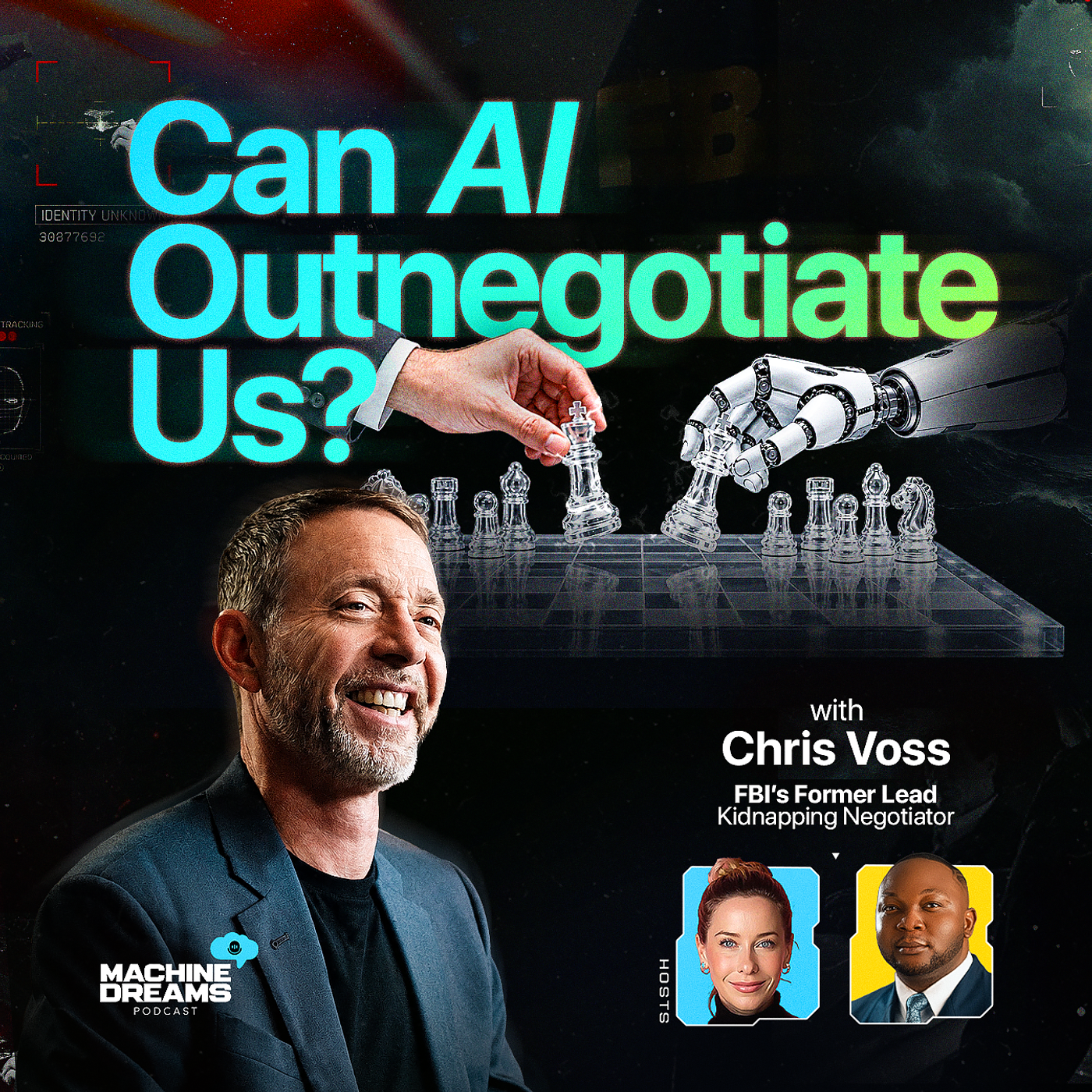
    FBI’s Former Lead Kidnapping Negotiator Chris Voss on AI, Negotiation, and the Human Advantage

    Chris Voss spent 24 years with the FBI and became its lead international kidnapping negotiator. Today, he is the bestselling author of Never Split the Difference and founder and CEO of The Black Swan Group. In this episode of Machine Dreams, we sit down with Chris to explore what happens when AI comes to the negotiating table. Can machines learn tactical empathy? Could AI eventually negotiate better than humans? And what advantages do people still have that machines may never be able to replicate? Chris explains why AI could become a powerful negotiation tool, why machines have an advantage when humans are tired or emotional, and why he still believes a human being at their best is unbeatable. We also discuss AI negotiating against AI, what he would teach a machine if he were training it to become a world-class negotiator, and how anyone can start using AI to prepare for real negotiations today. Here is why you should listen to Chris; Chris Voss is a former FBI lead kidnapping negotiator, bestselling author of Never Split The Difference, and founder and CEO of The Black Swan Group; a negotiation, training, coaching, and consulting organization that teaches people how to achieve better outcomes in high-stakes conversations. Recognized globally as a leading authority on negotiation, Chris developed his approach through decades of experience in crisis negotiation. Today, he and The Black Swan Group apply those principles to business, sales, leadership, difficult conversations, and high-stakes communication through The Black Swan Method® and Tactical Empathy®. Never Split The Difference has introduced millions of readers around the world to Chris's negotiation methodology. Through The Black Swan Group, Chris and his team help people go beyond understanding the concepts in the book and develop negotiation as a practical, repeatable performance skill through training, coaching, practice, and live experiences. The Black Swan Group offers in-person negotiation training, live and self-paced online negotiation training, coaching, keynote speaking, and advanced negotiation experiences for business owners, leaders, sales professionals, and other professionals who want to become more effective dealmakers. Learn from Chris Voss and The Black Swan Group: Negotiation training and resources: https://www.blackswanltd.com/?utm_source=youtube&utm_medium=social&utm_campaign=machinedreamspodcast In-person and live training: https://www.blackswanltd.com/live-events?utm_source=youtube&utm_medium=social&utm_campaign=machinedreamspodcast Online negotiation training: https://www.blackswanltd.com/online-negotiation-classes?utm_source=youtube&utm=social&utm_campaign=machinedreamspodcast

    • Transcript
  • S2 · E3
    September 2 · 21 min

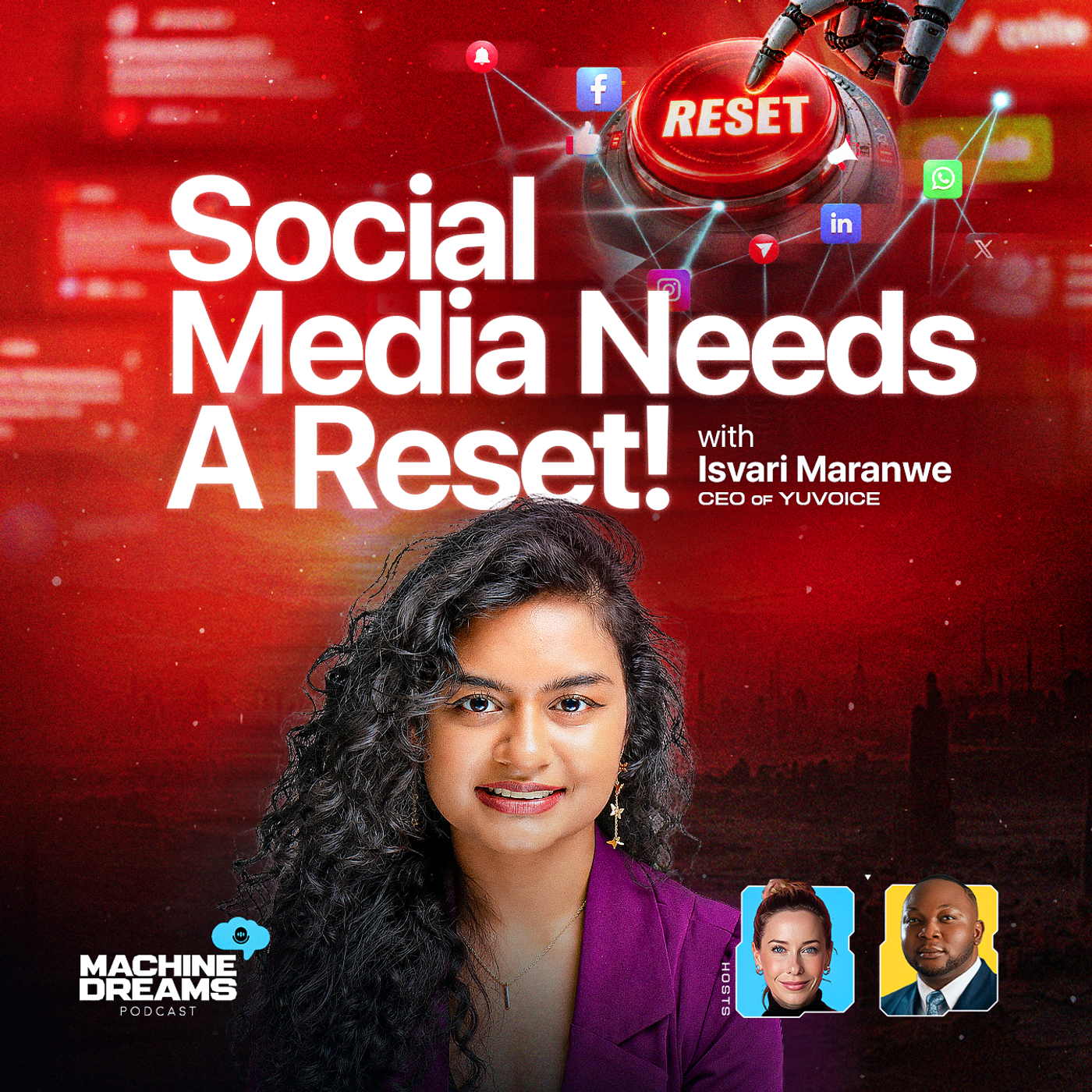
    Can We Build a Better Internet in the Age of AI?

    AI is becoming more powerful, but there is still a lot we don’t fully understand about how these systems work. In this episode of Machine Dreams, we sit down with Isvari Maranwe, founder and CEO of Yuvoice, to talk about AI as a “black box,” why humans still need to stay involved as the technology becomes more capable, and where companies may be moving too quickly. We also explore a different question: can we build a better internet in the age of AI? Isvari explains why she believes social media needs a reset and how Yuvoice is trying to build a humans-first platform that rewards real-world impact rather than simply attention, while using AI where it can genuinely help. Learn more about Yuvoice(https://yuvoice.com).

    • Transcript
  • S2 · E2
    August 26 · 21 min

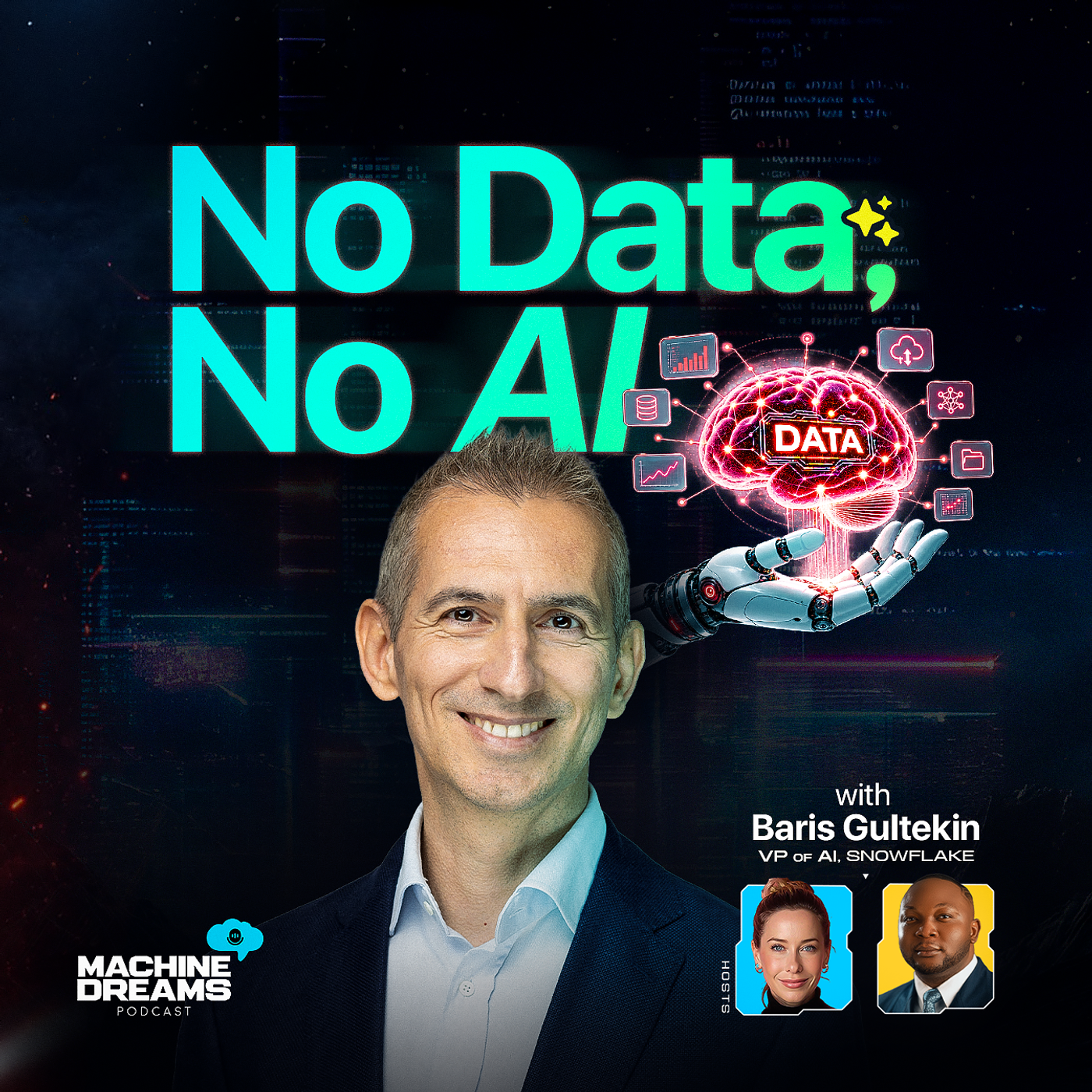
    Snowflake’s VP of AI on the Cost, Data, and Future of AI

    AI feels instant. Ask a question, get an answer. But behind every answer is data, computing power, a choice of models, and a real cost. In this episode of Machine Dreams, Snowflake VP of AI Baris Gultekin joins Sam Adebayo and Leah Stern to unpack what it actually takes to make AI work at scale, why there is no AI strategy without a data strategy, and why the biggest model isn’t always the best one. Baris has worked on AI since his early days at Google, long before the current boom. We talk about how far the technology has come, where it still falls short, and what happens next as AI becomes capable of working on increasingly complex tasks on its own.

    • Transcript
  • S2 · E1
    August 20 · 21 min

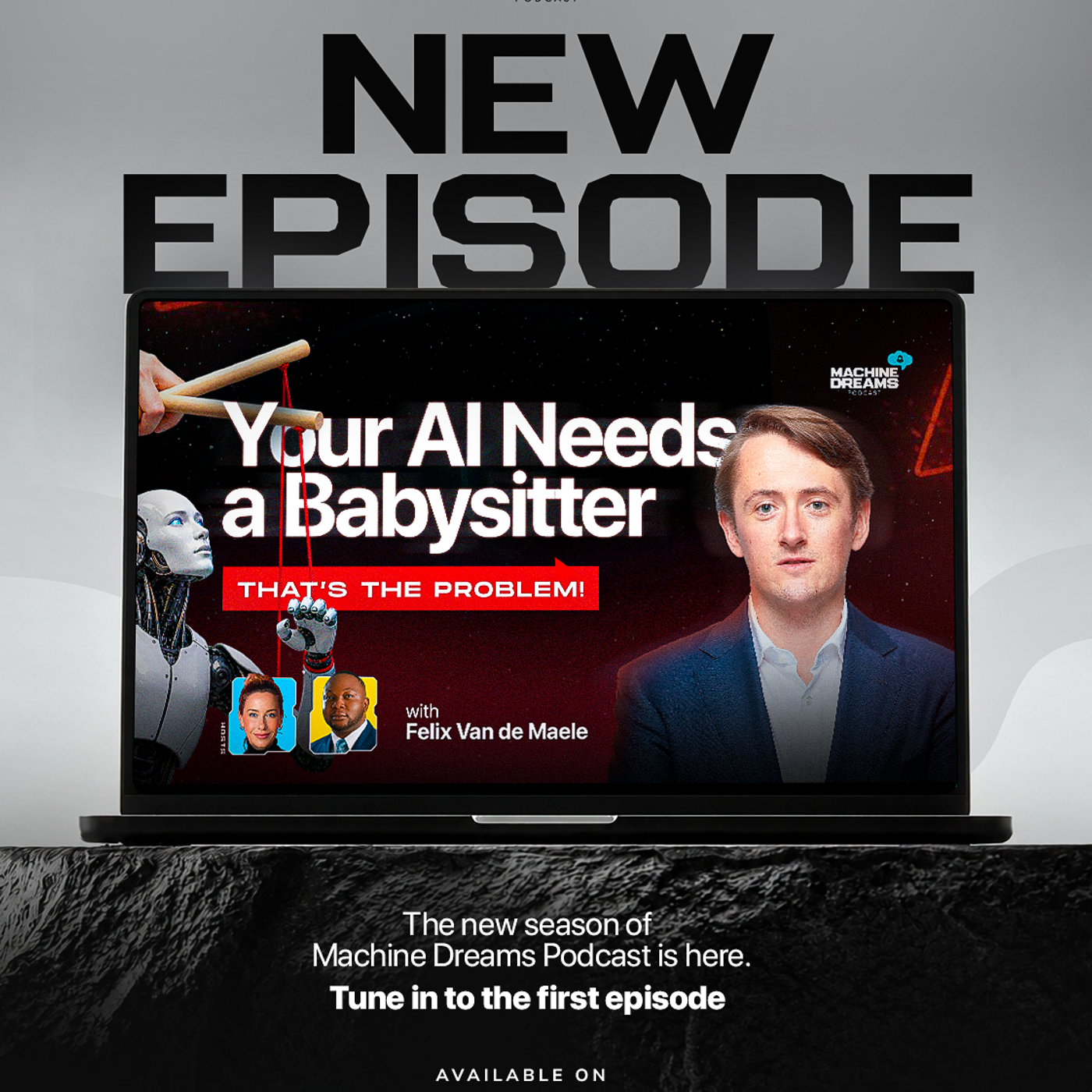
    The Hidden Cost of AI Nobody Is Talking About | Collibra CEO Felix Van de Maele

    AI is getting smarter. But inside real companies, intelligence alone isn't enough. If employees still have to double-check every response, correct mistakes and babysit AI agents, how much productivity are we actually gaining? In this episode of Machine Dreams, we sit down with Felix Van de Maele, co-founder and CEO of Collibra, to unpack what he calls the “hallucination tax.” We explore why even the best AI models struggle without the right company data and context, why businesses may be working more despite adopting AI, and what it will take for enterprises to finally trust AI to make decisions and take action at scale.

    • Transcript
  • S1 · E23
    June 4 · 25 min

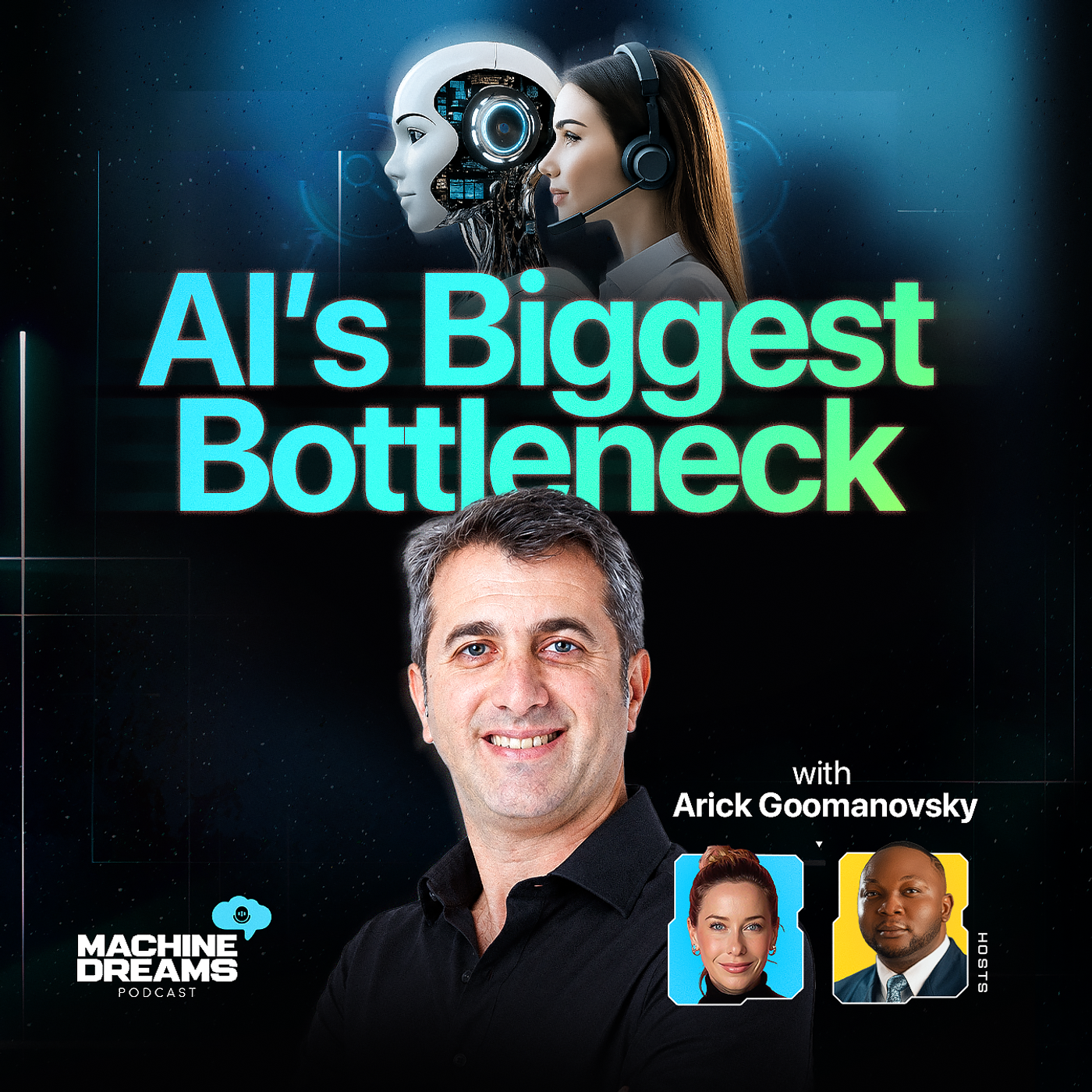
    AI Agents Are About To Flood The Internet. There’s Just One Problem

    Gartner predicts that more than 40% of agentic AI projects will be canceled by the end of 2027 due to escalating costs, unclear business value, and inadequate risk controls. Enterprises are building fast and failing fast. The problem isn't the models or the ambition. It's that agents can't actually talk to each other. Most companies are deploying single agents in silos when the real future requires hundreds of them working together, delegating tasks, sharing credentials, and holding context across conversations. The infrastructure for that doesn't exist yet. Arick Goomanovsky is co-founder and CEO of BAND (https://www.band.ai) and has built two cybersecurity companies that exited for a combined $550 million. Sygnia was acquired by Temasek for $250 million. Ermetic was acquired by Tenable for around $300 million. Now he's tackling what he believes is the next defining infrastructure challenge in AI: building the harness that lets agents discover each other, communicate bidirectionally, and collaborate across the enterprise and the open internet. Arick explains why single-agent architectures don't scale, why identity and trust between agents is harder than most people realize, and what a functioning internet of agents will look like inside the enterprise five years from now.

    • Transcript
  • June 4 · 1 min

    Machine Dreams - Episode 23 Trailer

    What happens when your company doesn't hire one AI agent... but a thousand? In this episode of Machine Dreams, BAND CEO Arick Goomanovsky explains why the future of enterprise AI isn't about bigger models, it's about getting thousands of AI agents to discover each other, trust each other, and work together. From personal AI assistants and digital coworkers to the rise of an "Internet of Agents," this conversation explores one of the most important infrastructure challenges shaping the next era of AI. Live today on YouTube, Spotify, and Apple Podcasts. 7pm GMT+1. 7pm UK. 1pm EST.

    • Transcript
  • S1 · E22
    May 29 · 21 min

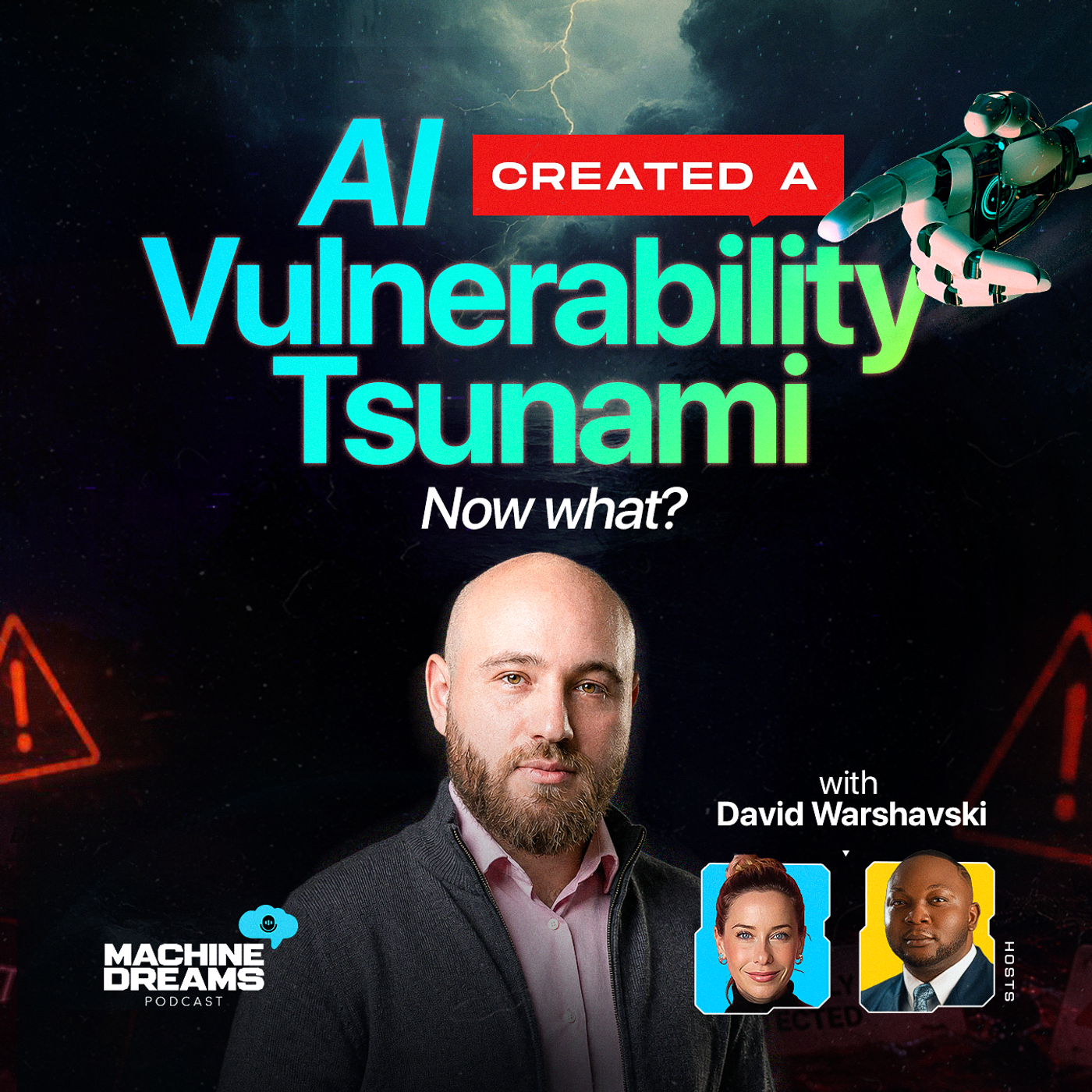
    AI Is Finding Vulnerabilities Faster Than Humans Can Fix Them

    The cybersecurity industry has spent decades getting better at finding vulnerabilities. Better scanners, better scoring systems, better detection. And yet breaches keep happening. The problem isn't discovery anymore. It's that security teams are drowning in critical alerts, most of which turn out to be noise, while the real bottleneck remains: how do you actually fix what matters before attackers exploit it? Now AI models like Mythos are about to flood teams with even more vulnerabilities than they can possibly remediate. David Warshavski is co-founder and CPO of Tonic Security (https://www.tonicsecurity.com) and spent more than 20 years in cybersecurity, leading the red team and enterprise security department at Sygnia. He explains why Mythos is both overhyped and a genuine warning sign, why the goal of security was never to plug every hole but to protect what keeps the business running, and how Tonic's agentic platform finally closes the gap between identifying risk and eliminating it at machine speed. If you work in security or sit on a board trying to understand where the real threat lies, this conversation cuts through the noise.

    • Transcript
  • May 28 · 1 min

    Machine Dreams - Episode 22 Trailer

    AI is about to flood cybersecurity with vulnerabilities, and most companies are nowhere near ready for what comes next. In this episode of Machine Dreams, Tonic Security co-founder and cybersecurity veteran David Warshavski breaks down why Anthropic’s Mythos model is a warning sign for the entire industry, how AI is accelerating both cyberattacks and defense, and why organizations drowning in alerts may soon face a vulnerability tsunami unlike anything we’ve seen before.

    • Transcript
  • S1 · E21
    May 21 · 20 min

    Fortune 500 Companies Are Deploying AI Agents Faster Than They Can Secure Them

    AI agents are being deployed across enterprises faster than security teams can track them. Employees aren't waiting for approval. They're spinning up agents connected to Salesforce, HubSpot, and the most sensitive company data because they've been told to move faster. Most organizations have no visibility into what these agents are doing, what permissions they hold, or where the risk actually lives. This isn't shadow IT. This is shadow AI, and it's already inside your company. Ofer Klein is CEO and co-founder of Reco (https://www.reco.ai/), a company helping Fortune 500 organizations govern AI agent sprawl. Ofer comes from a background as an IDF helicopter pilot and serial entrepreneur who's built and scaled go-to-market teams across the US. Reco works with companies like Waste Management, Nestlé, and major banks to answer one question: how do you enable AI adoption at speed while maintaining visibility and control? Ofer explains what he calls the "oh shit" moment every board is having right now, why Mythos changed the security conversation overnight, and why his company hired 40 people in the last 10 weeks. If you're deploying AI agents, running enterprise security, or trying to figure out how to move fast without getting breached, this matters.

    • Transcript
Showing 1–20 of 41 episodes