Skip to content
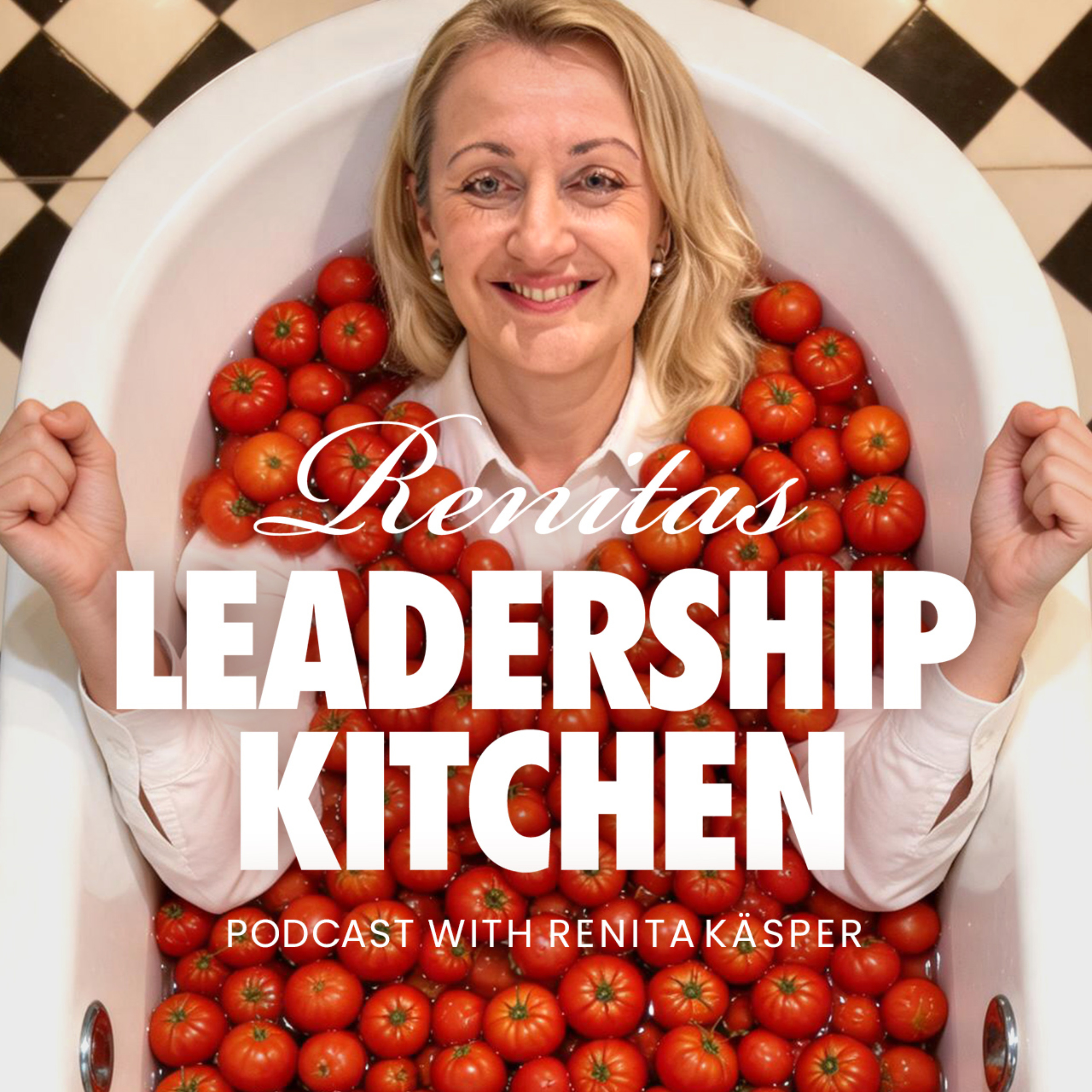
Artwork for Leadership Kitchen
BusinessManagement

Leadership Kitchen

Renita Käsper

Leadership is not built in boardrooms. It's built in kitchens. In the heat, the pressure, and the moments when things don't go according to plan. Leadership Kitchen is where founders, executives, people leaders and builders share the real stories behind leadership, hiring, growth and culture. No corporate filter. No perfect answers. Just honest conversations and practical leadership recipes.

Play
  • 6 episodes
  • monthly
  • Avg 45 min
  • English
  • S1 · E6
    September 24 · 32 min

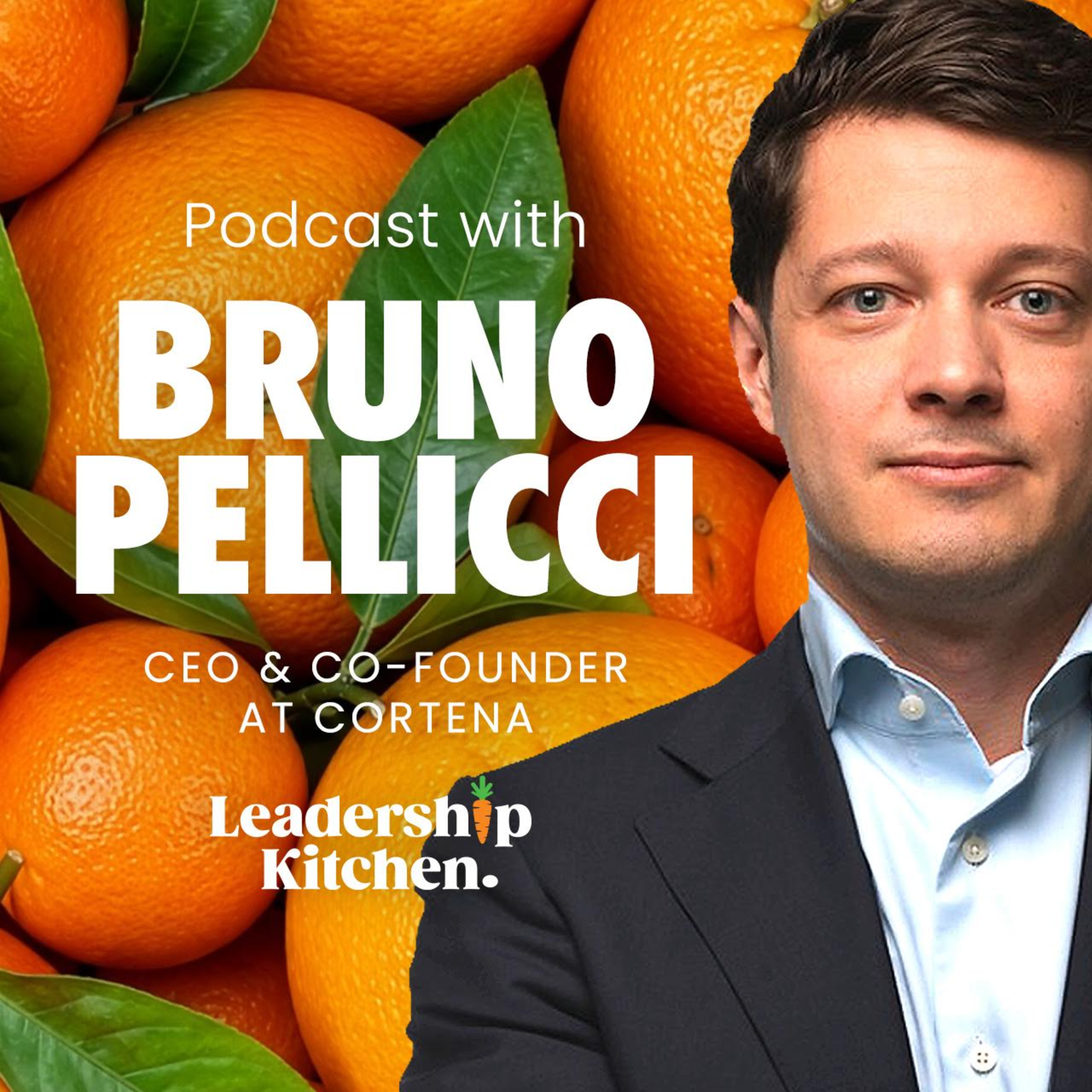
    Is Your Idea Actually Worth Building? Bruno Pellicci on AI, Entrepreneurship and Solving the Right Problem

    In this episode of Leadership Kitchen, I sit down with Bruno Pellicci, CEO and Co-Founder of Cortena, to talk about becoming a founder, building AI for finance, finding the right problem to solve, AI adoption, and the future of finance teams. Bruno started his career in consulting, working at EY and Deloitte before moving through corporate roles and eventually from Brazil to the Netherlands. During COVID, a family situation took him back to Brazil, where he stepped into his family's business and experienced what it was like to run a company himself. That experience exposed him to a problem he would later build a company around: running finance in a small business with limited resources can be incredibly manual and difficult. Today, Bruno and his co-founder are building Cortena, an AI platform designed to automate finance operations. One of Bruno's biggest founder lessons has been that the idea you start with may not be the idea your customers actually need. Together we explore: • How Bruno went from consulting and corporate life to becoming a founder • How running a family business influenced the idea behind Cortena • Why Cortena changed direction after listening to customers • Why founders need to ask: “What problem are we actually solving?” • How to build trust when selling AI in conservative markets like Germany • Why AI adoption is as much about people and change management as technology • How leaders can reduce fear around AI • How finance roles could evolve as AI takes over more manual work • Why future finance teams may become more strategic business partners • When building your own AI solution makes sense — and when it creates another workload • Why getting AI 70–80% of the way can be easier than solving the final complex part And of course, Bruno shares his Leadership Recipe: 🥄 Positivity 🥄 Passion and energy 🥄 Listening to the customer 🥄 Staying focused on the real problem 🥄 Building what creates value, not what follows the hype 🥄 Asking: “Does it solve a problem?” Because building with AI isn't about using AI simply because it's new or exciting. It's about understanding the problem, listening to customers, testing your assumptions, and being willing to change direction. Bruno's advice for leaders beginning their AI journey is simple: Just start. Chapters: 00:00 Introduction to Leadership Kitchen 00:29 Bruno's journey from Brazil to consulting and entrepreneurship 01:10 Moving to the Netherlands 02:39 How Bruno became a founder 04:17 Making the decision to build 05:47 Bruno's carbonara challenge 07:10 What is Cortena? 09:31 Why finance operations are still such a painful problem 09:59 Building AI for conservative markets 11:17 Building trust in the German market 12:43 Becoming a transformation partner 14:12 AI, automation and the fear of losing jobs 16:41 Why accounting talent is so difficult to find 19:25 How leaders can reduce fear around AI 21:39 Mistakes companies make when introducing AI 23:27 Should companies build AI solutions themselves? 24:09 The finance team of the future 26:49 Bruno's biggest founder lesson 28:36 Bruno's Leadership Recipe 30:11 Where should finance leaders start with AI? 31:28 Just start: final reflections The conversation covers entrepreneurship, AI, finance automation, founder journeys, customer discovery, AI adoption, change management, the future of finance, leadership, and why solving the right problem matters more than building the most impressive technology. Connect with Bruno Pellicci: LinkedIn: https://www.linkedin.com/in/brunopellicci/ Connect with Renita Käsper: LinkedIn: https://www.linkedin.com/in/renitakasper/ Follow Leadership Kitchen: LinkedIn: https://www.linkedin.com/company/leadership-kitchen/
  • S1 · E5
    September 8 · 36 min

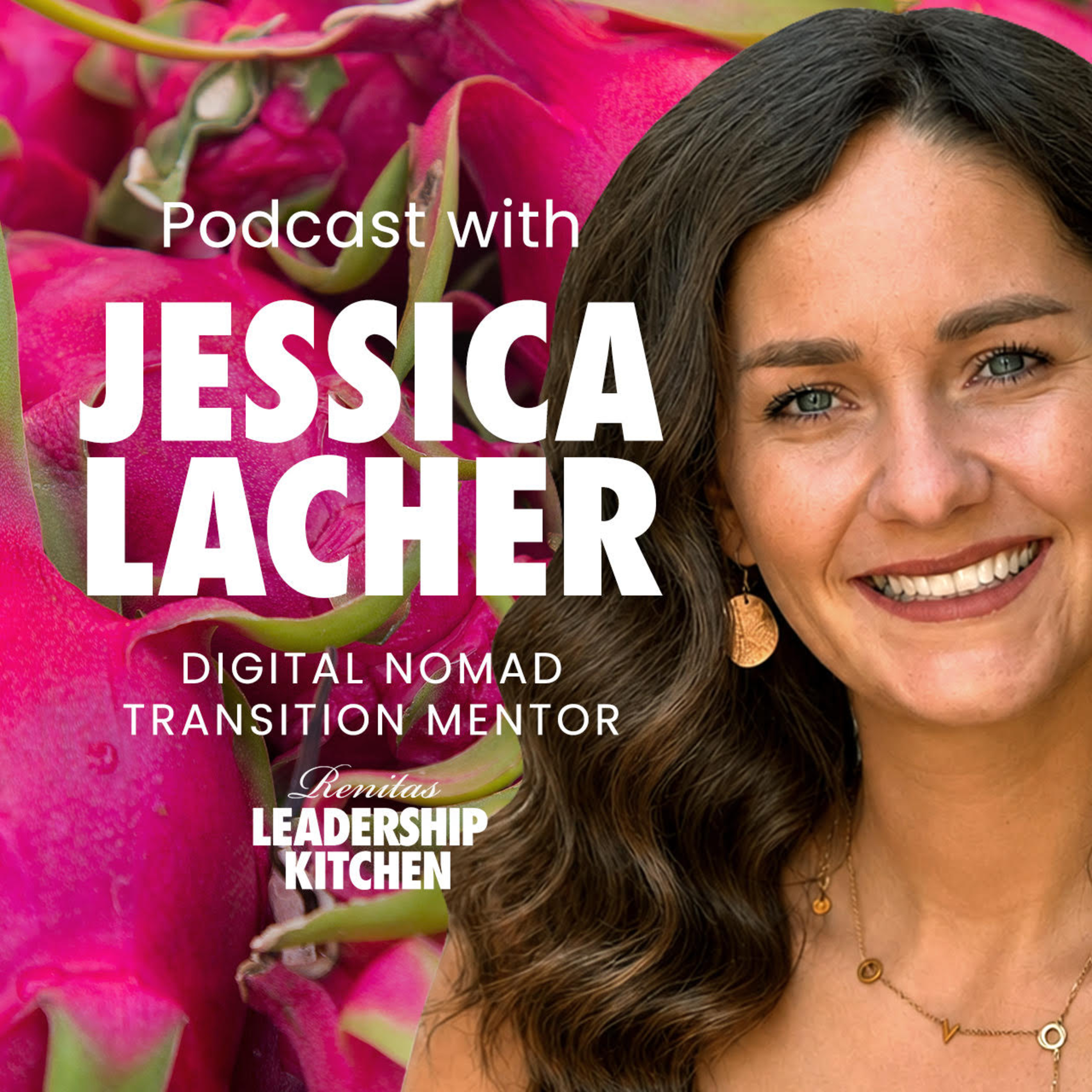
    Can You Lead Yourself? Jessica Lacher on Self-Leadership, Freedom and Finding Your Own Path

    In this episode of Leadership Kitchen, I sit down with Jessica Lacher, Nomad Transition Coach and Mentor, to talk about self-leadership, leaving corporate life, burnout, location freedom, building your own structure, managing your energy, and what it really takes to become your own leader. Jessica started her career in IT project management and consulting, building what looked from the outside like a successful corporate career. But after experiencing burnout in her mid-20s, she began questioning what she actually wanted from her work and life. She eventually left corporate leadership behind, became self-employed, and built a location-independent life that has taken her to more than 60 countries. For Jessica, that transition wasn't only about changing where she worked. It was about learning how to lead herself. Together we explore: • Why burnout became a wake-up call for Jessica and made her question what success really meant to her • How to figure out what you actually want instead of simply following the path society expects from you • Why location freedom isn't quite as glamorous as it looks on Instagram • What happens when there is no boss, no office, and nobody else creating structure or deadlines for you • Why freedom comes with responsibility, discipline, and a lot more decision-making • How to know whether a location-independent lifestyle is actually right for you • Why managing your energy, not only your time, can lead to more sustainable performance • How personal growth and business growth are connected, especially for founders and entrepreneurs • Why self-awareness becomes even more important as you move into leadership • What leaders can learn from doing personal retrospectives, not just business retrospectives • Why knowing yourself may be the foundation of self-leadership and leadership itself And of course, Jessica shares her Leadership Recipe: 🥄 Self-care 🥄 Love for yourself and the people around you 🥄 Personal growth and curiosity 🥄 Openness to different perspectives 🥄 A systemic view of life and leadership 🥄 Agility, flexibility and adaptability Because self-leadership isn't simply about being productive or disciplined. It's about knowing yourself, understanding what matters to you, taking responsibility for your choices, and building a life and way of working that actually fits who you are. Chapters: 00:00 Introduction to Leadership Kitchen 01:37 Burnout, corporate success and the moment everything changed 03:26 How do you figure out what you actually want? 06:50 Getting to know yourself and finding your direction 07:40 Jessica's favorite food and life outside the kitchen 09:57 The reality behind location freedom 12:42 The hidden mental load of a location-independent life 13:32 No boss, no office: creating your own structure 15:18 Is location-independent life actually right for you? 18:24 Routines, adaptability and constantly starting again 20:42 Should we manage our time or our energy? 24:37 Why personal growth and business growth are connected 27:55 Self-awareness and the leadership blind spot 30:17 Seeing the whole person behind the employee 32:11 Why we need personal retrospectives 36:19 Jessica's Leadership Recipe 39:16 What should you know before becoming location independent? 43:13 Final reflections and closing The conversation covers self-leadership, burnout, location-independent work, digital nomad life, self-awareness, energy management, personal growth, leadership, freedom, discipline, adaptability, founder wellbeing, and why leading others may need to start with learning how to lead yourself. Connect with Jessica Lacher: LinkedIn: https://www.linkedin.com/in/jessicalacher/ Connect with Renita Käsper: LinkedIn: https://www.linkedin.com/in/renitakasper/ Follow Leadership Kitchen for more conversations on leadership, AI, hiring, founder journeys, self-leadership, and building teams across cultures and borders: LinkedIn: https://www.linkedin.com/company/leadership-kitchen/
  • S1 · E4
    August 20 · 31 min

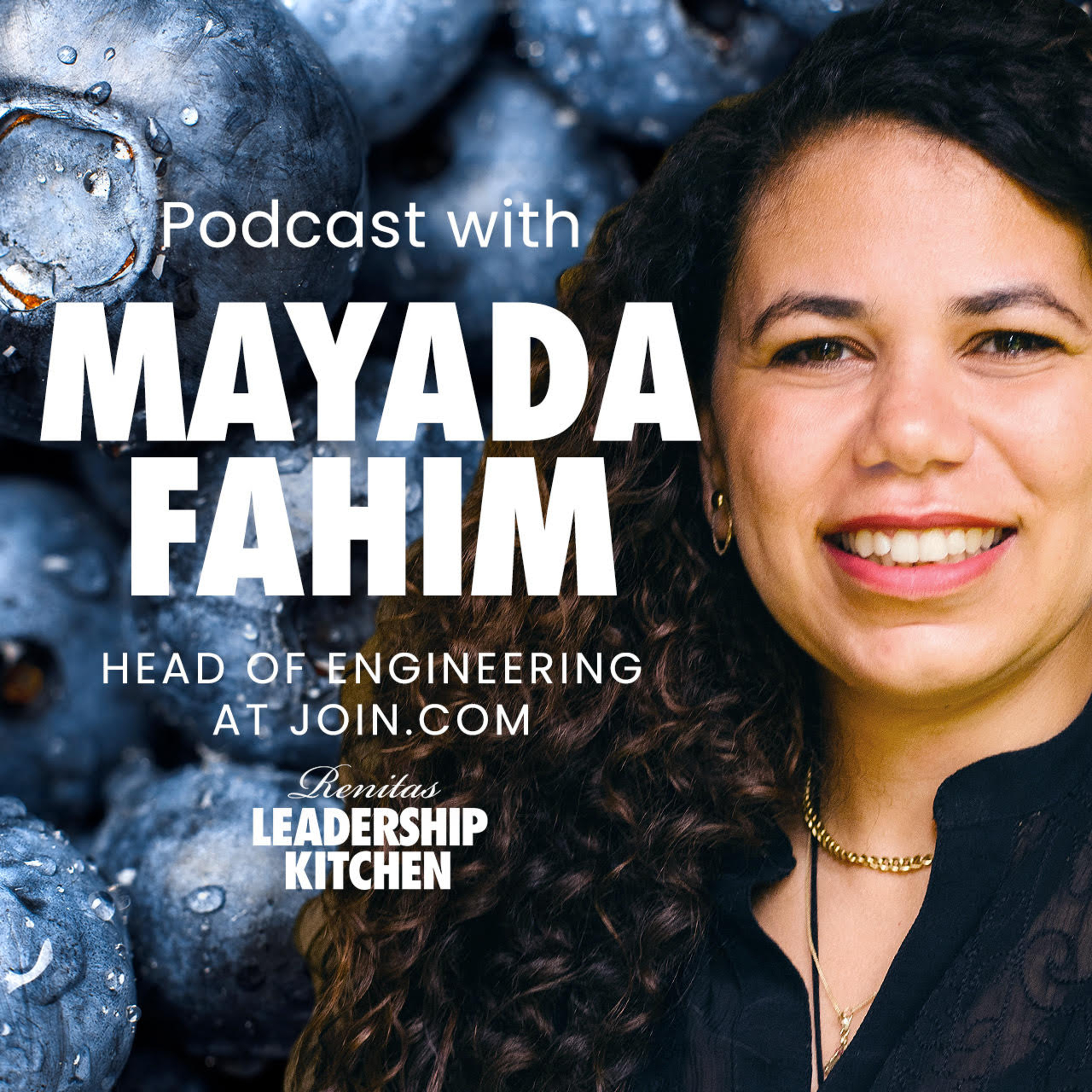
    Mayada Fahim: From Engineer to Head of Engineering, Building Teams, Culture and Leadership

    In this episode of Leadership Kitchen, I sit down with Mayada Fahim, Head of Engineering at JOIN, to talk about her journey from software engineer to leading an engineering organization of around 50 people, building high-performing teams, hiring for culture, women in engineering, and what great engineering leadership really looks like. Mayada grew up in Alexandria, Egypt, and knew from a very young age that she wanted to become an engineer. After starting her career as a software engineer in Egypt, she moved to Berlin looking for a new challenge and an opportunity to learn in a more international environment. Eight years later, she is still at JOIN, having grown from software engineer to Head of Engineering. Together we explore: • Why Mayada left Egypt for Berlin and what she learned from starting over in a new country • How she went from software engineer to Head of Engineering by taking initiative and solving problems beyond her role • Why great teams start with hiring for culture and mindset, not just technical skills • The surprising reality of becoming a manager and why leadership results can take months to show • Why engineering leaders need to stay hands-on, especially in the age of AI • Women in engineering, imposter syndrome, and the problem with being treated as a diversity token • Why new managers shouldn't rush to change everything in their first 90 days • How great leaders build trust, stay close to their teams, and create a culture where people want to perform And of course, Mayada shares her Leadership Recipe: 🥄 Stay close to your team 🥄 Stay hands-on and understand what your people are experiencing 🥄 Build the environment and tools that enable people to deliver Because leadership isn't about changing everything the moment you become a manager. It's about understanding your people, earning their trust, creating the right culture, and giving them the environment to do their best work. Chapters: 00:00 Introduction to Leadership Kitchen 00:40 From Alexandria to engineering and moving to Berlin 02:28 Finding an engineering role in a new country 03:48 Why Mayada chose JOIN 05:15 Becoming an engineer and the influence of childhood 06:38 How we can encourage more women into engineering 07:30 Mayada's favorite food and Egyptian cooking 09:07 From software engineer to engineering leader 10:40 Building a new team and hiring different profiles 12:50 Taking initiative and earning your leadership role 14:12 The surprising reality of becoming a manager 16:00 Why great teams start with hiring 18:09 Do engineering managers still need to be technical? 19:27 How AI is changing engineering leadership 20:25 Supporting women in engineering 22:13 Imposter syndrome and proving yourself 24:58 Advice for new engineering managers: the first 90 days 28:10 What makes a great engineering leader? 29:46 Mayada's Leadership Recipe 30:37 Final reflections and closing The conversation covers engineering leadership, career growth, hiring, culture, AI, women in tech, imposter syndrome, change management, and why great leaders stay close enough to their teams to understand what is really happening. Connect with Mayada Fahim: LinkedIn: https://www.linkedin.com/in/mayada-fahim/ Connect with Renita Käsper: LinkedIn: https://www.linkedin.com/in/renitakasper/ Follow Leadership Kitchen for more conversations on leadership, AI, hiring, founder journeys, and building teams across cultures and borders: LinkedIn: https://www.linkedin.com/company/leadership-kitchen/
  • S1 · E3
    July 27 · 50 min

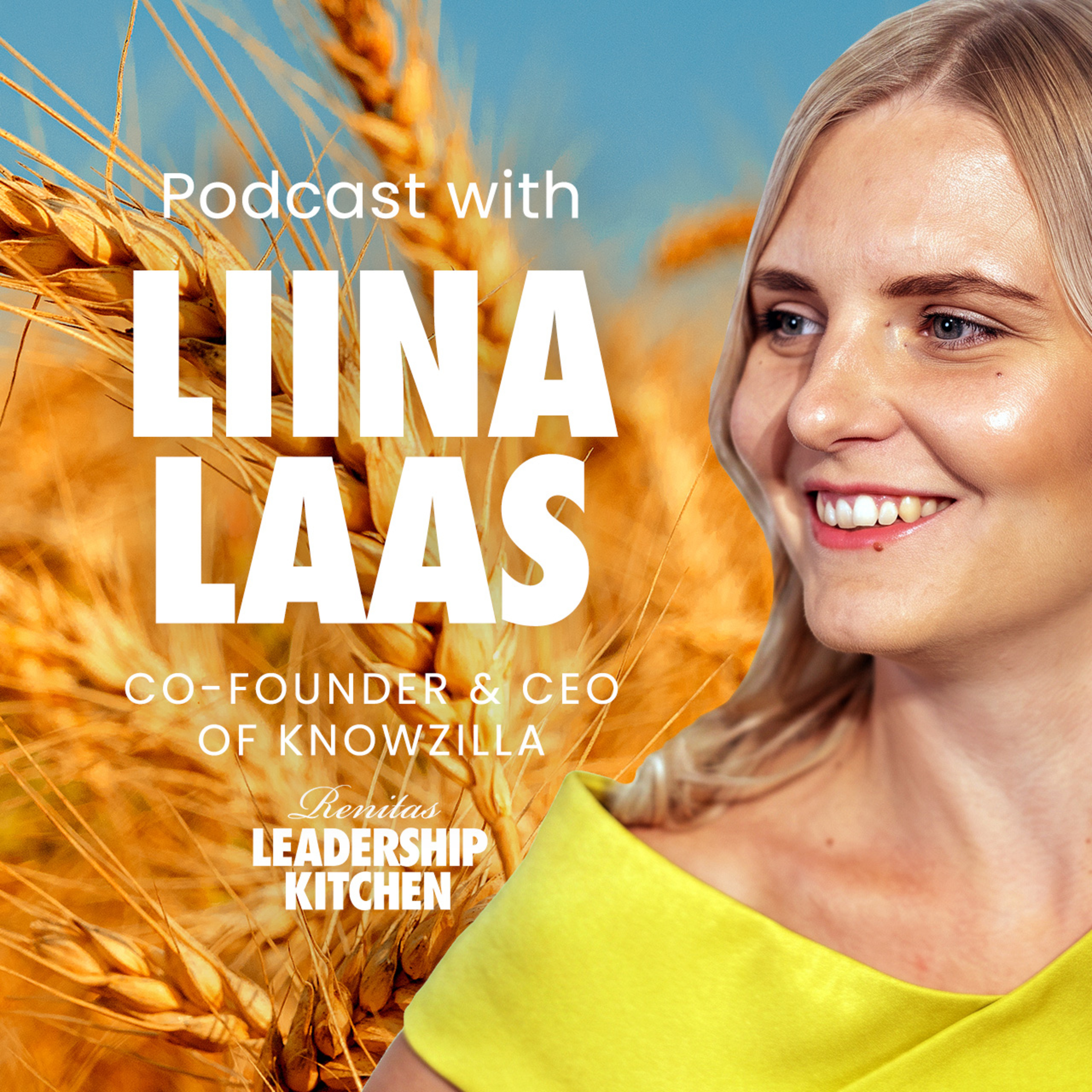
    Liina Laas on Building Knowzilla, AI Sales and Why Startups Don't Have to Hurt

    In this episode of Leadership Kitchen, I sit down with Liina Laas, co-founder and CEO of Knowzilla, to talk about building an AI startup, scaling sales teams, fundraising, and what leadership really looks like when you're building a company from scratch. Liina has spent her career helping startups grow, from early-stage ventures to scaling Deel from around 100 employees to more than 7,000 globally. Today she's building Knowzilla, an AI-powered revenue intelligence platform that helps sales teams learn faster, perform better, and turn knowledge into results. Together we explore: • Why Liina left one of Europe's fastest-growing companies to build her own startup • How Knowzilla was born from a real customer problem• Finding technical co-founders and why networking still beats waiting • Building AI products when even engineers sometimes ask, "Why does it work?" • Why talking to customers should shape every product decision • Raising venture capital and the fundraising lessons every founder should know • The biggest mistakes startups make when hiring their first salespeople • Why onboarding, culture, and compensation matter more than hiring "rockstars" • Sales myths, commission structures, and why capped bonuses hurt performance • Leadership without ego, understanding people, and building teams that solve problems together • Advice for women founders who are still waiting for the "right moment" to start And of course, Liina shares her Leadership Recipe: 🥄 Trust your people to solve problems 🥄 Stay curious and keep learning 🥄 Ask anyway, because if you don't ask, you already have a no Because leadership isn't about having all the answers. It's about building an environment where great people can find them together. Chapters: 00:00 Introduction to Leadership Kitchen 00:40 Meet Liina Laas and the story behind Knowzilla 02:11 Leadership, predictability and caring less about others' opinions 04:44 Cooking as therapy and founder recipes 07:10 Why Liina left Deel after scaling from 100 to 7,000 employees 09:51 When startups need processes to scale 11:41 What Liina misses about Deel 12:39 Finding technical co-founders and building Knowzilla 15:16 The biggest challenges of building an AI startup 17:51 Communication between founders, product and engineering 18:36 Is startup life really as hard as people say? 22:10 Raising venture capital and learning how much money to ask for 27:10 Hiring great salespeople and common recruitment mistakes 31:05 Enterprise sales versus startup sales 33:08 Red flags when hiring salespeople 35:16 Building motivating sales compensation plans 41:07 Why capped commissions don't work 43:06 Liina's leadership philosophy 44:57 Leadership stereotypes and women in leadership 47:42 Advice for women founders ready to build something new 49:47 Final reflections and closing The conversation covers startup building, AI product development, fundraising, sales leadership, hiring, and why the best founders stay close to their customers while creating cultures where people can do their best work. Connect with Liina Laas: LinkedIn: https://www.linkedin.com/in/liinalaas/ Connect with Renita Käsper: LinkedIn: https://www.linkedin.com/in/renitakasper/ Follow Leadership Kitchen for more conversations on leadership, AI, hiring, founder journeys, and building teams across cultures and borders: LinkedIn: https://www.linkedin.com/company/leadership-kitchen/
  • S1 · E2
    June 28 · 54 min

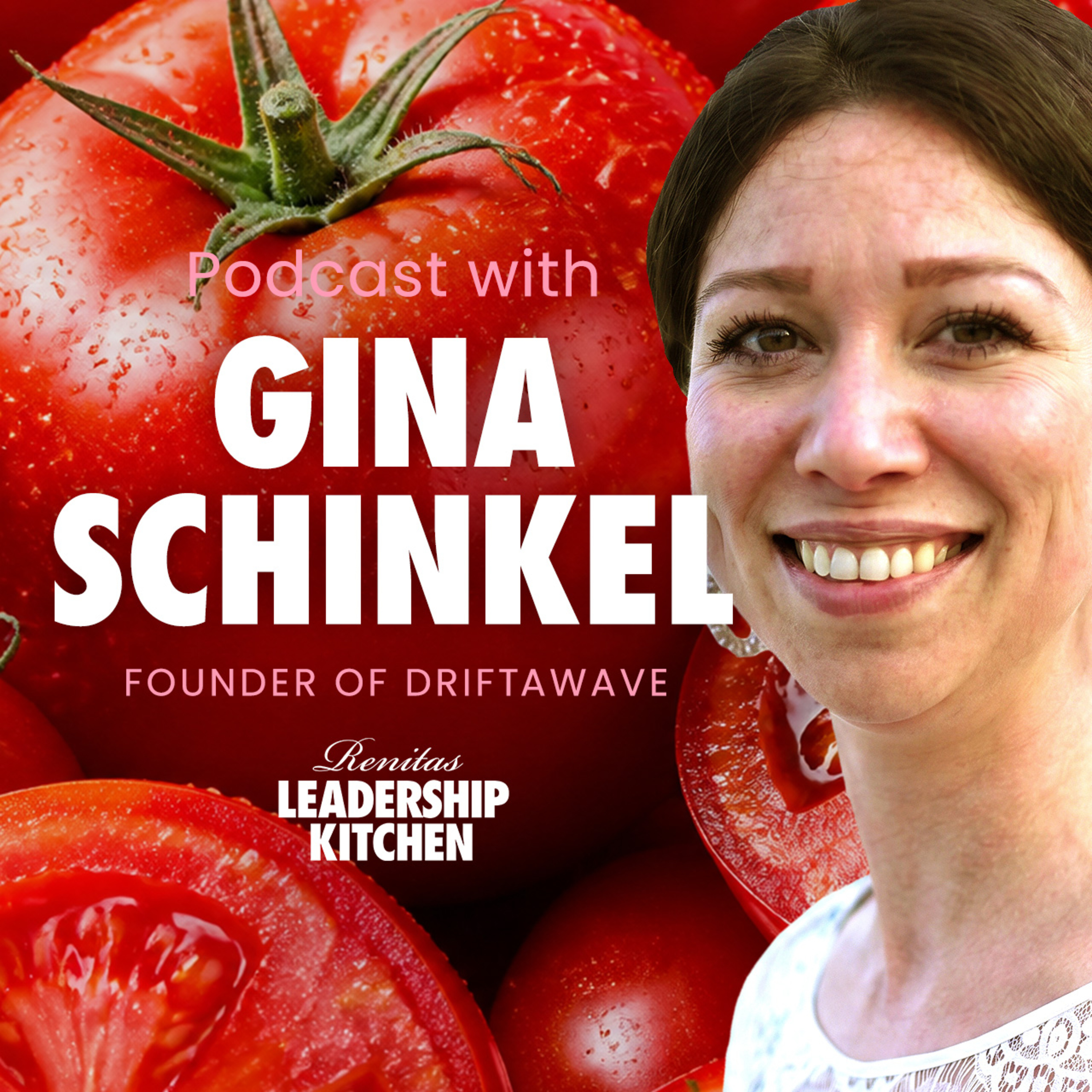
    From LinkedIn to Founder: Gina Schinkel on Building Driftawave, Imposter Syndrome and the Future of Remote Work

    In this episode of Leadership Kitchen, I sit down with Gina Schinkel, founder of Driftawave, startup advisor, speaker, and former LinkedIn Talent Solutions leader, to talk about founder journeys, remote work, and building something before you feel ready. Gina's career path has taken her from hospitality and tourism across the world to tech sales and entrepreneurship. Today she helps distributed teams create meaningful in-person experiences through retreats, workations, and offsites. Together we explore: • What it really feels like to leave a stable corporate job and become a founder • The reality of imposter syndrome and building confidence as you go • Why mentors, communities, and founder networks matter • How to measure the impact of retreats and offsites in remote companies • What remote teams still get wrong about connection and trust • Supporting neurodivergent employees in distributed workplaces • Why building a founder brand can open unexpected doors • The small wins, setbacks, and celebrations that come with building a business And of course, Gina shares her Leadership Recipe: 🥄 Belief 🥄 Energy 🥄 A hack-the-game mentality Because leadership isn't built from perfect recipes. It's built through experimentation, difficult decisions, and learning as you go. Chapters: 00:00 Introduction to Leadership Kitchen 00:16 Meet Gina Schinkel and her unconventional career journey 02:03 Measuring the value of in-person connection in remote work 03:12 The Greek recipe and the power of shared meals 06:44 From Australia to Aruba: building a global life and career 11:09 Leaving LinkedIn to become a founder 14:36 Fear, imposter syndrome and making the jump 18:09 Family doubts and finding support as an entrepreneur 25:36 Why Gina built Driftawave 27:10 How often remote teams should meet in person 28:53 Measuring ROI from retreats and workations 30:14 Offsites as rewards, culture builders and employer branding 33:38 Gina's hardest leadership lesson 35:34 Leadership, AI and managing teams in startups 40:13 The missing ingredient in remote work: trust and respect 42:02 Supporting neurodivergent employees at company retreats 46:27 Advice for women founders struggling with confidence 47:41 When do you finally feel like a founder? 51:39 Gina's Leadership Recipe 54:30 Final reflections and outro The conversation covers Gina's journey from global travel and hospitality to entrepreneurship, the realities of startup life, and the evolving role of human connection in distributed work. Connect with Gina Schinkel: LinkedIn: https://www.linkedin.com/in/ginaschinkel/ Connect with Renita Käsper: LinkedIn: https://www.linkedin.com/in/renitakasper/ Follow Leadership Kitchen for more conversations on leadership, hiring, founder journeys, and building teams across cultures and borders: LinkedIn: https://www.linkedin.com/company/leadership-kitchen/

  • S1 · E1
    June 3 · 1 hr 6 min

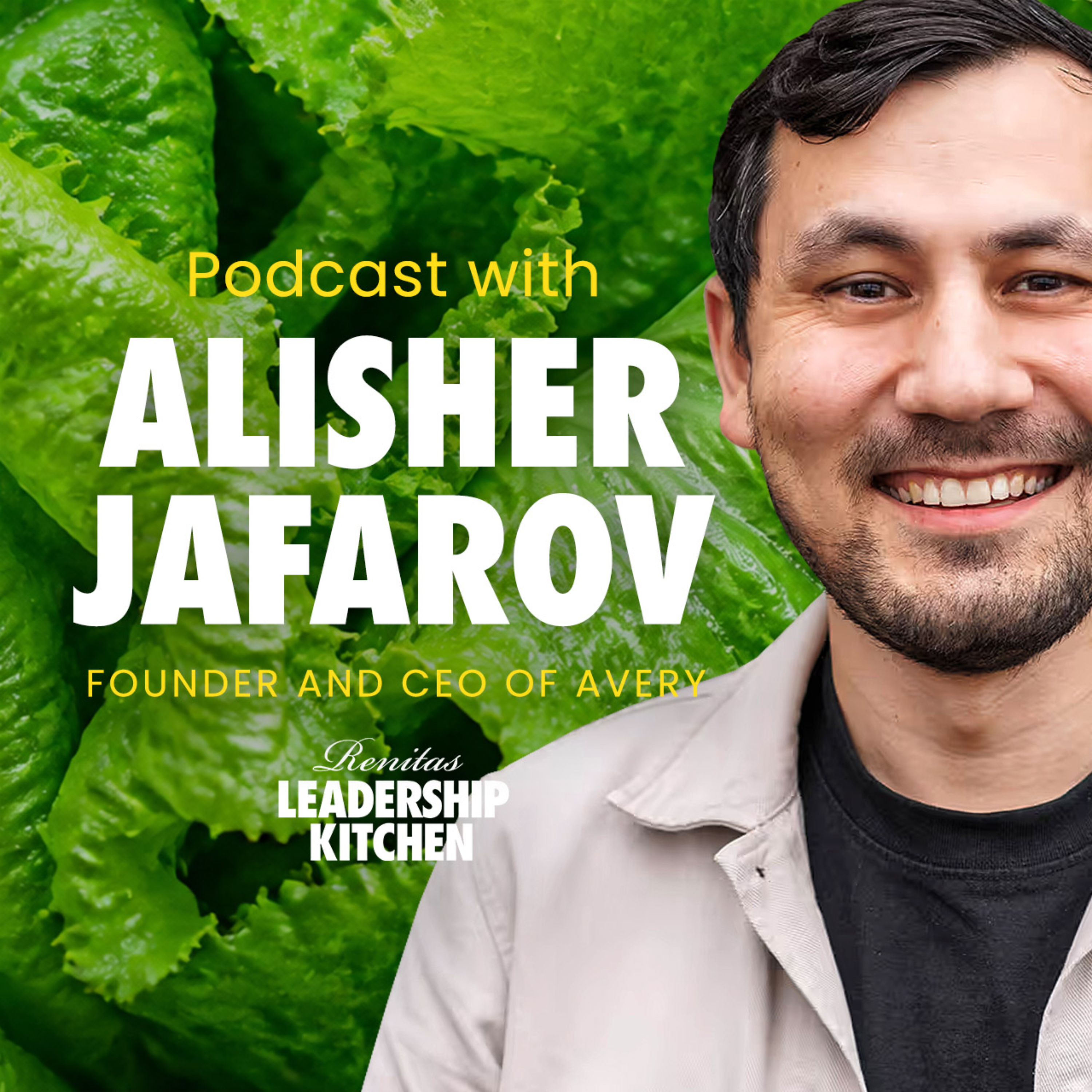
    Everything That Could Go Wrong, Went Wrong — Founder Lessons from Alisher Jafarov

    What happens when your co-founder leaves, your product isn't ready, the money is running out, and you still decide to keep building? In the first episode of Leadership Kitchen, I sit down with Alisher Jafarov, founder and CEO of Avery, to talk about startup reality, hiring, leadership under pressure, trusting your gut, and why honesty might be the most underrated leadership skill. We discuss: Building a startup when everything goes wrong Why hiring managers own hiring success The role of AI in recruitment Founder loneliness and resilience Leadership lessons from the kitchen Leadership isn't built from perfect recipes. It's built through experimentation, difficult decisions, and learning as you go. And don't leave the kitchen too early. At the end of the episode, Alisher shares his Leadership Recipe, the ingredients that have shaped his leadership journey. 🍳

Showing 1–6 of 6 episodes