Skip to content
Artwork for eRadio SA
MusicHealth & FitnessMental HealthTechnology

eRadio SA

Eon Engelbrecht

eRadio is a feel-good digital radio station, broadcasting from the Garden Route, South Africa. www.eradiosa.com

Play
  • 62 episodes
  • Avg 12 min
  • English
Counted on this page — what you have heard stays on this device, so it is not something the list can be paged by.
  • September 4 · 7 min

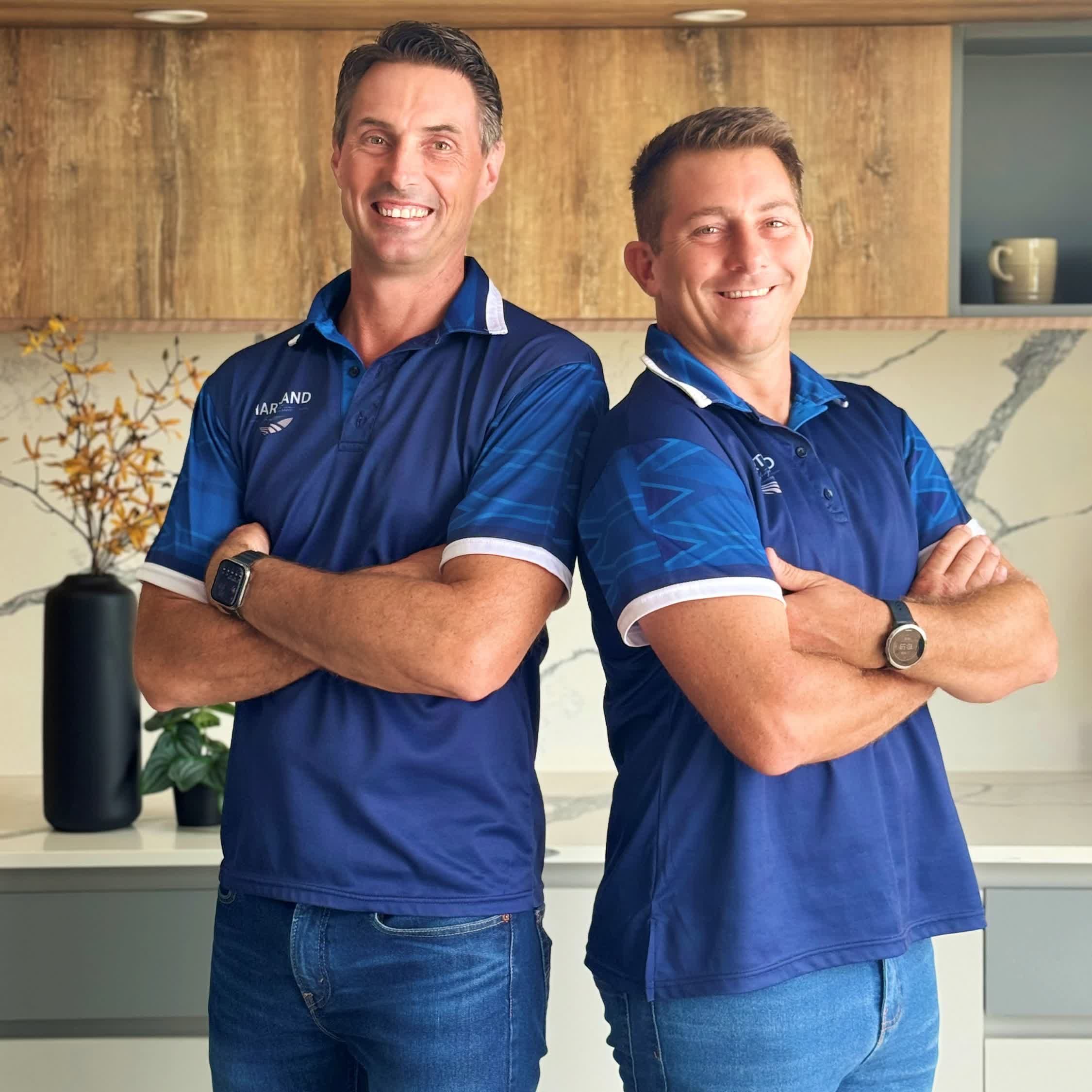
    The Brothers at Hartland - Episode 6 - From Erf to Dream Home

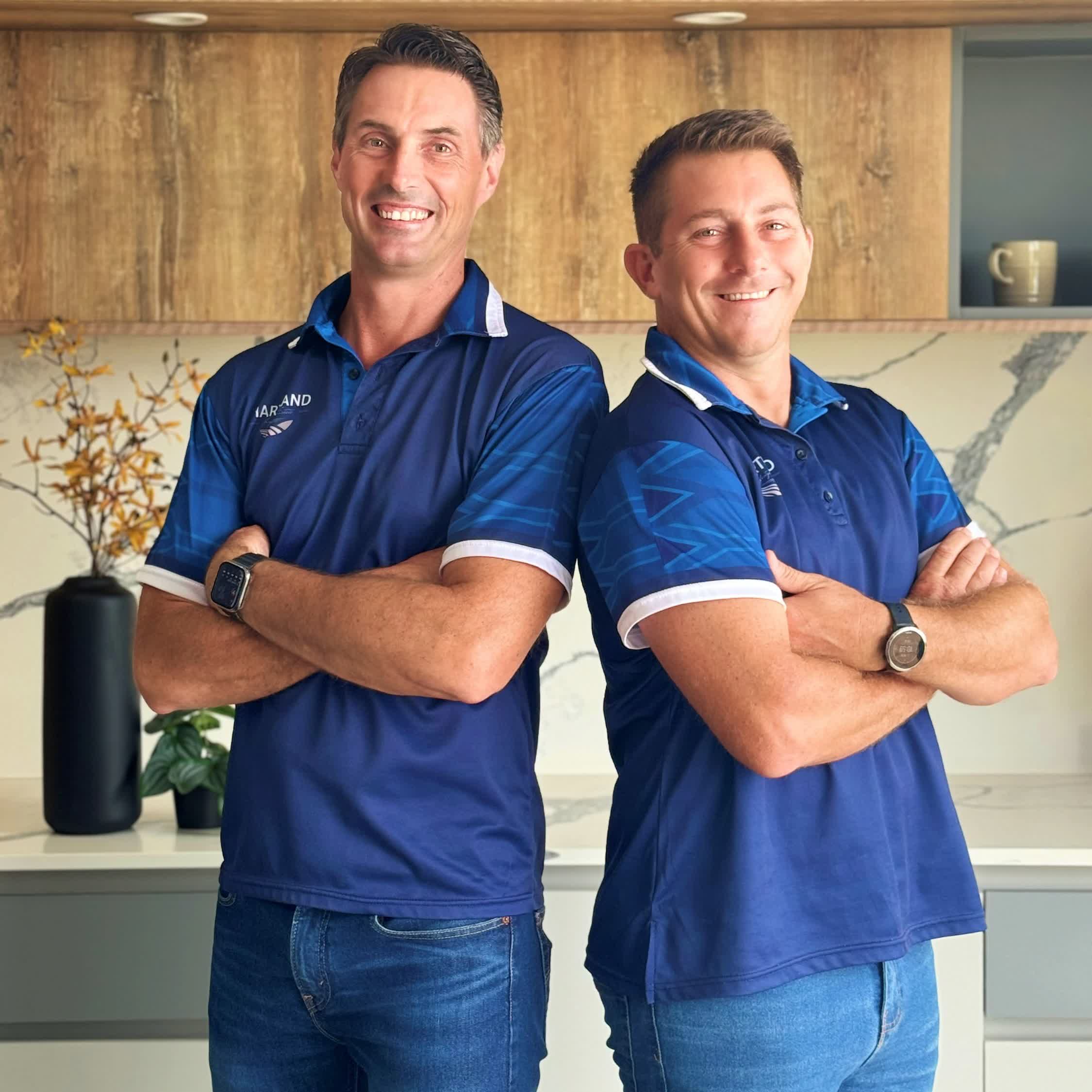
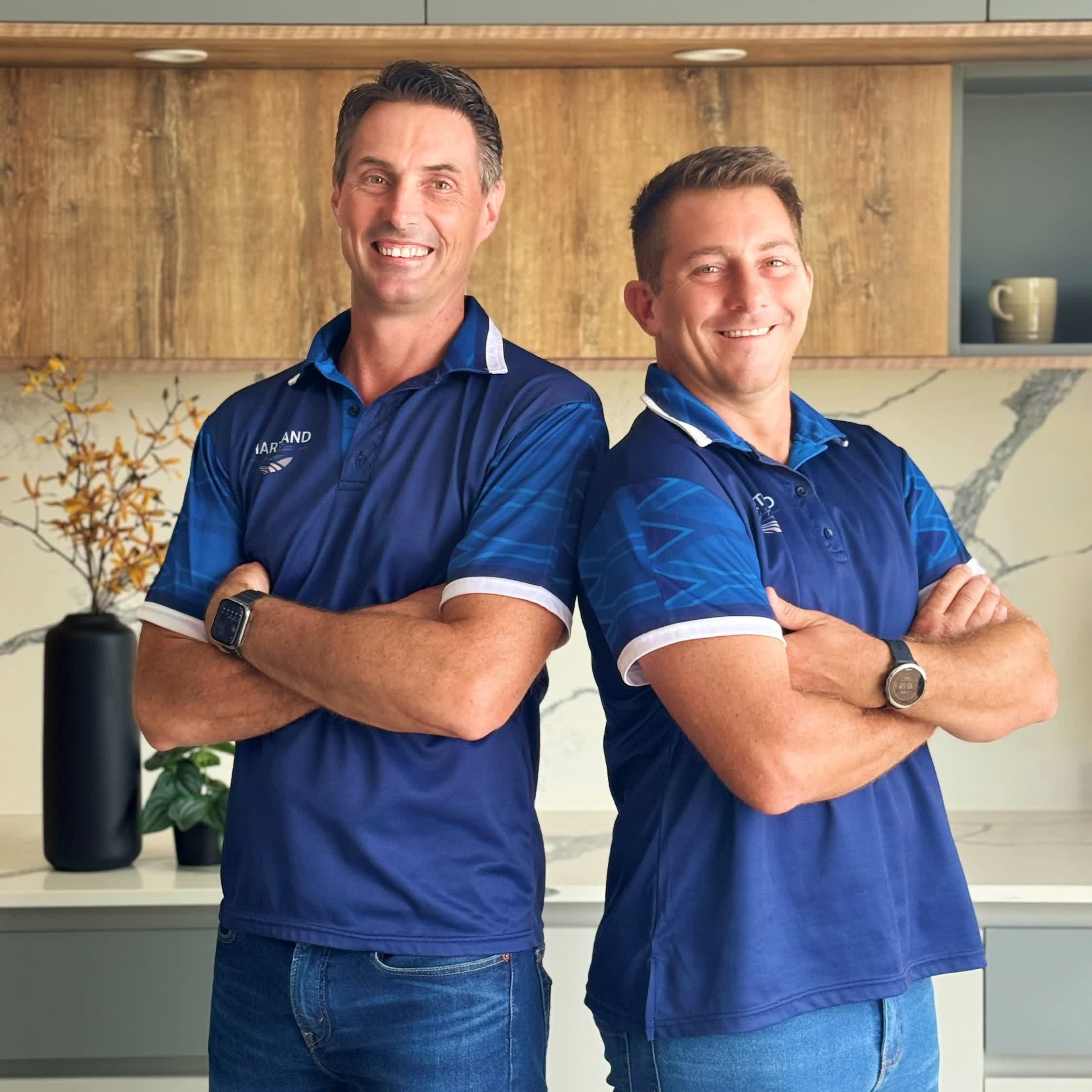
    This week, John Harris talks about one of the biggest advantages of choosing Hartland Estate - Securing your erf first, then letting Dalmar Construction build the home you've always dreamed of! From finding the right erf with the right views, to guiding you through the process and then handing your dream home over to the team at Dalmar Construction - the Brothers at Hartland are here to help make the journey simple, personal and stress-free. For more information: John Harris 📞 083 234 7525 ✉️ john@hartlandestate.co.za Vaughn Harris 📞 061 458 8606 ✉️ vaughn@hartlandestate.co.za The Brothers @ Hartland "Two Brothers, One Goal: Your Family's Future"

  • September 3 · 4 min

    Your Money Maument with Mauritz Oberholzer - Why Income Protection is so important

    What would happen to your finances if you suddenly couldn’t work due to an illness or injury? In this episode of Your Money Maument, Mauritz Oberholzer explains why income protection is an essential part of a sound financial plan. He discusses how income protection can help safeguard your lifestyle, cover everyday expenses and provide financial security when you are unable to earn an income. Tune in to learn why protecting your income can be just as important as protecting your assets. Your Money Maument is aired on eRadio SA every Thursday and available as a podcast afterwards. For more information visit https://www.mauritzoberholzer.co.za/

  • August 31 · 31 min

    The OPTISMILE Podcast 123 - The Amalgam and Mercury Debate

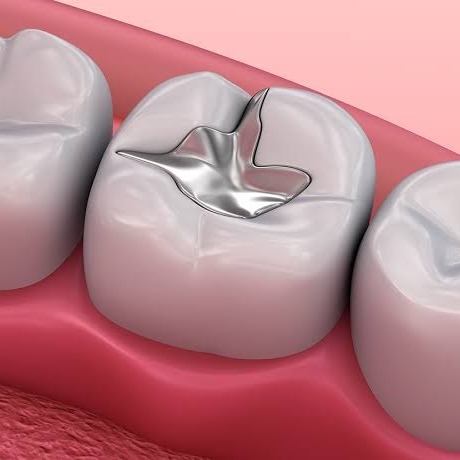
    Introduction Few subjects in dentistry generate more heat and less light than the silver amalgam filling. One camp insists the fillings are entirely safe and should be left alone. The other insists that anything containing mercury should come out at the first opportunity. Both camps are loud, and neither is right in every case. In this episode Dr Clifford Yudelman works through what the published evidence actually shows about mercury exposure from amalgam, why two dentists can look at the same filling in the same week and give a patient opposite advice, and how to tell a genuine clinical reason for removal from a business model built on fear. The episode also separates the mercury question from the mechanical one, which is where most of the real clinical decision-making sits. Old amalgams expand, they do not bond to the tooth, and they respond to hot and cold at a different rate to enamel, which is why they crack teeth and leak over the years. Dr Yudelman covers the SMART removal protocol and why high-volume suction matters more than most patients realise, whether removal automatically commits you to a crown, what an amalgam tattoo is and why it needs no treatment, what to do during pregnancy, and whether South Africans should be alarmed by international phase-outs of amalgam. The overriding message is that fear is not a clinical indication for treatment. Questions and Answers Question 1 [1:27] Are silver amalgam fillings actually dangerous or toxic? Dr Yudelman's short answer is that his own wife still has two of them in her mouth, which tells you what he thinks of the risk. Mercury in amalgam is bound into a stable alloy rather than sitting loose, and one review calculated that you would need somewhere in the region of 450 to 530 amalgam surfaces, roughly a hundred large fillings, to reach the World Health Organization urinary threshold associated with the most subtle preclinical effects. A Cochrane review by Worthington and a further systematic review found no consistent or clinically important difference in harm between amalgam and composite. Question 2 [8:12] Why do some dentists say to remove them all, while others say to leave them alone? It comes down to philosophy and training, and sometimes to a business model, but that does not mean either side is lying. The precautionary camp removes amalgam to eliminate any mercury risk at all, while the minimal intervention camp leaves stable fillings alone and monitors them. Both positions are defensible in the right context, and the problem only arises when one is sold as a universal truth for every patient regardless of individual risk. Question 3 [10:05] What is the SMART protocol, and why does isolation such as the rubber dam matter so much during removal? SMART stands for Safe Mercury Amalgam Removal Technique, which Dr Yudelman describes as common sense with an acronym. The filling is not the hazard while it sits quietly in the tooth; the vapour and particles are generated when it is drilled out, so the protocol relies on isolation, copious water spray and, above all, properly maintained high-volume suction positioned right next to the tooth. Research indicates that without high-volume suction, mercury vapour levels in the operating environment can run several times higher than the recommended threshold. Question 4 [16:11] Is it true that amalgam fillings can eventually crack the tooth around them? Yes, and this is the reason Dr Yudelman actually removes most of the amalgams he removes, not the mercury. Amalgam does not bond to the tooth; it is mechanically wedged in, so as the tooth flexes under biting the filling does not flex with it, and many old fillings continue to expand over the years. Large old amalgams are monitored so that a crack can be caught before a cusp breaks off, which is a different conversation entirely from the mercury debate. Question 5 [18:32] Separately from cracking, do old silver fillings expand and contract with temperature differently to the natural tooth, and does that cause its own problems? Metal and tooth structure respond to hot and cold at different rates, so every coffee and every cold drink creates a small mismatch. Thousands of those cycles over the years open up gaps at the margins, which is how decay eventually gets underneath an old filling. It happens slowly and quietly, which is precisely why it is not usually an emergency and does not justify panic. Question 6 [19:48] If I have my metal fillings removed, do I automatically need a crown, or is there a more conservative option? You do not automatically need a crown, and the old default of grinding the whole tooth down has cost patients a great deal of money over the years. Depending on how much tooth is left, the options run from a bonded composite through to an inlay or onlay that covers only what genuinely needs protecting. Before agreeing to any removal, ask what is replacing the filling and why that option was chosen, and if no clear biological reason is offered, seek a second opinion. Question 7 [21:39] What is an amalgam tattoo on the gum, and if I have one, should I be worried? An amalgam tattoo is a grey or blue mark in the gum caused by a tiny fragment of amalgam left behind, often decades earlier when a baby tooth with a silver filling was extracted. It is purely cosmetic, it does not spread and it does not cause disease, and the fragments usually show up as small white specks on an x-ray near the mark. There is no need for removal, and no need for the biopsies that some patients are unfortunately sent for. Question 8 [23:33] Do you get more mercury exposure over the years from chewing on an old filling than you would from having it removed properly? Chewing, grinding, clenching and particularly chewing gum release very small amounts of vapour from an old filling continuously, year after year. A properly conducted removal with high-volume suction and water spray is a single controlled exposure rather than an ongoing one, so a filling left in place for decades can plausibly amount to more total exposure than one removal appointment. That is not an argument for removing stable fillings for the sake of it, but it does cut against the idea that leaving them forever is automatically the safer choice. Question 9 [26:46] What about pregnant women, should they have their amalgam fillings removed? Generally no. Stable amalgams are left alone during pregnancy, and elective or non-urgent dental work is avoided as a matter of course. If there is a genuine clinical need such as active decay or a cracked filling, it is treated with the appropriate precautions, but fear on its own is not a clinical indication for treatment. Question 10 [27:51] Some countries have restricted or phased out amalgam altogether. Should South Africans be worried about the fillings they already have? No. Dr Yudelman sees no good reason to place new amalgam fillings, but the international phase-out is driven by environmental policy on mercury rather than by evidence of patient harm, and mercury waste regulations are now coming into force locally. In lower-resourced settings amalgam still saves teeth, although newer materials such as glass ionomers and resin-reinforced glass ionomers now handle similarly and offer a mercury-free alternative. A ban in Switzerland is not a reason to come home and have all your fillings replaced. Closing Thoughts The consistent thread through this episode is that the mercury conversation and the mechanical conversation are two separate things, and confusing them costs patients money. The evidence to date does not support removing stable, well-sealed amalgam fillings on toxicity grounds, and removing a sound filling out of fear means losing more tooth structure, which compounds over a lifetime. Every removal takes away more of the tooth, and that is not free. Where removal is genuinely justified is when a filling is leaking, decayed underneath, or expanding and cracking the tooth around it, and even then the replacement should be the most conservative option that will do the job rather than an automatic crown. If a dentist cannot give a clear biological reason for what they are recommending, that is the moment to ask for a second opinion. Do not panic, do not act on a social media post, and have the individual risk properly assessed before anything is drilled. Further Resources All links below have been verified on the OptiSmile website. Unveiling Dental Fillings: Preservation Meets Aesthetics https://optismile.co.za/blog/unveiling-dental-fillings-preservation-meets-aesthetics/ Beyond Fillings and Crowns: The Magic of Inlays and Overlays https://optismile.co.za/blog/beyond-fillings-and-crowns-the-magic-of-inlays-and-overlays/ Dental Inlays and Overlays Treatment https://optismile.co.za/dental-solutions/dental-inlays-overlays/ Comprehensive Guide: Dental Inlay versus Crown https://optismile.co.za/blog/dental-inlay-vs-crown/ Cracked Teeth: Causes, Symptoms and Treatments https://optismile.co.za/blog/can-cause-cracked-tooth/ Toothache Troubles: Managing Dental Pain and Costs https://optismile.co.za/blog/toothache-troubles-managing-dental-pain-and-costs/ Parafunctional Habits: Ice Chewing https://optismile.co.za/blog/parafunctional-habits-ice-chewing/ Dental Bonding at OptiSmile Sea Point https://optismile.co.za/dental-solutions/dental-bonding/ Disclaimer: The content provided in this podcast, "Save Your Money Save Your Teeth" on Medical Mondays, is for informational and educational purposes only. It is not intended to serve as dental or medical advice. The insights and opinions expressed by Dr. Clifford Yudelman and any guests are designed to foster a better understanding of dental health, preventive measures, and general well-being, but should not be interpreted as professional dental or medical recommendations. Dr. Clifford Yudelman does not diagnose, treat, or offer prevention strategies for any health conditions directly through this podcast. This platform is not a substitute for the personalized care and advice provided by a licensed dental or healthcare professional. We strongly encourage our listeners to consult with their own dental care providers to address individual dental health needs and concerns. The information shared here aims to empower listeners with knowledge about dental health but must not be used as a basis for making health-related decisions without professional guidance. Your dental care provider is the best source of advice about your dental and overall health. Please always seek the advice of your dentist or other qualified health professionals regarding any questions or concerns about your dental health.

  • August 28 · 4 min

    The Brothers at Hartland - Episode 5 - The new Recreational Area

    In this episode, we explore the new Recreational Area at Hartland Lifestyle Estate. Vaughn Harris tells us about the planned club house, swimming pool, dams with picnic areas, amphitheater for entertainment, full day spa, padel courts and more. For more information: John Harris 📞 083 234 7525 ✉️ john@hartlandestate.co.za Vaughn Harris 📞 061 458 8606 ✉️ vaughn@hartlandestate.co.za The Brothers @ Hartland "Two Brothers, One Goal: Your Family's Future"

  • August 27 · 4 min

    Your Money Maument with Mauritz Oberholzer - The Dangers of a Balloon Payment on your car

    Thinking of taking a balloon payment on your next car? Financial Advisor Mauritz Oberholzer explains how balloon payments work, the risks they can pose, and why a lower monthly instalment could end up costing you more in the long run. Find out what to consider before signing your next vehicle finance agreement. Your Money Maument is aired on eRadio SA every Thursday and available as a podcast afterwards. For more information visit https://www.mauritzoberholzer.co.za/

  • August 26 · 5 min

    LEGAL TALK with Hahn & Hahn Attorneys: Rescission of Judgment Explained

    What is a Rescission of Judgment and when can it be applied for? We ask Thabiso Tshukudu, Associate Attorney at Hahn & Hahn. For more information, visit https://hahnlaw.co.za/ Legal Talk is aired every Wednesday morning at 10:00 on eRadio SA and available as a podcast thereafter.

  • August 25 · 14 min

    eRadio Charity Focus: From Food Waste to Food Rescue - How SA Harvest Is Making a Difference

    A conversation with Dodo Manisi, SA Harvest’s Cape Town Procurement Lead, about turning surplus food into meaningful social impact. Discover how food rescue helps fight hunger, why businesses should donate rather than waste edible food, and how collaboration can create hope, dignity and meals for communities in need. For more information or to get involved, visit: https://saharvest.org/

  • August 24 · 22 min

    The OPTISMILE Podcast 122 - Whitening a Single Dark Tooth

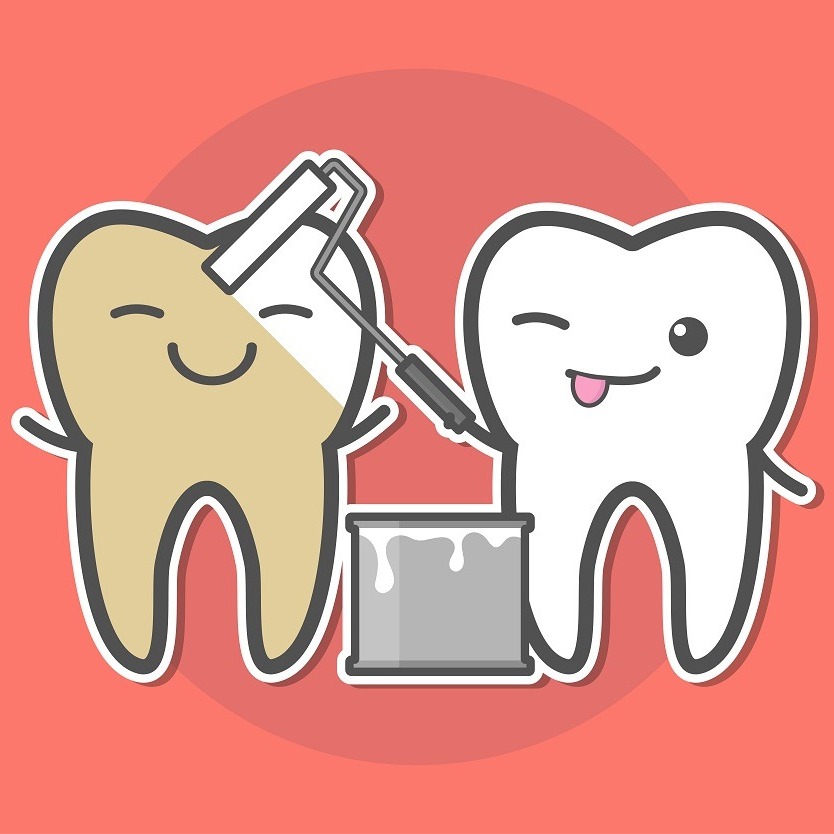
    Introduction It is one of the most common - and most misunderstood - problems in dentistry: a single front tooth that has quietly gone grey, brown, or almost black while every other tooth in the mouth stays perfectly white. In this episode, Dr Clifford Yudelman explains why it happens, usually years after an old knock that never hurt and was never investigated, and why the standard fixes patients are offered — more whitening, or a veneer — are often the wrong answer entirely. Instead, Dr Yudelman walks through internal bleaching, also known as the walking bleach technique: a nearly hundred-year-old procedure that can restore a dead, discoloured tooth to match its neighbours without drilling away healthy enamel. He covers how the procedure works, what it costs, how long it lasts, and why it so often gets skipped in favour of a crown or veneer that removes far more tooth than necessary. Questions and Answers Question 1 (1:12 – 3:21) Why does a single tooth sometimes turn grey or even black years after a knock, when nothing else about it seems wrong? An old injury - a hockey ball, a squash racket, a childhood knock - can kill the nerve without ever causing pain, so it goes uninvestigated. Blood products then break down inside the dentine and stain the tooth from within, and because enamel is translucent, that internal staining shows through years later. Dr Yudelman stresses that any dark tooth needs an x-ray and vitality testing, since some discoloured teeth are still vital and do not need a root canal at all. Question 2 (3:21 – 3:33) Is it true that a root canal actually darkens the tooth, or is it the materials that get used? A well-done modern root canal does not darken a tooth - the staining is usually already underway before treatment starts. Older materials, and particularly silver amalgam fillings placed behind a root-canalled front tooth, are the more common cause of that dark colour working its way through from the inside. Question 3 (4:39 – 4:45) Can ordinary whitening trays fix a tooth that has died and gone dark? No — once a tooth has had a root canal and gone dark, external whitening barely touches it, and can make things look worse. Bleaching the surrounding teeth lighter only increases the contrast with the one tooth that stays dark. Question 4 (5:50 – 10:32) What exactly is internal bleaching, or what dentists call the walking bleach technique? The dentist reopens the existing root canal access, confirms the coronal seal is sound, then seals a 35% hydrogen peroxide gel (such as Opalescence Endo) inside the tooth behind a temporary glass ionomer filling for several days to a week — hence 'walking bleach'. Once the colour matches, the bleach is removed and the tooth is permanently filled. In South Africa the full course typically runs from around 3,000 Rand for the first visit up to roughly 9,000 Rand across two or three appointments, well below the cost of a crown. Question 5 (10:40 – 11:08) Does it hurt, given that the dentist is working inside the tooth? No — the nerve is already gone, so there is nothing to feel and no anaesthetic is needed. Patients may notice something sitting inside the tooth, but the procedure itself is straightforward and far less invasive than preparing a tooth for a crown. Question 6 (11:17 – 13:01) Is internal bleaching safe, or can it damage the root from the inside? It is safe when done properly, but proper sealing of the root canal is essential — historically, leaking bleach past an inadequate seal could cause external root resorption. Dr Yudelman recommends asking any dentist how many of these procedures they have done, and refers his own patients to root-canal-experienced colleagues at OptiSmile rather than doing them himself. Question 7 (13:11 – 14:03) How long does the result last, and will the tooth eventually go dark again? Results can last for years, sometimes indefinitely, though the tooth can drift slightly or the surrounding teeth may darken by comparison over time. When that happens, a quick touch-up with trays or a repeat internal bleach resolves it — far cheaper and less invasive than the crown that is often offered instead. Question 8 (14:11 – 15:13) How many visits does it take, and how long before the colour actually matches? It is usually two to three short appointments. The essentials are confirming on x-ray (and CBCT where needed) that the root filling is completely sound, using magnification to check the seal, then reviewing colour under daylight before placing the final restoration. Results are often visible within three or four days. Question 9 (15:23 – 17:08) If the tooth is dark, why not just fit a veneer and be done with it? A veneer means drilling away healthy enamel that can never be replaced, and because a well-made veneer is thin and translucent, it usually cannot fully mask a dark tooth underneath — dentists often compensate with an opaque veneer that then looks too white next to the other teeth, prompting a recommendation to veneer several more teeth to match. Dr Yudelman calls this exact pattern the reason he started the podcast in the first place. Question 10 (17:17 – 20:23) What does internal bleaching save a patient compared with a ceramic crown? It saves the tooth itself. A crown on a front tooth often means removing around 60% of the remaining structure, sometimes with a post that raises the risk of the tooth fracturing at the gum line later, and a crown placed in someone's twenties will likely need replacing multiple times over a lifetime at significant cumulative cost. With internal bleaching, the strong outer shell of enamel is preserved and can be reinforced with a fibre-reinforced filling material, keeping the tooth close to its original strength. Closing Thoughts The core message of this episode is a simple one: a dark tooth is a colour problem, not automatically a damage problem. Before agreeing to a veneer or a crown, it is worth asking whether the tooth can be treated from the inside first — because enamel, once removed, cannot be bought back. Further Resources Take-Home Teeth Whitening Kits, Explained: https://optismile.co.za/blog/take-home-teeth-whitening-kits-explained/ In-Chair Teeth Whitening: Process, Results & Aftercare: https://optismile.co.za/blog/explained-in-chair-teeth-whitening/ Root Canal Treatment Cape Town: https://optismile.co.za/dental-solutions/root-canal-treatment-cape-town/ Dental Veneers in Cape Town: https://optismile.co.za/dental-solutions/dental-veneers/ Disclaimer: The content provided in this podcast, "Save Your Money Save Your Teeth" on Medical Mondays, is for informational and educational purposes only. It is not intended to serve as dental or medical advice. The insights and opinions expressed by Dr. Clifford Yudelman and any guests are designed to foster a better understanding of dental health, preventive measures, and general well-being, but should not be interpreted as professional dental or medical recommendations. Dr. Clifford Yudelman does not diagnose, treat, or offer prevention strategies for any health conditions directly through this podcast. This platform is not a substitute for the personalized care and advice provided by a licensed dental or healthcare professional. We strongly encourage our listeners to consult with their own dental care providers to address individual dental health needs and concerns. The information shared here aims to empower listeners with knowledge about dental health but must not be used as a basis for making health-related decisions without professional guidance. Your dental care provider is the best source of advice about your dental and overall health. Please always seek the advice of your dentist or other qualified health professionals regarding any questions or concerns about your dental health.

  • August 21 · 8 min

    The Brothers at Hartland - Episode 4 - The Klein Karoo Phase

    In this episode, we explore the new Klein Karoo Phase at Hartland Lifestyle Estate and what makes it stand out from other residential developments on the Garden Route. Vaughn Harris tells us about the modern design, premium finishes and affordable homeownership, as well as the lock-up-and-go lifestyle, security, fibre connectivity and access to nature. We also look at Hartland’s prime location and why the development could be an attractive option for first-time buyers, young professionals and growing families. For more information: John Harris 📞 083 234 7525 ✉️ john@hartlandestate.co.za Vaughn Harris 📞 061 458 8606 ✉️ vaughn@hartlandestate.co.za The Brothers @ Hartland "Two Brothers, One Goal: Your Family's Future"

  • August 20 · 3 min

    Your Money Maument with Mauritz Oberholzer - Medical Aid VS Medical Insurance

    In this week's episode, Financial Advisor Mauritz Oberholzer breaks down the key differences between medical aid and medical insurance. We look at what each option covers, the costs involved, hospital and day-to-day benefits, exclusions, and what you should consider when choosing the right cover for your healthcare needs. Your Money Maument is aired on eRadio SA every Thursday and available as a podcast afterwards. For more information visit https://www.mauritzoberholzer.co.za/

  • August 19 · 5 min

    LEGAL TALK with Hahn & Hahn Attorneys: The importance of a Shareholders Agreement

    In this week's episode of Legal Talk on eRadio SA, we unpack everything you need to know about shareholders’ agreements - from what they are and why they matter, to whether they are compulsory and what makes them legally valid. We also explore what a shareholders’ agreement should cover, how it interacts with directors’ duties and a company’s MOI, whether new shareholders are automatically bound, and the key risks shareholders should be aware of. We're joined by Nirvana Nothnagel of Hahn & Hahn Attorneys. Legal Talk is aired every Wednesday morning at 10:00 on eRadio SA and available as a podcast thereafter.

  • August 17 · 25 min

    The OPTISMILE Podcast 121 - What Your Gum Measurements Mean

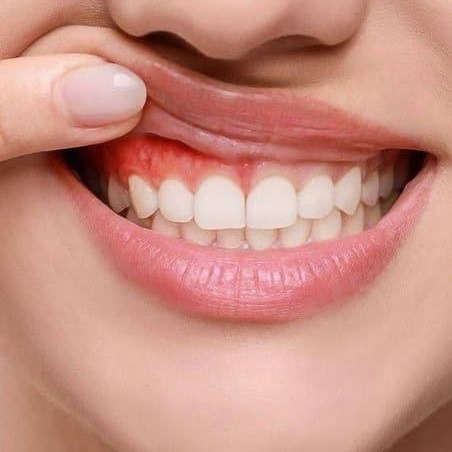
    Introduction Almost every patient has had the experience. You are lying back in the chair, and someone starts calling out numbers over your head. Three, two, three, five. It sounds like a code, or a bingo call, and very few people ever stop to explain what it means. Those numbers are a periodontal chart, and they are one of the most useful pieces of information in all of dentistry. They are also one of the least explained. In this episode Dr Clifford Yudelman decodes the numbers. What a periodontal probe actually measures, why one, two and three are healthy, why a four is a yellow light rather than a red one, and why a six is a different conversation altogether. He covers why bleeding is the earliest warning sign available, why smokers and vapers can show deceptively good numbers while bone quietly disappears underneath, and why a full periodontal examination includes far more than pocket depths. The closing argument is a financial one. A chart turns guesswork into a plan, and guesswork is what costs patients money. Questions and Answers QUESTION 1 | 1:19 When the hygienist calls out numbers like three, two, three, five, what exactly are they measuring? Depth, not damage. A blunt periodontal probe is slid gently into the space between the tooth and the gum, called the sulcus, and the number is how far it goes before it meets resistance. One, two or three millimetres means the gum is sealed tightly against the tooth, and with six readings per tooth there are around 180 readings in a full mouth. QUESTION 2 | 4:24 What is a periodontal pocket, and how does it form? Inflammation makes the gum swell and lose its grip, so it detaches from the tooth and leaves a deeper space where bacteria can live undisturbed and a toothbrush cannot reach. Nobody wakes up with a six millimetre pocket. It takes months or years of uninterrupted inflammation, which means there is a long window in which it is still reversible. QUESTION 3 | 6:14 Is a four a warning sign, and is a six a disaster? A four is a yellow light, not a red one. It is inflammation, and most fours come back down to threes with better interdental cleaning and a professional clean of the area that is bleeding. A six is a different conversation, because bone support may already be compromised, although a single isolated six often turns out to be a food trap or an overhanging filling rather than gum disease. QUESTION 4 | 9:17 Does the probing hurt, and if it does, what does that tell us? Healthy gums barely feel it, because only about 20 grams of force is used, roughly the pressure you would tolerate on your eyelid. If it hurts, that is inflammation, not a heavy hand. You cannot make a healthy gum bleed at that pressure, so pain and bleeding during probing are a map of where the cleaning at home is not working. QUESTION 5 | 12:29 What does it mean if there is bleeding during the probing? It means inflammation, and it is the earliest warning sign available, arriving long before pockets deepen and years before anything shows on an X-ray. There is no such thing as gums that simply bleed, and no such thing as sensitive gums. If your hands bled every time you washed them, you would not conclude that you had sensitive hands. QUESTION 6 | 13:56 Why do smokers often have good numbers but still have gum disease? Nicotine constricts the blood vessels in the gums, so there is less blood flow, less bleeding and less visible swelling. The gums look tidy while the warning system has been switched off and healing is impaired. This applies to vaping as much as to smoking, which is why probing and X-rays are essential rather than judging by appearance. QUESTION 7 | 16:11 How do these numbers relate to the bone loss we see on the X-rays? Probing reports on soft tissue and the X-ray reports on bone, so both are needed. Think of the tooth as a fence post. The probe tells you how loose the soil is at the top, and the X-ray tells you how much soil is left holding the post upright. Probing picks up trouble first, so waiting until the X-ray looks wrong is waiting too long. QUESTION 8 | 17:11 Can a deep pocket shrink back down to a healthy number without surgery? Yes, and it often does, particularly where bone has not yet been lost. Remove the irritation, whether that is tartar, an overhanging filling or a badly contoured crown, and the inflammation settles, the tissue tightens back against the tooth, and fours become threes. Once significant bone loss has occurred the position changes from curing to managing. QUESTION 9 | 19:09 If I have deep pockets, will I definitely lose my teeth? Not necessarily, and sometimes it is the reverse. A proper periodontal examination also records bleeding points, suppuration, furcation involvement between the roots, mobility grades and recession. A three millimetre pocket with six millimetres of recession leaves only two millimetres of bone holding the tooth, so pocket depth alone does not settle the question. QUESTION 10 | 22:00 Why is this gum map so important for saving money on future surgery? Because it turns guesswork into a plan, and guesswork is what costs money. A chart lets you compare today against a year ago, so treatment can be aimed at the one region that has changed rather than the whole mouth. Without it, dentistry becomes reactive, and reactive dentistry is nearly always more dentistry than the patient actually needed. Closing Thoughts The single most useful sentence in this episode is that your gum numbers are a map, not a verdict. A four is a yellow light. A six needs attention. Neither one is a sentence, and both are far more informative than most patients are ever told. Dr Yudelman closes with his father, who practised for 57 years, taught periodontics to postgraduates at the university for 27 years, and brought conservative scaling and root planing techniques back to South Africa after studying in the United States in 1968, all while working as a general dentist. The point being that probing is not specialist work. Every dentist and every hygienist should be doing it properly. So the next time somebody calls out numbers over your head, ask what they mean, and ask whether they are better or worse than last time. Further Resources Gum Disease: Early Signs, Professional Care and Recovery https://optismile.co.za/blog/gum-disease-early-signs-professional-care-and-recovery/ The companion episode on gingivitis and periodontitis, including the smoking and diabetes risk factors touched on here. Periodontist in Cape Town https://optismile.co.za/dental-problems/periodontist-cape-town Background on gum disease as a systemic health issue and when specialist periodontal referral is appropriate. Professional Dental Cleaning Explained https://optismile.co.za/blog/professional-dental-cleaning-explained/ What actually happens during a hygiene visit, including the disclosing dye and piezo ultrasonic scaling referred to in this episode. Teeth Cleaning in Cape Town: Scaling and Polishing https://optismile.co.za/dental-solutions/teeth-cleaning/ The service page for hygiene appointments, including the red, swollen or bleeding gums warning signs. Tips for Cleaning Your Teeth When Wearing Braces https://optismile.co.za/blog/tips-cleaning-teeth-wearing-braces/ Practical detail on water flossers and Curaprox interdental brushes for the areas a toothbrush cannot reach. The Importance of Oral Hygiene and Healthy Teeth https://optismile.co.za/blog/the-importance-of-oral-hygiene-and-healthy-teeth/ General preventive guidance, including tobacco and alcohol as gum disease risk factors. The Oral Microbiome and Your Health https://optismile.co.za/blog/the-oral-microbiome-your-health/ The bacterial side of the story, for listeners who want the biology behind why pockets harbour disease. Disclaimer: The content provided in this podcast, "Save Your Money Save Your Teeth" on Medical Mondays, is for informational and educational purposes only. It is not intended to serve as dental or medical advice. The insights and opinions expressed by Dr. Clifford Yudelman and any guests are designed to foster a better understanding of dental health, preventive measures, and general well-being, but should not be interpreted as professional dental or medical recommendations. Dr. Clifford Yudelman does not diagnose, treat, or offer prevention strategies for any health conditions directly through this podcast. This platform is not a substitute for the personalized care and advice provided by a licensed dental or healthcare professional. We strongly encourage our listeners to consult with their own dental care providers to address individual dental health needs and concerns. The information shared here aims to empower listeners with knowledge about dental health but must not be used as a basis for making health-related decisions without professional guidance. Your dental care provider is the best source of advice about your dental and overall health. Please always seek the advice of your dentist or other qualified health professionals regarding any questions or concerns about your dental health.

  • August 14 · 8 min

    The Brothers at Hartland - Episode 3 - Hartland’s New Retirement Care Facility

    This week we chat about the exciting new Hartland Retirement Village Care Facility with CareVita and what it means for future residents and their families. For more information: John Harris 📞 083 234 7525 ✉️ john@hartlandestate.co.za Vaughn Harris 📞 061 458 8606 ✉️ vaughn@hartlandestate.co.za The Brothers @ Hartland "Two Brothers, One Goal: Your Family's Future"

  • August 13 · 2 min

    Your Money Maument with Mauritz Oberholzer - How to stay on budget and avoid overspending

    Sticking to a budget can be challenging, especially when unexpected expenses and tempting purchases get in the way. In this episode of Your Money Maument, Mauritz Oberholzer shares practical tips on how to stay on budget, control your spending and avoid the common traps that can derail your finances. Tune in for simple, realistic strategies to make your money work smarter and build better financial habits. Your Money Maument is aired on eRadio SA every Thursday and available as a podcast afterwards. For more information visit https://www.mauritzoberholzer.co.za/

  • August 12 · 9 min

    LEGAL TALK with Hahn & Hahn Attorneys: Adjudication - Why it is faster and cheaper

    In this week's episode of Legal Talk on eRadio SA, Jaco Hamman, Partner and construction law specialist, explains how adjudication can resolve construction disputes in weeks rather than years. He discusses how it compares with litigation and arbitration, why it can be faster and more cost-effective, and when businesses should consider using it to keep projects and cash flow moving. Legal Talk is aired every Wednesday morning at 10:00 on eRadio SA and available as a podcast thereafter.

  • August 11 · 12 min

    The OPTISMILE Podcast 120 - The Plaque Test: How Disclosing Tablets Reveal the Plaque You Can't See

    Introduction Last episode we tackled the gaps between the teeth. This time Dr Clifford Yudelman turns the spotlight on plaque itself: the soft, sticky, almost transparent film that does most of the damage in dentistry, and that even people brushing twice a day still routinely miss. Using disclosing tablets, an inexpensive dye that stains plaque in vivid colour, Dr Yudelman explains how a two-rand tablet can show you exactly where your toothbrush is falling short, what a plaque score actually means, and why this unglamorous little tool might be the single most honest thing in dentistry. Questions and Answers Question 1: What on earth are disclosing tablets, and are they just for kids? 1:18 - 2:19 Disclosing tablets are cheap, harmless dye tablets that stain plaque so it becomes visible, and they work just as well for adults as they do for children. Chewed and swished around the mouth, they highlight exactly where brushing and flossing have missed, turning invisible plaque into a clear, physical target you can go back and remove. Question 2: Why do dentists sometimes paint purple or blue dye on teeth during a cleaning? 2:20 - 3:32 The dye reveals plaque that would otherwise be invisible, the same way a pilot relies on instruments rather than guesswork. At OptiSmile, the hygienist swabs the teeth, rinses, photographs the result and shows the patient in the mirror, not to shame them but to give them a visual target for better brushing, flossing and interdental cleaning. Question 3: How can I use these tablets at home to check my own brushing technique? 3:32 - 4:46 A quarter of a tablet is usually enough, bitten a few times and left to dissolve rather than swallowed. Depending on the tablet, fresh plaque shows up as a lighter pink, while older plaque that has sat for more than 24 hours stains a darker blue or purple; rinsing washes away the dye but leaves the stained plaque behind for you to brush off. Question 4: What is a plaque score, and what percentage should I be aiming for? 4:46 - 5:47 A plaque score measures how much plaque is left after brushing, and anything under 20 percent, ideally around 10 percent, is a very good result, even though many people start out closer to 50 percent. Dr Yudelman uses it to track trends rather than chase perfection, and finds it especially motivating for patients managing gum disease or cavities, who can watch their score, and their bleeding, improve visit by visit. Question 5: Why does the dye stick more around the gum line and between teeth? 5:48 - 6:30 Bacteria thrive in the sheltered, moist areas where a toothbrush's bristles typically miss, not because the gums there are fragile but because those spots need better tools and angles. Gentle, targeted pressure with interdental cleaning, rather than brushing harder, is what breaks up plaque before it matures into something more damaging. Question 6: Can I make my own disclosing solution at home with food colouring? 6:31 - 6:58 It's not recommended. Food colouring will stain plaque, but it also stains everything else in the mouth, so it doesn't give the same clean, useful feedback as a proper disclosing tablet or liquid, which is inexpensive and purpose-built for the job. Question 7: If I cannot see the plaque with my naked eye, does it really matter if it is there? 6:59 - 7:48 Yes, and invisible plaque is often the most biologically active kind, producing the acids that cause cavities and the chemicals that make gums bleed long before any damage is visible. Waiting for symptoms is risky, sometimes for years, which is exactly why disclosing tablets are useful: they expose that hidden phase early enough to reverse it before costly treatment becomes necessary. Question 8: How often should a patient do a plaque test at home to stay on track? 7:49 - 8:43 Most adults only need it in the beginning, every few days at first and then every two to four weeks once the goal shifts from discovery to simple recalibration rather than obsession. Children between about seven and ten benefit from testing every two or three days, so good technique is already a habit by the time they stop listening to their parents as teenagers. Question 9: Does plaque turn into tartar if I miss these spots for just a few days? 8:44 - 9:49 Plaque begins mineralising into tartar surprisingly quickly, especially near the salivary ducts, including the parotid duct by the upper molars, where saliva's high calcium content speeds up the process. Once it hardens into tartar it can no longer be removed at home and needs professional treatment, so staying on top of soft plaque saves time, cost and discomfort down the line. Question 10: Is this the ultimate tool for co-discovery, so that patients can see what you see? 9:50 - 10:25 Completely. Disclosing tablets replace guesswork with objective, visible evidence, which gives patients ownership over their own oral health and leads to better decisions, less unnecessary treatment, and long-term protection for both their teeth and their finances. Closing Thoughts What makes disclosing tablets so useful is exactly what makes them uncomfortable: they don't take anyone's word for it. Chew a tablet, look in the mirror, and the evidence about your brushing is right there in colour, impossible to argue with and easy to act on. As Dr Yudelman puts it, if you can see it, you can fix it, and a two-rand tablet used every few weeks is a small price for that kind of certainty. Further Resources Teeth Cleaning in Cape Town (Scaling & Polishing) https://optismile.co.za/dental-solutions/teeth-cleaning/ How a professional scale and polish removes the plaque and tartar that home brushing can't reach, including OptiSmile's Piezo ultrasonic technique. Episode 17: Professional Dental Cleaning Explained https://optismile.co.za/blog/professional-dental-cleaning-explained/ A companion episode covering the professional cleaning process in full, including how OptiSmile's hygienists use disclosing dye to identify plaque and tartar before scaling. Gum Disease: Early Signs, Professional Care and Recovery https://optismile.co.za/blog/gum-disease-early-signs-professional-care-and-recovery/ How the plaque left behind by poor brushing progresses into gum disease, and the early warning signs to watch for at home. Dental Checkups in Cape Town (Dental Exam) https://optismile.co.za/dental-solutions/dental-checkup/ What a routine checkup at OptiSmile involves, including the plaque and tartar assessment that happens at every visit. A Caring Paediatric Dentist in Cape Town https://optismile.co.za/dental-solutions/paediatric-dentist/ Relevant for parents wanting to build the plaque-testing habit early, as Dr Yudelman recommends for children aged seven to ten. Exposed: The Hidden Dangers of Ignoring Tooth Decay https://optismile.co.za/blog/hidden-dangers-of-ignoring-tooth-decay/ Why catching plaque and small cavities early, before they progress, is the cheapest and least painful path in dentistry. Dental Health in a Nutshell https://optismile.co.za/blog/dental-health-in-a-nutshell/ Dr Yudelman's practical product recommendations for interdental brushes, a natural next step once you can see where you're missing. Disclaimer: The content provided in this podcast, "Save Your Money Save Your Teeth" on Medical Mondays, is for informational and educational purposes only. It is not intended to serve as dental or medical advice. The insights and opinions expressed by Dr. Clifford Yudelman and any guests are designed to foster a better understanding of dental health, preventive measures, and general well-being, but should not be interpreted as professional dental or medical recommendations. Dr. Clifford Yudelman does not diagnose, treat, or offer prevention strategies for any health conditions directly through this podcast. This platform is not a substitute for the personalized care and advice provided by a licensed dental or healthcare professional. We strongly encourage our listeners to consult with their own dental care providers to address individual dental health needs and concerns. The information shared here aims to empower listeners with knowledge about dental health but must not be used as a basis for making health-related decisions without professional guidance. Your dental care provider is the best source of advice about your dental and overall health. Please always seek the advice of your dentist or other qualified health professionals regarding any questions or concerns about your dental health.
  • August 7 · 8 min

    The Brothers at Hartland - Episode 2 - The Perfect Retirement Address

    What does the ideal retirement lifestyle look like? In this episode of The Brothers at Hartland Podcast, we explore why Hartland could be the perfect address for your next chapter. Eon chats to John Harris about Hartland Retirement Village in the Garden Route, from who the village is designed for and the active lifestyle residents can enjoy, to the range of homes, facilities, healthcare and support services available. Discover how Hartland is challenging the traditional idea of retirement by combining independent living, security, community, nature and access to care – all within the beautiful Garden Route. Thinking about retiring in the Garden Route? Find out what makes Hartland worth putting on your shortlist and how you can learn more about making it your new home. For more information about Hartland Lifestyle Estate or to enquire about available properties: John Harris 📞 083 234 7525 ✉️ john@hartlandestate.co.za Vaughn Harris 📞 061 458 8606 ✉️ vaughn@hartlandestate.co.za The Brothers @ Hartland "Two Brothers, One Goal: Your Family's Future"

  • August 6 · 2 min

    Your Money Maument with Mauritz Oberholzer - The 5 things that keep you poor

    This week, Your Money Moment with Mauritz Oberholzer explores the financial habits and mindset that can hold you back. In this episode, Mauritz shares practical insights on the common mistakes that prevent people from building wealth and offers simple, actionable tips to help you take control of your financial future. Your Money Maument is aired on eRadio SA every Thursday and available as a podcast afterwards. For more information visit https://www.mauritzoberholzer.co.za/

  • August 5 · 6 min

    LEGAL TALK with Hahn & Hahn Attorneys: Know Your Rights - Stopping Spam Calls and SMSes

    Are you tired of unsolicited marketing calls, spam emails and endless promotional SMSes? Do you know your rights as a consumer? In this episode of Legal Talk, we speak to Janusz Luterek of Hahn & Hahn Attorneys about how South African consumers can protect themselves from unwanted direct marketing. Learn what the law says about telemarketing, when companies are allowed to contact you, how to opt out of marketing communications, and what steps you can take if businesses continue to ignore your requests. Legal Talk is aired every Wednesday morning at 10:00 on eRadio and available as a podcast thereafter.

  • August 4 · 9 min

    ICAN: Why Hearing Health is Brain Health - with Tamara van Zyl

    Did you know your hearing health is closely connected to your brain health? In this episode, Tamara van Zyl, an audiologist from the iCAN Audiology Network, explores the important connection between hearing health and brain health. Discover how untreated hearing loss can impact memory, concentration and social engagement, why early intervention matters, and the practical steps you can take to protect your hearing and cognitive wellbeing. To find an independent audiologist in your area, visit: www.independentaudiologists.co.za

Showing 41–60 of 62 episodes