


Counted on this page — what you have heard stays on this device, so it is not something the list can be paged by.
- ES
 October 7 · 5 min
LEGAL TALK with Hahn & Hahn Attorneys: Forensic Audits and Medical Schemes: What Practitioners Need to Know
In this episode, Senior Associate Attorney at Hahn & Hahn, Nirvana Nothnagel explains what a forensic audit means in the context of medical schemes and why practitioners may be subjected to one. She discusses the issues that can arise during an audit, what practitioners may be asked to provide, and what information they should receive regarding the amounts being claimed. Nirvana also explains what practitioners should do when they receive notice of a forensic audit and the legal support they can expect throughout the process. An essential conversation for healthcare practitioners who want to understand their rights, responsibilities and options when facing a medical scheme forensic audit. Legal Talk is aired every Wednesday morning at 10:00 on eRadio SA and available as a podcast thereafter.
- ES
 October 6 · 15 min
iCAN - Beyond Hearing Aids: Why Continuity of Care Matters - with Nicole Cynkin
In this interview, Nicole Cynkin from the iCAN Audiology Network explains why hearing healthcare is about far more than simply fitting hearing aids. She discusses the role of audiologists as healthcare professionals, the importance of personalised care, patient choice and continuity, and how long-term relationships with the same clinician can improve the hearing healthcare journey. The conversation also explores the value of independent audiology practices alongside other hearing-care models, without comparing or criticising specific providers. Nicole explains how independent audiologists can offer personalised, patient-centred care while giving patients greater autonomy and ongoing professional support. Find out why hearing care works best when patients are known, understood and supported over time. To find an independent audiologist in your area, visit: www.independentaudiologists.co.za
- ES
 October 5 · 30 min
The OPTISMILE Podcast 128 - The Future Is Now: Robots, AI and Smart Dentistry
Welcome back to Save Your Money, Save Your Teeth. In the previous episode, Eon Engelbrecht and Dr Clifford Yudelman looked at special care dentistry and adapting the dental visit to fit the person. This episode looks ahead, at the tools that are changing what a dental visit even looks like: some genuinely useful right now, some hype, and some still a decade away. They cover dental robots that shape teeth for veneers and guide implant placement, AI that flags early decay on x-rays, whether to trust a chatbot like ChatGPT with your teeth, and remote monitoring that lets aligner patients send progress photos from their phone. They also discuss who owns your dental records under POPIA, whether we will really regrow teeth, virtual reality for anxious patients, smart toothbrushes including Dyson's new camera brush, and why the real promise of all this technology is better decisions and less treatment. 10 Questions and Summary Answers [1:19] Will a robot ever replace a dentist? Not any time soon. Robots now exist that hold the drill and shape a tooth for a veneer or crown, and one that guides implant placement is already in use in Cape Town, but a dentist still plans the work and keeps a hand on the instrument. Robots are brilliant at precision and repetition; the judgement on who to treat, what to treat and when to wait and watch stays with the dentist. Dentists tend to over-prepare teeth for veneers, which is one reason Dr Yudelman rarely recommends them, whereas a robot can remove as little as 0.2 of a millimetre and the veneer can be bonded the same day. [6:08] How is AI helping dentists find cavities that humans miss? AI does not get tired at four in the afternoon and carries no bias from what it saw yesterday. Trained on hundreds of thousands of x-rays, it flags early shadows, early decay and early bone loss that a dentist might skip past in error. It flags rather than diagnoses, so the dentist still decides what gets treated. Showing patients their early lesions helps them improve diet and cleaning between the teeth, and prevention is the cheapest dentistry there is. New radiation-free 3D imaging that colour codes cracks, cavities, old fillings and plaque looks very promising. [7:55] Is it a good idea to ask a chatbot like ChatGPT about your teeth, or use it as a second opinion? It is a useful starting point but not the final word. A chatbot can explain what a root canal involves, help you write down questions and translate a treatment plan into plain English, but it cannot see your mouth or feel whether a tooth is loose. General AI can already spot a big cavity on an x-ray, and one patient's ChatGPT simulations of veneers, bonding and orthodontics were surprisingly good, yet it could not tell her how much tooth each option would remove or which was right for her. Use it to get informed, then take your questions to a real dentist, because you do not want to be confident about a wrong answer. [10:45] What is remote monitoring for aligners like Invisalign, and can you really track your teeth with your phone? Yes. You take photos of your teeth at home, usually once a week, and the software checks that your aligners are fitting properly. The dentist is notified, compares progress with the plan and can send a message such as wear that aligner for another week, or good job. It works very well for yachties, seafarers and patients living elsewhere in South Africa or Africa. There is not much AI in it yet, and it does not replace the dentist, but it beats discovering at a six-week check that an aligner has not been fitting. [12:55] Are robots actually placing implants now? Guided implant surgery works like a GPS: a 3D scan is used to plan exactly where the implant should go before treatment begins. Most dentists then use a 3D-printed guide that clips over the neighbouring teeth to direct the drill. The robotic system instead guides the dentist's hand to the right angle and tells them when to stop, so a human is still doing the work. The more accurately an implant is placed, the better the crown that goes on it, and the better everything looks five or ten years later. [14:19] Who actually owns your dental data, and should you worry about privacy? A modern dental record is far more than notes: it includes scans, photos, x-rays and sometimes recordings. In South Africa it is protected under POPIA, the Protection of Personal Information Act, so you are entitled to know how it is stored, who it is shared with, and to ask for a copy. Your x-rays and scans belong to you, and a practice should not withhold them because of an unpaid account. Copying film x-rays once took real time in the darkroom, but now that records are digital, getting a copy of your x-rays or your chart should take a few clicks. [16:47] Will we ever be able to regrow teeth? Probably, but not tomorrow, and not the way the headlines make it sound. There is exciting work in Japan, initially for people born without some of their teeth, alongside gene editing with CRISPR and stem cell research, which is further off. The real danger is neglecting the teeth you have while waiting for a miracle, which is one of the most expensive bets you can make. With an implant and crown costing around R20,000 to R50,000 in South Africa, a mouth with 23 natural teeth holds at least R460,000 worth of implants, and natural teeth are better than implants. [19:09] How does virtual reality help anxious patients during treatment? Dr Yudelman has not used it on patients. The headsets he tried in America were impressive but too bulky, and would block the dentist's view of the mouth, especially when working with a microscope. Newer glasses that look more like a pair of sunglasses may solve that, taking your mind to a beach or under the ocean, with good sound as a distraction. VR is already used in burns units and other medical settings, and dentistry is likely to follow. [21:15] What are smart toothbrushes, and is the data actually useful? Smart brushes measure how hard you press, sense the angle of the brush and show which areas you are missing, often through an app, although much of the premium price is branding. OptiSmile stocks the Oclean, which warns you when you brush too hard. Dyson has just launched a brush overseas at about US$500, roughly R8,200, with a 100,000-pixel camera and AI taking 28 images a second, firing a jet of mouthrinse whenever it sees a gap between teeth. Dr Yudelman is cautious about water flossers, which can cause problems when used at the wrong angle, notes that the Dyson needs its own special toothpaste, and says early reports suggest it has had issues. [24:10] What excites you most about where dentistry is heading? It is not one gadget but the way everything works together: digital scans, AI on the x-ray, monitoring from home and better materials, such as the injectable composite whose bonding still looks good on patients six years later. At OptiSmile, SmileCloud merges studio photos with a 3D scan to simulate bonding, orthodontics or veneers, and even creates an AI video of the patient speaking with the new smile. That has largely replaced the old trial smile made from a mould filled with tooth-coloured material. Above all, these tools save teeth: it is about better decisions, not more treatment, which is the whole philosophy of the show. Outro The closing thought is the one worth holding on to: the best technology in dentistry does not lead to more treatment. It leads to better decisions, and very often to less treatment, done earlier and more precisely. When a practice says it uses AI or robotics, ask whether it helps them catch problems earlier and treat you more conservatively, and look after the teeth you have rather than waiting for tomorrow's miracle. Looking ten years ahead to 2036, Dr Yudelman expects to still be practising, possibly with a robot doing much of the work under his control. He also floats an idea for the show's future: inviting professors and world experts from Europe, Australia and South Africa to share the very latest research. Further Resources Special Care Dentistry for Autism, Anxiety and Dementia (Episode 127): https://optismile.co.za/blog/special-care-dentistry-for-autism-anxiety-and-dementia/ The Brushing Masterclass: Technique, Timing and Tools (Episode 117, smart and electric toothbrushes): https://optismile.co.za/blog/the-brushing-masterclass-technique-timing-tools/ Floss vs Interdental Brushes: What Actually Works? (Episode 119, water flossers): https://optismile.co.za/blog/floss-vs-interdental-brushes-what-actually-works/ Reading Your Dental X-Ray: A Patient's Guide (AI on x-rays): https://optismile.co.za/blog/reading-your-dental-x-ray-a-patients-guide/ iTero 3D Scanner (no impression trays): https://optismile.co.za/dental-technology/itero/ Digital Smile Design at OptiSmile: https://optismile.co.za/dental-technology2/digital-smile-design/ Injection Moulded Composite Bonding at OptiSmile: https://optismile.co.za/dental-solutions/injection-moulding-technique/ Invisalign at OptiSmile: https://optismile.co.za/dental-solutions/invisalign-cape-town/ Dental Implants at OptiSmile: https://optismile.co.za/dental-solutions/dental-implants/ Information Regulator South Africa, Protection of Personal Information Act (POPIA): https://inforegulator.org.za/popia/ Dyson CameraJet launch announcement: https://www.dyson.com/discover/news/latest/introducing-camerajet OptiSmile Podcast Series: https://optismile.co.za/podcasts/ OptiSmile YouTube Channel: https://www.youtube.com/@OptismileZa-dentist-cape-town Contact OptiSmile: https://optismile.co.za/contact-dentist-cape-town/ Disclaimer: The content provided in this podcast, "Save Your Money Save Your Teeth" on Medical Mondays, is for informational and educational purposes only. It is not intended to serve as dental or medical advice. The insights and opinions expressed by Dr. Clifford Yudelman and any guests are designed to foster a better understanding of dental health, preventive measures, and general well-being, but should not be interpreted as professional dental or medical recommendations. Dr. Clifford Yudelman does not diagnose, treat, or offer prevention strategies for any health conditions directly through this podcast. This platform is not a substitute for the personalized care and advice provided by a licensed dental or healthcare professional. We strongly encourage our listeners to consult with their own dental care providers to address individual dental health needs and concerns. The information shared here aims to empower listeners with knowledge about dental health but must not be used as a basis for making health-related decisions without professional guidance. Your dental care provider is the best source of advice about your dental and overall health. Please always seek the advice of your dentist or other qualified health professionals regarding any questions or concerns about your dental health.
- ES
 October 1 · 4 min
Your Money Maument with Mauritz Oberholzer - Financial Goal-setting
This week on 'Your Money Maument', Mauritz Oberholzer looks at financial goal-setting and how clear, realistic goals can help you take control of your money. From short-term priorities to long-term financial plans, Mauritz shares practical advice on setting goals, staying focused and making smarter financial decisions. Your Money Maument is aired on eRadio SA every Thursday and available as a podcast afterwards. For more information visit https://www.mauritzoberholzer.co.za/
- ES
 September 29 · 10 min
Garden Route Faces Growing Wildfire Threat as Invasive Plants and Dry Conditions Raise Alarm
The Garden Route is facing a growing wildfire and environmental threat, with invasive alien plants, increasingly dry conditions and the risk of more intense fires placing added pressure on the region’s ecosystems. Veteran environmental manager Dr Guy Preston recently visited the Garden Route following the region’s extreme weather events and described the extent of invasive alien plants as “among the worst in the country”. According to Cobus Meiring of the Garden Route Environmental Forum, Preston expressed serious concern about the unchecked spread of invasive vegetation. Dense stands of alien plants not only displace indigenous vegetation and threaten biodiversity, but also create large amounts of combustible material that can fuel intense wildfires. Eon spoke to Meiring about Preston's findings.
- ES
 September 28 · 27 min
The OPTISMILE Podcast 127 - Special Care Dentistry, Sensory Issues and Autism
Welcome back to Save Your Money, Save Your Teeth. In the previous episode, Eon Engelbrecht and Dr Clifford Yudelman looked at how stress shows up in the mouth before people admit it to themselves. This episode turns to the people for whom a normal dental visit is not just stressful but can be genuinely impossible. They cover special care dentistry for people with autism, severe ADHD, sensory processing differences, intellectual disabilities, severe anxiety, physical disabilities and dementia: people whose teeth fail not because they do not care, but because the dental chair was never designed with them in mind. The conversation covers what actually helps with bright lights and loud noises, how to prepare someone for a first visit, what desensitisation looks like in practice, how to manage a strong gag reflex, and how caregivers can brush a mouth that is not their own. They also discuss silver diamine fluoride, a painless liquid that can stop decay without a drill, when sedation or a general anaesthetic is genuinely the kindest choice, protecting the mouths of people with early dementia, and what a family should check before taking someone in a wheelchair to a dental practice. 10 Questions and Summary Answers [1:31] What exactly is special care dentistry, and who is it actually for? It is less a specialty than a way of working, for anyone who cannot cope with dentistry the way it is usually delivered. That includes autism, severe ADHD in younger children, sensory processing differences, intellectual disabilities, severe anxiety, physical disability, dementia and people with a traumatic dental history. Some adults arrive having not seen a dentist in 15 years, not because they did not care, but because the visit was a total assault on their senses. Their teeth did not fail them; the system did. Getting proper care early is also far cheaper than an emergency extraction under general anaesthetic ten years later. [3:02] The lights, the drill and the suction must be overwhelming for someone with autism or sensory processing issues. What genuinely helps? Sensory overload is not bad behaviour; it is a nervous system being flooded, so the answer is to take things away rather than add them. The overhead lights can be dimmed or switched off, and light-sensitive patients can wear dark glasses. Unnecessary beeping, such as the bag sealer in the sterilisation area, is switched off, instruments are kept out of sight rather than waved in front of the face, and the dentist talks quietly about what comes next. The tell-show-do approach used for a four-year-old's first visit works well, and many patients simply bring their own over-ear headphones and disappear into their own music. [6:11] What can a parent or caregiver do before that first visit to make it go better? Preparation is half the battle, and it starts at home, not in the waiting room. Show the person photos of the practice, the chair and the people they will meet, so nothing is a surprise on the day. Book a quiet slot, such as the first appointment of the morning, and avoid practices where someone will sit for half an hour in a crowded waiting room. Tell the practice about triggers in advance, whether touch, noise, smell or waiting, sometimes through a video consultation with the caregiver. Bring comfort items such as headphones, a favourite teddy bear or a weighted blanket, because a first visit that goes well sets up every visit after it. [8:21] What does desensitisation actually look like in the dental chair? It is dentistry in small steps at the patient's pace, stopping before it becomes too much. The first visit might just be sitting in the chair, tilting it back and sitting up again; the next might introduce the light, over three or four very short visits. Each time the patient learns that nothing bad happened, and that is how trust is built. Routine matters too: the same person, the same room and the same sequence, because predictability is what makes a person feel safe. It takes longer at the start, but trust replaces a lifetime of crisis dentistry with genuine cooperation. [9:29] Some people gag the moment anything goes near the back of the mouth. How do you manage a strong gag reflex? A strong gag reflex is often fear-related, and can follow a choking or near-drowning experience. The patient is kept more upright, the dentist goes slower and avoids the back of the tongue, and a 3D scanner replaces messy impressions. Patients are shown that raising a hand stops everything, and they practise it several times until it becomes almost a game and they realise they are in control. Honesty matters as well: many special needs patients are waiting for the surprise jab they have learned to expect from doctors, so the dentist says clearly when there will be no needles. Nose breathing and small distractions such as wiggling the toes or twiddling the thumbs also help. [12:49] For caregivers brushing someone else's teeth every day, what makes it easier, and are there special toothbrushes that help? Caregivers deserve real credit, and the last thing any of them needs is a lecture, especially in front of the patient. The most useful change is position: brush from behind rather than face to face, with the person's head supported against a chair or headrest, or with a young child lying with their head in your lap. An electric toothbrush can help, and even 20 seconds is better than nothing if two minutes is not tolerated. For people brushing themselves, chunky handles, straps and other aids help with poor dexterity, and there are special sprays and mouthwashes as well. [15:26] Is it true that there is a liquid that can stop decay without any drilling? Yes. Silver diamine fluoride has been around for a long time and is making a big comeback. It is painted onto the decay, takes seconds, does not hurt and can stop a cavity in its tracks, which makes it one of the most useful tools for people who cannot tolerate a drill. The trade-off is that the treated decay turns black, so it is not ideal on a front tooth, because everybody cares about their appearance. The arrested decay can still be drilled out and filled later if that becomes possible. [16:51] When is sedation or a general anaesthetic genuinely the kindest option? Choosing sedation is not a failure. When the adaptations have been tried, the decay keeps progressing or the patient is in pain, planned treatment under sedation or a general anaesthetic lets everything be done safely, quickly and well, with no memory of it. It should be planned so that cleaning, fillings and extractions all happen in one session rather than over multiple anaesthetics. OptiSmile does not do theatre cases; this is usually the work of a paediatric dentist, many of whom also treat adults with severe autism or Down syndrome, or an oral surgeon. Long term, it is far safer and cheaper than a string of emergency visits. [18:42] What about older patients with dementia who can no longer look after their own mouths? It is a sad pattern: a patient with years of good crowns, bridges and implants starts arriving late or lost, and six months later comes in with a carer. Oral hygiene goes downhill as the person forgets how to brush, and a dry mouth lets teeth fail very quickly. When there is an early diagnosis of dementia or Alzheimer's, that is the time to get the mouth into very good shape, treating any teeth or gums likely to cause trouble in the next year or two. Many of these patients are otherwise healthy, and poor oral hygiene is linked to pneumonia in frail older people, so the mouth should not become the next emergency. [21:12] For someone using a wheelchair or with limited mobility, what should a family look for in a dental practice? Google listings often say whether a practice is wheelchair accessible, but always check, because the listings are not always correct. Look for wide doorways, a lift and no steps; a practice in an old house may have neither. Most patients can transfer into the dental chair with help, and some chairs turn sideways so a short visit can be done with the patient still in their wheelchair, using the chair's headrest. Choose a practice that sets aside extra time and has a caring culture, not a 15-minute slot in a high-volume clinic. Pick up the phone and ask when they last treated someone in a wheelchair, and check the toilet facilities too. Outro The closing thought is the one worth holding on to: a difficult patient is almost never the problem; a dental visit that does not fit the person is. Adapt the visit, and most people can be cared for far more gently than their families expect. Call ahead and tell the practice what is hard, whether it is the lights, the noise, the waiting room or the chair. As Dr Yudelman puts it, this kind of practical guidance is hard to find on a dentist's website, and it will stay just as valid in three or five years' time. Next week: robots, AI and the future of dentistry. Further Resources Overcoming Dental Fear: Why Are People Afraid of the Dentist (Episode 51): https://optismile.co.za/blog/overcoming-dental-fear-why-are-people-afraid-of-thedentist/ How to Prepare for a Stress-Free Dental Visit (Episode 53): https://optismile.co.za/blog/how-to-prepare-for-a-stress-free-dental-visit/ Dental Injections Explained (Episode 102): https://optismile.co.za/blog/dental-injections-explained/ The Brushing Masterclass: Technique, Timing and Tools (Episode 117): https://optismile.co.za/blog/the-brushing-masterclass-technique-timing-tools/ Sedation Dentistry at OptiSmile: https://optismile.co.za/sedation-dentistry/ iTero 3D Scanner (no impression trays): https://optismile.co.za/dental-technology/itero/ OptiSmile Podcast Series: https://optismile.co.za/podcasts/ OptiSmile YouTube Channel: https://www.youtube.com/@OptismileZa-dentist-cape-town Contact OptiSmile: https://optismile.co.za/contact-dentist-cape-town/ Disclaimer: The content provided in this podcast, "Save Your Money Save Your Teeth" on Medical Mondays, is for informational and educational purposes only. It is not intended to serve as dental or medical advice. The insights and opinions expressed by Dr. Clifford Yudelman and any guests are designed to foster a better understanding of dental health, preventive measures, and general well-being, but should not be interpreted as professional dental or medical recommendations. Dr. Clifford Yudelman does not diagnose, treat, or offer prevention strategies for any health conditions directly through this podcast. This platform is not a substitute for the personalized care and advice provided by a licensed dental or healthcare professional. We strongly encourage our listeners to consult with their own dental care providers to address individual dental health needs and concerns. The information shared here aims to empower listeners with knowledge about dental health but must not be used as a basis for making health-related decisions without professional guidance. Your dental care provider is the best source of advice about your dental and overall health. Please always seek the advice of your dentist or other qualified health professionals regarding any questions or concerns about your dental health.
- ES
 September 24 · 7 min
Your Money Maument with Mauritz Oberholzer - The Debt Snowball Method
This week on 'Your Money Maument', Mauritz Oberholzer talks about a clever repayment strategy, where you pay off your debts from smallest balance to largest balance until you are completely debt-free Your Money Maument is aired on eRadio SA every Thursday and available as a podcast afterwards. For more information visit https://www.mauritzoberholzer.co.za/
- ES
 September 23 · 9 min
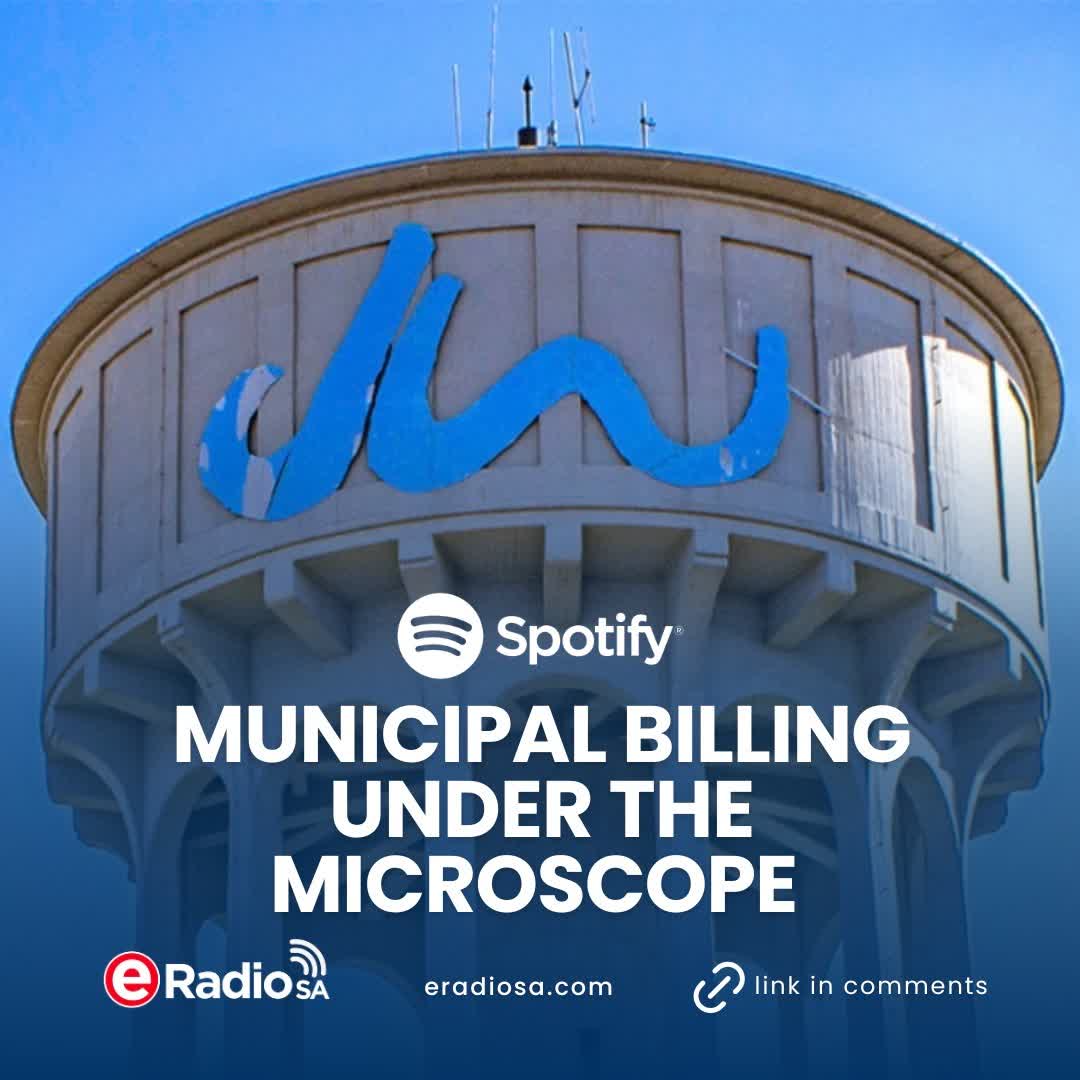
LEGAL TALK with Hahn & Hahn Attorneys: Municipal Billing Under the Microscope - The Johannesburg Water Case
In this episode, Eon speaks to Jaco Hamman from Hahn & Hahn Attorneys about a significant High Court judgment involving Johannesburg Water and municipal effluent billing. The case centred on whether a municipality can ignore readings from a properly installed and functioning effluent meter and instead bill a business using estimated water consumption. The court found that where direct measurement is available, the municipality is required to use it, resulting in a judgment of more than R6.3 million, plus interest and costs. Jaco explains what the judgment means for businesses, what ratepayers should look for on their municipal bills, and the steps they can take if they believe they have been incorrectly charged. Legal Talk is aired every Wednesday morning at 10:00 on eRadio SA and available as a podcast thereafter.
- ES
 September 22 · 10 min
eRadio Business Focus: Lifta SA Making Homes More Accessible
Lifta SA is the South African arm of Germany’s family-owned Liftstar, providing trusted residential mobility solutions to South African homes. Founded in 2007, Lifta SA has since expanded its offering to include the installation and servicing of premium home lifts, combining innovation, convenience and accessibility. Lifta SA brings European quality and design together with personalised South African service. Lifta SA is also the proud sponsor of eRadio News, weekdays from 8am to 4pm. We chat to Lifta SA Managing Director, Kyle Kristal. Visit https://www.lifta.co.za/ Want us to shine the spotlight on your business too? Email eon@eradiosa.co.za
- ES
 September 21 · 29 min
The OPTISMILE Podcast 126 - Stress and the Oral Cavity
Intro Welcome back to Save Your Money, Save Your Teeth. In the previous episode, Eon Engelbrecht and Dr Clifford Yudelman looked at protecting teeth from the outside with mouthguards. This episode turns inward, to damage that almost nobody connects to their mouth: stress. The mouth is one of the first places in the body where stress leaves fingerprints. They cover the tell-tale signs a dentist spots before a patient says a word, what cortisol does to gum tissue, how to recognise clenching and grinding, and why ulcers arrive with exam season. They also look at stress-driven dry mouth and sudden decay after decades of healthy teeth, burning mouth syndrome, trench mouth in modern high-flyers, why numbing sometimes fails, why elective implants should wait out a crisis, and what to do when someone is too overwhelmed to brush at all. 10 Questions and Summary Answers [1:43] Can you tell that a patient is stressed just by looking in their mouth? Often, yes, and sometimes before the mouth is even open. Worn front teeth, a white bite line along the cheeks, a scalloped tongue edge from pressing against the teeth, and gums that bleed despite unchanged brushing are the classic signs. No single sign means much on its own; it is the pattern that tells the story. When the whole mouth looks red and puffy rather than just the gum margins, Dr Yudelman asks patients to rate their stress out of ten, and more than one has burst into tears. The body copes with short, sharp danger; it is stress lasting weeks and months that does the damage. [4:47] What does chronic stress and cortisol do to the gums, and why would they bleed more when brushing has not changed? Stress leaves a real biological footprint. Adrenaline and cortisol, especially with poor sleep, dampen the immune response, change blood flow and slow healing, so the bacteria gain the upper hand. The gum tissue becomes friable, tearing like tissue paper. If gums bleed from nothing more than a puff of air with little plaque present, something is going on inside the body, not at the toothbrush. Dr Yudelman sometimes teaches patients box breathing in the chair: breathe in, hold, breathe out, hold, each for a steady count, for three or four minutes. [8:01] How would someone know they are grinding or clenching, and what is it doing to their teeth? A partner usually hears the night-time grinding first. Others wake with a tight jaw or a dull headache at the temples, or notice flattened and chipped front teeth and fillings that keep cracking. Daytime clenching is silent, so do a check at a red robot: are the teeth pressed together, or slightly apart with the tongue resting on the roof of the mouth? A night guard protects the teeth but does not fix the stress, and a sports or boil and bite guard should never be worn at night, because chewing on it strengthens the muscles and worsens the jaw joint. [10:03] Why do people get mouth ulcers when they are stressed? Ulcers are one of the most visible signs of stress, typically around exams, big deadlines or a difficult boss. The usual stress ulcer is round, painful and sits in the soft tissue where the cheek meets the gum; straight or oval ones are more often toothbrush scratches. Conditions such as lichen planus can flare with stress too. Any ulcer lasting two to three weeks needs a proper look and possibly a biopsy, and a painless ulcer that lingers, particularly on the side of the tongue or floor of the mouth in a heavy drinker or smoker, is urgent because it can be oral cancer. [12:01] How does stress dry out the mouth, and why does it raise cavity risk in someone who has never had a filling? Stress switches on fight or flight, and one of the first things that does is turn down saliva, the mouth's main defence against acid. A dry mouth turns acidic faster after eating and stays acidic for longer. Add stress-driven habits, more coffee with sugar, and cravings for refined carbohydrates, and patients with twenty filling-free years suddenly start getting cavities during a divorce, a bereavement or a hostile new boss. Nobody notices these invisible changes until the damage is done. [13:38] What is burning mouth syndrome, and can stress really cause a burning feeling when everything looks normal? It is complex, and stress is a recognised contributor in a good number of cases rather than all of them. Patients feel burning or tingling, usually in the tongue, yet the mouth looks completely normal, and going from doctor to doctor without answers feeds the anxiety. Dr Yudelman sees it most in women in their fifties and sixties, where menopausal hormone changes combine with life stress. When sleep improves and stress eases, the burning often eases too. Referral to an oral medicine specialist, and sometimes a psychiatrist, can help. [15:50] Is trench mouth still a thing in high-stress professionals, or is it just from the history books? It is very much still around. The name comes from the First World War, where extreme stress, poor nutrition and vitamin C deficiency combined. Dr Yudelman saw a lot of it in California in the early HIV years, and it still appears in people living under severe hardship. The surprise is modern entrepreneurs running several companies, flying constantly and barely sleeping, sometimes vaping as well. It comes on fast and is very painful, the gum between the lower front teeth rots away, and it needs antibiotics, mouthwashes and several cleanings before gum and bone are lost. [18:31] Can stress make the local anaesthetic less effective? It is a double-edged sword: patients who have felt treatment before arrive frightened and full of cortisol, which makes numbing harder. A separate factor is a gene linked to red hair that can mean more local anaesthetic, sedation or general anaesthetic is needed, which is why Dr Yudelman asks freckled patients whether they were redheads as babies. For very stressed patients, elective work waits. When treatment cannot wait, a pre-appointment tranquilliser for suitable patients, or intravenous sedation with an anaesthetist, relaxes them enough for the anaesthetic to work well. [21:16] Does stress slow healing after an extraction or implant, and should people delay big treatment during a stressful period? Yes. Stress affects blood flow, immune cell movement and collagen formation, all essential to healing, and implants in very stressed patients can take longer to integrate. Outright failure is rare and often traced to hidden vaping or a return to smoking under stress. Emergencies cannot wait, but an elective implant for a tooth missing three years can: it is not the thing to do in the middle of a divorce or a bereavement, and the practice does not push treatment on people in that position. [23:10] What do you say to someone so overwhelmed that oral hygiene has fallen off the list entirely? That is a danger sign that stress may be sliding into depression. A normally well-kept patient who arrives with plaque everywhere and signs of self-neglect tells the story in seconds, and Dr Yudelman always raises it gently. Rather than nagging, the team may offer a mouthwash and a soft toothbrush, acknowledge the hard time, and point towards someone to talk to, whether a psychologist, their doctor or a trusted person. Regular recall visits sometimes catch people before things slip too far. Free help exists through helplines such as Lifeline, government clinics and religious or community organisations. Outro The closing thought is simple: the mouth is not separate from the rest of the body. When gums bleed for no reason, ulcers keep returning or the numbing will not take, the mouth is telling you something about your life, and it is worth listening. As Eon puts it, your mouth keeps the score. Dr Yudelman admits the episode turned more serious than usual, but stress is not funny; it is a killer. Look after your teeth, look after yourself, and reach out for help when you need it. Further Resources Overcoming Dental Fear (Episode 51, breathing and relaxation techniques): https://optismile.co.za/blog/overcoming-dental-fear-why-are-people-afraid-of-thedentist/ Managing Bruxism and TMJ Disorder (Episode 42, clenching and night guards): https://optismile.co.za/blog/relief-and-recovery-managing-bruxism-and-tmj-disorder/ Menopause and Your Mouth (Episode 76, hormones, dry mouth and oral health): https://optismile.co.za/blog/menopause-oral-health/ Sedation Dentistry at OptiSmile: https://optismile.co.za/sedation-dentistry/ LifeLine South Africa, 24-hour counselling line 0861 322 322: https://lifelinesa.co.za/ South African Depression and Anxiety Group (SADAG), Suicide Crisis Helpline 0800 567 567: https://www.sadag.org/ OptiSmile Podcast Series: https://optismile.co.za/podcasts/ OptiSmile YouTube Channel: https://www.youtube.com/@OptismileZa-dentist-cape-town Contact OptiSmile: https://optismile.co.za/contact-us/ Disclaimer: The content provided in this podcast, "Save Your Money Save Your Teeth" on Medical Mondays, is for informational and educational purposes only. It is not intended to serve as dental or medical advice. The insights and opinions expressed by Dr. Clifford Yudelman and any guests are designed to foster a better understanding of dental health, preventive measures, and general well-being, but should not be interpreted as professional dental or medical recommendations. Dr. Clifford Yudelman does not diagnose, treat, or offer prevention strategies for any health conditions directly through this podcast. This platform is not a substitute for the personalized care and advice provided by a licensed dental or healthcare professional. We strongly encourage our listeners to consult with their own dental care providers to address individual dental health needs and concerns. The information shared here aims to empower listeners with knowledge about dental health but must not be used as a basis for making health-related decisions without professional guidance. Your dental care provider is the best source of advice about your dental and overall health. Please always seek the advice of your dentist or other qualified health professionals regarding any questions or concerns about your dental health.
- ES
 September 18 · 9 min
The Brothers at Hartland - Episode 8 - From Family Home to Retirement
Whether you're a young family looking for your forever home, an investor or someone planning for retirement, Hartland Estate provides you with different ways to become part of that future. John Harris explains why Hartland is the fastest growing estate in the Garden Route and why it should be your next address. For more information: John Harris 📞 083 234 7525 ✉️ john@hartlandestate.co.za Vaughn Harris 📞 061 458 8606 ✉️ vaughn@hartlandestate.co.za The Brothers @ Hartland "Two Brothers, One Goal: Your Family's Future"
- ES
 September 17 · 5 min
Your Money Maument with Mauritz Oberholzer - How to easily identify a financial scam
This week on 'Your Money Maument', Mauritz Oberholzer explains how to spot a financial scam before it costs you money. Learn the warning signs, common tricks scammers use, and simple ways to protect yourself and your finances. Your Money Maument is aired on eRadio SA every Thursday and available as a podcast afterwards. For more information visit https://www.mauritzoberholzer.co.za/
- ES
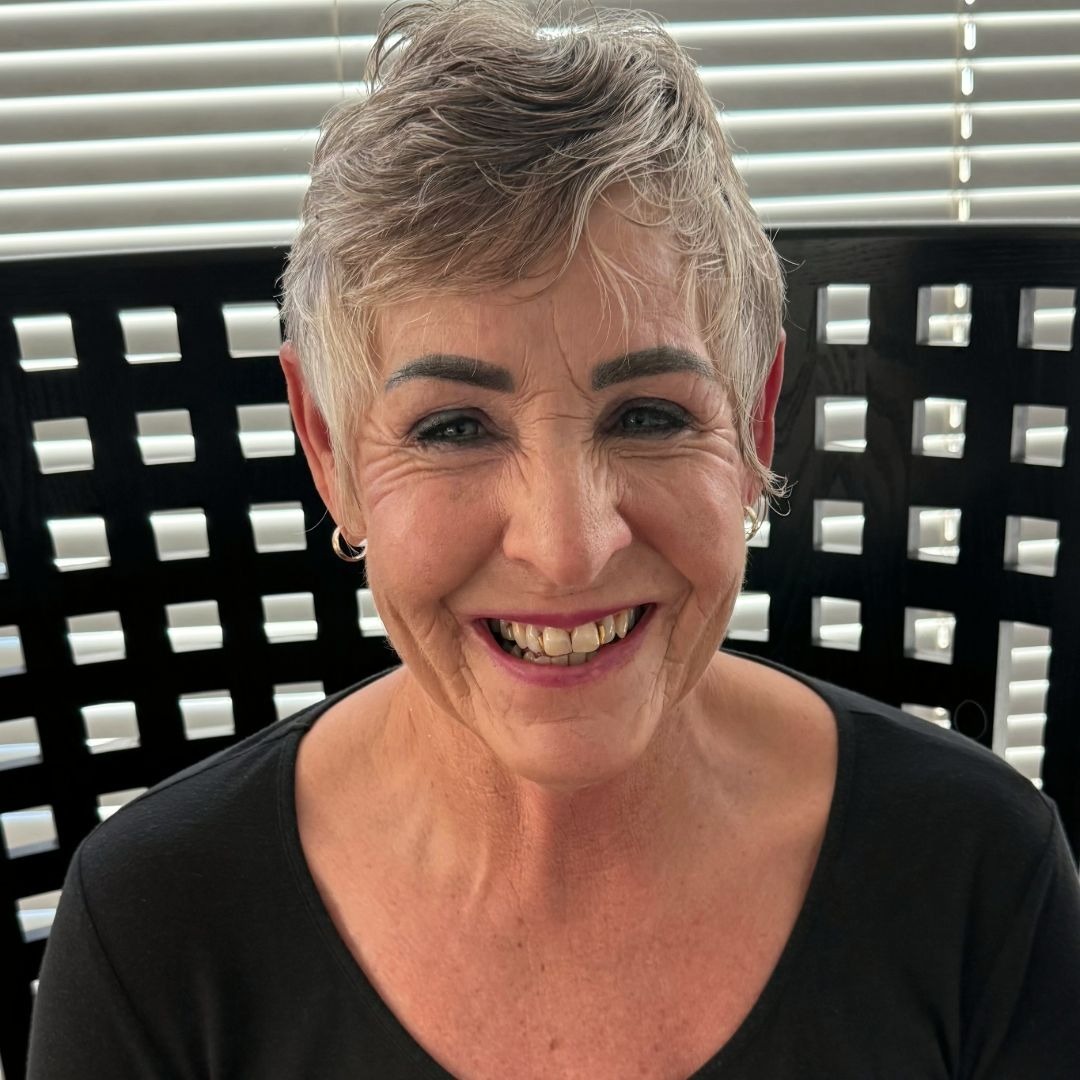 September 15 · 18 min
eRadio Business Focus: Inside The Post with Laurinda Smit
The Post is a popular monthly Garden Route publication, distributed from Mossel Bay to Knysna. We shine the spotlight on The Post and chat to Laurinda Smit, who is at the helm, about what has kept the publication so popular and relevant after all these years. Look out for your printed copy on the 1st of each month or read online: https://thepost.org.za/ Want us to shine the spotlight on your business too? Email eon@eradiosa.co.za
- ES
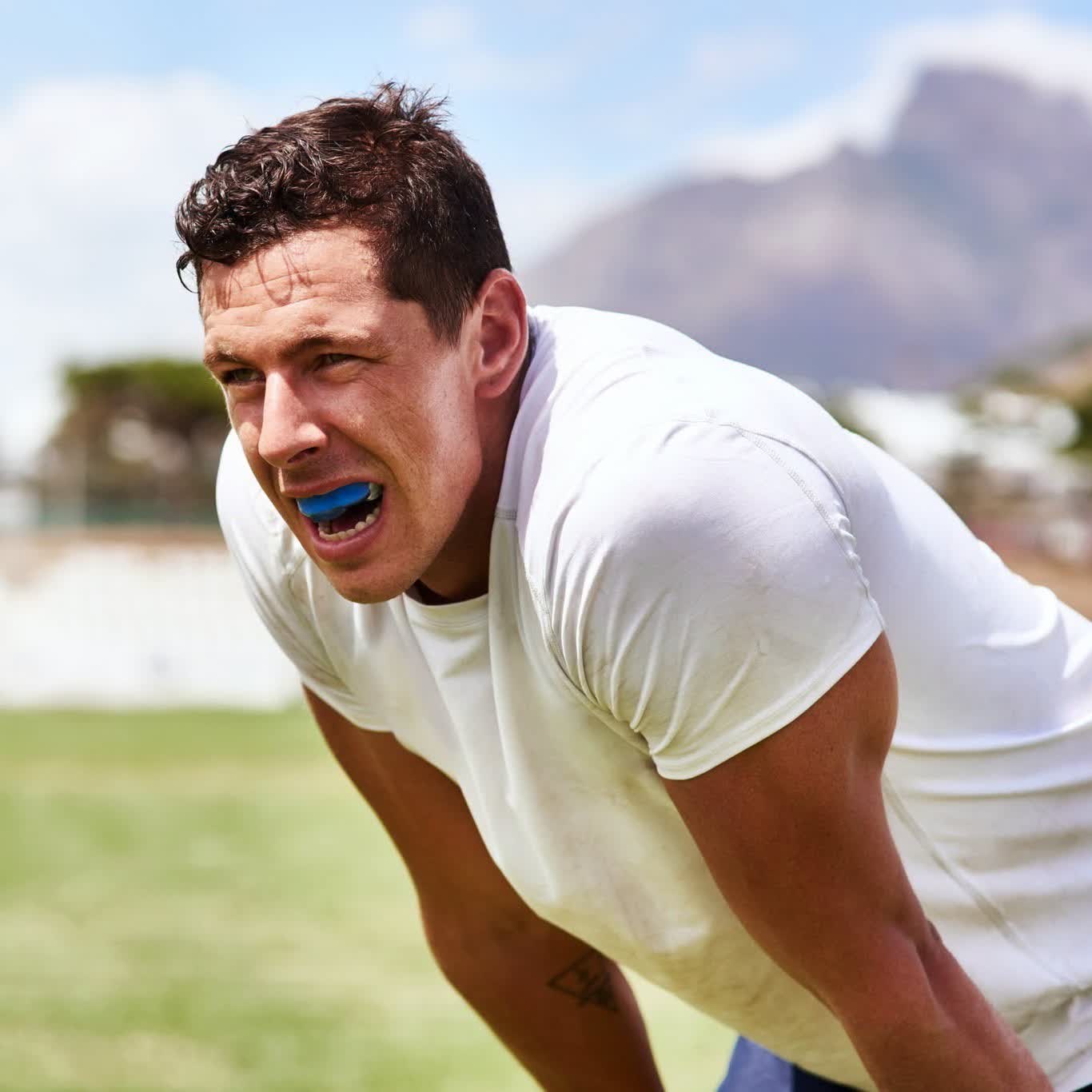 September 14 · 16 min
The OPTISMILE Podcast 125 - Sports Dentistry, Mouthguards and Trauma Prevention
Intro Welcome back to Save Your Money, Save Your Teeth. In the previous episode, Eon Engelbrecht and Dr Clifford Yudelman looked at building strong teeth from the inside through nutrition. This episode turns to the outside, because it does not matter how well built a tooth is if it meets a hockey stick at speed. They cover why a custom mouthguard made from a scan behaves differently from a boil and bite guard off the chemist's shelf, what a mouthguard can and cannot realistically do about concussion, and which sports deserve one, including the less obvious ones such as water polo, skateboarding and night trail running. The heart of the episode is the first ten minutes after a tooth is knocked out on the field: how to pick the tooth up, what to store it in, and why milk and saliva work while water does not. They also deal with knocked-out baby teeth, mouthguards for children in braces, replacement intervals for growing mouths, clenching during heavy lifting, custom scuba regulators, and whether medical aid treats prevention as a benefit worth paying for. 10 Questions and Summary Answers [2:11] Why is a custom made mouthguard so much better than the boil and bite ones from the shop? A boil and bite guard is better than nothing, but the difference only shows up once something has already gone wrong. Shop-bought guards are generic and bulky, they rarely fit properly, and children end up clenching just to hold them in. A custom guard is made from an accurate intra-oral scan, or from an impression where the dentist has no scanner, and it fits snugly enough that the wearer can still breathe and talk. That comfort is the whole point, because a guard that is uncomfortable is a guard that gets left in the kit bag. [3:30] Can a mouthguard actually prevent concussion, or is it really just about the teeth? The honest answer needs care. A mouthguard reliably protects the teeth, lips and jaw, and that is its real job. There is evidence that it softens jaw-related forces travelling up into the skull, but it is no guarantee against concussion and a player can still be knocked out wearing one. In boxing, where mouthguards are compulsory in professional matches, the referee stops the fight until a dislodged guard goes back in, and fighters with poorly fitting guards still get knocked out. Their teeth survive, which is the point. [4:54] If a child has braces, can they still wear a mouthguard for rugby or hockey? Yes. There are special orthodontic mouthguards designed to work around brackets, and they matter more than usual rather than less, because brackets can tear up the lips on impact. Protecting the mouth during orthodontic treatment is not optional. [5:19] Which sports actually need a mouthguard? Rugby and hockey are obvious, and so is cricket with fast deliveries coming in. Boxing and MMA need a professional-grade triple laminate guard matched to the weight class, not the same guard a schoolgirl would wear for netball. Water polo counts too. Less obvious are enduro, bicycle stunts and skateboarding, and the risk is not limited to contact: a trail runner running at night landed on a front tooth and drove it up into her face, needing hospital removal. Anywhere there is a real chance of landing on your face, a guard is cheap insurance. [7:04] A tooth is knocked out on the field. What happens in the first ten minutes, and are Save-A-Tooth kits worth having at schools? Those first ten minutes decide whether the tooth survives. Pick it up by the crown, never by the root, which carries the fine fibres the tooth needs to reattach. If it is clean, put it straight back into the socket, which is often undamaged. If it is covered in soil or sand, rinse it gently first and then reseat it. If it cannot go back in, store it in milk or in the child's own saliva, never in water, and get to a dentist within the hour. Save-A-Tooth kits are rare in South Africa, but the practice donated them to local sports teams in California and they were used more than once. [8:57] Does the advice change for a baby tooth, or a tooth that is loose or pushed in rather than out? Completely. A knocked-out baby tooth must never be put back, because reseating it can damage the developing adult tooth underneath, although it still needs to be checked. A loose or intruded tooth should not be wiggled or straightened at home: soft diet, and straight to a dentist. In Cape Town a very young child can go to the children's hospital, where an oral surgeon should be on call. In the trail-running case the injury happened on a Saturday night, the emergency room was contacted directly, the on-duty oral surgeon called back, and the remaining teeth were splinted that night. Waiting until Monday can cost more than one tooth. [10:15] Should people who lift heavy weights be wearing a mouthguard? This one surprises people. Heavy lifting generates enormous repeated clenching forces, and cracked teeth and cracked fillings turn up in the chair as a result, particularly in teeth already carrying large restorations. The guard does not need to be thick. A thin one provides enough cushioning to let the lifter clench hard without paying for it in cracked cusps later. [10:54] How often should a growing child's mouthguard be replaced? Roughly once a year as a rule of thumb, but really the moment it stops fitting snugly, because children's teeth move quickly. For younger children still in baby teeth, and not yet in heavy contact sport, a well-fitting over-the-counter boil and bite can be the sensible economic choice when it needs replacing every three to six months. The children who need the most attention are those with prominent front teeth that the lip does not cover at rest, which is an argument for early orthodontics on protective grounds rather than cosmetic ones. [12:21] Do scuba regulators cause jaw pain, and is there a custom option? Yes to both. Standard regulator mouthpieces vary a great deal in quality, and a poor one, including on a snorkel, strains the jaw muscles and joints over a long dive. Custom scuba mouthpieces can be made by a dentist, as they were routinely in Australia, and they make diving considerably more comfortable. [13:14] Does medical aid cover a sports mouthguard as a preventative benefit? It varies, and the practice does not bill medical aid directly, so patients submit their own statement. The wider point stands regardless of the answer: the cost of a mouthguard is trivial against the cost of trauma and a lifetime of replacement dentistry, and prevention should not wait on reimbursement rules to decide what is worth doing. Outro The closing thought is the one worth carrying off the field: a mouthguard is not sports equipment, it is insurance, and it is the cheapest insurance in dentistry, because one saved front tooth pays for decades of protection. As Dr Yudelman puts it, the reason for these podcasts is to help people save their money and save their teeth. A guard that costs a fraction of a single crown, worn by a child who will keep those front teeth for another seventy years, is about as favourable a trade as dentistry offers. Next week: stress and the oral cavity, covering cortisol, gums and more. Further Resources Athletes and Oral Health (Episode 66, includes custom mouthguards): https://optismile.co.za/blog/athletes-oral-health/ Managing Bruxism and TMJ Disorder (Episode 42, clenching and guards): https://optismile.co.za/blog/relief-and-recovery-managing-bruxism-and-tmj-disorder/ OptiSmile Podcast Series: https://optismile.co.za/podcasts/ OptiSmile YouTube Channel: https://www.youtube.com/@OptismileZa-dentist-cape-town Contact OptiSmile: https://optismile.co.za/contact-us/ Disclaimer: The content provided in this podcast, "Save Your Money Save Your Teeth" on Medical Mondays, is for informational and educational purposes only. It is not intended to serve as dental or medical advice. The insights and opinions expressed by Dr. Clifford Yudelman and any guests are designed to foster a better understanding of dental health, preventive measures, and general well-being, but should not be interpreted as professional dental or medical recommendations. Dr. Clifford Yudelman does not diagnose, treat, or offer prevention strategies for any health conditions directly through this podcast. This platform is not a substitute for the personalized care and advice provided by a licensed dental or healthcare professional. We strongly encourage our listeners to consult with their own dental care providers to address individual dental health needs and concerns. The information shared here aims to empower listeners with knowledge about dental health but must not be used as a basis for making health-related decisions without professional guidance. Your dental care provider is the best source of advice about your dental and overall health. Please always seek the advice of your dentist or other qualified health professionals regarding any questions or concerns about your dental health.
- ES
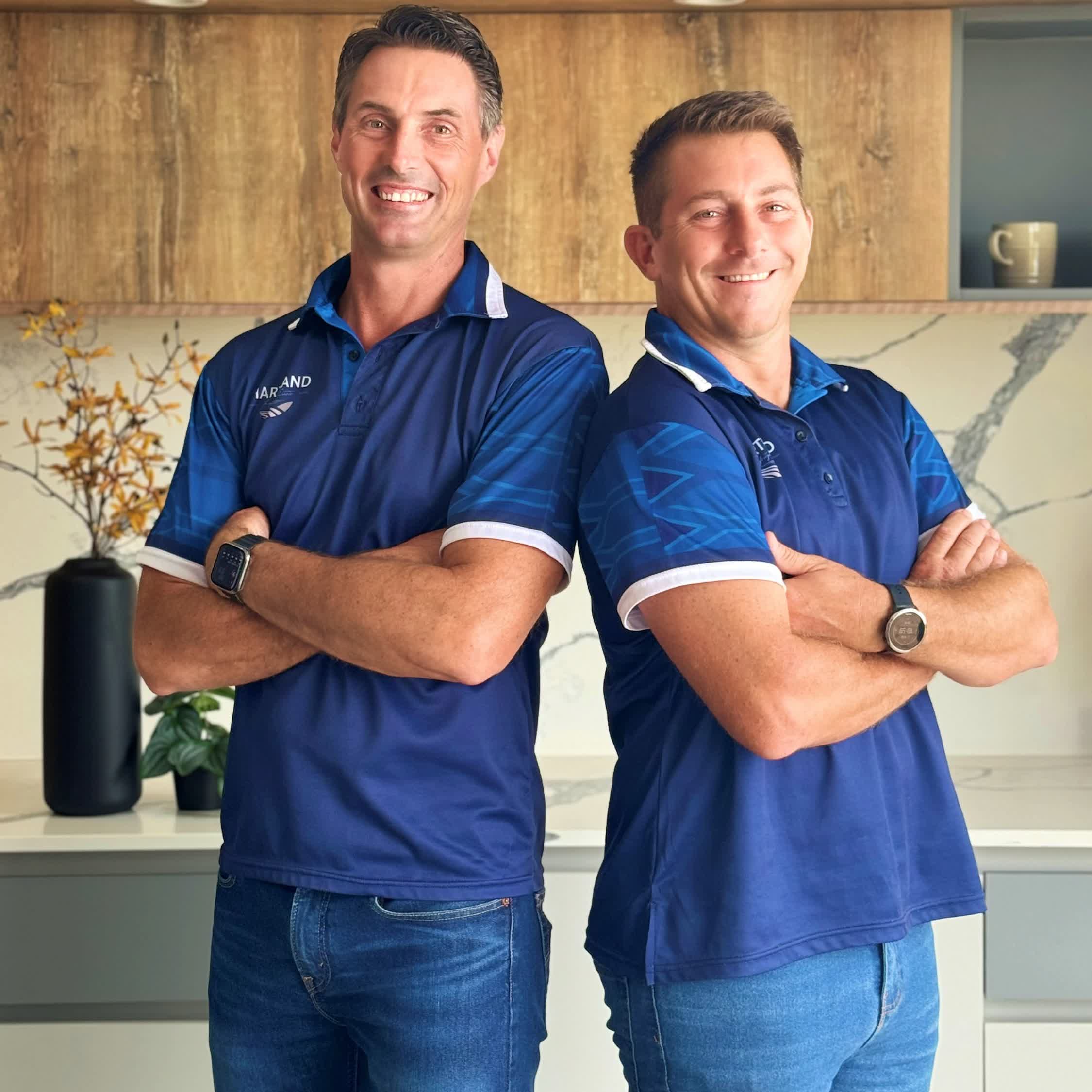 September 11 · 6 min
The Brothers at Hartland - Episode 7 - Hartland Outdoors: Trails, Cycling & Beach Living
We go outdoors with Vaughn as we explore Hartland’s cycling and walking trail network, along with the convenience of direct beach access for residents. Discover how these outdoor spaces bring nature, activity and coastal living together, and how they reflect the lifestyle at the heart of the Hartland vision. For more information: John Harris 📞 083 234 7525 ✉️ john@hartlandestate.co.za Vaughn Harris 📞 061 458 8606 ✉️ vaughn@hartlandestate.co.za The Brothers @ Hartland "Two Brothers, One Goal: Your Family's Future"
- ES
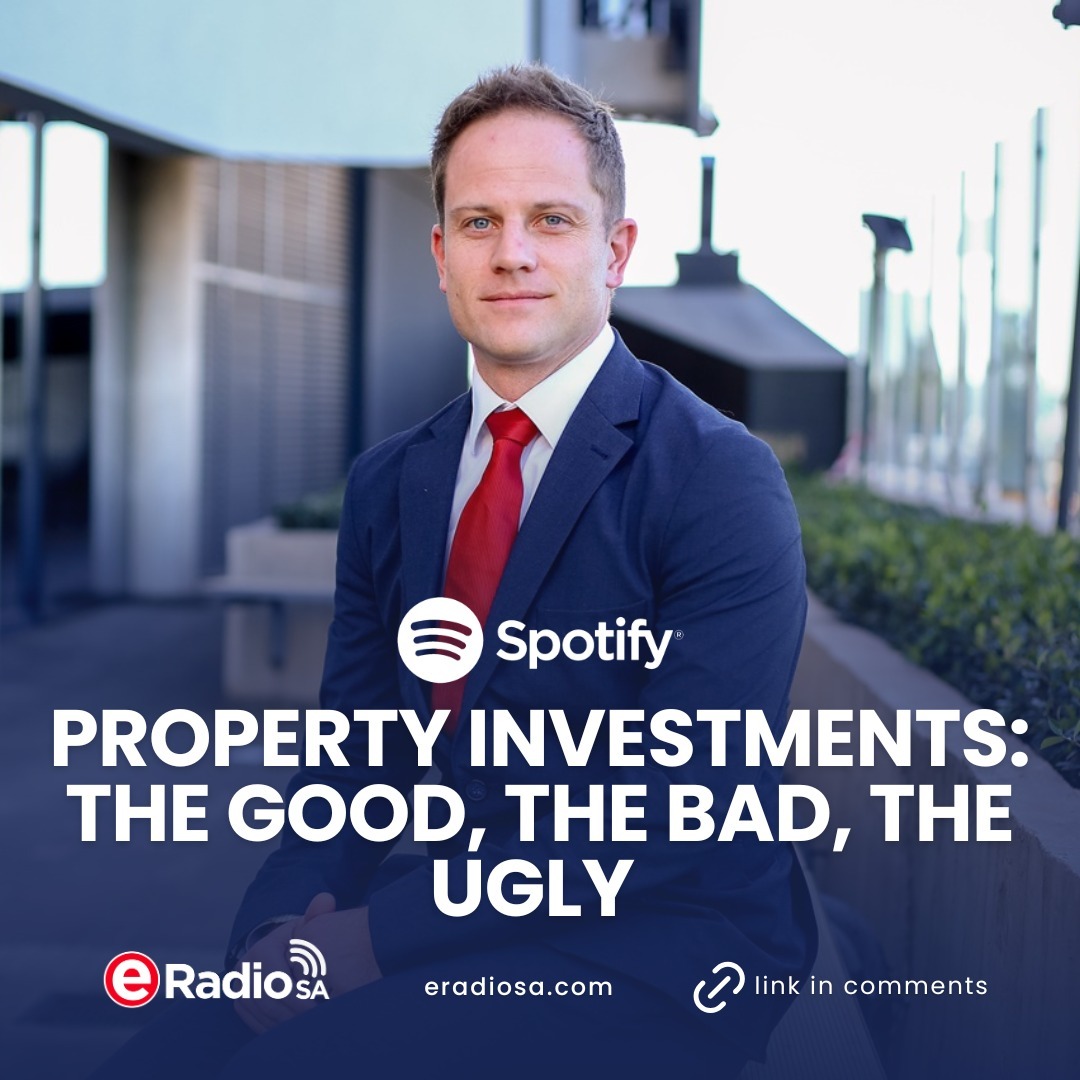 September 10 · 5 min
Your Money Maument with Mauritz Oberholzer - The good, the bad, the ugly of Property Investments in South Africa
Property investment is often seen as one of the safest ways to build wealth, but the reality can be very different. In this episode of Your Money Maument, Financial advisor Mauritz Oberholzer takes an honest look at the good, the bad and the ugly of property investment in South Africa. From potential rental income and long-term growth to interest rates, maintenance costs, vacancies, taxes and the risks that can catch investors off guard. Whether you’re considering buying your first investment property or already have a property portfolio, this episode offers practical insights into what you need to know before putting your money into bricks and mortar. Listen in as we separate the opportunities from the pitfalls and explore whether property investment is still worth it in South Africa. Your Money Maument is aired on eRadio SA every Thursday and available as a podcast afterwards. For more information visit https://www.mauritzoberholzer.co.za/
- ES
 September 9 · 8 min
LEGAL TALK with Hahn & Hahn Attorneys: Eskom’s 2027 Tariff Hike Explained
Eskom’s proposed 2027/28 tariff changes could see fixed electricity charges rise significantly. Hahn & Hahn Attorney Merilynn du Plessis explains what the proposals mean for consumers, including potential increases of more than 20% and NERSA’s public consultation process. Legal Talk is aired every Wednesday morning at 10:00 on eRadio SA and available as a podcast thereafter.
- ES
 September 8 · 13 min
ICAN: More Than Hearing - Understanding Tinnitus, Dizziness and Balance with Dr Kara Hoffman
In this interview, Dr Kara Hoffman, who is part of the ICAN network, explores the often-overlooked role of audiologists in diagnosing and managing more than hearing loss. She discusses tinnitus, dizziness and balance problems, explains how inner-ear issues can affect balance, and highlights when people should seek professional assessment. Dr Hoffman also offers reassurance and practical guidance for those who have been living with these symptoms for months or even years. To find an independent audiologist in your area, visit: www.independentaudiologists.co.za
- ES
 September 7 · 22 min
The OPTISMILE Podcast 124 - Nutrition for Developing Smiles
Introduction In this episode, Dr Clifford Yudelman turns the usual prevention message on its head. Dentistry has spent decades telling people what to avoid, and almost nothing about what actually builds a strong tooth in the first place. He covers the minerals and fat-soluble vitamins behind healthy enamel and dentine, why vitamin K2 has become a talking point in jaw development, and how chewing tougher foods influences jaw width and the odds of needing braces. He also tackles the frequency-versus-quantity question on sugar, whether a vegan diet puts a growing child's teeth at risk, and whether grandmothers were right about cod liver oil. The episode closes on mouth breathing, when an early cavity can be monitored rather than filled, and what modern dentistry does and does not take from Weston Price. The thread running through it all is financial: a well-built jaw and strong enamel in childhood represent decades of restorative dentistry that never has to happen. Questions and Answers Question 1. We know sugar is bad, but what nutrients actively build strong enamel in the first place? (0:55) Enamel and dentine are living structures during development and need calcium and phosphate, plus the fat-soluble vitamins D3 and K2. D3 helps absorb calcium from the gut, and K2 directs that calcium into bones and teeth rather than into muscle. The classic warning sign is a child who brushes perfectly but still develops enamel defects or early decay. Look deeper and you usually find low sun exposure combined with poor dietary fat and a processed diet. In parts of Africa where people are outdoors tending cattle or walking long distances, naturally stronger teeth are common, largely from the vitamin D the skin makes in sunlight. Teeth built well in childhood resist decay and cracking, and that foundation saves decades of fillings, crowns and root canals. Question 2. What is vitamin K2, and why is everyone suddenly talking about it for jaw development? (3:18) Think of K2 as a traffic controller for calcium. Without it, calcium circulates but does not necessarily end up where it is needed. Research increasingly shows K2 activates proteins involved in bone and tooth mineralisation, including the jaw bones, which can influence arch width, tooth spacing and facial development during growth. A telling example is narrow jaws and crowding in children despite genuinely low sugar intake. Nutrition does not override genetics, but it influences how the genes express, and anything that reduces the odds of complicated orthodontics later is a long-term financial win. Question 3. How does vitamin D3 deficiency affect a child's teeth and even their airway? (4:21) D3 deficiency is surprisingly common even in sunny places, because children spend far less time outdoors than they used to. When D3 is low the minerals do not absorb, giving soft brown teeth, delayed eruption and weaker jaw bone. There is growing interest in how D3 affects airway development and muscle tone, so in a child with frequent chest infections, mouth breathing or poor enamel, more sunshine and better D3 can make both the whole body and the mouth more resilient. Oral health, airway health and immunity are all linked. Question 4. Does chewing tougher foods, such as carrots or biltong, actually influence jaw growth and reduce the chance of needing braces later? (5:37) Chewing is exercise for the jaw. Loading bone stimulates bone density and muscle development, so crunchy, tough foods that need real chewing make the jaws grow bigger, as opposed to soft processed foods. It is not about hardness for its own sake but about functional use of the jaw during growth. Children on soft processed diets, junk food or effectively baby food show a marked difference in jaw width and later crowding compared with those eating fibrous vegetables such as celery, carrots and apples along with good proteins. It will not guarantee that braces or Invisalign are avoided, but it plays a bigger part than people realise. For a family with two or three children, putting carrots and celery in the lunchbox instead of something mushy can save considerable time and money. Question 5. Is it how much sugar a child eats, or how often, that really drives cavities? (7:49) Frequency matters more than quantity. Every time sugar is eaten, the plaque on the teeth makes acid and that acid attacks the enamel for about twenty to thirty minutes. A can of Coke drunk with lunch produces one acid episode; the same can poured over ice at ten in the morning and sipped every half hour produces acid attacks all day, and after a few years of that the difference in the teeth is dramatic. The same principle applies to citrus: eat the whole naartjie and get it over with rather than popping a segment every twenty minutes. Grazing all day, including on juice, simply keeps the teeth covered in acid. Anything both sugary and acidic, such as a sour sweet or citrus, is worse again. Question 6. Is a vegan diet safe for developing teeth, or are supplements essential? (10:10) It is not the veganism itself that is the problem, it is the unrecognised deficiencies during critical growth windows. On a vegan diet it is hard to get enough B12, D3, calcium and K2. A well-meaning, ethical vegan family can be completely unaware that a child's poor enamel, and the dental problems that follow for the rest of their life, trace back to a gap in the nutrition. Anyone raising a child vegan should look specifically into foods with high levels of those nutrients. It is much cheaper and better to address that than to deal with enamel problems later. Question 7. Does cod liver oil actually help prevent cavities, or is it just an old wives’ tale? (12:02) Cod liver oil is genuinely very rich in vitamins A and D, both important for enamel and dentine, and its use long predates modern supplements. Grandmothers were not entirely wrong; they had a point, and those practices developed over years of observation. It supports mineralisation alongside good hygiene and low sugar exposure, and it is very low cost, often cheaper than modern supplement ranges. It does not replace brushing and fluoride toothpaste, which remain essential. Question 8. How does mouth breathing tie into all of this, beyond just the airway? (13:54) Mouth breathing usually points to airway obstruction and nasal issues, and it then causes problems in the mouth. It dries the mouth, which changes the oral bacteria, reduces saliva's protective role and makes enamel erosion worse. Sleep quality also suffers, which affects how the body releases growth hormone at night, and that matters for a developing child. A chronic mouth breather with restless sleep can get rapid decay despite a decent diet. Making sure a child is breathing properly, including allergy testing or an ENT referral, helps not only the teeth and the growth but even cognitive development. Question 9. Can nutrition actually reverse small cavities in children, or is that wishful thinking? (15:10) Very early decay, known as white spot lesions, can stabilise or remineralise under the right conditions, with good plaque control, brushing, flossing, fluoride, tooth mousse and nutritional support all working together. It does not mean every cavity will heal, only the ones caught early. A patient of 19 with several cavities visible on x-ray was discussed at the practice's Tuesday case meeting and most were left alone and monitored, because his oral hygiene is now excellent; he was given whitening trays to hold tooth mousse rather than to whiten, with x-rays at regular intervals. Another patient, now 25, has areas that look identical on x-rays taken in 2018, 2023 and today. Not every cavity needs a filling, and it is fair to ask questions when told you need eight. Question 10. What is the Weston Price theory, and does modern dentistry actually support any of it? (17:30) Weston Price held that traditional unprocessed diets correlate with lower decay rates and wider jaws in the populations he studied. His methodology was not perfect by modern research standards, but several of his observations do align with current nutritional science. Modern dentistry does not reject fluoride or preventive tools because of it: nutrition matters, but it works alongside evidence-based dentistry rather than replacing it. The sad cases are the ones where families believe the body can heal any cavity regardless of size; once decay is into the dentine, no theory substitutes for treatment. Dentists worldwide are required by law to earn continuing education points to keep their licence, which is what keeps practice anchored to current evidence, even though nutrition itself is barely taught in dental school. Closing Thoughts Dentistry has spent decades telling people what to avoid and almost nothing about what to actually eat. None of this replaces brushing, fluoride or a proper check-up, but getting the nutrition right early means a family is not fighting an uphill battle for the next fifteen years. As Dr Yudelman puts it, if you build it right the first time, the cheapest orthodontics and the cheapest fillings are the ones you never needed. A well-built jaw and strong enamel in childhood are decades of avoided restorative dentistry. To learn more or to book a full examination, visit OptiSmile.co.za. Further Resources Paediatric Dentistry at OptiSmile — child-focused dental care, prevention and first visits: https://optismile.co.za/dental-solutions/paediatric-dentist/ Fluoride vs Fluoride-Free Toothpastes: Myths & Facts — the evidence on fluoride, remineralisation and white spot lesions: https://optismile.co.za/blog/fluoride-vs-fluoride-free-toothpastes-myths-facts/ Dental Solutions for Snoring and Sleep Apnea — mouth breathing, airway and sleep-disordered breathing: https://optismile.co.za/blog/dental-solutions-for-snoring-and-sleep-apnea/ Are All These X-Rays Necessary? — x-ray frequency and monitoring early lesions rather than filling them: https://optismile.co.za/blog/x-rays-dentist-gives-necessary/ Secrets of Your Teeth Exposed Through Dental X-Rays — what each type of x-ray reveals, including early decay: https://optismile.co.za/blog/secrets-of-your-teeth-exposed-through-dental-x-rays/ The Ultimate Guide to Dental Check-Ups — what a thorough examination includes and how findings are discussed: https://optismile.co.za/blog/the-ultimate-guide-to-dental-check-ups/ Pregnancy and Dental Health — nutrition and oral health before the first tooth appears: https://optismile.co.za/blog/pregnancy-and-dental-health/ OptiSmile Podcast Series — the full Save Your Money, Save Your Teeth archive: https://optismile.co.za/podcasts/ OptiSmile YouTube Channel — video episodes and patient education: https://www.youtube.com/@OptismileZa-dentist-cape-town Book an appointment — contact OptiSmile in Sea Point, Cape Town: https://optismile.co.za/contact-dentist-cape-town/ Disclaimer: The content provided in this podcast, "Save Your Money Save Your Teeth" on Medical Mondays, is for informational and educational purposes only. It is not intended to serve as dental or medical advice. The insights and opinions expressed by Dr. Clifford Yudelman and any guests are designed to foster a better understanding of dental health, preventive measures, and general well-being, but should not be interpreted as professional dental or medical recommendations. Dr. Clifford Yudelman does not diagnose, treat, or offer prevention strategies for any health conditions directly through this podcast. This platform is not a substitute for the personalized care and advice provided by a licensed dental or healthcare professional. We strongly encourage our listeners to consult with their own dental care providers to address individual dental health needs and concerns. The information shared here aims to empower listeners with knowledge about dental health but must not be used as a basis for making health-related decisions without professional guidance. Your dental care provider is the best source of advice about your dental and overall health. Please always seek the advice of your dentist or other qualified health professionals regarding any questions or concerns about your dental health.