Skip to content
Artwork for Energy Technology: Industry Insights

Energy Technology: Industry Insights

GlobalData Energy

Energy Technology delivers strategic, actionable insights for energy industry professionals across the value chain. Each week, we dive into the forces shaping power, oil and gas and mining – from market forecasts and policy updates to technology breakthroughs and supply chain intelligence – bringing together expert voices and data-driven analysis, powered by GlobalData’s business intelligence platform.

This podcast builds on reporting from GlobalData’s energy titles: Power Technology, Offshore Technology and Mining Technology.

Play
  • 23 episodes
  • Avg 13 min
  • English
Counted on this page — what you have heard stays on this device, so it is not something the list can be paged by.
  • October 6 · 10 min

    Next-generation geothermal: borrowing oil and gas tech for the data centre boom

    As Big Tech pushes forward with new data centres, there is a growing need for reliable, clean power. Geothermal has emerged as a solution, enabled by next generation energy technologies which are unlocking new geographies. Delivery of these technologies looks familiar – much of the physical build-out of new geothermal systems relies on traditional oil and gas expertise and equipment. Some oil and gas wells may be repurposed, and new wells will lean on previous learnings. The opportunity is significant; investment in geothermal projects is forecast to reach $2.5tn by 2050, and geothermal could offer a cleaner pivot for traditional hydrocarbon infrastructure. However, questions remain around risk-sharing and delivery timelines. Drilling down into the detail is Florent Rousset, vice president of new energy at Baker Hughes. Eve Thomas, associate editor of GlobalData’s energy titles, is the host and producer of this episode. Find more news and strategic insights into all things energy on Power Technology, Offshore Technology and Mining Technology, all free to access. For quick daily updates, make sure to subscribe to our newsletters. (00:00) Intro (01:57) Geothermal for data centre power demand (02:32) Oil and gas’ opportunity (03:12) Infrastructure and know-how carry over (04:06) Translating unconventional experience (04:42) Repurposing technology for geothermal (05:48) Challenges for geothermal compared to oil and gas (06:47) Repurposing vs drilling new wells (07:37) Planning for geology (08:30) Risk-sharing with hyperscalers (09:23) Timeline for delivering power (10:00) Outro
  • September 29 · 16 min

    Solar, wind and tidal for renewable fuels: what the research says

    Most global transport and heavy industry still rely on fossil fuels; for these hard-to-abate sectors, decarbonisation hinges on the development of low-carbon alternatives. Green hydrogen, ethanol and synthetic fuels are seeing some limited adoption, but cost-competitiveness and scalability remain challenging. Across the solar, wind and tidal sectors, researchers are working to push the needle towards commercial viability. Discussing the work that could shape the future of low-carbon fuel alternatives are four researchers and experts: Maren Cordts, co-founder of photreon; Motiar Rahaman, assistant professor at the University of Liège; Catrin Garrett, energy systems engineer at EMEC and Alessandro Giampieri, research associate at Durham Energy Institute. For more on low-carbon fuels, check out last week’s episode from Gastech. Eve Thomas, associate editor of GlobalData’s energy titles, is the host and producer of this episode. Find more news and strategic insights into all things energy on Power Technology, Offshore Technology and Mining Technology, all free to access. For quick daily updates, make sure to subscribe to our newsletters. (00:00) Intro (01:01) photreon’s photoreactor panels (01:59) Tackling scalability (02:58) Artificial leaves (04:03) Targeting ethanol (04:49) The speed of progress (06:20) Trends in tidal for fuel production (07:44) Challenges in tidal power (08:34) Vanadium batteries in tidal (10:07) Tidal for SAF (11:10) Offshore wind for onshore electrolysis (11:45) Producing hydrogen onsite offshore (12:49) Transporting offshore hydrogen to shote (15:05) The curtailment opportunity (16:27) Outro

  • September 23 · 12 min

    Gastech 2026: from LNG's long-term outlook to future fuels and AI

    Gastech 2026, hosted in Bangkok, Thailand, brought together tens of thousands of energy professionals from more than 150 countries to discuss some of the biggest problems and solutions shaping the industry. At the event, we spoke to experts from across the industry value chain to get their views on some of the key themes running through this year’s agenda, including geopolitics and energy security, gas's role as a transition fuel and beyond, unlocking future fuel markets and how AI is transforming offshore operations. This episode features insights from Honeywell Technologies’ president of projects & automation solutions, Russ Ford, Wood’s COO for projects, Nick Shorten, and APAC regional president, John Mtanios, Armstrong Fluid Technology Industrial’s global product manager, Divyanshu Shrivastava, Trelleborg Marine & Infrastructure’s gas transfer specialist, Matthew Richardson, and SmartSea’s CEO, Kris Vedat. ⁠Jackie Park⁠⁠⁠⁠⁠⁠⁠, editor-in-chief of GlobalData's energy titles, is the host of this episode. Find more news and strategic insights into all things energy on ⁠⁠⁠⁠⁠⁠⁠⁠⁠⁠⁠⁠⁠Offshore Technology⁠⁠⁠⁠⁠⁠⁠, ⁠⁠⁠⁠⁠⁠⁠Power Technology⁠⁠⁠⁠⁠⁠⁠ and ⁠⁠⁠Mining Technology⁠⁠⁠⁠⁠⁠⁠⁠, ⁠⁠⁠⁠⁠⁠⁠⁠⁠all free to access. For quick daily updates, make sure to subscribe to our newsletters. (00:00) Intro (00:35) Geopolitics and energy security (01:50) Gas beyond a transition fuel (03:39) Who should pay to decarbonise gas? (05:41) Making gas fit for the future (06:29) Unlocking future fuels (09:17) AI to scale alternative fuels (10:13) AI’s unique offering offshore (11:20) What the digital future needs

  • September 15 · 12 min

    Can hydrogen become platinum’s next big market?

    Platinum has traditionally been associated with catalytic converters, which reduce harmful emissions from internal combustion engine vehicles. But as global vehicle fleets electrify, the platinum industry is looking for sources of demand beyond the automotive market. Hydrogen offers one potential answer. Platinum is used in proton-exchange membrane, or PEM, fuel cells and electrolysers, where it helps drive the chemical reactions that produce electricity or hydrogen. These technologies could be especially important in heavy-duty transport and industrial processes, such as steelmaking, where direct electrification is more difficult. However, hydrogen remains a relatively small source of platinum demand today. Its future impact depends on whether hydrogen infrastructure can be deployed at scale, whether project developers can secure demand and financing, and how quickly manufacturers reduce the amount of platinum used in each fuel cell or electrolyser. We speak with Edward Sterck, Director of Research at the World Platinum Investment Council; Una O’Hara, a researcher specialising in hydrogen storage and platinum-based technologies; and Sai Dheeraj Karanam, Mining Analyst at GlobalData, about the role platinum plays in hydrogen technology, the trade-off between lower catalyst loadings and faster deployment, and the ability of a concentrated mining industry to respond to rising demand. Alejandro Gonzalez, mining editor at GlobalData, is the host of this episode of Energy Technology: Industry Insights. Find more news and strategic insights into all things energy on Power Technology, Offshore Technology, and Mining Technology, all free to access. For quick daily updates, make sure to subscribe to our newsletters. [00:01] Intro [01:40] The demand challenge [03:50] Platinum for hydrogen [06:20] The problem with scaling hydrogen [07:45] More hydrogen, less platinum [09:35] Mining industry response [10:40] Can hydrogen become a major platinum market? [12:05] Ends Reports: Europe Hydrogen Market Report – 2026 (GlobalData)

  • September 8 · 15 min

    Drones in solar: where can automation deliver the most value?

    Solar farms are getting bigger every year, and with them, so are the challenges of design, construction and maintenance. Drones are flying to the rescue to lower costs, improve safety and optimise output. Today, drones are being deployed across the full solar lifecycle, from site surveying and construction monitoring to post-commissioning O&M. In this episode, we explore how drones can deliver the most value for the industry. Joining us to share their insights are Suneil Sastri, VP of product management at Zeitview, Joshua Baum, commercial lead at Percepto, and Rehaan Shiledar, senior power industry analyst at GlobalData. We discuss drone use cases across the value chain, BVLOS regulations, Drone-in-a-Box and AI potential, and where the industry’s heading. ⁠Jackie Park⁠⁠⁠⁠⁠⁠, editor-in-chief of GlobalData's energy titles, is the host and producer of this episode. Find more news and strategic insights into all things energy on ⁠⁠⁠⁠⁠⁠⁠⁠⁠⁠Offshore Technology⁠⁠⁠⁠⁠⁠, ⁠⁠⁠⁠⁠⁠Power Technology⁠⁠⁠⁠⁠⁠ and ⁠⁠Mining Technology⁠⁠⁠⁠⁠⁠⁠, ⁠⁠⁠⁠⁠⁠⁠all free to access. For quick daily updates, make sure to subscribe to our newsletters. (00:00) Intro (01:08) How drones are used across the value chain (02:46) Where can drones most and least help? (06:07) Navigating BVLOS operations (09:17) Drone-in-a-Box: achieving full autonomy (10:54) AI and the software-first evolution (13:24) The next frontier Resources from this episode: GlobalData’s 2025 Drones: Strategic Intelligence report GlobalData’s 2025 Future of Work in Power report

  • September 1 · 12 min

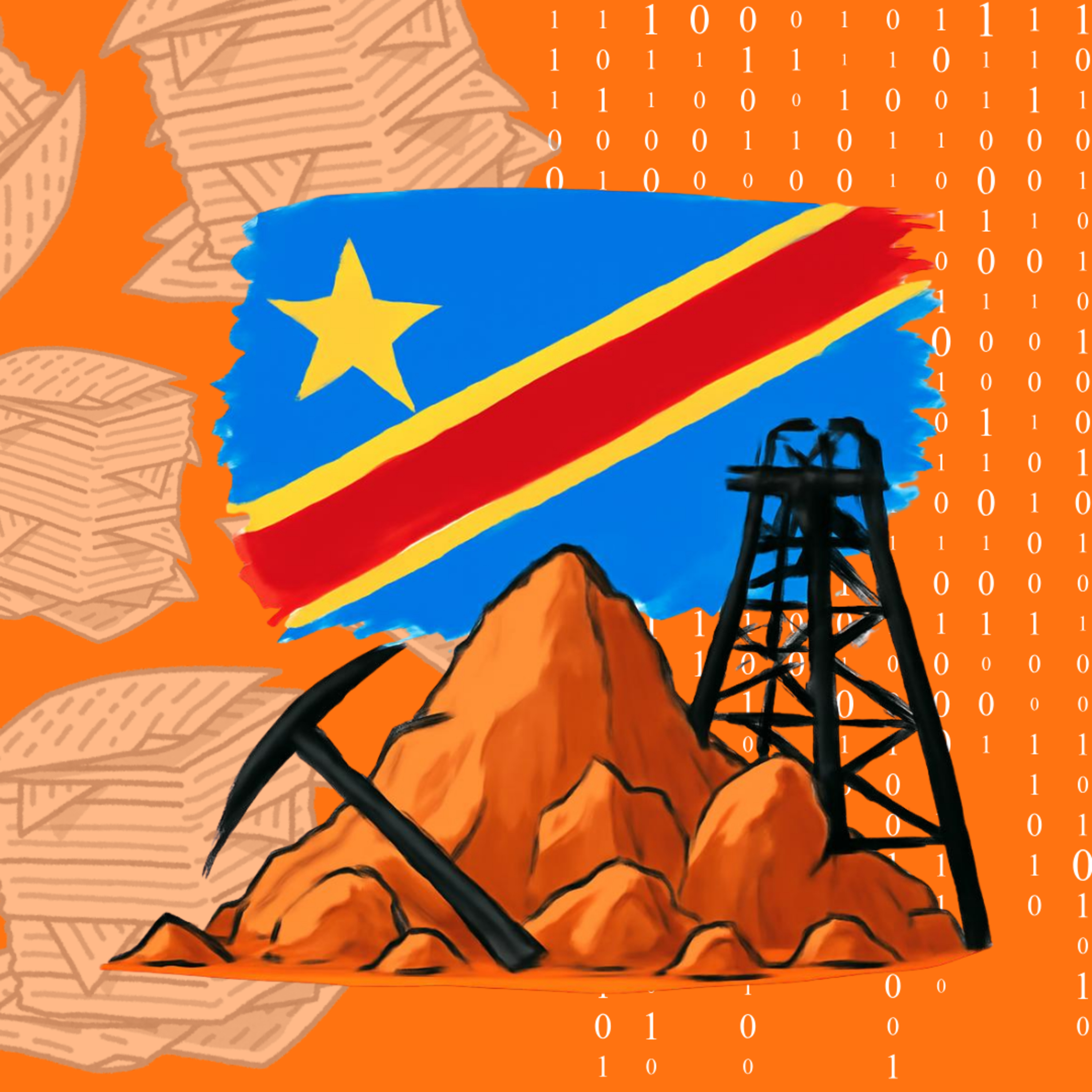
    Can digitised colonial records unlock the DRC’s mineral exploration potential?

    The Democratic Republic of Congo is seeking greater access to historical geological records held in Belgium as the country looks to exert greater control over the information underpinning its mineral wealth. The involvement of US mining company KoBold Metals has added a new dimension to the debate, bringing geological archives into the wider discussion around digital exploration and critical minerals. But how valuable is geological information collected decades ago? We speak with Junior Nsimba Badila, Klaus Eckhof and Russell Menezes, CEO of RadiXplor, about resource sovereignty, China's longstanding presence in the DRC, historical exploration data, and the technologies being developed to make vast archives of geological information searchable and usable. The discussion moves beyond the DRC to consider whether AI can change the economics of exploration by allowing geologists to interrogate millions of pages of historical information in a fraction of the time. Alejandro Gonzalez, editor of Mining Technology and MINE magazine, is the host of this episode of Energy Technology: Industry Insights. Find more news and strategic insights into all things energy on Power Technology, Offshore Technology and Mining Technology, all free to access. For quick daily updates, make sure to subscribe to our newsletters. (00:01) Intro (02:14) Why the DRC wants access (03:10) Making use of historical record: the challenge (04:02) Digitalisation and AI driven geological research (07:20) A new kid on the block: critical minerals (08:30) Who will drive this effort? (12:40) Ends

  • August 25 · 15 min

    Electrifying offshore: what is slowing rig electrification?

    Offshore oil and gas electrification has proven benefits including lower operational costs and emissions reductions. However, global uptake has remained low and, outside of Norway, most platforms still rely on fossil power. Potential decarbonisation wins have been overshadowed by rising infrastructure costs and long connectivity timelines, but the burgeoning offshore renewables sector could bolster the oil and gas industry’s economic incentive to electrify. Unpacking why upstream electrification has stalled are four expert guests: Dr Maurizio Bragagni, chairman and CEO of cable manufacturer Tratos, Said Addi, previously the global lead of crude and fuel oil trading at E3 Energy Group, Thomas Manuel Ortiz, former senior technical advisor for energy issues at Texas General Land Office, and Mo Razzaq, oil and gas analyst at GlobalData. Eve Thomas, editor of Offshore Technology, is the host and producer of this episode.  Find more news and strategic insights into all things energy on Power Technology, Offshore Technology and Mining Technology, all free to access. For quick daily updates, make sure to subscribe to our newsletters. (00:00) Intro (01:19) Why most rigs are fossil powered (03:18) Assessing electrification economics (04:24) Grid connection constraints (04:58) Advantages of offshore electrification (05:53) Do emissions affect barrel price? (06:50) Decarbonisation is not a fix-all (09:19) Why Norway leads (10:47) Offshore wind for power (12:10) Renewables could improve investment value (13:36) What is needed to support electrification

  • August 18 · 12 min

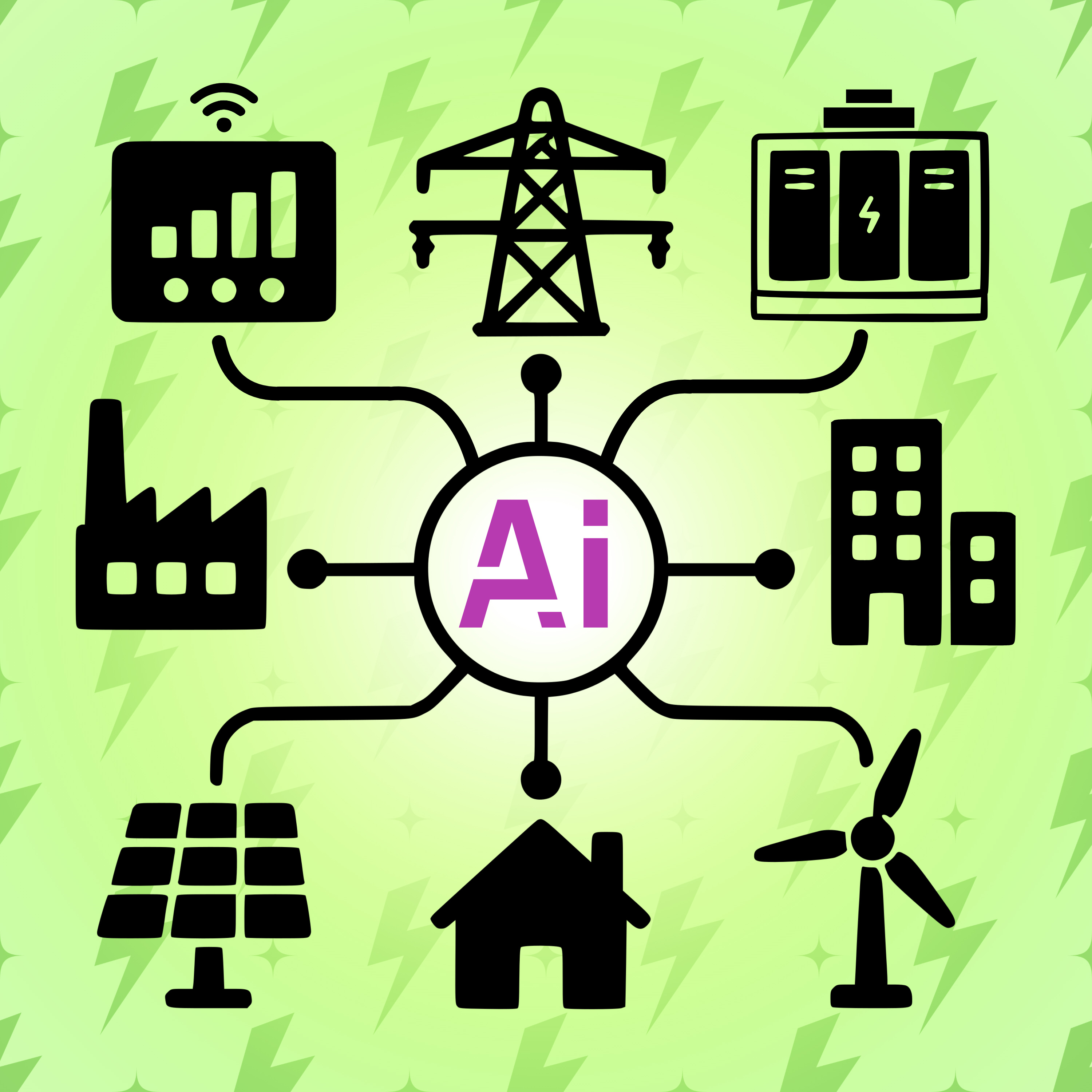
    AI in smart grids: how grid tech is navigating challenges and opportunities

    AI represents a huge opportunity for the grid sector facing a rapidly changing load landscape. However, for the historically conservative and risk-averse industry, trustworthiness remains a hurdle to mass implementation. Fragmented network data is another challenge – at the same time, it could represent an opportunity for AI to work around the flaws. In this episode, we gather insights directly from three leading grid management tech providers: Ralf Blumenthal, SVP Europe at Siemens Grid Software, Linda-Maria Wadman, Chief Commercial Officer at Plexigrid, and Talal Eskandar, Executive Managing Director at Reactive Technologies. They explain the role AI plays in their technologies and what the industry could expect ahead. We’re also joined by Rehaan Shiledar, senior power industry analyst and author of GlobalData’s 2026 Smart Grids report, to discuss the risks and rewards AI can bring to smart grids. ⁠Jackie Park⁠⁠⁠⁠⁠, editor-in-chief of GlobalData's energy titles, is the host and producer of this episode. Find more news and strategic insights into all things energy on ⁠⁠⁠⁠⁠⁠⁠Offshore Technology⁠⁠⁠⁠⁠, ⁠⁠⁠⁠⁠Power Technology⁠⁠⁠⁠⁠ and ⁠Mining Technology⁠⁠⁠⁠⁠⁠, ⁠⁠⁠⁠⁠all free to access. For quick daily updates, make sure to subscribe to our newsletters. (00:00) Intro (00:48) Overview: AI in smart grids (02:20) How grid tech providers are integrating AI (05:23) Fragmented data: AI’s opportunity and challenge (08:36) Building trust in AI (10:05) Calls for action Resources from this episode: GlobalData’s 2026 Smart Grid: Strategic Intelligence report, authored by Rehaan Shiledar

  • August 11 · 15 min

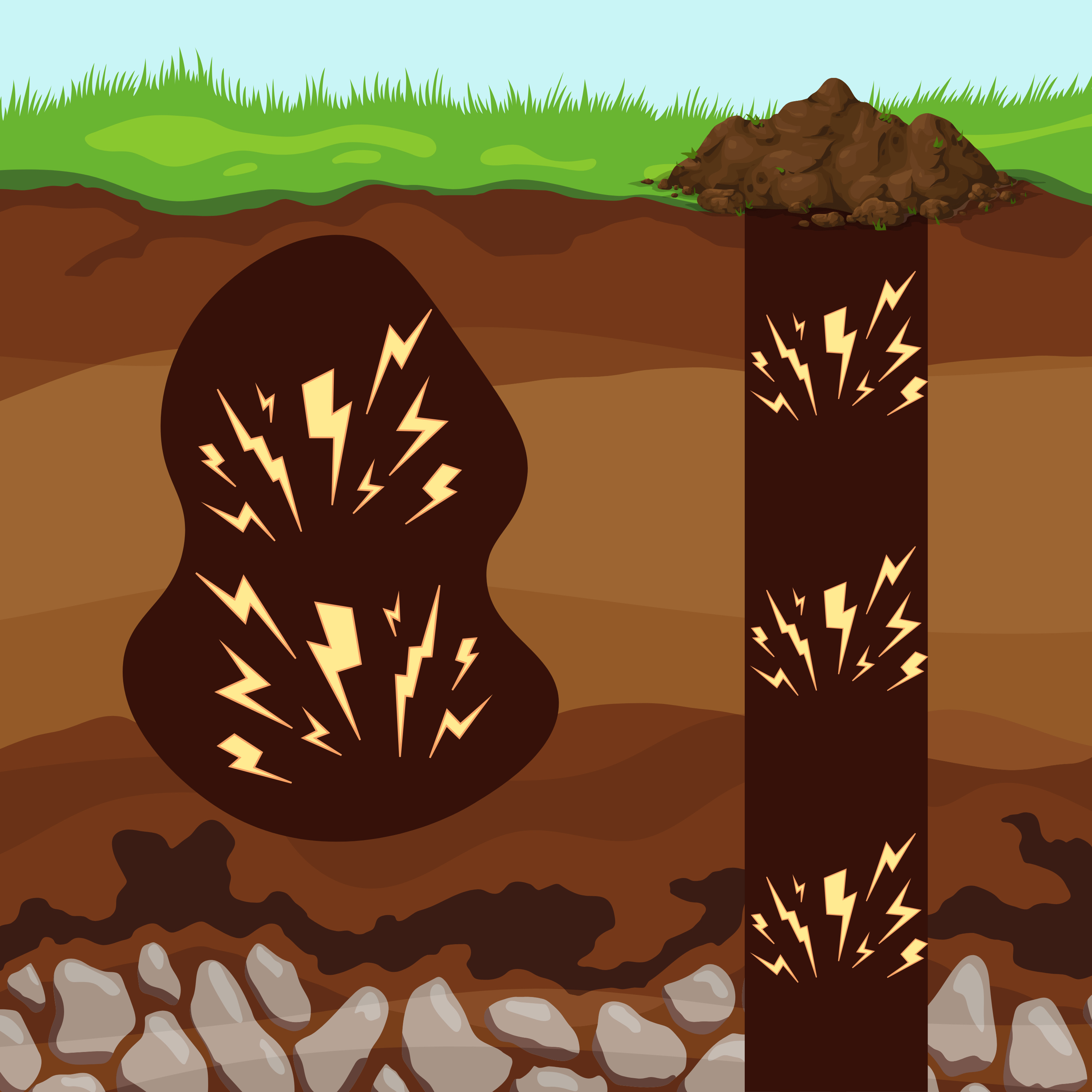
    Underground LDES: turning mines and caverns into energy storage 

    As intermittent renewables expand, so does the demand for long duration energy storage (LDES). However, different geologies and applications require tailored solutions, and increasingly developers are looking to the subterranean. Underground storage bypasses some limitations of traditional electrochemical batteries, including degradation, thermal runaway and supply chain constraints. However, compressed air energy storage (CAES) and underground gravity energy storage (UGES) bring their own techno-economic challenges. In this episode, we speak to two underground energy storage providers to understand how the sector is taking shape on (and under) the ground. CEO of Storelectric Tallat Azad addresses CAES, while founder and CEO of Green Gravity Mark Swinnerton unpacks the technicalities of UGES. We also hear from Edward Barbour, associate professor of energy systems and storage at the University of Birmingham, about the broader landscape. Eve Thomas, associate editor of GlobalData’s energy titles, is the host and producer of this episode.  Find more news and strategic insights into all things energy on Power Technology, Offshore Technology and Mining Technology, all free to access. For quick daily updates, make sure to subscribe to our newsletters.   (00:00) Intro (01:46) How CAES and UGES work (02:22) Comparing underground technologies (03:36) How Storelectric uses CAES (04:34) Geology for CAES (05:24) How Green Gravity uses UGES (06:19) Abandoned mines for UGES (07:13) CAES bottlenecks (08:24) UGES bottlenecks (09:17) Relative advantages of CAES (09:49) Relative advantages of UGES (10:48) CAES energy storage capacity (12:00) UGES energy storage capacity (13:29) Grid impact (14:37) Underground innovation (15:19) Outro

  • August 4 · 16 min

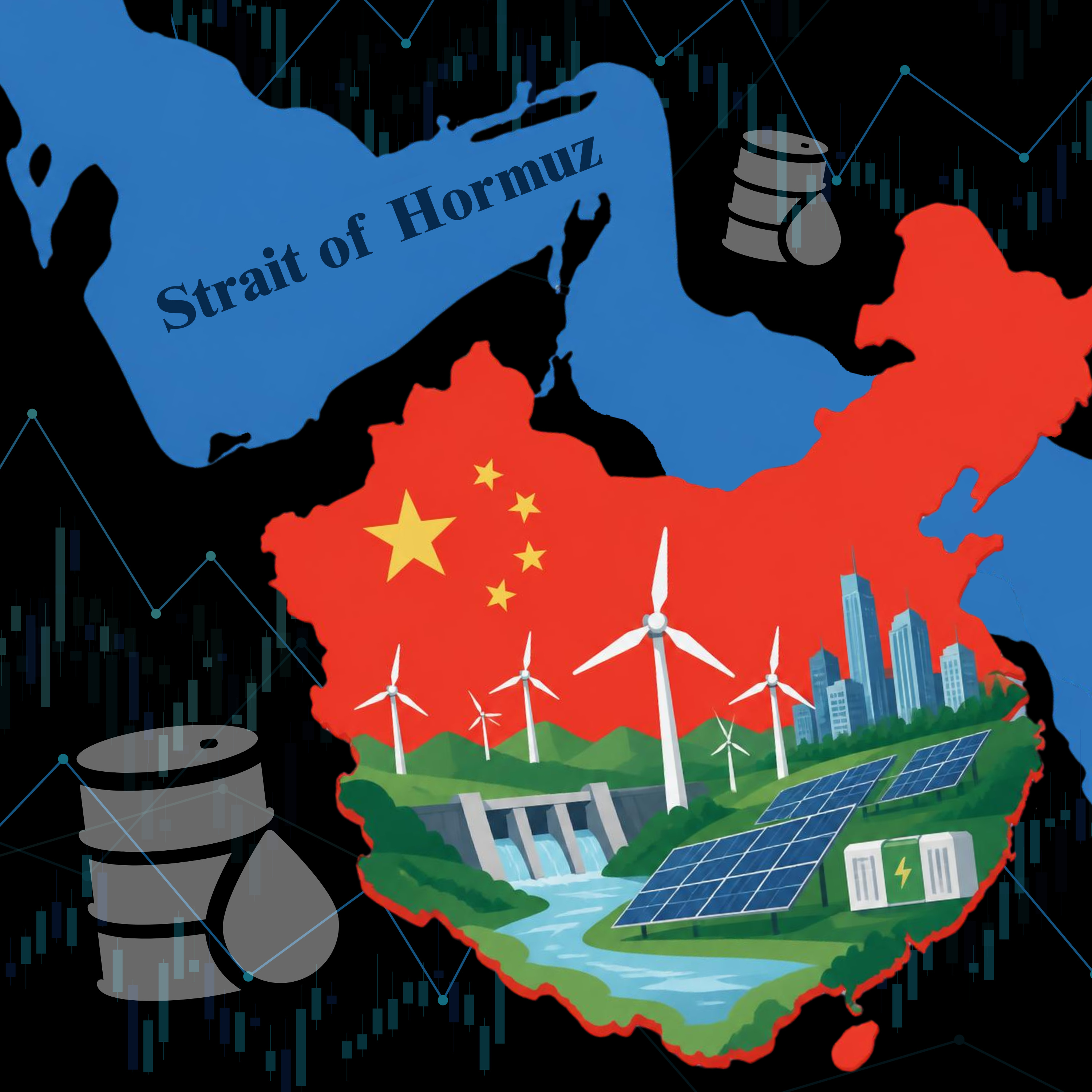
    Lessons from the Iran War: China’s oil buffer and energy resilience, tested

    The 2026 Iran war and subsequent closure of the Strait of Hormuz was yet another harsh wake-up call to the entire world – after the pandemic, the Russian invasion of Ukraine and trade wars – about the dangers of foreign reliance for energy supplies. Yet, throughout the height of the crisis, China, the world's largest crude oil importer appeared relatively immune to the blow. Has the Asian powerhouse truly reached a level of energy resilience unmatched, or were the cracks inevitably about to show like the rest of the world? In this episode, we’re breaking down China’s management of recent oil flow disruptions and its march toward energy independence. Joining us to share their insights are Rory Green, head of emerging markets research at TS Lombard (TSL) and author of TSL’s recent report ‘Is China immune to energy shocks?’, and Dr Erica Downs, senior research scholar at the Center on Global Energy Policy at Columbia University, specialising in Chinese energy markets and geopolitics. ⁠Jackie Park⁠⁠⁠⁠, editor-in-chief of GlobalData's energy titles, is the host and producer of this episode. Find more news and strategic insights into all things energy on ⁠⁠⁠⁠Offshore Technology⁠⁠⁠⁠, ⁠⁠⁠⁠Power Technology⁠⁠⁠⁠ and Mining Technology⁠⁠⁠⁠⁠, ⁠⁠⁠all free to access. For quick daily updates, make sure to subscribe to our newsletters. (00:00) Intro (01:15) China's resilience to energy shock (05:34) Remaining risks to resilience (06:36) China’s stockpiles: how effective? (07:57) Absorbing shock to causing shock (09:10) China’s response to a prolonged closure of the strait (11:03) Russia: a buffer or another vulnerability? (14:18) Lessons from the war Resources from this episode: Find Rory Green’s report ‘Is China immune to energy shocks?’ and more economic analysis on Chinese markets by subscribing to the GlobalData TS Lombard Portal. You can also find Rory’s report and more oil and gas industry insights on GlobalData’s Intelligence platform.

  • July 28 · 13 min

    Cyber espionage in mining: how big is the threat?

    Cyber espionage represents a silent but prolific threat for mining operators. In an era of increasing digitalisation, the mining industry has more attack surfaces than ever before. As the race for transition minerals heats up, the sector also has more security-critical information, including geological surveys and M&A planning. As a result, cyber espionage is rife – most states are both perpetrators and victims. Yet, the clandestine nature of the threat makes it near-impossible to quantify.  In this episode, we speak to William Akoto, professor of foreign policy and global security at American University, and Nilesh Raghoo, associate analyst at GlobalData, to understand the scale and shape of the threat, the technologies that make operators vulnerable and those being used in cyber defence. Eve Thomas, associate editor of GlobalData’s energy titles, is the host and producer of this episode. Find more news and strategic insights into all things energy on Power Technology, Offshore Technology and Mining Technology, all free to access. For quick daily updates, make sure to subscribe to our newsletters.  (00:00) Intro (01:56) What is cyber espionage? (02:26) The Night Dragon campaign example (03:03) Mining operators hold valuable data (04:41) Attack surfaces in mining technology (05:21) How operators are reacting (06:10) Rio Tinto example (06:36) Who are the perpetrators? (07:31) Norge Mining example (07:55) Is cyber espionage illegal? (09:42) Recorded Future report (10:02) The scale of the threat (11:46) AI and quantum computing: a changing landscape

  • July 14 · 14 min

    Automation and AI in biofuel refining: Q&A with Honeywell

    Biofuel demand is growing, driven by decarbonisation strategies across hard-to-abate sectors. However, scaling up production presents challenges; feedstock variations are unavoidable, and conventional refineries aren’t built for the chemical diversity of waste inputs, nor the contaminants. In this episode, we speak to Lewis Sweet, general manager for sustainable fuels and chemicals at Honeywell Process Automation, to understand how automation and AI are preparing the biofuel refinery space for a future of increasing demand. We consider the current capabilities of automation and AI, alongside the likely future trajectory, and ask how technology can tackle the challenges of inconsistency, both in feedstock supply and content. Eve Thomas, editor of Offshore Technology, is the host and producer of this episode. Find more news and strategic insights into all things energy on Power Technology, Offshore Technology and Mining Technology, all free to access. For quick daily updates, make sure to subscribe to our newsletters. (00:00) Intro (01:21) Automation use in biofuel refining (02:15) AI conversations in biofuel (03:36) Integrating AI in biofuel automation (04:54) Automation and AI in supporting biofuel production (07:36) Embedding supportive technologies (09:42) What AI insights offer industry (10:51) Feedstock composition as a pain point (11:32) Will technology help to manage feedstock variables? (13:33) Where to begin (14:23) Outro

  • July 7 · 13 min

    Energy transition investment trends: where’s the money flowing?

    For years, the narrative has been all about the unstoppable clean energy expansion, but recent policy reversals, geopolitical shifts and supply chain bottlenecks have made the trend not so straightforward anymore. In this episode, we look under the hood of the global energy transition and map out where the money is actually flowing. We review overall investment trends, break down the picture for different technologies, and look over the horizon to see how the investment landscape will shift for the back half of this decade. Joining us to unpack the data is Alex Phillips, GlobalData energy transition analyst and author of GlobalData’s 2026 Energy Transition Investment Trends report. ⁠Jackie Park⁠⁠⁠, editor-in-chief of GlobalData's energy titles, is the host and producer of this episode. Find more news and strategic insights into all things energy on ⁠⁠⁠Mining Technology⁠⁠⁠, ⁠⁠⁠Offshore Technology⁠⁠⁠ and ⁠⁠⁠Power Technology⁠⁠⁠ , all free to access. For quick daily updates, make sure to subscribe to our newsletters. (00:00) Intro (00:45) Overview: transition tech investment trends (03:51) Renewables investment (05:55) Nuclear investment (07:16) Biopower and geothermal investment (08:41) Hydrogen investment (10:12) Cost of capital (11:28) Investment trends to 2030 Resources from this episode: Power Technology's grid investment trends analysis: ⁠Renewable investment enters a new phase as grids become the limiting factor⁠ GlobalData’s ⁠2026 Energy Transition Investment Trends⁠ report

  • June 30 · 11 min

    Can Brazil become a key rare earth supplier for the West? 

    As governments seek to diversify critical mineral supplychains beyond China, Brazil is emerging as one of the world's most promising new sources of rare earth elements. The country holds the world's second-largest rare earth resource base and is advancing a new generation of projects, which could provide lower-impact production of the magnet rare earths needed for EVs, offshore wind turbines and defence technologies. But geology alone is not enough. Building a globallycompetitive rare earth industry will require investment, permitting, downstream processing and international partnerships. We speak with Rafael Moreno, CEO of Viridis Mining & Minerals, Elizabeth Johnson, Managing Director of Brazil Research at TS Lombard, and GlobalData analyst Sai Dheeraj about Brazil's rare earth ambitions, the implications of the recent G7 critical minerals declaration, and whether projects such as Colossus can help reshape global supply chains. Alejandro Gonzalez, editor of Mining Technology and MINEmagazine, is the host of this episode of Energy Technology: Industry Insights. Find more news and strategic insights into all things energy on Power Technology, Offshore Technology and MiningTechnology, all free to access. For quick daily updates, make sure to subscribe to our newsletters. (00:01) Intro (01:30) Why Brazil? Why now? (04:00) The race against time (05:35) Where is the bottleneck? (08:35) Can Brazil build a complete rare earthindustry? (10:45) The G7 opportunity

  • June 23 · 14 min

    Venezuela post-Maduro: will oil majors invest again?

    January brought massive change for Venezuela. After almost 13 years, Nicolás Maduro was removed from power and, within the month, the path was being laid for a revival of the country’s oil sector. The opportunity is huge. Venezuela is home to the world’s largest proven oil reserves and, throughout the late 1990s and early 2000s, it produced over three million barrels per day. However, financial mismanagement and corruption pushed the country into economic collapse, and regulations around joint venture stakes drove many international operators out. The amendment to the Organic Hydrocarbon Law in January 2026 could change things for the better, but investors are cautious. So, as Venezuela adjusts to what the future looks like post-Maduro, will oil majors return? This episode includes insights from Eugenia Perozo, editor of Investment Monitor. Eve Thomas, editor of Offshore Technology, is the host and producer of this episode of Energy Technology: Industry Insights.   Find more news and strategic insights into all things energy on Power Technology, Offshore Technology and Mining Technology, all free to access. For quick daily updates, make sure to subscribe to our newsletters.  (00:00) Introduction (00:34) Historical backdrop (02:28) Venezuela’s oil resources (04:15) Economic collapse (05:47) The Organic Hydrocarbon Law (07:54) Companies’ assessments (08:27) Current infrastructure (09:21) Why the change is now (10:21) General licenses (11:14) US sanctions (12:24) Executive Order 14373 (13:05) What would it take for firms to return? (14:18) Outro

  • June 16 · 12 min

    The future of bioleaching in mining

    Bioleaching has been part of the mining industry fordecades, using naturally occurring microorganisms to extract metals from ores and concentrates. Yet as demand for copper, critical minerals and strategic resources grows, the technology is attracting renewed attention. Declining ore grades, rising environmental pressures andvast quantities of historical mine waste are forcing mining companies to rethink how resources are extracted and processed. Advocates argue that bioleaching could help unlock value from lower-grade deposits, tailings andcomplex mineral systems while reducing reliance on more energy-intensive processing routes. We speak with Priit Joers, Chief Scientific Officer at BiotaTec, BacTech CEO Ross Orr and ekolive founder Darina Štyriaková about the state of the bioleaching sector, the challenges of commercial deployment, the opportunities emerging in mine waste recovery, and what the future may hold for microbial mineral processing. Alejandro Gonzalez, editor of Mining Technology and MINEmagazine, is the host of this episode of Energy Technology: Industry Insights. Find more news and strategic insights into all things energyon Power Technology, Offshore Technology and Mining Technology, all free to access. For quick daily updates, make sure to subscribe to our newsletters. (00:00) Intro (01:35) Bioleaching: how it works (05:05) Industrial adoption (07:10) Downstream and tailings (11:20) What's next?

  • June 9 · 14 min

    Power Summit 2026: AI, security and the road to European electrification

    Last week, European power industry leaders and policymakers gathered in Helsinki for Eurelectric's Power Summit 2026 to discuss the sector's most pressing challenges. Energy systems are facing unprecedented threats. We’re seeing a massive spike in power demand, driven largely by data centers and industrial electrification; navigating a volatile geopolitical landscape and with it, having to secure reliable, independent supply and defend critical infrastructure against emerging hybrid attacks; and all this with increasing pressures to both decarbonise and digitalise. So, what needs to be done to ensure Europe’s competitiveness on the global stage? Featuring insights from: Alexander Stubb, President of Finland Kingsmill Bond, Energy Strategist at Ember Rory Stewart, Co-host of The Rest is Politics Jan Rosenow, Professor of Energy and Climate Policy at the University of Oxford Oonagh Buckley, Secretary General of Ireland's Department of Climate, Energy and the Environment Miguel G. Torreira, Global Lead for Commodity Markets at Accenture Ralf Blumenthal, SVP Europe at Siemens Grid Software Kristian Ruby, Secretary General at Eurelectric Urs Pennanen, SVP of Corporate Customers at Fortum Linda-Maria Wadman, CCO of Plexigrid Talal Eskandar, Executive Managing Director at Reactive Technologies Limited Mircea Stremtan, Sales Director at SentryOT Jackie Park⁠, editor-in-chief of GlobalData's energy titles, is the host and producer of this episode. Find more news and strategic insights into all things energy on ⁠Mining Technology⁠, ⁠Offshore Technology⁠ and ⁠Power Technology⁠ , all free to access. For quick daily updates, make sure to subscribe to our newsletters. (00:00) Intro (00:58) Industrial electrification (03:47) Supply security and geopolitical resilience (07:22) AI in power (10:20) Optimism for the future (11:57) Lessons from Nordic energy systems Resources from this episode: Find entire session recordings on Eurelectric's YouTube channel See Power Couples report referenced by Kristian Ruby

  • June 2 · 14 min

    Super Size Wind: how big can, and should, mega turbines get?

    Modern offshore wind farms aren't just growing in numbers – they are literally growing, scaling up turbines in sizes we couldn’t have imagined a decade ago. We’ve officially entered the era of super size wind. We’re seeing colossal wind turbines deployed across the world that surpass 15MW per unit and boast rotor diameters wider than the height of most skyscrapers. But while the engineering is inspiring, industry still has its hesitations about this rapid race for scale. We’re unpacking the reality behind these giants. Is bigger really better? What does going big mean in terms of the economics, operations and maintenance, and supply chain? And what will market competition look like with Chinese OEMs now developing designs that are over 25MW while also driving down costs? Joining us to share their insights is Jim Rijks, engineering manager at Iberdrola Australia and future energy leader at the World Energy Council, and Abhilash Palakkil, principal engineer at GHD. Jackie Park⁠, editor-in-chief of GlobalData's energy titles, is the host and producer of this episode. Find more news and strategic insights into all things energy on ⁠Mining Technology⁠, ⁠Offshore Technology⁠ and ⁠Power Technology⁠ , all free to access. For quick daily updates, make sure to subscribe to our newsletters. (00:00) Intro (01:21) Overview: why go big? (02:14) Innovations and constraints (04:36) The economics (06:17) Installation, operations and maintenance (09:05) Supply chain (11:33) Market competition (12:34) Is bigger the future?

  • May 26 · 14 min

    Glut or shortage: what lies ahead for LNG?

    Liquified natural gas (LNG) has been touted as the cleaner fuel alternative and a central stepping stone on the journey to decarbonisation. Industry forecasts expect to see massive demand growth, and the high prices from 2022-2023 saw governments rush to expand export capacity. However, the closure of the Strait of Hormuz has put pressure on existing supply chains, and some experts foresee significant long-term demand destruction, particularly as renewables become ever cheaper. The question now is whether and when supply will outstrip demand and how significant the interim shortages might be. Are we on track for LNG glut or shortage? Offering insights are commercial LNG analyst, James Voyle, and professor of global energy, Michael Bradshaw. Eve Thomas, editor of Offshore Technology, is the host and producer of this episode of Energy Technology: Industry Insights. Find more news and strategic insights into all things energy on Power Technology, Offshore Technology and Mining Technology, all free to access. For quick daily updates, make sure to subscribe to our newsletters. (00:00) Introduction (01:13) The Strait of Hormuz and LNG supply chains (03:02) LNG demand optimism (05:08) How renewables will change LNG’s role (07:28) The future of LNG supply (09:39) How the Iran conflict influenced a potential LNG glut (11:20) Current shortage and supply instability (13:03) What could change supply and demand dynamics (14:10) Outro

  • May 19 · 12 min

    Copper-gold mining: the strategic convergence of two sectors

    Copper and gold serve very different markets – one tied to electrification and industrial growth, the other to monetary value and geopolitical uncertainty – but the operational realities of mining both metals are increasingly converging. As ore grades decline and deposits become deeper and more technically complex, miners face growing pressure around energy costs, water access, permitting, infrastructure and operational resilience. Porphyry copper-gold systems are becoming more strategically important because they combine long-term copper demand exposure with the financial resilience provided by gold by-products. In this episode, we speak with GlobalData mining analyst Gayathri Siripurapu and Vizsla Copper CEO Craig Parry about the outlook for copper and gold mining, the rise of large-scale copper-gold systems and the growing role of emerging technologies in shaping the next generation of projects. Alejandro Gonzalez, editor of Mining Technology and MINEmagazine, is the host of this episode of Energy Technology: Industry Insights. Find more news and strategic insights into all things energy on ⁠⁠Power Technology⁠⁠, ⁠⁠Offshore Technology⁠⁠ and ⁠⁠Mining Technology⁠⁠, all free to access. For quick daily updates, make sure to subscribe to our ⁠⁠newsletters⁠⁠. (00:00) Intro (01:20) Structural pressures (02:55) Operational realities (03:50) Investing and strategic differences (05:10) Investors approach to copper-gold (06:40) Importance of copper-gold projects (07:45) Drivers for copper-gold investing (09:45) Operational and technical risks (10:40) Technology and exploration Resources from this episode: West Africa Gold Mining to 2035 Latin America Mining Review 2026 North America Mining Review (2026)

Showing 1–20 of 23 episodes