Skip to content
Artwork for Documentaries

Documentaries

BBC

An indepth look at stories and issues from around the world. This podcast offers you the chance to access landmark series from our archive.

Play
  • 91 episodes
  • daily
  • Avg 30 min
  • English
Counted on this page — what you have heard stays on this device, so it is not something the list can be paged by.
  • S0 · E0
    Today · 29 min

    Jamaica: Shaken, not broken

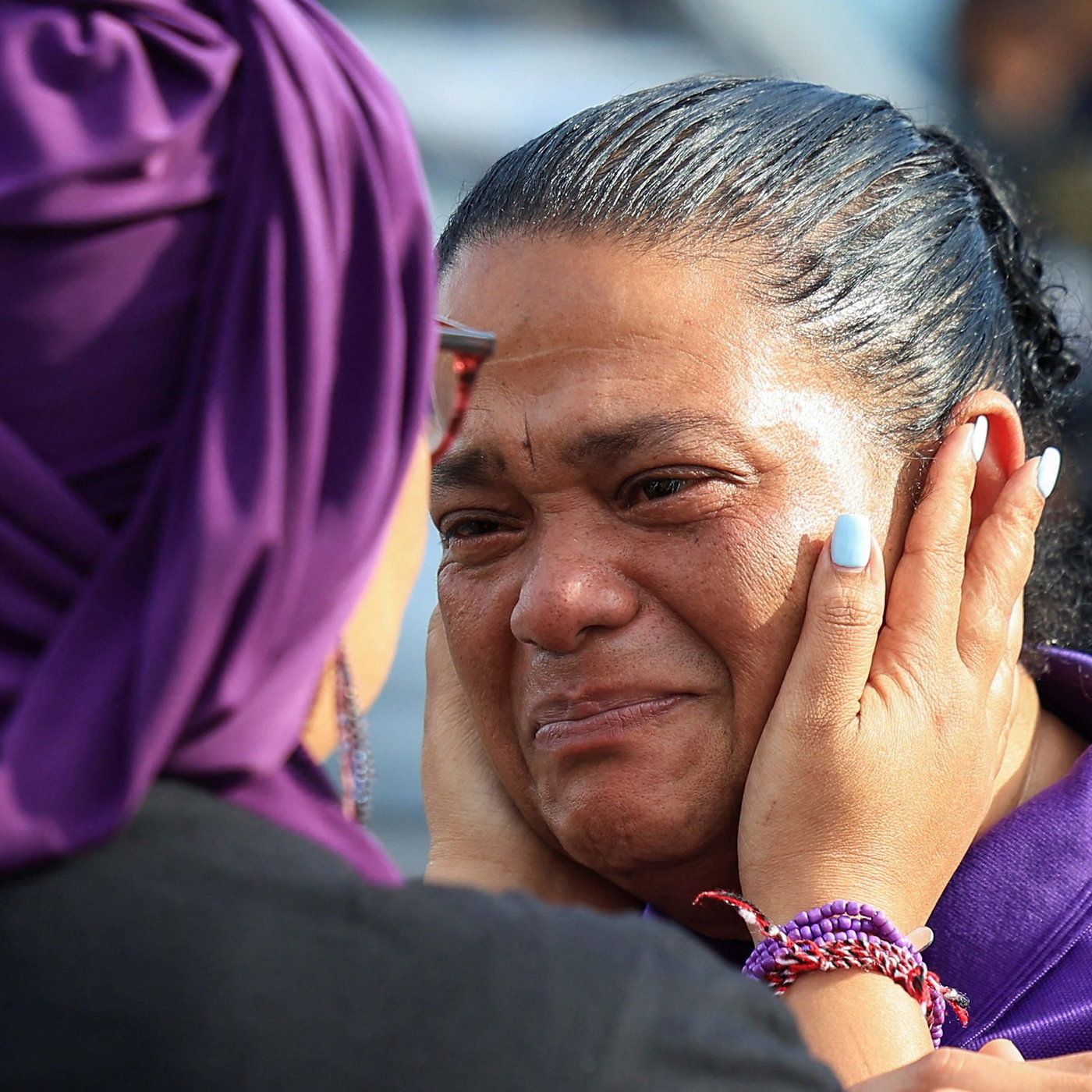
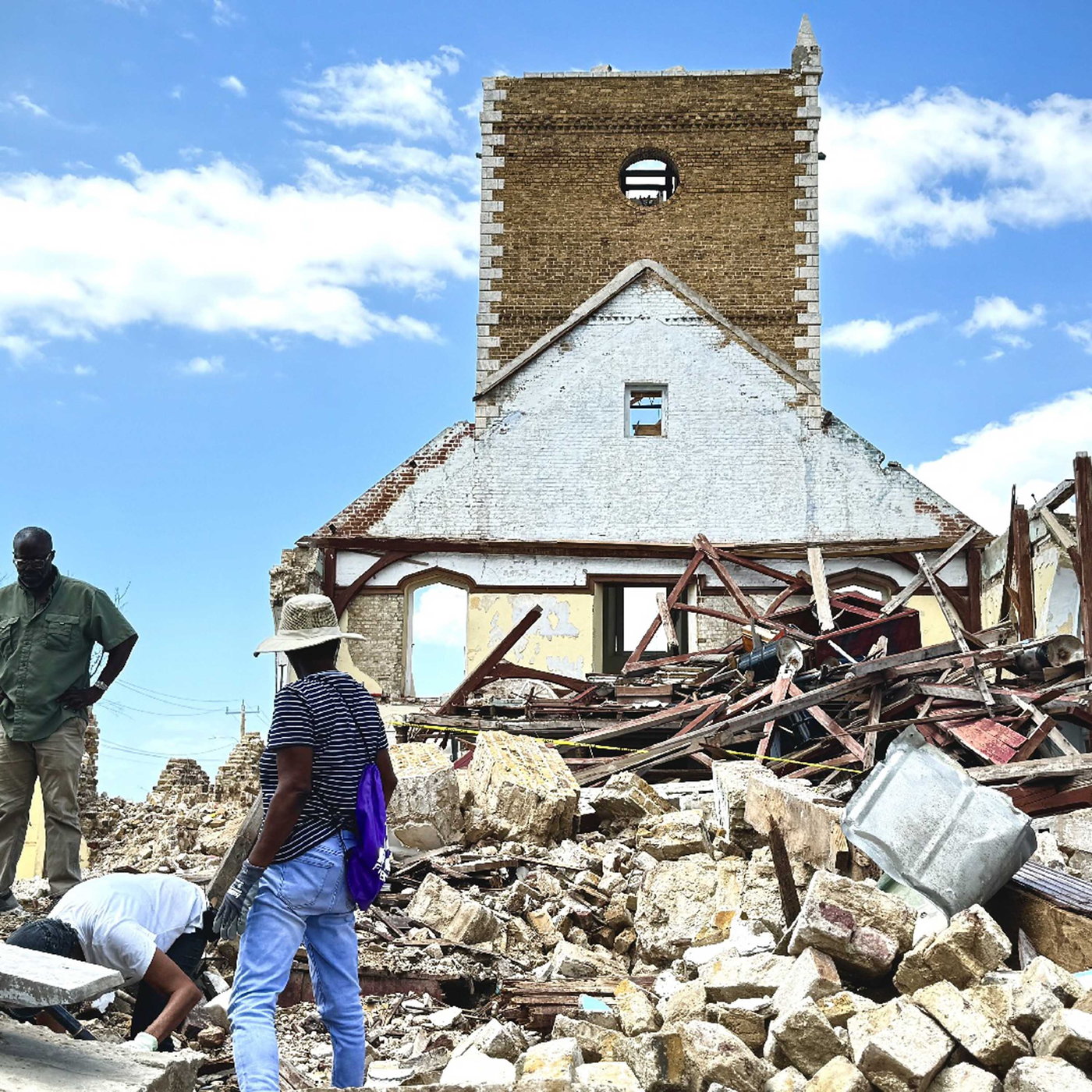
    From historic buildings linked to emancipation to tiny village chapels, Jamaica is home to the world’s highest density of churches. The Caribbean Island faced a profound spiritual crisis after Hurricane Melissa devastated many of the 1600 sacred spaces where people gathered to worship. Journalist and presenter Nick Davis, who has returned to his family's roots and now lives on the island, takes us on an emotional journey back to Black River and Lacovia, in the heart of the hardest-hit areas. Nearly six months on from one of the worst storms in living memory, Nick joins volunteers as they continue to dig through the rubble and salvage what they can. Their places of worship may be razed to the ground, but those who once gathered here demonstrate how faith brings fresh hope and a resilience that reaches far beyond the bricks and mortar.


  • S0 · E0
    Yesterday · 31 min

    America’s gerrymandering civil war

    Electoral battle lines are being drawn and redrawn in the United States right now, as Republicans and Democrats up the ante in an electoral redistricting war that many fear is undermining democracy. BBC North America correspondent Anthony Zurcher looks at how a once-a-decade act of political admin has turned into a rolling process of political partisanship, as parties compete to redraw voting districts, as they try to lock in near-guaranteed majorities. We look at the recent US Supreme Court ruling which has fuelled this growing political battleground and explore accusations of racist bias behind the decision making. While many observers are focused on the impact this could have on the imminent midterm elections, we look beyond November to see how it could shape all future elections as political parties work to manipulate the system in order to leave nothing to chance.

  • S0 · E0
    Wednesday · 29 min

    The everyday tech helping to prevent disasters

    For International Day for Disaster Risk Reduction (October 13th), we're finding out how technology can help prevent disasters, save lives and help rescuers. In Argentina, we’ll meet Franco Rodríguez Viau whose family friends lost their home in a fire, inspiring him to find a way of tracking wildfires. He was just a teenager when he began developing an app that combines NASA satellite imagery with other data sources to identify and intercept fires before they become unmanageable. Meanwhile in Colombia, podcasters and sound engineers tell us about using their specialist recording equipment and live analysis of sound to detect breathing and tapping beneath earthquake rubble, helping rescuers locate survivors. People Fixing The World from the BBC is about brilliant solutions to the world's problems. We'd love you to let us know what you think and to hear about your own solutions. You can contact us on WhatsApp by messaging +44 8000 321721 or email peoplefixingtheworld@bbc.co.uk. We release a new edition every Wednesday - just search for The Documentary wherever you get your podcasts. Presenter: Myra Anubi Producer: Claire Bowes Colombia Reporter: Laura Ubate Editor: Jon Bithrey (Image: A man holding sound equipment helping with rescue efforts in Cali, Colombia following the earthquake of August 2026, credit Mateo Guzman)

  • S0 · E0
    Tuesday · 30 min

    Saving young men from murder: The Homeboy story

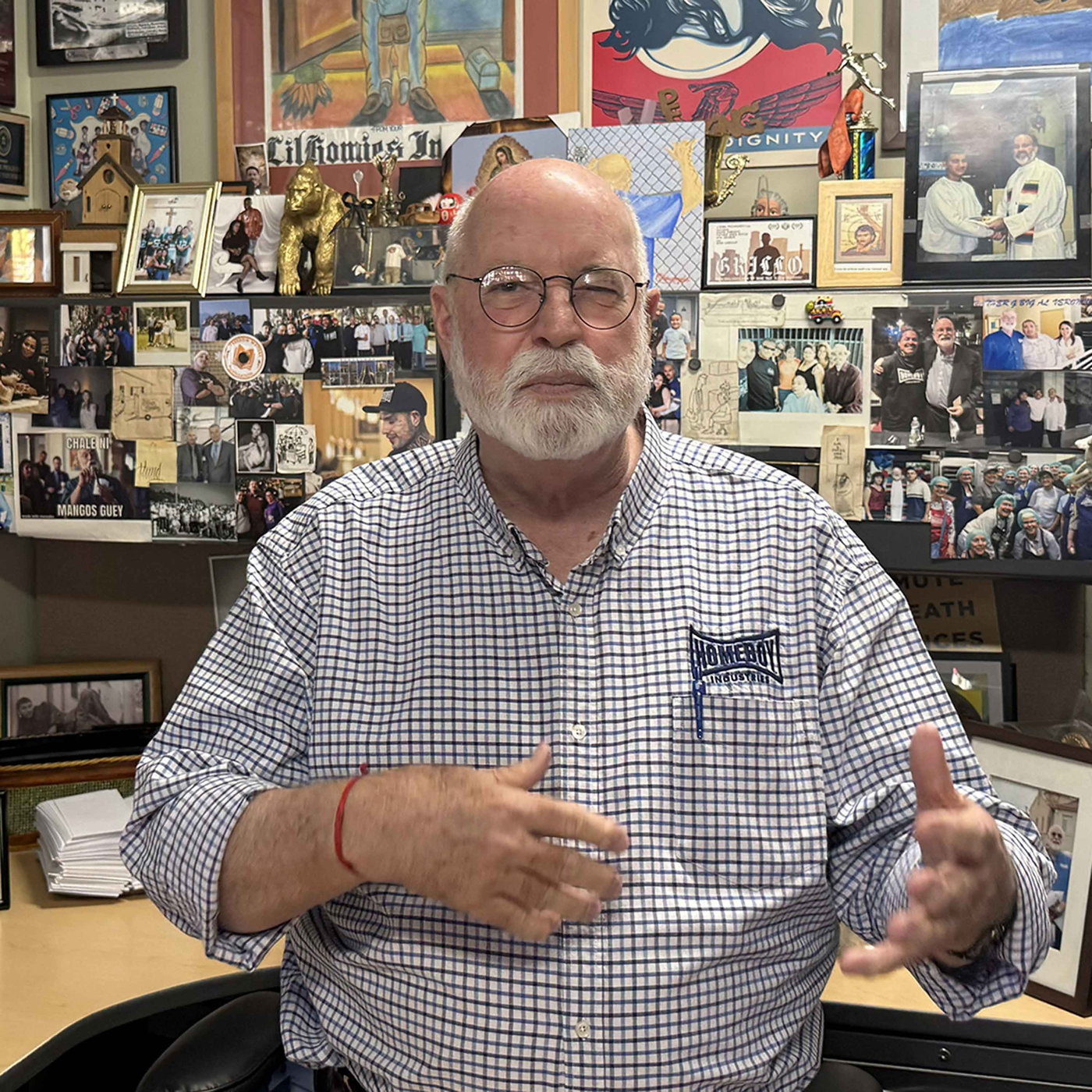
    British Psychiatrist Dr Gwen Adshead, who has spent a lifetime working with violence perpetrators, visits Homeboy Industries in Los Angeles, the largest gang rehabilitation in the world. It offers, training, education, therapy and other services, was set up by a Jesuit Priest, Father Gregory Boyle. It was his response to the so-called “decade of death,” in the late 1980s, as his neighbourhood was terrorised by gang violence. Today, 40 years on, it has been called one of the most successful gang rehabilitation organisations in the world. Talking to Father Boyle and several former gang members, Dr Adshead explores the Home Boy model of rehabilitation and asks if something similar could work in other parts of the world.

  • S0 · E0
    Monday · 21 min

    Bonds: Heroes or villains?

    With the cost of Government debt hitting its highest for many decades across the world, we explore how the world became so dependent on bonds, those IOUs from governments and firms that helped build the modern economy. Bonds are often dismissed as a dull corner of finance, but behind the scenes they have played a central role in major economic dramas around the world. We hear about their history, how they have shaped companies and countries, and why some fear the bond market could trigger the next global meltdown.

  • S0 · E0
    Sunday · 45 min

    Syria’s justice in absentia

    With perpetrators in exile, closure is out of reach. As Syria’s new authorities seek to hold figures of the former regime accountable, questions remain over the fate of Bashar al-Assad. The former president and members of his inner circle were granted asylum in Russia after a rebel offensive drove him from power in 2024. The transition ushered in a new chapter for Syria, raising hopes for justice, after decades of repression. The Global Jigsaw assesses the obstacles standing in the way of accountability, justice and closure. Can victims of Assad’s brutal reign find redress when some of the regime’s most notorious figures remain beyond the reach of Syrian courts? Find out more about BBC Monitoring on our website: https://monitoring.bbc.co.uk/ Contributors: Tess Mallinder Heron, Clare Denning, Feras Kilani, Amalia Zatari Producer: Clare Denning, Tess Mallinder Heron, Kriszta Satori Presenter: Krassi Ivanova Twigg Music: Pete Cunningham

  • S0 · E0
    Saturday · 27 min

    'Renting is such a struggle'

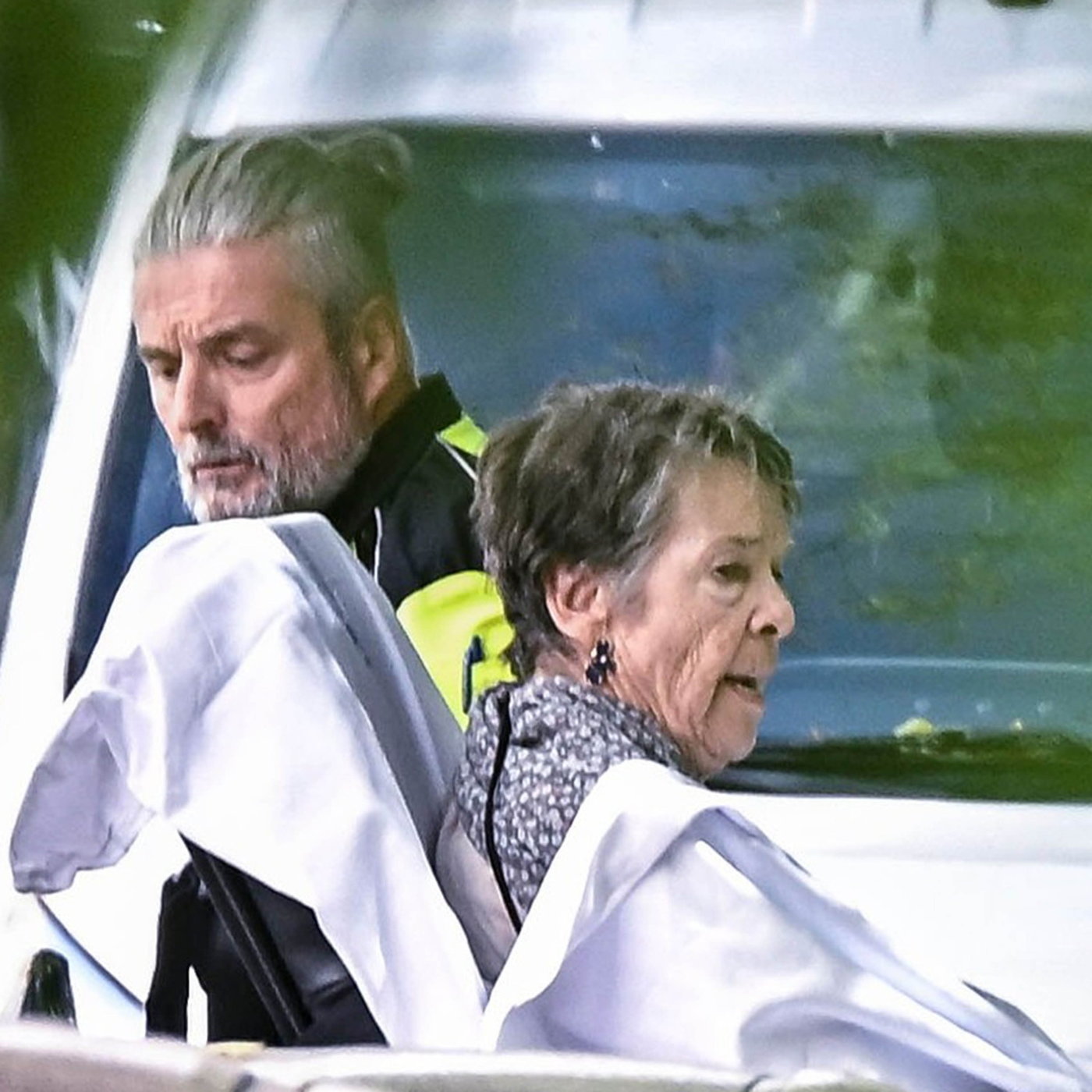
    We bring people together from around the world who are struggling to find somewhere affordable to live. We hear from Spain where the eviction of an 87-year-old woman has led to widespread protests, highlighting the country’s housing crisis. Young people in Ireland, Nigeria and India share their experiences of the difficulties they face finding a home, and 26-year-old Adam in the UK tells us about moving back in with his parents. “It leaves you quite dreamless, you haven’t really got anything you’re working towards,” he explains.

  • S0 · E0
    October 2 · 30 min

    The miracle doctor of Lourdes

    The French town of Lourdes is a place of pilgrimage for Catholics – this year even welcoming the Pope. This shrine in the Pyrenees Mountains is the site of miracles and Christian fervour, where the young shepherdess Bernadette Soubirous saw 18 apparitions of the Virgin Mary and where many people believe they have been miraculously healed. The Feast of the Assumption is the most important date in the Lourdes calendar, when tens of thousands travel from all over the world, to drink and wash in the shrine’s water, and sing and pray in huge candle-lit processions behind the white statue of the Virgin Mary. John Laurenson has joined them to hear stories of the faithful, and to meet a woman whose job description is unique in the world. Dr Giana Monami investigates miracles. Her ‘Bureau de Constatation’ brings the cold analysis of science to claims of instant, otherwise-inexplicable, permanent healings. There have been 72 so far. Dr Monami talks about her investigations and the other miracles that happen here. Those that are healed in their hearts. That find God. That end addictions. And there is another Lourdes miracle: the extraordinary solidarity shown by the thousands of mostly-very young ‘hospitalier’ volunteers who help the sick and disabled people who come – also in their thousands – to turn their pain into joy and their suffering into hope

  • S0 · E0
    October 1 · 30 min

    West Africa's Ebola outbreak: 10 years on

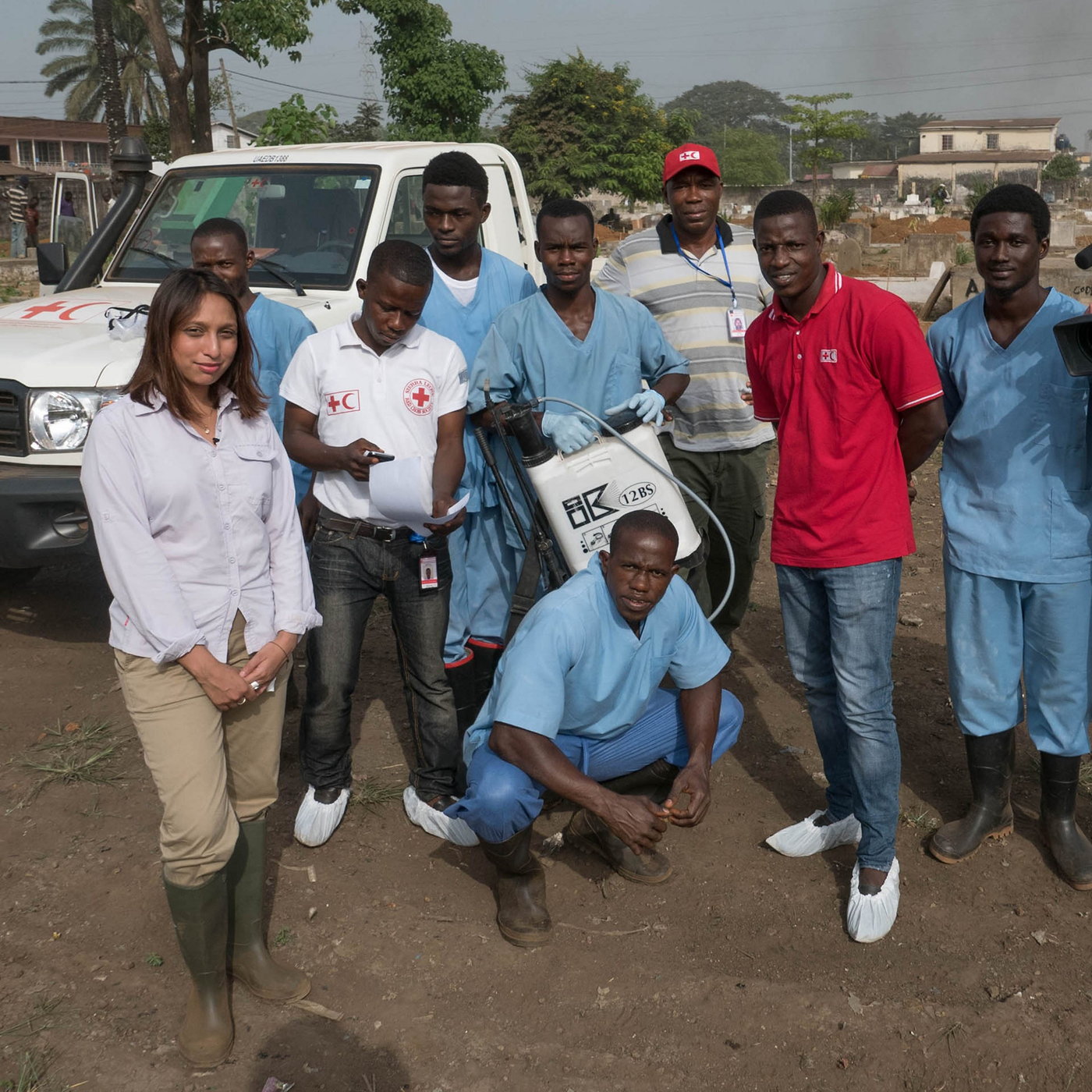
    Ten years on from the Ebola outbreak which tore through West Africa, journalist Tulip Mazumdar reconnects with survivors, healthcare workers and volunteers she met when reporting extensively from the frontline. The 2014-2016 Ebola outbreak killed over 11,000. The epidemic exposed how unprepared the world was for fast-moving outbreaks - and how quickly they could spiral out of control. Ordinary people took action and managed to contain the virus. In 2026, Ebola is back in the headlines as the Bundibugyo strain spreads in the DRC. What have we learnt about science communication, pandemic preparedness and grief in the last decade, that can help us today?

  • S0 · E0
    September 30 · 26 min

    The joy of walking

    How something as simple as a walk can improve our wellbeing, sharpen our thinking and bring communities closer together. We try out an innovative walking map of the UK on a journey through London, then head to the United States and Hungary, where doctors are leading walks to build stronger relationships with their patients.

  • S0 · E0
    September 29 · 31 min

    Nepal: In the shadow of a glacier

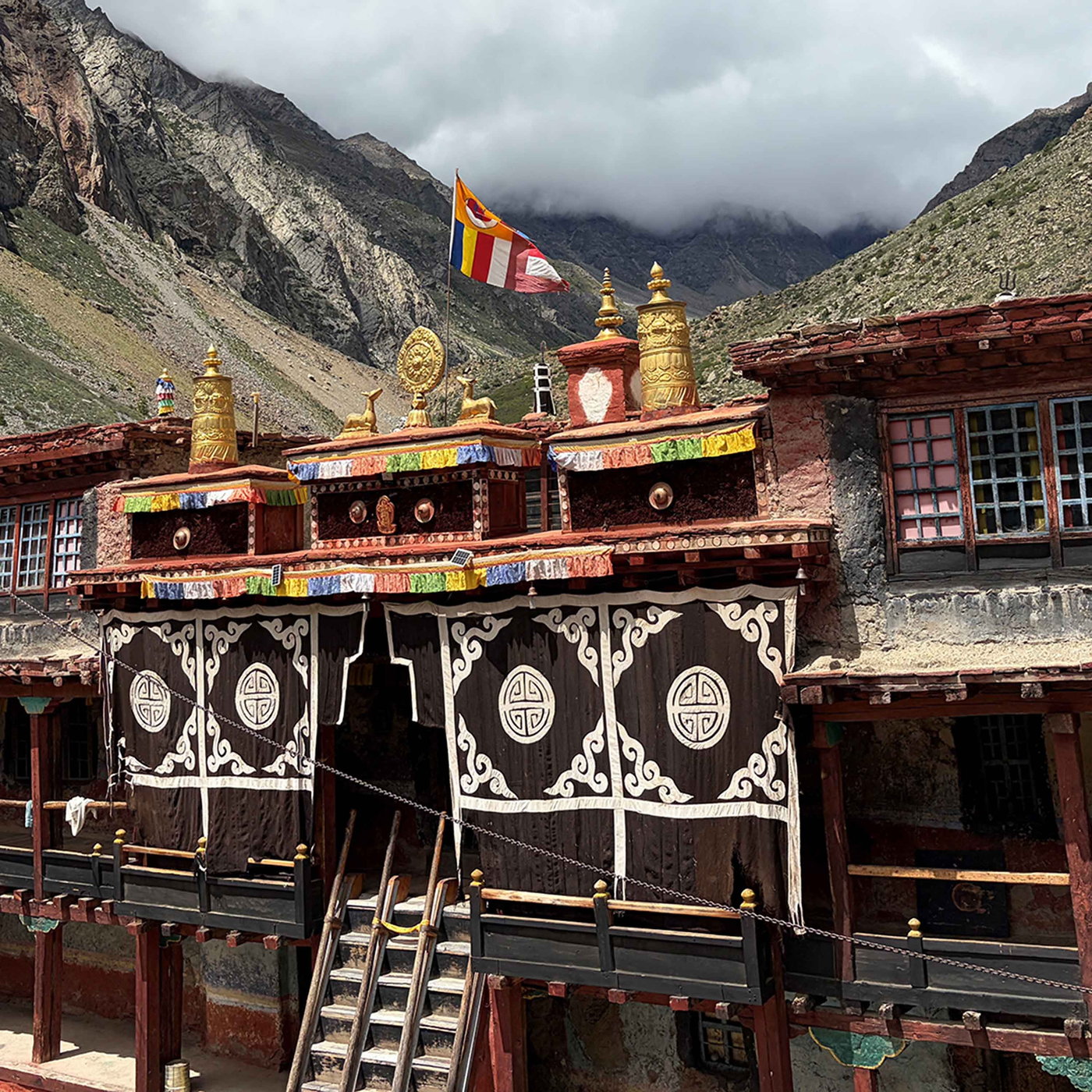
    As Nepal deals with the aftermath of devastating floods, there have been renewed warnings about the impact of climate change on the Himalayas. As temperatures have risen, glaciers across the region have shrunk and the landscape has become more unstable. Antonia Bolingbroke-Kent reports from one remote Nepalese mountain community that faces an existential threat from a melting glacier. The ancient village of Halji, near the Tibetan border, is home to a thousand year-old Buddhist monastery, one of the oldest in Nepal. But high above the village, meltwater has created glacial lakes . In 2011, parts of the village were destroyed when a glacial lake burst and sent a torrent of water and rocks down the valley. Other communities in the area have abandoned their homes, yet here villagers remain. So why are they determined to stay?

  • S0 · E0
    September 28 · 22 min

    Can Route 66 towns survive on nostalgia?

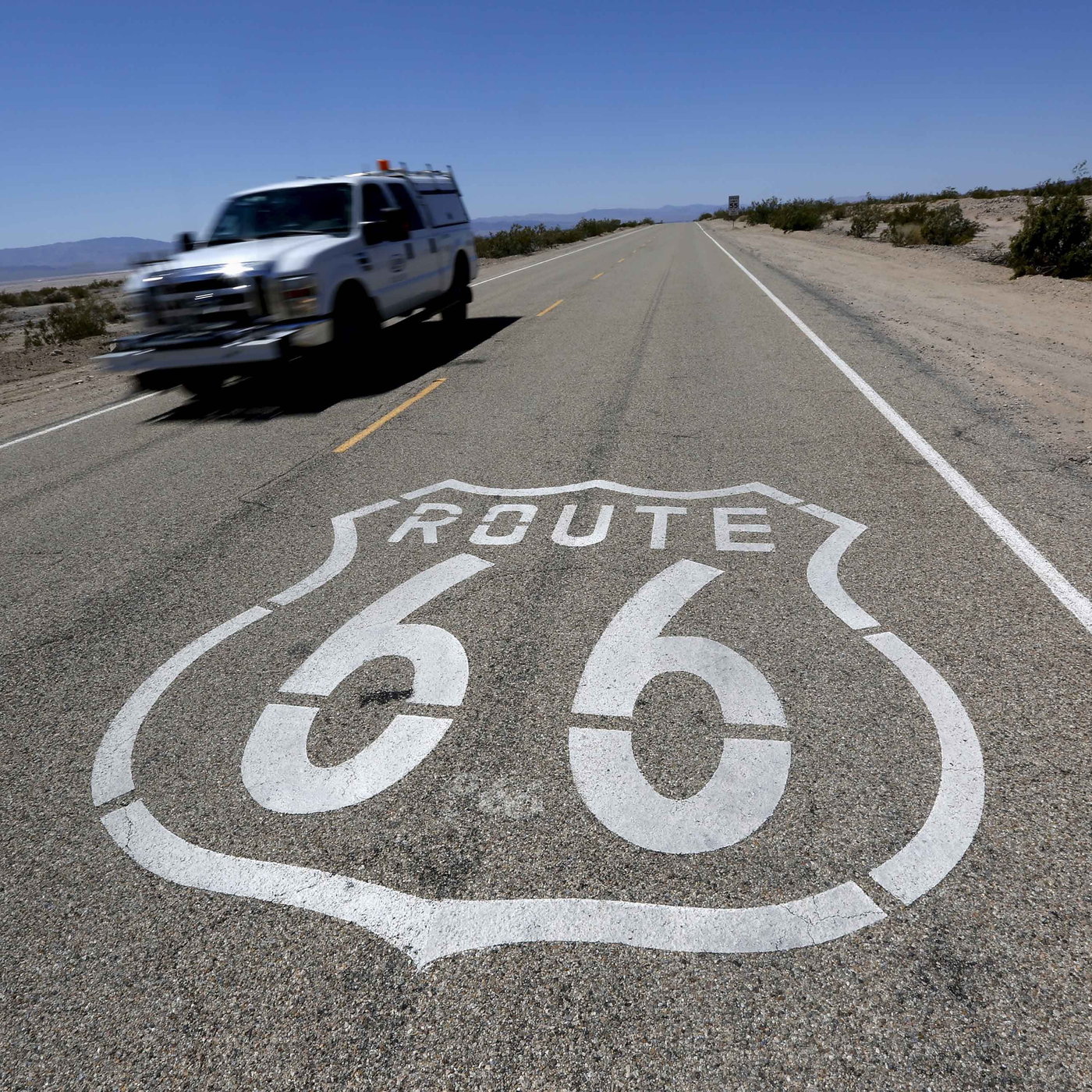
    We head west along America's famed Route 66. As the road celebrates its 100th birthday, Victoria Craig finds out whether the pull of neon-drenched nostalgia is still attracting visitors and whether new investment can secure the future of the towns that depend on it.

  • S0 · E0
    September 27 · 52 min

    Mapping India: The world's largest count

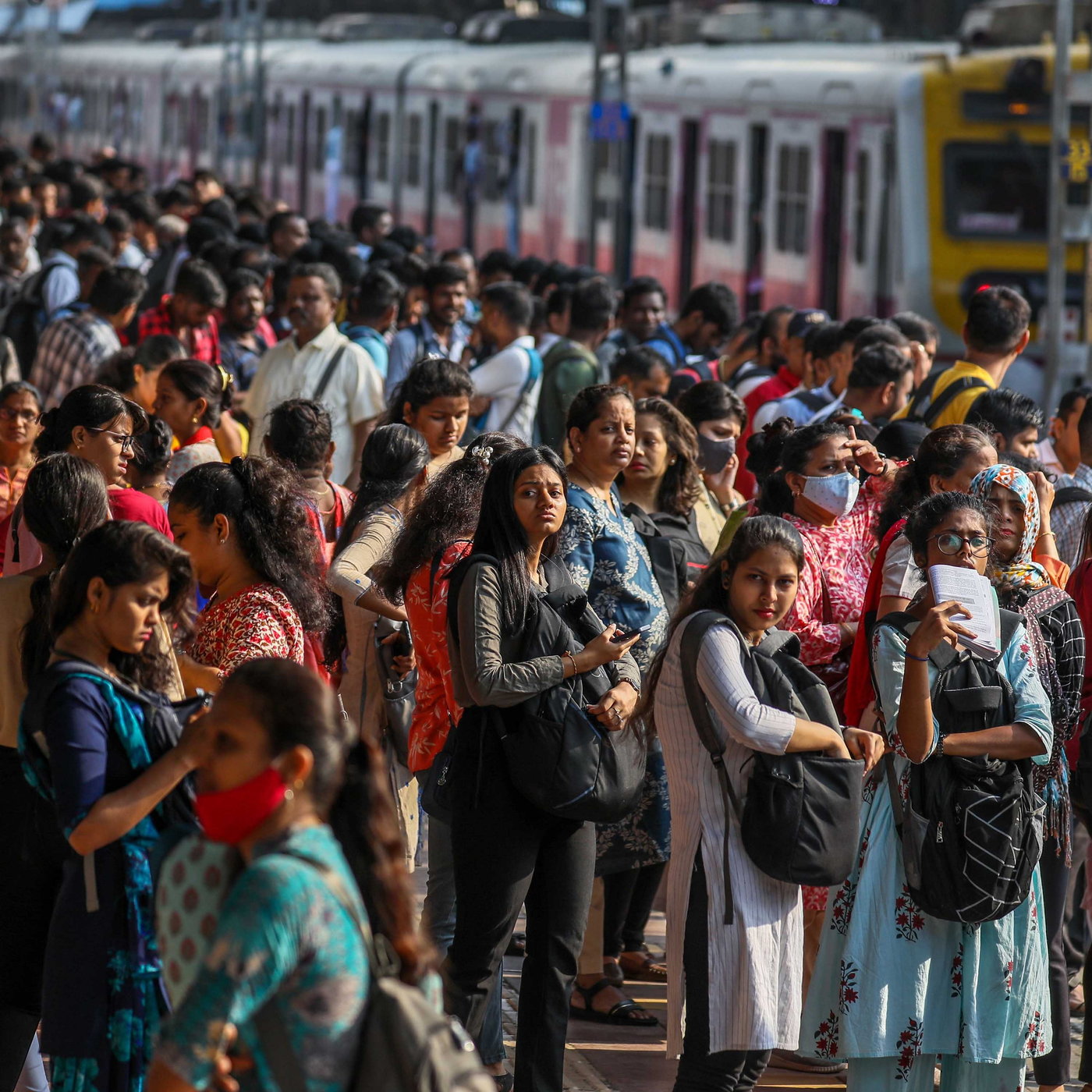
    India is undertaking the biggest population count the world has ever attempted - a digital census designed to capture the lives, identities and realities of more than 1.4 billion people. With three million field staff, self‑enumeration in 16 languages, and real‑time monitoring across cities, forests, floodplains and megacities, the operation is both a national ritual and a vast technological experiment. The census reaches far beyond population totals. It records religion, language, housing, migration, education, work, and for the first time in nearly a century, caste.

  • S0 · E0
    September 26 · 27 min

    Women in South Africa: 'We just want to be safe'

    Warning: contains description of domestic violence In the last few months, nine women – including a young mother out jogging – have been murdered near Johannesburg. South Africa has one of the highest levels of violent crime against women in the world and the deaths have sparked an outcry across the country that more needs to be done. In our conversations we bring together survivors of domestic abuse and female runners. We also bring together founders of organisations helping to protect women and change attitudes.

  • S0 · E0
    September 25 · 30 min

    Mountain spirits of Spiti

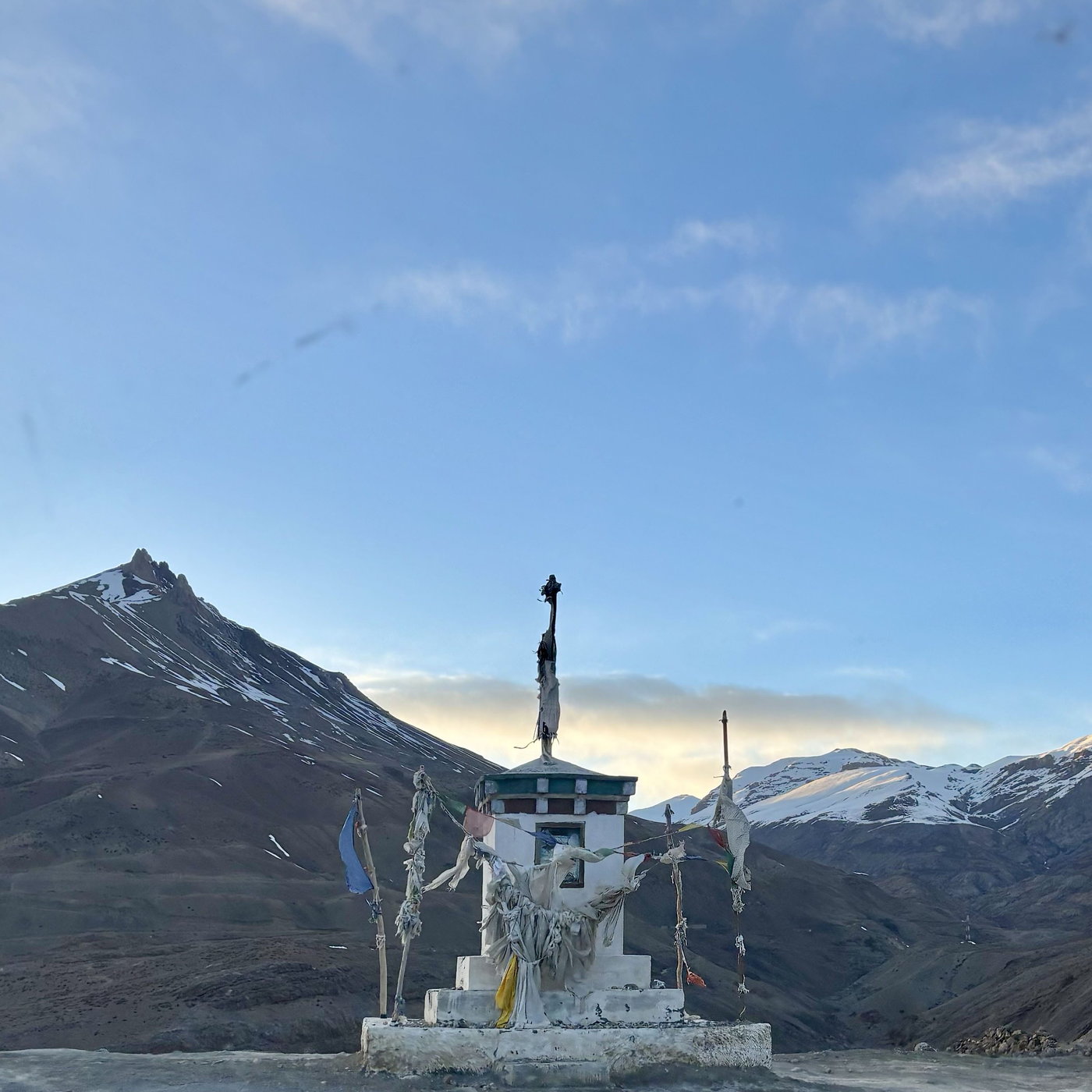
    Over the last 10 years, Dr Jane Orton has visited the remote Spiti Valley in the Himalayas to speak to the local Bhoti people about their lore and spiritual beliefs. In the many villages across the valley, stories about the deities are consistent from place to place but also transfigured. She hears about deities like Lhas, powerful beings that have been incorporated into Buddhism. Lhas serve many purposes from protection and curing illnesses to ensuring water security by bringing snow. Jane hears about Biyuls – hidden lands – where people are like those of Spiti valley, except they have no salt and only certain people can see and hear them. And she chases stories of the figure of Balu Thukangbu, a wish granting entity. Spiti Valley is rapidly changing, but its hidden deities remain a part of the spiritual life of the region.

  • S0 · E0
    September 24 · 30 min

    A women's revolt in Germany

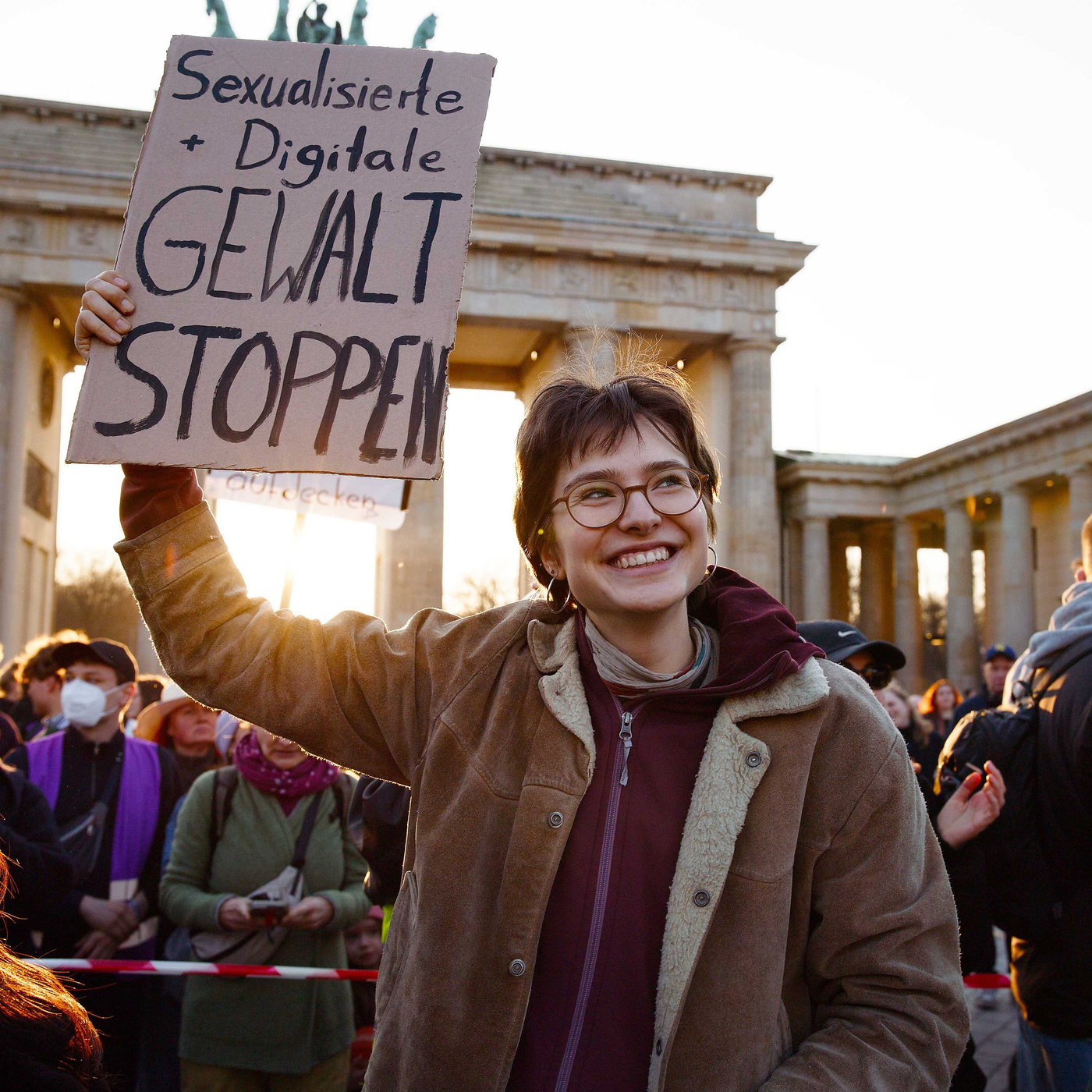
    A national debate over sexualised violence online has erupted in Germany, and been seized on by Germany's feminist movement. As AI-generated deepfakes and other forms of online abuse against women become increasingly widespread, young activists are demanding stronger legal protections and putting violence against women at the centre of the political agenda. Reporter Jeanny Wasielewski meets the campaigners leading this movement, alongside survivors, politicians and legal experts, to explore whether Germany can close the gap between rapidly evolving technology and outdated legislation.

  • S0 · E0
    September 23 · 26 min

    Bringing Kashmir’s lakes back to life

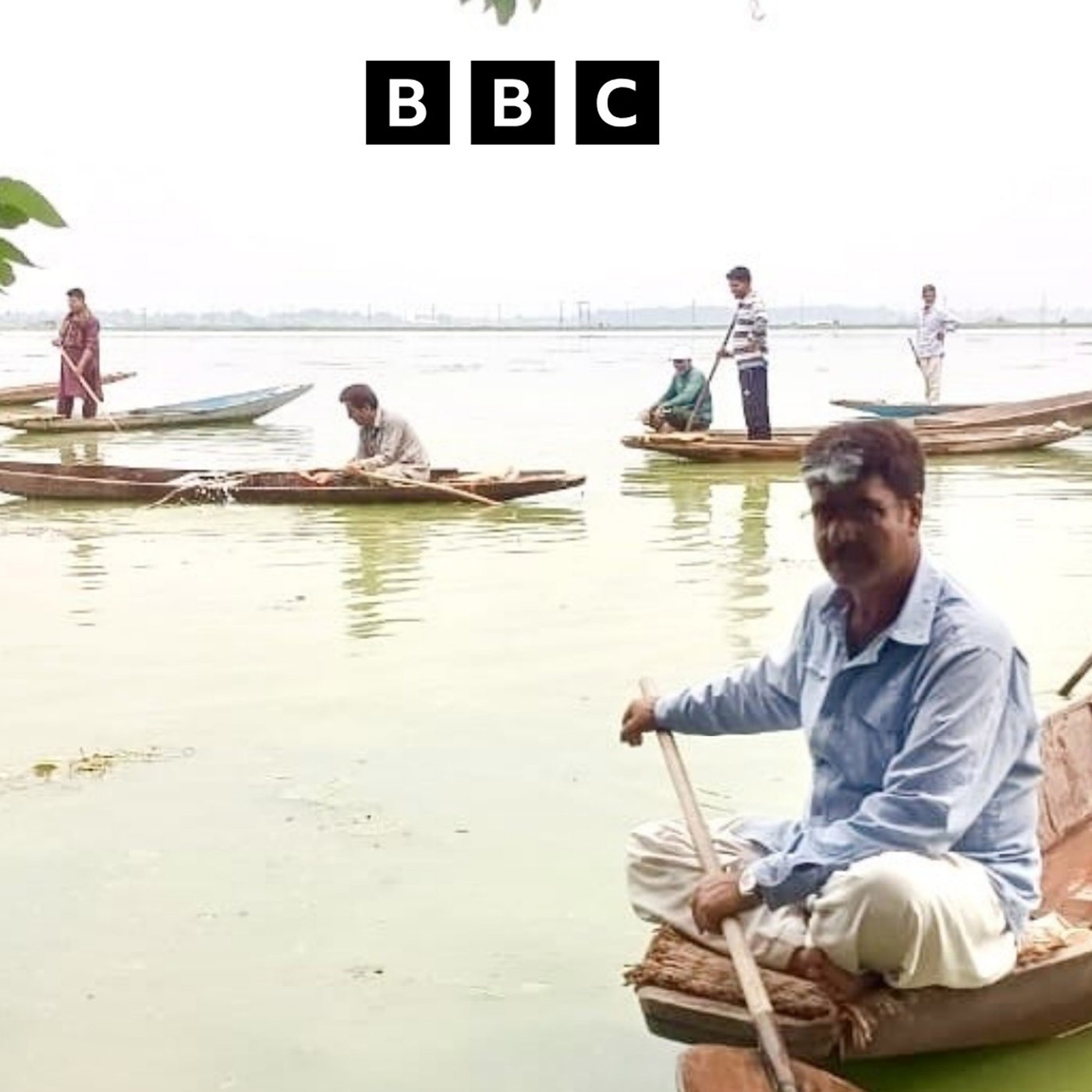
    Wular and Dal lakes are among Kashmir's most famous natural treasures, but decades of pollution, encroachment and neglect have taken their toll. Chhavi Sachdev follows conservationists, farmers and local communities as they attempt an ambitious restoration effort. Along the way, she discovers migratory birds returning, lotus flowers reappearing, and a circular economy transforming ecological waste into a valuable resource.

  • S0 · E0
    September 22 · 35 min

    Has Poland fallen out of love with Ukraine?

    When President Putin launched the full-scale invasion of Ukraine in 2022, Poland opened its doors and their hearts to Ukrainian refugees. Millions of Ukrainians passed through Poland, getting all kinds of help from local people and from the Polish government. Many stayed. But there has been a dramatic change in feelings towards Ukrainians, particularly in recent months. From over 80% of Poles feeling positive about Ukrainians four years ago, that figure has fallen to 40%, according to opinion polls, while around half of Polish people express anti-Ukrainian sentiment. Cases of Ukrainians receiving verbal and physical abuse, both online and in real life have risen significantly. Polish military support for Kiev remains vital. So why has this downturn happened and what could the consequences be? John Murphy travels to Warsaw and to south-east Poland, close to the Ukrainian border, to speak to Poles and Ukrainians about how and why things are getting worse.

  • S0 · E0
    September 21 · 35 min

    Where is Austin Tice? 1. 'We believe he’s alive'

    American journalist Austin Tice, vanished in Syria, but the US president says he’s alive. For more than a decade Austin's mother Debra has been leading the search for her son. As Josh Baker and Sara Obeidat travel to Syria to help Austin’s mother’s search, a source gives Josh information that might unlock where he is.

  • S0 · E0
    September 21 · 21 min

    From Mao and Nixon to Xi and Trump: A history of China-US trade

    With Presidents Xi and Trump expected to meet in the United States this week, Will Bain looks back on the history of trade between the two great nations. It's always been fraught with controversy but there's also been a need or desire to get along. President Nixon was the first to visit China in 1972 and spoke with passion about the possibilities for the future between them. Trade then grew quickly but it became very one sided as China developed as an industrial nation. There have been several attempts to curb its dominance but cheaper production also meant cheaper goods for consumers. Chad Bown, senior fellow at the Peterson Institute joins Will to assess how they have attempted to strike the right balance.

Showing 1–20 of 91 episodes