
S0 · E0
Yesterday · 35 min

American journalist Austin Tice, vanished in Syria, but the US president says he’s alive. For more than a decade Austin's mother Debra has been leading the search for her son. As Josh Baker and Sara Obeidat travel to Syria to help Austin’s mother’s search, a source gives Josh information that might unlock where he is.
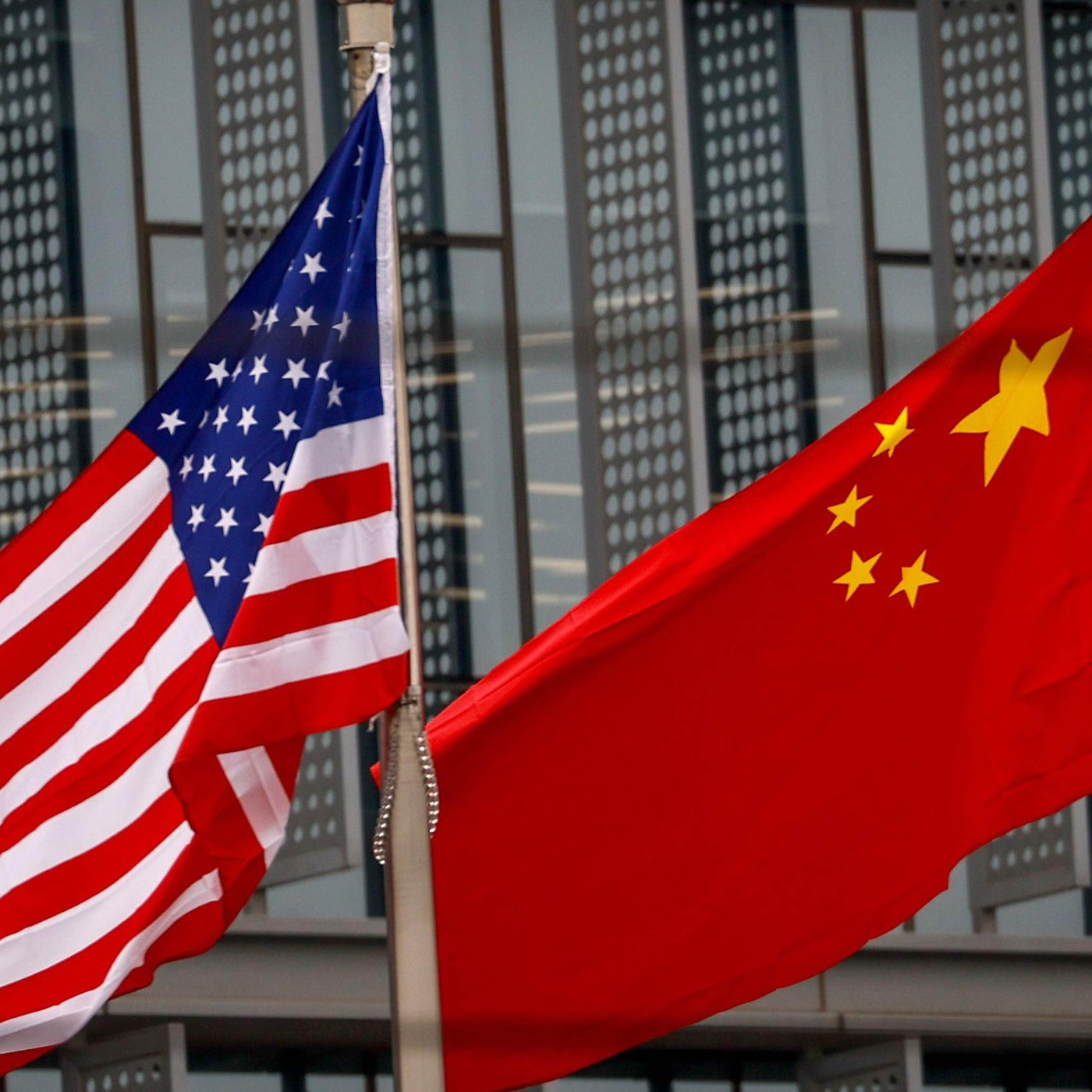
With Presidents Xi and Trump expected to meet in the United States this week, Will Bain looks back on the history of trade between the two great nations. It's always been fraught with controversy but there's also been a need or desire to get along. President Nixon was the first to visit China in 1972 and spoke with passion about the possibilities for the future between them. Trade then grew quickly but it became very one sided as China developed as an industrial nation. There have been several attempts to curb its dominance but cheaper production also meant cheaper goods for consumers. Chad Bown, senior fellow at the Peterson Institute joins Will to assess how they have attempted to strike the right balance.
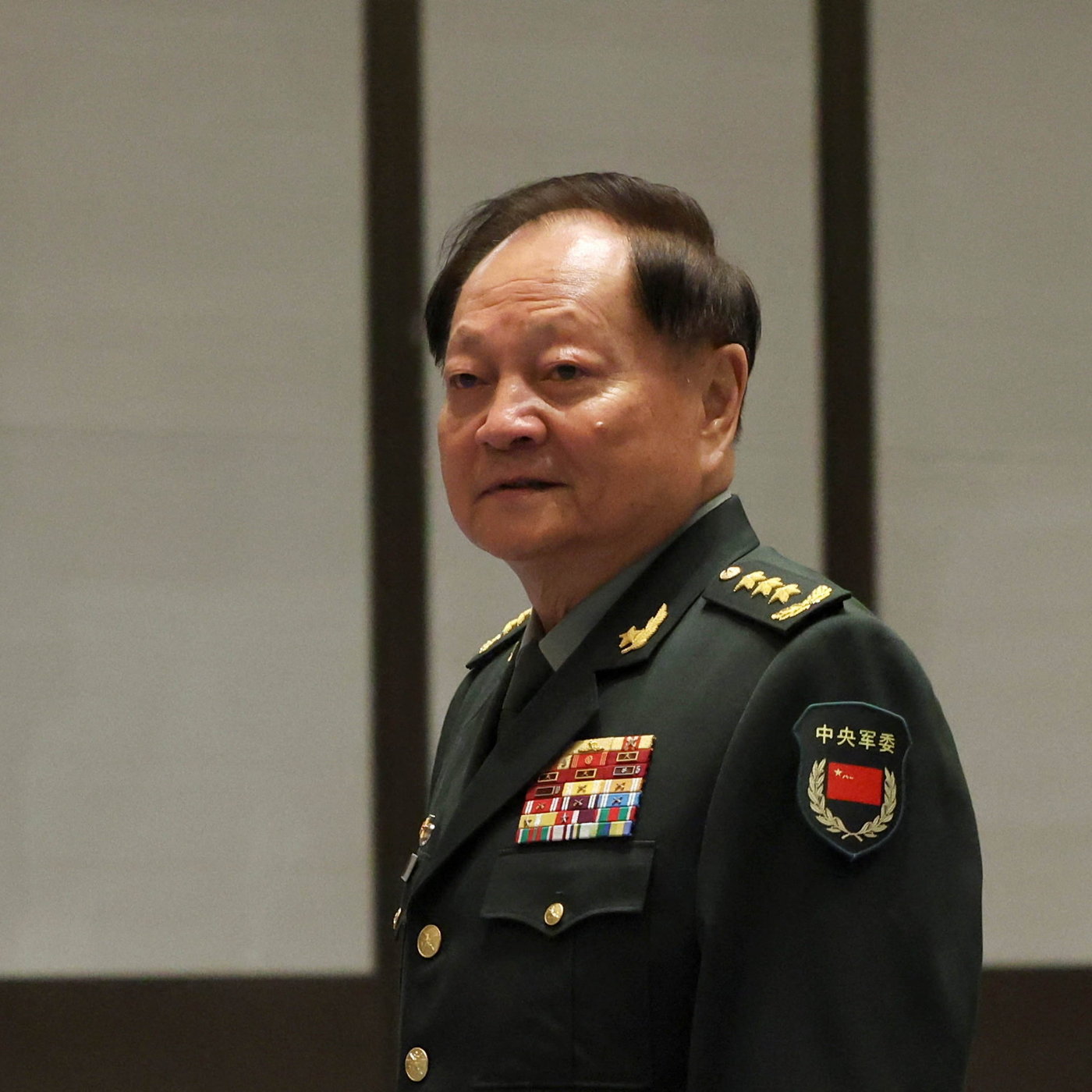
Xi Jinping is known to be a ruthless leader. In the last five years alone, China’s richest man, Jack Ma, China’s defence minister and the country’s foreign minister have all abruptly disappeared - some never to be seen in public again. Millions of Communist officials have been purged since Xi came to power. But one man was thought to be untouchable: the head of China’s military forces, Zhang Youxia. A childhood friend of Xi’s, Zhang was allowed to stay in his post, even as other military officials were disappearing. That is, until he, too, was suddenly gone. Celia Hatton investigates why Zhang was purged and looks inside and outside China for answers. She discovers there's a kind of pattern that dictators and autocratic rulers use to hold on to power. And this, she argues, can be a useful tool in predicting global military aggression.
For many of us, our phones are the first thing we look at in the morning and the last thing we put down at night. But with growing pressure over screen time and concerns about the impact of social media, tech companies like Meta have agreed to restrictions. In our conversations, we bring together three people who have received treatment for tech addiction. We also hear from those have decided not to use smartphones at all. “To me what’s weird is when a couple go on a date, instead of looking at each other and talking to each other, they’re staring at their own phones and texting people and doing whatever,” Loren in Los Angeles tells us.
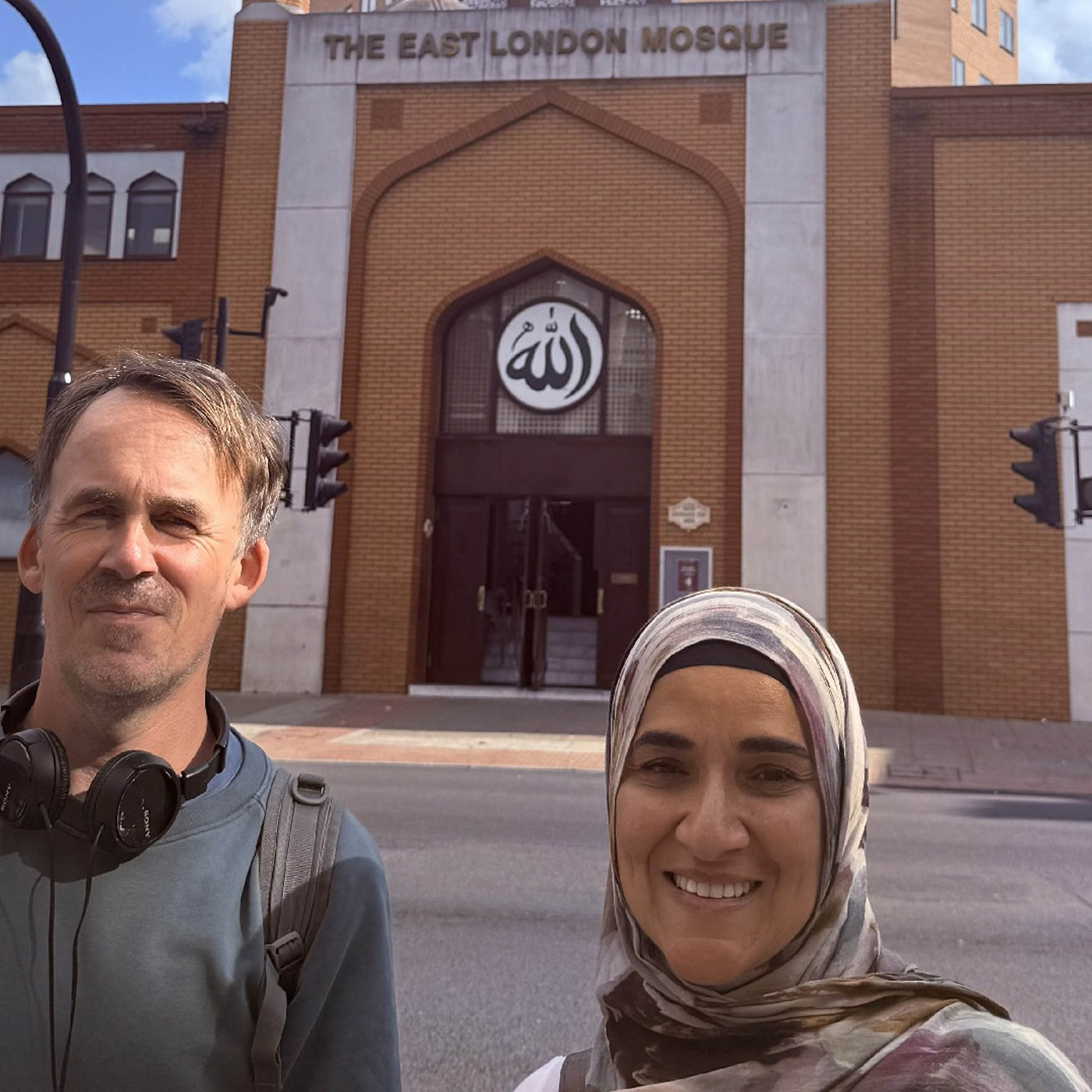
Dalia Mogahed is one of the most prominent Muslim voices in American public life. For three decades, she has researched and defended the experiences of Muslim communities in the United States, advising leaders and challenging misconceptions about Islam, identity and belonging. But after a lifetime speaking for others, Dalia Mogahed is now exploring her own questions of faith and legacy. A cancer diagnosis on the eve of her 50th birthday prompted a period of deep reflection, bringing into focus years of personal loss, including the deaths of her father, her best friend and her mother, alongside the end of her marriage. Through these experiences, Dalia has been reflecting on how we find meaning, sustain faith and understand what truly matters. She reflects on the journey that has taken her from researcher and public intellectual to a more personal exploration of spirituality, vulnerability and purpose. She shares how faith can be tested, reshaped and deepened through moments of uncertainty.
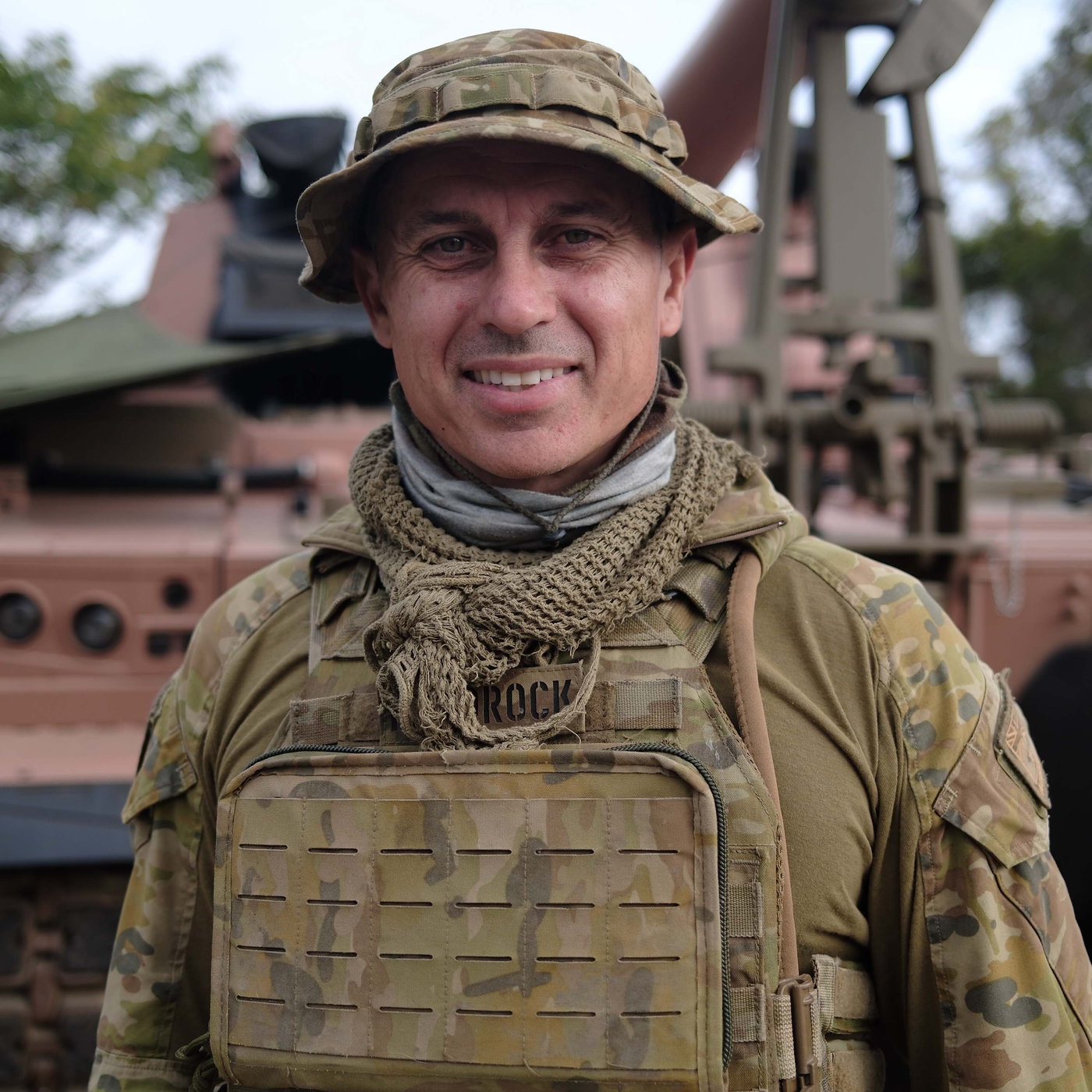
Katy Watson highlights Australia’s complex, turbulent and evolving relationship with their number one trading partner - China. Having signed a free trade agreement eleven years ago, in recent years there has been a marked shift in relations, with Canberra balancing its security dependence on Washington with its economic reliance on Beijing. From businesses, diplomats and military personnel, Katy Watson asks if China is Australia’s enemy or friend? Or as some critics suggest, are they a ‘frenemy’?
We look at three solutions connected to the “three Rs” – reduce, reuse and recycle. The city of Brussels in Belgium is in the process of moving all 40 municipal nurseries over to reusable nappies – and have managed to do it without their staff kicking up a stink! Also energy companies around the world have found ways to encourage customers to reduce their consumption by making it fun, and lastly we meet Makafui Awuku in Ghana - a man on a mission to turn used plastic into school desks.
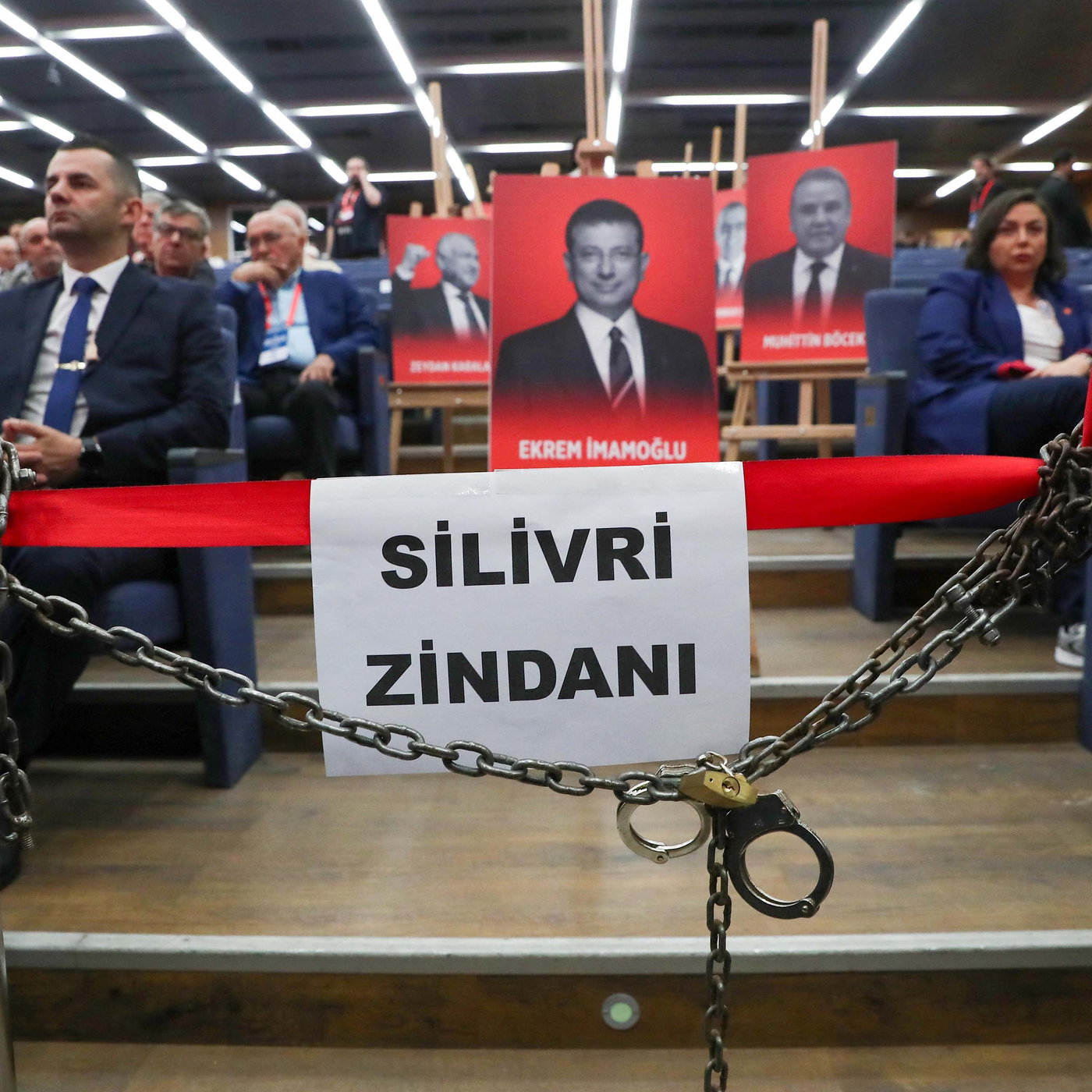
Political analysts and human rights organisations say Turkey's courts are increasingly being used to silence political dissent and to shape a more socially conservative society. The most prominent defendant is Ekrem İmamoğlu, the mayor of Istanbul, and the opposition figure opinion polls suggest is most likely to beat President Erdoğan at the ballot box. İmamoğlu has been held in Silivri prison since March 2025 and now stands trial alongside more than 400 co-defendants in a sprawling corruption case. Other elected mayors have been removed from office and replaced by government appointees. Emily Wither speaks to a former judge punished for criticising the changes to Turkey's judiciary, mayors held for months without conviction, court reporters accused of spreading "disinformation," and performers prosecuted for what they said on stage.

Economic unease is growing among Russian workers as fuel shortages and Ukrainian drone strikes disrupt key sectors of the economy. Ed Butler examines the pressures facing businesses, workers and consumers, from damaged refineries to attacks on Wildberries warehouses. As concerns grow over prices, jobs and supply chains, what do these disruptions reveal about the resilience of Russia's wartime economy? Presenter: Ed Butler

In May, the Chief Justice of India unwittingly gave a name to a generational protest. He called unemployed young people “cockroaches” and the mass youth movement that had begun in the wake of the sudden cancellation of a national exam took on the title - the Cockroach Janta party. But India has not been the only country that has seen Gen Z - people aged between 14 and 29 - engaging in mass protests this year. It has been happening all over the place, from Serbia to Kenya. Different grievances, different circumstances, but the same generation. So what are the youth revolting about, and are they winning? Our panel of guests include Dr Nayana Prakash, research affiliate at the Minderoo Centre for Technology and Democracy at the University of Cambridge; Erica Frantz, associate professor in political science at Michigan State University and Matthew Cebul, lead research fellow at the Nonviolent Action Lab at the Harvard Kennedy School.
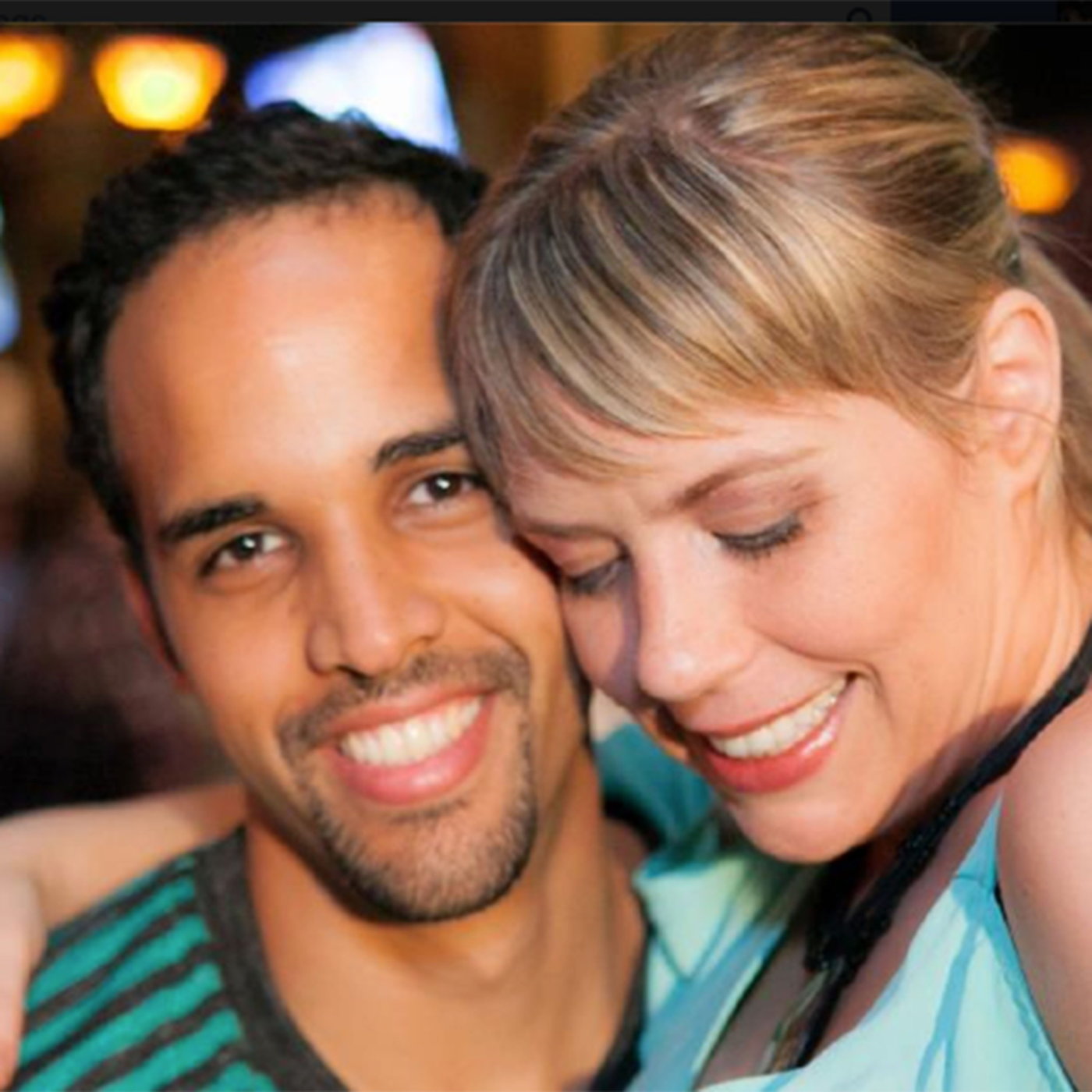
Evidence suggests that millions around the world are ditching the most popular dating apps to pursue alternative options. Users complain that swiping is not leading to dates or meaningful relationships, just admin and fatigue. In our conversations, organisers of in-person dating events share their experiences. Amber tells us. “You could like someone’s photo, you could like speaking to them on the phone but when you meet them in person there’s something different that can’t be assessed online – that’s a big part of why people are coming back to in-person events.” We also bring together developers of specialist dating apps, including an advocate of “slow dating.”

On 11 September 2001, suicide attackers hijacked two passenger planes flying over the eastern United States and crashed them into the Twin Towers of the World Trade Center in New York, causing both buildings to collapse. The attack killed 2,753 people. As smoke billowed from the burning towers, firefighters, police officers and paramedics from across New York City raced to the scene, climbing stairwells packed with fleeing civilians in an effort to reach those trapped. When the towers fell, hundreds of first responders were still inside, and in the years since, even more have died from illnesses linked to their time working in the toxic dust of Ground Zero. Twenty-five years on, Kirsty Wark travels to New York to bring together the first responders and survivors who lived through that morning. New York Fire Department Battalion Chief Joseph Pfeifer was the first commander on the scene, and later became planning chief for the rescue and recovery effort at Ground Zero. Office worker Richard Eichen, who escaped from the 90th floor of the North Tower. Jill Pila, whose husband Jim Gartenberg worked on the 86th floor. Former NYPD officer Judy Castro, who rushed to the North Tower to help evacuate the building. St John's Hospital paramedic Jimmy Dobson, who spent the day bringing the injured to safety from the streets surrounding Ground Zero. Rear Admiral Michael Day, who coordinated the evacuation of an estimated 500,000 people off the island of Manhattan later that day. And the novelist A.M. Homes, a longtime resident of New York, who witnessed the events of the day unfold from her apartment in Lower Manhattan.

On 11 September, 2001, Paul Carris was working on the 71st floor of the North Tower of the World Trade Center. When the building was struck, he joined the evacuation and came across a colleague, Judith Toppin, who was struggling to descend the stairs. Paul stayed with her, supporting her through the long journey down as thousands fled and firefighters climbed towards the danger. They emerged only minutes before the tower collapsed. Paul believed he had saved Judith, but in the years that followed he came to understand that she had also saved him. Colm Flynn meets deacon Paul Carris to hear how the events of 9/11 transformed his life and faith. Paul recalls the extraordinary calm inside the stairwell, Judith praying Psalm 23, and the silence he later recognised as the presence of God. Twenty-five years after the attacks, he reflects on the terror of that day, and how a split-second decision to help a stranger changed his life forever.
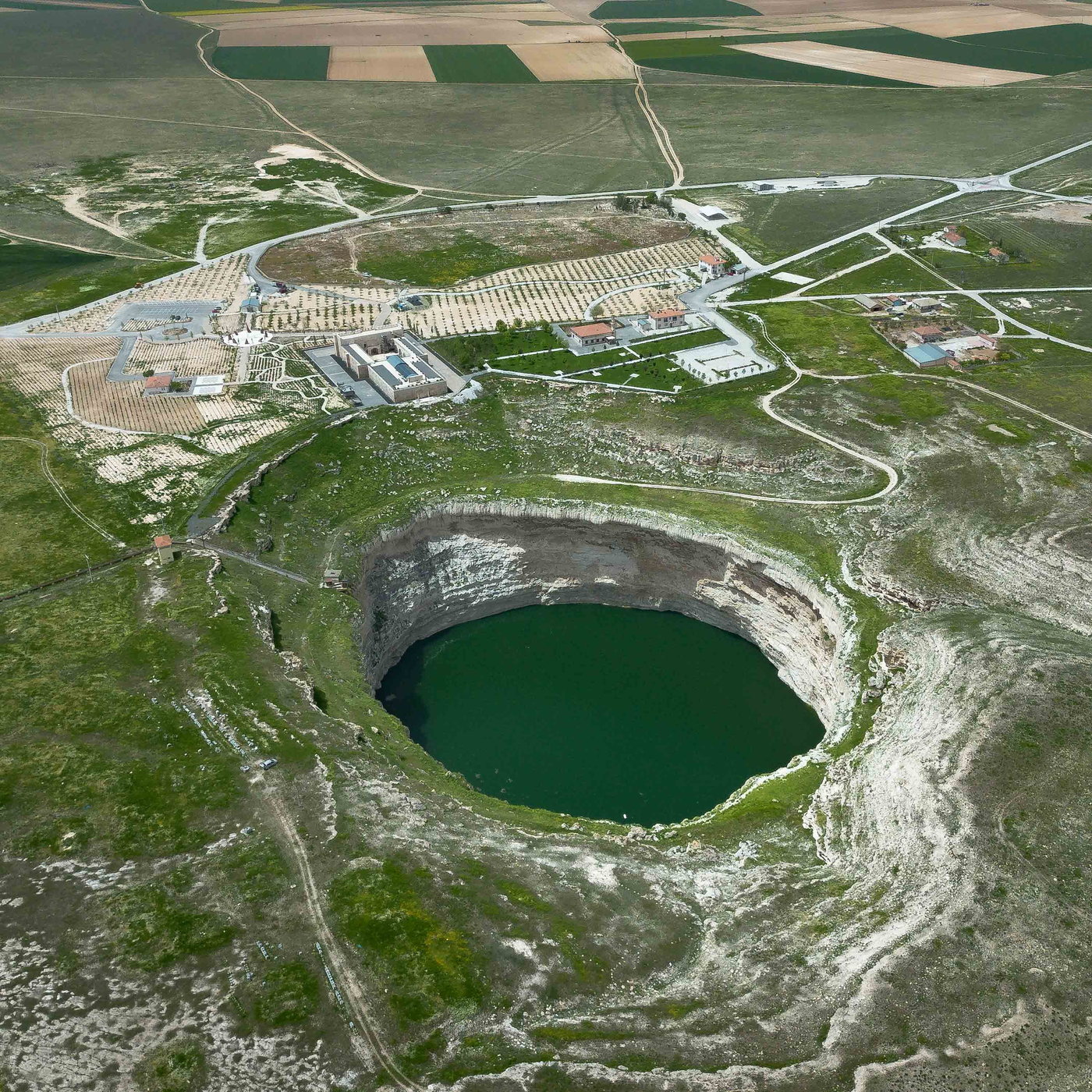
There are over 730 sinkholes in central Turkey, and their numbers are surging, threatening farmers’ livelihoods and the country’s food supply chain. These sinkholes occur suddenly when the soil collapses, forming a gaping hole in the earth. The sinkholes are a symptom of the ongoing drought and unsustainable water extraction in Konya province, Turkey's agricultural heartland. The production of water-thirsty crops such as sugar beet is prioritised in this region, which is used to make Turkey’s sugar. To irrigate these crops, farmers have had to rely on licensed and unlicensed wells tapping into the groundwater. Years of drought has meant that underground reserves cannot be renewed, making current farming practices unsustainable. The increased formation of sinkholes is not a surprise for experts who have been warning for years that extracting groundwater could tip the balance of nature. These sinkholes have luckily not caused any deaths but they are revealing that time is running out to save water and agriculture in this region.
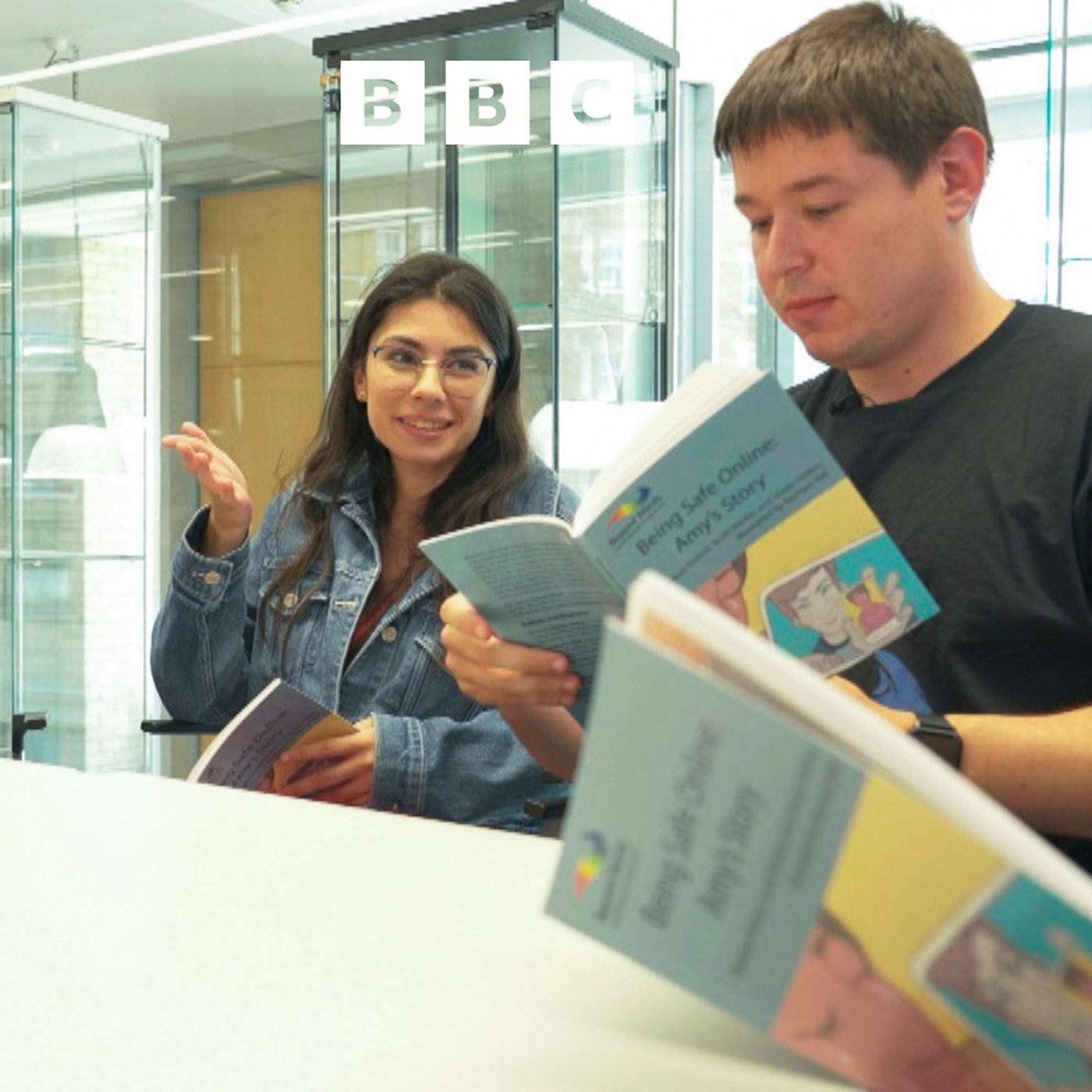
We look at two solutions that harness the power of pictures to help disabled people
Russian is the first language of millions of Ukrainians, including many of the country’s frontline troops. But it is also the language of their enemy. Its public use is increasingly restricted by law, with ever more measures to enforce communication in Ukrainian. Ukrainians are allowed to speak Russian in private conversations. But they can be fined for playing a Russian language song in the street, if the singer or composer is a Russian citizen. The state says Russian must be policed because Russia uses the language as a weapon to spread its influence. But in primarily Russian-speaking places such as Odesa, Ukraine’s third-largest city, many are unhappy about the language laws. Tim Whewell reports on the arguments dividing a city under constant Russian bombardment, as one side calls the Russian language a colonial hangover, while the other says cultural diversity is what Ukraine should be fighting for.

There is a general fear that artificial intelligence could make huge swathes of workers redundant, but are those fears unjustified? Rob Young asks what history can tell us about big technological leaps and how they changed the world of work at the time. How much of the rate of change comes down to customer preference - would you rather deal with a bot or a person?
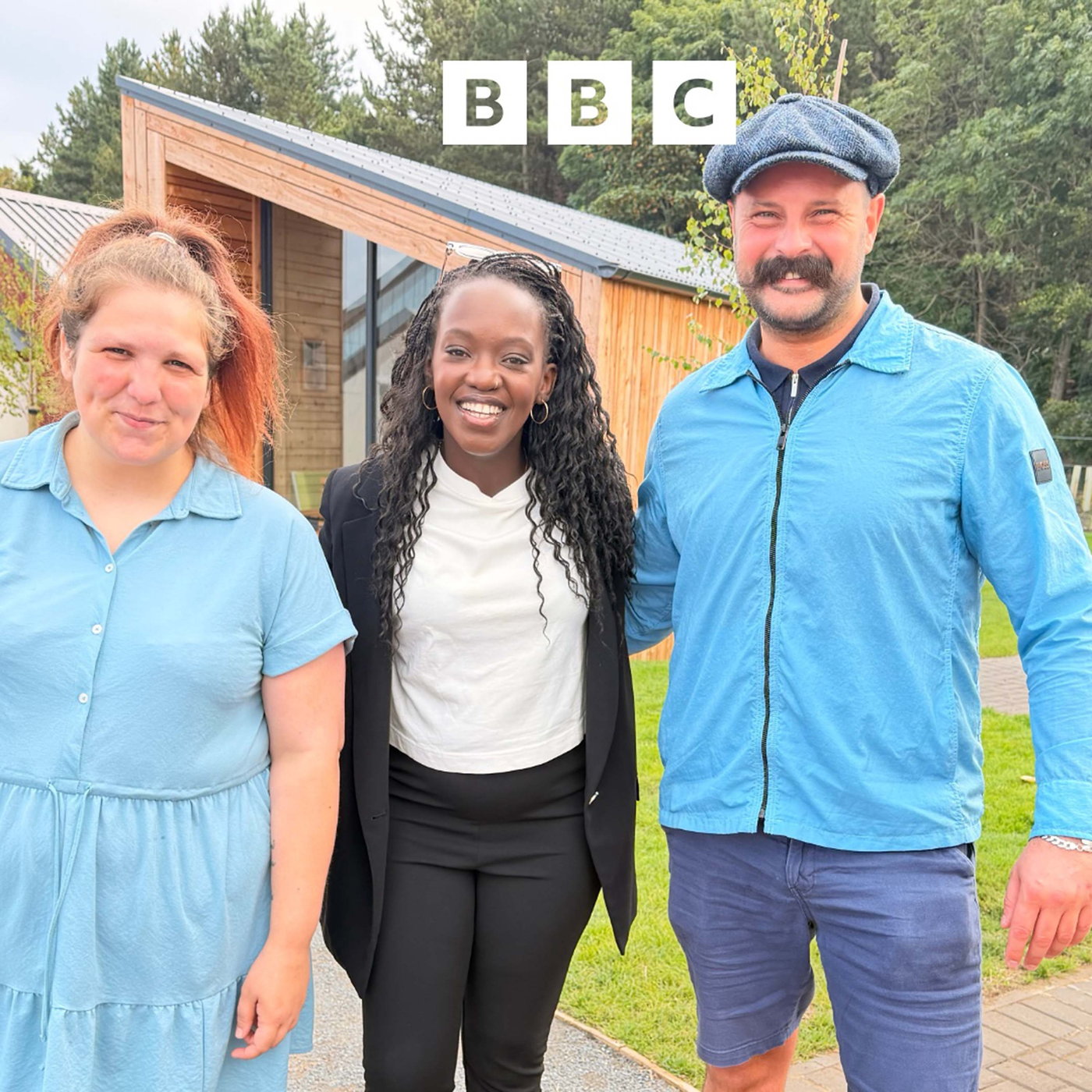
We visit two projects exploring practical responses to homelessness and housing insecurity. Presenter Myra Anubi travels to Edinburgh to see the work of Social Bite, a charity creating small communities of prefabricated homes on unused land, offering people a stable place to live and rebuild their lives. Meanwhile, in Nantes, western France, we meet the team behind Bureaux du Cœur, which partners with businesses to open up unused office space as safe overnight accommodation for people in need.
The rescuers who dodge drones and bombs to evacuate from frontline areas in Ukraine, known as the “kill zone”. More than four years after Russia’s full-scale invasion, thousands of civilians still live dangerously close to active combat zones. Getting them to safety requires powers of persuasion, knowledge of warfare, and nerves of steel. The Global Jigsaw explores how volunteer evacuation efforts of civilians in eastern Ukraine have evolved throughout the war, and how rescuers continue to adapt to an increasingly hostile and unpredictable battlefield. Find out more about BBC Monitoring on our website: https://monitoring.bbc.co.uk Contributors: Vitaly Shevchenko Producer: Kriszta Satori, Tim Bowler Presenter: Krassi Ivanova Twigg Music: Pete Cunningham

Survivors of the floods in Nepal share their experiences of escape from the torrent of water that swept through valleys in the Himalayas, killing at least 1.300 people. “For me that river valley was where I built my dreams,” Gaurav, who owned a café tells us. “Within a few minutes we lost everything, everything was swept away.” Gaurav is joined in conversation by his friend Sakil, who lost his family home in the floods. Extraordinary pictures of the first people to be rescued after nine days have been shared with the world. They were trapped in a hydro-electric power station tunnel with many others. But thousands, including foreign nationals from India, the UK, Australia and the US, are still missing. We bring together two families, hoping their loved ones will be found.