

DS

David Senra
Scicomm Media
#37 in Business this weekConversations with the greatest living founders.
- 30 episodes
- weekly
- Avg 1 hr 28 min
- English
Counted on this page — what you have heard stays on this device, so it is not something the list can be paged by.
- DS
 #40September 13 · 2 hr 1 min
Luca Ferrari on Building Bending Spoons: Extreme Ownership, Talent Science & Relentless Simplification
Luca Ferrari is a co-founder of Bending Spoons, the technology company he built with his partners by rethinking how software businesses should hire, operate and allocate capital.
- DS
 #39September 9 · 1 hr 11 min
Mati Staniszewski on ElevenLabs, Voice AI & Building the Communication Layer for AI
Mati Staniszewski is the co-founder of ElevenLabs, an AI audio company he started in 2022 with his longtime friend Piotr Dąbkowski.
- DS
 #38September 6 · 1 hr 16 min
Zach Dell on Base Power, Energy Abundance & Building a Company for Life
Zach Dell is the co-founder of Base Power, an energy company on a mission to make electricity more affordable and reliable.
- DS
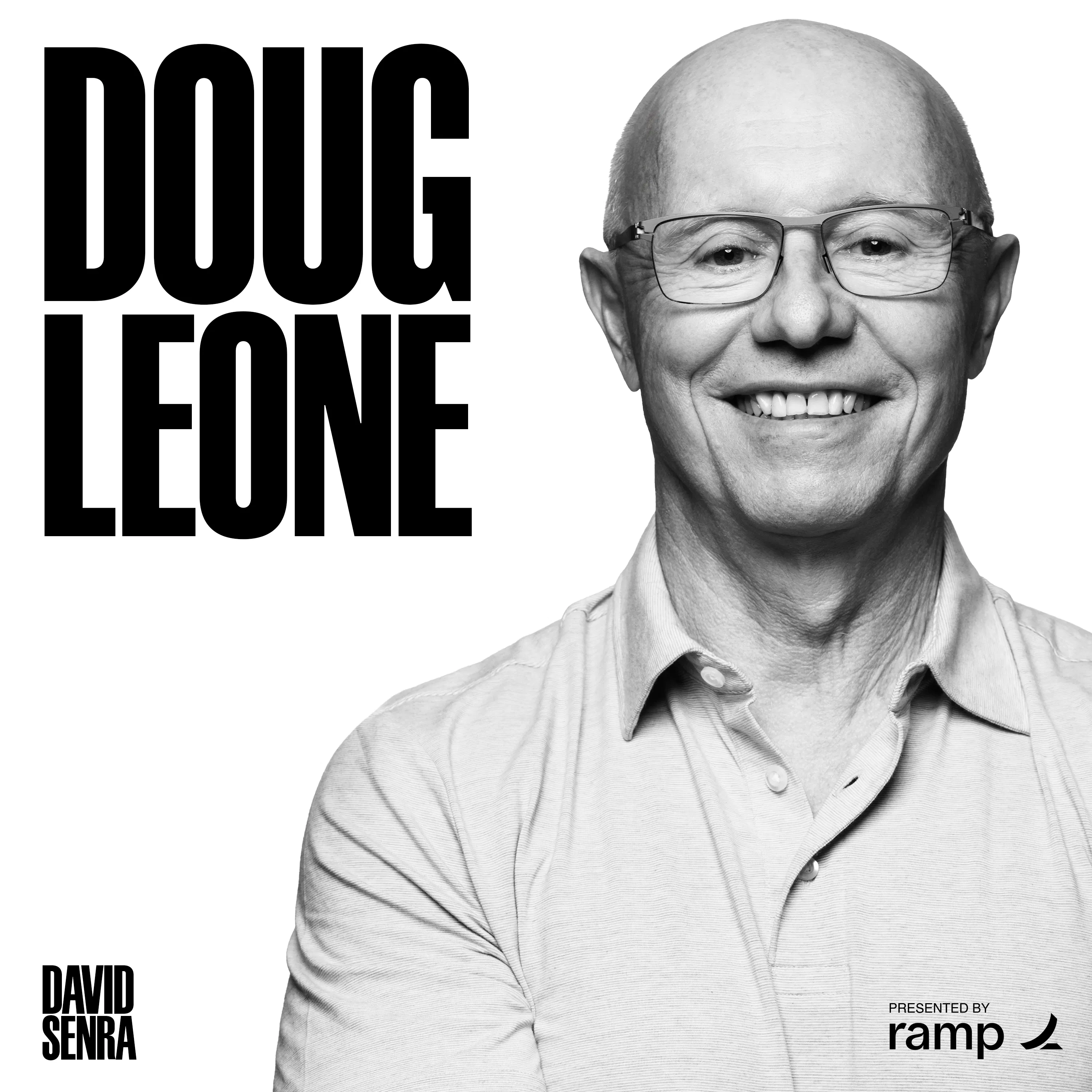 #37August 30 · 1 hr 22 min
Doug Leone on Sequoia, Fear, Great Founders & Starting Over at 69
Doug Leone spent 26 years helping lead Sequoia Capital through successive eras of technological change. Born in Italy, he came to the United States without speaking English and carried the insecurity of an outsider into his career. That fear became fuel: whenever he felt himself falling behind, he forced himself to start over. After stepping down from Sequoia at 65 to make room for the next generation, he returned four years later. Now he considers himself a low-level analyst again, racing to understand an AI revolution that he believes is rewriting business more radically than anything he has seen before. Leone explains the three questions he asks before making an investment: Would he put his children's money into it? If he could make only 20 investments in his life, would this be one of them? Could it return the entire fund? He is interested only in extreme outliers—companies capable of returning 100 times the original investment—and says the biggest mistake venture investors make is selling their winners too early. Sequoia once owned enormous stakes in Apple, Cisco, Google and NVIDIA, but even the greatest investors failed to anticipate how long exceptional companies could continue compounding. His role as an investor is not to shape a founder's technology. It is to help turn a product into a business: recruiting the first team, building sales and marketing, navigating crucible moments and preserving the founder as the soul of the company. He describes backing David Vélez before Nubank existed, what Fred Luddy's unusual ServiceNow pitch revealed about him and why Sequoia looks for the same qualities in founders and its own partners: a hypercompetitive person with a heart of gold. Leone also discusses trust as the accelerant that makes business move quickly. Trust requires both competence and good intentions, and it is earned by helping founders when they are most vulnerable. He explains why founders should architect their boards as carefully as their products, why productive disagreement is different from argument and how to deliver difficult feedback so it can actually be heard. He closes with lessons from his longtime partner Michael Moritz: listen to the exact words people choose, put the other person first and always ask what a company could become if everything goes right. Show notes: https://www.davidsenra.com/episode/doug-leone Made possible by Ramp: https://ramp.com AppLovin: https://applovin.com/senra Deel: https://deel.com/senra Chapters (00:00:00) How to Dominate for Decades (00:03:17) Turning Fear Into a Tailwind (00:05:40) Immigrant Drive, Hard Work & the Beach Club (00:12:19) Simplifying Life & Choosing Discomfort (00:14:37) The Homeless Sequoia Partner With No Plan B (00:16:49) Stepping Down, Coming Back & Starting Over (00:20:04) Why AI Is Different From Every Previous Technology Shift (00:22:13) Doug's Three Investment Heuristics (00:23:52) The Cost of Selling Great Companies Too Early (00:25:39) Helping Founders Turn Products Into Businesses (00:28:28) David Vélez, Nubank & the Psychology of Founder Support (00:32:25) Why Founders Must Remain the Soul of the Company (00:36:13) Torturing Yourself Into Greatness (00:39:57) Don Valentine, Succession & the Sequoia School of Hard Knocks (00:44:28) Staying Grounded & Developing a Sniffer for People (00:47:46) Hypercompetitive With a Heart of Gold (00:50:13) Fred Luddy, Israeli Founders & Radical Directness (00:52:28) Trust Is the Accelerant of Business (00:59:57) Starting From Zero & Hunting for the Next Great Founder (01:05:59) Architect Your Board Like Your Product (01:10:24) Truth, Disagreement & the Art of Difficult Feedback (01:13:43) Humanity, Introversion & the Value of Relationships (01:18:18) What Doug Learned From Michael Moritz Learn more about your ad choices. Visit megaphone.fm/adchoices
- DS
 August 26 · 1 hr 23 min
Building Defense Technologies to Protect Democracies | Torsten Reil, Helsing
Torsten Reil is the co-founder and co-CEO of Helsing.
- DS
 August 23 · 1 hr 18 min
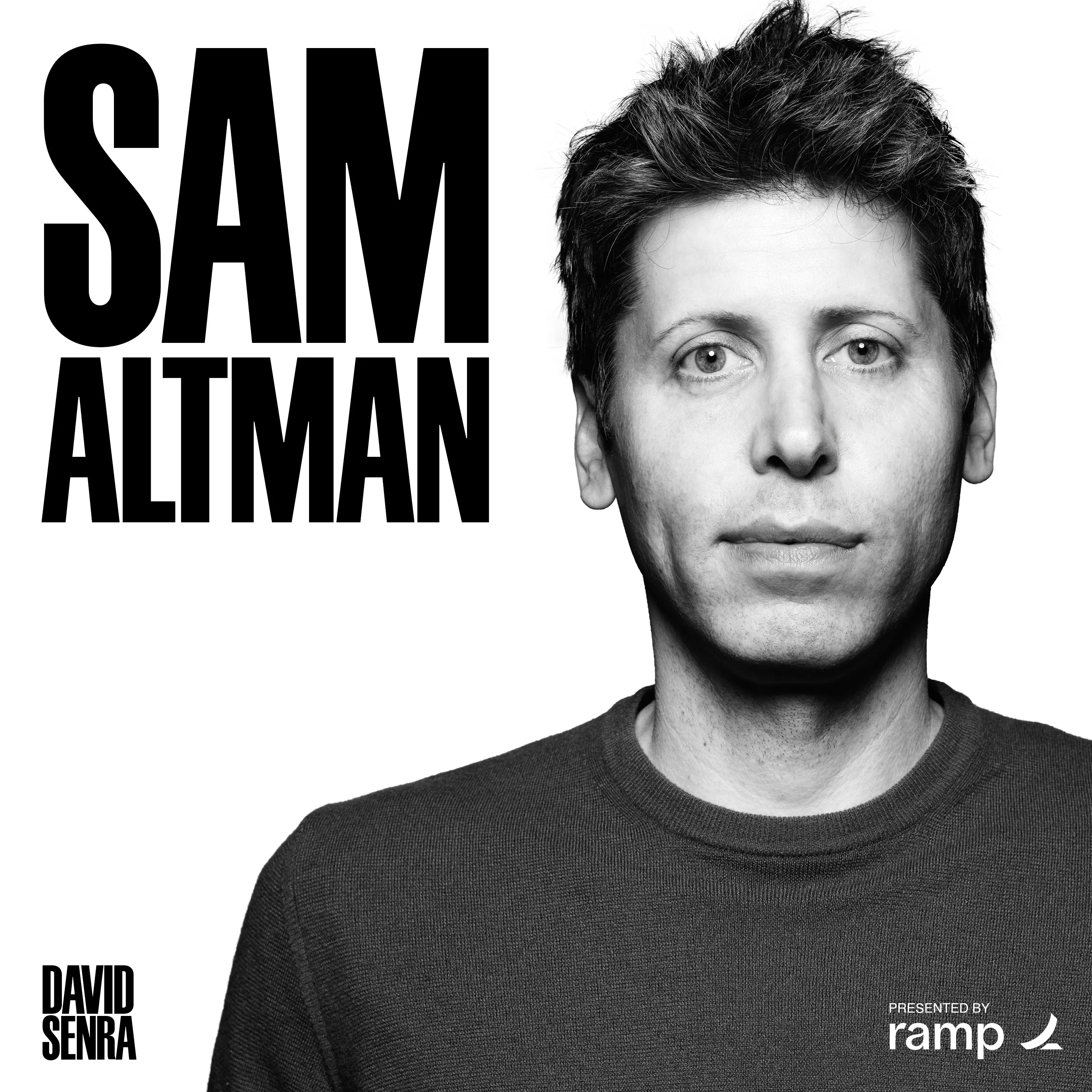
Sam Altman on Building OpenAI & Betting on the Impossible
Sam Altman is the co-founder and CEO of OpenAI.
- DS
 #34August 16 · 1 hr 48 min
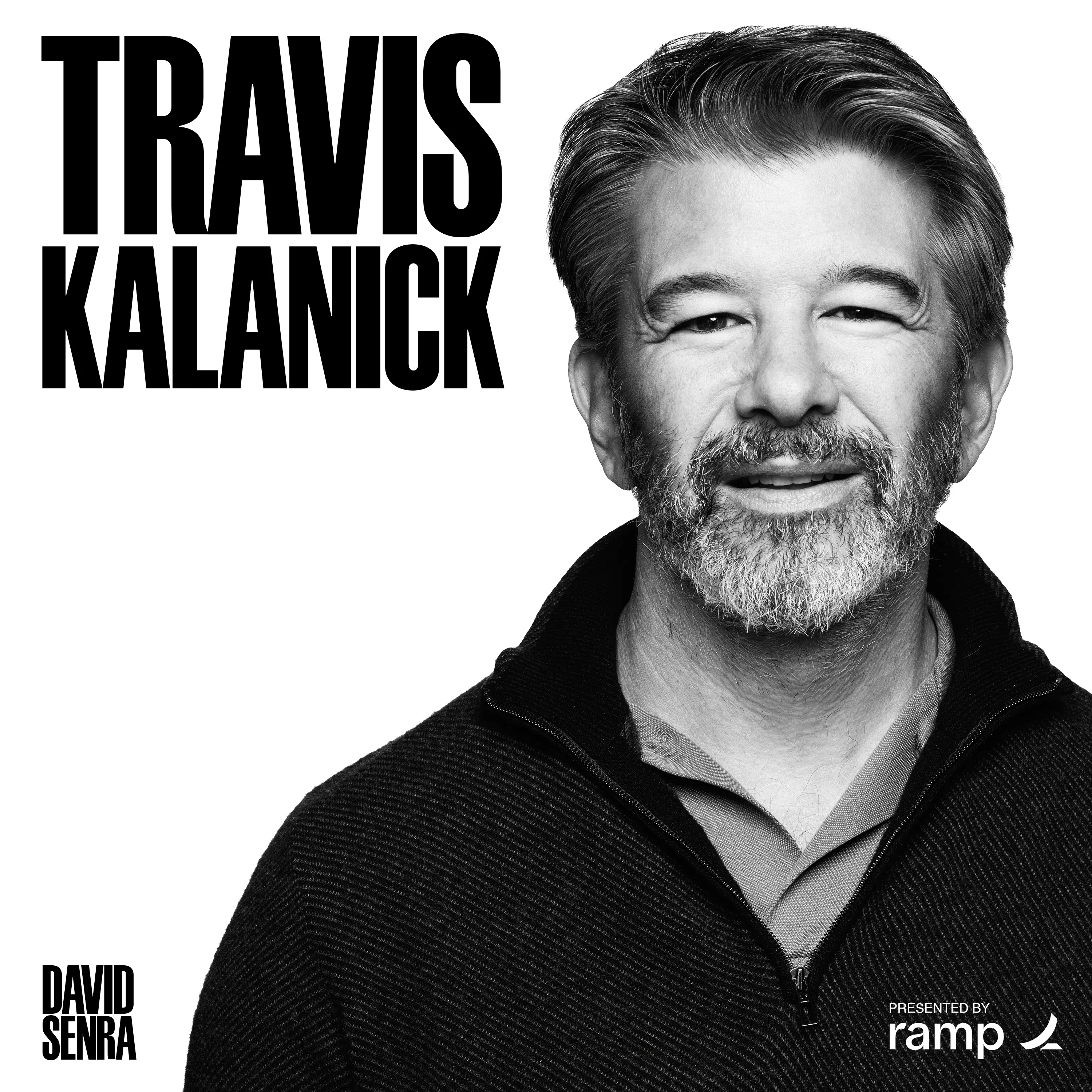
Travis Kalanick, Founder of Uber & Atoms
Travis Kalanick is best known for co-founding Uber and building it into one of the world’s largest transportation platforms.
- DS
 #33August 12 · 1 hr 17 min
Lulu Cheng Meservey, Founder of Rostra
Lulu Cheng Meservey is the founder of Rostra and one of the world's most trusted communication strategists.
- DS
 #32August 9 · 1 hr 6 min
Michael Ovitz, Co-founder of CAA
Michael Ovitz is the co-founder of Creative Artists Agency (CAA).
- DS
 #31August 2 · 1 hr 16 min
Lessons From Backing The Best Founders In Fintech | Micky Malka
Micky Malka is the founder of Ribbit Capital.
- DS
 #30July 26 · 1 hr 41 min
DHH: How to Build a Profitable Company Without Losing Control
David Heinemeier Hansson (DHH) is the creator of Ruby on Rails and the co-founder of 37signals, the company behind Basecamp, HEY, and ONCE.
- DS
 #29July 19 · 1 hr 47 min
The Restaurant Genius Behind Carbone, ZZ’s, Torrisi & More | Jeff Zalaznick
Jeff Zalaznick is co-founder of Major Food Group, the hospitality company behind Carbone, ZZ's, Torrisi, The Grill, and The Pool.
- DS
 #28July 12 · 58 min
Eric Glyman, Co-founder of Ramp
Eric Glyman is the co-founder and co-CEO of Ramp, the financial-infrastructure platform valued at $44 billion used by over 70,000 businesses to run payments, expenses and accounting from a single place. Glyman grew up in Las Vegas and studied at Harvard, where he met his eventual co-founder, Karim Atiyeh. In 2014 the two started Paribus, a price-tracking app born from Glyman's frustration after missing an airfare price drop — the software automatically caught retroactive discounts and filed refunds on customers' behalf. Capital One acquired Paribus in 2016, and Glyman and Atiyeh stayed on for roughly three years running the business inside the bank. That experience showed Glyman something he found strange: card companies made money by convincing customers that points and rewards were valuable, then quietly devaluing them. In 2019 he, Atiyeh, and longtime friend Gene Lee left to build Ramp on the opposite premise — instead of pushing businesses to spend more for rewards, help them spend less and waste less time doing it. Every product decision gets run through what Glyman calls a version of "Elon's algorithm": question the requirement, simplify, then automate. Ramp tracks its own success obsessively — a running "scoreboard" of dollars and hours saved for customers, displayed on office walls and posted in Slack. Glyman now sees the company's real competitors not as other fintechs but as AI labs, since Ramp is ultimately selling automated knowledge work, not money movement. He frames the company’s mission as: build something that saves people time and money, and let the business follow — freeing entrepreneurs and finance teams from rote work so they can focus on what actually matters to their companies. Chapters (00:00:00) Smarter Financial Infrastructure To Run Your Business (00:04:01) The North Star Is Time And Money (00:10:15) A Determined Generalist Can Now Do More Than Ever (00:11:58) I'm The Best Doctor I've Ever Been (00:13:20) The Tower Of Babel Inside Big Companies (00:16:00) The Kid Who Paid For College On Minecraft (00:19:10) Everyone Is The Hero Of Their Own Story (00:22:31) You Don't Get There In A Hundred Hours (00:23:52) Buffett And Munger Stopped Needing To Call Each Other (00:25:03) The Damage Of Letting People Free-Ride (00:27:40) Consumer-Grade Design In B2B Software (00:28:34) The Breville Toaster And The Bit-More Button (00:31:47) We Win When Our Customers Win (00:35:18) Put The Scoreboard On The Wall (00:37:07) A Company Is Just A Fiction With A Common Purpose (00:38:19) Focus On The Things That Don't Change (00:40:02) Is This Time Actually Different (00:40:50) Air Conditioning Made Las Vegas, Not Fortunes (00:43:52) 1% Of US GDP Will Be Token Spend (00:45:28) A Six-Month Lag To A Model A Hundred Times Cheaper (00:46:46) Agents Negotiating With Agents To Buy Things (00:49:22) Making Sure The Highest-Return Dollar Gets The Dollar (00:51:17) The Dream Of Being At The Table That Matters (00:54:14) Why The Labs Are Ramp's Real Competitor (00:55:44) Banks Sell Money, Ramp Sells Time (00:56:27) When Intelligence Becomes Functionally Free Learn more about your ad choices. Visit megaphone.fm/adchoices
- DS
 #27July 5 · 1 hr 11 min
Jonathan Ross, Founder of Groq
Jonathan Ross is the founder of Groq and the inventor of the Google Tensor Processing Unit (TPU), now a senior executive at NVIDIA following the company's $20 billion partnership with Groq.
- DS
 #26June 28 · 1 hr 5 min
Scott Wu, Cognition
Scott Wu is the co-founder and CEO of Cognition, the company behind Devin, the world's first AI software engineer. Wu describes himself as "salty," a word he traces to second grade, when he competed in a seventh-grade math competition, lost, and never forgot it. Born in 1997 in Louisiana to a Chinese immigrant family, he grew up the little brother who hated losing at video games and turned that into a career. At the International Olympiad in Informatics he won three gold medals and placed first overall in 2014; he was the 2011 MathCounts national champion. He approaches building a company the way he approaches a strategy game: a tree search, calculating moves, working the decision tree toward victory. By his own account, competition is all he does. He dropped out of Harvard after two years, worked as a founding engineer at Scale AI, and co-founded Lunchclub before starting Cognition in August 2023 with fellow IOI gold medalists Steven Hao and Walden Yan. They built it in a New York apartment. Devin's annualized revenue then climbed from $1 million in September 2024 to $73 million by June 2025. In May 2026, Cognition raised at a $26 billion valuation. Show notes: https://www.davidsenra.com/episode/scott-wu Made possible by Ramp: https://ramp.com AppLovin: https://applovin.com/senra Deel: https://deel.com/senra Chapters (00:00:00) Scott Wu’s Obsession With Winning (00:02:06) Competitive Programming, Games And Finding His People (00:04:24) Family, Go, And The Roots Of Scott’s Competitiveness (00:08:35) Why Losing Hurts More Than Winning Feels Good (00:09:38) What Winning With Devin Looks Like (00:12:55) Devin Today: The AI Software Engineer (00:13:52) Software As The Human-Computer Interface (00:18:45) Why AI Progress Is Hard To Intuit (00:20:39) Thinking About AI From First Principles (00:22:57) What Happens When Agents Can Work For Months (00:30:18) The Original Thesis Behind Cognition (00:31:12) Launching Devin And Handling Criticism (00:37:17) Finding Product-Market Fit In The Enterprise (00:42:41) How Cognition Deploys Devin Inside Large Companies (00:48:34) Measuring ROI Instead Of Token Spend (00:50:01) Why Cognition Wants To Be Model-Neutral (00:52:18) Why Focus Lets Startups Beat Giants (00:57:14) Independence, Acquisitions, And Building A Generational Company (01:00:27) Why Money Is Not The Goal (01:03:42) One Life: Going For It All Learn more about your ad choices. Visit megaphone.fm/adchoices
- DS
 #25June 21 · 1 hr 35 min
Steve Stoute, UnitedMasters
Steve Stoute is the founder of Translation, the marketing company behind some of the most iconic brand work of the past 25 years, and UnitedMasters, the independent music distribution platform he launched in 2017. Stoute grew up in Queens in the 1980s, where hip-hop was his entire world. He worked his way into the music business, eventually managing Nas and becoming an executive at Sony and then Interscope under Jimmy Iovine. In 1999, at 29, he walked away from a $2 million salary to take a $150,000 job at the Arnell Group — trading income for education. He was there to learn the advertising business from the inside out. What he saw clearly was that Madison Avenue was using an old playbook, failing to see that artists were shaping fashion and other cultural trends. Stoute brokered Jay-Z's S. Carter shoe deal with Reebok — the first sneaker deal for a non-athlete — helped launch McDonald's "I'm Lovin' It" campaign, and came within one meeting of signing LeBron James. He watched an 18-year-old LeBron walk away from a $10 million signing bonus to bet on himself. It confirmed everything Stoute believed: the world had already changed, and the old gatekeepers just hadn't caught up yet. UnitedMasters was built on that same conviction — giving artists ownership of their masters and a direct line to their fans. Show notes: https://www.davidsenra.com/episode/steve-stoute Made possible by Ramp: https://ramp.com AppLovin: https://applovin.com/senra Deel: https://deel.com/senra HubSpot: https://hubspot.com Chapters (00:00:00) Run Towards The Unknown (00:04:43) The Men In Black Glasses Nobody Got Paid For (00:07:34) Too Scared To Buy Apple At Nine Dollars (00:15:27) Black Consumers Buy What Isn't Marketed To Them (00:19:13) Betting On The Education, Not The Equity (00:21:39) A Music Video Is Just A TV Commercial (00:24:32) The First Non-Athlete Shoe Deal (00:27:25) LeBron Walks Away From Ten Million To Bet On Himself (00:30:35) Why Are You Giving It Away (00:35:18) If Artists Knew Their Fans They Wouldn't Need A Label (00:39:57) Prince Wrote Slave On His Face (00:46:01) How Jay-Z, Master P, And Wu-Tang Beat The System (00:50:44) The Power Of Repetition (00:54:13) Independent Artists Are The New Small Businesses (00:58:56) Fame And Talent Are Now At Odds (01:04:39) Ryan Coogler's Unprecedented Sinners Deal (01:09:25) Live At The Convergence Of Culture, Technology, And Storytelling (01:11:09) You Can Get Anything Done If You Don't Take Credit (01:12:53) Signing Kobe To Out-Rap Shaq (01:15:25) How You Do Anything Is How You Do Everything (01:18:55) The Barefoot Standoff With Jay-Z (01:22:50) Getting Jay-Z To Write Still D.R.E. (01:28:08) Managing Nas, The Greatest Thing He Ever Did (01:31:00) Walking Into Queensbridge To Find Nas Learn more about your ad choices. Visit megaphone.fm/adchoices
- DS
 #24June 14 · 1 hr 34 min
Ed Catmull, Co-founder of Pixar
Ed Catmull is the co-founder of Pixar and the former president of Disney Animation.
- DS
 #23June 7 · 1 hr 13 min
Gustav Söderström, Spotify
Gustav Söderström is the Co-Chief Executive Officer of Spotify, the world's largest streaming platform, with more than 760 million users across 180 countries.
- DS
 #22May 31 · 1 hr 23 min
Ivanka Trump on Building an Authentic Life
Ivanka Trump grew up on construction sites and in boardrooms, learning what it takes to be a builder. At just 22 years old, she started doing real estate for a Brooklyn developer. She notched small wins with construction crews and learned the trade. Then came the launch of her own fashion brand — which reached over $800 million in annual sales — run simultaneously with the Trump Organization's real estate acquisitions. The centerpiece was the Old Post Office in Washington, D.C., a dilapidated 1890s building she personally shepherded into a thriving urban hotel. In 2016, she went to Washington, D.C. to provide support to her father in his first term as President of the United States. During the four years in Washington, D.C., she helped in doubling the child tax credit for 40 million families, standing up the first national paid family leave plan for federal employees, passing nine pieces of legislation against human trafficking, and getting the Great American Outdoors Act signed — the largest environmental legislation since Teddy Roosevelt created the national parks. When it ended, she started over, and built again. She co-founded Planet Harvest, creating a market for the 40% of American fruits and vegetables discarded each year because they don't meet cosmetic specifications. She's building Sazan, a 1,400-hectare private island in the Mediterranean with five miles of beachfront. She's investing in founders at the frontier of AI, biotech, robotics, and space. And she's working with Elad Gil to create Alexandria AI, a project that will translate the world's great public-domain literature into every major language and give it away for free. She describes herself as mission-driven now, not achievement-driven. The difference, she says, took her decades to find. Show notes: https://www.davidsenra.com/episode/ivanka-trump Made possible by Ramp: https://ramp.com AppLovin: https://axon.ai/senra Deel: https://deel.com/senra Chapters (00:00:00) Knowing What Excites You (00:02:02) The Sazan Island Project (00:07:18) Knowing Who You Are (00:13:06) Creating Stillness (00:16:30) Finding Mentors In Books (00:17:04) Avoid Competition Through Authenticity (00:21:05) Reading As An X-Ray Of The Soul (00:21:29) Phil Knight's Shoe Dog (00:24:55) Meaning Redeemed By Hardship (00:29:39) The Call To Government (00:31:16) Handing Back The Keys (00:41:42) The Reset In Miami (00:46:25) Less And Better (00:50:13) Finding The One Thread (00:55:54) Turning Waste Into An Asset (01:03:38) Democratizing The World's Great Books (01:12:07) Marry The Right Person (01:12:47) Deciding What To Build (01:16:23) No Contract Protects A Bad Partner (01:19:08) Opportunity Where Others See Nothing (01:21:34) Backing Fragile New Ideas Learn more about your ad choices. Visit megaphone.fm/adchoices