
Skip to content
Artwork for Brainwaves
Health & FitnessScienceEducation

Brainwaves

Nina Valdez

Your doctor tells you one thing, Google says another, and that health influencer you follow swears by something completely different. The result? You're more confused about your own health than when you started looking for answers.

That's where Brainwaves comes in. Nina Valdez spent fifteen years treating patients in emergency rooms, watching people make critical health decisions based on terrible information. Now she translates the latest medical research into the kind of straight talk you'd actually get from a doctor who has time to explain things properly.

Every episode breaks down new studies about how your brain and body actually work. You'll find out why that "miracle" supplement probably isn't, what the research really says about anxiety treatments, and which wellness trends have actual science behind them. Nina's seen enough heart attacks and panic attacks to know the difference between medical facts and marketing hype.

Each episode gives you the real story behind health headlines, complete with what the study actually found and what it means for your daily decisions. No medical jargon, no agenda, just the information you need to make smarter choices about your health.

Follow now. New episodes drop every day. New episodes every day—follow now!

Play
  • 67 episodes
  • daily
  • Avg 19 min
  • English
Counted on this page — what you have heard stays on this device, so it is not something the list can be paged by.
  • Yesterday · 26 min

    The Pet Mistake Every Owner Makes (And How To Fix It)

    Your dog isn't being "stubborn" when they ignore you—they're probably just bored out of their mind. Dr. Karolina Westlund studies animal behavior, and what she's discovered about pet psychology will completely change how you see your furry family members. Turns out, most of us are getting it wrong from day one. What you'll discover: • Why your dog has the emotional complexity of a toddler (and what that means for training) • The real reason cats meow at you but never at other cats • How 80% of "bad" pet behavior is actually just desperate boredom • Why rabbits can literally die from loneliness Nina breaks down the latest research on what pets actually need to be happy. Spoiler: it's not just food, water, and belly rubs. These animals have complex social and emotional needs that we've been overlooking for decades. You'll learn why that "dominance" training approach is based on debunked science, how to tell if your pet is genuinely stressed versus just being dramatic, and simple changes that can fix most behavioral problems without expensive trainers. Chapters: 00:00 The biggest pet myth we all believe 02:15 What your dog's brain actually looks like 04:30 Why cats developed a human-only language 06:45 The boredom epidemic in pets 08:30 Signs your pet is mentally understimulated 10:00 Quick fixes that actually work If you've ever wondered why your perfectly healthy pet acts out, this episode connects the dots between animal psychology and the mistakes we make every single day. Follow Brainwaves for daily episodes that cut through the noise. Nina drops new medical insights every day that help you make smarter decisions about health—yours and your pets'. Subscribe and never miss an episode at Brainwaves Learn more about your ad choices. Visit megaphone.fm/adchoices

  • Yesterday · 16 min

    Why Warren Buffett's Brain Works Differently (The Psychology of Rich People)

    Your brain is literally wired to keep you poor. That's not motivation-speak nonsense—it's neuroscience. And Warren Buffett figured this out decades before researchers caught up. Most people think wealth is about earning more or finding better investments. But Nina breaks down new psychological research showing your money mindset was basically programmed by the time you were seven years old. Your brain is still running the same financial software from childhood, which explains why smart people make terrible money decisions. What you'll discover: • Why lottery winners go bankrupt (and how your brain sabotages sudden wealth) • The psychological bias that makes you underestimate your future self's needs • How traumatic economic events rewire your money beliefs permanently • Why wealthy people who grew up poor still hoard cash like they're broke Chapters: 00:00 Your money brain is stuck in childhood 02:30 The lottery winner bankruptcy phenomenon 04:45 Why you can't predict your future financial self 07:20 How economic trauma shapes money beliefs 09:15 The wealthy person's hoarding paradox 11:00 Three ways to reprogram your financial mindset Nina's seen patients have literal panic attacks over medical bills, and the stress response is identical whether you're facing bankruptcy or just checking your credit card statement. The research shows your relationship with money affects everything from your sleep quality to your immune system. This isn't about budgeting apps or investment strategies. It's about understanding why your brain treats money like a threat and what you can do to fix it. Follow Brainwaves now for daily episodes that translate medical research into real talk. Nina drops new episodes every day with the science you actually need to know. Subscribe and never miss an episode at Brainwaves Learn more about your ad choices. Visit megaphone.fm/adchoices

  • Yesterday · 16 min

    The 6-Week Window That Determines Your Sexual Biology Forever

    Your baby's sex isn't determined at conception. It happens during a six-week window that rewrites their entire biological future. Most people think XX equals female, XY equals male. But Nina breaks down the real story: how one tiny gene called SRY flips a molecular switch around week 6-7 of pregnancy, flooding the developing body with testosterone and literally sculpting male biology from what would otherwise become female. What you'll discover: • Why female development is the default pathway for all humans • How testosterone in the womb permanently rewires brain structure • The critical timing that determines everything from muscle mass to spatial reasoning • Why hormone exposure during this window affects you for life This isn't just about reproduction. These early hormone surges shape how your brain processes emotions, handles stress, and even navigates space. The research shows testosterone exposure creates lasting changes in areas that control aggression, empathy, and problem-solving abilities. Nina walks through the molecular cascade that builds our sexual biology, explaining why timing matters so much and what happens when this delicate process gets disrupted. You'll understand why identical genetic starting points can lead to completely different outcomes. Chapters: 00:00 The SRY gene activation 02:30 Default female development pathway 04:15 Testosterone's brain-shaping effects 06:45 Epigenetic changes that last forever 09:00 When hormone timing goes wrong 11:30 What this means for adult health If you want the real science behind how your body actually works, hit follow. Brainwaves drops new episodes every day, and Nina's covering hormone replacement therapy next. Don't miss it. Subscribe and never miss an episode at Brainwaves Learn more about your ad choices. Visit megaphone.fm/adchoices

  • Yesterday · 16 min

    Collagen vs Whey: Scientists Just Revealed the Truth

    Your gym buddy swears by collagen for muscle growth, but your trainer insists whey protein is the only way to build strength. Meanwhile, that fitness influencer is pushing creatine like it's some kind of miracle powder. So which one actually works? Nina breaks down the real science behind these popular supplements, and the results might surprise you. What you'll discover: • Why your body's collagen production drops 1% every year after age 25 (and what that actually means for your workouts) • The shocking absorption difference between whey and collagen proteins • How creatine can boost your muscle stores by up to 40% (if you're doing it right) • The weird truth about smelling salts and why they actually work Chapters: 00:00 The collagen vs whey protein debate 02:15 What happens when you actually digest these supplements 04:30 Creatine: the most researched supplement you're probably taking wrong 07:45 Why smelling salts trigger that instant energy boost 09:20 Bottom line: what Nina actually recommends Nina spent years watching patients waste money on supplements that don't work. This episode cuts through the marketing hype with actual research data, so you can stop guessing about what's worth your money. If you're tired of conflicting health advice, hit follow on Brainwaves. Nina drops new episodes every day with the medical facts you need to make smarter health decisions. Subscribe and never miss an episode at Brainwaves Learn more about your ad choices. Visit megaphone.fm/adchoices

  • Yesterday · 22 min

    The Fat Loss Mistake 90% of People Make (Huberman's Lab Data Reveals Why)

    What if 90% of people trying to lose fat are making the same fundamental mistake? New research from Huberman Lab reveals why most fat loss efforts fail, and it's not what you think. In this episode, Nina Valdez breaks down the science-backed strategies that actually work. 🎯 What You'll Learn: • Why cold exposure for just 11 minutes per week can boost fat burning hormones by 200% • The meal timing trick that increases weight loss by 25% (hint: it's about when you eat your biggest meal) • How caffeine consumed at the right time can increase fat oxidation by 20%, but only if you avoid this common mistake • The truth about HIIT vs steady-state cardio and which one keeps burning fat for 24 hours after you stop 👤 Perfect for: curious listeners who love learning new things and want to cut through the fat loss noise with actual science. 📍 Chapters: [00:00] Nina Valdez introduces the 90% fat loss mistake [01:30] Cold exposure protocols that actually work [04:00] Meal timing and circadian rhythm effects on weight loss [07:00] Caffeine timing for maximum fat oxidation [10:00] HIIT vs steady-state: what the research shows [12:00] Key takeaways you can use starting today 🔔 Never miss an episode: Follow Brainwaves on Spotify or Apple Podcasts and turn on notifications. New episodes drop daily, your next favorite insight is one tap away. 🔍 Topics: fat loss, Huberman Lab, cold exposure, meal timing, HIIT cardio Subscribe and never miss an episode at Brainwaves Learn more about your ad choices. Visit megaphone.fm/adchoices

  • Yesterday · 21 min

    Why Doctors Don't Tell You About Your Brain's Built-In Painkiller

    Your brain manufactures morphine. Literally. It produces natural opioids more powerful than prescription painkillers, but most people never learn how to activate this built-in pharmacy. Nina breaks down the fascinating neuroscience behind your brain's pain control system and reveals the specific techniques that can reduce suffering by up to 30% without any medication. This isn't wishful thinking - it's backed by brain imaging studies showing real changes in pain processing regions. What you'll discover: • Why mindfulness meditation reduces pain-related brain activity by 27% (and the exact technique that works best) • How athletes use mental rehearsal to heal from injuries 24% faster than standard recovery • The science behind why believing a treatment will work actually triggers natural opioid release • A simple pain education technique that cuts chronic pain intensity by 45% in just two weeks Chapters: 00:00 Your brain's hidden pharmacy 02:15 The mindfulness-morphine connection 04:30 Mental rehearsal for faster healing 06:45 How expectation changes your brain chemistry 09:00 The 2-week pain education protocol 10:30 Putting it all together This episode gives you practical tools you can start using today. Nina's seen too many patients suffer unnecessarily when their own brains could be doing most of the heavy lifting. If you want straight talk about what actually works in medicine, follow Brainwaves. New episodes drop every day with the latest research translated into real-world strategies you can actually use. Subscribe and never miss an episode at Brainwaves Learn more about your ad choices. Visit megaphone.fm/adchoices

  • Yesterday · 24 min

    Why Your Brain Makes 35,000 Decisions Wrong Every Single Day

    Your brain just made 11 decisions reading this sentence. By tonight, it'll make about 35,000 more. And here's the scary part: most of them will be completely wrong. Nina breaks down the latest neuroscience on why your decision-making system is basically broken by design. Turns out that "gut feeling" you've been told to ignore? It might be the smartest part of your brain talking. What you'll discover: • Why people who trust their intuition alongside logic make 40% better choices • The 70-decision limit that turns your brain into mush (and how to reset it) • Why your brain starts deciding 7 seconds before you even know you're choosing • The simple writing trick that makes you 25% more likely to stick with tough decisions Chapters: 00:00 The 35,000 decision problem 02:15 Why "logical" decisions backfire 04:30 Your gut vs. your brain (spoiler: both win) 07:20 Decision fatigue hits at 70 choices 09:45 The 7-second head start your brain gets 11:10 One writing trick that changes everything This isn't about making perfect choices. It's about understanding why your brain sabotages good ones and what actually works when the stakes matter. Nina's seen enough people make life-changing medical decisions based on panic and bad information to know: better decision-making isn't just helpful, it's life-saving. Follow Brainwaves now. New episodes drop every day, and tomorrow Nina's covering why multitasking literally shrinks your brain. Subscribe and never miss an episode at Brainwaves Learn more about your ad choices. Visit megaphone.fm/adchoices
  • Yesterday · 19 min

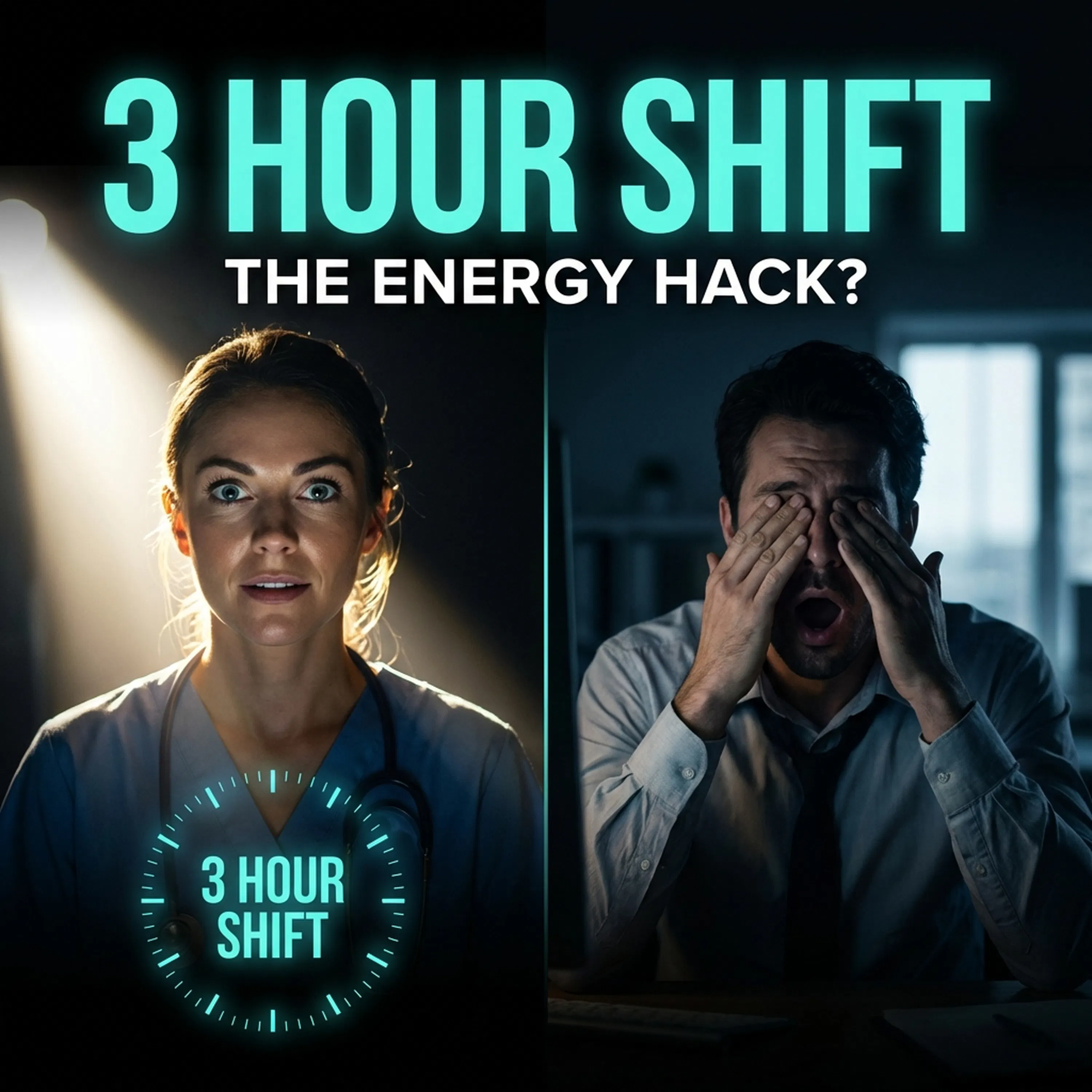
    What Neuroscientists Know About Memory That Schools Don't Teach You

    Medical schools don't teach you this: your brain is designed to forget almost everything you study. That's not a bug, it's a feature. Nina breaks down the latest neuroscience research showing why cramming never worked and how AI might actually help us learn the way our brains were built to learn. Turns out, that frustrating feeling when you can't remember what you studied last week? Your brain is doing exactly what it's supposed to do. What you'll discover: • Why sleep replays your learning 20 times faster than when you're awake (and how to use this) • How "forgetting" actually makes your memory stronger through something called desirable difficulty • Why your brain burns 20% of your energy just maintaining old neural pathways • The simple exercise that boosts brain growth factor by 300% You'll find out why everything you learned about studying in school was basically wrong, and what happens when you work WITH your brain instead of against it. Nina explains the research in plain English, no neuroscience degree required. Chapters: 00:00 Why your brain is built to forget 02:30 The sleep replay effect 05:15 How forgetting strengthens memory 07:45 Why exercise beats energy drinks 10:00 AI tools that actually help learning This isn't about cramming more information into your head. It's about understanding how learning actually works so you can get better results with less effort. Follow Brainwaves for more episodes that translate medical research into practical advice. New episodes drop every day. Subscribe and never miss an episode at Brainwaves Learn more about your ad choices. Visit megaphone.fm/adchoices
  • Yesterday · 25 min

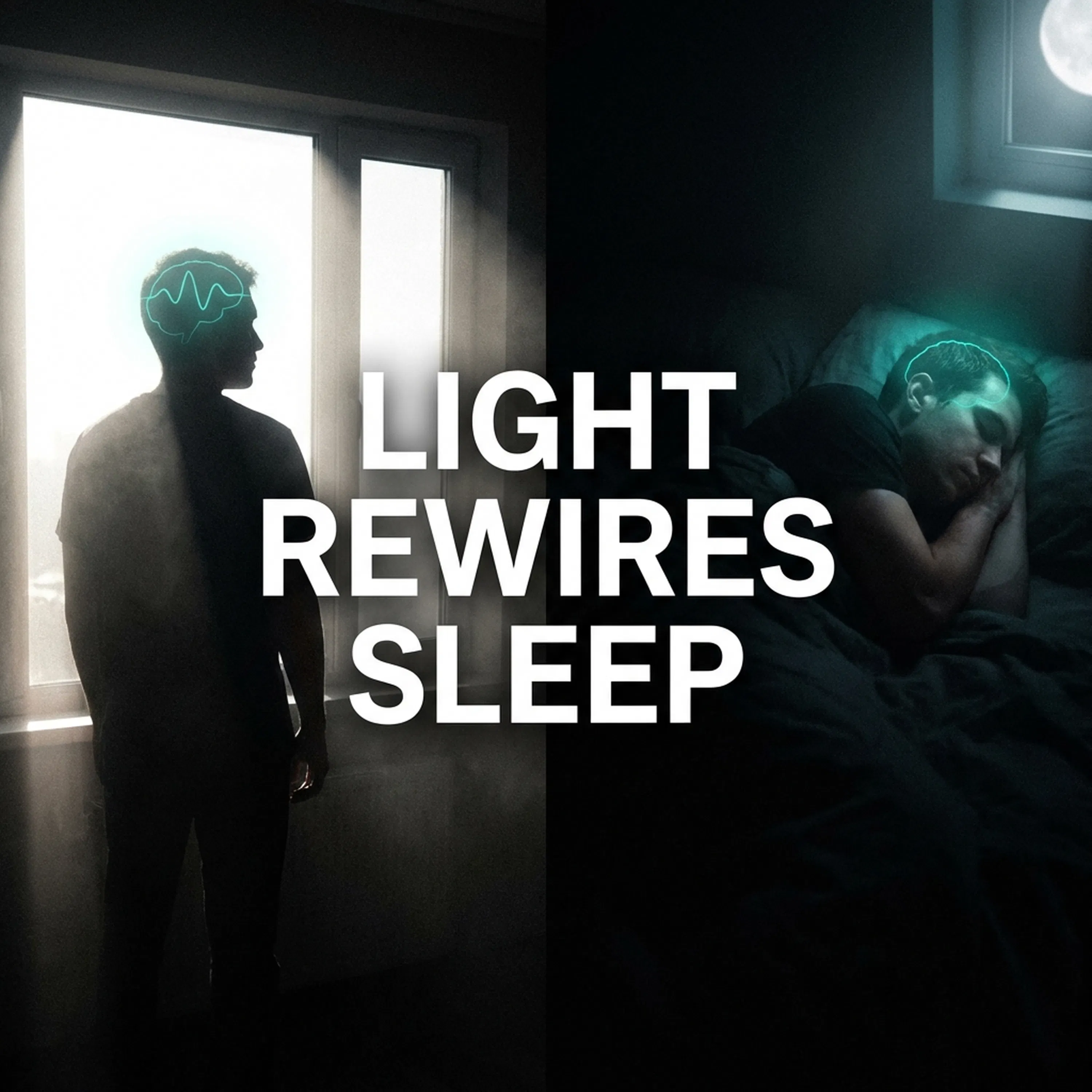
    The $3,400 Sleep Mistake 87% of Americans Make Every Night

    Night shift nurses figured out something most of us completely missed: how to manipulate our body's internal clock like a light switch. While 87% of Americans toss $3,400 annually at mattresses, sleep apps, and supplements that barely work, people who work rotating schedules have cracked the code on controlling when they feel awake or exhausted. The secret isn't what you sleep on. It's understanding your circadian rhythm works like a 24-hour timer you can actually reset. What you'll discover: • Why 30 minutes of bright light (10,000 lux) can shift your sleep schedule by 3 hours • The 2-degree temperature drop that signals your brain it's bedtime • How eating dinner at the wrong time messes up your sleep more than caffeine • Why red light doesn't destroy your sleep but blue light delays melatonin for 3 hours Your liver, kidneys, and digestive system all have their own internal clocks that respond to light, food, and temperature. When these get out of sync, you end up exhausted during the day and wired at night. But when you know which buttons to push, you can literally program when you want to feel sleepy or alert. Nina breaks down the actual research on circadian biology that pharmaceutical companies and mattress companies don't want you knowing about. Turns out the solution isn't expensive. It's just specific. Chapters: 00:00 The $3,400 sleep industry lie 02:30 How night shift workers hack their circadian rhythm 05:15 The light therapy protocol that works 08:00 Temperature tricks for deeper sleep 10:45 Meal timing that resets your internal clock This changes everything about how you approach sleep problems. Follow Brainwaves for daily episodes that cut through health marketing to give you what actually works. Subscribe and never miss an episode at Brainwaves Learn more about your ad choices. Visit megaphone.fm/adchoices

  • Yesterday · 18 min

    Why Stanford Scientists Sleep With Their Curtains Open (It's Not What You Think)

    Those Stanford researchers aren't just quirky academics. They discovered something that could fix your sleep tonight. Here's what they found: your brain has an internal clock that gets completely scrambled when you block morning sunlight. While you're pulling blackout curtains tight, they're letting every photon hit their retinas within 60 minutes of waking up. What you'll discover: • Why getting light in your eyes (not on your skin) resets your circadian rhythm faster than any melatonin supplement • The core body temperature drop that signals sleepiness and how hot baths actually help you fall asleep faster • How adenosine builds sleep pressure every hour you're awake, and why that afternoon coffee is sabotaging your bedtime • The shocking truth about sleep deprivation: 17 hours awake makes you as impaired as being legally drunk Chapters: 00:00 The Stanford sleep curtain experiment 02:15 Light exposure timing that actually works 04:30 Your body's temperature regulation secret 06:45 Adenosine: the sleepiness molecule caffeine blocks 08:20 Sleep deprivation's hidden dangers 10:15 Simple changes for better sleep tonight Nina breaks down the actual research behind these findings, plus the three timing mistakes that keep most people tossing and turning. No expensive sleep gadgets required. This isn't about perfect sleep hygiene. It's about understanding how your brain actually works so you can sleep better starting today. If you're tired of being tired, hit follow. Nina drops new episodes on Brainwaves every day, translating medical research into advice you can actually use. Subscribe and never miss an episode at Brainwaves Learn more about your ad choices. Visit megaphone.fm/adchoices

  • Yesterday · 21 min

    The $2.3 Million Cost of Your Inner Critic (Dr. Ethan Kross Study)

    Your inner voice costs you $2.3 million over your lifetime. That's what University of Michigan researcher Dr. Ethan Kross calculated when he looked at how negative self-talk impacts earning potential, health outcomes, and life decisions. Most people think that critical voice in their head is just part of being human. Turns out it's more like having a toxic roommate you can actually evict. What you'll discover: • Why 80% of your 60,000 daily thoughts work against you (and the simple name trick that flips the script) • The specific brain regions that light up when you practice "self-distancing" - and why it drops cortisol by 23% • How people using Kross's techniques before public speaking had lower heart rates than those who didn't • The two-word phrase that stops anxiety spirals faster than any breathing exercise Nina breaks down the actual neuroscience here. This isn't positive thinking fluff. Kross mapped exactly what happens in your brain when you shift from "I'm stressed" to "Nina's stressed" - and the results are measurable. The research is solid, the techniques are simple, and the payoff is huge. Your inner critic has been running the show long enough. Chapters: 00:00 The $2.3 million calculation 02:15 Why your brain defaults to negativity 04:30 The name trick that changes everything 07:20 What self-distancing looks like in your brain 09:45 Three techniques you can use today Ready to fire your inner critic? Follow Brainwaves for daily breakdowns of medical research that actually matters. Nina drops new episodes every day with the science behind better health decisions. Subscribe and never miss an episode at Brainwaves Learn more about your ad choices. Visit megaphone.fm/adchoices

  • Yesterday · 19 min

    Why Tough Kids Aren't Built the Way You Think (Research Reveals Why)

    Most parents think building tough kids means pushing them harder when they mess up. New research shows this approach actually makes kids more fragile. What you'll discover: • Why guilt shuts down the brain's learning centers (and what to do instead) • Dr. Becky Kennedy's "Good Inside" method that's transformed 50+ schools • How self-compassion helps adults bounce back 3x faster after setbacks • The surprising way shame rewires kids' brains to avoid challenges Nina breaks down the neuroscience behind why traditional "tough love" backfires. You'll learn specific phrases that help kids process failure without shutting down, plus research-backed strategies for building genuine resilience that actually sticks. The data is pretty clear: children who experience high levels of shame around failure show decreased activity in brain regions responsible for problem-solving and emotional regulation. Meanwhile, kids raised with the "Good Inside" approach show 40% improvement in stress management and academic performance. This isn't about participation trophies or avoiding consequences. It's about understanding how the brain actually builds resilience, and why guilt might be sabotaging your family's ability to handle tough situations. Chapters: 00:00 The guilt trap that weakens kids 02:15 What brain scans reveal about shame 04:30 Dr. Kennedy's "Good Inside" research 07:45 Self-compassion for stressed parents 10:20 Building real resilience at home Ready for more research that cuts through parenting myths? Follow Brainwaves for daily episodes that give you the science behind raising resilient kids. Nina drops new episodes every day with the medical research you actually need to know. Subscribe and never miss an episode at Brainwaves --------- Keywords: neuroplasticity, supplement research, neuroscience podcast, glucose and mood, health misinformation, medical myths Learn more about your ad choices. Visit megaphone.fm/adchoices

  • Yesterday · 14 min

    Why Huberman's Cortisol Method Beats Every Energy Supplement Out There

    Forget every energy drink and supplement you've tried. Andrew Huberman's research reveals something wild: your body's natural stress hormones are better at boosting energy and immunity than anything you can buy at the store. What you'll discover: • Why your cortisol naturally spikes 50-160% after waking and how to work with it instead of against it • The counterintuitive way acute stress boosts immune cell activity by up to 200% • How people with healthy cortisol patterns (high morning, low evening) actually live longer with less inflammation • Simple timing tricks to get 15-25% better focus from your natural adrenaline Nina breaks down exactly what happens in your body when cortisol and adrenaline kick in. Turns out, these aren't just "stress hormones" causing problems. When they spike at the right times, they're your body's built-in performance enhancers. You'll learn the specific timing windows that matter, why most people get this backwards, and how to reset your natural rhythm if it's off track. Plus, Nina explains which popular supplements actually interfere with your body's natural cortisol production. Chapters: 00:00 The cortisol controversy 02:15 Morning cortisol: your natural wake-up call 04:30 How stress actually boosts immunity 07:00 Adrenaline's focus benefits 09:45 Timing your cortisol for better energy 11:20 What kills your natural rhythm This isn't about adding more stuff to your morning routine. It's about understanding what your body's already doing and getting better at it. Ready to work with your biology instead of against it? Follow Brainwaves for daily episodes that cut through health confusion with actual science. Nina drops new episodes every day. Subscribe and never miss an episode at Brainwaves ------- Keywords: recovery protocols, fitness research, neuroplasticity Learn more about your ad choices. Visit megaphone.fm/adchoices

  • Yesterday · 24 min

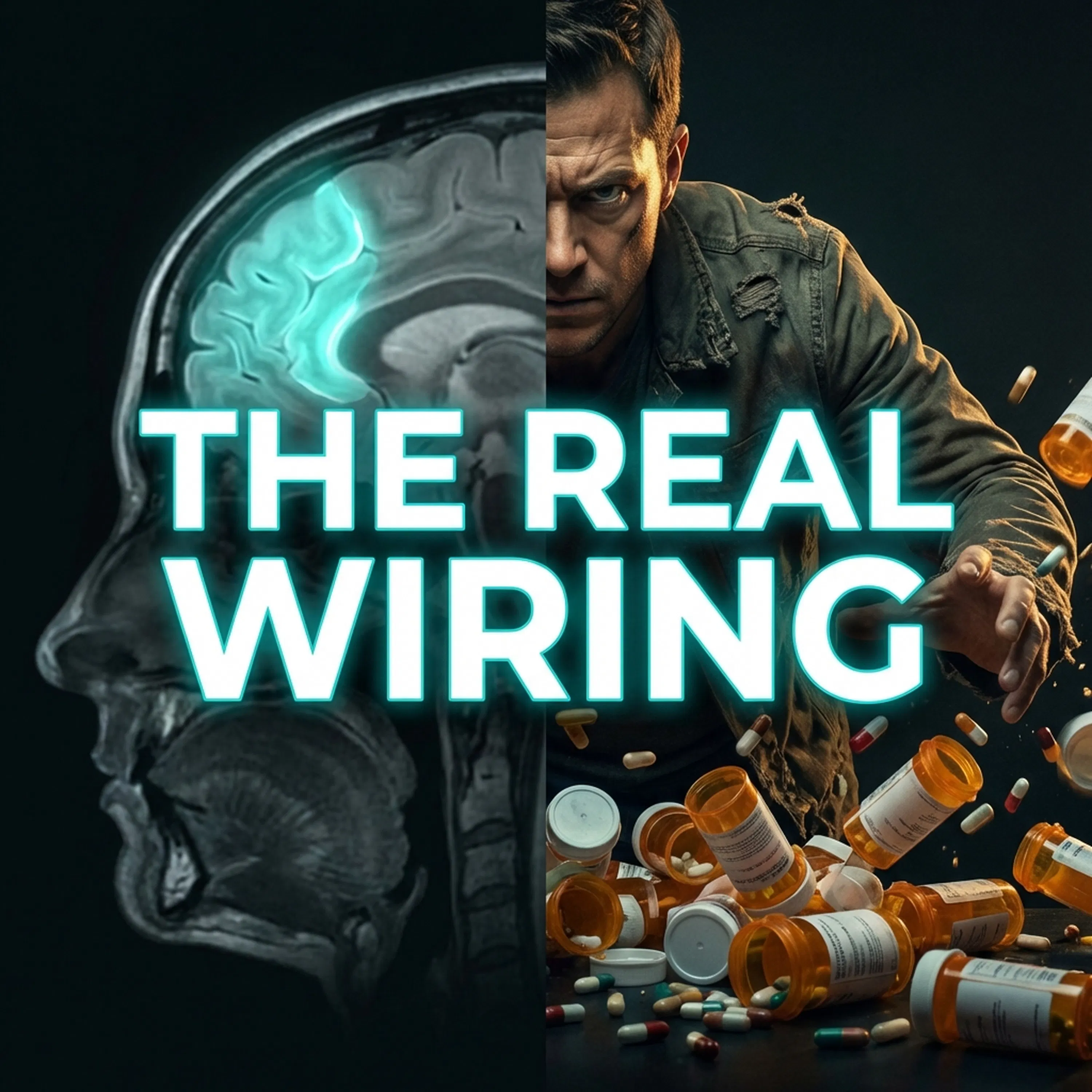
    Why 73% of ADHD Patients Quit Their Medication (And What Works Instead)

    73% of people prescribed ADHD medication stop taking it within two years. The reason isn't what you think. Dr. John Kruse joins Nina to break down why ADHD treatment fails so often and what actually works. Turns out, your brain structure matters more than most doctors admit, and the fix isn't just popping pills. What you'll discover: • Why ADHD brains are physically different (7% less volume in key areas) • How behavioral tools alone can cut symptoms by 30-40% • The real success rate of ADHD meds when done right (it's 80-90%) • Why untreated ADHD means job-hopping every 18 months Chapters: 00:00 The medication dropout problem 02:30 What ADHD actually does to your brain 05:15 Behavioral interventions that work 07:45 When medication makes sense 10:20 Combining both approaches Nina breaks down the latest research on focus, attention, and why treating ADHD isn't one-size-fits-all. Whether you're considering medication, already taking it, or looking for alternatives, this episode gives you the science behind what actually improves daily functioning. The job-switching statistic alone will change how you think about untreated ADHD. And Dr. Kruse's approach to combining behavioral tools with medication? Game-changer for anyone tired of the trial-and-error approach. If you're done with conflicting health advice, follow Brainwaves. Nina drops new episodes every day with the medical research you actually need. Subscribe and never miss an episode at Brainwaves Learn more about your ad choices. Visit megaphone.fm/adchoices
  • Yesterday · 21 min

    What Stanford's Top Neuroscientist Gets Wrong About Attention

    Stanford neuroscientist Dr. Bernardo Huberman thinks he's cracked the code on attention and focus. But Nina Valdez spots a major blind spot in his research that could change how you think about productivity entirely. What you'll discover: • Why switching apps 300+ times daily might actually boost certain types of creativity • The surprising brain scan results when people follow "curiosity scheduling" protocols • How your default mode network rewires itself when you stop forcing focus • The one attention technique that increases life satisfaction by 40% (it's not what Huberman suggests) Dr. Huberman's Stanford lab has mapped how curiosity triggers the same brain rewards as food and sex. Pretty fascinating stuff. But here's what Nina noticed: his studies only tracked people for 8 weeks max. What happens to attention spans after 6 months of his methods? The follow-up data tells a different story. You'll hear why that matters for anyone trying to build sustainable focus habits, plus the simple shift that makes curiosity work with your brain instead of against it. Chapters: 00:00 Huberman's attention research 02:30 The 300-app-switch study 04:45 Curiosity vs. forced focus 07:15 Default mode network findings 09:30 Why timing matters for attention training Nina breaks down the actual neuroscience without the hype, showing you what works long-term versus what just feels productive in the moment. If you want the real story behind health headlines, follow Brainwaves. New episodes every day with medical research you can actually use. Subscribe and never miss an episode at Brainwaves Learn more about your ad choices. Visit megaphone.fm/adchoices

  • Yesterday · 19 min

    Why Tough Kids Aren't Built the Way You Think (Research Reveals Why)

    Most parents think building tough kids means pushing them harder when they mess up. New research shows this approach actually makes kids more fragile. What you'll discover: • Why guilt shuts down the brain's learning centers (and what to do instead) • Dr. Becky Kennedy's "Good Inside" method that's transformed 50+ schools • How self-compassion helps adults bounce back 3x faster after setbacks • The surprising way shame rewires kids' brains to avoid challenges Nina breaks down the neuroscience behind why traditional "tough love" backfires. You'll learn specific phrases that help kids process failure without shutting down, plus research-backed strategies for building genuine resilience that actually sticks. The data is pretty clear: children who experience high levels of shame around failure show decreased activity in brain regions responsible for problem-solving and emotional regulation. Meanwhile, kids raised with the "Good Inside" approach show 40% improvement in stress management and academic performance. This isn't about participation trophies or avoiding consequences. It's about understanding how the brain actually builds resilience, and why guilt might be sabotaging your family's ability to handle tough situations. Chapters: 00:00 The guilt trap that weakens kids 02:15 What brain scans reveal about shame 04:30 Dr. Kennedy's "Good Inside" research 07:45 Self-compassion for stressed parents 10:20 Building real resilience at home Ready for more research that cuts through parenting myths? Follow Brainwaves for daily episodes that give you the science behind raising resilient kids. Nina drops new episodes every day with the medical research you actually need to know. Subscribe and never miss an episode at Brainwaves Learn more about your ad choices. Visit megaphone.fm/adchoices

  • Yesterday · 22 min

    Why Navy Pilots Have Perfect Vision at 40 (Their 3 Daily Protocols)

    Your eyes are basically computers that run 16 hours a day without a reboot. But unlike your laptop, you can't just buy new ones when they start glitching. Navy pilots figured out how to keep their vision razor-sharp well into their 40s while the rest of us squint at our phones. In this episode, Nina Valdez breaks down their three daily protocols that keep fighter pilots seeing clearly at 20,000 feet. 🎯 What You'll Learn: • The 20-20-20 rule that reduces digital eye strain by 50% (and why most people do it wrong) • Smooth pursuit exercises that improve visual processing speed by 15% in just two weeks • Why spending 2+ hours outdoors cuts myopia progression by 40% in kids (and helps adults too) • Near-far focusing drills that boost accommodation flexibility by 25% after age 40 👤 Perfect for: anyone who stares at screens all day and wants to protect their vision before problems start 📍 Chapters: [00:00] Nina introduces the Navy pilot vision secret [01:30] The real 20-20-20 rule (you're probably doing it wrong) [04:00] Smooth pursuit exercises that sharpen visual tracking [07:00] Why outdoor time is like vitamins for your eyes [09:30] Near-far focusing drills for aging eyes [11:30] The three protocols that actually work 🔔 Never miss an episode: Follow Brainwaves on your podcast app and turn on notifications. New episodes drop daily, your next favorite insight is one tap away. 🔍 Topics: eye health, vision improvement, digital eye strain, myopia prevention, eye exercises Subscribe and never miss an episode at Brainwaves Learn more about your ad choices. Visit megaphone.fm/adchoices

  • Yesterday · 14 min

    Why Huberman's Cortisol Method Beats Every Energy Supplement Out There

    Forget every energy drink and supplement you've tried. Andrew Huberman's research reveals something wild: your body's natural stress hormones are better at boosting energy and immunity than anything you can buy at the store. What you'll discover: • Why your cortisol naturally spikes 50-160% after waking and how to work with it instead of against it • The counterintuitive way acute stress boosts immune cell activity by up to 200% • How people with healthy cortisol patterns (high morning, low evening) actually live longer with less inflammation • Simple timing tricks to get 15-25% better focus from your natural adrenaline Nina breaks down exactly what happens in your body when cortisol and adrenaline kick in. Turns out, these aren't just "stress hormones" causing problems. When they spike at the right times, they're your body's built-in performance enhancers. You'll learn the specific timing windows that matter, why most people get this backwards, and how to reset your natural rhythm if it's off track. Plus, Nina explains which popular supplements actually interfere with your body's natural cortisol production. Chapters: 00:00 The cortisol controversy 02:15 Morning cortisol: your natural wake-up call 04:30 How stress actually boosts immunity 07:00 Adrenaline's focus benefits 09:45 Timing your cortisol for better energy 11:20 What kills your natural rhythm This isn't about adding more stuff to your morning routine. It's about understanding what your body's already doing and getting better at it. Ready to work with your biology instead of against it? Follow Brainwaves for daily episodes that cut through health confusion with actual science. Nina drops new episodes every day. Subscribe and never miss an episode at Brainwaves Learn more about your ad choices. Visit megaphone.fm/adchoices

  • Yesterday · 21 min

    What Elite Athletes Know About Learning That You Don't

    Ever wonder why some people pick up new skills in weeks while others struggle for months? The answer isn't talent - it's strategy. Your brain has built-in learning accelerators that most people never activate. Nina breaks down the surprising research on how elite athletes and top performers actually master new skills, and spoiler alert: it's not about practicing until you get it perfect. What you'll discover: • Why making mistakes 15% of the time actually speeds up learning • The specific movement trick that boosts retention by 20% • How your inner ear's balance system directly rewires your brain • Why most skill acquisition happens while you sleep (and what triggers it) The biggest myth? That practice makes perfect. Turns out, perfect practice makes you plateau. Your brain releases the most plasticity-inducing chemicals when you're slightly failing, not when you're nailing it every time. Nina also reveals why sitting still during study sessions is sabotaging your progress. Simple movements during or right after learning create neural pathways that stick. We're talking basic stuff like walking or even light stretching, not CrossFit. The vestibular system research is pretty wild. That balance mechanism in your inner ear doesn't just keep you upright - it's directly connected to the brain regions responsible for forming new memories and skills. Chapters: 00:00 Why perfect practice kills progress 03:15 The 15% error rule explained 06:30 Movement hacks for better retention 09:45 Your inner ear's secret learning power If you're tired of spinning your wheels trying to learn new things, this one's for you. Follow Brainwaves for daily episodes that cut through the noise and give you research-backed strategies that actually work. Nina drops new episodes every day. Subscribe and never miss an episode at Brainwaves Learn more about your ad choices. Visit megaphone.fm/adchoices
  • Yesterday · 21 min

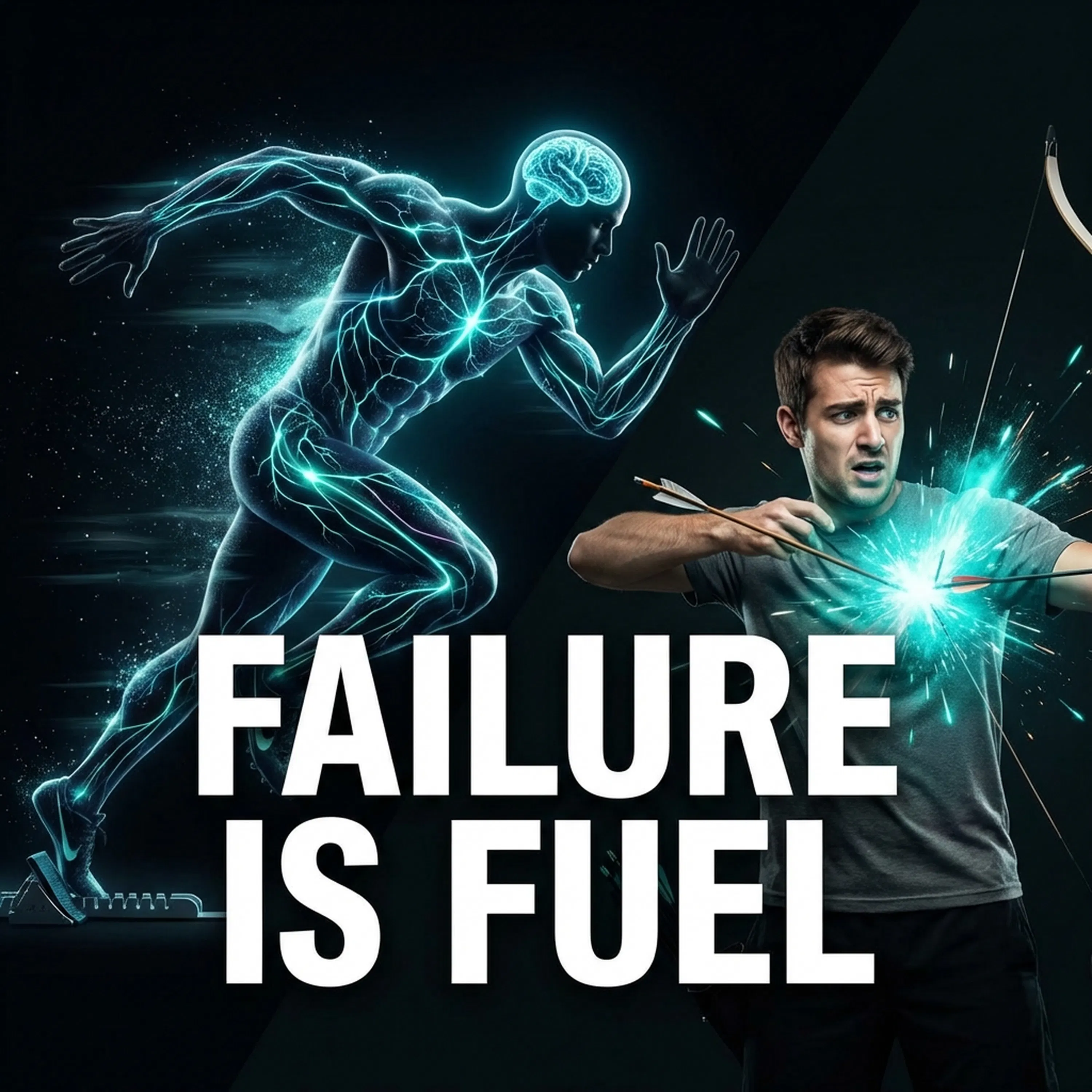
    Why Your Brain Keeps Choosing Addiction (And How to Stop)

    Your brain starts rewiring itself after just 10 days of repeated substance use. That's not willpower failing, that's neuroscience. Ryan Soave breaks down the actual mechanisms behind addiction and the tools that work to break free. Nina digs into why some treatments have 60-70% success rates while others barely move the needle. What you'll discover: • How dopamine pathways change within days, not years • Why behavioral addictions hit the same brain circuits as drugs • The specific therapy combinations with proven track records • How social connections literally rewire your recovery odds This isn't about moral failures or finding more motivation. It's about understanding what's happening in your brain and using that knowledge strategically. Nina walks through the research on everything from medication-assisted treatment to why certain environments make relapse almost inevitable. You'll learn why some people seem to quit easily while others struggle for decades, and what the data actually shows about long-term recovery success rates. Chapters: 00:00 Why your brain picks addiction 02:30 The 10-day rewiring process 05:15 CBT success rates breakdown 07:45 Social support multiplies recovery odds 10:20 Behavioral vs substance addictions If you've been frustrated by oversimplified addiction advice, this episode gives you the real mechanisms. Nina translates complex neuroscience into practical strategies you can actually use. Hit follow for Brainwaves. New episodes drop daily with medical research that cuts through the wellness noise. Subscribe and never miss an episode at Brainwaves ---------- Keywords: recovery protocols, medical facts, workout science, doctor explains, health misinformation, brain science Learn more about your ad choices. Visit megaphone.fm/adchoices
Showing 41–60 of 67 episodes