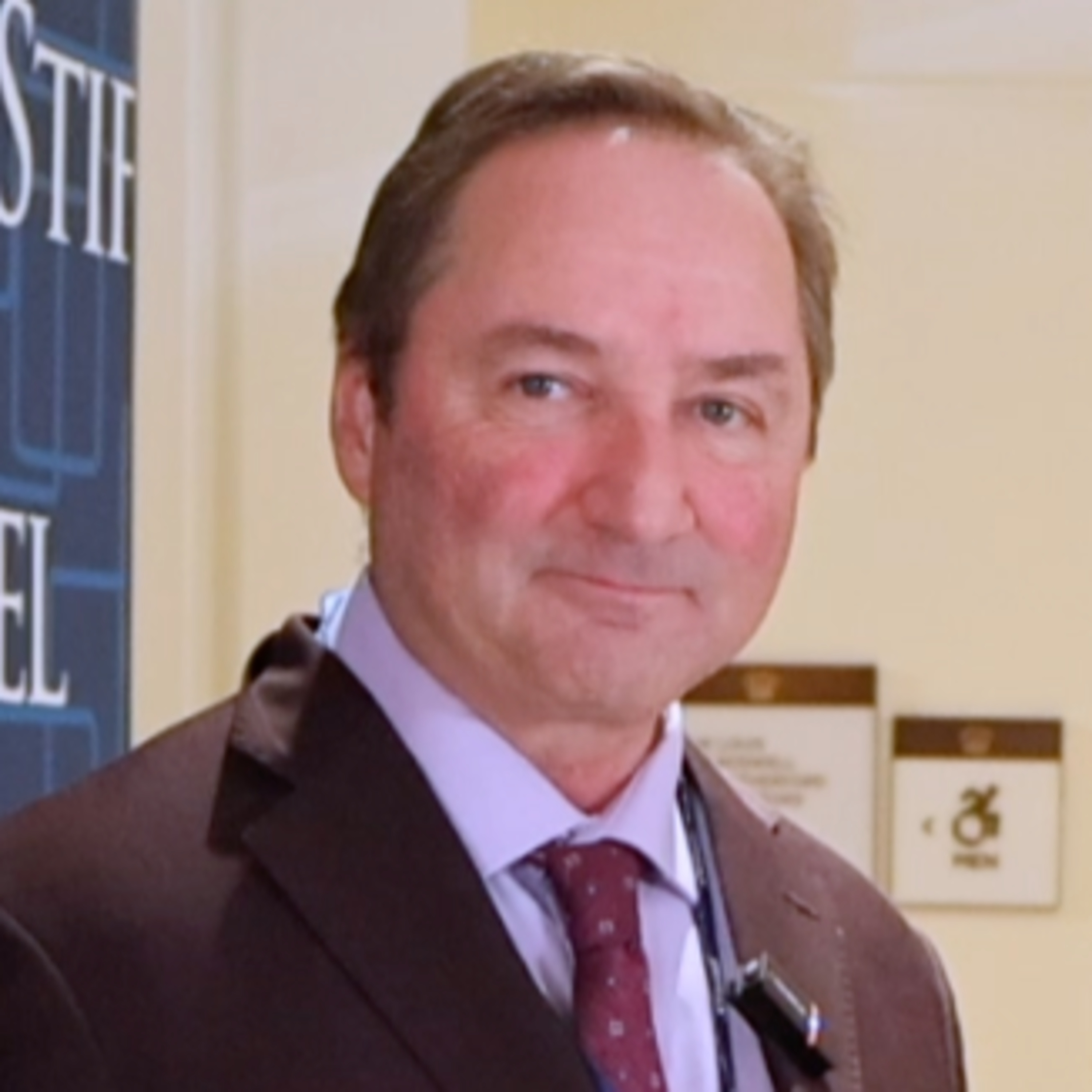
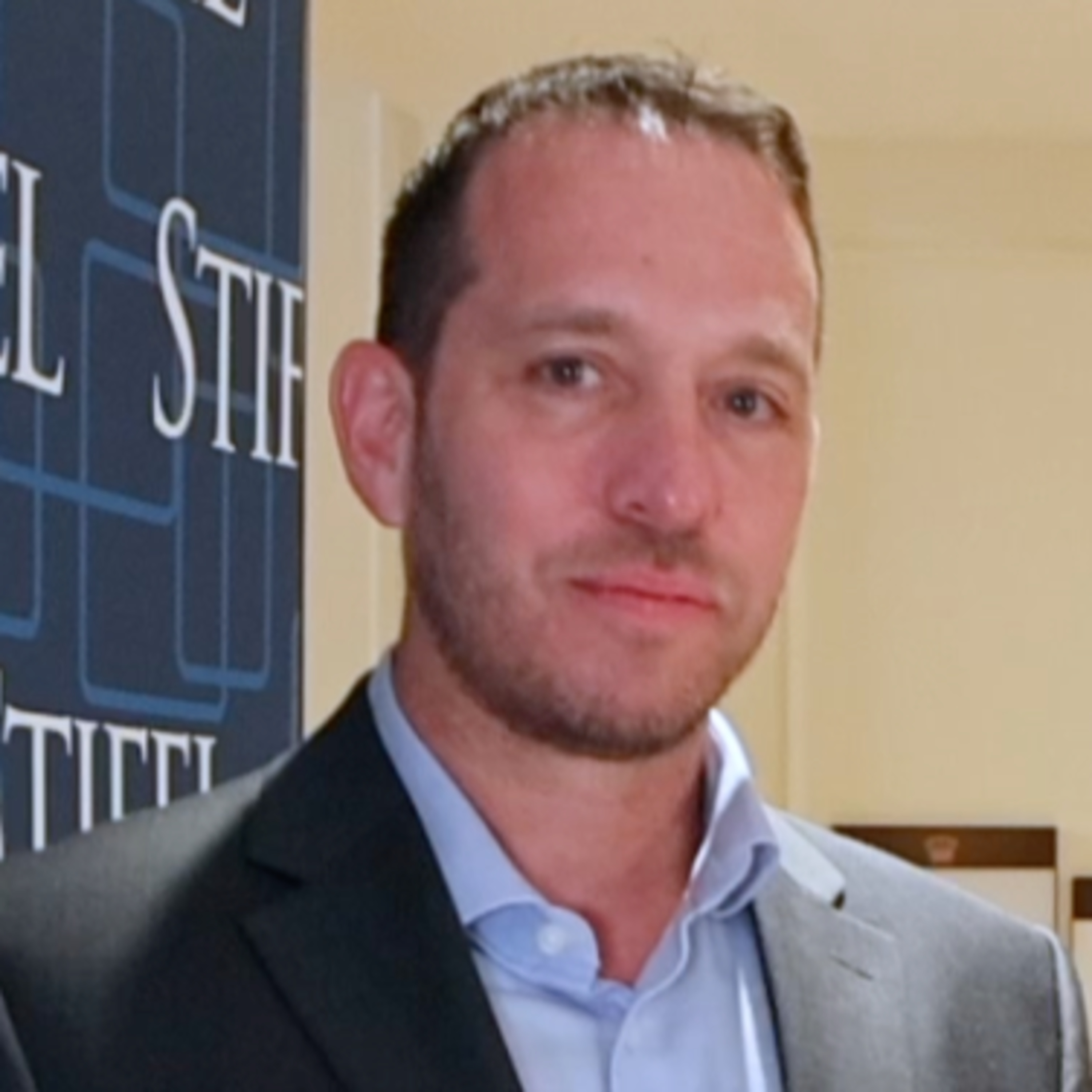
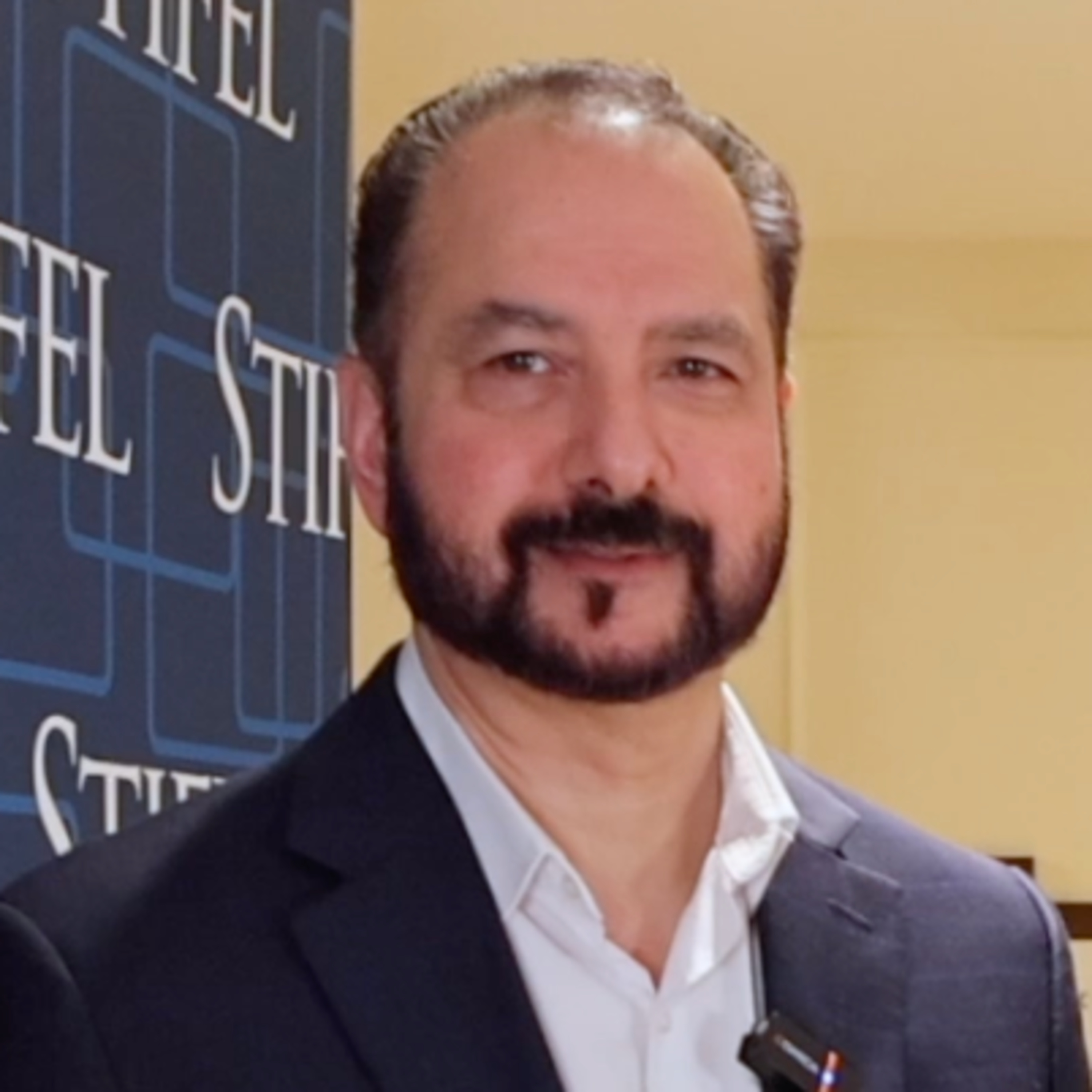
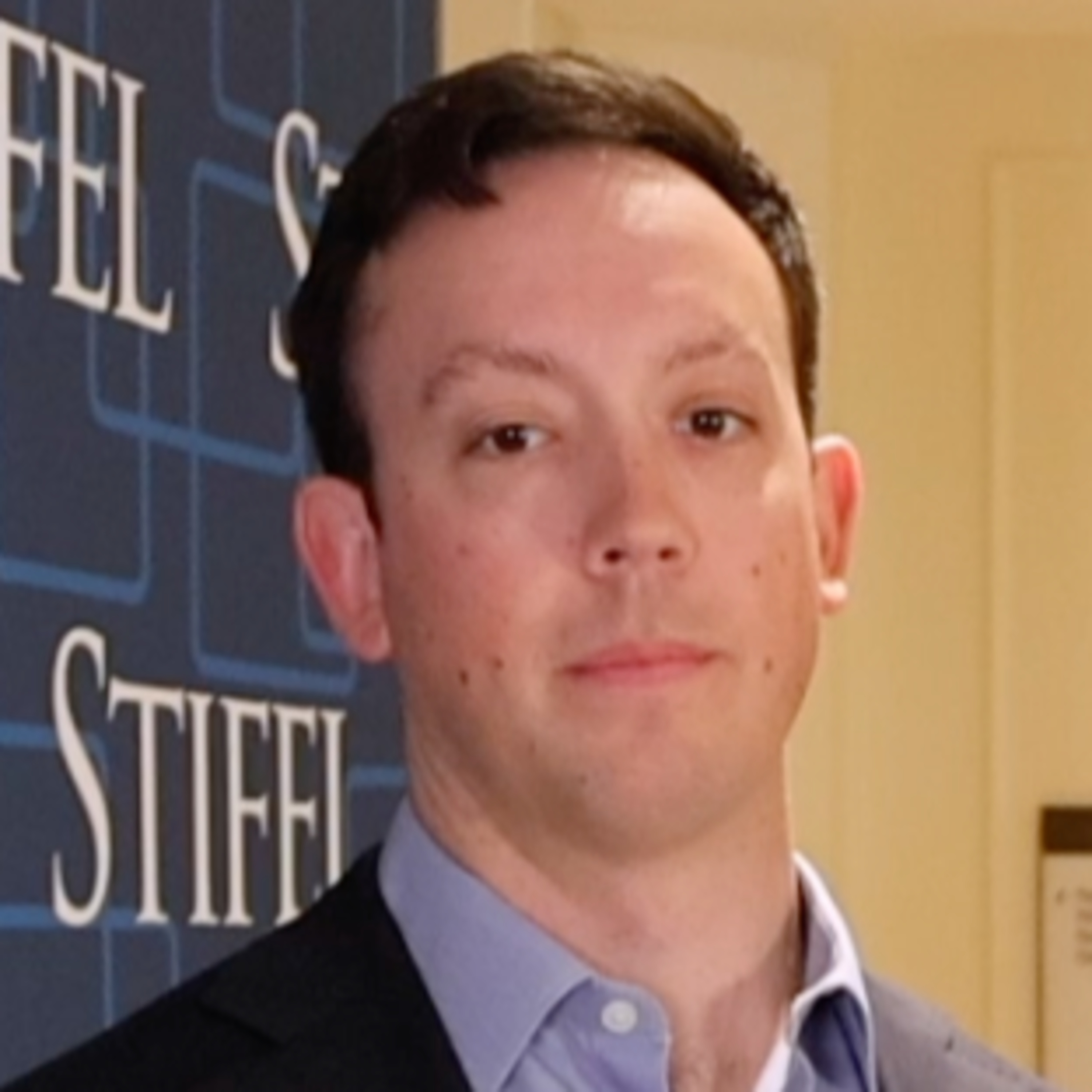
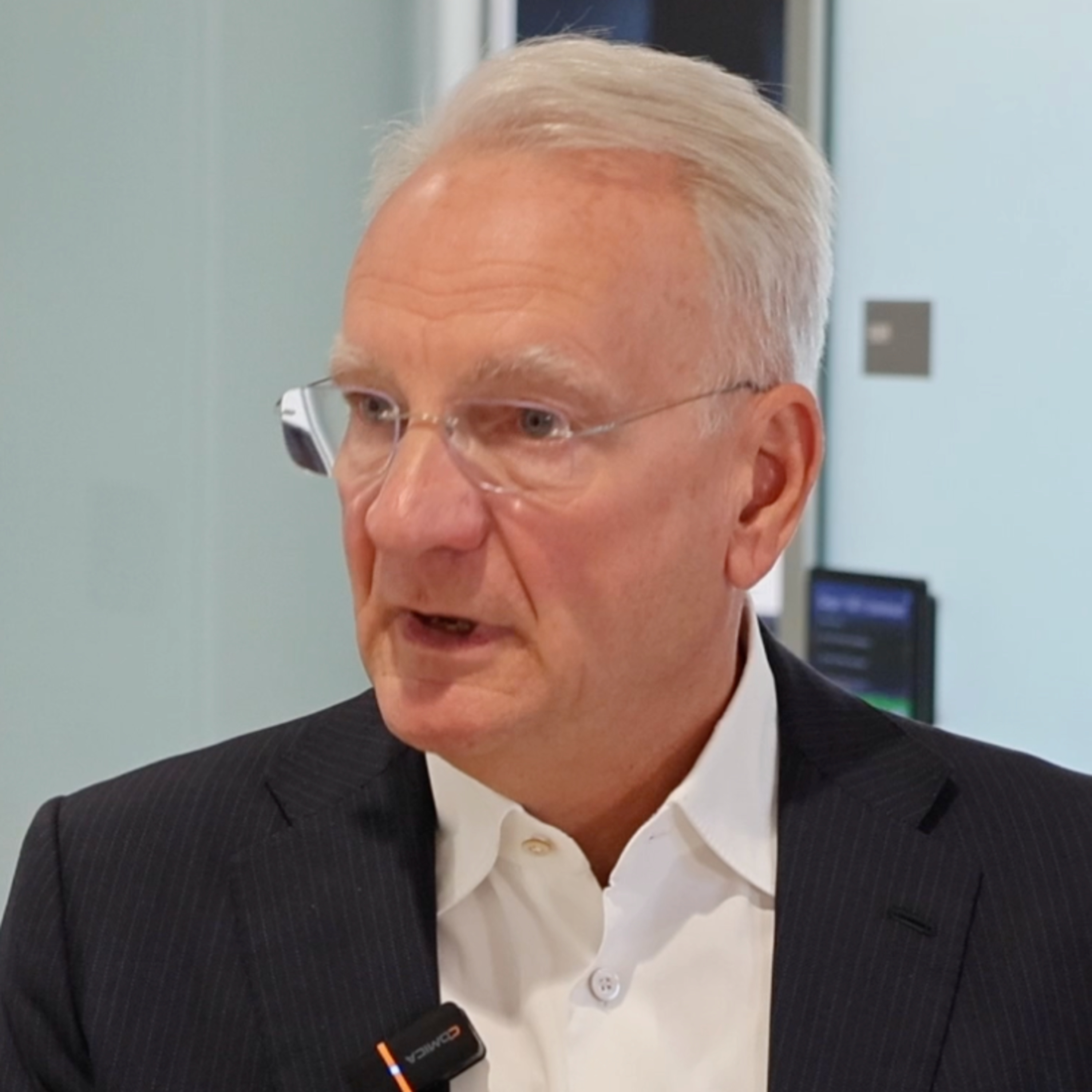
Co-Founder and CEO Eric Green explains the role of UNC13A, and how UNC13A mRNA is improperly spliced for most ALS patients. Trace is currently running a UK/EU phase 1 study of its antisense oligonucleotide that aims to restore expression, and also concurrently an investigator led study in China.
CEO Lawrence Klein describes the data that has been seen so far (clearance in the 60% range at 16 weeks) and previews with upcoming 52 week data that will be coming in December. Plus, how the company is thinking about phase 3 design, and other assets in the pipeline.
Ahead of a 100+ slide "State of Biotech" report he is publishing tomorrow, he discusses the impact of Washington on biotech, how the sector has been trading lately, China, M&A and a lot more
CEO Neil Warma describes ProMIS's approach of targeting amyloid beta oligomers as opposed to the plaques. He explains how so far they have avoided the ARIA (brain swelling) seen with other Alzheimer's treatments and discusses what the company hopes to see from this phase 1b study. Plus, comments on the recent failure of another company in this space.
Co-Founder & CEO Jeff Finer walks us through the company's GPCR discovery platform, and discusses, this lead program, a new target (TSHR) they just named in Grave's disease and thyroid eye disease, and the company's work in obeisty with partner Novo Nordisk.
He describes the company's precision mechanism, and discussions they will have with FDA before starting phase 3 trials in this indicuation next year. Plus, previewing long-term data that will be out soon in epilepsy.
CEO Curran Simpson sets the table for the readouts and describes what he believes they need to show in order to succeed. Plus, updates on the DMD program and RGX-121.
CEO Eran Ophir defines what would be a success in the ovarian trial and possible next steps if successful. Plus, TIGIT, Gilead's work on IL18, and looking for new T-cell engager targets.
He goes over a partner's BCMA data that was just presented this weekend at ACR in lupus, and previews a key CD19 update that Cullinan will be providing investors in December. Plus, he comments on zipalertinib, which is in front of FDA now in two lines of therapy.
He describes the profile of the company's orexin and its development path (a key trial in Idiopathic Hypersomnia will be reading out soon), which also includes indications like ADHD, MS, and Parkinson's further on down the line. Plus how the acquisition of Avadel has been a fit, and whether he would consider doing additional deals.
President and CEO Jonathan Violin compares and contrasts his product with other brain shuttles and discusses the road ahead. They will present preclinical data at CTAD next week and the clinical program will ramp up and have initial data in 2027. Korsana recently went public through a reverse merger.
Founder & CEO Clarissa Desjardins describes Congruence's Revenir product engine and walks us through programs that include MC4R deficient obesity, which is in the clinic, alpha-1 antitrypsin deficienty, and Parkinson's.
CEO Rohit Batta describes the unmet need in myeloproliferative neoplasms and the rational for targeting G6B, a protein expressed on platelets and megakaryocytes. Their pre-clinical work just earned Alethio an oral presentation at the upcoming ASH Annual Meeting.
Sofinnova Investments' Maha Katabi, Finchley Healthcare Ventures' Pierre Beauparlant, and Amplitude Ventures' Jean-Francois Pariseau describe the biotech scene here, what Montreal and other Canadian biotech hubs do well, what could be improved, and the environment for entrepreneurs to turn ideas into companies.
CEO Sarah Leonard describes the company's focus and process. The lead program, TC25, is scheduled to be in the clinic in 2028, and the company also has plans to go after auto-immune conditions in addition to oncology.
President and CEO Malte Peters summarizes the ESMO data for vopemetistat, which was in second and third line pancreatic cancer in combination with daraxonrasib, and discusses plans for a phase 3 in first line (plus the regulatory path for later lines as well). Additionally, he discusses using PRMT5 inhibition in lung cancer and GBM.


 Wednesday · 9 min