Skip to content
Artwork for Beyond The Trailhead
BusinessEntrepreneurshipSportsWilderness

Beyond The Trailhead

craig obrist

Beyond the Trailhead Podcast is where the outdoor world comes alive. We sit down with the people shaping the industry—founders, designers, and adventurers—to hear the stories behind the gear and the journeys that inspire it. From trailhead conversations to trail-tested reviews, this series dives into what makes the outdoor community unique, real, and worth exploring. Whether you’re a gear junkie, a weekend warrior, or someone who just loves trail talk, this is your spot to discover what’s happening beyond the trailhead.

Guest suggestions or you would like to be on the show email at info@craigobrist.com

Play
  • 28 episodes
  • weekly
  • Avg 58 min
  • English
Counted on this page — what you have heard stays on this device, so it is not something the list can be paged by.
  • #56
    Yesterday · 51 min

    Marion Outdoors/Owner Andrew Livingston aka. Coach | Beyond the Trailhead Podcast Ep. 56

    Coach has one of the more unusual paths into outdoor retail. Before opening an outfitter, he spent 20 years as a professional theater actor. Then COVID hit, the theater world shut down, and an idea he had been sitting on for years finally became real. Marion Outdoors opened in 2022 as an outfitter and hiker hostel serving Appalachian Trail thru-hikers, weekend warriors, and the local outdoor community. But this episode is really about something every small outdoor brand should hear: What actually makes a retailer say YES to your product? We talk about: • Why big brands wouldn’t sell to him when he first opened • How cottage brands helped build Marion Outdoors • Why he tests gear before putting it on the shelf • What makes an unknown brand stand out • Why thru-hikers often start gear trends • Using samples or consignment to lower the retailer’s risk • Why “Hi Marion” is an immediate red flag • Why showing up unannounced can hurt your chances • Why generic AI emails get ignored • How packaging can make a product easier—or harder—to sell • Why clear pricing and organized invoices matter • Why constant DTC discounts can destroy retailer relationships • Why retailers should be teammates, not competition • The advantage small shops have over big-box stores • Why customer service can matter almost as much as the product • How trade shows are more about relationships than writing orders • Why Coach often prefers working directly with smaller brands • How social media turned Marion Outdoors into a destination One of the strongest stories is about a shoe brand Coach brought into the shop with a roughly $10,000 commitment. The problem? Customers would walk in, check the price online, and find the brand itself selling the same shoes for less than Marion Outdoors had paid wholesale. His takeaway is simple: if you sell through retailers, communicate with them. Don’t make your retail partners compete against you. Coach also makes a strong case for independent outdoor shops. A small retailer can explain why your product matters, train employees on how it works, share real-world experience, and help an unknown cottage brand earn trust. If you own an outdoor brand and want to get your product into stores, this episode is packed with practical advice on what to do—and what NOT to do. CONNECT WITH MARION OUTDOORS Website: https://marionoutdoors.com Instagram: https://www.instagram.com/marion_outdoors TikTok: https://www.tiktok.com/@marionoutdoors YouTube: https://www.youtube.com/@marionoutdoors Visit the shop: 208 E Main St. Marion, VA 24354 LISTEN TO BEYOND THE TRAILHEAD YouTube: / @obristimagery Apple Podcasts: https://podcasts.apple.com/us/podcast... Spotify: https://open.spotify.com/show/beyond-... FOLLOW CRAIG / OBRIST IMAGERY Instagram: https://www.instagram.com/obristimagery Website: https://obristimagery.com If you enjoyed this episode, subscribe, leave a review, and send it to the backpacker with Crocs swinging off the back of their pack. For those asking about safety gear we use outdoors you can get 15% off Overwatch x Rescue with code BEYOND15.

    • Transcript
  • #55
    November 12 · 1 hr

    Brynje GM Jeff Jacobs | Beyond the Trailhead Podcast Ep. 55

    In this episode of Beyond the Trailhead, I sit down with Jeff Jacobs, General Manager of Brynje USA. And yes… we’re talking about the mesh shirt I’m wearing. At first glance, Brynje might look more like something you’d wear to an ’80s party than underneath your hiking clothes. But there’s a reason this Norwegian company has been using open-mesh base layers for generations. Brynje’s idea is surprisingly simple: instead of covering your entire body with damp fabric, use an open mesh structure next to your skin to create insulating air pockets while allowing moisture and excess heat to move away from your body. The science behind it is actually pretty fascinating. Brynje traces its history back to Norway in 1887, and the mesh concept eventually became associated with everything from Norwegian military use to polar expeditions. Brynje base layers were even worn by Sir Edmund Hillary and Tenzing Norgay during the first successful ascent of Mount Everest in 1953. In this episode, we get into: • Why anyone decided a fishnet-style base layer was a good idea • How mesh can help manage sweat during high-output activities • Why staying dry matters so much when you stop moving • How trapped air provides insulation without adding a ton of fabric • Polypropylene mesh vs. merino wool mesh • Why Brynje works differently from a traditional solid-knit base layer • How to actually layer over mesh correctly • Why this system can work for hiking, backpacking, skiing and high-output winter activities • Brynje’s long history in Norway • The company’s connection to extreme expeditions and Everest • Why an old idea is suddenly gaining more attention in modern outdoor gear • Building the Brynje brand in the United States • Why function sometimes matters more than looking normal Brynje’s Super Thermo uses polypropylene mesh designed for high-output activity and extremely fast drying, while its Wool Thermo uses merino mesh for warmth, comfort and odor control. The basic idea is that the open mesh reduces the amount of wet fabric sitting directly against your skin while creating pockets of insulating air underneath your next layer. And that’s what makes this shirt so fun to talk about. You look at it and immediately think: “There is NO WAY that keeps you warm.” Then you start understanding the layering system and realize there’s a lot more going on than just a shirt full of holes. If you’re into backpacking, hiking, skiing, trail running, winter layering, gear science, outdoor business — or you just want to know why I’m wearing fishnet on a podcast — this episode is for you. CONNECT WITH BRYNJE USA https://brynjeusa.com LISTEN TO BEYOND THE TRAILHEAD YouTube: / @obristimagery Apple Podcasts: https://podcasts.apple.com/us/podcast... Spotify: https://open.spotify.com/show/beyond-... FOLLOW CRAIG / OBRIST IMAGERY Instagram: https://www.instagram.com/obristimagery Website: https://obristimagery.com If you enjoyed this episode, subscribe, leave a review, and send it to the backpacker with Crocs swinging off the back of their pack. For those asking about safety gear we use outdoors you can get 15% off Overwatch x Rescue with code BEYOND15.

    • Transcript
  • #54
    November 5 · 1 hr 11 min

    Thirst Foundation/2000 mile runner Mina Guli | Beyond the Trailhead Podcast Ep. 54

    In this episode of Beyond the Trailhead, I sit down with water advocate, ultrarunner, and Thirst Foundation founder Mina Guli. Here’s the crazy part: Mina doesn’t even like running. She didn’t grow up as an athlete. Her background was in law, finance, mergers and acquisitions, and investment. Now she runs ridiculous distances around the world to bring attention — and action — to the global water crisis. Her latest challenge took her roughly 2,000 miles along the Colorado River in 92 days, beginning near its source in the Rocky Mountains, through the Grand Canyon, into Mexico where the river runs dry, and eventually following the water toward Los Angeles. We talk about: • Running 2,000 miles in extreme summer heat • 1:30 AM starts inside the Grand Canyon • Watching the Colorado River literally disappear • Why running is simply a tool Mina uses to create change • Breaking her femur during a previous 100-marathon challenge • How that failure turned into a worldwide movement • Later completing 200 marathons across 32 countries • Why big goals require other people • How Thirst Foundation uses extreme adventures to drive water action • Why awareness alone isn't enough • Getting companies, governments, communities and Tribal leaders into the same room • The massive financing challenge facing water projects • How athletes and adventurers should approach sponsors • Why brands can immediately tell when a cause isn't authentic • Why "raising awareness" isn't a good enough pitch • Setting real KPIs and measurable outcomes • Marketing budgets vs. sustainability budgets • Why sponsorship should be treated like an investment • What brands should expect in return • Why companies need to understand the risks before sponsoring an expedition • Why athletes should bring brands a PLAN — not just an idea • How to rebuild trust after a bad sponsorship • Why values matter more than follower counts • Building long-term ambassador relationships instead of one-off deals One of my biggest takeaways from this conversation is Mina's approach to sponsorship. If you're asking a company to support your expedition, race, cause, or adventure, you're asking them to invest in you. What are you delivering? Who are you reaching? What are the risks? How does your mission align with theirs? And why should they choose you over the hundreds of other pitches they receive? Mina also explains why the strongest partnerships go far beyond impressions. When the athlete, cause, and brand genuinely share values and goals, the story becomes authentic — and that connection can be far more powerful than simply buying another ad. If you're an outdoor brand, athlete, creator, nonprofit leader, adventurer, or anyone trying to get companies behind a big idea, there is a TON in this episode. CONNECT WITH MINA + THIRST FOUNDATION Mina Guli: https://www.minaguli.com Thirst Foundation: https://www.thirstfoundation.org Keep the River Running: https://keeptheriverrunning.com LISTEN TO BEYOND THE TRAILHEAD YouTube: / @obristimagery Apple Podcasts: https://podcasts.apple.com/us/podcast... Spotify: https://open.spotify.com/show/beyond-... FOLLOW CRAIG / OBRIST IMAGERY Instagram: https://www.instagram.com/obristimagery Website: https://obristimagery.com For those asking about safety gear we use outdoors you can get 15% off Overwatch x Rescue with code BEYOND15.

    • Transcript
  • #53
    October 29 · 45 min

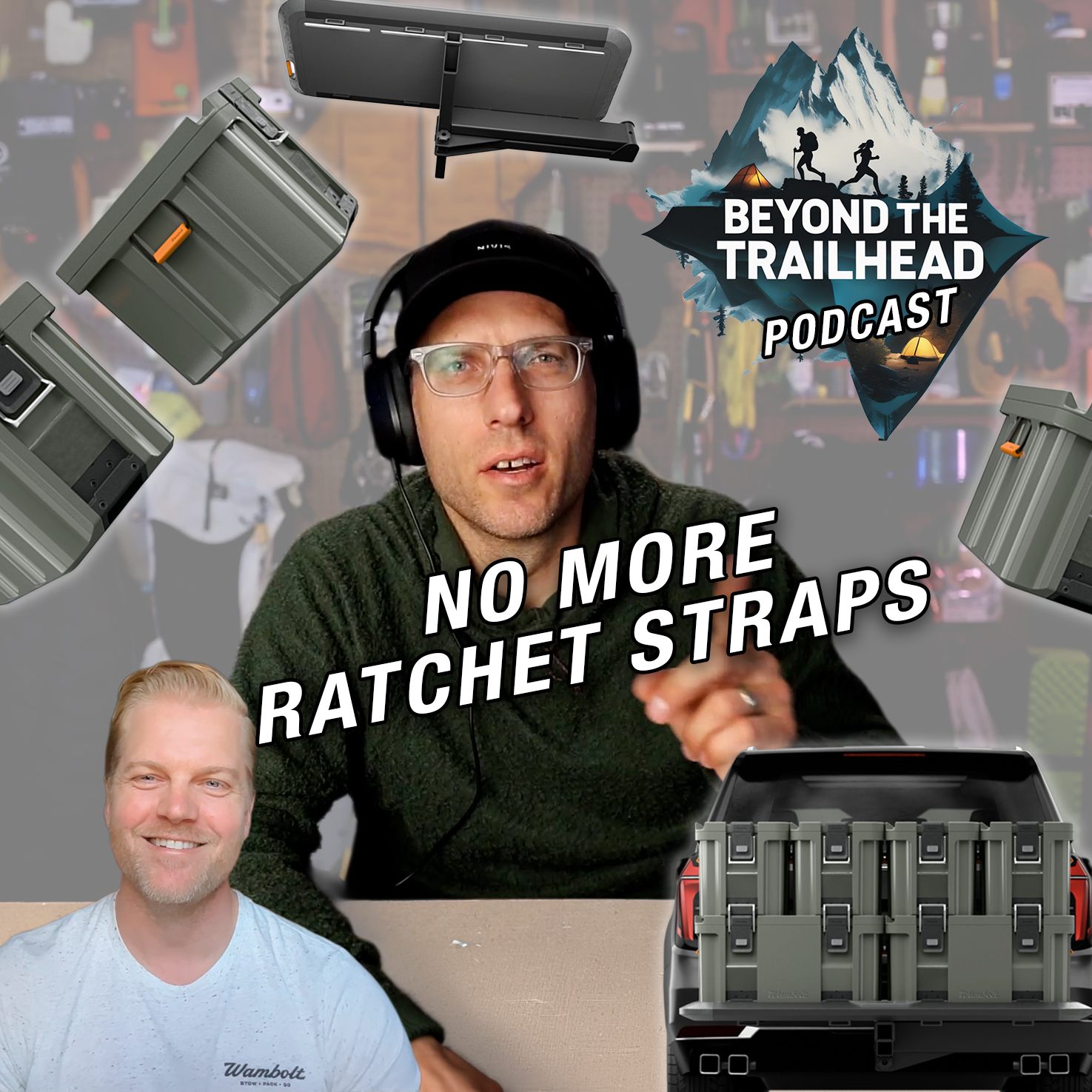
    Wambolt Founder/CEO Scott Wambolt| Beyond the Trailhead Podcast Ep. 53

    In this episode of Beyond the Trailhead, I sit down with Scott Wambolt, CEO and Co-Founder of Wambolt. Scott is an ER doctor, former Air Force physician, father of five, and now an outdoor gear founder trying to solve one of the most annoying parts of family adventure: PACKING. The idea for Wambolt started while Scott was stationed in Alaska. His family was constantly camping, fishing, skiing and traveling around the state, which meant constantly pulling gear out of garage totes, repacking it into the vehicle, unloading everything afterward, and doing it all again a few days later. Eventually Scott and his brother asked a pretty simple question: Why are our garage storage system and vehicle storage system completely separate? Wambolt's Ready-To-Go system is designed around modular storage boxes that live in your garage and then lock directly onto a hitch-mounted platform when it's time to leave. Unclick it from the garage. Click it onto the vehicle. Go. We talk about: • How four years in Alaska inspired the idea • Raising five kids while trying to get outside as much as possible • Going from ER doctor to outdoor entrepreneur • Why packing can stop families from taking spontaneous trips • Building modular boxes that work in both the garage and on the vehicle • Eliminating ratchet straps and cargo-carrier Tetris • Why the carrier swings away so you can still access your vehicle • Keeping the hitch receiver available for bikes or skis • Hiring engineers instead of trying to design everything himself • The fear of a huge company beating him to the idea • Patents and protecting a product before launch • Self-funding the company with his brother • The huge cost of tooling and manufacturing • Trying to manufacture domestically • Using pre-sales before deciding whether to take outside investment • Bringing an unreleased product to Outdoor Retailer • Getting honest feedback before manufacturing • Why Scott wants Wambolt to become the outdoor brand built around families • His dream of eventually handing the company down to his kids One of the coolest parts of this episode is that we're talking with Scott BEFORE the success story is written. There aren't warehouses full of finished Wambolt systems yet. He's still dealing with engineering, patents, tooling, funding, marketing and all the risk that comes with turning an idea into a real product. Scott's bigger goal isn't simply selling storage boxes. He wants to remove enough friction from getting outside that families actually take the trip instead of saying, "Forget it. Packing is too much work." If you've ever spent the night before a camping trip playing Tetris with totes, coolers, bikes, roof boxes and ratchet straps, you'll understand this one. CONNECT WITH WAMBOLT Website / Join the Waitlist: https://wambolt.co Instagram: https://www.instagram.com/wamboltofficial LISTEN TO BEYOND THE TRAILHEAD YouTube: / @obristimagery Apple Podcasts: https://podcasts.apple.com/us/podcast... Spotify: https://open.spotify.com/show/beyond-... FOLLOW CRAIG / OBRIST IMAGERY Instagram: https://www.instagram.com/obristimagery Website: https://obristimagery.com If you enjoyed this episode, subscribe, leave a review, and send it to the backpacker with Crocs swinging off the back of their pack. For those asking about safety gear we use outdoors you can get 15% off Overwatch x Rescue with code BEYOND15.

    • Transcript
  • #52
    October 20 · 55 min

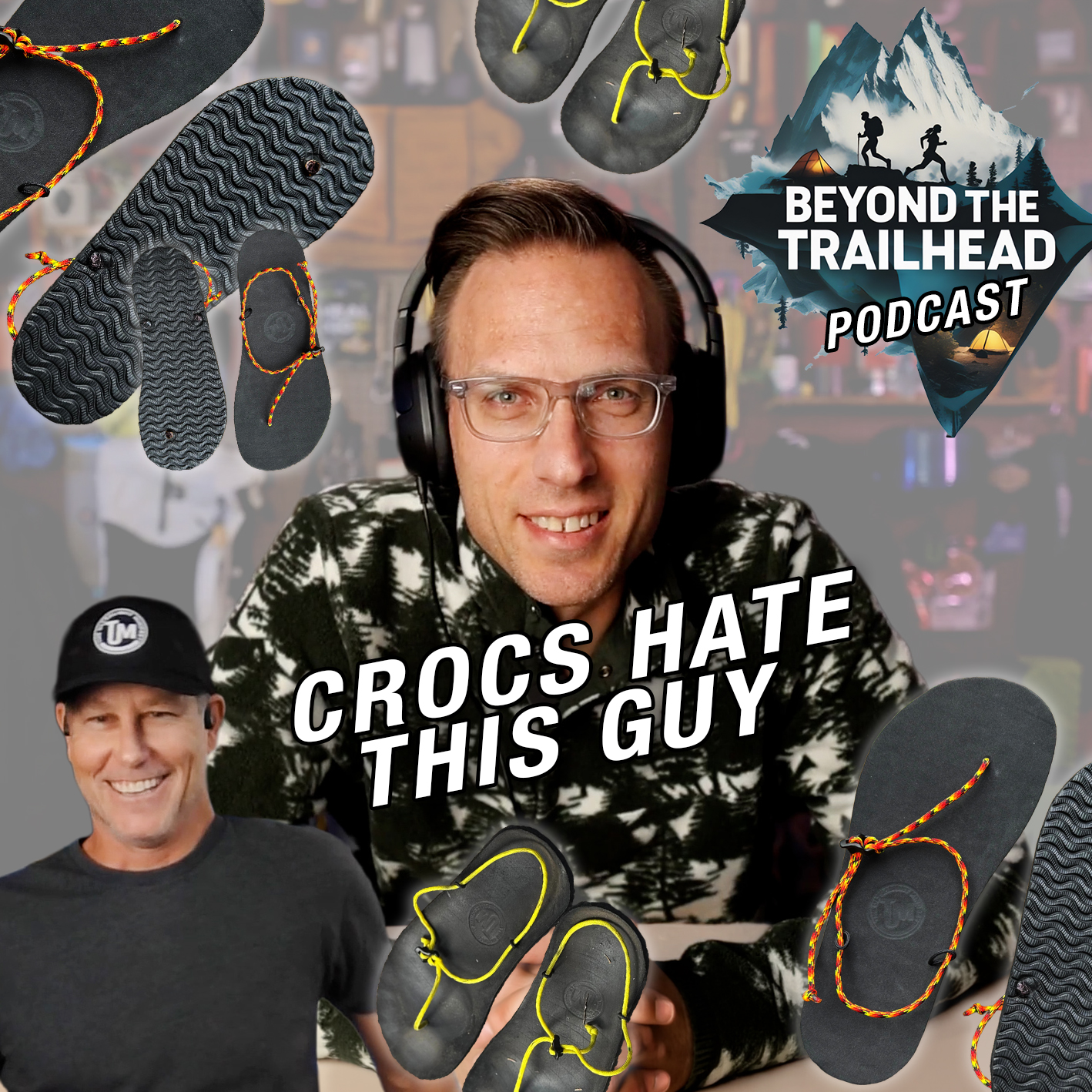
    ULAS Founder/CEO Scott Hannan| Beyond the Trailhead Podcast Ep. 52

    In this episode of Beyond the Trailhead, I sit down with Scott Hannon, founder of The Ultralight Mindset and creator of the ULAS Ultralight Adventure Sandals. Scott’s story started with a simple backpacking problem: he hated carrying camp shoes. After long days on trail, he wanted something lightweight enough to justify packing, but still durable enough to actually protect his feet around camp. His first prototype was made from an old sleeping pad. That didn’t last. Then Scott bought a $5 pair of flip-flops from Walmart, cut the bottom layer off, ground away the extra foam, added his own lacing system, and started testing. That prototype finally worked. After years of experimenting with materials and testing the sandals on backpacking trips, surf trips, and the Tour du Mont Blanc, Scott eventually launched The Ultralight Mindset. We talk about: • How Scott got into ultralight backpacking • Getting hypothermia on his first backpacking trip • Why he never thought camp shoes were worth carrying • Building his first sandals from sleeping-pad foam • Cutting apart Walmart flip-flops to make a working prototype • Balancing ultralight weight with real durability • Testing gear on actual trips instead of just at home • Why surfers unexpectedly started loving the sandals • Running a 100% direct-to-consumer cottage brand • Learning Shopify and e-commerce from scratch • The Instagram ad that worked TOO well • Why Scott actually shut the ad off because too many orders came in • Competing without obsessing over competitors • Whether to hire employees or outsource production • Why ethical manufacturing matters to him • Why scaling customization can get complicated • Why “time and flexibility” are his definition of success The ULAS sandals weigh just 3.7 ounces per pair in a men’s size 9 and are designed to be lightweight, packable, and durable enough to actually use around camp and beyond. If you’re into ultralight backpacking, cottage gear, outdoor business, camp shoes, or building a company around the life you actually want to live, this episode is for you. CONNECT WITH THE ULTRALIGHT MINDSET Website: https://theultralightmindset.com Instagram: https://www.instagram.com/theultralightmindset LISTEN TO BEYOND THE TRAILHEAD YouTube: https://www.youtube.com/@obristimagery Apple Podcasts: https://podcasts.apple.com/us/podcast/beyond-the-trailhead Spotify: https://open.spotify.com/show/beyond-the-trailhead FOLLOW CRAIG / OBRIST IMAGERY Instagram: https://www.instagram.com/obristimagery Website: https://obristimagery.com If you enjoyed this episode, subscribe, leave a review, and send it to the backpacker with Crocs swinging off the back of their pack. For those asking about safety gear we use outdoors you can get 15% off Overwatch x Rescue with code BEYOND15.

    • Transcript
  • #51
    October 6 · 1 hr 7 min

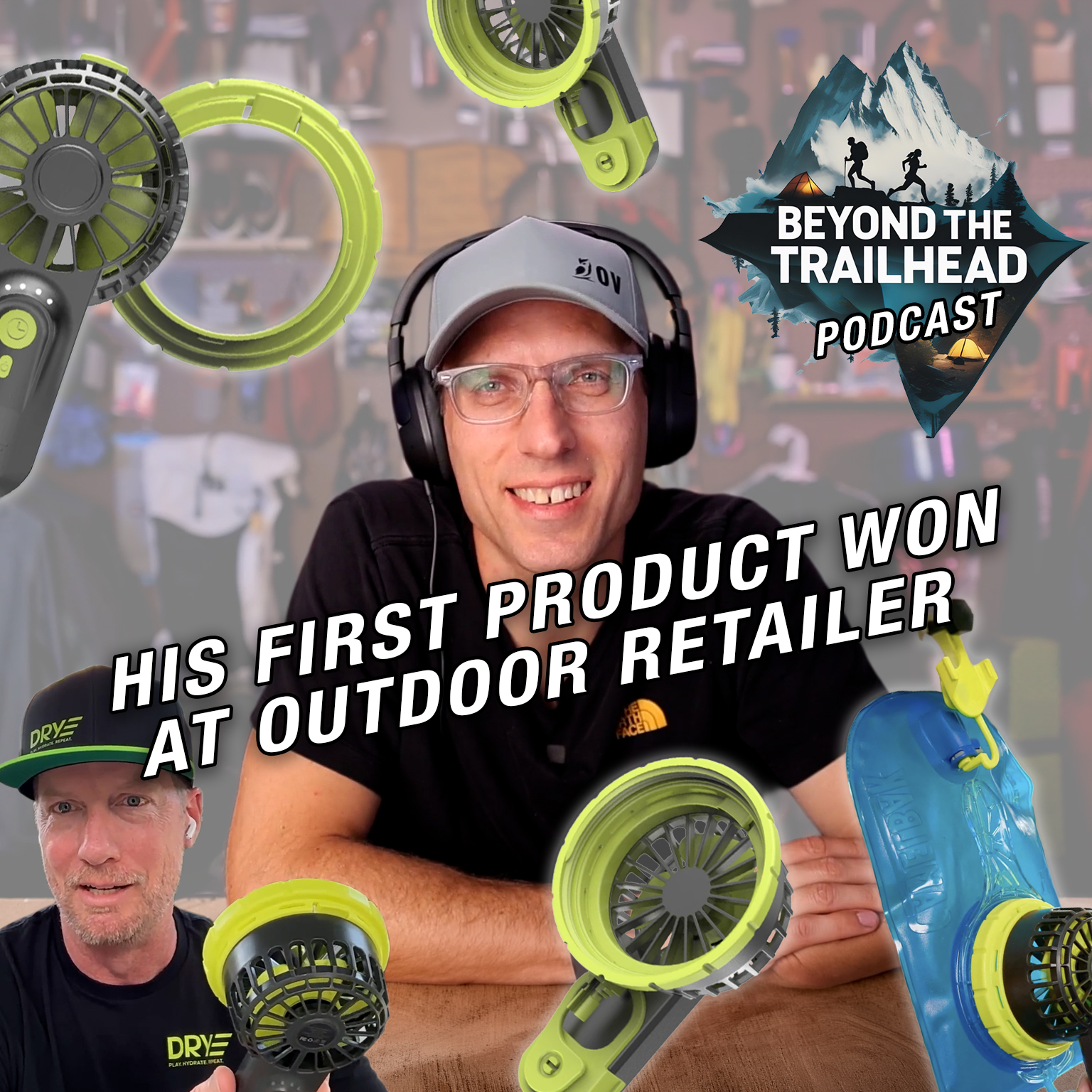
    DRYE Fan Founder/CEO Peter Williams | Beyond the Trailhead Podcast Ep. 51

    In this episode of Beyond the Trailhead, I sit down with Peter Williams, founder and creator of DRYE Fan. This might be one of the biggest “why didn’t I think of that?” products we’ve had on the podcast. If you use a hydration bladder for hiking, backpacking, trail running, cycling, hunting, rucking, or pretty much anything outside, you probably know the problem. DRYE is a small rechargeable fan system designed to actively move air through hydration reservoirs instead of waiting days for them to air dry. Peter designed the system to be modular so different adapters can eventually work with CamelBak, HydraPak, running flasks, military hydration systems, and other reservoir designs. We get into: • How Peter came up with DRYE Fan • The Utah motorcycle trip that finally pushed him to solve the problem • Why hydration bladders are so frustrating to dry • Going from a hacked-together fan to a real product • Why the simplest product ideas can sometimes be the best ones • Peter’s background running a creative and branding agency • What he learned working around product development for companies like Samsung • Why hiring an experienced industrial designer early was one of his best decisions • Why manufacturing knowledge matters before you ever build the product • Patents, NDAs, intellectual property, and protecting a new idea • Why taking an idea from “I thought of this” to actually manufacturing it is such a huge leap • Buying a 3D printer to prototype parts • Why DRYE took roughly two years to develop • Building the logo, packaging, website, trade show booth, and entire brand • Why good marketing matters almost as much as having a good product • What Liquid Death can teach entrepreneurs about branding • How Peter approached his first Outdoor Retailer show as a founder • Winning the Buyer’s Choice Award at Outdoor Retailer • Why his booth location next to Backcountry ended up being an incredible opportunity • How social media helped drive traffic to the booth • Why founders need to actually look excited about their own products • Why Peter says he’s “all in” on DRYE • Manufacturing delays nobody warns you about • Why something as simple as cutting microfiber strips became a production headache • Why Peter still opens boxes and adds parts himself • Getting his wife and kids involved in packing products • How minimum order quantities can destroy your budget if you don’t ask about them early • Why injection molding takes so much time and money • Why one adapter cannot magically fit every hydration brand • Using 3D printing to test adapters before committing to expensive molds • What it’s like dealing with Amazon as a small business • Listening to customer feedback without taking it personally • Where DRYE Fan goes next CONNECT WITH DRYE FAN Website: https://dryefan.com Listen to Beyond the Trailhead YouTube: https://youtube.com/@Beyondthetrailhead Apple Podcasts: https://podcasts.apple.com/us/podcast/beyond-the-trailhead/id1860050826 Spotify: https://open.spotify.com/show/11g9jx9Oyd2YSHipi0mmDy?si=72d97f11c5f64ea6 Instagram:https://www.instagram.com/beyondthetrailheadpodcast Website: https://obristimagery.com For those asking about safety gear we use outdoors you can get 15% off Overwatch x Rescue with code BEYOND15.

    • Transcript
  • #50
    September 29 · 59 min

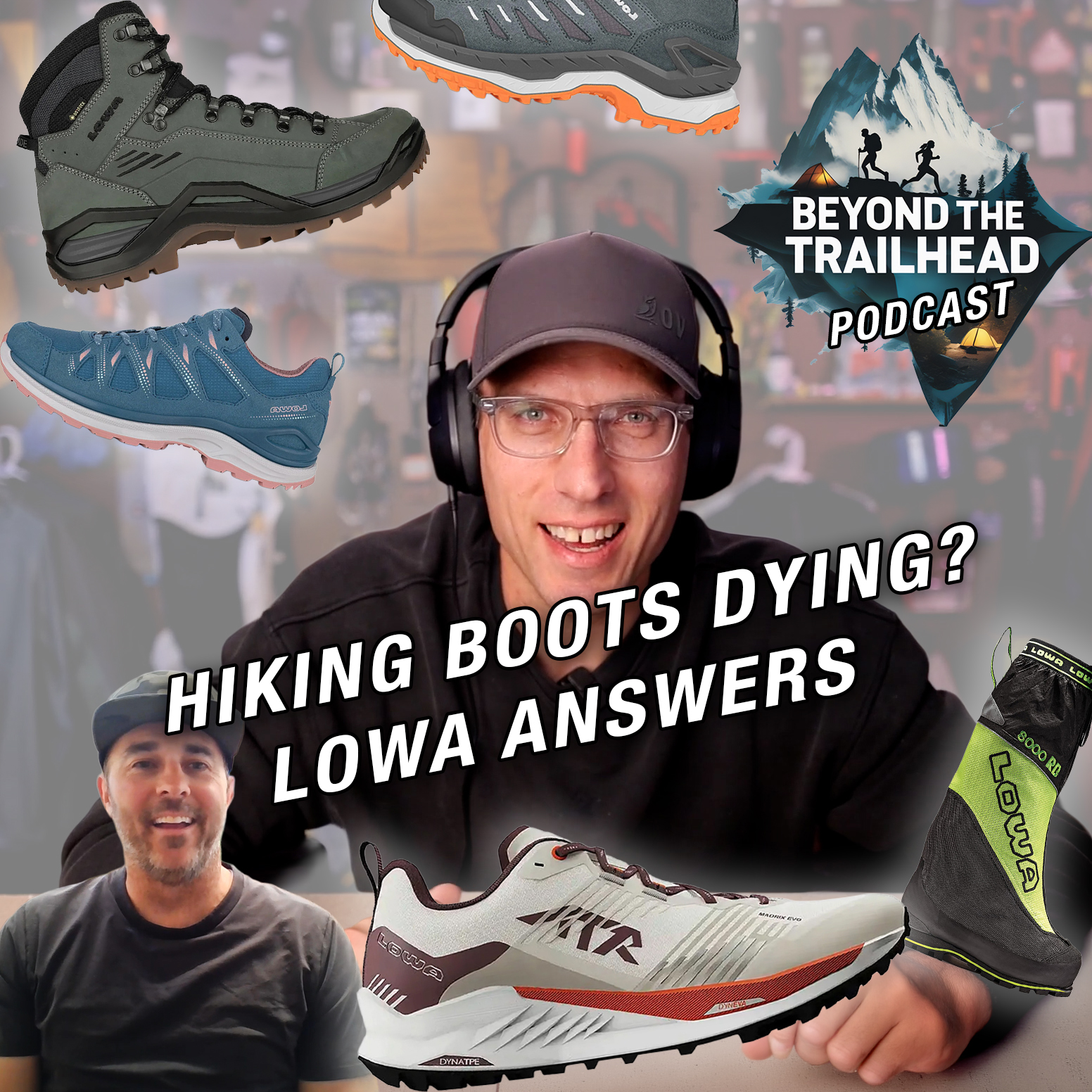
    LOWA USA GM Lance Taylor | Beyond the Trailhead Podcast Ep. 50

    In this episode of Beyond the Trailhead, I sit down with Lance Taylor, General Manager of LOWA USA. Lance has spent nearly 25 years in the footwear industry. He actually started selling women’s shoes at Dillard’s while in college before moving into the outdoor world, where he spent years working across sales, footwear, product, and category management. About 18 months ago, he stepped into leadership at LOWA USA. And he joined the company at a pretty interesting time. Outdoor footwear is changing. More hikers are reaching for trail runners instead of traditional hiking boots. Shoes are becoming lighter, softer, faster, and more athletic. So I asked Lance the question directly: Are hiking boots dying? His answer opens up a much bigger conversation about how a 100-year-old brand evolves without throwing away the craftsmanship and reputation that made people trust it in the first place. We also dive into: • Why trail runners have become so popular with hikers • Whether traditional hiking boots are actually disappearing • Why LOWA’s boot category is still growing • Why younger consumers are wearing hiking boots as fashion again • How LOWA is moving toward lighter and faster outdoor footwear • Why simply making another trail running shoe isn’t enough • The difference between designing a trail runner and a hiking shoe • Why trail runners can wear out faster when hikers use them outside their intended purpose • Finding the “Goldilocks zone” between cushioning, weight, stability, protection, and durability • How footwear companies test materials and prototypes • Why a shoe that works while running might cause problems while hiking • How customer and retailer feedback influences product development • Why brands shouldn’t let customers completely design the brand for them • What smaller companies should know before trying to expand internationally • Why growing too fast can hurt a brand • Why successful footwear franchises can take years to build • How prototype shoes are tested at races before they ever reach consumers • Lance’s biggest “oh crap” moment taking over LOWA USA • Moving and restructuring the company from Connecticut to Salt Lake City • Why LOWA moved to a third-party logistics warehouse • How military users have developed emotional connections with their LOWA boots • Why innovation matters more than ever in today’s outdoor market • What Lance calls “LOWA 2.0” and the brand’s upcoming Spring 2027 relaunch Lance also shares what it was like stepping into leadership after longtime LOWA USA General Manager Peter Sachs and immediately helping restructure and relocate major parts of the company. If you’re into hiking boots, trail running shoes, footwear design, outdoor business, product development, or trying to figure out how an established brand stays relevant when consumer habits change, this is a really interesting episode. LOWA USA: https://us.lowa.com Listen to Beyond the Trailhead YouTube: https://youtube.com/@Beyondthetrailhead Apple Podcasts: https://podcasts.apple.com/us/podcast/beyond-the-trailhead/id1860050826 Spotify: https://open.spotify.com/show/11g9jx9Oyd2YSHipi0mmDy?si=72d97f11c5f64ea6 Instagram:https://www.instagram.com/beyondthetrailheadpodcast Website: https://obristimagery.com For those asking about safety gear we use outdoors you can get 15% off Overwatch x Rescue with code BEYOND15.

    • Transcript
  • #49
    September 22 · 47 min

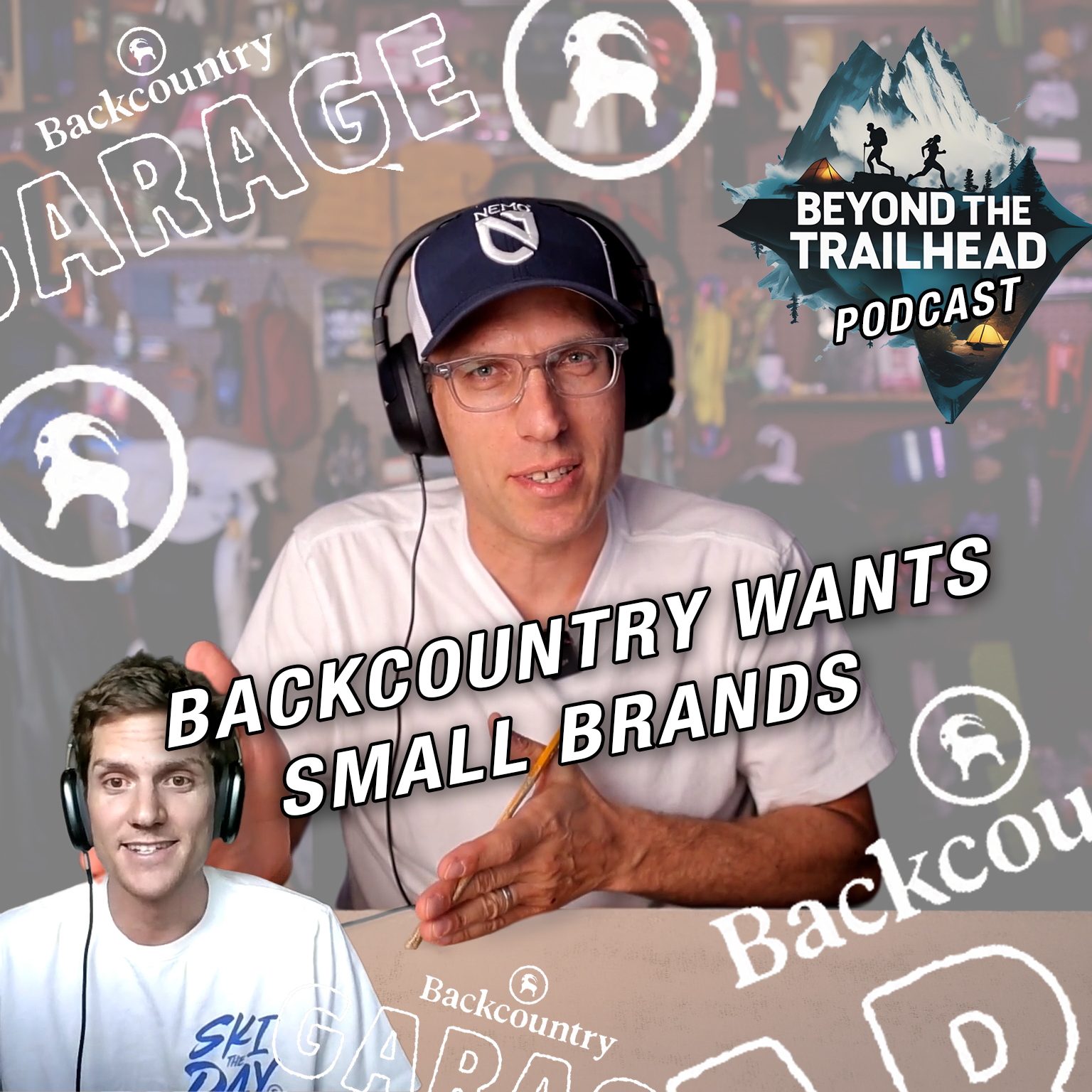
    Backcountry Garage Director JM Fabrizi | Beyond the Trailhead Podcast Ep. 49

    In this episode of Beyond the Trailhead, I sit down with JM Fabrizi, Director of Backcountry Garage. JM has spent years on the small-brand side of the outdoor industry. He joined Coalatree in 2017 and eventually ran the day-to-day business before Backcountry acquired the brand in 2026. Coalatree became the first brand in the new Backcountry Garage program, and JM now leads the Garage while continuing to help oversee Coalatree. That experience gives JM a pretty unique perspective: he knows what it feels like to be the small outdoor brand knocking on the door of a huge retailer, and now he’s on the other side helping Backcountry find those brands. Backcountry Garage was created to help emerging, niche, and differentiated outdoor brands get discovered without disappearing into a massive online catalog. JM talks about how difficult it can be for a small company to tell its story next to giant brands with huge marketing budgets, and how the Garage is trying to give those companies more visibility and support. We also dive into: • What Backcountry Garage actually is • What Backcountry looks for in an emerging outdoor brand • How small brands can apply to be considered • Why having a unique product matters more than simply having another version of something that already exists • How Coalatree became the first Backcountry Garage brand • JM’s experience growing a small outdoor company before joining Backcountry • Why getting into a major retailer isn’t always as easy as it sounds • Why some brands need better fulfillment and operations before they’re ready for big retail • How Backcountry is trying to recreate the specialty outdoor-store experience online • Why Gearheads are still a big part of Backcountry’s strategy • How Backcountry Garage can help brands reach customers through e-commerce • How marketplace partnerships like Amazon can become a huge headache for a small company • How Backcountry can help manage some of that marketplace complexity • Why relationships with specialty retailers still matter • What JM learned walking Outdoor Retailer looking for emerging brands • Why Backcountry literally put buyers at a desk for brands to come pitch • Why growing the entire outdoor industry can be better than constantly fighting competitors Backcountry currently describes the Garage as its program for finding and championing emerging and differentiated outdoor brands, and brands can apply directly through the Garage page. CONNECT WITH BACKCOUNTRY GARAGE https://www.backcountry.com/rc/backcountry-garage Backcountry https://www.backcountry.com Listen to Beyond the Trailhead YouTube: https://youtube.com/@Beyondthetrailhead Apple Podcasts: https://podcasts.apple.com/us/podcast/beyond-the-trailhead/id1860050826 Spotify: https://open.spotify.com/show/11g9jx9Oyd2YSHipi0mmDy?si=72d97f11c5f64ea6 Instagram:https://www.instagram.com/beyondthetrailheadpodcast Website: https://obristimagery.com For those asking about safety gear we use outdoors you can get 15% off Overwatch x Rescue with code BEYOND15.

    • Transcript
  • #48
    September 15 · 1 hr 15 min

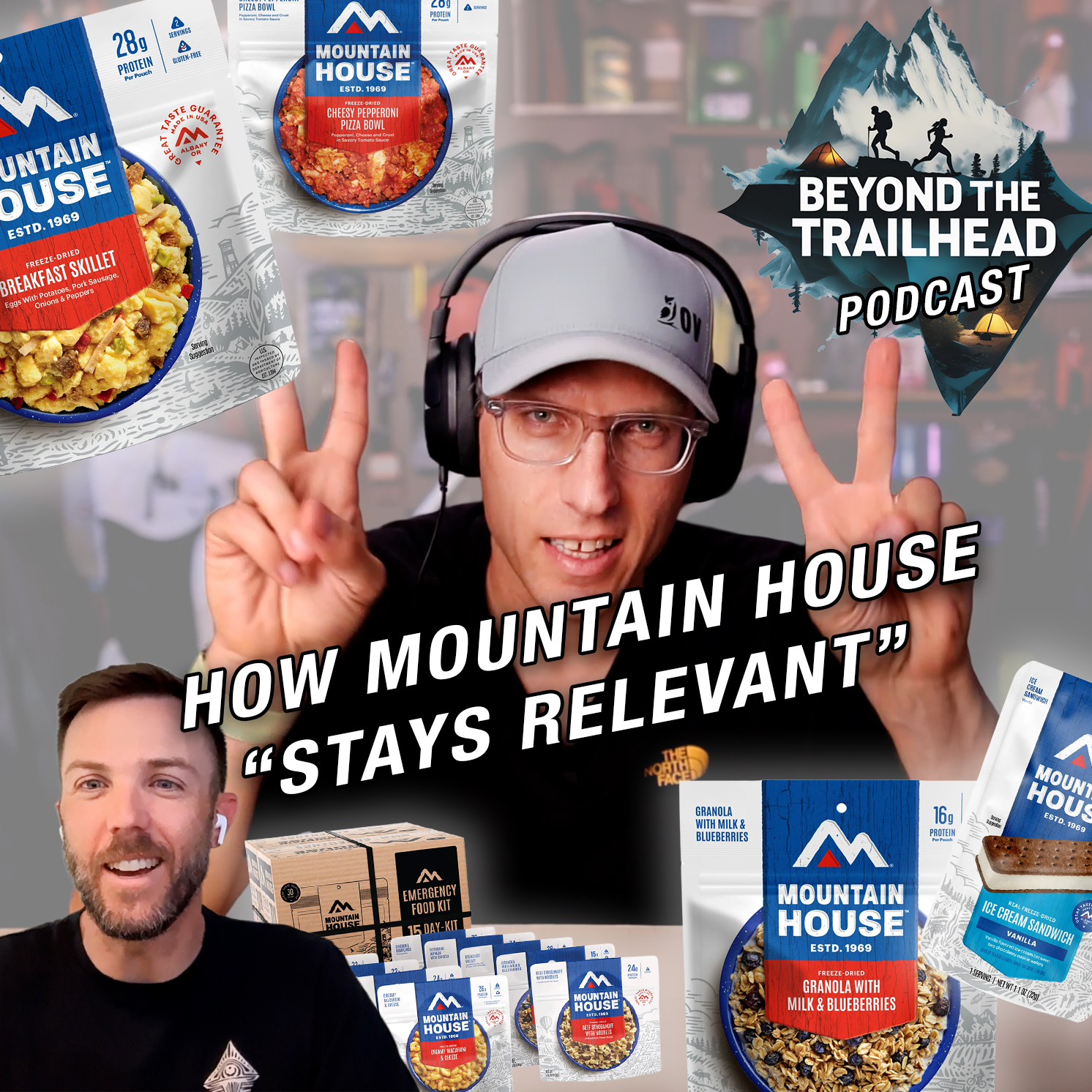
    Mountain House Marketing Director Seth Beiden | Beyond the Trailhead Podcast Ep. 48

    In this episode of Beyond the Trailhead, I sit down with Seth Beiden, Marketing Director at Mountain House. If you’ve spent any time backpacking, camping, hunting, fishing, traveling, or building an emergency food stash, there’s a good chance you’ve seen or eaten a Mountain House meal. Seth brings a unique background to Mountain House. He spent nine years at CamelBak during a major growth period, then moved to the agency side, started his own PR agency, later joined Sasquatch Agency, and eventually came back in-house with Mountain House. That mix of product, PR, brand, and outdoor industry experience gives him a really interesting view of where Mountain House has been and where the brand is heading next. We get into the history of Mountain House, the difference between freeze-dried and dehydrated food, and why “food in a bag” is not all the same. Seth explains that Mountain House is owned and operated by Oregon Freeze Dry, and that one of the biggest differences with Mountain House is that the company selects the ingredients, cooks the meals, and freeze-dries the food in-house. We also dive into: • Seth’s path from CamelBak to agency life to Mountain House • What he learned from working both in-house and agency-side • Why Mountain House is trying to honor its heritage while still modernizing • Why freeze-dried and dehydrated food are not the same thing • Why taste, texture, color, and nutrition matter in trail food • Why it is risky to grab a random meal before a big trip • How Mountain House thinks about classic meals, new recipes, and customer feedback • Why the same handful of meals show up in stores even though Mountain House makes way more options • How food trends, allergies, dairy-free options, vegetarian meals, and high-calorie meals affect product development • Why marketing is involved in recipe development more than Seth expected • What food scientists actually do behind the scenes • Why meals have to be cooked differently before they are freeze-dried • How Mountain House cooks massive batches of food before freeze-drying them • Why testing meals at home is not the same as eating them after a huge day outside • How Mountain House is listening to thru-hikers, backpackers, hunters, emergency-prep customers, and everyday outdoor people One of the wildest parts of this conversation is hearing Seth explain that Mountain House meals are cooked in massive batches before they are freeze-dried. He talks about 1,200-pound cook pots, 53-pound blocks of butter, food scientists, and the pressure of making sure a meal tastes right after someone adds hot water in the backcountry. Website: https://mountainhouse.com Listen to Beyond the Trailhead YouTube: https://youtube.com/@Beyondthetrailhead Apple Podcasts: https://podcasts.apple.com/us/podcast/beyond-the-trailhead/id1860050826 Spotify: https://open.spotify.com/show/11g9jx9Oyd2YSHipi0mmDy?si=72d97f11c5f64ea6 Instagram:https://www.instagram.com/beyondthetrailheadpodcast Website: https://obristimagery.com For those asking about safety gear we use outdoors you can get 15% off Overwatch x Rescue with code BEYOND15.

    • Transcript
  • #47
    September 8 · 1 hr 9 min

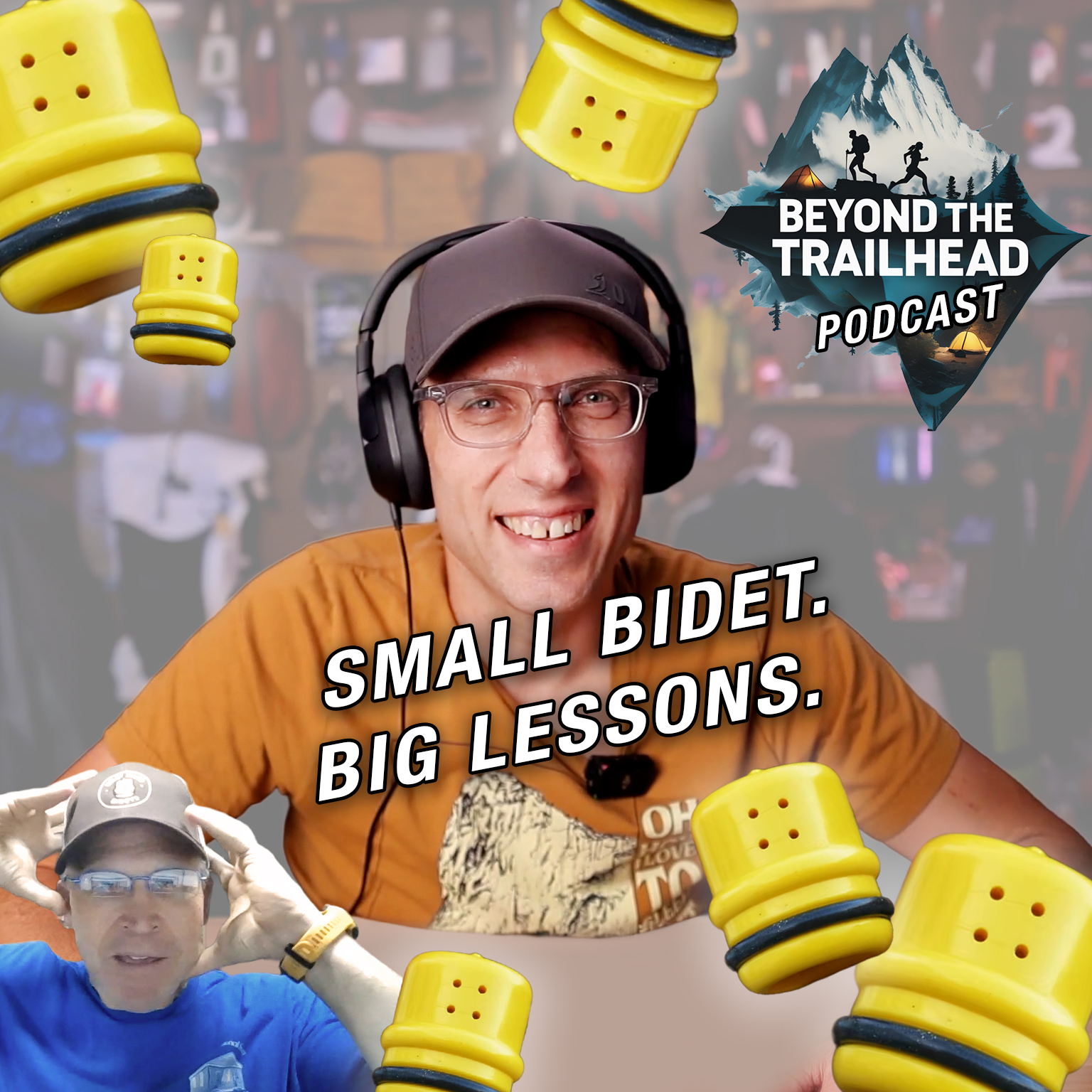
    Holey Hiker Bidet Creator Paul Bogush | Beyond the Trailhead Podcast Ep. 47

    In this episode of Beyond the Trailhead, I sit down with Paul Bogush, creator and owner of Holey Hiker Bidet. This might be the smallest product we’ve ever talked about on the podcast, but it also might be one of the most life-changing pieces of backpacking gear once people finally try it. Paul’s story starts around 2019 after he read an article about a national park no longer allowing people to bury toilet paper. At the very end of the article, it mentioned that some backpackers were turning to bidets. That sent Paul down the trail bidet rabbit hole. He ordered every portable option he could find, tested them in Vermont, and quickly realized that a backpacking bidet could completely change the trail bathroom experience. From there, the idea turned into a middle school 3D printing project. Paul teaches sixth, seventh, and eighth grade, and during COVID he suddenly had extra time at home. He started printing, testing, tweaking, and reprinting his own bidet design. Each early version took about 65 minutes to print, and he would test it, make changes, and print another one over and over again. We also dive into: • Why backpacking bidets are becoming more popular • Why packing out toilet paper pushed Paul toward bidets • How a tiny product can still have a ton of design challenges • Why the first versions were 3D printed • How COVID accidentally gave Paul the time to test and improve the design • Why he sent out around 200 tester bidets before selling them • How feedback from AT, PCT, CDT, and desert hikers shaped the final product • Why the early 3D printed versions started cracking • How Holey Hiker moved from 3D printing to injection molding • Why finding the right local injection molder took months • Why one tiny O-ring became one of the hardest parts of the whole product • How Paul built the business while still teaching middle school • What he learned from his first Outdoor Retailer trade show • How some retailers were already selling his product through distributors without him knowing • Why the trail bathroom conversation is awkward, funny, and actually really important If you’ve ever packed out toilet paper, dealt with chafing on trail, wondered why hikers talk about bidets so much, or secretly thought, “There has to be a better way,” this episode is for you. Connect with Holey Hiker Bidet Website: https://www.holeyhiker.com Garage Grown Gear: https://www.garagegrowngear.com/products/holey-hiker-bidet-by-holey-hiker Listen to Beyond the Trailhead YouTube: https://youtube.com/@Beyondthetrailhead Apple Podcasts: https://podcasts.apple.com/us/podcast/beyond-the-trailhead/id1860050826 Spotify: https://open.spotify.com/show/11g9jx9Oyd2YSHipi0mmDy?si=72d97f11c5f64ea6 Instagram:https://www.instagram.com/beyondthetrailheadpodcast Website: https://obristimagery.com For those asking about safety gear we use outdoors you can get 15% off Overwatch x Rescue with code BEYOND15.

    • Transcript
  • #46
    September 1 · 51 min

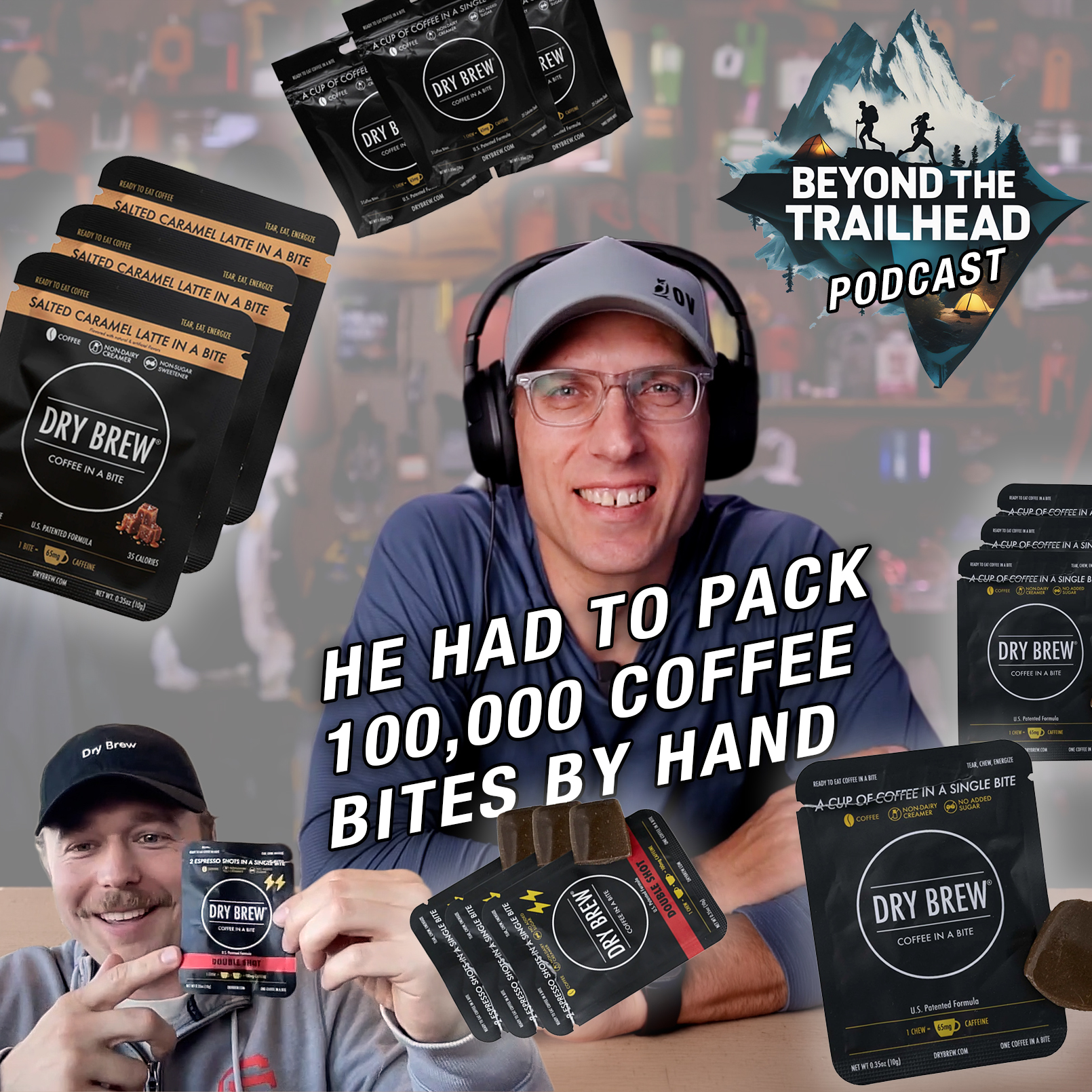
    Dry Brew Ceo/Founder John Schade | Beyond the Trailhead Podcast Ep. 46

    In this episode of Beyond the Trailhead, I sit down with John Schade, co-founder and president of DryBrew. DryBrew is real coffee in a chewy, ready-to-eat bite. No cup, no brewing, no stopping for a bathroom break five minutes later. John explains that the first idea came from wanting coffee while driving without spilling it everywhere. From there, the team created a chewy coffee bite made with real coffee and non-dairy creamer. We talk about how DryBrew started, why sampling is such a huge part of selling the product, and how people usually “get it” once they actually try it. John also shares how the team started by selling at farmers markets, getting direct feedback, and learning where the product could go before jumping into bigger retail opportunities. We also dive into: • What DryBrew actually is • Why it feels like a Tootsie Roll or Laffy Taffy coffee bite • Why it is not meant to fully replace your morning coffee ritual • How cyclists, hikers, trail runners, firefighters, doctors, travelers, and busy people use it • Why DryBrew works so well when you do not have time to brew coffee • How the team went from farmers markets to Target • Why food products are complicated to scale • What it took to professionalize the business through a food startup accelerator • How DryBrew hand-packed around 100,000 units for its first Target order • Why a delayed packing machine created one of the brand’s biggest “oh no” moments • How small food brands have to think about packaging, expiration dates, batch numbers, and scale • Why sampling matters so much in stores • How independent retailers helped DryBrew understand what customers needed • What is coming next, including unwrapped packs and espresso bean-shaped DryBrew bites • Why retail growth is exciting but can also expose whether your operations are actually ready This episode is full of coffee, caffeine, outdoor retail lessons, startup grind, food business reality, packaging talk, and plenty of dad-joke-worthy “grind” moments. Website: https://drybrew.com Instagram: https://www.instagram.com/drybrew TikTok: https://www.tiktok.com/@drybrew Facebook: https://www.facebook.com/drybrew Listen to Beyond the Trailhead YouTube: https://youtube.com/@Beyondthetrailhead Apple Podcasts: https://podcasts.apple.com/us/podcast/beyond-the-trailhead/id1860050826 Spotify: https://open.spotify.com/show/11g9jx9Oyd2YSHipi0mmDy?si=72d97f11c5f64ea6 Instagram:https://www.instagram.com/beyondthetrailheadpodcast Website: https://obristimagery.com For those asking about safety gear we use outdoors you can get 15% off Overwatch x Rescue with code BEYOND15.

    • Transcript
  • #45
    August 25 · 44 min

    Hyalite Designs Creator Katie McKinstry Stylos | Beyond the Trailhead Podcast Ep. 45

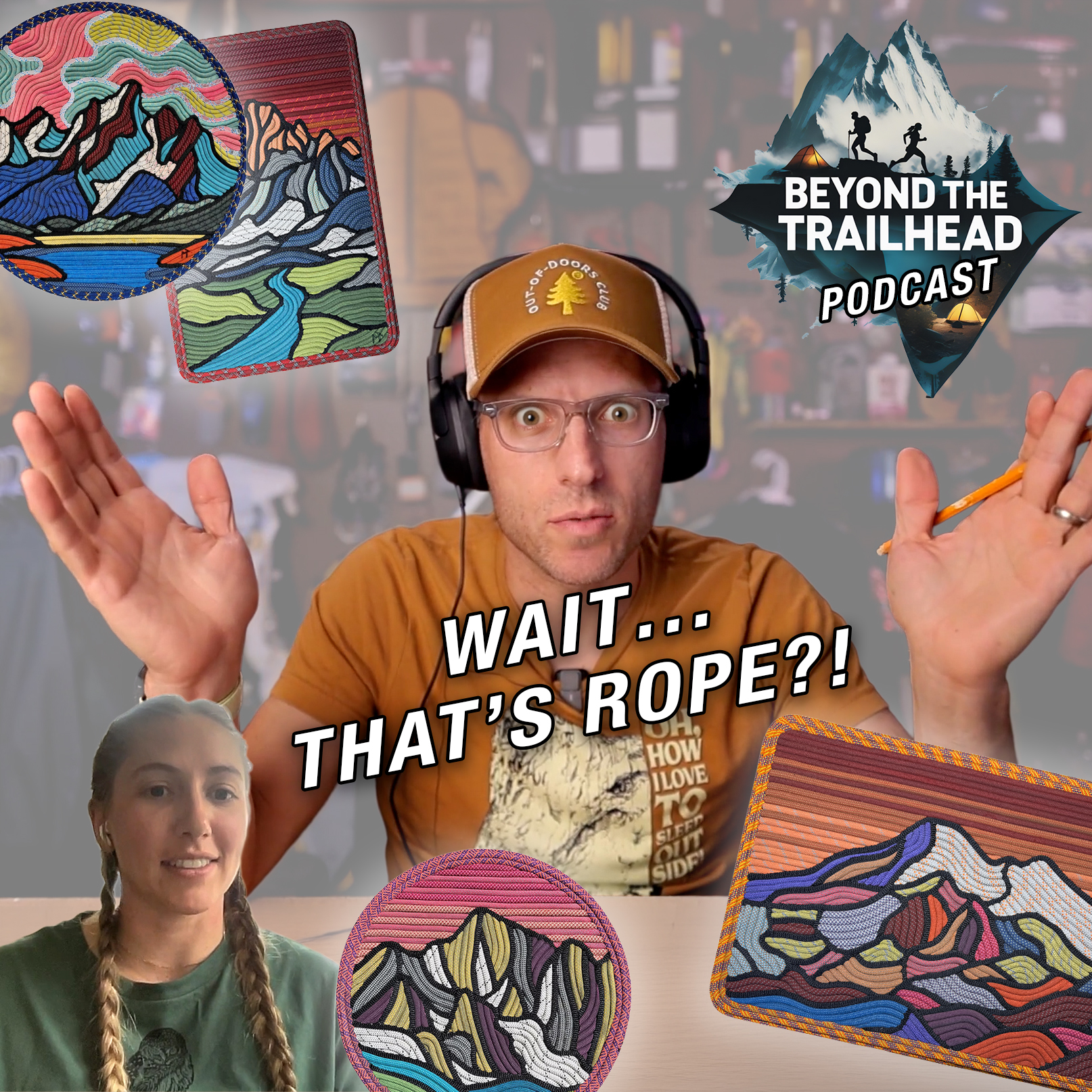
    In this episode of Beyond the Trailhead, I sit down with Katie McKinstry Stylos, the artist, graphic designer, professional climber, and creator behind Hyalite Designs. Katie is based in Bozeman, Montana, and Hyalite Designs is named after Hyalite Canyon, a place close to where she lives and climbs. She shares how the canyon, the mountains, and the places she loves outside continue to inspire her work. The main part of Katie’s work is something incredibly unique: she takes retired climbing rope and turns it into one-of-a-kind mountain-inspired wall art. These ropes have lived real lives. They have protected climbers, traveled through the mountains, been part of big days, scary moments, and personal memories. Instead of throwing them away once they can no longer be used safely, Katie gives them a second life as art. We also dive into: • How Katie went from the horse world to climbing • Why she chose graphic design as a career path • How Hyalite Designs started while she was still in school • Why she registered her business before graduating • How old ropes from the climbing gym became her first art material • Why she stopped making rugs and focused on wall art • How pricing artwork became one of the hardest parts of the business • Why galleries helped her understand the real value of her work • Why every rope art piece is one-of-a-kind • How custom pieces, design fees, edits, materials, and shipping all affect pricing • The mental side of running a creative business • How saying yes too much led to burnout • Why she had to email clients and admit she could not take on every project • How she balances rope art, graphic design, climbing, and time outside • Why building your own brand can be harder than building one for clients • The ventilation and safety side of cutting and melting rope • Why professional communication is better through email than Instagram DMs One of my favorite parts of this conversation is Katie’s honesty about creative burnout. She talks about how saying yes to too many commissions eventually started hurting the quality of her work, and how she had to step back before she ruined the thing she had worked so hard to build. This episode is full of art, climbing, business, creativity, pricing lessons, burnout lessons, and a behind-the-scenes look at what it takes to turn a very niche idea into a real business. Connect with Hyalite Designs Website: https://www.hyalitedesigns.com Instagram: https://www.instagram.com/hyalite_designs Listen to Beyond the Trailhead YouTube: https://youtube.com/@Beyondthetrailhead Apple Podcasts: https://podcasts.apple.com/us/podcast/beyond-the-trailhead/id1860050826 Spotify: https://open.spotify.com/show/11g9jx9Oyd2YSHipi0mmDy?si=72d97f11c5f64ea6 Instagram:https://www.instagram.com/beyondthetrailheadpodcast Website: https://obristimagery.com For those asking about safety gear we use outdoors you can get 15% off Overwatch x Rescue with code BEYOND15.

    • Transcript
  • #44
    August 18 · 54 min

    Minus33 Wool President Lawson Glidden | Beyond the Trailhead Podcast Ep. 44

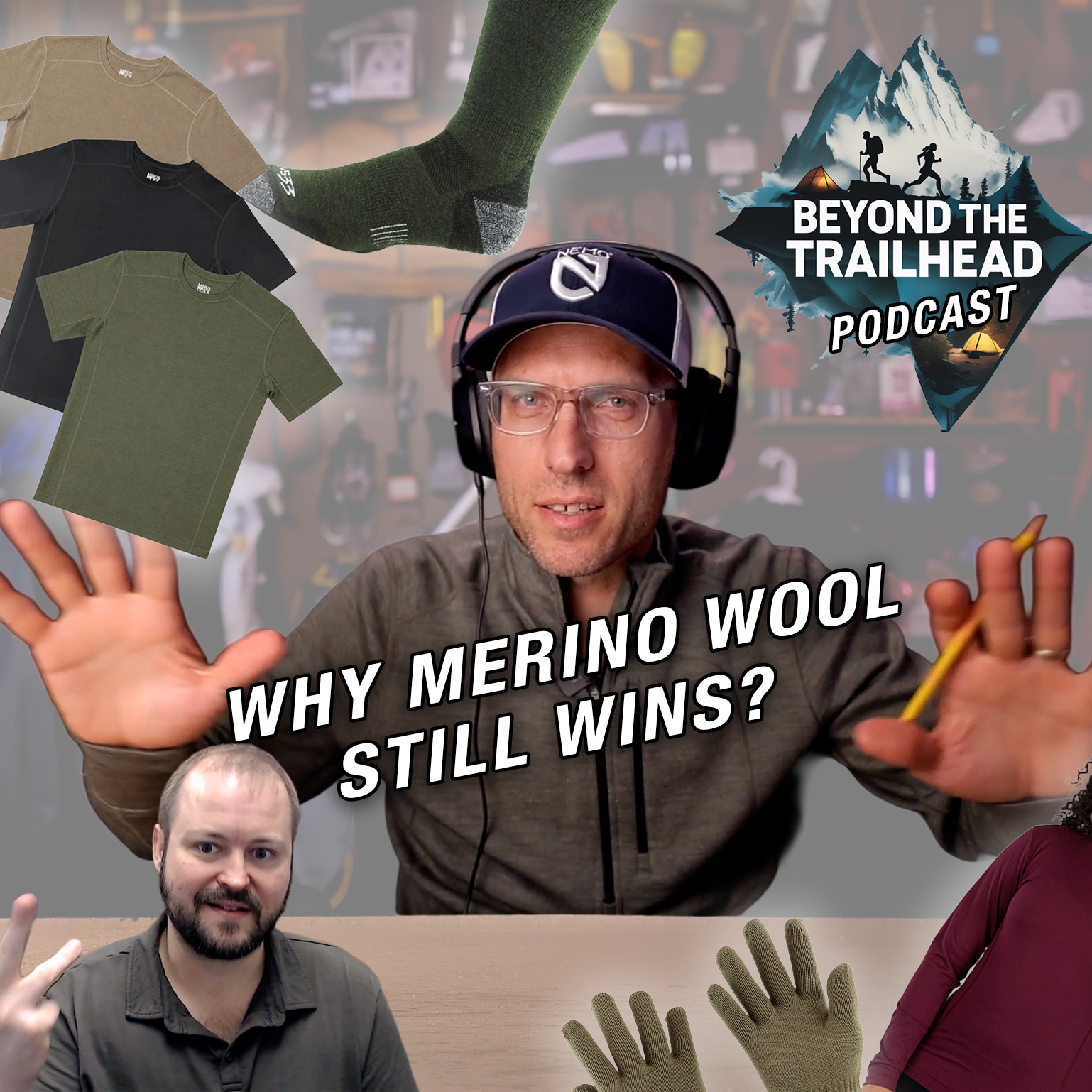
    In this episode of Beyond the Trailhead, I sit down with Lawson Glidden, President of Minus33, a merino wool clothing brand based in Ashland, New Hampshire. Minus33 is part of a much older family textile story. Lawson shares how his family’s wool business, L.W. Packard, began in 1916 on the Squam River in Ashland, New Hampshire, making wool broadcloth for suits, peacoats, and other wool goods. After much of the textile industry moved overseas, the family had to rethink what the business could become. One of the companies that came out of that transition was Minus33. Lawson joined the family business in 2018 after a career in tech and software. One of his first big moves was flying to Italy, buying sock machines, and helping bring sock manufacturing back into the same New Hampshire mill buildings where his family had been making wool products for generations. We also dive into: • How Minus33 got its name from a freezing New Hampshire snowmobile trip • Why Lawson left the tech world to join the family wool business • What it takes to program and run modern sock machines • Why Minus33 brought sock manufacturing back to Ashland, New Hampshire • The difference between making a product that looks good and one that actually works • Why merino wool is so useful for hiking, hunting, snowmobiling, kayaking, running, and layering • How Minus33 designs base layers, socks, hats, gloves, neck gaiters, and outdoor apparel • Why consistency matters when customers want the same favorite product years later • The danger of chasing trends and getting stuck with inventory • The wild story of turtleneck sales after Steve Jobs passed away • Why Minus33 once rejected a huge shipment instead of selling something they weren’t proud of • How customer feedback turns into product changes • Why divers wearing Minus33 under wetsuits actually makes sense • What wool does when it gets wet and why it still insulates One of my favorite parts of this conversation is hearing how deeply Lawson understands both the technical side and the human side of making clothing. This episode is full of merino wool nerdiness, family business history, product design lessons, textile manufacturing, outdoor stories, and some really funny moments about socks, gaming, turtlenecks, and why the best outdoor gear sometimes starts with a very practical problem. If you’ve ever worn a wool base layer, packed extra socks “just in case,” or wondered why merino wool doesn’t stink like synthetic gear, this episode is for you. Website: https://www.minus33.com Instagram: https://www.instagram.com/minus33merinowool Listen to Beyond the Trailhead YouTube: https://youtube.com/@Beyondthetrailhead Apple Podcasts: https://podcasts.apple.com/us/podcast/beyond-the-trailhead/id1860050826 Spotify: https://open.spotify.com/show/11g9jx9Oyd2YSHipi0mmDy?si=72d97f11c5f64ea6 Instagram:https://www.instagram.com/beyondthetrailheadpodcast Website: https://obristimagery.com For those asking about safety gear we use outdoors you can get 15% off Overwatch x Rescue with code BEYOND15.

    • Transcript
  • #43
    August 11 · 1 hr 7 min

    Zpacks Marketing Director Mateo Favero | Beyond the Trailhead Podcast Ep. 43

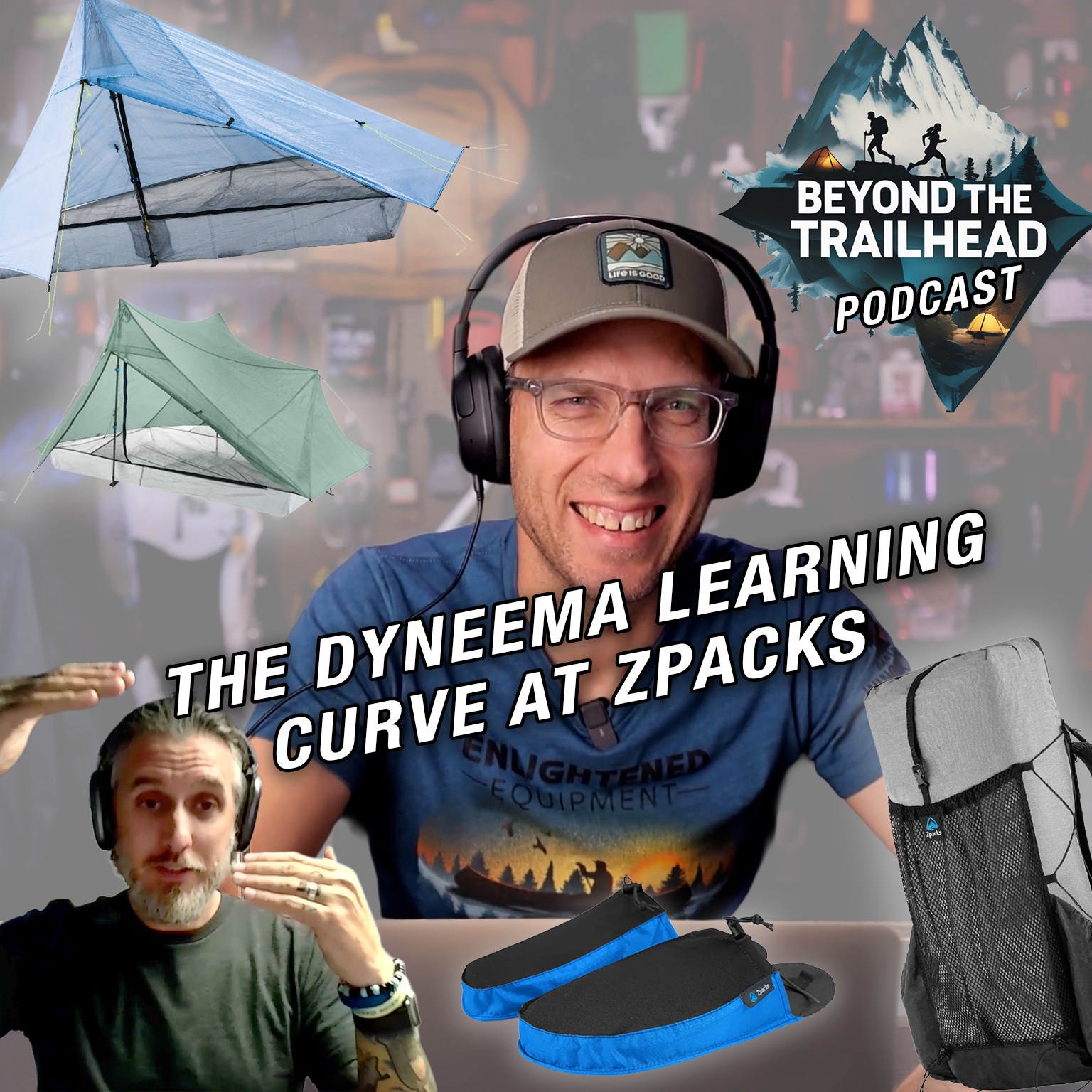
    In this episode of Beyond the Trailhead, I sit down with Mateo Favero, Director of Marketing and Design at Zpacks. Mateo has been with Zpacks since 2010, back when the company was still being run out of a garage. He started by learning how to sew from scratch and has now been part of Zpacks for more than 16 years, helping shape the brand’s marketing, product design, and ultralight gear development. Zpacks was founded by Joe Valesko in 2005 after he started making his own gear for an Appalachian Trail thru-hike. He wanted gear that was lighter, simpler, and more functional than what was available at the time. Other hikers started asking him to make gear for them, and the company slowly grew from apartment sewing, to after-work orders, to a full-time ultralight backpacking brand. We also dive into: • How Zpacks started from Joe Valesko’s Appalachian Trail gear experiments • How Mateo joined after asking Joe and Cheryl out to lunch • Why Zpacks ended up based in Florida • What it was like sewing in the garage in the early days • Why Zpacks was an early adopter of DCF, formerly called Cuben Fiber • The learning curve of working with Dyneema Composite Fabric • Why ultralight gear is performance gear, not bombproof forever gear • Mateo’s “race car tire vs Toyota Corolla” analogy • Why premium ultralight gear costs more • How Zpacks keeps looking for new fabrics, clips, buckles, and design ideas • Why most innovation comes from small details, not reinventing the wheel • The problem with people yelling “ripoff” in the outdoor industry • Why enthusiasm matters more than trade secrets • How Zpacks’ South Korea fan community started organically • Why Zpacks gives back to trail organizations and public land access groups One of my favorite parts of this conversation is Mateo’s advice for people with big ideas: the only difference between a dream and a plan is putting it on your calendar. If you’ve ever wondered why ultralight gear costs what it does, why DCF is so widely used, or what it takes to build gear that helps people go farther with less weight, this one is for you. Connect with Zpacks Website: https://zpacks.com Instagram: https://www.instagram.com/zpacks YouTube: https://www.youtube.com/@zpacksofficial Facebook: https://www.facebook.com/Zpacks Listen to Beyond the Trailhead YouTube: https://youtube.com/@Beyondthetrailhead Apple Podcasts: https://podcasts.apple.com/us/podcast/beyond-the-trailhead/id1860050826 Spotify: https://open.spotify.com/show/11g9jx9Oyd2YSHipi0mmDy?si=72d97f11c5f64ea6 Instagram:https://www.instagram.com/beyondthetrailheadpodcast Website: https://obristimagery.com For those asking about safety gear we use outdoors you can get 15% off Overwatch x Rescue with code BEYOND15.

    • Transcript
  • #42
    August 4 · 1 hr 4 min

    Outdoor Element Founder Mike Mojica | Beyond the Trailhead Podcast Ep. 42

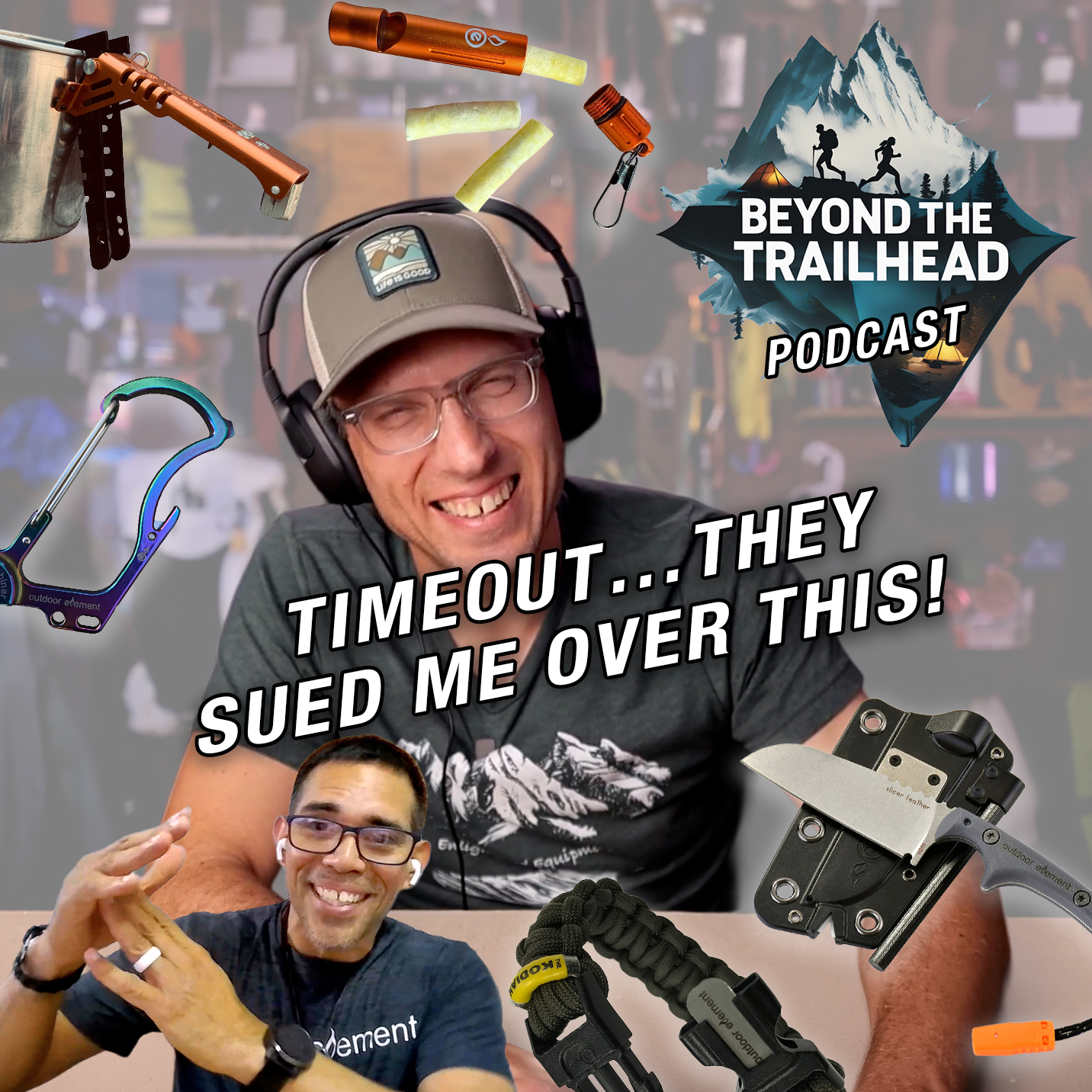
    In this episode of Beyond the Trailhead, I sit down with Mike Mojica, founder of Outdoor Element, a family-run outdoor gear company making adventure survival tools, fire-starting carabiners, knives, camp accessories, and small pieces of gear built to help people feel more prepared outside. Mike’s story started after moving from Texas to Colorado while working in aerospace. After hiking Mount Yale, helping an injured hiker with a rolled ankle, and having what he described as a peaceful “revelation” moment on the summit, Mike realized he wanted to build a company around two ideas: be prepared when something goes wrong and get outside more often. That eventually became Outdoor Element. We also dive into: • How Mike went from aerospace to outdoor entrepreneurship • Why Outdoor Element started as a side hustle • The story behind the Firebiner fire-starting carabiner • How Kickstarter helped prove people understood the idea • Why his boss encouraged him to chase the business full time • What it was like leaving a stable job with a wife and four daughters • Why partnerships can be tricky if you do not have clear agreements • The importance of standard operating procedures in a small business • Why selling knives and fire-starting tools creates advertising headaches • How international shipping laws can get complicated fast • Why California Prop 65 cost him thousands of dollars • What he learned from working with retailers like Ace Hardware and REI • Why packaging, QR codes, and in-store education matter • How Outdoor Element keeps trying to build useful, eco-conscious gear One of the funniest parts of this conversation is Mike explaining how platforms like Google, Meta, Amazon, and others can treat outdoor knives like weapons, even when the product is designed as cutlery or survival gear. He also shares the painful lesson of having products rejected, confiscated, or restricted because different countries have different knife laws. This episode is packed with small business lessons, survival gear talk, Kickstarter stories, product design headaches, retail lessons, and plenty of laughs. If you’ve ever packed a tiny knife, a fire starter, or one of those “just in case” tools before heading outside, this one is for you. Connect with Outdoor Element Website: https://outdoorelement.com Instagram: https://www.instagram.com/outdoor.element/ YouTube: https://www.youtube.com/@OutdoorElement Listen to Beyond the Trailhead YouTube: https://youtube.com/@Beyondthetrailhead Apple Podcasts: https://podcasts.apple.com/us/podcast/beyond-the-trailhead/id1860050826 Spotify: https://open.spotify.com/show/11g9jx9Oyd2YSHipi0mmDy?si=72d97f11c5f64ea6 Instagram:https://www.instagram.com/beyondthetrailheadpodcast Website: https://obristimagery.com For those asking about safety gear we use outdoors you can get 15% off Overwatch x Rescue with code BEYOND15.

    • Transcript
  • #41
    July 28 · 37 min

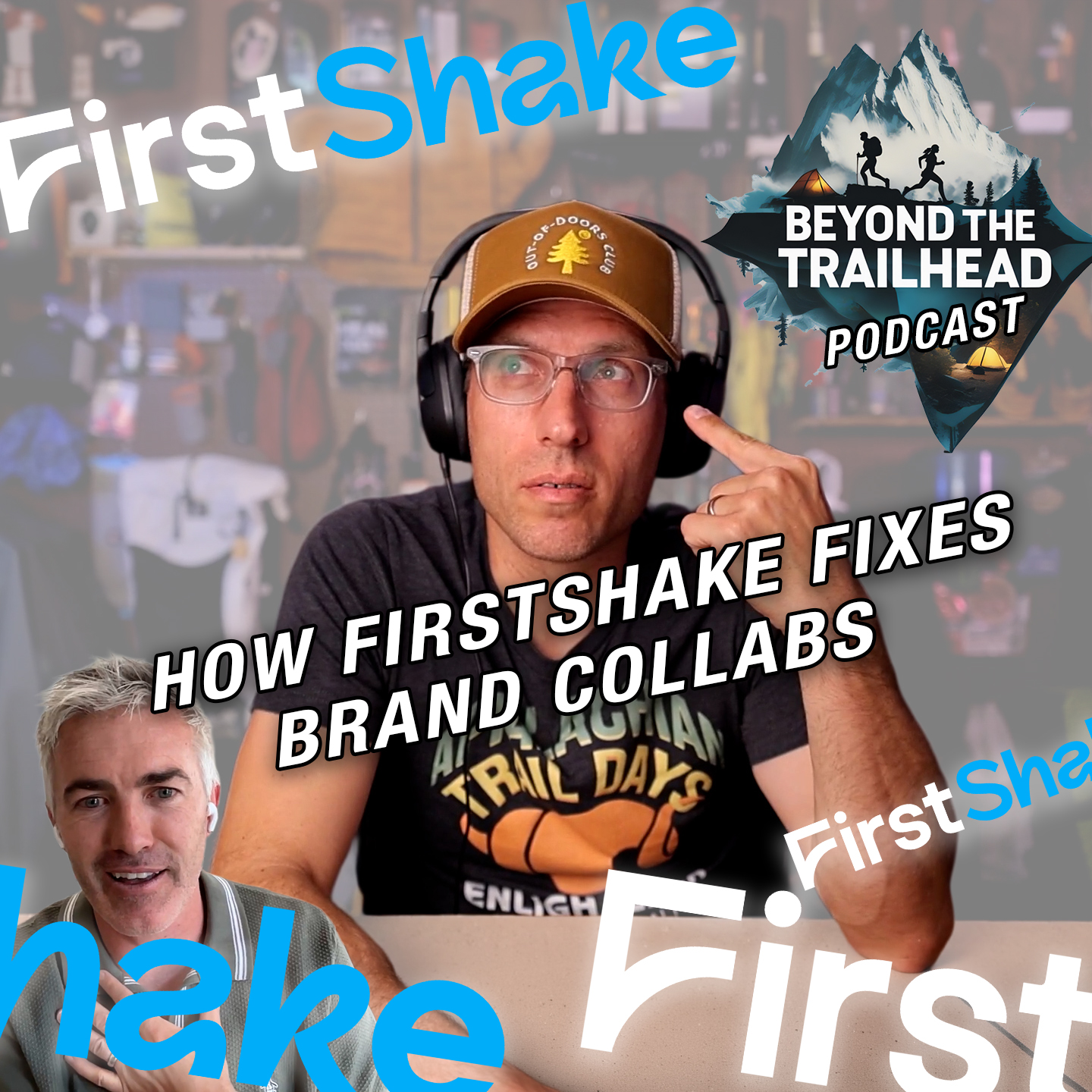
    Product Gifting is Broken | Beyond the Trailhead Podcast Ep. 41

    In this episode of Beyond the Trailhead, I sit down with Derek Tillotson, founder of FirstShake and CEO of Haven Tents. Derek has been on both sides of the creator world. Before building Haven Tents, he worked as a family travel content creator, reaching out to hotels and brands and often getting ignored. Later, as a brand owner, he experienced the other side: creators reaching out for free product, brands sending gear, and then hoping the creator actually followed through. That problem led to FirstShake. FirstShake is a Shopify app and creator marketplace that helps brands connect with creators through a cashback challenge model. Instead of brands gifting product and crossing their fingers, creators buy the product first, complete content challenges, and earn cash back through refunds when their content is approved. Derek explains that the goal is to create a win-win: brands get content and lower-risk creator relationships, while creators get access to brands they actually want to work with. We also dive into: • Why traditional product gifting is broken • How brands get ghosted after sending free gear • Why smaller creators often get ignored • How FirstShake lets brands say yes to more creators • Why creators buying first creates “skin in the game” • How creator challenges and cashback refunds work • Why a small creator with 1,800 followers created one of the best videos Derek had seen • Why creative briefs matter for creators and brands • How FirstShake works through Shopify • Why product gifting can become a profit center instead of a total loss This episode is a great one for outdoor brands, cottage companies, creators, influencers, affiliate marketers, Shopify store owners, and anyone trying to figure out how brands and creators can work together without wasting time, money, or gear. Reel Example: https://www.instagram.com/reel/DZsfdMoOK8q/?utm_source=ig_web_copy_link Connect with FirstShake Website: https://tryfirstshake.com Shopify App: https://apps.shopify.com/firstshake Instagram: https://www.instagram.com/tryfirstshake Connect with Derek / Haven Tents Haven Tents: https://haventents.com Listen to Beyond the Trailhead YouTube: https://youtube.com/@Beyondthetrailhead Apple Podcasts: https://podcasts.apple.com/us/podcast/beyond-the-trailhead/id1860050826 Spotify: https://open.spotify.com/show/11g9jx9Oyd2YSHipi0mmDy?si=72d97f11c5f64ea6 Instagram:https://www.instagram.com/beyondthetrailheadpodcast Website: https://obristimagery.com For those asking about safety gear we use outdoors you can get 15% off Overwatch x Rescue with code BEYOND15.

    • Transcript
  • #40
    July 21 · 55 min

    Why Everyone Loves Alpha Direct | Beyond the Trailhead Podcast Ep. 40

    In this episode of Beyond the Trailhead, I sit down with Joe La Pointe, founder of FarPointe Outdoor Gear, a small cottage gear company based on the Oregon coast making ultralight fleece, sunwear, camp pants, socks, hats, and trail-focused apparel. Joe started FarPointe in 2021 after getting into Alpha Direct fabric and making his first small batch of beanies on a tiny sewing machine. He sold those early pieces on Reddit, started taking custom orders, and eventually grew the business from his garage into a full in-house production shop with a small team in Newport, Oregon. We also dive into: • How FarPointe started with Alpha Direct fleece • Why Joe fell in love with ultralight hiking apparel • How the Colorado Trail helped inspire the brand • Why custom orders were fun but hard to scale • The difference between in-house production and overseas manufacturing • Why Joe chose to keep cutting and sewing in his own shop • What makes Alpha Direct so popular with hikers • The shedding and microplastic concerns around Alpha Direct • Why FarPointe is moving into TecnoWool and blended fabrics • The challenge of hiring, training, and building a sewing team • Why cash flow can get scary when you grow a small gear company • How FarPointe works with Garage Grown Gear and other retailers • What Joe sees as the future of technical fabrics One of my favorite parts of this conversation is hearing how hands-on Joe is with materials. He talks about testing fabrics himself, getting outside almost every day, and only putting products into production when he feels confident they are something he would actually use on trail. This episode is full of cottage gear wisdom, ultralight fabric talk, small business lessons, trail stories, and a real behind-the-scenes look at what it takes to make gear in-house. If you’ve ever worn Alpha Direct, obsessed over fabric weight, or wondered how a garage gear idea becomes a real outdoor brand, this one is for you. Connect with FarPointe Outdoor Gear Website: https://www.farpointeog.com Shop FarPointe: https://www.farpointeog.com/stock Garage Grown Gear: https://www.garagegrowngear.com/collections/farpointe-outdoor-gear Instagram: https://www.instagram.com/farpointe_og Listen to Beyond the Trailhead YouTube: https://youtube.com/@Beyondthetrailhead Apple Podcasts: https://podcasts.apple.com/us/podcast/beyond-the-trailhead/id1860050826 Spotify: https://open.spotify.com/show/11g9jx9Oyd2YSHipi0mmDy?si=72d97f11c5f64ea6 Instagram:https://www.instagram.com/beyondthetrailheadpodcast Website: https://obristimagery.com For those asking about safety gear we use outdoors you can get 15% off Overwatch x Rescue with code BEYOND15. Don’t forget to: • Like 👍 and Subscribe 🔔 • Share this with your hiking crew Let’s go Beyond the Trailhead.

    • Transcript
  • #39
    July 14 · 57 min

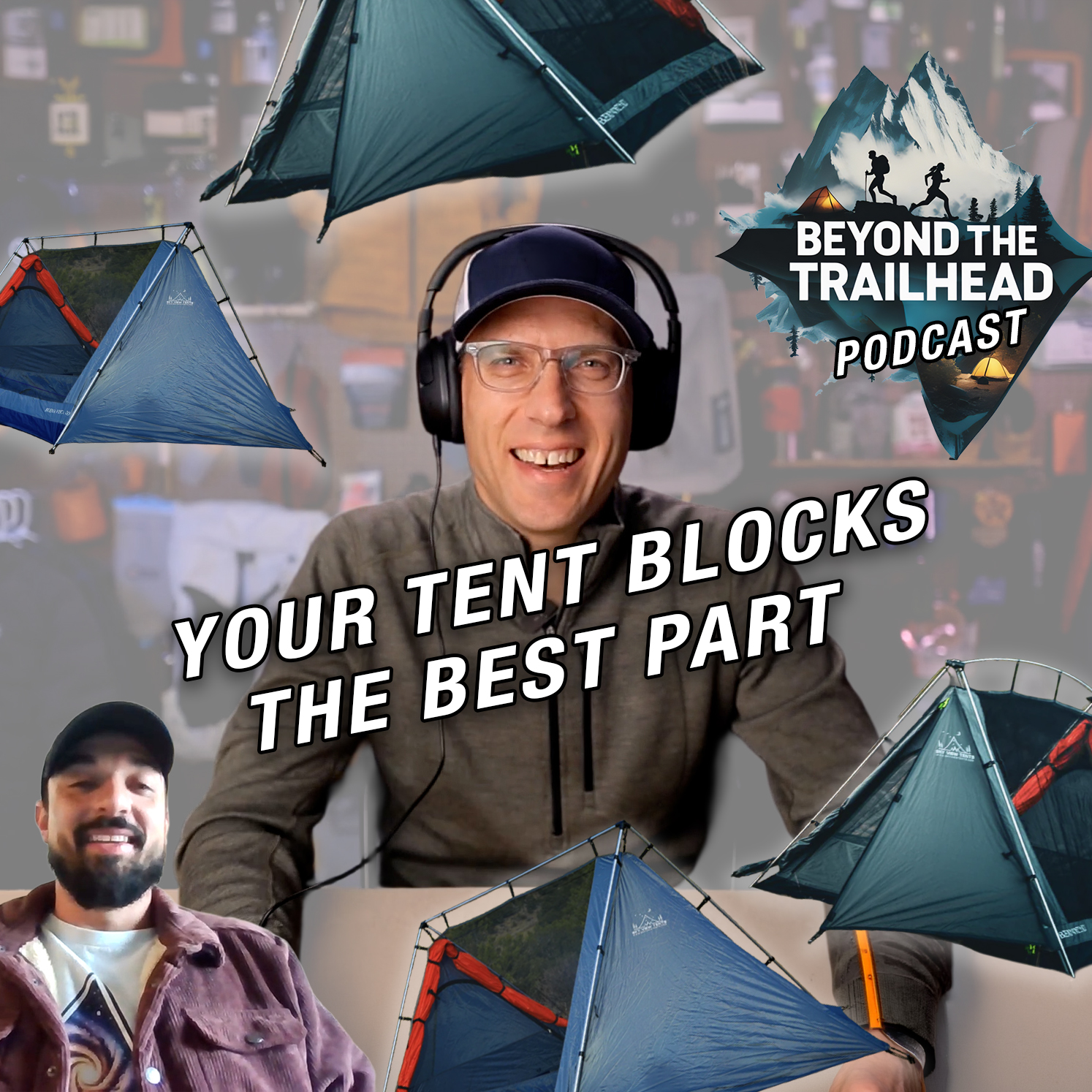
    Skyview Tents Founder Joe Bissonnette | Beyond the Trailhead Podcast Ep. 39

    In this episode of Beyond the Trailhead, I sit down with Joe Bissonnette, founder of Sky View Tents, a Colorado-based tent company building what Joe calls a true stargazing tent. Sky View Tents started from a simple frustration: Joe loved sleeping under the stars, but hated the usual rainfly problem. If you leave the fly off, you get the incredible open-sky experience — but you risk bugs, critters, wind, and a surprise 2 a.m. rainstorm. If you put the fly on, you stay protected — but you lose the stars. So Joe designed a tent with a patent-pending internal rainfly system that can be opened or closed from inside the tent in seconds. The result feels like cowboy camping, but with mesh protection, bug protection, and fast weather coverage when conditions change. We also dive into: • How Sky View Tents started from a late-night beach stargazing idea • Why Joe thought most “stargazing tents” were just normal tents • How the internal rainfly system works • Why clear mesh matters so much for the experience • The challenge of designing a tent that feels open but still handles weather • Why Gen 1 started as more of a fair-weather tent • How Gen 2 was tested in heavy Oregon coast rain and Buena Vista wind • The reality of sewing tents by hand while trying to run a business • Why Joe had to move from local production to factory production • The stress of raising money before the business ran out of cash • Why getting into stores could be huge for Sky View Tents This episode is full of invention, product design, startup stress, stargazing, tent talk, and honest lessons from a founder still deep in the grind. If you’ve ever stared at your rainfly and thought, “I wish I could see the sky right now,” this one is for you. Connect with Sky View Tents Website: https://skyviewtents.com Instagram: https://www.instagram.com/skyviewtents Facebook: https://www.facebook.com/skyviewtents LinkedIn: https://www.linkedin.com/company/skyviewtents YouTube: https://www.youtube.com/channel/UCxkkYqB79iQaiEZ-FJbtuZA TikTok: https://www.tiktok.com/@skyviewtents Listen to Beyond the Trailhead YouTube: https://youtube.com/@Beyondthetrailhead Apple Podcasts: https://podcasts.apple.com/us/podcast/beyond-the-trailhead/id1860050826 Spotify: https://open.spotify.com/show/11g9jx9Oyd2YSHipi0mmDy?si=72d97f11c5f64ea6 Instagram:https://www.instagram.com/beyondthetrailheadpodcast Website: https://obristimagery.com For those asking about safety gear we use outdoors you can get 15% off Overwatch x Rescue with code BEYOND15.

    • Transcript
  • #38
    July 7 · 43 min

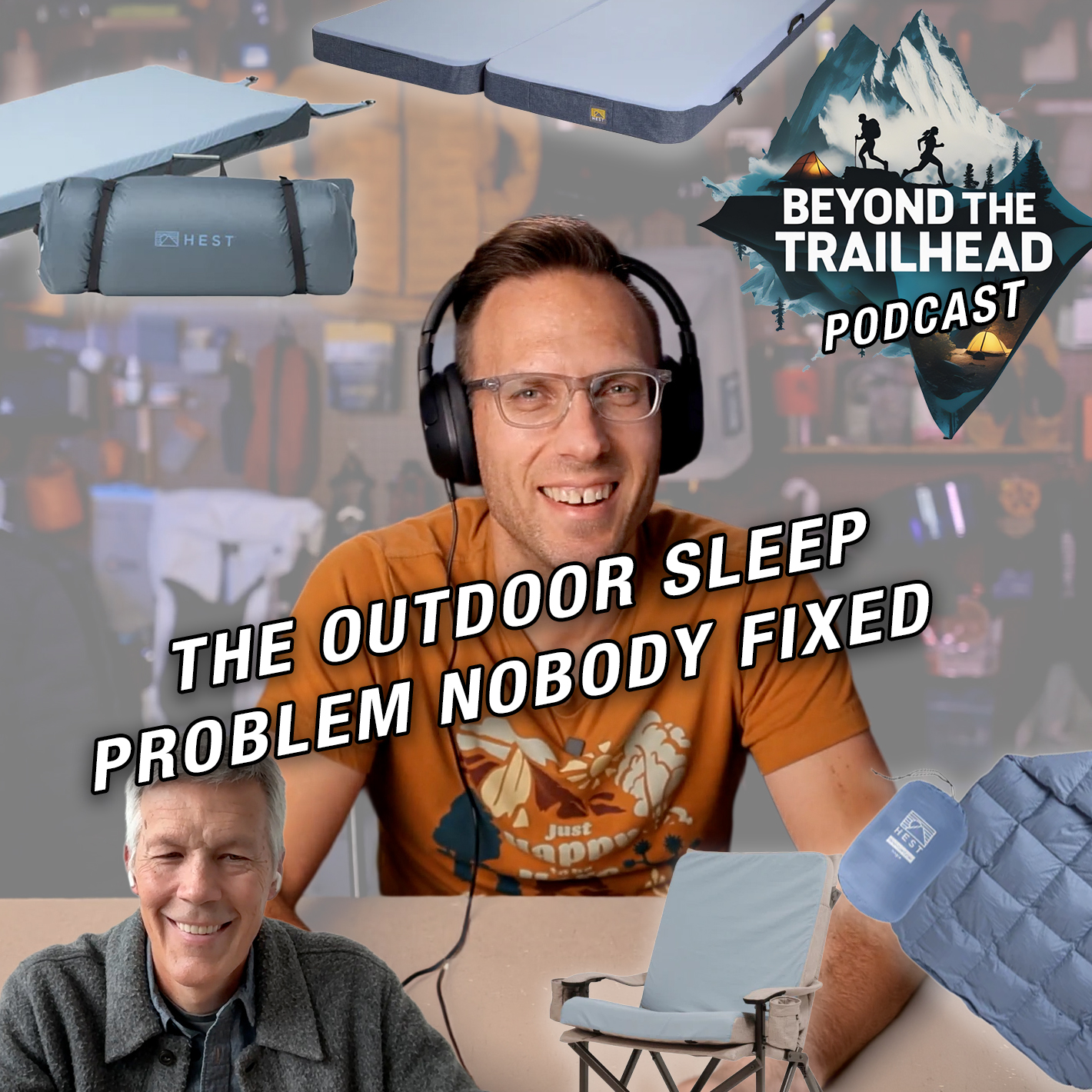
    Hest Founder and CEO Aaron Ambush | Beyond the Trailhead Podcast Ep. 38

    In this episode of Beyond the Trailhead, I sit down with Aaron Ambuske, founder and CEO of HEST, the outdoor comfort brand known for premium camping mattresses, pillows, chairs, and sleep systems built to make sleeping outside feel a lot more like sleeping at home. Aaron has been in the outdoor industry for more than 30 years, starting in Jackson Hole, working in product design, and eventually spending 18 years at K2 Skis, where he worked on skis, ski boots, poles, snowboards, and the full product development process. The idea for HEST came from a simple pain point: Aaron was getting ready for a river trip and dreading the usual air mattress routine — finding holes, figuring out how to pump it up, and knowing he probably wasn’t going to sleep well. That frustration led him to research what makes a home mattress comfortable: pressure point relief, body alignment, and temperature regulation. From there, HEST was born. We also dive into: • How HEST started from one real camping problem • Why air mattresses work for backpacking but not always for car camping • What outdoor brands can learn from home mattress design • Why Aaron believes prototypes matter more than focus groups • How HEST launched with only 75 sleep systems • Why customers pulling out a credit card is the real test • How REI discovered HEST early on • The difference between DTC and brick-and-mortar retail • Why cash flow can be one of the hardest parts of building a product brand • How HEST is helping people enjoy the outdoors through comfort This episode is packed with outdoor product design lessons, startup reality, camping comfort talk, and honest advice for anyone building a physical product brand. If you’ve ever woken up camping with a sore back, a deflated air mattress, or the thought “I love camping… but I hate sleeping out here,” this one is for you. 🛏️ Connect with HEST Website: https://hest.com Shop Mattresses: https://hest.com/pages/mattresses-collection Instagram: https://www.instagram.com/hestoutdoors Facebook: https://www.facebook.com/hestoutdoor Listen to Beyond the Trailhead YouTube: https://youtube.com/@Beyondthetrailhead Apple Podcasts: https://podcasts.apple.com/us/podcast/beyond-the-trailhead/id1860050826 Spotify: https://open.spotify.com/show/11g9jx9Oyd2YSHipi0mmDy?si=72d97f11c5f64ea6 Instagram:https://www.instagram.com/beyondthetrailheadpodcast Website: https://obristimagery.com For those asking about safety gear we use outdoors you can get 15% off Overwatch x Rescue with code BEYOND15.

    • Transcript
  • #37
    June 30 · 50 min

    Ripstop By The Roll Marketing Director Jameson MacFarland | Beyond the Trailhead Podcast Ep. 37

    In this episode of Beyond the Trailhead, I sit down with Jameson MacFarland, Marketing Director at Ripstop by the Roll, live from Switchback in New Orleans. If you’ve ever made your own gear, dreamed about starting a cottage brand, or wondered where small outdoor companies get technical fabrics like ripstop nylon, Dyneema®, X-Pac, mesh, webbing, and pack materials, there’s a good chance you’ve heard of Ripstop by the Roll. Jameson shares how Ripstop by the Roll started with DIY hammock makers who simply couldn’t find the fabric they wanted. What began with rolls of hammock fabric has grown into a company that helps everyone from backyard makers and MYOG hobbyists to outdoor brands designing custom materials for real production. We also dive into: • How Ripstop by the Roll started in the hammock camping world • Why hammock people might be the nerdiest gear people on earth • What “one yard to one million yards” really means • How small brands can prototype without buying massive fabric minimums • Why the right fabric can make or break a product • The difference between lab specs and real-world performance • What goes wrong when custom fabrics do not cooperate • The hilarious “bird’s nest” fabric development disaster • Why Ripstop helps makers choose what they need, not just what they want • How DIY makers and cottage brands keep pushing outdoor gear forward This episode is a fun look into the fabric side of the outdoor industry — the part most of us never think about until we start asking why one pack feels better, lasts longer, stretches differently, makes less noise, or handles weather better than another. If you’ve ever thought, “I could make that,” this one is for you. Connect with Ripstop by the Roll Website: https://ripstopbytheroll.com Instagram https://www.instagram.com/ripstopbytheroll/ Listen to Beyond the Trailhead YouTube: https://youtube.com/@Beyondthetrailhead Apple Podcasts: https://podcasts.apple.com/us/podcast/beyond-the-trailhead/id1860050826 Spotify: https://open.spotify.com/show/11g9jx9Oyd2YSHipi0mmDy?si=72d97f11c5f64ea6 Instagram:https://www.instagram.com/beyondthetrailheadpodcast Website: https://obristimagery.com For those asking about safety gear we use outdoors you can get 15% off Overwatch x Rescue with code BEYOND15. Don’t forget to: • Like 👍 and Subscribe 🔔 • Share this with your hiking crew Let’s go Beyond the Trailhead.

    • Transcript
Showing 1–20 of 28 episodes