Skip to content
Artwork for YaleCourses
EducationSociety & CulturePhilosophy

YaleCourses

YaleCourses

Yale's philosophy of teaching and learning begins with the aim of training a broadly based, highly disciplined intellect without specifying in advance how that intellect will be used. The Yale Courses channel provides entry into the core of the University--its classrooms and academic programs--including complete sets of lectures from the Open Yale Courses initiative. Complementary syllabi, transcripts, and other resources may also be accessed from the Open Yale Courses website listed below.

Links:
online.yale.edu: http://online.yale.edu

Play
  • 563 episodes
  • Avg 43 min
  • English
Counted on this page — what you have heard stays on this device, so it is not something the list can be paged by.
  • Today · 55 min

    America at 250: A History, DeVane Lecture, Class 4 - What Kind of Union?

    America at 250: A History. Class 4 “What Kind of Union?” Professor Joanne Freeman explains the role of states in the American Experiment. Recorded in Yale’s Battell Chapel. This one-time-only course examines U.S. history from 1776 to the present, in advance of the nation’s semiquincentennial (or 250th birthday) in 2026. Taught jointly by Professors Joanne Freeman, David Blight, and Beverly Gage, the course emphasizes the history of the nation-state and the contested nature of American national identity. All three scholars will deliver the course’s first and final lectures together, as an introduction and a wrap-up. In between, they will each deliver eight lectures individually based on their areas of expertise. Joanne Freeman, the Alan Boles, Class of 1929 Professor of History and American Studies, and an expert in the revolutionary and early national periods of American history, will cover the period from the Revolution up through the 1830s, touching on such topics as the birth of party politics, the nature of “Jacksonian democracy,” and the rise of the reform and protest movements. David Blight, Sterling Professor of History and African American Studies and one of the country’s foremost authorities on the history of slavery and the Civil War, will cover the Civil War era up through Reconstruction and the emergence of the Jim Crow laws. Beverly Gage, John Lewis Gaddis Professor of History, who is currently writing a book on the nation’s past to mark the 250th anniversary of the signing of the Declaration of Independence, will pick up in the 1890s and continue through the end of the 20th century, addressing debates around immigration, wealth inequality, and the creation of the social welfare state. The course explores U.S. political history broadly conceived–not just as a realm of presidents and elections and wars (though there will be plenty of those) but as a conversation across time between citizens about what the United States is, was, and was meant to be. It proceeds from the premise that the American Revolution was the first but not the last radical act of national reimagining in U.S. history. A copy of the course syllabus with required readings can be downloaded at the bottom of the page at this link: https://president.yale.edu/committees-programs/devane-lectures/america-at-250-a-history To view all the classes in the DeVane Lecture series, go to this playlist link: https://youtube.com/playlist?list=PLh9mgdi4rNezTQrY_6XMNBWaZqLRdgpoq&feature=shared Learn more about your ad choices. Visit megaphone.fm/adchoices

  • Today · 46 min

    14. Cardiovascular Physiology (cont.)

    Frontiers of Biomedical Engineering (BENG 100) Professor Saltzman describes the blood flow through the systemic and pulmonary circulatory system. More specifically, he describes, with the help of diagrams, the events that lead to blood flow in the body as a function of contraction/relaxation by specific chambers of the heart, and the effect of four valves which help direct flow. Important terms and concepts such as systole/diastole pressures, cardiac output (CO) as a function of heart rate (HR) and ejection volume (EV), and the action potential propagation that stimulates heart muscle contraction are discussed. 00:00 - Chapter 1. Review of Heart Anatomy and Physiology 04:13 - Chapter 2. Valves and the Generation of Pressure 15:26 - Chapter 3. The Cardiac Cycle 36:57 - Chapter 4. The Cardiac Conduction System and Conclusion Complete course materials are available at the Open Yale Courses website: http://open.yale.edu/courses This course was recorded in Spring 2008. Learn more about your ad choices. Visit megaphone.fm/adchoices

  • Today · 1 hr 3 min

    3. Foundations: Freud

    Introduction to Psychology (PSYC 110) This lecture introduces students to the theories of Sigmund Freud, including a brief biographical description and his contributions to the field of psychology. The limitations of his theories of psychoanalysis are covered in detail, as well as the ways in which his conception of the unconscious mind still operate in mainstream psychology today. 00:00 - Chapter 1. Sigmund Freud in a Historical Context 06:51 - Chapter 2. Unconscious Motivation: The Id, Ego and Superego 13:45 - Chapter 3. Personality Development and Psychosexual Development 20:32 - Chapter 4. Defense Mechanisms, the Aims of Psychoanalysis, Dreams 29:11 - Chapter 5. Question and Answer on Freud's Theories 32:55 - Chapter 6. Controversies and Criticisms on Freud's Theories 42:10 - Chapter 7. Examples of the Unconscious in Modern Psychology 51:55 - Chapter 8. Further Question and Answer on Freud Complete course materials are available at the Yale Online website: online.yale.edu This course was recorded in Spring 2007. Learn more about your ad choices. Visit megaphone.fm/adchoices

  • Today · 56 min

    8. Cell Communication and Immunology (cont.)

    Frontiers of Biomedical Engineering (BENG 100) Professor Saltzman continues his discussion of cell communication in the body, extending the description to the nervous and immune system. Professor Saltzman describes the mode of signal transmission in neurons: action potential in the axon, and neurotransmitter release at the synaptic cleft. He also introduces elements of the innate and adaptive immune system. The adaptive immune system is presented as a host/foreign antigen recognition system involving immune cells (T, B, and macrophages), antibodies, and the major histocompatibility complex 1 and 2. Immune response by cytotoxic T cells, T helper cells, and B cells to antigen recognition are discussed in detail. 00:00 - Chapter 1. Overview of the Nervous System 05:28 - Chapter 2. Cell Communication in the Nervous System 22:18 - Chapter 3. Overview of the Immune System 28:26 - Chapter 4. Immune System Responses against Foreign Hosts 40:24 - Chapter 5. Cytotoxic T-Cells and Antibodies Complete course materials are available at the Open Yale Courses website: http://open.yale.edu/courses This course was recorded in Spring 2008. Learn more about your ad choices. Visit megaphone.fm/adchoices

  • Today · 19 min

    Module 9 | Kendall Barbery on Growing GreenWave's Staff - Social Entrepreneurship Interview

    Have you ever wondered what it takes to scale a non-profit from a small startup to a multi-state organization shaping an entire industry? In this lesson, Kendall Barbery, Director of Partnerships and New Programming at GreenWave, shares her five-year journey with the non-profit, which supports regenerative ocean farmers. She discusses the organization's growth from a three-person team to nineteen staff across six states, the strategic shift from intensive one-on-one training to a broad online learning platform, and how they navigate the unique challenges of building a new, sustainable industry. 🎯 Learning Objectives • Understand the organizational growth and evolution of a non-profit. • Learn about strategies for scaling training programs from high-touch to online platforms. • Explore how an organization adapts its structure and hiring to meet expansion demands. • Discover the opportunities and challenges in shaping a nascent industry like regenerative ocean farming. • Recognize the value of hiring for skill sets and adaptability rather than solely industry-specific knowledge. 📚 About the Course Have you ever wondered what it would be like to create real change? You don't have to start your own organization to make a difference in the world. Everyone can learn the social entrepreneurship mindset and skillset to build social impact. In this course, you will immerse yourself in a social or environmental challenge you want to tackle. You'll start by researching your topic of choice, talking to people, and ideating a potential solution that you can contribute. Then, you'll build a business model around that solution, understanding concepts like measuring social change, ensuring financial viability, funding and pitching. This course is a safe space to experiment and explore. You'll be guided by a ten stage framework to help structure your journey. Along the way, you'll hear from social entrepreneurs around the world through case studies and campus conversations. These include Yale alumni, members of the New Haven community, and global changemakers. Everyone is welcome to join this course! You can apply your lived, learned, or professional experience to discover how you're going to make a difference. #SocialEntrepreneurship #YaleCourse #Impact #Changemakers #BusinessPlan #DesignThinking Learn more about your ad choices. Visit megaphone.fm/adchoices

  • Today · 13 min

    1005 | Amplifying Impact: Do's and Don'ts of Pitching and Communication - Social Entrepreneurship Course

    Have you ever wondered what truly makes a pitch or communication plan effective? In this lesson, we delve into the essential do's and don'ts of compelling communication and pitching, highlighting strategies to engage your audience, convey your message succinctly, and build genuine connections. From mastering body language to understanding the power of vulnerability, discover how to present your ideas with impact and inspire action. 🎯 Learning Objectives • Apply the "less is more" principle to make your pitches and communications concise and impactful. • Balance preparation with genuine conversation and audience connection. • Research and tailor your messaging to effectively engage diverse audiences. • Incorporate honesty, vulnerability, and a clear call to action into your communications. • Utilize positive framing and intentional body language to enhance your message. 📚 About the Course Have you ever wondered what it would be like to create real change? You don't have to start your own organization to make a difference in the world. Everyone can learn the social entrepreneurship mindset and skillset to build social impact. In this course, you will immerse yourself in a social or environmental challenge you want to tackle. You'll start by researching your topic of choice, talking to people, and ideating a potential solution that you can contribute. Then, you'll build a business model around that solution, understanding concepts like measuring social change, ensuring financial viability, funding and pitching. This course is a safe space to experiment and explore. You'll be guided by a ten stage framework to help structure your journey. Along the way, you'll hear from social entrepreneurs around the world through case studies and campus conversations. These include Yale alumni, members of the New Haven community, and global changemakers. Everyone is welcome to join this course! You can apply your lived, learned, or professional experience to discover how you're going to make a difference. 📺 Watch the full playlist on YouTube: https://www.youtube.com/playlist?list=PLh9mgdi4rNezbi0aRJeVnt99ynTVZG1PL 🎓 Enroll on Coursera for assessments and a certificate: https://online.yale.edu/courses/creating-change-through-social-entrepreneurship 🌐 Explore more learning opportunities on Yale Online: https://online.yale.edu/courses/creating-change-through-social-entrepreneurship #SocialEntrepreneurship #YaleCourse #Impact #Changemakers #BusinessPlan #DesignThinking Learn more about your ad choices. Visit megaphone.fm/adchoices

  • Today · 8 min

    03 Peter Boyd's Unique Path: How His Career Fuels Your Job Search with Purpose

    In this lesson, Peter Boyd introduces himself, sharing his extensive and non-linear career journey across consulting, corporate, non-profit, and government sectors. He explains how his diverse experiences, coupled with years of coaching hundreds of job seekers, led to the creation of this course. Peter also draws parallels between the mental and physical challenges of ultra-marathon running and the strategic mindset needed for a successful job hunt, emphasizing personal mission and purpose. 🎯 Learning Objectives • Understand the diverse professional background and coaching philosophy of instructor Peter Boyd • Identify the key experiences that shaped the creation of this job searching course • Recognize the parallels between ultra-marathon endurance and effective job search strategies • Grasp the instructor's personal mission for impactful leadership and career development 📚 About the Course: Navigating a career move can feel overwhelming in today’s dynamic job market. The Hunt offers a practical, structured framework to help you make your next job search intentional, effective, and purpose-driven. Whether you’re starting your career, seeking a new direction, or looking to advance, this course equips you with the tools to clarify your goals, sharpen your pitch, and connect authentically with others. Drawing on strategies tested with hundreds of students and professionals, the course emphasizes how to combine self-reflection, networking tactics, and storytelling to land opportunities that align with your values and strengths. By the end, you’ll walk away with a personalized one-page Hunt Dashboard to guide your ongoing career journey. 🎓 Enroll on Coursera for assessments and a certificate: https://www.coursera.org/learn/the-job-hunt 🌐 Explore more learning opportunities on Yale Online: https://online.yale.edu/ Learn more about your ad choices. Visit megaphone.fm/adchoices

  • Today · 13 min

    4.1 | Build Safer Medical Software: Mastering Quality Management Systems | Medical Software Course

    Why are Quality Management Systems essential for medical software? In this lesson, we delve into the critical role of Quality Management Systems (QMS) and risk management in medical software development. We explore the definition of a QMS, its importance in ensuring product safety and effectiveness, and how it serves as a rulebook for organizations. Discover the foundational international standards and regulatory guidelines, including ISO series, FDA regulations, and European MDR requirements, that govern best practices in this vital field. 🎯 Learning Objectives • Define Quality Management Systems (QMS) in the context of medical software. • Explain the importance of QMS in ensuring the safety and effectiveness of medical software. • Identify key international standards and regulatory bodies relevant to QMS for medical devices. • Summarize the core components and principles of an effective Quality Management System. Learn more about your ad choices. Visit megaphone.fm/adchoices

  • Yesterday · 5 min

    Faculty Spotlight: How Yale's Peter Boyd Helps You Hunt for Career Success

    Submitting your résumé is just step one. ✍️ But as Yale lecturer Peter Boyd reminds us, “It’s all about the human connections at the end of the day.” Peter is no stranger to guiding learners; his 2023 course, Connected Leadership, helped thousands strengthen their leadership toolkit. Now, in his new course, The Hunt: Job-Searching and Career-Building with Purpose, he turns to advancing your career toolkit. 💼 This Faculty Spotlight dives into why Peter created the course and how it can help you approach your job search with clarity, confidence, and purpose. Because The Hunt isn’t just about landing a job, it’s about searching with purpose. 👉 Explore The Hunt today at https://www.coursera.org/learn/the-job-hunt?utm_source=YALE&utm_medium=institutions&utm_campaign=2025-YouTube-Faculty-Spotlight #TheHunt #CareerGrowth #JobSearchTips #CareerToolkit #YaleOnline #OnlineLearning #CareerDevelopment #NewCourse #CareerJourney #LearnWithoutLimits Learn more about your ad choices. Visit megaphone.fm/adchoices
  • Yesterday · 14 min

    705 | Unlock Peak Performance: Operational Efficiency Secrets - Social Entrepreneurship Course

    Master operational efficiency for your social enterprise! This video dives into 10 crucial strategies to reduce costs, scale impact, and achieve financial viability, no matter your model. Learn how to define your core, standardize, digitize, and shorten the last mile for sustainable success. Boost your organization's performance today! 🎯 Learning Objectives • Analyze the importance of defining your core package and standardizing operations for scalability. • Discover how digitization can enhance efficiency and broaden your reach. • Identify strategies for shortening the last mile and fostering local leadership in your distribution model. • Appreciate the critical role of staying lean and leveraging existing channels for long-term financial viability. 📚 About the Course Have you ever wondered what it would be like to create real change? You don't have to start your own organization to make a difference in the world. Everyone can learn the social entrepreneurship mindset and skillset to build social impact. In this course, you will immerse yourself in a social or environmental challenge you want to tackle. You'll start by researching your topic of choice, talking to people, and ideating a potential solution that you can contribute. Then, you'll build a business model around that solution, understanding concepts like measuring social change, ensuring financial viability, funding and pitching. This course is a safe space to experiment and explore. You'll be guided by a ten stage framework to help structure your journey. Along the way, you'll hear from social entrepreneurs around the world through case studies and campus conversations. These include Yale alumni, members of the New Haven community, and global changemakers. Everyone is welcome to join this course! You can apply your lived, learned, or professional experience to discover how you're going to make a difference. 📺 Watch the full playlist on YouTube: https://www.youtube.com/playlist?list=PLh9mgdi4rNezbi0aRJeVnt99ynTVZG1PL 🎓 Enroll on Coursera for assessments and a certificate: https://online.yale.edu/courses/creating-change-through-social-entrepreneurship 🌐 Explore more learning opportunities on Yale Online: https://online.yale.edu/courses/creating-change-through-social-entrepreneurship #SocialEntrepreneurship #YaleCourse #Impact #Changemakers #BusinessPlan #DesignThinking Learn more about your ad choices. Visit megaphone.fm/adchoices

  • Yesterday · 1 hr 6 min

    10. Evolution, Emotion, and Reason: Evolution and Rationality

    Introduction to Psychology (PSYC 110) This lecture introduces students to the study of psychology from an evolutionary perspective, the idea that like the body, natural selection has shaped the development of the human mind. Prominent arguments for and against the theory of natural selection and its relationship to human psychology are reviewed. Students will hear several examples of how studying mental phenomenon from an evolutionary perspective can help constrain theories in psychology as well as explain many prevalent human instincts that underlie many of our most basic behaviors and decisions. 00:00 - Chapter 1. The Modern Biological Account of the Origin of Psychological Phenomena 13:35 - Chapter 2. Avoiding Misconceptions When Applying Evolutionary Theory to Psychology 22:38 - Chapter 3. Claims Against the Evolutionary Psychology 26:42 - Chapter 4. Ways in Which Evolution Helps Describe the Mind 39:43 - Chapter 5. Heuristics: Framing Effects, Base Rates, Availability Bias and Confirmation Bias Complete course materials are available at the Yale Online website: online.yale.edu This course was recorded in Spring 2007. Learn more about your ad choices. Visit megaphone.fm/adchoices

  • Yesterday · 1 hr 12 min

    13. Why Are People Different?: Differences

    Introduction to Psychology (PSYC 110) Why are people different from one another? This lecture addresses this question by reviewing the latest theories and research in psychology on two traits in particular: personality and intelligence. Students will hear about how these traits are measured, why they may differ across individuals and groups, and whether they are influenced at all by one's genes, parents or environment. 00:00 - Chapter 1. Personality, Intelligence and Determining Difference 13:53 - Chapter 2. Measuring Personality with "The Big Five" 19:47 - Chapter 3. Defining and Measuring Intelligence 30:29 - Chapter 4. Question and Answer on Personality and Intelligence 36:32 - Chapter 5.The Roles of Genes and Environment in Explaining Human Differences 51:16 - Chapter 6. Genes, Environment and Intelligence Complete course materials are available at the Yale Online website: online.yale.edu This course was recorded in Spring 2007. Learn more about your ad choices. Visit megaphone.fm/adchoices
  • Yesterday · 10 min

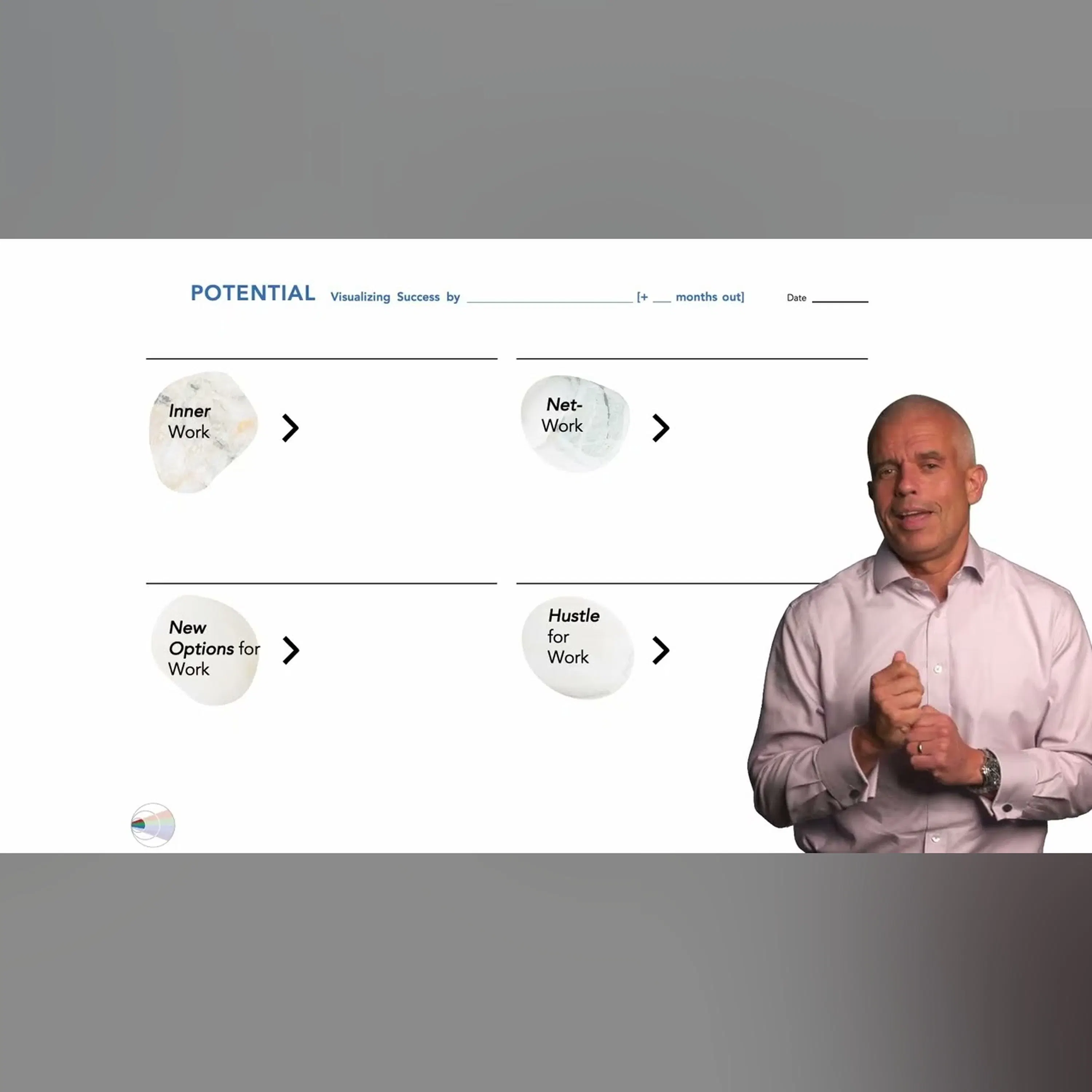
    406 | How Hippocampus Learning Centers Scaled Their Social Impact - Social Entrepreneurship Course

    In this lesson, explore the case study of Hippocampus Learning Centers, an Indian social enterprise providing high-quality, low-cost early learning. Discover how its founder, Umesh Malhotra, identified a critical education gap and innovated across multiple levels—product, operations, revenue, and distribution—to design a scalable and sustainable solution, continuously adapting to challenges and external cues. 🎯 Learning Objectives • Analyze the problem identification and solution design process of a social enterprise using the Hippocampus Learning Centers case study. • Identify how the AAAQ checklist was applied to ensure the accessibility, acceptability, and quality of early learning services. • Explain the multi-level innovation strategies employed by Hippocampus Learning Centers across product, operations, revenue, and distribution. • Understand the importance of continuous iteration and adaptation for scaling social ventures effectively. 📚 About the Course Have you ever wondered what it would be like to create real change? You don't have to start your own organization to make a difference in the world. Everyone can learn the social entrepreneurship mindset and skillset to build social impact. In this course, you will immerse yourself in a social or environmental challenge you want to tackle. You'll start by researching your topic of choice, talking to people, and ideating a potential solution that you can contribute. Then, you'll build a business model around that solution, understanding concepts like measuring social change, ensuring financial viability, funding and pitching. This course is a safe space to experiment and explore. You'll be guided by a ten stage framework to help structure your journey. Along the way, you'll hear from social entrepreneurs around the world through case studies and campus conversations. These include Yale alumni, members of the New Haven community, and global changemakers. Everyone is welcome to join this course! You can apply your lived, learned, or professional experience to discover how you're going to make a difference. 📺 Watch the full playlist on YouTube: https://www.youtube.com/playlist?list=PLh9mgdi4rNezbi0aRJeVnt99ynTVZG1PL 🎓 Enroll on Coursera for assessments and a certificate: https://online.yale.edu/courses/creating-change-through-social-entrepreneurship 🌐 Explore more learning opportunities on Yale Online: https://online.yale.edu/courses/creating-change-through-social-entrepreneurship #SocialEntrepreneurship #YaleCourse #Impact #Changemakers #BusinessPlan #DesignThinking Learn more about your ad choices. Visit megaphone.fm/adchoices

  • Yesterday · 10 min

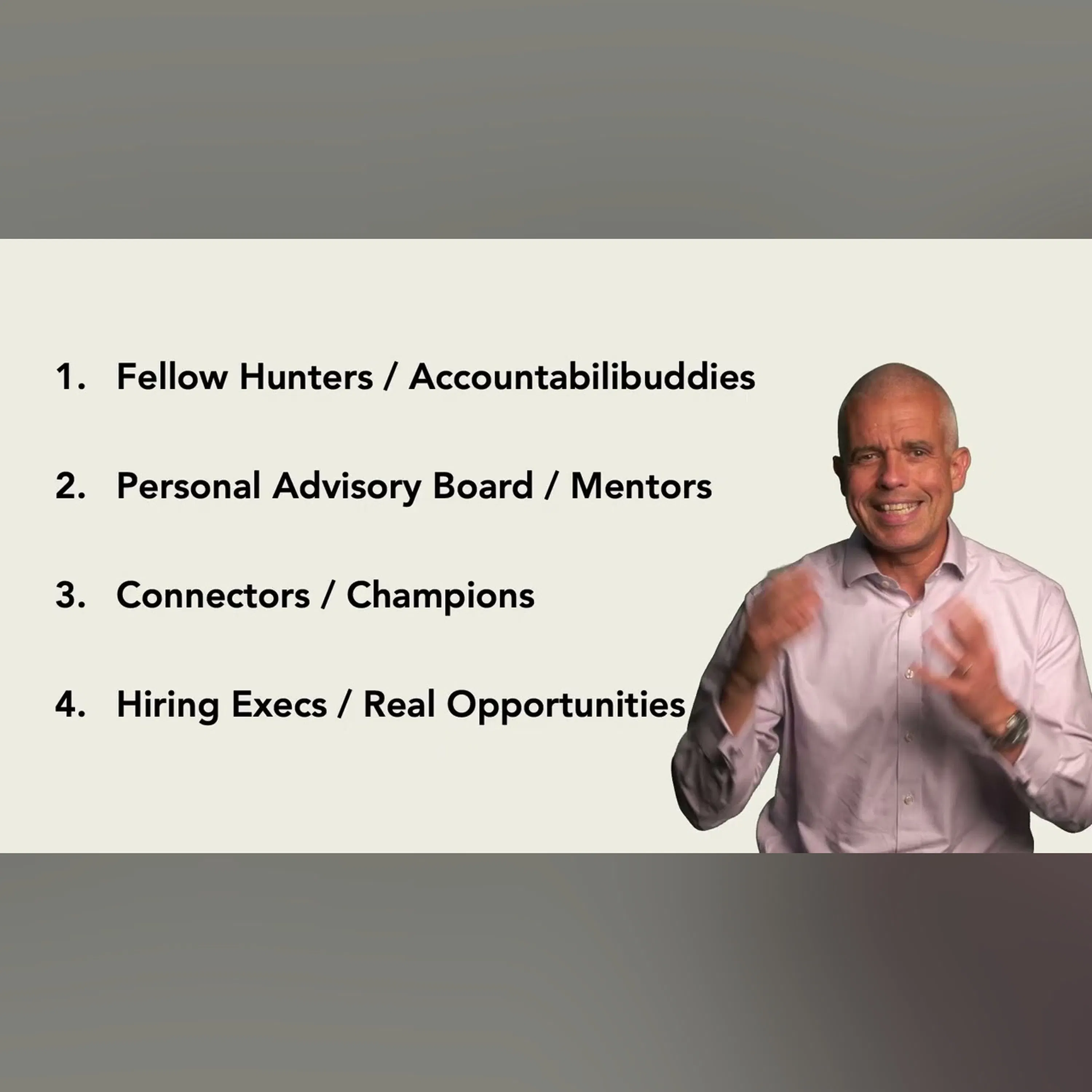
    15 Set PQRST Goals: Visualize Your Job Search Success - Job Searching with Purpose

    Ready to unlock your full job search potential? In this lesson, we dive into Module 4: Potential, exploring how to visualize your desired future by setting motivating and effective goals for your job hunt. Learn to apply the PQRST framework – Past tense, Quantitative & Qualitative, Realistic & Stretchy, and Toastable – to craft actionable goals that focus on the effort and process, rather than solely on outcomes, ensuring you stay focused and driven towards landing your next great role. 🎯 Learning Objectives • Understand the PQRST framework for setting effective job search goals. • Learn to formulate goals in the past tense to visualize future achievement. • Incorporate both quantitative and qualitative measures into your job search objectives. • Set goals that are both realistic and stretchy to encourage growth. • Craft "toastable" goals that celebrate milestones and maintain motivation. 📚 About the Course: Navigating a career move can feel overwhelming in today’s dynamic job market. The Hunt offers a practical, structured framework to help you make your next job search intentional, effective, and purpose-driven. Whether you’re starting your career, seeking a new direction, or looking to advance, this course equips you with the tools to clarify your goals, sharpen your pitch, and connect authentically with others. Drawing on strategies tested with hundreds of students and professionals, the course emphasizes how to combine self-reflection, networking tactics, and storytelling to land opportunities that align with your values and strengths. By the end, you’ll walk away with a personalized one-page Hunt Dashboard to guide your ongoing career journey. 🎓 Enroll on Coursera for assessments and a certificate: https://www.coursera.org/learn/the-job-hunt 🌐 Explore more learning opportunities on Yale Online: https://online.yale.edu/ Learn more about your ad choices. Visit megaphone.fm/adchoices
  • Yesterday · 1 hr 16 min

    9. Evolution, Emotion, and Reason: Love (Guest Lecture by

    Introduction to Psychology (PSYC 110) Guest lecturer Peter Salovey, Professor of Psychology and Dean of Yale College, introduces students to the dominant psychological theories of love and attraction. Specific topics include the different types of love, the circumstances that predict attraction, and the situations where people mistakenly attribute arousal for love. 00:00 - Chapter 1. Introduction to Dr Peter Salovey 01:41 - Chapter 2. Defining Love and Its Permutations 16:22 - Chapter 3. The Social Psychology of Love and Attraction 43:53 - Chapter 4. Misattribution for the Causes of Arousal 01:03:46 - Chapter 5. Question and Answer Complete course materials are available at the Yale Online website: online.yale.edu This course was recorded in Spring 2007. Learn more about your ad choices. Visit megaphone.fm/adchoices

  • Yesterday · 10 min

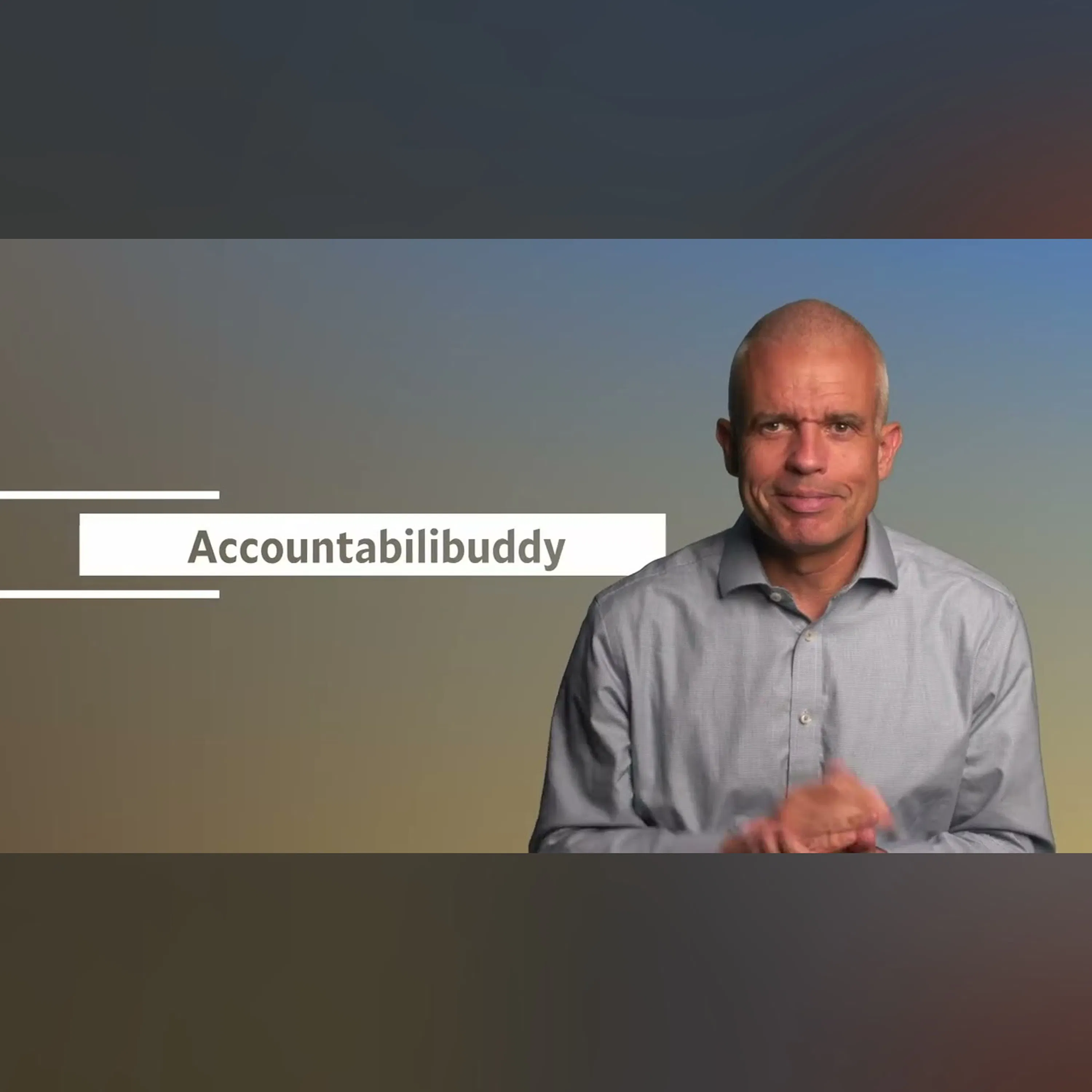
    16 Build Your Powerful Job Search Crew with a Stakeholder Matrix | Job Searching with Purpose

    Have you ever considered the true power of your network in your job search? In this lesson, we explore how to intentionally identify and leverage a diverse "crew" of supporters, from accountability partners and personal advisory boards to connectors and even hiring executives. You'll learn how to map these crucial relationships on a stakeholder matrix, transforming your job hunt from a solitary journey into a collaborative, strategic endeavor. 🎯 Learning Objectives • Identify and categorize your "crew" for job searching, including fellow hunters, advisory board members, and connectors • Understand the strategic value of building a diverse support network for accountability and guidance • Learn how to plot your stakeholders on an influence-support matrix to visualize your network • Develop strategies to engage effectively with supportive stakeholders and manage potential detractors 📚 About the Course: Navigating a career move can feel overwhelming in today’s dynamic job market. The Hunt offers a practical, structured framework to help you make your next job search intentional, effective, and purpose-driven. Whether you’re starting your career, seeking a new direction, or looking to advance, this course equips you with the tools to clarify your goals, sharpen your pitch, and connect authentically with others. Drawing on strategies tested with hundreds of students and professionals, the course emphasizes how to combine self-reflection, networking tactics, and storytelling to land opportunities that align with your values and strengths. By the end, you’ll walk away with a personalized one-page Hunt Dashboard to guide your ongoing career journey. 🎓 Enroll on Coursera for assessments and a certificate: https://www.coursera.org/learn/the-job-hunt 🌐 Explore more learning opportunities on Yale Online: https://online.yale.edu/ Learn more about your ad choices. Visit megaphone.fm/adchoices

  • Yesterday · 15 min

    20 Master Informational Interviews to Land Your Dream Role — Job Searching with Purpose

    Are you struggling to connect with industry leaders? In this lesson, Teresa Chahine shares her highly effective, systematic approach to informational interviews, detailing a precise email formula, follow-up strategies, and best practices for conducting the interview itself, all designed to help you explore career paths and build meaningful relationships without coming across as transactional. 🎯 Learning Objectives • Master a proven three-sentence email formula for requesting informational interviews. • Implement effective follow-up strategies to increase response rates. • Conduct engaging informational interviews by asking thoughtful questions and building genuine connections. • Utilize the "snowball method" to continuously expand your professional network. • Adopt a mindset of curiosity and humility in all networking interactions. 📚 About the Course: Navigating a career move can feel overwhelming in today’s dynamic job market. The Hunt offers a practical, structured framework to help you make your next job search intentional, effective, and purpose-driven. Whether you’re starting your career, seeking a new direction, or looking to advance, this course equips you with the tools to clarify your goals, sharpen your pitch, and connect authentically with others. Drawing on strategies tested with hundreds of students and professionals, the course emphasizes how to combine self-reflection, networking tactics, and storytelling to land opportunities that align with your values and strengths. By the end, you’ll walk away with a personalized one-page Hunt Dashboard to guide your ongoing career journey. 🎓 Enroll on Coursera for assessments and a certificate: https://www.coursera.org/learn/the-job-hunt 🌐 Explore more learning opportunities on Yale Online: https://online.yale.edu/ Learn more about your ad choices. Visit megaphone.fm/adchoices
  • Yesterday · 54 min

    20. The Good Life: Happiness

    Introduction to Psychology (PSYC 110) The last lecture in the course wraps up the discussion of clinical psychology with a discussion of treatment efficacy. Does therapy actually work? Professor Bloom summarizes the different types of influences that clinical interventions might have on people who receive therapy. Professor Bloom ends with a review of one of the most interesting research topics in "positive psychology," happiness. What makes us happy? How does happiness vary across person and culture? What is happiness for? Students will hear how the most recent research in psychology attempts to answer these questions and learn how people are surprisingly bad at predicting what will make them happiest. 00:00 - Chapter 1. How and Why Therapy Works 07:48 - Chapter 2. Question and Answer on Therapy 11:16 - Chapter 3. Happiness and Positive Psychology 18:58 - Chapter 4. Getting Used to Happiness 42:41 - Chapter 5. Closing Remarks Complete course materials are available at the Yale Online website: online.yale.edu This course was recorded in Spring 2007. Learn more about your ad choices. Visit megaphone.fm/adchoices

  • Yesterday · 9 min

    10 Boost Your Mindset: Confidence, Humility and Self-Affirmation | Job Searching with Purpose

    Is your mindset truly set for job search success? In this lesson, we delve into the essential elements of a powerful job search mindset: grounded confidence, profound humility, consistent self-affirmation, and the crucial 'next play focus'. Discover how these practices can help you navigate challenges, remain open to opportunities, and ultimately secure meaningful work by understanding and affirming your own worth while staying resilient. 🎯 Learning Objectives • Understand the difference between grounded confidence and hubris, and how it impacts your job search. • Cultivate humility as a tool for continuous learning and openness to new opportunities. • Practice self-affirmation techniques to recognize your value and maintain motivation. • Adopt a 'next play focus' mindset to effectively rebound from setbacks and stay resilient. 📚 About the Course: Navigating a career move can feel overwhelming in today’s dynamic job market. The Hunt offers a practical, structured framework to help you make your next job search intentional, effective, and purpose-driven. Whether you’re starting your career, seeking a new direction, or looking to advance, this course equips you with the tools to clarify your goals, sharpen your pitch, and connect authentically with others. Drawing on strategies tested with hundreds of students and professionals, the course emphasizes how to combine self-reflection, networking tactics, and storytelling to land opportunities that align with your values and strengths. By the end, you’ll walk away with a personalized one-page Hunt Dashboard to guide your ongoing career journey. 🎓 Enroll on Coursera for assessments and a certificate: https://www.coursera.org/learn/the-job-hunt 🌐 Explore more learning opportunities on Yale Online: https://online.yale.edu/ Learn more about your ad choices. Visit megaphone.fm/adchoices

  • Yesterday · 53 min

    5. Poetry and Marriage

    Milton (ENGL 220) This second lecture on Milton's masque probes its complex depictions of virginity and chastity. The version of the masque performed in 1634 is compared with the published version of 1637, with particular emphasis on a monologue on the vanquishing powers of virginity that is created for the latter. The poet's commonplace book, specifically his notes on the self-mutilation of the medieval nuns of Coldingham, is linked to images of the body in the masque. Milton's gradual revision of his initial position favoring life-long virginity is described in detail. 00:00 - Chapter 1. Milton on Virginity, Chastity and the Threat of Rape 11:14 - Chapter 2. A Note on Chastity 16:56 - Chapter 3. Comus and the Lady: The Tension between Virginity and Chastity Complete course materials are available at the Open Yale Courses website: http://open.yale.edu/courses This course was recorded in Fall 2007. Learn more about your ad choices. Visit megaphone.fm/adchoices

Showing 1–20 of 563 episodes