Skip to content
Artwork for What’s Up, Wake
Society & CulturePlaces & TravelLeisure

What’s Up, Wake

The Publishers of Cary Magazine, Wake Living, and Main & Broad

What’s Up, Wake covers the people, places, restaurants, and events of Wake County, North Carolina. Through conversations with local personalities from business owners to town staff and influencers to volunteers, we’ll take a closer look at what makes Wake County an outstanding place to live. Presented by Cherokee Media Group, the publishers of local lifestyle magazines Cary Magazine, Wake Living, and Main & Broad, What’s Up, Wake covers news and happenings in Raleigh, Cary, Morrisville, Apex, Holly Springs, Fuquay-Varina, and Wake Forest.

Play
  • 22 episodes
  • weekly
  • Avg 35 min
  • English
Counted on this page — what you have heard stays on this device, so it is not something the list can be paged by.
  • #79
    Thursday · 41 min

    Fresh Catch: The NC Seafood Festival and Local Industry

    North Carolina Seafood: Local Shrimp, Trawling Debate (HB 442) & the NC Seafood Festival Sponsored in Part by Bloomin’ Blinds Raleigh, we dive into North Carolina’s commercial fishing industry with Amy McCullough of NC Catch. Amy explains NC Catch’s consumer education mission, its statewide chef ambassadors, and how to identify real local seafood by asking questions and looking for menu details. She highlights North Carolina shrimp varieties and seasons, the importance of fishing to coastal economies and multigenerational families, and discusses the controversy around House Bill 442, which proposed restricting inshore shrimp trawling where much of the shrimp is caught; she argues trawling is already highly regulated, and bycatch claims are often outdated. Melissa also interviews Nick Eatman, executive director of the North Carolina Seafood Festival in Morehead City, about the 40th festival, its focus on North Carolina-only seafood, educational tents, Fisherman’s Village, and the Blessing of the Fleet memorial. 00:00 Welcome and Sponsors 01:30 Episode Preview NC Seafood 02:39 Meet NC Catch 04:30 What Counts as Local 06:01 NC Shrimp Seasons 08:54 Fishing Heritage Impact 10:28 House Bill 442 Explained 12:13 Trawling Facts and Gear 17:43 Why It Matters Next 19:31 Commercial vs Recreational 20:23 Seafood Festival Education 22:10 Chef Demos and Dinners 22:55 Favorite Seafood Picks 23:54 Whole Fish Confidence 26:03 Oysters and Terroir 26:59 Wrap Up and Resources 27:41 Meet Nick Eatman 30:21 What Makes It Special 33:17 Local Seafood Only 34:37 Fishermans Village Tours 35:59 Blessing of the Fleet 37:22 Supporting Fishing Families 38:15 Festival Challenges Today 39:26 Final Thanks and Signoff

    • Transcript
  • #78
    September 17 · 36 min

    Dig in: Backyard-to-Table Tips from Corinne Beirne of The Nourished Garden

    Episode 78 of What’s Up Wake explores the world of kitchen gardening with Corinne Beirne, founder of The Nourished Garden. Corinne shares how she went from growing herbs on her back porch to helping others create beautiful, productive gardens that fit into everyday life. Melissa and Corinne discuss beginner-friendly herbs and vegetables, raised beds, seasonal gardening in Wake County, growing food in small spaces, and why gardeners should focus on growing what they actually eat. They also explore the mental benefits of gardening, including patience, resilience, mindfulness, and the importance of spending time outside. Corinne also shares her experiences being featured in Martha Stewart, her work teaching gardening workshops, and how she helps people get started with their own kitchen gardens. Her biggest advice for new gardeners is simple: start small, find a sunny space, and grow what you love. 00:00 Show Intro Sponsor 00:06 Smart Blinds Pitch 00:39 Woodworking Sponsor Spot 01:30 Why Grow Your Food 02:36 Meet Corinne Byrne 02:59 Nourished Garden Origin 04:45 What Is Kitchen Garden 06:16 Start Any Space 08:08 Beginner Herbs Veggies 09:40 Workshops Garden Coaching 11:47 Watering Systems Timing 12:23 Fall Cool-Season Crops 14:22 Lettuce Seed Starts 15:12 Winter Harvest Herbs 19:08 Raised Beds Vs Ground 20:05 Soil Compost Basics 20:59 Hydroponics Basics 22:17 Indoor Gardening Options 22:45 Gardening Mindset Shift 24:54 Wellness Through Ritual 27:23 Kids Learning From Gardens 28:34 Start Small Garden Tips 29:58 Harvesting Carrots Right 31:28 Martha Stewart Feature 32:46 Rosemary Migraine Remedy 34:00 Where To Find Her Find Corinne & The Nourished Garden Website: www.thenourishedgarden.com Instagram: @the_nourished_garden

    • Transcript
  • #77
    September 10 · 31 min

    Feeding NC: Amy Beros of Food Bank of Central and Eastern North Carolina Fights to End Hunger

    In this episode of What's Up Wake, Melissa sits down with Amy Beros, President and CEO of the Food Bank of Central and Eastern North Carolina, to discuss hunger and food insecurity across the region. Amy shares the story of how the Food Bank began in 1980 with Barbara Oates and a small group of volunteers, growing from a card table and phone in a Cary garage into an organization serving 34 counties through six locations. She explains how rising grocery, housing, healthcare, and transportation costs are affecting working families, seniors, and children, and why food insecurity is often much closer to home than people realize. The conversation also takes listeners behind the scenes of the Food Bank's complex logistics, from moving 100 million pounds of food each year to working with grocery stores, farmers, manufacturers, schools, and community partners. Amy explains how donations such as Food Lion's contributions, locally grown produce, and even unexpected truckloads of strawberries and eggs can quickly make their way into communities that need them. Melissa and Amy also discuss the stigma surrounding food insecurity, the importance of providing food with dignity, and the challenges of transportation and access in both urban and rural communities. With September being Hunger Action Month, Amy shares ways people can get involved through volunteering, donating, and advocacy, including the Food Bank's Plate It Forward campaign and other community initiatives. 00:00 Bloomin' Blinds Raleigh 00:32 Local Sponsor Spotlight 01:24 Hunger Conversation Begins 02:32 Food Bank Origin Story 04:52 Amy’s Path to Service 05:43 Rising Hunger Crisis 07:08 Kids and School Meals 09:22 Schools and College Pantries 10:07 Inside Food Bank Logistics 13:41 Access and Transportation Barriers 17:01 Farmers and Food Partnerships 19:02 Stigma and Misconceptions 22:05 How You Can Help 24:35 Advocacy and SNAP 26:06 Service Area and Rural Challenges 28:10 Hunger Action Month 29:04 Hope and Youth Leadership 30:30 Get Involved and Closing foodbankcenc.org

    • Transcript
  • #76
    September 3 · 38 min

    Exploring Wake County Magnet Schools With Dr. Mariah Walker & Tamani Powell

    In this episode of What’s Up, Wake, host Melissa Wistehuff sits down with two women helping shape education in Wake County: Dr. Mariah Walker, principal of Wake Young Women’s Leadership Academy and the 2026 Wells Fargo North Carolina Principal of the Year, and Tamani Anderson Powell, director of marketing and recruitment for Wake County Public School System’s magnet programs. Both have also been recognized as Women of Western Wake honorees. They explain what makes Wake County’s magnet schools different, from leadership and STEM to visual and performing arts, International Baccalaureate programs, language immersion, early college opportunities, and specialized learning environments. Dr. Walker shares how Wake Young Women’s Leadership Academy combines leadership development with early college opportunities, allowing students to earn up to 60 college credits at no cost through its partnership with Shaw University. Many graduates can enter college academically positioned as sophomores or juniors. Tamani breaks down how magnet schools work for Wake County families, including base schools, applications, the weighted selection process, and why choosing a school should be about finding the environment where an individual student can thrive — not simply choosing the program a parent thinks sounds best. 00:00 Smart Shades Intro 00:32 Local Sponsor Spots 01:25 Show Opens 01:48 Meet The Guests 02:41 Mariah Background 06:00 Tamani Background 08:05 Principal Of The Year 11:02 Leadership Advice 14:37 Women Of Western Wake 15:12 Wake YWLA Explained 16:56 Early College Credits 20:22 What Magnet Means 23:32 Magnet Logistics Basics 24:15 Choosing Magnet Schools 25:14 Lottery and Student Fit 27:29 Magnet Themes Explained 28:08 IB and Immersion Options 30:20 College and Career Prep 35:06 Tours and Info Sessions 36:53 Final Thanks and Wrap

    • Transcript
  • #75
    August 27 · 34 min

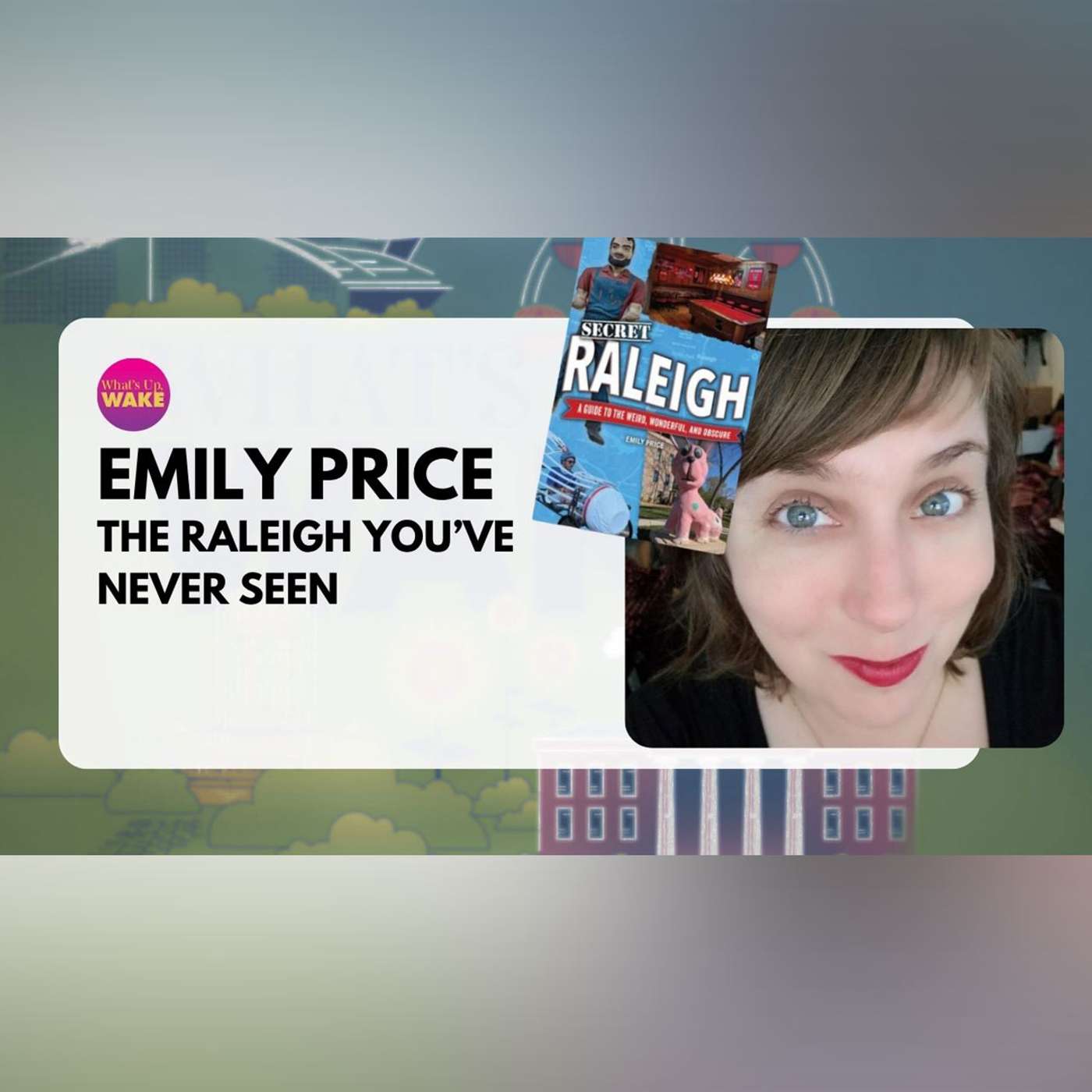
    The Raleigh You've Never Seen: A Secret Guide to the City with Emily Price

    Secret Raleigh with Emily Price: Hidden Gems, Ghost Stories & Lost Landmarks Melissa interviews Emily Price, author of “Secret Raleigh: A Guide to the Weird, Wonderful and Obscure,” about unusual and mysterious places around Raleigh. Price explains her love of weird history and how she researched multiple versions of local legends using the North Carolina Archives and old newspapers. She shares crowd-pleasing finds like one of the first electric guitars being made at NC State, the pink dog remnant of Gotno Farm behind Preservation NC on Oberlin Road, and haunted lore including the Heck-Andrews House and a reportedly haunted room in the governor’s mansion. The conversation also covers Hargett Street’s “Black Main Street,” Bloomsbury Park’s former rides and carousel now at Pullen Park, and recommendations like downtown wandering, the Muffler Man landmark, and visiting Raleigh Times. 00:00 Sponsor Messages 01:44 Meet Emily Price 03:05 Why Raleigh Secrets 04:48 Fact Checking Legends 05:59 Crowd Pleasers 07:00 Cut Stories Food Focus 08:33 Gotno Farm Pink Dog 10:14 Hotels Taverns History 14:28 Pretty Places Waterfall 18:00 Ghost Stories Begin 19:04 Haunted House Update 19:48 Raleigh Ghost Stories 20:46 Black Main Street History 24:00 Bloomsbury Park Rides 26:40 Pullen Park Zoo Tales 28:21 Future North Carolina Book 29:14 Lightning Round Favorites 32:56 Where to Buy Secret Raleigh

    • Transcript
  • #74
    August 20 · 25 min

    From Shelters to Forever Homes: Highlighting Wake SPCA with Kim Janzen

    SPCA of Wake County: Rescue Stories, Affordable Vet Care & the New Peggy Garner Britt Resource Center This episode features Kim Janzen, president and CEO of the SPCA of Wake County, discussing the organization’s mission, funding, and evolving approach to animal welfare. Kim explains that SPCA of Wake County is not affiliated with the ASPCA and is funded primarily by private donations and fees for service. She shares how the shelter has shifted in recent years toward supporting “the other end of the leash” by helping families keep pets at home, especially as veterinary costs rise and financially driven surrenders increase. The conversation covers misconceptions about shelter animals, trends showing more cats than dogs entering shelters, and the SPCA’s intake of animals from 58 rural counties to prevent unnecessary euthanasia. Kim highlights expanded low-cost spay/neuter services and the new 47,000-square-foot Peggy Garner Britt Resource Center in South Raleigh, and outlines ways to help through adopting, donating, volunteering, fostering, and birthday donation drives. 00:00 Sponsor Ting Internet 00:30 Local Woodworking Sponsor 00:45 Cary Car Care Sponsor 01:44 Meet SPCA Wake Leader 03:13 Kim’s Path to SPCA 03:36 Mission and Funding 04:25 No Typical Day 04:51 How SPCA Evolved 06:18 Shelter Misconceptions 08:51 Adoption Trends and Costs 10:46 Beyond Cats and Dogs 13:25 Rescue Story Spotlight 15:15 Spay Neuter Programs 16:55 Why Adopt First 17:15 Finding the Right Match 18:59 Ways to Support SPCA 20:07 Volunteers and Fosters 20:53 New Resource Center Tour 22:28 How You Can Help Now 23:09 Hope and Closing

    • Transcript
  • #73
    August 13 · 31 min

    Lazy Daze: Cary's Premier Summer Festival with Jenna Kostka

    50th Annual Lazy Days Arts & Crafts Festival in Cary: What to Expect + Insider Tips The episode spotlights Cary’s 50th annual Lazy Daze Arts and Crafts Festival, a two-day downtown event that draws about 50,000 visitors and features 250+ juried artist booths, live music, food, family activities, and more. Host interviews Jenna Kostka, the Town of Cary’s festival and events supervisor, about the festival’s origins (named for the “lazy days of summer” by founder Jerry Miller), the juried artist selection process (500 applicants for just over 250 spots), and what makes the festival unique, including four stages, a beer garden with local breweries, Kid Daze programming, and the Kid Collectors Market for ages 6–12. Jenna shares planning details, Sunday’s sensory-friendly first two hours, and how to prepare using carync.gov/lazydaze and @caryartdaze. 00:00 Welcome to Lazy Daze 02:40 Meet Jenna Kostka 04:00 Festival Scale and Name 05:21 What to Expect 06:06 How Artists Are Chosen 07:22 Beyond Art Kids and Music 09:07 Kid Collectors Market 10:34 Planning and Logistics 18:01 Volunteers and Chaos 19:45 Festival Mishaps and Weather 21:07 Why Lazy Daze Stands Out 22:34 Best Food Picks 23:53 Pro Tips and Sunday Calm 26:03 Beer Garden and Lounge 27:03 Anniversary and New Artists 29:49 Dates, Links, and Farewell

    • Transcript
  • #72
    August 6 · 32 min

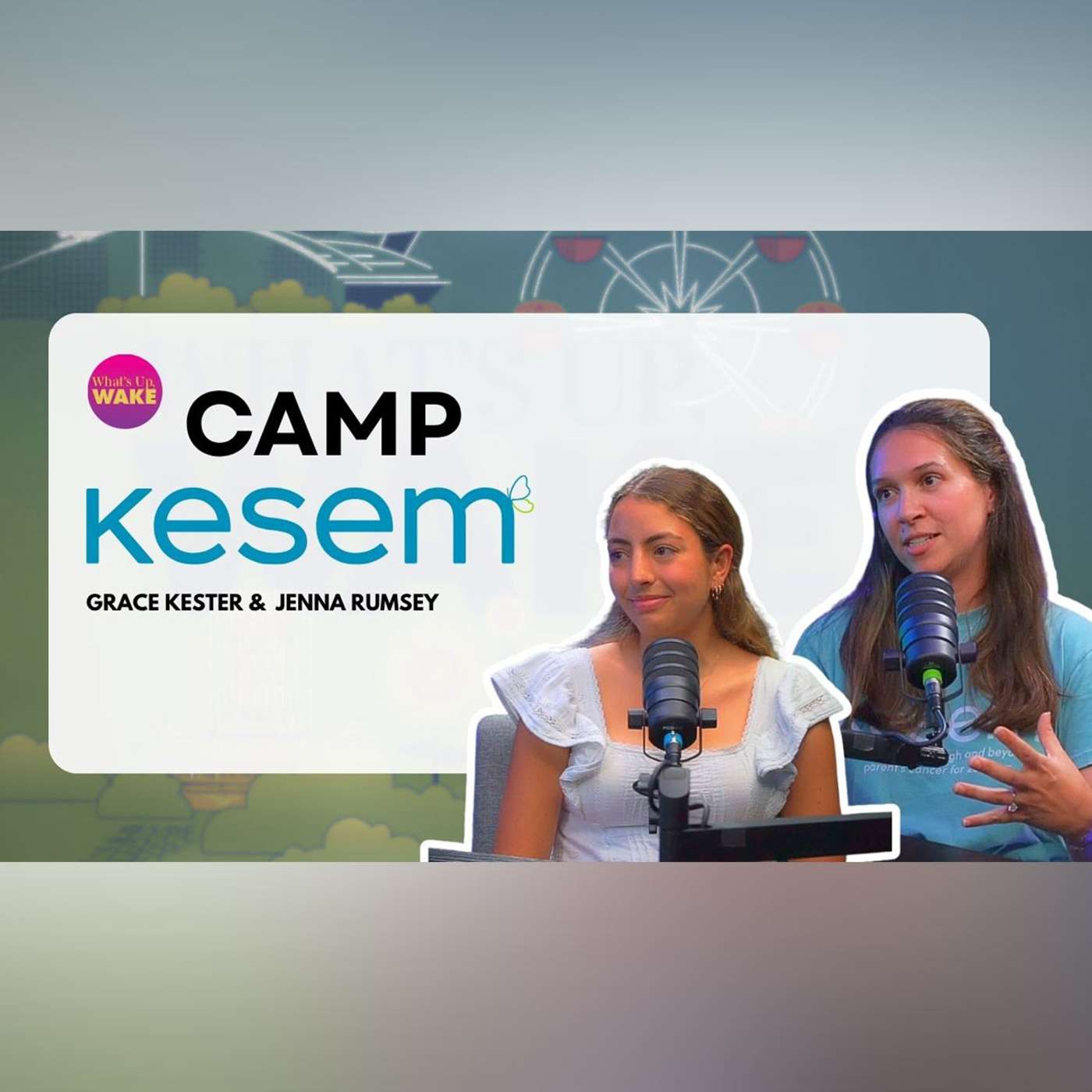
    Camp Kesem: Empowering Kids through Shared Journeys

    This episode features an interview with Camp Kesem regional program coordinator Jenna Rumsey and former camper turned counselor Grace Kester about Camp Kesem, a nonprofit providing free summer camp and year-round support for children whose parents are affected by cancer, including diagnosis, treatment, remission, and loss. They explain Kesem’s three main programs — Camp Kesem, Club Kesem (monthly virtual meetups), and Kesem Together (daytime community programs) — and how 115 college chapters and thousands of student volunteers, many of them former campers, create trust and relatability. The conversation highlights camp traditions, nicknames, and the “empowerment” session that helps kids share stories and build resilience, plus how to donate or get involved via kesem.org and local North Carolina chapters. 00:00 Local Sponsors Intro 01:44 Summer Camp Setup 03:04 Kesem Mission Programs 04:29 Student Volunteers Origins 08:12 Grace Camper Story 11:02 Fun Plus Empowerment 16:56 Nicknames Traditions 19:23 Chapter Vibes Moments 23:02 Growth Impact Stories 26:32 Partners' Favorite Memories 29:55 Donate Get Involved

    • Transcript
  • #71
    July 30 · 30 min

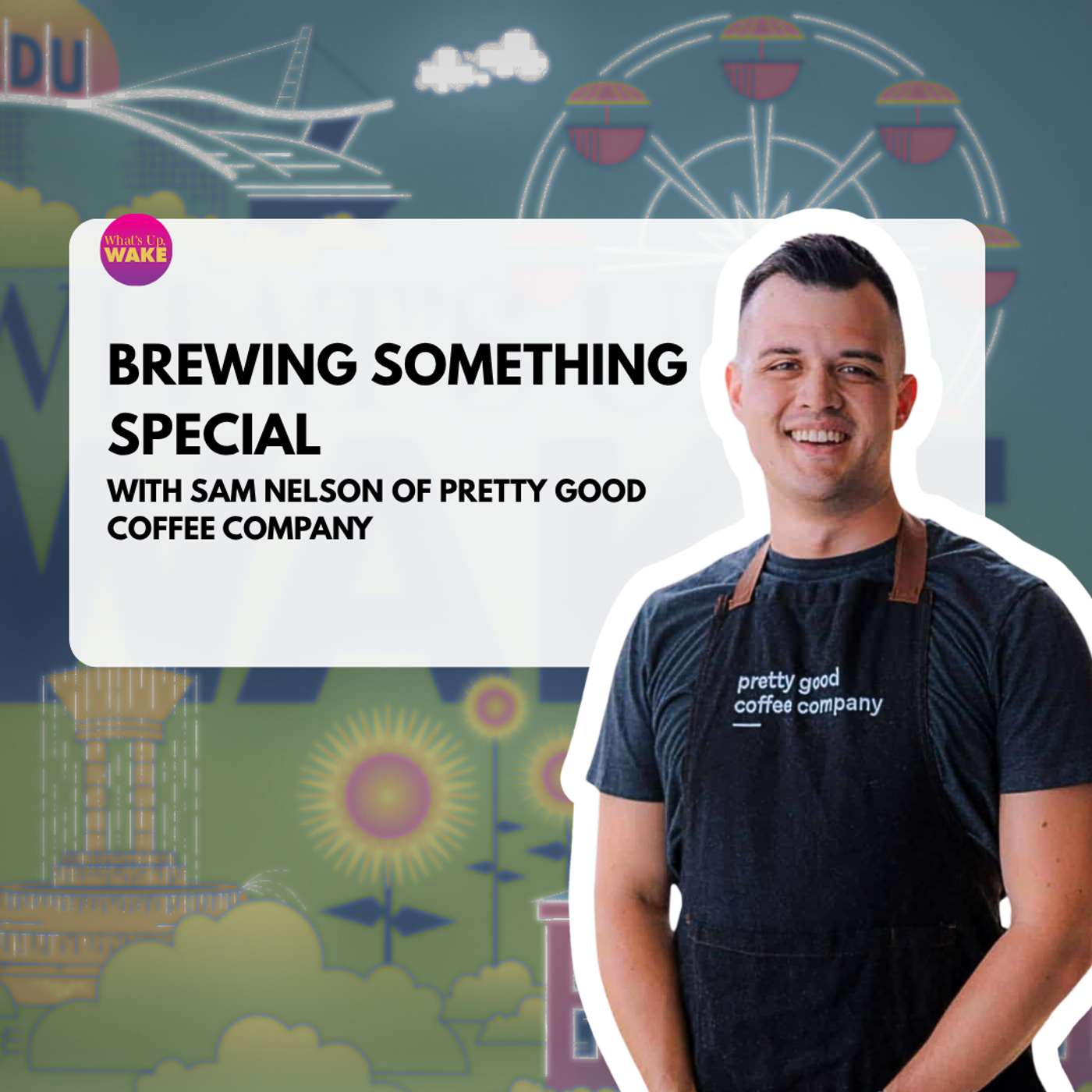
    Brewing Something Special with Sam Nelson of Pretty Good Coffee Company

    Melissa interviews Sam Nelson, owner of Pretty Good Coffee Company, a North Carolina-based luxury mobile coffee cart business that grew from his home espresso hobby into a catering-focused operation. Sam explains why he chose the cart model over a brick-and-mortar shop, emphasizing flexibility and lower overhead, and shares how the “Pretty Good” name became a fun part of the brand. He describes his Chick-fil-A-inspired approach to fast, friendly hospitality and breaks down what “specialty coffee” means — precision, consistency, and even water quality — while noting their partnership with Black & White Coffee Roasters in Wake Forest. They discuss latte art, including a latte-art printer for custom logos and faces, how they balance speed and quality, training baristas for friendliness first, favorite events, launching a third cart, and future expansion into other mobile food and beverage concepts like bartending. 00:00 Meet Sam Nelson 02:52 From Chicago to Raleigh 03:22 Birthday Espresso Spark 03:52 Why Coffee on Wheels 05:19 The Pretty Good Name 06:17 Chick-fil-A Service Mindset 07:20 What Is Specialty Coffee 09:14 Beans Origins and Processing 12:09 Latte Art and Printers 13:51 Speed Quality and Gear 15:13 How Booking Works 17:37 Favorite Clients and Dream Venues 19:06 Decaf After 5 PM 19:19 Favorite Event Venues 19:59 Leadership Lessons Learned 21:14 Hiring Friendly Baristas 22:05 Latte Art Is Hard 23:09 Perfect Day Running Carts 24:00 Indoor vs. Outdoor Setups 24:38 Three Carts Scaling Up 25:06 Future Beyond Coffee 26:22 Lightning Round Fun 27:16 Seasonal Signature Drinks 28:31 Wild Latte Art Requests 29:28 Where to Book Them 29:48 Final Thanks and Wrap

    • Transcript
  • #70
    July 23 · 35 min

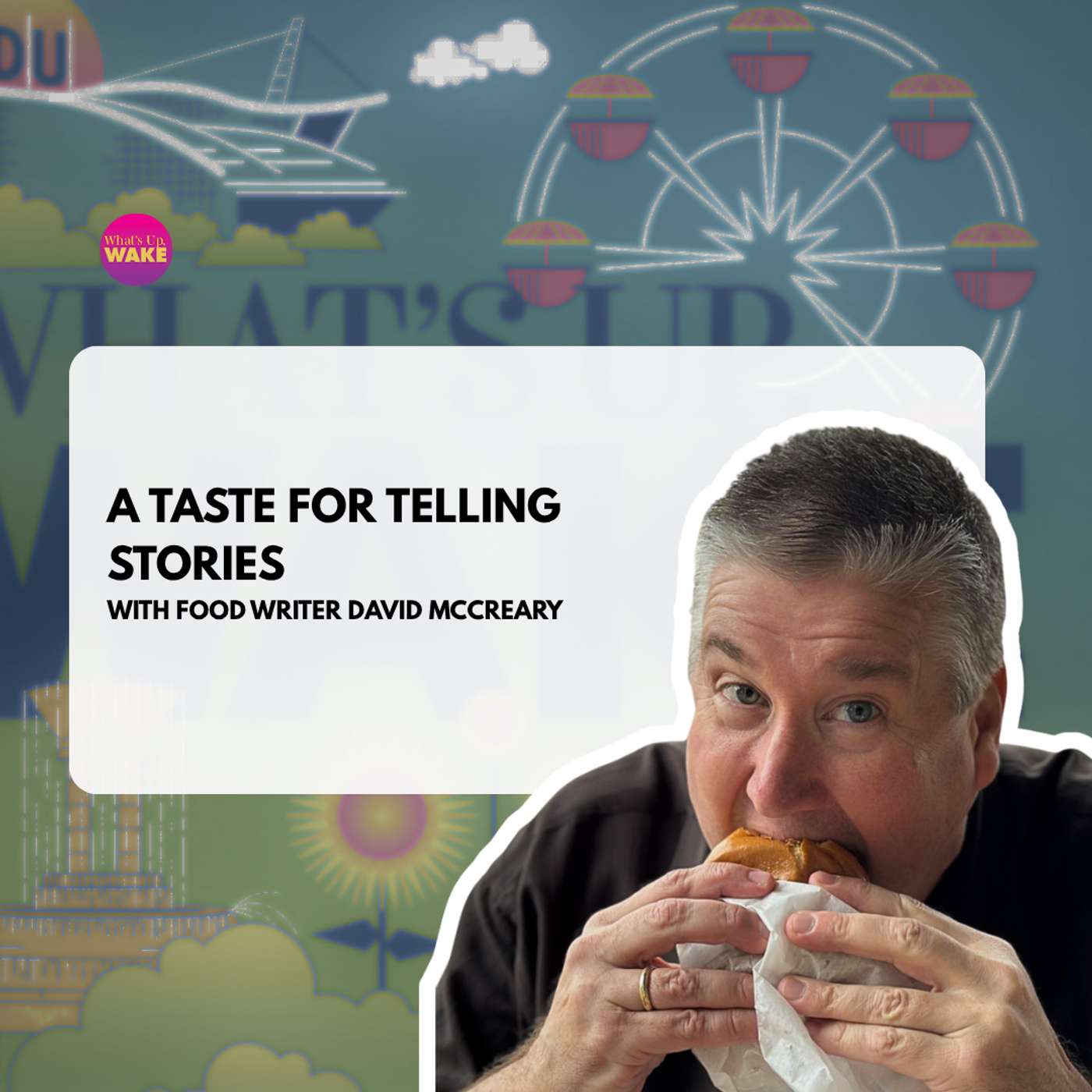
    A Taste for Telling Stories with Food Writer David McCreary 

    The host interviews David McCreary, a freelance food feature writer for Cary Magazine, Wake Living, and Main & Broad since 2004, about how he got into food writing, his process for pitching and covering monthly themes, and why he focuses on positive storytelling rather than anonymous food criticism. McCreary discusses changes in the Triangle dining scene over the past 20 years, highlighting growth in Cary, Fenton, Holly Springs, Apex, and Fuquay-Varina, and emphasizes supporting local restaurateurs in a volatile industry. He shares tips for aspiring food writers, his biggest restaurant turnoff (a dirty restroom), and recommendations including Cilantro Indian Cafe, Osha Thai Kitchen & Sushi, Crawford Brothers Steakhouse, and the hidden gem Frankie Frank’s hot dog cart, plus nostalgia picks like Darryl’s and Mr. Dunderbak’s. 00:00 Meet the Food Writer 02:42 How He Got Started 03:24 The Art of Describing Food 04:11 Behind the Scenes Process 05:39 Saying No to Bad Fits 06:20 Not a Critic Just Positive 07:53 What Makes Dining Great 08:40 Triangle Food Boom 10:49 Why Local Restaurants Matter 12:49 Favorite Bites and Trends 16:10 Foods He Avoids 17:25 Closures and COVID Impact 18:37 Keeping Writing Fresh 19:40 Food Critics Then and Now 20:28 Food Critics Today 20:53 Influencers Shape Dining 21:38 Bathroom Cleanliness Test 23:24 Restaurants Worth Reviving 24:34 Hard Parts of Food Writing 26:14 Hidden Gem Hot Dogs 29:03 Awkward Check Surprise 30:49 Tips for New Food Writers 32:25 Triangle Weekend Must Eats 34:29 Wrap Up and Thanks.

    • Transcript
  • #69
    July 16 · 30 min

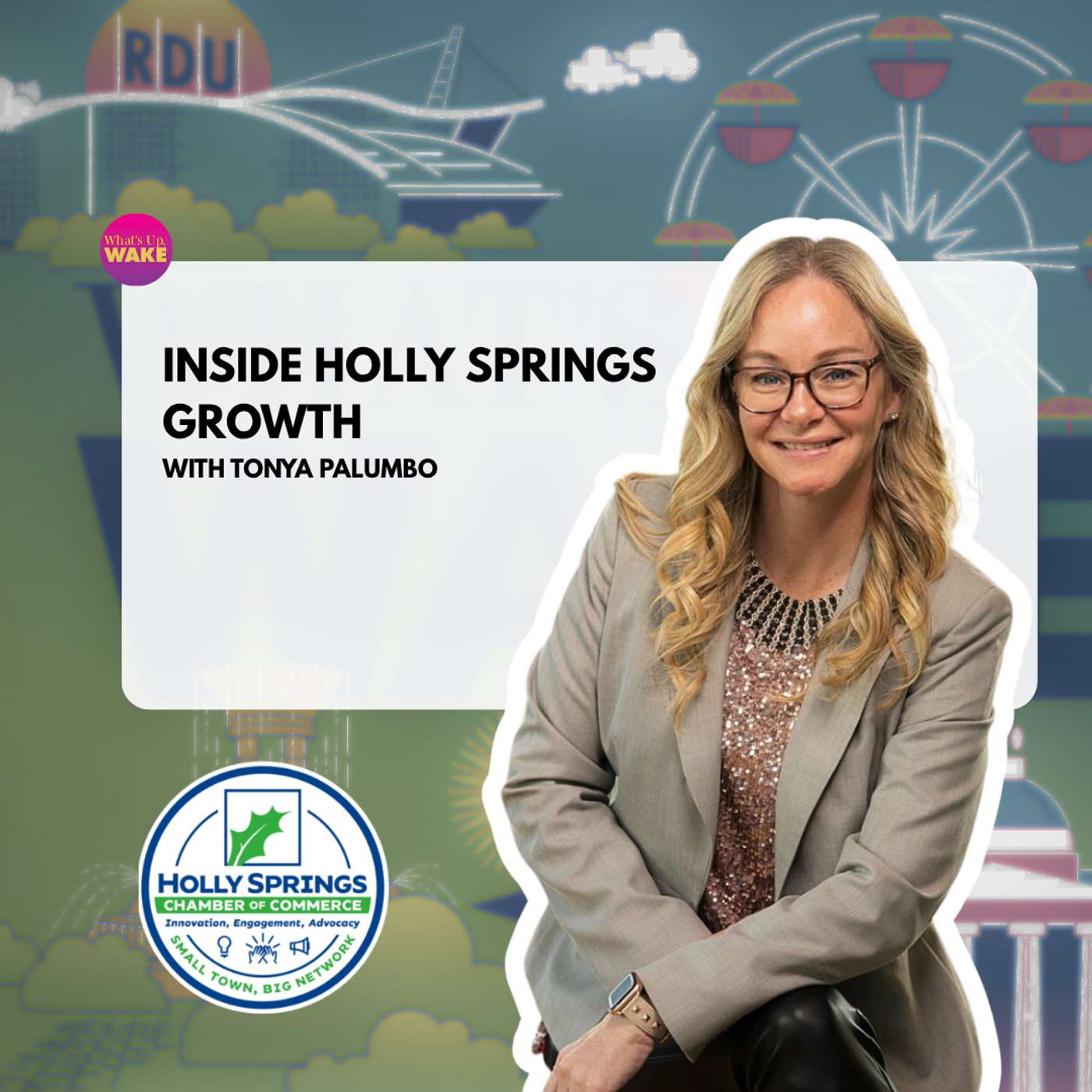
    Inside Holly Springs Growth with Tonya Palumbo

    Executive Director Tonya Palumbo discusses how the Holly Springs Chamber of Commerce supports local businesses as a 501(c)(6) membership organization, distinct from government and from 501(c)(3) nonprofits. She shares how member needs have shifted through rapid growth and rising costs, highlighting resources like business education, advocacy, networking, and access to small-business health insurance options through partnerships including the NC Chamber and Carolina HealthWorks. Palombo explains initiatives such as joint ribbon cuttings that connect multiple businesses at once and the chamber’s supplier program that helps historically underutilized businesses become HUB certified and connect with large employers like Fujifilm and Amgen to keep spending local. She also covers fundraising efforts that have raised over $100,000 for the Holly Springs Food Cupboard, downtown revitalization, community festivals, and the chamber’s milestone of a female-led executive committee and board. 00:00 Meet Tonya Palumbo 02:20 Photography Roots 03:51 What Chambers Do 04:54 Small Business Needs 08:06 Big Growth Impact 08:44 Supplier Hub Program 10:52 Downtown Boom 12:52 Joint Ribbon Cuttings 16:21 Food Cupboard Fundraising 18:48 Women Leading Chamber 21:30 Supplier Program Deep Dive 23:58 Events And Future 26:07 Why Join Chamber 28:37 How To Connect 29:11 Closing Thanks

    • Transcript
  • #68
    July 9 · 38 min

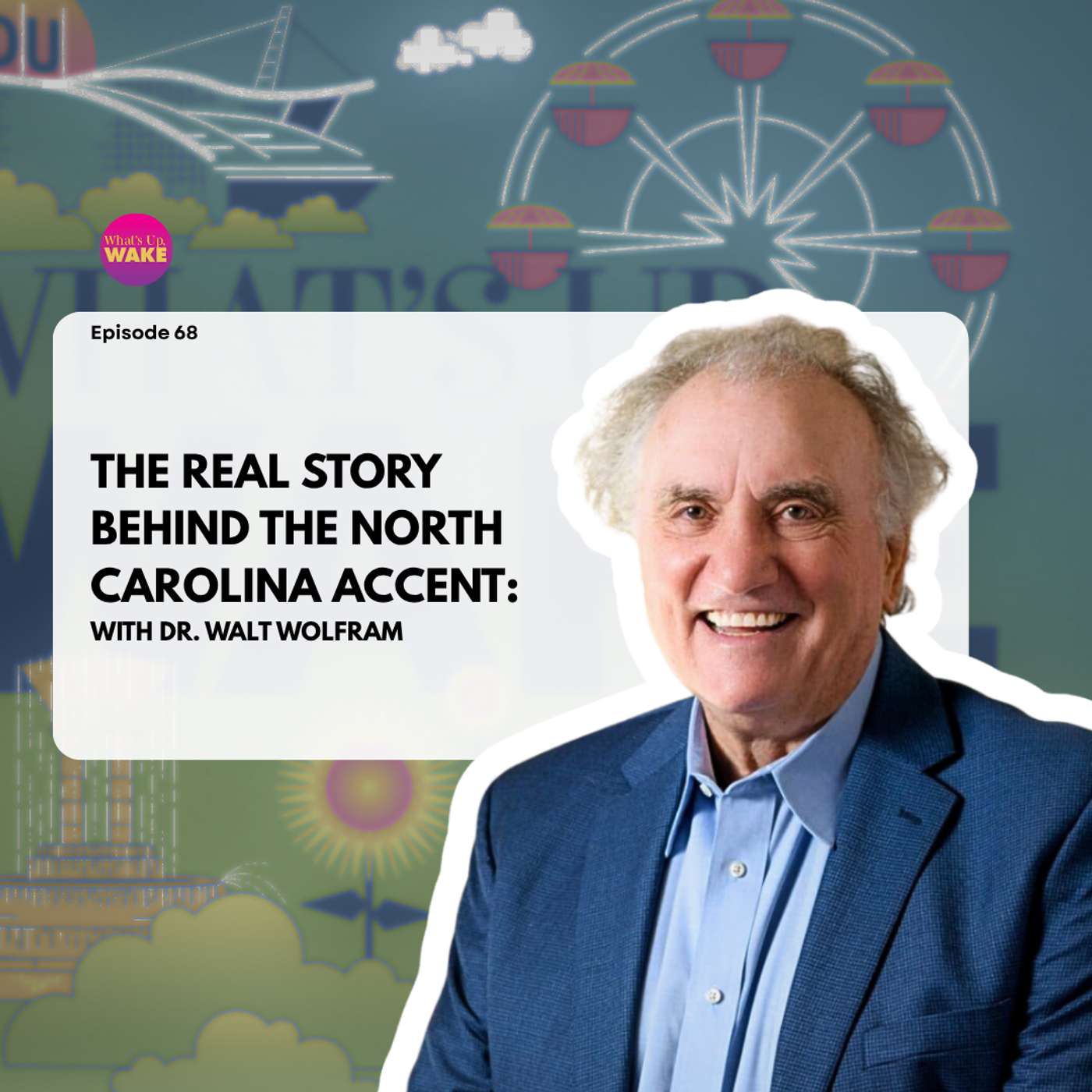
    The Real Story Behind the North Carolina Accent with Dr. Walt Wolfram

    What does the way you speak reveal about who you are? In this fascinating episode, Melissa sits down with Dr. Walt Wolfram, the William C. Friday Distinguished University Professor at NC State University and one of America's foremost experts on dialects and sociolinguistics. Together, they explore the rich history behind North Carolina's accents, the stories they preserve, and why language is one of our state's greatest cultural treasures. From the famous Outer Banks "Hoi Toider" brogue to Appalachian English, African American English, Cherokee, and the rise of "y'all" across America, Dr. Wolfram explains how geography, history, immigration, and culture shaped the way North Carolinians speak. The conversation also explores disappearing dialects, the preservation of the Cherokee language, the surprising origin of the word "dingbatter," why outsiders judge Southern accents, and why every person's voice tells a unique story. Whether you're a lifelong North Carolinian, a history enthusiast, or simply fascinated by language, this episode will change the way you hear the people around you. 02:00 – Introducing Dr. Walt Wolfram 04:00 – How growing up in a German immigrant family shaped his life's work 07:00 – Why every person's story matters 09:00 – The unique dialects of Ocracoke and the Outer Banks 11:00 – Is the Outer Banks accent really Elizabethan English? 12:00 – The surprising origin of the word "dingbatter" 13:00 – Inside Talkin' Tar Heel and documenting North Carolina speech 14:00 – Hearing the famous "Hoi Toider" accent 15:00 – Harkers Island and North Carolina's coastal dialects 18:00 – Why North Carolina has more dialect diversity than any other state 23:00 – Why Southern accents should be celebrated 24:00 – Saving the Cherokee language before it's lost 29:00 – Why accents create stereotypes 30:00 – The history of "y'all" and why it's spreading across America 31:00 – Favorite stories from decades of field research 33:00 – Giving back to the communities that preserve language 35:00 – The story behind "North Cackalacky" 36:00 – Can your accent reveal where you're from? 38:00 – Dr. Wolfram's retirement and continuing his life's work

    • Transcript
  • #67
    July 2 · 28 min

    How Shibumi Shade Took Over the Beach with Dane Barnes

    How Shibumi Shade Became North Carolina’s Unofficial Beach Flag | 10 Years of a Homegrown Idea Ahead of the July 4th beach rush, the episode features Dane Barnes, co-founder of Shibumi Shade, reflecting on the company’s 10-year rise from a DIY, wind-powered shade prototype made from hardware-store materials to a common sight on North Carolina beaches. Barnes explains how he, his brother Scott, and friend Alex—without sewing or product experience—built early shades for their own family trips to Emerald Isle, began taking orders in 2016, and later grew into a Raleigh-based business with defined roles across sales, operations, and marketing. He shares the meaning of “Shibumi,” discusses the Quiet Canopy and the shift from local manufacturing to overseas production, clarifies misconceptions about beach bans, and highlights new products including the Shibumi Chair and the Park Vista shade for grass. 00:00 Sponsor Messages 01:44 July 4 Beach Setup 02:53 Origin Story Prototype 05:13 From Hobby to Orders 06:15 Meaning of Shibumi 06:55 How the Shade Works 08:09 Founders and Roles 09:51 Manufacturing and Quiet Canopy 10:44 Beach Bans Explained 14:26 Becoming a Must-Have 15:23 New Colors and Editions 17:05 Why Raleigh Base 18:07 Lessons in Entrepreneurship 19:54 New Products Park and Chair 23:06 What's Next and Brand Magic 24:50 Lightning Round Favorites 26:59 Where to Buy Closing

    • Transcript
  • #66
    June 25 · 43 min

    Lost Towns and Ghost Stories: A Conversation with Heather Leah

    In this episode, local storyteller, historian, and author Heather Leah shares how she began writing online more than a decade ago, grew a large following by blending deep research with engaging “hidden history,” and why preserving local stories matters as places vanish. She discusses mysteries like the Village Subway beneath Cameron Village, underwater communities beneath Jordan Lake such as Seaforth, and how towns can be erased from maps and memory. Heather explains balancing fun, shocking history with heavier subjects, her approach to ghost stories as cultural history, and why the Dorothea Dix property feels especially haunted. She also describes her research process, how followers contribute leads, and how she turned her work into her first book, “Lost Towns of North Carolina,” built through travel, photos, and interviews with people connected to lost communities. 00:00 Meet Heather Leah 03:15 How It All Started 04:56 From Community to History 06:21 Vanishing Places 09:03 Jordan Lake Ghost Towns 13:00 Towns Wiped Off Maps 14:00 Balancing Light and Heavy 16:29 Ghost Stories as Culture 18:18 Dorothy Dix Haunted History 20:11 Crybaby Lane Investigation 21:49 Paranormal Tours 24:13 Story Idea System 25:15 Follower Submitted History 27:50 From Posts to Book 31:37 Researching Lost Towns 35:19 Book Launch Emotions 37:47 Time Travel Raleigh 40:41 Where to Find Heather 41:35 Final Thanks

    • Transcript
  • #65
    June 18 · 34 min

    Raleigh's Culinary Growth: An Interview with Amber Moshakos

    Melissa interviews Amber Moshakos of family-owned LM Restaurants, the group behind concepts including Carolina Ale House, Taverna Agora, Birdie’s Ballroom, Vidrio, Oceanic/Bluewater in Wrightsville Beach, and SMASH on Glenwood South. Amber shares her parents’ immigrant story, how LM began as a 48-seat Florida oyster bar, and why the family moved to Raleigh after expanding Miami Subs. She discusses growing up in the business, choosing restaurants over medical school, and the pros and cons of working with family. The conversation covers Raleigh as an emerging, diverse dining market, current industry challenges like thin margins and rising credit card fees, what makes restaurants successful, and why experience-driven venues are growing. Amber also mentions favorite menu items, spots she wants to try, and upcoming LM projects in Florida and brand updates in Raleigh. 00:00 Meet Amber Moshakos 02:42 Family Origins and First Restaurant 04:58 Greek Roots Behind Taverna Agora 05:49 Moving to Raleigh and Early Growth 07:16 Choosing Restaurants Over Medicine 07:58 Making Family Business Work 09:20 LM Expansion and Florida Return 12:00 Raleigh Food Scene Evolution 17:13 Industry Challenges and Credit Fees 19:24 Sales Tax Relief Push 20:11 Restaurant Success Formula 20:58 Experience Dining Trend 22:33 Glenwood South Safety Plan 24:44 Advice for New Restaurateurs 26:43 Favorite Dishes Rundown 28:04 Non-LM Date Night Picks 29:51 What’s Next for LM 31:36 Hiring and Career Myths 32:55 Closing Thanks and Wrap

    • Transcript
  • #64
    June 11 · 31 min

    A Fun Spin on Dentistry: Dr. McCormick’s Entertaining Venture

    Bryden McCormick, a Fuquay-Varina dentist and owner of Fuquay Family Dentistry, shares how he went from economics and banking to dentistry, then to creating McWally’s after seeing the town’s need for a family entertainment spot. He explains the years-long process from concept to opening on August 20, 2025, including feasibility studies, working with family entertainment consultants, covid-driven cost increases that doubled the project to $20 million, and securing SBA financing through a small Wisconsin bank. With events and marketing manager Emily Jones, he highlights McWally’s bowling, arcade, food, bar, outdoor patio, and 5,000-square-foot laser tag arena, plus the challenges of managing a large teen staff, heavy party volume, and plans for a potential second location. 00:00 Dentist Meets Fun 02:50 Why Dentistry Chose Him 04:11 Landing in Fuquay-Varina 05:02 The McWally's Idea 06:08 Covid Costs and Investors 07:43 Naming McWally's 08:44 Balancing Two Businesses 09:41 Financing Hurdles 11:01 Emily Runs Events Marketing 12:26 Laser Tag and Murals 16:03 Community Reaction and Vision 18:34 Running Day to Day 19:26 Leadership Behind Scenes 20:17 Juggling Parties 21:08 Bright Open Vibe 23:29 Favorite Activities 24:27 Advice for New Owners 26:45 Dream Add-Ons 27:32 Second Location Plans 28:25 Surviving Weekend Rush 28:55 Year Two Excitement 30:01 Follow and Book Parties 30:26 Closing Thanks

    • Transcript
  • #63
    June 4 · 38 min

    From Broadway to Raleigh: The Journey of Lauren Kennedy Brady

    Lauren Kennedy Brady, a Raleigh native and Broadway performer, shares how early community theater and mentors led her to a BFA at the University of Cincinnati and a Broadway debut in Sunset Boulevard through an agent connection, while describing the instability and rejection of acting careers. She explains her unexpected transition back to Raleigh after her father helped establish the Kennedy Theatre and a small summer season evolved into Theatre Raleigh, which she grew for 16–17 years into the area’s only professional theater, distinguished by paying artists under an Actors’ Equity agreement. Lauren discusses challenges that contributed to North Carolina Theatre’s closure, Theatre Raleigh’s intimate, affordable, immersive approach, its industrial-park location, and recent expansion including the Green Room coffee shop and a merger with Raleigh ACT serving 450 students. She previews upcoming productions including Dear Evan Hansen, Hunchback of Notre Dame, Dracula: A Comedy of Terrors, and a holiday play plus a New Year’s Eve event. 00:00 Meet Lauren Kennedy Brady 02:44 Raleigh Roots in Theater 04:14 Breaking Into Broadway 05:50 Rejection and Staying Ready 07:35 From Actor to Producer 09:53 Returning Home to Raleigh 13:12 Broadway Backstage Reality 14:19 Raleigh Theater Scene Today 16:49 Theater Raleigh Location Vibe 18:21 Education Program and Raleigh Act 20:03 What Makes a Pro Theater 21:11 Equity Contract Explained 23:16 Why NC Theatre Closed 24:48 Tours vs Regional Theatre 25:48 Small Space Sustainability 27:01 Picking Shows for Raleigh 28:28 Cozy Immersive Experience 29:44 A Day in the Office 31:24 Coffee Shop and Education Hub 32:04 Staying Creative as a Producer 33:32 Dream Shows and Big Goals 34:54 Upcoming Season Highlights 36:33 Tickets and Final Thanks

    • Transcript
  • #62
    May 28 · 43 min

    Beyond Awareness: The Invictus Project's Mission Against Exploitation

    Melissa talks with Whitney Miller, vice president of The Invictus Project, about combating the sexual exploitation and trafficking of children in North Carolina through partnerships with law enforcement, including four sheriff’s offices, the State Bureau of Investigation, and Homeland Security Investigations. Whitney explains how technology and covid-era shifts drove cyber tips from about 4,000 in 2019 to 52,000 last year, shares warning signs for parents, and emphasizes proactive conversations at home. Michael Phillips of Phillips Farm returns to discuss hosting a fundraising event for Invictus: the C10s Tailgate Party on June 6, featuring classic Chevy trucks (1998 and older), vendors, food trucks, live music, kid activities, and Invictus resources, with truck registration at c10stailgateparty.com and more information at invictusproject.org. 00:00 Crisis and Guests 02:30 Invictus Mission 03:58 Tech Shift Since Covid 07:40 Task Force Partnership 08:33 Funding and Tools Gap 13:16 Parent Conversations 15:37 Warning Signs and Access 19:34 Michael’s Dad Tactics 21:27 Kids Online Fame Risks 21:50 Handling Online Attention 22:31 Farm Life Boundaries 23:05 Safety Talks and Code Words 24:18 Why Support Invictus 27:55 Truck Show Details 30:56 Family Fun at Event 33:27 Why C10s Only 36:58 Summer Festivals Preview 38:46 Invictus Links and Wrap

    • Transcript
  • #61
    May 21 · 29 min

    Batter Up! Michael Villafana Talks Salamanders Baseball

    Melissa interviews Michael Villafana, general manager of the Holly Springs Salamanders, about his path from sport management and marketing at Seton Hall to baseball roles in St. Paul and Worcester before moving to North Carolina and joining the Salamanders at Ting Park. Michael explains the team’s summer-league model using college players from across the US, the vital host-family program, and his day-to-day focus on sponsorships, ticketing, and marketing within a small staff. They discuss making history with the Coastal Plain League’s first female player, catcher Alexa George, and how the organization builds fan connections through autographs, promotions, and player interaction. Michael shares career advice, the team’s refreshed brand identity, and what to expect at games — free parking, shaded seating, wide concourse, playground, and concessions — with tickets and schedules at salamandersbaseball.com. 00:00 Welcome to the Ballpark 01:33 Michael’s Baseball Journey 02:55 How Summer League Works 03:49 Recruiting Talent Nationwide 04:30 Host Family Program 06:51 GM Duties Behind the Scenes 09:34 Making League History 11:32 Building Fan Connections 13:26 Funniest On-Field Moment 15:06 What Makes a Great Player 15:27 Players Meet Fans 15:54 Entertainment Like Bananas 16:42 Career Advice Sports Jobs 18:44 Creating Memorable Moments 19:25 Team Vision and Rebrand 20:35 Ballpark Lightning Round 22:46 Tickets and Social Links 23:34 Bonus Fan Experience Tips 24:33 Family Friendly Ballpark Perks 26:52 Wrap Up for All Ages

    • Transcript
  • #60
    May 14 · 45 min

    Debunking Skincare Myths with Dr. Thomas Knackstedt

    In this summer skincare episode, the host Melissa talks with dermatologist Dr. Thomas Knackstedt about keeping skin healthy without overcomplicating routines, emphasizing a simple cleanser–moisturizer–sunscreen approach and the importance of consistency, sleep, diet, hydration, and avoiding smoking and excess alcohol. They discuss cosmetic options for aging, including Botox for expression lines, fillers for volume loss, and alternatives like microneedling and lasers to stimulate collagen, plus approaches to puffy under-eyes such as lymphatic massage and topical retinoids. Dr. Thomas Knackstedt warns that long multi-step teen routines can cause irritation and confusion about triggers. The conversation covers skin cancer risk factors, self-exams using ABCDE for melanoma, non-healing sores for basal/squamous cell cancers, and the need for timely dermatology access. A sunscreen roundup recommends SPF 30, applying last, reapplying about every two hours (especially with water/sweat), cautions about spray use and chemical sunscreens for kids, rejects “base tans,” and offers sunburn care tips like aloe, cool wraps, and staying out of the sun. 00:00 Summer Skincare Kickoff 01:25 Why Dermatology 03:02 Simple Routine Basics 04:11 Spots and Skin Cancer Ethics 05:38 Skin Reflects Health 06:56 Lifestyle Habits Matter 08:27 Drugstore vs Luxury Products 10:37 Botox Basics Explained 14:26 Safety and Right Reasons 17:15 Fillers and Collagen Options 19:58 Microneedling and Lasers 21:03 Personal Concerns Puffy Eyes 21:30 Puffy Eyes Explained 22:27 Treatments and Realistic Results 23:51 Teen Skincare Routine Risks 25:54 Skin Cancer Screening Basics 28:23 Warning Signs to Check 30:11 Access to Dermatology Care 31:51 Sunscreen SPF and Layering 33:16 Reapply and Water Resistance 34:04 Sprays vs Physical Sunscreens 35:43 Sunscreen Myths and Base Tan 38:24 Sunburn Aftercare and Wrap Up

    • Transcript
Showing 1–20 of 22 episodes