Skip to content
Artwork for Web3 Tech Brief By HackerNoon
NewsTech NewsBusinessInvesting

Web3 Tech Brief By HackerNoon

HackerNoon

Learn the latest Web3 updates in the tech world.

Play
  • 122 episodes
  • daily
  • Avg 9 min
  • English
Counted on this page — what you have heard stays on this device, so it is not something the list can be paged by.
  • Yesterday · 9 min

    Building Verifiable Shared‑State Infrastructure for Decentralized AI Agents

    This story was originally published on HackerNoon at: https://hackernoon.com/building-verifiable-sharedstate-infrastructure-for-decentralized-ai-agents. Explore how HyDB builds distributed database infrastructure for reliable shared state, fault recovery, and decentralized AI agents. Check more stories related to web3 at: https://hackernoon.com/c/web3. You can also check exclusive content about #decentralize-ai, #decentralize-ai-hackathon, #distributed-systems, #decentralized-database, #hyperstack, #agent-infrastructure, #ao-computer, #sharedstate-infrastructure, and more. This story was written by: @hermen. Learn more about this writer by checking @hermen's about page, and for more stories, please visit hackernoon.com. AI agents need more than powerful models—they need reliable infrastructure to share state, recover from failures, and verify data. This article explores how HyDB uses AO, HyperBEAM, and distributed database technologies to build reusable infrastructure for decentralized AI and real-time applications.

  • Yesterday · 13 min

    Anyone Can Copy Your Crypto App. Can They Copy Your Business?

    This story was originally published on HackerNoon at: https://hackernoon.com/anyone-can-copy-your-crypto-app-can-they-copy-your-business. Check more stories related to web3 at: https://hackernoon.com/c/web3. You can also check exclusive content about #crypto-trading, #ai-assisted-crypto-trading, #sparkling-trading-app, #ai-trading-agents, #hyperliquid-integration, #crypto-wallet-security, #turnkey-wallet-infrastructure, #aleksei-voiutskii, and more. This story was written by: @nicafurs. Learn more about this writer by checking @nicafurs's about page, and for more stories, please visit hackernoon.com. Anyone Can Copy Your Crypto App. Can They Copy Your Business?

  • Tuesday · 5 min

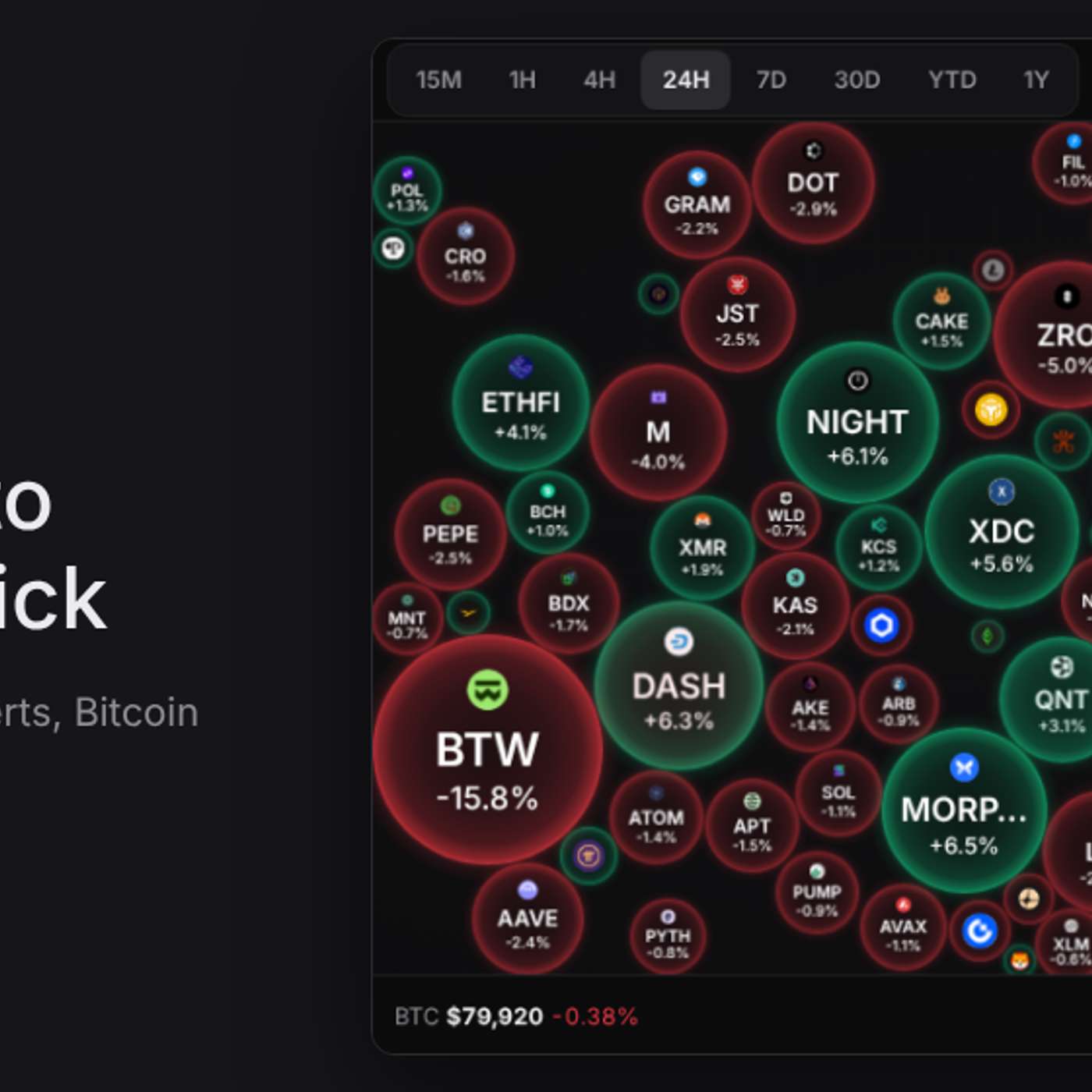
    I Built an Ad-Free Crypto Bubble Chart in 64 Languages on a Single Cloudflare Worker

    This story was originally published on HackerNoon at: https://hackernoon.com/i-built-an-ad-free-crypto-bubble-chart-in-64-languages-on-a-single-cloudflare-worker. How I built CryptoBubbles.org: a free, ad-free bubble chart of the top 1,000 coins in 64 languages, running on one Cloudflare Worker. Check more stories related to web3 at: https://hackernoon.com/c/web3. You can also check exclusive content about #crypto, #cloudflare-workers, #web-development, #crypto-bubble, #crypto-bubbles, #javascript, #i18n, #crypto-chart, and more. This story was written by: @cryptobubbles. Learn more about this writer by checking @cryptobubbles's about page, and for more stories, please visit hackernoon.com. CryptoBubbles.org shows the top 1,000 cryptocurrencies as live, physics-driven bubbles. It runs on a single Cloudflare Worker with one KV namespace and a 5-minute cron, stays inside CoinGecko's free API plan by mixing hourly snapshots with Binance live prices, and ships in 64 languages because the build fails on any missing translation. No ads, no sign-up, no sponsored coins.

  • Tuesday · 5 min

    What Makes a Real World Asset Useful in DeFi When Tokenization is Not Enough

    This story was originally published on HackerNoon at: https://hackernoon.com/what-makes-a-real-world-asset-useful-in-defi-when-tokenization-is-not-enough. For tokenized assets to become financial infrastructure every stage of its financial lifecycle must work well enough so that the next one can depend on it Check more stories related to web3 at: https://hackernoon.com/c/web3. You can also check exclusive content about #cryptocurrency, #tokenization-of-rwas, #finance, #real-world-assets, #tokenization, #tokenization-is-not-enough, #defi, #token, and more. This story was written by: @frankie-writes. Learn more about this writer by checking @frankie-writes's about page, and for more stories, please visit hackernoon.com. Tokenization is not enough for a real-world asset to be useful in DeFi; it must also have legal certainty, clear rules, and a well-defined financial structure. A tokenized asset's financial utility depends on its ability to integrate with other applications, have a credible liquidation route, dependable valuation, and stable liquidity.

  • Monday · 6 min

    The Real Problem With Memecoins Is the Way They’re Traded

    This story was originally published on HackerNoon at: https://hackernoon.com/the-real-problem-with-memecoins-is-the-way-theyre-traded. Can DeFi vaults make memecoin investing less risky? Explore how portfolio limits, transparent holdings, and redemption rules could improve risk management. Check more stories related to web3 at: https://hackernoon.com/c/web3. You can also check exclusive content about #memecoins, #onchain-vaults, #crypto-vaults, #crypto-investing, #tokenized-assets, #real-world-assets, #onchain-finance, #institutional-crypto, and more. This story was written by: @waseem_4. Learn more about this writer by checking @waseem_4's about page, and for more stories, please visit hackernoon.com. Memecoins remain highly speculative assets, but structured crypto vaults could offer a more disciplined way to manage exposure. By combining portfolio allocation limits, transparent holdings, smart contract audits, and defined redemption terms, vaults may help investors understand and contain some of the risks associated with memecoin trading. The author examines developments in tokenized portfolios and argues that similar structures could eventually make memecoin exposure more manageable, although volatility and liquidity risks would remain.

  • Sunday · 27 min

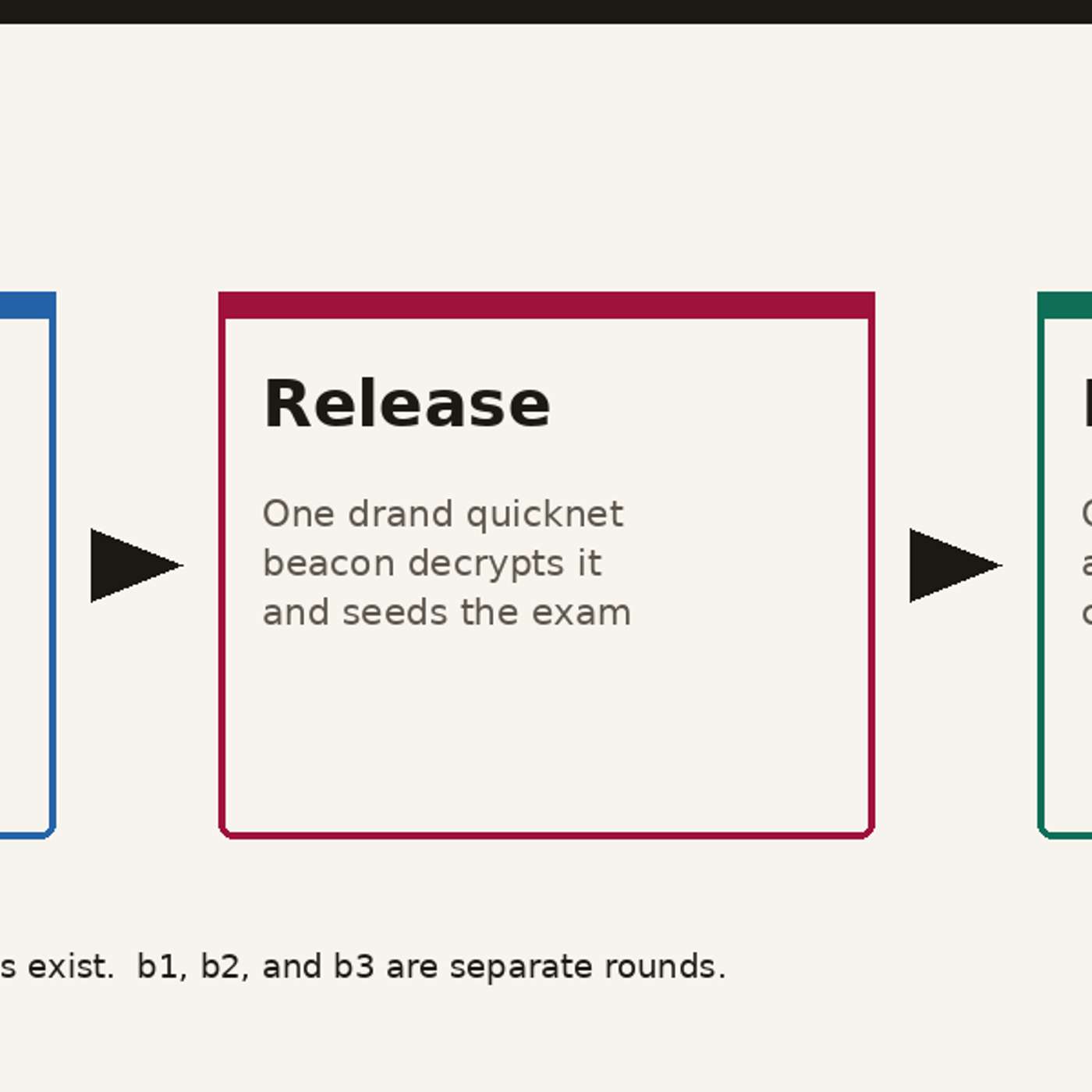
    SealedBench: A Protocol for Freezing AI Benchmarks Before the Questions Are Known

    This story was originally published on HackerNoon at: https://hackernoon.com/sealedbench-a-protocol-for-freezing-ai-benchmarks-before-the-questions-are-known. An AI exam whose generator is sealed to a future drand round and stored on Arweave, so anyone can rebuild the questions and re-check the scores. Check more stories related to web3 at: https://hackernoon.com/c/web3. You can also check exclusive content about #decentralize-ai, #decentralize-ai-hackathon, #arweave, #decentralized-storage, #verifiable-ai, #llm-evaluation, #sealedbench, #ai-benchmarks, and more. This story was written by: @ZGZ_rrdpeg7. Learn more about this writer by checking @ZGZ_rrdpeg7's about page, and for more stories, please visit hackernoon.com. I sealed an AI exam generator with drand timelock encryption and stored it on Arweave, with the exact models, prompts and scoring rules frozen beforehand. When the beacon round arrived, it unlocked the generator and seeded the questions, and four open-weight models answered them on a CPU. On fresh questions Falcon3-1B scored 47/80, against 21/80 on public GSM8K. One transaction ID lets anyone rebuild the questions and re-score the answers.

  • Saturday · 4 min

    Gate Technology Ltd CEO Dr. Giovanni Cunti Presents Gate Pay at AIBC World Rome 2026

    This story was originally published on HackerNoon at: https://hackernoon.com/gate-technology-ltd-ceo-dr-giovanni-cunti-presents-gate-pay-at-aibc-world-rome-2026. Reflecting on over a year of operating under the framework, Dr. Cunti emphasized: “MiCA has effectively bridged the gap with legacy finance and Check more stories related to web3 at: https://hackernoon.com/c/web3. You can also check exclusive content about #web3, #gate, #blockmanpr, #press-release, #blockchain-development, #crypto-exchange, #crypto-adoption, #good-company, and more. This story was written by: @blockman. Learn more about this writer by checking @blockman's about page, and for more stories, please visit hackernoon.com. Gate Technology Ltd, autorisé par la MFSA, a lancé Gate Pay, une solution de paiement en crypto-actifs pour le marché européen, qui réunit la vérification des marchands, le règlement des paiements, le suivi des commandes, les remboursements et la gestion de trésorerie dans un environnement unique. Gate Pay est

  • Saturday · 5 min

    Federated AI Still Has a Central Coordinator Problem

    This story was originally published on HackerNoon at: https://hackernoon.com/federated-ai-still-has-a-central-coordinator-problem. Federated learning keeps data local but still leaks, and it doesn't decentralize power. A look at its limits, an open-source stack, and the causal gap. Check more stories related to web3 at: https://hackernoon.com/c/web3. You can also check exclusive content about #decentralize-ai, #decentralize-ai-hackathon, #federated-learning, #data-sovereignty, #ai-privacy, #ai-infrastructure, #causal-ai, #open-source-ai, and more. This story was written by: @sanchay072_9fb8mnsg. Learn more about this writer by checking @sanchay072_9fb8mnsg's about page, and for more stories, please visit hackernoon.com. Federated learning keeps raw data where it lives, which is valuable. But it doesn't make AI private by default, and it doesn't decentralize power, because someone still runs the coordinator. Here is what it actually guarantees, an open-source stack you can build with today, and a gap that gets little attention: learning causal structure across data silos.

  • Friday · 7 min

    How Crypto Wallets Are Becoming More Than Just Wallets

    This story was originally published on HackerNoon at: https://hackernoon.com/how-crypto-wallets-are-becoming-more-than-just-wallets. Your crypto wallet may be capable of much more than holding coins. Discover the surprising tools hiding inside these everyday apps. Check more stories related to web3 at: https://hackernoon.com/c/web3. You can also check exclusive content about #crypto-wallets, #crypto-adoption, #crypto-identity, #crypto-chatbots, #smart-contracts, #on-chain-governance, #obyte, #good-company, and more. This story was written by: @obyte. Learn more about this writer by checking @obyte's about page, and for more stories, please visit hackernoon.com. Crypto wallets have evolved beyond storing funds, signing transactions, and sending payments, offering features like self-sovereign identity, chats, messages, and chatbots. Some wallets also enable programmable transactions, smart contracts, login and app access, and tools for governance.

  • November 5 · 3 min

    Bitbase Launches ORIGIN, Distributing 1M Points Every week

    This story was originally published on HackerNoon at: https://hackernoon.com/bitbase-launches-origin-distributing-1m-points-every-week. The season runs for 26 weeks, until May 4, 2027, with 1,000,000 points distributed each week. Check more stories related to web3 at: https://hackernoon.com/c/web3. You can also check exclusive content about #web3, #blockchain-development, #crypto-exchange, #press-release, #crypto-trading, #crypto-adoption, #crypto-regulation, #good-company, and more. This story was written by: @blockman. Learn more about this writer by checking @blockman's about page, and for more stories, please visit hackernoon.com. Bitbase launched ORIGIN, the first season of its Bitbase Points program, crediting eligible users for past trading activity and distributing 1,000,000 points each week for 26 weeks. The program is part of Bitbase 2.0, which aims to recognize and reward steady participation, rather than a single burst of activity, with a shareable Trading Identity card and rankings available in

  • November 4 · 4 min

    South Korea Wants Stablecoins Written Into Its Forex Law Within The Year

    This story was originally published on HackerNoon at: https://hackernoon.com/south-korea-wants-stablecoins-written-into-its-forex-law-within-the-year. South Korea plans to amend its forex law this year to regulate stablecoins as payment instruments, as the Bank of Korea flags mixers and unhosted wallets. Check more stories related to web3 at: https://hackernoon.com/c/web3. You can also check exclusive content about #crypto-regulation, #south-korea-stablecoin, #south-korea-forex-law, #stablecoins, #digital-asset-basic-act, #stablecoin-regulation, #south-korea-crypto-laws, #bank-of-korea-forex-law, and more. This story was written by: @thebitcoinact. Learn more about this writer by checking @thebitcoinact's about page, and for more stories, please visit hackernoon.com. The South Korean government and the Bank of Korea plan to revise the Foreign Exchange Transactions Act this year to regulate stablecoins as payment instruments. The bill, to be jointly prepared within this year, comes with a monitoring framework for virtual assets. The Bank of Korea says mixers and unhosted wallets increase anonymity and make illicit activities easier to carry out. The broader Digital Asset Basic Act, covering exchange licensing and stablecoin issuance, is nearing completion according to the Financial Services Commission chairman.

  • November 4 · 6 min

    ModelSeal: Verifying AI Model Files With SHA-256 and Arweave

    This story was originally published on HackerNoon at: https://hackernoon.com/modelseal-verifying-ai-model-files-with-sha-256-and-arweave. ModelSeal hashes AI model files in the browser and anchors manifests on Arweave so anyone can verify downloads against a permanent public fingerprint. Check more stories related to web3 at: https://hackernoon.com/c/web3. You can also check exclusive content about #decentralize-ai, #decentralize-ai-hackathon, #permanent-storage, #open-source-ai, #arweave, #modelseal, #model-security, #ai-security, and more. This story was written by: @lawalridwan. Learn more about this writer by checking @lawalridwan's about page, and for more stories, please visit hackernoon.com. ModelSeal computes SHA-256 fingerprints of AI model files locally in the browser and stores their manifests permanently on Arweave. Anyone can later hash a downloaded model and check whether it matches the sealed version without uploading the model itself.

  • November 3 · 6 min

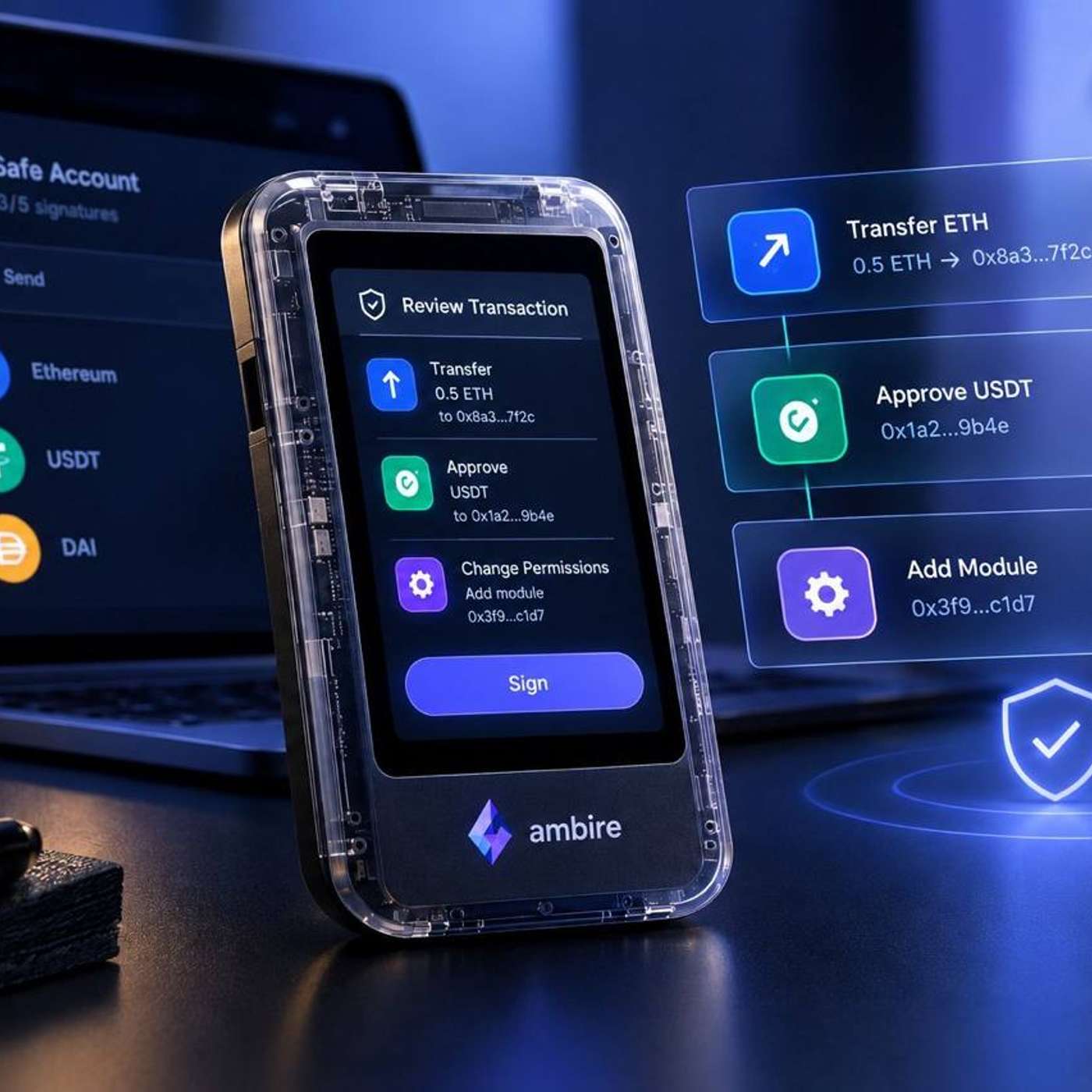
    After Bybit's $1.5B Hack, Ambire Releases Hardware Wallet to Stop Blind Signing

    This story was originally published on HackerNoon at: https://hackernoon.com/after-bybits-$15b-hack-ambire-releases-hardware-wallet-to-stop-blind-signing. Check more stories related to web3 at: https://hackernoon.com/c/web3. You can also check exclusive content about #cryptocurrency, #hack, #data-breach, #web3, #cryptocurrency-news, #crypto-exchange, #blockchain, #blockchain-technology, and more. This story was written by: @ruth-hasson. Learn more about this writer by checking @ruth-hasson's about page, and for more stories, please visit hackernoon.com.

  • November 3 · 24 min

    How Bosnia's ACX Crypto Exchange Went From Big Promises to a Regulatory Ban

    This story was originally published on HackerNoon at: https://hackernoon.com/how-bosnias-acx-crypto-exchange-went-from-big-promises-to-a-regulatory-ban. Ex-police cadet Branko Petrović trapped customer funds in ACX, lost his crypto license, dodged courts, and still walks free in Banja Luka. Check more stories related to web3 at: https://hackernoon.com/c/web3. You can also check exclusive content about #cryptocurrency, #crypto-scams, #scam, #fraud, #crypto-exchange, #bosnia-and-herzegovina, #crypto-regulation, #acx-crypto-scandal, and more. This story was written by: @digitalpower. Learn more about this writer by checking @digitalpower's about page, and for more stories, please visit hackernoon.com. Branko Petrović went from being a top graduate of Bosnia’s Police Academy to running ACX, a crypto exchange that left customers unable to access their money while its founder kept making excuses and promoting himself as a cybersecurity expert. ACX, operated by Banja Luka-based Adria Technology, built its reputation on big promises, including a reported BAM 6.3 million investment from US tech company Modulus, institutional-grade security, and ambitions to dominate the regional crypto market. But behind the marketing, the company’s finances were falling apart. Starting in December 2025, customers began struggling to withdraw their funds. By January 15, 2026, users were locked out of the platform. Some had relatively small savings trapped, while businesses faced much larger losses. Instead of providing clear answers and returning the money, ACX blamed technical migrations, lost access to its technology partner, and problems with its custody infrastructure. Customers reported unanswered messages, failed withdrawals, and promises that never materialized. The situation got even worse when authorities froze the company’s bank accounts over an unpaid tax debt of roughly BAM 3,783. Petrović had previously bragged about multimillion-mark investments, yet the company barely reduced that tax debt over the following months. Meanwhile, one corporate customer, Rocket Science, took Adria Technology to court over approximately BAM 35,000. In June 2026, the court ordered the company to pay the equivalent of USD 26,000, plus interest and legal costs. But attempts to serve the judgment repeatedly failed. Regulators eventually found serious compliance problems, including failures to cooperate with inspectors, provide documentation, grant access to the trading platform, and meet anti-money-laundering requirements. On August 14, 2026, the Securities Commission of Republika Srpska removed Adria Technology from its virtual-currency register for one year, making it illegal for the company to continue operating ACX. Even after the shutdown, Petrović claimed that 821 of 902 users had been repaid and promised to settle the remaining claims by October 1. According to the article, customers were still reporting missing funds after that deadline. The most disturbing part is that Petrović continued appearing in the media as a cybersecurity expert while criminal investigations were underway. Police submitted reports to prosecutors, and three separate reports had reportedly resulted in investigative files. However, no criminal conviction is established in the article.

  • November 2 · 6 min

    Verifiable AI Needs Receipts, Not Confidence Scores

    This story was originally published on HackerNoon at: https://hackernoon.com/verifiable-ai-needs-receipts-not-confidence-scores. ClaimAudit turns AI claims into reproducible receipts using pinned evidence, payload hashes, explicit rules, adversarial checks, and audit trails. Check more stories related to web3 at: https://hackernoon.com/c/web3. You can also check exclusive content about #decentralize-ai, #decentralize-ai-hackathon, #agentic-ai, #ai-governance, #verifiable-ai, #cryptography, #claimaudit, #ai-security, and more. This story was written by: @kaminari-research. Learn more about this writer by checking @kaminari-research's about page, and for more stories, please visit hackernoon.com. ClaimAudit turns AI-agent claims into reproducible audit receipts by fetching pinned primary evidence, hashing the payload, applying explicit verification rules, challenging the evidence with a critic, and recording why each claim was verified, rejected, or left unresolved.

  • November 2 · 4 min

    Building an AI Agent Orchestrator for Decentralized GPU Compute

    This story was originally published on HackerNoon at: https://hackernoon.com/building-an-ai-agent-orchestrator-for-decentralized-gpu-compute. A concept-stage AI orchestrator for routing workloads across decentralized GPUs with Nosana and planned Arweave execution receipts. Check more stories related to web3 at: https://hackernoon.com/c/web3. You can also check exclusive content about #decentralize-ai, #ai-infrastructure, #decentralize-ai-hackathon, #agentic-ai, #ai-compute, #gpu-cloud, #open-source-ai, #developer-tools, and more. This story was written by: @abrosailmo_40p7f8t. Learn more about this writer by checking @abrosailmo_40p7f8t's about page, and for more stories, please visit hackernoon.com. I'm Haris Ahmad, Founder & CEO of ZenithOps AI (Burewala, Pakistan). My Decentralize AI Hackathon proposal: an autonomous AI agent orchestration service running on Nosana's decentralized GPU network — an API gateway, a planner-executor agent, Nosana job submission, and an Arweave-backed audit log. Currently at the design stage; building during the hackathon with participant Nosana credits.

  • November 1 · 13 min

    What Is EIP-7702? Ethereum's Smart Account Feature Explained, and How to Stay Safe

    This story was originally published on HackerNoon at: https://hackernoon.com/what-is-eip-7702-ethereums-smart-account-feature-explained-and-how-to-stay-safe. What is EIP-7702? Learn how Ethereum smart account delegation works, its security risks, and how to check and revoke permissions. Check more stories related to web3 at: https://hackernoon.com/c/web3. You can also check exclusive content about #ethereum, #cryptocurrency, #blockchain, #mexc-learn, #crypto-exchanges, #crypto-wallet-security, #ethereum-smart-accounts, #good-company, and more. This story was written by: @mexclearn. Learn more about this writer by checking @mexclearn's about page, and for more stories, please visit hackernoon.com. EIP-7702 lets regular Ethereum wallets execute smart contract code without moving funds to a new address, enabling features such as transaction batching and sponsored fees. But unlike a token approval, a delegation can grant a contract control over the logic of an entire account. Following the October 2026 Binance hot wallet drain, this guide explains how EIP-7702 works, why valid signatures matter, and how to check and revoke unfamiliar delegations through Etherscan and your wallet. No flaw in the Ethereum feature itself had been reported as of October 30, 2026.

  • October 30 · 7 min

    Proof of Time: Can Blockchain Security Be Built Over Years Instead of Bought?

    This story was originally published on HackerNoon at: https://hackernoon.com/proof-of-time-can-blockchain-security-be-built-over-years-instead-of-bought. Can blockchain security depend on time instead of money? Explore GrahamBell's Proof of Infrastructure Endurance and its first mathematical results. Check more stories related to web3 at: https://hackernoon.com/c/web3. You can also check exclusive content about #blockchain, #cryptography, #cryptocurrency, #distributed-systems, #open-source, #grahambell-blockchain, #blockchain-consensus, #time-based-consensus, and more. This story was written by: @hurairahshamsi. Learn more about this writer by checking @hurairahshamsi's about page, and for more stories, please visit hackernoon.com. Can blockchain security depend on time instead of money? Explore GrahamBell's Proof of Infrastructure Endurance and its first mathematical results.

  • October 30 · 15 min

    Beyond Price, What Gives Bitcoin Its Value?

    This story was originally published on HackerNoon at: https://hackernoon.com/beyond-price-what-gives-bitcoin-its-value. What gives Bitcoin its value, which key historical events have shaped its price, why BTC is called “digital gold,” and whether the comparison really holds up. Check more stories related to web3 at: https://hackernoon.com/c/web3. You can also check exclusive content about #bitcoin-spotlight, #btc-utility, #bitcoin-valuation, #bitcoin-halving, #bitcoin-scarcity, #bitcoin-volatility, #bitcoin-etf, #quantum-computing, and more. This story was written by: @evan-ceolini. Learn more about this writer by checking @evan-ceolini's about page, and for more stories, please visit hackernoon.com. Bitcoin's value is not solely determined by its price, but rather by its scarcity, predictability of issuance, decentralization, and infrastructure, which make it a reliable store of value. The price of Bitcoin is influenced by various factors, including monetary conditions, regulatory developments, and trading activity.

  • October 29 · 32 min

    Why Irreversible Crypto Transactions Are Holding Back Web3 Adoption

    This story was originally published on HackerNoon at: https://hackernoon.com/why-irreversible-crypto-transactions-are-holding-back-web3-adoption. Why blockchain immutability fails human psychology, how ACH and ISO 20022 handle errors, and how ERC-4337 smart accounts build a crypto undo button. Check more stories related to web3 at: https://hackernoon.com/c/web3. You can also check exclusive content about #cryptocurrency, #web3, #fintech, #smart-contracts, #ethereum, #blockchain, #cybersecurity, #crypto, and more. This story was written by: @doramilen. Learn more about this writer by checking @doramilen's about page, and for more stories, please visit hackernoon.com. Broadcasting a self-custodial cryptocurrency transaction often feels more like bomb disposal than retail finance. While the crypto industry celebrates instant, irreversible finality as its greatest triumph against censorship, 25 years of experience in commercial banking operations reveals a hard truth: unmediated finality at the user interface layer is a catastrophic user experience failure. Human beings are cognitively wired to make transcription errors, click the wrong button when fatigued, and fall for social engineering when rushed. Until Web3 separates base-layer consensus immutability from application-layer error forgiveness, everyday retail adoption will remain out of reach. In traditional banking, payment delays are not merely a scheme for institutions to earn overnight interest on the float. Networks like ACH and SEPA intentionally separate clearing (instruction validation, velocity screening, and reconciliation) from final settlement (reserve movement across central bank RTGS ledgers like Fedwire or T2). This intentional latency creates an operational safety net. Under Nacha rules, originating banks have a five-banking-day window to issue an ACH Reversal for duplicate batches, wrong USD amounts, or unintended recipients, alongside R06 return requests and R17 questionable-entry holds. Public blockchains compress clearing and settlement into a single atomic block commitment, eliminating the back-office safety net entirely. Furthermore, legacy finance protects users before broadcast through the ISO 13616 IBAN standard and the ISO 7064 (MOD 97-10) check-digit algorithm, which catches 99.88 percent of single-character typos and transpositions client-side while binding every account to a verified bank routing prefix. By contrast, Ethereum treats every possible 20-byte hexadecimal coordinate as a valid destination, and the EIP-55 mixed-case checksum fails to prevent address poisoning, clipboard hijackers, or cross-chain routing errors. Even after an RTGS wire settles, banks rely on ISO 20022 exception messaging (camt.056 payment cancellation requests and pacs.004 payment returns), interbank ring-fencing, and unjust enrichment laws to recover mistaken transfers, whereas the Ethereum Virtual Machine has no opcode capable of reversing a finalized state root. Fortunately, Web3 can build a trustless "Undo" button without reintroducing custodial middlemen. While post-settlement reversible token standards like ERC-20R break DeFi composability and token fungibility, pre-settlement architectures solve the problem cleanly. By combining ERC-4337 Account Abstraction, role-based timelock controllers (PROPOSER_ROLE, CANCELLER_ROLE, and EXECUTOR_ROLE), and Delayed Payment Escrow smart contracts with a 30-minute challenge window, wallets can keep base-layer blockchains strictly immutable while giving everyday humans the grace period they need to transact without fear.

Showing 1–20 of 122 episodes