Skip to content
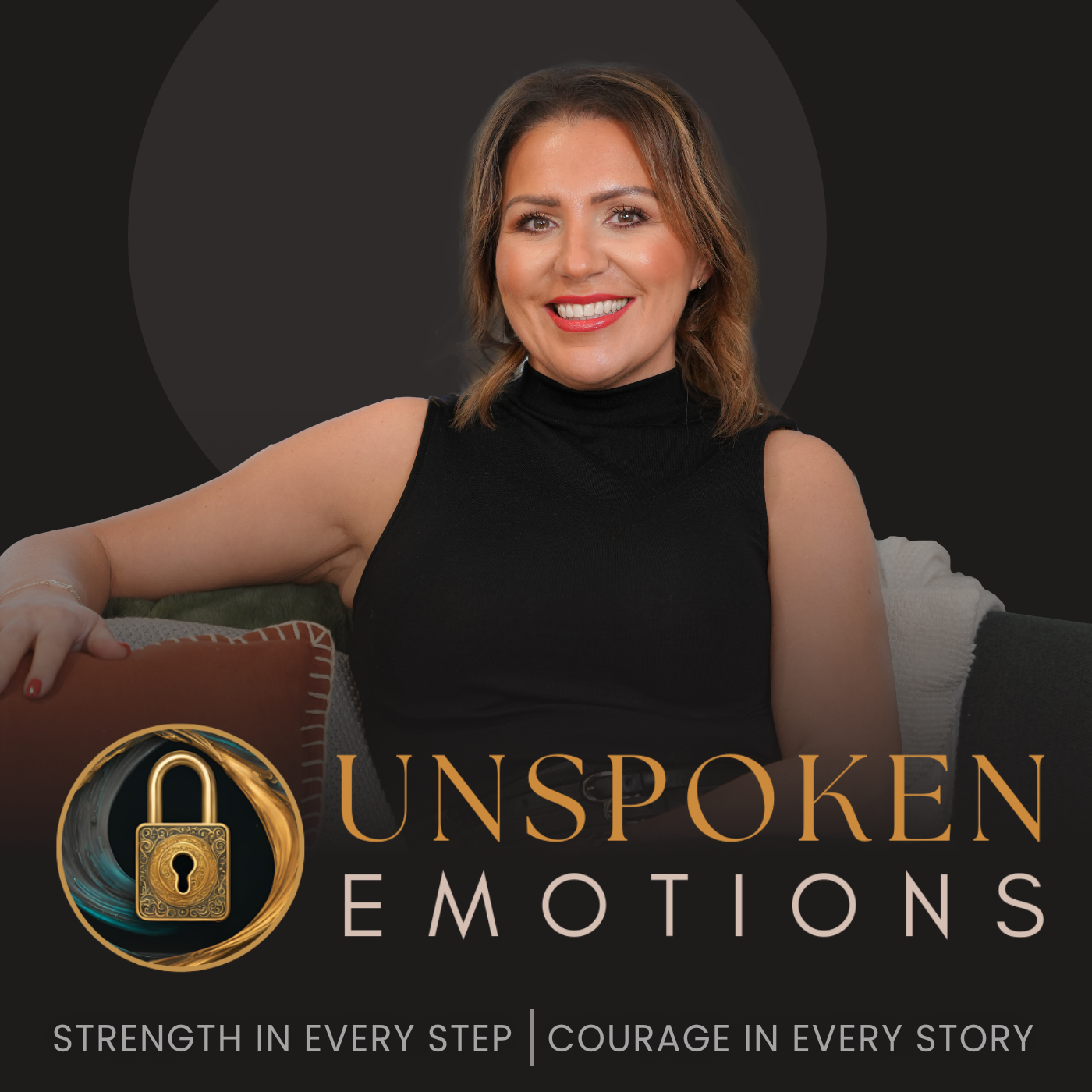
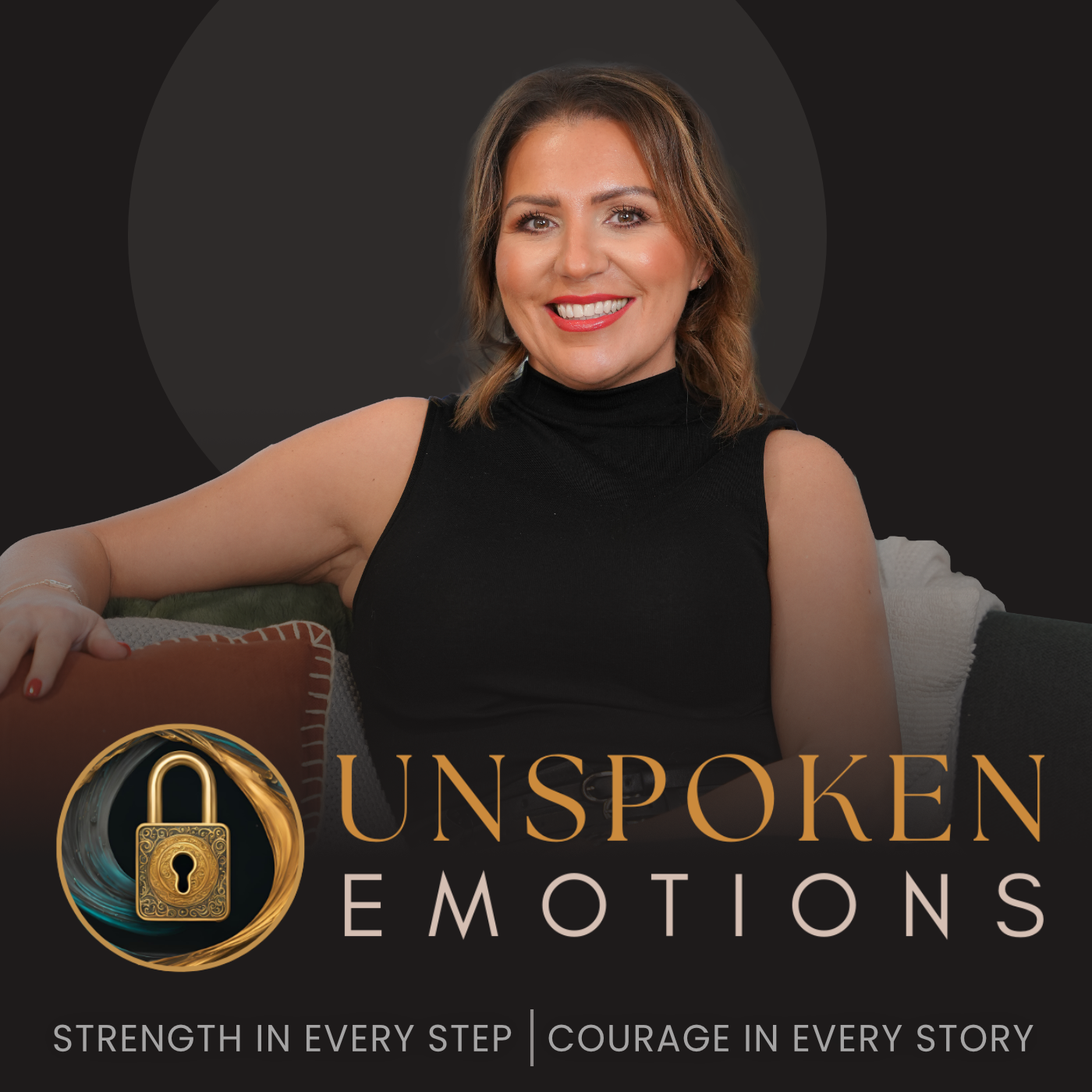
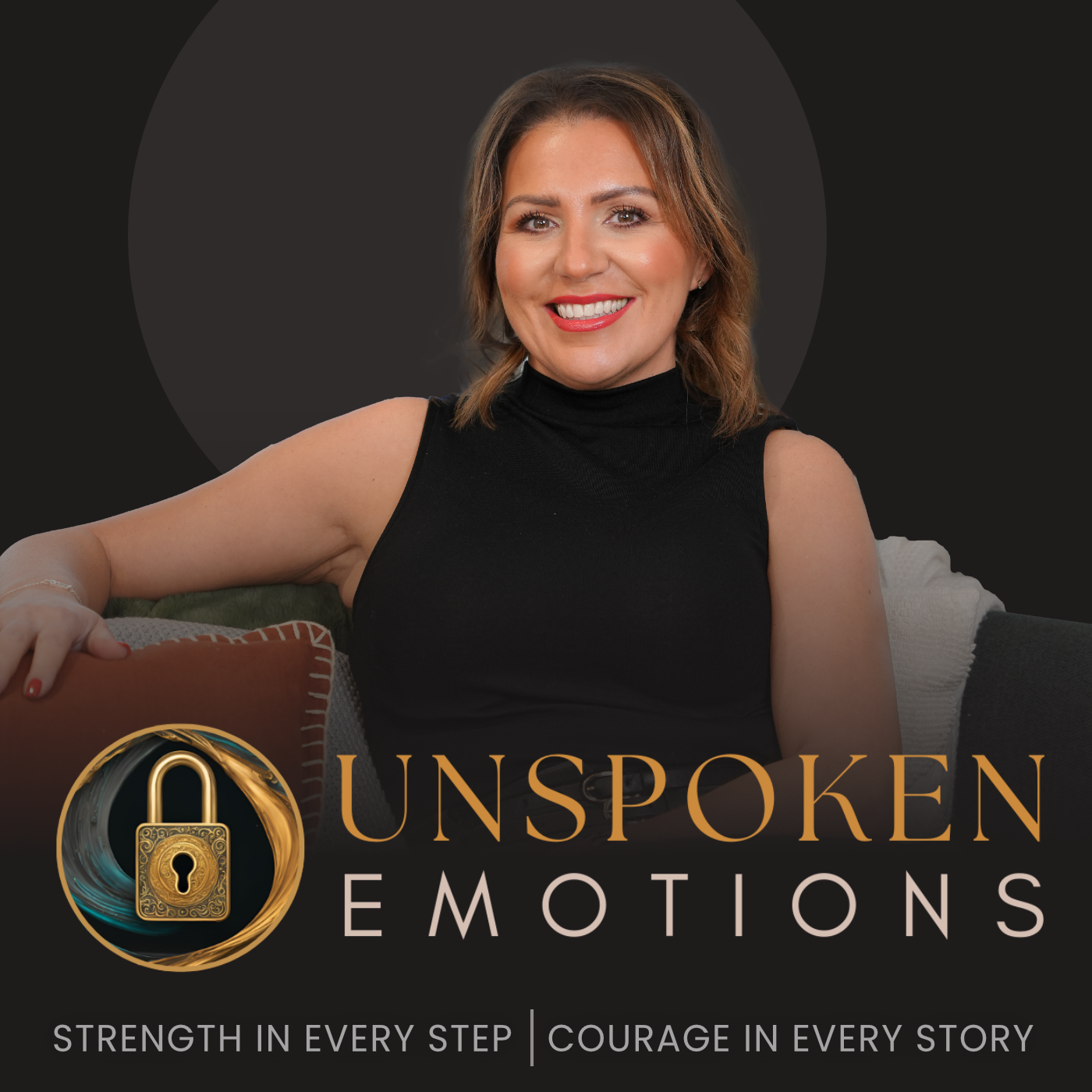
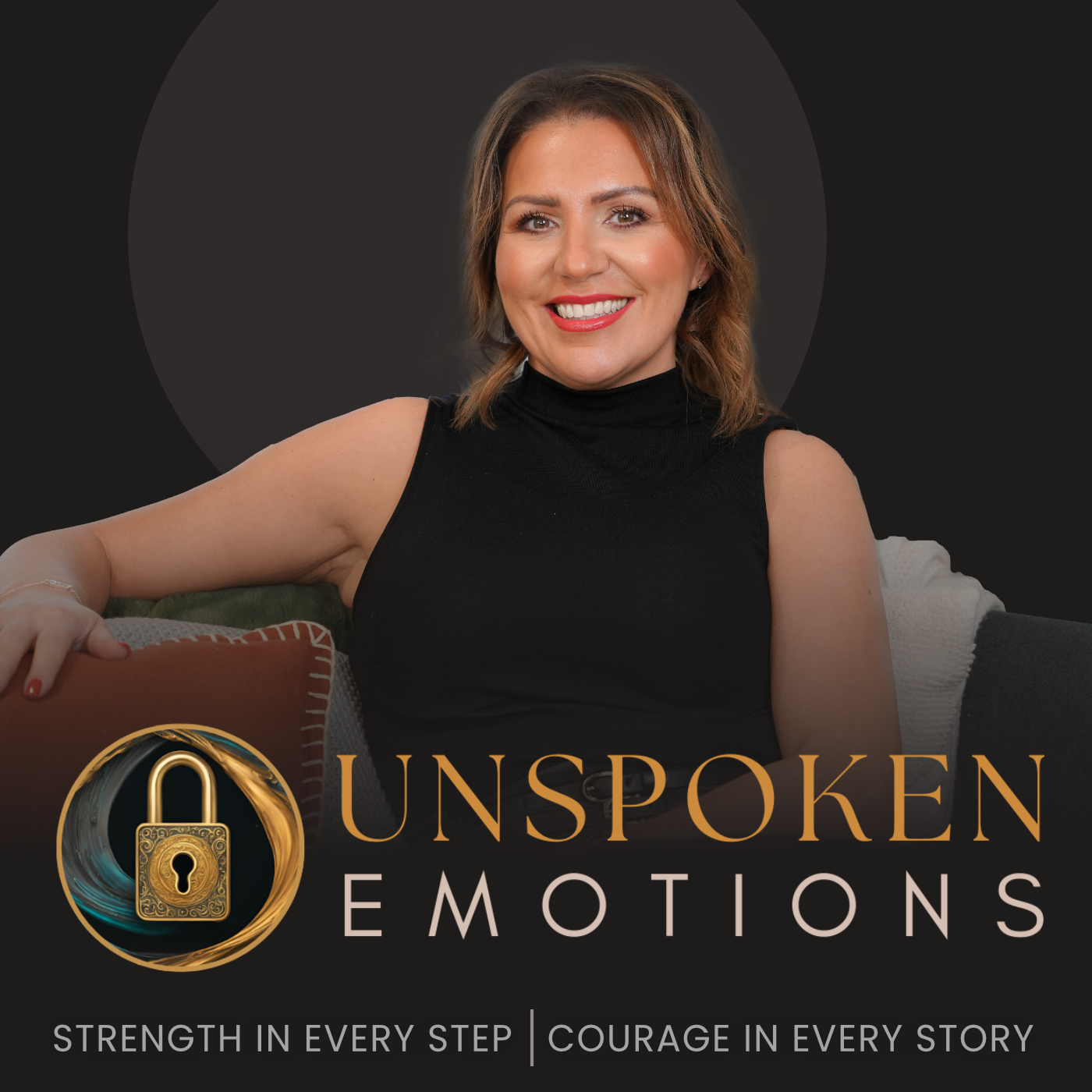
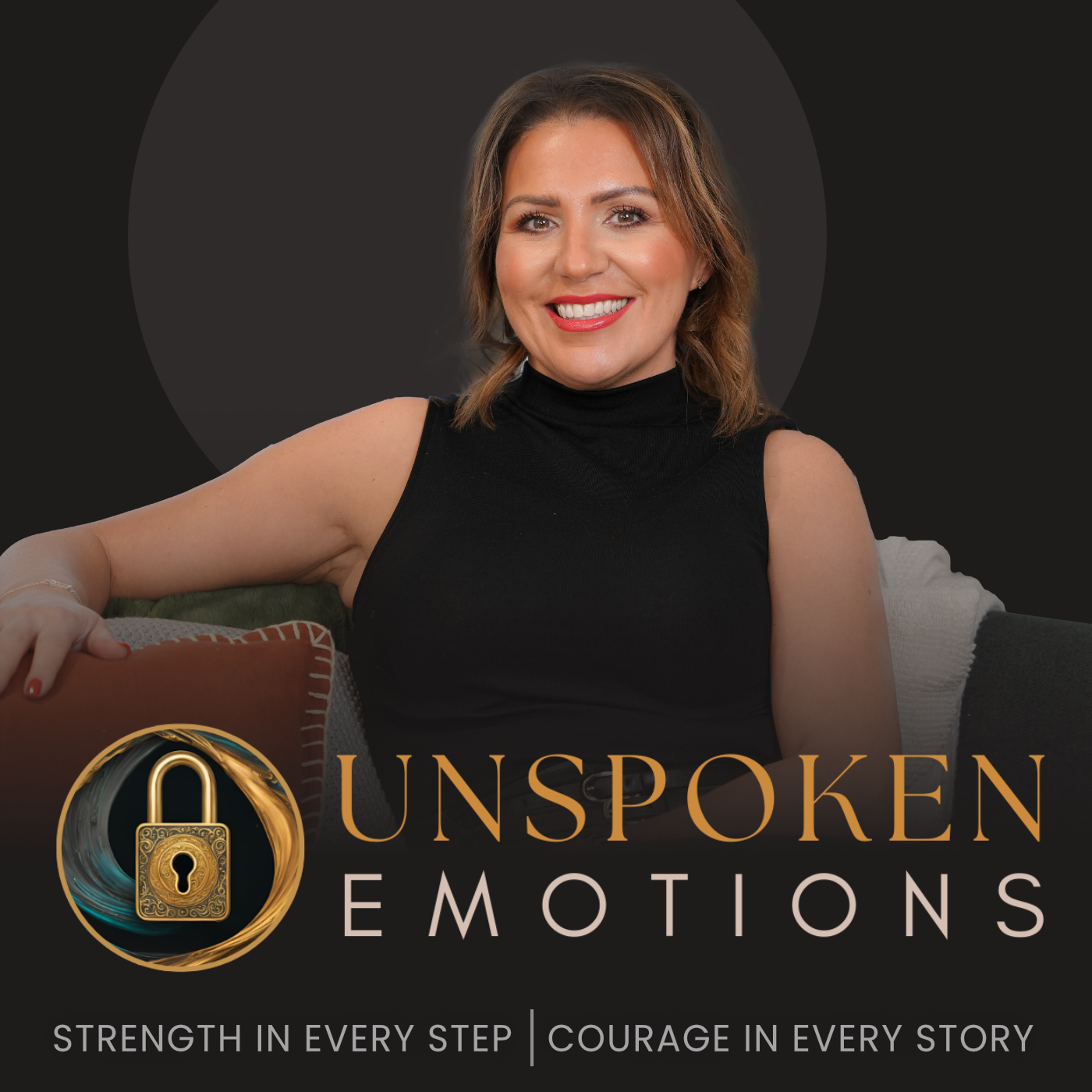
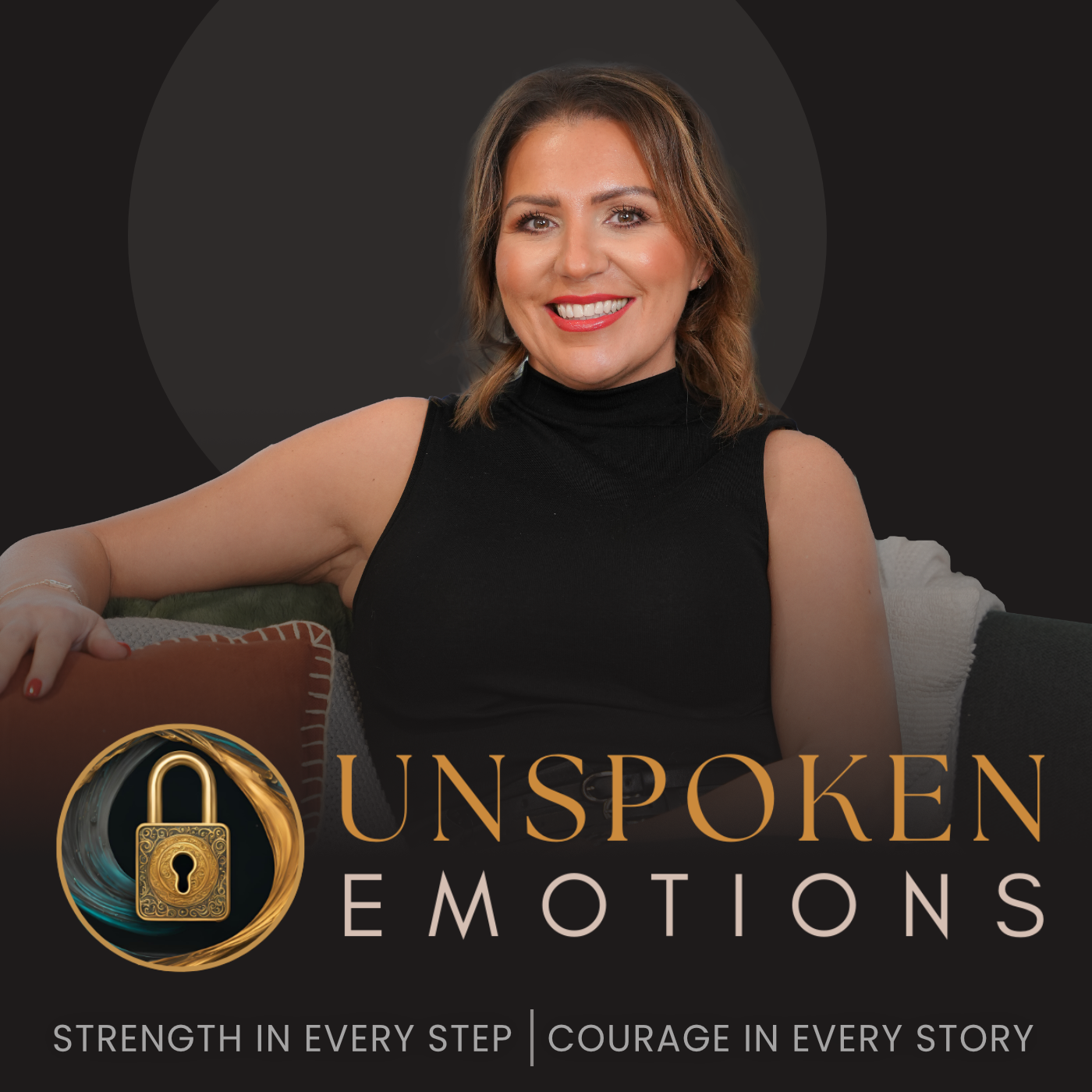
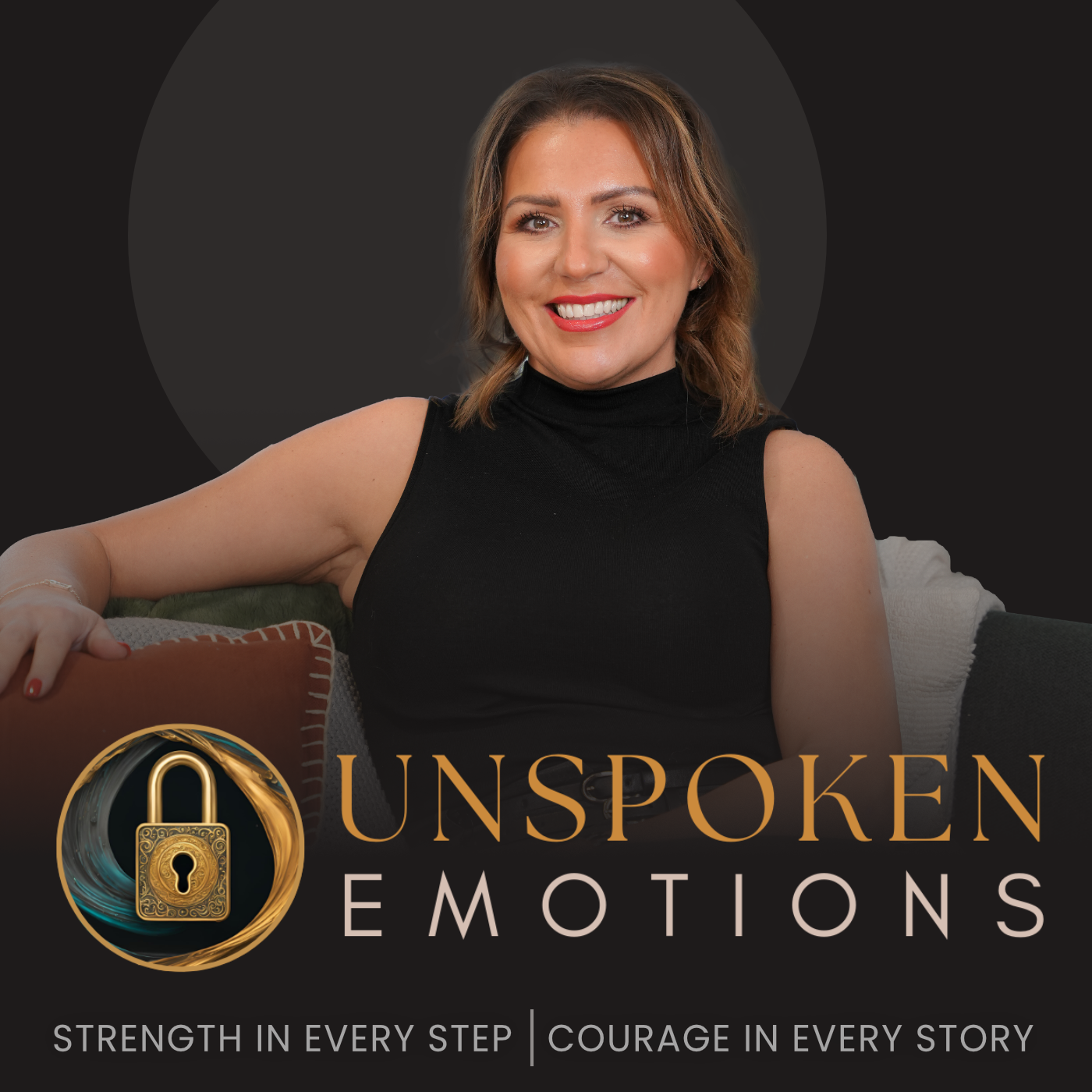
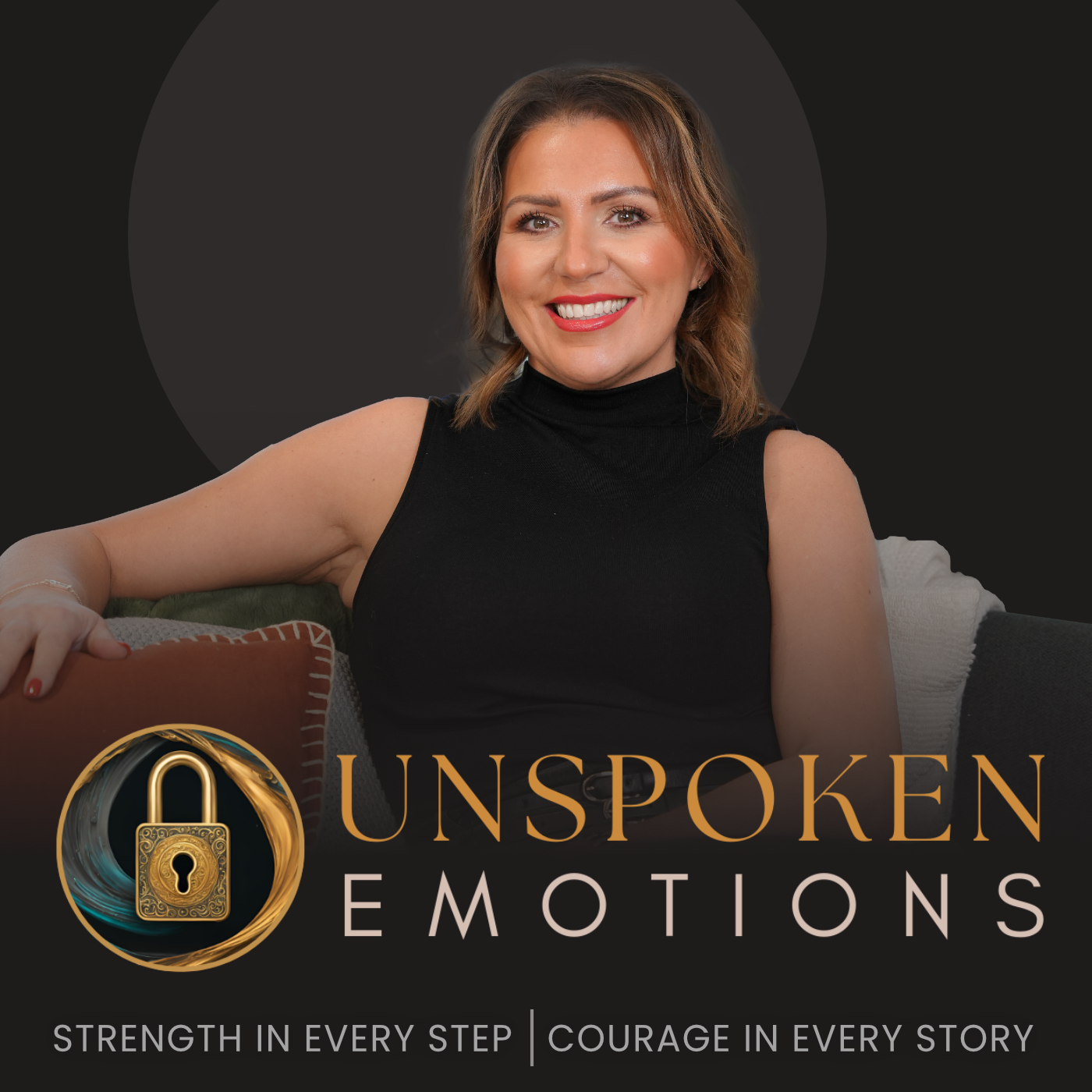
Artwork for Unspoken Emotions
Health & FitnessMental HealthEducationSelf-Improvement

Unspoken Emotions

Rachel Elimelech

Qualified Solicitor | Higher Court Advocate | Story Listener | Emotional Mentor Rachel Elimelech is the warm, courageous voice behind Unspoken Emotions - a podcast that gives voice to the feelings we so often keep buried. A qualified Solicitor and Higher Court Advocate, Rachel combines professional insight with deeply personal lived experience - from surviving sexual abuse, loss, and single parenthood to rebuilding her life with quiet strength and unwavering resilience. Her journey from teenage single mum to respected legal professional has shaped her gift for deep connection. With empathy and authenticity, Rachel creates a safe, judgment-free space where guests are invited to speak the unspoken - grief, guilt, shame, anger, fear - and begin to let go of what no longer serves them. Through honest, unfiltered conversations, Unspoken Emotions explores how real people have turned pain into purpose and silence into healing. Rachel believes that healing begins the moment we speak the truth of our experiences - and that none of us should carry our emotions alone.

Play
  • 28 episodes
  • weekly
  • Avg 54 min
  • English
Counted on this page — what you have heard stays on this device, so it is not something the list can be paged by.
  • Tuesday · 1 hr 10 min

    He Spent 25 Years Teaching Others to Heal - While His Own Childhood Was Still Running the Show

    What happens when the person teaching others to heal from childhood trauma has never fully applied it to himself? Adam McCormick is a Professor of Social Work at St. Edward's University, with 25 years of teaching under his belt and over 300 presentations delivered on adult childhood trauma, emotional disconnection and what he calls "the unfinished business of childhood." He's the author of Healing the Helping Professional — a book that grew out of conversations with therapists, social workers and counsellors who were carrying their own unexamined wounds into rooms where they were supposed to be healing others. Adam grew up with an alcoholic father. From as young as three or four years old, he became, in his own words, "my father's mini social worker" — reading his father's moods, managing the emotional landscape of the household, making himself smaller and more useful so he could stay safe. He disconnected from his own feelings entirely. He became a superstar athlete, a straight-A student, a family hero — building evidence to convince everyone around him, including himself, that everything was fine. And then he built an entire career on it. It wasn't until five or six years ago — in IFS therapy, after decades of teaching this material professionally — that Adam finally asked the question that had somehow never fully landed: "Which parts of me are actually me, and which parts are adaptations I built to survive?" In this conversation, Adam and I explore: • What it really means to become a "one under" person — people pleasing, overfunctioning, being the family hero — and how those patterns get quietly rewarded in childhood and adulthood alike • Why the very skill that makes someone a brilliant helping professional (absorbing others' emotional worlds) is also what makes them most vulnerable to burnout and secondary trauma • What shame actually does for a child — and why Adam is grateful for his • The chapter in his book that broke him to write, titled "Scared Animals Return Home," and what it revealed about his own adult life • What IFS therapy gave him that 25 years of professional knowledge couldn't • What it feels like to begin slowly putting down what you've been carrying — and why starting small is the only way to start at all This episode is for every helper, every over-functioner, every person who's ever found it easier to hold space for someone else's pain than to look at their own. Adam's book, Healing the Helping Professional, is linked in the show notes below. GUEST LINKS Adam is a Professor of Social Work at St. Edward's University and the author of Healing the Helping Professional: The Unfinished Business of Childhood Trauma, published by NASW Press. https://naswpress.org/product/healing-the-helping-professional/
  • November 3 · 55 min

    Cancer Cured Her. Here's What She Means By That | Alexandra Simms on People Pleasing, Childhood Abandonment and Healing the Body From the Inside Out

    Alexandra Simms was 46 when a nurse called her back for a mammogram she had nearly skipped. She had a clash in the diary, a son to pick up from sport, no symptoms whatsoever, and zero reason to think cancer had ever been anywhere near her family. She almost did not go. The mammogram found cancer buried so deep that Alex's surgeon told her later: if you had waited until 50 for your routine screening, you would either have been riddled with it or you would have been dead. That's the diagnosis. What came after it is the episode. Alex calls herself a recovered people pleaser, a word she means precisely. She spent her life being the good girl, the thoughtful one, the woman everyone described as so lovely and so kind, while privately running on a belief she had formed at three years old when her father left. A belief that said: if I make everyone else happy and never cause trouble, they will not leave me. She did not know she believed that. It was completely subconscious. It showed up as glandular fever at 16 that left her debilitated through her GCSEs. As a binge eating disorder she only named a few years ago. As burning in her chest every time there was conflict she could not avoid. As feeling genuinely guilty that her cancer was not serious enough to deserve the meals friends were bringing round. The cancer gave her the only excuse she had ever had to stop doing things for other people and start doing things for herself. She used it. Eight years cancer-free, she is now a lymphatic drainage and reiki practitioner, the founder of Balanced Body and Retreats, and the host of the podcast Cancer Cured Me. Rachel and Alex cover all of it in this conversation: the postcode lottery moment, the diagnosis on her husband's birthday, the childhood abandonment wound behind the people pleasing, the body keeping score, the healing modalities that actually shifted things, and what Alex would say to that little girl sitting at the bottom of the stairs asking when her dad was coming home. What this episode covers: How a routine mammogram opt-in saved Alex's life four years ahead of schedule Why she says cancer cured her, and what she means by that The link between childhood abandonment, people pleasing and chronic illness How unprocessed emotions show up physically in the body The healing tools that actually worked: reflexology, reiki, breathwork, EFT, lymphatic drainage What binge eating disorder looks like when you have never had a name for it How to start healing when you do not know where to begin To connect with your guest Alexandra Sims https://podcasts.apple.com/gb/podcast/cancer-cured-me-wellness-wisdom-and-wonder/id1793127251?i=1000710192019 Web: www.balancedbodyandretreats.comEmail: ⁠Alex@balancedbodyandretreats.com⁠ To connect with your host follow Me HERE: Insta:⁠⁠⁠⁠ ⁠https://www.instagram.com/rachel_unspokenemotions/⁠⁠⁠⁠⁠ TikTok:⁠⁠⁠⁠ ⁠www.tiktok.com/@rachel.unspoken.em⁠⁠⁠⁠⁠ Email: ⁠⁠⁠rachel@unspokenemotions.co.uk⁠⁠⁠ Facebook: ⁠https://www.facebook.com/rachel.elimelech⁠ To Buy Rachel a Coffee: ⁠https://buymeacoffee.com/unspokenemotions⁠ LinkedIn: ⁠https://www.linkedin.com/in/rachel-elimelech-a07a1a46/⁠ To join the waitlist for Rachel’s Unspoken to Unstoppable Breakthrough Programme - email ⁠⁠⁠rachel@unspokenemotions.co.uk⁠⁠⁠ quoting reference “Breakthrough" HOST BIO Qualified Solicitor | Higher Court Advocate | Story Listener | Emotional Mentor Rachel Elimelech is the warm, courageous voice behind Unspoken Emotions - a podcast that gives voice to the feelings we so often keep buried. A qualified Solicitor and Higher Court Advocate, Rachel combines professional insight with deeply personal lived experience - from surviving sexual abuse, loss, and single parenthood to rebuilding her life with quiet strength and unwavering resilience. Her journey from teenage single mum to respected legal professional has shaped her gift for deep connection. With empathy and authenticity, Rachel creates a safe, judgment-free space where guests are invited to speak the unspoken - grief, guilt, shame, anger, fear - and begin to let go of what no longer serves them. Through honest, unfiltered conversations, Unspoken Emotions explores how real people have turned pain into purpose and silence into healing. Rachel believes that healing begins the moment we speak the truth of our experiences - and that none of us should carry our emotions alone.

  • #80
    October 27 · 1 hr 4 min

    How Leaving Saved Her Life: One Woman's Story of Identity Erosion and Self-Reclamation | Claire Adamou

    Claire Adamou had everything going for her. A career she had worked hard to build, a great group of friends, a life she genuinely loved. Then she got married, had two children in quick succession, and began the slow, quiet process of losing herself. It did not happen all at once. It happened the way most erosion happens, gradually, almost invisibly. The criticism of how she did the laundry. The comment about the work email that was "cringe." The dinner parties where he critiqued her cooking in front of everyone. Year by year, Claire's confidence, her ambition, her trust in her own instincts quietly dismantled until she was, as she describes it, just watching herself go through the motions. The moment she realised it was over was not dramatic. It came after a work conference. She did not want to go home. That was the line. What followed was two years of legal battles, financial control, a court order restricting communication to email only, and a period where Claire and her children were living in her sister's garage. She had no access to the business bank account that held all of her money. She had no baby photos, no lock of hair, no first shoes. He kept all of it. And yet. Claire is not bitter. And this conversation is about why. Rachel and Claire talk about the real cost of staying silent, the moment Claire finally recognised the relationship as coercive control, how she rebuilt trust in her own judgment, the anchor analogy she uses for letting go of resentment, and what she would say to any woman sitting at that line right now who is too scared to cross it. What this episode covers: How identity erosion in a controlling relationship happens slowly and invisibly The difference between a difficult marriage and coercive control Why women from families where divorce is taboo carry an extra layer of shame The moment Claire knew it was abuse, watching him try to tell their children how to feel How to cut the anchor without excusing what happened What to do with your friendships and family relationships when you leave The one question every woman thinking about leaving needs to ask herself Follow Claire Website - https://claireadamou.com/ Instagram - https://www.instagram.com/claireadamou/ National Domestic Abuse Helpline (UK): 0808 2000 247 (free, 24/7) | nationaldahelpline.org.uk Refuge: refuge.org.uk Women's Aid: womensaid.org.uk Samaritans: 116 123 (free, 24/7) | samaritans.org Citizens Advice (financial/legal support): citizensadvice.org.uk To connect with your host, follow Me HERE: Insta:⁠⁠⁠⁠⁠⁠ ⁠https://www.instagram.com/rachel_unspokenemotions/⁠⁠⁠⁠⁠⁠⁠ TikTok:⁠⁠⁠⁠⁠⁠ ⁠www.tiktok.com/@rachel.unspoken.em⁠⁠⁠⁠⁠⁠⁠ Email: ⁠⁠⁠rachel@unspokenemotions.co.uk⁠⁠⁠ Facebook:⁠ ⁠⁠https://www.facebook.com/rachel.elimelech⁠⁠⁠ To Buy Rachel a Coffee:⁠ ⁠⁠https://buymeacoffee.com/unspokenemotions⁠⁠⁠ LinkedIn:⁠ ⁠⁠https://www.linkedin.com/in/rachel-elimelech-a07a1a46/⁠⁠⁠ HOST BIO Rachel Elimelech is the warm, courageous voice behind Unspoken Emotions - a podcast that gives voice to the feelings we so often keep buried. A qualified Solicitor and Higher Court Advocate, Rachel combines professional insight with deeply personal lived experience - from surviving sexual abuse, loss, and single parenthood to rebuilding her life with quiet strength and unwavering resilience. Her journey from teenage single mum to respected legal professional has shaped her gift for deep connection. With empathy and authenticity, Rachel creates a safe, judgment-free space where guests are invited to speak the unspoken - grief, guilt, shame, anger, fear - and begin to let go of what no longer serves them. Through honest, unfiltered conversations, Unspoken Emotions explores how real people have turned pain into purpose and silence into healing. Rachel believes that healing begins the moment we speak the truth of our experiences - and that none of us should carry our emotions alone.

  • #79
    October 20 · 20 min

    Why High-Functioning Women Are the Last to Notice Their Bodies Are Screaming

    Rachel Elimelech gets honest about what months of relentless pace actually did to her, and what happened when she finally stopped. From mood shifts and broken sleep to brain fog and physical symptoms she could not name, this solo episode walks through the real warning signs of nervous system overload and, crucially, what slowing down actually unlocked in her thinking and her business. With five practical takeaways you can use today, this is the episode for every high-functioning woman who knows something is off but cannot justify stopping. In this solo episode, Rachel shares what has been happening in her world over the past few months: the relentless pace of her son Louis's racing schedule, the pressure of managing a career, a podcast, and a life that does not pause, and what happened when her body finally stopped cooperating. This is not a burnout episode. It is about something more specific: what chronic overload does to a high-functioning woman's thinking, and what came back when she gave herself permission to rest. What Rachel covers in this episode: The real warning signs of nervous system overload, and why high-functioning women are usually the last to recognise them Why procrastination in an otherwise driven person is not laziness, it is depletion The biology behind decision fatigue and why your brain cannot think straight under chronic stress What happened to Rachel's business clarity the week she slowed down Five practical takeaways on rest, recovery and getting back into flow To connect with your host, follow Me HERE: Insta:⁠⁠⁠⁠⁠⁠⁠ ⁠https://www.instagram.com/rachel_unspokenemotions/⁠⁠⁠⁠⁠⁠⁠⁠ TikTok:⁠⁠⁠⁠⁠⁠⁠ ⁠www.tiktok.com/@rachel.unspoken.em⁠⁠⁠⁠⁠⁠⁠⁠ Email: ⁠⁠⁠rachel@unspokenemotions.co.uk⁠⁠⁠ Facebook:⁠⁠ ⁠⁠https://www.facebook.com/rachel.elimelech⁠⁠⁠⁠ To Buy Rachel a Coffee:⁠⁠ ⁠⁠https://buymeacoffee.com/unspokenemotions⁠⁠⁠⁠ LinkedIn:⁠⁠ ⁠⁠⁠⁠www.linkedin.com/in/rachel-elimelech-unspoken-emotions⁠ HOST BIO Rachel Elimelech is the warm, courageous voice behind Unspoken Emotions - a podcast that gives voice to the feelings we so often keep buried. A qualified Solicitor and Higher Court Advocate, Rachel combines professional insight with deeply personal lived experience - from surviving sexual abuse, loss, and single parenthood to rebuilding her life with quiet strength and unwavering resilience. Her journey from teenage single mum to respected legal professional has shaped her gift for deep connection. With empathy and authenticity, Rachel creates a safe, judgment-free space where guests are invited to speak the unspoken - grief, guilt, shame, anger, fear - and begin to let go of what no longer serves them. Through honest, unfiltered conversations, Unspoken Emotions explores how real people have turned pain into purpose and silence into healing. Rachel believes that healing begins the moment we speak the truth of our experiences - and that none of us should carry our emotions alone.

  • #79
    October 12 · 1 hr 23 min

    When Loving Your Child Isn't Enough to Keep Them Home: Life With Severe Autism

    This episode contains discussion of severe autism and challenging behaviour, physical injuries sustained by a parent, a parent's fleeting thoughts about not wanting to be here, and the emotional reality of residential care. Listener support resources are below. Rachel Rose spent 20 years fighting for her son Dylan - autism, residential care, impossible choices. The guilt no one tells you about. What happens when you've fought every system, exhausted every option, flown to another continent for help — and still the decision is taken out of your hands? In this episode, I sit down with my best friend of 34 years, Rachel Rose: qualified midwife, mother of four, and one of the most fiercely loving and quietly devastated people I know. Rachel's son Dylan was diagnosed with severe autism at just two years old. What followed was two decades of relentless advocacy - home ABA programmes, transatlantic treatment in Texas, battles with social services, education authorities, and a system that consistently made the hardest situations harder. She did all of it while working full-time as a probation officer, raising two children and quietly absorbing injuries that she could never bring herself to attribute to her child. When Dylan was placed into full-time residential care in 2020 - following a public incident on New Year's Day - Rachel experienced a grief that most people couldn't understand. He was alive. He was loved. He was safe. And she felt like she was failing him every single day. In this honest, raw and deeply moving conversation, Rachel talks about the emotions she never named, the years she spent pretending everything was fine, and why she believes the guilt of a child being in residential care is almost as crippling as the day-to-day of caring for them at home. IN THIS EPISODE • The first signs Rachel noticed that something wasn't right - and being dismissed as an anxious young mum • Flying to Texas for specialised ABA treatment when the UK system couldn't provide what Dylan needed • Running a fully funded home education programme throughout Dylan's primary years • The "hell in a cell" nights - sleep deprivation, hyper-vigilance, and what it does to a family • The moment on New Year's Day 2020 that changed everything • Why she could never have made the decision to place Dylan in residential care herself • The guilt of loving Dylan whilst also being physically hurt by him - and never blaming him • Going back to university to train as a midwife as an act of survival • What she says to parents on Autism Awareness Day - and why she feels a responsibility to tell the truth • The one thing she wishes someone had told her when she was at her lowest HELPLINES • Samaritans: 116 123 (free, 24/7) | jo@samaritans.org • Carers UK Helpline: 0808 808 7777 | www.carersuk.org • National Autistic Society: 0808 800 4104 | www.autism.org.uk • Mind: 0300 123 3393 | www.mind.org.uk

  • #78
    October 6 · 58 min

    Grief vs Depression — How to Know the Difference and Why It Matters | Danielle Corrie

    her mum to motor neuron disease and her beloved dog Tita in the same year. About grief that comes not from death but from any kind of loss, a relationship, a job, a friendship, a version of your life that did not happen the way you planned. About what it means to be loving someone through their final chapter right now. And about the eight years it took to write a book from a dog's perspective because sometimes the only way to get close enough to the truth is to tell it from a different angle. She also says something that I have not been able to stop thinking about. Grief is not something you get over. You might get through it. But you never get over it. Because the opposite of love is grief. And love does not have a finish line. If you have ever been handed the wrong word for what you were feeling, this episode is for you. GUEST LINKS Danielle's book Tita's Story is available now. All details in the show notes. Content note: this episode contains discussion of grief, loss, suicide bereavement and anticipatory grief for a living parent. Helplines: Cruse Bereavement 0808 808 1677 | Samaritans 116 123 | AUS Griefline 1300 845 745 | US 988 Lifeline Connect with Guest: http://daniellecorrie.com.au/ linktr.ee/daniellecorrie To connect with your host, follow Me HERE: Insta:⁠⁠⁠⁠⁠⁠⁠ ⁠https://www.instagram.com/rachel_unspokenemotions/⁠⁠⁠⁠⁠⁠⁠⁠ TikTok:⁠⁠⁠⁠⁠⁠⁠ ⁠www.tiktok.com/@rachel.unspoken.em⁠⁠⁠⁠⁠⁠⁠⁠ Email: ⁠⁠⁠rachel@unspokenemotions.co.uk⁠⁠⁠ Facebook:⁠⁠ ⁠⁠https://www.facebook.com/rachel.elimelech⁠⁠⁠⁠ To Buy Rachel a Coffee:⁠⁠ ⁠⁠https://buymeacoffee.com/unspokenemotions⁠⁠⁠⁠ LinkedIn:⁠⁠ ⁠⁠⁠⁠www.linkedin.com/in/rachel-elimelech-unspoken-emotions⁠ HOST BIO Rachel Elimelech is the warm, courageous voice behind Unspoken Emotions - a podcast that gives voice to the feelings we so often keep buried. A qualified Solicitor and Higher Court Advocate, Rachel combines professional insight with deeply personal lived experience - from surviving sexual abuse, loss, and single parenthood to rebuilding her life with quiet strength and unwavering resilience. Her journey from teenage single mum to respected legal professional has shaped her gift for deep connection. With empathy and authenticity, Rachel creates a safe, judgment-free space where guests are invited to speak the unspoken - grief, guilt, shame, anger, fear - and begin to let go of what no longer serves them. Through honest, unfiltered conversations, Unspoken Emotions explores how real people have turned pain into purpose and silence into healing. Rachel believes that healing begins the moment we speak the truth of our experiences - and that none of us should carry our emotions alone.

  • #77
    September 28 · 15 min

    What Have We Done to Our Children? | And What We Can Still Do About It

    Something has shifted in the generation we raised. And most of us know it, even if we have not quite said it out loud. The teenagers and young adults around us are struggling. Not because their lives are terrible. Not because anything objectively catastrophic is happening. But because so many of them simply do not know how to cope. How to sit with disappointment. How to navigate conflict. How to get through something hard without it feeling like the end of the world. In this solo episode Rachel asks the uncomfortable question. Did we do this? With honesty, warmth and a healthy dose of recognising herself in all of it, Rachel talks about the world we built for our children. What we gave them and what we accidentally withheld. The friendship drama that sends girls into a three-day spiral and the moment she realised that being a safe place for her own child was only half of what they needed. And the four things parents can do right now that will make a real difference. This one is for every parent who loves their child deeply and is quietly wondering whether the way they showed that love might have made things harder for them in ways they never intended.

  • #76
    September 21 · 22 min

    Why You Feel Nothing | And What That Silence Inside You Is Actually Trying to Say

    This week it is just Rachel. No guest. No story from someone else's life. Just an honest conversation about something a lot of women are carrying around right now and not telling anyone. Not I am sad. Not I am struggling. Just. Nothing. A kind of flatness that settles in so quietly and so gradually that by the time you notice it, you cannot remember when it started. In this episode, Rachel talks about what emotional numbness actually feels like from the inside. Why it happens, and why it tends to happen to the women who have been coping the hardest for the longest. And what to do when you realise you have been going through the motions of your own life without actually being in it. She also shares something personal from her own life. A moment in her late twenties when she had everything she had worked so hard for and still felt completely flat. And the unlikely conversation, in a McDonald's doorway at midnight, that made her finally admit it to herself. If you have been telling yourself you are fine when something inside you knows that fine is not quite right, this one is for you.

  • #75
    September 14 · 1 hr 14 min

    He Was 13. He Wanted to Be a Neurosurgeon. | Lisa Hippsley on Losing Kaylan and the Fight for Justice

    Content note: this episode contains discussion of the death of a child, road death, grief, PTSD and the criminal justice system. Kaylan Hippsley was thirteen years old. He wanted to be a neurosurgeon. He played rugby and football. His mum Lisa had just passed her driving test and he told her she could teach him to drive someday. In February 2024 Kaylan was walking home in Hirwaun in South Wales when a car driven by Harley Whiteman hit him. Whiteman was drunk and on cocaine. He fled the scene. He then returned and attempted to pull the student nurse who was trying to save Kaylan away from him. Kaylan never regained consciousness. He died in hospital three days later. His family fought all the way to the Royal Court of Justice in London. The sentence was increased to nine years with a minimum of six in a secure prison. They held that knowledge. They built what they could of a life around it. Then they received a phone call. Harley Whiteman is already in an open prison. He could be released as early as 2028. Just four years after killing Kaylan. Before Kaylan would even have turned twenty. In this conversation Lisa talks about who Kaylan was. About the last video she has of him coming down the stairs in flippers and a snorkel the night before he was killed. About the machines being switched off at the exact time Kaylan was born. About the guilt she carries. And about the fight she refuses to stop. Kaylan would have been sixteen next month. Sign the Justice for Kaylan petition: https://c.org/2zDfrxJMYm Content note: this episode contains discussion of the death of a child, road death, grief, PTSD and the criminal justice system. HELPLINES | Include in everything UK | Samaritans: 116 123 | Free 24 hours UK | Cruse Bereavement Support: 0808 808 1677 | cruse.org.uk UK | Road Peace: roadpeace.org | 020 7733 1603 UK | Compassionate Friends (bereaved parents): tcf.org.uk | 0345 123 2304 UK | Child Bereavement UK: childbereavementuk.org | 0800 02 888 40 US | 988 Lifeline: call or text 988

  • September 7 · 1 hr 22 min

    Choosing Freedom When the Cost of Staying Is You | Christine Dillard on 17 Years of Coercive Control

    Coercive control doesn't bruise. It doesn't photograph. It doesn't trigger emergency calls or leave marks on the world that the world can see. It operates through erosion. So gradual that the person living inside it often does not recognise what is happening until they have lost themselves entirely. Christine Dillard lived inside that erosion for seventeen years. She was a Fortune 500 director. A single mother of two. The woman everyone at work knew as strong, capable and unshakeable. Behind closed doors she was bracing every time she heard the garage door. She had forgotten her favourite dinner, her favourite film, her favourite colour. Her body was carrying the truth in inflammation, insomnia, a racing heart and high blood pressure, years before her mind was ready to hear it. She had no idea there had been four separate incidents in the car, not one. Her brain had protected her from remembering them all. This conversation is about what coercive control actually looks and feels like from the inside. About why staying made sense. About what it cost her to leave and what she found on the other side. And about her daughter who described her in one word two years after leaving. Tranquil. This episode was recorded earlier this year. I am re-releasing it today because some stories deserve more than one audience. And because somewhere someone is listening who needs to hear it for the very first time. Content note: this episode contains discussion of coercive control, domestic abuse and threats within a long-term relationship. HELPLINES | Include given content UK | National Domestic Abuse Helpline: 0808 2000 247 | nationaldahelpline.org.uk | Free, 24 hours UK | Women's Aid: 0808 2000 247 | womensaid.org.uk UK | Samaritans: 116 123 US | National Domestic Violence Hotline: 1-800-799-7233 | thehotline.org US | 988 Lifeline: call or text 988 KEY TAKEAWAYS Abuse Isn't Always Physical: Coercive control operates through the slow, subtle erosion of a person's identity and autonomy. It is often maintained through micro-moments and subtle manipulations rather than explosive, visible events. The Body Keeps the Score: Psychological and emotional abuse can manifest in severe physical symptoms. Christine experienced autoimmune issues, high blood pressure, racing heart rates, sweating, and chronic insomnia as a direct result of her environment. The Power of a "Tone": For victims of coercive control, a simple shift in their abuser's tone of voice can trigger a full-body trauma response. The body shuts down into a state of "fight, flight, or freeze," even if outsiders cannot perceive the threat. Strategic Exits are Crucial: Leaving a controlling relationship safely often requires careful, covert planning. Christine executed a three-year exit strategy to secure her finances, arrange housing, and ensure her children reached an age where custody dynamics would be safer. Trust Your Body's Signals: When your mind tries to gaslight you into believing "it's not that bad," your body will tell you the truth. Healing begins the moment you stop ignoring your own physical and emotional distress signals and seek confidential support. BEST MOMENTS "I didn't realize how much I had not even changed, I just was a shell of the person that I was 17 years, 18 years prior." "My brain was protecting me by not allowing me to remember all of those things... your body is protecting you. It’s allowing you to survive in the situation you’re in." "You hear a tone and you immediately shut down. Like your body doesn't know what to do. Your brain shuts off, your heart is racing... you don't know if you should stand still and not move, not breathe, or if you should run." "If any one of these physical symptoms hits you when he does something or he says something or uses a certain tone... your body is responding. It is that bad." "The time that I would have invested in him... I reinvested that time in myself and I was like, 'I'm going to be real selfish about this.'" HOW TO CONNECT WITH CHRISINE The Truth She Showed Me (memoir): [⁠https://amzn.to/4t1LoR5⁠] Instagram: [⁠https://www.instagram.com/thetruthsheshowedme?igsh=Z3IxcWJlcmIyYm5t⁠] TikTok: [⁠https://www.tiktok.com/@thetruthsheshowedme?_r=1&_t=ZN-95xD2O4csXm⁠] To connect with your host, follow Me HERE: Insta:⁠⁠⁠⁠⁠⁠ ⁠https://www.instagram.com/rachel_unspokenemotions/⁠⁠⁠⁠⁠⁠⁠ TikTok:⁠⁠⁠⁠⁠⁠ ⁠www.tiktok.com/@rachel.unspoken.em⁠⁠⁠⁠⁠⁠⁠ Email: ⁠⁠⁠rachel@unspokenemotions.co.uk⁠⁠⁠ Facebook:⁠ ⁠⁠https://www.facebook.com/rachel.elimelech⁠⁠⁠ To Buy Rachel a Coffee:⁠ ⁠⁠https://buymeacoffee.com/unspokenemotions⁠⁠⁠ LinkedIn:⁠ ⁠⁠https://www.linkedin.com/in/rachel-elimelech-a07a1a46/⁠⁠⁠ HOST BIO Rachel Elimelech is the warm, courageous voice behind Unspoken Emotions - a podcast that gives voice to the feelings we so often keep buried. A qualified Solicitor and Higher Court Advocate, Rachel combines professional insight with deeply personal lived experience - from surviving sexual abuse, loss, and single parenthood to rebuilding her life with quiet strength and unwavering resilience. Her journey from teenage single mum to respected legal professional has shaped her gift for deep connection. With empathy and authenticity, Rachel creates a safe, judgment-free space where guests are invited to speak the unspoken - grief, guilt, shame, anger, fear - and begin to let go of what no longer serves them. Through honest, unfiltered conversations, Unspoken Emotions explores how real people have turned pain into purpose and silence into healing. Rachel believes that healing begins the moment we speak the truth of our experiences - and that none of us should carry our emotions alone.

  • August 31 · 1 hr 6 min

    Loneliness Was the Cost | Celeste Warren on the Hidden Cost of Being the Strong One

    Celeste Warren spent nearly four decades in corporate global companies rising to Vice President and Chief Diversity and Inclusion Officer at a Fortune 100 company. She was the woman who walked into the most difficult rooms. The one who held space for conversations nobody else wanted to have. Who helped other people process their discomfort, navigate change and find common ground. From the outside she was the woman who had all the answers. What most people did not see was that she went home to an empty apartment, rocked in bed with her pillow, and cried alone. That the cost of always being the strong one was insomnia, stomach problems, nausea and a very specific kind of loneliness that came from never having anyone to pour into when the advice-giving was done. She told Rachel before they recorded: I've always been someone people came to for answers. What they didn't see was that I didn't always have a place to take my own questions. In this conversation Celeste and Rachel talk about what it costs to be the first. The only woman in the room. The one who had to work twice as hard to get half as far and then somehow also hold space for everyone else's discomfort. About the fishbowl feeling of making a mistake when everyone is watching. About what loneliness actually felt like in a body that was carrying too much. And about what it means to get up in your pyjamas at 9.30am and decide to go to the gym just because you want to. Celeste leads Celeste Warren Consulting and is the author of The Truth About Equity. Links to connect with Celeste:Website: www.CRWDiversity.comLink to book on Amazon: https://mybook.to/TruthAboutEquity LinkedIn: https://www.linkedin.com/in/celestewarrenllc/ Instagram: https://www.instagram.com/crwdiversity YouTube: https://www.youtube.com/@celestewarren-equity Substack: https://open.substack.com/pub/celestewarren Facebook: https://www.facebook.com/share/1CXPNHNqZE/?mibextid=wwXIfr

  • #72
    August 25 · 1 hr 10 min

    The Expert Who Was Also Living It | Adam McCormick on Shame, Childhood Trauma and the Unfinished Business Helping Professionals Carry

    Adam McCormick has spent twenty-five years teaching other people to recognise the unfinished business of their childhoods. The patterns formed before we have words for them. The adaptations we built to survive. The emotions we buried so deeply they became normal. He did all of that while living his own unfinished business. For decades. Without fully seeing it. Adam grew up as what he calls his father's mini social worker. In a home shaped by alcoholism, he learned early that his job was to read his father's emotions, tend to his needs and disconnect entirely from his own. He became a superstar athlete to earn his father's attention. He drove a potato chip truck down a freeway at thirteen, in the dark, with no headlights, because he could not set a boundary with a drunk father behind the wheel. And then he built an entire career out of helping other people understand exactly what he had never quite applied to himself. In this conversation Adam and Rachel talk about what it costs to be the person everyone else comes to. About the addiction to keeping everything normal. About shame as a survival strategy that simply did not know when to stop. About what twenty-five years of teaching childhood trauma looks like when you finally recognise yourself in the material. And about the five-year-old in a karate uniform doing crane kicks in the front yard who became the compass for everything Adam now knows about getting back to himself. GUEST LINKS Adam is a Professor of Social Work at St. Edward's University and the author of Healing the Helping Professional: The Unfinished Business of Childhood Trauma, published by NASW Press.

  • #71
    August 17 · 1 hr 13 min

    She Didn't Process It. She Danced It. | Jo Kelly on Cancer, Movement and the Ecstasy of Feeling Everything

    Jo Kelly was going through cancer treatment. Alone in many of the ways that matter most. A single mum. One child with complex medical needs requiring regular hospital visits. She had just been through a separation. The word cancer was so heavy she would not use it. She called it booby chat. And then one morning, getting ready for radiation, she caught a glimpse of herself dancing naked in the mirror, half her hair gone, and she thought, this is interesting. She danced to the hospital. She danced in the hallways. She danced in front of the radiation machine while the nurses watched on the cameras and their faces lit up. And she felt, from the very first day, what she described as literal ecstasy. She did it for thirty days. It became a documentary. It became confirmation of the work she had always done. In this conversation Jo and Rachel talk about what it means to actually feel your emotions rather than manage them. About school training the movement and the instinct out of all of us from the start. About why you cannot pour from an empty cup when you have never even been allowed to feel it fill. About the daughter who heard the diagnosis and said can you warm up the pizza. About the son who said if anyone can do this it is you. And about Jo's answer to the unspoken emotion question. That it was all of it. All the spectrum. And that it is all love, even when it takes the face of rage. This is the most joyful and quietly revolutionary conversation I have had on this podcast. GUEST LINKS Instagram: @tobeornottoact_jokellyFacebook: @jo.kelly.77LinkedIn: www.linkedin.com/in/jokellyofficialYouTube: @JoKelly

  • #70
    August 10 · 1 hr 6 min

    She Was 24 Hours From Ending Her Life. Then the Phone Rang. | Cari Rickabough on 30 Years of Trauma and the Healing That Changed Everything

    Content note: this episode contains first-hand accounts of childhood physical, emotional and sexual abuse, and references to suicidal ideation. Cari Rickabough grew up in a family that looked perfect from the outside. She was taught the roles to play in public. Behind closed doors, it was a completely different story. Physical, emotional, and sexual abuse began before she had words for any of it. She forced herself to forget the earliest years, and would not remember them until she was in her forties. What she did carry consciously were thirty years of trauma that shaped everything. The relationships she could not keep. The jobs she could not hold. The college she could not finish. The identity she had never been allowed to form. Her body eventually said what she could not. Seizures that started at 20 and lasted twenty-two years, with no medical explanation anyone could find. Fibromyalgia that left her bedridden. Chronic fatigue. Major depressive disorder. Anxiety. A body holding what the mind had nowhere to put. She tried therapist after therapist. Every one told her the same thing. Twelve weeks. You will be good. She was not good. By her mid-forties she was twenty-four hours from ending her own life. Nobody knew. And then a friend, following a nudge he could not explain, made a phone call that changed everything. In this conversation, Cari talks about what it took to finally heal after thirty years, why NLP coaching reached something thirty years of therapy could not, what it felt like when the seizures stopped, and what she would say to the little girl who thought what was happening to her was normal. This episode is being re-released today because some stories deserve more than one audience. And because somewhere someone is listening who needs to hear it for the very first time. Content note: this episode contains first-hand accounts of childhood physical, emotional and sexual abuse, and references to suicidal ideation. To connect with Cari: Linktree: ⁠https://linktr.ee/resiliencemindandbodycoaching⁠

  • #69
    August 3 · 14 min

    The Reset | How to Recognise Burnout Before It Breaks You and What to Actually Do About It

    You would never let your car run out of fuel and expect it to keep going. You would never skip the service for three years and then wonder why the engine is making that noise. And yet most of us do exactly that to ourselves. We run on empty. We ignore the warning lights. We keep going until we are snapping at the people we love, crying in the supermarket over nothing and wondering when we became this person. In this solo episode, Rachel talks about why high-functioning women consistently put themselves last, how to spot the signs that you are closer to burnout than you think, and what an actual reset looks like inside a real life rather than a fantasy one. She also introduces Beneath the Brave, a free three-minute quiz that names the specific pattern keeping you stuck. No credit card, no catch. Just something that might genuinely change the way you understand yourself. Links mentioned: Beneath the Brave quiz: brave.unspokenemotions.co.uk | Free | 3 minutes

  • #68
    July 27 · 1 hr 23 min

    When the Doors Close | Holly Fowles-Pazdro on What Keeps You Going When Nobody Else Is There

    Content Warning This episode contains first-hand accounts of childhood physical and sexual abuse, family estrangement and difficult periods of mental health. If any of these topics may affect you, please take care of yourself while listening. You can pause, skip or come back to this when you feel ready. You are not alone. Samaritans: 116 123 NAPAC: 0808 801 0331 Rape Crisis: 0808 500 2222 Holly Fowles-Pazdro grew up not feeling safe, not feeling seen and not feeling allowed to say so. She spent her teens escaping into drugs and parties because that was easier than going home. She spent fifteen years in film and TV doing hair and makeup, working eighteen-hour days, going to the toilet to cry and coming back out smiling. Until the day her back collapsed on set and she could not get up. What followed was an eleven-hour surgery, months alone with a litter grabber, a wean off opioids, and the beginning of one of the most profound personal rebuilds I have ever witnessed. During EMDR therapy, Holly began to remember things her brain had locked away to protect her for decades. Things she had no conscious memory of. And she had to face them. Alone. In the dark. Every day. She has never spoken about any of this publicly. Until now. In this conversation Holly talks about what it means to grow up as the black sheep. About finding a diary at 41 that told her things she had forgotten at 10. About the eleven-hour surgery that forced her to stop and in stopping, find out who she actually was. About cutting off her family and watching abundance flood in. About the poem she wrote when words were the only thing left. And about the insight her therapist says changed everything: it is not about letting go. It is about whether you have the capacity to hold space for all of it. Holly is now a mind, body and facial specialist focused on nervous system-led treatments. She holds space for others as someone who has had to hold space for everything herself. Content note: this episode contains discussion of childhood physical and sexual abuse, family estrangement, chronic pain, addiction and dark moments during recovery. Please take care of yourself while listening. Can you also add in her socials in Connect with Guest section. Holly's Instagram: @mindfulglow_withholly Holly's TikTok: @mindfulglow_withholly Holly's website: www.mindfulglowwithholly.com

  • #67
    July 20 · 11 min

    When Life Gets Heavy | On Slowing Down, Letting Go and Just Doing It

    EPISODE DESCRIPTION Rachel went quiet for a few weeks. Not because she ran out of things to say. But because life got heavy. In this solo episode, Rachel speaks honestly about what it is like to be the one who manages when something hard happens. The one who makes the tea and holds it together and cries in the car on the way to school drop-off and then pulls themselves together and carries on. About the guilt of stepping back from the things you love. About the permission to slow down without calling it failure. And about the thing that kept coming back to her through all of it. We think we have time. We worry ourselves small. We hold back from the things we really want to do because of what people might think. But life has a way of making you stop. And in the stopping, if you pay attention, there is usually something worth hearing. This is one of the most personal episodes Rachel has recorded. And probably one of the most important. HELPLINES | Include given bereavement content UK | Cruse Bereavement Support: 0808 808 1677 | cruse.org.uk UK | Samaritans: 116 123 US | GriefShare: griefshare.org US | 988 Lifeline: call or text 988

  • #66
    July 14 · 1 hr 15 min

    I Don't Have a Tidy Ending | Alexandra Alden on Running From Your Own Power and What Stopped Her

    Content note: this episode contains references to childhood emotional violence, alcoholism in the family, addiction, grief, and the loss of a sibling. Alexandra Alden has done a lot. She founded a 500-person community. Consulted with the World Food Programme. Produced events across multiple countries. Travelled, built, created. And described herself as half disappearing through all of it. Always moving right before anything got real. Right before anyone could get close enough to truly see her. Not out of restlessness but out of something much quieter and much harder to name. A fear not of failure but of her own power. In this conversation, Alexandra traces the arc from a childhood of walking on eggshells in a home with alcoholism and emotional violence, through decades of movement, building and leaving, to the night of the soul that eventually cracked it all open. The toxic relationship that became the mirror. The plant medicine. The grief work. The loss of her brother in January of this year. And the grief dance that has become her medicine for others. Alexandra works with people on moving out of emotional shutdown and back into instinct, feeling and embodied presence. She is also the founder of the Liberation Atelier programme and the creator of the Grief Dance. This is one of the most honest conversations I have had on this podcast. Not because Alexandra has it figured out. But because she doesn't. And she said so. Out loud. In the middle of it. TIMESTAMPS 02:59 Half disappearing | what it actually feels like from the inside 08:03 Not the fear of failure | the fear of her own power 10:50 Stepping out of the story of her family of origin 14:45 The different countries, the different exits | what was really happening 21:01 The family of origin | alcoholism, emotional violence, the OCD diagnosis at eight 27:00 The masters degree, the UN, the blockchain project 29:30 The toxic relationship and what it cracked open 33:00 Costa Rica | finally stopping 46:00 The grief dance and what it did in her body 01:01:31 What each path reached that others could not 01:02:37 What it is like to speak publicly about something unfinished 01:14:49 Rachel's closing reflection CONNECT WITH ALEXANDRA Insta: https://www.instagram.com/electricindigomusic/ Web: https://electricindigomusic.com/ GUEST BIO: Alexandra Alden is a grief facilitator and DJ who creates spaces where grief and ecstacy meet. As the creator of the Grief Dance and a Transition Doula and ritualist, she guides a somatic, body-first approach to loss and art as alchemy; as the artist Electric Indigo, she channels that same current onto the dance floor. Her work lives at the edge where the deepest human experiences become something we move through together. To connect with your host, follow Me HERE: Insta:⁠⁠⁠⁠⁠ ⁠https://www.instagram.com/rachel_unspokenemotions/⁠⁠⁠⁠⁠⁠ TikTok:⁠⁠⁠⁠⁠ ⁠www.tiktok.com/@rachel.unspoken.em⁠⁠⁠⁠⁠⁠ Email: ⁠⁠⁠rachel@unspokenemotions.co.uk⁠⁠⁠ Facebook: ⁠⁠https://www.facebook.com/rachel.elimelech⁠⁠ To Buy Rachel a Coffee: ⁠⁠https://buymeacoffee.com/unspokenemotions⁠⁠ LinkedIn: ⁠⁠https://www.linkedin.com/in/rachel-elimelech-a07a1a46/⁠⁠ HOST BIO Rachel Elimelech is the warm, courageous voice behind Unspoken Emotions - a podcast that gives voice to the feelings we so often keep buried. A qualified Solicitor and Higher Court Advocate, Rachel combines professional insight with deeply personal lived experience - from surviving sexual abuse, loss, and single parenthood to rebuilding her life with quiet strength and unwavering resilience. Her journey from teenage single mum to respected legal professional has shaped her gift for deep connection. With empathy and authenticity, Rachel creates a safe, judgment-free space where guests are invited to speak the unspoken - grief, guilt, shame, anger, fear - and begin to let go of what no longer serves them. Through honest, unfiltered conversations, Unspoken Emotions explores how real people have turned pain into purpose and silence into healing. Rachel believes that healing begins the moment we speak the truth of our experiences - and that none of us should carry our emotions alone.

  • #65
    July 6 · 1 hr 12 min

    Believe the Diagnosis But Not the Prognosis | Elizabeth Kipp on Healing From the Inside Out

    Elizabeth Kipp grew up thinking she had missed the instructions. The handbook for how to be a person that everyone else seemed to have. She was educated, capable and high-functioning on the outside. Overwhelmed almost constantly on the inside. And quietly convinced that something must be wrong with her. In this conversation Elizabeth traces the arc from a childhood of walking on eggshells, through four decades of chronic pain, addiction, two spinal fusions and a medical system that told her she would never be free from it, to the moment she decided to believe the diagnosis but not the prognosis. She talks about what a nervous system stuck in chronic pain actually feels like from the inside, the ancestral grief she carried for sixty years without knowing what it was, and the daily practices that eventually cleared forty years of chronic pain in fifty-two days. She also teaches two of the simplest and most powerful breathing techniques I have heard described on this podcast. You will want a pen for this one. Elizabeth Kipp is a stress management and historical trauma specialist, an addiction recovery coach and a trauma-informed practitioner. She is also the author of The Way Through Chronic Pain. TIMESTAMPS 00:00 Opening | She thought she had missed the instructions 01:22 Welcome to Elizabeth Kipp 01:33 Growing up | walking on eggshells 03:00 We don't talk about that | the family mantra 05:00 Dyslexia, the ridiculing teachers and getting an A in calculus 09:04 High-functioning on the outside, overwhelmed on the inside 11:08 The chronic pain | what it actually is and where it starts 14:45 Born into separation | where the pattern began 17:00 The accident at 14 | a broken spine she didn't know about for seven years 20:34 The nervous system in a constant state of bracing 21:45 The stress habit | what it looks like from the inside 23:00 The first full breath she had ever taken 25:08 Two breathing practices you can do right now 29:00 The morning breathing practice step by step 31:08 The mind follows the breath 33:37 Ancestral grief | what it actually feels like to carry it 36:00 The clearing | releasing what the lineage never processed 38:30 The grief of losing a career and making peace with the rock 43:45 I believe the diagnosis but not the prognosis 50:00 What the healing actually asked of her day to day 55:26 Fifty-two days, forty years of chronic pain gone 57:36 The daily practices that keep the nervous system calm 01:02:30 How to meditate when you can't stop thinking 01:03:06 There is nothing wrong with you | for anyone who recognises this 01:04:32 If someone has told you this is just how it is 01:05:04 Rachel's closing reflection Guest links Website https://Elizabeth-Kipp.com Facebook https://www.facebook.com/elizabeth.kipp.3 Instagram https://www.instagram.com/lizi.kipp/ LinkedIn https://www.linkedin.com/in/elizabethkipp/ Substack https://substack.com/@sacredrebelle YouTube https://www.youtube.com/@elizabethkipp9855 The Way Through Chronic Pain Book:https://elizabethkippcom.simplero.com/page/125986 This episode is for anyone who has ever been told this is just how it is. And for anyone who has wondered why they feel so much on the inside while looking so capable from the outside.

  • #64
    June 30 · 45 min

    Brilliant at Everything, Invisible Inside | Hannah Dalby on 15 Years of Achievement as Avoidance

    Hannah Dalby was a professional Muay Thai fighter. She got sober. She built a business. From the outside that all looked impressive. But that's not the story. The real story is that she spent fifteen years being brilliant at everything she tried. Fighting. Training. Achieving. Building. Getting sober. And not once in any of it did she stop long enough to find out who she actually was underneath all of it. In this conversation Hannah traces the full arc from the little girl selling bracelets door to door at eight years old, through the addiction years, the abusive relationships, the training that replaced the drugs, the ayahuasca ceremony that cracked something open, and the year that followed where she had to gain weight, stop competing and sit with herself for the very first time. Hannah now works with people on human integration. Helping them feel what's underneath rather than keep finding new ways to avoid it. This is one of the most honest conversations about high achievement as a coping mechanism I've had on this podcast. I think it's going to reach a lot of people who recognise themselves in it. Even if their life looks nothing like hers. Content note: this episode contains references to drug addiction, alcohol, domestic abuse and plant medicine ceremonies. TIMESTAMPS 00:00 Opening | Brilliant at everything and invisible inside 00:46 Welcome to Hannah Dalby 01:03 Who Hannah was growing up | the eight-year-old entrepreneur 01:39 How fighting came into her life at 20 02:52 Surrounded by people but not letting anyone in 04:07 How she presented to the world versus what was happening underneath 05:33 Was she processing any of it 06:48 The addiction years | what they actually looked like from the inside 09:38 The grief and the rage and nowhere to put it 10:53 Getting sober | what she thought would change and what actually did 13:19 Still high-functioning through all of it 14:45 Why she needed the achievement so badly 15:23 Getting sober and realising she was still an addict | just with a different vice 17:03 The toxic gym and the codependent trainer 20:09 The mushrooms in the Daintree rainforest 21:41 The ayahuasca ceremony 25:52 The year after | grief, weight gain and losing an identity 28:33 The discomfort of stopping 32:29 Avoiding herself for 15 years | what she found when she finally turned around 34:25 Speaking from the heart for the first time 35:47 Can people actually see her now 38:36 Human integration | what she sees in her clients 40:03 What she would want the invisible woman to hear 40:52 The unspoken emotion | grief 41:01 Rachel's closing reflection HELPLINES | UK - Cruse Bereavement Support: 0808 808 1677 or ⁠cruse.org.uk⁠ UK - Samaritans: 116 123 US - GriefShare: ⁠griefshare.org⁠ US - 988 Lifeline: call or text 988 My Free Guide: ⁠https://unspokenemotions.co.uk/free-guide⁠ CONNECT WITH THE GUEST https://www.youtube.com/@IntoTheJungle-HannahDalby https://thejungle.net.au/ https://www.instagram.com/recoveryjungle To connect with your host, follow Me HERE: Insta:⁠⁠⁠⁠⁠⁠⁠ ⁠https://www.instagram.com/rachel_unspokenemotions/⁠⁠⁠⁠⁠⁠⁠⁠ TikTok:⁠⁠⁠⁠⁠⁠⁠ ⁠www.tiktok.com/@rachel.unspoken.em⁠⁠⁠⁠⁠⁠⁠⁠ Email: ⁠⁠⁠rachel@unspokenemotions.co.uk⁠⁠⁠ Facebook:⁠⁠ ⁠⁠https://www.facebook.com/rachel.elimelech⁠⁠⁠⁠ To Buy Rachel a Coffee:⁠⁠ ⁠⁠https://buymeacoffee.com/unspokenemotions⁠⁠⁠⁠ LinkedIn:⁠⁠ ⁠⁠https://www.linkedin.com/in/rachel-elimelech-a07a1a46/⁠⁠⁠⁠ HOST BIO Rachel Elimelech is the warm, courageous voice behind Unspoken Emotions - a podcast that gives voice to the feelings we so often keep buried. A qualified Solicitor and Higher Court Advocate, Rachel combines professional insight with deeply personal lived experience - from surviving sexual abuse, loss, and single parenthood to rebuilding her life with quiet strength and unwavering resilience. Her journey from teenage single mum to respected legal professional has shaped her gift for deep connection. With empathy and authenticity, Rachel creates a safe, judgment-free space where guests are invited to speak the unspoken - grief, guilt, shame, anger, fear - and begin to let go of what no longer serves them. Through honest, unfiltered conversations, Unspoken Emotions explores how real people have turned pain into purpose and silence into healing. Rachel believes that healing begins the moment we speak the truth of our experiences - and that none of us should carry our emotions alone.

Showing 1–20 of 28 episodes