Skip to content
Artwork for Trust Me Mom
Kids & FamilyParenting

Trust Me Mom

Trust Me Mom

🌟 Welcome to Trust Me Mom, your go-to destination for trusted parenting advice and expert insights! 🌟
Parenthood can be an incredibly difficult journey filled with challenges, despair, and frustration. This podcast is dedicated to providing you with practical tips, expert interviews, and evidence-based strategies to navigate the complexities of raising children, especially kids with special needs. Tune in for parenting strategies and tips for kids with ADHD, ADD, sensory issues, learning disabilities including dyslexia, dysgraphia and dyscalculia, anxiety, autism, and many other conditions.

Play
  • 20 episodes
  • fortnightly
  • Avg 47 min
  • English
  • S2 · E49
    September 16 · 28 min

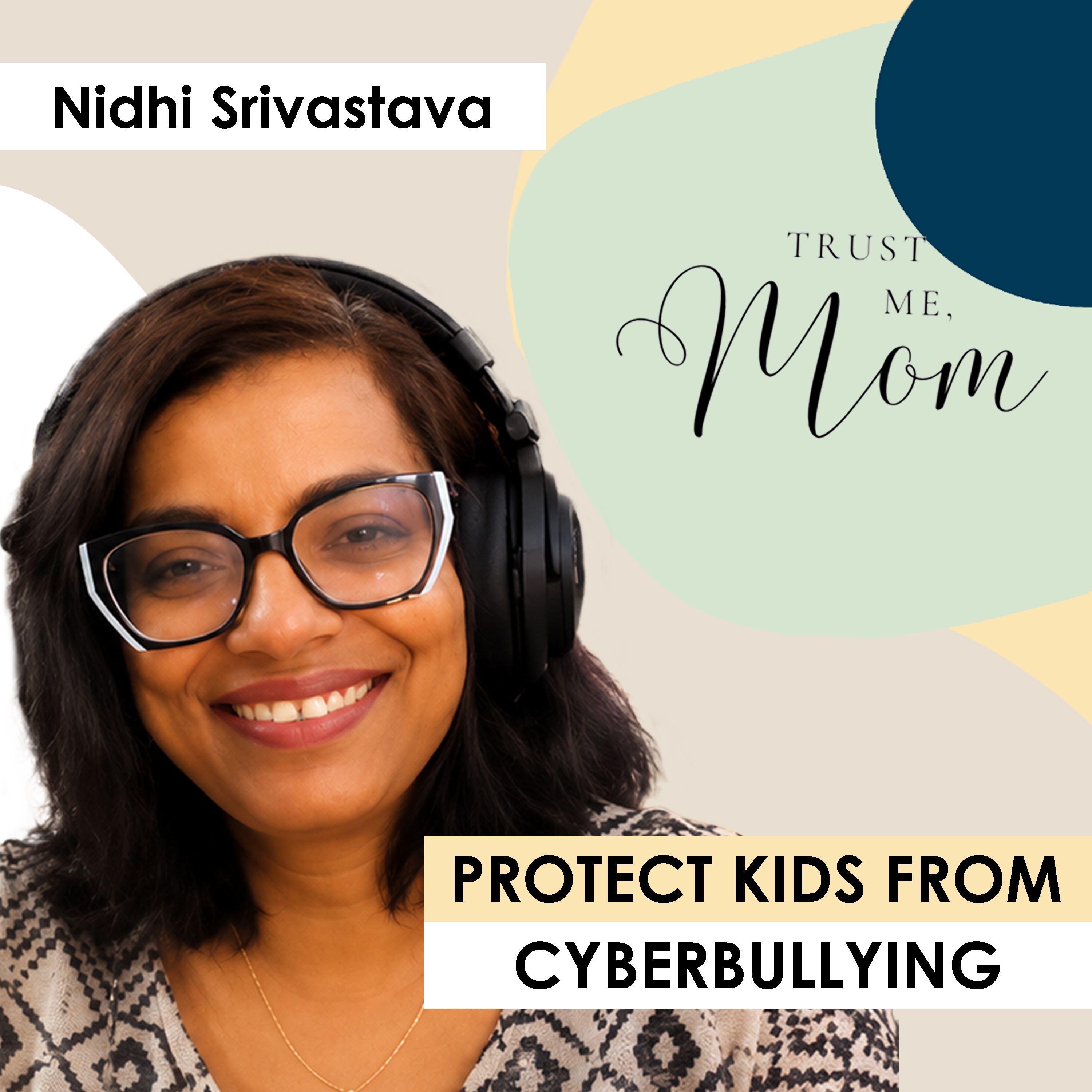
    49. A Cybersecurity Expert’s Son Was Cyberbullied. Here’s What Parents Should Know

    What happens when a cybersecurity expert realizes that even the best parental controls cannot protect a child from every online threat?In this episode of Trust Me Mom (Season 2, Episode 49), I speak with cybersecurity professional and mom Nidhi Srivastava, whose approach to online safety changed after her nine-year-old son experienced cyberbullying while playing an online game. Someone he believed was another child gained his trust, learned personal information about him, and eventually began sending hurtful messages.Nidhi had parental controls and security tools in place, but the experience showed her that technology alone is not enough. Kids also need the skills to recognize suspicious behavior, protect their private information, respond to scams, and feel comfortable telling a parent when something goes wrong.We discuss why banning technology may not be the answer, how parents can talk to kids about their online lives, what children should know before chatting with strangers in games, and why Nidhi believes cybersecurity should be taught as a basic life skill rather than a one-time lesson.Nidhi also shares what parents can do if their child experiences cyberbullying. One of her most important recommendations is to create an environment where children know they can come to you without immediately losing access to their devices. She encourages parents to listen first, avoid blame, teach children what information should remain private, and make conversations about online life as routine as asking what happened at school.We also talk about AI scams, deepfakes, voice cloning, online impersonation, and why children need practice developing the critical-thinking skills required to navigate an increasingly complicated digital world.Nidhi leaves parents with a simple message kids can remember when something happens online:Pause. Stop. Think. Act.00:00 Introduction01:48 How Nidhi became a cybersecurity professional02:57 When online safety became personal06:58 The digital education gap for kids09:29 Why banning technology may not work12:04 Cybersecurity as a life skill16:20 What parents may miss inside online games17:44 What to do if your child experiences cyberbullying20:00 The online questions parents should ask their kids23:43 How kids can learn to recognize deepfakes25:47 Can we detect AI-generated content?26:46 The four words Nidhi wants every child to remember27:55 Final thoughts#Cyberbullying #OnlineSafety #InternetSafety #ParentingTips #KidsOnlineSafety #DigitalParenting #Cybersecurity #TrustMeMom
  • S2 · E48
    September 2 · 44 min

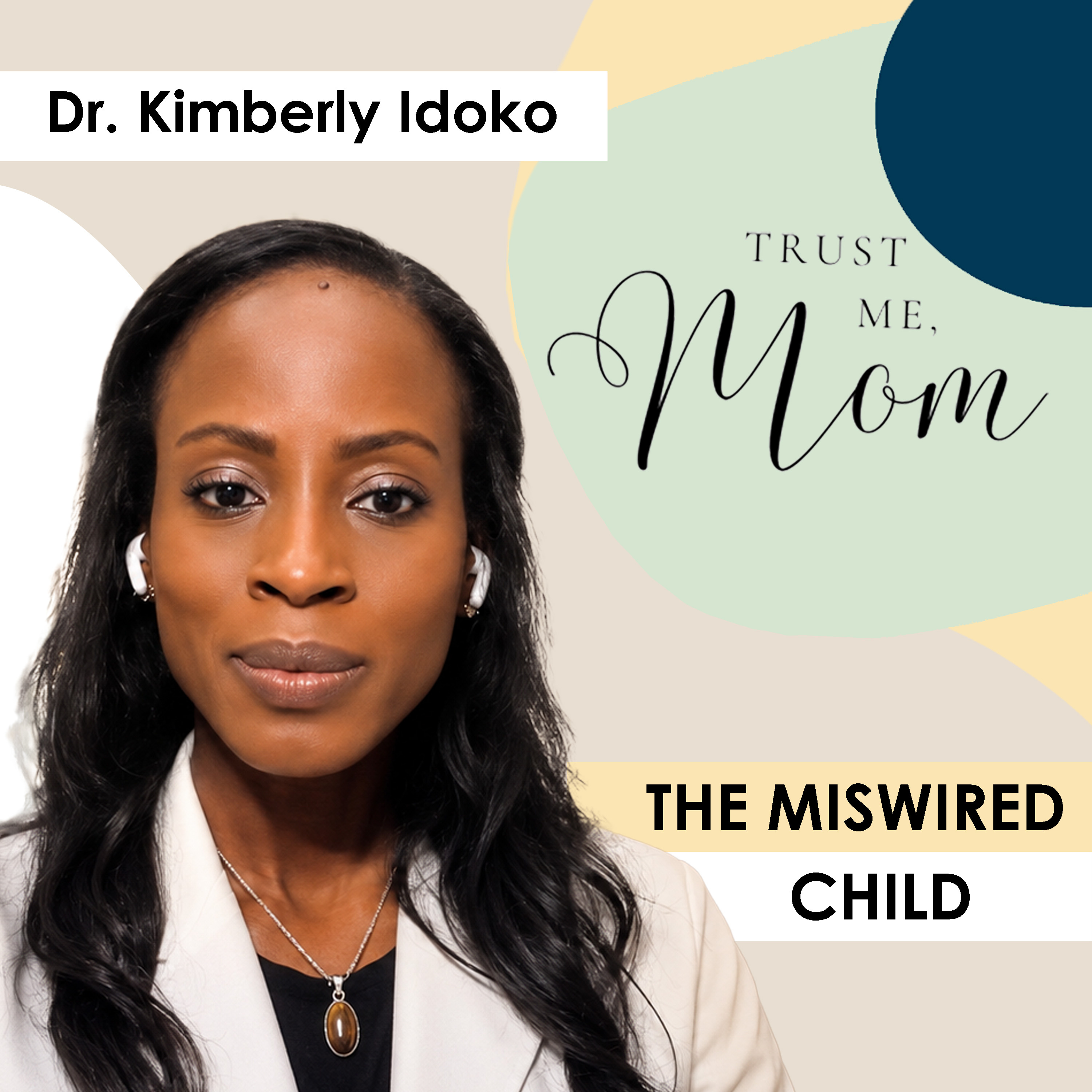
    48. A Neurologist & Attorney Explains How Parents Can Advocate for Their Kids

    What should parents do when they notice that something about their child’s development has changed—but their concerns are dismissed?In this episode of the Trust Me Mom podcast, Ekaterina Konovalova speaks with Dr. Kimberly Idoko, a board-certified neurologist, children’s rights attorney, mother, and author of The Miswired Child.Dr. Idoko shares the personal experience that shaped her career in medicine and how becoming the mother of a child with Rett syndrome transformed the way she thinks about parental intuition, early intervention, medical advocacy, and navigating complex healthcare systems.The conversation explores what parents can do when they have developmental concerns, how families may be able to access early intervention evaluations, and why parents can play an important role in communicating changes they observe in their children.Dr. Idoko also discusses questions parents may want to ask when medications are being considered, the importance of working with qualified healthcare professionals when evaluating nutritional or micronutrient concerns, and why supplements should not be given to children without appropriate guidance.The episode also looks at everyday factors that can affect a child’s overall well-being—including nutrition, sleep, physical activity, and emotional safety—and how small, sustainable changes may feel more manageable for families than trying to change everything at once.This conversation is for educational and informational purposes only and is not a substitute for individualized medical advice, diagnosis, or treatment. Always discuss concerns about your child’s health, medication, testing, nutrition, or supplements with a qualified healthcare professional.00:00 Introduction01:25 Why Dr. Idoko became a doctor02:41 Falling in love with neuroscience04:16 Becoming a mother during medical training05:30 When her daughter’s development began to look different06:11 Noticing an early developmental difference07:33 Choosing not to simply “wait and see”08:09 Understanding Rett syndrome09:41 The importance of early intervention11:42 What parents can do when they have developmental concerns13:06 Why parental observations matter14:01 Accessing an early intervention evaluation15:08 Why Dr. Idoko went to law school16:31 Becoming a children’s rights attorney17:14 Balancing medicine, law school, and motherhood18:11 Writing The Miswired Child19:19 Trusting what you notice about your child21:03 Advocating for your concerns to be taken seriously22:21 Looking at the bigger picture when a child is struggling24:33 Questions parents may have about medication25:26 Approaching medication thoughtfully28:59 When a child struggles with sleep, attention, or behavior31:43 What parents should know before giving supplements33:20 B12 supplementation: why individual needs matter34:08 Micronutrient testing and individual differences35:06 Can too many supplements be harmful?38:21 The cost of medical testing and access to care40:36 Making small changes instead of overhauling everything41:09 How one simple food swap can become a habit42:30 Food, sleep, emotional safety, and physical activity44:17 Closing thoughts#TrustMeMom #ParentingPodcast #ChildDevelopment #EarlyIntervention #ParentAdvocacy #Neurology #RettSyndrome #Parenting #ChildHealth #SpecialNeedsParenting #DevelopmentalMilestones

  • S2 · E47
    August 19 · 44 min

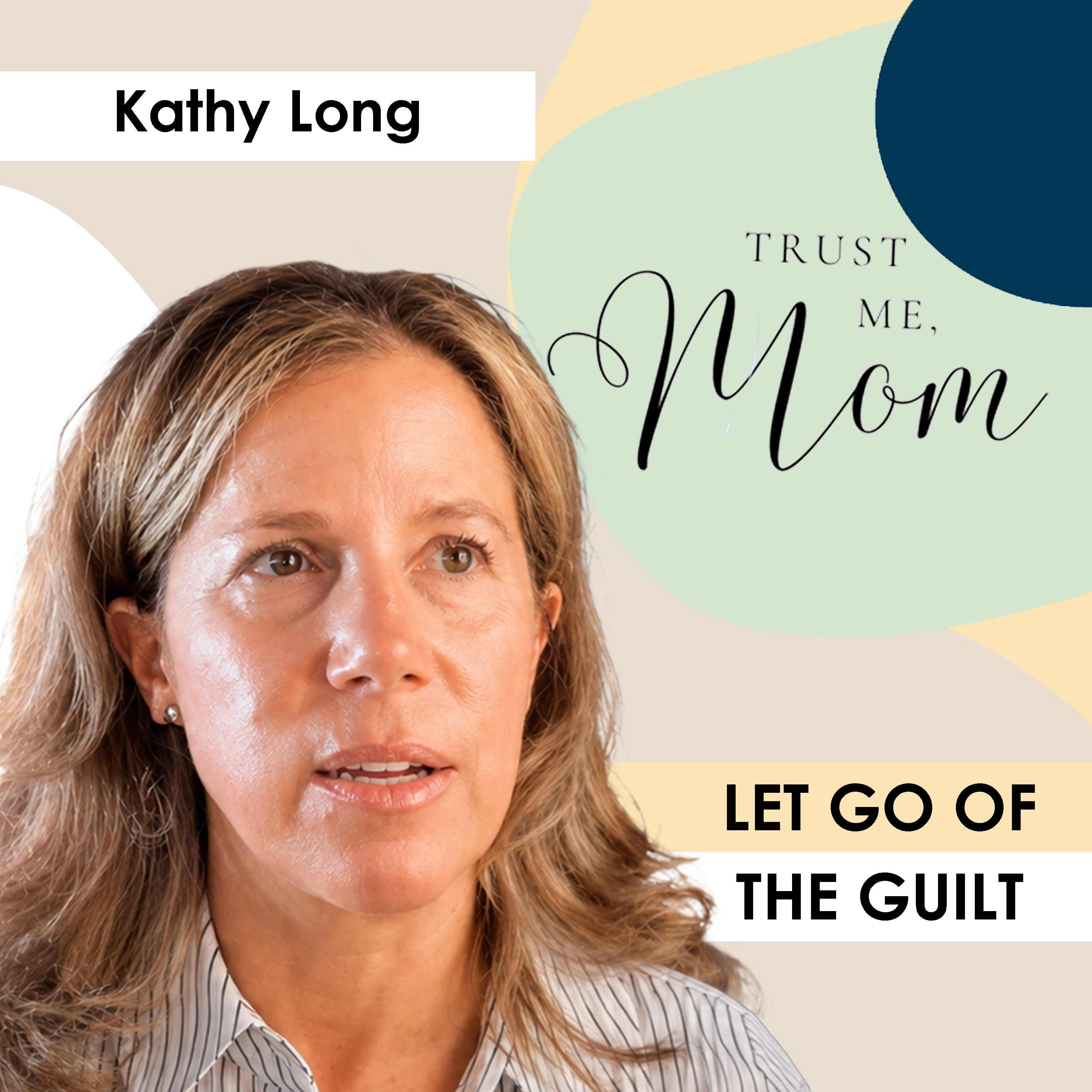
    47. Why Parenting Neurodivergent Kids Requires a Different Playbook

    What if supporting a neurodivergent child requires more than simply letting them “face the consequences”?In this episode of the Trust Me Mom podcast, Ekaterina Konovalova speaks with Kathy Long, a mother of four and the founder and CEO of NixIt AI, an app designed to support executive functioning and everyday routines.Kathy shares how the premature birth of her first son changed her career path, how her family navigated ADHD, autism, sensory differences, and the transition into adulthood, and how those experiences inspired her and her husband to build NixIt AI.The conversation explores marriage during demanding parenting seasons, maternal guilt, selective eating, encouraging independence, creating appropriate boundaries, and helping children learn from consequences while giving them the support they need to succeed.Kathy’s message to overwhelmed mothers is simple: laugh more, slow down, find your community, and remember that taking a shower is a basic human need—not self-care.00:00 Introduction00:48 Meet Kathy Long01:41 How motherhood changed Kathy’s career02:01 A premature birth and an unexpected start06:14 The family story behind NixIt AI09:26 Protecting a marriage while parenting and building a company12:34 Why natural consequences do not always work13:13 “Permissive parenting” and understanding the nervous system17:34 Do parents of “easy” children take too much credit?18:12 Stay-at-home mom guilt versus working mom guilt19:23 Parenting when your energy is running low21:06 Kathy’s advice: Laugh more and slow down24:08 How overwhelmed moms can find community27:42 Your house is clean enough29:05 Choosing connection and joy over perfection31:22 Sensory challenges and selective eating32:53 How food autonomy created a budding chef37:18 Encouraging independence in neurodivergent children37:54 Using routines and NixIt AI for household responsibilities42:10 Boundaries, preparation, and appropriate consequences42:36 Why community matters and parenting gets better44:33 Closing thoughts#NeurodivergentParenting #ADHDParenting #AutismParenting #ExecutiveFunction #Motherhood #ParentingPodcast #TrustMeMom

  • S2 · E46
    August 5 · 44 min

    46. Beyond Caregiver Burnout: Reclaiming Agency as a Special Needs Mom

    Special needs motherhood can bring profound love and connection, but it can also leave caregivers chronically exhausted, isolated, and emotionally depleted. When there is no weekend, uninterrupted sleep, or predictable time to recover, how can a mother reclaim a sense of agency?In this episode of the Trust Me Mom podcast (Season 2, episode 47), Ekaterina Konovalova speaks with Susanna Peace Lovell, author, speaker, life coach, Reiki practitioner, co-host of the Brave Together podcast, and mother of a 20-year-old daughter diagnosed with autism, ADHD, anxiety, and severe food allergies.Susanna shares her journey through postpartum anxiety and depression, her daughter Arizona’s early diagnoses, divorce, caregiving without traditional respite, and the difficult emotions many mothers are afraid to admit experiencing. She explains why caregiver depletion is real, how self-compassion can soften guilt and resentment, and why even mothers facing tremendous limitations still have some agency.Together, Ekaterina and Susanna discuss:What prolonged caregiving does to a mother’s physical and emotional reservesWhy special needs parenting can sometimes feel like a life sentenceHow to distinguish what you can control from what you cannotFinding tiny moments of rest while living in survival modeLetting go of unnecessary obligations and expectationsAsking for help and building a supportive communityHelping neurodivergent children develop emotional regulationSusanna’s personal experience using Reiki as a complementary practiceHolding on to hope when progress takes yearsThis is an honest conversation for mothers who love their children deeply but sometimes feel suffocated, resentful, overwhelmed, or desperate for rest. Those feelings do not make you a bad mother. They make you a human being carrying an extraordinarily demanding load.Learn more about Susanna at SusannaPeaceLovell.com and follow her on Instagram at @MamaPeace.Please note: Reiki is discussed as Susanna’s personal and complementary practice. It is not a substitute for medical or mental health treatment.00:00 Introduction01:34 Susanna’s unexpected motherhood journey04:53 Postpartum anxiety, depression, and severe allergies06:35 Recognizing missed developmental milestones07:32 Fighting to have a mother’s concerns heard08:18 Autism, ADHD, and anxiety diagnoses10:20 Divorce and building a life around caregiving12:53 Helping mothers feel less alone13:52 When special needs motherhood feels like prison16:19 What we can and cannot control17:08 Reclaiming agency as a caregiving mother19:54 The fantasy of escaping motherhood20:24 Self-compassion, resentment, and guilt22:31 The relentless labor of caregiving24:25 Why caregivers have no time to recover25:17 Caregiver depletion is real27:06 Finding five minutes of respite28:04 Letting go of the “shoulds”29:07 Support for mothers in survival mode30:25 Connecting with your child through presence31:38 Sensitivity, regulation, and energetic connection32:58 Susanna’s journey to Reiki37:35 Using Reiki with a neurodivergent child41:29 Helping children name and regulate emotions43:24 A final message for caregiving mothers44:33 Closing#SpecialNeedsParenting #CaregiverBurnout #CaregiverDepletion #SpecialNeedsMom #AutismParenting #NeurodivergentParenting #CaregiverSupport #MaternalMentalHealth #ParentingPodcast #TrustMeMomPodcast

  • S2 · E45
    July 22 · 37 min

    45. Could Hair Testing Offer Earlier Autism Answers?

    What if a strand of hair could reveal a timeline of environmental exposures?In this episode of Trust Me Mom (Season 2, episode 45), Dr. Manish Arora, environmental epidemiologist, exposure biologist, founder and CEO of LinusBio, professor at the Icahn School of Medicine at Mount Sinai, and father of triplet daughters, shares the personal and scientific journey behind his groundbreaking research.Dr. Arora explains how growing up during a civil war and malaria epidemic sparked his interest in environmental health. He later discovered that the growth rings inside baby teeth and hair can preserve biological information about nutrients, chemicals, and environmental exposures over time.We discuss the exposome, why the timing of an exposure can be as important as the amount, and how Dr. Arora’s experience with his neurodivergent daughter inspired his search for more objective ways to help families find answers earlier.Dr. Arora also explains the science behind ClearStrand-ASD, a hair-based laboratory test intended to help health care providers rule out autism, and Traced, a consumer wellness test that maps patterns involving essential and toxic elements.You will also learn about potential sources of lead, arsenic, cadmium, pesticides, PFAS, and other environmental chemicals, along with practical ways families can reduce exposure without becoming overwhelmed.Learn more:ClearStrand-ASD: https://www.clearstrandasd.comTraced: https://traced.lifeTo get a 30% Discount code for Traced, use the code "TRUSTMEMOM" at the checkout Disclaimer: ClearStrand-ASD is not a standalone autism diagnostic test and has not been cleared or approved by the FDA yet. Traced is a wellness test, not a medical diagnostic test. Always speak with a qualified health care professional about developmental concerns or possible environmental exposure.00:00 Introduction00:56 Meet Dr. Manish Arora01:52 Life as a father of triplet daughters02:15 From dentistry to environmental health05:56 How baby teeth preserve exposure history10:55 Why Dr. Arora began studying hair16:01 Hair analysis and early autism research18:46 ClearStrand-ASD and its regulatory status20:20 Eligible ages and test accuracy21:54 How families can order the test23:11 Hidden environmental exposures in the home27:45 Pesticides, microplastics, and PFAS29:51 Reducing exposure without creating anxiety31:07 What to do if elevated exposure is detected33:02 Why environmental toxins affect people differently35:43 Traced and environmental exposure monitoring37:35 Dr. Arora’s mission and final thoughts#TrustMeMom #EnvironmentalHealth #DrManishArora #Exposome #AutismResearch #AutismAcceptance #Neurodiversity #ChildDevelopment #HealthyHome #ParentingPodcast #ParentingTips #LinusBio

  • S2 · E44
    July 8 · 50 min

    44. A Mother-Daughter Take on Modern Motherhood: How to Stop Suffering and Create The Life You Want

    In this episode of Trust Me Mom (Season 2, Episode 44), Ekaterina sits down with Makena Sage and Gigi Sage, a mother-daughter coaching duo, authors of The Wisdom That Raised Me, and co-founders of Way of the Muse.Makena shared her transition from a successful marketing career into coaching, the concept of a “shadow career,” and how motherhood changed her identity, marriage, work, and sense of self. She opened up about postpartum anxiety, the early strain on her relationship, and the importance of honest communication, support, and intentional connection with a partner.Gigi, a mother of five and longtime coach, shared wisdom from raising children across different decades, living an unconventional life, homeschooling, traveling with kids, and creating family systems rooted in communication, acknowledgement, teamwork, and respect.Together, Makena and Gigi offer practical and deeply honest advice for new moms, working moms, couples navigating the transition into parenthood, and women who feel stuck between who they used to be and who they are becoming.To learn more about Makena and Gigi, check their website: https://wayofthemuse.com/00:00 Intro00:38 Welcome to Trust Me Mom01:05 Meet Makena and Gigi Sage01:41 Makena’s journey from marketing to coaching02:59 The idea of a “shadow career”04:32 How motherhood changed Makena05:54 The hardest parts of early motherhood07:28 How having a baby challenged Makena’s marriage09:21 Gigi’s coaching support for Makena and her husband11:51 Marriage, money, and honest conversations14:19 Why couples need to talk before the baby arrives16:26 Gigi’s life as a mother of five18:30 Raising children through an unconventional life21:49 Why every parent will “mess up”24:08 Homeschooling, travel, and learning through experience26:13 Building strong family relationships28:39 How to create family team meetings29:22 The power of acknowledgement32:06 How to avoid turning family meetings into criticism36:04 Why appreciation changes relationships37:22 Two simple practices for couples after having a baby39:49 Boundaries, big families, and different communication styles43:28 Asking for what you want without blaming or criticizing45:10 Advice for exhausted new moms46:09 Motherhood as a season48:24 Rediscovering yourself after motherhood49:10 Matrescence and the butterfly metaphor50:12 Closing thoughts#TrustMeMom #Motherhood #ModernMotherhood #Matrescence #NewMomLife #WorkingMoms #MomLife #MotherhoodJourney #Postpartum #MarriageAfterBaby #ParentingAdvice #FamilyCommunication #MotherDaughterDuo #WomenSupportingWomen #WayOfTheMuse

  • S2 · E43
    June 24 · 49 min

    43. From Refugee Camp to Hollywood: A Mother’s Story of Courage and Reinvention

    From an Iranian refugee camp to becoming a Hollywood and Disney executive, Maryam Mehrtash’s story is one of resilience, courage, reinvention, and the power of storytelling.In this episode of Trust Me Mom, Ekaterina speaks with Maryam Mehrtash, a mother of two, writer, and former Disney leader who most recently led global promotions and partnerships at Marvel Studios (theatrical & Disney+). Maryam shares her incredible journey of fleeing Iran as a child, growing up in Canada as the daughter of immigrant entrepreneurs, building a career in entertainment, and balancing motherhood with ambition, creativity, and personal growth.Maryam opens up about her family’s sacrifices, her grandmother’s life as a Kurdish Iranian actress and singer, the impact of Disney storytelling on her childhood, and the full-circle moment of eventually working at Disney. She also shares practical advice for working mothers, including how she manages demanding work, young children, invisible labor, partnership, self-care, and the courage to keep building the life you want.This conversation is for every mother, immigrant, dreamer, creative, and woman who is trying to honor her past while building a bold future.Find Maryam’s Substack: This Is Not a Memo at https://thisisnotamemo.substack.com/00:00 Introduction00:50 Meet Maryam Mehrtash01:30 Fleeing Iran as a child03:00 Storytelling, Disney, and family legacy04:30 The sacrifices of immigrant parents06:35 Growing up in Canada08:00 From theater kid to business school09:00 Moving to Los Angeles and building a Hollywood career10:11 Landing the first job in LA11:47 Motherhood, career, and the pandemic16:30 Relentless prioritization as a working mom18:39 What happens when kids get sick?20:34 Managing the invisible load at home23:30 Communication, calendars, and partnership25:00 The mid-year check-in that changed her life26:21 Self-care, rest, and staying energized27:03 Friendship and community after kids29:30 Knowing your limits as a mother31:51 The full-circle Disney moment33:22 Advice to her younger self37:05 Showing children what is possible38:00 Maryam’s first business at age six40:00 Family teamwork and immigrant resilience43:50 Encouragement for tired working moms44:35 Courage as a muscle46:00 Reinvention after being laid off47:00 Writing, Substack, and becoming an author48:38 Closing thoughts48:51 Where to find Maryam#TrustMeMom #MaryamMehrtash #WorkingMoms #Motherhood #ImmigrantStory #IranianWomen #DisneyExecutive #HollywoodExecutive #WomenInLeadership #CareerAndMotherhood #MomLife #Storytelling #Resilience #Courage #Reinvention #WomenSupportingWomen #ThisIsNotAMemo

  • S2 · E42
    June 10 · 40 min

    42. Her Baby's Diagnosis Sparked a Movement

    When Nasha Fitter’s third daughter was diagnosed with a devastating rare genetic condition, her entire world changed overnight.In this inspiring episode of Trust Me Mom (Season 2, episode 42), Nasha shares how she went from ambitious entrepreneur and Harvard MBA to full-time caregiver, advocate, and founder of organizations helping thousands of families navigate rare diseases.We talk about:• motherhood and ambition• burnout and unpaid labor• marriage under pressure• grief and resilience• raising a child with severe disabilities• building support systems• why moms need help, rest, and communityNasha also shares practical advice for exhausted moms, parents navigating diagnoses, and couples trying to survive difficult seasons together.00:00 Intro01:03 Meet Nasha Fitter02:06 Growing up ambitious as an immigrant daughter03:42 Marriage, motherhood & unequal labor05:22 Life before her daughter’s diagnosis06:05 The devastating FOXG1 diagnosis07:44 Surviving with 3 kids under 410:22 Grief, acceptance & emotional healing13:40 Why moms need help and rest18:35 Building therapies and rare disease organizations20:40 Advice for parents after a diagnosis22:13 What daily life looks like now26:13 Marriage struggles and staying together31:25 Fairness, communication & parenting roles33:11 Her daughter’s incredible progress34:41 Gene therapy and hope for the future35:38 Advice for exhausted moms38:27 Building deep friendships and community39:40 Final thoughts#TrustMeMom #SpecialNeedsParenting #RareDisease #Motherhood #WorkingMom #Caregiver #FOXG1 #ParentingPodcast #WomenInBusiness #MentalLoad #MarriageAndParenting #MomLife #DisabilityAwareness #ParentingJourney

  • S2 · E41
    May 27 · 1 hr 29 min

    41. The Self-Abandonment Epidemic: How Women Can Reclaim Their Power, Relationships, and Lives

    In this episode of Trust Me Mom (Season 2, Episode 41), Ekaterina talks with women’s relationship coach Ada Gore about self-abandonment, people-pleasing, resentment, dating, marriage, divorce, motherhood, and learning how to stop disappearing inside your own life.Ada shares her personal story of being fired as a single mom, rebuilding her identity, healing generational patterns, and helping women reconnect with their needs, intuition, and power. This conversation is for women who feel depleted, stuck, resentful, or unsure how to reclaim themselves in relationships.00:00 Introduction00:51 Ada’s awakening after being fired06:34 Financial fear, scarcity, and safety15:44 Childhood conditioning and learned helplessness17:20 Turning trauma into growth23:55 Why journaling can change your life27:30 Resentment as a sign of self-abandonment33:55 The martyr complex and generational trauma41:36 Self-abandonment in dating and relationships42:32 Red flags, dating standards, and feminine energy52:16 Why women should not lower their standards55:07 Marriage, over-functioning, and emotional leadership1:06:47 When grace is not enough1:16:38 Self-honesty, divorce, and walk-away power1:23:02 Dating after divorce and finding the right partner1:27:48 Closing thoughts#TrustMeMom #SelfAbandonment #WomenHealing #RelationshipAdvice #PeoplePleasing #Motherhood #DatingAdvice #MarriageAdvice #DivorceHealing #WomenEmpowerment #AdaGore #SelfWorth #EmotionalHealing #GenerationalTrauma #HealthyRelationships

  • S2 · E39
    May 13 · 45 min

    40. What French Parents Do Differently: Sleep, School, Food & Independence

    What is it really like raising children in France?In this episode of Trust Me Mom (season 2, Episode 40), I sit down with parenting coach Sasha Romary, an American mom who has lived in France for more than 20 years and is raising two multi-lingual children in Paris.We discuss the biggest differences between French and American parenting, the French education system, bilingual kids, ADHD accommodations, school lunches, independence, potty training struggles, and why French culture expects children to adapt to the system early.Sasha also shares practical parenting advice from her work as a sleep and potty training consultant, including common mistakes parents make during potty training and why so many toddlers struggle with pooping on the potty.If you are curious about parenting in Europe, raising bilingual children, or navigating modern motherhood, this episode is packed with honest insights and practical takeaways.✨ Topics we cover:• Raising bilingual and trilingual children• Why French kids become independent early• French schools vs American schools• ADHD and neurodivergent children in France• French school lunches and food culture• Parenting pressure in French culture• Potty training mistakes parents make• Fear of pooping on the potty explained• Working parent life in Paris• How French parenting shapes resilience📍Follow Sasha Romary:Instagram: @SashaRomaryParentingWebsite: SashaRomary.com00:00 Introduction01:02 How Sasha Moved From America to France03:17 Raising Bilingual and Trilingual Children05:56 Do Multiple Languages Cause Speech Delays?08:33 French Education System Explained12:53 ADHD and Learning Differences in French Schools15:27 School Breaks and How Working Parents Cope20:35 Do French Kids Play Outside Independently?22:56 When Children Start Using Public Transportation Alone24:03 Why French Parenting Prioritizes Independence26:32 Homework Expectations for French Kids29:21 The French Grading System30:29 Teacher Feedback and Parenting Pressure34:31 French School Lunches and Food Culture36:59 Biggest Potty Training Mistakes Parents Make39:56 Why Toddlers Fear Pooping on the Potty44:15 Sasha’s Parenting Coaching Services44:51 Final Thoughts#FrenchParenting #ParentingPodcast #BilingualKids #ParentingTips #ADHDParenting #PottyTraining #RaisingKids #TrustMeMom #Motherhood #ExpatLife #FrenchSchools #WorkingMom #ParentingAdvice #SleepTraining #ToddlerParenting

  • S2 · E39
    April 28 · 45 min

    39. The Brutal Truth About Being a Working Mom and How 3% Bias Turns Into Massive Inequality

    Why does the gender gap still exist, even when women are more educated, ambitious, and hardworking than ever?In this episode of Trust Me Mom (Season 2, Episode 39), journalist and author Stefanie O’Connell breaks down the hidden systems behind workplace inequality, the myth of “work-life balance,” and why individual effort alone isn’t enough to fix it.From the motherhood penalty to the fatherhood bonus, and the shocking truth about bias compounding over time, this conversation will change how you see work, power, and equality.00:00 Introduction & Stefanie’s Background01:50 From Theater to Financial Journalism05:52 What Actually Helps People Earn More08:02 Why the Gender Pay Gap Still Exists12:04 Hidden Bias in Hiring & Promotions16:12 Global Perspective on Gender Inequality18:48 Why Inequality Is So Persistent24:48 The Myth of Individual Empowerment28:51 The Truth About Work-Life Balance32:40 The “Free Time Gap” Explained34:49 Debunking Traditional Gender Roles36:06 The Reality of Working Motherhood38:00 Double Standards Women Face at Work43:08 Can Working Moms “Win”?#WorkingMoms #GenderGap #WomenAtWork #CareerAndMotherhood #PayGap #Feminism #WorkLifeBalance #MentalLoad #Leadership #TrustMeMom #WomenEmpowerment #MotherhoodPenalty

  • S2 · E38
    April 14 · 47 min

    38. Why Working Moms Are Set Up to Struggle

    What happens when motherhood collides with a system that wasn’t built to support it?In this powerful conversation with Alexa Starks, founder of Executive Moms and Mothered Magazine, we unpacked the reality of modern motherhood, workplace inequities, and the systems that shape women’s lives. From navigating toxic return-to-work experiences to redefining ambition, Alexa shared her journey from corporate leader to outspoken advocate for systemic change. Together, they explored concepts like matrescence, the hidden struggles of postpartum life, and why so many moms feel like they’re failing—when in reality, the system is failing them.00:00 – Introduction & Meet Alexa Starks01:30 – From Corporate Career to Motherhood Reality03:30 – Why Alexa Started Executive Moms05:30 – “Motherhood Made Me Feral”06:45 – The Truth About Resilience in Mothers09:00 – What is Matrescence?11:50 – Identity Shift: Becoming “Mom”13:40 – The Reality of Breastfeeding15:20 – Motherhood Then vs Now17:00 – Patriarchy Explained20:50 – What is Matriarchy (Really)?24:00 – Women, Power & Society28:40 – Dealing with Criticism & Online Hate31:20 – Why Haters Mean You’re Doing Something Right33:20 – How to Create Real Change36:40 – Masculinity, Femininity & Balance42:30 – U.S. vs Netherlands: Parenting & Culture45:30 – Final Thoughts: It’s Not You, It’s the System#WorkingMoms #Motherhood #Matrescence #ParentingPodcast #WomenInLeadership #CareerAndMotherhood #Feminism #ModernMotherhood #WorkLifeBalance #TrustMeMom #MomLife #ParentingTruths #WomenEmpowerment #GenderEquality #PostpartumJourney

  • S2 · E37
    April 1 · 1 hr 1 min

    37. School Refusal vs. School Phobia: What Every Parent Needs to Know

    In this powerful and eye-opening episode of Trust Me Mom,I sit down with Dr. Elena Merenova, a school psychologist with over 20 years of experience, to unpack a topic many parents quietly struggle with — why kids refuse to go to school. Is it just a phase? A hidden problem? Or something moreserious like school phobia? Dr. Merenova shares real-life stories, practical strategies,and deeply insightful advice to help parents understand, support, and empower their children. 00:00 Introduction & Meet Dr. Elena Merenova 02:00 What is school refusal vs school phobia? 03:30 Real-life example: When a small issue becomes a big problem 06:50 How rare is true school phobia? 08:30 Who should be involved in helping a child? 11:20 Case study: Severe school phobia and recovery journey 18:30 Why small steps and celebrating wins matter 21:00 Peer influence vs parental influence (age 12+) 25:30 What to do if your child has “bad influences” 28:00 Mild school refusal: boredom, stress, and lack of motivation 30:20 What if your child is bored at school? 32:40 Social struggles and isolation at school 34:40 Teaching kids that “boring is part of life” 37:20 How parents shape mindset and resilience 39:40 When boredom becomes something more serious 41:40 Depression in children: signs, causes, and treatment 46:20 Parenting by example: what kids really learn 48:50 Key advice for parents dealing with school refusal 50:50 Why forcing kids (even calling police) is NOT the solution 51:10 Learning disabilities and confidence issues 53:30 How to build confidence in your child 55:50 Finding what your child is good at 57:00 What if your child is depressed? 58:10 Parenting reflections: what to do differently 01:00:30 How to build trust with your child #ParentingTips #SchoolRefusal #SchoolPhobia #ChildPsychology#ParentingAdvice #MentalHealthKids #ConfidenceInKids #TrustMeMom#ParentingPodcast #ChildDevelopment #AnxietyInChildren #RaisingKids #MomLife#ParentingSupport #EducationMatters

  • S2 · E37
    March 18 · 54 min

    36. Why So Many Couples Start Fighting After Having Kids| Mental Load, Marriage & Modern Fatherhood

    Why do so many couples struggle after having kids? In this episode of Trust Me Mom, I sit down with Alex Trippier @alexindadland — podcast host, writer, teacher, and speaker — to unpack the most common relationship mistakes parents make, especially around mental load, invisible labor, modern fatherhood, motherhood, conflict, and emotional connection.We talk about why both spouses often feel exhausted, how resentment builds, and why the transition to parenthood can become one of the hardest seasons in a marriage. Alex shares his personal journey as a dad who believed he was doing everything right — until he realized how much invisible labor his wife was carrying behind the scenes.To learn more about Alex, check https://www.youtube.com/@alexindadlandhttps://www.instagram.com/beahappierparent/https://podcasts.apple.com/us/podcast/be-a-happier-parent/id1814419814 00:00 Intro01:16 Meet Alex Trippier02:14 How his relationship struggles led to deeper insight04:30 Discovering mental load and invisible labor07:14 Why women feel overwhelmed in modern marriage08:07 “I was showing up, but not carrying the planning”09:04 What mental load looks like in real life11:35 How men can start helping without being told15:23 Mistakes, learning, and fixing what you mess up17:25 Why praise and appreciation matter in relationships21:11 The Gottman Four Horsemen explained22:04 Why couples argue more after kids27:05 A breakthrough: shifting from “you vs me” to teamwork30:36 The chair story: how childhood shapes conflict31:21 Why early parenting feels so hard31:47 Is staying home with kids harder than people think?37:33 Why fathers need real solo parenting time39:57 Victorian masculinity and modern relationships44:34 Strength, vulnerability, and healthy masculinity46:16 Parenting without fear48:10 Hope for parents of teenagers50:29 Why trust matters with older kids50:58 Why modern parenting feels more stressful52:10 Final advice for struggling couples53:53 The real root of relationship imbalance #TrustMeMom #AlexTrippier #MentalLoad #InvisibleLabor #ModernMarriage #ParentingPodcast #Fatherhood #Motherhood #Relationships #MarriageAdvice #Gottman #

  • S2 · E35
    March 3 · 1 hr 24 min

    35. Ex-Cop & Veteran: 2.3M-Follower Dad’s Parenting Playbook (+ Why Humor Matters)

    In this Trust Me Mom conversation (Season 2, episode 35), Mike Draper shared what it really takes to raise resilient, thoughtful kids without losing the humor and warmth that make family life fun.Mike’s path is anything but typical: struggling in high school, serving in the Air Force, working as a police officer, earning an MBA, and building a massive content career (2.3M+ followers). In this episode we unpack the mindset that helped him grow and how he applies the same principles to parenting his daughter, Ellie.To learn more about Mike, click here: https://stan.store/MikeDraper00:41 Intro: Meet Mike Draper (creator, entrepreneur, veteran, former police officer)01:20 How Ekaterina found Mike’s parenting content01:54 From struggling in high school → military → policing → MBA05:50 Social media journey + building a personal brand08:59 Becoming a dad: priorities shift11:00 “Dad first, friend second” + preparing kids for life17:04 Your kids are only little for a short time20:20 High standards + high support (and why it works)26:11 “Be the example” + raising your own standards28:57 Practical steps for busy parents (audit your life)33:49 The “wall behind you” + cutting distractions41:56 Sleep, health, and avoiding burnout47:27 Growth seasons: doing hard things & taking action55:50 Money mindset + learning from high-level operators1:08:51 Teaching lessons in the moment1:12:27 Talking to kids about relationships without planting fear1:19:22 Using movies as teaching moments1:24:14 Wrap-up#TrustMeMom #Parenting #GirlDad #Fatherhood #RaisingStrongKids #ResilientKids #IntentionalParenting #ParentingTips #HighStandardsHighSupport #FamilyLife #Mindset #PersonalGrowth #Entrepreneur #ContentCreator #WorkLifeBalance #mikedraper

  • S2 · E34
    February 18 · 37 min

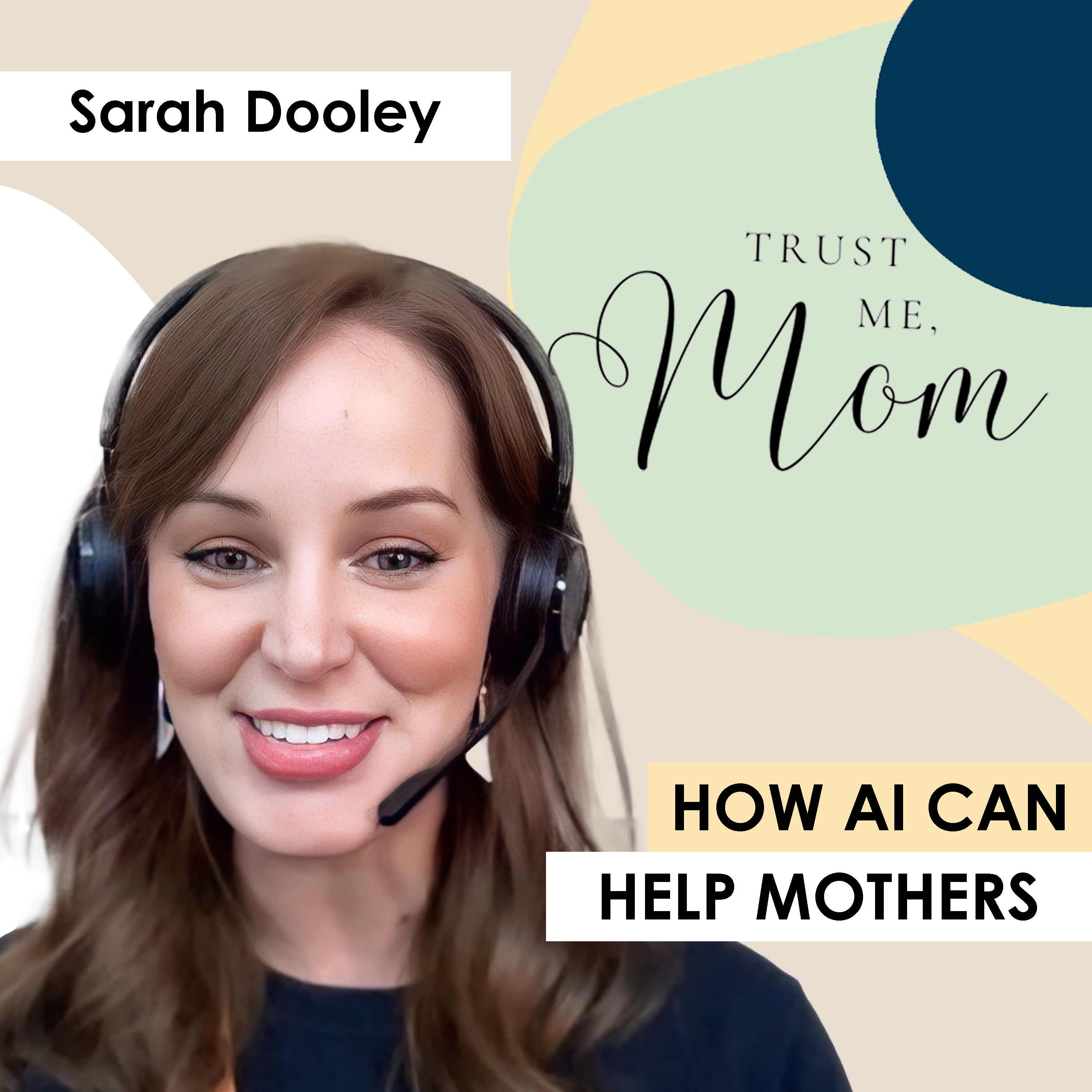
    34. How AI Can Help Moms Offload the Mental Load

    Motherhood is exhausting, not just physically, but mentally. In this episode of Trust Me Mom, host Ekaterina Konovalova sits down with Sarah Dooley, founder of AI Empowered Mom, to talk about how AI and automation can help parents (especially moms) offload the invisible mental load of family life.Sarah shares her deeply personal journey from tech consultant to mom of three under 18 months, the moment everything felt out of control, and how generative AI changed the way she manages parenting, work, and life. From meal planning and calendar chaos to bedtime routines and emotional overwhelm, this conversation explores where AI genuinely helps, and where caution is needed, especially for kids.00:00 – Welcome to Trust Me Mom00:43 – Meet Sarah Dooley, Founder of AI Empowered Mom01:33 – From tech consultant to mom of three under 18 months03:10 – The invisible mental load of motherhood04:38 – How AI Empowered Mom was born06:12 – How the tool works: meal planning & calendar chaos07:55 – Will AI call the dentist for you? (future features)08:32 – Birthday parties, trips & event planning with AI09:56 – AI hallucinations: what can go wrong & how to prevent it11:14 – Daily & weekly previews to reduce overwhelm12:20 – The rude awakening of early motherhood15:44 – Offloading the physical load: nannies, family & systems18:18 – Career vs. caregiving: impossible choices moms face20:38 – Using AI to cope with emotional overload22:46 – Adults vs. teens using AI: what’s the difference?24:09 – Sarah’s upcoming book on AI for families25:28 – AI safety, kids & hallucinations29:55 – Why AI “sounds smart” but can still be wrong32:00 – Best AI tools for kids (with supervision)33:00 – AI-powered bedtime stories & mom guilt35:04 – Is AI replacing parenting or supporting it?36:56 – Final thoughts & why this conversation matters#TrustMeMom #MentalLoad #WorkingMoms #AIForParents #MomLife #ParentingAndAI #WomenInTech #AIInEverydayLife #OverwhelmedMoms #FutureOfParenting #AIParenting #TechAndMotherhood #ModernParenting

  • S2 · E33
    February 3 · 41 min

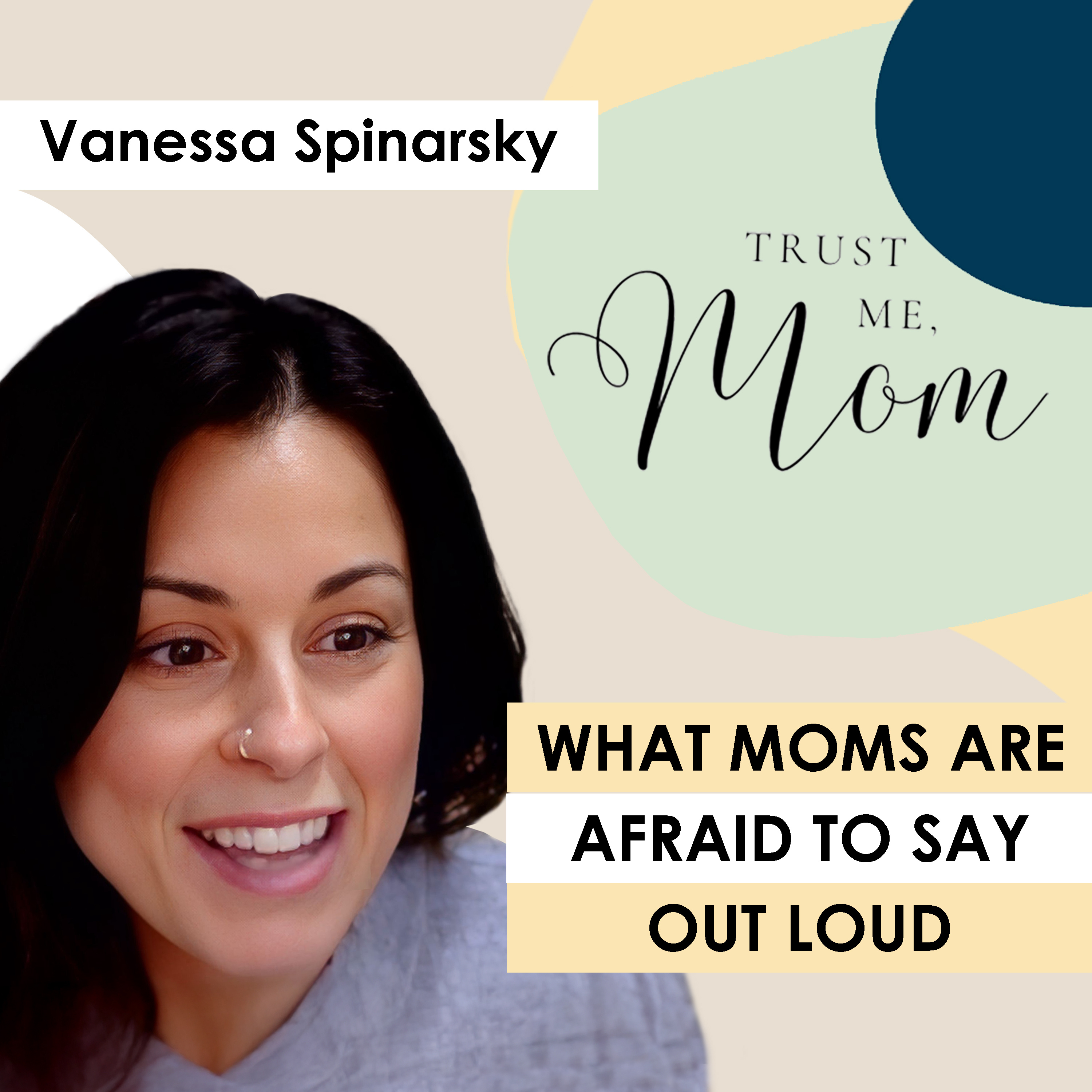
    33. The Truth About Mom Burnout: Identity Loss, Social Media Pressure & Mental Load

    In this episode of Trust Me Mom (Season 2, episode 33), Ekaterina Konovalova sat down with Vanessa Spinarsky - registered social worker, content creator, and one of the most honest voices in modern motherhood.Vanessa shared her personal story of loss of her father, what led her into social work, and how motherhood shook her sense of identity. Together, we unpacked the reality of postpartum burnout, the pressure and “surveillance” moms feel on social media, why it’s normal to not enjoy every moment, and how shame gets projected in parenting spaces. We also dove into the mental load, inequality at home, and what partners can do that actually helps: acknowledge reality without debating it.To learn more about Vanessa, check her website https://linktr.ee/vanessaspinarsky00:37 — Meet Vanessa Spinarsky 01:10 — Why Vanessa became a therapist: early creativity + psychology02:40 — Losing her dad at 8 and how it shaped her inner world05:46 — “Motherhood rocked me”: identity crash + anxiety07:20 — Social media “surveillance” and moralized motherhood10:24 — The daily grind: “getting back to zero” and burnout10:56 — The “strong one” identity + postpartum vulnerability13:35 — What progress in motherhood really looks like: adapting15:16 — Guilt, overstimulation, and not enjoying every moment16:01 — Why stepping away can be loving (and not “abandoning”)20:58 — Shame: internal vs projected judgment (comment sections)24:21 — Mental load + inequality: shift from blame to acknowledgement29:38 — Lessons from her husband: letting go of control + embracing rest33:25 — Vanessa’s book journey (proposal + what’s coming)35:38 — Nervous system flexibility: micro-rest and realistic regulation40:23 — Why you can’t “switch back” to pre-kid life overnight40:30 — Final thoughts: co-regulation, “me too,” and feeling seen#TrustMeMom #VanessaSpinarsky #Motherhood #Postpartum #MomBurnout #MentalLoad #WorkingMoms #Parenting #GentleParenting #MomShame #Matrescence #NervousSystem #EmotionalRegulation #MarriageAndParenting #WomenSupportingWomen

  • S2 · E29
    January 28 · 19 min

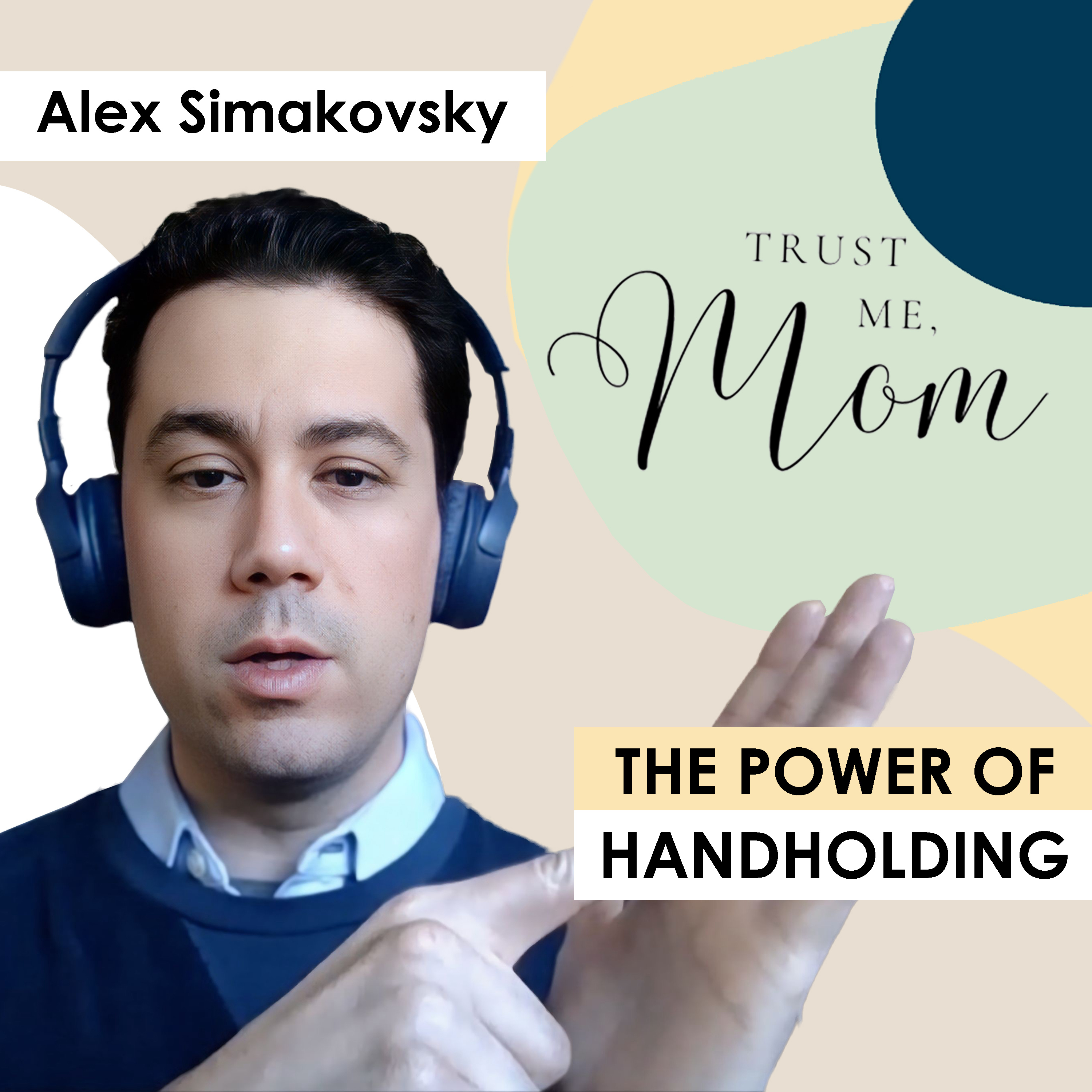
    32. The Healing Power of Handholding: Touch, Parenting & Connection in a Digital World

    In this episode of the Trust Me Mom podcast, host EkaterinaKonovalova sat down with author Alex (Sasha) Simakovsky to explorethe science, psychology, and emotional power of human touch. Alex shared what inspired his book, More Than a Touch:Rediscover the Healing Power of Handholding, and why intentional touch ismore important than ever in a post-pandemic, digital-first world. Together,they discussed tactile hunger, parenting and child regulation, relationshiprepair, cultural perspectives on touch, and simple handholding practices thatcan help children and adults feel safer, calmer, and more connected. 📘 Alex’s Book: MoreThan a Touch: Rediscover the Healing Power of Handholding https://www.amazon.com/More-Than-Touch-Rediscover-Handholding/dp/B0FKXZX5M4 00:00 Introduction & welcome 00:22 Why human touch matters (especially after the pandemic) 01:02 What inspired the book More Than a Touch 02:10 Growing up with holistic, touch-based healing 03:54 The science of touch: hormones, stress & regulation 05:37 Parenting, touch, and emotional safety for kids 06:03 Hand-in-hand breathing exercise for children 08:16 Demonstration: how hand-in-hand breathing works 09:32 Why assisted regulation works better for some kids 10:17 The “30-second rule” and intentional touch 10:41 Handholding during conflict and relationship repair 12:59 Cultural differences in handholding around the world 15:28 Alex’s favorite chapters and modern-day application 16:54 A powerful father–daughter story from the book 19:23 Closing thoughts #TrustMeMom #HumanTouch #Handholding #ParentingTools#EmotionalRegulation #TactileHunger #MindfulParenting #ChildDevelopment#Relationships #MentalHealth #Attachment #NeurodivergentKids #HolisticWellness#ConnectionMatters

  • S2 · E31
    January 19 · 39 min

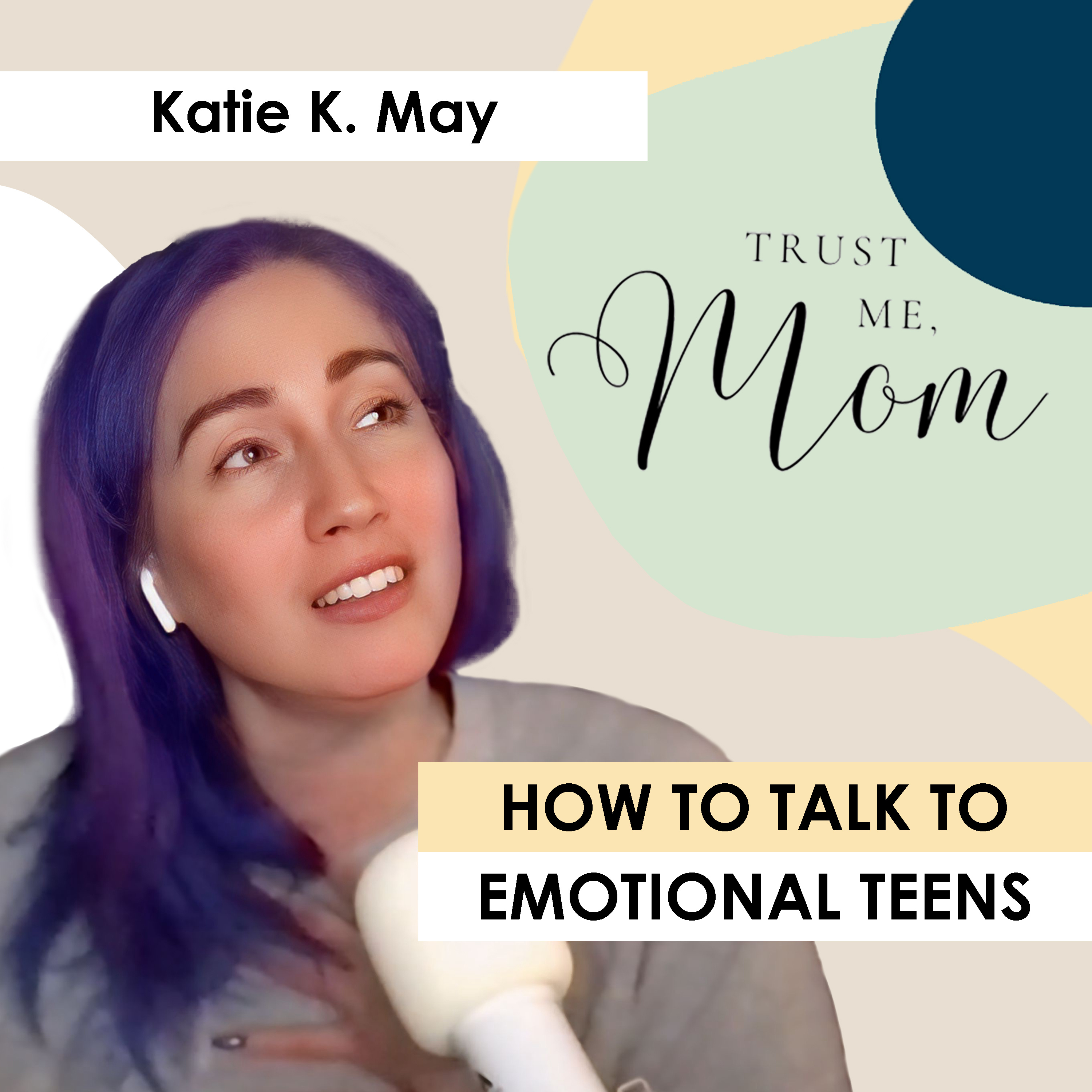
    31. How to Talk to Emotional Teens: Validation, Fire-Feelers & What Parents Get Wrong

    Raising a teenager with big emotions can feel overwhelming, especially when nothing you say seems to help. In this episode of Trust Me Mom, host Ekaterina Konovalova sits down with therapist and author Katie K. May, a leading expert on teen behavior and emotional regulation.Katie introduces the concept of “fire-feelers” - teens who experience emotions intensely and struggle to calm down once triggered. Drawing from her own lived experience and years of clinical work using Dialectical Behavior Therapy (DBT), she explains why common parenting strategies like minimizing, fixing, or pushing for conversations often backfire.In this deeply honest and practical conversation, we cover:• Why teen behaviors like self-harm, withdrawal, or lashing out are often coping strategies• The difference between validation and invalidation• How parents can stop escalating conflict and start building trust• When to step back vs. when to intervene during emotional crises• How parents’ own emotional regulation shapes their teen’s outcomes• The grief parents experience as their child grows, and why it matters• What to do if your teen talks about suicide or self-harm To learn more about Katie, check out her website: https://katiekmay.com/ 00:00 – Introduction01:02 – Meet Katie K. May & today’s topic01:42 – Katie’s personal story & why she became a therapist03:03 – What are “fire-feelers”?04:28 – Why parents unintentionally invalidate teen emotions06:34 – What validation really looks like (and sounds like)08:02 – Friendship insecurity & clingy behavior in teens10:55 – The parent-teen escalation cycle (transactional model)12:56 – Why you shouldn’t problem-solve during emotional flooding14:06 – Boundaries without authoritarian parenting16:33 – What to do in serious teen crises (running away, self-harm)18:03 – Why fixing your teen’s problems can backfire19:44 – Are you a fire-feeler too?20:28 – Parental grief as kids grow and push away23:10 – When extended family doesn’t support your parenting choices26:12 – DBT therapy & working with teens and families27:21 – What to do if your teen talks about suicide29:25 – How parents accidentally reinforce harmful behaviors31:57 – What’s normal vs. concerning teen behavior33:47 – Why one bad moment can ruin a teen’s whole day35:24 – Nature vs. nurture in emotional sensitivity37:18 – How teens can safely feel emotions instead of numbing39:03 – Final advice: parents go first #TrustMeMom #teenmentalhealth #parentingteens #FireFeelers #EmotionalRegulation #DBTTherapy #HighlySensitiveTeen #TeenBehavior#MentalHealthAwareness #ParentingSupport #TraumaInformedParenting

  • S1 · E30
    Dec 30, 2025 · 36 min

    30. Women Are Not Pacifiers for Men with Abby Eckel

    What really happens after we get married and have kids — and why does “equality” so often disappear?In this powerful episode of Trust Me Mom (Season 1, episode 30), host Ekaterina Konovalova sits down with Abby Eckel — content creator, educator, and advocate for equitable partnerships — to unpack the realities of modern motherhood, invisible labor, emotional load, and why so many women feel overwhelmed despite “doing everything right.”Abby shares her journey into advocacy, the TikTok moment that went viral when she talked about splitting household labor equally, and why so many men don’t even realize they’re at the center of their relationships. This conversation dives into:- Why motherhood feels nothing like what we were promised- How gender roles quietly reassert themselves after children- The danger of framing women as responsible for men’s well-being- Why “just communicate better” is often terrible advice- What centering yourself actually looks like in real life- How raising boys differently can change future generations- This conversation is honest, uncomfortable at times, deeply validating — and necessary.00:00 Introduction & why this conversation matters00:52 Meet Abby Eckel & the struggle of modern working moms01:49 “I felt lied to about motherhood” — Abby’s origin story03:20 The viral moment: splitting cooking & bedtime equally04:32 Raising boys without gendered roles06:48 Teaching kids to fully finish tasks (the train-track story)08:53 Why women don’t want to come home to chaos11:44 Equal custody laws & why they scare mothers12:34 Scott Galloway, single men, and misplaced responsibility15:37 Why women aren’t meant to “fix” men16:39 “Just get a divorce?” — a provocative starting point19:10 Michelle & Barack Obama and invisible labor22:00 Why gender norms explode after kids25:33 Men being centered — and not realizing it29:16 When wives stop being “fun” and why31:09 Religion, submission, and unequal expectations33:00 What women can do right now to reclaim themselves36:04 Centering yourself without burning everything down36:19 Closing thoughts & gratitude#TrustMeMom #MentalLoad #InvisibleLabor #EquitableMarriage #ModernMotherhood #WorkingMoms #EmotionalLabor #Feminism #ParentingBoys #GenderRoles #MarriageReality#MotherhoodUnfiltered #SelfCentering #BreakingTheCycle #weaponizedincompetence

Showing 1–20 of 20 episodes