Skip to content
Artwork for Throughline
HistorySociety & CultureDocumentary

Throughline

NPR

Throughline is a time machine. Each episode, we travel beyond the headlines to answer the question, "How did we get here?" We use sound and stories to bring history to life and put you into the middle of it. From ancient civilizations to forgotten figures, we take you directly to the moments that shaped our world. Throughline is hosted by Peabody Award-winning journalist Rund Abdelfatah.

Support public media by joining NPR+ at plus.npr.org. You’ll get perks for over 25 NPR podcasts, including sponsor-free listening for Throughline.
Play
  • 35 episodes
  • weekly
  • Avg 33 min
  • English

Support the show

Goes straight to the publisher. podnod takes nothing.

Counted on this page — what you have heard stays on this device, so it is not something the list can be paged by.
  • Thursday · 47 min

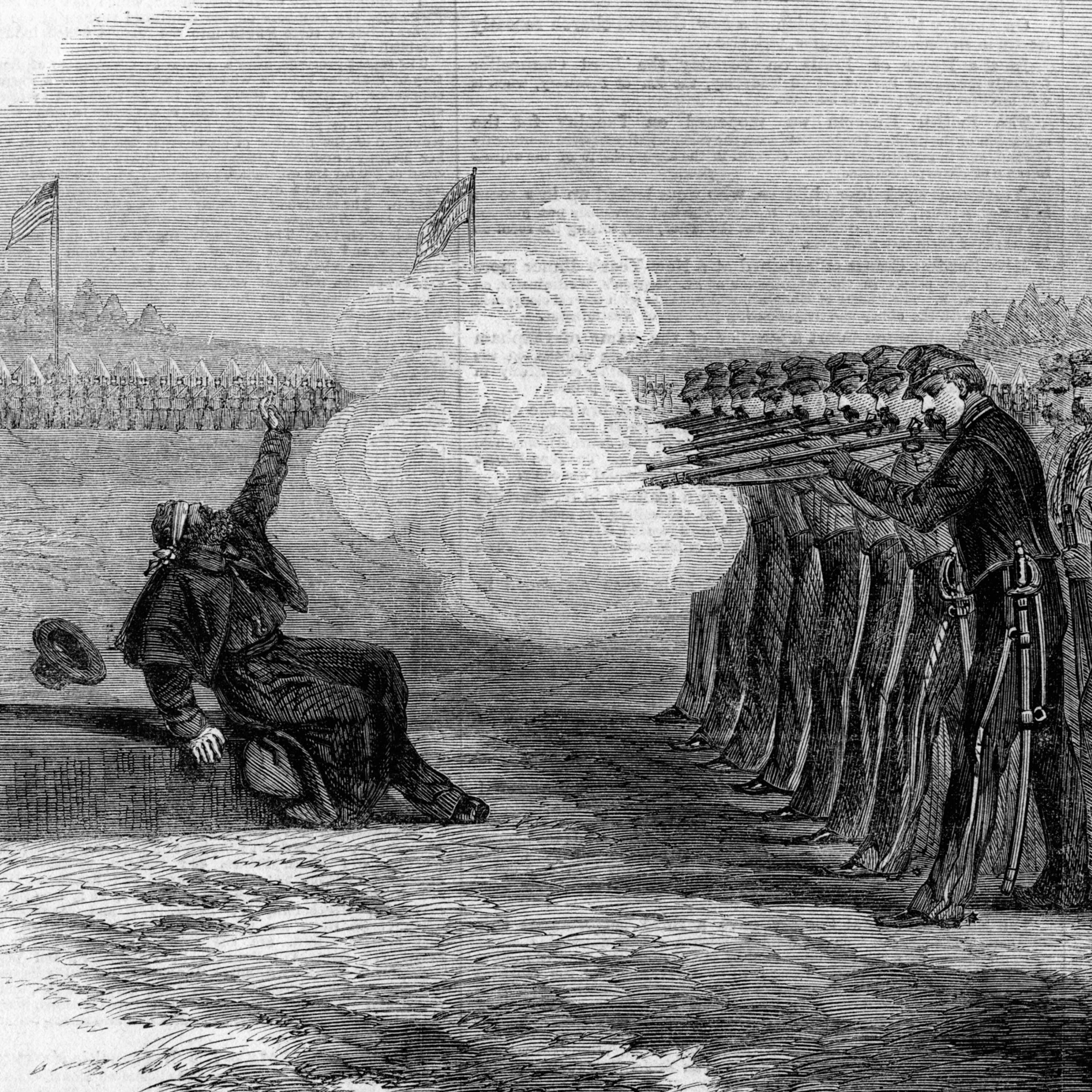
    Is the death penalty cruel and unusual?

    The Eighth Amendment. What is cruel and unusual punishment? Who gets to define and decide the amendment's boundaries? And how did the Constitution's authors imagine it might change? In this hour, the shifting definition of cruel and unusual punishment. This episode was originally published in January 2025. Guests: John Bessler, law professor at the University of Baltimore School of Law, and adjunct professor at the Georgetown University Law Center. Author of The Death Penalty's Denial of Fundamental Human Rights. Carol Steiker, law professor at Harvard Law School and author of Courting Death: the Supreme Court and Capital Punishment. Support public media with NPR+ and enjoy perks for over 25 podcasts like this one. This show’s perks include sponsor-free listening. Learn more at plus.npr.org. See pcm.adswizz.com for information about our collection and use of personal data for sponsorship and to manage your podcast sponsorship preferences. NPR Privacy Policy
  • Tuesday · 16 min

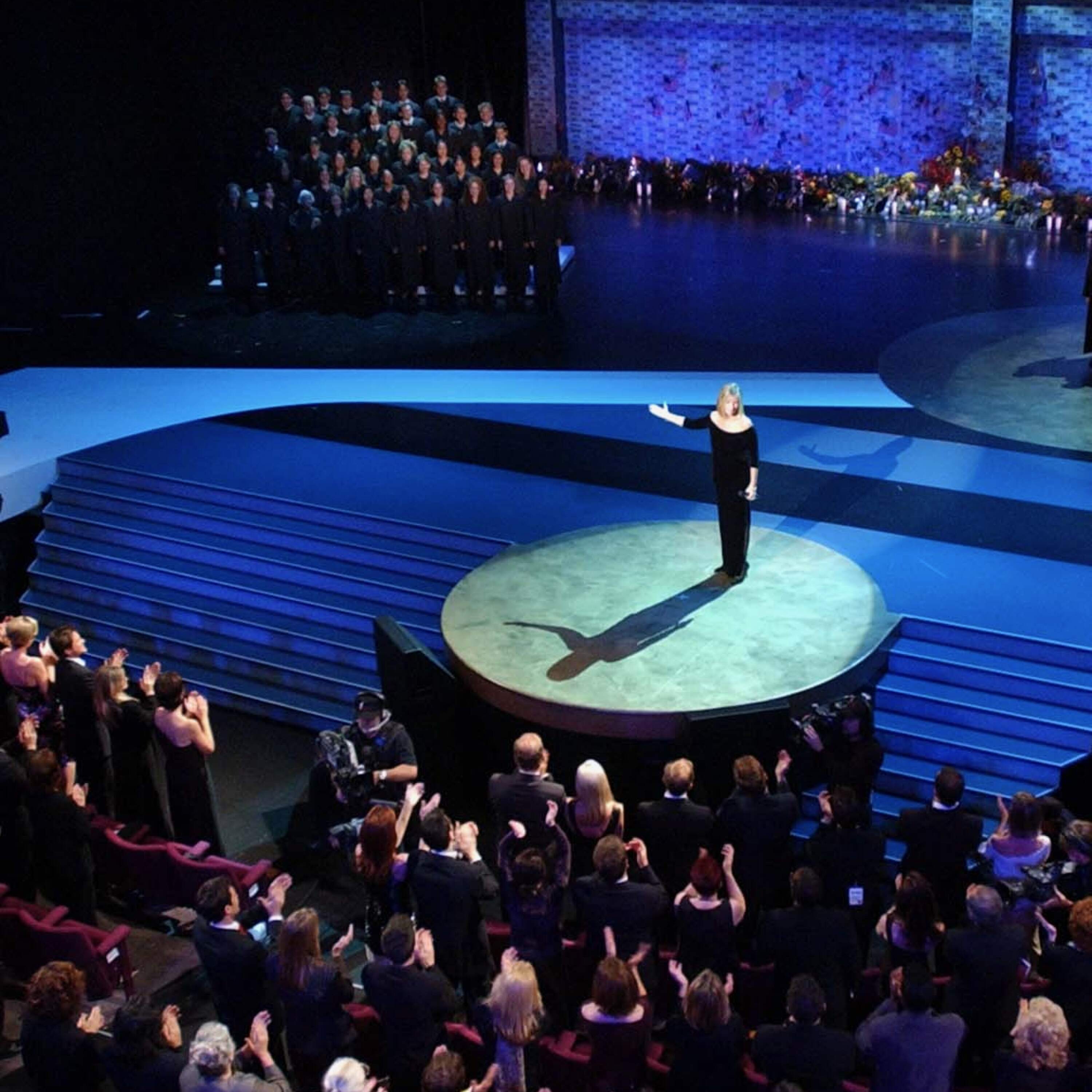
    Why does everything get a standing ovation now?

    Call it standing ovation inflation: these days, it feels like it's mandatory to stand and clap for live performances. Has our please clap era gone too far? That's what one Throughline listener wanted to know. So we traced the winding road from Shakespeare’s epilogues to Broadway divas to ridiculously long film festival ovations… and how they helped engineer the way we applaud. Guests: Roger Gilbert, professor in the Department of Literatures in English at Cornell Kyle Buchanan, reporter and columnist for the New York Times Support public media with NPR+ and enjoy perks for over 25 podcasts like this one. This show’s perks include sponsor-free listening. Learn more at plus.npr.org. See pcm.adswizz.com for information about our collection and use of personal data for sponsorship and to manage your podcast sponsorship preferences. NPR Privacy Policy
  • October 8 · 43 min

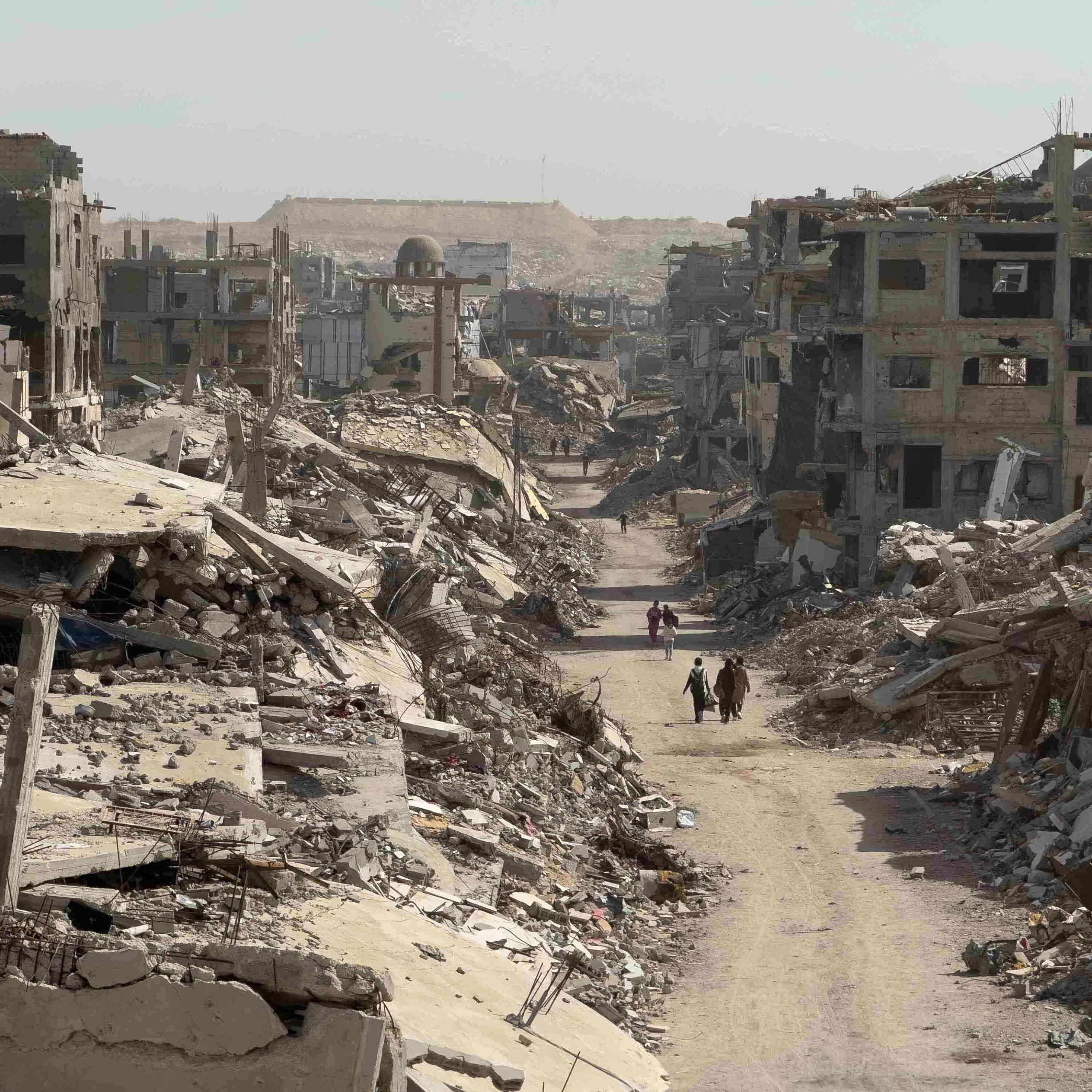
    Four Seasons of Ceasefire in Gaza

    NPR’s Anas Baba is one of the last remaining journalists in Gaza working full-time for an American news organization. A year into the ceasefire, more than 1400 people have been killed in Israeli attacks, nearly 5,000 injured. And those numbers rise nearly every day. What has the last year looked and felt like on the ground? In this episode, Baba takes us through four seasons of ceasefire—as both a resident trying to survive and a reporter trying to document reality. Guests: Anas Baba, NPR Gaza reporter Support public media with NPR+ and enjoy perks for over 25 podcasts like this one. This show’s perks include sponsor-free listening. Learn more at plus.npr.org. See pcm.adswizz.com for information about our collection and use of personal data for sponsorship and to manage your podcast sponsorship preferences. NPR Privacy Policy
  • October 1 · 52 min

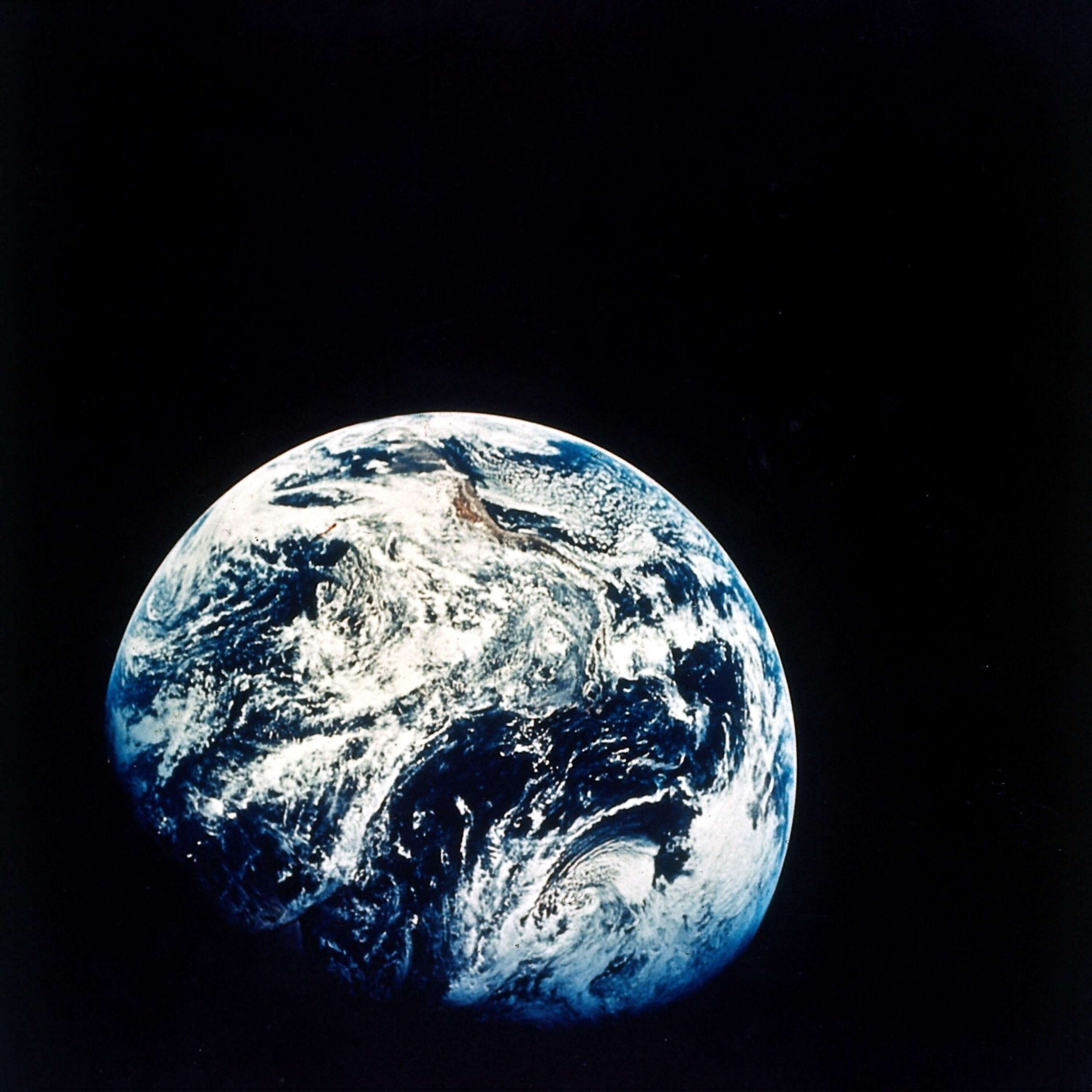
    How To Avoid The End of the World

    We live in a moment with almost daily reminders of how fragile life on Earth is whether it be from climate change, nuclear weapons or AI. In this episode, we bring you a story from the not-so-distant past when we learned what drove dinosaurs to extinction. And how it might have helped us avoid the same end. This episode was originally published in March 2025. Guests: David Sepkoski, Thomas M. Siebel Chair in History of Science at the University of Illinois and author of Catastrophic Thinking: Extinction and the Value of Diversity. Owen Brian Toon, professor of atmospheric and oceanic sciences at the University of Colorado Boulder. Alec Nevala-Lee, novelist, critic, and biographer and author of the forthcoming book Collisions: A Physicist's Journey from Hiroshima to the Death of the Dinosaurs. Ann Druyan, co-writer and co-creator of the television series Cosmos: A Personal Voyage. Andrew Revkin, science and environmental journalist. Support public media with NPR+ and enjoy perks for over 25 podcasts like this one. This show’s perks include sponsor-free listening. Learn more at plus.npr.org. See pcm.adswizz.com for information about our collection and use of personal data for sponsorship and to manage your podcast sponsorship preferences. NPR Privacy Policy
  • September 29 · 21 min

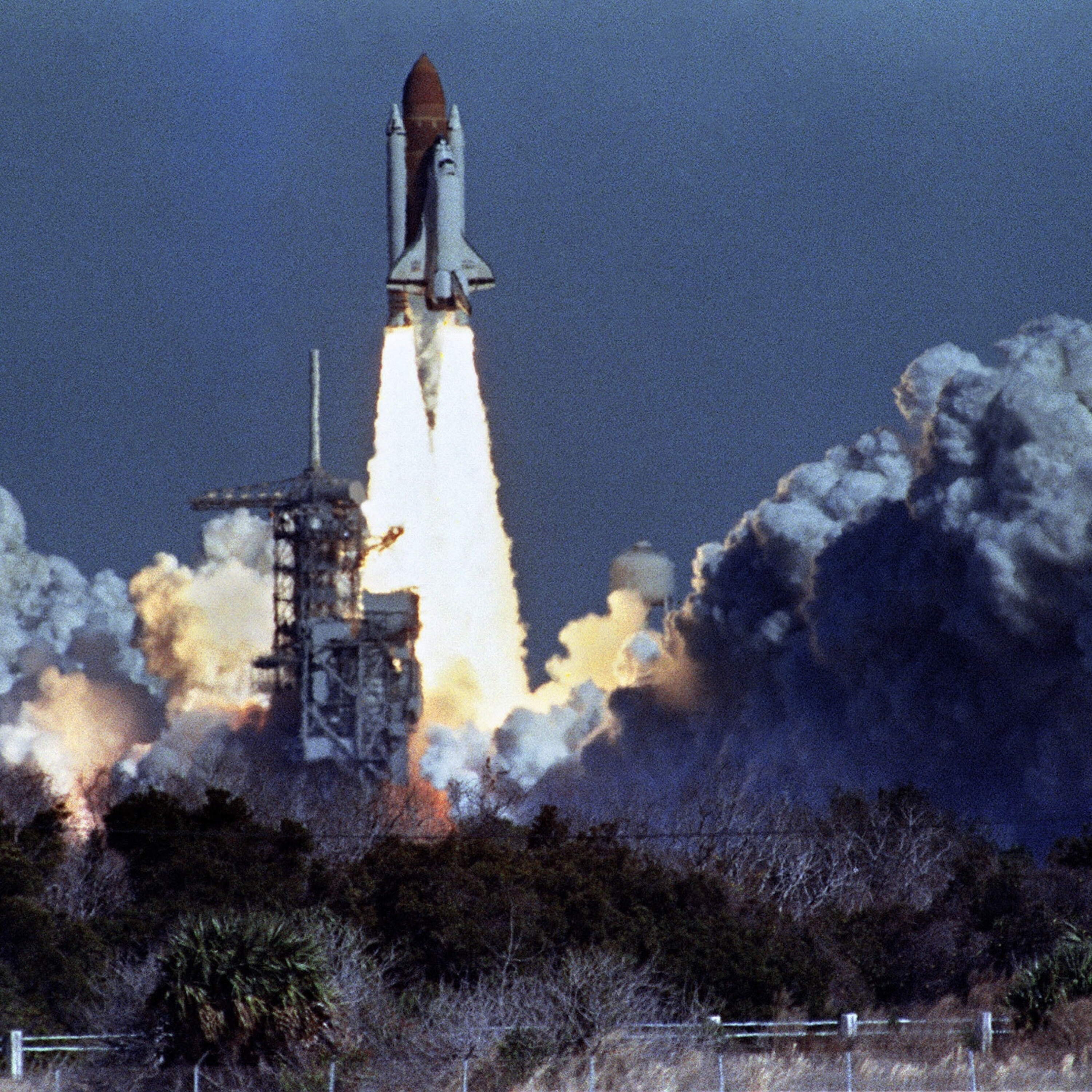
    Forty years of what if

    On January 28, 1986, the Space Shuttle Challenger exploded 73 seconds after liftoff. All seven astronauts onboard died. Brian Russell, an engineer who worked on the shuttle, had spent months warning NASA that freezing temperatures could cause a critical seal to fail. In this episode, Brian Russell takes us to the intense meeting where NASA had to decide whether to launch and the 40-year weight of a tragedy he tried to prevent. Support public media with NPR+ and enjoy perks for over 25 podcasts like this one. This show’s perks include sponsor-free listening. Learn more at plus.npr.org. See pcm.adswizz.com for information about our collection and use of personal data for sponsorship and to manage your podcast sponsorship preferences. NPR Privacy Policy
  • September 24 · 50 min

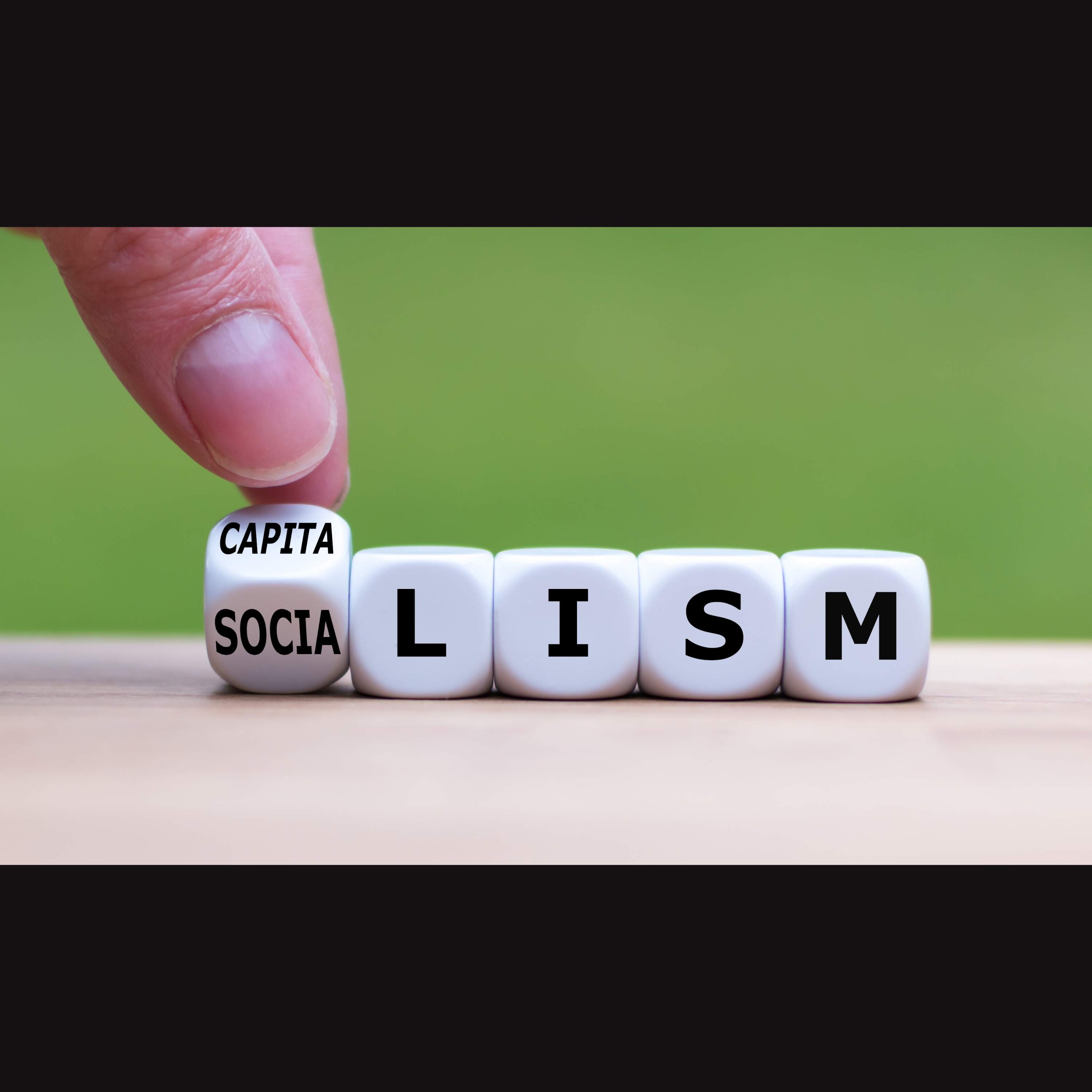
    Democratic Socialism. Hope or Hopeless?

    The Democratic Socialists of America (DSA) is having a big moment. Its candidates and its membership are both surging. Before Zohran Mamdani and AOC, there was its founder, Michael Harrington, a.k.a 'the man who discovered poverty.' In this episode, we dig into Harrington’s evolution from devout Catholic to revolutionary socialist to Democratic party loyalist, and ask: did his push to compromise delay the dream or pave the way for it? Guests: Maurice Isserman, Professor of History at Hamilton College and author of The Other American: The Life of Michael Harrington. Doug Greene, author of A Failure of Vision: Michael Harrington and the Limits of Democratic Socialism. Support public media with NPR+ and enjoy perks for over 25 podcasts like this one. This show’s perks include sponsor-free listening. Learn more at plus.npr.org. See pcm.adswizz.com for information about our collection and use of personal data for sponsorship and to manage your podcast sponsorship preferences. NPR Privacy Policy

  • September 17 · 50 min

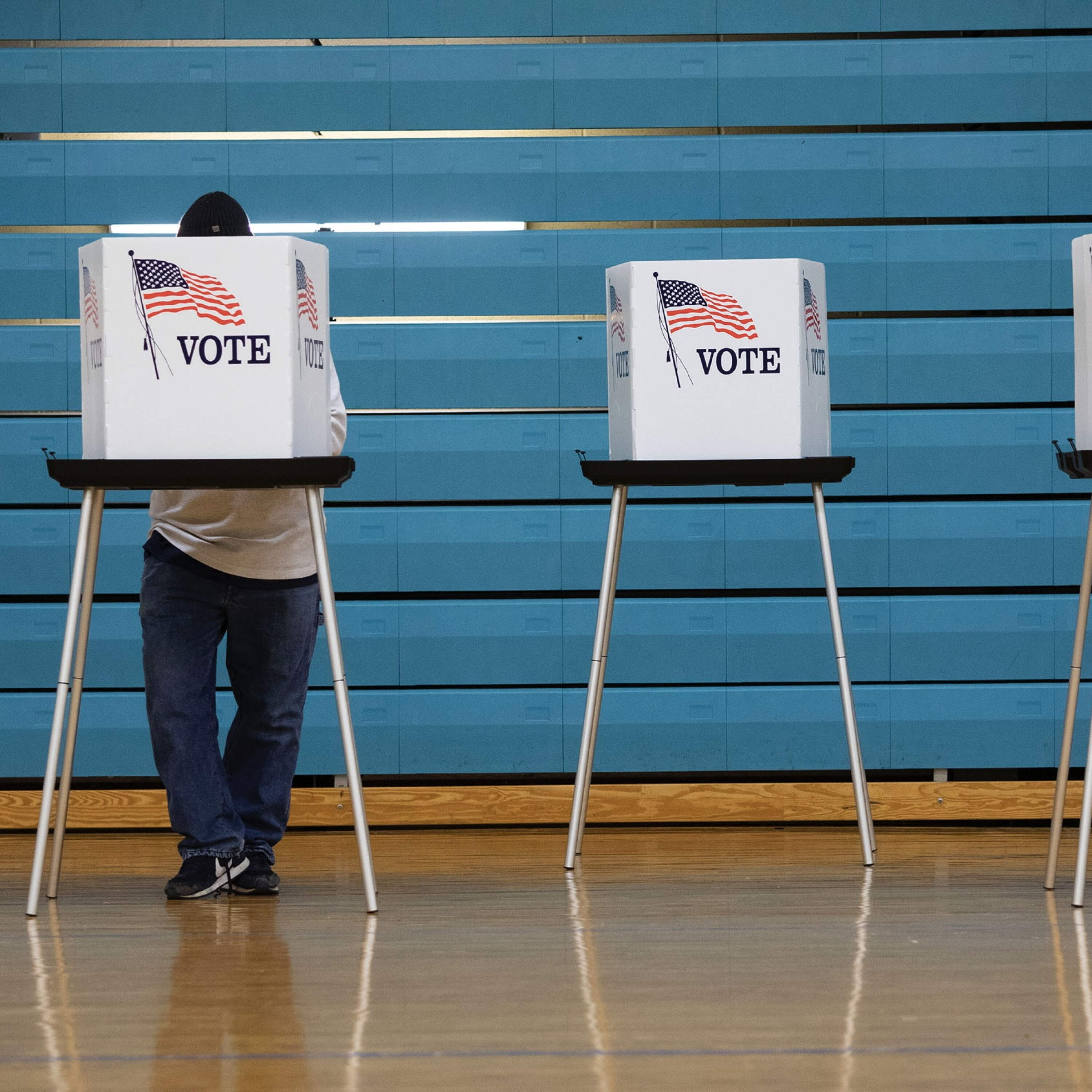
    How two swing states changed American voting

    Today on the show, the balance of Congressional power is up for grabs in this midterm election. It could be determined by a small number of voters in a few battleground states. Blueprints from the past could be the guide for big wins. The GOP has embraced a block-the-vote strategy set in motion in Arizona in the 1960s. And the Democrats are embracing a grassroots power base set up in Michigan in the 1970s. Guests: John A. Jenkins, author of The Partisan: The Life of William Rehnquist Tova Wang, Director of Research Projects in Democratic Practice at the Ash Center at the Harvard Kennedy School and author of The Politics of Voter Suppression: Defending and Expanding Americans' Right to Vote. Ismael Ahmed, co-founder of the Arab American Center for Economic and Social Services. Sally Howell, Professor of History with a focus on Arab American studies at the University of Michigan-Dearborn. Support public media with NPR+ and enjoy perks for over 25 podcasts like this one. This show’s perks include sponsor-free listening. Learn more at plus.npr.org. Correction: An earlier version of this episode incorrectly said that Michigan voters could send the first Arab American to the Senate. South Dakotan James Abourezk became the first Arab American U.S. senator in 1973. See pcm.adswizz.com for information about our collection and use of personal data for sponsorship and to manage your podcast sponsorship preferences. NPR Privacy Policy
  • September 10 · 32 min

    How baseball got its beat

    Major League Baseball’s postseason is just a few weeks away, and here on Throughline we know the power of a good walk-up song. But how did baseball become such a musical sport? And where did the idea for walk up-music come from? Guests: John Thorn, author and Official Baseball Historian for Major League Baseball Nancy Faust, former organist for the Chicago White Sox Support public media with NPR+ and enjoy perks for over 25 podcasts like this one. This show’s perks include sponsor-free listening. Learn more at plus.npr.org. Correction: An earlier version of this episode incorrectly said that the Brooklyn Dodgers moved to Los Angeles in 1952. The team moved ahead of the 1958 season. See pcm.adswizz.com for information about our collection and use of personal data for sponsorship and to manage your podcast sponsorship preferences. NPR Privacy Policy
  • September 8 · 16 min

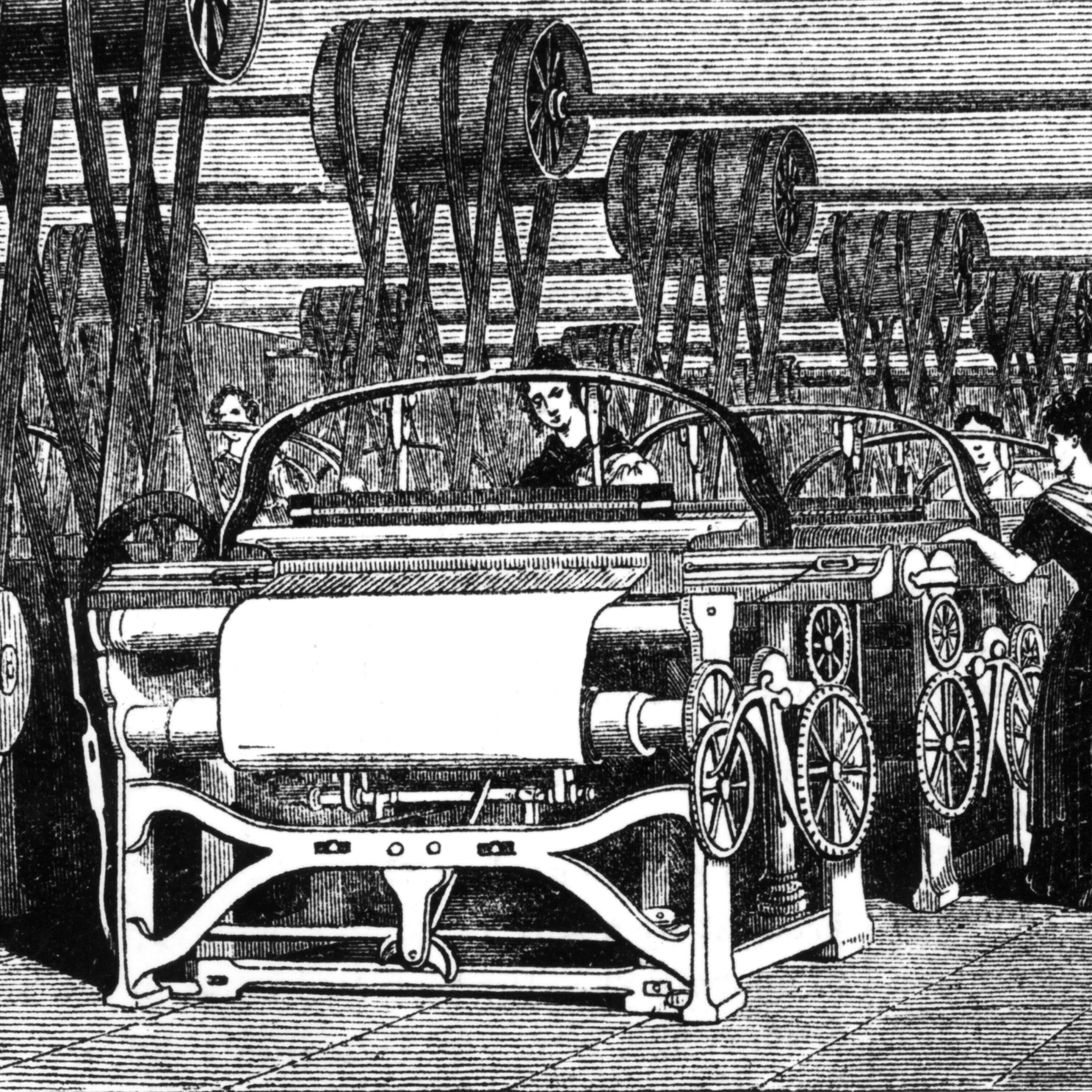
    Is it time for a Luddite Renaissance?

    Calling someone a "Luddite" is usually an insult – shorthand for someone who is behind the times. But the real Luddites weren't just afraid of change; they were a labor movement fighting to save their jobs from being replaced by machines. Today, with the rise of AI, many feel the same kind of existential threat and some are even pushing for a Luddite Renaissance. In this episode, Throughline takes on a listener's question to explore what the 19th-century Luddite rebellion can teach us about technology and human agency. Guests: Katrina Navickas, history professor at the University of Hertfordshire and author of the book Protest and the politics of space and place, 1789–1848 Support public media with NPR+ and enjoy perks for over 25 podcasts like this one. This show’s perks include sponsor-free listening. Learn more at plus.npr.org. See pcm.adswizz.com for information about our collection and use of personal data for sponsorship and to manage your podcast sponsorship preferences. NPR Privacy Policy
  • September 3 · 36 min

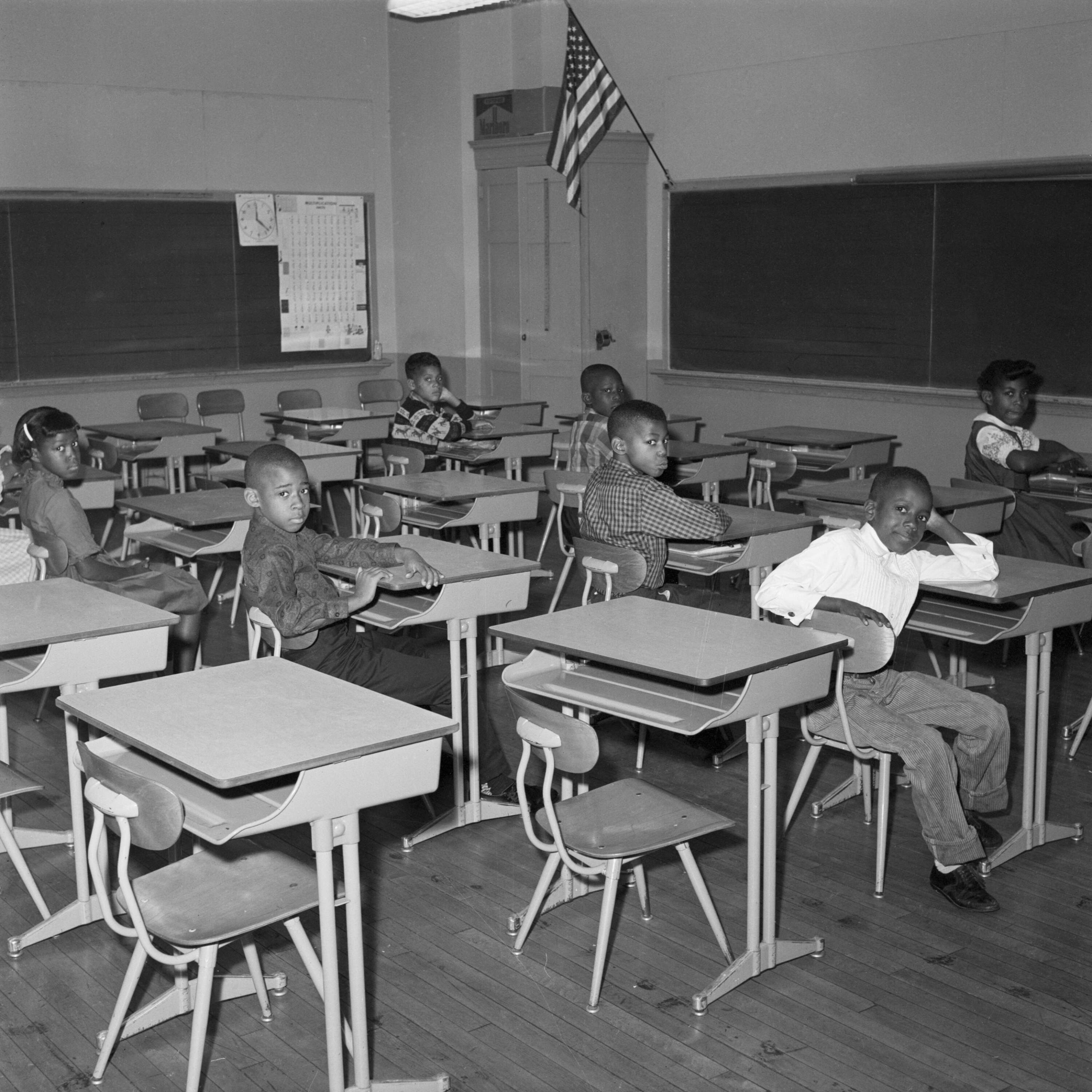
    The school report that changed public education

    In 1966, the federal government commissioned a massive survey aimed at solving educational inequality. Instead, the explosive Coleman Report unleashed a 60-year debate over race, resources, and what education in America is actually for. This is the story of how the report came together… and the policy whirlwind that followed. Guests: Victoria Cain, Associate Professor of History, Northeastern University Thomas Kane, Walter H. Gale Professor of Education and Economics, Harvard University Support public media with NPR+ and enjoy perks for over 25 podcasts like this one. This show’s perks include sponsor-free listening. Learn more at plus.npr.org. See pcm.adswizz.com for information about our collection and use of personal data for sponsorship and to manage your podcast sponsorship preferences. NPR Privacy Policy
  • September 1 · 18 min

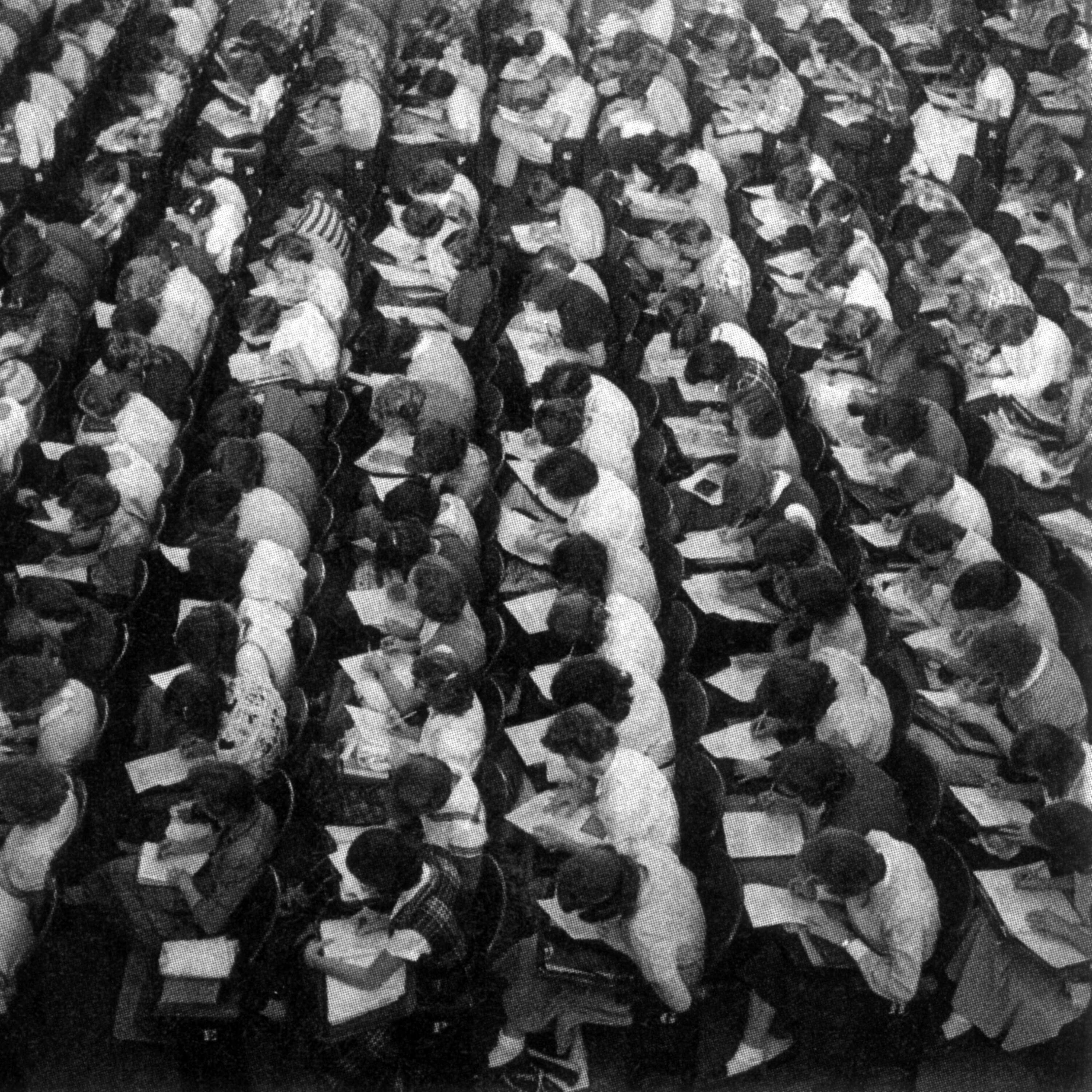
    The SAT's 100-year grip on higher ed

    For generations, the SAT has loomed large in the lives of teenagers. The quest for a perfect or near-perfect score has filled many test takers with dread. In this episode, a listener's question makes us wonder... who decided the SAT was the best and brightest way to filter students? And how did it become the pathway to higher education in America? Guests: Nicholas Lemann, author of The Big Test and Higher Admissions Support public media with NPR+ and enjoy perks for over 25 podcasts like this one. This show’s perks include sponsor-free listening. Learn more at plus.npr.org. See pcm.adswizz.com for information about our collection and use of personal data for sponsorship and to manage your podcast sponsorship preferences. NPR Privacy Policy

  • August 27 · 52 min

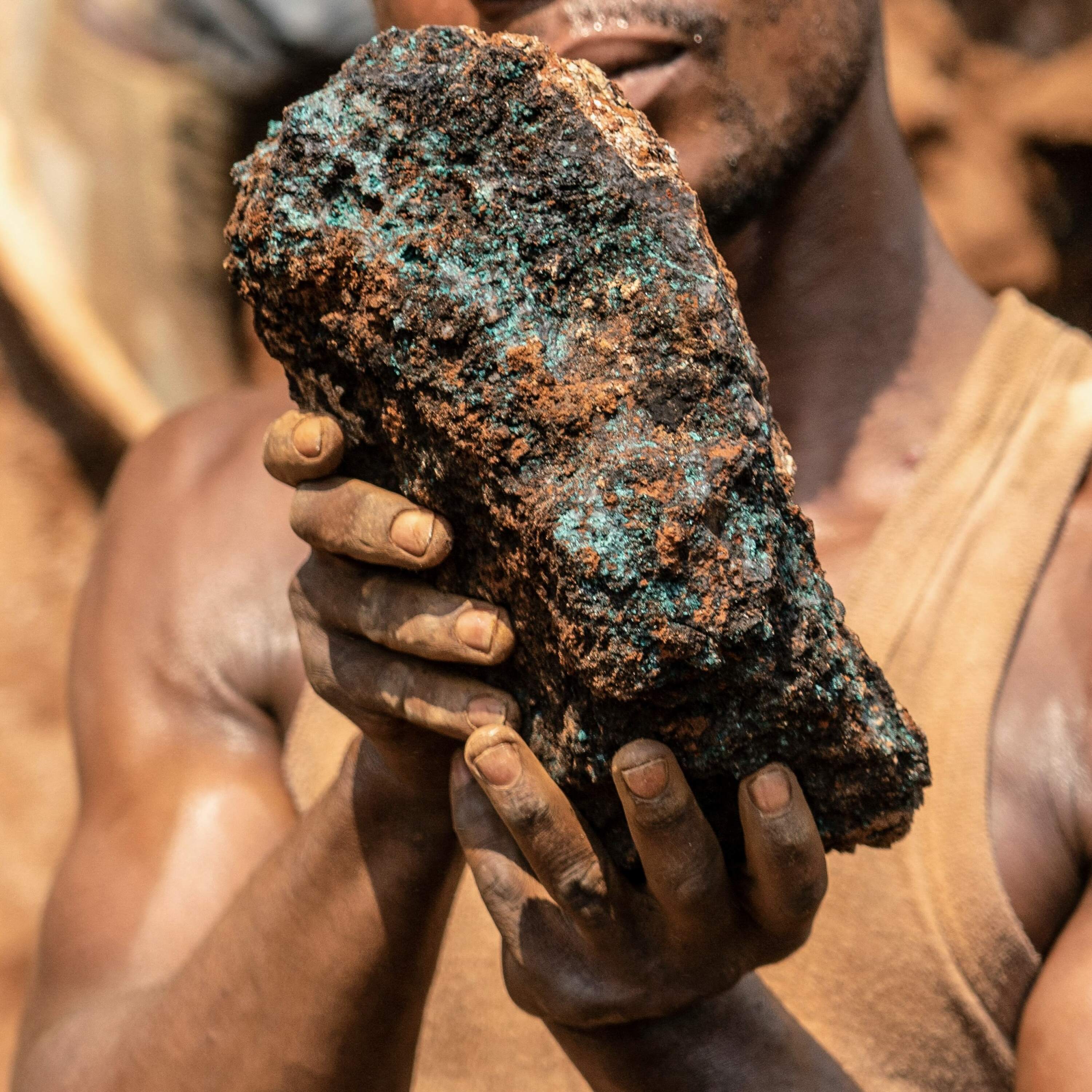
    The pillage that fueled America's tech booms

    Cobalt mining is one of the world's most dangerous jobs. And it's also one of the most essential: cobalt is what powers the batteries in your smartphone, your laptop, the electric car you felt good about buying. More than three-quarters of the world's cobalt supply lies in the Democratic Republic of Congo, whose abundant resources have drawn greed and grifters for centuries. This week on our series Hidden Histories, we reveal the fight for control of those resources, and for the dignity of the people who produce them. (This episode originally aired in 2023) Guests: Siddharth Kara, author of Cobalt Red: How the Blood of the Congo Powers Our Lives Adam Hochschild, author of King Leopold’s Ghost Ramona Austin, art historian and former curator at the Art Institute of Chicago and the Dallas Museum of Art Georges Nzongola-Ntalaja, African and global studies Professor Emeritus at the University of North Carolina and former UN ambassador for the Democratic Republic of Congo Support public media with NPR+ and enjoy perks for over 25 podcasts like this one. This show’s perks include sponsor-free listening. Learn more at plus.npr.org. See pcm.adswizz.com for information about our collection and use of personal data for sponsorship and to manage your podcast sponsorship preferences. NPR Privacy Policy

  • August 20 · 48 min

    How Korean culture went global

    This year, K-pop Demon Hunters picked up a couple of Oscars, the pop group BTS made its triumphant return to sold out crowds, and K-pop took center stage at the World Cup final. It’s all part of Korea’s 50-year game plan to achieve global cultural dominance. This week on our Hidden Histories series, we dig into the government policy that leveraged sports, screens, and sex to transform Korea’s economy and influence. Guests: Michael Kim, professor at Yonsei University in Seoul John Dimoia, professor of Korean history at Seoul National University Heijin Lee, professor of women and gender studies at the University of Hawaii Support public media with NPR+ and enjoy perks for over 25 podcasts like this one. This show’s perks include sponsor-free listening. Learn more at plus.npr.org. See pcm.adswizz.com for information about our collection and use of personal data for sponsorship and to manage your podcast sponsorship preferences. NPR Privacy Policy

  • August 13 · 49 min

    The blatant betrayal that erased the Tupperware queen from history

    Brownie Wise revolutionized how we store our food. She was one of the first female corporate executives in U.S. history. But she’s not a household name. This week on our series Hidden Histories, the rise and fall of the queen of plastics—and one of corporate America's most dramatic betrayals. (This episode originally aired in 2025) Guests: Alison Clarke, author of Tupperware, the Promise of Plastic in 1950s America Bob Kealing, author of Life of the Party: The Remarkable Story of How Brownie Wise Built, and Lost, a Tupperware Party Empire Support public media with NPR+ and enjoy perks for over 25 podcasts like this one. This show’s perks include sponsor-free listening. Learn more at plus.npr.org. See pcm.adswizz.com for information about our collection and use of personal data for sponsorship and to manage your podcast sponsorship preferences. NPR Privacy Policy

  • August 6 · 49 min

    Lies, theft, and cover-up: the history of Monopoly you've never heard

    Monopoly is one of the best-selling board games of all time. It heralds free market economics and celebrates the American dream. That's a far cry from the original intent. This week on our series Hidden Histories, we go back in time to reveal the swindling and cover ups that robbed Monopoly's inventor of her fair share and turned her scathing critique of capitalism into her worst nightmare. (This episode originally aired in 2022) Guests: Mary Pilon, author of The Monopolists: Obsession, Fury, and the Scandal Behind the World's Favorite Board Game Support public media with NPR+ and enjoy perks for over 25 podcasts like this one. This show’s perks include sponsor-free listening. Learn more at plus.npr.org. See pcm.adswizz.com for information about our collection and use of personal data for sponsorship and to manage your podcast sponsorship preferences. NPR Privacy Policy

  • August 4 · 19 min

    The song that fueled protests and a legacy of hope

    In our final installment of AP250, how We Shall Overcome became the anthem of generations of protestors. Today on the show, we revisit an episode from the NPR archives about the legacy of hope found in the lyrics of this timeless song. Support public media with NPR+ and enjoy perks for over 25 podcasts like this one. This show’s perks include sponsor-free listening. Learn more at plus.npr.org. See pcm.adswizz.com for information about our collection and use of personal data for sponsorship and to manage your podcast sponsorship preferences. NPR Privacy Policy

  • July 30 · 31 min

    The lightbulb conspiracy is both real and everywhere

    Over the next few episodes, we present Hidden Histories: stories that will make you rethink how the world works. First up, the conspiracy behind the lightbulb—and how it came to shape the entire consumer economy. If you ever wondered why your tech outdates so quickly or just plain fails, you can thank the lightbulb. (This episode originally aired in 2019.) Guests: Sally Helm, former NPR Planet Money correspondent Markus Krajewski, author of The Great Lightbulb Conspiracy Giles Slade, author of Made to Break: Technology and Obsolescence in America Support shows like Throughline with NPR+. Sign up today at plus.npr.org. See pcm.adswizz.com for information about our collection and use of personal data for sponsorship and to manage your podcast sponsorship preferences. NPR Privacy Policy
  • July 28 · 20 min

    The license to be funny in America

    One of the most fundamental aspects of American democracy has been the public’s ability to critique power, whether that’s through protest, legislation, or a really funny joke. Today, we take a romp into the history of American comedy, showing no matter how crude, rude, or distasteful the humor may be, Americans have a constitutional right to stand up. To access bonus episodes and listen to Throughline sponsor-free, subscribe to Throughline+ via Apple Podcasts or at plus.npr.org/throughline. See pcm.adswizz.com for information about our collection and use of personal data for sponsorship and to manage your podcast sponsorship preferences. NPR Privacy Policy
  • July 23 · 37 min

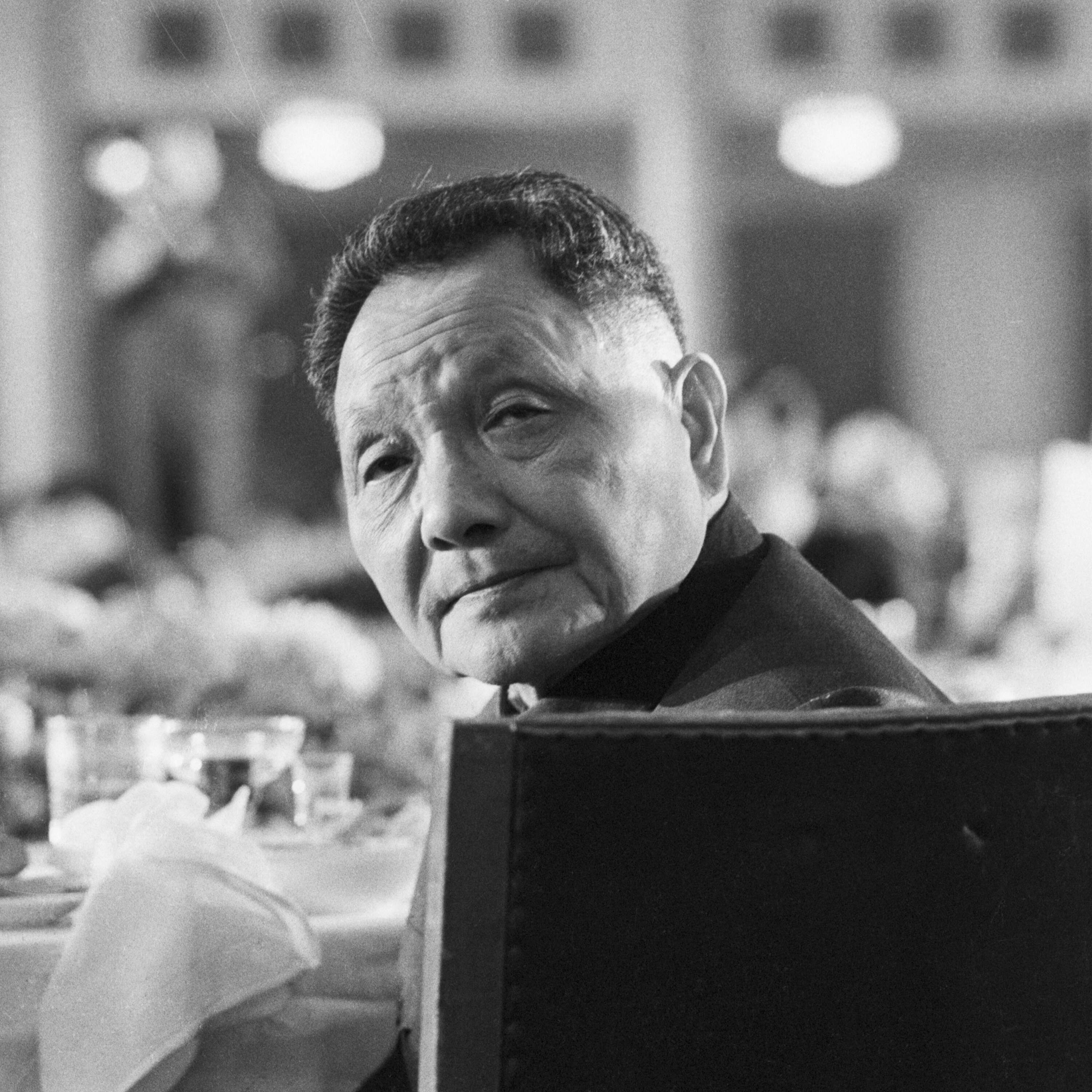
    The architect of modern China

    From impoverishment to global superpower, China’s supremacy happened at a breakneck speed thanks to the visionary strategy of the man who took power in 1978. Over the next decade, under leader Deng Xiaoping’s firm leadership, China flirted with capitalism and transformed its socio-economic and political systems, effectively becoming the world’s factory. Guests: Kerry Brown, professor of Chinese Studies and Director of the Lau China Institute at King's College London and author of several books, including Xi: A Study in Power Dan Wang, a writer specializing in contemporary China and author of Breakneck: China's Quest to Engineer the Future Support shows like Throughline with NPR+. Sign up today at plus.npr.org. See pcm.adswizz.com for information about our collection and use of personal data for sponsorship and to manage your podcast sponsorship preferences. NPR Privacy Policy

  • July 21 · 17 min

    The Chinafication of Walmart

    We think of Walmart as ultra-American, but its business relationship with China has fundamentally changed how American retail operates. In this episode, how one retailer helped turn China into the world’s factory, eventually becoming the single largest U.S. importer of Chinese consumer goods. Guest: Eileen Otis, Associate Professor of Sociology at Northeastern University and author of Walmart: Made in China Support shows like Throughline with NPR+. Sign up today at plus.npr.org. See pcm.adswizz.com for information about our collection and use of personal data for sponsorship and to manage your podcast sponsorship preferences. NPR Privacy Policy

Showing 1–20 of 35 episodes