Skip to content
Artwork for Think Back
HistoryArtsBooks

Think Back

Richard Kreitner

Think Back is a podcast about American history.

www.thinkbackpod.com
Play
  • 20 episodes
  • monthly
  • Avg 50 min
  • English
  • September 2 · 1 hr 2 min

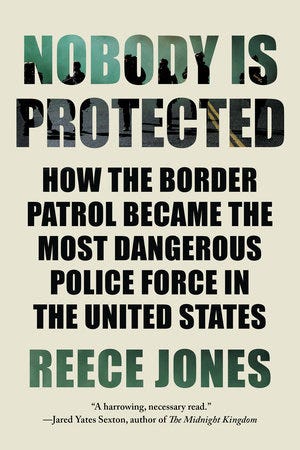
    The Terrifying Power of the US Border Patrol

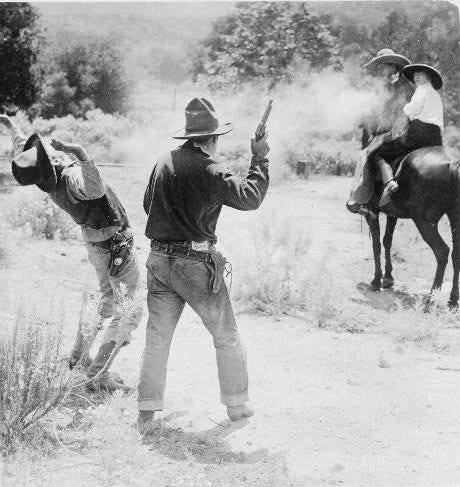
    Reece Jones has spent his career studying borders. His 2022 book Nobody Is Protected argues that for its entire century-long existence the US Border Patrol has been writing its own rules. Jones, a geographer at the University of Hawaii, traces the agency’s lineage from antebellum slave patrols and the Texas Rangers through the 1924 Johnson-Reed Act that formally created it, showing how a little-known legal quirk puts roughly two-thirds of Americans within reach of an agency largely exempt from Fourth Amendment restrictions. In this episode of THINK BACK, Reece and I talk through the Border Patrol’s origins, the landmark Supreme Court cases that expanded the agency’s authority, and how 9/11 and the drug wars accelerated a mission creep that had been building for decades. Jones’s history is even more significant and necessary in 2026 than when it was first published. He shows that the current administration isn’t inventing new abuses of power so much as exploiting a century of legal loopholes that nobody bothered to close. See also Reece’s forthcoming book, written with Greg Boos, Smuggler: Drugs, Gangs, and Refugees at America’s Northern Border. Music for this episode: “The Union,” by Louis Moreau Gottschalk, performed by Akiko Sasaki; “Reel Delisle,” by Joel Zifkin; interludes by Zachary Solomon Looking for more on related subjects? See these previous episodes of THINK BACK. "The Chinese in America" (with Michael Luo), May 22, 2025 "The Wild West, Re-Examined" (with Bryan Burrough), July 23 2025 "Democracy vs. the Constitution" (with Stephen Skowronek), December 4, 2025 Get full access to Think Back at www.thinkbackpod.com/subscribe
  • June 30 · 50 min

    Decoding the Declaration

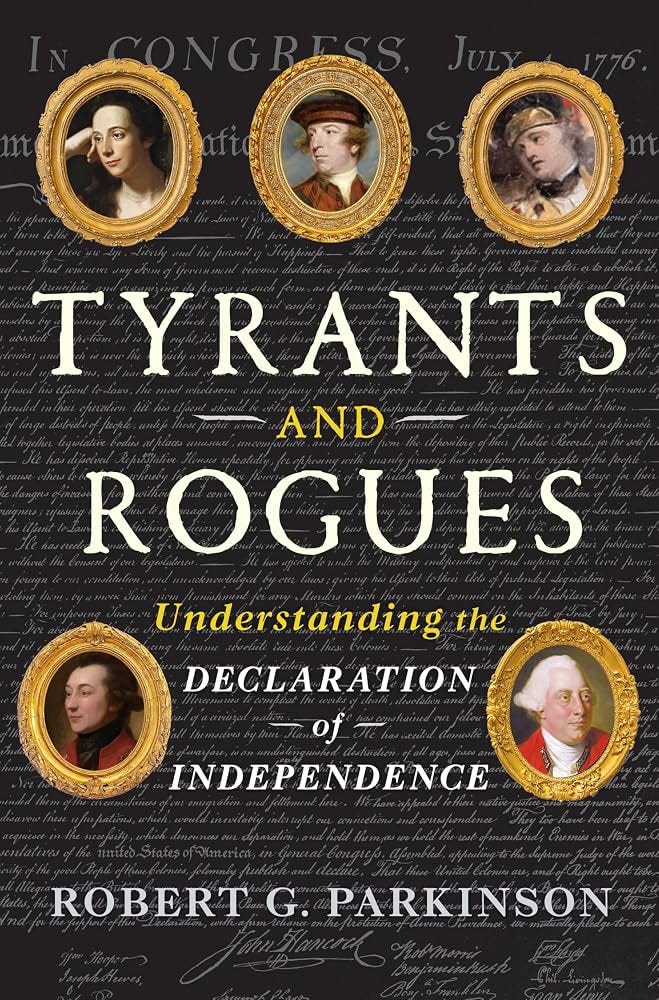
    “a history of repeated injuries and usurpations” King George III’s crimes against the colonists fill most of the Declaration of Independence. Yet almost nobody reads that part of the famous document. Robert G. Parkinson is a historian at Binghamton University and the author, most recently, of Tyrants and Rogues: Understanding the Declaration of Independence. Parkinson argues that the Declaration’s long grievances section—the colonists’ bill of complaints against the Crown—opens a window onto the real world of 1776 that we miss if we focus on the preamble’s celebrated phraseology. The themes embedded in the grievances—race, violence, exclusion, the weaponization of the language of liberty—are still very much with us as the nation the Declaration created marks the 250th anniversary of its founding. See also my essay for The Nation’s special 250th issue: “Our Revolution” Music for this episode: “The Union,” by Louis Moreau Gottschalk, performed by Akiko Sasaki; “Reel Delisle,” by Joel Zifkin; interlude by Zachary Solomon Please consider becoming a paid supporter of THINK BACK. Get full access to Think Back at www.thinkbackpod.com/subscribe
  • June 2 · 50 min

    'Badass' Harriet Tubman's Most Daring Deed

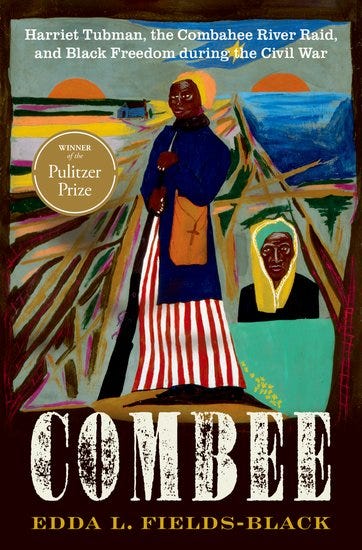
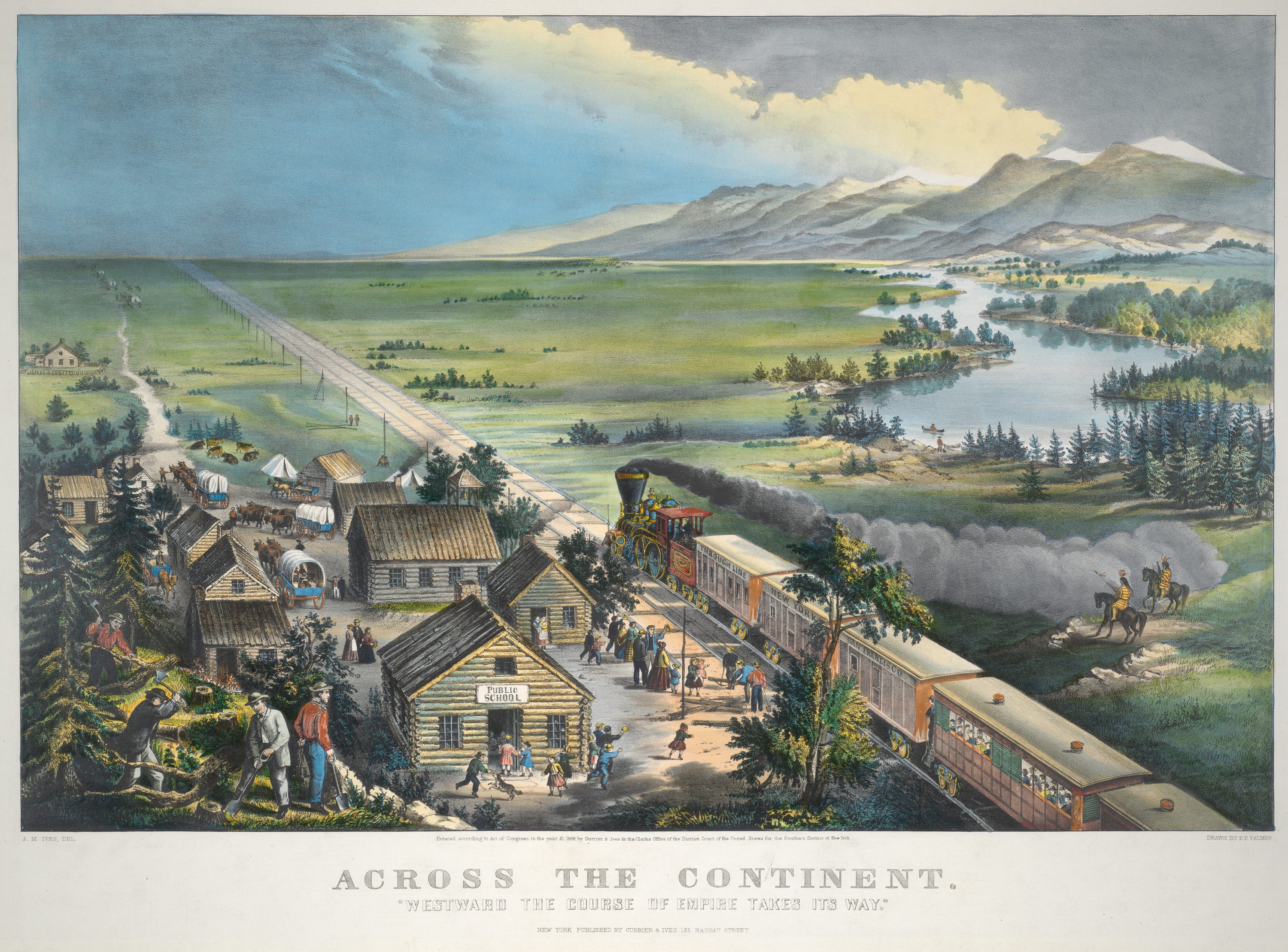
    Has the Civil War’s single largest emancipation event been hiding in plain sight? In this episode of Think Back, I speak with historian Edda L. Fields-Black about her book Combee: Harriet Tubman, the Combahee River Raid, and Black Freedom During the Civil War (2024), co-winner of the Pulitzer Prize in History. The book reconstructs a remarkable and underexamined chapter of the war: a Union gunboat raid up South Carolina’s Combahee River, led in part by Harriet Tubman acting as scout and spy, that liberated more than 700 enslaved people in a single night. We discuss how the South Carolina lowcountry’s geography shaped both the institution of slavery and the possibilities for resistance, what it meant for some of the first Black soldiers in the Union Army to return in uniform to the communities they had escaped, and how Tubman’s role in the raid fits into the larger arc of her extraordinary life. We also talk about the craft of this kind of history, how Fields-Black uses mountains of primary sources to reconstruct not just events but an entire world, and what it means to her personally to tell the story of an ancestor who was on one of those gunboats with Tubman the night of the raid. Fields-Black brings formidable scholarly rigor to this story without ever losing her enthusiasm for it. The people she writes about are deeply alive for her, 160 years on, and she helps make it alive for us as well. Music for this episode: “The Union,” by Louis Moreau Gottschalk, performed by Akiko Sasaki; “Reel Delisle,” by Joel Zifkin; interlude by Zachary Solomon Looking for more on the American West? See these previous episodes of THINK BACK. "How Slavery Ended" (with Tom Zoellner) "What Really Happened on Sherman's March?" (with Bennett Parten) Get full access to Think Back at www.thinkbackpod.com/subscribe
  • April 23 · 1 hr

    What the Frontier Myth Gets Wrong—and Why It Matters

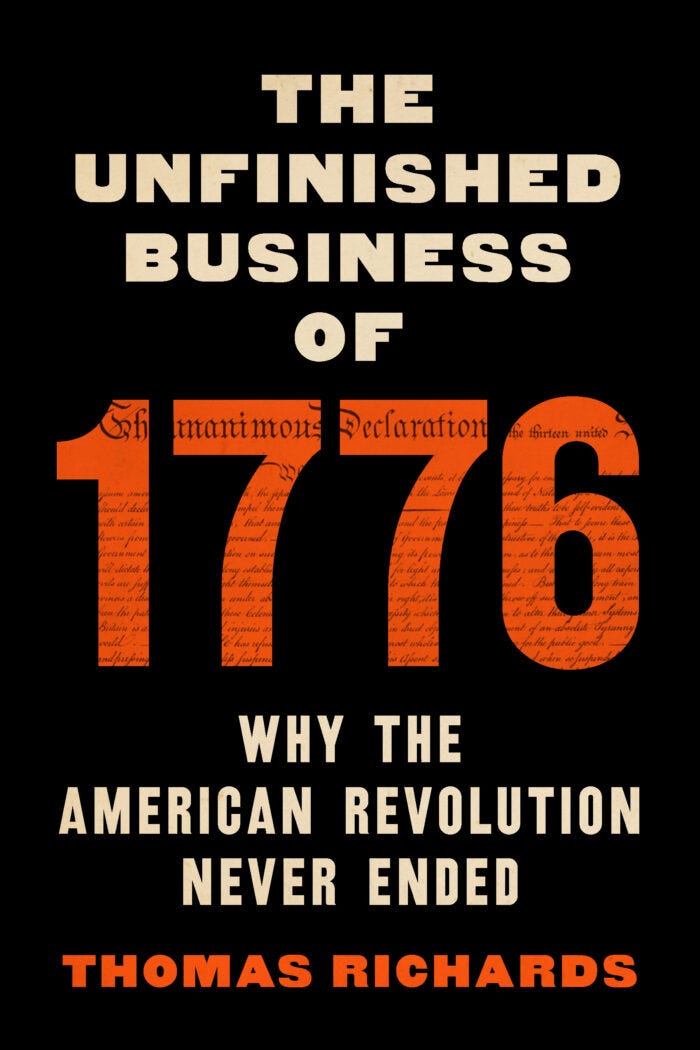
    Why does the frontier myth refuse to die? In this episode of Think Back, I speak with historian and writer Megan Kate Nelson about her new book The Westerners: Mythmaking and Belonging on the American Frontier. The book takes direct aim at one of the most durable stories Americans tell about themselves: the frontier myth, codified by Frederick Jackson Turner in 1893, which cast the westward march of white pioneers as the engine of American democracy. That myth, Nelson argues, has never really loosened its grip. When whole communities are erased from the national story, it becomes easier to treat them as un-American and to strip them of their rights. To make that case, Nelson follows seven people traversing the 19th-century West, a cast that includes Sacajawea, the biracial fur trader Jim Beckwourth, the Hispanic gambling-saloon empire-builder María Gertrudis Barceló, the Northern Cheyenne chief Little Wolf, the Chinese immigrant Polly Bemis, and the Canadian-immigrant rancher Ella Watson. Together they reveal a West initially defined less by conquest than mobility, cultural encounters, and radical possibility, a place where people on the margins of society often found real opportunity, until the advance American law and settlement foreclosed those futures for good. Nelson’s West was not a paradise of pluralism, but genuine possibilities existed there—for women, for people of color, for those living across cultural boundaries. The frontier myth distorts our understanding of the past, but it also limits our imaginations when it comes to the present and the future. Music for this episode: “The Union,” by Louis Moreau Gottschalk, performed by Akiko Sasaki; “Reel Delisle,” by Joel Zifkin; interlude by Zachary Solomon Get full access to Think Back at www.thinkbackpod.com/subscribe
  • March 25 · 57 min

    The Unfinished Business of 1776

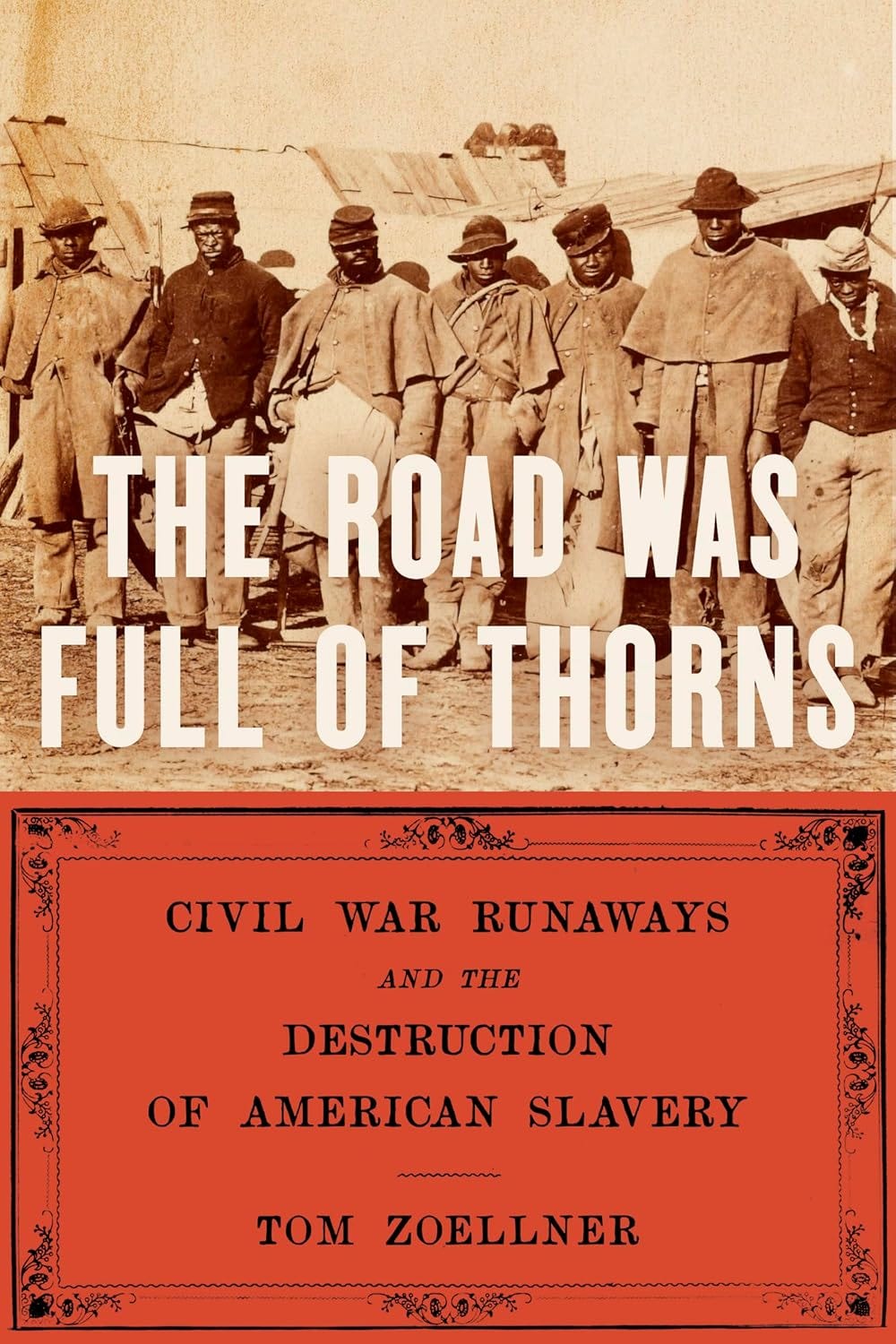
    In this episode of Think Back, I speak with historian Thomas Richards Jr. about his new book The Unfinished Business of 1776: Why the American Revolution Never Ended. Richards opens with a deliberately provocative contrast: was the Revolution an inspirational fight for freedom, or a vicious struggle for power? His answer sets up a book that refuses easy celebration or outright dismissal. Rather than focusing on the Revolution itself, Richards trains his attention on the decades that followed, tracing how the fights ignited in 1776 continued to reshape American life long after the guns fell silent. We move through a series of connected episodes—the drafting of the Constitution, the Whiskey Rebellion, the little-known story of women voting in New Jersey in the early republic, Gabriel’s Rebellion, and ultimately the Civil War—each illuminating how debates over the Revolution’s legacy were also battles over the future. Our conversation touches on how enslaved people and other excluded groups turned the Revolution’s language against its architects, why the Constitution was seen by some as a betrayal of revolutionary ideals, and how the turbulent period of “manifest destiny” forced Americans to decide what kind of country they were actually building. With America’s 250th anniversary now underway, and the official commemorations already looking appallingly thin or worse, The Unfinished Business of 1776 arrives at exactly the right moment—a serious, searching, and genuinely useful reckoning with what the Revolution was, what it wasn’t, and what it might still become. Music for this episode: “The Union,” by Louis Moreau Gottschalk, performed by Akiko Sasaki; “Reel Delisle,” by Joel Zifkin Looking for more on the American Revolution? See these previous episodes of THINK BACK. Get full access to Think Back at www.thinkbackpod.com/subscribe
  • February 24 · 37 min

    How Slavery Ended

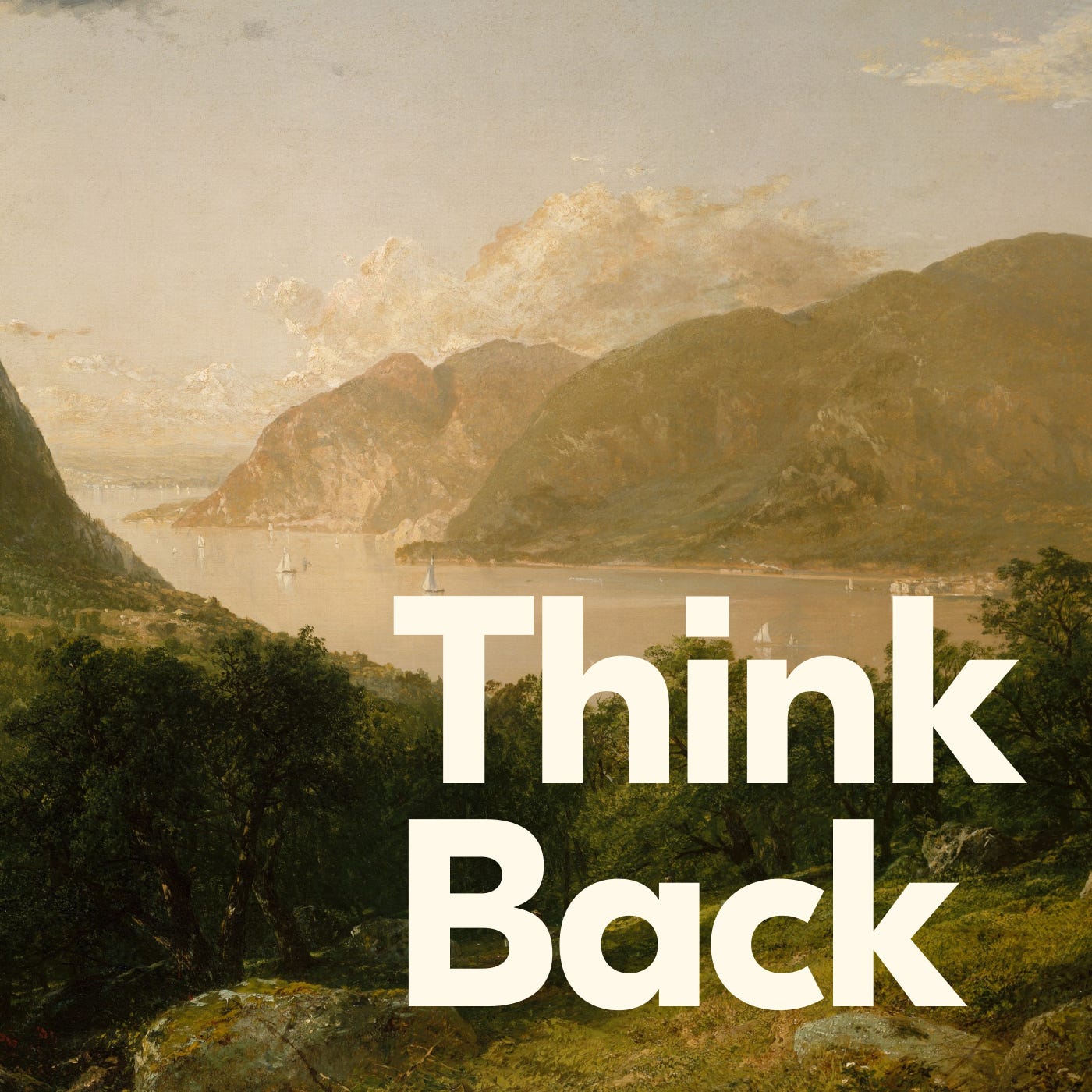
    In this episode of Think Back, I talk with historian Tom Zoellner about his new book The Road Was Full of Thorns: Running Toward Freedom in the American Civil War. We dig into a dimension of emancipation that often gets overshadowed by presidential proclamations and congressional acts: the ground-level pressure created by enslaved people themselves. Zoellner traces how thousands of self-emancipated men and women forced the Union to confront slavery not as an abstraction, but as an urgent reality. The Underground Railroad, in effect, became “above ground,” and the war’s meaning began to shift. Our conversation explores how slavery both rose and fell through a series of piecemeal, improvised decisions—legal maneuvers, military necessities, human acts of courage that accumulated into an unstoppable revolution. We discuss Lincoln’s leadership, the messy realities of the contraband camps, the present-day politics of how this history is told, and why the struggle over emancipation’s meaning is far from over. Music by Akiko Sasaki (“The Union,” by Louis Moreau Gottschalk) and Zachary Solomon Get full access to Think Back at www.thinkbackpod.com/subscribe
  • January 28 · 50 min

    The Forgotten Movement for a Black State

    This episode looks at one of the strangest political experiments in American history: a late-nineteenth-century movement to create an officially Black state in the land that would become Oklahoma. At its center was Edward McCabe, a charismatic but elusive figure who envisioned Black self-government within the United States at a moment when Reconstruction had collapsed and white supremacy was hardening across the country. My guest is Caleb Gayle, professor of history at Northeastern University and the author of Black Moses: A Saga of Ambition and the Fight for a Black State (2025). We talk about the nature and the limits of McCabe’s vision, and what this failed effort reveals about debates over Black politics, specifically regarding the conflict between separatism and inclusion, in post-Civil War America—and why the story still matters. Music by Akiko Sasaki (“The Union,” by Louis Moreau Gottschalk) and Zachary Solomon Get full access to Think Back at www.thinkbackpod.com/subscribe
  • January 7 · 51 min

    Was the Conquest of Native America Inevitable?

    In this episode of Think Back, I’m joined by the historian Kathleen DuVal to talk about her extraordinary 2024 book Native Nations, a sweeping thousand-year history of Indigenous North America. The book, which won the Pulitzer Prize, fundamentally reframes American history by restoring Native peoples to the center of the story, not as passive victims of conquest but as powerful political actors who shaped events for centuries. Our conversation ranges from the rise and fall of vast Indigenous cities long before 1492 to the long periods in which Native nations and European empires dealt with one another as equals—or in which Native peoples clearly held the upper hand. DuVal challenges familiar narratives, showing instead a history marked by diplomacy, trade, adaptation, and resilience. We talk about why she uses the word “nation” to describe Indigenous societies, how Native history connects to global history, and how economic and political ties bound Native North America to Europe and the Atlantic world. We also discuss how to balance stories of survival and continuity rather than erasure alone. It’s a deep, wide-ranging conversation about what American history looks like when Native nations are finally taken seriously. * Kathleen DuVal, Native Nations: A Millennium in North America (2024) * — , Independence Lost: Lives on the Edge of the American Revolution (2016) See also my conversation last year with Nicole Eustace about her book, Covered With Night: A Story of Murder and Indigenous Justice in Early America (2022) Music by Akiko Sasaki (“The Union,” by Louis Moreau Gottschalk) and Zachary Solomon Get full access to Think Back at www.thinkbackpod.com/subscribe
  • Dec 4, 2025 · 48 min

    Democracy vs. the Constitution

    In this episode of THINK BACK, I speak with the political scientist Stephen Skowronek about his book, The Adaptability Paradox: Political Inclusion and Constitutional Resilience. The book traces large-scale patterns across American history to understand how political change actually happens. As American democracy has expanded to include more people, Skowronek contends, the constitutional system has been stretched to its limits. We now face a profound contradiction between democracy and the Constitution—a conflict present since the founding but increasingly acute. Skowronek outlines why partisan diagnoses fall short and why the country may be approaching a choice between abandoning constitutional forms to preserve democracy or risking the collapse of both. The episode looks beyond day-to-day headlines to consider the structural forces shaping American politics and the challenges ahead. As we all struggle to make sense of our unsettled moment, Skowronek’s work offers a compelling framework for understanding, even as he rejects many of the usual prescriptions for how the country’s perilous political situation might be successfully addressed. * Stephen Skowronek, The Politics Presidents Make: Leadership from John Adams to Bill Clinton (1993) * Richard Kreitner, “What Time Is It? Here’s What the 2016 Election Tells Us About Obama, Trump, and What Comes Next,” The Nation (Nov. 22, 2016) * — , “What History Tells Us About Trump’s Implosion and Biden’s Opportunity,” The Nation (Oct. 12, 2020) Music by Akiko Sasaki (“The Union,” by Louis Moreau Gottschalk) and Zachary Solomon Get full access to Think Back at www.thinkbackpod.com/subscribe
  • Nov 18, 2025 · 57 min

    Is It Time to Give Up Mount Rushmore?

    In this episode, I speak with journalist Matthew Davis, author of the new book A Biography of a Mountain: The Making and Meaning of Mount Rushmore. Davis’s deeply reported narrative traces the contested history of the monument, from its carving into the sacred Black Hills to the political battles that have shaped its meaning ever since. Drawing connections between the monument’s origins, the dispossession of the Lakota, and Rushmore’s place in today’s culture wars, Davis explores how a democratic nation came to express itself through a mountain-sized tableau of presidential faces—and what that says about the ongoing debate over American ideals. The conversation delves into the symbols and rituals of America’s “civil religion,” and how Mount Rushmore fits into (and unsettles) that tradition. Davis recounts beginning the project during the early pandemic, spurred in part by President Trump’s 2020 speech at the site amid the George Floyd uprising. We talk about why the monument was built, whose stories it erases, and how its meaning continues to shift—especially in an age when national myths are being fiercely reconsidered. A Biography of a Mountain offers a fresh, accessible look at one of America’s most iconic and misunderstood symbols. Tune in for a lively discussion about the mountain, the monument, and what both reveal about the country today. Thank you so much to Abaye Steinmetz-Silber for playing the music for this episode. Check out his songs at Apple or Spotify or (my preferred streaming service) Qobuz. Matthew Davis, “The Empire Makers,” Slate, March 13, 2025. Get full access to Think Back at www.thinkbackpod.com/subscribe
  • Nov 4, 2025 · 57 min

    'America Among, Not America Alone'

    In this episode of Think Back, I talk with historian Richard Bell about his fascinating new book The American Revolution and the Fate of the World—a work that completely rethinks the Revolution as a global story, not just an American one. As the 250th anniversary of the Revolution heats up, Bell’s book stands out for how boldly it connects the struggle for independence to events unfolding in places like China, India, Ireland, and West Africa. We talk about the Hessian mercenaries who fought for the British and later settled in America, the Catholic monarchs who backed a generally Protestant rebellion, and why understanding the Revolution in this wider context changes how we think about what it really was and who it was for. Bell teaches history at the University of Maryland and is also the author of Stolen: Five Free Boys Kidnapped Into Slavery and Their Astonishing Odyssey Home. I learned something new on nearly every page of his book, and really enjoyed this conversation—I hope you enjoy it too. If you can think of someone who’d enjoy this episode—or who might be curious about the overlooked sides of the American Revolution as we enter this fraught anniversary year—please share it with them. Thanks so much for helping spread the word. See also “The Hidden Origins of the American Revolution” (with Andrew Lawler), Think Back, April 16, 2025 Get full access to Think Back at www.thinkbackpod.com/subscribe
  • Oct 21, 2025 · 47 min

    The Civil War's Wrenching Final Year

    In this episode, Scott Ellsworth talks about Midnight on the Potomac: The Last Year of the Civil War, the Lincoln Assassination, and the Rebirth of America. We revisit one of the most dramatic and transformative periods in American history and consider its resonances in the present. Why, 160 years later, does studying the Civil War still yield new insights? How does Ellsworth’s framing challenge and change what we thought we knew about Lincoln’s presidency and his death. We discuss the tension and fear gripping Washington as Confederate forces threatened the capital in 1864 and Lincoln’s re-election that fall seemed unlikely, and we follow Booth’s path to the balcony at Ford’s Theatre. See also: “What Really Happened on Sherman’s March?” (with Bennett Parten), July 9, 2025 Get full access to Think Back at www.thinkbackpod.com/subscribe
  • Oct 9, 2025 · 51 min

    The First Woman Who Ran for President

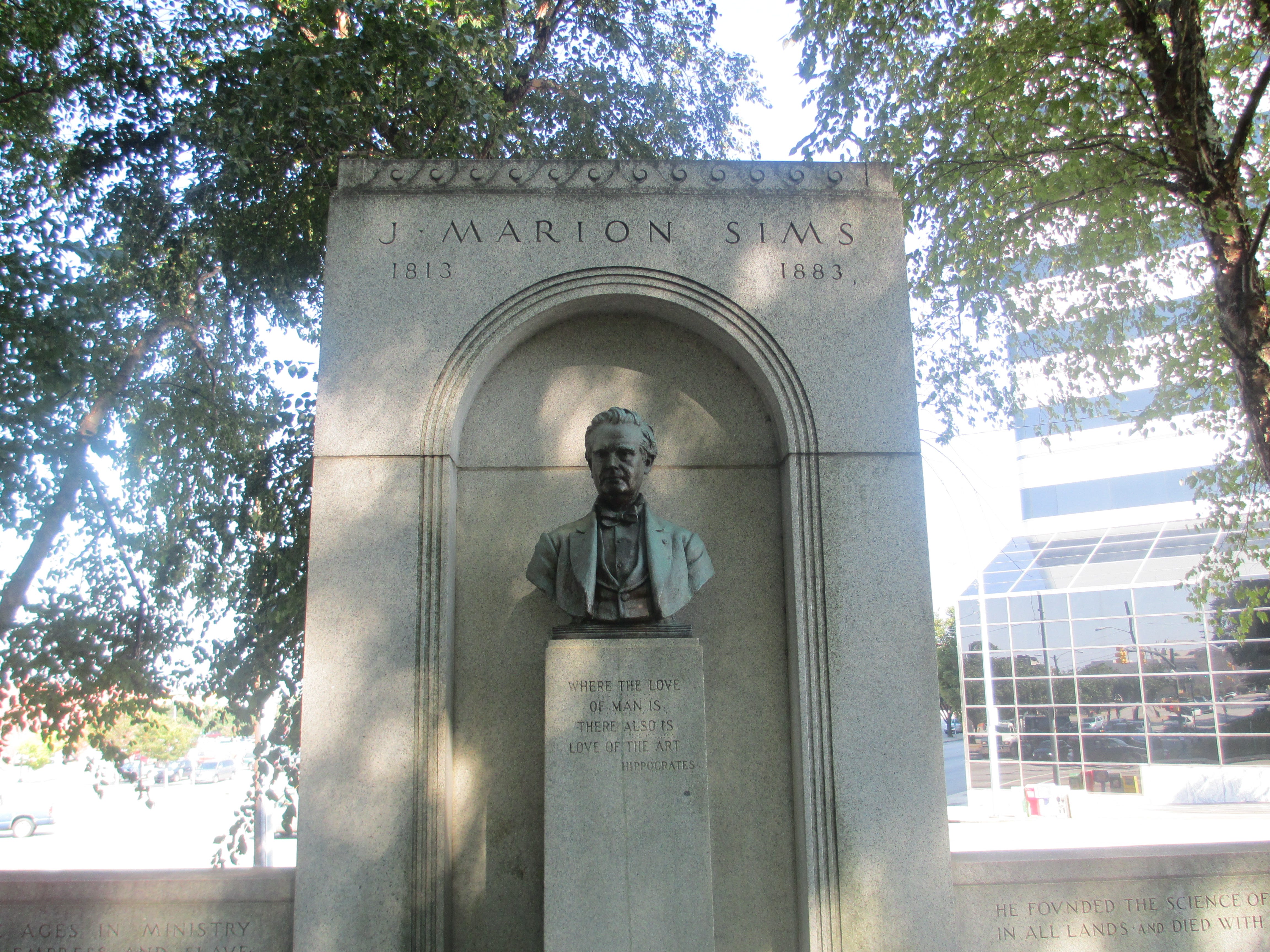
    On this week’s episode of THINK BACK, I speak with author Eden Collinsworth about her new book The Improbable Victoria Woodhull, a lively and surprising biography of the first woman to run for president. Woodhull’s 1872 campaign may have been a long shot, but it set off a national sensation—especially when she accused famed preacher Henry Ward Beecher of adultery, sparking one of the Gilded Age’s biggest scandals and leading to her own imprisonment and exile. We explore what made Woodhull such a fascinating and contradictory figure: a radical reformer with a checkered past, a champion of women’s rights and free love who moved in elite social circles, and a political visionary who might feel right at home in today’s media-saturated, personality-driven politics. Even if Woodhull had no chance of winning in the 19th century, she might have a pretty good one in the 21st. If you enjoy this episode, please consider sharing it. Thanks for listening. Get full access to Think Back at www.thinkbackpod.com/subscribe
  • Sep 25, 2025 · 46 min

    The Dark Origins of Modern Women's Health

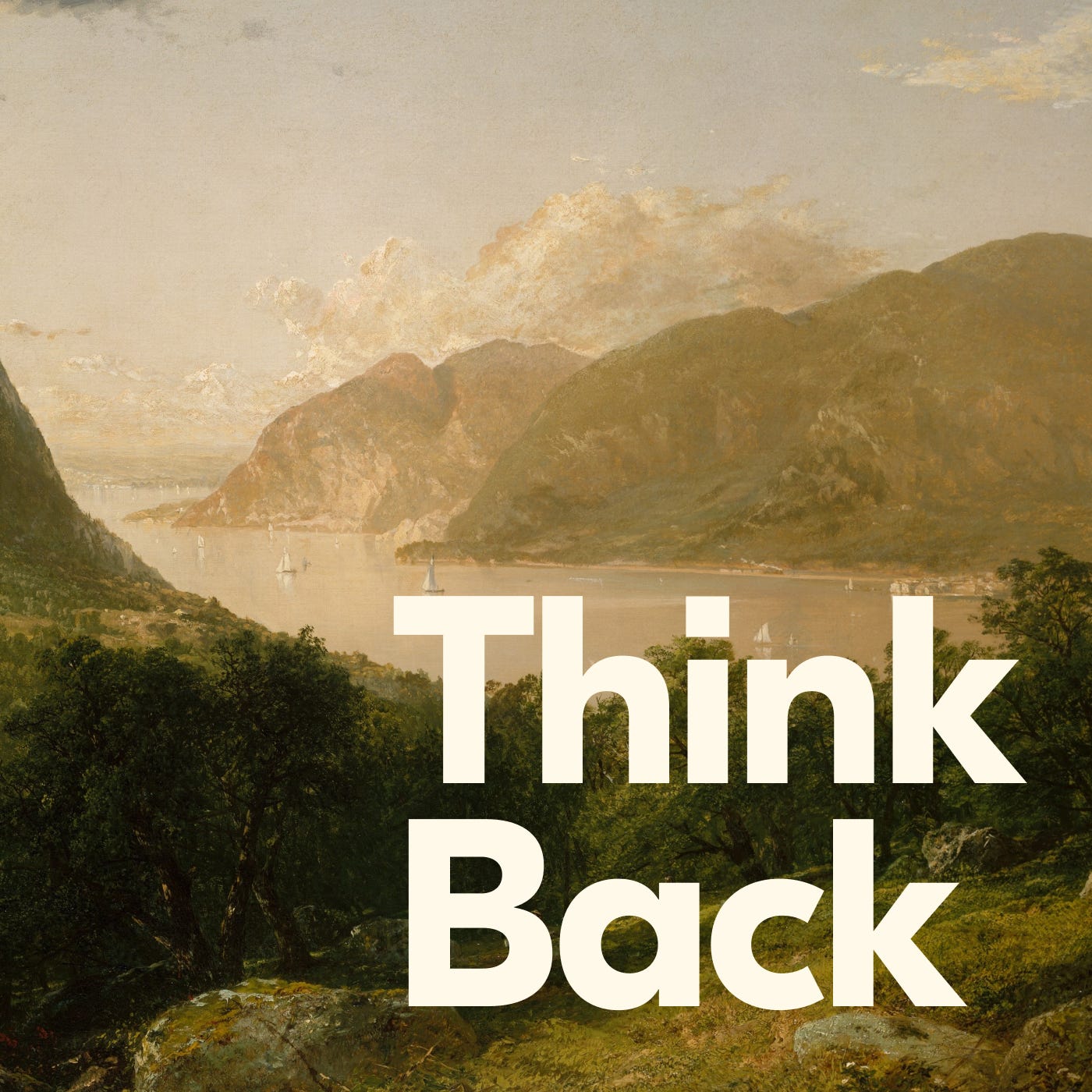
    In this episode of THINK BACK, I talk with writer J.C. Hallman about his 2023 book Say Anarcha: A Young Woman, a Devious Surgeon, and the Harrowing Birth of Modern Women’s Health. The book tells the story of J. Marion Sims, the 19th-century doctor often hailed as the “father of modern gynecology,” who carried out cruel and nonconsensual experiments on enslaved women—most notably a young woman named Anarcha. Hallman’s research not only brings Anarcha’s story to the forefront but also played a role in the campaign to remove a statue of Sims that once stood near Central Park. We also get into his creative approach to history writing, the ethical questions of telling stories about suffering across racial and gender lines, and the need to move beyond overly rigid ways of narrating the past. I found our conversation to be eye-opening and deeply thought-provoking, and I hope you will too. If you enjoy this episode, please consider sharing it. Thanks for listening. Get full access to Think Back at www.thinkbackpod.com/subscribe
  • Sep 9, 2025 · 40 min

    Murder on the Colonial Frontier

    In this episode, I talk with historian Nicole Eustace, winner of the 2022 Pulitzer Prize for History, about her book Covered With Night: A Story of Murder and Indigenous Justice in Early America. The book explores the aftermath of a violent clash on the Pennsylvania frontier in 1722, a moment that reveals the early formation of American political culture. Though set three centuries ago, Covered With Night sheds light on enduring questions of justice, diplomacy, and power—issues that still resonate in today’s debates over race, policing, and punishment. We also discuss Eustace’s creative choices in storytelling and historical writing. Thanks very much for listening. Get full access to Think Back at www.thinkbackpod.com/subscribe

  • Jul 23, 2025 · 46 min

    The Wild West, Re-Examined

    This episode turns toward the Wild West—not the one of dime novels and Hollywood shootouts, but the murkier, more fascinating version uncovered by journalist and historian Bryan Burrough in his new book The Gunfighters: How Texas Made the West Wild. Burrough brings his sharp storytelling to a cast of gunslingers, gamblers, killers, and showmen, exploring how the mythology of the American frontier—especially in Texas—was forged and later packaged for mass consumption. We also delve into deeper questions about the craft of history writing itself. Come for the outlaws and six-shooters, stay for the serious reflection on how we tell the American story. Get full access to Think Back at www.thinkbackpod.com/subscribe

  • Jul 9, 2025 · 50 min

    What Really Happened on Sherman’s March?

    In the fall of 1864, General William Tecumseh Sherman led his infamous “March to the Sea,” a military campaign long mythologized—especially in Gone With the Wind—as a brutal assault on the white South. But over the past several decades, historians have chipped away at that Lost Cause narrative, revealing it as a distortion that casts Confederates as victims rather than instigators of wartime violence. Still, few have offered a full alternative account of what the March truly meant—until now. In this episode, I speak with historian Bennett Parten about his powerful first book, Somewhere Toward Freedom: Sherman’s March and the Story of America’s Largest Emancipation. In just over 200 pages, Parten reframes the March as a defining moment in the history of slavery and freedom, focusing on the experiences of enslaved people who risked everything to follow Sherman’s army in search of liberation. It’s a gripping, deeply thoughtful work—and a much-needed corrective to long-standing myths. If you enjoy this episode, please consider sharing it. Thanks for listening. Get full access to Think Back at www.thinkbackpod.com/subscribe
  • Jun 26, 2025 · 46 min

    Why We Need a New Constitution

    This episode is the second half of my conversation with George William Van Cleve. Last week, we explored the chaos of the 1780s following the American Revolution, as told in Van Cleve’s 2017 book We Have Not a Government, and how the U.S. Constitution emerged as a last-ditch attempt to hold the country together. We then began discussing his follow-up, Making a New American Constitution (2020), which proposes not only that a new Constitution is necessary today but outlines how a modern constitutional convention might actually work. Here we go deeper into the practical and political obstacles to such a convention—and why, in Van Cleve’s view, nothing else is equal to the scale of America's dysfunction. As he argues, the country’s most pressing problems didn’t begin with Trump and won’t end with him; they’re much older, and deeply embedded in the constitutional order itself. If you’re new here, welcome; and if you’ve been listening a while, thanks—and please consider rating and reviewing the show on Apple Podcasts to help others find it. George William Van Cleve, A Slaveholders’ Union:  Slavery, Politics, and the Constitution in the Early American Republic (2010) — We Have Not a Government: The Articles of Confederation and the Road to the Constitution (2017) — Making a New American Constitution (2020) *** NOTE: I erroneously stated in the introduction to this episode that George William Van Cleve has taught at Georgetown University. In fact, he was a Dean’s Visiting Scholar from 2020-2025, but as a researcher, not a teacher. Get full access to Think Back at www.thinkbackpod.com/subscribe
  • Jun 17, 2025 · 48 min

    When America Had No Government

    Historian and legal scholar George William Van Cleve has written some of the most provocative and underappreciated works on the American constitutional tradition. His 2010 book A Slaveholders’ Union examined slavery’s central role in the framing of the Constitution, but it was his follow-up, We Have Not a Government, that made a lasting impression on me. That book explores the collapse of the American political system under the Articles of Confederation in the 1780s—a period of economic crisis, popular rebellion, and eventual constitutional overhaul. Van Cleve followed that book in 2020 with Making a New American Constitution, a sweeping call to rewrite the U.S. Constitution for the present day. Unlike others who have floated the idea, Van Cleve outlines exactly how such a convention could work, where it would draw its legitimacy, and why it is urgently needed to address systemic dysfunction in American governance. In this first of a two-part episode, we discuss the lessons of the 1780s and how that crisis spurred the drafting of an entirely new constitution. Next week, we’ll turn to the present—and what it would take to do the same today. George William Van Cleve, A Slaveholders’ Union:  Slavery, Politics, and the Constitution in the Early American Republic (2010) — We Have Not a Government: The Articles of Confederation and the Road to the Constitution (2017) — Making a New American Constitution (2020) Get full access to Think Back at www.thinkbackpod.com/subscribe

  • Jun 5, 2025 · 49 min

    The Unfinished Revolution of 1963

    I’ve always had a soft spot for what you might call “year books”—not the high school kind, but those immersive histories that zoom in on a single calendar year to show how change unfolds in real time. Some years lend themselves especially well to this treatment, and 1963 is one of them: the year of Birmingham and the March on Washington, of Dr. King’s “Dream” and JFK’s assassination. In his new book, Freedom Season: How 1963 Transformed America’s Civil Rights Revolution, historian Peniel Joseph captures the urgency and upheaval of that pivotal year, tracing how a movement long in the making finally broke through to reshape American law and society. We spoke about how the momentum of 1963 led to the landmark Civil Rights Act—and how, disturbingly, the very gains of that era are now under renewed threat. In a moment when civil rights laws are being weakened or cynically repurposed, Joseph’s book offers both a reminder of what was achieved and a call to reckon with how much remains unfinished. It’s a timely and necessary look back at a year that still echoes loudly today. If you have any suggestions for topics or guests please send them my way at thinkbackpod@substack.com. If you’d like to support this podcast, you can do so for just $6/month by clicking the button below. Thank you for listening. Music by Akiko Sasaki (“The Union,” by Louis Moreau Gottschalk) and Zachary Solomon Get full access to Think Back at www.thinkbackpod.com/subscribe

Showing 1–20 of 20 episodes