
Skip to content
Artwork for Therapy Works
Health & FitnessMental HealthSociety & CulturePersonal Journals

Therapy Works

The Times

Conversations about life's biggest challenges.


Bestselling author and psychotherapist Julia Samuel invites us into her therapy room as she talks to both known and unknown voices about events and experiences we will all face - and how we face them.


Therapy Works is full of therapeutic conversations which may contain difficult emotions but can also bring light. Hear what the guests have learnt, have failed to learn and how they’ve grown through the experience.


At the end of each episode, Julia reflects on her session with her two psychotherapist daughters who share their thoughts on the conversation.


Hosted on Acast. See acast.com/privacy for more information.

Play
  • 45 episodes
  • a few times a week
  • Avg 29 min
  • English
Counted on this page — what you have heard stays on this device, so it is not something the list can be paged by.
  • Today · 14 min

    Therapy has changed our family dynamic. What can I do? | Agony Aunties

    Can therapy change family dynamics for the worse? Psychotherapist Julia Samuel explores what happens when an adult child's growth creates tension at home. This week's listener is a parent whose adult daughter has been in therapy for several years. While they've seen her grow in confidence and become happier, they've also noticed a change in how she relates to the family. Her increasing use of therapeutic language has left them feeling judged, patronised and afraid of saying the wrong thing. Psychotherapist Julia Samuel and her daughters Sophie and Emily explore how therapy can affect family dynamics and why personal growth can sometimes create unexpected tensions in our closest relationships. The listener misses the humour and ease they once shared with their daughter, but worries that speaking up could damage their relationship. Julia shares her own experience of bringing therapy into family life, while Emily reflects on how attending therapy as a young adult affected her relationship with her mother. Together, the Agony Aunties explore why changes in one family member can unsettle the whole family, how to navigate difficult conversations without blame and whether it's possible to be honest about feeling hurt while still supporting someone's personal growth. They offer thoughtful advice on finding a way forward that allows both parents and adult children to feel heard, understood and connected. Chapters: 00:00 – Introduction: My Daughter Has Changed Since Starting Therapy 01:40 – How Therapy Can Change Family Relationships 03:06 – How to Challenge Your Adult Child Without Causing Conflict 04:19 – When Therapy Language Creates Distance 05:44 – Communicating Hurt Feelings Without Blame 07:38 – The Fear of Being Judged by Your Child's Therapist 09:15 – Why Vulnerability Can Strengthen Parent-Child Relationships 10:27 – When Therapy Changes Family Dynamics 11:55 – Accepting Change and Rebuilding Connection Support and further reading: Relate – Family Counselling: Support for families navigating conflict, communication difficulties and changing relationships. https://www.relate.org.uk/what-we-do/counselling/family-counselling Family Action – FamilyLine: Free emotional support and guidance for adults experiencing family difficulties. Call 0808 802 6666 or visit https://family-action.org.uk/get-support/familyline/ Please do send in your Agony Aunties questions to: jsamuelpod@gmail.com Never miss an episode: follow the show on Apple Podcasts or Spotify. You can also watch episodes of Therapy Works on Julia's YouTube page. Subscribe here to Therapy Works on Substack for weekly insights into emotional wellbeing. Subscribe here to The Times and The Sunday Times to enjoy unlimited digital access to all our journalism. Hosts: Julia Samuel, Emily Samuel, Sophie Samuel Producer: Georgie Rutherford Executive Producer: Emily Leahy Video Producer: Darren Michael Hosted on Acast. See acast.com/privacy for more information.


  • Wednesday · 1 hr 1 min

    JJ Chalmers on surviving a bomb blast, PTSD and the hidden cost of trauma

    How do you rebuild your life after an extreme trauma? Psychotherapist Julia Samuel speaks to broadcaster JJ Chalmers about living with PTSD. In 2011 JJ Chalmers survived a devastating bomb blast while serving as a Royal Marines commando in Afghanistan. The explosion left him with life-changing injuries and killed three of his fellow servicemen. He went on to rebuild his life, becoming a successful BBC presenter and a familiar face on Strictly Come Dancing. But behind this extraordinary story of resilience, JJ was living with the mental health consequences of trauma that would take more than a decade to fully confront. In this personal conversation with Julia Samuel, JJ Chalmers opens up about living with PTSD, chronic pain and the emotional toll of surviving something so catastrophic. He describes how the military taught him to suppress fear and push through unimaginable circumstances, but how those same survival mechanisms eventually began to affect his everyday life. After years of throwing himself into work and avoiding his emotions, JJ reached breaking point, finding himself unable to sleep and eventually lying on his bathroom floor in tears. Together, JJ Chalmers and Julia explore why trauma can resurface years after an event, the difference between physical and psychological recovery, and how the very qualities that help us survive can sometimes prevent us from healing. JJ shares how a year of talking therapy, including EMDR, helped him confront memories he had spent years avoiding, and why asking for help became one of the most important steps in his recovery. JJ also speaks movingly about the impact of trauma on his marriage, the eventual separation from his wife and their commitment to co-parenting their two children. He reflects on finding love again with his partner fellow broadcaster Sophie, who is also disabled, and the extraordinary understanding, humour and connection they share. This is a powerful conversation about PTSD, resilience, relationships and recovery, and why true strength isn't simply about pushing through, but recognising when we need support and learning to live alongside the experiences that have changed us. Looking for therapy? Julia runs the Samuel Therapy Practice alongside her daughters, Emily and Sophie. If you're looking for support or help finding the right therapist, visit www.samueltherapypractice.com. Support resources: Combat Stress – Specialist mental health support for veterans experiencing PTSD, anxiety, depression and other difficulties related to military service. combatstress.org.uk RMA – The Royal Marines Charity – Welfare, mental health and practical support for serving and former Royal Marines and their families. rma-trmc.org PTSD UK – Information and support for people experiencing post-traumatic stress disorder, including guidance on symptoms and treatment. ptsduk.org Chapters: 00:00 – Introduction: JJ Chalmers' Story 03:26 – Surviving the Afghanistan Bomb Blast 09:34 – Survivor's Guilt and Learning Resilience 19:12 – PTSD and the Long-Term Impact of Trauma 23:15 – The Breaking Point: 14 Years Later 26:08 – Seeking Help and the Power of EMDR Therapy 33:09 – How Trauma Affects Relationships and Family Life 40:00 – Finding Connection, Love and a New Chapter 47:00 – What JJ Has Learned About Strength and Vulnerability 51:28 – Julia, Sophie and Emily Reflect on JJ's Interview Never miss an episode: follow the show on Apple Podcasts or Spotify. Watch Therapy Works on Julia's YouTube channel and subscribe to Therapy Works on Substack for weekly insights into emotional wellbeing. Subscribe here to The Times and The Sunday Times to enjoy unlimited digital access to all our journalism. Guest: JJ Chalmers Producer: Georgie Rutherford Executive Producer: Emily Leahy Video Producer: Darren Michael Hosted on Acast. See acast.com/privacy for more information.
  • November 13 · 13 min

    I'm terrified my partner will leave me. How do I stop people pleasing? | Agony Aunties

    This week psychotherapist Julia Samuel and her daughters Sophie and Emily explore why people pleasing develops, how our past relationships shape our fear of rejection and what it takes to feel secure enough to express our own needs. This week's listener is a man in his forties who has spent much of his life putting other people's needs before his own. Following a divorce and a difficult experience of adoption, he's now in a new relationship but finds that even the smallest disagreement can trigger an overwhelming fear that his partner will leave him. With his former wife and child living abroad and few close friends in the UK, the listener feels increasingly dependent on his new partner. He struggles to make decisions for himself and worries that he's spent years of his life trying to keep everyone else happy. Although he's sought therapy, he's found it difficult to articulate what he wants from it, leaving him unsure where to turn for help. Together, Julia, Sophie and Emily discuss how people pleasing can begin as a survival strategy in childhood, why experiences of rejection can resurface in new relationships and how talking therapy can help us recognise and change these patterns. They also explore the grief that can accompany divorce and separation, and why acknowledging past experiences is an important part of building trust and emotional security. The Agony Aunties offer practical advice on communicating your needs and setting boundaries without fearing conflict, learning to say no and building a wider support network beyond your romantic relationship. They also discuss the benefits of group therapy, men's support groups and finding connection through shared interests, and why learning to put yourself first doesn't mean you care any less about the people you love. Support and further reading: If you're struggling with people pleasing, fear of rejection or difficulties in your relationships, the following organisations and resources may be helpful: Mind – Information and support for mental health difficulties, including anxiety, self-esteem and accessing talking therapies. BACP – Guidance on finding a qualified therapist and understanding different approaches to counselling and psychotherapy. Men's Sheds Association – Community spaces where men can build friendships, share interests and find connection. Co-Dependents Anonymous UK – Peer support groups for people exploring patterns of codependency and difficulties in relationships. Please do send in your Agony Aunties questions to: jsamuelpod@gmail.com Never miss an episode: follow the show on Apple Podcasts or Spotify. You can also watch episodes of Therapy Works on Julia's YouTube page. Subscribe here to Therapy Works on Substack for weekly insights into emotional wellbeing. Subscribe here to The Times and The Sunday Times to enjoy unlimited digital access to all our journalism. Hosts: Julia Samuel, Emily Samuel, Sophie Samuel Producer: Georgie Rutherford Executive Producer: Emily Leahy Video Producer: Darren Michael Hosted on Acast. See acast.com/privacy for more information.

  • November 11 · 1 hr 15 min

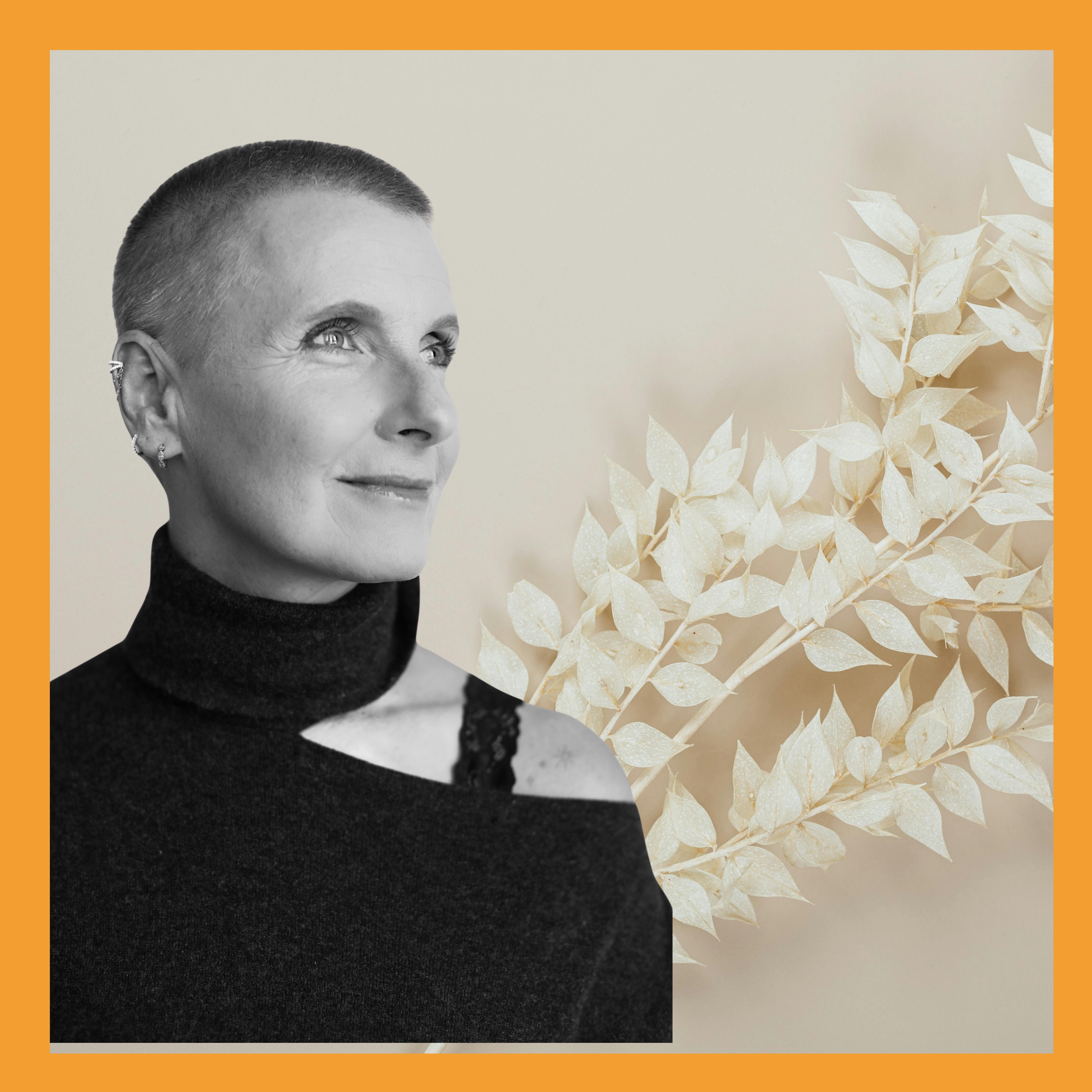
    Elizabeth Gilbert on love addiction, grief and life after Eat, Pray, Love

    Elizabeth Gilbert became a worldwide phenomenon with Eat, Pray, Love, a memoir about finding herself after heartbreak, but in this interview she tells Julia Samuel her story didn't end on the final page. Despite years of talking therapy, extraordinary success and profound self-awareness, she continued to find herself caught in destructive relationships, searching for someone who could finally make her feel safe. In her new memoir, All the Way to the River, Elizabeth Gilbert writes about her relationship with Rayya Elias, the great love of her life, whose addiction and eventual death brought them both to devastating places. She speaks openly about identifying as a sex and love addict, the difference between understanding our behaviour and actually changing it, and how her desperate need for love and connection led her to abandon herself. Together, Elizabeth Gilbert and Julia explore the childhood experiences that shape our relationships, why we can become addicted to emotional intensity, and the difference between feeling good and genuinely being well. Elizabeth also shares the painful reality of grieving Rayya, the shame surrounding love addiction and how recovery has taught her to set boundaries, stop people-pleasing and begin caring for the younger parts of herself. This is a powerful conversation about love, obsession, grief and recovery, and what it really takes to stop looking to other people for the safety and belonging we need to find within ourselves. – Join Julia, Emily and Sophie for a special live Therapy Works event in London on 7th December, exploring how to navigate the challenges of Christmas. Book your tickets here. Looking for therapy? Julia runs the Samuel Therapy Practice alongside her daughters, Emily and Sophie. If you're looking for support or help finding the right therapist, visit www.samueltherapypractice.com. Support resources: Sex and Love Addicts Anonymous (SLAA) – Peer support and recovery meetings for people experiencing love addiction, romantic obsession, codependency or compulsive sexual behaviours. https://slaauk.org/ Co-Dependents Anonymous (CoDA) – A Twelve Step fellowship supporting people who want to develop healthier relationships and address patterns of codependency. https://codauk.org/ Cruse Bereavement Support – Emotional support and guidance for anyone experiencing grief following a death. https://www.cruse.org.uk/ | Helpline: 0808 808 1677 Chapters: 00:00 Introduction 03:21 Elizabeth Gilbert on sex and love addiction 07:13 Why understanding your behaviour isn't enough to change it 11:20 How do you recognise addiction? 16:14 Childhood wounds and the fear of abandonment 20:26 Elizabeth's relationship with Raya and the dangers of addiction 25:06 When love becomes destructive 29:45 Why sex and love addiction remains a taboo 33:05 Recovery, honesty and learning to see yourself 34:47 The difference between feeling good and being well 42:01 Grieving Raya and questioning how we grieve 48:00 Learning to put yourself first in recovery 55:30 Spirituality, surrender and finding peace 1:02:38 Mother/Daughter Reflection: Love, addiction and emotional sobriety 1:08:36 Why self-awareness alone isn't enough 1:13:33 Why healthy relationships can feel boring If you found this conversation helpful: You may also enjoy Julia's conversation with Rosanna Brown, exploring profound grief, the impact of bereavement on family life and finding a way forward after tragedy. Listen to the episode here. Never miss an episode: follow the show on Apple Podcasts or Spotify. Watch Therapy Works on Julia's YouTube channel and subscribe to Therapy Works on Substack for weekly insights into emotional wellbeing. Subscribe here to The Times and The Sunday Times to enjoy unlimited digital access to all our journalism. Guest: Elizabeth Gilbert Producer: Georgie Rutherford Executive Producer: Emily Leahy Video Producer: Darren Michael Hosted on Acast. See acast.com/privacy for more information.
  • November 6 · 32 min

    Prepping: how to stop living in fear of disaster with Professor Lucy Easthope | Special Episode

    With frightening headlines, global uncertainty and growing conversations about disaster prepping, more of us are wondering whether we should be stocking up on emergency supplies, putting together survival kits or preparing for the worst. But when does sensible preparation become a source of anxiety? And how do we make sure that prepping for a potential disaster doesn't leave us living in constant fear? In this special bonus episode of Therapy Works, Julia Samuel is joined by Professor Lucy Easthope, one of the UK's leading experts in disaster preparedness and recovery, who has spent more than 20 years advising governments and supporting communities through crises. Drawing on her experience responding to disasters, and her books When the Dust Settles and Come What May, Lucy explores the psychology of prepping, why uncertainty can feel so overwhelming and how we can prepare for emergencies without allowing fear to take over. Together, Julia and Lucy discuss everything from prepping emergency survival kits and priming for power cuts to the psychological impact of living through the pandemic and why we often avoid thinking about worst-case scenarios. They explore the difference between practical preparedness and doomsday thinking, how constant exposure to frightening headlines and doomscrolling can fuel anxiety, and why having a simple emergency plan can actually help us feel more in control. They also reflect on the importance of community and looking out for one another during a crisis, the sudden death of Lucy's father and what it taught her about living in the present, and why true resilience isn't about preparing for every possible disaster, but knowing when to put the survival kit away, stop worrying about what might happen and find joy in everyday life. Books mentioned: When the Dust Settles by Professor Lucy Easthope Come What May by Professor Lucy Easthope Chapters: 00:00 – Introducing Professor Lucy Easthope 02:20 – Why preparing for disasters can increase anxiety 04:35 – Is the world really becoming more dangerous? 06:15 – Why we avoid thinking about the worst 09:57 – The psychological impact of the pandemic 13:40 – How to prepare without living in fear 16:06 – Practical ways to manage anxiety and doomscrolling 21:51 – What the death of Lucy's father taught her about life 23:28 – Why community and connection build resilience 31:09 – Lucy's top tips for feeling prepared and staying calm Join Julia, Emily and Sophie for a special live Therapy Works event in London on 7th December, exploring how to navigate the challenges of Christmas. Book your tickets here. Looking for therapy? Julia runs the Samuel Therapy Practice alongside her daughters, Emily and Sophie. If you're looking for support or help finding the right therapist, visit www.samueltherapypractice.com. Please do send in your Agony Aunties questions to: jsamuelpod@gmail.com Never miss an episode: follow the show on Apple Podcasts or Spotify. You can also watch episodes of Therapy Works on Julia's YouTube page. Subscribe here to Therapy Works on Substack for weekly insights into emotional wellbeing. Subscribe here to The Times and The Sunday Times to enjoy unlimited digital access to all our journalism. Guest: Lucy Easthope Producer: Georgie Rutherford Executive Producer: Emily Leahy Video Producer: Darren Michael Hosted on Acast. See acast.com/privacy for more information.

  • November 4 · 1 hr 1 min

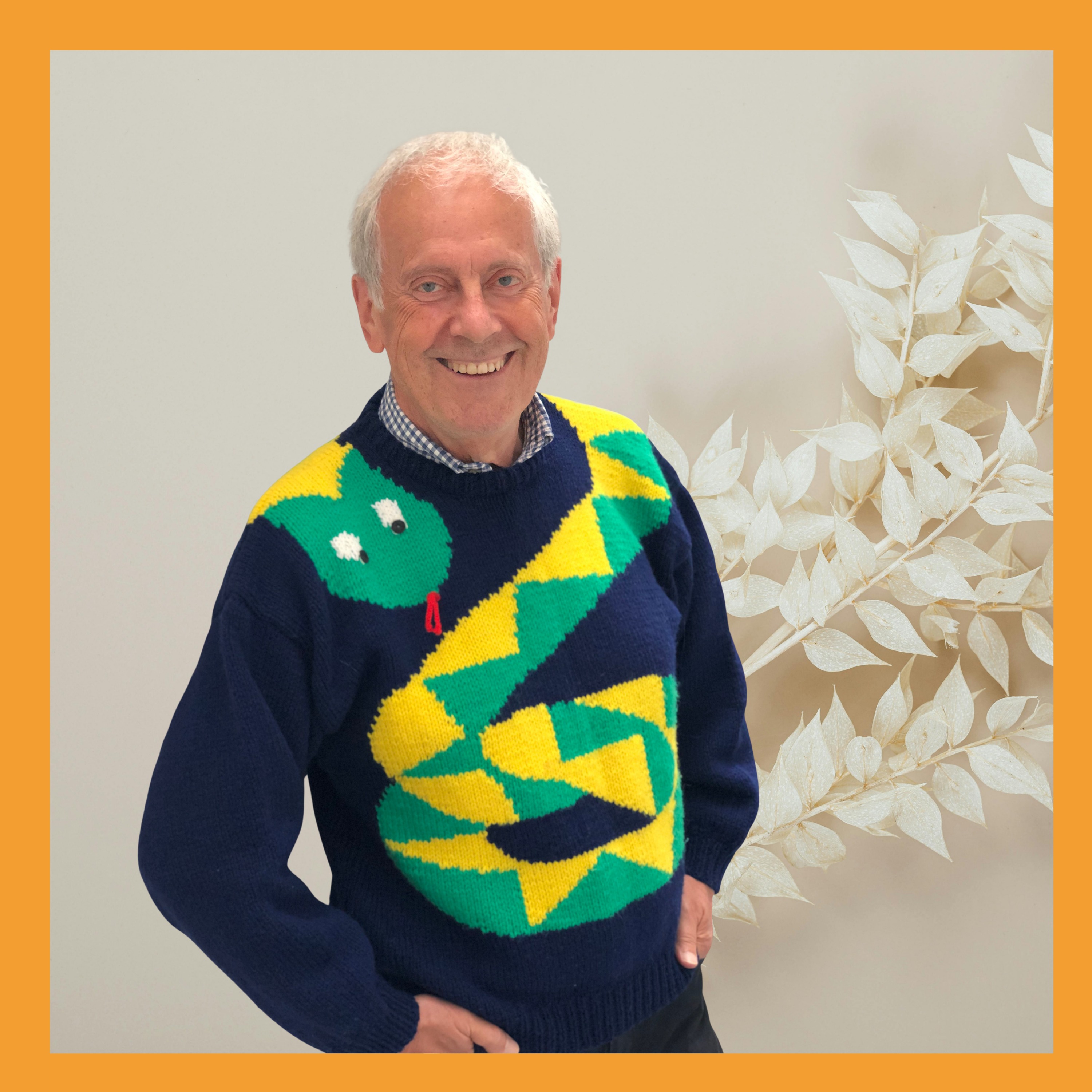
    Gyles Brandreth: Why I can't stop talking and the secret to happiness

    Can we ever stop trying to earn our parents' approval? Gyles Brandreth joins psychotherapist Julia Samuel to discuss grief, being “too much” and happiness. Broadcaster, author, former MP and much-loved television personality, Gyles Brandreth, joins Julia for a revealing conversation about childhood, grief, the need for approval and what it really takes to live a happy life. Known for his extraordinary energy, colourful jumpers and endless stories, Gyles Brandreth has spent a lifetime entertaining people. But beneath his public persona, he reveals something he has only come to understand in recent years: how much of his life has been shaped by his desire to fulfil his father's ambitions. From his time at the University of Oxford to his political career, Gyles reflects on the childhood expectations that continued to influence his decisions long into adulthood. Gyles Brandreth also opens up about the deaths of his parents, the impact of his sister's mental illness and his realisation that his mother may have experienced depression. He discusses the painful experience of losing his parliamentary seat in 1997, the failures he rarely speaks about and how a friendship with psychiatrist Dr Anthony Clare helped him develop his Seven Secrets of Happiness. In a particularly revealing exchange, Julia challenges Gyles to consider why he feels the need to fill every silence, whether his constant talking might be connected to a deeper need for love and approval, and what happens when he allows himself to stop performing. Gyles reflects on his desire for applause, his fear of being too much for other people and the surprising difficulty of simply being himself. Together, Gyles Brandreth and Julia Samuel explore how childhood experiences shape our adult identities, the relationship between achievement and self-worth, and why happiness may have more to do with connection, curiosity and learning to listen than we realise. Chapters: 00:00 – Introduction to Gyles Brandreth 03:11 – The impact of political rejection, grief and finding happiness 08:11 – How childhood shapes our ambitions 10:32 – Living out his father's dreams and expectations 13:47 – Why Gyles feels the need to keep talking 17:07 – Are we lovable without achievement or approval? 23:51 – Dealing with failure, disappointment and regret 28:13 – Grieving his parents and learning to accept setbacks 31:44 – Why silence can feel uncomfortable 34:13 – Growing up around mental illness and understanding therapy 37:09 – The childhood experiences behind his optimism 39:50 – The seven secrets of happiness 43:09 – Being yourself versus being present with others 46:18 – Gyles asks Julia for another therapy session 47:35 – Mother/Daughter Reflection: Can we change our personalities? 53:22 – How parental expectations shape our adult lives 01:00:27 – The difference between optimism and forced positivity Join Julia, Emily and Sophie for a special live Therapy Works event in London on 7th December, exploring how to navigate the challenges of Christmas. Book your tickets here. Looking for therapy? Julia runs the Samuel Therapy Practice alongside her daughters, Emily and Sophie. If you're looking for support or help finding the right therapist, visit www.samueltherapypractice.com. If you found this conversation helpful: You may also enjoy Mark Foster on hiding his sexuality and learning to be himself, a conversation about achievement, self-worth and why even extraordinary success doesn't always bring the happiness or acceptance we're searching for. Never miss an episode: follow the show on Apple Podcasts or Spotify. Watch Therapy Works on Julia's YouTube channel and subscribe to Therapy Works on Substack for weekly insights into emotional wellbeing. Subscribe here to The Times and The Sunday Times to enjoy unlimited digital access to all our journalism. Guest: Jess Mills Producer: Georgie Rutherford Executive Producer: Emily Leahy Video Producer: Darren Michael Hosted on Acast. See acast.com/privacy for more information.

  • October 30 · 12 min

    My daughter nearly died. How do I cope with the anger and guilt? | Agony Aunties

    This week’s listener is struggling with overwhelming guilt, anger and fear after her 27-year-old daughter survived a devastating fall from a balcony. Psychotherapist Julia Samuel and her daughters Sophie and Emily explore the emotional toll of parenting an adult child with longstanding mental health difficulties, how to manage conflicting feelings during a family crisis and why loving your child doesn't mean you can control what happens to them. After years of supporting her daughter through mental health challenges, including self-harm, eating disorders and substance misuse, the listener’s daughter is now facing the uncertainty of a long rehabilitation. Although deeply grateful that her daughter survived, she also feels exhausted and angry about what has happened, and guilty for having those feelings. Alongside her daughters Sophie and Emily, Julia explores why gratitude and anger can coexist, how parents can separate their sense of worth from their children's struggles, and why self-compassion is essential when a family is living through trauma. The Agony Aunties also discuss practical ways to manage anxiety about an uncertain future, the importance of seeking support, like talking therapy, outside the family and how to protect the wellbeing of siblings whose needs can become overlooked during a crisis. Support and further reading: If you are supporting a loved one through a mental health crisis, or if this conversation has brought up difficult feelings, the following organisations and resources may be helpful: Mind – Information and support for people experiencing mental health difficulties, including guidance for family members and carers. Rethink Mental Illness – Advice and support for people affected by severe mental illness, including families and carers. Carers UK – Practical advice and emotional support for people caring for a family member, including guidance on protecting their own wellbeing. Beat – Support and information for people affected by eating disorders and their families. Samaritans – Confidential emotional support, available 24 hours a day on 116 123. Please do send in your Agony Aunties questions to: jsamuelpod@gmail.com Never miss an episode: follow the show on Apple Podcasts or Spotify. You can also watch episodes of Therapy Works on Julia’s YouTube page. Subscribe here to Therapy Works on Substack for weekly insights into emotional well-being. Subscribe here to The Times and The Sunday Times to enjoy unlimited digital access to all our journalism. Hosts: Julia Samuel, Emily Samuel, Sophie Samuel Producer: Georgie Rutherford Executive Producer: Emily Leahy Video Producer: Darren Michael Hosted on Acast. See acast.com/privacy for more information.

  • October 28 · 59 min

    Jess Mills on processing the grief of her mother Tessa Jowell

    How do you process grief and find your way forward after the death of the person who made you feel most at home in the world? Musician, author, and CEO of the Tessa Jowell Foundation, Jess Mills, joins psychotherapist Julia Samuel to discuss the loss of her mother, former Labour MP and cabinet minister Dame Tessa Jowell. Together, they explore how profound grief reshapes our understanding of motherhood, family, and identity. Just ten weeks after giving birth to her first daughter, Jess learned her mother had terminal brain cancer. Already navigating anxiety following a traumatic birth, she found herself balancing the intense joy of new motherhood with caring for her dying mother. In this episode, she reflects on the overwhelming grief that followed, the complexities of family mourning, and the difficult decision to sell their family home. Eight years on, Jess shares how her processing of grief has evolved, why writing her book We Are Each Other helped her make sense of the tragedy, and how she is learning to embrace a new chapter in life. Join Jess and Julia as they delve into how grief transforms us, why feeling loved is essential, and how our ongoing relationships with those who have died continue to shape our emotional growth. Jess also shares the extraordinary comfort of knowing there was nothing left unsaid between her and her mother, whose final words were simply: “love forever.” Please note: This episode contains discussions of terminal illness, traumatic childbirth, anxiety, and bereavement. Support resources: Cruse Bereavement Support The Good Grief Trust Mentioned in this episode: We Are Each Other by Jess Mills The Tessa Jowell Foundation Chapters: 00:00 Introduction: Jess Mills on grief, motherhood and love 01:03 Writing We Are Each Other 03:15 Finding permission to move forward after grief 06:31 Becoming a mother while her own mother was dying 10:39 How grief and joy can coexist 12:42 Why love builds resilience 17:26 Why grief isn't linear 19:01 Learning to live alongside grief 21:20 How families grieve differently 43:22 Mother & Daughter Reflection: Julia, Sophie and Emily 48:04 Finding meaning and purpose after grief 51:43 When birth and death happen together 55:43 How love and trauma pass through generations If you found this conversation helpful: You may also enjoy Julia's conversation with Rosanna Brown, exploring profound grief, the impact of bereavement on family life and finding a way forward after tragedy. Listen to the episode here. Never miss an episode: follow the show on Apple Podcasts or Spotify. Watch Therapy Works on Julia's YouTube channel and subscribe to Therapy Works on Substack for weekly insights into emotional wellbeing. Subscribe here to The Times and The Sunday Times to enjoy unlimited digital access to all our journalism. Guest: Jess Mills Producer: Georgie Rutherford Executive Producer: Emily Leahy Video Producer: Darren Michael Hosted on Acast. See acast.com/privacy for more information.

  • October 23 · 11 min

    My abusive father has died. Why am I grieving? | Agony Aunties

    This week’s listener is struggling with the death of her father, who sexually abused her as a child and never acknowledged what he had done. Psychotherapist Julia Samuel and her daughters Sophie and Emily explore the lasting impact of childhood sexual abuse, the complicated grief that can follow the death of an abusive parent and how to find healing from childhood trauma. After confronting her father thirty years ago, the listener was met with denial so cut off contact. While she believed she had moved forward, his recent death has resurfaced unresolved childhood trauma, leaving her processing grief for not receiving justice or validation. Alongside her daughters Sophie and Emily, Julia explores why the death of an estranged parent can reignite childhood trauma, the complicated shame carried by survivors of abuse, and how to find validation when an apology will never arrive. The Agony Aunties discuss the pathway to trauma recovery, how to navigate contradictory emotions like anger and relief, and why emotional healing does not depend on forgiveness, but can start with self-compassion. Warning: This episode contains discussion of childhood sexual abuse and trauma. Support and further reading: If you have experienced childhood sexual abuse, or if this conversation has brought up difficult feelings, the following organisations and resources may be helpful: Janina Fisher – Psychologist and trauma specialist whose work explores the lasting impact of childhood trauma, shame and dissociation, and approaches to healing. Carolyn Spring – Articles and resources exploring childhood sexual abuse, trauma, recovery and the emotional impact of abuse in adulthood. NAPAC – National Association for People Abused in Childhood – Confidential support and resources for adult survivors of childhood abuse. SurvivorsUK – Specialist support for men, boys and non-binary people who have experienced sexual violence or abuse. The Survivors Trust – A national network of specialist services supporting survivors of rape, sexual violence and childhood sexual abuse. Please do send in your Agony Aunties questions to: jsamuelpod@gmail.com Never miss an episode: follow the show on Apple Podcasts or Spotify. You can also watch episodes of Therapy Works on Julia’s YouTube page. Subscribe here to Therapy Works on Substack for weekly insights into emotional well-being. Subscribe here to The Times and The Sunday Times to enjoy unlimited digital access to all our journalism. Hosts: Julia Samuel, Emily Samuel, Sophie Samuel Producer: Georgie Rutherford Executive Producer: Emily Leahy Video Producer: Darren Michael Hosted on Acast. See acast.com/privacy for more information.

  • October 21 · 1 hr 7 min

    Ore Oduba on hiding his addiction: “I lived my entire life in fear”

    How does childhood trauma fuel adult addiction? Broadcaster, actor and former Strictly Come Dancing champion Ore Oduba joins psychotherapist Julia Samuel to discuss his 30-year struggle with pornography addiction, childhood trauma, shame and the journey towards mental health recovery. Growing up in a strict Nigerian household, Ore learnt that achievement and obedience were closely tied to acceptance. After being exposed to pornography at just nine years old, he developed a dependency that followed him into adulthood. What began as a secret source of comfort became a cycle of addiction, shame and self-loathing that affected his mental health, relationships and sense of identity. Ore opens up about the breakdown of relationships, reaching a point where he questioned whether he wanted to carry on living, and how therapy helped him understand the connection between childhood experiences and addictive behaviour. He also reflects on his complicated relationship with his father, whose death in 2023 brought an unexpected sense of relief, and the realisation that so many of his decisions had been driven by fear. In a deeply moving part of the conversation, Ore discusses losing his younger sister to suicide in 2025, the grief he continues to carry and how her death gave him the courage to speak publicly about his addiction. Together, Ore Oduba and Julia Samuel explore the psychological roots of addiction, the lasting impact of childhood trauma, and why self-compassion is essential to breaking patterns of shame and secrecy. They also discuss the risks of childhood exposure to pornography, breaking generational cycles and what it means to rebuild a life on your own terms. Warning: this conversation contains some discussion of suicide and suicidal thoughts. Support resources mentioned: NSPCC Helpline – Advice and support for anyone concerned about a child's safety. Call 0808 800 5000. NSPCC Talk PANTS – Resources to help parents talk to children about body safety and boundaries. Samaritans – Free emotional support, available 24 hours a day on 116 123. Sources discussed: Naked Truth Impact Report 2021-22 Children's Commissioner paper on pornography 2023 If you found this conversation helpful: Listen to Julia's conversation with Charles Spencer, exploring childhood trauma, shame and the lasting impact of abuse on relationships and self-worth. You may also enjoy Agony Aunties: Why Do I Keep Sabotaging Myself?, on how childhood experiences shape our adult behaviour, why we develop destructive coping mechanisms and the importance of self-compassion in breaking old patterns. Never miss an episode: follow the show on Apple Podcasts or Spotify. Subscribe here to Therapy Works on Substack for weekly insights into emotional wellbeing. Subscribe here to The Times and The Sunday Times to enjoy unlimited digital access to all our journalism. Guest: Ore Oduba Producer: Georgie Rutherford Executive Producer: Emily Leahy Video Producer: Darren Michael Hosted on Acast. See acast.com/privacy for more information.

  • October 16 · 12 min

    My adult sons are estranged. Should I intervene? | Agony Aunties

    This week’s listener is heartbroken by sibling estrangement. Psychotherapist Julia Samuel and her daughters Sophie and Emily explore the pain it causes, why family conflicts can be so difficult to repair and the challenges of parenting adult children when you can no longer influence their decisions. The listener’s two adult sons, once incredibly close, have stopped speaking to each other following a family fallout. What began as unresolved tensions from their younger years escalated when their partners fell out, leaving the brothers locked in sibling estrangement for over a year. Although she still has a loving relationship with both sons, she is processing grief for the family they once were and wonders whether she should step in to help them reconcile or leave them to work things out themselves. The Agony Aunties discuss the risks of taking sides, the necessity of creating healthy boundaries, the importance of allowing time for reconciliation, and how parents can support their children’s emotional healing without becoming caught in the middle. They also reflect on the guilt parents can feel when their adult children fall out, why sibling estrangement doesn't always last forever and how families can hold on to hope even when reconciliation feels impossible. Please do send in your Agony Aunties questions to: jsamuelpod@gmail.com Never miss an episode: follow the show on Apple Podcasts or Spotify. You can also watch episodes of Therapy Works on Julia’s YouTube page. Subscribe here to Therapy Works on Substack for weekly insights into emotional well-being. Subscribe here to The Times and The Sunday Times to enjoy unlimited digital access to all our journalism. Hosts: Julia Samuel, Emily Samuel, Sophie Samuel Producer: Georgie Rutherford Executive Producer: Emily Leahy Video Producer: Darren Michael Hosted on Acast. See acast.com/privacy for more information.

  • October 14 · 57 min

    The hidden grief of baby loss and TFMR

    To mark Baby Loss Awareness Week, author and former teacher Rosanna Brown joins Julia Samuel to share the story of her son William and her experience of termination for medical reasons (TFMR). Rosanna was approaching 24 weeks pregnant when she and her husband learnt that William had a condition incompatible with life. She speaks candidly about the trauma of ending a much-wanted pregnancy, the medical procedure itself and the words from a midwife that helped her begin to reframe what had happened: “You didn't choose, you consented to medical advice.” Rosanna and Julia explore the often hidden grief surrounding TFMR and baby loss, the difference between grief and trauma, and why Rosanna struggled to feel entitled to mourn her son. They also discuss how couples can grieve differently, the role talking therapy played in her recovery and how she and her husband found ways to remember William together. Rosanna also reflects on pregnancy after loss, becoming a mother again and why another baby can bring enormous joy without replacing the child who died. Now an advocate for greater awareness of TFMR, Rosanna shares why she wants other parents facing termination for medical reasons to feel less alone, ashamed and silenced. Warning: This episode contains detailed discussion of termination for medical reasons (TFMR), baby loss and pregnancy loss. If you found this conversation helpful: Listen to Julia's conversation with Geraint John, on losing his wife, navigating grief as a family and learning to rebuild life after loss: Listen here. You may also enjoy Agony Aunties: How Do You Handle the "Death Admin" While You're Still Grieving?, exploring the emotional and practical challenges of bereavement, and why we need to give ourselves time and support after losing someone we love: Listen here. Never miss an episode: follow the show on Apple Podcasts or Spotify. Subscribe here to Therapy Works on Substack for weekly insights into emotional well-being. Subscribe here to The Times and The Sunday Times to enjoy unlimited digital access to all our journalism. Guest: Rosanna Brown Producer: Georgie Rutherford Executive Producer: Emily Leahy Video Producer: Darren Michael Hosted on Acast. See acast.com/privacy for more information.
  • October 9 · 11 min

    My family doesn’t believe my ADHD diagnosis. What Do I Do? | Agony Aunties

    This week’s listener has recently been diagnosed with ADHD after a lifetime of struggling with strong emotions and impulsivity. While the diagnosis has brought her and her husband a huge sense of relief, understanding and emotional healing, her mother and sisters refuse to accept it, believing her successful career and relationship mean she couldn’t possibly have ADHD. Julia, Sophie and Emily explore what happens when a new diagnosis challenges long-held family roles, why we can so quickly revert to childhood dynamics and how reparenting supports personal growth. They discuss setting boundaries when family members see things differently, learning to tolerate different versions of the same family story, navigating family expectations, and protecting your mental health when old childhood wounds are reopened. Please do send in your Agony Aunties questions to: jsamuelpod@gmail.com Never miss an episode: follow the show on Apple Podcasts or Spotify. You can also watch episodes of Therapy Works on Julia’s YouTube page. Subscribe here to Therapy Works on Substack for weekly insights into emotional well-being. Subscribe here to The Times and The Sunday Times to enjoy unlimited digital access to all our journalism. Hosts: Julia Samuel, Emily Samuel, Sophie Samuel Producer: Georgie Rutherford Executive Producer: Emily Leahy Video Producer: Darren Michael Hosted on Acast. See acast.com/privacy for more information.

  • October 7 · 1 hr 8 min

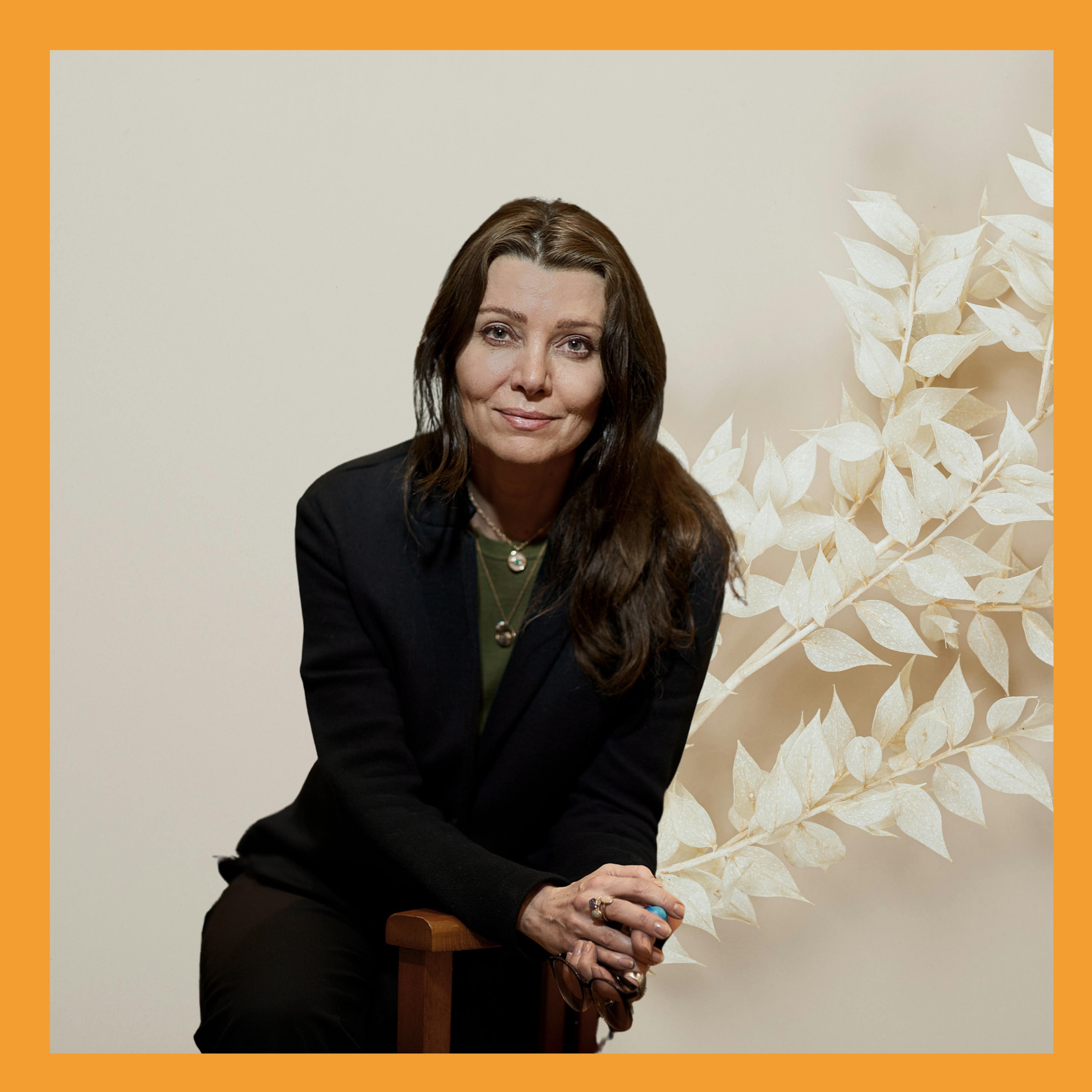
    Elif Shafak: “All I wanted from my father was an apology”

    What happens when a parent is absent from your childhood, and how does that shape the person you become? Bestselling author Elif Shafak joins Julia Samuel to explore her relationship with her father, the loneliness she experienced growing up and how storytelling became a tool for personal growth and mental health recovery by helping her find connection and belonging. Raised largely by her grandmother and mother in Turkey, Elif grew up surrounded by strong women but with very little contact with her father. She opens up about the pain of discovering that he had been a present and loving parent to her half-brothers, the anger that followed and how those early experiences influenced her personal growth and instinct to write about people whose voices have been forgotten or silenced. They also explore the emotional cost of Elif Shafak's prosecution in Turkey following the publication of her novel, The Bastard of Istanbul, her complicated relationship with her homeland and the sense of grief that can accompany living between cultures. Elif speaks candidly about her mental health and experiencing postnatal depression, losing her ability to write during that period and the challenges of navigating motherhood alongside her creative identity, experiences she later explored in her memoir Black Milk. Elif Shafak reflects on the family patterns we inherit, why literature helps personal growth by helping us understand ourselves and others, and the importance of human connection in an increasingly anxious and divided world. Elif Shafak’s new novel is In One Brief Moment All Eternity (published on 15 Oct). If you enjoyed this conversation: Listen to Julia’s conversation with Mary Berry, on family, grief and learning to live alongside loss: https://podcasts.apple.com/gb/podcast/therapy-works/id1646616622?i=1000791219769 You may also enjoy Sathnam Sanghera on bridging conflicting cultures, exploring family, identity, heritage and the search for belonging: https://podcasts.apple.com/gb/podcast/therapy-works/id1646616622?i=1000674940873 Never miss an episode: follow the show on Apple Podcasts or Spotify. Subscribe here to Therapy Works on Substack for weekly insights into emotional well-being. Subscribe here to The Times and The Sunday Times to enjoy unlimited digital access to all our journalism. Guest: Elif Shafak Producer: Georgie Rutherford Executive Producer: Emily Leahy Video Producer: Darren Michael Hosted on Acast. See acast.com/privacy for more information.

  • October 2 · 11 min

    Can I care for my elderly father without getting overwhelmed? | Agony Aunties

    This week’s listener is struggling with the growing responsibility of caring for her elderly father. Although increasingly frail, he refuses offers of help and becomes angry when she tries to intervene, leaving her constantly worried about the next crisis. Julia, Sophie and Emily explore how to care for an ageing parent while protecting your own wellbeing, and what happens when old parent-child dynamics continue long into adulthood. Please do send in your Agony Aunties questions to: jsamuelpod@gmail.com Never miss an episode: follow the show on Apple Podcasts or Spotify. You can also watch episodes of Therapy Works on Julia’s YouTube page. Subscribe here to Therapy Works on Substack for weekly insights into emotional well-being (hyperlink 'subscribe here' with the link) Subscribe here to The Times and The Sunday Times to enjoy unlimited digital access to all our journalism. Hosts: Julia Samuel, Emily Samuel, Sophie Samuel Producer: Georgie Rutherford Video Producer: Darren Michael Hosted on Acast. See acast.com/privacy for more information.

  • September 30 · 58 min

    Mark Foster on hiding his sexuality and learning to be himself

    What happens when the person the world sees doesn’t quite match who you are behind closed doors? In this open conversation with five-time Olympian and former world champion swimmer Mark Foster, we explore the double life he lived for much of his extraordinary sporting career. For 20 years, Mark was one of the fastest swimmers in the world, breaking world records and competing at five Olympic Games. But while his public identity was defined by success in the pool, privately he kept his sexuality hidden from teammates, coaches and much of the world around him. He opens up about why he felt unable to share that part of himself, and the fears that kept his public and private lives separate. Mark Foster also shares his relentless pursuit of improvement at the highest level of sport, why even becoming the fastest swimmer in the world never felt like an endpoint, and what years of competition taught him about failure, resilience and separating what you achieve from who you are. We talk about his childhood, his relationship with his parents and the importance of finding people who give us a sense of belonging. Mark also reflects on why he eventually decided to speak publicly about his sexuality at 47, the importance of visibility and what he discovered when he allowed himself to be more vulnerable in therapy. From Olympic success to self-acceptance, this is a conversation about identity, happiness and what can happen when we feel able to show other people who we really are. Never miss an episode: follow the show on Apple Podcasts or Spotify. Subscribe here to Therapy Works on Substack for weekly insights into emotional well-being. Subscribe here to The Times and The Sunday Times to enjoy unlimited digital access to all our journalism. Guest: Mark Foster Producer: Georgie Rutherford Executive Producer: Emily Leahy Video Producer: Darren Michael Hosted on Acast. See acast.com/privacy for more information.

  • September 28 · 25 min

    Off Air X Therapy Works

    Welcome to this special Off Air X Therapy Works crossover episode, celebrating Therapy Works joining The Times podcast family. Julia joins Jane Garvey and Fi Glover from Off Air for a wide-ranging conversation about therapy, relationships and mental health. They discuss how to find a good therapist, whether therapy should have an end date, the value of the stiff upper lip and what to do when you find yourself overthinking at 3am. Julia also answers some of Jane and Fi’s listeners’ questions along the way. Off Air with Jane & Fi is available wherever you get your podcasts. If you’d like to send a question to Therapy Works, please email: jsamuelpod@gmail.com Off Air Producer: Eve Salusbury Therapy Works Producer: Georgie Rutherford Hosted on Acast. See acast.com/privacy for more information.

  • September 25 · 10 min

    Agony Aunties: How do you know when something in your life needs to change?

    After some time away from her usual routine, this week’s listener found herself questioning parts of her work and relationships, only to feel those doubts fade once normal life resumed. Julia, Sophie and Emily explore how to tell the difference between a passing feeling and something that genuinely needs our attention, why busyness can sometimes stop us noticing what we really feel, and how looking for patterns can help. Please do send in your Agony Aunties questions to: jsamuelpod@gmail.com Never miss an episode: follow the show on Apple Podcasts or Spotify. Subscribe here to Therapy Works on Substack for weekly insights into emotional well-being Subscribe here to The Times and The Sunday Times to enjoy unlimited digital access to all our journalism. You can also watch episodes of Therapy Works on my YouTube page. Hosts: Julia Samuel, Emily Samuel, Sophie Samuel Producer: Georgie Rutherford Executive Producer: Emily Leahy Video Producer: Darren Michael Hosted on Acast. See acast.com/privacy for more information.

  • September 23 · 54 min

    Dame Mary Berry: "I never asked why after my son died"

    How do you move forward after the loss of a child? In this personal conversation with cooking legend Dame Mary Berry, we explore raw grief, building resilience and the most meaningful lessons she’s learnt in 91 years of life. Behind the warmth so many know her for in her cooking shows and books, is a life shaped by profound loss. In this conversation Dame Mary Berry opens up about the devastating death of her son William, how her family approached processing grief, and how she found the strength to keep moving forward. She also shares the traumatic experience of surviving polio as a teenager, how she’s developed resilience and her emotional healing capacity, and the power of talking therapy during challenging times. Dame Mary Berry also reflects on the secrets of a 60 year marriage, why kindness matters above all else, as well as the comfort of cooking and food when life feels uncertain. From navigating grief to finding joy, this is a profound conversation about connection, care, and family. Never miss an episode: follow the show on Apple Podcasts or Spotify. Subscribe here to Therapy Works on Substack for weekly insights into emotional well-being Subscribe here to The Times and The Sunday Times to enjoy unlimited digital access to all our journalism. You can also watch episodes of Therapy Works on my YouTube page. Guests: Dame Mary Berry Producer: Georgie Rutherford Executive Producer: Emily Leahy Video Producer: Darren Michael Hosted on Acast. See acast.com/privacy for more information.

  • September 4 · 10 min

    Agony Aunties: How Do I Know If I Actually Need Help?

    Social media has made it easier than ever to recognise ourselves in conversations about ADHD, trauma, anxiety and burnout. But what happens when every diagnosis feels familiar and you leave feeling more confused than before? This week, Julia, Emily and Sophie answer a listener's question about knowing the difference between the ordinary struggles of life and when it's time to seek help. They explore why labels can be useful but aren't always the starting point, how to notice the areas of life where you're feeling stuck, and why your own experience of distress is reason enough to ask for support. It's a compassionate conversation about self-understanding, diagnosis and learning to trust yourself before the noise around you. Send us your Agony Aunties questions: jsamuelpod@gmail.com Or message Julia on Instagram: @juliasamuelmbe More from Therapy Works: Subscribe to the Therapy Works Substack for guidance on everyday struggles and access to Julia’s monthly live webinar: ⁠⁠https://juliasamuel.substack.com/⁠⁠ Grieving someone you love? Julia's Grief Works Support Programme offers structured, expert-led help, with 94% of people reporting feeling better after using it. As a podcast listener you can get 25% off plus a 30-day money-back guarantee here - ⁠⁠www.griefworks.com/therapy⁠⁠ Follow Julia on Instagram: ⁠⁠@juliasamuelmbe⁠⁠ for tips, tools, and conversations about navigating life’s challenges. If you enjoy this episode, please consider rating, reviewing, and subscribing - it makes a big difference and helps others discover these conversations. If you need help finding a therapist, visit: ⁠⁠The Samuel Therapy Practice⁠ Learn more about your ad choices. Visit podcastchoices.com/adchoices Hosted on Acast. See acast.com/privacy for more information.

Showing 1–20 of 45 episodes