Skip to content
Artwork for Theology in the Raw

Theology in the Raw

Theology in the Raw

Helping believers think Christianly about theological and cultural issues by engaging in curious conversations with a diverse range of thoughtful people.

Play
  • 56 episodes
  • a few times a week
  • Avg 1 hr
  • English
Counted on this page — what you have heard stays on this device, so it is not something the list can be paged by.
  • #1451
    Wednesday · 59 min

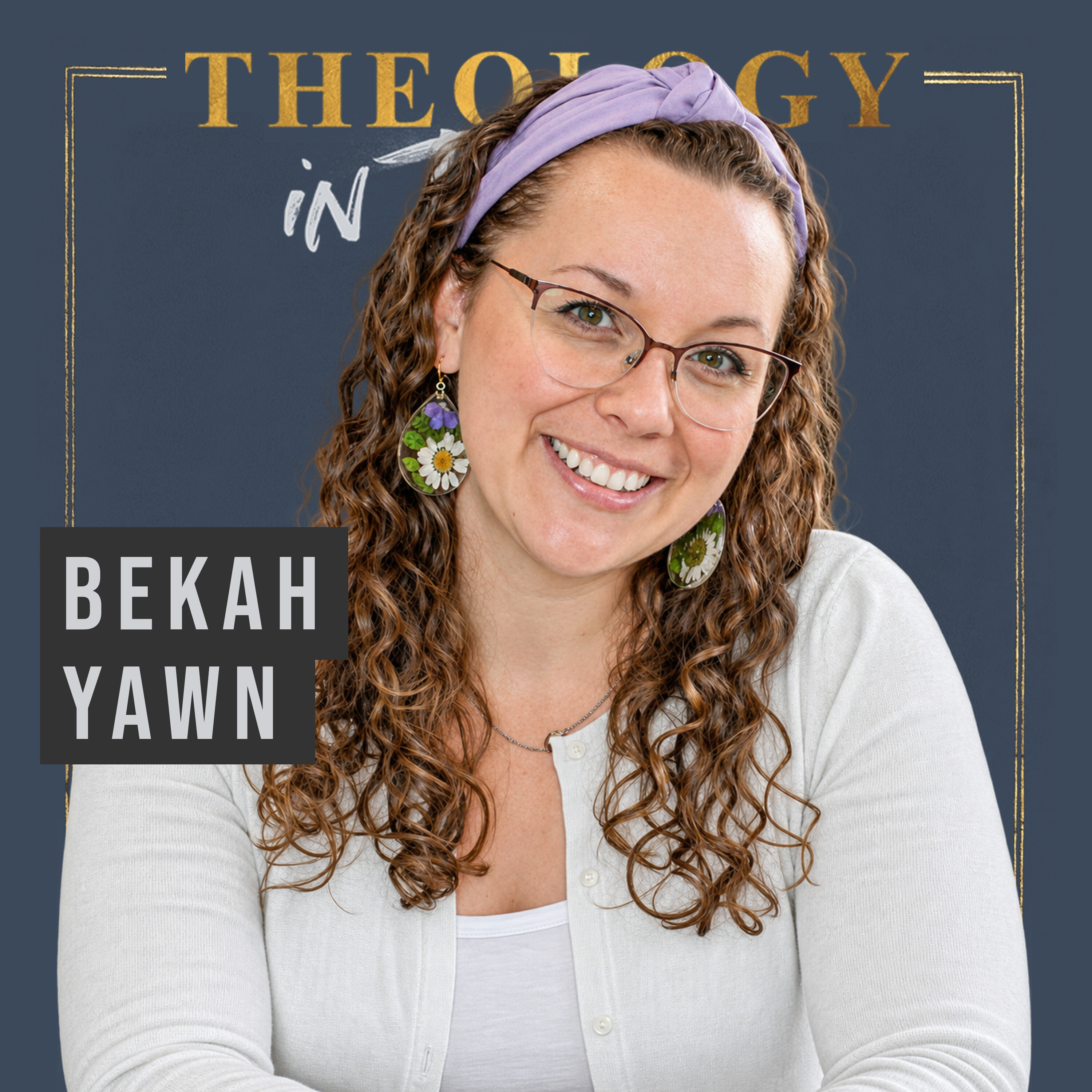
    Infertility, Miscarriage, and How the Church Can Help: Bekah Yawn

    What happens when your church celebrates growing families while you’re grieving a miscarriage or struggling to conceive? How do you hold on to faith when the children you’ve prayed for haven’t come? Bekah Yawn joins Preston to discuss infertility, pregnancy loss, and how the church can better care for women and couples experiencing both. Drawing on her own experience of three pregnancy losses, Bekah shares the loneliness of grieving in a church culture that can make motherhood feel like the measure of a woman’s faithfulness. They explore infertility in the biblical storyline, the relationship between motherhood and Christian calling, and finding purpose when life looks different from what you hoped. They also discuss spiritual warfare, fertility awareness, and Bekah’s convictions about IVF—subjects on which Christians hold differing views. At the heart of the conversation is a practical question: How can we offer more than “I’m sorry” to families navigating infertility and miscarriage? Bekah shares concrete ways churches, friends, and ministry leaders can show up, listen, pray, and provide ongoing care. Bekah is a fertility awareness educator, hormone coach, doula, and childbirth educator, and the creator of Fertility Framework. Chapters 0:00 Do you see us? 0:41 Infertility, miscarriage, and the church 3:21 Bekah’s story and infertility in the Bible 14:48 Redemption, suffering, and unanswered prayers 18:48 Spiritual warfare and infertility 23:08 Addressing shame and the pressure to become a mother 27:41 Motherhood, surrender, and Christian identity 31:18 How churches can care for grieving families 39:09 Creating a ministry for infertility and pregnancy loss 42:04 Questions families ask after a miscarriage 49:19 Fertility awareness and approaches to infertility 55:33 Bekah’s convictions about IVF 58:06 Fertility Framework and further resources See Privacy Policy at https://art19.com/privacy and California Privacy Notice at https://art19.com/privacy#do-not-sell-my-info.
  • #1450
    Monday · 1 hr

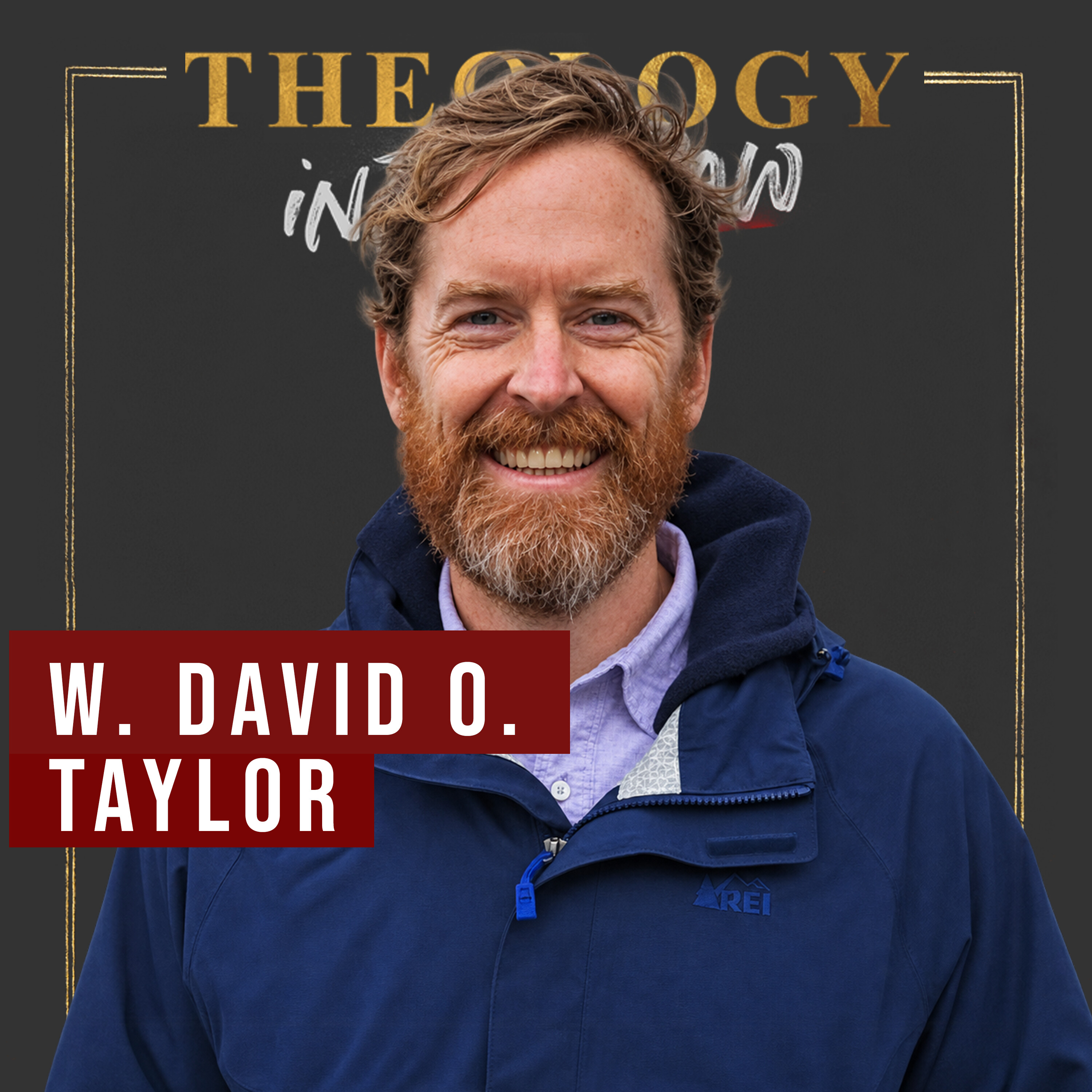
    What Is Art For? David O. Taylor on Faith, Creativity, and the Common Good

    Do Christian artists have to make explicitly Christian art to serve God? David Taylor challenges the idea that art needs an obvious Bible lesson to matter. Artists serve the common good through their craft, and their work helps shape how we see the world. We talk about why Christian art can fall short when it neglects craft, how artists make meaning through music, film, design, and everyday spaces, and why artists can help us notice things the rest of us miss. We also discuss creative interpretation in projects like The Chosen and what it means to be faithful to a story. David Taylor is associate professor of theology and culture at Fuller Theological Seminary and the author of ten books. His latest book is To Set the World Aflame: How Artists Bear Witness to the Fullness of God’s Creation. Chapters 00:00 Do Christian Artists Have to Make Christian Art? 02:54 Artists, Vocation, and the Common Good 07:48 How Art Shapes Meaning and Belonging 11:36 What Makes Art Good? Craft, Taste, and Popularity 18:53 Does Popularity Make Art Good? 27:19 Why Christian Art Gets a Bad Rap 31:07 The Chosen and Creative Interpretation 35:35 Are Artists More Perceptive Than the Rest of Us? 40:25 Imagination, Emotion, and the Aesthetic Life 44:33 The Odyssey: Liking a Film vs. Evaluating It 49:03 What Makes an Adaptation Faithful? 51:44 Can Artists Change Sacred Stories? 55:41 Art, Historical Truth, and the Limits of Interpretation See Privacy Policy at https://art19.com/privacy and California Privacy Notice at https://art19.com/privacy#do-not-sell-my-info.
  • #1449
    November 19 · 1 hr 1 min

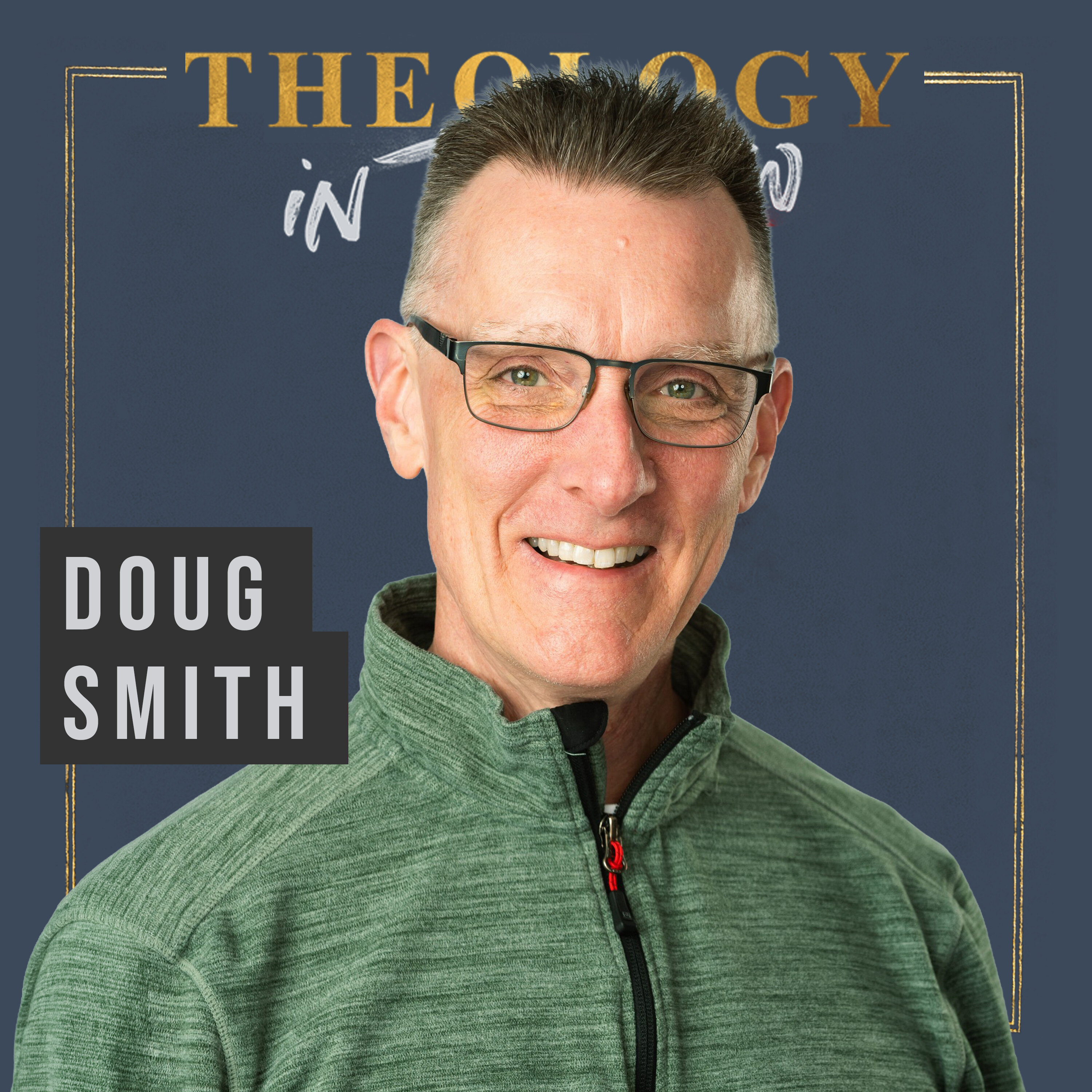
    Is A.I. Going to Destroy Humanity? Doug Smith

    AI doesn’t have to become conscious or take over the world to change us. Doug Smith argues that chatbots are already shaping how we think, what we trust, and how we relate to other people—and that they’re designed to keep us coming back. Doug is a software engineer and author of Unintelligence: The Lies Behind Today’s AI and the Truths You Need to Thrive. He joins Preston to discuss the risks AI leaders themselves raise, the worldview behind the push toward superintelligence, and the ways Christians can respond without giving in to fear. They also talk about what AI can and can’t know, why chatbot relationships can become so compelling, and how to use these tools with caution. Chapters: 00:00 AI’s biggest danger is already here 02:17 How AI is shaping us 05:42 The worldview behind the AI race 07:03 What does “intelligence” mean? 12:29 The transhumanist vision 17:38 Could AI actually destroy humanity? 29:11 How likely is an AI catastrophe? 34:55 A fragile, tech dependent society 44:33 What can Christians do? 47:09 Doug’s reasons for refusing to use AI 48:41 Can you trust AI for information? 52:53 Practical cautions for AI users 53:31 Are chatbots designed to make us dependent? 57:32 AI and human relationships 59:13 “You’re still the product” See Privacy Policy at https://art19.com/privacy and California Privacy Notice at https://art19.com/privacy#do-not-sell-my-info.
  • #1448
    November 16 · 1 hr 3 min

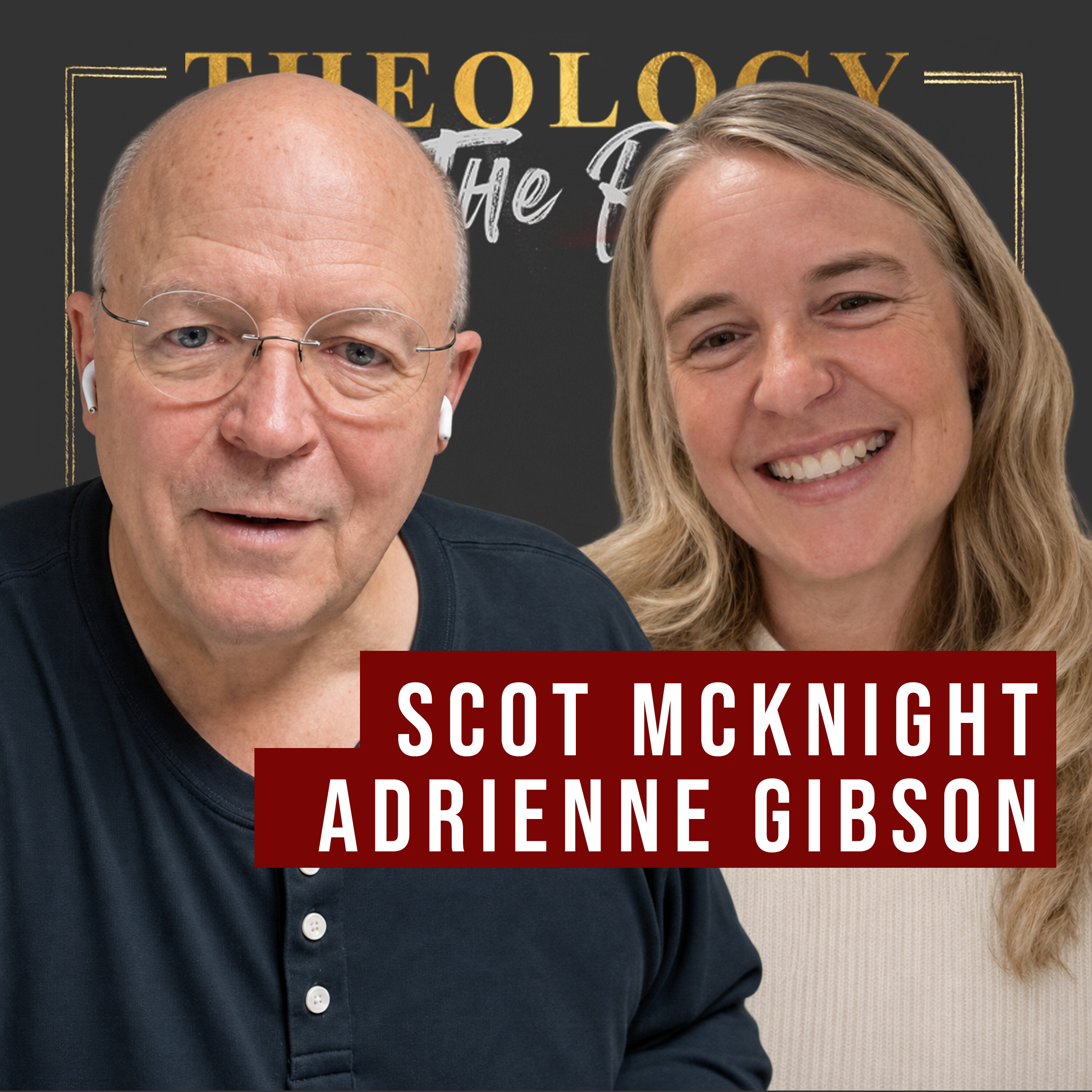
    Church Trauma, Wounded Pastors, and the Apostle Paul: Scot McKnight & Adrienne Gibson

    Was the Apostle Paul traumatized by the church he helped establish? New Testament scholar Scot McKnight and licensed professional counselor Adrienne Gibson join me to explore church trauma, pastoral burnout, and what Paul’s relationship with the Corinthians reveals about wounded ministry leaders. We’ve rightly become more aware of spiritual abuse and the harm caused by church leaders. But what happens when pastors, ministry leaders, and volunteers are hurt by the people they serve? Drawing on their book, Traumatized Church: What Paul’s Relationship with the Corinthian Church Teaches Us about Helping Those Who Are Hurting, Scot and Adrienne bring biblical scholarship and counseling experience into this often overlooked conversation. We discuss what trauma actually means, how it differs from discomfort, why the same experience affects people differently, and how biblical teaching can reopen wounds when Scripture has previously been used to justify abuse. Adrienne also explains why pastors need boundaries and offers practical ways to respond when someone’s past pain enters a present conversation. Finally, Scot walks us through seven criticisms directed at Paul and explains why he reads 2 Corinthians 10–13 as the words of a deeply wounded apostle. It’s a conversation about caring for hurting people—including those who spend their lives caring for everyone else. Join the Theology in the Raw community for bonus “Extra Innings” conversations and more: https://www.patreon.com/theologyintheraw CHAPTERS 00:00 Was Paul traumatized by the church? 00:37 Introducing Scot McKnight and Adrienne Gibson 02:41 What is trauma? 04:23 Why the same experience affects people differently 05:47 How biblical scholarship and trauma counseling came together 11:31 What ministry leaders need to understand about trauma 17:48 Trauma, discomfort, and resilience 21:48 How the body remembers painful experiences 23:14 When biblical teaching reopens old wounds 25:34 Teaching Scripture when it has been weaponized 27:20 When congregations hurt their leaders 32:26 Pastoral boundaries, burnout, and compassion fatigue 34:15 Why pastors are expected to “take the hits” 36:02 Church abuse and distrust of pastors 38:07 Creating churches that understand trauma 41:07 Recognizing and responding to someone’s pain 43:15 Why “calm down” rarely helps 46:12 The emotional demands of caring for others 48:33 A sports detour 49:43 Seven criticisms directed at the Apostle Paul 52:54 Paul’s physical appearance and a disability hypothesis 58:13 Reading Paul’s rumination through the lens of trauma 59:10 Is Paul’s response a model to follow? 62:34 Closing thoughts and the book See Privacy Policy at https://art19.com/privacy and California Privacy Notice at https://art19.com/privacy#do-not-sell-my-info.
  • #1447
    November 12 · 1 hr 4 min

    Sexual Desire, Unmet Longing, and Union with God | Greg Coles & Julia Hejduk

    Why would God give us sexual desires we can’t always fulfill? Can unmet sexual longing actually draw us closer to Jesus? Greg Coles and Julia Hejduk join me to explore what our desires reveal about being human—and about the God who longs for us. Their book, Sexuality Beyond Sex: An Unexpected Conversation on Embodiment, Identity, and Desire, is one of the most theologically invigorating books I’ve read all year. Bringing Protestant and Catholic perspectives into conversation, Greg and Julia challenge the assumption that marriage and sexual activity are the ultimate fulfillment of our sexuality. What if our deepest longings point toward something even greater? We discuss singleness, marriage, celibacy, suffering, and how unmet desire can cultivate humility and dependence on God. We also explore the surprising connection between sexuality and the Lord’s Supper, work through Catholic and Protestant disagreements about Communion, and consider what Mary’s story reveals about offering our bodies to God. Greg Coles is a writer, speaker, and senior research fellow at The Center for Faith, Sexuality and Gender. Julia Hejduk is a Catholic scholar and professor of classics at Baylor University. Join the Theology in the Raw community for bonus content and more. https://www.patreon.com/theologyintheraw CHAPTERS 00:00 Can unmet sexual desire be good? 00:46 Introducing Greg Coles and Julia Hejduk 03:32 What is sexuality actually for? 05:45 Marriage, Genesis, and the image of God 08:36 Sexual desire beyond marriage and procreation 12:07 Are we expecting too much from marriage? 14:07 Why would God give us desires we can’t fulfill? 17:09 Sponsors 19:59 How unmet desire cultivates humility 23:36 Sexual longing, suffering, and following Jesus 24:04 Writing together across Catholic–Protestant differences 29:56 Where they agree and disagree about Communion 33:14 What does the Eucharist have to do with sexuality? 35:42 The cross and the wedding feast of the Lamb 37:09 Why can’t Protestants receive Catholic Communion? 42:22 Spiritual Communion and the pain of exclusion 44:58 Martin Luther on sex, marriage, and celibacy 51:10 Learning from the saints and Mary 54:59 Understanding the Catholic view of Mary 59:33 Sexual fulfillment beyond sexual activity 62:44 The church’s need for non-straight Christians See Privacy Policy at https://art19.com/privacy and California Privacy Notice at https://art19.com/privacy#do-not-sell-my-info.
  • #1446
    November 9 · 1 hr 1 min

    Lisa Harper on Why Theology Should Leave You in Awe

    What if studying theology made you more amazed by God? My friend Lisa Harper joins me to talk about what happens when the things we learn about God change how we pray, how we parent, and how we love the people around us. Lisa’s book Theology for the Rest of Us is the jumping-off point for our conversation. We get into what we can know about God and what remains a mystery, how the Trinity shapes the way we think about community, and why the return of Jesus is a reason for hope. Lisa also tells the story of listening to her daughter gush about her first crush and thinking, “I remember when I talked about Jesus like that.” And yes, somehow a sausage biscuit gets thrown out a car window, and we end up talking about atonement. This is why I love talking theology with Lisa. Chapters 0:00 Theology was meant to be lived 0:40 Can studying God deepen our love for him? 3:38 Lisa Harper and her chaotic dissertation defense 14:57 Theology for the rest of us 15:46 What we can know about God and what leaves us in awe 24:00 The Trinity and why we need community 32:30 Using theology to invite people in 34:31 Finding hope in the return of Jesus 40:05 What baptism meant to the early Christians 46:42 “I remember when I talked about Jesus like that” 51:42 When words become armor 57:58 A sausage biscuit and a lesson in atonement See Privacy Policy at https://art19.com/privacy and California Privacy Notice at https://art19.com/privacy#do-not-sell-my-info.
  • #1445
    November 5 · 1 hr 3 min

    What Does the Bible Say About Wealth, Poverty, and Economics? with Dr. Michael Rhodes

    Does the Bible support capitalism or socialism—or challenge both? What do Jesus’ teachings about wealth, the early church’s shared possessions, and the Old Testament’s economic laws mean for Christians today? Dr. Michael Rhodes joins Preston to explore what Scripture says about money, work, poverty, generosity, and economic justice. From Jubilee and debt forgiveness to the difference between earning a profit and maximizing it, Michael challenges us to consider how following Jesus should shape our entire economic life. We also wrestle with the role of government in helping the poor, minimum wage debates, the dangers of concentrated wealth and power, Michael’s critique of Elon Musk and the USAID cuts, and a question raised by When Helping Hurts: Can our generosity actually harm the people we want to help? Michael Rhodes holds a PhD from the University of Aberdeen and lectures in Old Testament at Carey Baptist College in New Zealand. His books include Just Discipleship, Practicing the King’s Economy (coauthored), and Reimagining Biblical Politics. CHAPTERS 00:00 “I Am the Rich Person” 00:36 Introducing Dr. Michael Rhodes 01:44 How Should We Read the Bible on Economics? 05:06 Jubilee, Land Ownership, and Care for the Poor 08:57 Beyond Charity: A Soup Kitchen or a Potluck? 10:49 Why Did the Early Christians Sell Their Possessions? 15:23 Did Jesus Expect Everyone to Give Everything Away? 18:43 The Bible’s Warnings About Wealth Apply to Us 19:46 Should Biblical Economics Shape Government Policy? 22:36 Daniel, Proverbs, and Challenging Those in Power 27:35 Can We Trust the Government to Help the Poor? 31:15 Minimum Wage: Moving Beyond Political Talking Points 38:24 A Business Owner Rethinks Profit—and Encounters Bad Policy 41:10 Biblical Principles for Work, Generosity, and Economic Life 44:15 Food Aid, Debt Forgiveness, and Breaking Cycles of Poverty 46:59 Capitalism, Socialism, or Something Else? 49:12 Is Profit Maximization Against God’s Will? 50:29 Billionaires, Government, and Concentrated Power 52:57 Elon Musk, USAID, and Christian Responsibility 55:54 When Party Loyalty Overrides Our Convictions 57:38 When Helping Hurts: Can Generosity Do Harm? 62:30 Reimagining Biblical Politics See Privacy Policy at https://art19.com/privacy and California Privacy Notice at https://art19.com/privacy#do-not-sell-my-info.
  • #1444
    November 2 · 51 min

    The Gospel According to Isaiah | Dr. N.T. Wright

    Is the gospel simply about having our sins forgiven so we can go to heaven? N.T. Wright joins Preston to explore how Isaiah changes the way we understand Jesus, salvation, and the announcement that “Jesus is Lord.” Drawing on his book, Into the Heart of Isaiah: The Meaning and Message of Isaiah 40–55, Tom walks us through the story of God’s return, the suffering servant, and the renewal of creation. Who is Isaiah’s servant: Israel, Jesus, or both? How does Isaiah help us understand John’s Gospel and Jesus’ parables? And why would the early Christian announcement of good news challenge the most powerful empire in the world? We also discuss biblical authorship and inspiration, the idols Christians can remain captive to, what Jesus’ authority means for earthly politics, and how to read the Old Testament without missing the bigger picture. N.T. Wright is a New Testament scholar, former Bishop of Durham, and senior research fellow at Wycliffe Hall, Oxford. His many books include Surprised by Hope, Simply Christian, and After You Believe. In our Extra Innings conversation, I ask Tom why he believes women can serve in every position of church leadership. Hear his response, including his reflections on Mary Magdalene and Phoebe, by joining the Theology in the Raw community: https://www.patreon.com/theologyintheraw CHAPTERS 00:00 Is our gospel missing something? 00:46 Introducing N.T. Wright and the gospel in Isaiah 03:18 Why a New Testament scholar studies Isaiah 05:08 Why Isaiah 40–55 belongs together 07:55 Who wrote Isaiah, and does it matter? 09:30 Can God inspire editors? 12:25 Exile, the temple, and God’s promised return 16:07 Why God works through human beings 17:00 Israel, the servant, and renewed creation 19:19 Sponsor: Boll & Branch 20:26 Is the suffering servant Israel or Jesus? 24:18 How Isaiah shapes the New Testament 26:32 A gospel bigger than escaping the world 27:18 Isaiah behind John’s Gospel and Jesus’ parables 31:12 What “good news” means in Isaiah 33:25 Is the gospel more than forgiveness? 34:10 Jesus, Caesar, and the power of the cross 35:47 “Jesus is Lord” and turning from idols 37:17 What does Jesus’ authority on earth look like? 38:24 The politically subversive message of Jesus 40:08 American polarization and the church 41:28 How to read Isaiah without getting lost 46:05 N.T. Wright, the Beatles, and Coldplay 48:43 Advice for preaching Isaiah See Privacy Policy at https://art19.com/privacy and California Privacy Notice at https://art19.com/privacy#do-not-sell-my-info.
  • #1443
    October 29 · 54 min

    Should Christians Support the Death Penalty? Shane Claiborne

    Is the death penalty biblical? Should Christians support capital punishment—or does following Jesus lead us toward a different understanding of justice, mercy, and redemption? Shane Claiborne joins me to discuss what the Bible says about the death penalty and why we both changed our minds. We explore Old Testament laws, Jesus’ teaching on “an eye for an eye,” the early church’s response to violence, and whether Romans 13 justifies capital punishment. But this conversation goes beyond biblical interpretation. Shane shares stories from years of visiting people on death row, including encounters with people who were later exonerated, families of murder victims, and a former executioner. We wrestle with difficult questions: Can you be pro-life and support the death penalty? What about justice for victims? And what does it mean to believe that no one is beyond redemption? Shane is an author, activist, and co-founder of Red Letter Christians. His books include Executing Grace: How the Death Penalty Killed Jesus and Why It’s Killing Us and Rethinking Life. For my further thoughts on Romans 13 and the death penalty, join the Theology in the Raw community and watch or listen to Extra Innings: https://www.patreon.com/theologyintheraw Subscribe for more curious conversations about difficult topics. CHAPTERS 00:00 The Bible Belt is the death belt 00:33 Why Christians are debating the death penalty 05:27 Shane Claiborne: Why I changed my mind 08:32 How the death penalty works in practice 10:18 Who gets executed? Race, poverty, and geography 12:05 The human cost of death row 14:11 Can people on death row change? 16:50 What does biblical justice look like? 17:37 Don Johnson: Redemption on death row 20:01 What about the victims? 23:59 Forgiveness after the Charleston church shooting 25:10 Christian leaders and the death penalty 26:36 An invitation to pray on death row 29:20 Does the Old Testament justify capital punishment? 30:44 Jesus and “an eye for an eye” 31:54 The early church on killing and state violence 35:38 Why Christians still defend the death penalty 37:07 Reading Old Testament laws as Christians 39:22 Wrongful convictions and trusting the state 41:10 Race, wealth, and unequal justice 43:56 A Jewish perspective on the death penalty 44:48 Does Romans 13 support the death penalty? 47:50 The Reformation and the power of the state 49:58 Wrestling with a change of mind 51:12 Firing squads and the toll on executioners 52:54 Forgiveness, consequences, and the gospel 53:37 Shane’s books and further resources See Privacy Policy at https://art19.com/privacy and California Privacy Notice at https://art19.com/privacy#do-not-sell-my-info.
  • #1442
    October 26 · 58 min

    Have We Lost Something in Communion? with Hannah Miller King

    Have we lost something in communion? Is the Lord’s Supper simply a symbol that reminds us of Jesus’ death, or is something more happening when we receive the bread and wine? Anglican priest Hannah Miller King joins Preston to explore the Eucharist and its role in spiritual formation. They discuss Catholic, Protestant, and Anglican understandings of Christ’s presence, why communion has become an afterthought in some churches, and whether we should expect to feel anything when we take it. Drawing from her book, Feasting on Hope: How God Sets a Table in the Wilderness, Hannah shares how communion has shaped her experience of grief, belonging, and healing. They also discuss her experience as a female priest and how Christians can remain in fellowship while disagreeing about women in church leadership. In Extra Innings, Preston asks Hannah why some evangelicals are drawn to Anglican, Catholic, and Orthodox churches. Hear her own journey and the extended conversation by joining the TITR community: https://www.patreon.com/theologyintheraw CHAPTERS 00:00 Is communion more than an object lesson? 00:46 Have we lost something in communion? 04:35 Introducing Hannah Miller King 05:01 Different Christian views of the Eucharist 07:33 The early church, Luther, and Calvin 10:55 What can Christians agree on about communion? 13:34 Wasn’t the Lord’s Supper an actual meal? 17:03 Sponsors 19:09 Has communion become an afterthought? 20:42 Making the table central to worship 24:05 Wine, grape juice, and why the elements matter 26:24 Communion, grief, and those we’ve lost 29:43 What if I don’t feel anything? 33:25 Embodiment, trauma, and healing 37:58 Lament and the hope of resurrection 39:06 Bringing our suffering to the table 41:30 Teaching a richer understanding of communion 43:23 Being a female Anglican priest 47:25 Disagreeing about women’s ordination 49:41 Unity without agreeing on everything 51:57 Why male-only bishops? 55:15 Faith when the miracle doesn’t come See Privacy Policy at https://art19.com/privacy and California Privacy Notice at https://art19.com/privacy#do-not-sell-my-info.
  • #1441
    October 22 · 57 min

    In Defense of Evangelicalism with Bonnie Kristian

    Are evangelicals really defined by Donald Trump, culture wars, and the pursuit of political power? Or are we missing a much bigger picture? Bonnie Kristian joins Preston to discuss her book, In Defense of Evangelicalism: A Response to Its Cultured Despisers. A journalist and deputy editor at Christianity Today, Bonnie offers a defense of evangelicalism while openly criticizing its failures and explaining why she isn’t a Trump supporter. We explore what “evangelical” actually means, the accusations leveled against the movement, and why Bonnie believes some critiques overlook the ordinary faithfulness of millions of Christians. We also discuss evangelical support for Trump, what voting statistics can and can’t tell us, and the difference between voting for a candidate and embracing everything that candidate represents. The conversation also tackles Christian nationalism, the line between voting your values and imposing your beliefs, evangelical attitudes toward war, and Bonnie’s disagreements with Jesus and John Wayne. Can we take evangelical hypocrisy seriously without reducing an entire movement to its worst examples? And can we criticize someone’s politics without dismissing their faith? CHAPTERS 00:00 Critiquing politics without condemning people 00:30 Are evangelicals really that bad? 03:50 Introducing Bonnie Kristian 06:45 What does “evangelical” actually mean? 10:31 Why hesitate to call yourself evangelical? 11:41 Five accusations against evangelicalism 16:35 Are evangelical faith and Republican politics inseparable? 18:24 Putting the “81 percent” statistic in context 20:18 Why evangelicals vote for Trump 24:13 Culture wars, political power, and voting your values 27:12 When does voting your faith become Christian nationalism? 33:28 Defending evangelicals without supporting Trump 35:45 War, conscience, and rejecting both parties 39:28 Why do evangelicals support war? 43:48 Torture, the Golden Rule, and the influence of faith 45:58 Pushback on the book and Jesus and John Wayne 50:42 Why Bonnie won’t denounce evangelical Trump voters 53:36 Criticism, reform, and contempt for evangelicals 54:40 Engaging critics and knowing when to step away See Privacy Policy at https://art19.com/privacy and California Privacy Notice at https://art19.com/privacy#do-not-sell-my-info.
  • #1440
    October 19 · 1 hr 6 min

    Disability, Marriage, and Faith When Healing Doesn’t Come: Cameron & Annie Horner

    What does faith look like when healing doesn’t come? And how can churches move beyond welcoming people with disabilities to creating genuine belonging? Cameron and Annie Horner join Preston to explore disability, marriage, suffering, and what the church misses when disabled voices are sidelined. Cameron and Annie share how they met at the Exiles in Babylon conference and how vulnerability shaped their relationship. Together, they challenge assumptions about disability and offer practical ways churches can remove barriers to worship, community, and leadership. Cameron Horner is a quadriplegic pastor, speaker, and ministry leader who became paralyzed from the chest down at age 18 after a diving accident. Annie Horner is a mental health therapist with Living Whole Hearted, a clinic based in Portland, Oregon. Together, they lead Accessible Grace, equipping churches to move beyond inclusion to genuine belonging for people with disabilities. Join the Theology in the Raw community for bonus content and conversations: https://www.patreon.com/theologyintheraw CHAPTERS 00:00 Faith when healing doesn’t come 00:45 Why disability belongs in the church conversation 03:36 Meet Cameron and Annie Horner 04:22 A love story that started at Exiles in Babylon 07:18 Annie’s story: abuse, faith, and finding hope 11:40 From Ireland to a marriage proposal 12:47 Dating, disability, and assumptions about relationships 16:37 Building a relationship on what matters 19:33 Sponsor: Western Seminary 20:30 What people misunderstand about their marriage 21:24 Purity culture and the “ideal spouse” checklist 24:06 How vulnerability made room for love 26:46 When disability happens during a marriage 29:59 Disability and the church: where do we start? 32:08 Accessibility beyond ramps and parking spaces 35:21 Seeing disability as part of the body’s diversity 38:48 How church culture can exclude families 40:59 Who gets to lead in our churches? 43:12 Cameron’s calling to pastor and teach 46:03 Moses, disability, and God’s accommodation 48:11 “Stand if you’re able”: why language matters 52:31 Disability theology and the resurrected Jesus 56:18 How should we talk about disability? 58:29 A first step for church leaders: listen 61:09 What disability teaches us about being human 62:48 Celebrating faithfulness without a miraculous ending 65:18 Cameron and Preston’s marathon rivalry See Privacy Policy at https://art19.com/privacy and California Privacy Notice at https://art19.com/privacy#do-not-sell-my-info.
  • #1439
    October 15 · 55 min

    How Well-Meaning Church Leaders Become Controlling | Dr. Joshua Jipp

    When does church leadership become spiritual manipulation? And how do you disagree with a pastor who says, “God told me”? Preston talks with New Testament scholar Joshua W. Jipp about how even well-meaning Christian leaders can cross the line from serving people to controlling them. Drawing on his book, How (Not) to Be a Tyrant, Josh explores what the Bible’s worst rulers reveal about power, ambition, and the temptation to use God’s authority to advance our own agendas. We discuss why charisma and results aren’t enough to identify a healthy leader, how fear can become a tool of control, and what makes Jesus’ approach to leadership radically different. We also wrestle with church leadership structures, Paul’s use of authority, Romans 13 and Revelation 13, and when Christians should submit, push back, or leave. Along the way, we consider the faithful pastors whose humility and service rarely make the headlines. Joshua W. Jipp (PhD, Emory University) is associate professor of New Testament at the University of Notre Dame. He is the author of several books, including his most recent book, How (Not) to Be a Tyrant: Ten Lessons on Life and Leadership from the Bible’s Worst Rulers (Brazos Press). CHAPTERS 00:00 When spiritual authority becomes control 00:39 Introducing Joshua W. Jipp 02:19 Why study the Bible’s worst rulers? 07:04 Leadership and power throughout the Bible 09:55 Did God want Israel to have a king? 13:32 Sponsors 15:53 The temptation facing well-meaning leaders 17:47 Using God to advance a leader’s agenda 18:59 Why success and charisma aren’t enough 23:16 Does the Bible prescribe a church leadership structure? 28:29 How can a servant leader exercise authority? 34:58 Subtle warning signs of controlling leadership 37:57 When disagreeing with a leader means disagreeing with God 39:46 Can other leaders genuinely push back? 40:59 How fear becomes a tool of control 42:18 Submitting to bad rulers: Romans 13 and Revelation 13 47:30 When should you push back on church leadership? 51:13 The faithful pastors who don’t make headlines See Privacy Policy at https://art19.com/privacy and California Privacy Notice at https://art19.com/privacy#do-not-sell-my-info.
  • #1438
    October 12 · 1 hr 1 min

    What Are Christians Getting Wrong About Islam? Dr. Daniel Bannoura

    Are Christians being fair in how we understand Islam? Palestinian Christian scholar Dr. Daniel Bannoura joins Preston Sprinkle to explore Islam and Christianity, religious violence, what the Quran says about Jesus, and the treatment of women. In the fourth and final episode of our Understanding Islam series, Daniel helps me process my conversations with Javad Hashmi, Gabriel Said Reynolds, and Fariza Gulomikova, including some of the pushback the series received. Daniel grew up in the West Bank and earned his PhD in Islamic Studies at Notre Dame, focusing on the biblical subtext of the Qur’an. We discuss the relationship between the Quran and Hadith, Islamic teachings about Jesus and the Trinity, and Daniel’s interpretation of the Quran’s passage on the crucifixion. We also wrestle with Christianity’s own history of justifying violence and how politics, culture, and education shape Muslim communities. And I press Daniel on whether Christianity and Islam offer distinct visions for the treatment of women. It’s a challenging conversation about real theological differences, our own assumptions, and what it means to love our Muslim neighbors faithfully. Watch or listen to Extra Innings at https://patreon.com/theologyintheraw, where Daniel and I tackle your questions: Is Islam animated by dark spiritual forces? Is it a Christian heresy or a separate religion? What can Christians learn from Muslims? And how should we respond to fears about Sharia law in America? CHAPTERS 00:00 A Palestinian Christian’s experience of violence 00:31 Understanding Islam: The series finale 02:22 Meet Dr. Daniel Bannoura 05:13 Learning to love Muslim neighbors 08:31 Reflecting on the Islam series 12:31 Was Javad Hashmi representative of Islam? 18:22 The Quran, Hadith, and Islamic scholarship 24:22 What does Islam teach about Jesus? 28:27 The Quran and the Trinity 30:08 Does the Quran deny Jesus’ crucifixion? 35:43 How religious traditions develop 38:14 Why focus on violence and women? 40:27 Comparing Christian and Muslim violence 44:30 Muslim diversity beyond the stereotypes 45:43 Colonialism, politics, and religious extremism 48:37 Women, culture, and education 52:08 Do Christianity and Islam treat women differently? 55:00 Jesus’ countercultural treatment of women 59:41 Your questions answered in Extra Innings See Privacy Policy at https://art19.com/privacy and California Privacy Notice at https://art19.com/privacy#do-not-sell-my-info.
  • #1437
    October 8 · 49 min

    John Mark Comer: What Constant Noise Is Doing to Your Soul

    Watch our Extra Innings conversation on Patreon, where John Mark Comer shares his evolving views on women in church leadership and the questions he’s still wrestling with: https://www.patreon.com/theologyintheraw What is constant noise doing to our souls? And why can being alone with God feel so uncomfortable? John Mark Comer joins Preston to discuss his latest book, Into the Quiet: Following Jesus in a World of Noise. We explore how noise affects our capacity to love God and others, what surfaced during John Mark’s 21-day solitude retreat, and why silence often brings us face-to-face with the pain we’ve been avoiding. John Mark also shares why quiet doesn’t come naturally to him, how to practice solitude within the demands of everyday life, the difference between solitude and loneliness, and the surprising structure of the small church he helps pastor. John Mark Comer is the New York Times bestselling author of eight books, including Practicing the Way, which was named the 2025 Christian Book of the Year by the ECPA, and The Ruthless Elimination of Hurry, which has sold more than a million copies and been translated into over 20 languages. His latest book is Into the Quiet: Following Jesus in a World of Noise, which forms the basis of our conversation. John Mark is a pastor and the founder of Practicing the Way, an organization working to see the renewal of apprenticeship to Jesus in our time. CHAPTERS 00:00 Why solitude is so hard 00:49 Introducing John Mark Comer 03:57 Running, ministry, and friendship 07:24 Why your body matters for spiritual formation 10:27 Writing theology that people can understand 12:53 Noise is a threat to our souls 13:48 Sponsors 15:45 How noise affects our bodies and relationships 21:47 John Mark’s 21-day solitude retreat 24:32 What we learn when distractions are stripped away 27:36 Jesus’ rhythm of retreat and return 30:49 Becoming a person of quiet in an anxious world 34:45 Solitude for busy people and extroverts 38:39 Finding quiet within the life you actually have 42:08 The difference between solitude and loneliness 44:56 Inside John Mark’s small church community 47:51 Extra Innings: Women in church leadership See Privacy Policy at https://art19.com/privacy and California Privacy Notice at https://art19.com/privacy#do-not-sell-my-info.
  • #1436
    October 5 · 57 min

    Being Jewish After the Destruction of Gaza: Peter Beinart

    Watch our Extra Innings conversation by joining the Theology in the Raw Patreon community: https://patreon.com/theologyintheraw What happens when the story you grew up believing meets the people whose voices were missing from it? Peter Beinart joins Preston to discuss how spending time with Palestinians challenged his understanding of Israel, Jewish identity, and the relationship between safety and freedom. They explore his experience of October 7, the history of Palestinian displacement, his comparison with apartheid South Africa, and why he believes the conflict is bigger than Hamas. Peter also reflects on the personal cost of challenging his community’s assumptions and why he argues that nationalism can become a form of idolatry. Peter is Professor of Journalism and Political Science at the Newmark School of Journalism at the City University of New York, a contributing opinion writer at The New York Times, Editor-at-Large of Jewish Currents, an MS NOW political commentator, and a Non-Resident Fellow at the Foundation for Middle East Peace. He writes the Beinart Notebook newsletter on Substack. His latest book, Being Jewish After the Destruction of Gaza: A Reckoning, is a New York Times bestseller and winner of the PEN/John Kenneth Galbraith Award for Nonfiction. Chapters 00:00 Introduction 08:00 Peter’s experience of October 7 10:35 Rethinking Israel after meeting Palestinians 13:52 The history Peter grew up believing 18:44 Understanding 1948: Independence and the Nakba 23:43 Grieving October 7 and opposing Israel’s response 26:40 Why this conflict is bigger than Hamas 32:01 Lessons from apartheid South Africa 35:05 Why Peter calls Israel’s system apartheid 40:59 America’s role and support for Israel 45:19 The personal cost of speaking out 48:19 Judaism, Zionism, and nationalism as idolatry 52:47 Is there hope for equality and freedom? 56:29 Extra Innings: American evangelicals and Israel See Privacy Policy at https://art19.com/privacy and California Privacy Notice at https://art19.com/privacy#do-not-sell-my-info.
  • #1435
    October 1 · 1 hr 4 min

    Immigration, Crime, and Deportation: What Should Christians Believe?

    What happens when immigrants who came to the U.S. legally lose their status and face deportation? And what happens to their American-born children when the country their parents could be sent to is considered too dangerous to visit? Matthew Soerens joins Preston to unpack some of the biggest questions and misconceptions surrounding immigration. Why don’t immigrants just come legally? Do undocumented immigrants take American jobs? What does the evidence say about immigration and violent crime? And how should Christians weigh respect for the law alongside the biblical commands to love our neighbors and welcome strangers? Matthew Soerens is World Relief’s vice president of advocacy and policy and is the co-author of three books: Welcoming the Stranger (InterVarsity Press, 2018), Inalienable (InterVarsity Press, 2022), and Seeking Refuge (Moody Publishers, 2026), which just released a second edition. Matt also serves as the National Coordinator for the Evangelical Immigration Table, a coalition that advocates for immigration reforms consistent with biblical values. Chapters: 0:00 Haitian families and the danger of separation 0:44 How should Christians think about immigration? 5:15 Starting with Scripture, not party talking points 10:34 Romans 13 and changing legal status 12:38 What’s happening to Haitian families in Springfield? 18:51 Why was temporary protected status withdrawn? 21:25 What can churches do for affected families? 23:58 Can people with temporary status apply to stay? 26:42 Why don’t immigrants just come legally? 35:54 Do immigrants take American jobs? 41:46 What about undocumented immigrants and the economy? 48:36 A proposed path to make things right 51:00 Do immigrants commit more violent crime? 55:25 What would mass deportation mean for the church? 58:26 What do evangelical Christians actually believe? 1:00:54 Seeking Refuge and the global refugee crisis See Privacy Policy at https://art19.com/privacy and California Privacy Notice at https://art19.com/privacy#do-not-sell-my-info.
  • #1434
    September 28 · 1 hr 18 min

    The Book of Revelation: A Deep Dive with Dr. David deSilva

    Join the Theology in the Raw Patreon Community to Watch our Extra Innings! https://www.patreon.com/theologyintheraw Is the Book of Revelation a roadmap to the future, or was it meant to help Christians see their own world more clearly? New Testament scholar David deSilva joins Preston to walk through Revelation from the seven churches to the New Jerusalem. They discuss why John wrote to real communities living under the Roman Empire, what the throne room reveals about Jesus’ authority, and how the seals, trumpets, and bowls speak to suffering, judgment, and faithful witness. They also explore Revelation’s critique of empire and political allegiance. What did “Babylon” mean to John’s first readers? What does it mean to “come out of Babylon” today? And which parts of Revelation should Christians understand as future hope? Dr. David deSilva is an ordained elder in the Florida Conference of the GMC and has served as Professor of New Testament and Greek at Ashland Theological Seminary since 1995. He is the author of forty books, including Seeing Things John's Way and his recently released Archaeology and the Revelation of John. Chapters 0:00 Introduction 5:12 Who Was Revelation Written For? 10:21 Who Was John? 12:11 Jesus and the Seven Churches 16:19 Prophecy and John’s Authority 20:40 The Real Cities Behind the Seven Churches 26:49 Revelation, Empire, and Political Allegiance 35:19 Speaking Prophetically to Our Own Political Side 40:25 The Throne Room: Who Is Really in Charge? 46:21 What Does the Scroll Represent? 49:05 The Seals, Trumpets, and Bowls 55:17 Is Reading Revelation as Prediction Overrated? 58:34 How Should We Read Revelation Today? 1:02:44 Babylon and the Roman Empire 1:10:14 What Does “Come Out of Babylon” Mean? 1:13:23 The New Jerusalem and Revelation’s Future Hope See Privacy Policy at https://art19.com/privacy and California Privacy Notice at https://art19.com/privacy#do-not-sell-my-info.
  • #1433
    September 24 · 1 hr

    She Left Islam for Jesus: Fariza Gulomikova

    Join the Patreon Community: https://www.patreon.com/theologyintheraw Fariza Gulomikova grew up in a Shia Ismaili family in Tajikistan. As a child, she saw how much a person could lose by leaving Islam. Then her cousin became a Christian, and the kindness she encountered at his church challenged everything she thought she knew about Christians. In part three of our Understanding Islam series, Fariza tells Preston about her childhood, her encounter with Jesus at age 11, her family’s response to her conversion, and the challenges of starting over in the United States. She also shares what she wishes Christians understood about their Muslim neighbors. Chapters 0:00 Fariza’s decision to become a Christian 0:32 Introduction to part three of Understanding Islam 2:23 Growing up in Tajikistan during a civil war 5:31 Sunni, Shia, and Fariza’s Ismaili background 12:22 Growing up as a girl in a Muslim majority country 17:47 The pressures and dangers Fariza saw women face 26:41 Fariza’s people, language, and culture 29:10 Her childhood view of Christianity 31:34 The cousin who changed her view of Christians 33:32 The kindness that drew her toward Jesus 34:30 Fariza’s encounter with Jesus at age 11 36:45 What she was taught about Jesus in Islam 38:44 Fariza’s advice for Christians talking with Muslims 43:39 How her family responded to her conversion 47:33 Starting over in America 52:28 Islam, terrorism, and stereotypes 55:28 Searching for belonging in Christian communities 58:41 Fariza’s final word to Christians See Privacy Policy at https://art19.com/privacy and California Privacy Notice at https://art19.com/privacy#do-not-sell-my-info.

  • #1432
    September 21 · 1 hr 2 min

    Comparing the Quran to the Bible: Dr. Gabriel Said Reynolds

    Join the Theology in the Raw community to hear Preston’s Extra Innings response to this conversation. How does the Qur’an compare to the Bible? Do Muslims read it the way evangelical Christians read the Bible? And if the Qur’an is Islam’s sacred text, why are the Hadith so important for understanding what Muslims believe and how they live? In part two of our series on Islam, Preston sits down with Dr. Gabriel Said Reynolds, a Catholic Qur’an scholar and the Crowley Professor of Islamic Studies and Theology at the University of Notre Dame. He earned his Ph.D. from Yale University and is the author of The Qur’an and Its Biblical Subtext, The Qur’an and the Bible, and Christianity and the Qur’an. Together, they explore how Muslims understand the Qur’an, where it came from, how it took shape, and how its form and use compare with the Bible. They also discuss Muhammad’s relationship to the Qur’an, the early Islamic conquests, passages concerning violence and women, and why reading the Qur’an by itself does not necessarily tell you how Muslims will interpret or apply it. Gabriel’s books explore how the Qur’an engages earlier scriptures and what that relationship can tell us about the emergence of Islam. His latest book, Christianity and the Qur’an, was published by Yale University Press in 2025. You can find more of Gabriel’s work on his YouTube channel, Exploring the Qur’an and the Bible. CHAPTERS 00:00 Why reading the Quran alone isn’t enough 00:42 Introducing Dr. Gabriel Said Reynolds 02:15 How Gabriel began studying Islam 05:31 What is the Quran? 09:03 Where did the Quran come from? 12:24 Did Muhammad write the Quran? 14:13 How does the Quran compare to the Bible and Psalms? 19:13 The biggest differences between the Quran and the Bible 21:42 Violence and the early Islamic conquests 27:10 How early Muslims treated Christians and other conquered peoples 32:29 Does the Quran command violence? 39:32 How Muslims interpret difficult Quranic passages 43:28 Is Islam inherently violent? 47:25 What does the Quran say about women? 49:58 Polygamy and the disputed passage about striking wives 52:29 Modesty, honor, and women in Muslim societies 59:07 What are the Hadith, and why do they matter? See Privacy Policy at https://art19.com/privacy and California Privacy Notice at https://art19.com/privacy#do-not-sell-my-info.

Showing 1–20 of 56 episodes