Skip to content
Artwork for The Yappy Hour
EducationKids & FamilyPets & AnimalsBusinessEntrepreneurship

The Yappy Hour

Yappily

Welcome to The Yappy Hour! This is the podcast all about dogs -made for dog parents. I’m Nathan Dunleavy, and with the help of the Yappily team, we’re here to make life with your dog easier and more fun.

Each week, we’ll chat about the things every dog parent wants to know. Need tips on choosing the right breed? Wondering how to help a nervous or worried dog? Not sure how to get your pup comfortable with vet visits? Don’t worry, we’ve got it all covered.

We’ll also have some brilliant expert guests - who’ll share their advice and stories. From puppy training to living life with a dog, we’ll talk about it all!

So, why listen? The Yappy Hour is more than just tips and tricks. It’s about celebrating the special bond between you and your dog, learning together, and having a good laugh while you’re at it.

Pop in your headphones and join us for some fun, simple advice to improve dog guardianship. Whether you’re walking your dog, on your way to work, or relaxing at home, The Yappy Hour is here for you.

Subscribe now and join us - we’re excited to have you with us! 🐾

If you're looking for local and ethical dog service we can help with that at https://yappily.co.uk/

Play
  • 20 episodes
  • Avg 56 min
  • English
  • S1 · E47
    Saturday · 42 min· Video

    Tina Kristensen on Herding Breeds And Why Smart Doesn’t Mean Easy

    Herding breeds might be incredibly clever, but living with that intelligence, sensitivity and intensity isn’t always simple. Tina Kristensen, founder of Tina’s Happy Hounds, joins Nathan on The Yappy Hour to explore what it’s really like to live with and support herding breeds. They talk about German Shepherds, Border Collies, Corgis, Australian Cattle Dogs and the instincts that can still influence these dogs even when they’ve never worked with livestock. Tina explains why physical exercise alone isn’t enough, how scent work and enrichment can give these dogs meaningful outlets, and why rest, predictability and connection are so important. They also explore hypervigilance, big feelings, choosing the right breed for your lifestyle and what to do when life with an intense dog starts to feel overwhelming. What You’ll Learn ✅ Why smart doesn’t necessarily mean easy when it comes to herding breeds ✅ How herding instincts can appear in everyday family life ✅ Why chasing, controlling movement and intense focus may have roots in instinctive behaviour ✅ Why some herding breeds struggle with busy or overstimulating environments ✅ How scent work, free work, tracking and simple jobs can help provide fulfilling outlets ✅ Why more exercise isn’t always the answer ✅ Why slowing down, building trust and prioritising rest can make such a difference Key Takeaways • Herding breeds were bred to work, think and respond to movement, and those instincts can remain strong in family dogs. • Intelligence comes with its own challenges. These dogs can learn quickly, but they can also notice patterns, anticipate routines and sometimes stay several steps ahead of us. • Mental fulfilment matters as much as physical exercise. Scent work, tracking, free work and purposeful activities can all give these dogs valuable outlets. • Overstimulation can show up in behaviour. Slowing things down and creating opportunities for genuine rest can be just as valuable as adding more activity. • Breed traits matter, but the individual dog matters more. Pay attention to the dog in front of you rather than relying on what they “should” be like. Connect with Tina Tina's Happy Hounds Website Tina's Happy Hounds Facebook 🐾 Find ethical, qualified pet professionals near you at Yappily - the directory for dog guardians who care about doing right by their dog. 🎙️ Enjoyed this episode? Subscribe to The Yappy Hour and leave us a review, it helps more dog lovers find us!

  • S1 · E46
    Saturday · 53 min

    Juanita Rogers on Canine Adolescence And Why Your Teenage Dog Suddenly Stops Listening

    Has your once-responsive puppy suddenly stopped listening? Dog trainer Juanita Rogers explains what is really happening during canine adolescence and how to help your teenage dog through it. Canine adolescence can catch even experienced dog guardians off guard. Recall disappears, lead pulling returns, focus goes out the window and your previously confident puppy might suddenly become worried about things they never noticed before. In this episode of The Yappy Hour, Nathan is joined by dog trainer Juanita Rogers from K9 Klass to unpack what is actually happening inside the adolescent dog's brain and body. They explore hormones, brain development, fear periods, breed-specific behaviours and why your dog really hasn't forgotten everything you've taught them. Most importantly, Juanita shares practical ways to make this stage easier for both you and your dog, from going back to training basics and lowering expectations to enrichment, sniffing, decompression days and knowing when to ask for professional help. What you'll learn ✅ When canine adolescence begins, how long it can last and why it varies between individual dogs ✅ Why your teenage dog can suddenly seem to forget their recall, stop responding to their name or start pulling on the lead again ✅ What's happening in the adolescent brain, including neural pruning, brain development and those frustrating moments of apparent "brain fog" ✅ How hormones, emotional development and fear periods can affect your dog's behaviour and confidence ✅ Why breed-specific behaviours such as herding and chasing can become more noticeable during adolescence ✅ How short training sessions, enrichment, scent work, play and decompression days can help an adolescent dog cope ✅ When to seek professional support and why choosing a qualified, force-free professional matters Key takeaways • Your dog isn't doing it to spite you. Adolescence is a major developmental period involving physical growth, hormonal changes and changes within the brain. • Going backwards is sometimes exactly what your dog needs. Bring back the long line, practise recall at an easier level and keep training sessions short rather than expecting your dog to perform at their previous level. • Consistency gives your dog stability. Everyone involved with your dog needs to be working in roughly the same way, particularly while so much else is changing for them. • Enrichment isn't just about keeping your dog busy. Scent work, play and activities that give your dog an appropriate outlet for breed-specific behaviours can help with arousal, confidence and your relationship. • A walk isn't always what your dog needs. Sometimes a decompression day at home, with sniffing, enrichment and gentle training, can be more beneficial than adding another potentially stressful walk. • Adolescence doesn't last forever. Your dog needs support and guidance while they move through it, and struggling during this stage doesn't mean you've failed. Connect with Juanita K9 Klass website K9 Klass Facebook 🐾 Find ethical, qualified pet professionals near you at Yappily, the directory for dog guardians who care about doing right by their dog. 🎙️ Enjoyed this episode? Subscribe to The Yappy Hour and leave us a review, it helps more dog lovers find us!

    • Transcript
  • S1 · E45
    Saturday · 1 hr 1 min· Video

    Jeanette Muldoon, Puppy Behaviourist, on Puppy Biting, Sleep & Socialisation

    Jeanette Muldoon is a trainer and behaviourist, and co-founder of Easy Peasy Puppy Training and the Family Dog Club, known for her calm, kind approach to raising confident, connected puppies. In this episode she talks through the reality of the first few weeks home, why puppy biting and barking are completely normal, and how to socialise a puppy without overwhelming them. Whether you're mid puppy-blues or preparing for a future arrival, this conversation is full of reassurance and practical, force-free advice. Settle in with a cuppa and give it a listen. What you'll learn in this episode: ✅ Why the gap between puppy expectations and reality catches so many new dog guardians off guard ✅ How to shift from "fixing problems" to building connection with your puppy ✅ What actually matters in the crucial first week at home ✅ Why puppy biting is normal, and how tiredness and arousal drive it ✅ How to handle barking by understanding the reason behind it, not just stopping the noise ✅ How to socialise a puppy calmly, on their own timeline, without overwhelm ✅ How to lay the groundwork for home-alone confidence and healthy enrichment Key takeaways: Puppyhood is joyful, but it's also a real adjustment. Puppy blues are common, you're not failing, you're just human Focus on connection, not perfection. The relationship matters more than how many cues your puppy knows in month one Socialisation is about calm, positive experiences. Confidence is built through gentle exposure and thoughtful support, not meeting every dog and every person Arousal affects sleep and behaviour. An overtired puppy is a bitier, bouncier puppy, so watch their body language and let them rest You don't have to figure it all out alone. Support from a trainer or community like the Family Dog Club makes a real difference Connect with Jeanette Easy Peasy Puppy Training website The Family Dog Club website Easy Peasy Puppy Training Facebook The Family Dog Club Facebook 🐾 Find ethical, qualified pet professionals near you at Yappily the directory for dog guardians who care about doing right by their dog. 🎙️ Enjoyed this episode? Subscribe to The Yappy Hour and leave us a review, it helps more dog lovers find us!

    • Transcript
  • S1 · E44
    September 6 · 44 min

    Carrie's Canines on puppy blues, biting & bonding: what new puppy parents really need to know

    Puppyhood is magical, exhausting, and nothing like the Instagram version this episode is the honest conversation every new puppy parent needs. In this episode of The Yappy Hour, host Nathan Dunleavy talks with Carrie of Carrie's Canines and Friends, a dog trainer with a decade of experience helping first-time puppy parents navigate the toughest early months. Carrie draws on her own journey - including raising a reactive dog - to unpack sleep deprivation, biting, puppy blues, and why building relationship and bond matters more than quick obedience wins. If you're in the thick of puppyhood (or preparing for it), this one will make you feel a lot less alone. In this episode: ✅ Why "puppy blues" are completely normal and why even experienced trainers feel them ✅ The real reason your puppy is nipping, jumping, or biting (hint: it's rarely about defiance) ✅ How much sleep puppies actually need, and why overtiredness fuels bad behaviour ✅ Why your puppy isn't a "blank slate" and how genetics and breeding shape who they become ✅ How to build the relationship and bond that makes recall, lead work, and everything else easier ✅ What socialisation really means (it's not meeting every dog and every person) ✅ Why asking before letting your puppy be petted by strangers matters ✅ How to set your puppy up for the life you actually want to live with them, pub trips, cottages, and all Key takeaways: • Puppy blues are a normal part of the adjustment and it's okay to find it hard, even when you love your puppy • Don't take water away before bed to manage toilet training; work through the overnight stage humanely instead • Hold off on expensive toys and beds early on as they're likely to be chewed before your puppy grows into them • Prioritise relationship and bond above obedience and the rest follows more easily once that's in place • Socialisation is about calm, positive exposure to the world in short bursts, not overwhelming your puppy with every dog and person you meet • Training doesn't end after a six-week puppy course - it continues for life Carries Canines website Carrie's Canines & Friends Facebook page 🐾 Subscribe to The Yappy Hour for more conversations that help you understand, connect with, and care for your dog. 🐕 Find ethical and qualified pet professionals near you at Yappily.co.uk

    • Transcript
  • S1 · E43
    August 21 · 53 min· Video

    Hayley Miles on Chihuahua Training: What Your Small Dog's Behaviour Is Really Telling You

    In this episode, host Nathan Dunleavy sits down with Hayley Miles, founder of Halo Pups and host of the Chihuahua Podcast, to talk all things Chihuahuas and small breed dogs. Hayley shares her personal journey rehabilitating a reactive rescue Chihuahua and explains why so-called "small dog syndrome" isn't real at all. This conversation is essential listening for any dog guardian who's ever felt judged for having a "spicy" small dog. Grab a cup of tea and settle in for this one. What you'll learn in this episode: ✅ Why "small dog syndrome" is a myth, and what's really going on when small dogs growl, snap, or bark ✅ How pain and dental issues can be mistaken for behavioural problems in Chihuahuas ✅ Why over-handling and picking dogs up too often can cause fear and reactivity ✅ How to spot subtle stress signals like the "kiss to dismiss" and whale eye ✅ Simple training swaps that make a big difference for tiny dogs (treat size, lead weight, tags) ✅ Why scent work and hand targeting are two of the best tools for small dog guardians ✅ How to advocate for your dog when well-meaning strangers want to touch them Key takeaways: • Growling and snapping are communication, not defiance — they deserve the same respect as a larger dog's warning signs • A vet check should always be the first step with a reactive small dog, as pain is often the root cause • Teaching a nose-to-hand target gives you a hands-off way to move your dog and can double as an emergency recall • You are your dog's advocate — it's okay to say no when strangers want to pet or pick up your dog Connect with Hayley Halo Pups website Halo Pups Facebook page The Chihuahua Podcast 🐾 Find ethical, qualified pet professionals near you at Yappily the directory for dog guardians who care about doing right by their dog. 🎙️ Enjoyed this episode? Subscribe to The Yappy Hour and leave us a review, it helps more dog guardians find us!

    • Transcript
  • S1 · E42
    August 7 · 1 hr 4 min· Video

    Toni Shelbourne on Tellington TTouch for Dogs: Calming Anxious & Reactive Dogs Through Touch

    Toni Shelbourne on Tellington TTouch for Dogs: Calming Anxious & Reactive Dogs Through Touch What if a few simple circles of your hand could help your anxious dog feel safe again? In this episode, host Nathan Dunleavy sits down with Toni Shelbourne, a Tellington TTouch practitioner, behaviourist and author with nearly 30 years of experience working with everything from family pets to socialised wolves. Toni explains how TTouch uses gentle, non-habitual touch to release tension patterns, calm the nervous system, and put dogs into a "thinking" state where real learning and change becomes possible. From helping dogs recover from injury to supporting those with separation anxiety, noise phobias, and chronic pain, this episode shows just how far a little intentional touch can go. In this episode: ✅ What Tellington TTouch actually is, and how it differs from massage ✅ Why posture affects behaviour, and how tension patterns show up as fear or reactivity ✅ How to read calming signals so you can support your dog before they reach a fear response ✅ Why the right harness and lead setup can transform how your dog walks and feels ✅ Simple techniques anyone can try at home, starting with ear strokes ✅ How TTouch can help dogs eat and learn even when they're too anxious for traditional training ✅ Why TTouch can support recovery alongside physiotherapy and vet care Key takeaways: • TTouch works by moving the skin, not the muscles, to access neural pathways and calm the nervous system • You don't need to be an expert. Simple techniques done with the right intent can create real change • Recovery time from fear or stress often shortens with regular TTouch, building resilience over time • Dogs that mask pain often show it first through behaviour change, and TTouch can help guardians notice • It works best as one piece of the puzzle, alongside training, enrichment, and veterinary support Toni's website Toni's Facebook page 🐾 Subscribe to The Yappy Hour for more conversations that help you understand, connect with, and care for your dog. 🐕 Find a Tellington TTouch practitioner in your area on Yappily 📧 Curious whether TTouch could help your dog? Start with a single ear stroke tonight and see what happens.

    • Transcript
  • S1 · E41
    July 25 · 58 min· Video

    Tracey Ordish of Dishys K9 Care on Living With an Anxious Dog: Hope, Confidence & Small Wins

    Tracey Ordish of Dishy's K9 Care on Living With an Anxious Dog: Hope, Confidence & Small Wins If you've ever felt alone caring for a dog who finds the world overwhelming, this episode is the reassurance you've been waiting for. In this episode, host Nathan Dunleavy talks with Tracey Ordish, canine behaviour trainer and founder of Dishys K9 Care, about the emotional reality of living with an anxious dog. Tracey draws on her own background supporting her son through social anxiety to explain why she puts the guardian's wellbeing at the centre of her training approach, and shares a real client transformation story that shows just how much progress is possible with patience and the right support. In this episode: ✅ How to recognise the subtle signs of anxiety in your dog, long before it escalates ✅ Why supporting the guardian's emotional wellbeing is the real foundation of helping an anxious dog ✅ A simple traffic light system to map out your dog's triggers and progress ✅ Why comforting a fearful dog does not "reward" the fear, and what to do instead ✅ How family inconsistency can unintentionally set back your dog's progress ✅ Why progress with an anxious dog is rarely linear, and how to keep going through setbacks ✅ How reframing success around your own dog's small wins builds real, lasting confidence Key takeaways: • Anxiety in dogs shows up in small, everyday ways many guardians miss until it builds up • You are not failing your dog. You just haven't learned what he needs yet • Building the guardian and dog relationship comes before fixing any specific behaviour • Small, consistent wins matter more than chasing a perfect end result • With patience and the right support, anxious dogs and their people can thrive together 📧 Feeling like you're the only one struggling with an anxious dog? You're not. Get in touch with Tracey and start where you are. Dishys K9 Care 🐾 Subscribe to The Yappy Hour for more conversations that help you understand, connect with, and care for your dog. 🐕 Find ethical and qualified pet professionals near you at Yappily.co.uk

    • Transcript
  • S1 · E40
    July 8 · 55 min

    Dr Charlotte Gray from Vetsy. Online Vet Consults Mean Calmer Care for Anxious Dogs

    If vet visits stress your dog out, this conversation will show you a calmer, kinder way to access trusted veterinary care. Nathan is joined by Dr Charlotte Gray, qualified vet and founder of Vetsy, the online vet consultation service. Charlotte explains how video vet consults work, who they help most — anxious dogs, busy households, guardians with mobility challenges, and anyone wanting an affordable second opinion — and how to prepare your dog for stress-free vet visits with early desensitisation and happy visits. A practical, reassuring listen for every dog guardian. In this episode: ✅ What actually happens in an online vet consult — from visual exams to gait analysis and aftercare plans ✅ Why online vets complement (not replace) your regular practice, and how they keep your vet in the loop ✅ How to desensitise your puppy or rescue dog to handling at home, nose to tail ✅ Why "happy visits" to the clinic build lifelong confidence — and how to do them ✅ How your own anxiety affects your dog at the vet, and simple ways to stay calm ✅ The "they're just getting old" myth — and the subtle signs of chronic pain guardians often miss ✅ Why preventative care like dental brushing and weight management saves money and heartache later Key takeaways: • Online consults suit chronic pet care, pain management, skin issues, second opinions, and anxious dogs — not emergencies • Vetsy's promise: if an appointment isn't right for your pet, it's cancelled and refunded, and you're sent straight to your clinic • Five minutes of gentle handling practice a week — paws, ears, mouth, tail — makes vet and groomer visits dramatically easier • Dogs read our stress; calming yourself (try box breathing) directly helps them cope • Stiffness, hesitating at stairs, or reluctance to jump into the car are signs of pain, not "just age" — speak to your vet • Be open and honest with your vet; if you can't have frank conversations, it may be time to find one you can Visit the Vetsy website 🐾 Subscribe to The Yappy Hour for more conversations that help you understand, connect with, and care for your dog. 🐕 Find ethical and qualified pet professionals near you at Yappily.co.uk

    • Transcript
  • S1 · E38
    May 17 · 51 min· Video

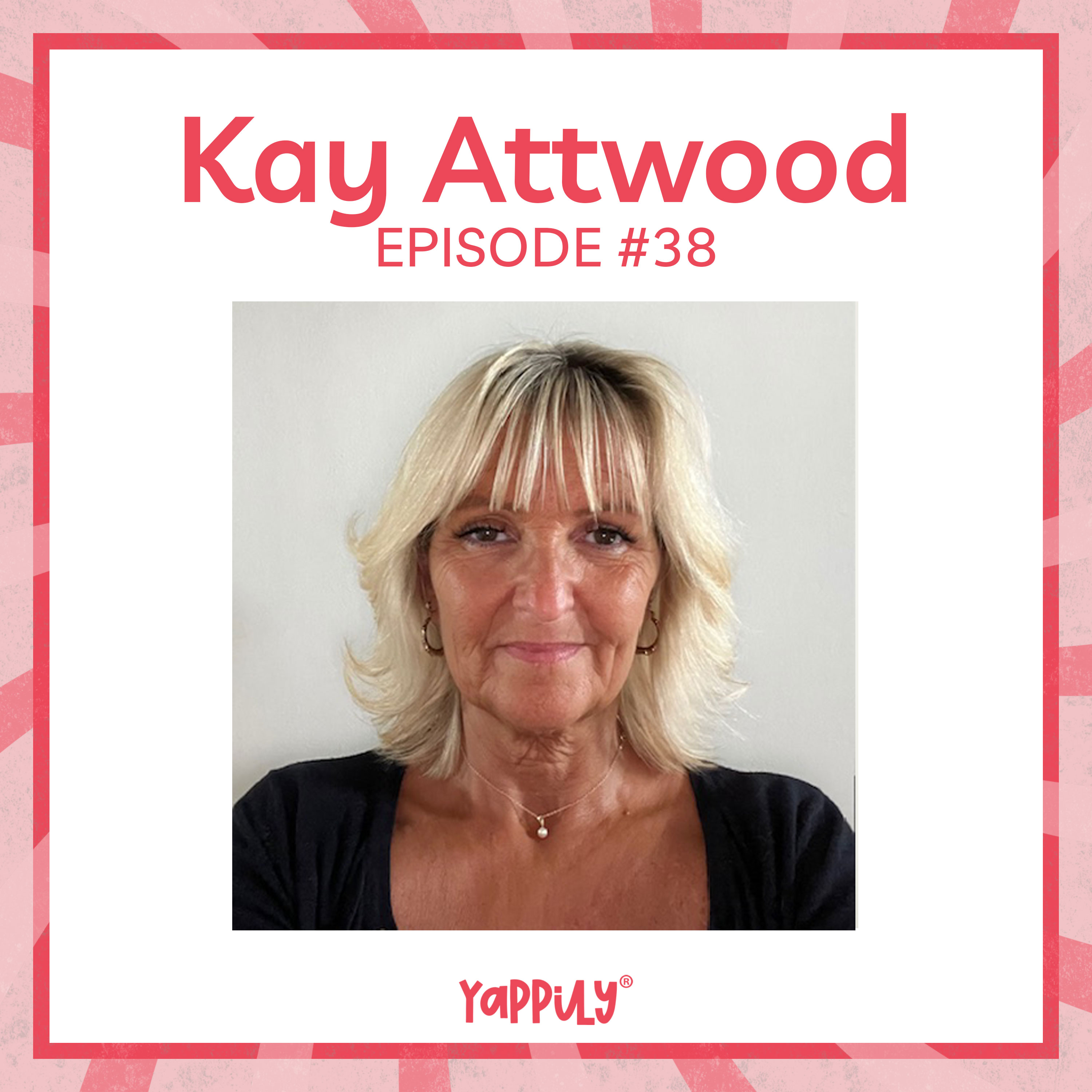
    Kay Attwood, Author of Canine Cognitive Skills, on teaching your dog to think for themselves

    In this episode, Nathan is joined by Kay Attwood, founder of K9 Services and author of Canine Cognitive Skills, to explore a genuinely fascinating approach to dog training: Canine Cognitive Behaviour Training (CCBT). Kay explains how giving dogs the freedom to think, problem-solve, and make choices can transform behaviour from the inside out, particularly for anxious and reactive dogs. Whether you are a seasoned dog guardian or just starting out, this conversation will change the way you see what is going on behind your dog's eyes. What you'll learn in this episode: ✅ What Canine Cognitive Behaviour Training (CCBT) actually is and how it differs from conventional reward-based training ✅ The difference between the "play brain" and the "reactive brain" and why it matters for your dog's behaviour ✅ Why giving dogs real choices builds confidence and reduces stress hormones ✅ Simple, low-cost games you can try at home using everyday household items ✅ How cognitive enrichment can support anxious and reactive dogs without medication ✅ Why slowing down and letting your dog think is one of the most powerful things you can do as a guardian Key takeaways: Dogs are continually looking for solutions; they are not trying to be difficult Enrichment is not just about keeping dogs busy. It is about giving them meaningful mental engagement and genuine downtime You do not need expensive equipment. A bag of plastic cups or empty water bottles can be the start of a cognitive training journey The relationship between dog and guardian improves dramatically when both learn to communicate, not just instruct Connect with Kay Attwood Kay's website Cognitive Canine Skills book on Amazon Kay's Facebook page 🐾 Find ethical, qualified pet professionals near you at Yappily the directory for dog guardians who care about doing right by their dog. 🎙️ Enjoyed this episode? Subscribe to The Yappy Hour and leave us a review — it helps more dog lovers find us!

    • Transcript
  • S1 · E39
    May 17 · 54 min· Video

    Caroline Griffith creator of Canine Flow on soul dogs, energy healing and how your emotional energy shapes your dog's behaviour

    In this episode, Nathan is joined by Caroline Griffith, holistic canine expert, retreat facilitator and creator of Canine Flow, a transformational approach that explores the emotional and energetic bond between dogs and their guardians. Caroline shares why she believes dogs are feeling beings first and foremost, and how our subconscious emotional state can directly shape the way our dogs behave. If you've ever sensed something deeper at play in your relationship with your dog, this conversation will give you a whole new way of seeing it. What you'll learn in this episode: ✅ What Canine Flow is and why Caroline calls it "the missing half of the story" in dog care ✅ What a soul dog is and how to recognise if you've had one ✅ How your subconscious emotional energy can drive your dog's behaviour, reactivity and anxiety ✅ Why dogs are drawn to our feet, our worn socks, and the energy we carry in our hearts ✅ What happens on a Canine Flow retreat and why every single dog settles ✅ How to begin tuning into your dog's emotional world through mindfulness and daily practice ✅ The role grief plays in the human-dog bond and how dogs help us process it Key takeaways: Dogs don't think their way through life, they feel and sense their way through it, responding to emotional frequencies we may not even be aware of Behaviours we label as problems (separation anxiety, reactivity, barking) may be your dog's way of responding to stuck or stagnant emotional energy You don't have to be spiritual to benefit from this work, presence, calm and emotional awareness help every dog guardian Dogs seek to "ground" our energy, which is why they take your seat, lick your feet, and want to be near you. It's connection, not habit Connect with Caroline The Canine Flow website Spiritual Dogs Instagram Love, Woof and Wonder Facebook page 🐾 Find ethical, qualified pet professionals near you at Yappily the directory for dog guardians who care about doing right by their dog. 🎙️ Enjoyed this episode? Subscribe to The Yappy Hour and leave us a review — it helps more dog lovers find us!

    • Transcript
  • S1 · E37
    May 16 · 56 min· Video

    Georgie Bleza from Trick Woofs talks about how simple dog training illustrations help dog guardians finally "get" their dogs

    Georgie Bleza is a dog trainer, self-taught artist, and the creative mind behind Trick Woofs, a body of work that uses comics and illustrations to make dog behaviour accessible, relatable, and genuinely joyful. In this episode, Nathan chats with Georgie about the power of visual learning, what consent-based training really looks like in everyday life, and why trick training is far more useful than most people think. If you've ever struggled to explain what you know about dogs to someone else, Georgie's work might just do it for you. What you'll learn in this episode: ✅ Why visual resources help dog guardians understand behaviour in a way that words often can't ✅ What consent-based training actually means and how to start building it into daily life ✅ How to read when your dog is giving or withdrawing consent, from grooming to walks ✅ Why trick training builds confidence in anxious and nervous dogs ✅ How to slow down and give your dog processing time and why it makes all the difference ✅ What the "hold" trick can do for resource guarders and why a hand touch is one of the most versatile skills you can teach Key takeaways: Consent isn't just a buzzword; it's about opening up a conversation with your dog and giving them a genuine stop/start button in situations they find difficult Slowing down is one of the simplest and most powerful things you can do, whether that's with a harness, a vet visit, or a training session Trick training gives dogs a sense of purpose and confidence, and there's a practical use for almost every trick you can teach Your dog feels your emotional state. If you're frustrated, they notice. A calm handler makes for a calmer dog Science-based trainers are stronger together division creates noise that confuses dog guardians who are just trying to do right by their dogs 🐾 Find ethical, qualified pet professionals near you at Yappily, the directory for dog guardians who care about doing right by their dog. 🎙️ Enjoyed this episode? Subscribe to The Yappy Hour and leave us a review it helps more dog guardians find us!

    • Transcript
  • S1 · E36
    May 4 · 57 min

    What’s really in your dog’s food? Inside the pet food industry with Clayton Payne

    In this episode, Nathan sits down with Clayton Payne, pet industry veteran, Chief Commercial Officer of The Bug Factory, and host of Pet Business Disruptors, for a refreshingly honest look behind the scenes of the pet food world. From growing up in his parents' pet shop to building a wholesale business for 22 years and now farming insects as a sustainable protein source, Clayton has seen every corner of this industry. Whether you're a curious dog guardian, a raw feeding convert, or someone just trying to do better by your dog, this conversation is packed with practical, no-nonsense insight. Pull up a chair, this one's a good one. What you'll learn in this episode: ✅ Why where you buy your dog's food says more than you might think, and what the difference really is between a supermarket, a pet shop, and a raw food retailer ✅ How dog food is actually made, from formulation and manufacturing to packaging and getting it on shelves ✅ Why the raw food market has grown from less than half a percent to around 10% of the UK market, and what's driving it ✅ What to actually look for on a dog food label (and what words to ignore entirely) ✅ The two big myths Clayton wants busted: mixing raw and kibble, and feeding the same protein every day ✅ What "natural," "wholesome," and "sustainable" actually mean on packaging. Spoiler: not much ✅ Where the pet industry is headed, and why mushroom-based supplements might be the next big thing Key takeaways: If meat isn't the first ingredient, put it back on the shelf. There's usually something better in the same price range You don't have to overhaul everything at once. Even small additions like bone broth or pumpkin powder alongside kibble can make a real difference Don't just take your vet's word on nutrition. They're generalists, not nutritionists, and there are brilliant specialist resources out there Variety of proteins matters. You wouldn't eat the same meal every night, and neither should your dog 🐾 Find ethical, qualified pet professionals near you at Yappily the directory for dog guardians who care about doing right by their dog. 🎙️ Enjoyed this episode? Subscribe to The Yappy Hour and leave us a review — it helps more dog lovers find us!
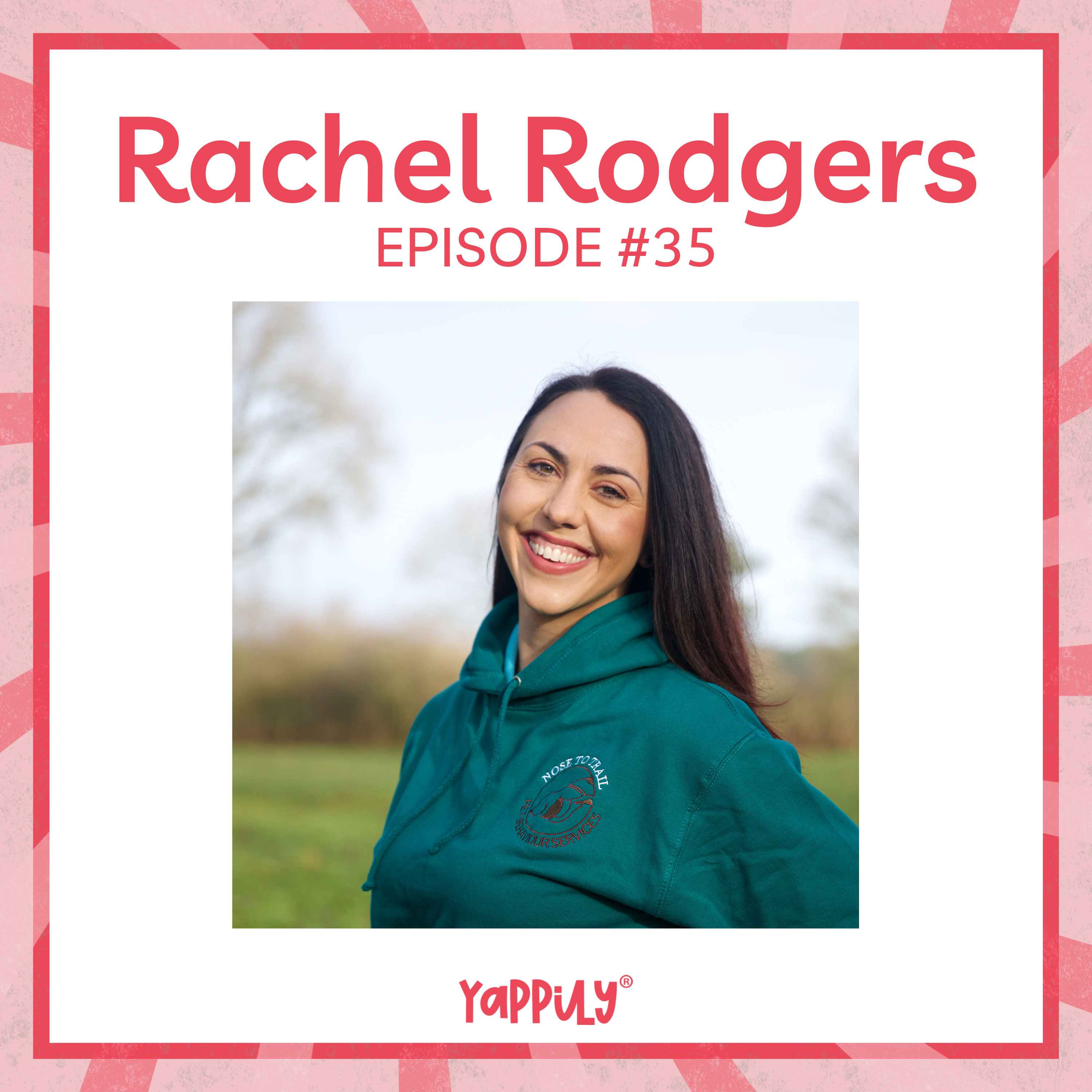
  • S1 · E35
    April 20 · 1 hr 6 min

    Rachel Rodgers on Separation Anxiety and Rescue Dogs. Essential listening if you're adopting a dog.

    If you've ever brought home a rescue dog and felt like you were failing — this episode is for you. Rachel Rodgers is a registered clinical animal behaviourist, founder of Nose to Trail, and a specialist in separation anxiety with a background spanning over 15 years in UK rescue centres including Dogs Trust and the RSPCA. In this episode, she and host Nathan Dunleavy have an honest, warm, and deeply practical conversation about why rescue dogs are more prone to SA, what the early signs really look like, and why so many cases go unrecognised or get made worse with the wrong approach. If you're navigating separation anxiety with a rescue dog, this is the episode to share. In this episode: ✅ Why rescue dogs are more vulnerable to separation anxiety and what's really going on emotionally when a dog has been rehomed ✅ The early warning signs of SA that most new adopters miss (including one that looks like a toilet training problem) ✅ How pain and underlying health issues can masquerade as separation anxiety and why a vet referral matters more than you think ✅ What the settling-in period should actually look like, and why "just leave them to cry it out" can make things significantly worse ✅ How to gently build independence without causing stress from day one ✅ Why working with a certified separation anxiety professional or clinical animal behaviourist is so important, and how to tell the difference ✅ How to manage caregiver fatigue and find real support when you're struggling Key takeaways: Separation anxiety in rescue dogs often has roots in broken attachment, kennel stress, and unknown history. It's not a training failure; it's an emotional response Subtle signs like not eating, pacing, or toileting only when you're apart can be easy to miss without a camera, but they matter Before starting any separation programme, a thorough vet check is essential; pain is a common and overlooked driver of SA Caregiver fatigue is real. Building a support network of people your dog trusts isn't a luxury, it's part of the treatment plan 🐾 Subscribe to The Yappy Hour for more conversations that help you understand, connect with, and care for your dog. 🐕 Find ethical and qualified pet professionals near you at Yappily.co.uk

    • Transcript
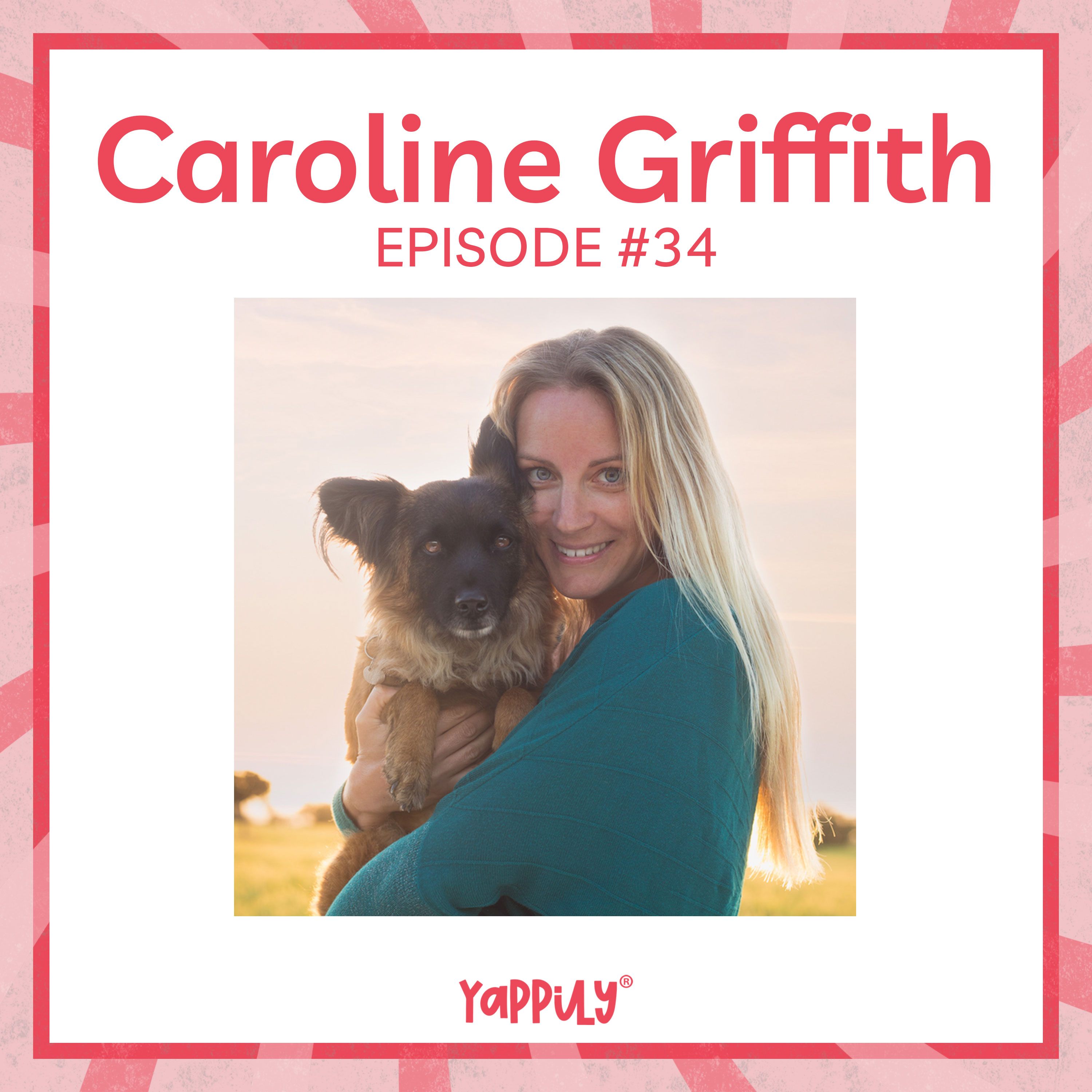
  • S1 · E34
    April 11 · 1 hr 8 min· Video

    Caroline Griffith on Dog Nutrition and what every dog guardian really needs to know

    Sound note: we did have some technical issues in the first 14 minutes of this episode, but they get much better after, so please bear with us! In this episode of The Yappy Hour, Nathan is joined by Caroline Griffith — canine nutrition consultant, founder of the Canine Holistic Science Academy, and the driving force behind the Natural Dog Expo. With over 25 years of experience in natural dog care, Caroline cuts through the noise around dog nutrition with calm, evidence-backed clarity. Whether you're feeding raw, kibble, or somewhere in between, this conversation will leave you feeling more informed, more confident, and genuinely inspired to look more closely at what's going into your dog's bowl. What you'll learn in this episode: ✅ Why "complete and balanced" on a pet food label doesn't mean what most of us think it means ✅ How fresh and raw diets support your dog's gut, hydration, and ability to regulate their own health ✅ What to actually look for (and avoid) when choosing a commercial dog food ✅ The surprising link between nutrition, gut health, and your dog's behaviour and reactivity ✅ Why the DCM/grain-free scare has been largely debunked — and why vets may not know yet ✅ How to start raw feeding without overwhelm, including the easiest entry points for beginners ✅ Why bone broth might be the single most impactful addition to your dog's bowl right now Key takeaways: Fresh whole food — raw or lightly cooked — gives a dog's body what it needs to regulate itself, stay hydrated, and maintain a healthy gut lining in a way processed food simply can't "Complete" pet food is only complete to a set of guidelines — and those guidelines don't reflect what dogs need to truly thrive Every dog is an individual; what works for one may not work for another, and fresh feeding makes it far easier to adapt Bone broth is an accessible, affordable, and genuinely powerful addition for all dogs — especially anxious or reactive ones Bacteria in raw food is far less of a concern than it's portrayed — two studies specifically aimed to prove transmission risk, and both found it to be rare or low Connect with Caroline Griffith: Website: http://www.canineholisticscienceacademy.com/ Natural Dog Expo: naturaldogexpo.com 🐾 Subscribe to The Yappy Hour for more conversations that help you understand, connect with, and care for your dog. 🐕 Find ethical and qualified pet professionals near you at Yappily.co.uk

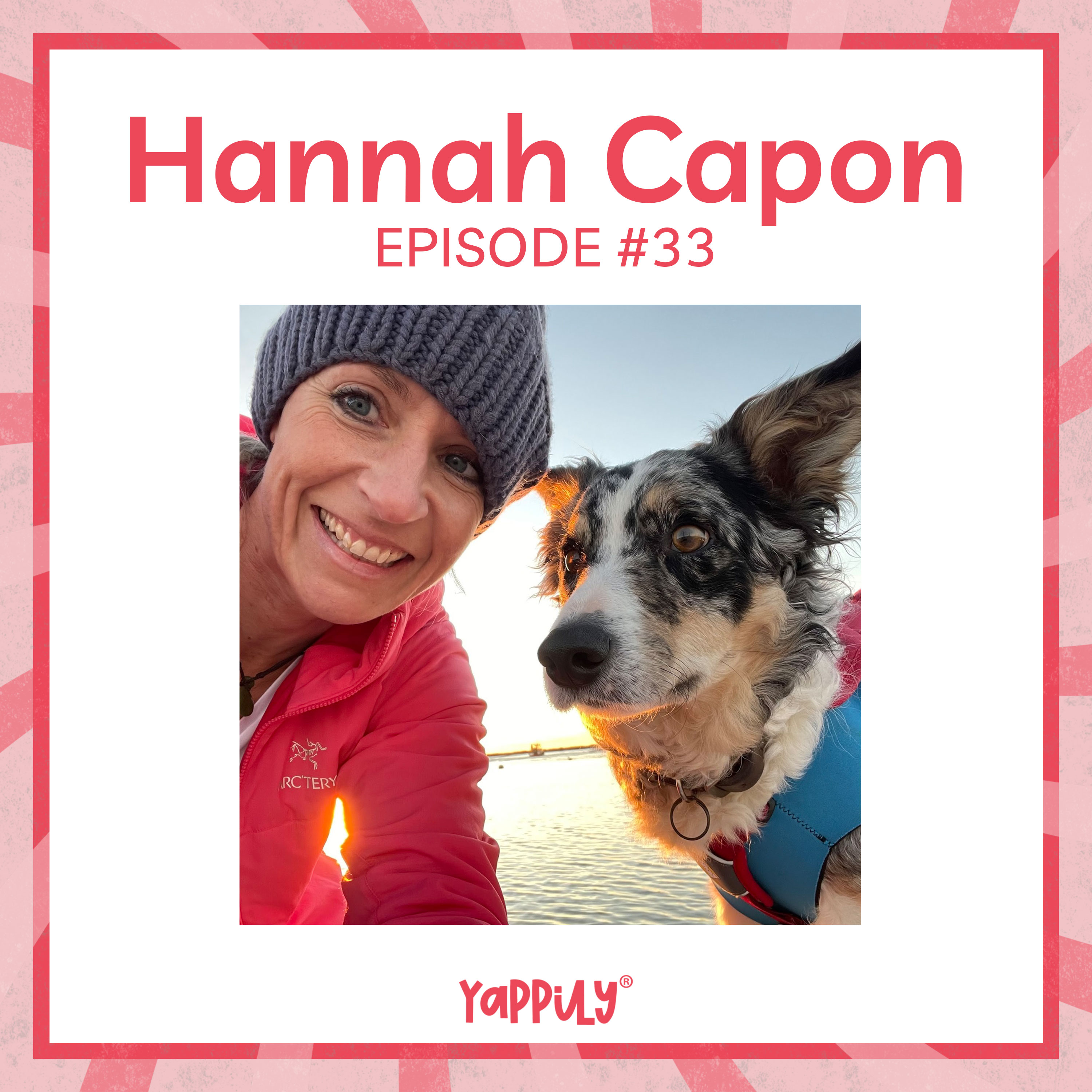
  • S1 · E33
    March 25 · 59 min

    Hannah Capon from Canine Arthritis Management on dog arthritis: early signs, pain, behaviour & how to help your dog

    Content note This episode includes a brief mention of suicide. *** Arthritis in dogs is far more common than many people realise, and it does not just affect older dogs. In this episode of The Yappy Hour, Nathan is joined by Hannah Capon, founder of Canine Arthritis Management (CAM), to talk about the early signs of arthritis in dogs, how pain can affect behaviour, and what dog guardians can do to help their dogs live more comfortable lives. They explore why arthritis is often missed, why dogs are not necessarily “hiding” pain, and how subtle changes in movement, mood, posture, or behaviour can all be important clues. Hannah also explains why weight, flooring, lifestyle, and exercise choices matter so much for managing joint pain and supporting long-term well-being. This is an important conversation for anyone living with a dog who seems to be slowing down, moving differently, or showing changes that do not quite feel right. In this episode, you’ll learn: ✅ Why arthritis is not just an old dog condition ✅ How young dogs can develop arthritis too ✅ The subtle early signs of pain many guardians miss ✅ How pain can influence behaviour, anxiety, and reactivity ✅ Why weight management matters so much ✅ Simple changes at home that can make a big difference ✅ How to approach exercise and movement safely ✅ Why early support can improve a dog’s quality of life Key takeaway Dogs with arthritis can still live happy, active, fulfilling lives, but early recognition and the right support matter. Links and resources Canine Arthritis Management (CAM) The Pain Vet Looking for a qualified professional to support your dog? Explore trusted, ethical pet businesses on Yappily: 👉 https://yappily.co.uk

    • Transcript
  • S1 · E32
    March 8 · 1 hr 5 min

    Victoria Stilwell on reactive dogs. A force-free guide to reactivity, trust and real life training

    Victoria Stilwell on reactive dogs, force-free training and the Reactivity Zones Approach In this episode of The Yappy Hour powered by Yappily, Nathan Dunleavy is joined by world-renowned dog trainer, author, educator and TV presenter Victoria Stilwell. Known for It’s Me or the Dog, The Dog Academy, the Victoria Stilwell Academy and Positively, Victoria has helped shape modern dog training across the world. In this conversation, she shares her compassionate and practical thoughts on one of the most emotionally charged topics for dog guardians: living with a reactive dog. Together, Nathan and Victoria explore what dog guardians often misunderstand about reactivity, why so many people feel shame and isolation when their dog struggles in public, and how Victoria’s Reactivity Zones Approach offers a force-free, real life framework built around safety, trust, choice and predictability. They also discuss the difference between the comfort zone, tolerance zone and discomfort zone, how to recognise subtle signs of stress before barking and lunging happen, and why progress with reactive dogs is rarely linear. This episode is packed with hopeful, humane guidance for anyone supporting a reactive dog or working in force-free dog training and behaviour. In this episode, you’ll learn: What reactivity really is and what dog guardians often get wrong Why reactive behaviour is not the same as disobedience What the Reactivity Zones Approach is and how it works The difference between comfort, tolerance and discomfort zones Why choice and agency matter for dogs’ emotional wellbeing How to use practical tools like emergency U-turns and body blocking Why management is not failure What resilience looks like beyond obedience How to stay compassionate with yourself while supporting a reactive dog About Victoria Stilwell Victoria Stilwell is an internationally respected dog trainer, author, educator and television presenter best known for It’s Me or the Dog. She is the founder of the Victoria Stilwell Academy and Positively, and is widely known for championing force-free, humane dog training methods. Resources mentioned: Positively Victoria Stilwell Academy If you enjoyed this episode, please follow The Yappy Hour, leave a review, and share it with a fellow dog parent or guardian. Find ethical dog trainers and behaviourists on Yappily https://yappily.co.uk Need help with a reactive dog? If you're struggling with reactivity, fear or behaviour challenges, you can find ethical, qualified dog trainers and behaviourists through the Yappily directory: https://yappily.co.uk/find-a-dog-behaviourist/ Follow The Yappy Hour for more conversations about dog behaviour, training and welfare.

    • Transcript
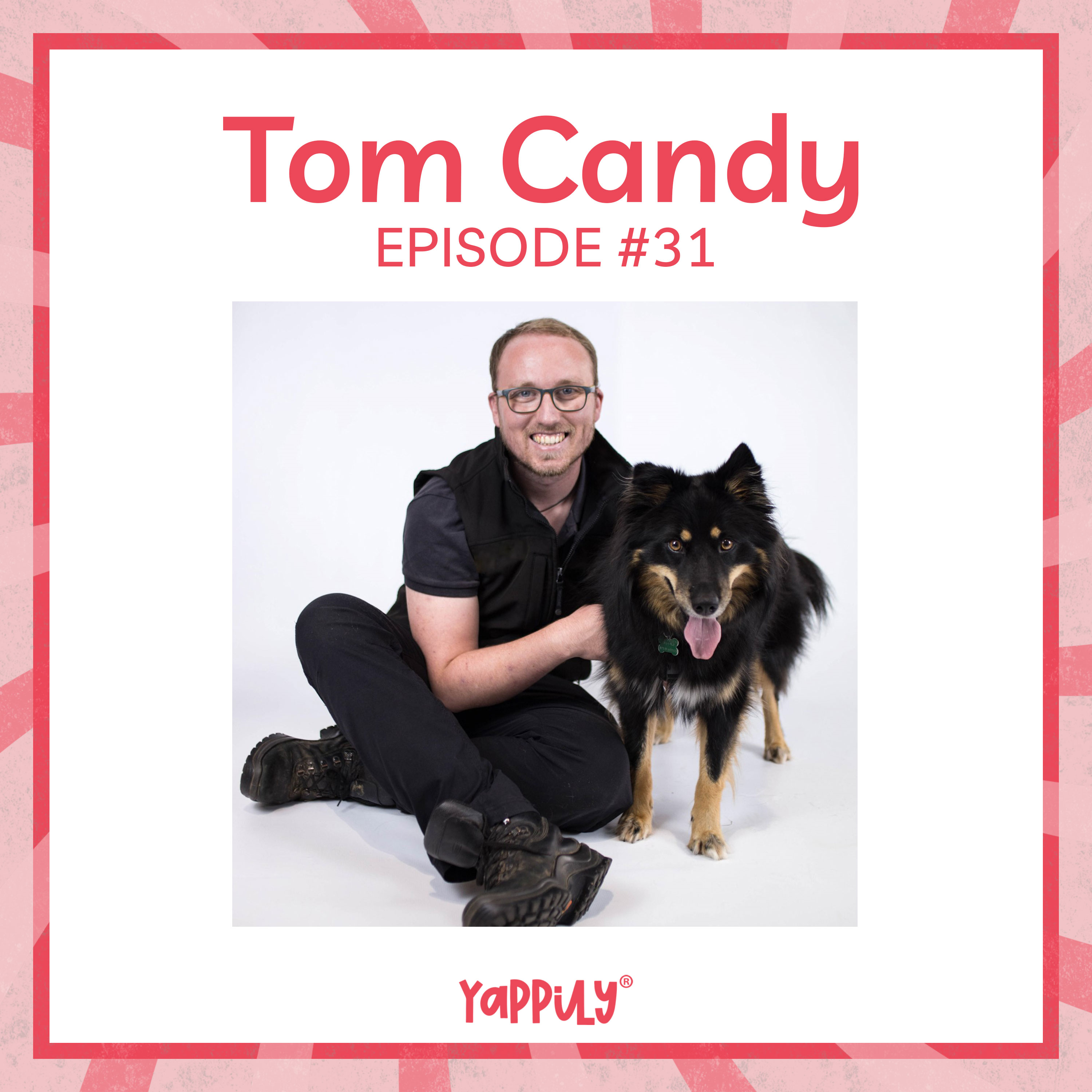
  • S1 · E31
    February 21 · 50 min· Video

    Tom Candy from Simplifying Shelter Behaviour on why rescue dogs struggle after adoption and how you can help them

    Have you recently adopted a rescue dog and found the first few weeks harder than you expected? Or are you thinking about adoption and want to know what you're really signing up for? This episode is for you. Nathan sits down with Tom Candy, animal behaviour specialist at Dogs Trust, to talk honestly about why rescue dogs struggle after adoption and, more importantly, exactly what you can do to help them settle in and thrive. With 15 years of rescue and shelter experience, Tom shares practical, compassionate advice that every dog adopter needs to hear before, during and after bringing a rescue dog home. In this episode you'll learn: Why rescue dogs often shut down or struggle in those first weeks at home What the decompression period is and why it matters The Rule of Three, three days, three weeks, three months explained The most common mistakes new adopters make and how to avoid them How enrichment helps fearful and anxious rescue dogs build confidence What to look for when choosing the right rescue dog for your lifestyle When and how to reach out for support if you're struggling Why you should ditch the label and stop blaming the "rescue" for behaviour challenges Key takeaways: Take it slow, rushing the settling in period is the number one mistake adopters make Focus on what you want your dog to do, not what you don't want Reach out to your rescue early if you're struggling - small problems are easier to fix Enrichment isn't just fun, it reduces stress and builds your bond Nearly 60% of dogs are returned due to behaviour issues, the right support from day one makes all the difference Find Tom Candy on the Simplifying Shelter Behaviour website Enjoyed this episode? Please leave a review and share it with a fellow dog parent, it helps more people find the show and means the world to us. 🐾 The Yappy Hour is powered by Yappily, the UK's directory for qualified and kind professionals. Find local, ethical dog care near you!

  • S1 · E30
    February 10 · 53 min· Video

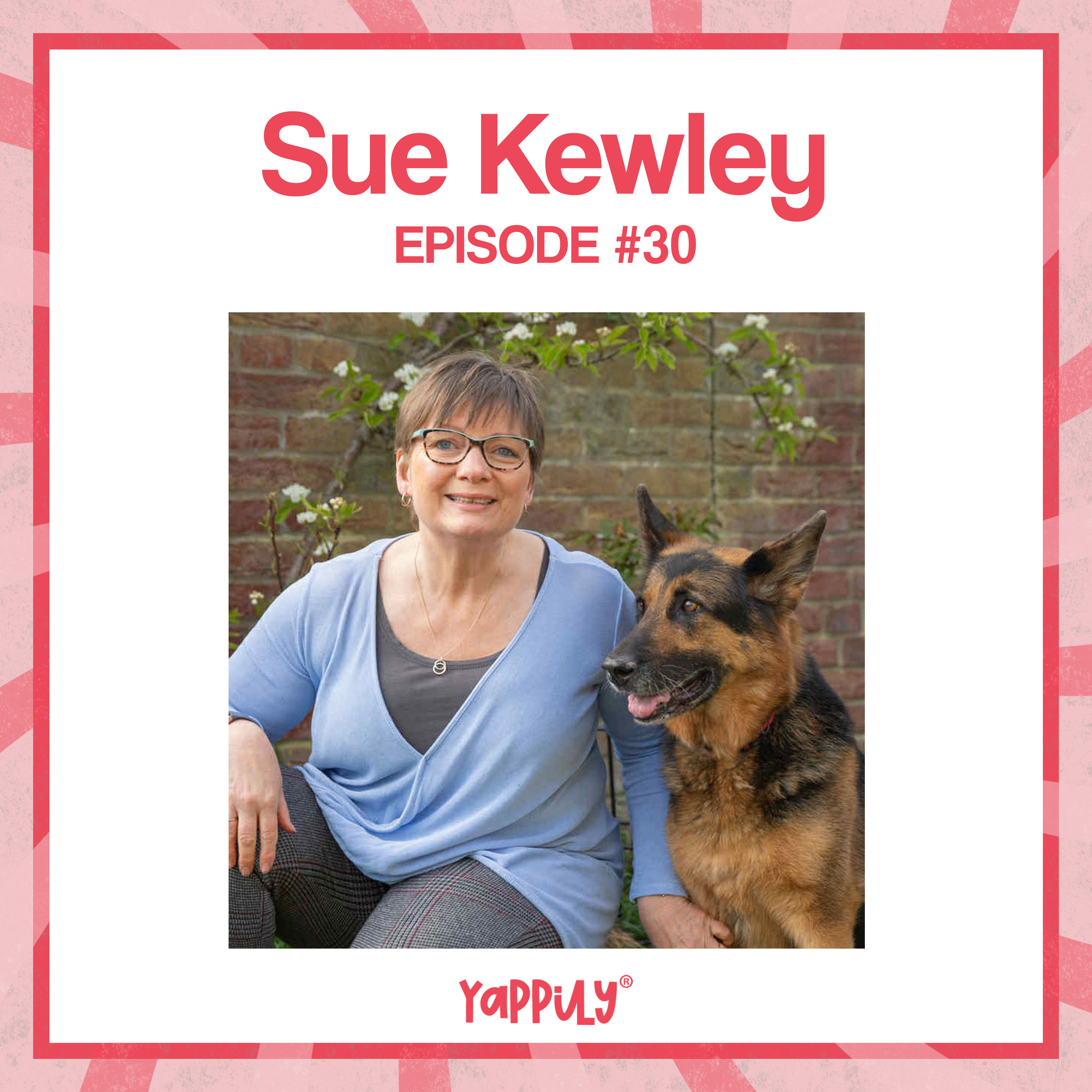
    German Shepherd dog training with Sue Kewley of The Happy Shepherd on understanding emotional needs, busting myths & building connection

    German Shepherd dog training with Sue Kewley of The Happy Shepherd: understanding emotional needs, busting myths & building connection Welcome to The Yappy Hour, powered by Yappily! In this episode, host Nathan Dunleavy sits down with Sue Kewley, founder of The Happy Shepherd, for an in-depth conversation about one of the world's most iconic breeds, the German Shepherd Dog (GSD). Sue has dedicated over 35 years to understanding, training, and breeding German Shepherds. She shares her expertise on what makes these dogs so special, the common misconceptions that harm them, and how to build a thriving relationship with your GSD based on connection, not control. 🎯 WHAT YOU'LL LEARN: ✅ The emotional sensitivity of German Shepherds and why they need advocates ✅ Common myths about GSDs (firm handling, dominance, aggression) ✅ How their intelligence can work against them without proper guidance ✅ What a fulfilled German Shepherd's day looks like ✅ The truth about reactivity and how to address it early ✅ Why puppy classes often fail German Shepherds ✅ Activities that tap into their natural herding instincts ✅ How to choose a responsible breeder ✅ The importance of emotional needs over training drills ✅ Connection-based training approaches that actually work 🔗 CONNECT WITH SUE KEWLEY: Website: www.thehappyshepherd.com 📱 CONNECT WITH YAPPILY: Yappily - The UK’s Directory for Qualified and Kind Dog Professionals 🎙️ ABOUT THE YAPPY HOUR: The Yappy Hour is the podcast for dog guardians who want to better understand and connect with their canine companions. Each episode features expert guests discussing breed-specific insights, training approaches, and dog welfare topics.

    • Transcript
  • S1 · E29
    January 29 · 1 hr 7 min· Video

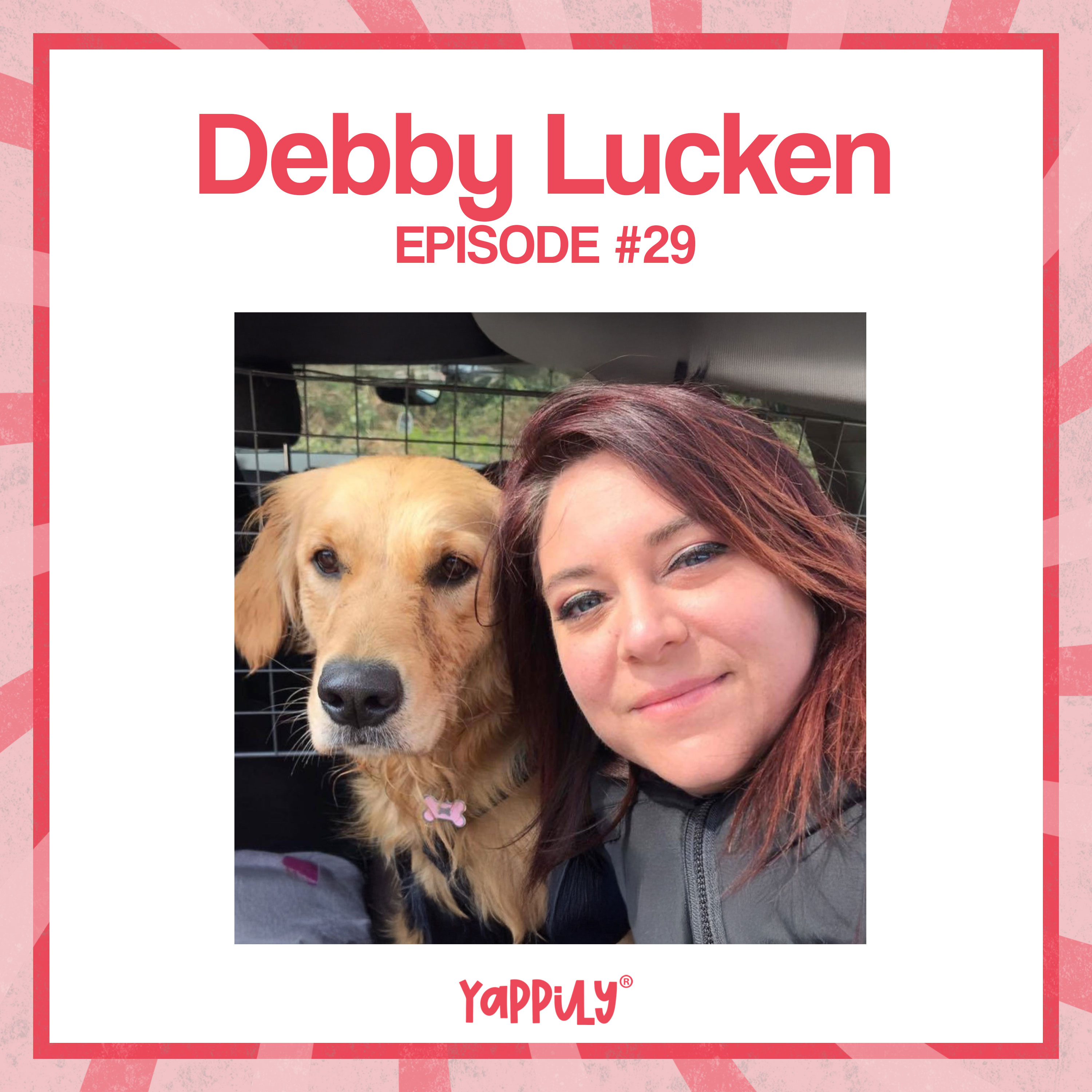
    Debby Lucken (Kids Around Dogs) on Kids & Dogs: Body Language, Boundaries, Dog Phobias & Safe Family Life

    Kids and dogs living together? In this episode of The Yappy Hour powered by Yappily, Nathan Dunleavy is joined by Debby Lucken, dog trainer, behaviourist, author, and founder of Kids Around Dogs (KAD). We talk about dog body language and stress signals, consent and boundaries, active supervision, preventing problems before they start, and what to do if your child is afraid of dogs, or if your dog feels unsure around children. Whether you’re a dog parent/guardian, a parent, a teacher, or a pet professional, this conversation is packed with practical, welfare-led guidance for safer, calmer family life. What you’ll learn: ✅ Subtle signs your dog is uncomfortable (yawning, lip-licking, shaking off) ✅ Why active supervision matters with kids and dogs ✅ How to teach kids consent and respectful interaction ✅ Preventing common issues like toy snatching, jumping up, and rough play ✅ Support for fear of dogs (kids and adults) and rebuilding trust Find Kids Around Dogs KAD approved professionals on Yappily 👉 Find Debbie / Kids Around Dogs: Website: kidsarounddogs.co.uk Find Yappily / The Yappy Hour: Follow/subscribe for more dog behaviour, welfare, and real-life training conversations If this episode helped, leave a review and share with a parent or dog guardian

    • Transcript
  • S1 · E28
    January 14 · 47 min

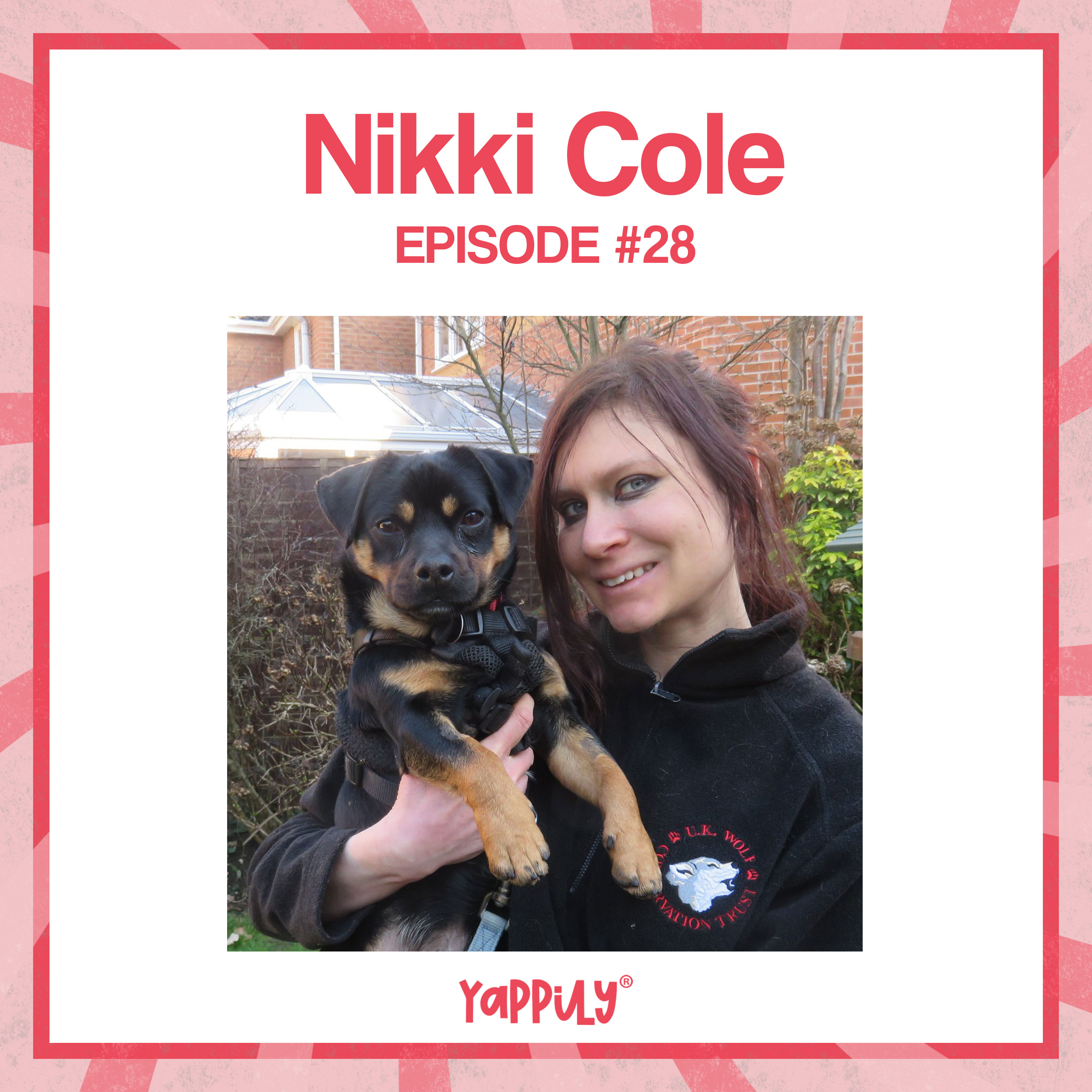
    Discover the English Toy Terrier with Nikki Cole: Vulnerable Breeds, Responsible Breeders & Choosing a Dog Responsibly

    English Toy Terriers (ETTs) are loyal, funny, elegant little dogs and they’re also one of the UK’s vulnerable native breeds. In this episode of The Yappy Hour (powered by Yappily), host Nathan Dunleavy chats with Nikki Cole from Delightful Dogs Dog Training about what makes the English Toy Terrier so special, how dog trends affect breed visibility, and how to choose a dog responsibly and ethically. We cover: ✅ English Toy Terrier temperament, lifestyle fit + coat care ✅ Why ETTs get mistaken for Doberman puppies or Miniature Pinschers ✅ What “vulnerable breed” means (and why awareness matters) ✅ How to find a responsible breeder (health testing, paperwork, red flags) ✅ Advice for guardians moving from large breeds to small dogs ✅ Enrichment for terriers: scent work, trick training + safe shredding outlets ✅ Under-the-radar UK breeds worth exploring Connect with Nikki Cole (Delightful Dogs Dog Training): 📍 Website: DelightfulDogsDogTraining.co.uk 📍 Facebook: Delightful Dogs Dog Training Ethical qualified pet business or Dog Pro? Join us at Yappily! ⭐️ If you enjoyed this episode, please subscribe, leave a review, and share with a fellow dog lover.

    • Transcript
Showing 1–20 of 20 episodes