Skip to content
Artwork for The Silicon Valley Shortcast | AI, Tech and Careers

The Silicon Valley Shortcast | AI, Tech and Careers

Abhijay and Ria

Silicon Valley Shortcast is for ambitious people building their future in AI and tech.

In under 15 minutes, get inside the minds of the founders, CEOs and operators shaping Silicon Valley.
Hear how they think about careers, companies, risk, ambition and the decisions that got them there.

Whether you want to build in AI, break into tech, start something of your own or grow faster in your career, spending 15 minutes on these Shortcasts can help you make your next move in AI.

Play
  • 13 episodes
  • weekly
  • Avg 15 min
  • English
  • S1 · E13
    Tuesday · 22 min

    Ep 13 WeWork, 2.5 IPOs, and Why Soft Skills Will Matter More Than Coding | Robin Daniels | Chief Business Officer at Zensai

    At 21, Robin Daniels bought a one-way ticket from Copenhagen to Silicon Valley with no job, no apartment and about $2,000 in his pocket. Since then, he has helped scale some of tech's most recognizable companies, including Salesforce, Box, LinkedIn, WeWork and Matterport. Today, he's Chief Business Officer at Zensai, an AI-powered Human Success platform used by more than 6,000 organizations around the world. In this episode of Shortcast, Robin takes us inside his "2.5 IPOs", including what it felt like to be just weeks away from taking WeWork public before everything came crashing down. He reflects on working with Adam Neumann, what WeWork's rise and collapse taught him about growth, capital and leadership, and why some of the most compelling founders operate right on the edge between visionary and crazy. We also get into the future of work. Robin explains why he hates the term "human resources," why so many employees feel disengaged, why annual performance reviews should disappear, and how AI could create a much more continuous way of understanding performance. And as AI becomes better at hard skills, Robin believes something else becomes more valuable: the ability to read a room, communicate, motivate people and build trust. Beyond the business, he shares what it was like arriving in America alone at 21, the insecurity he carried early in his career, why immigrants sometimes need to be bolder than they think, how to know when it's time to go all-in on your career, and why everyone needs someone who believes in them. In This Episode 00:00 - From Copenhagen to Silicon Valley With $2,000 00:30 - Meet Robin Daniels, Chief Business Officer at Zensai 00:48 - What Does "2.5 IPOs" Mean? 01:12 - The WeWork IPO That Never Happened 01:37 - What Zensai Actually Does 02:00 - Why Robin Hates the Term "Human Resources" 02:16 - Unlocking People's Potential at Work 03:20 - Why So Many Employees Are Disengaged 03:32 - The Leadership Problem Behind Bad Workplaces 05:09 - Is Zensai Going Public? 05:44 - What WeWork's Collapse Taught Robin 06:12 - $2B in Revenue and $4B in Spending 06:29 - The Parallel Robin Sees With Today's AI Boom 06:48 - Leading 400 People Through WeWork 07:24 - Why Clarity and Alignment Matter 07:35 - Was Adam Neumann a Genius or a Con Artist? 08:26 - Why Robin Likes Working With "Crazy" Visionaries 09:06 - How Robin Measures Success 09:24 - Being Busy vs Doing Work That Actually Matters 10:11 - Why Annual Performance Reviews Are Dead 10:31 - How AI Could Replace the Annual Review 10:54 - Why Managers Are Promoted for the Wrong Reasons 11:35 - Will Soft Skills Matter More Than Coding? 11:52 - The Human Skills AI Still Can't Replace 12:53 - Is Silicon Valley's Best Era Over? 13:42 - What Most CEOs Are Terrible At 13:50 - What Adam Neumann Got Right 15:25 - Moving to Silicon Valley at 21 16:06 - What His Family Thought About the Move 16:44 - What Robin Would Tell His 21-Year-Old Self 17:54 - Advice for Immigrants Chasing Big Careers 18:42 - Robin's One Daily Non-Negotiable 19:25 - His Perfect Sunday 19:57 - The Reality of Work-Life Balance 20:40 - Why You Eventually Have to Go All-In 21:36 - How Success Changed What Robin Wants From Life 23:00 - Why Everyone Needs Someone Who Believes in Them 23:22 - Robin's Favorite Movies and the Hero's Journey 25:07 - Outro Robin Daniels: https://www.linkedin.com/in/robingdaniels/ 💡 Follow Silicon Valley Shortcast for conversations with the founders, CEOs and operators shaping AI, technology and careers. Spending 15 minutes on these Shortcasts can help you make your next move in AI. Shortcast: https://www.instagram.com/shortcastco/ Subscribe: https://www.youtube.com/@AIwithAbhijay Instagram: https://www.instagram.com/abhijayarora_ LinkedIn: https://www.linkedin.com/in/abhijayvuyyuru Substack: https://abhijayvuyyuru.substack.com #Leadership #AI #FutureOfWork #RobinDaniels #WeWork #Zensai #SiliconValley #Careers #SoftSkills #Entrepreneurship #Startups #Shortcast
  • S1 · E12
    November 10 · 17 min

    Ep 12 World's #1 Startup Coach: How Founders Become CEOs | Alisa Cohn

    What separates a great founder from a great CEO? Alisa Cohn has spent more than two decades helping founders figure that out. She has coached leaders at companies including Venmo, Etsy and DraftKings, and has been ranked the world's #1 startup coach for four years. In this episode of Shortcast, Alisa breaks down what founders actually need to change as their companies grow, why being great at building a product doesn't automatically make you ready to lead a company, and why the best founders are constantly rewriting their own playbook. She explains the "co-founder prenup", the conversations every founding team should have before things get difficult, and one of her favorite tools, the premortem, where teams imagine an initiative has already failed and work backwards to understand why. We also role-play one of the hardest conversations a leader can have: telling someone they didn't get the promotion they were expecting. Alisa shows how to be honest without losing empathy, and how tough feedback can still leave someone with a path forward. Then we get into founder mode, why delegating too much can actually hurt a company, whether AI could replace executive coaches, situational leadership, venture capital, hustle culture and the leadership lessons she has learned from some of the world's most ambitious founders. Beyond the business, Alisa talks about investing in Broadway productions that won Tony Awards, journaling, powerlifting, deadlifting 255 pounds, the choices behind building a demanding career and why she believes everyone should regularly do something difficult. In This Episode 00:00 - Meet Alisa Cohn, the World's #1 Startup Coach 00:24 - What Does It Mean for a Founder to "Grow Up"? 00:50 - The Difference Between a Founder and a CEO 01:20 - What Makes a Founder a Great CEO? 01:32 - Why Every Co-founder Needs a "Founder Prenup" 02:08 - How Premortems Help Teams Prevent Failure 02:36 - Scripts for Difficult Leadership Conversations 02:47 - How to Tell Someone They Didn't Get Promoted 04:22 - Why Honesty and Empathy Have to Work Together 04:47 - The Worst Advice Founders Get 04:58 - Alisa's Take on Founder Mode 05:08 - Are Executive Coaches Underrated? 05:19 - Will AI Replace Executive Coaches? 05:38 - What Young Founders Get Wrong About Leadership 05:57 - How Situational Leadership Actually Works 06:25 - Coaching Afghanistan's First Female Minister 06:43 - Why Alisa Would Love to Coach Jeff Bezos 07:09 - Hustle Culture, MBAs, Venture Capital and Tough Feedback 07:53 - Going Beyond the Business 08:29 - How Alisa Became a Broadway Investor 09:20 - Why She Journals Every Day 10:01 - Fitness, Powerlifting and Her 255-Pound Deadlift 10:36 - Why Everyone Should Do Something Hard 11:32 - What Working With Founders Has Taught Her 12:15 - The Reality of Constant Context Switching 12:40 - The Personal Choices Behind a Demanding Career 14:03 - Leaving the Traditional Career Path 14:47 - Rapid Fire: Music, Food and Life Outside Coaching 15:27 - What 25-Year-Old Alisa Would Think of Her Today 15:33 - Advice for Anyone Afraid to Chase Their Dream 16:01 - Where to Find Alisa 16:24 - Alisa Drops a Rap Alisa Cohn: https://www.linkedin.com/in/alisacohn 💡 Follow Silicon Valley Shortcast for conversations with the founders, CEOs and operators shaping AI, technology and careers. Spending 15 minutes on these Shortcasts can help you make your next move in AI. Shortcast: https://www.instagram.com/shortcastco/ Subscribe: https://www.youtube.com/@AIwithAbhijay Instagram: https://www.instagram.com/abhijayarora_ LinkedIn: https://www.linkedin.com/in/abhijayvuyyuru Substack: https://abhijayvuyyuru.substack.com #Leadership #Startups #AlisaCohn #Founder #CEO #Entrepreneurship #FounderMode #ExecutiveCoaching #Careers #SiliconValley #Shortcast

  • S1 · E11
    November 3 · 13 min

    Ep 11 Why AI Won't Replace Human Experts | Gagan Biyani | Udemy & Maven Co-founder | Abhijay & Ria

    Gagan Biyani has spent most of his career trying to rethink how people learn. He co-founded Udemy at 21, built food-delivery startup Sprig, and later returned to education with Maven, a platform built around learning directly from people with real-world expertise. In this episode of Shortcast, Gagan breaks down the three decisions that made Udemy work, and why, years later, Maven intentionally broke almost every one of those rules. He also gets candid about Sprig, which raised nearly $57 million before shutting down. Gagan explains why trying to own too much of the business hurt the company, how obsessing over unit economics slowly made the product worse, and why taking customers from "love" to simply "like" can destroy retention. Then we get into the future of education. Gagan explains why he still doesn't think Duolingo is the best way to actually learn a language, why Maven sees dramatically higher completion than traditional online courses, and why AI may dominate general learning while still struggling to replace the judgment and hard-earned knowledge of experienced professionals. We also talk about Maven's pivot from creators to experts, what he believes the education industry gets wrong about learning, growing up with Indian immigrant parents, building Udemy at 21, and his simplest advice for someone waiting to start their first company: just do it. In This Episode 00:00 - Meet Gagan Biyani, Co-founder of Udemy and Maven 00:35 - The Three Decisions That Made Udemy Work 01:13 - Why Maven Broke Udemy's Rules 01:25 - How Online Education Has Changed Since 2009 02:16 - What Went Wrong at Sprig 02:50 - How "MBA Thinking" Hurt the Product 03:35 - Is Duolingo Actually Good for Learning? 03:57 - Why Maven's Completion Rates Are So High 04:28 - How an Oxford MBA Helped Inspire Maven 05:24 - Will AI Replace Human Teachers? 05:47 - Why AI Still Can't Replace Deep Professional Expertise 06:09 - Why Maven Pivoted From Creators to Experts 07:20 - The Pitch That Got a16z to Back Maven 07:38 - The Biggest Lie in the Education Industry 08:44 - Going Beyond the Business 08:49 - What Gagan Was Like When He Started Udemy at 21 09:10 - Why He Keeps Building Companies 09:37 - What His Indian Family Thought About Startups 10:13 - How Gagan Disconnects From Work 10:42 - Why He Loves "Urban Hiking" in San Francisco 11:31 - How Indian Culture and Hospitality Shaped Him 12:16 - The Worst Advice a Mentor Ever Gave Him 12:40 - His Advice for First-Time Founders 12:52 - Where to Connect With Gagan Gagan Biyani: https://www.linkedin.com/in/gaganbiyani 💡 SUBSCRIBE TO SHORTCAST for conversations with the founders, CEOs and operators shaping AI, technology and the future of work. Shortcast: https://www.instagram.com/shortcastco/ Subscribe: https://www.youtube.com/@AIwithAbhijay Instagram: https://www.instagram.com/abhijayarora_ LinkedIn: https://www.linkedin.com/in/abhijayvuyyuru Substack: https://abhijayvuyyuru.substack.com #AI #Education #EdTech #Udemy #Maven #GaganBiyani #Startups #Entrepreneurship #FutureOfWork #Careers #OnlineLearning #Shortcast

  • S1 · E10
    October 27 · 12 min

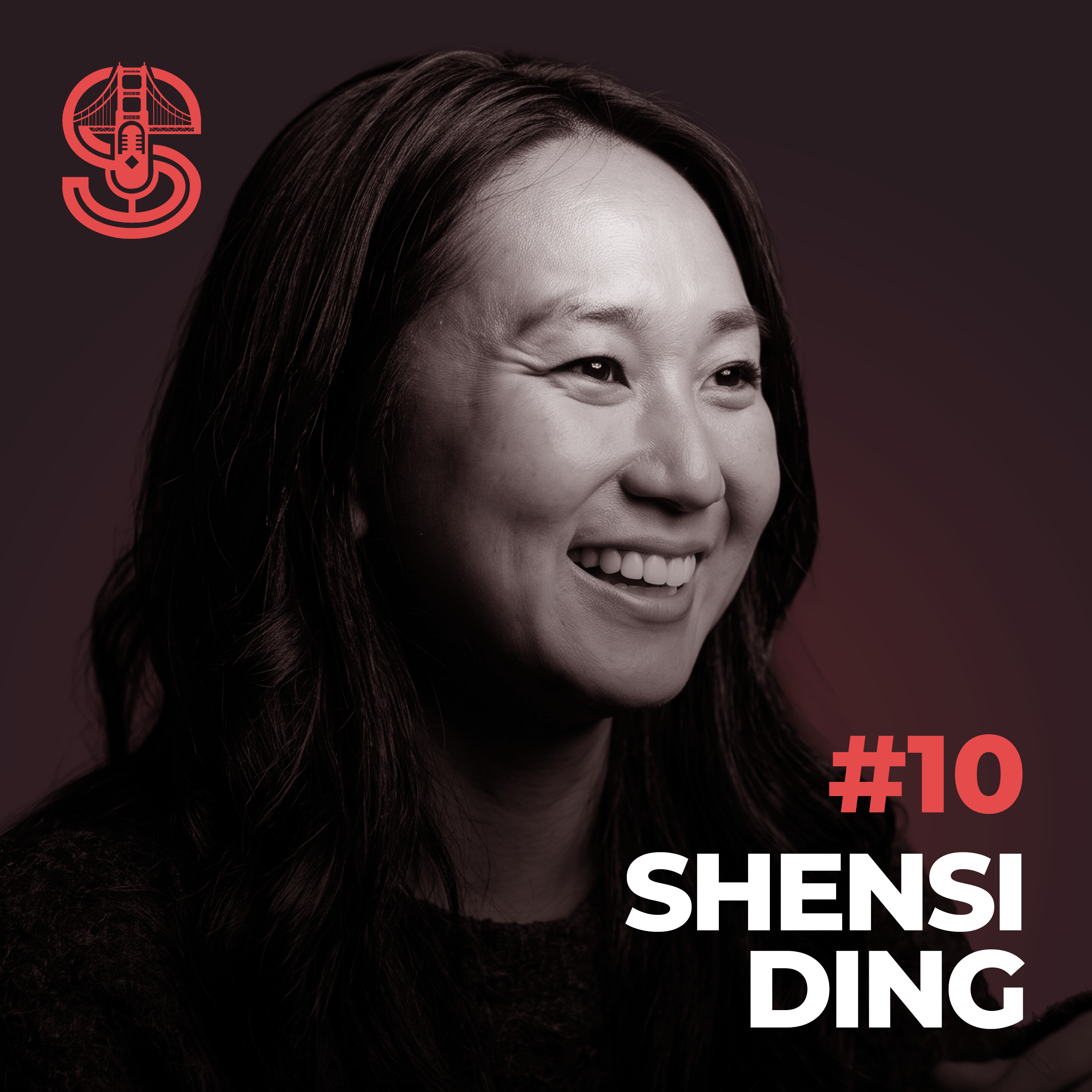
    Ep 10 The AI Infrastructure Behind 1.1 Billion API Requests a Day │Shensi Ding, CEO & Co Founder of Merge │Abhijay & Ria

    What actually breaks when your infrastructure handles more than a billion API requests every single day? Shensi Ding is the Co-founder and CEO of Merge, the integration infrastructure company helping software and AI products securely connect to the tools, data and models they need. In this episode of Shortcast, Shensi breaks down what it takes to operate infrastructure at massive scale, why MCP isn't replacing APIs, and why the future of AI will likely need both live tool calling and continuously synced data. She also explains why companies shouldn't depend on a single LLM, how model routing can help with cost, speed, downtime and data requirements, and why different AI models will continue to serve very different jobs. Then we get into building Merge itself. Shensi shares what it took to reach the company's first $10 million, why that stage was largely about relentless execution, and why scaling beyond it requires a completely different approach to people, alignment and strategic decision-making. We also talk about starting Merge with her best friend, learning to code at 12, sourcing tens of thousands of engineers while building the team, why she believes founders need to "burn the boats," and the personal sacrifices that come with building a company you want to last. In This Episode 00:00 - Meet Shensi Ding, Co-founder and CEO of Merge 00:18 - What Merge Actually Does 00:27 - What Breaks at 1.1 Billion API Requests a Day? 00:51 - Is MCP a Threat to APIs? 01:03 - When to Use Synced Data vs Live Tool Calling 01:38 - How MCP and APIs Work Together 01:57 - Why Companies Shouldn't Rely on One LLM 03:00 - How Merge Grew Its ARR 03:14 - What It Takes to Reach $10 Million 03:45 - Will AI Replace Enterprise Software? 04:10 - The Productivity Lesson Shensi Learned in Investment Banking 04:37 - Why Learning AI Is a Productivity Mindset 04:58 - The Most Overrated Trend in AI 05:42 - What Merge Could Look Like in 2030 06:02 - Building Merge With Her Best Friend 06:37 - How Shensi Convinced Gil to Start the Company 06:49 - The Reality of Building With Your Best Friend 07:37 - Learning to Code at 12 07:57 - What a CEO's Sunday Actually Looks Like 08:18 - Why Shensi Says She Wouldn't Start Another Company 08:24 - Why Founders Need to Burn the Boats 09:00 - Sourcing Tens of Thousands of Engineers 09:40 - New York, San Francisco or Berlin? 10:03 - The Habit That Keeps Shensi Grounded 10:38 - The Biggest Red Flag She Looks for When Hiring Shensi Ding: https://www.linkedin.com/in/shensiding 💡 SUBSCRIBE TO SHORTCAST for conversations with the founders, CEOs and operators shaping AI and technology. Shortcast: https://www.instagram.com/shortcastco/ Subscribe: https://www.youtube.com/@AIwithAbhijay Instagram: https://www.instagram.com/abhijayarora_ LinkedIn: https://www.linkedin.com/in/abhijayvuyyuru Substack: https://abhijayvuyyuru.substack.com #AI #ArtificialIntelligence #Merge #ShensiDing #AIInfrastructure #MCP #APIs #LLM #AIStartups #SaaS #Entrepreneurship #Startups #Shortcast
  • S1 · E9
    October 20 · 11 min

    Ep 9 Why AI Agents Are Still Overhyped | Peter White, Automation Anywhere | Abhijay & Ria

    AI agents are everywhere right now. But are companies actually using them in the right way? Peter White is the Chief Product Officer at Automation Anywhere, where he leads product, UX and customer experience for one of the biggest enterprise automation platforms in the world. In this episode of Shortcast, Peter explains why AI agents alone are not enough to transform a business, and why the companies getting real results are combining agents with automation, orchestration and humans in the loop. We get into Automation Anywhere's Process Reasoning Engine, how enterprise agents learn from hundreds of millions of automation executions, and what these systems are actually doing inside areas like finance, customer service and operations. Peter also breaks down one of the biggest problems with enterprise AI: reliability. Even if every step of a workflow is 98% accurate, string enough steps together and the final result can become far less reliable. We also discuss whether agents will eventually replace traditional software, why he thinks "agents" might already be an overused buzzword, what companies get wrong about copilots, and why the biggest AI impact may come from redesigning entire business processes instead of giving every employee another assistant. Beyond AI, Peter shares how he moved from mechanical engineering into product, what he looks for when hiring PMs, how AI is collapsing the gap between product, design and engineering, and why every product person now needs to work with AI hands-on. In This Episode 00:00 - Meet Peter White and Automation Anywhere 00:17 - What Automation Anywhere Actually Does 00:33 - Inside the Process Reasoning Engine 01:21 - What Enterprise AI Agents Are Actually Doing 02:08 - What a Chief Product Officer Does Day to Day 02:57 - Will AI Agents Eventually Eat Software? 03:43 - Why 98% Accuracy Can Still Fail 04:16 - Rapid Fire: Business Advice, Product Mistakes and AI Buzzwords 04:52 - Peter's Prediction for AI in 2027 05:16 - What Companies Get Wrong About Copilots 05:34 - How Peter Got Into Product 06:28 - What 25-Year-Old Peter Would Think of His Career 06:54 - The Biggest Career Sacrifice 07:01 - Would Peter Let AI Make a Major Life Decision? 07:21 - A Day in the Life of a CPO 07:54 - The Habit That Helps Him Reset 08:10 - How He Disconnects From Work 08:41 - What Peter Looks for When Hiring Product Managers 09:23 - How He Decides What Products to Build 10:15 - What He Looks for in Product Leaders 10:54 - Why Every PM Needs to Understand AI 11:09 - How AI Is Changing Product Development 12:10 - Outro Peter White: https://www.linkedin.com/in/peterfwhite 💡 SUBSCRIBE TO SHORTCAST for unfiltered conversations with the world's leading tech founders, AI leaders and builders. Shortcast: https://www.instagram.com/shortcastco/ Subscribe: https://www.youtube.com/@AIwithAbhijay Instagram: https://www.instagram.com/abhijayarora_ LinkedIn: https://www.linkedin.com/in/abhijayvuyyuru Substack: https://abhijayvuyyuru.substack.com #AI #ArtificialIntelligence #AIAgents #AutomationAnywhere #PeterWhite #EnterpriseAI #Automation #ProductManagement #FutureOfWork #AgenticAI #Shortcast

  • S1 · E8
    October 13 · 7 min

    Why 95% of Enterprise AI Pilots Fail | Jeff Chapman, Vectara | SVS8 Abhijay & Ria

    Why do so many AI demos look impressive, then fall apart when companies try to put them into production? Jeff Chapman has spent more than two decades leading technology inside major financial institutions including Capital One, ING and UBS. Then he left banking to go all-in on generative AI as Field CTO at Vectara. In this episode of Shortcast, Jeff explains why 95% of enterprise AI pilots can fail, what separates a working demo from an AI system that can actually operate at scale, and why simply plugging a powerful model into your business isn't enough. We get into one of AI's biggest problems: hallucinations. Jeff explains why models hallucinate, how companies can measure it, and the surprising trade-off between reasoning and factual accuracy. In some cases, the more a model reasons, the further it can drift from the original facts. He also breaks down why RAG isn't dead, why retrieval becomes even more important in an agentic world, and why narrowly defined AI agents often outperform one system asked to do everything. After years inside large banks and now working directly with enterprises deploying AI, Jeff also shares what he learned about buying versus building technology, leaving the corporate world for a startup, and where enterprise AI actually creates value beyond the hype. In This Episode 00:00 - Why Enterprise AI Is Still Failing 00:43 - Meet Jeff Chapman, Field CTO at Vectara 01:06 - What Vectara Actually Does 01:19 - How Broadcom Uses Enterprise AI at Scale 01:44 - Why AI Models Hallucinate 02:22 - Which AI Models Hallucinate the Most? 03:00 - Why Jeff Left Banking to Go All-In on AI 03:48 - Is RAG Dead? 04:18 - Why One Big AI Model Isn't Enough 04:56 - Why 95% of Enterprise AI Pilots Fail 05:27 - Jeff's Biggest Lesson From 20 Years in Banking 05:52 - Going From UBS to a Startup 06:28 - What His Family Thought About the Career Move 06:51 - Where Vectara Fits in Enterprise AI 07:31 - Outro Jeff Chapman: https://www.linkedin.com/in/jeffreymchapman 💡 SUBSCRIBE TO SHORTCAST for unfiltered conversations with the world's leading tech founders, intelligence experts, and builders. Shortcast: https://www.instagram.com/shortcastco/ Subscribe: https://www.youtube.com/@AIwithAbhijay Instagram: https://www.instagram.com/abhijayarora_ LinkedIn: https://www.linkedin.com/in/abhijayvuyyuru Substack: https://abhijayvuyyuru.substack.com #AI #ArtificialIntelligence #EnterpriseAI #Vectara #JeffChapman #AIAgents #RAG #GenerativeAI #LLM #AIHallucinations #FutureOfAI #Shortcast

  • S1 · E7
    October 6 · 14 min

    Ep 7 Why 90% of Interviews Could Be Automated With AI │Mahe Bayireddi, CEO of Phenom

    What happens to hiring when AI can screen thousands of candidates in a single day? Mahe Bayireddi is the CEO and co-founder of Phenom, the AI company helping some of the world's largest organizations rethink how they hire, develop and retain talent. His story started far away from enterprise AI. Growing up in Hyderabad, Mahe helped out in his father's pharmacy as a child. His father would tell him that one day, his children would create jobs for thousands of people. Years later, that idea became part of the mission behind Phenom: helping a billion people find the right work. In this episode of Shortcast, Mahe explains why traditional hiring workflows are broken, how AI agents can automate huge parts of recruiting, and why different jobs, industries and locations require completely different hiring systems. He breaks down how a process that once took weeks can be compressed into a day, why he believes 90% of interviews could be automated, and how AI agents are changing what is possible inside HR. But this conversation goes beyond hiring. Mahe also shares what it was like building a company with his brother, moving from Hyderabad to the US, meditating for up to two hours every day, and why he believes business can be spiritual. And for anyone feeling lost in their career, his advice is simple: don't just find your passion. Find what you're uniquely gifted at, connect it with what you care about, and use that to find your purpose. In This Episode 00:00 - Can AI Automate Most of Hiring? 00:46 - Meet Mahe Bayireddi, CEO and Co-founder of Phenom 01:10 - What Phenom Actually Does 01:45 - Why the Hiring Process Is Broken 03:09 - How AI Can Automate a Healthcare Hiring Workflow 04:02 - Screening Thousands of Candidates in One Day 04:40 - Why HR Teams Are Still Behind on AI 04:55 - Could 90% of Interviews Be Automated? 05:29 - Phenom's 400 Million Candidates vs LinkedIn 06:16 - Why 2026 Is an Inflection Point for AI and HR 07:14 - Rapid Fire: The Worst Interview Questions and Hiring Practices 07:49 - The Person Behind the Business 07:55 - Building Phenom With His Brother 09:07 - Growing Up in His Father's Pharmacy 10:04 - Moving From Hyderabad to the US 10:45 - Why Mahe Meditates Every Day 11:31 - How Meditation Changed His Leadership 12:16 - Why Mahe Believes Business Is Spiritual 12:23 - Family, Freedom and Spiritual Evolution 12:57 - The Career Advice Mahe Thinks Is Wrong 13:16 - What To Do When You Feel Lost in Your Career 13:29 - Finding What You're Uniquely Gifted At 14:02 - Outro Mahe Bayireddi: https://www.linkedin.com/in/maheba/ 💡 SUBSCRIBE TO SHORTCAST for unfiltered conversations with the world's leading tech founders, intelligence experts, and builders. Shortcast: https://www.instagram.com/shortcastco/ Subscribe: https://www.youtube.com/@AIwithAbhijay Instagram: https://www.instagram.com/abhijayarora_ LinkedIn: https://www.linkedin.com/in/abhijayvuyyuru Substack: https://abhijayvuyyuru.substack.com #AI #ArtificialIntelligence #FutureOfWork #Hiring #HRTech #Phenom #MaheBayireddi #AIAgents #Careers #Leadership #Entrepreneurship #Shortcast

  • S1 · E6
    September 29 · 15 min

    Ep 6 Why AI Agents Are Overhyped and Everyone Will Have a Digital Twin : David Shim

    What if your AI didn't just answer questions, but actually became an extension of you? David Shim believes that's where we're heading. A digital twin that understands your meetings, emails, messages, files and calendar, then handles work on your behalf while leaving the important decisions to you. David is the co-founder and CEO of Read AI, the AI meeting and productivity platform used by millions of people. Before Read AI, he founded Placed, which was acquired by Snap, and later became CEO of Foursquare. In this episode of Shortcast, David breaks down how Read AI reached eight-figure ARR with zero marketing spend, why building a product people genuinely need became its growth engine, and how automatically supporting users in their native languages helped the company spread into markets around the world. He also explains why Read AI built its technology around a multimodal approach instead of relying entirely on general-purpose language models, why Microsoft and Google's entry into AI meeting tools actually helped Read, and why he thinks the term "AI agents" may disappear entirely. For David, agents are ultimately just software solving problems. In a few years, he thinks we may stop treating them as a separate category and simply expect those capabilities to exist inside the products we use. We also get into why so many enterprise AI pilots fail, whether meetings will still exist in five years, why humans may only need to handle the final 5% of decisions, four Diet Cokes a day, chasing the 1,000-pound club, failing business math, and why "follow your dreams" can sometimes be terrible advice. In This Episode 00:00 - Building Eight-Figure ARR With Zero Marketing Spend 00:20 - Why David Thinks AI Agents Are Overhyped 00:48 - Meet David Shim, CEO and Co-founder of Read AI 01:14 - What Read AI Actually Does 01:26 - The ESPN Moment That Inspired Read AI 02:06 - Meet Ada, David's AI Digital Twin 03:13 - Why Everyone Could Eventually Have a Digital Twin 03:32 - Could Access to AI Become a Human Right? 04:08 - How Read AI Grew Without Marketing Spend 05:06 - The Small Product Decision That Unlocked Global Growth 05:43 - Read AI's Growth Outside the US 05:59 - Selling Placed to Snap 07:14 - Why Microsoft Copilot Helped Read AI Grow 08:10 - Why Read AI Uses Proprietary Models 08:28 - Why Meetings Need Multimodal AI 09:00 - Why David Thinks "AI Agents" Will Disappear 09:36 - Why So Many Enterprise AI Pilots Fail 10:33 - Will Meetings Still Exist in Five Years? 10:50 - Why AI Can't Remove Humans From Every Decision 11:18 - Can Your Digital Twin Handle 95% of Your Work? 11:55 - Four Diet Cokes a Day for 20 Years 12:26 - Chasing the 1,000-Pound Club 13:00 - Why David Still Lives Minimally 13:46 - Failing Math and Getting Rejected From Business School 14:16 - What Rejection Taught David 14:31 - The Most Overrated Life Advice 14:59 - Why Founders Need to Listen to the Market 15:20 - Outro 💡 SUBSCRIBE TO SHORTCAST for unfiltered conversations with the world's leading tech founders, intelligence experts, and builders. David Shim: https://www.linkedin.com/in/davidshim Shortcast: https://www.instagram.com/shortcastco/ Subscribe: https://www.youtube.com/@AIwithAbhijay Instagram: https://www.instagram.com/abhijayarora_ LinkedIn: https://www.linkedin.com/in/abhijayvuyyuru Substack: https://abhijayvuyyuru.substack.com #AI #ArtificialIntelligence #ReadAI #DavidShim #AIAgents #DigitalTwin #FutureOfWork #AIProductivity #AIStartups #ProductLedGrowth #Entrepreneurship #Shortcast

  • S1 · E5
    September 22 · 14 min

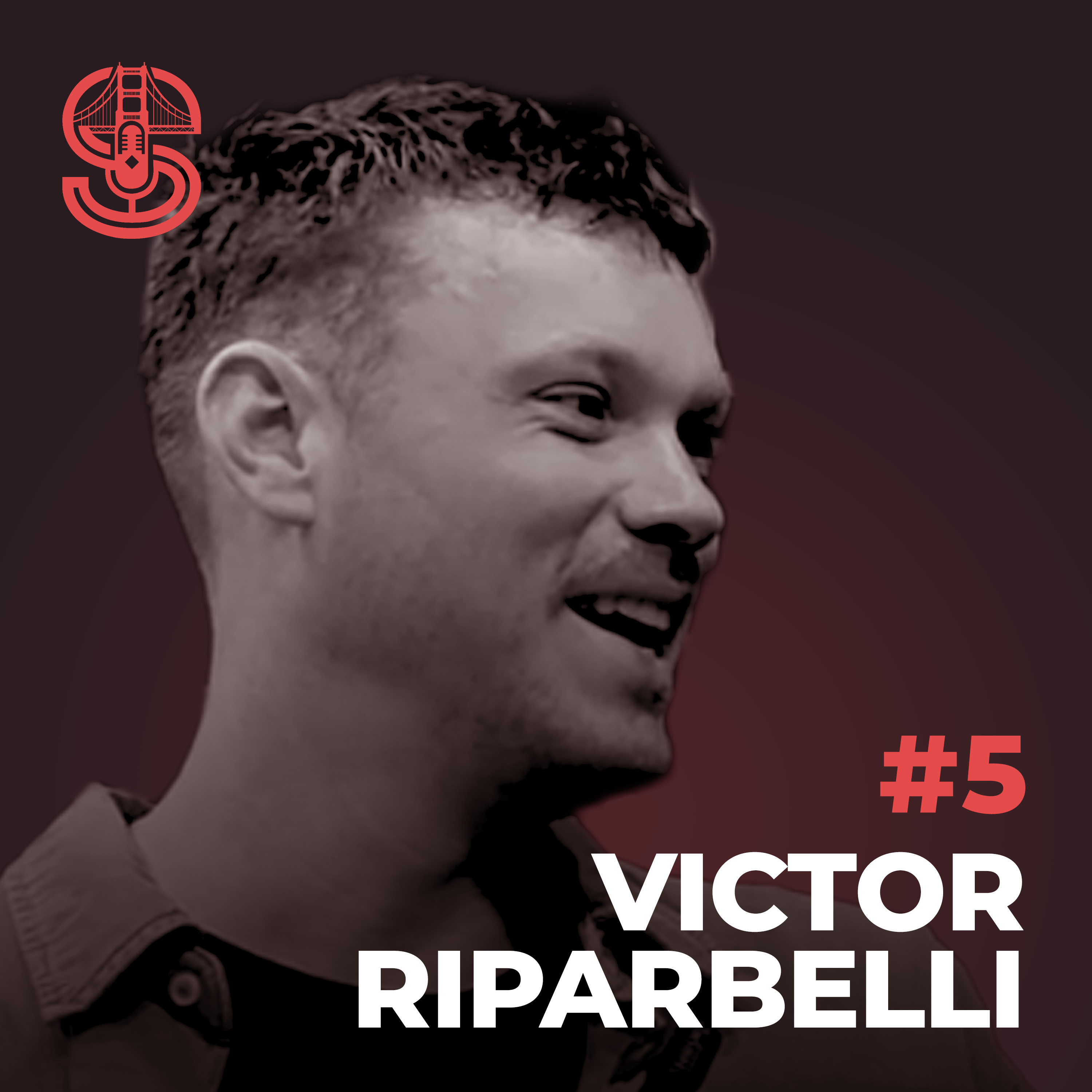
    Ep 5 95% of Internet Video Will Be AI-Generated by 2027 | Victor Riparbelli

    By 2027, Victor Riparbelli believes 95% of all video on the internet will be AI-generated. That doesn't mean 95% of what people actually watch will be AI. His point is about the sheer volume of video we're about to be able to create as the cost and complexity of production collapse. Victor is the CEO and co-founder of Synthesia, the AI video company valued at $4 billion and used by over 90% of the Fortune 100. Today, companies use Synthesia to create training, product marketing, sales enablement, and internal communication videos without cameras, actors, studios, or traditional production teams. But when Victor started building the company, almost nobody believed AI video was a real opportunity. Synthesia was rejected by around 100 investors before Mark Cuban invested $1 million in 2017. In this episode of Shortcast, Victor explains why he believes video and audio will increasingly replace text as the way we communicate, how running a World of Warcraft guild as a teenager taught him skills he still uses as a CEO, and why Synthesia abandoned Hollywood to focus on a much less glamorous but much bigger problem inside companies. We also get into AI avatars replacing parts of recruiting, the real risks of deepfakes, why young people should focus on taste and judgment, what founders misunderstand about passion, and Victor's slightly tongue-in-cheek take on one of the most effective AI growth strategies today. In This Episode 00:00 - Why 95% of Internet Video Could Be AI-Generated 00:20 - When AI Video Sounded Completely Ridiculous 00:52 - Meet Victor Riparbelli, CEO and Co-founder of Synthesia 01:07 - What Synthesia Actually Does 01:31 - Who Is Using AI Avatars at Work? 02:04 - How Zoom Uses AI Video to Train Sales Teams 02:27 - How Synthesia Reached a $4 Billion Valuation 03:06 - Getting Rejected by Nearly 100 Investors 03:34 - Why Mark Cuban Invested in Synthesia 03:41 - Finding Product-Market Fit 04:01 - Will Video and Audio Replace Reading? 04:47 - What World of Warcraft Taught Victor About Leadership 05:32 - Why Gaming Can Train Founders to Make Better Decisions 06:32 - Leaving Denmark and Finding His Co-founders 07:40 - Why Synthesia Pivoted Away From Hollywood 08:46 - Turning PowerPoint Presentations Into Video 09:32 - Will AI Avatars Replace Recruiters? 09:59 - Building AI Avatars While Fighting Deepfakes 10:38 - Should We Actually Be Scared of Deepfakes? 11:16 - Victor's 95% AI-Generated Video Prediction 11:47 - The Most Important AI Lesson for Young People 12:05 - Why Taste and Judgment Become More Valuable With AI 12:42 - The Biggest Lie Founders Tell Investors 13:22 - Can Money Be Your Only Motivation? 13:46 - Victor's Take on the Best Growth Strategy in AI 14:28 - Why AI Companies Eventually Have to Deliver 14:40 - Outro Victor Riparbelli: https://uk.linkedin.com/in/victorriparbelli 💡 SUBSCRIBE TO SHORTCAST for unfiltered conversations with the world's leading tech founders, intelligence experts, and builders. Shortcast: https://www.instagram.com/shortcastco/ Subscribe: https://www.youtube.com/@AIwithAbhijay Instagram: https://www.instagram.com/abhijayarora_ LinkedIn: https://www.linkedin.com/in/abhijayvuyyuru Substack: https://abhijayvuyyuru.substack.com #AI #ArtificialIntelligence #AIVideo #Synthesia #VictorRiparbelli #AIAvatars #GenerativeAI #AIStartups #FutureOfWork #Deepfakes #Entrepreneurship #Shortcast

  • S1 · E4
    September 15 · 15 min

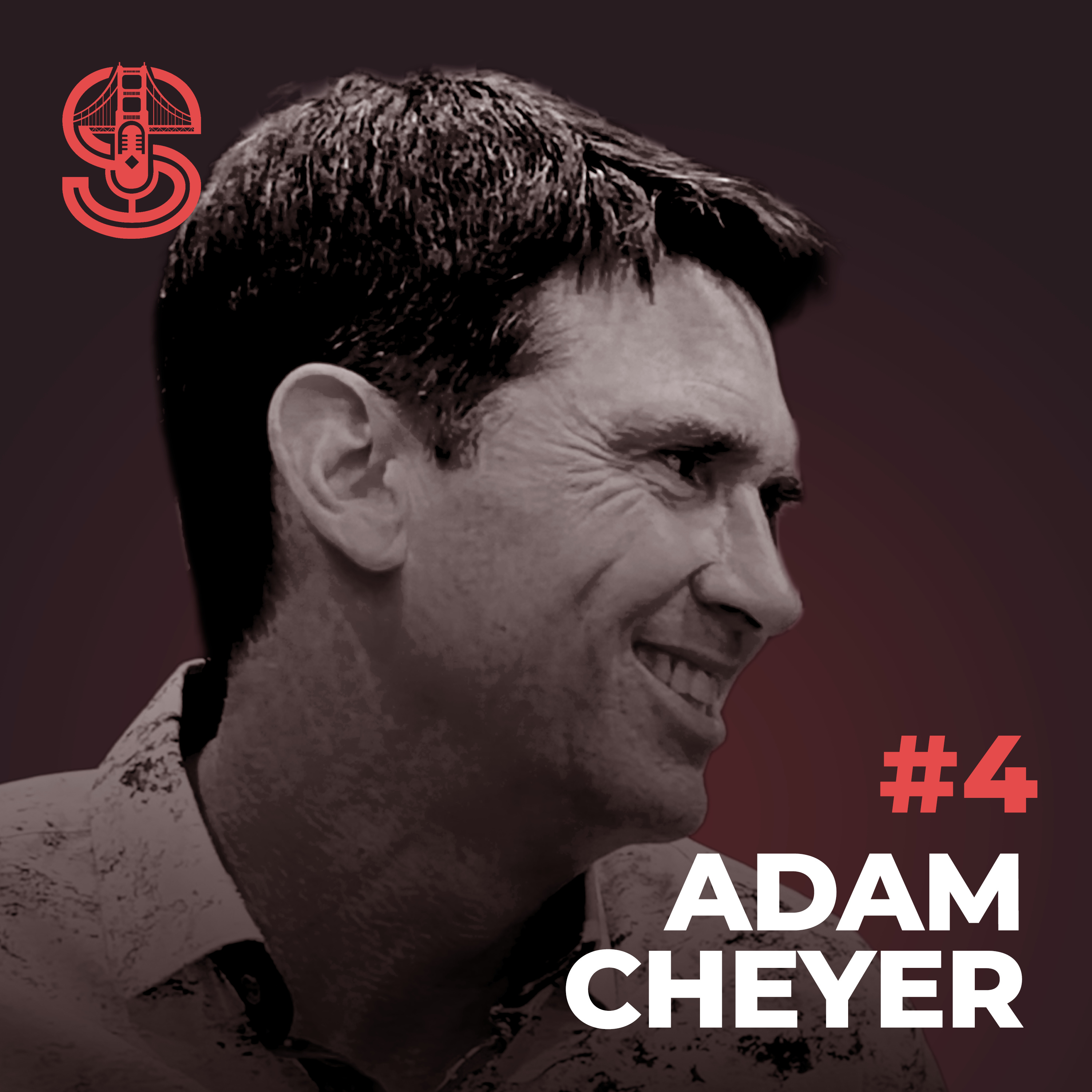
    Ep 4 Adam Cheyer on Siri, Steve Jobs, AI Agents, and the Future of Interfaces

    What happens when Steve Jobs calls you every day for 30 days because he wants to buy your company? Adam Cheyer, co-founder of Siri, lived that story. After initially turning Apple down, Adam and his co-founders eventually sold Siri to Apple following a negotiation that was about more than just money. It was about whether Apple understood and would support their original vision. Since then, Adam has co-founded Viv Labs, which was acquired by Samsung for $250 million, GamePlanner.AI, which was acquired by Airbnb for $200 million, Sentient Technologies, and Change.org. He has spent more than three decades working in AI, long before artificial intelligence became the center of every conversation. In this episode of Shortcast, Adam shares what Steve Jobs was really like, what Siri was originally supposed to become, why chat is not the ideal interface for many AI tasks, and why the future may combine touch, voice, spatial computing, and augmented reality. He also explains his “10 plus” theory for predicting major technology shifts, how he managed multiple startups at once, why many AI startups may fail, and what founders need to build a real moat. We also discuss whether AI will surpass human intelligence, why Adam believes the singularity will not happen in his lifetime, and the skills founders and engineers will still need in an AI-driven world. In This Episode 00:00 - Steve Jobs Called Adam Cheyer for 30 Days 00:20 - Meet Adam Cheyer, Co-founder of Siri 00:49 - What It Was Like Selling Siri to Apple 01:19 - Why Adam Initially Said No to Steve Jobs 01:55 - The Two Things That Changed the Siri Deal 02:44 - Siri’s Launch Before Steve Jobs’ Death 03:35 - The Original Vision for Siri 04:28 - What Apple Could Have Done Better With Siri 05:02 - Why Chat Is Not the Right Interface for Everything 05:28 - The Future of Multimodal Interfaces 06:02 - Adam’s Prediction for Spatial Computing in 2035 07:00 - The “10 Plus” Theory of Technology 07:53 - Why Augmented Reality Could Replace Our Screens 08:53 - How Adam Ran Multiple Startups at Once 09:24 - The Productivity System Behind His Multiple Ventures 10:02 - Why Many AI Startups May Fail 10:44 - How Startups Can Build a Real Moat 11:19 - What Makes a Technology Truly Defensible 12:28 - Will AI Surpass Human Intelligence? 12:52 - Why Adam Says the Singularity Won’t Happen in His Lifetime 13:32 - Are We in an AI Bubble? 13:57 - Steve Jobs’ Best Advice and Adam’s Favorite AI Assistants 14:17 - Adam’s Favorite AI Tool and Career Regrets 14:37 - The Most Underrated Skill for Founders 14:59 - Will AI Replace Software Engineers? 💡 SUBSCRIBE TO SHORTCAST for unfiltered conversations with the world's leading tech founders, intelligence experts, and builders. Shortcast: https://www.instagram.com/shortcastco/ Subscribe: https://www.youtube.com/@AIwithAbhijay Instagram: https://www.instagram.com/abhijayarora_ LinkedIn: https://www.linkedin.com/in/abhijayvuyyuru Substack: https://abhijayvuyyuru.substack.com #AI #ArtificialIntelligence #Siri #SteveJobs #Apple #AIAgents #AIStartups #FutureOfAI #SpatialComputing #AugmentedReality #Technology #Entrepreneurship #Shortcast

  • S1 · E3
    September 8 · 15 min

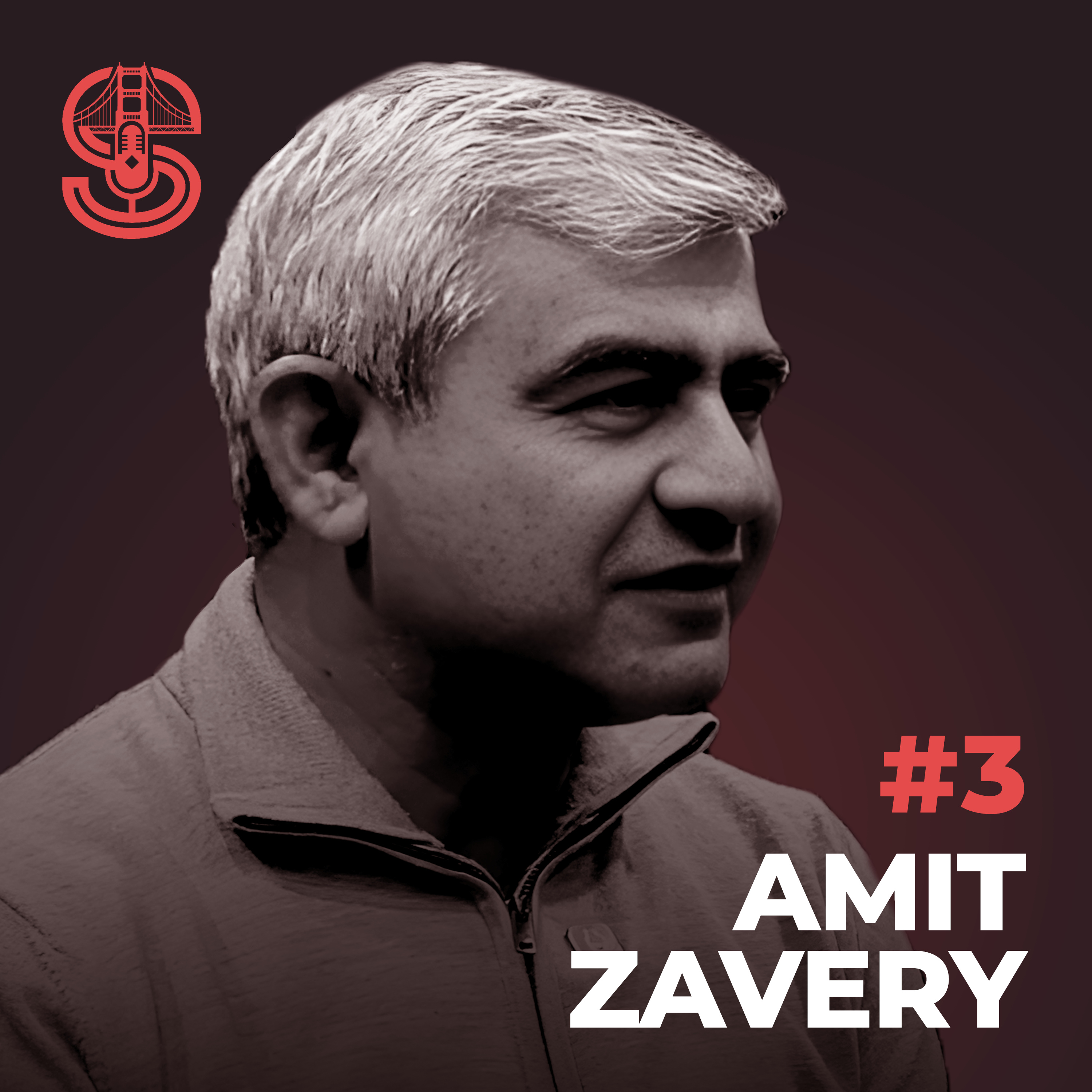
    Ep 3 Amit Zavery on AI, ServiceNow, Silicon Valley & the Future of Work

    Is Silicon Valley still the promised land for Indian immigrants? Amit Zavery, President, Chief Product Officer and Chief Operating Officer at ServiceNow, breaks down the crucial shift happening in enterprise AI - from the end of the AI honeymoon to agentic AI, autonomous workers, AI control and the human oversight businesses still need. From arriving in America at 18 and working his way through university to spending nearly 25 years at Oracle, helping scale Google Cloud from $7B to $41B, and now leading ServiceNow’s AI platform, products and engineering, Amit shares the lessons behind one of enterprise tech’s most remarkable careers. In this episode of Shortcast, we dive into why AI initiatives fail, what businesses are getting wrong about the hype, India’s role in the global AI economy, his career “mistake” that became a gift, and the one green flag he looks for when hiring. In This Episode 00:00 Is Silicon Valley Still the Promised Land for Indian Immigrants? 00:24 Meet Amit Zaveri 00:49 Coming to America From India at 18 01:19 How His Mother Shaped His STEM Journey 01:47 Luck, Unpredictability & Life-Changing Moments 02:03 Why Amit Spent 24 Years at Oracle 02:51 Building Oracle Middleware From Zero to $5 Billion 03:04 Scaling Google Cloud From $7 Billion to $41 Billion 03:35 Why Amit Has Three Leadership Roles at ServiceNow 04:28 ServiceNow: The AI Platform for Business Transformation 04:45 ServiceNow’s $7.7B Armis Acquisition & Cybersecurity 05:07 Why AI Initiatives Are Failing 05:35 Are We in an AI Hype Cycle? 06:02 Agentic AI & the Future of Business Processes 06:31 “AI Will Control You If You Deploy It Without Control” 06:54 Why the AI Honeymoon Is Over 07:18 India’s Role in the Global AI Economy 07:52 ServiceNow’s Autonomous Workforce 08:22 AI Mistakes, Human Oversight & the 80–90% Success Rate 08:56 The Rapid-Fire Round Begins 09:07 Amit’s First American Meal 09:19 Learning to Cook as a Vegetarian in 1989 Texas 09:37 Indian Movies, Cricket & Staying Connected to India 10:02 Amit’s Greatest Sporting Moment 10:20 The Culture Shock of Arriving in America Pre-Internet 11:07 When America Became Home 11:25 Amit’s First Jobs in America 11:47 The Real Morning Routine of a Silicon Valley Executive 12:32 Can Amit Ever Disconnect From Work? 12:58 The Career Mistake That Became a Gift 13:27 Japan, the UK & Learning Customer Empathy 14:00 Is Silicon Valley Still the Promised Land? 14:48 Amit’s Biggest Hiring Green Flag 15:23 How to Reach Amit & What ServiceNow Is Hiring For 15:49 Outro Amit Zavery LinkedIn: https://www.linkedin.com/in/amitzavery 💡 SUBSCRIBE TO SHORTCAST for unfiltered conversations with the world's leading tech founders, intelligence experts, and builders. Shortcast: https://www.instagram.com/shortcastco/ Subscribe: https://www.youtube.com/@AIwithAbhijay Instagram: https://www.instagram.com/abhijayarora_ LinkedIn: https://www.linkedin.com/in/abhijayvuyyuru Substack: https://abhijayvuyyuru.substack.com #AI #ArtificialIntelligence #AgenticAI #EnterpriseAI #ServiceNow #AmitZavery #FutureOfWork #SiliconValley #IndiaAI #AILeadership #EnterpriseTech #TechPodcast #Shortcast

  • S1 · E1
    August 25 · 16 min

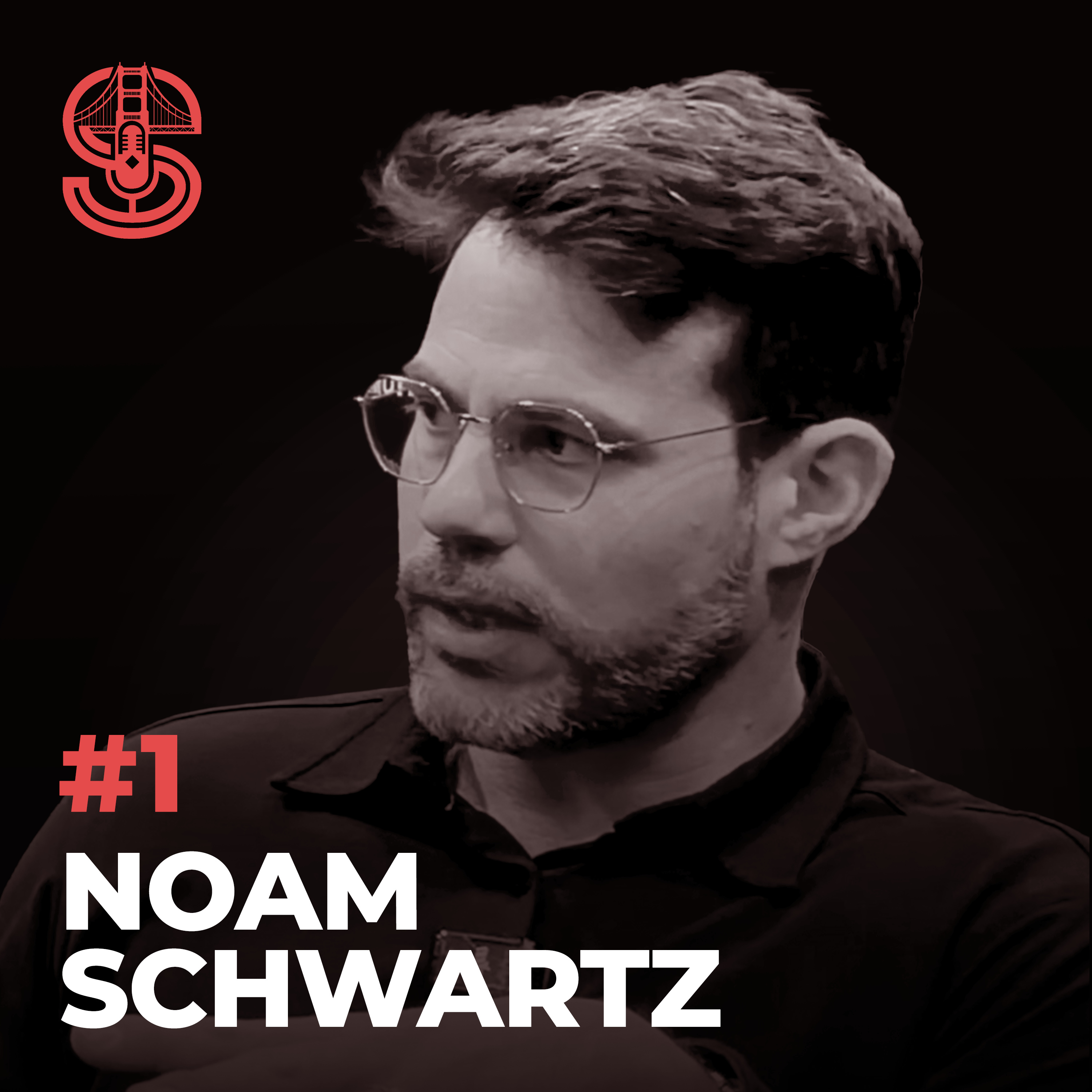
    Ep 1 Ex-Israeli Spy Reveals The Dark Reality Of AI & Cyber Attacks | Noam Schwartz, CEO Alice

    Ex-Israeli Intelligence Officer turned CEO Noam Schwartz breaks down the secret safety layer behind the internet. His company, Alice, is valued at over $500M and protects over 3 billion users across tech giants like Amazon, TikTok, and Nvidia. In this episode of Shortcast, Noam reveals why code alone can't control AI models, the dark reality of open-source AI guardrails, and the biggest online threat coming in 2027. Plus, we dive into his personal journey—from founding a company in a hospital NICU to his secret life as a musician.🔥 IN THIS EPISODE: 00:00 - The Secret Safety Layer Behind 3 Billion Users 00:49 - What is Alice? (Explained in 1 Sentence) 01:49 - Content Moderation vs. AI Model Security 03:22 - Why Humans CANNOT Moderate Content Anymore 04:04 - Why You Can't Secure AI Models With Code Alone04:48 - Inside "Rabbit Hole": The Global Threat Database 05:39 - Tracking Terrorists, Cartels & Dark Web Threats 06:27 - The Dark Side of Open-Source AI 06:52 - The Biggest Online Threat in 2027 07:41 - US vs. EU AI Regulation: Who is Getting it Right? 08:26 - Segment 2: The Hospital Room Origin Story 09:25 - Why the Name "Alice"? 10:49 - Childhood Side-Hustles & Secret Hobbies 11:20 - CEO Hot Takes: Kids & Social Media, Jet Lag, & Trusting Your Gut 14:03 - Living in India, Playing the Sitar, & Speaking Hindi! 🌐 CONNECT WITH NOAM SCHWARTZ: LinkedIn: https://www.linkedin.com/in/noamsp/ 💡 SUBSCRIBE TO SHORTCAST for unfiltered conversations with the world's leading tech founders, intelligence experts, and builders.Shortcast: https://www.instagram.com/shortcastco/#AI #Cybersecurity #ArtificialIntelligence #TechPodcast #Startups #NoamSchwartz #Shortcast --- Subscribe: https://www.youtube.com/@AIwithAbhijay Instagram: https://www.instagram.com/abhijayarora_ LinkedIn: https://www.linkedin.com/in/abhijayvuyyuru Substack: https://abhijayvuyyuru.substack.com

  • S1 · E2
    August 1 · 18 min

    Ep 2 From HP to iMerit - The Woman Who Taught Silicon Valley How To Outsource | Radha Basu, CEO iMerit

    Tech pioneer Radha Basu, CEO @iMeritdigital valued at $310 million - breaks down the crucial human intelligence required to train and secure the world's biggest AI models. Arriving in America at age 21 with just $8 in her pocket, Radha went on to found HP's operations in India in 1985, grew a division to $1.2 billion, and became the first Asian woman to take a unicorn public on Nasdaq. Mentored personally by Silicon Valley legend David Packard, she now runs iMerit, a company providing the expert human layer behind enterprise AI. In this episode of Shortcast, Radha talks about the reality of "tormenting" AI models to fix them, her early days setting up India's first multinational software center in a sleepy Bangalore, and how IT transformed an entire nation. Plus, we dive into her inspiring initiatives, like the genius "Mother-in-law Day," to empower young women in the workforce. In This Episode : 00:00 - Teaser Hook00:23 - Guest Intro: Radha Ramaswamy Basu00:58 - What is iMerit?01:38 - "Tormenting" AI Models: Breaking AI to Fix It03:08 - David Packard’s Mentorship & Building a Profitable Company04:53 - Founding HP India in 1985 & How IT Transformed a Nation06:23 - Rapid Fire: AI Safety, Silicon Valley & Top Founder Skills07:38 - 17 Women Among 2,800 Boys in Engineering School08:38 - Arriving in America With Just $8 in Her Pocket10:08 - Why Her Tech Employees Call Her "Di" (Older Sister)11:38 - The Genius Behind "Mother-in-Law Day"13:08 - One Piece of Advice for Young Women & OutroRadha Basu LinkedIn : / radha-basu-b181225 💡 SUBSCRIBE TO SHORTCAST for unfiltered conversations with the world's leading tech founders, intelligence experts, and builders. Shortcast: https://www.instagram.com/shortcastco/ #AI #Cybersecurity #ArtificialIntelligence #TechPodcast #Startups #Shortcast -- Subscribe: https://www.youtube.com/@AIwithAbhijay Instagram: https://www.instagram.com/abhijayarora_ LinkedIn: https://www.linkedin.com/in/abhijayvuyyuru Substack: https://abhijayvuyyuru.substack.com

Showing 1–13 of 13 episodes