Skip to content
Artwork for The Last Mixed Tape

The Last Mixed Tape

The Last Mixed Tape

TLMT Podcast is a weekly music review show, featuring reviews and editorials on the Irish Music Scene from critic and photographer Stephen White.

Play
  • 26 episodes
  • weekly
  • Avg 14 min
  • English
Counted on this page — what you have heard stays on this device, so it is not something the list can be paged by.
  • Saturday · 11 min

    The Sound of Garvaghy Road: Music, Protest & the Drumcree Standoff

    For almost three decades, Garvaghy Road in Portadown has been at the centre of one of Northern Ireland’s most enduring disputes over parades, identity, history and territory. In 2026, the Drumcree standoff has returned to the headlines. As the Orange Order seeks to march along the Garvaghy Road for the first time in almost 30 years, local residents have gathered in protest. And amid the confrontation, something unexpected has become part of the story: music. The Mary Wallopers and members of Beoga have performed on Garvaghy Road alongside a community using music, singing and collective expression as part of its resistance. In this episode of The Last Mixed Tape, Stephen White explores Garvaghy Road, Drumcree, Irish music, cultural memory, political protest and the strange power of music to occupy a space.
  • September 26 · 13 min

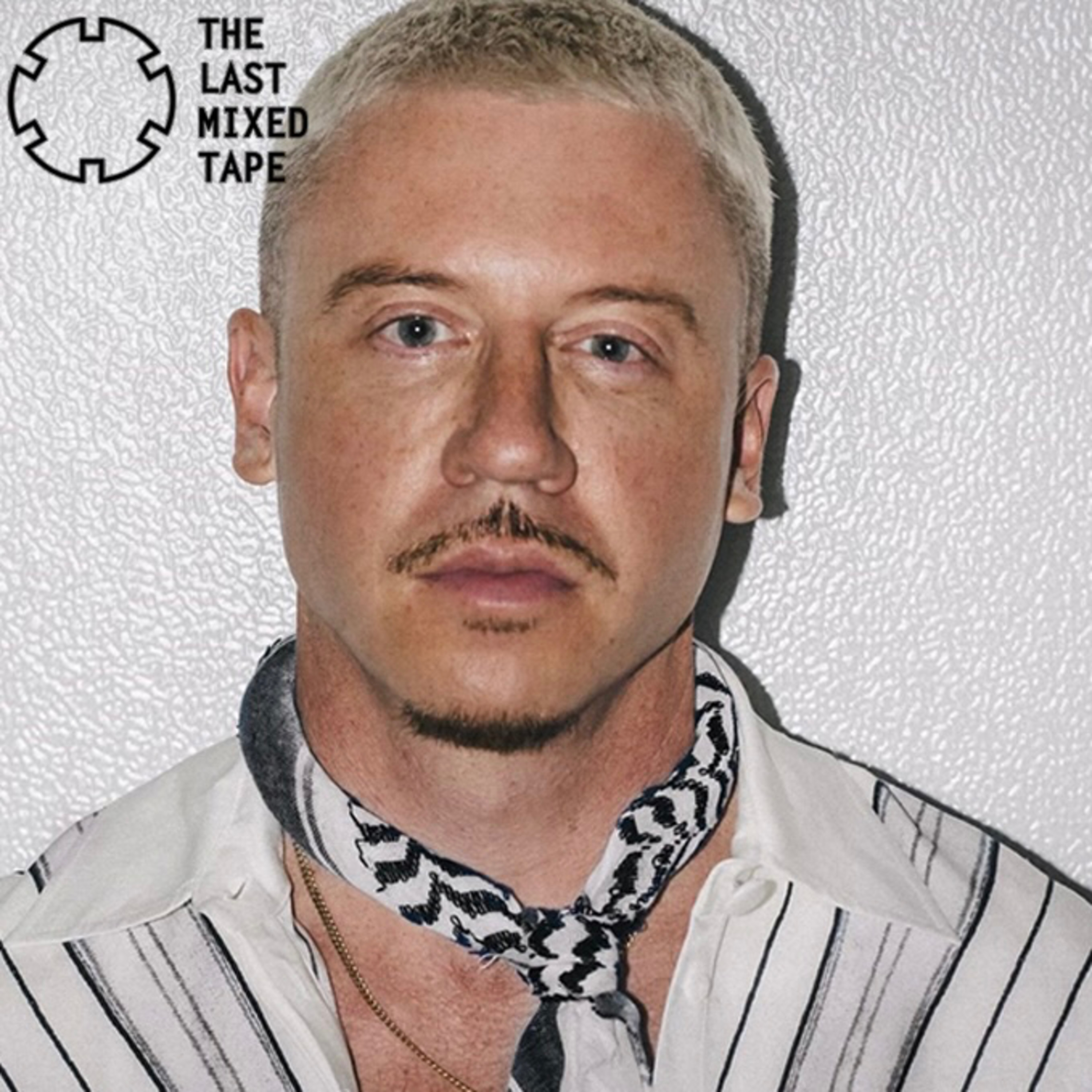
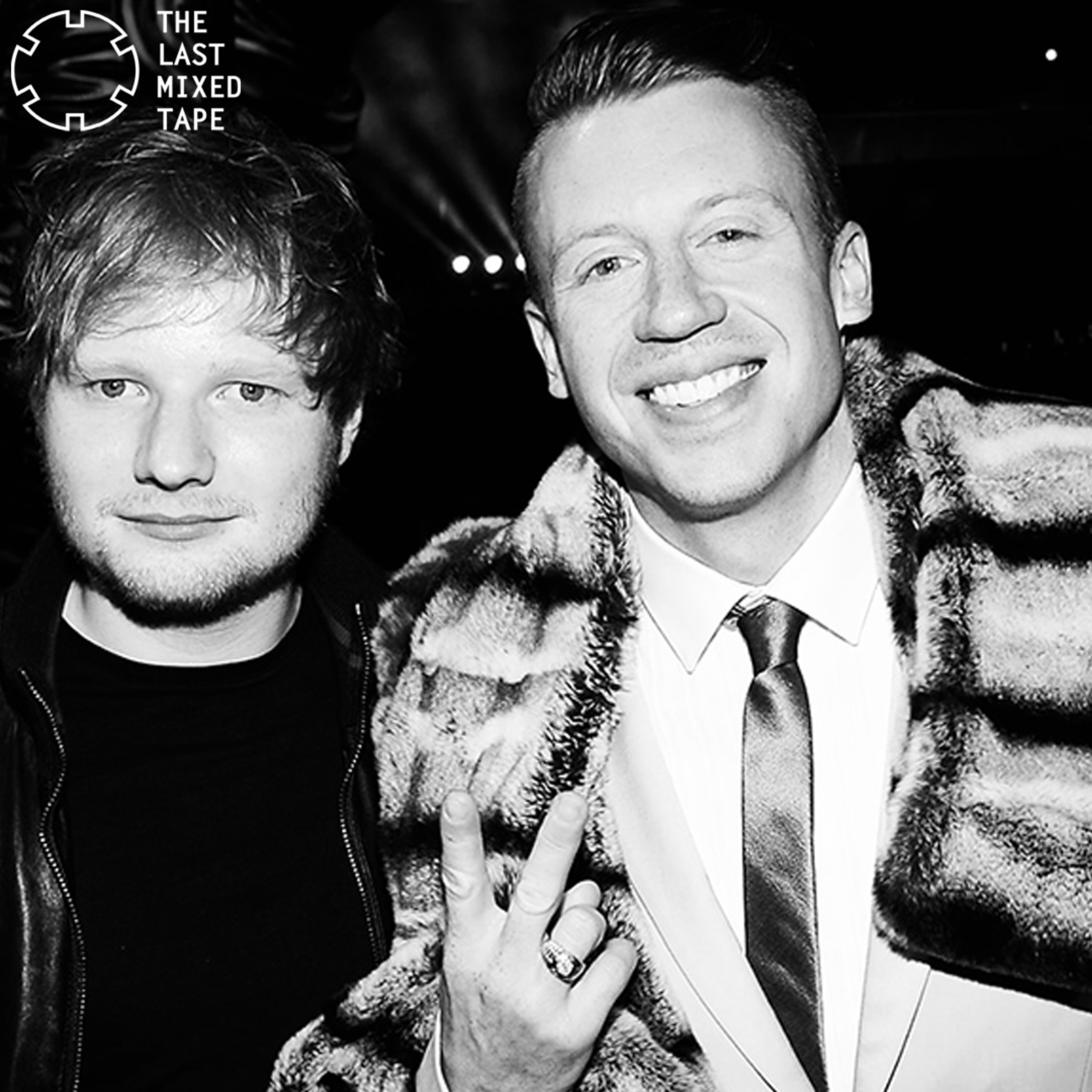
    The Importance of Being Macklemore and The Free Palestine Tour

    Following the controversy that saw Macklemore removed from the remaining US dates of Ed Sheeran’s Loop Tour, Stephen White looks beyond the headlines to ask what the story reveals about power, money and freedom in the modern music industry. Promoters, venues, billionaire owners and corporate interests can control the spaces where music happens, raising a bigger question about what happens when an artist’s politics collide with the commercial machinery behind the stage. Then Macklemore announced FREE PALESTINE, a new series of concerts beginning in Dublin before moving to Paris and London, with proceeds going to organisations providing humanitarian, medical and other support to Palestinians. The Importance of Being Macklemore is an essay about music, power, capitalism, political expression and the strange relationship between artists and the people who control the rooms they perform in.

  • September 19 · 17 min

    The Assassination of Macklemore by the Coward Ed Sheeran

    Macklemore walked onto the stage at MetLife Stadium and said two words: Free Palestine. What followed became much bigger than a moment between songs. Macklemore was removed from the remaining US dates of Ed Sheeran’s tour. The promoter said venues had objected to his continued involvement. Sheeran said the decision was not his, and that he had tried to find a way through the dispute. Then the other artists started walking. Finneas. Lukas Graham. Aaron Rowe. Beoga. Suddenly, this wasn’t simply a story about one rapper making a political statement. It became a story about power, money, free expression and the machinery behind the modern stadium tour. In this episode of The Last Mixed Tape, I ask the uncomfortable question: Is Ed Sheeran a coward? Sheeran describes himself as apolitical. He says his concerts should be places of safety, sanctuary and escape from politics. But what happens when politics enters the room anyway? What happens when the biggest artist on the stage has the power to challenge the machinery around him and chooses not to? Macklemore has since pledged his $1 million in tour earnings to organisations supporting Palestinians. Robert Kraft has said Sheeran asked him to commit $2 million towards humanitarian relief. And while the music industry argues over who was right and who was wrong, we cannot lose sight of the people at the centre of this story. Palestinians living through the consequences of this war. This is The Last Mixed Tape. Free Palestine.

  • September 12 · 13 min

    Oasis Don’t Look Back In Anger, Masculinity & Learning to Forgive

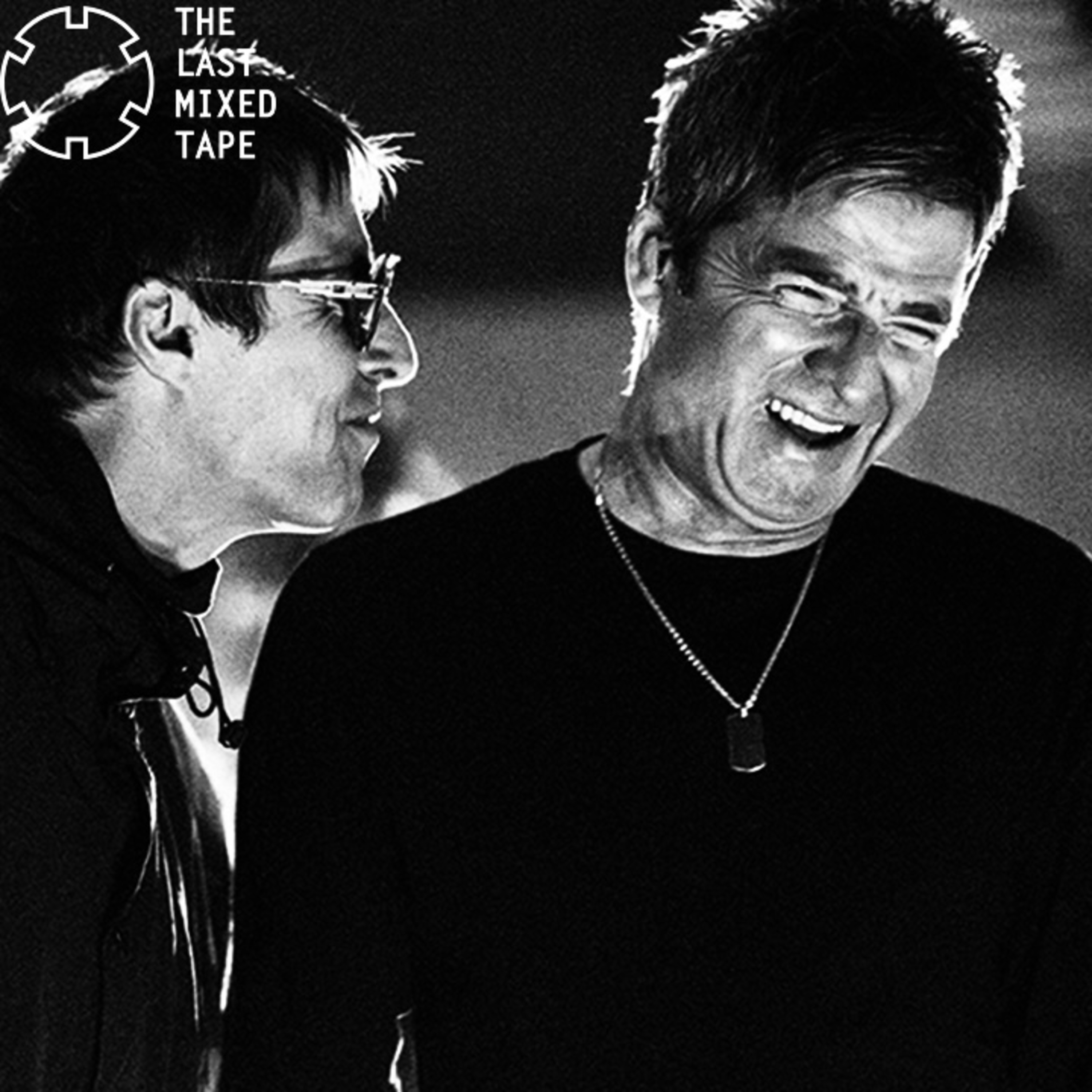
    With Oasis: Don’t Look Back In Anger arriving in cinemas, Stephen looks at Liam and Noel Gallagher, the sixteen-year feud that kept them apart, and what their reunion might tell us about masculinity, friendship, pride and forgiveness. Oasis embodied a particular kind of masculinity in the 1990s. Swagger, aggression, emotional armour and the refusal to back down. But beneath all of that, their music gave a generation of young men permission to feel something they didn’t always have the language for. Now Liam and Noel are approaching 60. They’ve spent years fighting, refusing to speak and trying to prove they didn’t need each other. Yet when Oasis finally returned to the stage, reconciliation didn’t arrive through some grand emotional conversation. This is an episode about Oasis, masculinity and what happens when the things we once needed to prove stop mattering. The Last Mixed Tape is a music and culture podcast exploring the stories, ideas and contradictions hiding underneath the songs we love.

  • September 5 · 13 min

    Does Music Have a Nepo Baby Problem?

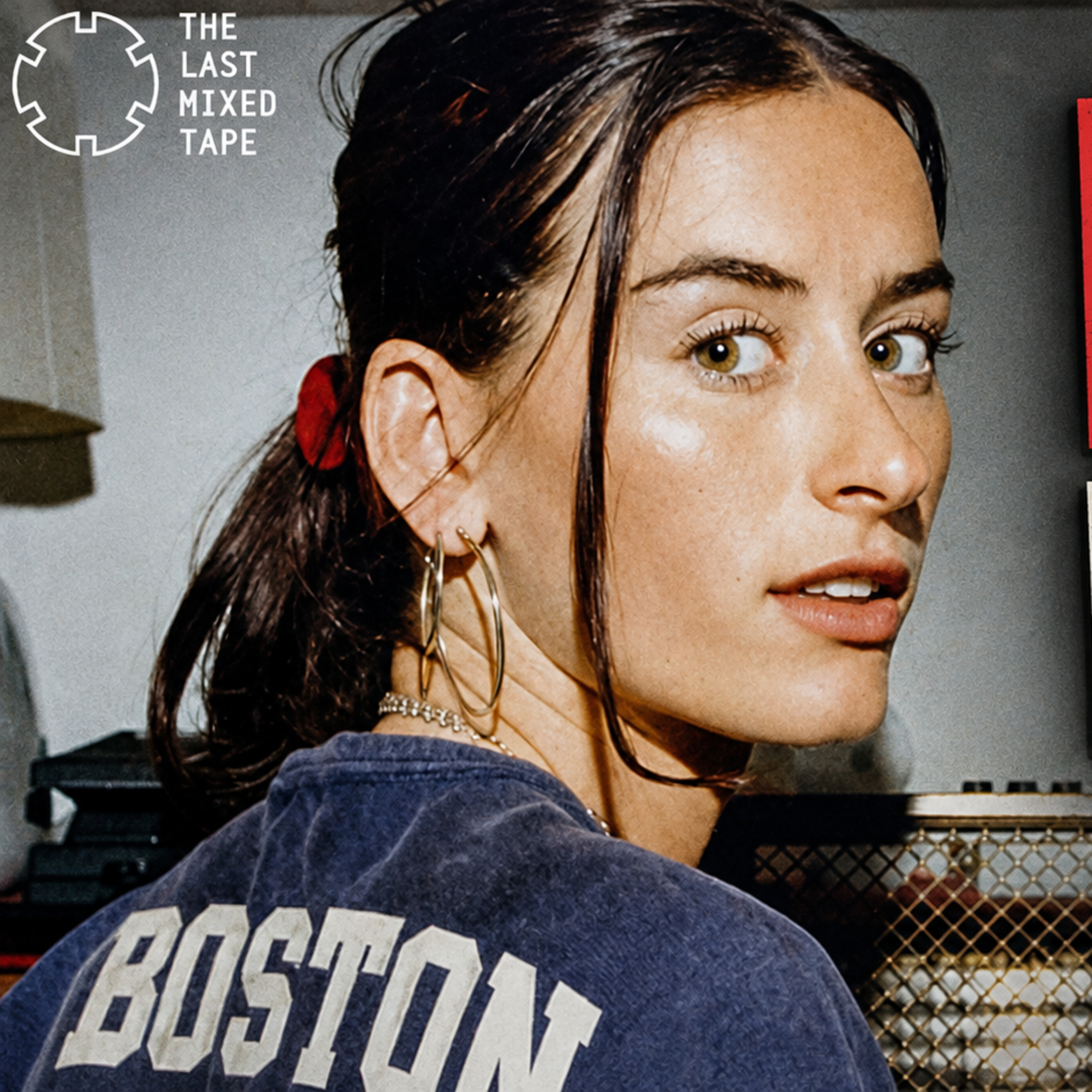
    Stella Lefty is having a moment. But what happens when the people making music don’t all start from the same place? Stella Lefty’s rise to fame with Boston has become a lightning rod for arguments about nepotism, authenticity and the modern music industry. Her billionaire father has made her an obvious target for the “nepo baby” label, while controversy surrounding Boston and its similarity to Noah Kahan’s Stick Season has only added fuel to the conversation. But the real question is bigger than Stella. What does it actually mean to earn success when we don’t all begin with the same opportunities? In this episode of The Last Mixed Tape, we look at the class ceiling in music, the inherited advantages that come with wealth, and why “starting from zero” is often a myth. We also look at the gendered suspicion surrounding accusations of “nepo baby” and “industry plant”, and why successful young women can find themselves treated as fraudulent simply for becoming successful. Music has a nepo baby problem. But it’s because society has a class problem.

  • August 29 · 13 min

    Dolly Parton Won: The Legacy of an American Icon

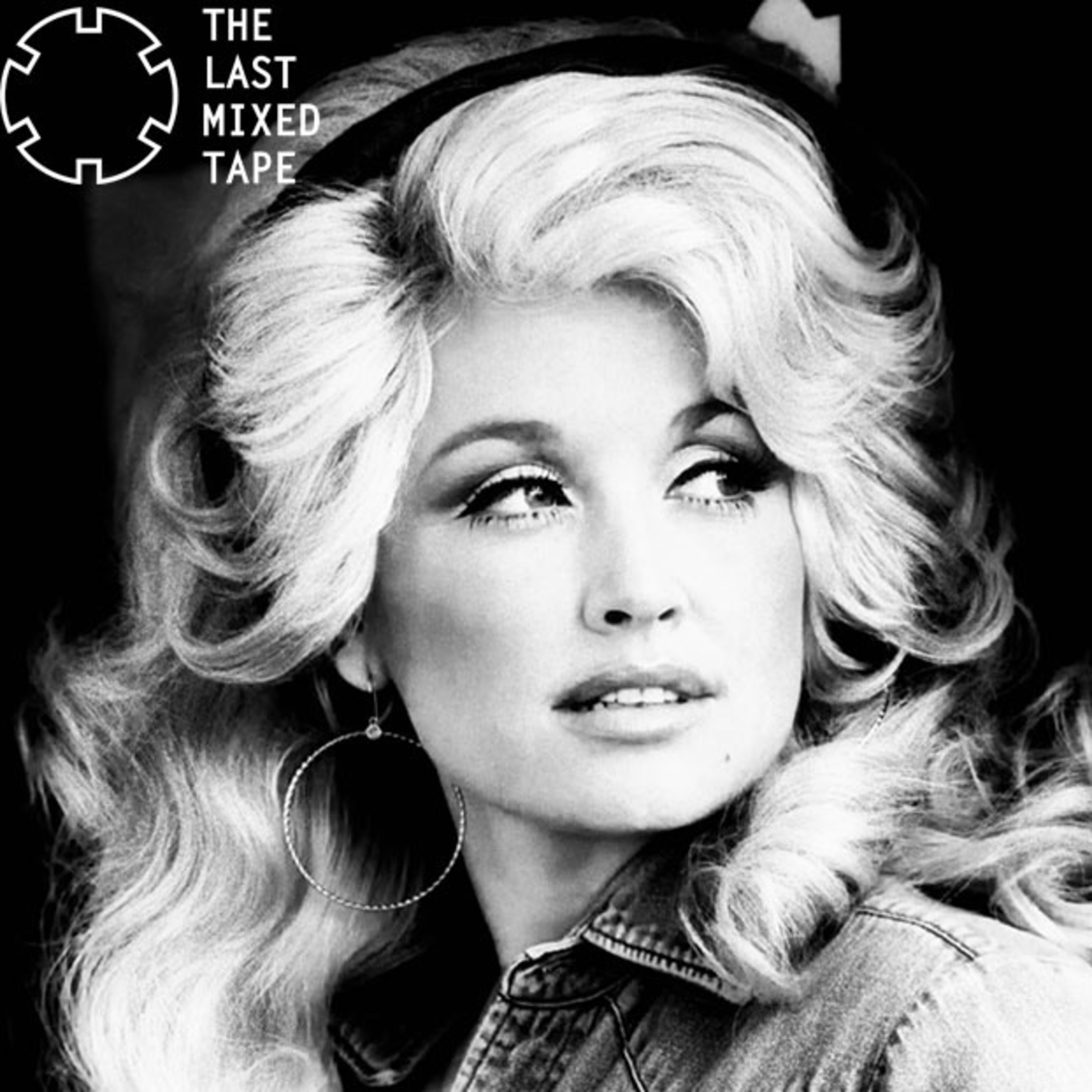
    Dolly Parton didn’t just become a country music legend she changed what a woman could be in music. From Locust Ridge to Nashville, Jolene to I Will Always Love You, CMAT to Beyoncé and Sabrina Carpenter, this is the story of how Dolly built a legacy that reaches far beyond country music. She didn’t make the next woman into Dolly, she made it easier for her to be herself.

  • August 22 · 12 min

    Fontaines D.C. ‘Marianne’: Nowhere Left to Escape

    Fontaines D.C. have spent five albums trying to find somewhere else to go. From Dublin, to Ireland, to romance, fantasy and now something much harder to define, escape has been one of the central tensions running through their music. With “Marianne”, their first new music since 2024's Romance, Fontaines D.C. offer our first glimpse into their forthcoming fifth album, Dopamine Chamber. In this episode, Stephen explores what “Marianne” tells us about Fontaines' evolving sound and their fascination with escapism, while examining the song's Ripley-inspired music video and the controversy surrounding its original AI Artist credits. Dopamine Chamber is released October 16th, 2026 via XL Recordings.

  • August 15 · 13 min

    Phoebe Bridgers’ Lost Weekend: The Sound of Living Through This

    Six years after Punisher gave the isolation of 2020 an apocalyptic soundtrack, Phoebe Bridgers returns with Lost Weekend an album about what it feels like to live through a world that increasingly feels impossible to change. The Trump era. Late-stage capitalism. Internet alienation. Institutional indifference. Grief. Love. Fame. Lost Weekend brings these enormous forces down to the scale of an individual life, asking what happens when catastrophe stops being an event and becomes the environment we live inside. But this isn’t a protest album. Through dissociation, distorted voices, memories of her father, intimate relationships and moments of unexpected warmth, Bridgers explores what remains when the larger systems around us feel beyond our control. If Punisher asked what happens when the world feels like it’s ending, Lost Weekend asks what happens when you have to keep living through it. How do we remain human after it? The Last Mixed Tape is a music and culture video essay exploring the ideas, stories and politics behind the music that shapes our lives.

  • August 8 · 18 min

    Was David Bowie a Fascist? The Thin White Duke

    Was David Bowie a fascist? In 1976, David Bowie became the Thin White Duke: an elegant, unsettling persona born during a period of cocaine addiction, paranoia and psychological collapse. Bowie praised Hitler, spoke approvingly of fascism and was photographed appearing to give a Nazi salute. But was the Duke an expression of genuine political belief or a dangerous piece of performance art that began to escape its creator? We trace the Duke through Bowie’s controversial interviews, the post-war artistic fascination with fascist imagery, Situationism and punk, and finally Station to Station the album where Bowie and his creation seem to wrestle for control. The Last Mixed Tape explores music, culture, politics and the stories hiding underneath the songs.

  • August 1 · 16 min

    U2’s Sunday Bloody Sunday | This Is Not a Rebel Song

    “This is not a rebel song.” For more than forty years, Bono has introduced Sunday Bloody Sunday with those six words. But why? In this episode of The Last Mixed Tape, Stephen White explores the history, controversy and enduring legacy of one of the most important songs in Irish music. Beginning with the events of Bloody Sunday in Derry in 1972, we trace the writing of the song during the recording of War, its first performance in Belfast, the legendary Red Rocks concert, and the debate that has followed it ever since. Rather than asking who the song supports, this episode asks a different question: What happens when a piece of art leaves its creators and begins a life of its own? Along the way, we explore: • The real events behind Bloody Sunday • Bono’s reflections from Surrender • The Edge’s writing of one of rock’s defining guitar riffs • The Belfast performance that tested the song • Red Rocks and the white flag • Why Bono tore up Irish tricolours on stage • How music shapes politics and how politics reshapes music If you enjoy long-form conversations about music, culture and history, follow The Last Mixed Tape for new episodes every week.

  • July 25 · 11 min

    After Brat | Charli XCX’s Music, Fashion, Film

    Brat became one of the defining cultural moments of the decade. Rather than trying to recreate that success, Music, Fashion, Film asks a far more difficult question: what happens after the breakthrough? In this episode of The Last Mixed Tape, Stephen White explores Charli XCX’s latest album through the lens of artistic identity, modern fame and the growing expectation that musicians must become far more than musicians. From the satirical mockumentary The Moment to the Vincent Cassel-starring video for Camera, and the closing words of David Cronenberg, Music, Fashion, Film becomes less a traditional album than a meditation on creativity, performance and what happens when an artist no longer owns the meaning of their own work. Is this Charli XCX’s most challenging record yet? Or is it something even more ambitious a reflection on what it means to continue making art once the world has already decided who you are?

  • July 18 · 12 min

    Gilla Band, Mental Health and the Sound of Modern Ireland

    Music doesn’t just soundtrack history. Sometimes it captures emotions before we have the language to describe them. In this episode of The Last Mixed Tape, Stephen White explores how Dublin’s Gilla Band became one of Ireland’s most important cultural voices, not simply through noise rock, but through their uncompromising portrayal of anxiety, recovery and modern life. From Dara Kiely’s struggles with psychosis and schizophrenia to the panic attack that became the opening of The Talkies, this documentary traces how the band’s music evolved alongside Ireland’s changing conversation around mental health. Along the way, the episode examines housing insecurity, burnout, late-stage capitalism and why albums like Holding Hands With Jamie, Most Normal and the new single Placeholder feel less like records and more like emotional documents of a generation.

  • July 11 · 15 min

    Why Julian Casablancas Refuses to Shut Up | The Strokes, Gaza & Political Speech

    Julian Casablancas sparked controversy after comparing American Zionists to Black people living under slavery on SubwayTakes. It was a comparison I believe was historically clumsy, rhetorically reckless and ultimately damaging to the point he was trying to make. But five weeks later, at the Oxford Union, Casablancas returned to the subject with a clearer argument centred on settlements, expansion and the reality facing Palestinians in Gaza and the occupied West Bank. In this episode of The Last Mixed Tape, Stephen White explores why context matters, why criticism and clarification can coexist, and why the conversation about a musician’s words can sometimes eclipse the people living through the reality those words were attempting to describe. From The Strokes’ politically charged Coachella performance to Douglas Murray’s comments on Irish voices discussing Israel and Palestine, this episode asks a broader question: What happens when a bad analogy becomes more famous than the reality it was trying to describe?

  • July 4 · 11 min

    Phoebe Bridgers’ Lost Boys: The Machine Killing Us

    Phoebe Bridgers is back with Lost Boys, her first solo music in six years — a song haunted by nostalgia, isolation, masculinity and the machines we carry in our pockets. At its centre is a dark inversion of one of the most famous slogans in protest music. Where Woody Guthrie wrote “This Machine Kills Fascists,” Bridgers sings: “This machine is killing me.” In this episode of The Last Mixed Tape, Stephen White explores what Lost Boys tells us about smartphones, social media, male loneliness and generations who no longer simply use technology, but have grown up inside it. From the reckless young men haunting the song’s lyrics, to Bridgers’ phone-free Lost Tour and her attempts to rebuild a more direct emotional connection with audiences, this is a story about the machines built to connect us, the people getting lost inside them… and what happens when we decide to leave the machine at the door. The song identifies the machine. The tour attempts to dismantle it.

  • June 27 · 12 min

    The Continued Fall of Róisín Murphy

    Following renewed controversy around Roisin Murphy over comments about transgender people, criticism from artists including The Blessed Madonna and CMAT, and a growing divide between Murphy and the LGBTQ+ community that helped shape her career, this episode explores a larger question. What happens when an artist becomes estranged from the community that gave their work meaning? From queer club culture and collective memory to the politics of belonging and audience, this episode examines how music is shaped not only by the people who create it, but by the communities who embrace it.

  • June 20 · 12 min

    Why Gen Z Loves The Cure | Olivia Rodrigo, Robert Smith & Music Discovery

    Olivia Rodrigo’s latest album features Robert Smith of The Cure, but this collaboration tells a much bigger story than a pop star working with one of her heroes. In this episode of The Last Mixed Tape, we explore why The Cure continue to resonate with younger listeners, how TikTok and streaming have transformed music discovery, and whether modern audiences are inheriting music differently than previous generations. Drawing on an idea from David Byrne, we examine how music now exists in a giant cultural “bucket” where new and old songs coexist without chronology, allowing artists like Olivia Rodrigo to become gateways into entire musical worlds. From The Cure and Talking Heads to Spotify playlists and TikTok algorithms, this episode is about the changing nature of musical discovery and why great songs continue to find new listeners.

  • June 13 · 14 min

    Why Ireland Still Sings Viva la Quinta Brigada | Christy Moore, Anti-Fascism & the Belfast Riots

    Following the recent unrest in Belfast, I found myself returning to one of the most powerful songs in Irish music: Christy Moore’s Viva la Quinta Brigada. What begins as a song about Irish volunteers who travelled to Spain to fight fascism during the Spanish Civil War reveals a much deeper story about Ireland itself. In this episode of The Last Mixed Tape, I explore the Connolly Column, the Blueshirts, Irish support for Franco, and Christy Moore’s role as one of Ireland’s great custodians of cultural memory. More than a history lesson, this is a story about identity, belonging, and a question Ireland has been asking for nearly a century: Who gets to define what Ireland is? From the Spanish Civil War to modern Ireland, Viva la Quinta Brigada remains a song that refuses to let us forget the choices that surround us. Topics discussed: • Christy Moore • Viva la Quinta Brigada • The Spanish Civil War • The Connolly Column • The Blueshirts • Irish history • Anti-fascism • Belfast and modern Ireland • Protest music and cultural memory The Last Mixed Tape is a podcast and video essay series exploring music, culture and the stories that connect them.

  • June 6 · 12 min

    AI Ozzy and the Death of Endings

    When reports emerged that an AI-powered version of Ozzy Osbourne could continue interacting with fans after his death, many people focused on the technology. I found myself thinking about something else. For most of human history, art survived the artist. Using Ozzy Osbourne as a starting point, this episode explores digital resurrection, AI, memory, grief, nostalgia, Mark Fisher’s “slow cancellation of the future,” and what happens when culture becomes increasingly uncomfortable with endings. Is AI Ozzy really a story about technology? Or is it a story about our growing inability to let things go?

  • May 30 · 15 min

    CMAT Just Said What Most Pop Stars Won’t

    When CMAT won Best Album at the Ivor Novello Awards, she used her acceptance speech to challenge fellow artists to stop “sitting on the fence” as fascism and far-right politics continue to rise across Britain and Ireland. It was a speech that immediately made headlines. But this episode isn’t really about one speech. It’s about the role artists play during moments of political and social tension. From Euro-Country and its examination of post-Celtic Tiger Ireland, to her support of drag culture at the Choice Music Prize, CMAT’s intervention at the Ivors didn’t come from nowhere. It was the latest expression of ideas that have been present throughout her work for years. This episode explores the speech itself, the atmosphere in which it was delivered, and a bigger question that sits at the heart of modern music culture

  • May 23 · 20 min

    How Irish Music Helped Break the Catholic Church’s Power

    For much of the twentieth century, the Catholic Church shaped almost every aspect of Irish life education, sexuality, family, politics, shame and silence. But long before Ireland changed politically, Irish artists began documenting the emotional cost of that world through music. From Christy Moore’s response to the death of Ann Lovett… to Sinéad O’Connor tearing up a photograph of the Pope on live television… to Hozier, Marriage Equality, Repeal the 8th and Fontaines D.C… this episode explores how Irish music became both witness and protest during one of the most profound cultural transformations in modern Irish history. Part music documentary, part cultural essay, this is the story of how songs carried truths Ireland often struggled to say aloud until eventually the silence itself began to collapse.

Showing 1–20 of 26 episodes