Skip to content
Artwork for The Good Tech Companies

The Good Tech Companies

HackerNoon

Distributing the announcements and blogs posts by the the top software, crypto, ai, futurism and technology companies. An audio story feed by HackerNoon.

Play
  • 699 episodes
  • Avg 10 min
  • English
Counted on this page — what you have heard stays on this device, so it is not something the list can be paged by.
  • Saturday · 6 min

    Fledge Launches World Connection Day on November 21 to Fight Loneliness

    This story was originally published on HackerNoon at: https://hackernoon.com/fledge-launches-world-connection-day-on-november-21-to-fight-loneliness. On Saturday, November 21, 2026, people will head to local squares, parks and waterfronts wearing Check more stories related to undefined at: https://hackernoon.com/c/undefined. You can also check exclusive content about #technology, #dating-app, #online-dating, #technologywire, #press-release, #technologywire-press-release, #dating-app-development, #good-company, and more. This story was written by: @technology_wire. Learn more about this writer by checking @technology_wire's about page, and for more stories, please visit hackernoon.com. Fledge, a dating app, is launching World Connection Day (WCD) on November 21, 2026, to encourage social connection and address loneliness through face-to-face interactions. Participants will wear colored ribbons, indicating their "hello style," and meet new people in local squares, parks, and waterfronts.


  • Friday · 10 min

    CertiK and Columbia University Bring Math Proofs to the GPU Code Behind Every Large AI Model

    This story was originally published on HackerNoon at: https://hackernoon.com/certik-and-columbia-university-bring-math-proofs-to-the-gpu-code-behind-every-large-ai-model. CertiK and Columbia's TensorLean uses machine-checked proofs to verify 100+ production AI kernels from DeepSeek and FlashAttention, finding 25 bugs. Check more stories related to undefined at: https://hackernoon.com/c/undefined. You can also check exclusive content about #certik, #columbia-university, #gpu, #software-engineering, #technology, #web3, #good-company, #cybersecurity, and more. This story was written by: @ishanpandey. Learn more about this writer by checking @ishanpandey's about page, and for more stories, please visit hackernoon.com. CertiK and Columbia University researchers have built TensorLean, a system that uses machine-checkable proofs written in Lean to confirm that the GPU code behind AI training and inference computes what it should. The team verified more than 100 production kernels across several GPU generations and found 25 bugs, 23 in FlashAttention and two in DeepSeek's kernels, while Big Tech plans about $725 billion of AI spending in 2026.

  • Friday · 12 min

    What Is Futures Earn and How Does It Work for Traders?

    This story was originally published on HackerNoon at: https://hackernoon.com/what-is-futures-earn-and-how-does-it-work-for-traders. Learn how Futures Earn works, how APR and interest are calculated, and how MEXC, LBank, and MGBX compare for crypto futures traders. Check more stories related to undefined at: https://hackernoon.com/c/undefined. You can also check exclusive content about #crypto-futures, #futures-earn, #web3, #cryptocurrency, #blockchain, #mexc-learn, #hackernoon, #good-company, and more. This story was written by: @mexclearn. Learn more about this writer by checking @mexclearn's about page, and for more stories, please visit hackernoon.com. Futures Earn lets eligible crypto balances in a futures account accrue interest while remaining available for trading, subject to each exchange's conditions. This guide explains base and bonus APR, interest-bearing principal, balance caps, and payout calculations, then compares MEXC, LBank, and MGBX. It also covers MEXC's USDT and USDE offers, position-based bonuses, eligibility rules, and the risks of pursuing higher rates while trading leveraged products.

  • Friday · 8 min

    How to reduce L3 support escalations: From ticket to tested fix

    This story was originally published on HackerNoon at: https://hackernoon.com/how-to-reduce-l3-support-escalations-from-ticket-to-tested-fix. Learn how AI agents connect support tickets to code, investigate root causes, propose and test fixes, and reduce unnecessary L3 escalations. Check more stories related to undefined at: https://hackernoon.com/c/undefined. You can also check exclusive content about #ai-generated-code-fixes, #playerzero-support-workflow, #automated-regression-testing, #ai-assisted-debugging, #ai-customer-support-automation, #support-ticket-root-cause, #l1-l2-l3-support-tiers, #good-company, and more. This story was written by: @playerzero. Learn more about this writer by checking @playerzero's about page, and for more stories, please visit hackernoon.com. L3 support escalations often happen because L1 and L2 teams lack visibility into the code, deployment history, and runtime behavior needed to diagnose complex bugs. PlayerZero addresses this context gap with an engineering world model that connects tickets, code, telemetry, and deploy history. Its multi-stage workflows let AI investigate issues, propose fixes, and test them before an engineer reviews the results. The article explains how to introduce approval checkpoints, assign workflow owners, test against previously resolved tickets, and reduce repeated investigations. Customer examples include Zuora, where L3 triage fell from three days to 15 minutes and monthly escalations dropped from 28 to three.

  • Friday · 14 min

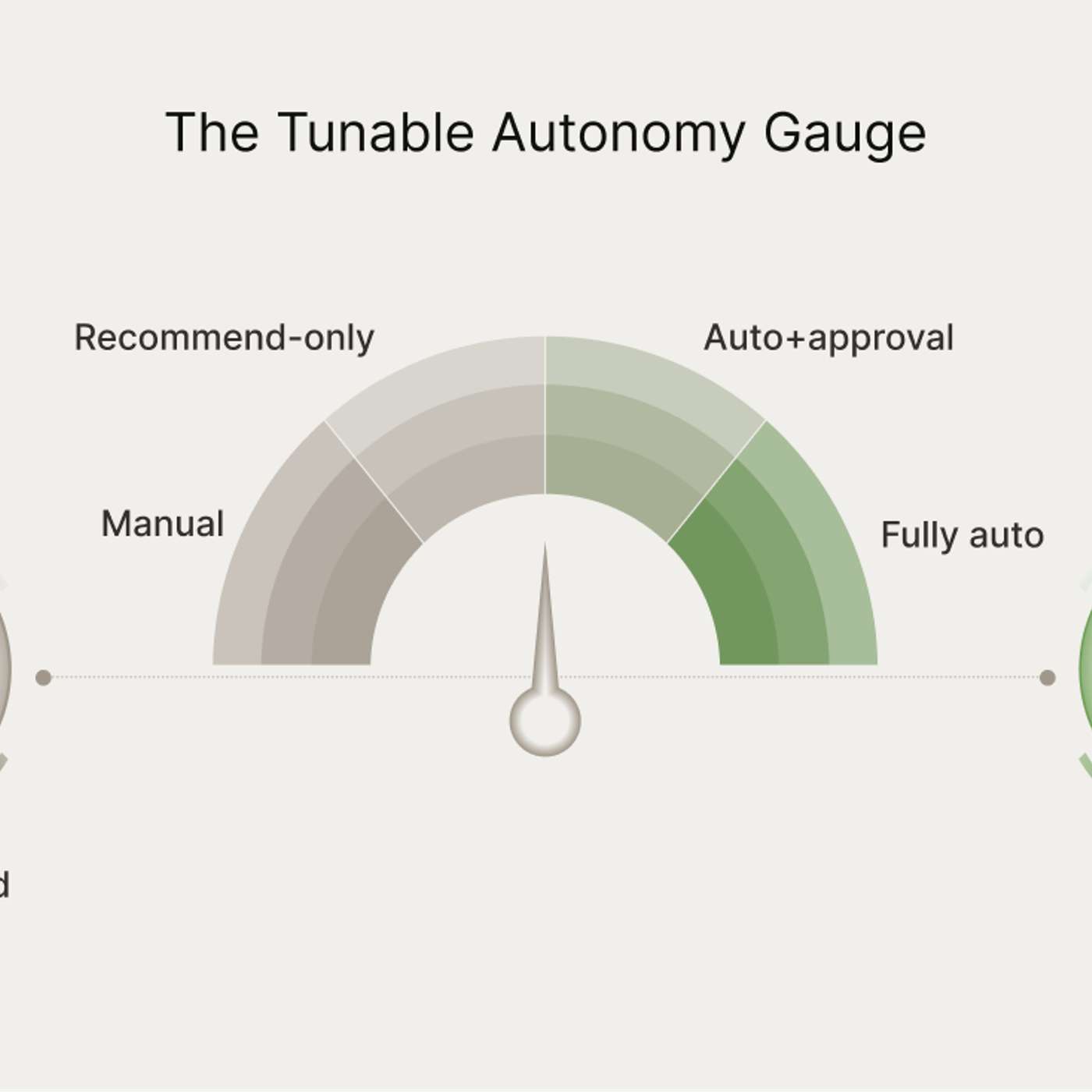
    Human in the Loop AI: How to Safely Scale Agentic Workloads with Tunable Autonomy

    This story was originally published on HackerNoon at: https://hackernoon.com/human-in-the-loop-ai-how-to-safely-scale-agentic-workloads-with-tunable-autonomy. Learn how tunable autonomy helps engineering teams expand AI agent responsibilities through human approval, performance metrics, autonomy gates, and guardrails. Check more stories related to undefined at: https://hackernoon.com/c/undefined. You can also check exclusive content about #agentic-ai-governance, #ai-workflow-automation, #ai-engineering-context, #ai-agent-accountability, #autonomous-ai-workflows, #ai-agent-autonomy-levels, #tunable-ai-autonomy, #good-company, and more. This story was written by: @playerzero. Learn more about this writer by checking @playerzero's about page, and for more stories, please visit hackernoon.com. Engineering teams often trust AI agents to summarize tickets and recommend fixes but hesitate to let them investigate incidents or make production changes. Tunable autonomy offers a gradual path forward, allowing organizations to expand AI responsibilities as reliability and trust improve. This article explains four autonomy levels, how approval gates manage cross-team handoffs, and how metrics such as approval rates, MTTR, regressions, and rollback frequency inform decisions. It also explores the audit trails, agent identities, reversibility, and policy constraints needed to keep autonomous work accountable.

  • Friday · 15 min

    AI Code Generation Is Only One Small Piece Of The ROI Equation

    This story was originally published on HackerNoon at: https://hackernoon.com/ai-code-generation-is-only-one-small-piece-of-the-roi-equation. Measure AI ROI beyond coding speed. Discover how shared engineering context can reduce repeated work across support, diagnosis, product, QA, and release. Check more stories related to undefined at: https://hackernoon.com/c/undefined. You can also check exclusive content about #ai-code-review-and-testing, #software-defect-resolution, #ai-root-cause-analysis, #engineering-world-model, #roi-on-ai-coding-tools, #engineering-capacity-recovery, #ai-customer-support, #good-company, and more. This story was written by: @playerzero. Learn more about this writer by checking @playerzero's about page, and for more stories, please visit hackernoon.com. AI coding tools help developers write code faster, but the return on that investment depends on what happens after implementation. Customer escalations still require triage, diagnosis, prioritization, review, testing, and release. This article explains how an engineering world model can reduce repeated investigation by connecting code, production signals, customer tickets, and past incidents. PlayerZero's AI ROI calculator estimates how much engineering capacity teams could recover from escalated customer work, while a Higher Logic example illustrates how shared production context can support both support and QA teams.

  • Friday · 9 min

    What the Microsoft 365 outage says about change risk

    This story was originally published on HackerNoon at: https://hackernoon.com/what-the-microsoft-365-outage-says-about-change-risk. The November 2026 Microsoft 365 outage shows how a latent defect, routine failover, and reduced gateway capacity can combine into a major failure. Check more stories related to undefined at: https://hackernoon.com/c/undefined. You can also check exclusive content about #playerzero-codesim, #ai-code-simulation, #software-change-failure, #microsoft-teams-outage, #latent-software-defects, #microsoft-365-outage, #microsoft-outage-root-cause, #good-company, and more. This story was written by: @playerzero. Learn more about this writer by checking @playerzero's about page, and for more stories, please visit hackernoon.com. The November 2026 Microsoft 365 outage was caused by three factors converging: a latent defect introduced in a July fix, a routine Microsoft Teams failover, and nearly 14% of gateway capacity already unavailable. Together, they pushed the shared networking gateway beyond its limits, leaving more than 80% of servers unresponsive at the worst point. The incident highlights why staged rollouts and clean test results cannot guarantee production safety. Engineering teams also need visibility into dependencies, current infrastructure conditions, historical incidents, and recovery options before approving changes. The article explores how shared organizational context and code simulation can help teams identify risks that individual tests and dashboards may miss.

  • Friday · 6 min

    EC-Council Releases ADG 2.0 and Offers Free AI Governance Crosswalks to Governments Worldwide

    This story was originally published on HackerNoon at: https://hackernoon.com/ec-council-releases-adg-20-and-offers-free-ai-governance-crosswalks-to-governments-worldwide. EC-Council releases ADG 2.0, a free AI governance framework with 180+ controls mapped to more than 90 global regulations and standards. Check more stories related to undefined at: https://hackernoon.com/c/undefined. You can also check exclusive content about #ai-advisory-board, #ai-regulatory-compliance, #ai-governance-framework, #ai-governance-controls, #ec-council-adg-2.0, #ai-autonomy-levels, #ai-readiness-self-assessment, #good-company, and more. This story was written by: @sanya_kapoor. Learn more about this writer by checking @sanya_kapoor's about page, and for more stories, please visit hackernoon.com. EC-Council has released ADG 2.0, an updated AI governance framework containing more than 180 controls across 12 control families, mapped to over 90 regulations, standards, and frameworks. The organization is making the framework and its crosswalks freely available to governments, regulators, standards bodies, and the public, with implementation assistance for public authorities. ADG 2.0 defines controls across four operational stages, establishes three autonomy levels, and requires evidence that organizations can use to demonstrate how AI systems are governed in practice.

  • Friday · 57 min

    Noise Greater Than the Regression: How We Built Android Memory Regression Tests at inDrive

    This story was originally published on HackerNoon at: https://hackernoon.com/noise-greater-than-the-regression-how-we-built-android-memory-regression-tests-at-indrive. How inDrive built an Android memory regression gate for pull requests, overcoming noisy measurements with CI emulators, real devices, and calibrated thresholds. Check more stories related to undefined at: https://hackernoon.com/c/undefined. You can also check exclusive content about #android, #android-development, #performance-testing, #continous-integration, #software-testing, #memory-management, #devops, #good-company, and more. This story was written by: @indrivetech. Learn more about this writer by checking @indrivetech's about page, and for more stories, please visit hackernoon.com. The author of an Android app aimed to catch memory regressions before release by comparing the memory usage of a pull request build with the main branch. They encountered measurement noise and developed a reliable pull-request gate to address this issue.

  • Friday · 6 min

    $6.3 Billion Job Interview: Trojan Horse Fleeces Binance

    This story was originally published on HackerNoon at: https://hackernoon.com/$63-billion-job-interview-trojan-horse-fleeces-binance. Binance's $6.3 billion crypto hack reveals how social engineering and compromised AI tools can expose even the most secure enterprises. Check more stories related to undefined at: https://hackernoon.com/c/undefined. You can also check exclusive content about #fake-job-interview-scam, #crypto-wallet-security, #ai-coding-tools, #aphanarc-ai, #ai-tool-vulnerabilities, #crypto-heist, #ai-infrastructure, #good-company, and more. This story was written by: @aphanarc-ai. Learn more about this writer by checking @aphanarc-ai's about page, and for more stories, please visit hackernoon.com. Binance's $6.3 billion crypto hack reveals how social engineering and compromised AI tools can expose even the most secure enterprises.

  • Thursday · 5 min

    53% of Gamers Rank Black Friday as the Best Value Event of the Year, Reveals New G2A.COM Survey

    This story was originally published on HackerNoon at: https://hackernoon.com/53percent-of-gamers-rank-black-friday-as-the-best-value-event-of-the-year-reveals-new-g2acom-survey. New G2A findings reveal how gamers are turning Black Friday into a planned purchasing moment, with 64% having delayed purchases of newly released games or in-ga Check more stories related to undefined at: https://hackernoon.com/c/undefined. You can also check exclusive content about #technology, #online-gaming, #future-of-gaming, #mobile-game-development, #technologywire, #technologywire-press-release, #online-gaming-industry, #good-company, and more. This story was written by: @technology_wire. Learn more about this writer by checking @technology_wire's about page, and for more stories, please visit hackernoon.com. Gamers are increasingly making deliberate purchasing decisions, tracking prices and postponing purchases in anticipation of Black Friday, with 53% identifying it as the best value for game purchases. Black Friday remains the peak value event for gamers, with 64% of respondents delaying buying games or in-game content to wait for discounts.

  • Thursday · 5 min

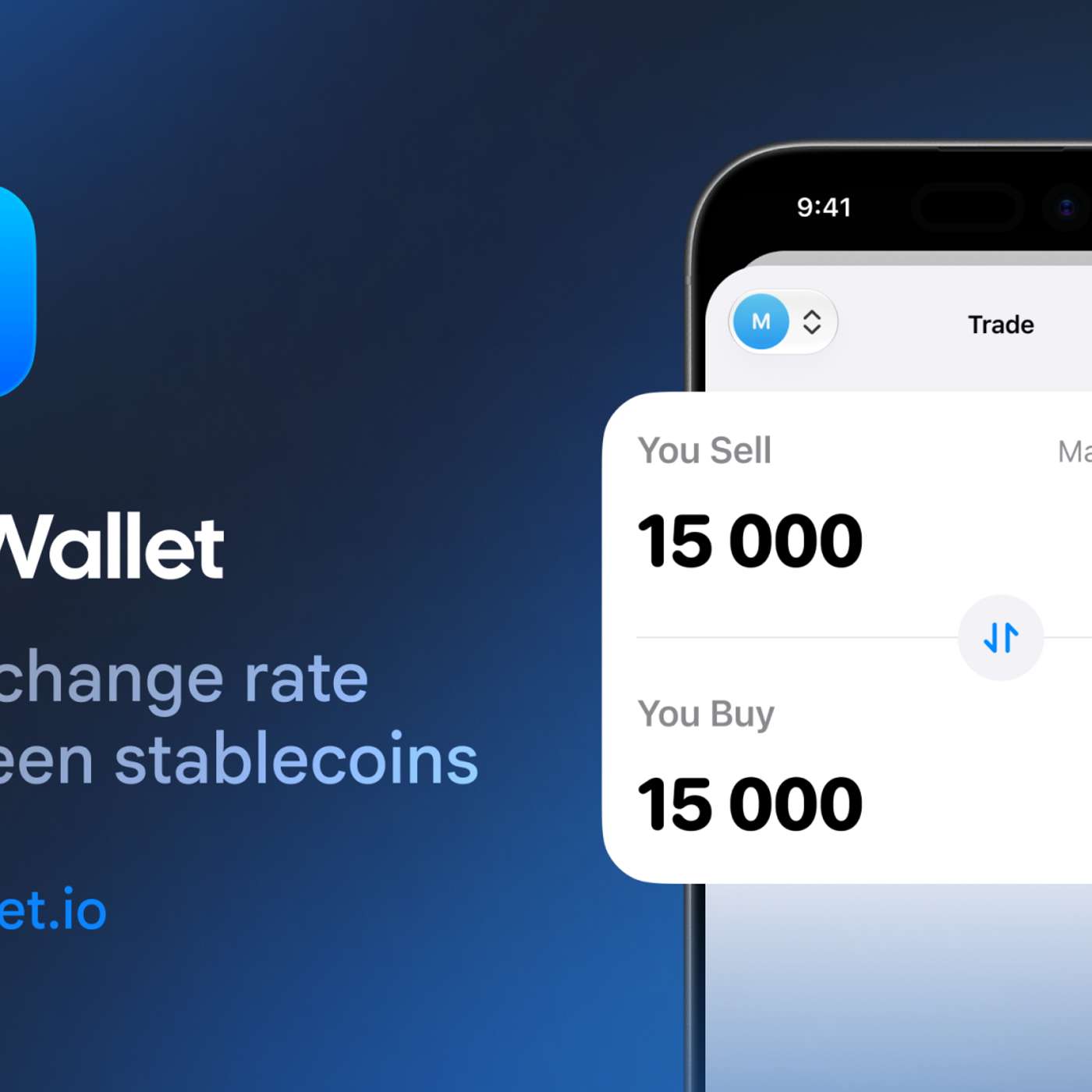
    My Wallet Introduces 1:1 Cross-Chain Stablecoin Swaps After Being Listed First on WalletConnect

    This story was originally published on HackerNoon at: https://hackernoon.com/my-wallet-introduces-11-cross-chain-stablecoin-swaps-after-being-listed-first-on-walletconnect. On eligible routes, users can switch both stablecoins and networks within a single in-app flow, with the amount they will receive fixed before confirmation. Check more stories related to undefined at: https://hackernoon.com/c/undefined. You can also check exclusive content about #web3, #crypto-wallet, #chainwire, #press-release, #crypto-adoption, #blockchain-development, #crypto-regulation, #good-company, and more. This story was written by: @chainwire. Learn more about this writer by checking @chainwire's about page, and for more stories, please visit hackernoon.com. My Wallet, a self-custodial crypto wallet, has launched 1:1 swaps for USDT, USDC, USDe, and USDS across supported blockchains, allowing users to switch stablecoins and networks within a single in-app flow. This feature aims to simplify stablecoin transfers across blockchains, addressing friction when users need a specific token on a specific network.

  • Thursday · 8 min

    AI Software Factory Building Blocks for 2027

    This story was originally published on HackerNoon at: https://hackernoon.com/ai-software-factory-building-blocks-for-2027. Eight building blocks of an AI software factory, the tools behind them, and why verification determines how much autonomy you can trust. Check more stories related to undefined at: https://hackernoon.com/c/undefined. You can also check exclusive content about #agentic-coding, #software-development, #coding-agents, #autonomous-software-engineerin, #ai-testing, #good-company, #ai-agent, #ai-software-building-blocks, and more. This story was written by: @qatech. Learn more about this writer by checking @qatech's about page, and for more stories, please visit hackernoon.com. An AI software factory uses parallel coding agents to turn specs into shipped features. But generating code is easier to scale than verifying it. This guide breaks down the eight essential building blocks, the tools behind each, and why independent running-app verification is critical to safely increasing agent autonomy.

  • Thursday · 9 min

    Manuj Mittal on Why “Most Tokens Aren’t Securities” Leaves Crypto With More Questions Than Answers

    This story was originally published on HackerNoon at: https://hackernoon.com/manuj-mittal-on-why-most-tokens-arent-securities-leaves-crypto-with-more-questions-than-answers. Manuj Mittal explains why SEC and CFTC crypto guidance cannot replace legislation, and how court challenges could shape regulatory certainty. Check more stories related to undefined at: https://hackernoon.com/c/undefined. You can also check exclusive content about #u.s.-crypto-regulation, #cftc-crypto-rulemaking, #crypto-regulatory-uncertainty, #crypto-asset-classification, #clarity-act-2026, #digital-asset-market-clarity, #howey-test, #good-company, and more. This story was written by: @jonstojanjournalist. Learn more about this writer by checking @jonstojanjournalist's about page, and for more stories, please visit hackernoon.com. The stalled CLARITY Act and subsequent SEC and CFTC actions have left U.S. crypto regulation dependent on agency interpretations rather than a comprehensive federal statute. The SEC’s March 2026 interpretation identifies several crypto asset categories and says many tokens are not securities in themselves, but their sale can still form part of an investment contract under the Howey Test. Manuj Mittal argues that this distinction, combined with the possibility of court challenges after Loper Bright, leaves investors and businesses with unresolved questions. For institutional adoption, regulatory clarity will depend not only on agency guidance but also on whether courts uphold the framework.

  • Thursday · 8 min

    Cyber Libertarians: Peter Ludlow & Future Governance

    This story was originally published on HackerNoon at: https://hackernoon.com/cyber-libertarians-peter-ludlow-and-future-governance. Explore how Peter Ludlow’s cyber-libertarian ideas connect digital rights, virtual worlds, and on-chain governance. Discover his vision for online freedom! Check more stories related to undefined at: https://hackernoon.com/c/undefined. You can also check exclusive content about #on-chain-governance, #dao-governance, #cyber-libertarianism, #peter-ludlow, #virtual-worlds, #network-states, #obyte, #good-company, and more. This story was written by: @obyte. Learn more about this writer by checking @obyte's about page, and for more stories, please visit hackernoon.com. Peter Ludlow is a cyber-libertarian who advocates for decentralized digital governance, transparency, and individual freedom. He has written several books and articles on the topic, including "High Noon on the Electronic Frontier" and "Farewell to Westphalia: Crypto Sovereignty and Post-Nation-State Governance".

  • Thursday · 6 min

    Code Effects Releases Version 7 with Secure AI Agents, Rule Governance, and Auditing for .NET0

    This story was originally published on HackerNoon at: https://hackernoon.com/code-effects-releases-version-7-with-secure-ai-agents-rule-governance-and-auditing-for-net0. The new platform introduces AI-assisted rule authoring, secure AI agent integration, centralized rule repositories, version management, testing, production eval Check more stories related to undefined at: https://hackernoon.com/c/undefined. You can also check exclusive content about #technology, #agentic-ai, #ai-agent, #technologywire, #press-release, #technologywire-press-release, #ai-agent-security, #good-company, and more. This story was written by: @technology_wire. Learn more about this writer by checking @technology_wire's about page, and for more stories, please visit hackernoon.com. Code Effects Software, LLC has released Version 7 of its embeddable .NET business rules engine technology, introducing AI-assisted rule authoring, secure AI agent integration, and centralized rule repositories. The platform enables organizations to incorporate artificial intelligence into business rule management while preserving deterministic execution and human oversight.

  • Thursday · 5 min

    OX Security Launches OX Radar and Response Center to Show Companies Which Cyber Threats Affect Them

    This story was originally published on HackerNoon at: https://hackernoon.com/ox-security-launches-ox-radar-and-response-center-to-show-companies-which-cyber-threats-affect-them. New technology monitors critical vulnerabilities and supply chain threats, automatically assessing customer exposure and guiding remediation Check more stories related to undefined at: https://hackernoon.com/c/undefined. You can also check exclusive content about #technology, #okx, #technologywire, #press-release, #technologywire-press-release, #cyber-attack, #cyber-threats, #good-company, and more. This story was written by: @technology_wire. Learn more about this writer by checking @technology_wire's about page, and for more stories, please visit hackernoon.com. OX Security launched OX Radar and Response Center, a platform that helps security teams track high-priority cyber threats and determine if their organizations are affected. The platform continuously monitors emerging vulnerabilities and provides context and guidance for remediation, making it easier for teams to stay ahead of threats.

  • Wednesday · 5 min

    Your AI Agents Will Be Attacked. Red-Team Them First

    This story was originally published on HackerNoon at: https://hackernoon.com/your-ai-agents-will-be-attacked-red-team-them-first. Learn why AI agents need continuous red teaming and how BotGauge AI tests prompt injection, tool misuse, data exfiltration, and multi-agent attacks. Check more stories related to undefined at: https://hackernoon.com/c/undefined. You can also check exclusive content about #ai-agent-red-teaming, #indirect-prompt-injection, #ai-agent-observability, #ai-data-exfiltration, #prompt-injection-attacks, #autonomous-ai-agent-security, #ai-agent-security-testing, #good-company, and more. This story was written by: @jonstojanjournalist. Learn more about this writer by checking @jonstojanjournalist's about page, and for more stories, please visit hackernoon.com. AI agents introduce security risks that traditional functional testing cannot catch. Because agents can access tools, read sensitive data, modify records, and delegate tasks, a successful attack can trigger real-world consequences. BotGauge AI co-founder and CEO Pramin Pradeep explains why continuous red teaming is essential and how the company's Agent Control Plane tests agents against 200+ attack strategies, traces failed attacks, and compares security evaluations across releases. The article also outlines practical steps for teams, including mapping permissions, testing untrusted inputs, tracking execution traces, and applying least-privilege access.

  • Wednesday · 5 min

    Crypto Market Cycles: Reading the Phases Before You Buy

    This story was originally published on HackerNoon at: https://hackernoon.com/crypto-market-cycles-reading-the-phases-before-you-buy. Crypto can move through sharp changes quickly, though its cycles have no fixed duration. Check more stories related to undefined at: https://hackernoon.com/c/undefined. You can also check exclusive content about #cryptocurrency, #crypto-market-cycles, #crypto-market-guide, #crypto-market-cycle-phases, #bitcoin-halving, #crypto-guide, #good-company, #crypto-market-shift, and more. This story was written by: @getxlocal. Learn more about this writer by checking @getxlocal's about page, and for more stories, please visit hackernoon.com. Economic conditions and investors' changing expectations influence how much buying or selling pressure a market faces. Crypto can move through sharp changes quickly, though its cycles have no fixed duration. When buyers become less willing to meet sellers' prices, downward pressure can build. Interest may eventually return, beginning another advance. The familiar cycle model groups this behaviour into accumulation, markup, distribution and markdown.

  • Wednesday · 11 min

    AI Made Writing Code Cheap. Getting It Reviewed Now Takes 5x Longer, Says LinearB’s CEO

    This story was originally published on HackerNoon at: https://hackernoon.com/ai-made-writing-code-cheap-getting-it-reviewed-now-takes-5x-longer-says-linearbs-ceo. LinearB CEO Ori Keren on why AI code waits longer for review, how boards should judge AI's return and why context now steers coding agents. Check more stories related to undefined at: https://hackernoon.com/c/undefined. You can also check exclusive content about #linearb, #ai-and-ml, #business, #technology, #software-development, #software-review, #good-company, #software-engineering, and more. This story was written by: @ishanpandey. Learn more about this writer by checking @ishanpandey's about page, and for more stories, please visit hackernoon.com. Enterprises spent $4.0 billion on AI coding tools in 2025, yet agent-written pull requests wait 17.6 hours for a first review against 3.4 hours for human ones. In this Behind the Startup interview, LinearB co-founder and CEO Ori Keren explains why the company rebuilt its platform around a knowledge graph of software delivery, how CFOs changed the way engineering deals are won and why boards should track the cost per effective delivered change in place of AI adoption rates.

Showing 1–20 of 699 episodes