Skip to content
Artwork for The Fantasy Writers' Toolshed
ArtsBooksEducationHow To

The Fantasy Writers' Toolshed

Richie Billing

The Fantasy Writers’ Toolshed is a podcast for aspiring and experienced fantasy writers who want to master storytelling, creative writing, worldbuilding and character creation.

Hosted by author Richie Billing, each episode features practical fantasy writing craft advice as well as fiction writing advice generally, publishing tips and guidance, and inspiring author interviews with bestsellers, editors, historians, literary agents, psychologists and even an FBI Special Agent.

Learn how to write, edit and market your fantasy stories with confidence.

New episodes are released on the 14th of each month.

Join our Discord community of hundreds of writers and gain early access to each episode: www.patreon.com/TheFantasyWritersToolshed

Get free dark fantasy books by Richie here: https://richiebilling.com/get-dark-fantasy-books

Play
  • 23 episodes
  • monthly
  • Avg 47 min
  • English

Support the show

Goes straight to the publisher. podnod takes nothing.

Counted on this page — what you have heard stays on this device, so it is not something the list can be paged by.
  • S3 · E38
    November 14 · 38 min

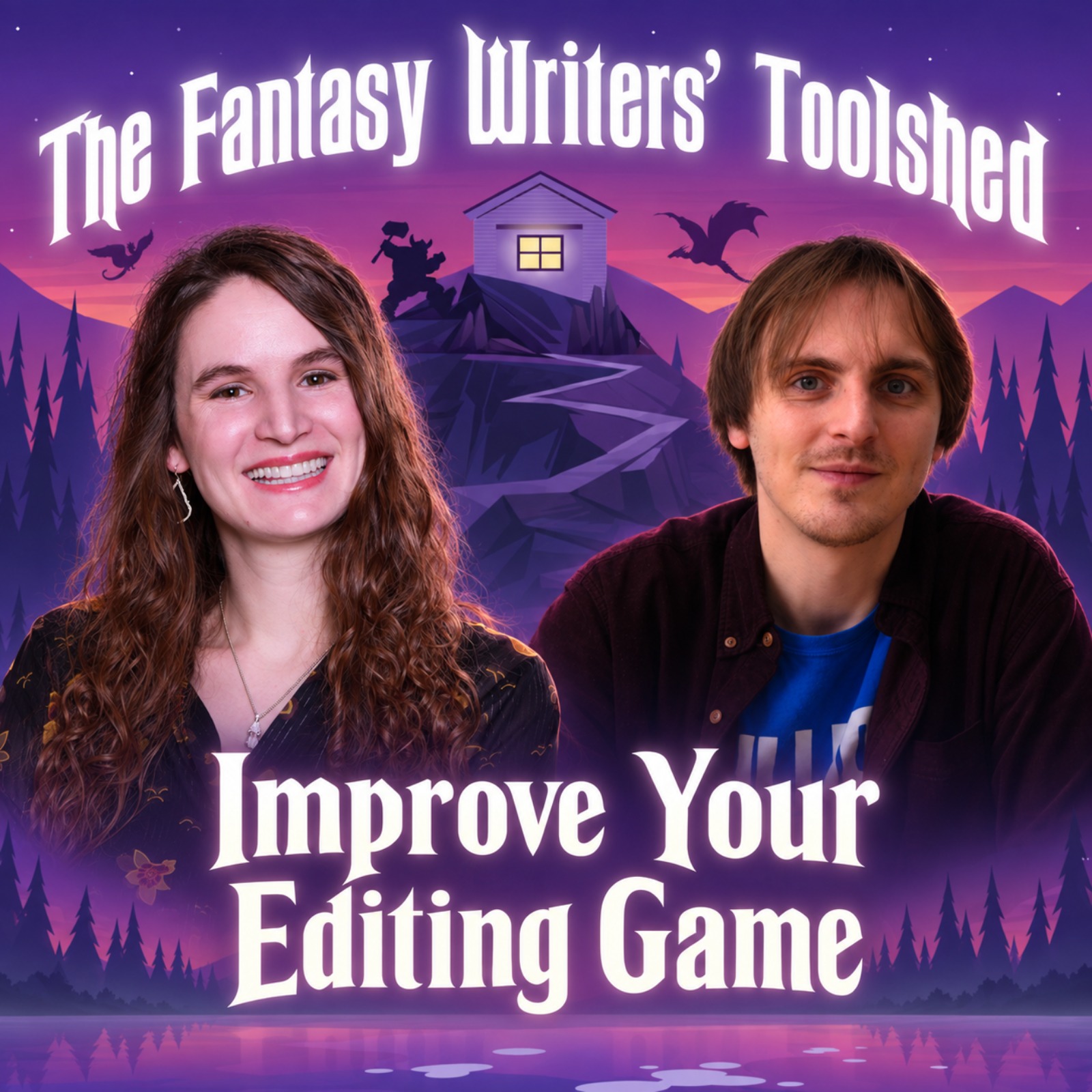
    TikTok for Authors: Does Going Viral Sell Books? | Liz Shipton

    Does going viral on TikTok actually sell books? Fantasy author and viral creator Liz Shipton joins Richie Billing to share what happened when her comedy videos took off: a large following and an agent’s attention, but fewer book sales than you might expect. Liz offers practical BookTok advice for authors. We discuss how to make an unusual book easy to grasp with familiar tropes and comparisons, why your cover and author profile must signal your genre, and how to hook viewers before they scroll away. She also explains why the page readers reach after watching your video must deliver on the same promise. The conversation goes beyond TikTok, too. Liz talks candidly about the pressure to keep making viral content, protecting time to write, and finding readers outside social media. We also explore her life aboard a sailboat, her books, and the plotting and worldbuilding methods she developed over nine novels. You’ll discover: What TikTok virality did for Liz’s writing career—and why views did not become book sales automatically. How to use tropes and comparisons to pitch a fantasy book in seconds. Why your video, cover, author brand and book page need to tell the same story. How to find your corner of BookTok and open a video with a clear hook. Why an author’s marketing plan should leave room for writing and for reaching readers beyond social media. Whether you’re making your first BookTok video or wondering what your follower count really means, Liz’s experience offers a candid look at what helps readers discover a book. ABOUT LIZ SHIPTON Liz Shipton is a speculative fiction author whose books include the nine-book Thalassic series, the urban sci-fantasy novel Dot Slash Magic, and the dark fantasy satire Mother & Slaughter. She creates comedy videos about book tropes and lives and writes aboard a sailboat. LIZ’S BOOKS AND LINKS Visit Liz’s website: https://lizshipton.com/ Explore Dot Slash Magic: https://lizshipton.com/dot-slash-magic/ Explore Mother & Slaughter: https://lizshipton.com/mother-and-slaughter/ MORE FROM THE FANTASY WRITERS’ TOOLSHED Learn more about the podcast: https://richiebilling.com/the-fantasy-writers-toolshed-podcast Find fantasy writing books, classes, guides and courses: https://www.patreon.com/c/TheFantasyWritersToolshed Subscribe to The Fantasy Writers’ Toolshed for more author interviews and practical fantasy writing advice.

  • S3 · E37
    October 13 · 50 min

    Science Meets Fantasy: Worldbuilding with Premee Mohamed

    How can science help you create a fantasy world that feels fresh, strange and full of possibilities? Multi-award-winning author and scientist Premee Mohamed joins Richie Billing to explore worldbuilding, character creation and the writing process behind her new novel, Wickhills. We discuss how bringing science into fantasy can inspire distinctive worlds, where Premee finds her story ideas, and how she develops the characters who inhabit them. Wickhills, a fantasy thriller involving espionage, dangerous magic and a defecting scientist, gives us plenty to dig into. Premee also draws on her experience working with short fiction publishers and supporting writers as a writer-in-residence. She shares the biggest mistakes she sees writers make, her advice for avoiding them, and how she continues to develop her own craft. You’ll discover: • How to combine science and fantasy to create more original worlds. • How Premee approaches story ideas, worldbuilding and character creation. • Common writing mistakes she encounters when editing and mentoring. • How an award-winning author develops her writing process and hones her craft. Whether you’re working on a short story or building an entire fantasy universe, this conversation offers ideas and practical advice to take back to your own writing. ABOUT PREMEE MOHAMED Premee Mohamed is an Indo-Caribbean scientist and speculative fiction author based in Edmonton, Canada. Her work has won Nebula, World Fantasy, Ignyte, Locus and Aurora awards. Her books include Beneath the Rising, The Annual Migration of Clouds, The Butcher of the Forest and Wickhills. She was Edmonton Public Library’s writer-in-residence in 2024 and an assistant editor at Escape Pod from 2020 to 2024. Her short fiction has appeared in publications including Analog, Augur and Nightmare Magazine. PREMEE’S BOOKS AND LINKS Visit Premee’s website Explore Wickhills and find buying options Browse Premee’s books MORE FROM THE FANTASY WRITERS’ TOOLSHED To learn more or get in touch To find fantasy writing books, classes, guides and courses Follow The Fantasy Writers’ Toolshed for more fantasy writing advice and author interviews.

  • S3 · E36
    September 13 · 47 min

    How to Find the Right Book Editor | Richelle Braswell

    How do you know when to bring an editor into your manuscript? Fantasy and cozy mystery editor Richelle Braswell joins Richie Billing to discuss the signs, costs and working relationship behind a good editorial choice. They cover where to find reputable editors, how to assess genre experience and communication style, and why sample edits can help. Richelle also shows how useful feedback diagnoses a storytelling problem instead of stopping at a vague reaction. The conversation moves into character agency, personal stakes and showing emotion through behaviour. Rates and availability change, so request current terms from any editor you are considering. You’ll discover: When outside editorial help may be useful. How to assess an editor’s specialism and process. What a sample edit can reveal. How strong feedback can deepen character motives and agency. If you are preparing to hire an editor, this conversation helps you ask better questions before committing. ABOUT RICHELLE BRASWELL Richelle Braswell is a professional editor specialising in fantasy and cozy mystery. She discusses how to strengthen manuscripts while respecting an author’s voice. GUEST AND RELATED LINKS Visit Richelle Braswell’s website Explore Richelle’s author resources Explore Richie’s editing class CHAPTERS 00:00 Why fantasy stories contain elements of mystery 01:05 When can an editor help your manuscript? 04:27 Where to find a professional book editor 08:12 Green flags and genre specialisation 10:43 Red flags and realistic pricing 12:22 Finding a compatible working style 14:49 Sample edits and authorial voice 16:06 Turning reactions into constructive feedback 18:55 Making motives and stakes personal 21:39 Character depth, decisions and agency 23:56 Showing emotion through action 25:35 Recommended writing and editing books 31:06 Where to find Richelle MORE FROM THE FANTASY WRITERS’ TOOLSHED Learn more or get in touch Find fantasy writing books, classes, guides and courses Follow The Fantasy Writers’ Toolshed for more fantasy writing advice and author interviews.

  • S3 · E35
    August 13 · 1 hr 15 min

    Anthropology for Fantasy Worldbuilding | Michael Kilman

    How can anthropology make a fantasy society feel more believable? Author and anthropologist Michael Kilman joins Richie Billing to explore taboos, myths, monsters and the structures that shape communities. They discuss cause and effect in worldbuilding and how customs can create tension between characters. Michael draws on cross-cultural examples and his teaching to show why a culture is more than a list of decorative details. His book Build Better Worlds, co-written with Kyra Wellstrom, extends these ideas to fiction, film and game design. You’ll discover: What anthropology can add to a fantasy setting. How taboos and myths affect characters. Why social structures create story conflict. Questions to ask before inventing a culture. If your world has interesting places but thin societies, this conversation offers a different way to build depth. ABOUT MICHAEL KILMAN Michael Kilman is an author, podcaster and anthropologist who co-wrote Build Better Worlds with Kyra Wellstrom. GUEST AND RELATED LINKS Visit Michael Kilman’s website Explore Michael’s YouTube channel MORE FROM THE FANTASY WRITERS’ TOOLSHED Learn more or get in touch Find fantasy writing books, classes, guides and courses Follow The Fantasy Writers’ Toolshed for more fantasy writing advice and author interviews.

  • S3 · E34
    July 13 · 38 min

    Jayne Ann Krentz on Core Story, Character Craft and Romantic Suspense

    How has Jayne Ann Krentz kept finding new stories across a long writing career? The bestselling author joins Richie Billing to discuss her “core story” idea, character craft and the connection between romance and suspense. Jayne writes under the names Jayne Ann Krentz, Amanda Quick and Jayne Castle. They talk about the Harmony setting, gothic fiction and how a romantic turn can change the suspense plot, with Enter the Nightmare among the books discussed. The conversation also reflects on changes in publishing. The new-release references belong to its recording period, while the craft discussion speaks to writers planning their own long careers. You’ll discover: What Jayne means by a core story. How she approaches memorable characters. Why romance and suspense should affect one another. How a recurring world can reward returning readers. If you write romance, fantasy or suspense, this interview offers a career-spanning view of story design. ABOUT JAYNE ANN KRENTZ Jayne Ann Krentz is a bestselling author who also writes as Amanda Quick and Jayne Castle. Enter the Nightmare is part of her Harmony series. GUEST AND RELATED LINKS Visit Jayne Ann Krentz’s website Explore Enter the Nightmare MORE FROM THE FANTASY WRITERS’ TOOLSHED Learn more or get in touch Find fantasy writing books, classes, guides and courses Follow The Fantasy Writers’ Toolshed for more fantasy writing advice and author interviews.

  • S3 · E33
    June 13 · 1 hr 5 min

    Submitting Short Stories and Finding an Agent | Benjamin Davis of Chill Subs

    Where can writers find the right magazines for a short story, and can those credits help with an agent search? Chill Subs co-founder Benjamin Davis joins Richie Billing to discuss submissions from the writer’s side of the inbox. They cover cover letters, formatting, simultaneous submissions and reprints, along with ways to track opportunities. Benjamin also discusses how a publication history may support a later query for a book. Market rules and platform features change. Check each publication’s current guidelines and Chill Subs’ current tools before sending work. You’ll discover: How to research suitable short-fiction markets. What to check in a cover letter and manuscript format. Why simultaneous submissions and reprints require care. How short-story credits can fit an agent query. If you are submitting fiction, this conversation offers a practical way to organise the process. ABOUT BENJAMIN DAVIS Benjamin Davis is a writer and co-founder of Chill Subs, a platform for discovering and tracking literary submissions. GUEST AND RELATED LINKS Explore Chill Subs MORE FROM THE FANTASY WRITERS’ TOOLSHED Learn more or get in touch Find fantasy writing books, classes, guides and courses Follow The Fantasy Writers’ Toolshed for more fantasy writing advice and author interviews.

  • May 26 · 29 min

    Fixing Enemies-to-Lovers Romantasy: A Live Writing Exercise

    How do you make enemies-to-lovers attraction feel earned? Richie Billing takes a deliberately weak romantasy draft and revises it in real time for the Fixing Bad Writing series. The scene includes a stolen magic sword, a convenient dragon and romantic tension that arrives too quickly. Richie examines shallow conflict, cliché dialogue and rushed attraction, then makes choices designed to give the characters clearer motives. The original draft was AI-generated for this writing exercise. The audio explains the edits, while the video version shows more of the live revision process. You’ll discover: Why an enemies-to-lovers premise needs genuine conflict. How dialogue can reveal character instead of only flirtation. What to change when attraction feels rushed. How a live redraft can expose weak story choices. If you write romantasy, use the episode as a prompt to revise a scene of your own. ABOUT THIS EPISODE Richie Billing hosts Fixing Bad Writing, a series that analyses and revises weak fiction drafts as a craft exercise. RESOURCES Watch the full video version MORE FROM THE FANTASY WRITERS’ TOOLSHED Learn more or get in touch Find fantasy writing books, classes, guides and courses Follow The Fantasy Writers’ Toolshed for more fantasy writing advice and author interviews.

  • S3 · E32
    May 13 · 47 min

    Michael Chatfield on Indie Publishing, Patreon and Reader Growth

    How do you build an independent author career around both books and readers? Michael Chatfield joins Richie Billing to discuss his writing process, fantasy series and the business choices behind his work. They explore how Michael develops ideas and characters, as well as how he engages an audience through Patreon. The conversation includes the work of running a growing publishing operation alongside the creative demands of writing. Subscription features and business arrangements can change. Michael’s experience offers one model to study rather than a guaranteed path to sales. You’ll discover: How Michael develops story ideas and characters. What his fantasy and LitRPG series reveal about his process. How he has used Patreon to connect with readers. Which business questions independent authors need to consider. If you are weighing an indie publishing career, this conversation brings craft and entrepreneurship together. ABOUT MICHAEL CHATFIELD Michael Chatfield is an independent fantasy, science fiction and LitRPG author whose series include The Ten Realms and Emerilia. GUEST AND RELATED LINKS Visit Michael Chatfield’s website Explore Michael’s Patreon MORE FROM THE FANTASY WRITERS’ TOOLSHED Learn more or get in touch Find fantasy writing books, classes, guides and courses Follow The Fantasy Writers’ Toolshed for more fantasy writing advice and author interviews.

  • S3 · E31
    April 27 · 32 min

    Can I Save This Terrible High Fantasy Story? | Fixing Bad Writing

    More From The Toolshed Get my handbook on writing fantasy > https://richiebilling.com/store/books/a-fantasy-writers-handbook-ebook Get courses and classes on creating fantasy stories, plus early access to episodes > https://www.patreon.com/TheFantasyWritersToolshed/ More resources and contact > https://richiebilling.com/ For the full video experience, please watch on YouTube > https://www.youtube.com/@fixingbadwriting Welcome to Fixing Bad Writing, a new series within The Fantasy Writers' Toolshed podcast, where I take a rubbish story generated by AI and try to make it good, or at least less crappy. In Episode 1, I tackle the "High Fantasy" genre. Walk through the story's analysis with me, watch as I edit, before seeing whether or not I can save this terrible story. If you’re looking for a creative writing challenge or a unique writing exercise, you’re in the right place. This series acts as a writing guide for anyone trying to spot common mistakes and improve their craft. Whether you are looking for writing exercises for beginners or more advanced story writing exercises, hopefully, this live rewrite will teach you new skills! 🏆 TAKE THE WRITING CHALLENGE Think you can do better? (You probably can). I want to see your version! And then why not join our Discord community and share it? Here's the original story: In the kingdom of Eldoria there was a man called Brin who was a knight but not a very good one, and one day he was told by the king to go and stop a dark wizard named Maldrake who lived in a tower that was quite far away and also spooky, so Brin said yes even though he was a bit tired and hadn’t eaten much, and he got on his horse which didn’t like him very much and set off slowly while thinking about how dangerous it all sounded. On the way he met a strange old woman who may have been magical but it was not very clear, and she gave him a sword that looked important but also a bit rusty, and told him something vague like “you will need this probably,” which Brin thought was helpful enough. When he got to the tower it was taller than expected and had a door that was already open which seemed suspicious, but he went in anyway and shouted for Maldrake who appeared almost immediately which saved time, and they had a fight that was not very graceful but still quite serious, and Brin mostly waved the sword around until something worked and the wizard fell over in a way that suggested he was defeated. After that Brin felt proud but also confused about how easy it was, and he went back to the kingdom where the king thanked him a lot and there was a feast, although Brin kept wondering if the wizard might not actually be fully gone which made the ending feel a bit unsure.

  • S3 · E30
    April 13 · 44 min

    How to Write a Query Letter | Stephen Aryan on Structure and Strategy

    What should a query letter tell a literary agent? Fantasy author Stephen Aryan joins Richie Billing to work through the structure, purpose and decisions behind a submission letter. They discuss the opening hook, book pitch, author bio and closing, drawing on Stephen’s experience finding representation with Juliet Mushens. The conversation also covers when to seek feedback and how to think about a querying strategy. Agent guidelines vary and change over time. Use the episode to understand the parts of a query, then follow each agent’s current instructions. You’ll discover: What each part of a query letter needs to do. How Stephen approached his own route to an agent. When feedback may help a query package. Why submission strategy needs current research. If you are preparing to query a fantasy novel, this conversation offers a paragraph-by-paragraph framework to examine. ABOUT STEPHEN ARYAN Stephen Aryan is a fantasy author who discusses the query letter and his experience finding a literary agent. GUEST AND RELATED LINKS Read Stephen’s account of finding an agent Read a literary agency’s cover-letter guide MORE FROM THE FANTASY WRITERS’ TOOLSHED Learn more or get in touch Find fantasy writing books, classes, guides and courses Follow The Fantasy Writers’ Toolshed for more fantasy writing advice and author interviews.

  • S3 · E29
    March 14 · 48 min

    Writing the Fae and Confined Fantasy Worlds | Rym Kechacha

    Can a fantasy story feel expansive when most of it takes place on a train? Author Rym Kechacha joins Richie Billing to discuss the fae, present-tense storytelling and her novel The Apple and the Pearl. Rym explains how a confined setting can increase tension and sharpen attention on character. They also discuss “vibe writing”, finding ideas in art and using atmosphere to guide a story while drafting. The Apple and the Pearl gives them a concrete example of how folklore, tense and setting can work together. You’ll discover: Why fae stories continue to appeal to writers. What present tense can bring to a fantasy narrative. How a small setting can intensify conflict. Ways art and atmosphere can inspire a draft. If your story does not need a sprawling map, this conversation offers another way to think about fantasy scale. ABOUT RYM KECHACHA Rym Kechacha is a fantasy author whose books include Dark River and The Apple and the Pearl. GUEST AND RELATED LINKS Explore The Apple and the Pearl Visit Rym Kechacha’s website MORE FROM THE FANTASY WRITERS’ TOOLSHED Learn more or get in touch Find fantasy writing books, classes, guides and courses Follow The Fantasy Writers’ Toolshed for more fantasy writing advice and author interviews.

  • S3 · E28
    February 14 · 57 min

    Build a Sustainable Author Business | Joanna Penn

    How can writers earn from their work without exhausting the creativity behind it? Author and entrepreneur Joanna Penn joins Richie Billing to discuss income streams, direct sales and building an author business over time. They explore reader relationships, book marketing and the systems that support a writing career. Joanna also discusses how she uses AI tools in parts of her business and how she makes time for both creative and commercial work. Tools, platforms and costs change. The conversation offers strategic questions rather than a guaranteed income plan or fixed recommendation for any one service. You’ll discover: What it means to treat writing as a business. How direct sales can change the reader relationship. Where marketing and networking fit into an author career. How Joanna thinks about time, tools and burnout. If you want to grow beyond a single book launch, this conversation offers a long-term author perspective. ABOUT JOANNA PENN Joanna Penn writes fiction as J.F. Penn and nonfiction for authors. She hosts The Creative Penn podcast and writes about the business of authorship. GUEST AND RELATED LINKS Explore Joanna’s books for authors Explore J.F. Penn’s fiction Listen to The Creative Penn podcast MORE FROM THE FANTASY WRITERS’ TOOLSHED Learn more or get in touch Find fantasy writing books, classes, guides and courses Follow The Fantasy Writers’ Toolshed for more fantasy writing advice and author interviews.

  • S3 · E27
    January 14 · 1 hr 5 min

    Email Marketing for Authors: Lists, Welcome Emails and Reader Trust

    What makes an author newsletter worth opening? Richie Billing explores email marketing for writers, from building a list to welcoming new readers and understanding what they respond to. The episode discusses platform choices, subject lines, timing, click and open data, and ways to build a sustainable sending routine. It also considers AI tools and interactive emails as possibilities discussed for 2026. Email platforms, privacy rules and inbox behaviour can change. Treat the episode’s forecasts as views from its recording period and check current service guidance before changing your programme. You’ll discover: How to define a clear goal for an author email list. What a welcome sequence can do for new readers. Why engagement matters beyond list size. Which platform and AI claims need a current check. If you are starting a newsletter or reviewing one that feels stale, this episode offers a structure for the next decision. ABOUT THIS EPISODE Richie Billing hosts this author-marketing discussion focused on email, reader relationships and the tools available at the time. RESOURCES Access Richie’s email marketing class MORE FROM THE FANTASY WRITERS’ TOOLSHED Learn more or get in touch Find fantasy writing books, classes, guides and courses Follow The Fantasy Writers’ Toolshed for more fantasy writing advice and author interviews.

  • S3 · E26
    Dec 14, 2025 · 46 min

    RJ Barker on Fantasy Characters, Worldbuilding and Writing Voice

    How does RJ Barker make fantasy characters and worlds feel distinct? The author joins Richie Billing to discuss his writing process, creative challenges and the start of The Trials of Irody Hasp. They talk about developing character depth, finding a writing voice and building settings that support the story. Mortedant’s Peril gives them a specific new project to explore alongside RJ’s earlier work, including the Wounded Kingdom and Tide Child trilogies. RJ also reflects on the psychological side of writing and the habits that help him keep working through difficult stages of a book. You’ll discover: How RJ approaches memorable characters. What he considers when building a fantasy world. How a writer’s voice develops over time. Ways to respond to creative doubts and setbacks. If you are working on a novel or trying to sharpen your style, this interview offers a working author’s perspective. ABOUT RJ BARKER RJ Barker is a fantasy author whose books include the Wounded Kingdom and Tide Child trilogies and Mortedant’s Peril. GUEST AND RELATED LINKS Visit RJ Barker’s website Browse RJ Barker’s books MORE FROM THE FANTASY WRITERS’ TOOLSHED Learn more or get in touch Find fantasy writing books, classes, guides and courses Follow The Fantasy Writers’ Toolshed for more fantasy writing advice and author interviews.

  • S3 · E25
    Nov 14, 2025 · 44 min

    Common Writing Mistakes: Characters, Worlds and Author Growth | Suzy Vadori

    Which writing mistakes does a coach see again and again? Author and writing coach Suzy Vadori joins Richie Billing to discuss character arcs, worldbuilding and the habits that can hold a manuscript back. Suzy reflects on her move from business into YA fantasy writing and coaching. They explore how to give characters a clearer journey, build a world without slowing the story and balance creative work with the business side of an author career. The conversation offers a coach’s perspective to compare with your own draft, rather than a universal checklist that fits every story. You’ll discover: Why character arcs can lose their force. How to keep worldbuilding connected to a story. What business habits may or may not help creative work. How feedback and coaching can support growth. If you are revising a novel or building a writing practice, this conversation offers specific questions to ask. ABOUT SUZY VADORI Suzy Vadori is a YA fantasy author and writing coach who discusses craft and author development with Richie. GUEST AND RELATED LINKS Visit Suzy Vadori’s website MORE FROM THE FANTASY WRITERS’ TOOLSHED Learn more or get in touch Find fantasy writing books, classes, guides and courses Follow The Fantasy Writers’ Toolshed for more fantasy writing advice and author interviews.

  • S3 · E24
    Oct 14, 2025 · 44 min

    Writing a Book Series and Building an Author Brand | Jami Albright and Sara Rosett

    How do authors keep readers returning across several books? Jami Albright and Sara Rosett join Richie Billing to discuss series structure, reader expectations and an author brand that connects each release. They draw on romance and cozy mystery to explore character arcs, continuity and emotional payoff over multiple instalments. The conversation also covers launches and the business choices involved in sustaining a readership. Specific promotional tactics can change, but the relationship between a clear promise and a satisfying series remains useful to fantasy writers. You’ll discover: How to plan a multi-book arc. Why continuity matters to returning readers. What neighbouring genres can teach fantasy authors. How a series and author brand can support one another. If you are planning a series or refining its next instalment, this conversation offers craft and career questions to consider. ABOUT THE GUESTS Jami Albright and Sara Rosett are authors who discuss series writing and publishing with Richie. GUEST AND RELATED LINKS Visit Jami Albright’s website Visit Sara Rosett’s website Explore Wish I’d Known for Writers MORE FROM THE FANTASY WRITERS’ TOOLSHED Learn more or get in touch Find fantasy writing books, classes, guides and courses Follow The Fantasy Writers’ Toolshed for more fantasy writing advice and author interviews.

  • S3 · E23
    Sep 14, 2025 · 55 min

    Writing Fantasy Magic with Lucy Holland and Dan Coxon

    What can classic fantasy teach us about writing magic today? Authors Lucy Holland and Dan Coxon join Richie Billing to discuss Writing the Magic, Earthsea and the craft of creating imagined worlds. Dan curated and co-edited Writing the Magic, while Lucy contributed a chapter on Ursula K. Le Guin’s Earthsea. Their discussion also draws on Michael Moorcock and asks why magic systems, atmosphere and worldbuilding continue to draw readers to fantasy. The book offers a way into the broader conversation about what fantasy can do and how writers can learn from earlier work without copying it. You’ll discover: What Writing the Magic brings together for fantasy writers. Why Earthsea remains useful for thinking about magic. How classic fantasy can inform new worldbuilding choices. What Lucy and Dan value about the genre. If you are developing magical elements in a story, this conversation connects craft with the books that shaped the field. ABOUT LUCY HOLLAND AND DAN COXON Lucy Holland and Dan Coxon are fantasy writers. Dan curated and co-edited Writing the Magic, to which Lucy contributed a chapter. GUEST AND RELATED LINKS Explore Writing the Magic Visit Dan Coxon’s website Visit Lucy Holland’s website MORE FROM THE FANTASY WRITERS’ TOOLSHED Learn more or get in touch Find fantasy writing books, classes, guides and courses Follow The Fantasy Writers’ Toolshed for more fantasy writing advice and author interviews.

  • S3 · E22
    Aug 14, 2025 · 1 hr

    Linguistics for Fantasy Worldbuilding | Professor Charles Li

    How can linguistics help you create believable languages and cultures for fantasy? Professor Charles N. Li joins Richie Billing to discuss language, Chinese history and the research behind his novel Lord Guan. They explore how languages develop and what a writer can learn from that process when building a world. The life and legend of Lord Guan provide a historical and cultural example, while Charles reflects on turning research into fiction. The conversation connects language design with the wider decisions that shape a setting and a story. You’ll discover: What linguistics can contribute to worldbuilding. How historical research supports fiction. What the life and legend of Lord Guan offered Charles. Questions to ask before inventing a fictional language. If your fantasy world needs languages or deeper cultural history, this conversation offers a scholar and novelist’s perspective. ABOUT PROFESSOR CHARLES LI Charles N. Li is a professor and author of the historical novel Lord Guan. He discusses linguistics and writing with Richie. GUEST AND RELATED LINKS Explore Lord Guan Read Charles Li’s author page MORE FROM THE FANTASY WRITERS’ TOOLSHED Learn more or get in touch Find fantasy writing books, classes, guides and courses Follow The Fantasy Writers’ Toolshed for more fantasy writing advice and author interviews.

  • S3 · E21
    Jul 14, 2025 · 58 min

    Jim C. Hines on Writing Fantasy: Characters, Short Fiction and Career

    What does a long writing career teach you about characters and short stories? Author Jim C. Hines joins Richie Billing to discuss craft, motivation and the realities of working as a writer. They talk about Jim’s books Kitemaster and Goblin Quest, then turn to short-fiction practice and writing characters readers care about. Jim also reflects on the professional side of authorship, including earnings and the choices that sustain a career. Book availability and career circumstances can change; the discussion captures Jim’s perspective at the time of recording. You’ll discover: How Jim approaches memorable characters. What short stories can teach a writer. Why personal enthusiasm matters to a project. What an established author says about career realities. If you are building your craft over the long term, this conversation offers a candid working author’s view. ABOUT JIM C. HINES Jim C. Hines is a fantasy author whose books include Goblin Quest and Kitemaster. GUEST AND RELATED LINKS Visit Jim C. Hines’s website Explore Goblin Quest Explore Kitemaster MORE FROM THE FANTASY WRITERS’ TOOLSHED Learn more or get in touch Find fantasy writing books, classes, guides and courses Follow The Fantasy Writers’ Toolshed for more fantasy writing advice and author interviews.

  • S3 · E20
    Jun 14, 2025 · 29 min

    Kel Kade on Fresh Fantasy: Tropes, Characters and Worldbuilding

    How can you make a fantasy world feel fresh without overwhelming readers with lore? Author Kel Kade joins Richie Billing to discuss character creation, tropes and her novel Sanctum of the Soul. Kel reflects on her journey from the indie success of King’s Dark Tidings to publishing with Tor. They also explore how she builds worlds while avoiding information dumps and which fantasy conventions she enjoys or questions. Sanctum of the Soul was her new release at the time of recording. The wider craft discussion offers ways to think about how much a reader needs to know and when. You’ll discover: How Kel approaches characters and worlds. What she learned across indie and traditional publishing. How to avoid explaining too much setting at once. Which tropes deserve a closer look in a draft. If you are revising an epic fantasy, this conversation offers a working author’s view of worldbuilding and originality. ABOUT KEL KADE Kel Kade is a fantasy author known for King’s Dark Tidings. Sanctum of the Soul is discussed in this interview. GUEST AND RELATED LINKS Explore Kel Kade’s books Explore Sanctum of the Soul MORE FROM THE FANTASY WRITERS’ TOOLSHED Learn more or get in touch Find fantasy writing books, classes, guides and courses Follow The Fantasy Writers’ Toolshed for more fantasy writing advice and author interviews.

Showing 1–20 of 23 episodes