Skip to content
Artwork for The DigiGov Podcast
GovernmentTechnology

The DigiGov Podcast

Piers Kelly

Welcome to The DigiGov Podcast, the show dedicated to advancing digital government. Join us as we interview key players and leading innovators from both the public and private sector tech communities. We dive into the real-world challenges, strategies, and successes of digital transformation, exploring everything from legacy technology and cybersecurity to the latest in AI and data. If you're passionate about building a smarter, more efficient government, this is the podcast for you.

https://www.digital-government.co.uk/

Play
  • 15 episodes
  • weekly
  • Avg 26 min
  • English
  • S2 · E6
    Tuesday · 21 min

    #15 Grant Dinning: Have You Prepared? The New Rules of Cyber Recovery

    Could your organisation recover from a cyber attack right now, and would your answer be honest? In this episode, we speak with Grant Dinning, Senior Manager of Sales Engineering at Rubrik, about the new rules of recovery and cyber resilience in government. Grant explains how ransomware has moved up from files and servers to the identity layer, and why attackers are no longer hacking in but simply logging in. He sets out why traditional disaster recovery plans fall apart under a real attack, what truly immutable backups look like, and why recovering identity systems is now the number one priority. He also covers the human toll on IT teams during an incident, the risks AI agents bring, and why regular recovery drills in “peacetime” are what separate a fast recovery from a slow one. Want to see how other organisations have recovered? Visit Rubrik for case studies, or connect with Grant on LinkedIn. Subscribe to The DigiGov Podcast for more candid conversations on security, resilience and the future of digital government.

  • S2 · E5
    November 10 · 24 min

    #14 Satpal Biant: Making Cybersecurity the Enabler of Yes

    What if cybersecurity was the reason public sector teams could say yes to AI, rather than no? In this episode, we speak with Satpal Biant from Palo Alto Networks about how government can adopt AI and modernise securely without adding friction for staff. Drawing on 27 years in technology and the UK public sector, Satpal explains why adopting AI is a business problem as well as an IT problem, and why organisations need a flexible way to secure AI from many different vendors. He discusses how a secure enterprise browser can make bring-your-own-device and contractor access simpler and cheaper, and how private 5G and edge computing could transform smart cities, social housing and the emergency services. He also covers practical ways to protect legacy systems, from virtual patching for today’s threats to quantum-safe security for tomorrow’s. Finally, he makes the case for the biggest mindset shift he’s seeing among public sector CISOs and CIOs: simplification. Want to learn more about securing AI and modernising safely? Visit Palo Alto Networks or connect with Satpal on LinkedIn. Subscribe to The DigiGov Podcast for more conversations on security, innovation and the future of digital government.

  • S2 · E4
    November 3 · 27 min

    #13 Casper Klynge: Frontier AI, Digital Sovereignty and Cyber Resilience

    What happens to cyber defence when attacks move at machine speed? In this episode, we speak with Casper Klynge, Vice President and Head of Government Affairs and Public Policy at Zscaler, former VP of European Government Affairs at Microsoft and the world’s first Tech Ambassador. Casper traces his career from crisis diplomacy in the Balkans and Helmand to Silicon Valley, and explains why tech companies now hold sovereign-level influence. He also discusses how frontier AI has changed the cyber threat landscape in just a few months, why AI agents should be secured like any other user, and how governments can build resilience when deepfakes make it hard to trust what we see and hear. He sets out Zscaler’s “five Cs” of digital sovereignty, explains why perimeter defence is obsolete and zero trust is the way forward, and warns of a growing European resilience gap as geopolitical uncertainty delays vital security upgrades. Want to hear more from Casper? Follow him on LinkedIn and X, or visit Zscaler for the latest on zero trust and digital sovereignty. Subscribe to The DigiGov Podcast for more candid conversations on security, sovereignty and the future of digital government.

  • S2 · E3
    October 27 · 22 min

    #12 Jakob Reuschlein: How AI Agents Can Give Buyers Their Week Back

    What happens when suppliers can generate 50 bidder questions in a click, but public buyers still answer them by hand? In this episode, we speak with Jakob Reuschlein, Vice President Customers at Procure Ai, about how AI agents are changing public procurement. Jakob explains why procurement is a foundation of state capacity rather than back-office paperwork. He describes the growing AI “arms race” between bidders and buyers, and he sets out where a human must stay in the loop, such as awarding contracts and deciding what is actually needed. He also explains when to use agentic AI and when to stick with traditional rule-based automation, how AI can open up opportunities for SMEs, and which workflow a head of procurement should hand to an AI agent first. Want to learn more about agentic AI in procurement? Visit Procure Ai or connect with Jakob on LinkedIn. Subscribe to The DigiGov Podcast for more conversations on how technology is reshaping public sector delivery.

  • S2 · E2
    October 20 · 27 min

    #11 Andy Haldane: Good Growth in Every Postcode

    Why does national GDP tell us so little about life in Rochdale, Slough or Oldham? In this episode, we speak with Andy Haldane, former Chief Economist at the Bank of England, Senior Economic Advisor at PwC and President of the British Chambers of Commerce, about PwC’s Good Growth Barometer and the Place-Based Intelligence Model behind it. The model brings together around 50 financial and non-financial indicators to give a postcode-level picture of how people are actually doing. Andy explains why the gaps within cities are often as big as the gaps between them, and why London tops the table on income but sits near the bottom on wellbeing. He compares a recipe for local growth to baking a cake, and he gives local leaders three principles to follow: a plan beats no plan, strong leadership, and a compelling story. He also looks ahead to digital twins that would let councils test a new bus route or housing estate before laying a single brick. Want to see how your own area scores? Explore the Good Growth Barometer, built on PwC’s Place-Based Intelligence Model. Subscribe to The DigiGov Podcast for more conversations on using data and digital tools to deliver better outcomes for every place.

  • S2 · E1
    October 13 · 27 min

    #10 Jenna Shanks: Ending the Hold Music in Government Contact Centres

    Jenna's personal record is 2 hours and 13 minutes on hold. Can agentic AI make that a thing of the past? In this episode, we speak with Jenna Shanks from NICE about where the citizen experience breaks down in public sector contact centres, and why AI can’t fix a broken process on its own. Jenna explains how agentic AI differs from the frustrating chatbots of a few years ago: it can greet callers by name, speak their language and offer support 24/7. She also describes how real-time knowledge surfacing and auto summaries free advisors to be more human on every call. She makes the case that AI won’t replace people but people who use AI will, explains why data and knowledge foundations come before any rollout, and shares how NICE is transforming phone and digital services with central government departments, including DWP and HMRC. Want to see agentic AI in action? Search “NICE Cognigy” on YouTube, visit NICE, or connect with Jenna on LinkedIn. Subscribe to The DigiGov Podcast for more conversations on building better, more accessible public services.

  • #9
    June 9 · 1 hr 4 min

    #9 Dwayne Johnson - The AI Front Door: Modernising Local Government

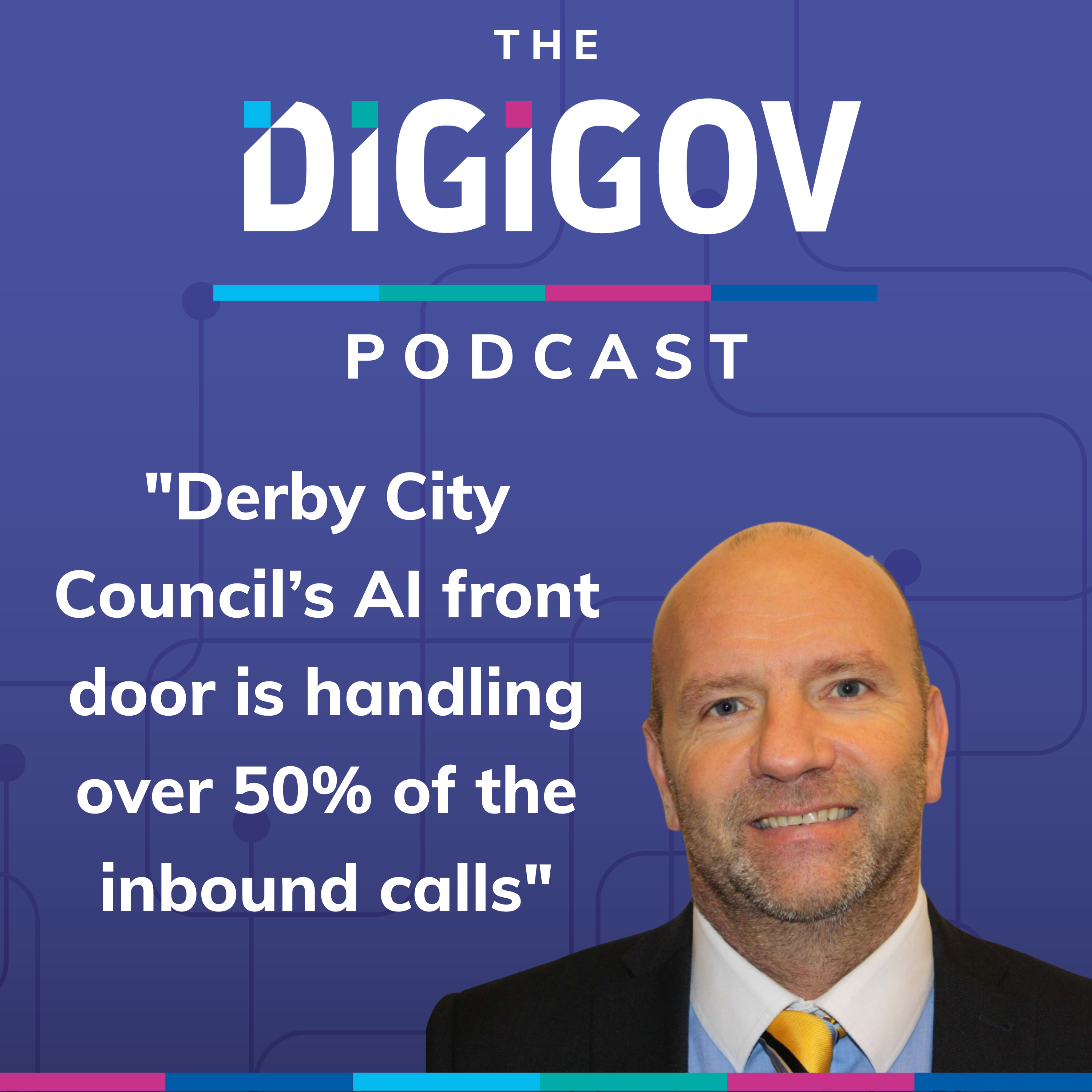
    Are mass redundancies actually coming to local authorities, or is AI simply plugging critical workforce gaps? In this episode of The DigiGov Podcast, we sit down with local government heavyweight Dwayne Johnson. With 40 years of public sector experience, including nearly two decades as a social care director and Chief Executive of Sefton Council, Dwayne brings unparalleled sincerity and transparency to the tech debate. Now a Director at ICS.ai, he works across the UK to help councils transition from legacy structures to future-proof operations. We dive deep into true local government transformation, exploring: The AI Front Door in Action: How Derby City Council utilised generative and agentic AI to handle over 50% of inbound calls, cutting waiting times in half. The Four Characteristics Matrix: Dwayne's structured framework for councils navigating integration; evaluating interoperability, data metrics, cybersecurity, and citizen reassurance. Breaking Data Silos Safely: How to unify information across housing, benefits, and adult social care for immediate time-to-value. Robotics on the Horizon: Why we are only 12 to 18 months away from deploying helpful robotics in care homes and public buildings to augment human care assistants. Dwayne challenges council leaders to evaluate three variables before launching an AI journey: their financial context, their human resources strategy, and their leadership's appetite for change. Subscribe to The DigiGov Podcast for more real world insights into the future of digital government. Keep up with Dwayne's work at ics.ai.
  • #8
    May 29 · 40 min

    #8 Jamie Bykov-Brett: The Human Factor in AI Deployment

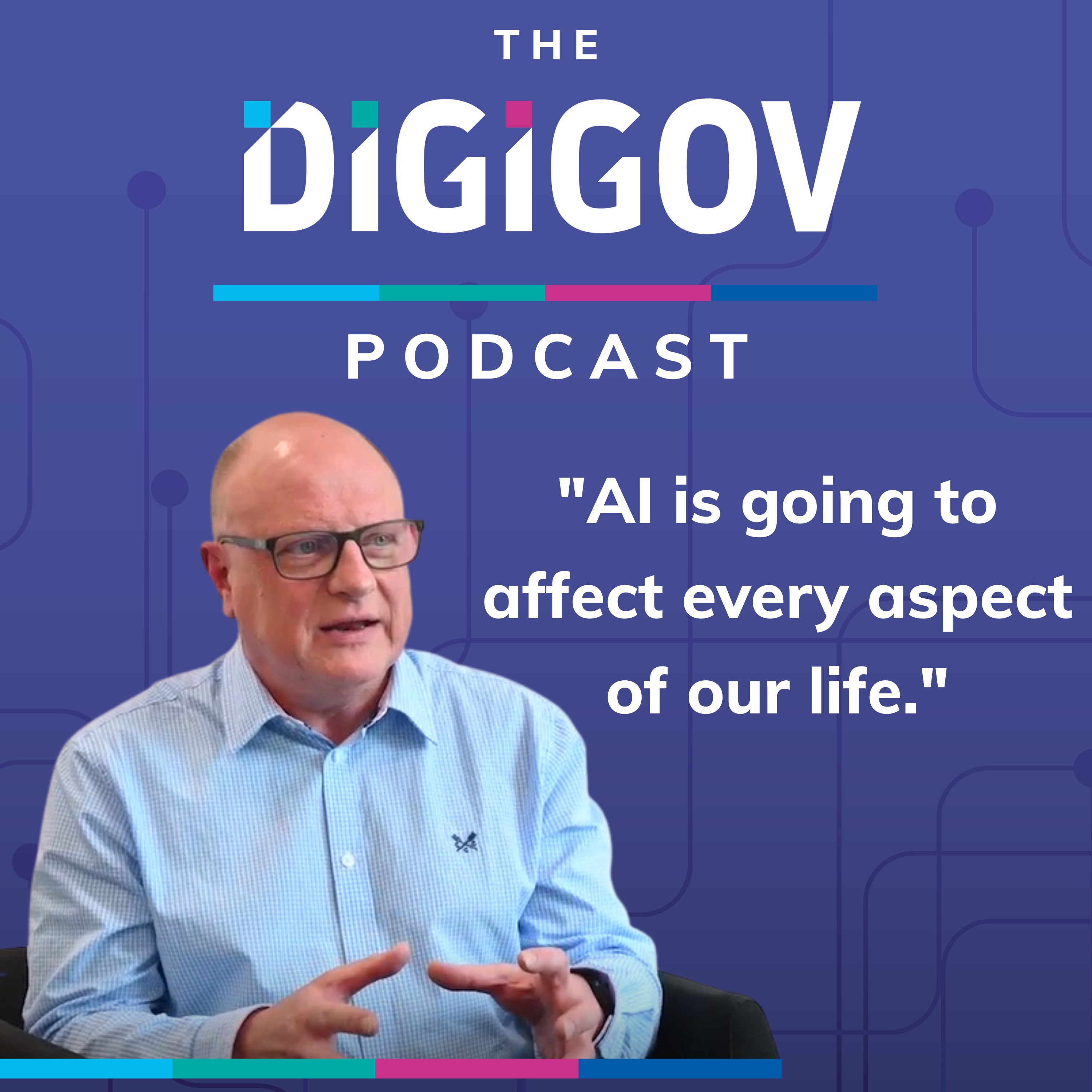
    Is your organisation focusing too much on the shiny new AI tools and completely ignoring the human beings using them? In this episode of The DigiGov Podcast, we sit down with AI transformation strategist and TEDx speaker Jamie Bykov-Brett. Jamie challenges the tech-first narrative of the digital revolution, arguing that real public sector innovation isn't about software licenses, it's about rewiring organisational habits. We explore how to move teams past a simple AI login to true workspace integration by prioritising human-centric soft skills like creativity, collaboration, and critical thinking. We dive deep into: The Accountability Boundary: Why machines can automate tasks but can never be held responsible for management decisions. The Entry-Level Bottleneck: How AI is flattening traditional intern and entry-level career progression pathways. Sovereign Systems vs. Shadow AI: Why the UK public sector must pivot to open-source infrastructure to combat citizen distrust and security flaws. Agile Governance: How leaders can honor legacy systems while designing workflows built for algorithmic updates. Subscribe to The DigiGov Podcast to stay ahead of the curve on digital government transformation. Find Jamie's free automation guides and frameworks at bykovbrett.net.

  • #7
    Nov 13, 2025 · 25 min

    #7 Richard Burgess-Kelly: The Fight Against AI Bias in Public Sector Recruitment

    How do you implement AI without falling victim to bias, security risks, or compliance failure? In this episode, we speak with Richard Burgess-Kelly, Director of Resourcing Growth at Sopra Steria, about the rapid shift from "what if" to "how do we do" concerning AI in government. Richard, who works closely on sensitive programs, details the immediate challenges faced by the public sector: GDPR compliance, securing data against foreign influence, and ensuring transparency and trust. Are you focusing on authenticity when you hire? Subscribe to The DigiGov Podcast for more candid conversations on balancing innovation, security, and ethics in the digital age.

  • #6
    Nov 6, 2025 · 17 min

    #6 Peter Mattravers: The Data That Runs Government

    Why does transformation stall, and how can government truly become productive? In this episode, we speak with Peter Mattravers, Head of Public Sector at Celonis, about using Process Intelligence to address major government priorities, from economic growth to elective recovery. Peter explains that Celonis helps organisations understand how the work actually flows, uncovering inefficiencies that conventional systems miss. Subscribe to The DigiGov Podcast for more insights on public sector productivity.

  • #5
    Oct 30, 2025 · 19 min

    #5 Gus Hodson: Cybersecurity, AI, and the Connectivity Cloud

    What connects a career in the military to leading public sector sales at a global tech giant? In this episode, we speak with Gus Hodson, Head of Public Sector Sales at CloudFlare, about his mission-driven career and the enormous challenges facing government digital services. Gus breaks down the public sector's digital transformation journey into three distinct stages, noting that most organisations are now in the complex "middle stage" of making cloud infrastructure efficient and secure. Want to see the internet's threats and traffic in real-time? Check out the free tool CloudFlare Radar mentioned by Gus. Subscribe to The DigiGov Podcast for more insights into securing and modernising public sector services.

  • #4
    Oct 23, 2025 · 21 min

    #4 Simon Sharp: Verto's Blueprint for AI-Powered Public Sector PPM

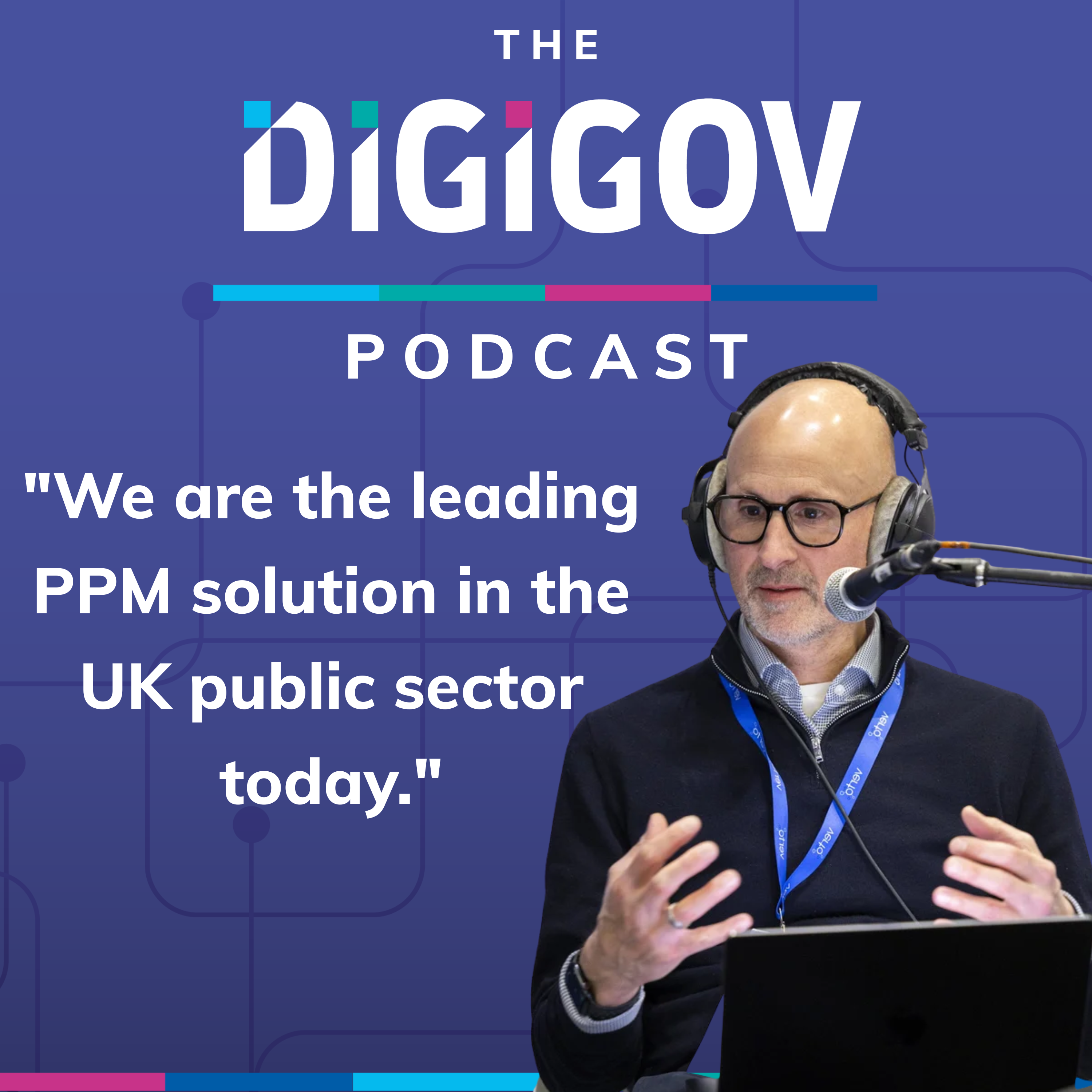
    Is your PMO team spending too much time wading through spreadsheets and manual reporting? In this exclusive conversation, we sit down with Simon Sharp, CEO of Verto, the leading Portfolio, Programme, and Project Management (PPM) solution in the UK public sector. Simon discusses his journey as a buy-in CEO, Verto’s aggressive growth phase backed by Scaleup Capital, and their unwavering commitment to customer-centricity. Subscribe to The DigiGov Podcast to hear more about the technology and people driving government transformation.

  • #3
    Oct 16, 2025 · 18 min

    #3 Graham Ashworth: Your Archive is an AI Asset, Not a Liability

    Is your organisation's archived data a ticking security risk or a strategic goldmine? Most government bodies treat their old information as an expensive liability, but they are missing a massive opportunity. In this episode of The DigiGov Podcast, we welcome Graham Ashworth, Managing Director of Archive360, who explains how modern information management is redefining data storage. Graham details the shift from costly, siloed legacy archives to a cloud-native platform that is both secure and searchable. Ready to stop seeing your archived data as a problem and start treating it as a strategic asset? Subscribe to The DigiGov Podcast for more conversations on building a modern digital government.

  • #2
    Oct 9, 2025 · 19 min

    #2 Peter Hanney: The 5 R's of Legacy Tech & the Rise of AI

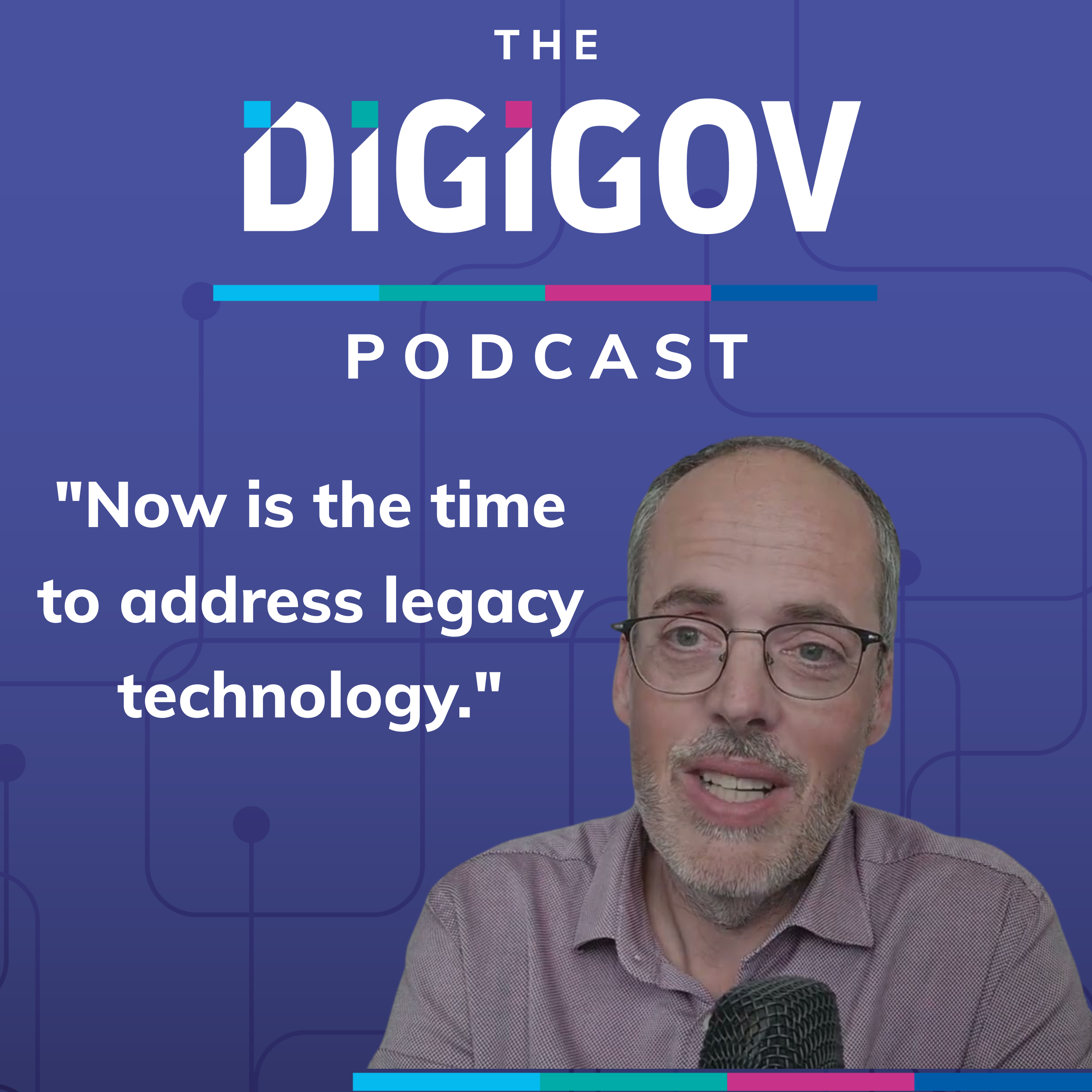
    In this episode of The DigiGov Podcast, we sit down with Peter Hanney, CEO of Through Technology, to tackle one of the biggest challenges facing the public sector: legacy technology. Peter explains why these outdated systems are more than just a security risk—they're the single biggest barrier to innovation and the effective use of AI. We explore the "five Rs" of legacy transformation and learn how Through Technology is helping government organizations not just move their data, but truly unlock its value. Subscribe to the DigiGov Podcast so you don't miss our next episode!

  • #1
    Oct 2, 2025 · 23 min

    #1 Richard South: Unlocking Regulation with TSO

    Ever wonder why government regulations are so complex? What if they didn't have to be? In this premiere episode of The DigiGov Podcast, we sit down with Richard South, the CEO of TSO, to explore a massive idea: transforming regulatory information from static documents into dynamic data. Richard explains how this shift is critical for business growth and reveals how AI is fundamentally changing the way we access information. We also discuss TSO's role in this digital transformation and why in-person events like DigiGov remain vital. Subscribe to The DigiGov Podcast on your favorite podcast platform so you don't miss our next episode.

Showing 1–15 of 15 episodes