Skip to content
Artwork for The Classical Mind
ArtsBooksSociety & CulturePhilosophy

The Classical Mind

Junius Johnson & Wesley Walker

Conversations on the Great Books. New episodes on the first Tuesday of every month.

www.theclassicalmind.com
Play
  • 23 episodes
  • fortnightly
  • Avg 1 hr 3 min
  • English
Counted on this page — what you have heard stays on this device, so it is not something the list can be paged by.
  • Oct 28, 2025 · 1 hr 10 min

    The Proslogion by St. Anselm

    In this episode, Father Wesley and Dr. Junius dive deep into St. Anselm’s Proslogion, the short yet monumental work that introduced one of the most enduring and debated arguments in the history of philosophy and theology: the ontological argument for God’s existence. The hosts explore Anselm’s background as monk, abbot, and Archbishop of Canterbury, highlighting his tumultuous life amid royal and papal conflict, his intellectual lineage from Augustine and Boethius, and his place at the dawn of scholasticism. They also reflect on how his prayerful approach to theology—fides quaerens intellectum (“faith seeking understanding”)—blurs the line between philosophical proof and devotional meditation. Endnotes * Junius: The Prayers and Meditations of St. Anselm * Wesley: * “A Gift Exceeding Every Debt” by David Bentley Hart * “Anselmian Apocatastasis: The Fitting Necessity of Universal Salvation in St Anselm’s Cur Deus Homo” by Roberto J. De La Noval This is a public episode. If you'd like to discuss this with other subscribers or get access to bonus episodes, visit www.theclassicalmind.com/subscribe

  • Oct 14, 2025 · 1 hr 5 min

    The Taming of the Shrew

    In this episode of The Classical Mind, we take on Shakespeare’s most provocative comedy, The Taming of the Shrew. Junius and Wesley dig into the play’s strange structure—from the unclosed frame of Christopher Sly to the unsettling symmetry between performance and identity. What does it mean that the “prologue” is itself a play? And how does that affect the way we read Katherina’s transformation—or her apparent submission? Along the way, we explore the tension between romantic idealism and pragmatic marriage, trace the medieval roots of love as both commerce and devotion, and consider how Shakespeare’s comedy holds the contradictions of his culture up to the mirror. We talk about mimesis, medieval “speculum” thinking, and why comedy works best when it exposes absurdity rather than preaches morality. The result is part literary diagnosis, part philosophical reflection: a conversation about performance, freedom, and what it means to find truth in the masks we wear. Endnotes This is a public episode. If you'd like to discuss this with other subscribers or get access to bonus episodes, visit www.theclassicalmind.com/subscribe

  • Aug 27, 2025 · 1 hr 21 min

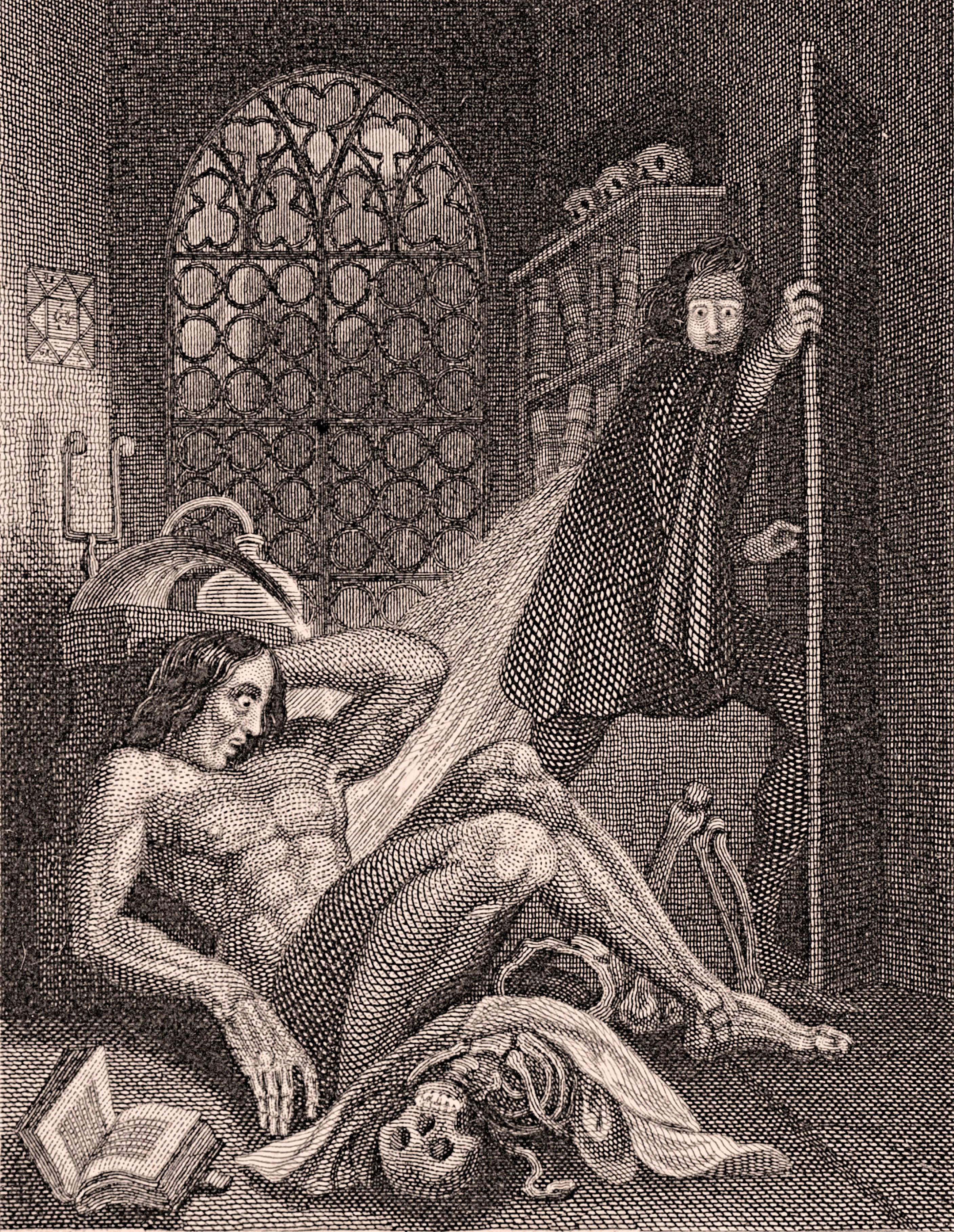
    Frankenstein by Mary Shelley

    Let’s go back to the 19th century and talk about one of the scariest novels we’ve ever read on the Classical Mind (but maybe not for the reasons you might think) with Mary Shelley’s Frankenstein. On this episode, Junius and Wesley discuss the different editions of this book before getting into some of its underlying philosophy like the responsibilities a creator has to their creatures and vice-versa, romanticism’s critique of scientism, and the moral deterioration that results from sin. Join us as we dive deeply into the text and make some fun connections with other books we’ve read or will read in the Classical Mind program (we’re looking at you J.R.R. Tolkien). Endnotes: * Junius: The Bicentennial Man by Isaac Asimov * Wesley * “Show Me How to Live” by Audioslave * Grendel by John Gardner This is a public episode. If you'd like to discuss this with other subscribers or get access to bonus episodes, visit www.theclassicalmind.com/subscribe

Showing 21–23 of 23 episodes