What is Sencha Tea? | Why Japan’s Most Popular Green Tea Tastes So Different
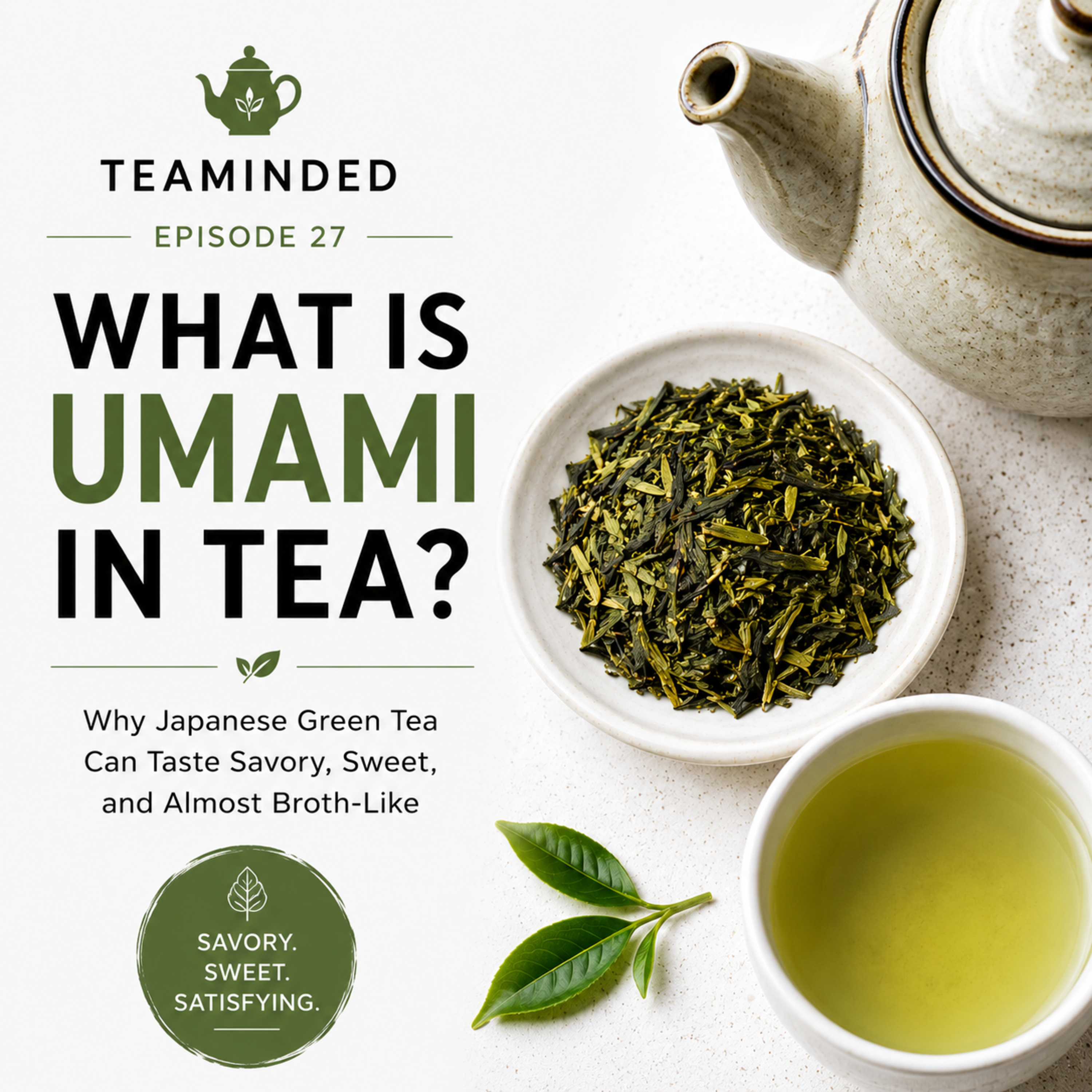
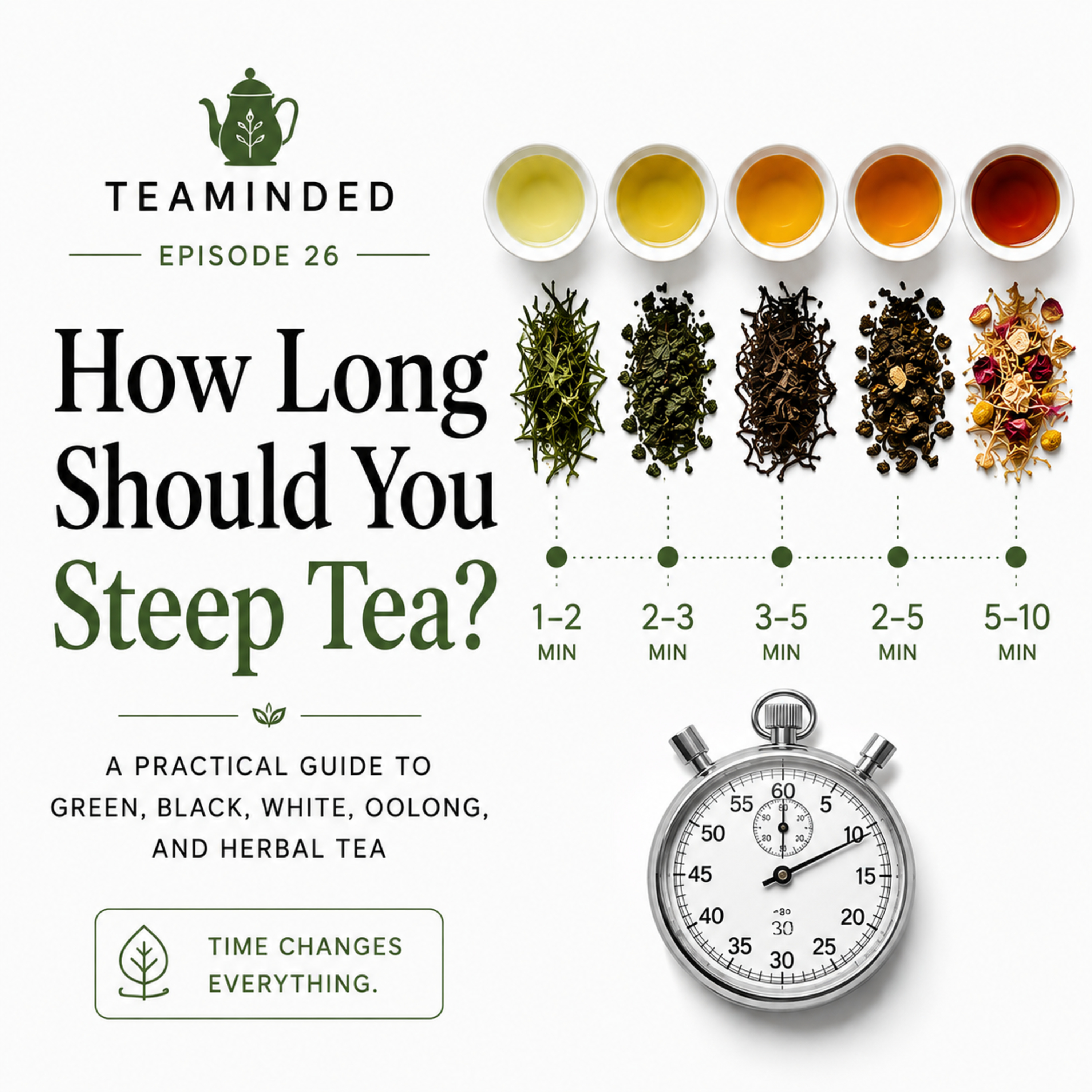
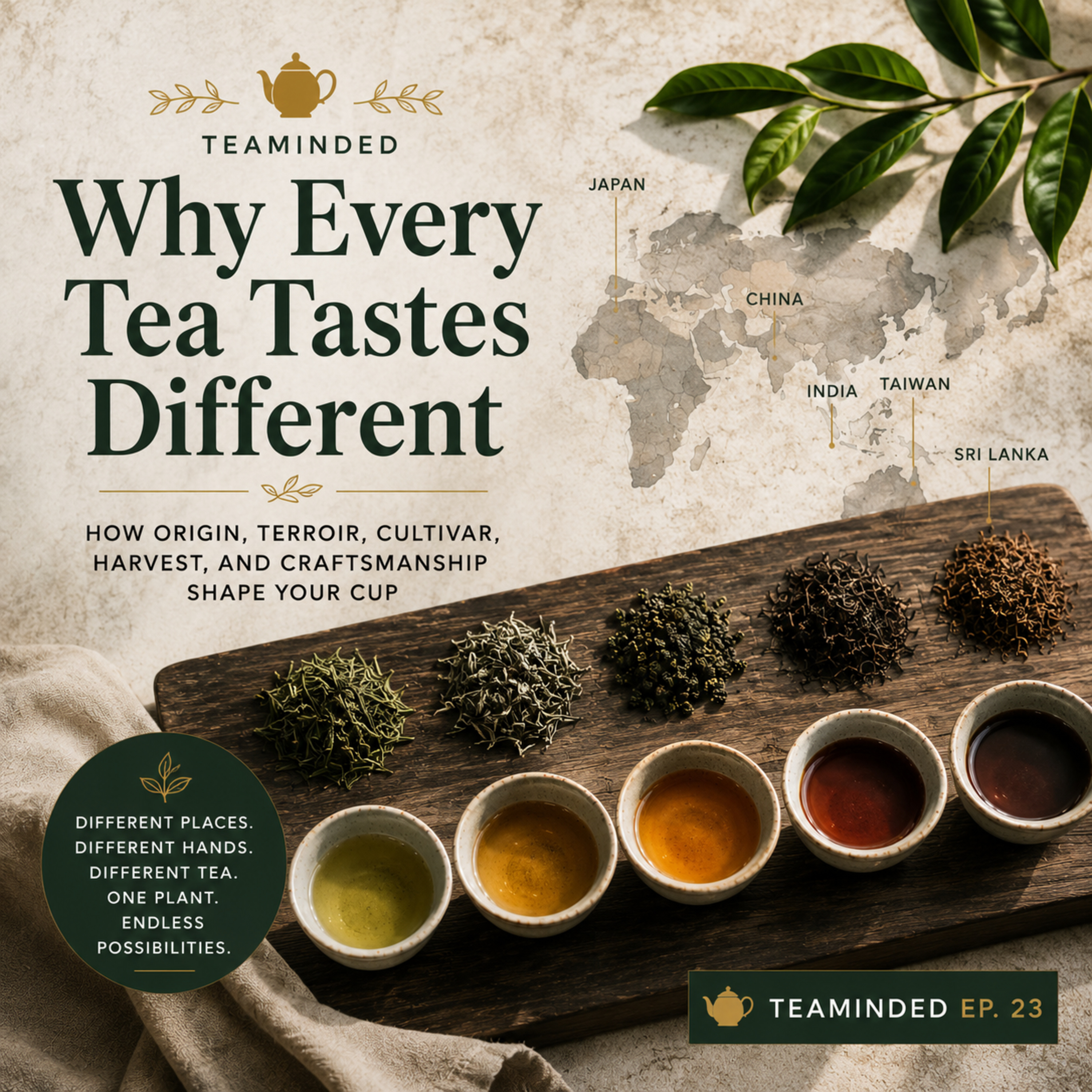
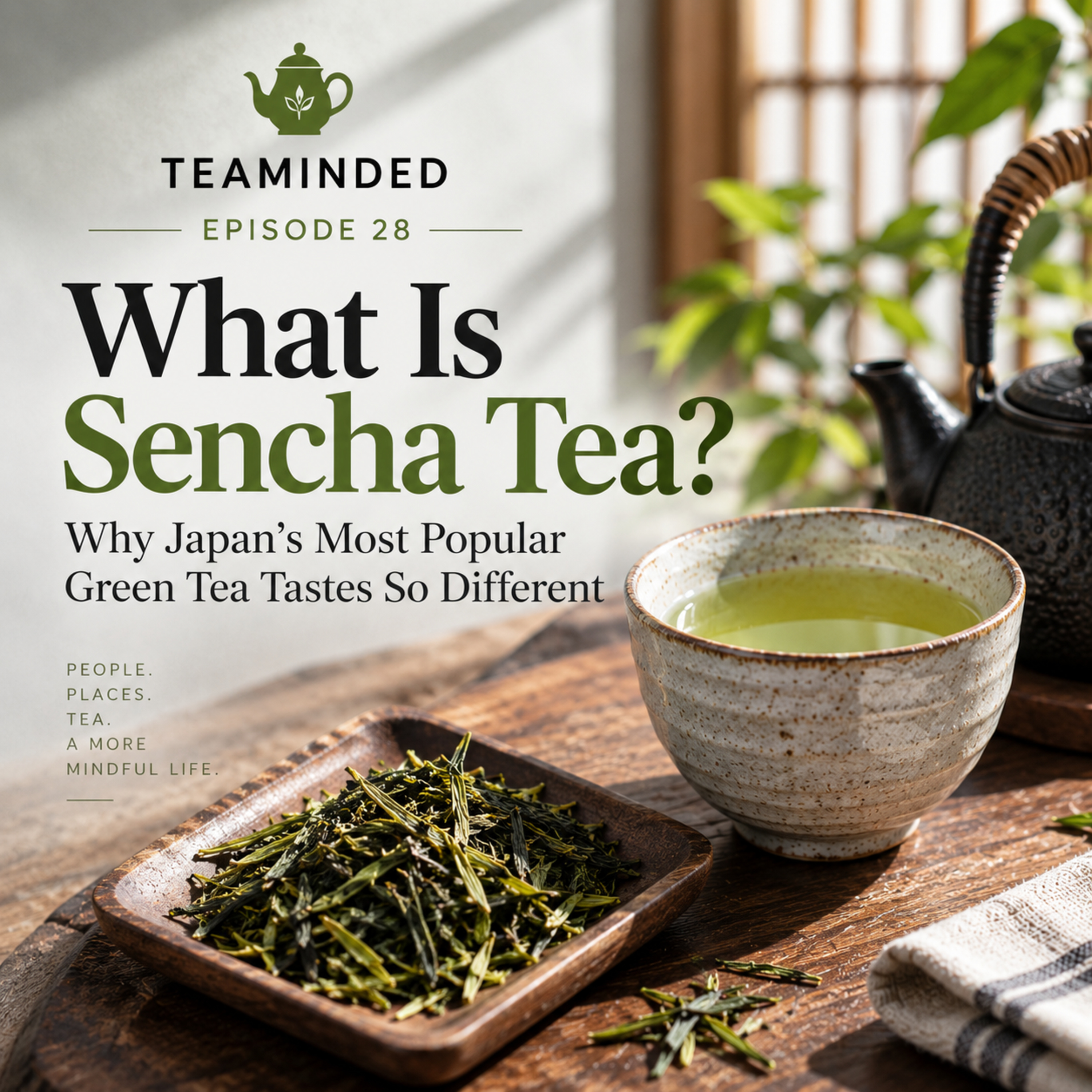
What exactly is sencha tea, and why does it taste so different from other green teas? Sencha is one of the defining styles of Japanese green tea, known for flavors that can be fresh, grassy, vegetal, sweet, slightly bitter, and even savory with hints of umami. But behind that seemingly simple cup is an extraordinary combination of origin, cultivar, harvest, steaming, craftsmanship, and brewing. In Episode 28 of TeaMinded, we explore what makes sencha unique and why it's such a fascinating introduction to the world of Japanese tea. In this episode: • What sencha tea actually is• Why Japanese green tea is steamed• How steaming changes the flavor of tea• Where sencha is grown in Japan• Why cultivars such as Yabukita, Saemidori, and Okumidori matter• What shincha and the first spring harvest mean• The difference between asamushi and fukamushi sencha• How sencha develops sweetness, bitterness, astringency, and umami• Sencha vs. matcha• Sencha vs. gyokuro• The best water temperature for brewing sencha• Why boiling water can make green tea taste overly bitter• How to steep sencha multiple times• A simple way to compare two senchas side by side Sencha is accessible enough to become an everyday tea, yet complex enough to spend years exploring. Start with a good sencha. Use cooler water. Pay attention to the aroma, texture, sweetness, vegetal character, and umami. You may discover that “Japanese green tea” isn't one flavor at all. TeaMinded explores loose leaf tea, Japanese tea, tea culture, craftsmanship, brewing, ritual, mindfulness, and intentional living through the lens of tea. Put the kettle on, brew something green, and stay TeaMinded. #TeaMinded #Sencha #JapaneseTea #GreenTea #LooseLeafTea #TeaPodcast #TeaEducation #Umami