Skip to content
Artwork for Talking Policy

Talking Policy

UC Institute on Global Conflict and Cooperation

The UC Institute on Global Conflict and Cooperation (IGCC) is a multi-campus research unit in the University of California system that addresses global challenges to peace and prosperity through rigorous, policy-relevant research, training, and engagement. Talking Policy is hosted by Lindsay Shingler, Associate Director at IGCC.

Play
  • 20 episodes
  • Avg 34 min
  • English
  • September 8 · 31 min

    A Sea of Uncertainty: Reflections from the Northeast Asia Cooperation Dialogue

    In July, IGCC hosted the 36th Northeast Asia Cooperation Dialogue (NEACD) in Seoul, South Korea. Founded in 1993 to reduce the risk of conflict in Northeast Asia and beyond, the convening brought together scholars and current and former officials from China, Japan, South Korea, Russia, and the United States. What are the forces reshaping Northeast Asia’s security landscape—and how do they look from Beijing, Tokyo, Seoul, Moscow, and Washington? In this special episode of Talking Policy, host Lindsay Shingler sits down with an expert from each of the five countries represented at NEACD to explore the questions that animated this year’s discussions and what they reveal about the region’s changing geopolitical order. These interviews were recorded over the course of July 23-24, 2026, with additional recording on August 6, 2026. The episode has been edited for length and clarity.


  • July 20 · 27 min

    Africa in the Shifting Global Order

    In a moment when discussions about the shifting global order are crowded by the conflicts in Ukraine and the Persian Gulf; the rise of China; and the repositioning of the United States and Europe—the role of Africa in the international system is often overlooked. On this episode of Talking Policy, Stephan Haggard, IGCC research director and senior editor of Current History, speaks with Folashadé Soulé, a contributing author to the July 2026 issue of the UC Press journal that is now under the editorial management of IGCC. Soulé shows how African states have used diplomacy, regional organizations, and international law to advance sovereignty, challenge global power imbalances, and expand Africa’s influence on the global stage. This episode was recorded on July 7, 2026. The conversation has been edited for length and clarity.

  • June 17 · 36 min

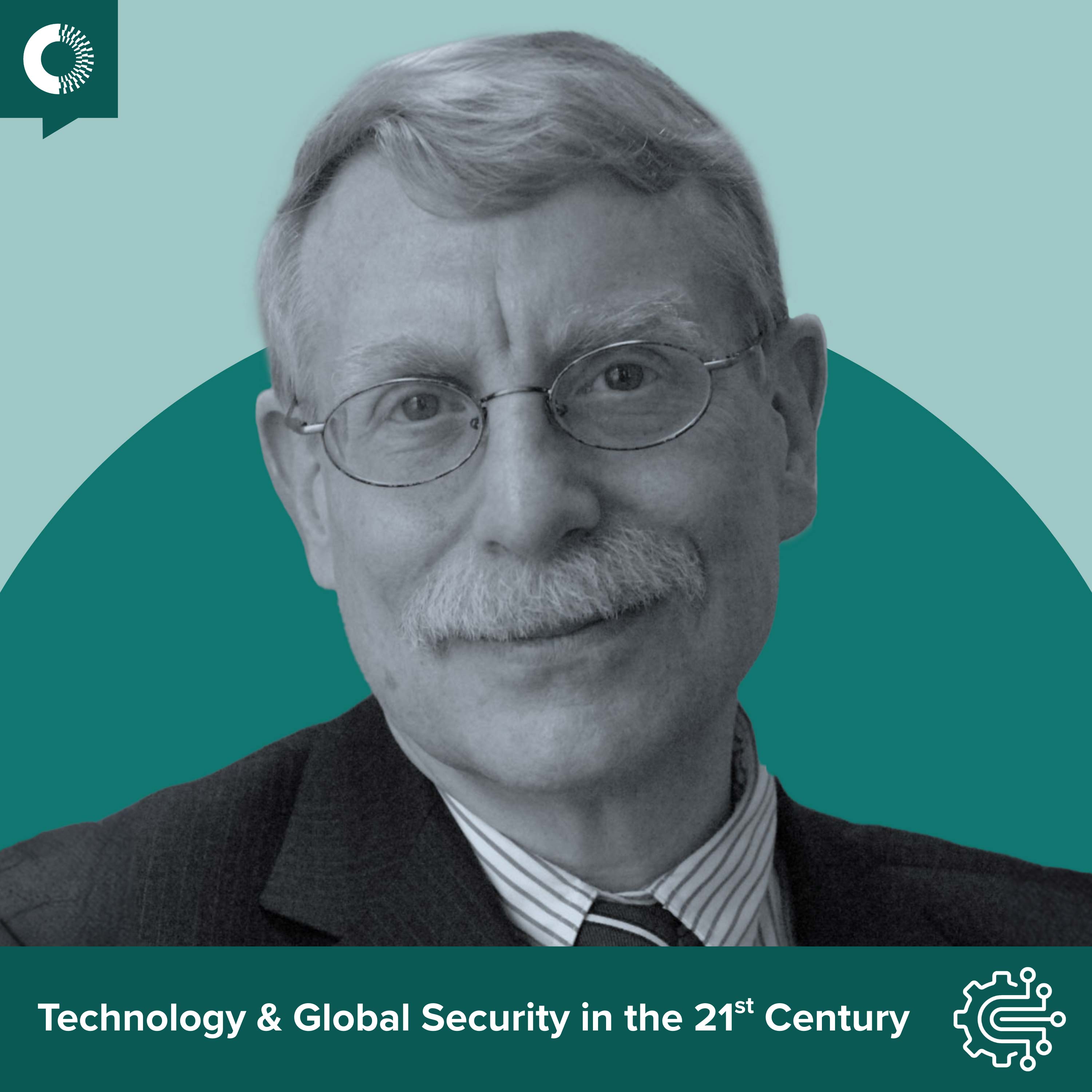
    Nuclear Security in the 21st Century

    The global landscape has changed drastically since the development of the first nuclear weapons—from the rise of new great powers, to the rapid innovation and expansion of new technologies. On this episode of Talking Policy, host Lindsay Shingler is joined by Thom Mason, the director of the Los Alamos National Laboratory. Together, they discuss the shifting world order, the future of nuclear deterrence, and the new generation of nuclear security specialists. This episode was recorded on May 14, 2026. The conversation has been edited for length and clarity.

  • March 6 · 29 min

    What Does the Future of Arms Control Hold?

    On February 5, 2026, New START, the last remaining bilateral strategic nuclear arms control agreement between the United States and Russia, officially expired, ending decades of cooperation between the two countries that aimed to make the world safer. On this episode of Talking Policy, host Lindsay Shingler sits down with Mike Albertson, a former federal employee who had a seat at the table during New START negotiations. Together, they discuss exactly what is lost following the treaty's formal expiration, the period of nuclear arms control erosion that led us here, and the prospects for future arms control agreements in a post-New START world, which now includes China as a major player. This episode was recorded on February 20, 2026. The conversation has been edited for length and clarity.
  • February 17 · 29 min

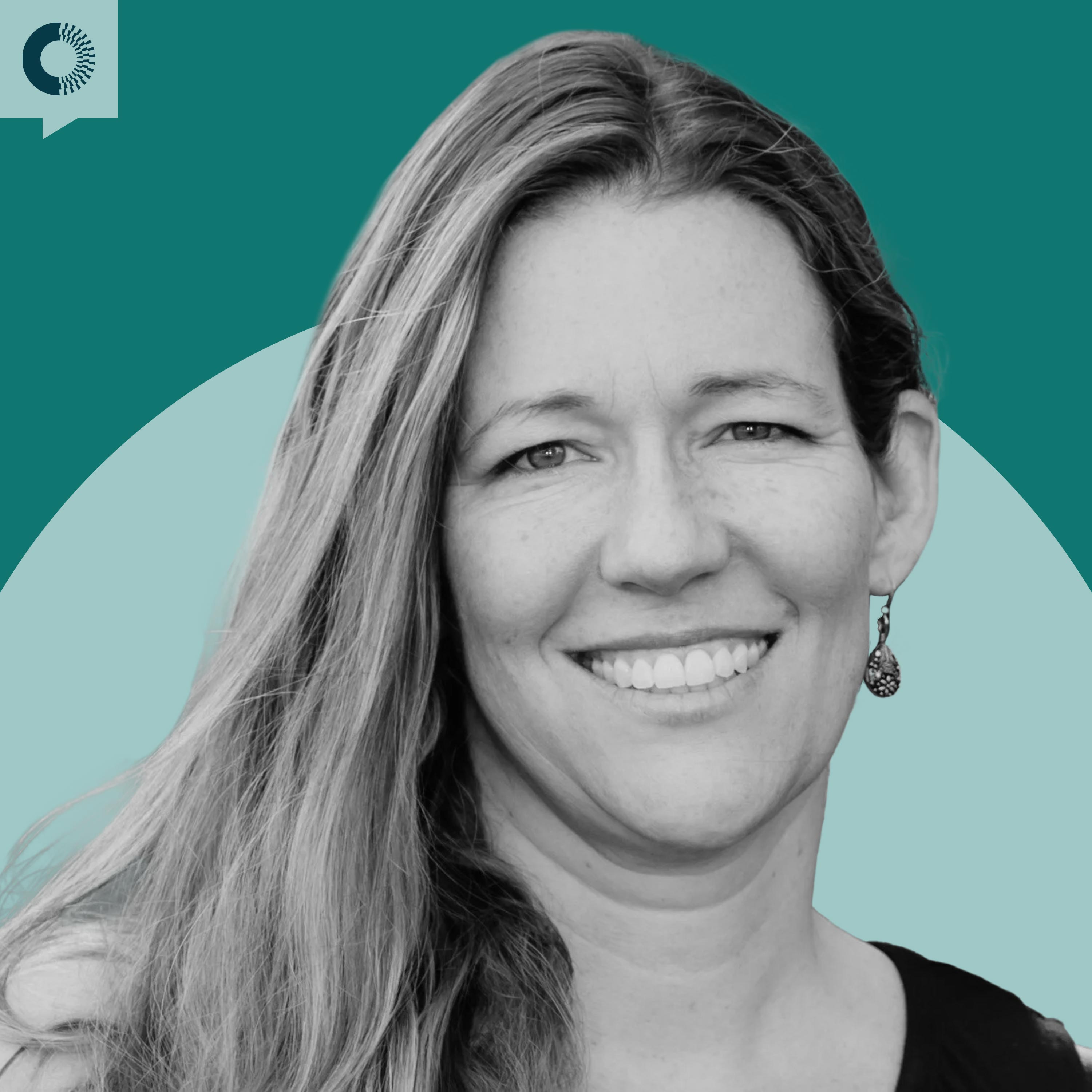
    When Rebels Win: Power and Violence in Post-Conflict Societies

    Since 1945, nearly a quarter of civil wars have ended in victory for rebel groups. The stories of how these groups function and fare after their succession of power, however, are complex and varied. In this episode of Talking Policy, host Lindsay Shingler sits down with political scientist Kai Thaler of UC Santa Barbara to discuss his new book, When Rebels Win: Ideology, Statebuilding, and Power After Civil Wars. Together, they explore why civil wars have replaced interstate wars as the most prevalent form of armed conflict since World War II, and what these types of struggles for power ultimately mean for their regions and the world when rebels are successful in their attempt to gain control of the state. This episode was recorded on January 29, 2026. The conversation has been edited for length and clarity.
  • January 21 · 47 min

    The Trump Revolution—One Year Later

    In January 2025, Talking Policy convened a group of five experts to consider what Donald Trump’s return to power in the United States might mean for America and for the world. In this episode, Talking Policy host Lindsay Shingler sits down for five more conversations to make sense of America’s evolving approach under the Trump administration to the global economy, China, security, the environment, and the rule of law. Interviews were recorded over the course of January 6–8, 2026. The views expressed are those of the individuals and do not necessarily represent the views of their institutions or funders.

  • Nov 3, 2025 · 31 min

    American Party Politics and the Crisis of Representation

    The United States, like few other advanced democracies, has a deeply entrenched two-party system. In recent years, as the two parties have drifted further and further apart, gridlock has intensified in Washington, with the divide punctuated by the most recent federal government shutdown. In this episode of Talking Policy, host Lindsay Shingler is joined by Georgia Kernell, an associate professor at UC Los Angeles, who offers a comparative look at how the U.S. political system operates, how its design solidifies the duopoly of the Democratic and Republican Parties, and how it differs from other systems. Kernell also discusses how the internal machinations of the two parties impact political participation and policy positions, as well as how outsiders have challenged party establishments. This episode was recorded on October 15, 2025. The conversation was edited for length and clarity.

  • Oct 6, 2025 · 33 min

    Will China Be the Next Global Security Leader?

    Since the end of the Cold War, the United States has maintained sole superpower status by underwriting the international security order. But in recent years, the United States has begun to question whether the costs of providing international security outweigh the benefits it receives. At the same time, China has unveiled its own global security initiatives, possibly stepping in to fill in the gap left by a retreating United States. In this episode of Talking Policy, host Lindsay Shingler is joined by Sheena (Chestnut) Greitens, associate professor at the LBJ School of Public Affairs at the University of Texas at Austin, about China’s global aims and whether the country might challenge the United States as global security superpower. Greitens explores whether we are moving from a U.S.-led global order to a Chinese one—or are instead heading toward a more fragmented, leaderless world. This episode was recorded on September 15, 2025. The conversation was edited for length and clarity.

  • Sep 16, 2025 · 37 min

    A Philosopher's Take on Truth and Misinformation

    Misinformation is impacting society at all levels, from politics to health. But what makes us believe untrue things? And why is misinformation on the rise today? In this episode of Talking Policy, host Lindsay Shingler is joined by Cailin O'Connor, a Chancellor’s Professor in the Department of Logic and Philosophy of Science at UC Irvine, and author of The Misinformation Age: How False Beliefs Spread with James Weatherall. Together, they discuss how false beliefs originate, how technology contributes to their spread, and how misinformation can be combated. This episode was recorded on August 27, 2025. The conversation was edited for length and clarity.

  • Aug 18, 2025 · 34 min

    How National Labs Drive U.S. Scientific Leadership

    The U.S. National Laboratory system, an extension of the federal Department of Energy, has been directly involved in some of the most important science and technology breakthroughs of the modern era. Every day, their experts are directly involved in the research needed to sustain U.S. economic growth and keep the nation’s scientific enterprise ahead of its adversaries. In this fourth and final episode of Talking Policy’s Technology and Global Security in the 21st Century miniseries, guest host Nicolas Wittstock speaks with Dr. Patricia Falcone, the deputy director for science and technology at Lawrence Livermore National Laboratory. Together, they discuss the history and purpose of the national labs, and the critical role they play in American innovation and global leadership. This episode was recorded on July 17, 2025. The conversation has been edited for length and clarity.

  • Jun 20, 2025 · 38 min

    Will America Ride the Next Wave of Innovation and Growth?

    Waves of economic growth are often fueled by the development and diffusion of new general-purpose technologies. But other factors—industrial and corporate organization, legal frameworks, and, of course, geopolitics—can determine whether countries take full advantage of growth waves. At the same time, growth waves often reshape these factors, including the relative power of countries. In the third episode of Talking Policy’s Technology and Global Security in the 21st Century miniseries, guest host Nicolas Wittstock speaks with Mark Schwartz, professor emeritus at the University of Virginia, about whether current global conditions are right to catalyze a new tech-fueled growth wave, as new technologies like artificial intelligence and clean energy take root and great powers like China and the United States compete to set the global standards of the industries. This episode was recorded on May 30, 2025. The conversation was edited for length and clarity.

  • Jun 9, 2025 · 38 min

    Sad Citizens: Democratic Engagement in Turbulent Times

    Should we engage in politics even if it makes us despair? Can we fully participate in democracy if reading the news is depressing? In the latest on Talking Policy, host Lindsay Shingler sits down with political scientist Christopher Ojeda of UC Merced to discuss his new book, The Sad Citizen: How Politics Is Depressing and Why It Matters. Together, they explore why politics has such a big impact on how we feel, our personal relationships, and even our behavior. They explore “suppression by depression” as a political strategy, and answer the question: “What do we do when what's good for democracy is bad for our mental wellbeing?” This episode was recorded on April 23, 2025. The conversation has been edited for length and clarity.

  • May 21, 2025 · 39 min

    The India-Pakistan Crisis Reveals Shifting Geopolitical Realities

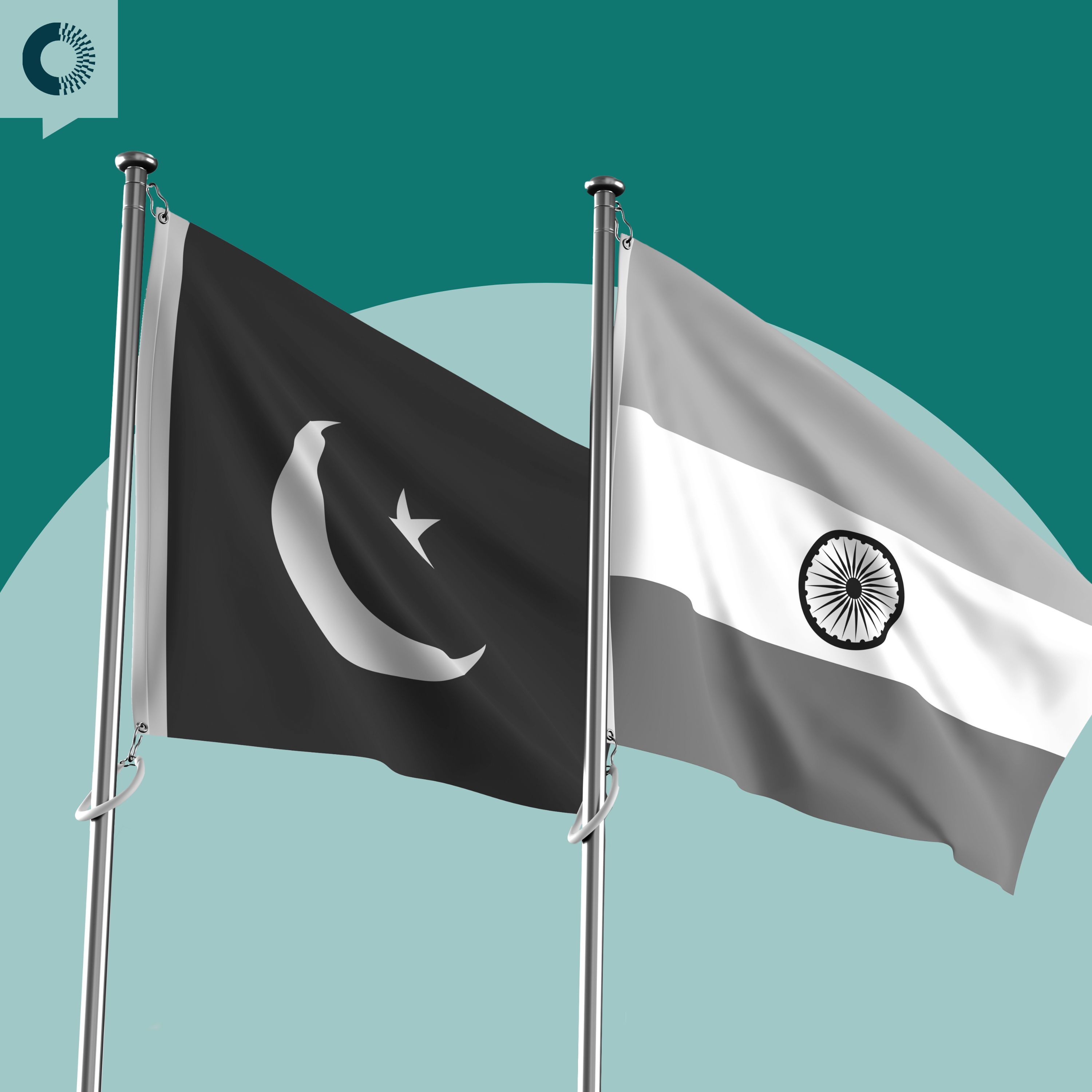
    On April 22, a terror attack in disputed Kashmir ignited the most serious fighting between India and Pakistan in more than 50 years, raising serious concerns over the potential for escalation between the two nuclear-armed rivals. Despite a U.S.-brokered ceasefire announced on May 10, the situation remains tense, as domestic political pressures and a changing regional landscape contribute to growing risks along one of the world’s most dangerous geopolitical flashpoints. In this episode of Talking Policy, Amit Ahuja, an associate professor at UC Santa Barbara, and Josh White, a professor of practice at Johns Hopkins School of Advanced International Studies, speak with host Lindsay Shingler to help unpack what is at stake and what might happen next. This interview was conducted on May 14, 2025. The conversation has been edited for length and clarity.
  • May 12, 2025 · 31 min

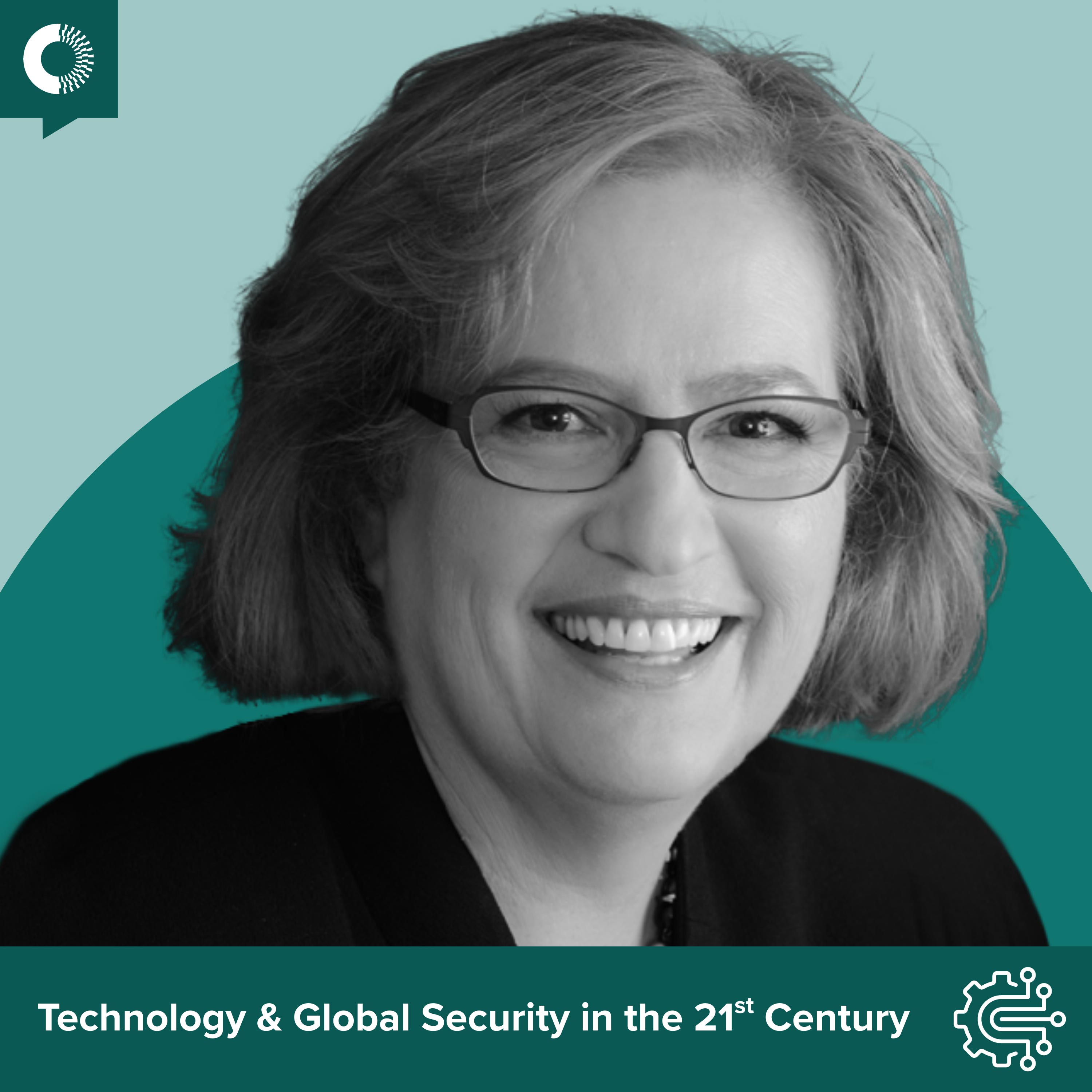
    Cleaning Up the Global Energy System

    The world needs energy—and lots of it—to raise living standards and unlock economic growth. Clean technologies, which can provide power with minimal contribution to climate change, are taking hold around the world, and the United States, China, and the European Union are vying for global leadership in deploying them at scale. But economic and political changes have introduced uncertainty about the future of clean energy. In the second episode of Talking Policy’s Technology and Global Security in the 21st Century miniseries, guest host Nicolas Wittstock speaks with David Hart, a senior fellow in climate and energy at the Council of Foreign Relations, about why clean energy technologies are important not only to combat climate change, but to ensure future economic growth and energy security. This episode was recorded on March 24, 2025. The conversation was edited for length and clarity.

  • Apr 28, 2025 · 33 min

    America First vs. a Community of Shared Future: The U.S.-China Competition for Hearts and Minds

    Tensions between the United States and China are intensifying, with a trade war being the latest sign of friction following President Trump’s imposition of tariffs, which were themselves followed by Chinese retaliatory levies and export restrictions. But Trump’s tariffs have hit America’s partners as well as its adversaries, and they come alongside an historic retreat from global leadership, as the new administration withdraws from treaties, distances itself from alliances, and backs away from longtime commitments to leadership in development and humanitarian assistance. In this episode of Talking Policy, host Lindsay Shingler is joined by Rachel Hulvey, a postdoctoral fellow at the Columbia-Harvard China and the World Program and the Harvard Belfer International Security Program, who studies China's rise and influence on the international order. Together, they discuss how China is taking advantage of the Trump administration’s withdrawal from the global stage to position itself as a responsible global leader. This interview was conducted on April 16, 2025 and has been edited for length and clarity.

  • Apr 16, 2025 · 33 min

    The American Innovation System’s Storied History and Uncertain Future

    American technological advances have fueled economic growth and created life-saving technologies—and the U.S. government has been a key catalyst of these giant success stories. But its role is under-appreciated and changing, with potential implications for the future of American leadership in science, technology, and innovation. In the first episode of Talking Policy’s new miniseries on Technology and Global Security in the 21st Century, guest host Nicolas Wittstock, a postdoctoral fellow at IGCC, speaks with William Bonvillian, a lecturer at the Massachusetts Institute of Technology, about the U.S. government’s role in driving domestic innovation, and the challenges and potentials for American science and technology leadership in in the future. This episode was recorded on March 21, 2025. The conversation was edited for length and clarity.
  • Mar 17, 2025 · 34 min

    When Everyone Loses: Understanding Why Wars Start and How They End

    Wars are horrible and costly. They devastate economies and communities, upending lives and leaving trauma and destruction in their wake. So why do we fight them? On this episode of Talking Policy, UC San Diego distinguished professor and IGCC senior fellow David Lake shares a new theory about war that views them as less about “winning” and more as evidence of failure—an event in which everyone loses relative to agreements and compromises that might have been reached without fighting. In an era of growing global uncertainty; protracted wars in Europe, Africa, and beyond; and the threat of new wars, this new way of thinking may provide fresh clues about how to prevent conflicts from starting in the first place.

  • Feb 24, 2025 · 29 min

    Three Years of War in Ukraine

    On February 24, 2022, the Russian army invaded Ukraine in what would become the largest attack on a European country since World War II. Last year, IGCC assembled a roundtable of experts led by guest host Jesse Driscoll, an associate professor of political science at the UC San Diego School of Global Policy and Strategy, for a conversation to mark the second anniversary of the invasion. One year on, we’ve reunited Jesse with two of the same experts to reflect on another year of war. Paul D’Anieri is a professor of political science and public policy at UC Riverside, and author of Ukraine and Russia: From Civilized Divorce to Uncivil War. Jess Peake is the director of the International Comparative Law Program at the UCLA School of Law and a recent Pulitzer Prize nominee for her article “War Crimes by Any Name” for Los Angeles Lawyer. This interview was conducted on February 3, 2025. This transcript has been edited for length and clarity.

  • Jan 20, 2025 · 36 min

    What Will the Trump Revolution Mean for the World?

    The inauguration of Donald Trump caps off an extraordinary political comeback. Trump’s brand of anti-establishment populism, once thought an anomaly, is now at the apex of U.S.—and indeed global—politics. As the “Make America Great Again” movement seeks to rewrite the political rulebook, Talking Policy host Lindsay Shingler speaks with five University of California experts to unpack what this political revolution means for the world. Tai Ming Cheung, IGCC director and UC San Diego professor, examines the implications of a hawkish approach to China for Washington’s relationship with Beijing. Caroline Freund, dean of the UC San Diego School of Global Policy and Strategy, looks ahead to what a nationalist trade policy could mean for the U.S. and global economy. IGCC postdoctoral fellow on technology and international security Nicolas Wittstock analyzes what an “energy dominance” agenda could imply for U.S. clean technology development and broader climate objectives. Rupal Mehta, chair of research and postdoctoral fellows program and senior fellow at the Center of Global Security Research at the Lawrence Livermore National Laboratory, discusses what “America First” could mean for the global security architecture and managing threats from U.S. adversaries. Finally, IGCC research director for democracy and global governance and UC San Diego distinguished research professor Stephan Haggard unpacks how Trump will manage U.S. leadership of the liberal international order amid heightened competition between democracies and autocracies. These interviews were recorded over the course of January 7th to January 17th. The views expressed are those of the individuals and do not necessarily represent the views of their institutions or funders.

  • Nov 21, 2024 · 30 min

    Book Talk: The U.S. Military's Environmental Awakening

    Over a span of thirty years, climate and the environment went from a nuisance to become a top-tier priority for U.S. military leaders. Sherri Goodman, a senior fellow at the Wilson Center, details the keys to this military environmental awakening in her new book, Threat Multiplier: Climate, Military Leadership and the Fight for Global Security. In this episode, Sherri sits down with Talking Policy host Lindsay Shingler to discuss the core themes from her book, and what she has learned over her long career as an environmental advocate and change agent within the highest ranks of American military leadership. This interview was conducted on November 4, 2024. The conversation was edited for length and clarity.

Showing 1–20 of 20 episodes